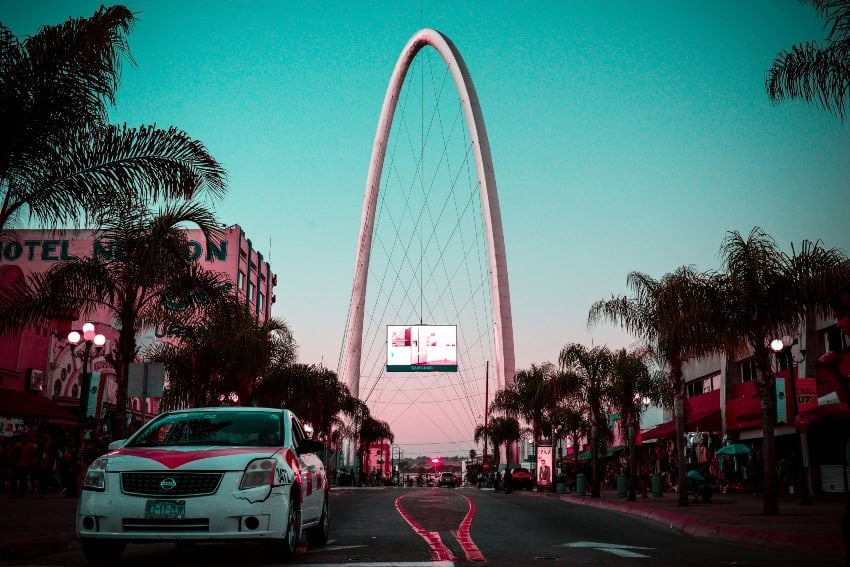
By all accounts, 2008 and 2009 were very bad years for Tijuana. Drugs, street crime, extortion and kidnapping were rampant. The long-dominant Arellano-Felix cartel, which had controlled crime in Tijuana, was challenged by the Sinaloa Cartel and the New Generation Cartel, which began fighting and killing each other. Terror gripped many parts of the city. In 2008 alone, 844 Tijuanenses had been murdered, up from 337 the year before.
The members of the business community became prime prospects for the sale of armored vehicles and hired bodyguards that protected their homes, offices and even guarded them when they went to restaurants. Tijuana’s restaurants, which had long been popular for business lunches, were still popular during the day, but few ventured out in the evening. Many families that could afford to do so bought homes across the border in San Diego and Chula Vista. Many have never returned.
Tijuana’s teenagers, adults today, remember when almost all social events — parties, dances and dates were put on hold. Some didn’t go to school at all, while others were enrolled in private academies in San Diego.
Tourism and healthcare businesses that catered to cross-border visitors were severely hurt.
Tijuana’s reputation was so bad that when Tijuanenses traveled abroad, they said they were from “Mexico” or “near San Diego.” Some civic leaders even considered changing the name of the city.
José Galicot and the revival of Tijuana
But by 2010, things began to change rapidly. How the bad times ended was and still is controversial. Mayor Jorge Ramos and his successor, newly elected Mayor Carlos Bustamente, were credited by some. Others point to the Mexican Army, which worked with civic leaders, police and state prosecutors to effect change in the police force and courts.
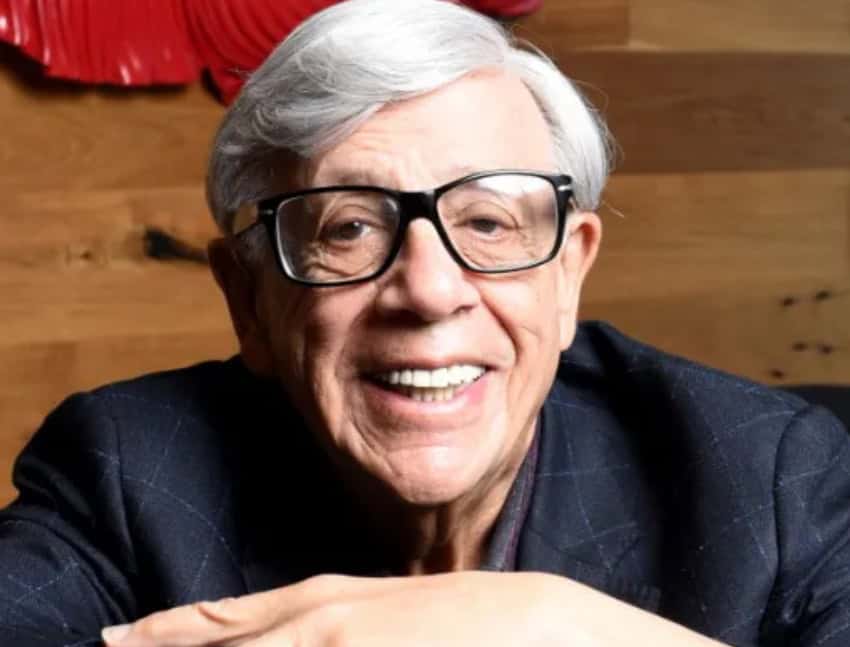
Nevertheless, the city’s reputation was ruined. Tijuana had a name in the world that was associated with crime and cartels. Locally, citizens had no pride in their hometown. Then one man, business leader José Galicot, worked to change it with one startling and high-profile event — Tijuana Innovadora.
In 2010, Tijuana Innovadora launched its efforts to earn the trust and respect of key sectors of the community, including local, state and federal government, the private sector, national and regional media, business professionals, civil society, students and residents of the community. A tall order for a city whose reputation was so severely damaged.
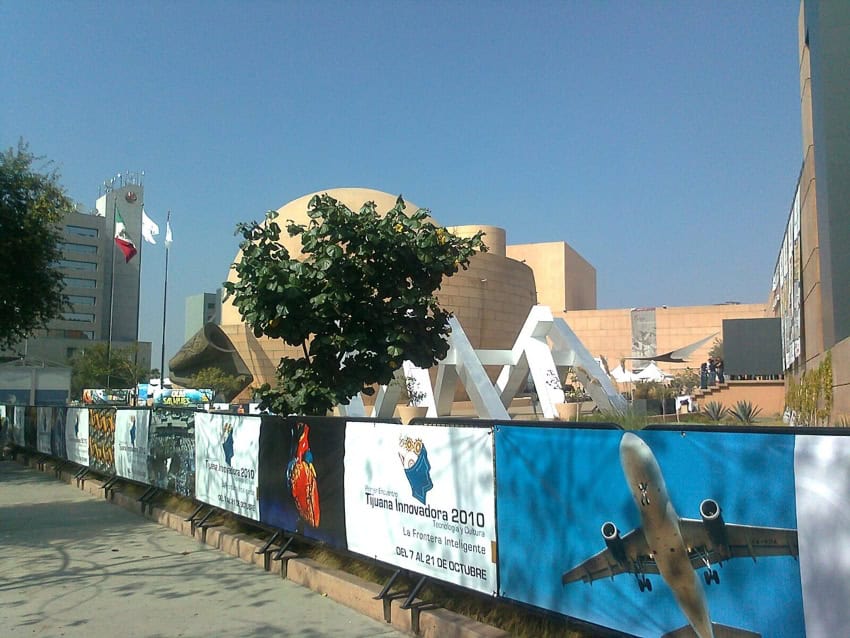
José Galicot envisioned an exhibition so positive that it could change the image of the community. First, he booked the iconic Centro Cultural Tijuana (CECUT), the only structure of the federal Secretariat of Culture in the country outside Mexico City. Then, to fund the project, he made a list of the 50 largest companies in Tijuana, hoping to get a positive response from at least 20.
The birth of Tijuana Innovadora
Instead, much to Galicot’s delight, all 50 agreed to help fund the project and to exhibit at CECUT. These included Toyota, Welch Allyn, Kyocera, Plantronics (now Poly), Medtronic, Samsung, Honeywell, Foxconn and Bose.
High-level speakers were engaged, including President Felipe Calderón, entrepreneur Carlos Slim, former U.S. Vice President Al Gore, broadcaster Larry King, Qualcomm’s CEO Paul Jacobs, Twitter co-founder Biz Stone and Tetsuo Agata, an executive of Toyota … among others. Manufacturing in North America was a theme highlighting the city’s achievements in technology, science and culture. English to Spanish translation aided in communications during all sessions.
Attendance at the conference was 750,000 during its 14-day run time. Parents from all over the city brought their children to see the exhibits of companies where they worked. This instilled in the children pride in Tijuana that had not been there previously.
Tijuana Innovadora has continued on a bi-annual basis since its 2010 inauguration. In addition, it has spawned many other projects, including Art in Industry, Leadership Development, House of Ideas, InnovaModa (fashion and design focused), Paseo de la Fama (honoring bi-national leadership), Tijuana Verde (Green City), Comuna Creativa (Creative City) and Fablab (Digital Fabrication Laboratory).
A renewed sense of pride
From the concept of José Galicot in 2009 to improve the image and develop pride in Tijuana, Tijuana Innovadora today has worked hard to reverse regional migration as more San Diegans learn to call Tijuana home. They help to cultivate pride in the city and to offer creative outlets for its youth.
Major universities such as Universidad Autónoma de Baja California (UABC), Centro de Enseñanza Técnica y Superior (CETYS) and El Colegio de la Frontera Norte (COLEF) attract students from both sides of the border.
Spurred by Tijuana Innovadora, the city today is home to 26,545 companies from 83 countries, including the U.S., with 348 companies, Spain with 53 companies, Japan with 53 companies and the United Kingdom with 27.
A thriving city of more than two million people, Tijuana is an industrial and cultural powerhouse. Perhaps, more importantly, residents are proud of their city.
James Clark writes for Mexico News Daily.