Supercharged by public and private construction projects, economic growth in Mexico’s south and southeast easily exceeded growth in three other more industrialized regions of the country in the first half of 2023, according to data published by the Bank of Mexico (Banxico).
The central bank’s latest Regional Economies Report shows that the southern region made up of Campeche, Chiapas, Guerrero, Oaxaca, Quintana Roo, Tabasco, Veracruz and Yucatán recorded 6% annual growth in the second quarter of the year and a 4.6% expansion between January and March.
Those levels of growth were well above the GDP expansions registered in Mexico’s central, central north and northern regions in the first half of the year. The Banxico data is very encouraging for a region that includes Mexico’s poorest and least developed states.
In Q2, the central region – made up of eight entities including Mexico City – ranked second for growth with a 3.2% annual expansion, while the central north, including some of the states of the highly industrialized Bajío region, recorded growth of 3.1%.
The northern region – made up of Mexico’s six northern border states – lagged behind the other three sectors of the country with year-over-year growth of just 1.9% between April and June. The relatively weak growth there is mainly linked to economic factors in the United States. National growth was 3.6% in Q2.
Banxico data shows that the construction sector drove growth in the southern region in the first two quarters of the year. Annual growth in that industry was 34.9% in Q1 and an impressive 72.5% in Q2.
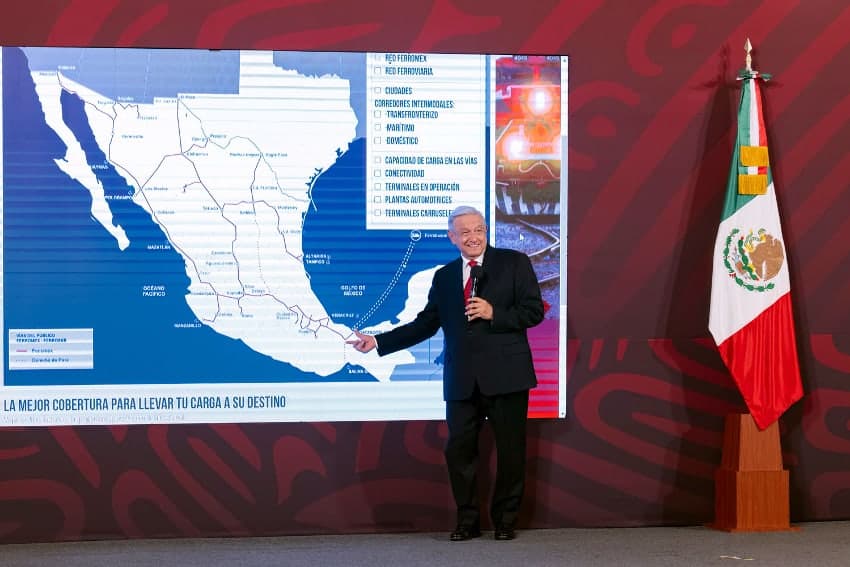
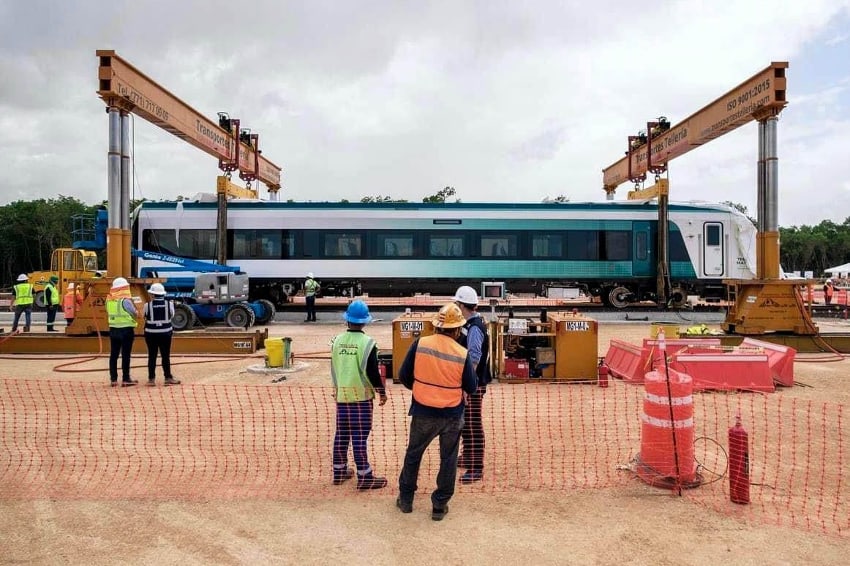
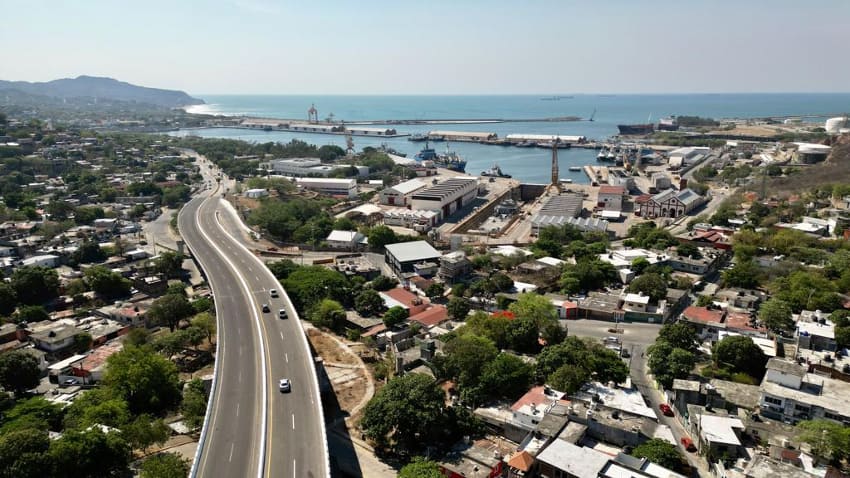
Projects including the Maya Train railroad, the Tulum airport, the Nichupté Lagoon bridge in Cancún and the Isthmus of Tehuantepec trade corridor all helped boost construction sector growth. Private sector construction of homes and residential estates in states such as Quintana Roo, Oaxaca and Yucatán also contributed to the strong growth.

Banxico noted that interest in purchasing properties to subsequently rent them out on websites such as Airbnb is on the rise in the region.
The construction of new industrial properties, including auto parts factories in Veracruz, was also a factor in the construction sector growth recorded in Mexico’s southern region.
Data published earlier this year showed that Yucatán – where an 8.7-billion-peso Heineken brewery project is set to commence next year – is among the states that benefited most from the growing nearshoring phenomenon in 2022.

While the numbers are nowhere near as impressive as those for construction, the manufacturing (5.7% growth), mining (3.7%), retail (3.8%), tourism (1.9%) and agriculture (0.5%) sectors in southern and southeastern Mexico also made gains in the April to June quarter.
Some factories have seen an increase in demand for their steel products for use in the Maya Train project, Banxico said. The railroad, which is scheduled to start operations in December, is expected to spur additional economic growth in Mexico’s south and southeast, as are other government projects in the region such as the Isthmus of Tehuantepec trade corridor, touted as an alternative to the Panama Canal.
Another factor that contributed to the strong overall growth recorded in the southern region in the second quarter was an increase in output at the Pemex refineries in Salina Cruz, Oaxaca, and Minatitlán, Veracruz.
Banxico on Thursday also reported data based on a survey of companies with at least 100 employees. In the south and southeast, 19.5% of surveyed companies said in June that they had recorded an increase in production or sales over the past 12 months or received additional investment due to higher general demand and/or the relocation of companies to that region.
The percentage was higher for the other regions: 28.6% in central Mexico, 27.1% in the north and 22.8% in the central north. The nationwide figure was 26.1%.
With reports from El Economista