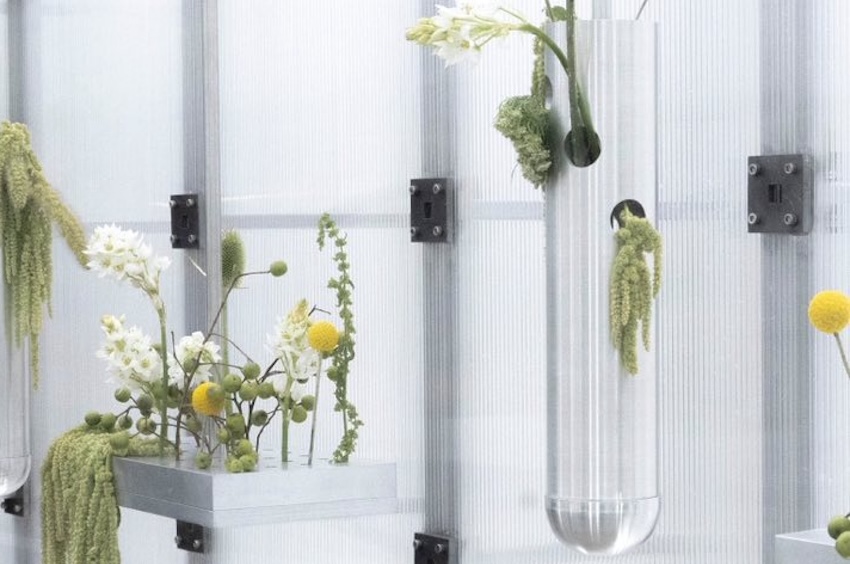
Sprawling Chapultepec Park in the nation’s capital once again has been transformed into a mecca of creativity as the ninth Mexico City Design Open unfolds its 2025 edition under the theme “Weeds. Design in Resistance.”
The 10-day festival, which began last week and runs through Sunday, Oct. 5, includes more than 100 creators in 11 venues concentrated in and around Chapultepec Park. It is free to the public.
Organized by Mexico City’s Tourism Ministry in collaboration with the Environment Ministry and various cultural collectives, the Design Open has helped establish Mexico City as a leading creative hub in Latin America.
The event began in 2013 but later underwent a five-year hiatus before its reboot this year.
Visitors can explore six themed pavilions — Architecture, Academic, Visual Communication, Furniture and Objects, Public Space and New Developments — and attend workshops, talks and exhibitions aimed at exploring design’s role in cultural and ecological transformation.
This year’s curatorial concept — “Maleza. Diseño en Resistencia” in Spanish — draws on the resilient metaphor of the weed: “creativity that sprouts on the margins, thrives in the face of adversity and transforms the environment without asking permission,” according to a CDMX government press release.
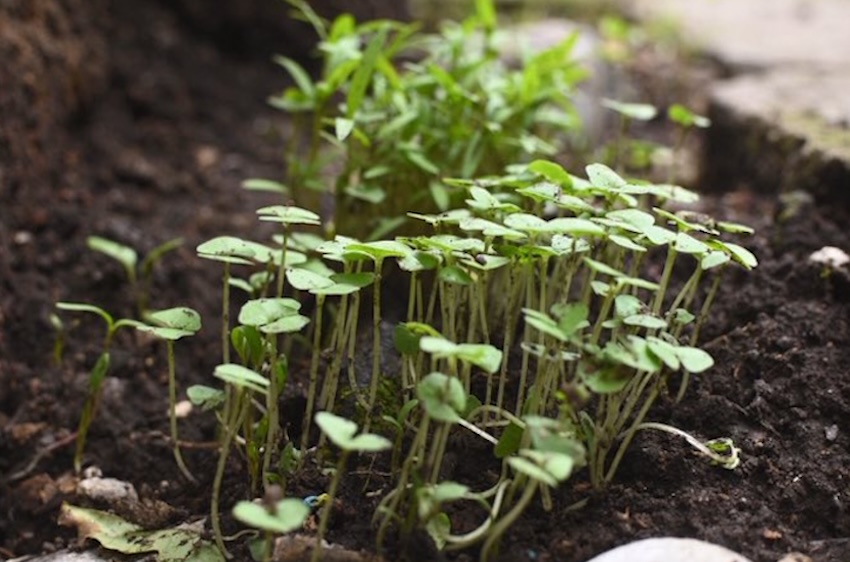
The program is also introducing Plots, or thematic clusters that explore issues in contemporary design. They include Fertility, on motherhood and its challenges; Shoots, highlighting design for children; Ecosystems, focused on sustainable practices and landscape transformation; and Pollination, which addresses migration, cultural identity, and resistance.

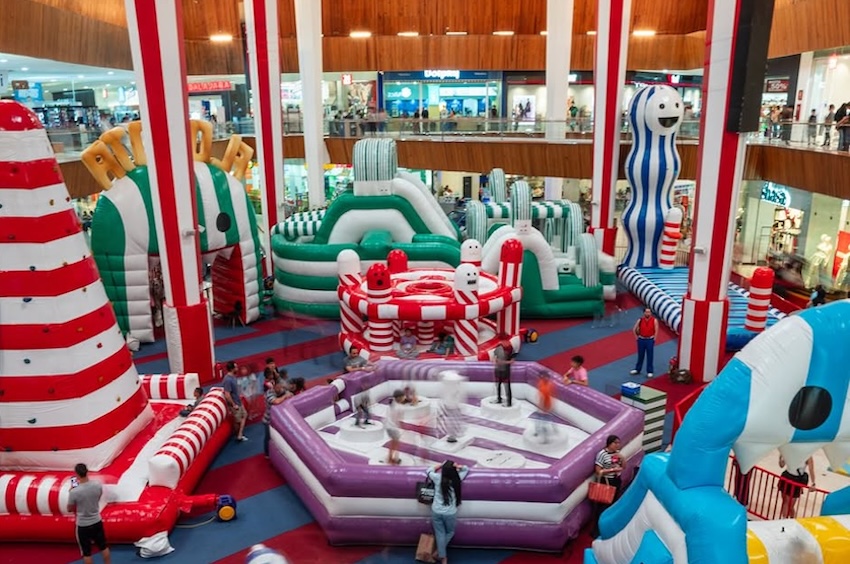
Among the highlights is a monumental installation by French designer Camille Walala on the terrace of the Papalote Children’s Museum. Celebrated for her colorful, exuberant geometric designs, Walala was inspired for this work by icons of Mexican culture, most notably the papalote (kite) and the butterfly.
At Lago Algo, visitors can see immersive works created from Chapultepec’s own natural waste, illustrating the importance of ecosystem restoration.
The festival opened with the “What Design Can Do México GNP” series, its title always given in English, odd syntax and all, even in Spanish texts. It features debates on ecological design, artificial intelligence and architecture.
Marcelo Ebrard, Mexico’s economy minister, inaugurated the event, calling on young designers to merge innovation with ancestral knowledge.
International voices such as Australian-born landscape designer Julia Watson (an expert in Indigenous ecological technologies) and technology-driven Swiss academic Benjamin Dillenburger (known for his research into large-scale, 3D-printed architecture) joined Mexican creators in exploring the intersections of sustainability and technology.
One of the Mexican voices was designer and Mujeres de la Tierra founder Rocío Lobato, an activist who defends native corn and promotes the dignity and visibility of rural women through art and public projects.
Mexico City’s Tourism Minister Alejandra Frausto underscored the event’s impact, stating, “The 2025 Design Open projects our city as a cultural and creative capital of international reach, fostering the talent of our designers, strengthening cultural tourism, and contributing to economic development and social well-being.”
Most activities are free, though certain conferences require pre-registration. For more information, visit the Abierto de Diseño (Design Open) website.
With reports from Proceso and Time Out Mexico City