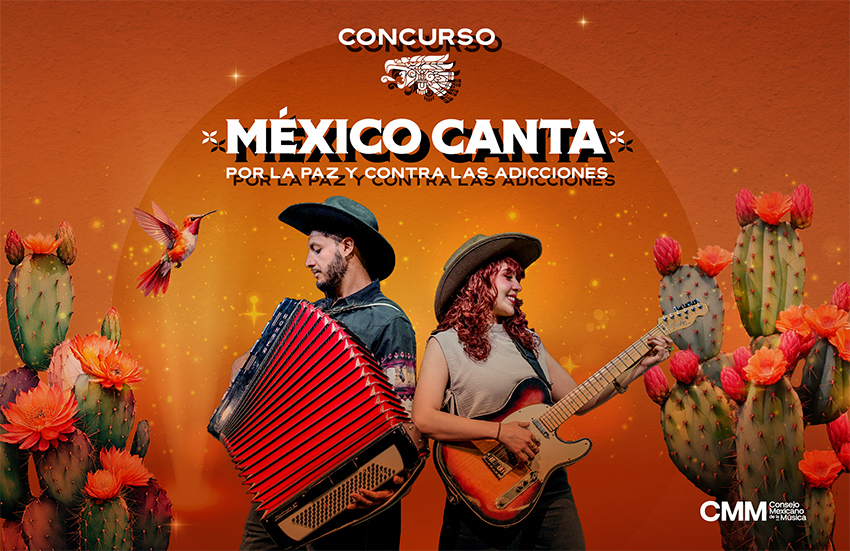
The stage is set for the highly anticipated grand finale of “México Canta,” a singing competition akin to “American Idol” with one overriding rule: Songs that glorify the lives of cartels, violence or drug trafficking are not allowed.
The finals of “México Canta por la paz y contra las adicciones” (“Mexico Sings for Peace and Against Addiction”) will be held Sunday night at the Esperanza Iris City Theater in Mexico City and televised live.
A binational initiative from the Mexican government, the contest concludes after months of auditions and semifinals throughout the United States and Mexico.
“México Canta” drew more than 15,000 applicants, ranging in age from 18 to 34, with eligibility extending to those singing in Spanish, Indigenous languages or Spanglish.
More than 350 selected participants were whittled down to 48 who competed in regional semifinals held between Aug. 17 and Sept. 21 in Chicago, Houston, Los Angeles, Tijuana, Oaxaca and Mexico City.
Inspired by soaring ratings and fierce public interest, the event rapidly evolved into must-see television, regularly drawing viewership of over 4 million in Mexico, and further extending its reach to Mexican-American audiences through U.S. cable and streaming platforms.
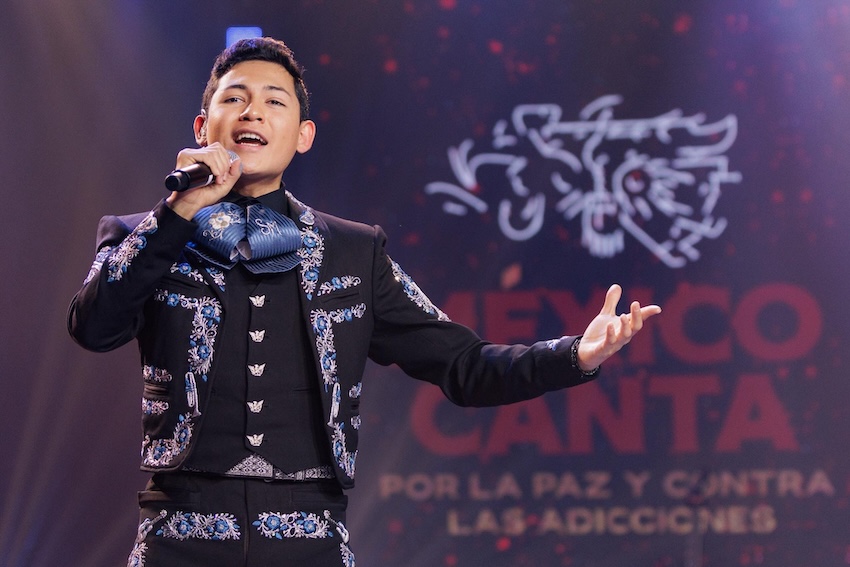
Set against the backdrop of Mexico’s current musical culture — where the controversial “narco-corrido” genre (or corridos tumbados) has dominated charts with its odes to the drug trade — “México Canta” set out with a mission.

Francisco Arturo Barrios, a former member of the popular band Botellita de Jerez who goes by the name Mastuerzo, praised the government’s goal of avoiding the glorification of crime in music.
“I think it’s commendable that they try to stimulate the creation of other themes,” he said.
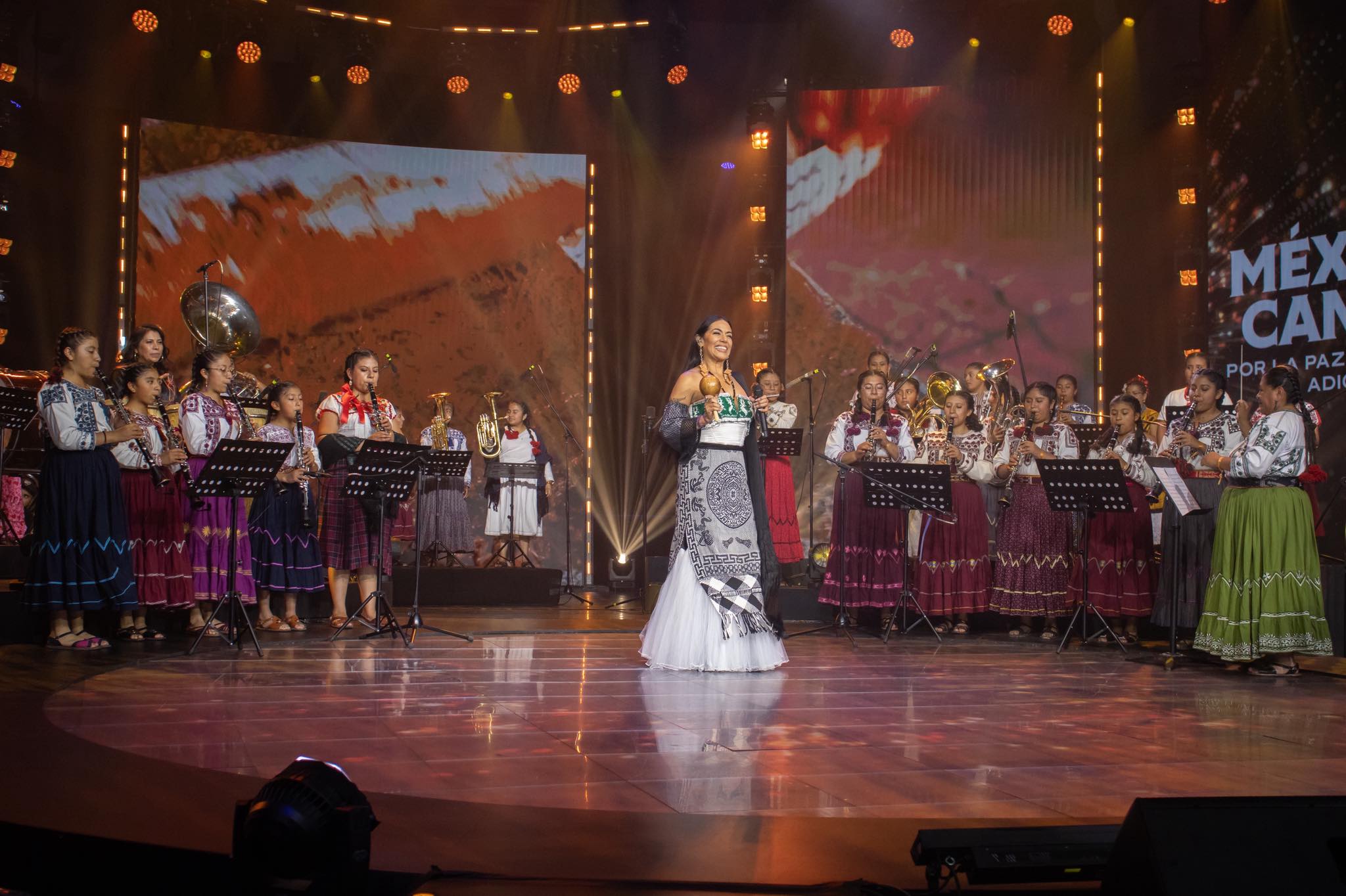
The show culminated in a special episode last weekend that highlighted the best moments from the semifinals. Esteemed Mexican performers Lila Downs and the regional women’s band Mujeres del Viento Florido (Women of the Flowery Wind) underscored the show’s emphasis on community and empowerment.
The list of 10 finalists — a mosaic of emerging talent from both sides of the border — includes the winners of each U.S. semifinal: Illinois resident Blue Malboro, originally from Guanajuato; Carolina Imperial from the Houston regional; and the duet Asália and Norma from the L.A. regional.
In addition, there was one “jury pick” by the Mexican Music Council and three “rescued” contestants who were so good they also deserved a spot in the finals. These four spots include Lolita from the Chicago regional and individual performers Mike León and Brian Sebastián Muñoz from the L.A. regional (who will perform in the finals as a duet).

The Mexican finalists are Galia Siurob from Tijuana, Carmen María González from Mexico City, Sergio Maya from Hidalgo and Roger Quiñones Esparza (a rescued finalist) from Yucatán.
The contest, said judge América Sierra, aims to provide life-changing opportunities.
“Being part of this jury and being part of the story of so many young people pursuing their dreams … fills me with great satisfaction,” Sierra said. “For many of them, their musical careers begin here.”
The winner will reportedly receive a record deal with a major label, including the production of music videos.
In conjunction with the finals, the public will be able to vote online in two categories: best performer and best composer.
The event Sunday will air from 7 to 9 p.m. Mexico City time on Canal Once, Canal 22 and Canal 14; the first two are on various platforms and cable systems in the United States. Additionally, the show is expected to be streamed live on YouTube channels, such as the official Gobierno de México and Secretaría de Cultura accounts.
With reports from El Universal, Infobae and The World