Mexico is one of the world’s great agricultural nations — a leading global exporter of avocados, tomatoes, citrus, coffee and berries, supplying produce for tables across North America, Europe and Asia. Its farmers are experienced, its land is productive, and its geographic position is uniquely advantageous for trade. What has historically held the sector back is not the quality of its produce but the inefficiency of the systems surrounding it.
Farmers currently receive between 10% and 20% of the final sale price of their goods, with the remainder absorbed by intermediaries. Cross-border transactions still commonly rely on phone calls and informal networks, taking weeks when they could take days and less than 1% of agricultural trade occurs online. The opportunity to modernize is enormous, so one AI company is looking to help Mexico’s farmers seize it.
A powerhouse ready for its next chapter
Mexico’s agricultural sector — already one of the world’s most productive — is drawing fresh attention from international technology investors betting that artificial intelligence can unlock its next era of growth. Wikifarmer, a Greek agricultural technology platform, has raised US $7.7 million to expand its AI-powered trading system into Latin America, with Mexican farmers designated as its primary target market.
The platform, which the United Nations Food and Agriculture Organization has recognized as the “Wikipedia of Farming,” connects producers directly with buyers using artificial intelligence to forecast commodity prices, match suppliers with buyers, and manage transactions that include logistics, payments and credit assessment. The company says it has already reached more than 40,000 users in Mexico at the end of 2025, as they look to navigate a challenging landscape of tariffs, fluctuating demand and climate change.
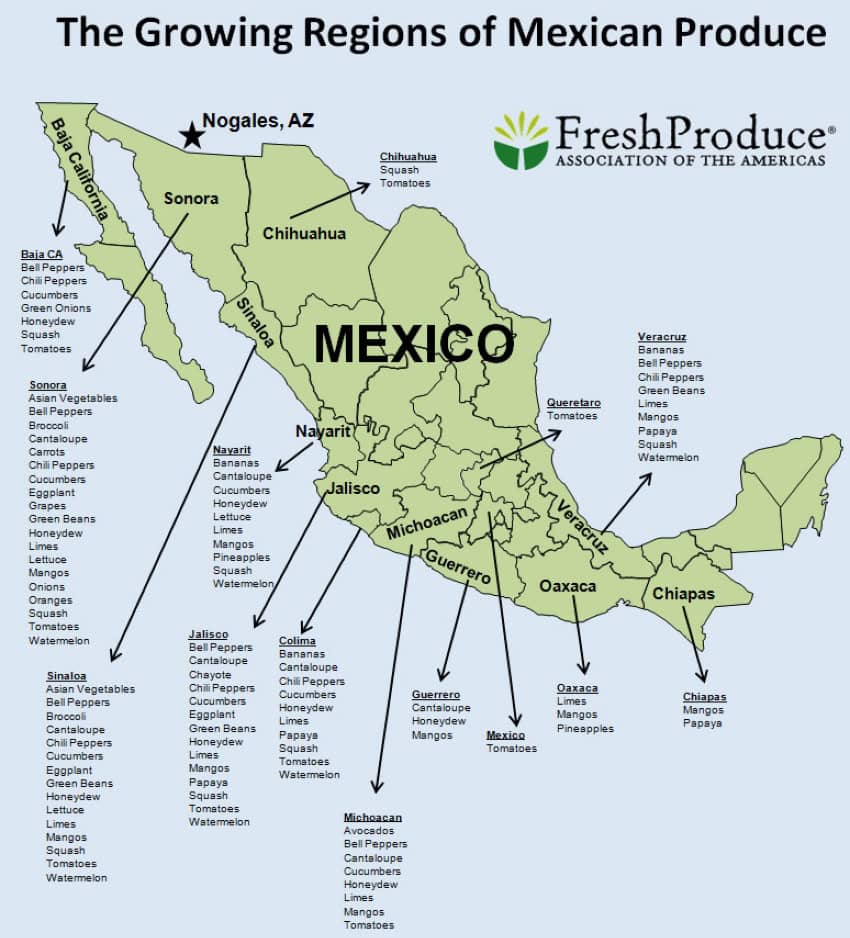
Mexico’s northern states already benefit from advanced irrigated systems, while the biodiverse south offers considerable untapped agricultural potential, but Wikifarmer hope that their new platform will help realize these gains.
AI delivering real results
Artificial intelligence is already proving its value in agricultural markets around the world, and the evidence of what it can do for smallholders and commercial producers alike is compelling.
The income impact alone can be transformative. AI-driven optimization in supply chains and market access has already delivered 30 to 50% higher farmer incomes in India, along with reductions in price volatility and improved profitability. Research suggests that export-oriented farmers earn 20% to 50% higher incomes compared to those reliant on local markets — and AI-powered platforms are increasingly making those export markets accessible to producers who previously had no route in.

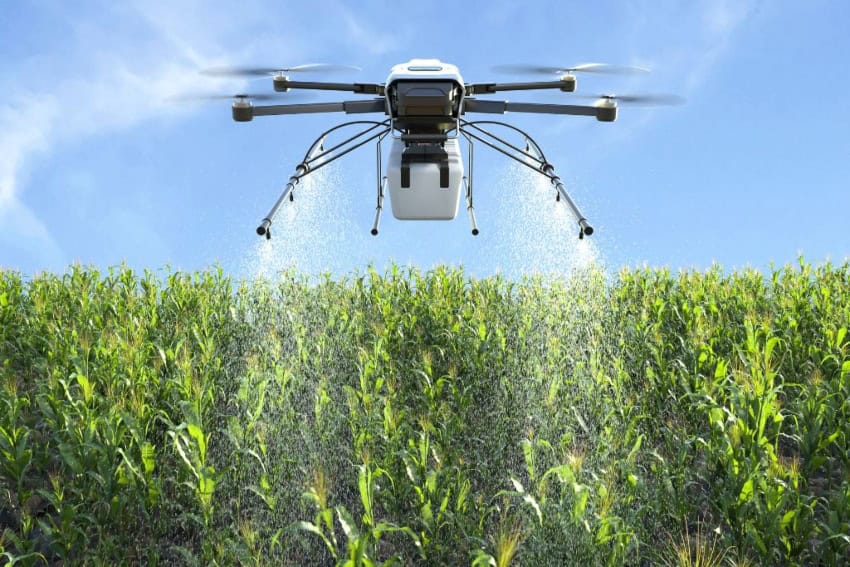
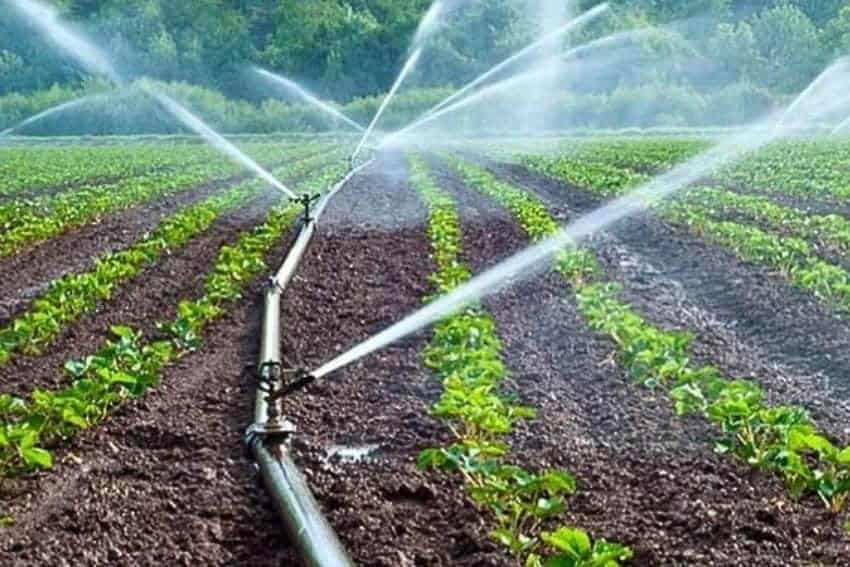
On the farm itself, the gains are equally striking. Precision farming enabled by AI can cut water usage by up to 25%, reduce agrochemical use and deliver crop yield increases of 20 to 30% in early adopter regions. AI provides farmers with real-time crop insights, helping them identify which areas need irrigation, fertilization or pesticide treatment — decisions that previously required expensive specialists or years of trial and error. For Mexican producers already expert in their crops, these tools amplify the knowledge they already have rather than replacing it.
Climate resilience is another area where AI is proving its worth. Precise weather predictive capabilities can empower farmers’ climate management by providing accurate forecasts, helping them adopt effective strategies against drought, excessive rainfall and extreme weather events. These are risks that Mexican farmers, particularly in the south, know well.
Deployment of new capital for Mexican markets
The platform’s AI tools analyze commodity trends, seasonal cycles and supply data to generate price forecasts, matching buyers with verified suppliers based on certifications and quality data. The system also handles credit assessments — a significant advantage in Mexico, where producers have historically struggled to access financing. AI agricultural service networks can increase farmer incomes further by assisting with pricing and marketing strategies, compounding the gains that come from reaching international buyers directly.
“AI is transforming agriculture faster than most expect,” said Ilias Sousis, co-founder and CEO of Wikifarmer. “We are moving the industry from analog to digital, making trade faster, smarter, and more transparent.”
The new funding will go toward expanding AI capabilities, growing producer networks across Latin America and Africa and launching FarmClick — a joint digitization initiative with Greece’s Piraeus Bank, covering seeds, fertilizers, equipment and financial services, with similar banking partnerships planned for new markets. Mexican farmers will have access to this funding, which Wikifarmer hopes will be able to transform the lives of thousands of low-income agricultural workers across the country.
For Mexican farmers, the trajectory is clear: a sector that already feeds much of the world is gaining the digital infrastructure to ensure its producers are rewarded accordingly. Agricultural intelligence is empowering farmers to use their deep expertise to make smarter decisions that increase crop yields, improve sustainability and drive profitability. In Mexico, that expertise runs deep.
Irena Vélez is a journalist at Wikifarmer, based in Seville, Spain. She holds a Bachelor’s degree in Journalism (Honors) from Carleton University in Ottawa, Canada, and reports on a range of topics, including agriculture, sustainability, and agribusiness.
To learn more about the agriculture sector, Wikifarmer empowers farmers, agribusiness professionals, and industry observers through four key pillars: the Wikifarmer Marketplace, connecting producers with buyers around the world; the Wikifarmer Library, a free, open-access knowledge hub with thousands of expert-authored articles; the Wikifarmer Academy, offering online courses with certifications to enhance agricultural skills; and Wikifarmer Price Insights, providing real-time market intelligence on key commodities.