Contrary to popular belief (though we’re not saying it’s entirely wrong), being more Mexican in the kitchen is not just about using spicy sauces and adding chiles to everything.
Being intentionally Mexican in the kitchen involves understanding the complexity and diversity of flavors and freshness that underscore Mexican cooking. It also involves a certain attitude and a lot of love.
Since I grew up with Russian-Ukrainian babushkas and not a Mexican abuela (grandmother), I set out to fill my traditional Mexican cooking knowledge gaps by going straight to the source — Mexican grandmas. The elderly in Mexican culture are carriers of the essence of the country’s heritage, rituals and traditions — and that very much includes at the table and in the kitchen.
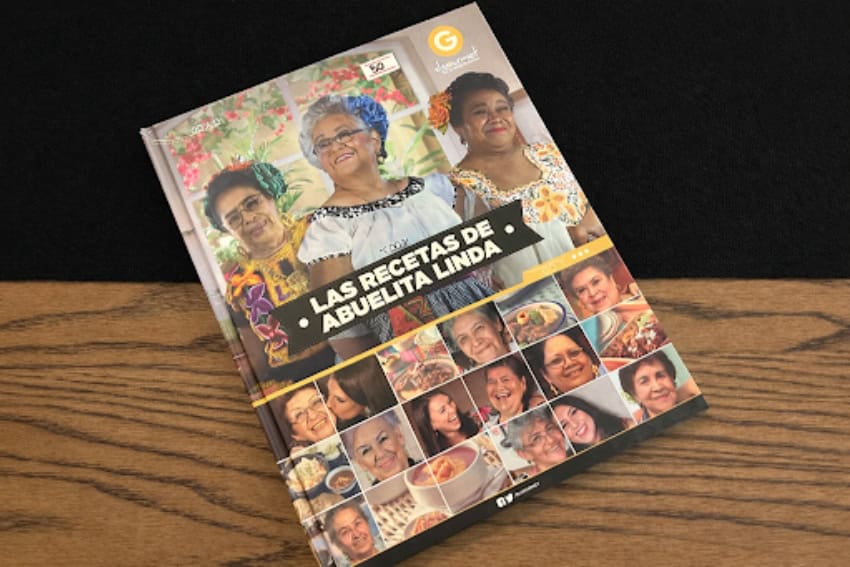
I started with a book I snagged from a used bookstore called “Las Recetas de Abuelita Linda” (Dear Grandma’s Recipes) by television host Verónica Zumalacárregui, who assembled the stories, cooking secrets and signature recipes of dozens of abuelitas from around Mexico. These fabulous women reveal the roots of regional Mexican cooking, with some delightful twists (like animal cracker crumbs in a chicken mole dish from Puebla or beer in the beans from Sonora).
Regional identity
Mexican cuisine fragments into dozens of distinct regional identities, each with its own pantry, its own techniques and its own stories. To cook Mexican food authentically means first understanding that there is no single “Mexican cuisine”: There are many, and they speak different dialects.
But certain ingredients appeared again and again in my research, forming something like a shared vocabulary across these regional variations. What follows is less a shopping list than a map of Mexican cooking’s foundational terrain — the pantry essentials that will allow you to cook with genuine Mexican flavor.
Corn in all its forms
Unsurprisingly, nearly everything starts with corn. Tortillas de maíz are nonnegotiable in most of Mexico, though tortillas de harina dominate the northern states. But corn’s presence extends far beyond the tortilla. Stock your pantry with maíz pozolero for soups, harina de maíz for making masa (the dough used to make tortillas) from scratch, and hojas de maíz (corn husks) for wrapping tamales or presenting certain dishes. Corn plays multiple roles on the kitchen stage.

The chile archive
If you’re serious about cooking Mexican food, you need to build a chile collection. This is where most home cooks go wrong, thinking that one or two types will suffice. They won’t.
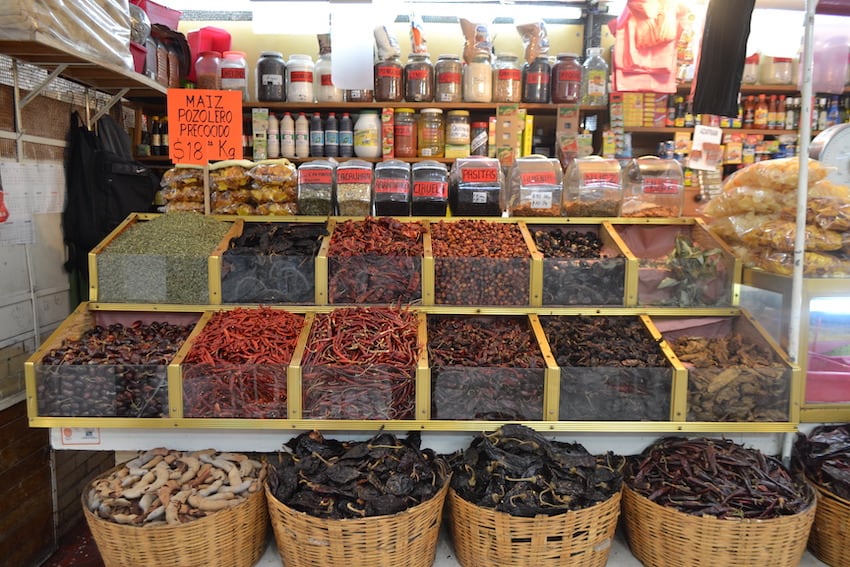
Start with the essentials: Guajillos provide the backbone for red salsas with their tannic, berry-like notes. Chiles de árbol bring pure, clean heat. Anchos (dried poblanos) offer sweet, almost raisin-like depth. Chiles pasilla add earthiness to moles. You’ll need fresh serranos for everyday salsas, jalapeños for pickling and stuffing, and poblanos for dishes like rajas and chiles rellenos.
As you advance, add habaneros for Yucatecan dishes, chipotles (smoked jalapeños) for adobos, plus mirasol, chilacates, chiltepin and, if you can find them, Yucatecan xcatic peppers. Each brings not just heat but a distinct flavor profile, from smoky to sweet, fruity to bitter. The abuelas treat chiles as individuals with personalities, not interchangeable units of spice, and you should too.
Fresh vegetables
White or red onions, and occasionally cebolla de rabo (scallions) appear in nearly every recipe. Tomatoes and tomatillos (both red and green varieties) form the base of countless salsas. Cherry tomatoes are typically not a part of traditional Mexican cooking.
Nopales (cactus paddles) might seem intimidating, but they’re worth learning to handle. Rábanos (radishes) are essential, not only as a garnish but for their peppery crunch and vibrant color. Calabaza (zucchini) is a nourishing part of many dishes, while ajo (garlic) appears constantly, often roasted whole. Meanwhile, squash blossoms (flores de calabaza) are a versatile delicacy used in quesadillas, soups or stuffed with a mild, soft cheese and fried.
The fresh-herb trinity
Stock up on cilantro as a primary ingredient, and use it generously. Epazote (a fragrant herb) is nonnegotiable for authentic bean dishes. It has a pungent flavor that might seem off-putting at first, but mixed into popular plates like beans, it rounds out the dish.
Beyond these basics, regional variations matter: Hojas de chilpilin for Chiapan tamales, pitiona (verbena) for Oaxacan dishes, avocado leaves for certain bean preparations and moles. These aren’t always easy to find, but when you’re cooking a specific regional dish, they’re what make it authentic.
Dried spices and aromatics
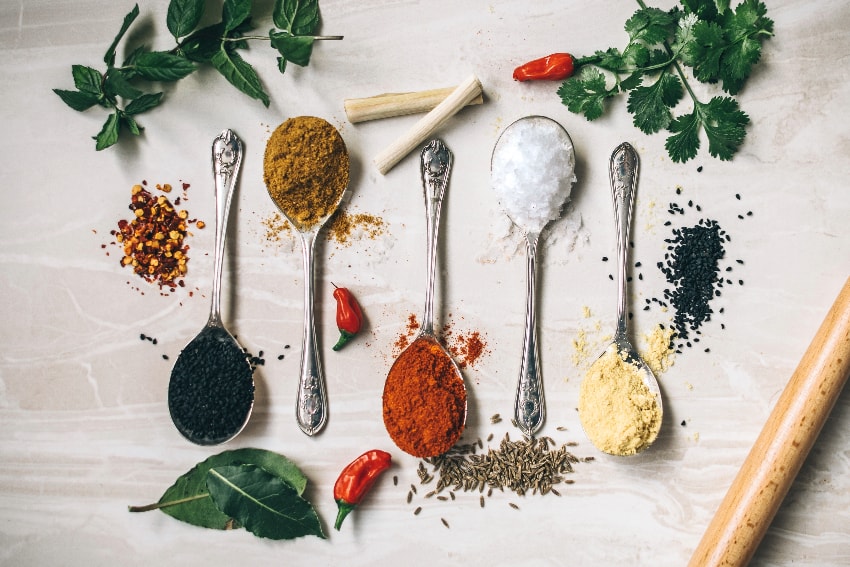
I was surprised to see the number of times oregano was mentioned in traditional recipes. I had associated the spice more with Italian cuisine. Yet Mexican oregano is not Mediterranean oregano. It’s more citrusy, more resinous and essential to pozole and to another Mexican dish, birria.
Build your spice cabinet with the following: cumin (comino), mejorana (marjoram), laurel (bay leaves), tomillo (thyme), whole canela (Mexican cinnamon) sticks and clavo (cloves). But here’s the critical part: freshness matters intensely. Many recipes specify pimienta recién molida (recently ground pepper) because the difference between fresh-ground and pre-ground is the difference between a dish that sings and one that whispers.
Legumes and staples
Frijoles (beans) are a versatile dish, whether flavored with epazote, enriched with manteca or simmered with avocado leaves. Stock both pinto beans and frijoles negros (black beans), depending on what region’s cooking you’re exploring. Meanwhile, arroz rojo (requiring medium-grain white rice, tomato and patience) is often featured as more just than a side dish.
Fats and flavor bases
Manteca de cerdo (pork lard) is a staple in authentic Mexican cooking. Its flavor coats the mouth in a way that carries spices more effectively, giving dishes like refried beans their buttery taste.
Achiote defines Yucatecan cooking. Keep semillas de achiote (annatto seeds) for making your own paste, or buy prepared pasta de achiote and recado rojo y blanco (red and white seasoning pastes). These turn chicken or pork an orangey-red and give off an earthy, slightly peppery flavor.
Mole paste in different flavors can be purchased in blocks from your local market and edited with your preferred flavors. And be sure to stock various salsas: My favorite is a crunchy salsa macha with its chiles and nuts.
Fruits, nuts, and sweeteners
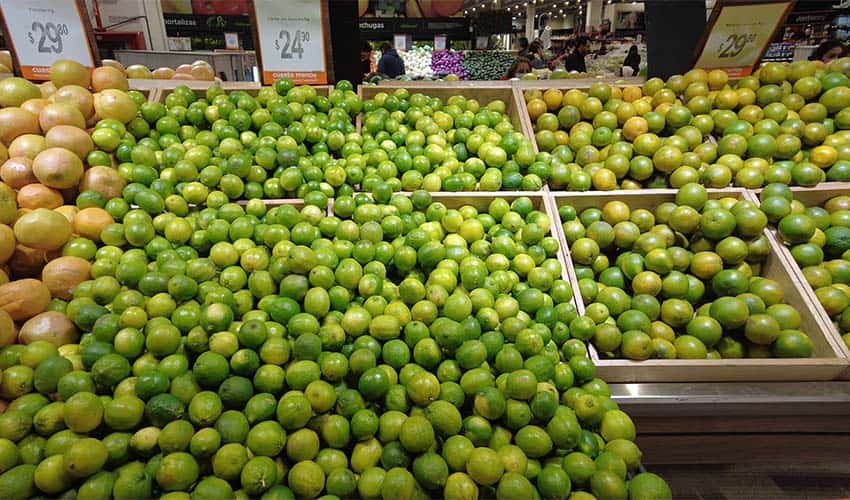
Limones (limes) appear at nearly every meal. Aguacate (avocado) is a daily staple as well.
The supporting players in savory dishes can be surprising: pasas (raisins) add sweetness and texture. Cacahuates (peanuts) provide body and richness. Plátano macho (plantains) appears in coastal and southern cooking, adding starchy sweetness.
For sweetening, use piloncillo (cone-shaped blocks of unrefined cane sugar). And keep good Mexican chocolate (Ibarra or Abuelita brands work well) on hand for chocolate caliente or moles, where it adds depth and silky body.
The Attitude: What recipes can’t teach
What you also need is a certain playfulness in the kitchen. Many of the abuelitas had a special secret ingredient added — singing and dancing in the kitchen. While Mexican cooking asks that you pay attention to smell, to taste, to touch and to the appearance, it’s not rigid. The abuelitas cooked with playfulness, with improvisation and with confidence born from repetition.
Being Mexican in the kitchen means understanding that recipes are guides, not laws. It means knowing when a dish needs more lime, more salt, more heat. It means tasting your salsa and deciding it needs another minute on the comal (griddle) or another clove of garlic or a pinch more cumin. It means cooking with generosity: making more than you need because someone might stop by, and because food is meant to be shared.
Monica Belot is a writer, researcher, strategist and adjunct professor at Parsons School of Design in New York City, where she teaches in the Strategic Design & Management Program. Splitting her time between NYC and Mexico City, where she resides with her naughty silver labrador puppy Atlas, Monica writes about topics spanning everything from the human experience to travel and design research. Follow her varied scribbles on Medium at medium.com/@monicabelot.