Whether it’s your first time or your 100th time, if you are coming to Mexico City for the World Cup, you are probably stoked to eat. An epicenter of food, this city has a little bit of everything — from high-priced tasting menus to 10-cent street tacos.
Almost every day, a new restaurant opens. But the city’s food scene also has deep roots nourished and maintained by hundreds of traditional restaurants and cantinas — places with a lot of ambiance and heart. If you want to eat well plus dig deeper into the history of Mexico City and its food, here are a few places to try.
Fonda Margarita
In the 1950s, Margarita Lugo de Castillo started making guisados (stew-like dishes) and selling them in her neighborhood’s daily outdoor market. Her husband was working in the U.S., sending her dollars that she was having a tough time exchanging, and Margarita needed a way to feed her family. By the time her husband returned, not only was her food famous in the neighborhood, but she had quite a few unexchanged dollars squirreled away. This was the birth of Fonda Margarita. Open at 5 a.m. and closed by noon, a more traditional breakfast spot would be tough to find. The chilaquiles, beef in pasilla chile sauce and pork in green sauce are all crowd favorites.
View this post on Instagram

Cantina Tio Pepe
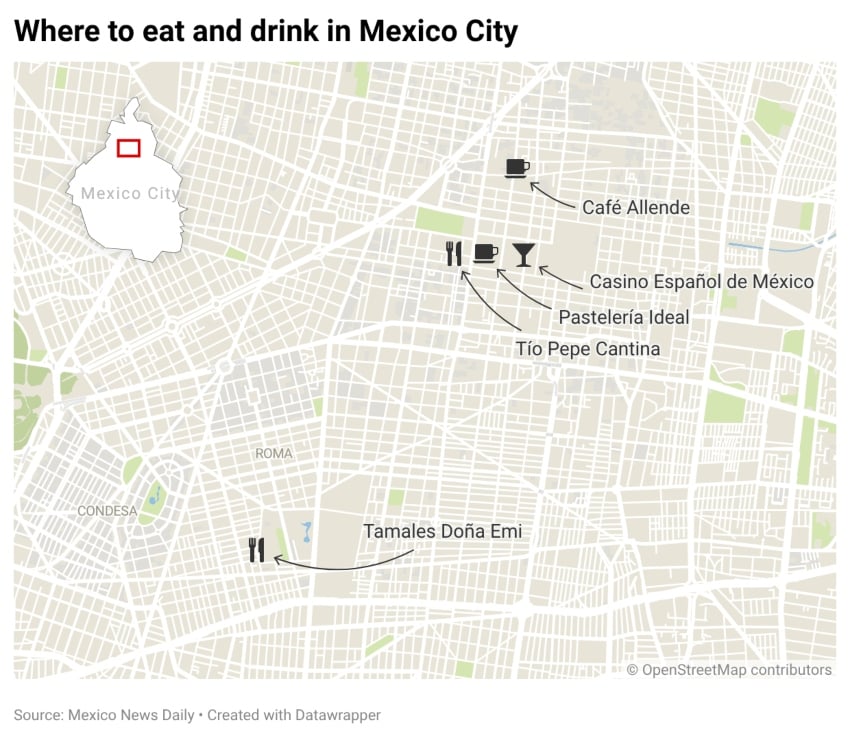
In the dim light of this tiny cantina can be glimpsed a slice of Mexico’s indelible past. Cantina culture — where politicians made deals, the elite greased the wheels of power and the working class found relief from long days and backbreaking work — is a time-worn tradition in the city. Tio Pepe’s, circa 1878, is by far one of the oldest of its kind. A long, undulating wooden bar sits in front of a multicolor Hennessy mirror behind the bar, and patrons tuck into cozy booths along the outside wall. A cantina is made for straightforward, simple drinks: Ordering a rum and Coke, a bull (rum, lime and beer) or even a sipping tequila will help you to blend in with the pros.
View this post on Instagram
Doña Emi
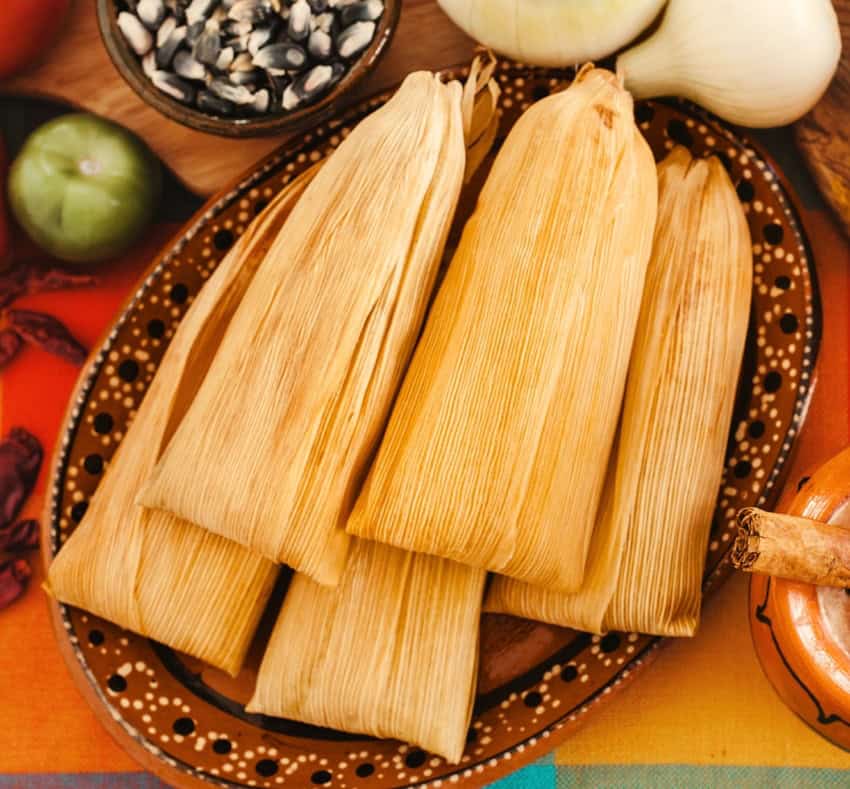
Ermilia Galván Sánchez started selling tamales at a bus stop in Roma Sur in the 1960s — wafts of scented steam billowing out of her giant metal steamer and atole nearby to accompany her sweet and savory tamales. Her tamales became so famous that she opened her own tiny shop down the street, now managed by the third generation of tamal makers in her family. They sell wild (and delicious) combinations that you won’t find elsewhere — rajas with corn and queso de canasta or pork with green olives and spicy tomato sauce or roasted crickets with stringy quesillo cheese. It’s open only in the morning, so you have to get there early if you want the best selection.
Pastelería Ideal
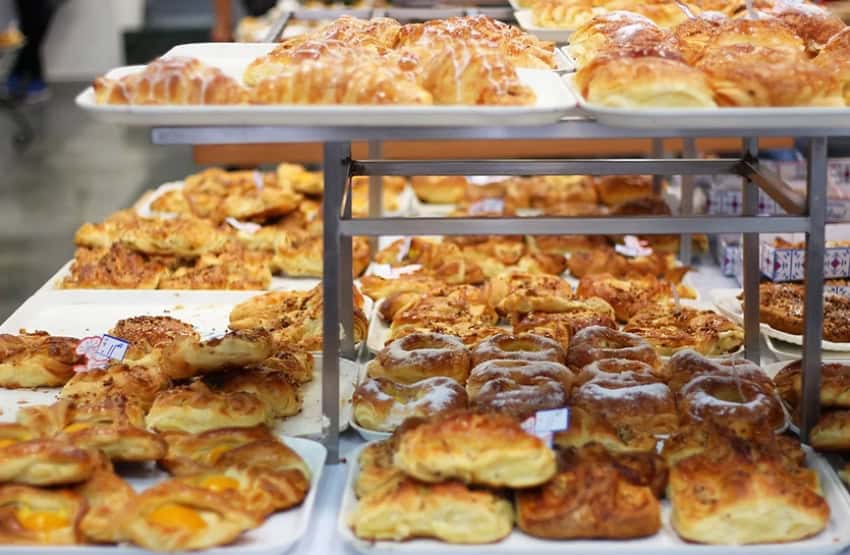
Housed inside the remnants of a 16th-century Franciscan convent, the flagship location of Pastelería Ideal is open every day by 5 a.m. and is a pilgrimage site if you love Mexican pastries. Classic conchas, orejas and pasta seca (similar to shortbread cookies) sit alongside elaborately decorated cakes, gelatin cakes with fruit suspended within their jiggling bodies and a selection of savory little sandwiches and empanadas. It’s a place that will awe you with the sheer quantities of baked goods, but look smart; the serious pastry shoppers here have no time for gawkers!
El Casino Español
Founded in 1863 as a social club for Spanish elites, the Casino Español moved to its current location at the beginning of the 20th century. The building, designed by architect Emilio González del Campo, oozes with Baroque, Neoclassical and Spanish Plateresco flourishes. The restaurant on the second floor is a throwback to an era of formal Sunday dinners with family, where waiters wear tailored shirts and vests and always have a cloth napkin draped over their forearm to catch a drop of wine should it deign to fall. Classic Spanish dishes — think paella, tortilla espanolas and bacalao (salted cod) — can be enjoyed alongside Spanish wine.
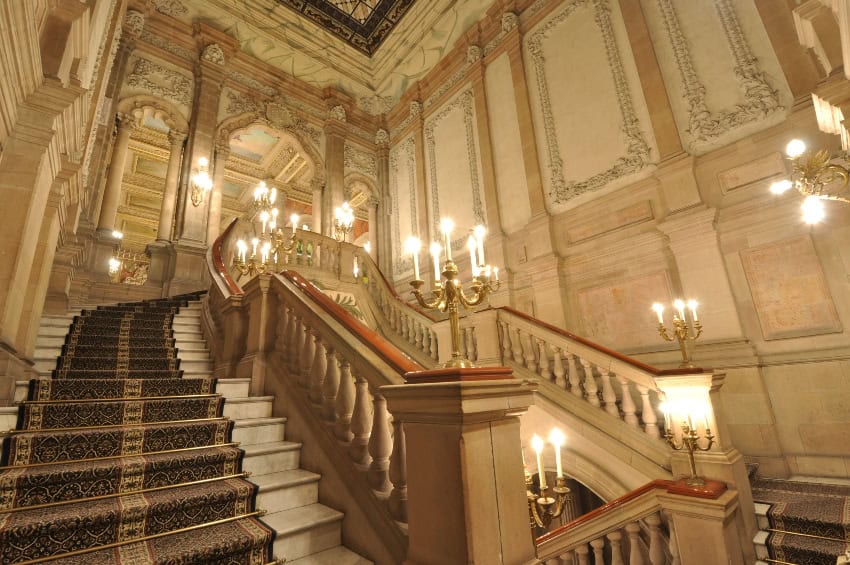
Cantina La Jalisciense
Another survivor of Porfirio-era Mexico, this cantina opened in the 1870s, originally as a dry goods store where you could also get a quick drink. Once a more rural part of the city, La Jalisciense is located close to the stadium where the World Cup games are held and historically was one of the last stops on the way to places further south like Cuernavaca. In classic cantina style, drinks here are accompanied with snacks from the kitchen for free, including their famous torta sandwiches, of which the bacalao is a favorite. This haunt has had its fair share of famous patrons, including Carlos Monsiváis, Angélica Rivera, Renato Leduc and Armando Jimenez. Why not add your name to the list?
View this post on Instagram
Cafe Allende
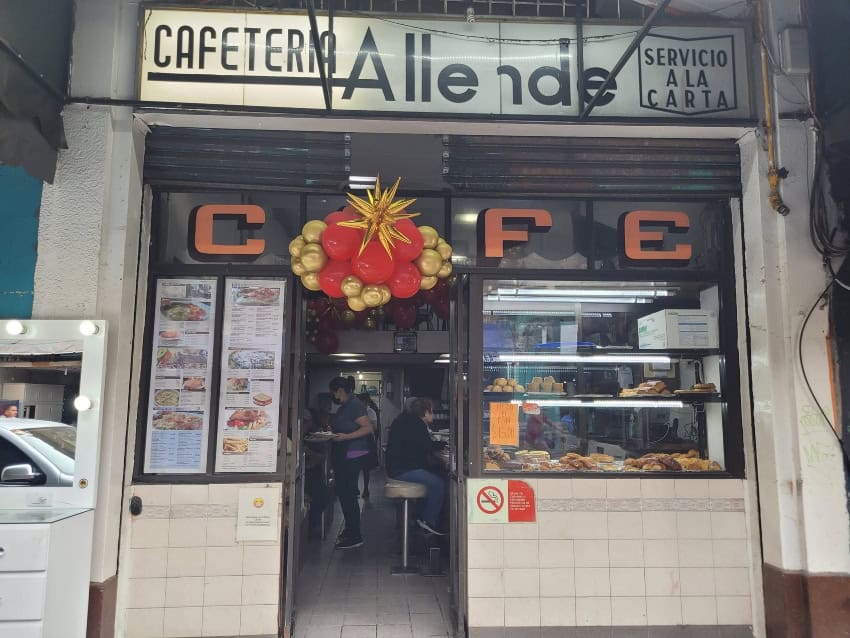
In the first half of the 20th century, the city’s historic center experienced an influx of Chinese immigrants. Jesús Chew’s father was part of that wave and took over Cafe Allende from a fellow Chinese compatriot in 1957. It would eventually be left in Jesús’ hands when his father went back to China, and is now managed by the family’s most recent generation. Over the years, the menu has shed the more traditional Chinese dishes they once served, and now you’ll find all manner of Mexican specialities like loaded chilaquiles or razor-thin bistec. As the surrounding city has changed, Cafe Allende is one of the few cafe chinos (Chinese cafes) that remain to tell the story of these hardworking immigrants and their influence on the capital’s cuisine.
Lydia Carey is a freelance writer and translator based in Mexico City. She has published extensively both online and in print, sharing her insights about Mexico for over a decade. She lives a double life as a local tour guide and is the author of “Mexico City Streets: La Roma.” Follow her urban adventures on Instagram and see more of her work at mexicocitystreets.com.