I was raised in a bicultural environment. Not because either of my parents was from abroad, but because I went to a bilingual school my entire life. Most of my teachers were either from the United States or the United Kingdom — so yes, growing up, I learned how to count pennies and quarters, as well as Mexican pesos.
However, I was often curious as to how to translate the use of usted, for example, which in English does not exist. At a very early age, I remember being unable to express in English some of the feelings I spoke about at home, which were inherently of a Mexican traditional upbringing. Culturally, there were literally no words that could transmit the warmth of an apapacho or the joy of cotorreo in English. As the editors probably know, I often misuse prepositions (I hope it brings them some relief to know I also experience this in Spanish).
Beyond my grammatical imperfections and translation confusions, here’s a handpicked guide to some of my favorite feelings you can only experience in Mexican Spanish — from an imperfect Mexican writer to an ever-supportive readership.
Cotorrear
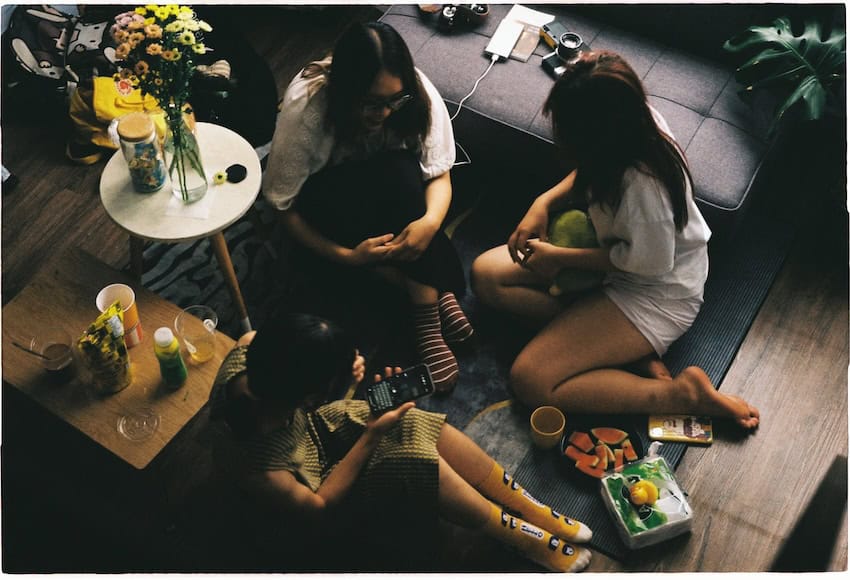
Cotorrear comes from the word cotorro, meaning parakeets, which are widely known for being talkative and outspoken animals. Cotorrear, thus, implies a noisy conversation in which friends and family members talk over one another excitedly, about anything and everything, all at once.
People, however, do not cotorrean with their bosses or the police (that would be, to say the least, suspicious). You do so with your close inner circle, because although it is a leisurely talk, it’s usually not just small talk. People cotorrean about their issues, about politics and about how their car landed again at the mechanic.
Apapachar
As happens with most Mexicanisms, apapachar comes from Náhuatl, the official language of the Mexica Empire. It translates as people allowing others to care for them with tender displays of affection, such as Grandma’s hug, a nice, warm soup made by Mom, or even just going to a dear friend’s house to talk about a recent loss. “Ser apapachada, apapachado” implies allowing oneself to be vulnerable to a loved one, especially when you’re feeling ill or down emotionally.
Chacharear
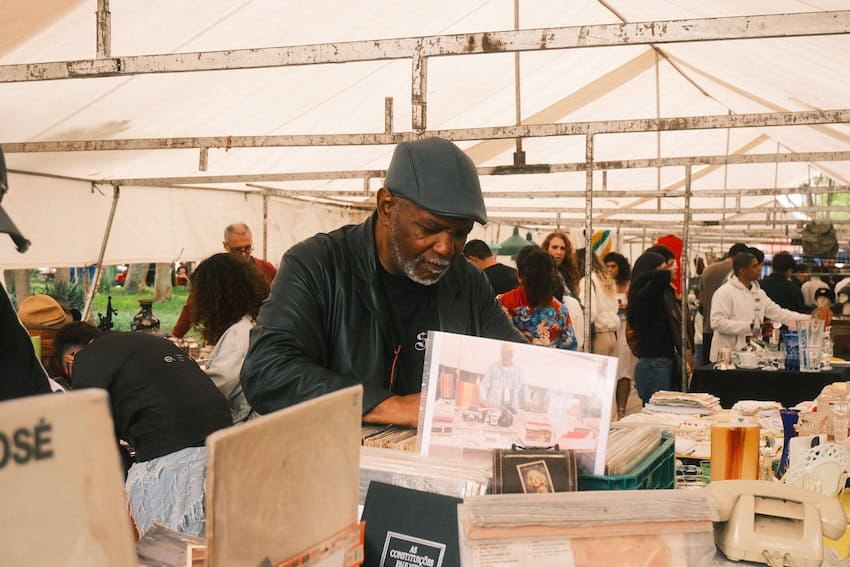
Chacharar is just fun. It’s what you do when you’re on vacation and land in the Pueblo Mágico’s wondrous mercado de artesanías, or go on a Sunday stroll to La Lagunilla market. The word comes from cháchara: “something small, unimportant and of little value,” as defined by the Dictionary of Mexican Spanish. I think the best translation is simply “a trinket.”

Chacharear, however, is not like window shopping. You actually get to feel and touch the trinkets in the market, and even get to discuss a lower price with your vendor (oh, the glorious thrill of regateo!). Also, when you’re chachareando, it doesn’t mean you will actually buy any of the things that caught your eye! Actually, you probably won’t — you just do it for the joy of contemplating useless things you don’t need, but you somehow find interesting or amusing.
Achicopalarse
You know when someone is so sad, they actually round their back in a crestfallen way? They’re probably achicopalada, achicopalado. The term comes, again, from Náhuatl achikopa, which has been translated as “feeling inferior.” However, in contemporary Mexican Spanish, the term is used as simply “feeling down.”
You’ll probably feel achicopalada when your boyfriend just dumped you, or when you failed the test you studied so hard for. Or even when your parents unfairly grounded you. People can even feel achicopalados when the sky is heavy with dark clouds, or the weather isn’t that nice, too.
Desconchinflarse
When the blender breaks down, the air conditioner doesn’t work, or the TV screen refuses to turn on, that’s when you know your appliances are desconchinfladas. And it’s sad. Because they’re not beyond repair, they’re simply waiting for you to take them to the shop to be fixed — and maybe you’re just too busy (or lazy) to go.
However, desconchinflarse does not only apply to hardware. Whenever you hurt your leg or possibly strain an ankle, you can also say your foot is desconchinflado. You don’t get to go to the hardware store to repair one of those, though (please, go see a doctor).
Petatearse
Petatearse is possibly the only feeling in Mexican Spanish that every person on planet Earth (and beyond) will eventually face. It comes from the Náhuatl word petate, a rug, and it translates literally as dying. When people in the ancient Mexica Empire died, they were wrapped in a handmade ritual mat before their funeral ceremonies. So whenever you hear someone “se petateó,” it literally means they passed.
However, you would never hear anyone say their grandmother “se petateó.” That would just be disrespectful and rude. Petatearse is a verb people use as slang when referring to someone they don’t know in a mischievous Mexican way. So no, if you receive the news of a dear friend who just lost a family member, do not say “se petatearon.” Please. Ever.
Andrea Fischer contributes to the features desk at Mexico News Daily. She has edited and written for National Geographic en Español and Muy Interesante México, and continues to be an advocate for anything that screams science. Or yoga. Or both.