A government study has found that access to education, housing and nutritious food has improved nationwide, but that deep gaps in the availability of health care exist from region to region and between population groups.
Those mixed findings are highlighted in a report released Tuesday by INEGI, Mexico’s national statistics agency, presenting the Social Development Indicators System (SDIS) for the period from 2016-2024.
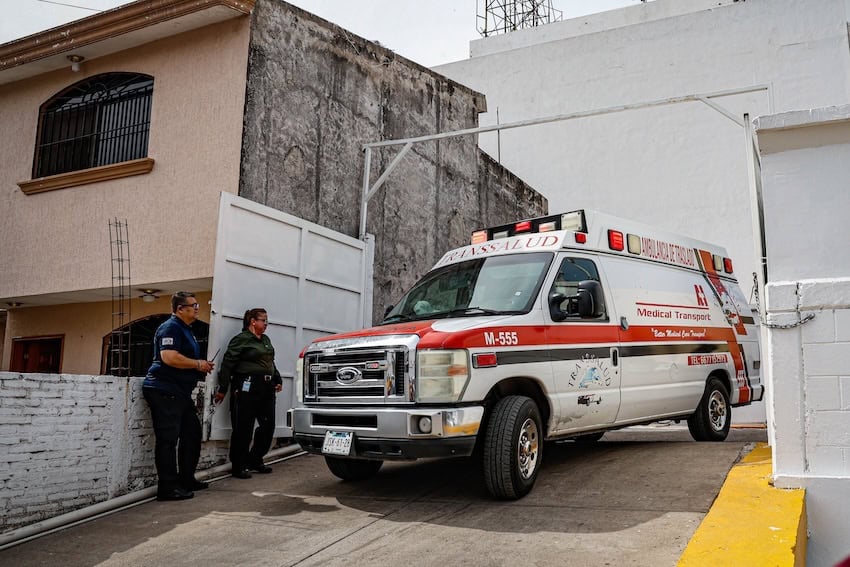
(José Betanzos Zárate/Cuartoscuro)
The SDIS offers a unique snapshot of current social well-being by not basing its findings on broad economic output indicators such as GDP. Rather, it uses 53 indicators of effective access and 81 indicators of inequality gaps using key metrics for health (life expectancy, infant mortality), education (literacy, enrollment rates), income inequality (Gini coefficient) and living standards (access to sanitation, internet).
This is the first time INEGI has carried out this study after the National Council for the Evaluation of Social Development Policy (Coneval) was eliminated by Congress last June. The idea is that the information allows decision-makers to evaluate and monitor Mexicans’ real-life social needs so they can develop evidence-based social policy.
Among the notable findings:
- 81.4% of the population had access to education in 2024 and the use of basic supplies for studying at home — electricity, television, internet — reached 70.2% of students between 3 and 17 years old. This represented an increase of 33.5 percentage points compared to 2016. Significant shortcomings persist, however, in the southern states of Chiapas, Guerrero and Oaxaca, where 48% or less of the student population has full access to these tools.
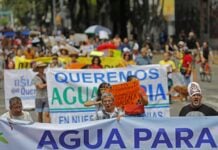
- 92.1% of Mexico’s population reported access to decent housing without a lack of quality and space, while 85.9% had access to basic services in 2024. On the other hand, access to water within the home fell to 53.4% in 2024, as compared to 54.8% in 2016, and contrasts by region were significant (81.1% access in northern and western states but 24% or less in Baja California Sur, Chiapas, Guerrero, Morelos, Oaxaca and Puebla).
- 85.6% of the population did not experience a lack of access to nutritious and quality food in 2024, compared to 78.1% in 2016; 69.4% of Mexicans lived in households with food security and a diverse diet in 2024.
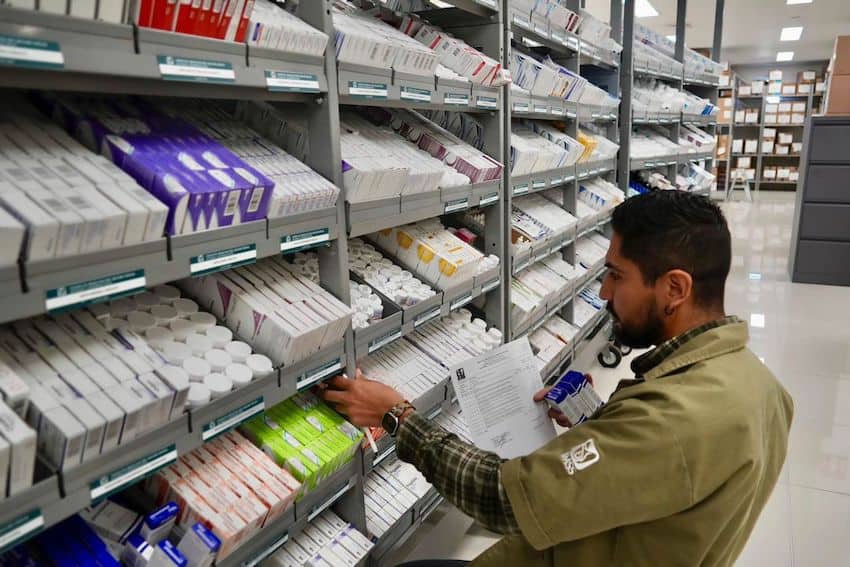
- The percentage of people without deficiencies in access to health care services decreased from 84.4% in 2016 to 65.8% in 2024. However, while 93.3% of the public can reach a hospital in fewer than two hours in an emergency, doing so is more difficult in states like Oaxaca, Guerrero and Chiapas. Additionally, there is an urban vs. rural deficiency when combining access to health care and sufficient income among older adults — 46.5% in urban areas meet both conditions, compared to only 16.3% in rural areas.
With reports from Milenio