Jalisco state is expected to spend around 700 million pesos (US $37.8 million) in preparation for the FIFA 2026 World Cup, with a significant portion going towards infrastructure.
Around 400 million pesos (US $21.6 million) for public works will come from the state, 200 million pesos ($10.8 million) from the municipality of Zapopan and 100 million pesos ($5.4 million) from the city of Guadalajara, Zapopan’s mayor, Juan José Frangie Saade, told the newspaper El Universal in June.
View this post on Instagram
Improvements are aimed not only at the influx of World Cup ticket holders but also at responding to the growing demand for services in the greater Guadalajara area, such as urban and road infrastructure.
“We are undertaking some landmark projects, such as the complete urban redesign of the city’s entrance from the airport, a new transportation line, new roads and we are going to renovate the historic center,” said Governor Pablo Lemus Navarro.
“Mobility in the city has become very complex in the last decade, and we must focus on facilitating mobility for the World Cup and for the general public in their daily commutes,” he added.
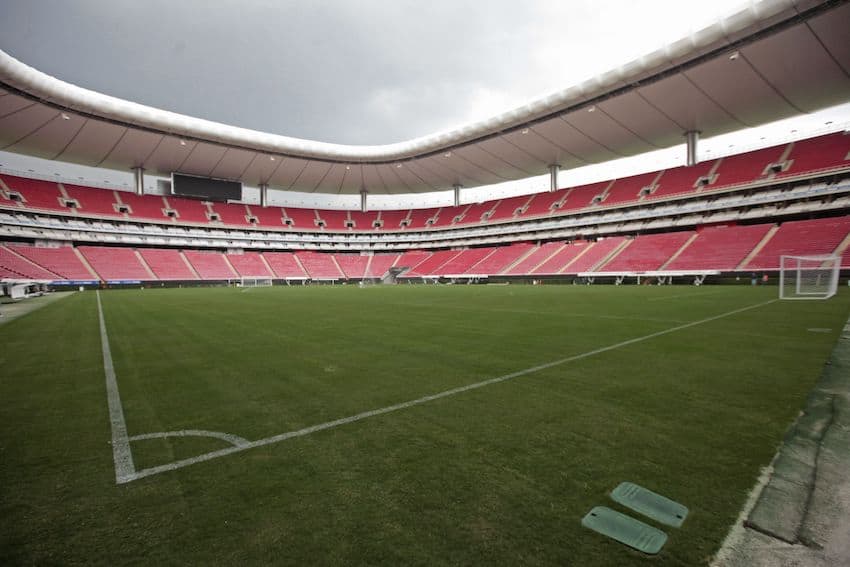
The Akron Stadium in Zapopan, which can host approximately 48,000 fans, will receive an investment of 300 million pesos ($16 million) from owner Omnilife-Chivas. Spending will go towards replacing the stadium’s turf, improving the press area and communications infrastructure and installing more security cameras.
Roads and public transport
One of the biggest infrastructure projects coming to the area is the expansion of the Chapala Highway, which connects the city of Guadalajara to the international airport. An additional lane will be added in each direction, and the upgraded six-lane road will be fitted with a bike path, sidewalks and streetlights.
The government also plans to widen the ring road around Guadalajara to improve access to the Akron Stadium.
Meanwhile, the Camino Real a Colima (Royal Road to Colima) will become an alternative route to López Mateos Avenue, alleviating congestion in the southern part of the city.
A new Line 5 of Guadalajara’s electric BRT public transport system will connect the airport with Akron Stadium, downtown and Expo Guadalajara, and is expected to reduce travel time by 50 minutes.
Meanwhile, the regional airport operator Grupo Aeroportuario del Pacífico (GAP) is continuing its Guadalajara Airport expansion project, with Terminal 2 currently under construction, as well as investing in improvements to the airport in Puerto Vallarta, a popular coastal destination.
8 new hotels
Significant private sector investments are planned for the state’s hotel and hospitality sector, with 38 new hotels planned for construction over the next five years.
Eight new hotels are expected to be completed for the World Cup. Developers have also announced improvements to existing hotels and restaurants.
Historic center upgrades
The historic center of Guadalajara is getting a glow-up ahead of the World Cup, resulting in long-term benefits for locals and tourists alike.
Projects include the installation of new streetlights, renovations to drinking water and sewage systems, improvements to pedestrian and vehicular crossings and the transfer of overhead wiring underground.
The Minerva roundabout will be adapted for pedestrian traffic as part of plans for Fan Festival, with improvements also being made to lighting and security throughout the city’s center.
“These aren’t [just] World Cup projects, they’re legacy projects for Guadalajara. The historic center had only been renovated once since its construction. What we want is for our center, our heart, to be able to beat strongly for at least the next 50 years,” Guadalajara mayor Verónica Delgadillo said at the presentation of her first government report in September.
The Guadalajara government announced in June that renovation works were due to be completed by the end of the year.
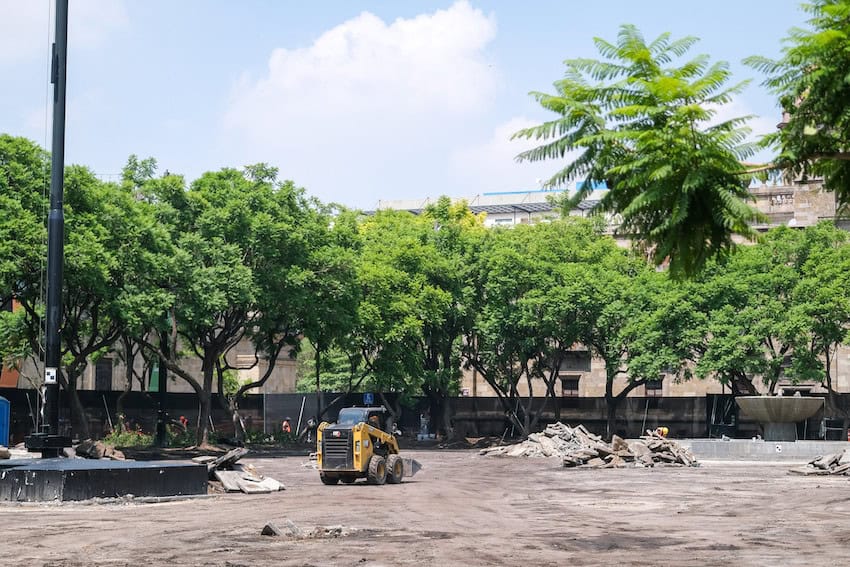
Improvements are underway in the following areas:
- Plaza de la Liberación
- Fountain and Esplanade of the Hospicio Cabañas
- Plaza Fundadores
- Plaza Tapatía
- Paseo Degollado
- The San Juan de Dios Market
All projects outlined above must be completed at least 60 days before the start of the World Cup, when FIFA begins its local operations, according to the mayor of Zapopan.
With reports from Milenio, Informador, El Universal, Telediario México, Mural and Escapada H