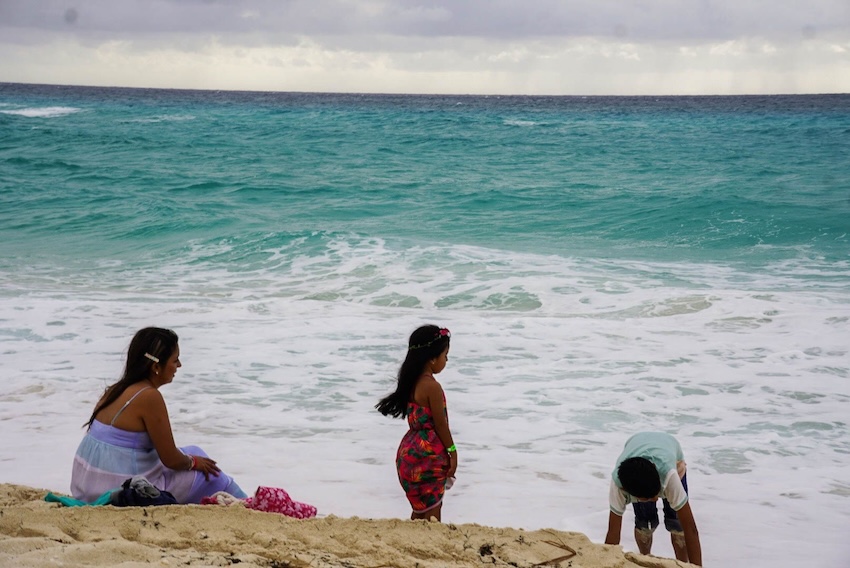
Mexican beaches in Cancún, Cozumel and elsewhere along the Caribbean Sea are vanishing at a rate of up to 2 meters per year, a crisis that scientists say is being intensified by unchecked tourism development and inadequate environmental planning.
Oceanographic engineer Rodolfo Silva Casarín, whose research focuses on coastal zones, said last week that diminishing beach width is affecting more than 80% of the Quintana Roo coastline, a stretch that includes the tourist jewel, the Riviera Maya.
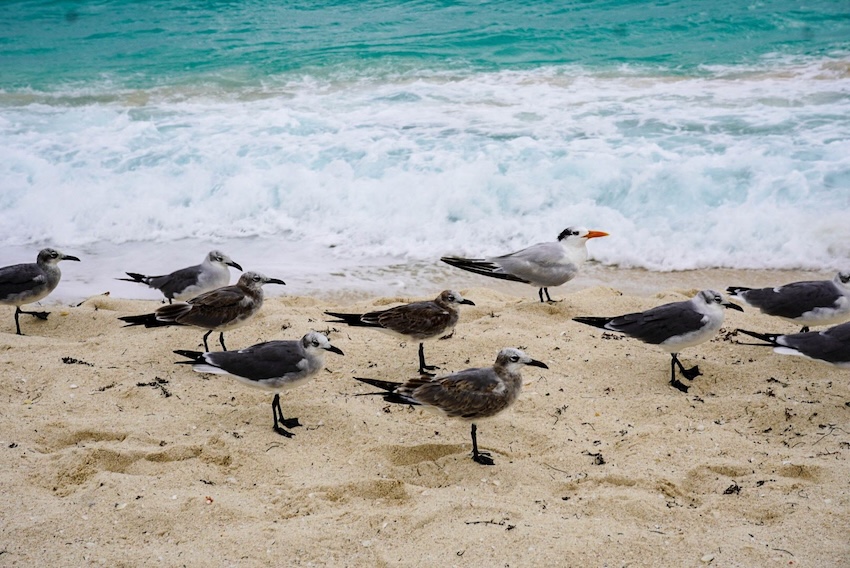
While storms and hurricanes naturally reshape coasts, Silva Casarín said human activity — especially the construction of large hotels and population-driven waste pollution — is pushing the system toward collapse.
“The coastal habitat has stopped generating the sediments” that create the iconic white sands, explained Silva Casarín, a specialist in the Oceanography and Coastal Engineering group at the National Autonomous University of Mexico (UNAM).
He said that the coral reefs and marine species that have helped sustain that process are now being destroyed.
With that, he warned that the state of Quintana Roo, which last week received a host of honors at the 2025 World Travel Awards, can no longer bear additional tourism infrastructure without worsening erosion.
His comments came during a conference for students and coastal management engineers titled “Diagnosis and Possible Alternatives for Managing Erosion of the Mexican Caribbean.” It was held at the University of the Caribbean in Cancún, Q.R.

Data from earlier this year highlights the scale of the loss.
Quintana Roo’s Ministry of Ecology and Environment (SEMA) reported in January that more than 31.5 kilometers of beaches have already been critically eroded, with up to 7 meters of sand having disappeared from Playa del Carmen, Cancún, Puerto Morelos and Cozumel.
An 800-million-peso (US $43.6 million) restoration plan is underway, initially targeting 6 kilometers in Playa del Carmen, but officials acknowledged it covers less than half the affected areas.
Silva Casarín criticized past short-term fixes, such as artificial sand fills in 2006 and 2009, for ignoring reef health and accelerating erosion in neighboring zones. He urged coral habitat rehabilitation as the only viable long-term solution.
Adding urgency, NASA has warned that rising sea levels from climate change could submerge several Mexican beaches within decades. “New NASA tool predicts end of Acapulco, Cancun and Cabo San Lucas” read a 2021 headline in The Hill.
NASA has predicted that by 2150, water levels could rise nearly 2 meters in places like Acapulco and over 1.5 meters in parts of Yucatán and Tamaulipas — a threat not only to ecosystems but to tourism economies nationwide.
With reports from El Economista, Infobae and Quinta Fuerza