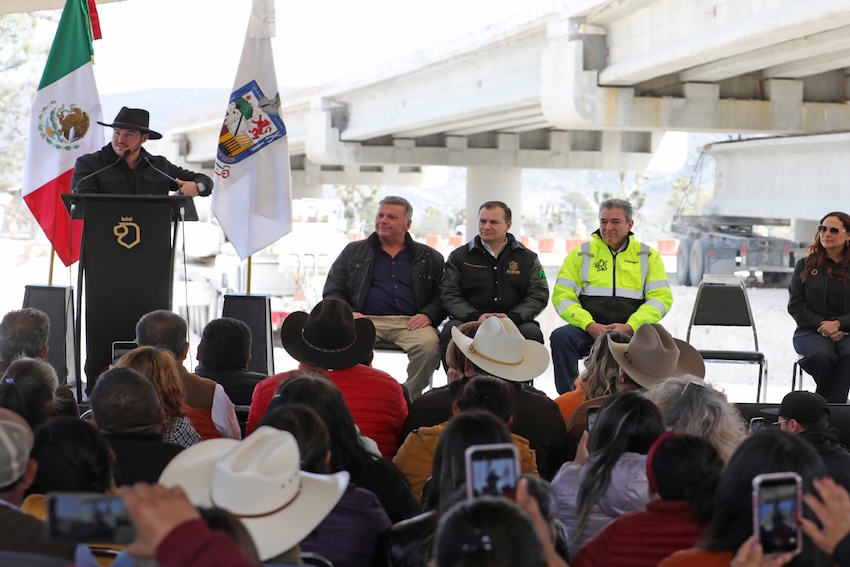
Nuevo León Governor Samuel García recently inaugurated the first phase of the Interserrana Highway, one of the biggest active infrastructure projects in Mexico, with 22 billion pesos (nearly US $1.2 billion) allocated for its construction.
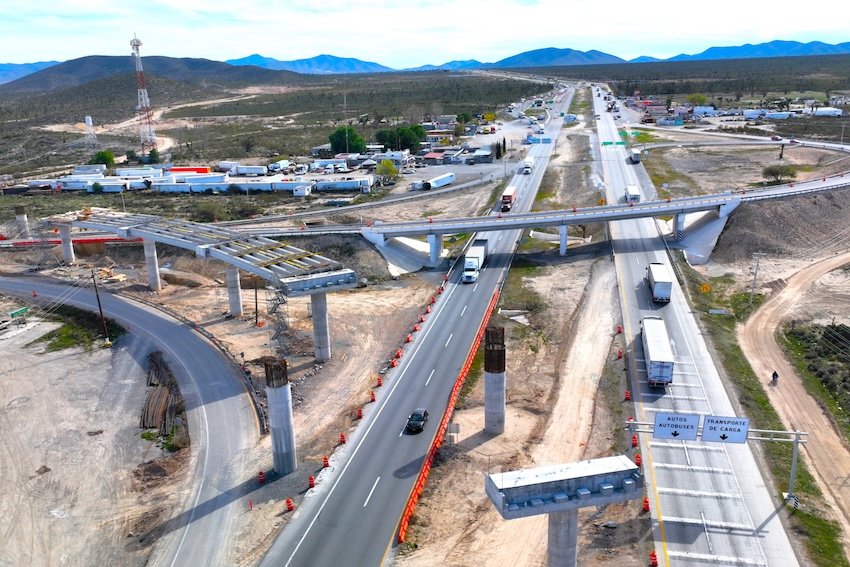
Phase 1 of the project featured the construction of the San Roberto Bridge on Federal Highway 58 in the southern Nuevo León municipality of Galeana. The 853-meter-long bridge — which García inaugurated on Sept. 26 — is comprised of two 220-meter-long ramps and a 400-meter central span, and cost 450 million pesos (US $24.3 million).
The Interserrana Highway project features the modernization and expansion of the 87-kilometer-long, two-lane Highway 58, converting it into a four-lane highway linking Federal Highway 57 with Federal Highway 85, both of which travel from Mexico City to the U.S. border.
García said the modernized Highway 58 will streamline freight transportation in the state and expedite travel to the northern border, while also allowing residents of southern Nuevo León to cut travel times to Monterrey, the state capital, from five hours to three.
The bridge and the new highway are expected to strengthen the local economy by encouraging trade and tourism, García said, making places such as Laguna de Labradores, Puente de Dios, Pozo del Gavilán and the Zaragoza waterfalls more accessible to visitors.
“This highway … will bring significant benefits to families and businesses by attracting visitors … to the southern and citrus-producing regions of our state,” Miguel Flores, Secretary General of the Nuevo León government, said.

When completed, the intermountain highway will also connect Nuevo León with the state of San Luis Potosí to the south, improving highway infrastructure between the two states and facilitating the transportation of goods and passengers between the center and north of the country.
San Luis Potosí Governor Ricardo Gallardo said the project will allow for a quicker connection between his state and Mexico’s northern border, but will also benefit Mexico as a whole.
“The new highway connects Highway 57, the busiest in the country, more directly with Monterrey, Nuevo Laredo and other key regions, improving connectivity between central and northern Mexico,” he said.
The business magazine Líder Empresarial said the intermountain highway project will not only reduce travel times in the north, but it will also provide environmental benefits from reduced traffic congestion and provide a boost to nearshoring.
“[The highway] will benefit Nuevo León’s industry by increasing trade and logistics competitiveness between Mexico and the United States … and will improve travel safety, reducing the possibility of vehicle accidents,” it said.
The entire Interserrana Highway project is scheduled to be completed by mid-2027.
With reports from Líder Empresarial and Mundo Ejecutivo