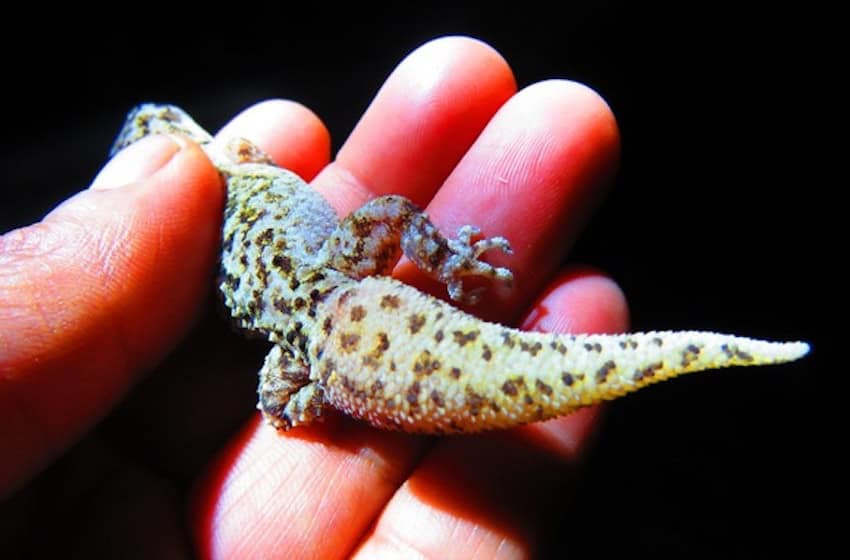
Scientists have confirmed a new species of gecko endemic to the Tehuacán-Cuicatlán Biosphere Reserve, a major biocultural region spanning the states of Puebla and Oaxaca, environmental authorities reported last week.
The nocturnal lizard — now officially named Phyllodactylus ngiwa and commonly known as the Tehuacán-Cuicatlán Valley gecko — was first documented in 2020.
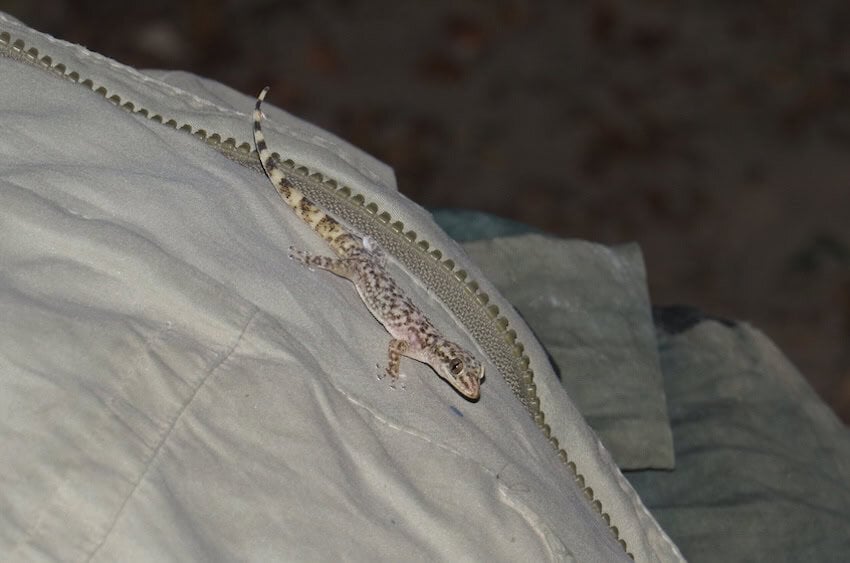
At the time, images captured by community biological surveillance and monitoring brigades were believed to show the Upper Balsas gecko (Phyllodactylus bordai), a visually similar species.
Subsequent research confirmed the new animal was distinct.
Academics from the National Autonomous University of Mexico (UNAM) and the Autonomous University of Nuevo León (UANL) conducted molecular, morphological and climatic analyses under a project funded by the Ministry of Science, Humanities, Technology and Innovation.
Fernando Reyes Flores, director of the Tehuacán-Cuicatlán Biosphere Reserve, said in a press release that the confirmation followed years of coordinated work involving scientists, technicians and community brigades.

The early photographic records were shared through the iNaturalistMX platform, triggering further interest.
Because the research involved the collection and handling of wildlife within a protected natural area — one that was declared a mixed heritage site by UNESCO in 2018 — the scientists obtained permits from the National Commission of Natural Protected Areas (CONANP).
The findings were published in November in the journal Zootaxa.
CONANP said the discovery strengthens conservation and habitat management strategies in the reserve, which was decreed a protected area in 1998.
Revelations from the Tehuacán Valley have picked up in recent months. The discovery of cave paintings was confirmed in September and details about a 1,400-year-old scorpion-shaped effigy mound were announced in October.
Officials credited the work of 42 community surveillance brigades for monitoring the ecologically rich region.
With reports from La Jornada, Excélsior and Meganoticias