Home Blog Page 1098

More than 98% of the population lives in poverty in Mexico’s 15 poorest municipalities

0
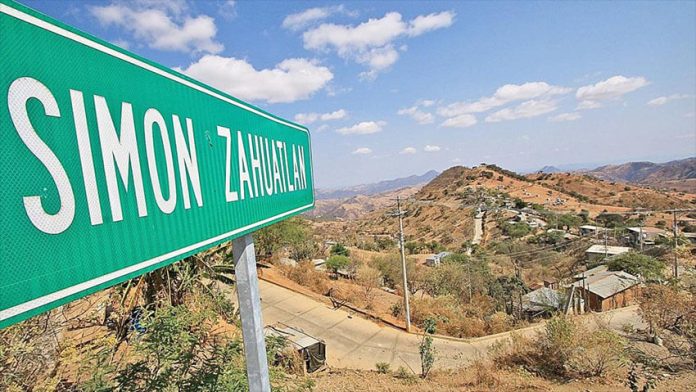
A view of San Simón Zahuatlán, Mexico's poorest municipality in 2020.
A view of San Simón Zahuatlán, Oaxaca, Mexico's poorest municipality in 2020.

In Mexico’s 15 poorest municipalities – located in three southern states with large indigenous populations — more than 98% of the population lives in poverty.

A report published by national social development agency Coneval on Wednesday shows that eight of those municipalities are in Oaxaca, six are in Chiapas and one is in Guerrero.

The poorest municipality in 2020 was San Simón Zahuatlán, Oaxaca, where 99.6% of residents live in poverty. In 2019, human development in the municipality, located in the state’s Mixteca region, was comparable to that in Yemen, the United Nations said in a report.

The second poorest municipality was Cochoapa el Grande, Guerrero, where the practice of selling young girls into marriage to alleviate poverty is common. According to Coneval, 99.4% of residents in the Montaña region municipality live in poverty.

The other 13 municipalities with poverty rates above 98% were, in order, Coicoyán de las Flores, Oaxaca; San Juan Cancuc, Chiapas; San Francisco Teopan, Oaxaca; Chanal, Chiapas; San Lucas Camotlán, Oaxaca; Aldama, Chiapas; Chalchihuitán, Chiapas; San Miguel Tilquiápam, Oaxaca; Santiago Amoltepec, Oaxaca; San Miguel Mixtepec, Oaxaca; Chenalhó, Chiapas; Santiago Tlazoyaltepec, Oaxaca; and San Andrés Duraznal, Chiapas.

Five of those – San Simón Zahuatlán, Aldama, Chanal, Chalchihuitán, San Juan Cancuc – were also among the 15 poorest municipalities in the country in 2010 and 2015.

A person is considered to be living in poverty if their income is below Coneval’s poverty threshold – currently 3,898 pesos (US $187) per month in urban areas and 2,762 pesos (US $133) in rural areas – and they present at least one social deficiency out of six, among which are poor access to adequate nutrition, housing and healthcare.

A person is considered to be living in extreme poverty if their income is below 1,850 pesos per month in urban areas and 1,457 pesos in rural areas and they present at least three social deficiencies.

The 15 municipalities with the highest extreme poverty rates are also located in Oaxaca, Chiapas and Guerrero. Santiago Amoltepec ranked first in that category with 84.4% of residents living in extreme poverty.

Coneval also identified the municipalities with the highest number of residents living in poverty and extreme poverty last year.

León, Guanajuato, headed the former list with almost 817,000 impoverished people.
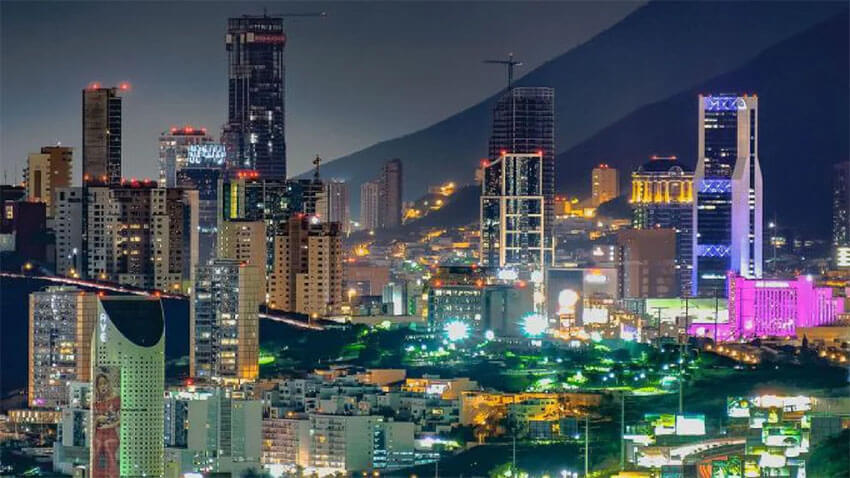
San Pedro Garza García, Nuevo León, a municipality in the Monterrey metropolitan area, had the lowest poverty rate in the country in 2020.

Five other municipalities had more than half a million poor people in 2020, when poverty levels rose due to the pandemic. They were Ecatepec, México state; Iztapalapa, Mexico City; Puebla city; Nezahualcóyotl, México state; and Toluca, México state.

Acapulco, Guerrero, had the highest number of people living in extreme poverty – more than 126,000 – while León, Iztapalapa, Toluca and Ocosingo, Chiapas, also had more than 100,000 extremely poor residents.

Coneval said that half of all Mexicans not considered poor live in just 46 urban municipalities, located mainly in the country’s central and northern states.

San Pedro Garza García, Nuevo León, an affluent municipality in the metropolitan area of Monterrey, had the lowest poverty rate in the country in 2020 with just 5.5% of residents considered poor. Human development there in 2019 was comparable to that in France, the U.N. said.

Eleven of the 15 municipalities with the lowest poverty rates last year – all 11% or lower – are in Nuevo León. The ten others are Parás, Agualeguas, Marín, Higueras, Melchor Ocampo, Abasolo, Los Herreras, General Treviño, San Nicolás de los Garza and Cerralvo.

The four other municipalities among the 15 with the lowest poverty rates last year are Benito Juárez, Mexico City; Huépac, Sonora; Riva Palacio, Chihuahua; and Abasolo, Coahuila.

A report published earlier this month said that Mexico is one of the most unequal countries in the world. The top 10% of income earners in Mexico earn over 30 times more than the bottom 50%, said the World Inequality Report 2022, completed by the World Inequality Lab.

Mexico News Daily 
Zihuatanejo mayor says homicides down 33%

0
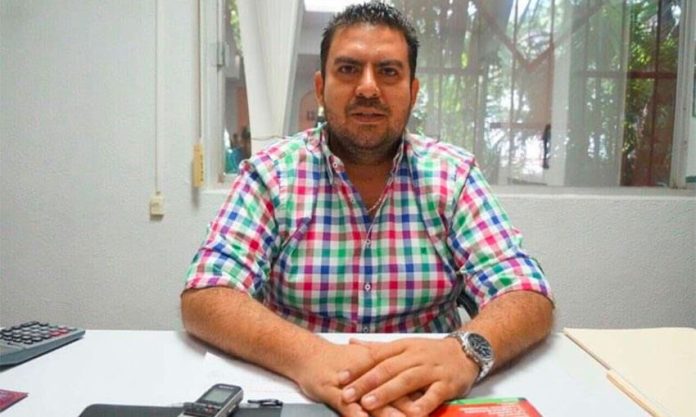
Zihuatanejo Mayor Jorge Sánchez.

Intentional homicides are down 33% in Zihuatanejo, the mayor told a Wednesday afternoon security meeting.

Jorge Sánchez Allec shared the news at a meeting that included Guerrero Governor Evelyn Salgado Pineda along with other civil and military leaders.

Sánchez said the decrease in homicides is due to a coordinated effort between federal, state and municipal security forces, including a special strategy focused on eliminating violence against women.

He also said that a greater number of crimes have been prosecuted, thanks to efforts to follow up on reported crimes.

Governor Salgado offered her continued support in the efforts to reduce crime, and said the state Public Security Ministry and the Ministry of Women will continue to coordinate with municipal authorities.

With reports from Milenio

Camera reveals semi carrying migrants went through immigration checkpoint

0
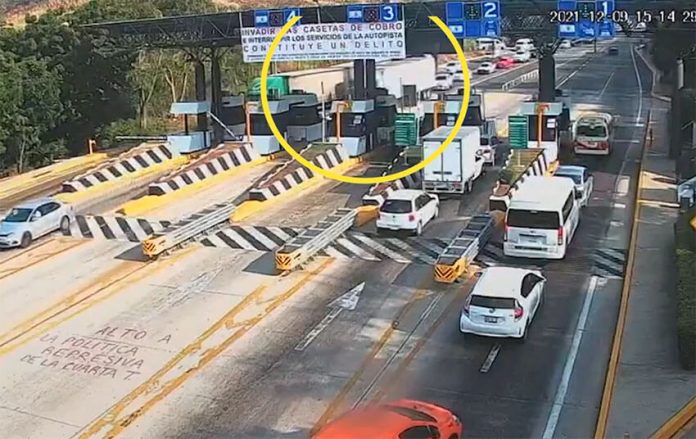
The semi-trailer filled with migrants passed through a toll plaza where immigration agents were stationed, just 5 kilometers before the deadly crash.
The semi-trailer filled with migrants passed through a toll plaza where immigration agents were stationed, just five kilometers before the deadly crash.

A tractor-trailer carrying 160 migrants that crashed in Chiapas last week passed through a toll plaza where immigration agents were stationed, contrary to statements by federal officials.

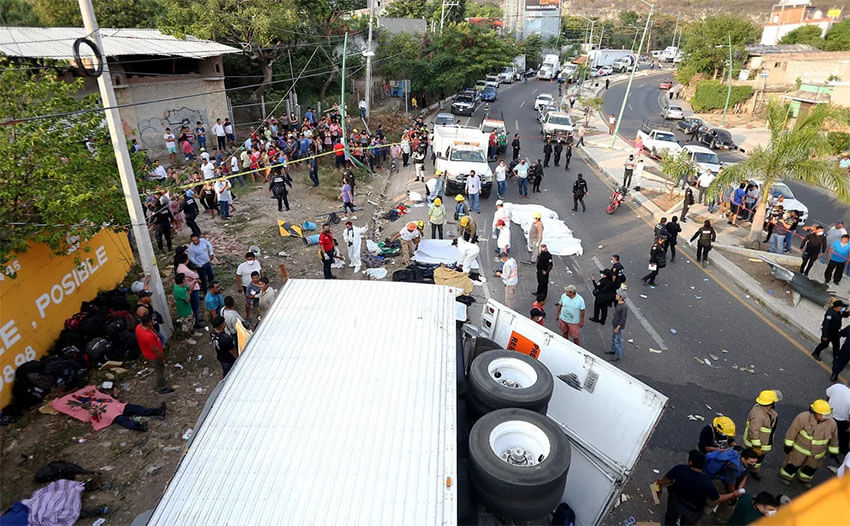
Fifty-seven migrants were killed in last Thursday’s accident on the Chiapa de Corzo-Tuxtla Gutiérrez highway and more than 100 others were injured.

Footage from state government security cameras shows the truck passing through a toll plaza approximately five kilometers from where the accident occurred. It disproves claims by officials, including President López Obrador, that the semi-trailer didn’t pass through any government checkpoint.

The National Immigration Institute (INM) agents at the location are assumed to have been deployed there to prevent people smuggling. Two INM vehicles parked next to the lane the truck was in before reaching the toll plaza can be seen in the footage.  The semi was not subjected to any revision.

The migrants, mostly Guatemalans, had paid smugglers up to US $13,000 to get to the United States, the newspaper El País reported.

The chaotic scene from the December 9 crash.
Scene of the December 9 crash.

Deputy Interior Minister Alejandro Encinas said this week that the people allegedly responsible for smuggling the migrants had been identified. The federal Attorney General’s Office has opened an investigation into the accident and the smuggling operation, he said.

Of more than 110 migrants hospitalized after the crash, over 40 have been discharged, according to the Chiapas government.

The INM has offered humanitarian visas to some of the migrants whose planned northward journey came to an abrupt halt when the trailer they were traveling in detached from the tractor unit and overturned. But most didn’t accept the offer.

The news website Infobae reported that 27 visas were offered but only three Guatemalans and one Dominican Republic national accepted them. Twenty migrants opted to return to their countries of origin while three others remained in Mexico and were weighing their options.

Some other migrants involved in the accident are missing, according to their families and friends. Relatives of Guatemalan migrants said they have received phone calls from men who claim they kidnapped their missing loved ones. The alleged abductors have demanded ransoms of up to US $3,000, they told the newspaper Milenio.

“They’ve been calling us and saying they have information about my missing friend, they’re asking for $3,000 to release him because they kidnapped him. But how are we going to pay if we can barely get together 2,000 quetzales [US $260] to go to Chiapas,” said Pedro Méndez, whose brother was injured in the accident and is also missing.

He said he is collecting donations from neighbors, relatives and friends in order to pay to travel to Chiapas to search for missing migrants.

Elvira Alguá Morales, whose 17-year-old brother is missing, recounted a similar story. “We don’t know anything about him and [the presumed kidnappers] have been calling from Mexican telephone numbers asking us for $2,000 or $3,000 for … information about where he is,” she said.

With reports from El País, Infobae and Milenio

Organ donor saves lives of six people in Guerrero

0
organs for transplant
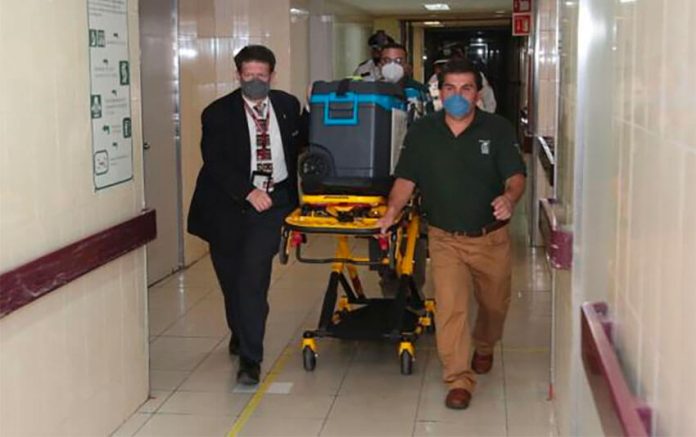
In an unrelated case, organs for transplant are rushed into a Mexico City hospital following their donation in Sonora.

A young father’s tragic death gave six people a new lease on life in Acapulco this week, thanks to his decision to be an organ donor.

The 30-year-old, identified only as Ricardo, had said since he was a teenager that he wanted to be an organ donor, his family said.

“I want to give life after my life,” his mother Rosalinda recalled him saying.

A father and construction worker, Ricardo also regularly donated blood until a motorcycle accident on December 5 left him with a severe traumatic brain injury.

With few options, the family decided to honor Ricardo’s wishes and gave their approval for the donation of his organs.

“I’m about to say goodbye to my son as a hero, not a fantasy hero but a real hero,” Rosalinda said.

A multidisciplinary team of specialists prepared the organs for transport on December 13 at an IMSS hospital in Acapulco. Family, friends and medical staff gathered to applaud Ricardo’s sacrifice as he went into surgery. His heart, kidneys, liver and corneas were flown out to be transplanted immediately to six other patients in need.

Rosalinda said that she hopes the organ recipients will “take full advantage of the blessing … that they live their lives, that they be happy and find fulfillment; [the gift] is being given from the heart.”

With reports from Milenio

There is no longer corruption or nepotism in judiciary, declares chief justice

0
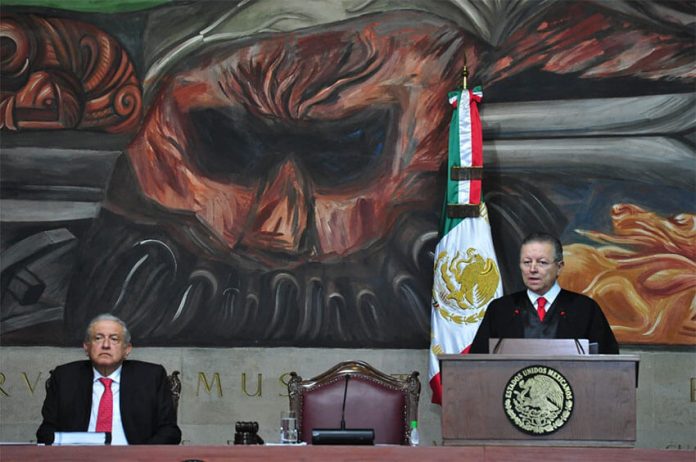
Supreme Court Chief Justice Arturo Zaldívar gave his third annual report as head of the federal judicial power on Wednesday.
Supreme Court Chief Justice Arturo Zaldívar gave his third annual report as head of the federal judicial power on Wednesday. Defensoría Pública Federal

There is no longer institutionalized corruption or nepotism in the federal judiciary, Supreme Court Chief Justice Arturo Zaldívar declared Wednesday.

Delivering his third annual report as head of the federal judicial power, Zaldívar said that corruption is no longer tolerated and that only “isolated” cases remain.

There have have been countless cases over the years in which judges have taken or allegedly taken bribes in exchange for favorable rulings. Some judges have been found to have ties to powerful criminal organizations such as the Jalisco New Generation Cartel.

Zaldívar acknowledged that he has previously spoken about shady dealings between judges and suspected criminals.

“A few years ago at this very place I said that the federal judicial power faced a significant corruption problem. I annoyed a lot of people when I said it and the assertion still makes people uncomfortable today. But when it comes to public institutions, which belong to the people, dirty laundry isn’t aired at home,” he said.

“… [Now] I can categorically declare that there is no longer tolerated or institutionalized corruption in the federal judicial power. There is no longer corruption endorsed or sponsored from above. The cases of corruption that exist are isolated and are no longer due to the existence of mafias of corruption that used to operate from within. A change of behavior has been generated because there are no longer [judicial] leaders who protect corruption schemes,” Zaldívar said.

Speaking to an audience that included his Supreme Court colleagues, President López Obrador, members of the federal cabinet and lawmakers, the chief justice said the only way to overcome problems such as corruption is through self-criticism.

“Acknowledging our problems is a duty of justice for those who have suffered corruption and for the vast majority of public servants who are honest and honorable,” said Zaldívar, who is considered an ally of the president, although the two men have clashed.

He said that nepotism within the judiciary was a common practice for years.

“For a long time the opportunities to enter and be promoted in the federal judicial power didn’t depend on merit. There was a generalized practice in which the heads of jurisdictional bodies gave appointments to family members, … which generated significant inequality for access [to positions] and promotion as well as conflicts of interest and influence peddling,” Zaldívar said.

“With … the implementation of the Comprehensive Plan to Combat Nepotism, we’ve put an end to this phenomenon. Today there are clear rules that govern hiring and which prevent situations of conflicts of interest and influence peddling. Thanks to the application of these rules we’ve eradicated nepotism in all jurisdictional bodies,” he said.

“… Today we’re a new judicial power that provides justice that is more humane and effective … than ever,” Zaldívar affirmed.

“… The people of Mexico are crying out for justice that has historically been denied … [because the judiciary] has always been at the service of power and privilege. The changes we’ve achieved will begin to be felt soon. The people will know they have federal judges who will defend them and make their demands for justice a reality.”

The federal government has sought to do its bit to clean up the judiciary, passing reforms designed to eliminate corruption, nepotism and harassment in the court system.

López Obrador attempted to extend Zaldívar’s term as chief justice by two years, arguing that only he is capable of implementing the government’s laws to overhaul the judicial system. The Congress approved the initiative, but the Supreme Court revoked the law last month, ruling that it was unconstitutional.

With reports from Milenio

Mexico’s Canelo Álvarez named boxer of the year

0
Saul Canelo Alvarez
World Boxing Council 2021 boxer of the year Saúl "Canelo" Álvarez, left, with his manager Eddy Reynoso. Eddy Reynoso/Twitter

Boxing champion Saúl “Canelo” Álvarez added to his accolades of a stellar 2021 on Tuesday when he was named the boxer of the year by the World Boxing Council (WBC). 

The event of the year also went to Canelo, for his knockout victory over the American, Caleb Plant, in November. The Guadalajara-born Álvarez became the first undisputed super middleweight champion when he stopped Plant in the 11th round.

“He made history, and now he’s boxer of the year,” the WBC tweeted to congratulate the red-headed athlete.

His other fights in 2021 were knockout victories against Turk Avni Yildirim in February and Briton Billy Joe Saunders in May. 

Eddy Reynoso, his trainer, won the award for Coach of the Year. Reynoso also guided American Andy Ruiz and Mexican Óscar Valdez to triumph this year.

With an extraordinary job in 2021. With multiple champions in his camp, Eddy Reynoso is the trainer of the year,” read the WBC’s congratulatory tweet. 

The men’s fight of the year, a separate category, was given to Briton Tyson Fury and American Deontay Wilder III for their heavyweight bout in October, which Fury won.

With reports from Uno TV 

Originally Mesoamerican, the piñata keeps evolving through the centuries

0
girls at posada in Mexico City
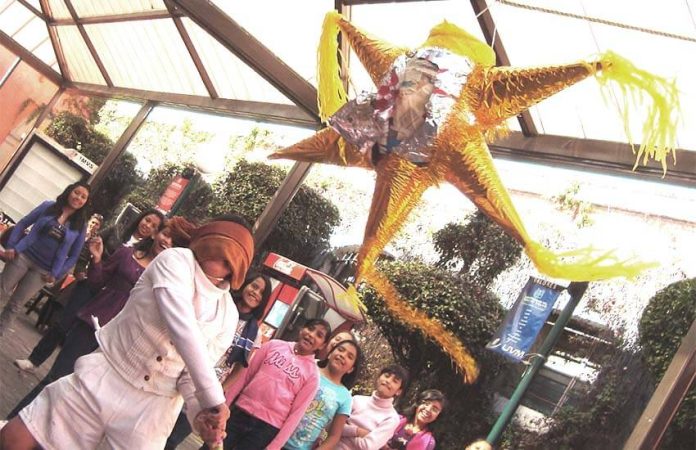
Children enjoy a piñata at a posada celebration in Mexico City. Yavidaxiu/Creative Commons

Few things evoke Mexico in our minds as does the traditional star-shaped piñata.

Piñatas are extremely important to Mexican popular culture. They are ubiquitous at birthdays, for example, but the most traditional ones are associated with Christmas.

But did they originate in Mexico?  The answer is mostly yes …. and a little no.

Modern Mexican piñatas are a combination of two cultural lineages: the breaking of a container with something special inside was part of various Mesoamerican cultures. The Mayan version even had a blindfolded participant hit the pot. But the direct ancestor of the modern piñata was the Aztec version.

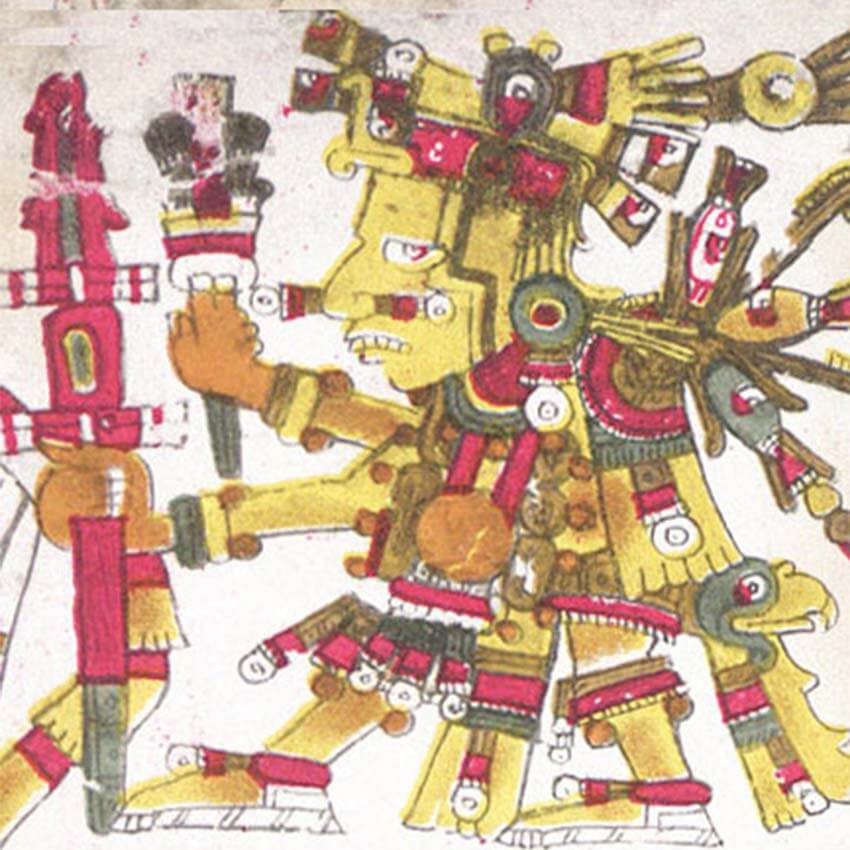
It honored the birth of Huitzilopochtli, the god of the sun and of war and the principal deity on the winter solstice, considered to be his day of birth. This date was also the first day of the new year, as the sun returned from the longest night of the year.

statue in Acolman, Mexico state
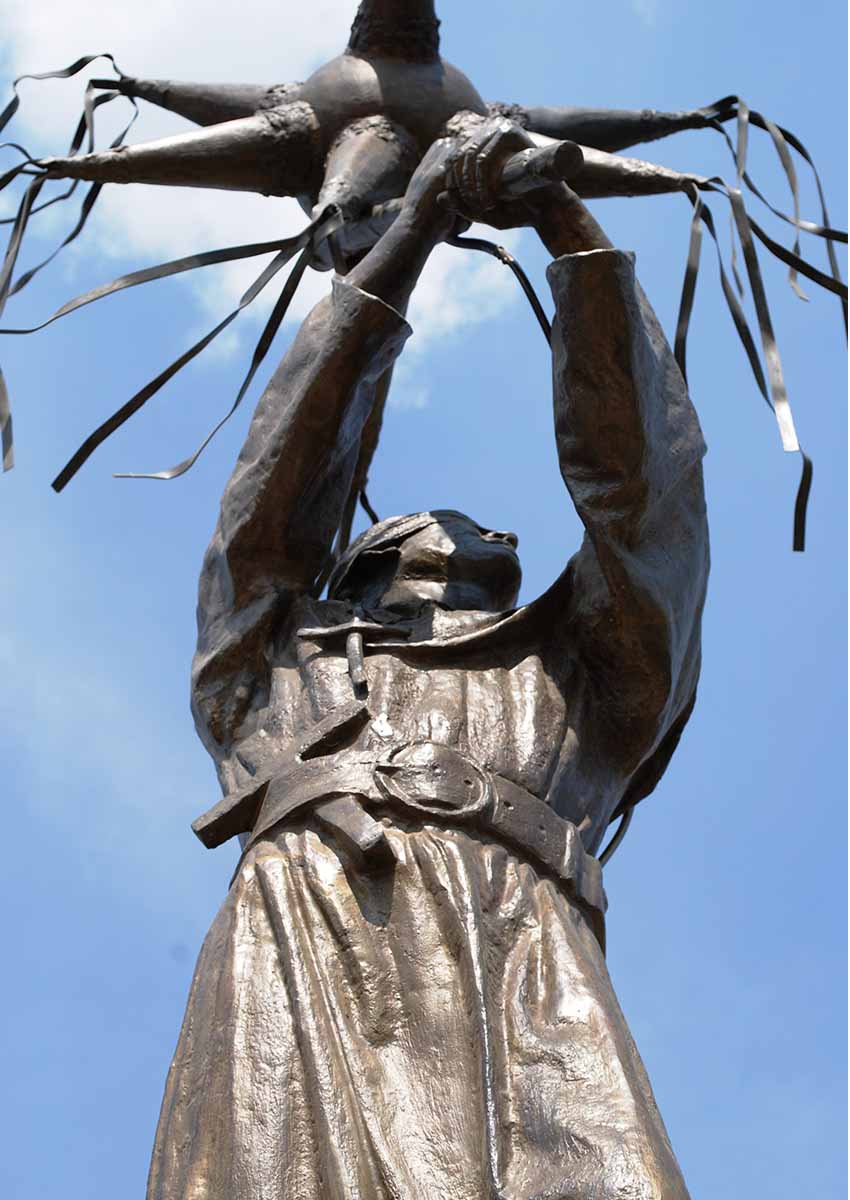
Statue of a monk hitting a piñata at the town of Acolman, México state, considered the home of the piñata. Alejandro Linares García

For this version of the piñata, an old clay pot was decorated with feathers to represent the god. Feathers were important because Huitzilopochtli was said to have been conceived due to his mother absorbing a ball of feathers into her abdomen, and so he was born with feathers on his body. In the ritual, the pot was broken and the fruits of the season and other edibles were shared.

Way over on the other side of the world, the Chinese had developed a similar tradition to mark their new year, celebrated in the early spring. Their version made a vessel in the shape of a cow or ox decorated with symbols and colors meant to bring luck for the coming growing season.

It was filled with seeds and hit with a stick. After being broken, the remains were burned and the ashes kept for good luck.

By the time the Spanish had reached the Americas, Europeans had brought the Chinese tradition west and were breaking decorated clay pots filled with edibles. They had adapted it culturally by making it a tradition for the first Sunday of Lent. So, where does the name piñata come from?

It has its origins in the Italian pignatta, which means “clay cooking pot.” The Spanish version used a plain clay vessel and decorated it with ribbons, tinsel and colored paper.

One of the first undertakings after the conquest was to convert the indigenous Mexica (Aztecs) to Catholicism. As was the case in Europe centuries earlier, this was achieved with a combination of force, political maneuvering and, at times, co-opting native traditions and symbolism to the conquerors’ religion.

piñata in Tlaxcala
The star version of the piñata has evolved into a general Christmas decoration like this one in Tlaxcala. Isaacvp/Creative Commons

Because of the importance of Huitzilopochtli and his birthday, the last option was taken. Evangelists at the monastery in Acolman, México state — today considered the home of the piñata — are credited with mixing the two clay pot traditions and adding some new elements.

European piñata making and breaking was moved to the days before Christmas to coincide with the indigenous festival. But the innovation came with the “new” piñata’s design and symbolism.

Seven cones or points were added onto the pot, along with the colored paper. These represented the seven deadly sins of Catholicism, and the piñata itself represented evil.

The blindfolded person represented faith in God, and the hitting of the piñata with the stick the struggle of man against evil. Breaking the piñata and the release of the edibles inside represented the success and rewards of winning this battle.

In some early traditions, the blindfolded person was turned 33 times, once for each year that Jesus is said to have lived.

Piñatas were the main event in a series of pre-Christmas get-togethers called posadas (lodgings), which today are still done to reenact the biblical story of Mary and Joseph looking for a place to stay before Jesus was born. Originally, the purpose of the posada tradition was to overwrite the whole Huitzilopochtli festival.

Aztec god Huitzilopochtli Borgia Codex
An image of Huitzilopochtli as depicted in the Borgia Codex.

Now, if you thought that breaking a piñata by some kid wielding a stick while blindfolded was dangerous enough, can you imagine what it was like to scramble among other greedy little ones among shards of pottery?

In very few places, Christmas piñatas are still made with clay pots. Piñatas are made all over Mexico, in almost any shape, but now mostly use papier-mâché for the hollow container. While paper piñatas are certainly safer, the change is more likely due to economics than concerns about injury.

It is unknown how, when or why the piñata broke its temporal confines of the December holidays to become part of one of the most often performed party rituals. I suspect that it has a lot to do with the strong appeal to the human psyche in scrambling against others for stuff.

The original star-shaped piñata, today with anywhere from five to nine points, is still found almost exclusively in December. These same ones can also have “feather-like” tissue paper streamers as decorations.

Perhaps Huitzlopochli hasn’t disappeared entirely.

Leigh Thelmadatter arrived in Mexico 18 years ago and fell in love with the land and the culture in particular its handcrafts and art. She is the author of Mexican Cartonería: Paper, Paste and Fiesta (Schiffer 2019). Her culture column appears regularly on Mexico News Daily.

US offers $5 million reward for arrest of each of El Chapo’s 4 sons

0
Three of the four sons of El Chapo
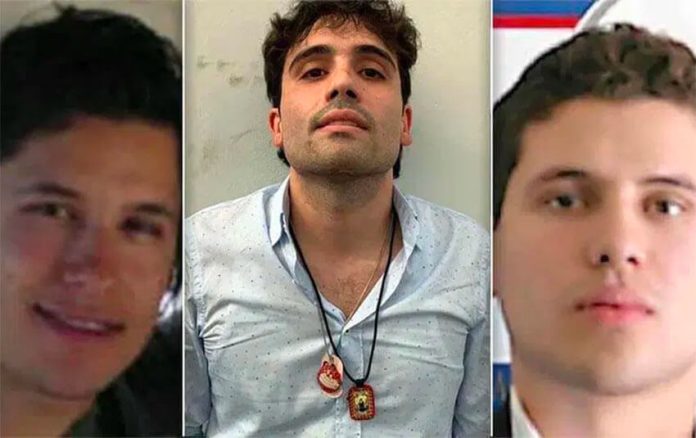
Three of the four sons of El Chapo for whom rewards were announced.

The United States government has announced rewards of up to US $5 million each for information leading to the arrest and/or conviction of four sons of imprisoned drug lord Joaquín “El Chapo” Guzmán Loera.

The Department of State announced the rewards Wednesday for the arrest of Ovidio Guzmán López, Ivan Archivaldo Guzmán Salazar, Jesús Alfredo Guzmán Salazar and Joaquín Guzmán López, also known as Los Chapitos.

“All four are high-ranking members of the Sinaloa Cartel and are each subject to a federal indictment for their involvement in the illicit drug trade,” the Department of State said in a press release.

It provided details on how information about the four men can be forwarded to authorities, including by telephone, email and encrypted messaging services.

The Department of State said its new reward announcements complement the Department of Treasury’s designation of 25 individuals and entities under a new executive order (E.O.) – Imposing Sanctions on Foreign Persons Involved in the Global Illicit Drug Trade – signed by United States President Joe Biden on Wednesday.

“Under the new E.O. … the Office of Foreign Assets Control (OFAC) today designated 25 actors (10 individuals and 15 entities) in four countries for having engaged in, or attempted to engage in, activities or transactions that have materially contributed to, or pose a significant risk of materially contributing to, the international proliferation of illicit drugs or their means of production,” the Department of Treasury said.

In Mexico, Treasury designated Los Rojos and the Guerreros Unidos for the first time, and added additional designations to 12 individuals and entities that had already been designated under the Kingpin Act and/or a 2011 E.O.

“Los Rojos DTO [drug trafficking organization] is a splinter group of the Beltrán Leyva Organization (BLO), which in recent years has risen to become one of Mexico’s most powerful criminal organizations. In addition to driving violence in Mexico, the Los Rojos DTO is responsible for trafficking numerous illicit drugs, including heroin, into the United States,” Treasury said.

“Guerreros Unidos (GU), a DTO based in Guerrero, Mexico, was originally a splinter group from BLO and through violence expanded its role in the heroin trade. GU collaborates with the Mexican narcotics trafficking organization, Jalisco New Generation Cartel, and shares the same transportation networks to move drug shipments into the United States and to return drug proceeds to Mexico.”

The Guerreros Unidos is also implicated in the abduction of the 43 students who disappeared in Guerrero in 2014.

The Mexican entities and individuals that received an additional designation under the new E.O. were:

• The Jalisco New Generation Cartel (CJNG).

• CJNG leader Nemesio “El Mencho” Oseguera Cervantes.

• The Sinaloa Cartel.

• Sinaloa Cartel leader Ismael “El Mayo” Zambada.

• The leaders of the Los Chapitos faction of the Sinaloa Cartel – Ivan, Jesús and Ovidio Guzmán.

• The Beltrán Leyva Organization.

• Fausto Isidro Meza Flores, a BLO operator in northern Sinaloa.

• The Gulf Cartel.

• The Juárez Cartel.

• Los Zetas drug cartel.

• Miguel Treviño Morales, who the DEA considers the head of Los Zetas.

• Omar Treviño Morales, Miguel’s brother and a leader of Los Zetas.

• La Familia Michoacana drug cartel.

“As a result of today’s action, all property and interests in property of the designated individuals that are in the United States or in the possession or control of U.S. persons must be blocked and reported to OFAC,” Treasury said.

Mexico News Daily 

Feds announce 10bn pesos for infrastructure projects in Cancún

0
The proposed bridge
The proposed bridge, whose plans will have to be scaled back, according to the governor.

The government is set to invest 10 billion pesos (about US $470 million) in Cancún, Quintana Roo, to upgrade infrastructure in the tourist destination, President López Obrador announced this week.

The Caribbean city will receive funds for the Nichupté Bridge, a new 8.7 kilometer road connection over the Nichupté Lagoon linking the city to the hotel zone, and for renovations to the Luis Donaldo Colosio avenue, which connects the hotel zone to the airport and the city. 

The president said it was high time the avenue was attended to, and explained how it would be funded: “We are going to improve that avenue, Colosio, which is the principal one and is in very bad condition, totally destroyed. We have already made the commitment to redo it … with hydraulic concrete, taking care that the drainage and water systems are also reconstructed. It is a project that we are going to do jointly between the state government and the federal government,” he said. 

The government’s financial commitment to the Nichupté Bridge means a previous funding plan, a public private partnership, will be scrapped.

Governor Carlos Manuel Joaquín said the change in funding for the bridge would reduce the investment and force the project to be scaled back. “It is an issue that we are going to present in the next visit that the president makes; it will no longer be a public private partnership. The bridge had very broad goals. In addition to vehicle lanes, it included bicycle lanes, and maintenance schemes during the years of the concession, but now, faced with the possibility of being a public project, they will be lost. The goals of the project will have to be reduced,” he said. 

The president also announced a 300 hectare recreational park in Tulum called The Park of the Jaguar, near an archaeological reserve, through which he aims to protect the area from over-development.

Quintana Roo has benefited from high levels of government investment. A new airport is under construction in Tulum, and it is one of five states where the $8-billion Maya Train project will run once completed, which is scheduled to start operating in 2023.

With reports from El Economista 

Film about Oaxaca virginity ritual accepted by Sundance Film Festival

0
still from film La Baláhna
La Baláhna will be part of the short film program at Sundance. It premieres at the festival and online on January 20. Imcine.gob.mx

A short film that explores the tradition of wedding night virginity testing in the Isthmus of Tehuantepec region of Oaxaca will be shown at the 2022 Sundance Film Festival.

Called La Baláhna, or Maidenhood in English, the 15-minute Spanish and Zapotec language film was written and directed by Xóchitl Enríquez Mendoza, a 30-year-old Isthmus of Tehuantepec native.

According to the Sundance synopsis, the film’s main character, Catalina, “submits to the tradition of her people to demonstrate her purity and worth as a woman to her beloved, but her body betrays her and she fails to demonstrate her chastity.”

In an interview with the newspaper El Universal, Enríquez said she was excited and happy that her film was chosen to represent Mexico at the Sundance Film Festival, which will take place in Utah next January. It will compete in the international short film category.

The short, Enríquez’s fifth, was filmed last year in the Isthmus municipalities of Santo Domingo Tehuantepec and El Barrio de La Soledad.

director Xóchitl Enríquez Mendoza
La Baláhna’s writer and director Xóchitl Enríquez Mendoza is an Isthmus of Tehuantepec native and made the film there. Sundance Film festival

The filmmaker said that La Baláhna — the film takes its name from the Zapotec term for the virginity ritual — is inspired by an experience a female member of her family had 30 years ago. Like Catalina, Enríquez’s relative didn’t bleed on her wedding night and was unable to prove her virginity.

Failing to prove their chastity — even though they were apparently virgins — was a shameful experience for both the film character and the real-life woman. If a woman “passes” the virginity test, the friends of an Isthmus region couple typically wear a red tulip on their clothes the day after the wedding.

Enríquez said that her aim was not to criticize the virginity ritual, which continues to take place in some communities, but to generate a discussion about it.

“It’s a delicate issue, and that was always my concern. I’m not here to attack a custom, I want to question it, start a discussion and reflect about the effects it can have,” she said.

“In this short film … [Catalina] didn’t bleed because she has an elastic hymen. By not bleeding, the character’s love [for her husband] is placed in doubt. Despite that, [Catalina’s husband] Donato stays with her, but the atmosphere of tragedy grows. The relationship is destroyed from the wedding night because she didn’t bleed,” Enríquez said.

The actors and everyone else who worked on the film are locals of the Isthmus region, she said. The film will premiere on January 20 and will be available for streaming on the Sundance Film Festival website until January 31.

With reports from El Universal