Home Blog Page 1164

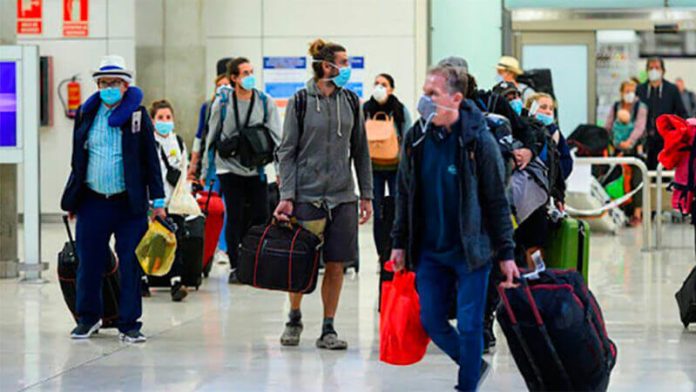
There were fewer international tourists in July but they spent more

0
Foreign visitors spent more this year.

International tourist numbers were below pre-pandemic levels in July but foreign visitors’ combined expenditure was above 2019 levels, official data shows.

Just over 3.38 million international visitors came to Mexico in July, according to the national statistics agency Inegi, a 19% decline compared to the 4.16 million foreign tourists in the same month of 2019.

But with a total outlay of US $2.12 billion, their combined spending was 6.5% higher than July 2019, when international tourists spent $1.99 billion.

Inegi said that tourists who arrived by air in July spent an average of $1,150 each while in the country, an increase of 15% compared to 2019.

Compared to July 2020 – when international travel remained deeply depressed by the coronavirus pandemic – international tourist numbers were up 143% in the seventh month of this year. Combined expenditure in July 2021 was up a whopping 389%.

Counting international tourists and international excursionists (cross border daytrippers and cruise ship passengers), a total of 5.33 million foreign visitors came to Mexico in July, a 35% decline compared to the same month in 2019 but an 87% increase compared to a year earlier.

Foreign visitors’ total spending in July this year was $2.22 billion, a 2.3% increase compared to 2019 and a 350% surge over the seventh month of last year. International excursionists spent a combined $107.2 million, or just 5% of the total.

Mexico News Daily 

As marijuana market disappears, crime groups turn to alcohol, logging, extortion

0
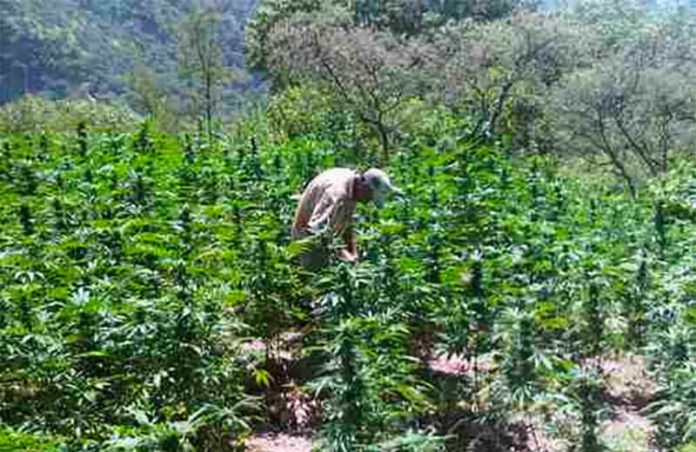
Marijuana 'barely profitable,' says cartel operative.

Mexico remains the main international provider of marijuana for the United States, but this has greatly diminished since 2013, forcing certain criminal groups to adapt and look for other funds.

As more U.S. states move towards legalization, “Mexican marijuana has largely been supplanted by domestic-produced marijuana,” according to the U.S. Drug Enforcement Administration’s (DEA) 2020 National Drug Threat Assessment.

The report shows marijuana seizures along the southwest U.S.-Mexico border declined by more than 81% between 2013 and 2020, suggesting Mexican crime groups have significantly scaled down their marijuana trafficking operations.

A high-ranking Sinaloa Cartel operative in Sonora state told InSight Crime that the marijuana business is “barely profitable now.”

“I only traffic marijuana to pay some of my people in the organization. I’m paying them with kilograms [of marijuana] that they manage to smuggle and get paid for, but it’s really coming to a point where it’s no longer a viable business,” he said.

The border state of Chihuahua is Mexico’s second-largest marijuana producer behind Sinaloa, accounting for 20% of production nationwide, according to a 2016 report by a Autonomous University of Madrid (UAM) researcher analyzing drug cultivation. And much of this comes from the Sierra Tarahumara, a vast network of canyons and mountains.

Two of Mexico’s main criminal organizations operate in the Sierra Tarahumara: the Sinaloa Cartel and Juárez Cartel through its armed wing, known as La Línea.

Over the past 10 years, fighting between these two groups has had a constant ebb and flow.

But both of these criminal heavyweights are having to adjust to many U.S. states decriminalizing or legalizing marijuana. To do so, they have monopolized other commercial activities like alcohol sales and logging, while also extorting the region’s local farmworkers to keep profits alive.

Alcohol monopoly in Chihuahua

Starting from La Junta highway at the entrance to the Sierra Tarahumara, only “authorized” stores can sell alcohol. Criminal organizations have threatened national chains like Oxxo to stop selling alcohol or risk facing retaliation, according to residents, business owners and state officials speaking anonymously for fear of reprisal.

For the most part, according to the cartel operative interviewed by InSight Crime, the alcohol monopoly is in the hands of the Sinaloa Cartel, specifically Noriel Portillo, alias “El Chueco.”

“Only authorized stores can sell alcohol. That way, there is no competition, and all of those earnings go to the organization,” he said.

This started as a direct consequence of the depreciation of marijuana prices, according to the operative. The municipalities under this rule stretch all the way from Bocoyna, Guachochi, Batopilas, Urique, and out to Guadalupe y Calvo.

He added that all alcohol distribution trucks are “stopped at the highways connecting to the Sierra and asked to go back. We maintain our own distribution, and businesses have to buy only from us.”

The cartel is buying massive quantities of alcohol in major cities like Cuauhtémoc or the capital, Chihuahua, and then transporting those products by truck to several municipalities inside the Sierra Tarahumara. They are the ones granting authorization to sell and distribute all sorts of alcohol without any legal permits.

The operative said they are not forcing everyone to sell alcohol, but those who want to must have permission from the cartel.

Alcohol regulatory authorities have virtually no presence in the Sierra Tarahumara, according to the cartel operative.

Most products go for two or three Mexican pesos (roughly $0.10) above the average retail price, which InSight Crime corroborated in several stores. And some restaurants aren’t selling any alcohol out of fear of negotiating with crime groups.

“We had to go with their deal, otherwise we would have to stop selling and close our business,” said a women from a local store in Guachochi.

Timber trade thrives as marijuana falls

San Juanito, a small wooded town at the beginning of the Sierra Tarahumara and the epicenter of fighting between the Sinaloa and Juárez cartels, used to be known as the “San Juanito forest” for its beautiful, thick tree cover. But after years of relentless logging — both legal and illegal — locals now joke and call it the “San Juanito Valley.”

Driving through it, the devastation is no secret: the areas surrounding the main highway are barren, with nothing but wood stumps for miles.

For almost six years, both the Sinaloa and Juárez cartels have relied heavily on the logging industry. The Sierra Tarahumara has historically been a large source of lumber for all of Mexico. With around half of its 16.5 million hectares forested by pine and oak trees, according to Community Technical Consulting, a non-profit organization defending human and land rights in the Sierra Tarahumara, this area provides around 10 million square meters of timber that is sold in bulk to construction companies or for use in building furniture.

With the heavy cartel presence, it’s become almost impossible to know how much of the wood taken into the sawmills is legitimate or tainted by organized crime, either illegally produced by such groups or by legal sawmills forced to pay a tax in order to operate.

People around San Juanito and the neighboring town of Creel were very hesitant to speak out loud about illegal logging. A local artisan told InSight Crime that the illegal timber trade has “everybody’s fingerprints on it.”

“Authorities, politicians, narcos and entire families are in the business,” he said. “But this is something we don’t discuss.”

Extorting local farmworkers

During the summer months, hundreds of men leave the cover of the Sierra Tarahumara to travel northbound to major cities like Cuauhtémoc or Chihuahua to work on apple, tomato, chile, pecan and bean farms. Big companies have established massive operations around these two cities and hire their workforce from all over the state.

But more recently, men leaving the sierra to work have been required to notify cartel operatives in charge of monitoring who leaves and where they go.

A local indigenous farmer returning from an apple tree farm, who spoke with InSight Crime under the condition of anonymity for fear of retaliation, said that crime groups are now demanding a percentage of their earnings on their way back home.

“Sometimes they are the ones who transport us to the farms and back, and they say the illegal toll is payment for the ride,” he said.

It’s not clear why the amount charged varies, but local workers said it ranges from a 5-10% cut of their earnings for a whole season, which amounts to roughly $800 for two full months of work.

Most locals interviewed pointed to the Sinaloa Cartel as the organization behind this operation, but La Línea’s involvement couldn’t be dismissed.

State authorities said they were unaware of this new extortion trend.

Reprinted from InSight Crime, a foundation dedicated to the study of organized crime.

New book tells you where to find 25 unforgettable hikes in western Mexico

0
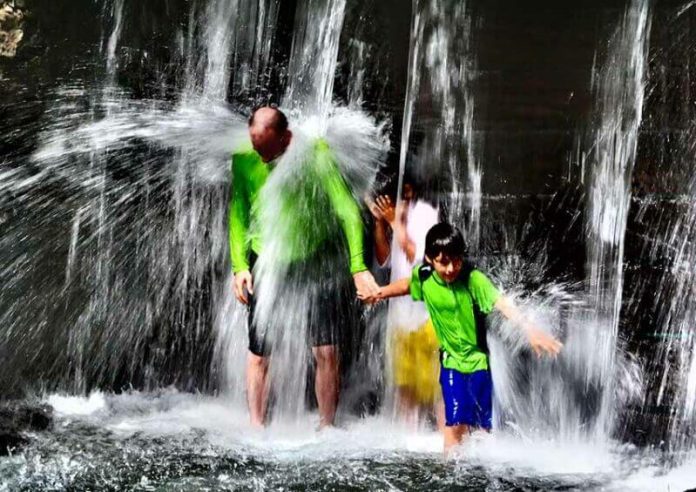
El Manto, Nayarit
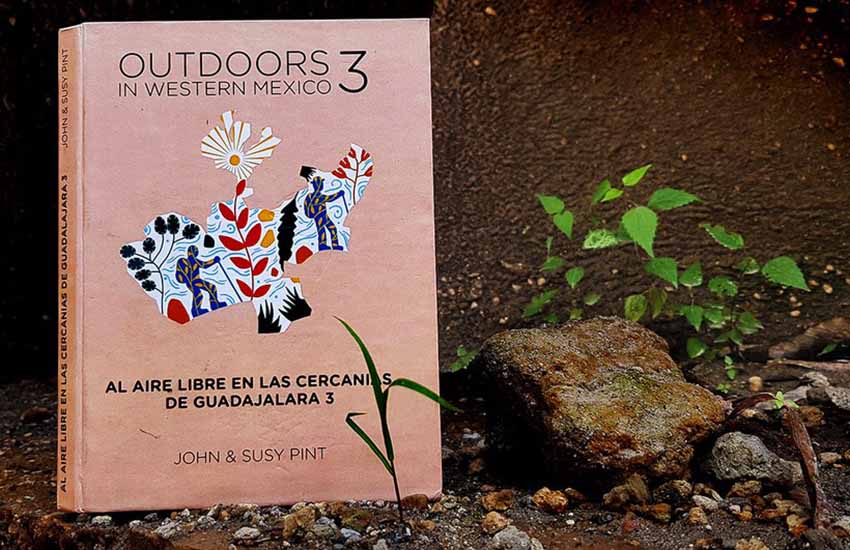
Chapter 10 of Outdoors in Western Mexico 3 by John and Susy Pint introduces you to El Manto, a 300-meter-long natural water park in Nayarit.

Our upcoming book, Outdoors in Western Mexico 3, is a collection of writing about 25 sites where you can escape the hustle and bustle of the big city and enjoy the rich biodiversity and geodiversity of western Mexico.

This 207-page tome was published this year by Tente Editorial of Monterrey, Nuevo León, the third in a series. It will be presented to the public in Ajijic, Jalisco, in September and in Guadalajara in October. The series’ origins go back to 1985, when my wife Susana and I decided to settle in Pinar de la Venta, Jalisco, a woodsy community perched atop hills a mile high on the edge of the sprawling Primavera Forest, just west of Guadalajara.

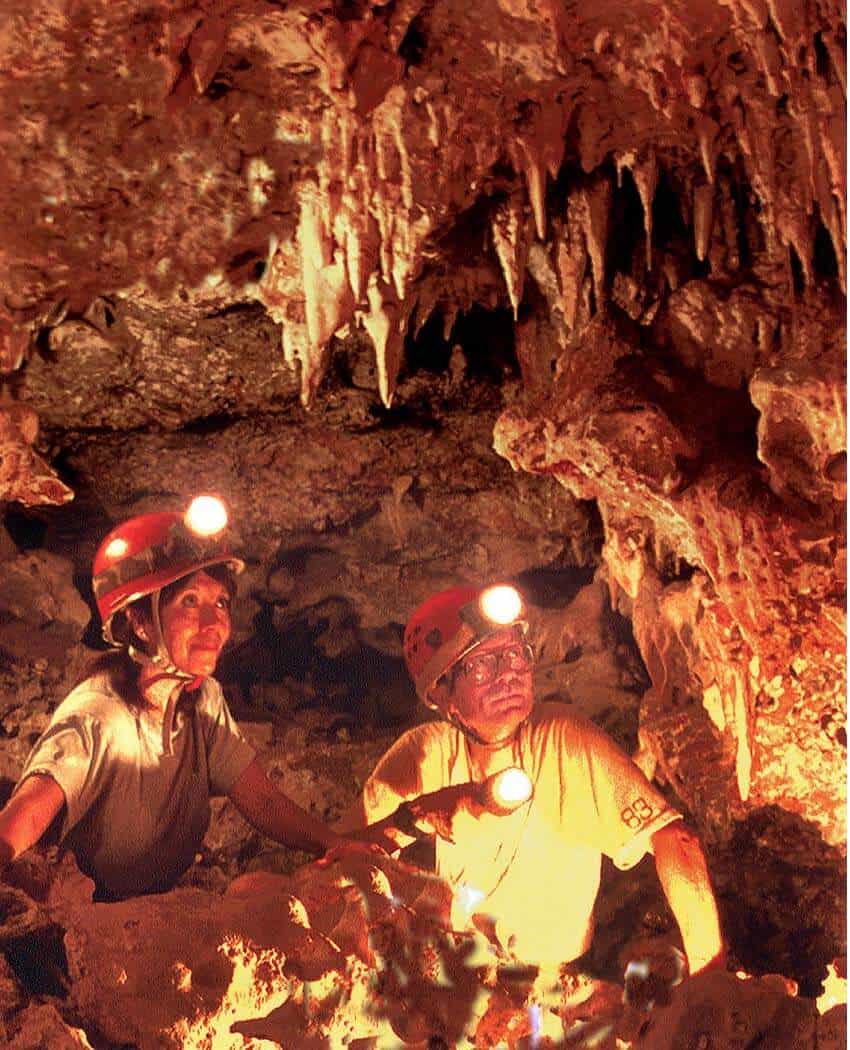
We had arrived after having lived in Saudi Arabia for four years, where we’d often spent the weekend underground, exploring “caves beneath the dunes.”

Naturally, we were anxious to see what kind of caves we might find in Jalisco and neighboring states, so one of the first things we did was to write a letter to the editor of Mexico Desconocido magazine, asking for information on the caving club nearest Guadalajara. Sad to say, our inquiry revealed that there was no caving organization anywhere in western Mexico — so we decided to start our own.

We offered courses in espeleologia, discovered plenty of interested people and started combing the hills for caves.

Huilotán Ecopark, Jalisco
You’ll find a waterfall and a jungle, complete with macaws, at Huilotán Ecopark, located only 25 kilometers north of Guadalajara.

Those caves, however, sometimes turned out to be located in the most godforsaken places you could imagine, perhaps at the end of one of those classic hair-raising mountain roads with a sheer wall on one side and a thousand-foot drop on the other.

Very often the huge, gorgeous cavern we had been told about (“Sí, señor, that cueva goes all the way through la montaña and comes out the other side!”) would turn out to be a miserable little hole penetrating the mountain a grand distance of two meters.

But on the way to or from that hole-in-the-wall, we would frequently stumble upon spectacular waterfalls, delightful hot springs, pristine beaches, mysterious ruins, tangled jungles, gorgeous canyons and stately forests, places well known to the local people but to no one else.

We began to write these places up and publish our stories in the pages of what was then called The Guadalajara Colony Reporter. Eventually, these writings ended up in the first Outdoors book, published by Editorial Ágata in 1998. Of course, we kept on hunting for caves, which continued to lead us to the discovery of more and more natural sites as fascinating as those we already knew.

We kept finding more and more botanical, biological and geological diversity in the places we were visiting, and we were intrigued. “How could there be so many extraordinary places exhibiting so much variety?” we wondered.

Most of what I have been calling western Mexico fits inside a circle 500 kilometers wide with Guadalajara in the middle, so my big question was: what makes this area so special?

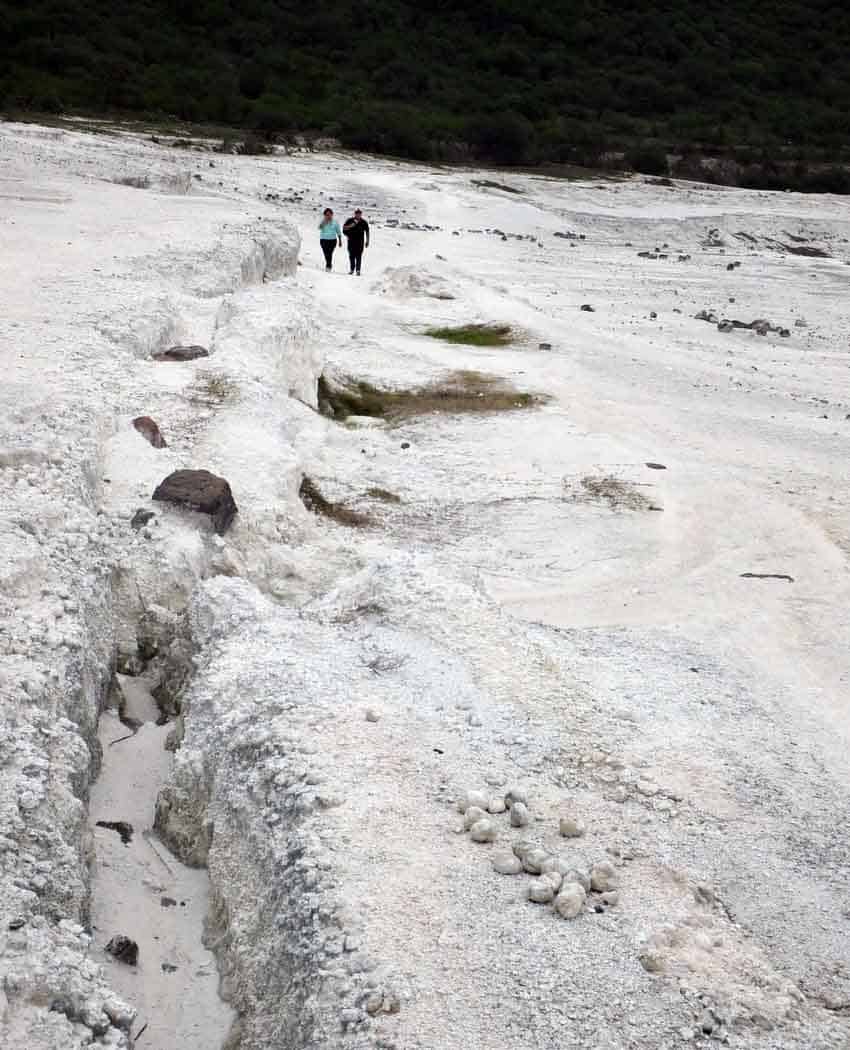
The Parangueo Crater in Guanajuato
The Parangueo Crater is one of seven volcanic craters in Guanajuato which supposedly lie in the same configuration as the stars of the Big Dipper.

In time, I learned that within this circle, all five of Mexico’s ecosystems converge. A tapatío (someone from Guadalajara) can head north on Monday and find one ecosystem, go south on Tuesday and end up in another and so on.

I decided to call this confluence of multiple ecosystems a Magic Circle. How many cities in the world lie at the center of a Magic Circle?

Not many!

So it was easy to find enough extraordinary sites to fill volumes 1 and 2 of Outdoors in Western Mexico, and now here comes a third collection. Like the previous volumes, this one presents a microcosm of the rich variety of outdoor sites inside the Magic Circle. Here’s a preview of just a few:

The Geysers of Los Patitos River: In the very first chapter, you’ll find a park full of geysers and hot springs. While the local people always knew there was something special bubbling up in and around Río de Los Patitos (Little Ducks River), few people in Guadalajara — except for an occasional intrepid botanist — suspected that there was a “mini-Yellowstone” just over an hour’s drive from the big city.

At Parque Ecologico Los Hervores you can run out of your tent on a cold winter’s night, jump into a hot pool that’s at just the temperature you fancy and gaze up through billows of steam at the deepest, most star-studded sky you could ever hope to see.

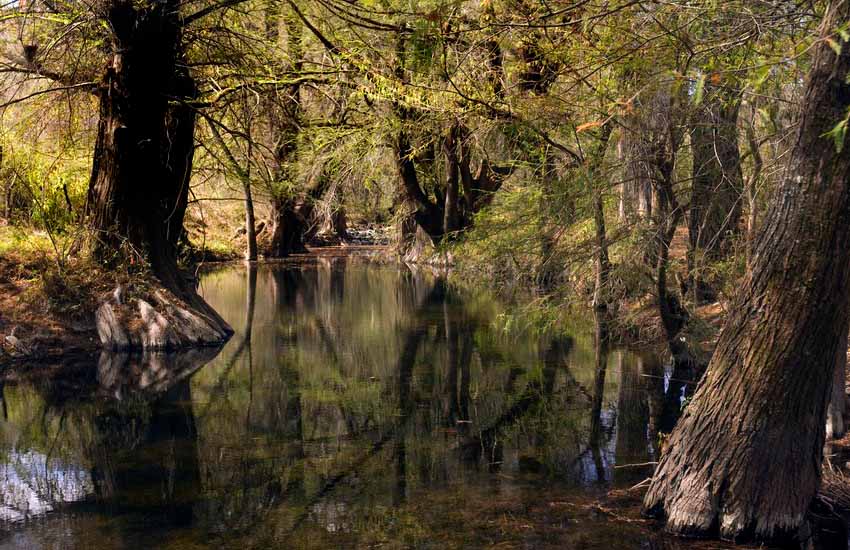
Sabinos River at La Cañada, Jalisco
The stately Montezuma cypresses of the Sabinos River at La Cañada, only eight kilometers north of Lake Chapala.

Parangueo Crater, Guanajuato: Contrast this with what awaits you in Chapter 13. You walk through a 400-meter-long, pitch-black tunnel and emerge at what first seems to be the North Pole: your eyes see ice and snow — but you don’t feel cold! Welcome to Parangueo Crater. Once upon a time, there was an alkaline lake here, but today it’s an otherworldly, shimmering white desert, like hiking across a giant bowl filled with crusty baking soda.

Petroglyphs of Altavista, Nayarit: If all this seems too exotic, turn to Chapter 23 and take a walk at Altavista, near the Pacific coast. The trail leads you through great boulders covered with petroglyphs engraved there over 2,000 years ago by the Tecoxquines (Throat-cutters), whose favorite sport was decapitating prisoners captured during tribal skirmishes. Your reward at the end of your walk? A dip in La Pila del Rey, the King’s Bathtub, a pool of crystal-clear water surrounded by picturesque natural columns of basalt rock.

With this third volume, the grand total of destinations we have described comes to 90. Add to these the 10 sites in my book A Guide to West Mexico’s Guachimontones and Surrounding Area and you now have a total of 100 great places to visit in western Mexico — enough to keep you busy on weekends for the next two years. Enjoy!

• The book Outdoors in Western Mexico 3/Al Aire Libre en las Cercanías de Guadalajara 3 by John and Susy Pint is written both in English and in Spanish and will be available in softcover (250 pesos) or as a hardback (350 pesos) by Tente Editorial. The book will be presented in Ajijic, Jalisco, on September 23 at 2 p.m. in the garden of the Lake Chapala Society. There will also be a Guadalajara book launch on October 16 at the Foro Infantil of Parque Agua Azul at 1 p.m. Click here for more details and updates.

The writer has lived near Guadalajara, Jalisco, for 31 years and is the author of A Guide to West Mexico’s Guachimontones and Surrounding Area and co-author of Outdoors in Western Mexico. More of his writing can be found on his website.

The King’s Bathtub at Petroglyphs of Altavista
The King’s Bathtub awaits you at the end of the 400-meter-long trail through the Petroglyphs of Altavista.


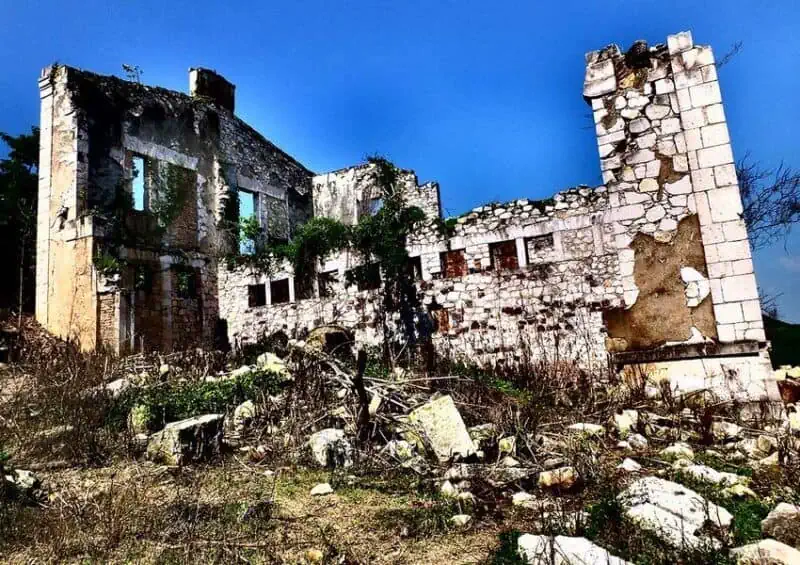
ghost town of El Amparo, Jalisco
In Chapter 3 of Outdoors in Western Mexico 3, you’ll learn all about the ghost town of El Amparo, once one of Mexico’s most successful silver mines.


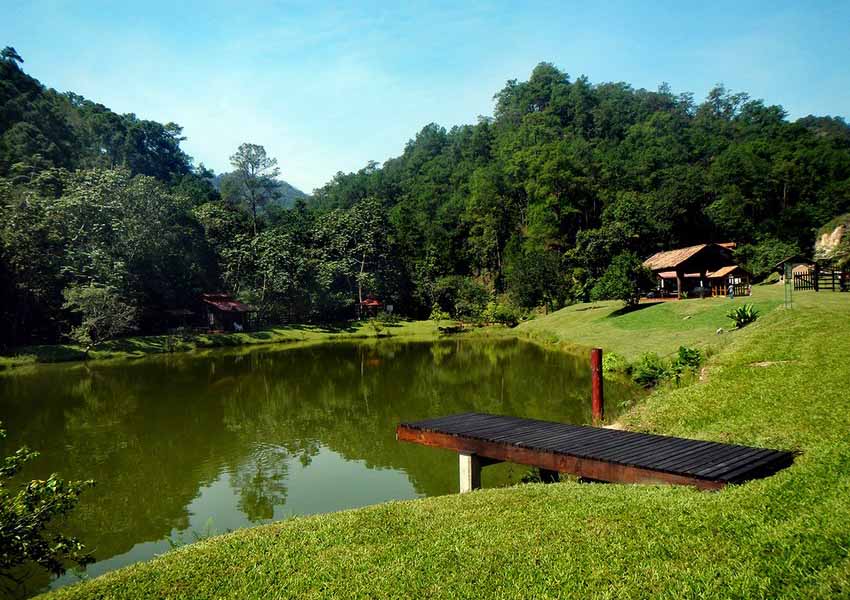
Potrero de Mulas, Jalisco
Discover the serenity of Potrero de Mulas, described in Chapter 22. You only have to do 30 river crossings to get there!


Outdoors in Western Mexico 3 book by John & Susy Pint
Outdoors in Western Mexico 3 describes — in Spanish and English — 25 places near Guadalajara where you can hike, picnic, and, in some cases, camp.


John and Susy Pint in Dahna desert
Authors Susy and John Pint inside hot, steamy Mossy Cave, located beneath Saudi Arabia’s Dahna Desert.

Parents discover a human leg in coffin of their newborn child

0
hospital
The hospital refused to accept responsibility.

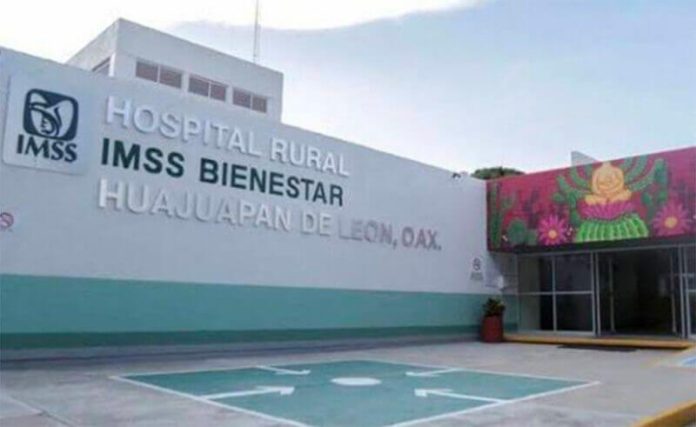
The grief of the parents of a newborn child who died in a Oaxaca hospital was exacerbated when they received an amputated leg in place of the body of their deceased son.

An 11-day-old baby boy who was born after 34 weeks’ gestation died from a congenital disorder in the Mexican Social Security Institute (IMSS) Rural Clinic in Huajuapan de León last Friday.

The baby’s father and staff from a funeral home went to the Mixtec region hospital the next day to collect the infant’s body but left the facility with a coffin containing a human leg.

According to sources cited by the newspaper El Universal, the parents didn’t become aware of the mix-up until they arrived at Tacache de Mina, their hometown.

“The family noticed that blood was dripping from the coffin and checked inside; it was then they discovered it was a human leg,” El Universal said.

The parents subsequently returned to the hospital where they were able to collect their son’s body.

The family referred the case to a local prosecutor’s office, which launched an investigation that concluded that an IMSS employee was responsible for the mix-up.

But IMSS authorities in Oaxaca rejected the claim that a hospital employee was responsible, telling El Universal that the baby’s father was at fault because he took the coffin containing the human leg without checking its contents.

Pressed by the newspaper as to what part of its corpse delivery protocols had failed, IMSS simply insisted that the baby’s father was to blame.

“The man had all the documentation concerning the [deceased] newborn. He just got the wrong coffin. Instead of verifying which one really corresponded to his baby, he took another one that wasn’t [the right one]. It was he who made the mistake, not IMSS personnel,” the institute said.

“But no one from the hospital realized? Who supervises the release of bodies?” probed El Universal.

“There are authorized personnel in charge of that … but he [the father] was negligent and took the [wrong] coffin,” IMSS responded, adding that the father had admitted he was to blame.

The Oaxaca Attorney General’s Office confirmed that an investigation had been opened but said the IMSS employee who was allegedly responsible for the mix-up wouldn’t face charges because the apparent error was rectified.

“… A mistake was made but at a criminal level there is no responsibility because the body was subsequently delivered,” it said.

The macabre mix-up occurred two weeks after a premature baby was mistakenly pronounced dead and taken to a morgue at an IMSS hospital in Coahuila. The baby was rescued from the morgue but died four days later.

With reports from El Universal 

Court rules that protection of life from conception is unconstitutional

0
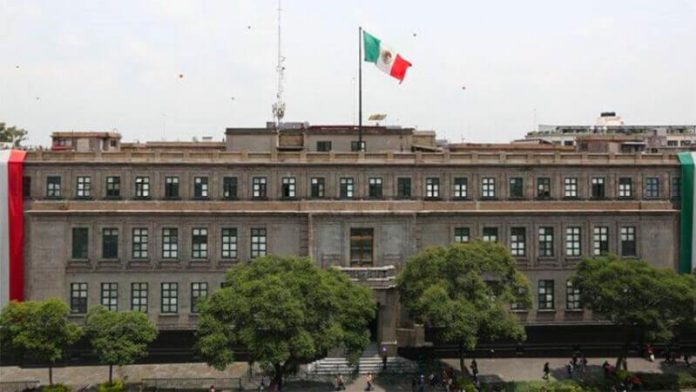
Mexico's Supreme Court
Mexico's Supreme Court issues its second abortion-related decision in as many days.

Two days after effectively decriminalizing abortion across Mexico, the Supreme Court (SCJN) ruled on Thursday that the protection of life from the time of conception is unconstitutional.

In response to a challenge to abortion restrictions in Sinaloa, the court ruled that state laws that protect life from conception are unconstitutional because state legislatures don’t have the authority to establish the time at which human life begins. The SCJN also determined that such laws violate women’s reproductive rights.

“It’s not the job of any state legislature or this plenary session [of the SCJN] to establish the origin of human life, especially in the absence of scientific consensus,” said Justice Alfredo Gutiérrez Ortiz Mena.

“It’s clear that the embryo and fetus must be recognized as constitutionally relevant beings and must be protected in accordance with that dignity and character. However, their protection can’t compete fully and unconditionally with that of born people,” he said.

The Supreme Court justices agreed that the sole purpose of laws in 21 states that protect life from the moment of conception is to inhibit abortion, even in cases of rape or when the mother’s life is endangered.

Two justices opined that state legislatures don’t have the authority to legislate on human rights issues.

The court’s ruling reinforces its view that abortion is not a crime. The SCJN ruled on Tuesday that the criminalization of abortion is unconstitutional, paving the wave for the legalization of early term abortions in the 28 states where the practice is illegal.

Outside cases of rape and those in which an expectant mother’s life is endangered, abortion during the first 12 weeks of pregnancy is currently only legal in Mexico City, Oaxaca, Hidalgo and Veracruz.

With reports from El Universal 

Hurricane Olaf knocks out power to thousands, causes flooding in Baja Sur

0
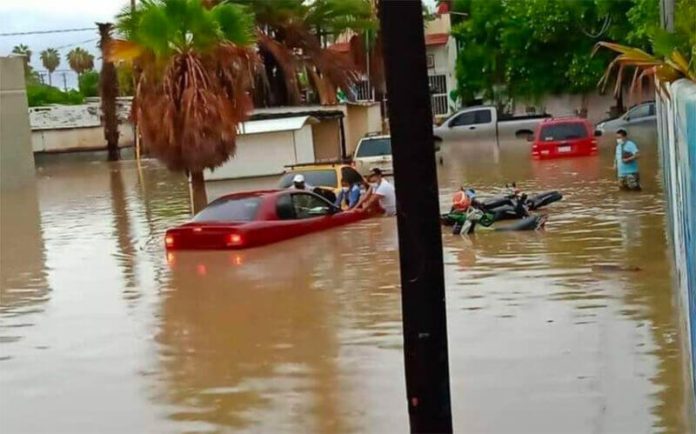
Flooding in Los Cabos Friday morning.

Almost 200,000 electricity customers lost power on Thursday night after Hurricane Olaf brought strong winds and heavy rains to the southern portion of the Baja California peninsula.

With sustained wind speeds of 155 kmh and gusts to 185, Olaf made landfall as a Category 2 hurricane near San José del Cabo, Baja California Sur, at about 9:00 p.m. Once over land, Olaf was downgraded to a Category 1 hurricane before being degraded again to a tropical storm.

Only minor damages from the storm have been reported.

The Federal Electricity Commission reported that just under 192,000 customers in Los Cabos and La Paz lost power due to the storm. But service to 30% of affected customers was restored by Friday morning, the utility said.

The ISSSTE General Hospital in La Paz lost power at 12:40 a.m., provoking concern among people whose family members are receiving treatment in the facility.

The IMSS No. 6 Hospital in San José del Cabo was among buildings and homes affected by flash flooding in the Los Cabos area. Road access between San José del Cabo and Cabo San Lucas was cut off due to flooding and fallen trees and utility poles.

Some 20,000 tourists are currently in Los Cabos, where they took shelter in their hotels, according to the president of the local hotel association.

There have been no reports of loss of life due to the passing of the hurricane, which was about 100 kilometers west of La Paz at 10:00 a.m. CDT Friday. The United States National Hurricane Center said the storm is expected to move away from land on Friday night.

Heavy rain is expected to continue to fall in Baja California Sur throughout Friday.

A range of precautions were taken to minimize damage and the threat to human life. Civil Protection authorities ordered the closure of ports in locations such as Loreto, La Paz and Los Cabos, where large swells were reported, and the airports in the latter two destinations were closed since Thursday afternoon. The Los Cabos airport resumed operations on Friday morning.

Most economic activities were suspended in southern Baja California Sur, schools were shut and temporary shelters were opened in locations including Los Cabos and La Paz.

With reports from El Sudcaliforniano and TV Azteca 

US agrees to help create jobs in southern Mexico at high-level bilateral talks

0
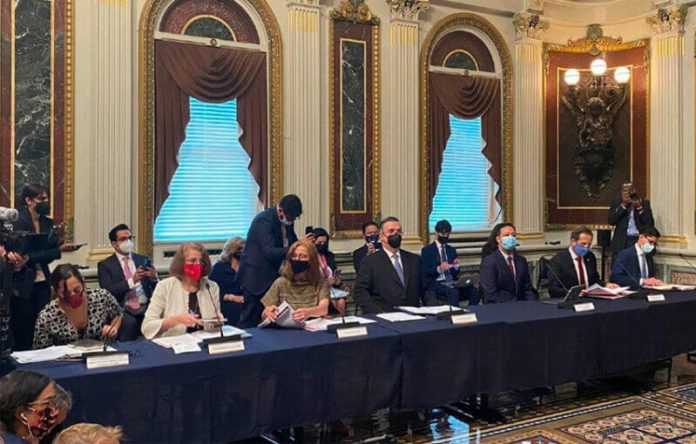
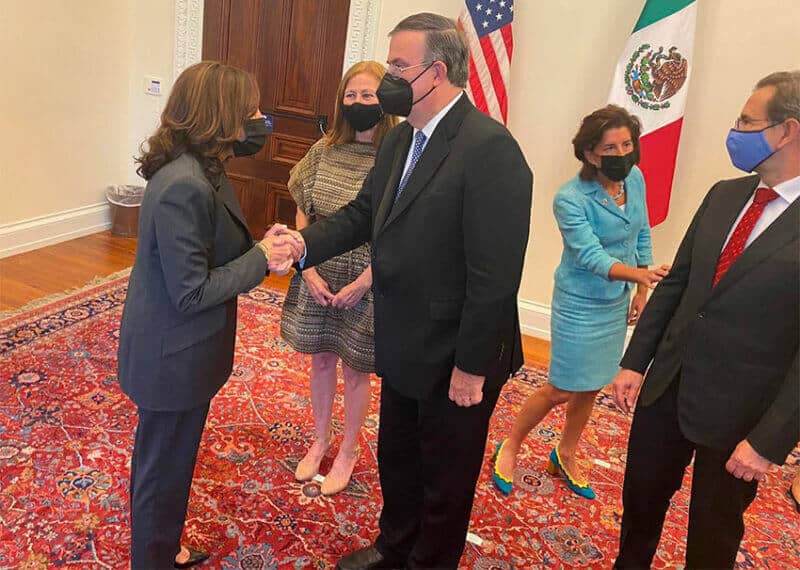
The Mexican delegation Thursday in Washington.

The United States has agreed to collaborate with Mexico on employment programs in the southern region of the country and in Central America, the federal government said Thursday after high-level talks in Washington D.C.

In a statement outlining the four central pillars of a relaunched U.S.-Mexico High Level Economic Dialogue (HLED), the Ministry of Foreign Affairs (SRE) said the United States will provide technical support to attend to structural causes of migration in northern Central America.

It said the United States will collaborate with Mexico and Central America on the Sembrando Vida (Sowing Life) tree-planting employment program and the Youths Building the Future apprenticeship scheme.

President López Obrador has lobbied the U.S. government to support an expansion of the government programs to the nations of Guatemala, Honduras and El Salvador.

Cooperation on the programs falls under “Promoting Sustainable Economic and Social Development in Southern Mexico and Central America,” or Pillar II of the HLED, which was reactivated on Thursday after the forum’s suspension by former U.S. president Donald Trump.

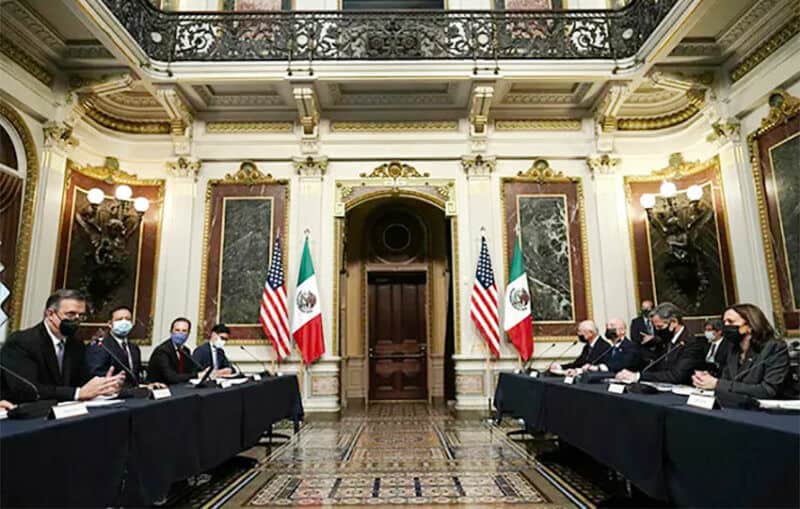
Foreign Minister Marcelo Ebrard and Economy Minister Tatiana Clouthier led a Mexican delegation to meet with a U.S. contingent headed by Vice President Kamala Harris and Secretary of State Antony Blinken.

The White House said in a statement that the HLED will allow the United States and Mexico to rebuild and grow as dynamic partners as the two countries face new challenges.

With regard to Pillar II, the White House said the United States and Mexico “will identify complementary and cooperative opportunities to improve livelihoods through the creation of jobs and opportunities in the short, medium, and long term in El Salvador, Honduras, Guatemala, and southern Mexico, increasing its trade potential and spurring investment.”

It also said there will be increased technical cooperation between the U.S. and Mexican international development agencies.

The United States has seen a surge of migrants to its southern border since President Joe Biden took office in January, and his administration is determined to stem the flow while moving away from some of former president Donald Trump’s harshest migration policies.

The three other pillars of the relaunched HLED are Pillar I: Building Back Together; Pillar III: Securing the Tools for Future Prosperity; and Pillar IV: Investing in Our People.

The Mexico and US delegations at Thursday's high-level talks in Washington.
The Mexico and US delegations at Thursday’s high-level talks in Washington.

Under Pillar I, Mexico and the United States will create a bilateral working group on supply chains to “identify areas of complementarity on new and existing chains in order to maintain their correct functioning in the face of possible disruptions,” the SRE said.

Clouthier told a press conference in Washington that Mexico raised the need to “sit down with industries or companies and be able to detail the components of semiconductors” in order to determine what parts would be manufactured in Mexico and what parts would be made in the United States.

The White House said the two countries will “build back together in an environment informed by the pandemic by improving the regional business environment and strengthening the resilience of U.S.-Mexico supply chains,” adding that “work under this pillar will include how to best facilitate economic recovery and strengthen infrastructure, trade facilitation, and innovation.”

In her opening remarks at the bilateral meeting, Vice President Harris said the coronavirus pandemic has undermined the global economy and that climate change and cyberattacks have posed risks to supply chains. The issues require a unified response from the United States and Mexico, she said.

Under Pillar III, bilateral cooperation will focus on mitigating cyber threats directed toward supply chains and improving the flow of data between the two countries, the SRE said.

Under Pillar IV, “the United States and Mexico will foster cooperation towards a more inclusive workforce that is better educated, more competitive, and better trained with the necessary skills to meet the needs of the 21st century economy,” the White House said.

The SRE said there will be a focus on providing skills training to vulnerable sectors of the population such as women, young people, indigenous people and members of the LGBTQ+ community.

Mexico and the United States also agreed that there is a need for greater bilateral cooperation on the issues of climate change and workers’ rights.

The United States’ so-called “Remain in Mexico” policy, which forces migrants to stay in Mexico as they await the outcome of their asylum claims in the U.S., was not discussed, Ebrard told a press conference.

A U.S. Supreme Court decision late last month obliged the Biden administration to reinstate the Trump-era policy formally known as the Migrant Protection Protocols, and Mexico had indicated that it would initiate talks on migration issues.

While “Remain in Mexico” wasn’t raised, Ebrard passed on a letter from López Obrador in which he lobbied the United States to offer more visas to Central American migrants. The president is proposing that migrants who participate in his administration’s employment schemes be given temporary visas to work in the United States, an idea the U.S. has not (yet) come to embrace.

Mexico did raise the issue of the pandemic-era border closure that has stopped nonessential travel from Mexico since early last year.

“Both Minister Clouthier and Ambassador [Esteban] Moctezuma raised [the subject],” Ebrard said. “[The reopening] was set out as a logical thing and it will be dealt with as soon as possible in order to boost the economic activity of both countries.”

The foreign minister described the bilateral talks as “a success,” asserting there was good will on both sides of the table. The two countries share a common vision, he declared.

U.S. State Department spokesman Ned Price said the HLED “drives improved job creation, global competitiveness and reductions in poverty and inequalities, and that is to the benefit of U.S. citizens and Mexican citizens alike.”

Antonio Garza, a former U.S. ambassador to Mexico, said the resumption of the high level dialogue was “a significant step in broadening the bilateral agenda.”

Both countries committed to holding minister level meetings on an annual basis and lower level talks every six months. Mexico will host the next HLED in 2022, Ebrard said, while López Obrador and Biden are slated to meet before the end of this year.

With reports from El Universal, Milenio and Reuters 

Moving beyond ‘bad hombres:’ Biden begins rebuilding Mexico relationship

0
Biden and López Obrador
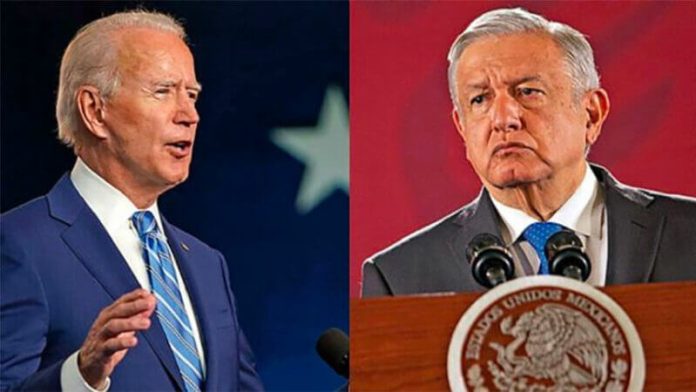
Biden and López Obrador: there are difficulties between the two countries.

Thursday saw the relaunch of the hitherto slumbering “high-level economic dialogue” between the U.S. and Mexico, which seems to be part of Washington’s efforts to repair its ailing relationship with Mexico post-Trump.

(You’ll remember that Donald Trump tried to build a wall, slapped steep tariffs on Mexican goods and was occasionally quite rude about Mexican people more broadly).

Sounds great, but what’s a “high-level economic dialogue,” or HLED as insiders know it by, I hear you ask? It’s apparently what happens when the U.S. wheels out the secretary of state, the commerce secretary, the U.S. trade representative, the secretary of homeland security and the vice president to discuss integrated supply chains, workforce development and education, and address the root causes of immigration with Mexican officials.

The HLED, a broad diplomatic framework, first existed under the Obama administration, but fell by the wayside in 2016. It provides space for diplomats across departments to boost relations with Mexico. Under the Biden administration so far, diplomacy has focused on the various trade enforcement actions taken under the U.S.-Mexico-Canada Agreement (USMCA), along with efforts by Kamala Harris, the vice president, to try to get a handle on immigration, and some amount of co-operation on tackling Covid-19.

The U.S. made Mexico an (arguably late) gift of Oxford/AstraZeneca vaccines that can’t be used in America (because they’re not approved by its regulators).

US Vice President Harris and Mexico Foreign Affairs Minister Ebrard in Washington Thursday.

USMCA is going well, but some, including those at Monarch Global, a consultancy headed up by a former senior commerce department official under Barack Obama, argue that more should be done to evaluate critical supply chains and to work to support them, and that more could be done, too, to figure out which industries are critical to the long-term success of North America.

“In short, we need critical thinking about an industrial policy for the region at large,” Monarch wrote in a recent note. Industrial policy, if it means subsidizing crucial industries such as those linked to green energy or those key to national security, is in vogue in Washington at the moment.

Monarch added that co-ordinated tax, investment and labor policy would help North America reshore some supply chains that are now scattered across Asia as companies have searched for lower-waged labor and, in some cases (such as the processing of rare earth minerals), weaker regulatory regimes.

But there remain difficulties between the U.S. and Mexico. On trade, Mexico’s moves to restore state control of the energy sector have gone down badly with U.S. competitors, and a dispute over the rules on car parts’ country of origin is brewing under USMCA. Immigration remains a huge point of discussion. Because Trump is no longer in office, U.S. officials tend not to refer to “bad hombres” any longer, but anxiety about immigration from Mexico — particularly in the COVID era — remains high among Democrats.

Earlier this year, Republicans sought to portray large numbers of immigrants at the southwest border as “a crisis,” and it did momentarily look like failing to get a handle on the volume of children being held in U.S. facilities could be Joe Biden’s first big fumble as president.

That problem hasn’t gone away. It’s just been pushed out of the news cycle by apocalyptic images of children falling from departing U.S. planes as America’s military completed its awkward departure from Kabul. If anything, Afghan refugees are likely to turn attacking lawmakers’ attention back to immigration, which will necessarily bring extra scrutiny of the southwest border.

So what to do? The overarching theme for sure seems to be — try to make the economies of Central America more robust. Specifically, try to make them economies in which workers are paid a living wage and have access to what Democrats view as “good things,” such as education, healthcare and transport. This is not something the U.S. can easily achieve through the mechanisms it has available to it, such as the aid budget or the Development Finance Corporation, which can issue low-cost loans and grants.

Its trade deal is clearly supposed to help too, with its mechanism for trying to improve quality of labour and workers’ rights. In fact, as Edward Alden of the Council on Foreign Relations points out, U.S. trade representative Katherine Tai often sounds more like the labor secretary than the top trade adviser.

Meanwhile, former U.S. ambassador to Mexico Earl Anthony Wayne told us that inter-agency co-operation did mean Washington could “be more serious” in its thinking about trying to lower the number of people wanting to come to the U.S. to work, or to claim asylum.

Is anything going to happen fast? Almost certainly not. As Wayne pointed out: “It’s hard to do development, economic development, anywhere in the world … but it’s better to have an institutional and regular framework to talk about it than to not.”

© 2021 The Financial Times Ltd. All rights reserved. Please do not copy and paste FT articles and redistribute by email or post to the web.

Average daily COVID infections down by 5,100 in the last 3 weeks

0
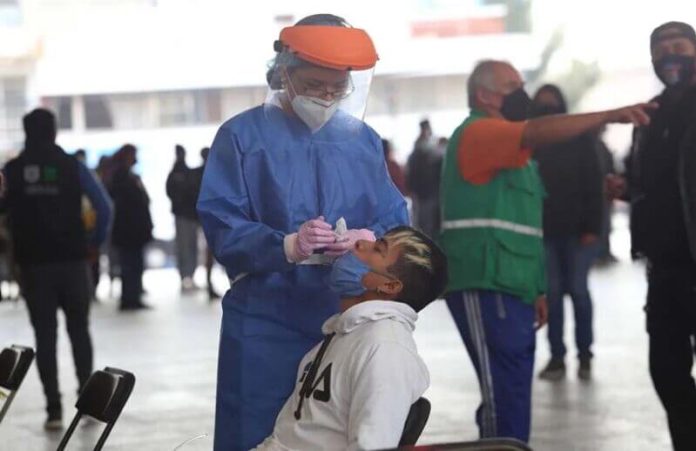
Covid testing at a kiosk in Mexico City.

The federal Health Ministry reported an additional 14,828 new coronavirus cases and 730 COVID-19 deaths on Thursday, while estimated active cases rose 2% to 99,630.

Mexico’s accumulated case tally is now just under 3.48 million, and the official death toll is 266,150.

The seven-day average of daily reported cases up until Wednesday was 13,632, while the average for deaths was 702.

The average number of new infections reported each day has declined by more than 5,100 over the last three weeks, according to the Reuters COVID-19 tracker.

Mexico City has recorded almost 916,000 confirmed cases during the pandemic, meaning that 26% of all cases in Mexico were detected in the capital. Mexico City also easily leads the country for COVID-19 fatalities with 49,209, or 18.5% of the total.

In other COVID-19 news:

• Everyone aged 18 and over will have had the opportunity to be vaccinated with at least one dose by the end of October, Deputy Health Minister Hugo López-Gatell said on Twitter.

He also reported that almost 872,000 doses were administered on Wednesday, lifting the total number of shots given to just over 89.5 million. About two-thirds of Mexican adults have received at least one vaccine dose.

With 69 doses administered per 100 people, Mexico ranks 75th in the world for per capita shots, according to The New York Times vaccinations tracker. The United Arab Emirates ranks first with 190 shots per 100 people followed by Uruguay and Qatar.

• Six states have first-dose vaccination rates above 80%, the Health Ministry reported Wednesday. They are Baja California, Baja California Sur, Mexico City, Querétaro, Quintana Roo and Sinaloa.

Twelve other states have rates above 70%. They are Aguascalientes, Chihuahua, Colima, Durango, Hidalgo, Nayarit, Nuevo León, San Luis Potosí, Sonora, Tamaulipas, Yucatán and Zacatecas.

• There are 10,913 hospitalized COVID-19 patients, a decrease of 456 compared to Wednesday. The Health Ministry said Wednesday that 44% of general care hospital beds set aside for COVID patients were occupied, while 40% of those with ventilators were in use.

A 12-year-old girl with diabetes who was unable to access vaccination despite being granted an injunction ordering that she be given a shot was summoned to a medical evaluation at a hospital in Xalapa, Veracruz, to assess her suitability as a vaccine candidate.

However, her parents said she wouldn’t attend the appointment on Thursday because the hospital where it was to take place treats COVID patients and their daughter could be exposed to the virus.

With reports from Reforma 

Canadian airline currently has no plans to fly into Mexico City’s new airport

0
felipe angeles airport
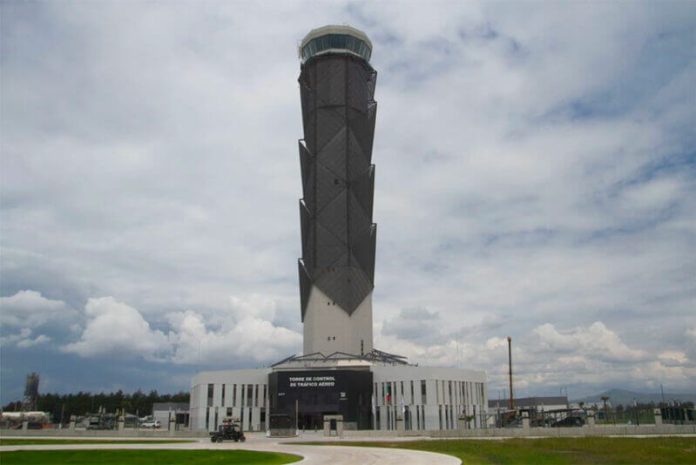
An architect's rendering of the new airport and its control tower.

Canada’s largest airline currently has no plans to use the new Mexico City airport, which is under construction at a México state Air Force base and scheduled to open in March 2022.

Air Canada’s sales director for Latin America and the Caribbean told a virtual press conference that the airline hasn’t yet considered using the new airport because it is still being built and there are unanswered questions about its viability.

“With regard to the Felipe Ángeles Airport, we’re not considering it at the moment; it’s not finished, viability studies and capacity studies for the Mexico City International Airport [AICM] still have to be done so it’s not in our plans,” Luis Noriega said.

He also said that he expects services between Mexico and Canada – which this week eased restrictions for fully vaccinated incoming travelers – to return to pre-pandemic levels by the end of next year. Air Canada currently offers 15 flights per week to Mexico but that number will increase to 28 in November, Noriega said.

The executive’s remarks came after Deputy Transport Minister Carlos Morán Moguel said the government will limit flight operations at the AICM to 61 per hour if airlines don’t voluntarily decide to use the Felipe Ángeles Airport (AIFA), which is being built by the army.

air canada

That number of takeoffs and landings is supposed to be the hourly maximum at the AICM but has been regularly exceeded since 2013.

“If the airlines don’t come here [to Felipe Ángeles] we’ll have to limit [flights],” Morán told the newspaper El Financiero during a tour of the new airport’s terminal on Tuesday.

“We’ll have to tell them: this is the [maximum] number of flights, you know there can’t be more.”

The deputy minister said that enforcement of the hourly flight cap will be effective in getting airlines to shift operations to the new airport once pre-pandemic air traffic levels are reached.

Morán said the government’s intention is to ensure that airlines understand the advantages of operating out of the AIFA, located about 45 kilometers north of downtown Mexico City.

General Gustavo Vallejo, the new airport’s chief of construction, said there are several airlines interested in operating out of the AIFA. He told reporters that the fees the airport will charge airlines will be published in the coming days and suggested that they will help spur interest in using the new facility, which is currently 70% complete.

Budget carrier Viva Aerobus and mainly domestic airline Aeromar are expected to be among the airlines that will operate out of the AIFA when it begins operations early next year.

Morán said the new airport won’t be affected by the United States’ downgrading of Mexico’s aviation safety rating from Category 1 to Category 2 because information to which he is privy indicates that the top tier rating will be reinstated before the end of the year. However, there is no guarantee that will occur and Foreign Minister Marcelo Ebrard is working to a different timetable, pledging that Mexico will regain the top rating in the first half of next year.

The AIFA is part of a three-pronged plan to reduce pressure on the AICM, which was used by 50.3 million passengers in 2019 before air traffic slumped in 2020 due to the pandemic. The federal government is also upgrading the existing Mexico City airport and that in Toluca, México state.

The AIFA will have an initial capacity of 20 million passengers annually but it could eventually handle up to 80 million. In addition to the airport, the army is also building a maintenance base, a hotel and a terminal for travelers on private jets at the Santa Lucía Air Force base site as well as rail and highway links to the facility.

Vallejo said the total cost of the project won’t exceed 79 billion pesos (about US $4 billion), although the Finance Ministry has estimated the price at about 85 billion pesos.

With reports from Animal Político, Infobae and El Financiero