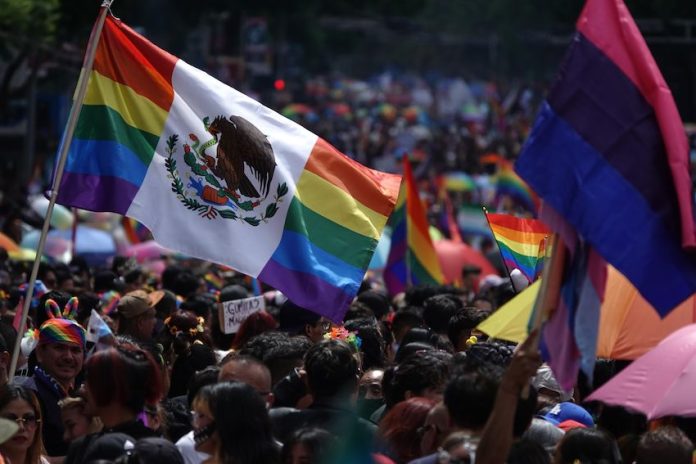
The Mexico City pride parade has taken place every year since 1979. (Galo Cañas/Cuartoscuro)
The 46th edition of the LGBTQ+ pride parade in Mexico City drew over 260,000 people to the capital’s streets on Saturday, according to the Mexico City government.
Attendees included activists, members of the community and the general public.
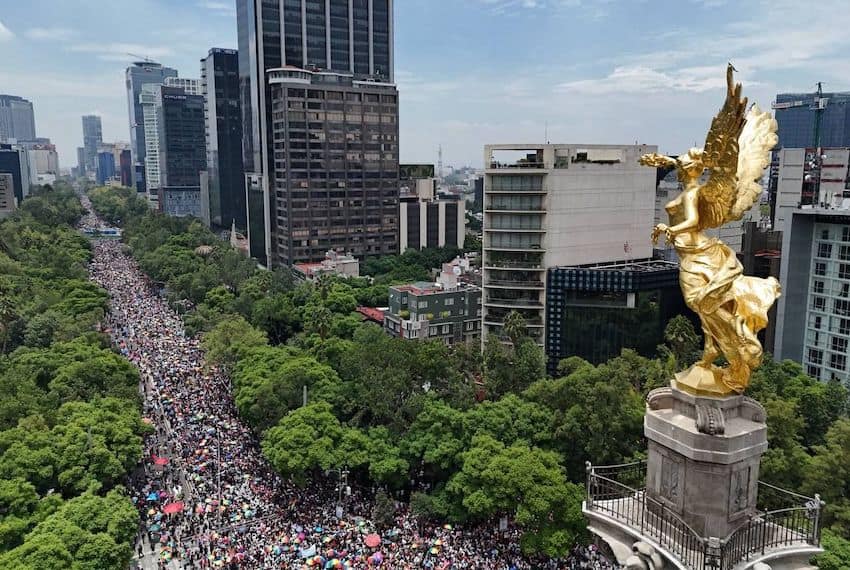
The city’s 46th LGBTQ+ pride parade extended from the Angel of Independence to the Historic Center. (Prensa Clara Brugada/Cuartoscuro)
The parade started at 10:00 a.m. from the Angel of Independence. Participants, many dressed in elaborate costumes, continued along Paseo de la Reforma before finally reaching the Zócalo in the Historic Center.
Unlike previous editions, no concert was held at the end of this year’s pride parade. However, a closing event was held at the Plaza de la Constitución to award special recognitions.
The Mexican actress and model Mariana Seoane was crowned “Queen of the LGBT+ community,” while the actress Lucía Méndez was named “Eternal LGBT Queen.” The singer Kimberly “The Most Precious,” was crowned “Gay Queen 2024.”
The motto of this year’s parade was, “In the face of an oppressive state and an indifferent society: We demand to live with dignity.”
The Mexico City pride parade has taken place every year since 1979. It aims to advocate for public policies, legislative initiatives and fair judicial processes to ensure justice, freedom and dignified treatment for all members of the community.
According to Mexico’s National Commission of Human Rights, six out of ten people in the LGBTQ+ community in Mexico have suffered some form of discrimination, while more than half have reported encountering expressions of hate, physical attacks and harassment. Moreover, after Brazil, Mexico is the Latin American country with the second highest rate of murders against trans people.
Mexico City and the Chapultepec Zoo are celebrating the 34th birthday of Xin Xin, the giant panda.
Xin Xin is the only giant panda in Latin America and the only one in the world that does not belong to China, as well as one of the oldest of her species. The life expectancy for giant pandas is about 15-20 years.
At 34 years old, Xin Xin is a success story of the Chapultepec Zoo. (Sedema/Cuartoscuro)
“This celebration symbolizes the ambition of recovering and conserving threatened wildlife species and those in danger of extinction,” said Mexico City’s Environmental Ministry in a statement.
Xin Xin is the most popular resident of the 101-year-old zoo and visitors come from all around the world to watch her roam and play.
Visitors cluster in the viewing area waiting for Xin Xin to appear, although the waits have become longer as the aging panda now walks more gingerly, fumbles with her playthings less frequently and takes longer naps.
Officials and caretakers at the zoo take great pride in Xin Xin.
“It is very important to celebrate [her birthday] because it helps circulate the positive message that Mexico City’s Wildlife Conservation Centers — and Xin Xin, as wildlife ambassador — provide,” said Dr. Fernando Gual Sill, the director of the conservation center. “Visitors learn the importance of conservation, not just of wildlife like giant pandas, but also about Mexico’s native species and those that are threatened by extinction.”
The Chapultepec Zoo has had one of the most successful panda-breeding programs outside of China. Eight giant pandas have been conceived in the zoo since the first pandas — Pe Pe and Yin Yin — arrived in Mexico on Sept. 10, 1975.
Xin Xin, Latin America’s sole panda, celebrates 34th birthday in Mexicohttps://t.co/pkTwruLEbC
Xin Xin was conceived naturally and was born in the zoo on July 1, 1990. Her mother was Tohui, the second giant panda born in captivity outside of China and the first born overseas to survive into adulthood. Xin Xin’s father was Chia Chia who was on loan from the London Zoo for breeding purposes.
Some experts attribute the success of Mexico City’s breeding program to the high altitude, which at 7,300 feet (2,225 meters) is similar to the pandas’ native habitat in Sichuan, China.
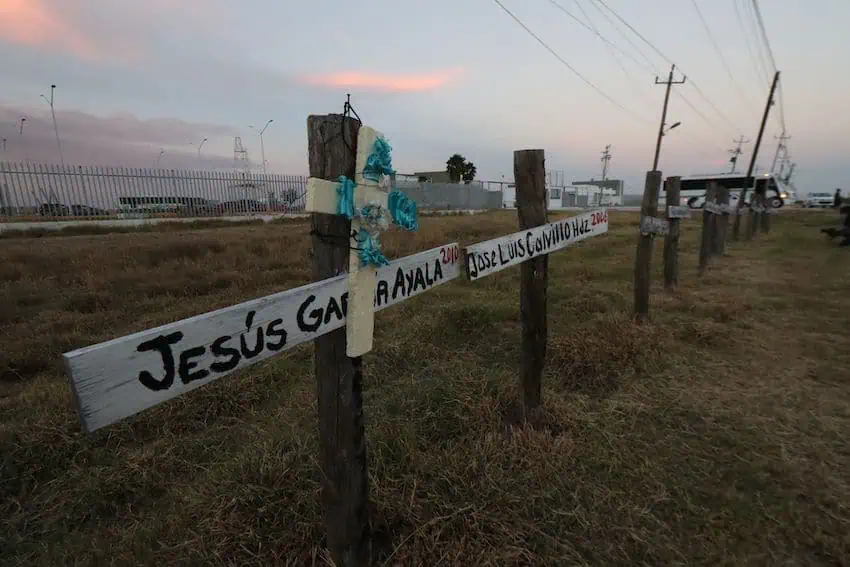
Rescue efforts at the mine resumed in 2020, though additional remains were not successfully retrieved until Friday. (Pedro Valtierra/Cuartoscuro)
The remains of one of 63 Mexican miners whose bodies have been trapped underground for almost two decades have finally been recovered.
A methane explosion at the Pasta de Conchos coal mine in Coahuila claimed the lives of 65 miners in February 2006. Only two bodies had been recovered until Friday, when additional remains were brought above ground.
The remains of 62 miners have yet to be retrieved from the site of the accident. (Pedro Valtierra/Cuartoscuro)
Specialized rescue workers including National Guard personnel entered one of the chambers of the now-defunct mine late Friday afternoon and retrieved the remains of one miner.
The newspaper El Financiero reported that one “apparently complete” body was recovered.
As of Monday morning, authorities hadn’t released any official information about the recovery operation.
The remains were reportedly taken to a morgue in Saltillo, where DNA testing will seek to establish the identity of the victim. Family members of the deceased miners said it would take three weeks for a positive identification to occur.
Coahuila Attorney General Gerardo Márquez Guevara said that the Federal Attorney General’s Office would lead the efforts to identify the remains.
Relatives were present at the former Grupo México mine in the municipality of San Juan de Sabinas when the remains were recovered on Friday.
Martha Iglesias, daughter of deceased miner Guillermo Iglesias, told El Financiero that she and other family members saw the “complete skeleton” of one victim.
The recovery of the body came two weeks after the Interior Ministry (SEGOB) announced that human remains had been found in a mine chamber 146 meters underground.
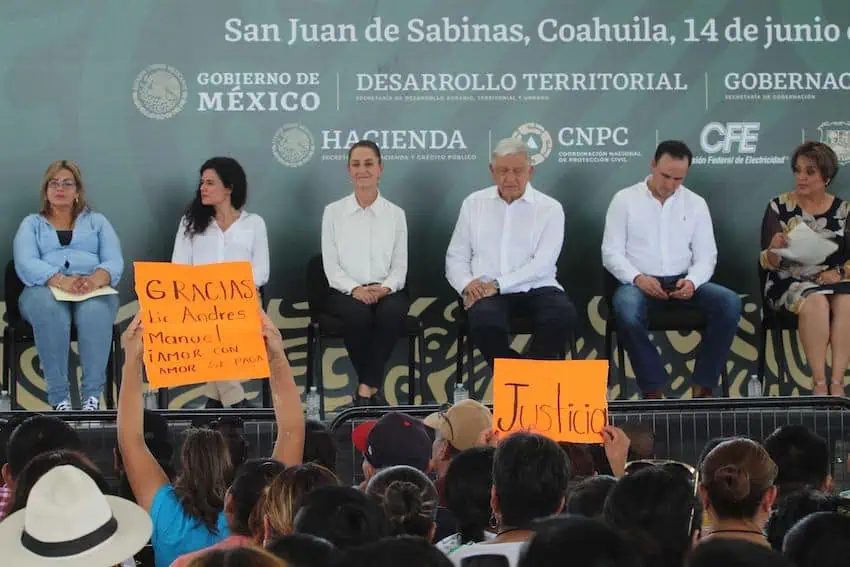
The federal government presented a “Justice Plan for Pasta de Conchos” earlier this month in San Juan de las Sabinas. (Manuel Rodríguez Muro/Cuartoscuro)
“After more than 18 years since the terrible event, and four years since rescue work began on the instructions of President Andrés Manuel López Obrador, it was possible to reach one of the places where records indicate 13 miners were working on the day of the accident,” SEGOB said in a statement on June 12.
Family members are hopeful that more bodies will be recovered in the near future.
Claudia Escobar, widow of Raúl Villasana, said it was “very moving” to see the remains of one of the victims brought above ground.
“It’s like a dream come true for us — a very difficult dream because it’s reopening a wound and everything we went through [after the miners were killed],” she said.
The federal government announced a “Justice Plan for Pasta de Conchos” earlier this month, and is already providing a range of assistance to the families of the victims.
Family members would like to see Grupo México held accountable for the Feb. 19, 2006 tragedy. The company, a conglomerate with interests in various sectors, is led by billionaire businessman Germán Larrea.
It said that “security failures” were reported at the mine since 2000, and that in a “final inspection” carried out in July 2004, 43 “direct violations” of security and hygiene regulations were detected.
Forty-eight remedial measures were ordered, many of which were “extremely urgent,” Centro Prodh said.
“However, authorities failed to supervise the correction of the defects detected,” the NGO said.
Shortly after the accident, Grupo México recovered the bodies of two miners but suspended its rescue efforts in April 2007. (Pedro Valtierra/Cuartoscuro)
Grupo México carried out a rescue operation after the accident, but was only able to recover the bodies of two miners. The company suspended its rescue efforts in April 2007, saying at the time that continuing the operation would place rescuers’ lives at risk.
Centro Prodh noted that the families of the victims asserted that “the reason for the suspension” of the rescue operation was that if the bodies were recovered, “the terrible work conditions in the mine would be revealed and this would result in criminal and economic penalties, and even the withdrawal of the company’s [mining] concessions.”
Almost one year after the accident, the widows of the miners won an injunction that gave them access to internal Grupo México documents, which revealed it had been operating the Pasta de Conchos mine under less than optimal safety conditions since at least 2000.
However, no company representatives, or government officials, were held legally responsible for the deaths of the 65 miners.
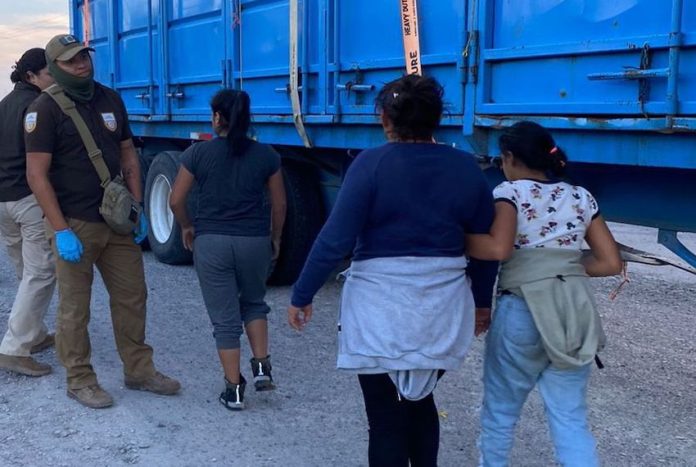
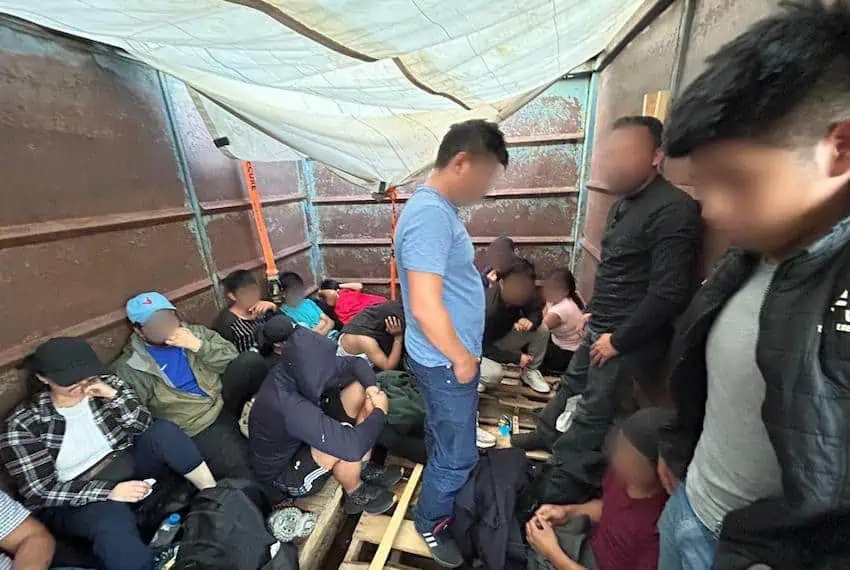
The trailer was stopped at a military checkpoint near the desert town of Samalayuca about 42 kilometers south of the United States border at Ciudad Juárez.
The 63 migrants from Central America were crowded into the bed of a cargo truck traveling towards Ciudad Juárez. (@INAMI_mx/X)
In a press bulletin released on Saturday, the INM said the truck was moving erratically, prompting soldiers to stop the vehicle. Upon inspection, the soldiers discovered that none of the truck’s 63 passengers had the proper immigration documents, requiring the presence of INM personnel. No information was provided on the immigration status of the driver or drivers of the vehicle.
The INM moved the immigrants to a nearby INM facility where they received medical attention. It is not known how long they had been traveling in these conditions.
The INM reports that among the 63 persons detained, 18 hailed from Guatemala, 23 were from Ecuador, six from El Salvador, five from Honduras and two were from the Dominican Republic. Three of the immigrants were categorized as unaccompanied minors, one each from El Salvador, Ecuador and Guatemala.
The adults were transported to the aforementioned INM facility, while three families traveling together were taken to a separate office that handles families and unaccompanied youth. The three unaccompanied children were sent to the INM’s housing center for young migrants in Ciudad Juárez.
The checkpoint at which the cargo truck was stopped is the final checkpoint before Ciudad Juárez, which has seen the number of arriving migrants surge in recent years. There, many are targeted by criminal groups who use kidnapping, torture and extortion to control and profit from the rising migrant population.
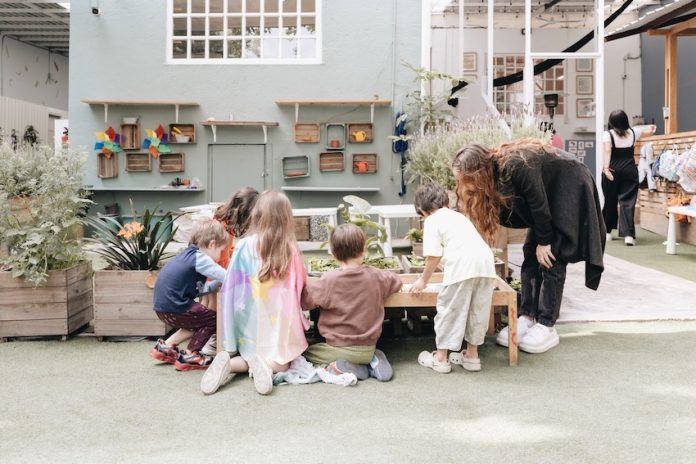
San Miguel Chapultepec's Ombu school represents the perfect fusion of British educational philosophy and Mexican culture. (All photos by Monica Belot/Ombu)
Adding a smidge of British whimsy and play to the warm spirit of Mexico, U.K. international schools for children in their early years are becoming increasingly sought after by parents across the country. The British Early Years Foundational System (EYFS), in particular, is drawing attention for its play-based approach that stands in stark contrast to more traditional, academically-focused kindergarten systems found around Mexico.
Rather than emphasizing highly structured learning at desks, the British EYFS curriculum allows young children to develop through hands-on experiences, exploration, and self-directed play. These practices are aimed at cultivating social skills, EQ, creativity, and an innate love of learning from an early age.
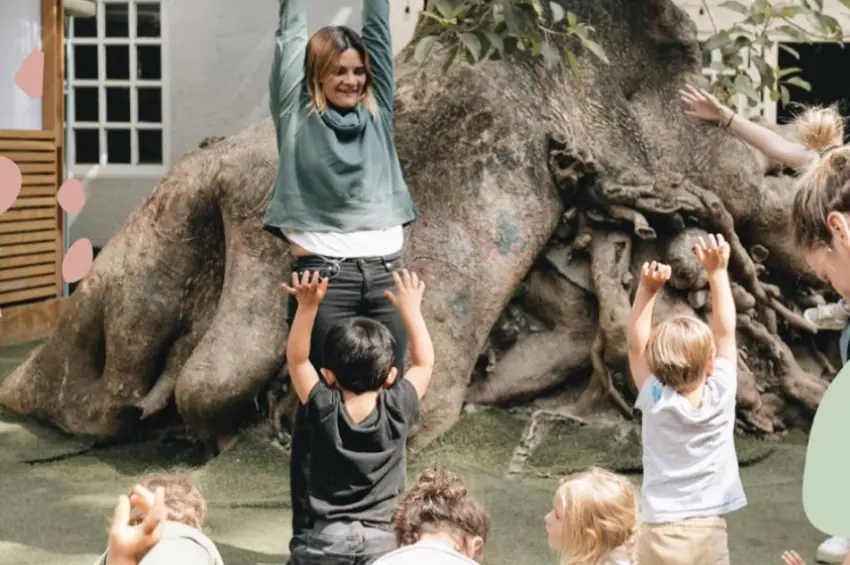
The staff at Ombu work closely with the children, promoting movement, emotional development outdoor play, alongside traditional classroom lessons.
Ombu’s British-Mexican learning space is the collaborative effort of three mothers: Mexican Elisa Palacios (Eli), and Brits Rosie Roper and Sophie Matthews. What began as a small “bubble” of children cared for by Eli during COVID-19 rapidly expanded, prompting her to seek out a larger space. Eli’s mother, who lives in a highrise building overlooking Ombu’s current location, was able to see into an open lot available for rent across the street. She suggested Eli look into the space, noting the potential of its vast courtyard. Within a year, Ombu had moved in. Rosie, an early education instructor who had taught English to Elisa’s “bubble” of students, was quickly asked to join the operation. Later on, Rosie met fellow fellow Brit (and educator) Sophie and convinced her to come on as a partner.
The backgrounds of the three women seamlessly blend to provide children with a holistic foundation for body, mind, and spirit. Eli brings spiritual healing expertise rooted in meditation and yoga, while Rosie and Sophie, highly trained early childhood educators, draw from years of experience in prestigious international schools.
There are a number of major British schools offering EYFS education in Mexico City, from big names such as The Edron Academy (who have produced names like Jennifer Clement and DBC Pierre, where Rosie first got her start in Mexico), Greengates (now operated by international education giants Nord Anglia) and Winpenny. However, the small scale of things at Ombu makes the school feel much more personal, and allows every member of the team to play an important role in nurturing the children in their care.
Walking through the blue door of Ombu Kinder feels akin to entering a magical foreign land not unlike a scene from Lord of the Rings; a dignified Ombu tree rises from the center of the courtyard dressed with ropes for climbing. Scattered around are several inflatable pools, some filled with plastic balls and others with a shallow layer of water, explaining the bathing suits worn by many of the children running about. In a nearby classroom, the sound of a tambourine is audible over the chatter and laughter of children. Pulga, a fluffy black dog trots leisurely around the premises observing the proceedings, and I’ve been informed that a neighboring rooster drops in to occasionally check out the scene.
Various adventure stations dot the premises, including a “mud kitchen”, a giant sandbox filled with toys, a jumbo trampoline, a treehouse, and a swing set. Upon navigating from one side of the courtyard to the other, one must take great care not to be run over by gangs of tiny adventurers pedaling furiously on plastic bikes, trucks, and other miniature vehicles. Flanking the open space is a series of airy, pod-like classrooms, each with its distinct theme, from a cosmos-inspired room featuring a human-sized rocket ship and glittering planets suspended from the ceiling to a tranquil shala-like space adorned with colorful pastel cushions.
Pupils at Ombu come from across the world, learning and playing as a global community.
Ombu caters to children aged 0-5 years, drawing a diverse array of nationalities, among them Mexican, Danish, Russian, German, French, and American. The center’s British EYFS methodology combines elements of Montessori and Waldorf practices with its research-based approach. Each cohort, named after the elements (nieve, cielo, agua, tierra, and fuego), is assigned age-appropriate developmental outcomes customized according to the interests of each child. “It’s about observing the children, seeing what they like, what their needs are, and incorporating that into the curriculum. So it’s very much a personalized curriculum,” explains Rosie.
The primary objectives for children include three foundational factors: social, emotional, and physical. These are followed by areas with an academic focus, such as Maths and English. But the main priority is ensuring that kids have a baseline of well-being, happiness, safety, and security. From that state, learning happens best. Sophie speaks of her own disappointing experiences looking for a school for her young child. “They were very focused on children sitting, and on silence,” she says. “I didn’t see much interaction or guidance from the teachers. It was more about behavioral management. And for children in their early years, in my professional opinion, that’s not what’s meant to happen. They’re meant to be having a bit of freedom, and walking and developing language and social skills.” She goes on to cite how important it is that Ombu allows for an environment of “organized chaos,” filled with various games and sensory stimulation, where kids can practice independence, inter-relational skills, and self-awareness.
For children with special needs, Ombu offers extra support with dedicated shadow personnel. The school also has on staff a school psychologist, speech therapist, sensory therapist, and an occupational therapist. School helpers or “guias” are vetted with a preference for those with a background in psychology, over one in teaching. To further the aim of healthy play-based early development, the center is in the process of building a sensory stimulation room, complete with soft surfaces, a slide, and a ball pit.
Ombu radiates Mexican warmth and spirit, married with British whimsy and ingenuity. It is a testament to the benefits of intercultural learning, allowing kids to be well-adjusted global citizens. “We built a center that I wish I would have had as a child,” Sophie remarks, and I have to agree. My time immersed in the school’s enchanting environment has left me thoroughly inspired and energized. And quite frankly, I wouldn’t mind spending more time there even now at my age, lost in imaginative play, learning, and multi-cultural social camaraderie.
Monica Belot is a writer, researcher, strategist and adjunct professor at Parsons School of Design in New York City, where she teaches in the Strategic Design & Management Program. Splitting her time between NYC and Mexico City, where she resides with her naughty silver labrador puppy Atlas, Monica writes about topics spanning everything from the human experience to travel and design research. Follow her varied scribbles on Medium at https://medium.com/@monicabelot.
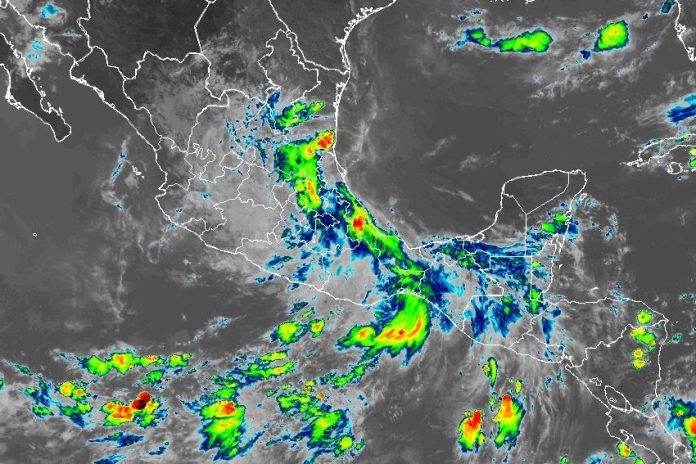
Tropical Storm Chris made landfall in the municipality of Vega de Alatorre, Veracruz, at midnight on Monday. (NOAA)
Tropical Storm Chris made landfall in the municipality of Vega de Alatorre, Veracruz, at midnight on Monday, bringing heavy rains to several regions of the state and prompting local authorities to close schools in 41 municipalities.
The third named tropical cyclone of the season, Chris made landfall with maximum sustained winds of 65 km/h and gusts of 85 km/h. The storm was downgraded to a tropical depression shortly after making landfall and is currently moving westward over mainland Mexico at 20 km/h.
Conoce las condiciones del tiempo que se prevén en #México, este lunes, 1 de julio, con el #VideoPronóstico del #SMNmx.
As reported by the National Meteorological Service (SMN), Chris will move over the center and west of the country, causing rain in Puebla, Hidalgo, San Luis Potosí and Querétaro. Mexico City will see light rainfall throughout the day. Meanwhile, torrential rains are expected in Tamaulipas and Oaxaca, and heavy to very heavy rains are expected in Nuevo León, Chiapas, Tabasco, Campeche and the Yucatán Peninsula.
Waves ranging between two and four meters high are also expected throughout Monday morning on the coasts of Tamaulipas, Veracruz and Tabasco.
On Monday morning, heavy rains triggered the Actopan, Bobos and Nautla rivers to exceed their Ordinary Maximum Water Level (NAMO). As a result, authorities in Veracruz set up temporary shelters and carried out preventive evacuations in communities surrounding the riverbed.
In the north, a low-pressure channel will cause scattered showers along the Baja California Peninsula.
High temperatures will continue in Mexico’s north and northwestern states, with temperatures soaring above 40 degrees Celsius in areas of Baja California, Sonora, Chihuahua and Sinaloa. Northern Mexico may also see isolated storms accompanied by lightning, strong gusts of wind and hail. The SMN has warned that rainfall may lead to reduced visibility, landslides and flooding of rivers and streams.
The National Civil Protection Coordination has urged residents to stay in a safe place and avoid traveling through flooded streets.
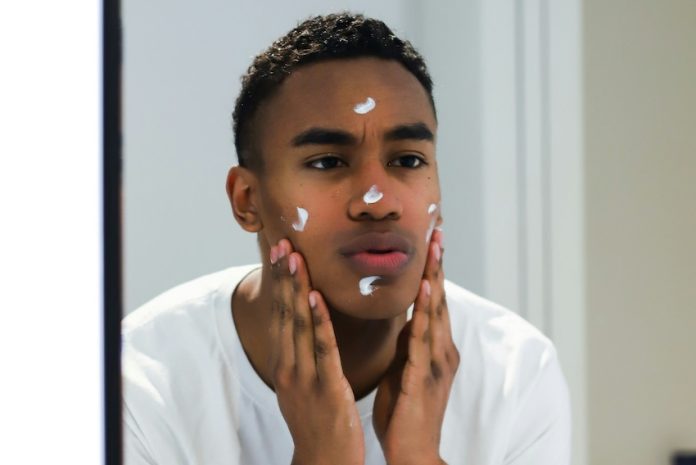
The European Union has moved to limit the amount of retinol in skincare products. What does that mean for your skin? (No Revisions/Unsplash)
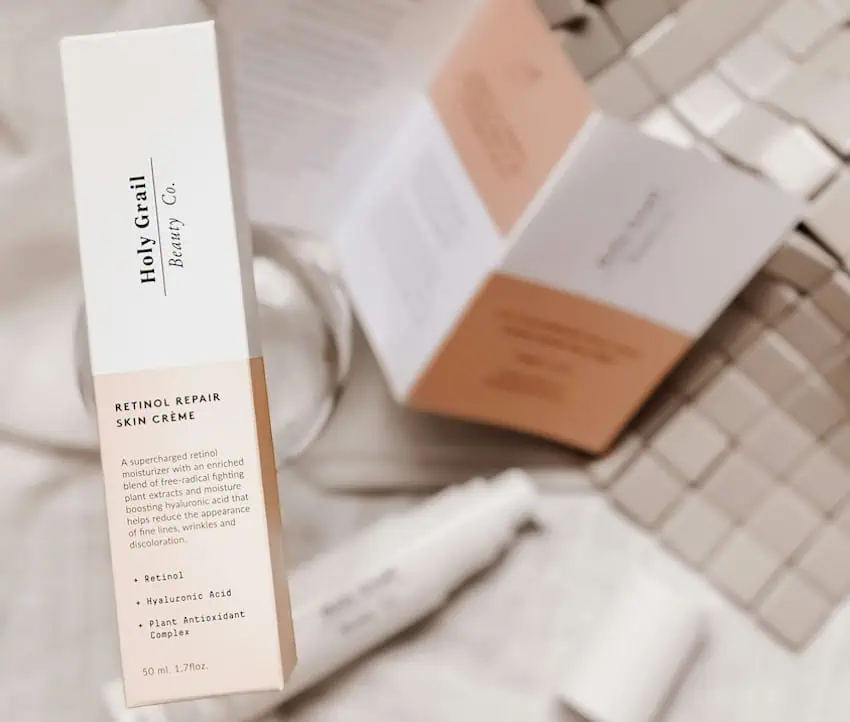
Retinol, a compound considered the “holy grail” of beauty products, has become a staple in many skin-care routines. Due to its scientifically proven properties as an anti-aging agent, it’s lauded by beauty bloggers and skin care experts alike. Since its discovery in 1971, retinol has become the most-used topically applied cosmetic active ingredient in the skincare industry, and is the first vitamin approved by the US Food and Drug Administration as an anti-wrinkle agent. However, A European Union ban on the use of retinol above specific concentrations has sparked concern among consumers.
While the restrictions have not affected skincare products sold in Mexico, many users here wonder if continuing to use the current concentrations puts their health at risk. To answer your questions, we asked dermatologist Dr. Daniela Lara Del Valle, founder of Clínica de la Piel Dermantra in San Miguel de Allende, if consumers in Mexico should be worried about the recent retinol restrictions.
While retinol is sometimes considered the “holy grail” of skincare, it is not always the best for your skin when used in high concentrations. (Harper Sunday/Unsplash)
What is retinol?
Retinol is a Vitamin A derivative that stimulates collagen production and elasticity in the deepest layers of the skin. “It is a powerful antioxidant,” Dr. Lara explains, as “it eliminates free radicals and protects DNA from its mutagenic action, meaning that it contributes to slowing down cellular aging.” Moreover, retinol reduces the appearance of fine lines and wrinkles, lightens blemishes and gives the skin a fresher, plump appearance.
But retinol’s benefits come with risks. With an absorption capacity by the skin ranging from 5% to 10%, excessive use of retinol can cause irritation, dryness, redness and peeling.
What do the EU’s new retinol restrictions say?
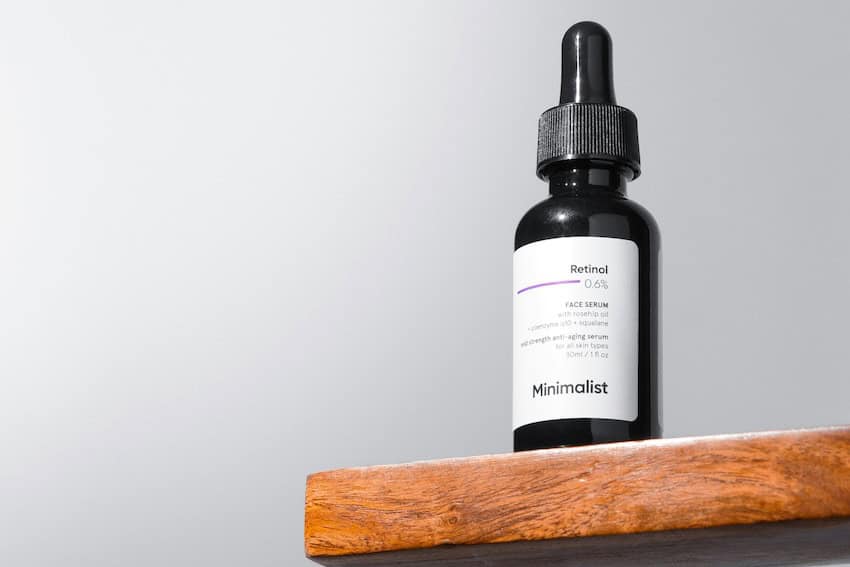
The new EU restrictions mandate a maximum retinol concentration of .05% in body lotions and .3% in face and hand products. The previously allowed concentration could go up to 1%.
The reasoning behind this decision concerns the amount of Vitamin A to which people are already exposed.
Retinol concentrations are being reduced as the E.U. believes consumers are already exposed to high levels of Vitamin A. (Sayan Hajhi/Unsplash)
“The European organizations that regulate the use of cosmetics consider that in certain countries, the population already exceeds the accepted standards of Vitamin A, whether through topical treatments, diet or supplements,” Dr. Lara said.
Moreover, the regulations say that product labels should include a warning to inform consumers already exposed to vitamin A of the possibility of overexposure from the use of such agents. However, prescription-strength vitamin A products will remain available through doctors and dermatologists.
The latest restrictions will be rolled out over 36 months beginning at the end of 2024.
Should I be worried if I buy products with more than .5% retinol?
Dr. Lara says the new EU restrictions do not mean that people who have been using the old concentration of retinol and wish to continue doing so are in any danger. However, using these products could be counterproductive for certain skin types, especially fair skin tones.
“The skin does not require high concentrations of retinol for rejuvenation, as it has an angiogenic effect, meaning that it forms vessels,” she explained. “For instance, continued use of high retinol levels by individuals with fair skin and visible veins may be ineffective.”
Whether or not to continue using the old retinol concentrations comes down to a personal decision. However, Dr. Lara recommends using alternative products to avoid risks.
“Remember that the new restrictions are for the benefit of the skin. Ideally, we should buy products with the new concentrations or other retinoid derivatives.”
Despite these restrictions, a retinol ban does not appear to be on the cards in Mexico.
What alternatives to retinol can I use?
Alternative compounds such as bakuchiol from the babchi plant may hold the secret to better skin care. (Forest Essentials India)
Less concentration of retinol in European cosmetic products shouldn’t concern consumers, Dr. Lara says. “The good news is that we have other alternatives such as retinaldehyde or retinoate. Moreover, we also have bakuchiol, the plant-based alternative to retinol.”
Bakuchiol is a chemical compound extracted from the seeds of the babchi plant. Like retinoids, bakuchiol appears to stimulate collagen producing receptors in the skin with fewer risks or side effects. It’s used in serums and creams, many of which combine bakuchiol with other botanicals, like seaweed and rosehip.
But Dr. Lara’s preference is retinaldehyde, which unlike retinol, doesn’t require a tolerance period by the skin.
Retinaldehyde is the strongest over-the-counter retinoid. Its formula is more complex than that of retinol, making it more expensive. Its use may cause similar side effects to pure retinol, but they are usually gentler.
“I really like retinaldehyde or ‘retinal,’ as I tell my patients,” Dr. Lara said. “It is a direct precursor of retinoic acid, meaning that its effects are faster than those of classic retinol. Besides, it has fewer side effects and, surprisingly, is tolerated very well in most patients,” she added.
If you need help deciding which type of Vitamin A should you use, Dr. Lara suggests seeing a dermatologist to help you choose the right product for your skin type and needs.
Disclaimer: This article is for informational purposes only and should not be considered legal or medical advice. The writer and Mexico News Daily assumes no responsibility or liability for any errors or omissions in the content on this site. Individuals should always consult with qualified professionals regarding medical procedures, including plastic and/or cosmetic surgery, and medical aesthetic treatments, as well as consider their jurisdiction’s applicable laws and regulations.
Gabriela Solis is a Mexican lawyer turned full-time writer. She was born and raised in Guadalajara and covers business, culture, lifestyle and travel for Mexico News Daily. You can follow her lifestyle blog Dunas y Palmeras.
Spending time in Mexico means you deserve the best of the local food scene. Here's how to make sure you enjoy all of Puerto Vallarta's outstanding taquerías. (Barbacow/Facebook)
Like any good Mexican town, Puerto Vallarta is a treasure trove of phenomenal taco restaurants. Walk a few steps in any direction and you’re sure to find a truck or a humble storefront dishing out plastic platefuls of corn tortillas piled high with everything from succulent al pastor to flaky, fried fish. But where to find the best tacos in Puerto Vallarta? That may take a little digging — but not too much, as Puerto Vallarta has become one of the best cities in Mexico for foodies.
These days this city on the sea has it all, including a taco for every palate. Whether you’re looking for 20-peso tacos from a late-night truck, or a haute gourmet taco experience, Puerto Vallarta has a place to fit the bill.
No matter what kind of taco you crave, Puerto Vallarta has got you covered. (Cuartoscuro)
This list is a combination of a little bit of everything, from locals-only holes in the wall to the heavily trafficked tourist hotspots. As with every list with the word “best” in the title, this list is subjective and certainly not exhaustive, so feel free to add or recommend your favorite spots in the comments.
Read on to discover the best tacos in Puerto Vallarta.
Typical tacos in Puerto Vallarta
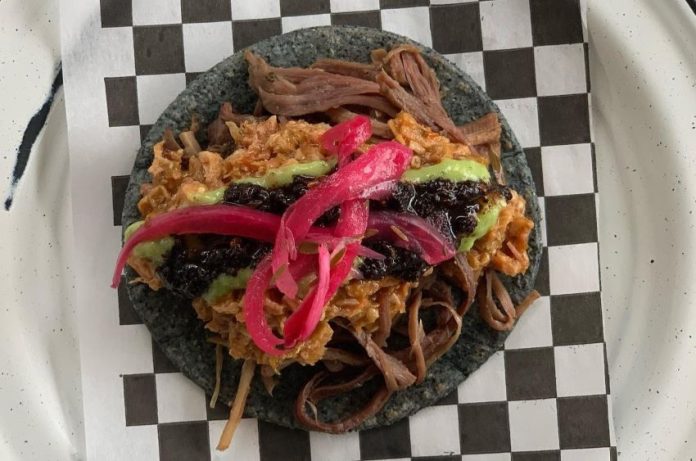
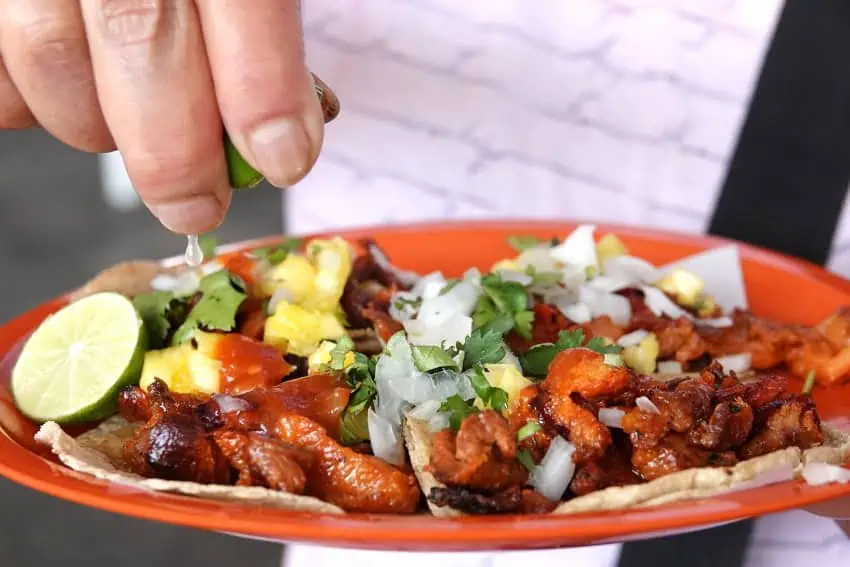
These days Puerto Vallarta is such an international city that you’ll find all sorts of regional tacos from around Mexico. But the ones that are most local to this part of Mexico are tacos al pastor (achiote-marinated pork), tacos de pescado (fried or grilled catch of the day) and tacos de birria (slow-roasted goat or beef).
How to order a taco correctly
There is no wrong way to order a taco. The only thing that may get confusing are all the other items you’ll likely see on taco truck menus. Here are some terms to know:
Torta: A sandwich made with a crusty roll.
Volcan: A taco made with a toasted tortilla and topped with cheese.
Huarache: A flat piece of masa dough topped with meat, cheese, and vegetables.
Quesadilla: A folded tortilla (or two tortillas sandwiched together) stuffed with meat and cheese.
Huaraches are a delicious alternative to the traditional taco. (Crisanta Espinosa Aguilar/Cuartoscuro)
What to put on your tacos
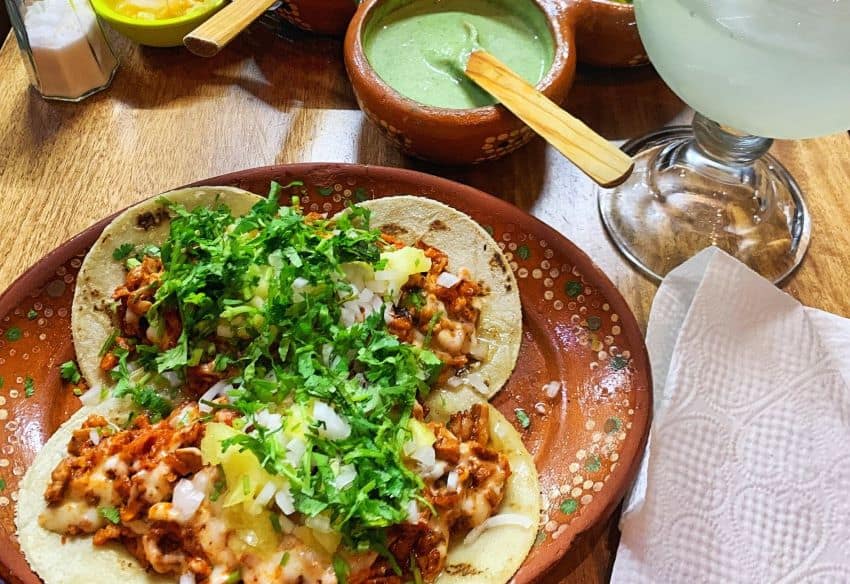
Often at a taco shop you’ll be asked if you want your order “con todo,” and this typically refers to diced white onion and cilantro. Beyond that, the customization is up to you. Typically taco shops will have different bowls or vessels filled with salsa of varying degrees of spice. You’ll also find cucumbers, pickled vegetables and limes. It’s up to you how you want to dress yours up.
What started as a humble cart in the Zona Romantica has grown to become one of the best spots in Puerto Vallarta for fish tacos, now with a second location in Versalles. The Versalles location has a counter out front or a larger patio in the back. What you’re ordering here are the fish tacos. Crispy strips of fresh fish are lightly fried and folded between fluffy corn tortillas. Top with shredded cabbage and a variety of salsas, and you’ll see why these are consistently ranked as the best fish tacos in Puerto Vallarta. Note: You can order the fish grilled if you prefer.
In the heart of Zona Romantica, Don Chava Taqueria & Cantina serves seriously good street-style tacos and snacks in a sit-down setting. Order traditional tacos al pastor, tacos de chorizo, tacos de pollo and more. Make it a volcan or a quesadilla for bites full of salty, succulent cheese.
Puerto Vallarta residents may roll their eyes at this one, but Panchos Takos needs to be on the list. Located on the buzzy Basilio Badillo in Zona Romantica, Panchos Takos is a legendary hole in the wall that has received considerable (and much-deserved) attention for its succulent tacos al pastor. Wait in line (it moves quickly!) and snag a wooden table next to the rotating spit of achiote-marinated meat. The al pastor tacos are what draws the crowd but the quesadillas are, in my opinion, the stars of the show.
In the heart of the iconic Zona Romantica, Pancho’s offers great taste, great value and great location. (Pancho’s Takos/Facebook)
Note: If the line is too long for your taste you can walk down Basilio Badillo to Los Molcajetes, which also serves great al pastor tacos but in a more established restaurant setting.
Versalles is one of the hottest neighborhoods for foodies in Puerto Vallarta, with a range of hole-in-the-wall hideaways to fine dining. One of my favorite taco shops in all Puerto Vallarta is here on Calle Espana: El Puerco de Oro. The small shop sells one thing and one thing only: pork belly tacos. These crispy, fatty, salty, succulent morsels of meat are heaped atop blue corn tortillas. Topped with cilantro, onions and the salsas of your choosing, these impeccable tacos are nothing short of amazing.
I first came to Abulón, Antojería del Mar on a walking food tour of Versalles. That was in 2021 and I haven’t stopped being a regular since. This open-air patio restaurant specializes in seafood with their own signature twist. I keep coming back for the shrimp tacos al pastor. Juicy, pastor-style shrimp are piled atop blue corn tortillas and sprinkled with chunks of pineapple and avocado cream. Their octopus tacos are also worth tasting.
An institution in the Cinco de Diciembre neighborhood, El Carboncito is the local late-night taco shop you’re stopping at on your way home from a night out. Frequented by a healthy mix of long-time residents, expats, and tourists, El Carboncito serves juicy tacos al pastor and all the fixings. Eat on a plastic chair alongside the side of the building, or snag a table inside. Either way, be sure to order a side of grilled spring onions and an ice cold beer.
Tacos El Moreno
Tacos El Moreno handmake their own tortilla for extra flavor and quality. (Dennis Schrader/Unsplash)
Back down in the Zona Romantica, on the corner of Calle Constitucion and Calle Fco. I. Madero, this taco truck is always buzzing from open to close. Their handmade tortillas can be topped with asada, adobada, barrio, chorizo, pastor, or tripa and served as tacos or quesadillas. Don’t forget the range of salsas, onions and cilantro. There aren’t any tables here, but diners prefer it that way as they like to sit and eat in the plastic chairs or stools that surround the lively truck.
Taco Memo’s Grill
On the corner of Basilio Badillo and Aguacate in the Zona Romantica, Taco Memo’s Grill is another extremely casual (and extremely popular) taco stall. Tacos, tortas, and burritos are stuffed plump with asada and topped with beans, cilantro, and onions. A counter of salsas and pickled veggies means you can customize your tacos anyway you please.
Located on the border of Versalles and Santa Maria, Tacos Sahuayo is a beloved taco truck dishing out succulent tacos, tortas, volcanes and more. Top with al pastor, asada, chuleta or chorizo. This is the perfect example of a local joint, as it’s nowhere near the Hotel Zone or any real tourist area. If you want to eat like a local, Tacos Sahuayo is the spot to do it.
Tacón de Marlin
If you’ve overdosed on al pastor in Puerto Vallarta, rest assured there is plenty of seafood to go around. Tacón de Marlin, for example, is one of the best spots in town to sit and savor an overstuffed seafood burrito (called burritas here). But these aren’t your run-of-the-mill burritos. No rice or beans, just super fresh seafood, some lettuce and a sprinkling of cheese is all you need for one of the most brag-worthy bites in town. The original burrita is filled with smoked marlin, but you can order yours with shrimp, octopus, fish, or a combo. There are two locations of Tacón de Marlin: one in Zona Romantica and one right outside the airport, just in case you’re craving one last bite before you leave.
For those who love cheese, flavor or need to shift a heavy night out, there is nothing better than a quesabirria (Birriería y Taquería Liz)
Not to be outdone by al pastor and seafood, Puerto Vallarta is also a hot spot for juicy, flavorful birria. That’s because the birria is one of the most important dishes in the state of Jalisco. Traditional birria is made with goat meat, but many places also do it with beef. It’s slow-roasted in a salty, flavorful broth and served in a variety of ways, from tacos and quesadillas to in a cup with a spoon. Located in Cinco de Diciembre, Birrieria y Taquería Liz is a morning taco shop serving both the beef and goat versions. Order tacos dorados or suaves, huaraches, or the ultra decadent quesabirria served with cheese.
From the brains that brought you the high-brow cuisine of Tintoque comes this dressed down taco establishment turning out seriously good tacos and other traditional Mexican snacks. Think escabeche, aguachile and sopes. But the taco to beat here is the taco arriero, which is overstuffed with carne asada and smothered with melted cheese, beans and cabbage. The traditional taco arriero was intended to be a cost-effective, massively filling meal for people at the end of the day, and this version is no exception. However, chefs Joel Ornelas and Alejandro Castellanos put their stamp on this version with wood-fired Angus beef.
A popular open-air neighborhood taco joint in Versalles, Barbacow is most famous for its barbacoa tacos served atop handmade blue corn tortillas. But you’ll find so many different types of tacos here, including asada, al pastor, shrimp adobada, tripa and more. The added flourish at Barbacow is the selection of different salsas that come with every order. Think peanut-style sauce or a tropical pineapple habanero.
Meagan Drillinger is a New York native who has spent the past 15 years traveling around and writing about Mexico. While she’s on the road for assignments most of the time, Puerto Vallarta is her home base. Follow her travels on Instagram at @drillinjourneys or through her blog at drillinjourneys.com.
Moving to Mexico will be the best decision you ever make - but where in the country is right for you? Mexico News Daily and Mexico For Living present the most comprehensive guide to Mexico's cities ever published. (Shutterstock)
It’s one of your life’s most consequential decisions. It will tug at your sense of self, rationally and emotionally. You’ll have to run the gauntlet of disbelief and incredulity from your best friends and closest family members: the decision to live overseas. Honest information and thoughtful self-evaluation can liberate, enhance your quality of life, rejuvenate your curiosity about our world, and break you and your family out of a financial future riddled with uncertainty and doubt.
Mexico News Daily, in partnership with Jalisco-based Choosing Mexico LLC is publishing the first definitive Where to Live in Mexico 2024 Guide, a comprehensive exploration of viable long-term living locations (cities, resorts, and towns) across many of Mexico’s 32 states, using a unique six category rating system. Created by Choosing Mexico in close consultation with MND, this initiative explores everyday living essentials using a one to five “rating” designed to reveal criteria you can use in your move to Mexico deliberations. As this editorial series unfolds, you’ll have thought-provoking guidance, steering you toward a short list of viable Mexico locations (perhaps a village in the sun?) and hopefully opening your curiosity about places you are not presently considering.
Will you choose stunning oceanside living, or head for the cities? (Shutterstock)
While no one has the real figure, embassies estimate that 1.6 million Americans and 400,000 Canadians now call Mexico home, alongside thousands of Europeans.
Our rating system is not a “ranking” designed to convince you one place is better than another. Rather, this series will examine over 30 locations across over a dozen Mexican states. It will include old standbys like Lake Chapala, Merida, San Miguel de Allende and Puerto Vallarta — places that put Mexico on the tourism map. It may also include up-and-coming locations you’ve never heard of.
We won’t discuss the cost of living (which is dependent on your lifestyle), “safety” (which is determined by your actions and personal vigilance), or the living standards in urban areas versus resorts versus towns/villages (which is a personal preference).
So, what really matters when it comes to picking a place? Here are six ways to embrace the realities of Mexico living. All six speak to one core, existential question about moving to Mexico: “How will you live and spend your daily life?”
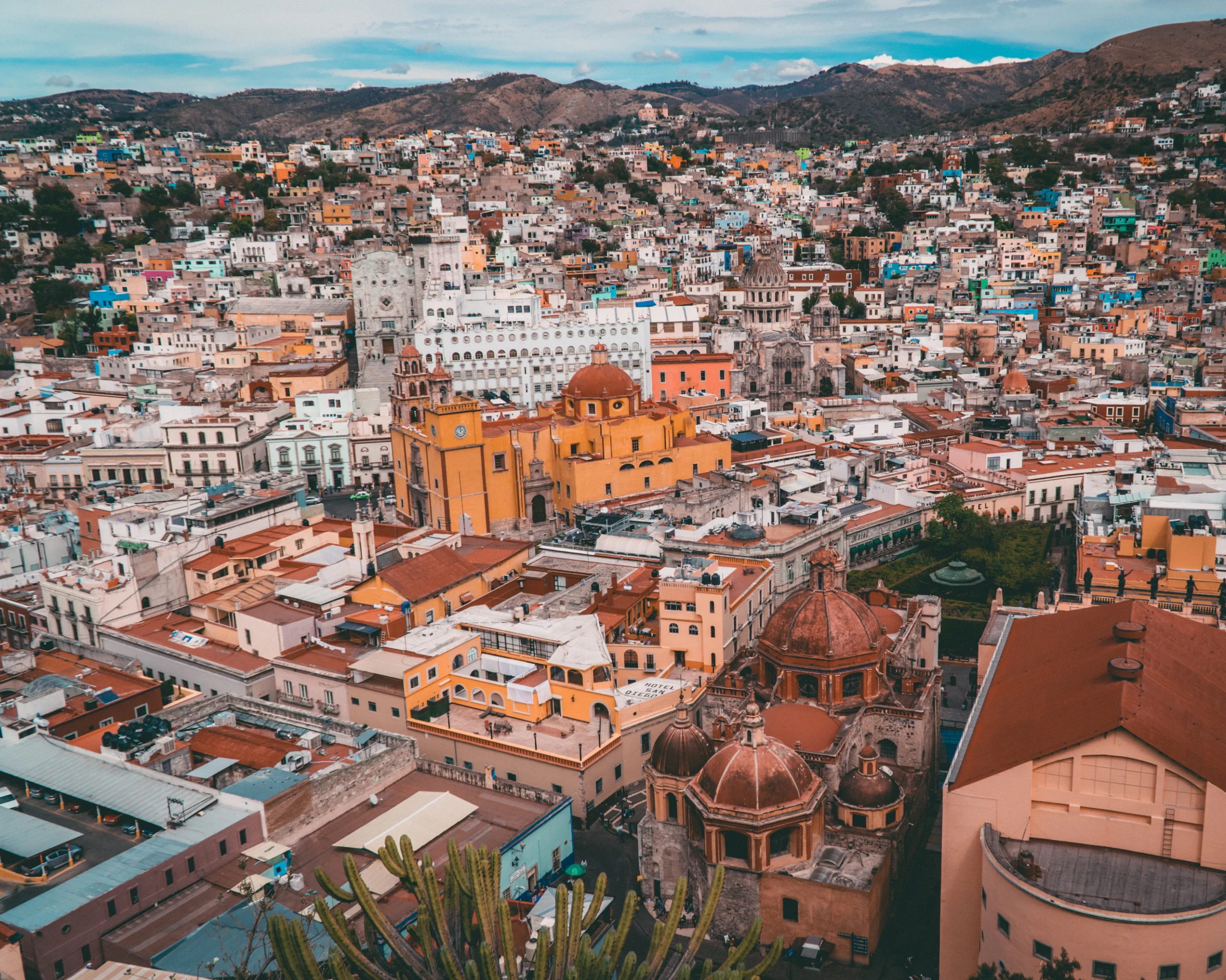
Culture lovers will find paradise in some of Mexico’s grand colonial cities, such as Guanajuato, pictured here. (Dennis Shrader/Unsplash)
Climate: Perhaps the MOST IMPORTANT consideration for year-round living under a Mexican sun. Climate determines (in ways big and small) your daily routine. You’ll need to understand Mexico’s “dry” versus “rainy” cycles, the impact of altitude (over half of Mexican territory is above 4,000 feet) and how latitude determines summer highs and winter lows. Rainfall increases (generally) the further you go south. Places with a year-round, stable climate translate to minimal need for either A/C or heating, a cost of living factor. Consider also that in some locations, there are hurricanes, rising sea levels, deserts, tropical jungles, inland temperature spikes or drought. Our ratings will help you pin down the advantages and drawbacks across Mexican coastal and inland locations.
Connectivity: The relative ease of getting here and getting around can help you maximize one of Mexico’s key advantages: proximity to the U.S. and Canada. West Coast U.S. residents might find the Mexican Caribbean a tad too far, and East Coasters might write off Baja locations for similar reasons. There’s also the question of access to inter-city bus and air transportation. If you are somewhat isolated by a northern location (like is the case with the Baja and border states), distances to central Mexican cultural attractions may be a factor. Central Mexico has the country’s best air and bus transportation systems.
Culture: After climate and connectivity, culture and communityare the next two key criteria for selecting your new home in Mexico. Culture and community affect the critical question, “How will you spend your time?” Whether you are coming to Mexico for retirement or working remotely, free time will accumulate and may challenge your overall happiness — unless you take time to find a place that “speaks to” you. Consider that if you’re in your 60’s and retiring you’ll likely have 25-30 years to embrace a fulfilling life. In my experience, the happiest foreigners in Mexico are the ones who find a genuine interest in local culture and express their appreciation via active engagement. Mexico excels like few nations when it comes to cultural diversity and complexity. It’s a fascinatinglaboratory of cultural evolution unfolding across one of the world’s most biodiverse landscapes.
Community: Community, of course, means different things to different folks. Having Spanish language skills opens a host of places where you can find commonality with locals. For non-Spanish speakers, community can mean finding areas of Mexico that have hosted foreigners for decades. These places can be home to cultural centers, service clubs, religion, performing arts, volunteering opportunities, animal rescue, sports clubs, and more ways to stay busy that you may have experienced back home! Communities of the recently migrated coalesce and congregate in surprising ways. Our rankings will reveal some surprising pastimes and socialization opportunities.
How you feel about the weather might also play a major role in where you choose to live in Mexico. (Jezael Melgoza/Unsplash)
Care: Medical care in Mexico means medical services and “wellness,” in the broadest sense. Private medical care gets high marks from expat residents. Where you find the best hospitals, you’ll access specialists, diagnosis, surgical procedures, disease management, medications, nursing, and post-operative recovery. Senior care is slowly getting prioritized by the private sector. Home care (including doctors who make house calls) and Mexican nursing care are available for a fraction of the cost of the U.S. Many North American migrants will often cobble togetherhome-country services with Mexico care. Having surgeries in Mexico is by no means rare; however, many foreigners choose to do more extensive procedures under their back-home medical policy. Wellness means eating less processed food, fast food, and more seafood, vegetables, and fruits. And (let’s hope) more exercise!
Costco: Am I joking? Sort of.Decades ago Mexico was the land of sacrifices and scarcity when it came to consumer goods. Obtaining your favorite food items, personal care products, clothing brands or kitchen necessities meant packing them into a suitcase when you headed south. This all changed with the signing of NAFTA in 1995. By the early 2000’s, the US box store invasion was taking hold across cities, resorts and even smaller towns. So, if you need a semblance of your back-home lifestyle (don’t underestimate this need), today’s Mexico residents can get almost anything via either retail or online stores. Overnight door-to-door delivery has been answered by fleets of delivery vans and motorcycles that will get your new Birkenstocks at your front door fast and reliably. There are currently 39 Costco stores across Mexico.
This editorial series promises a chance to find your very own village in the sun. So buckle up and follow us as we reveal which of the 32 cities in this series is right for you.
Author Greg Custer lives in Jalisco. He’s worked for over 40 years in international tourism, educating travel advisors around the world about Mexico and other Latin American destinations. He helps folks explore Mexico for living at www.mexicoforliving.com.
One pearl farm off the coast of Cozumel is producing some of the world's rarest pearls. (Gaurav Bera/Photos by Bel Woodhouse)
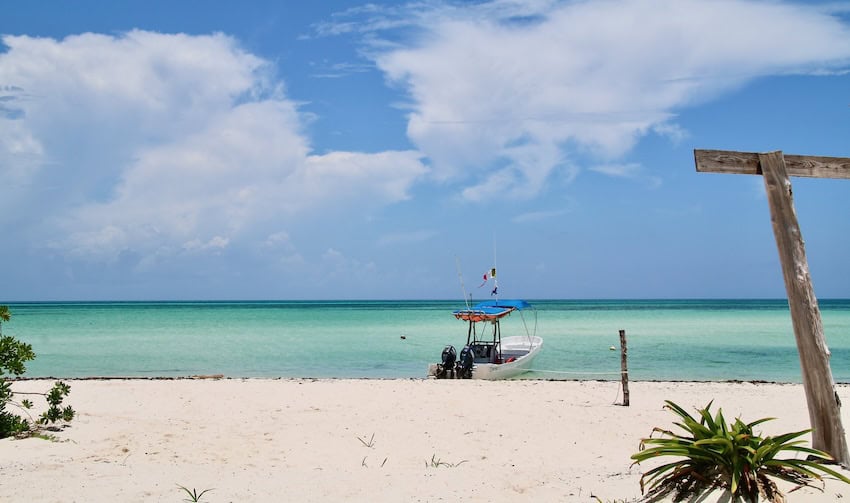
Nestled in a wide bay off the northern end of Cozumel Island is the Caribbean’s only operational pearl farm, theCozumel Pearl Farm. Warm, crystal-clear Mexican Caribbean water meets a pristine, long, sugary sand beach. The ideal place for cultivating the delicate Atlantic Pearl Oyster, Pinctata radiata.
Previously at risk of extinction in the region, the Cozumel Pearl Farm’s conservation efforts are bringing it back from the brink. At this same time, these rare oysters are producing some of the rarest pearls in the world.
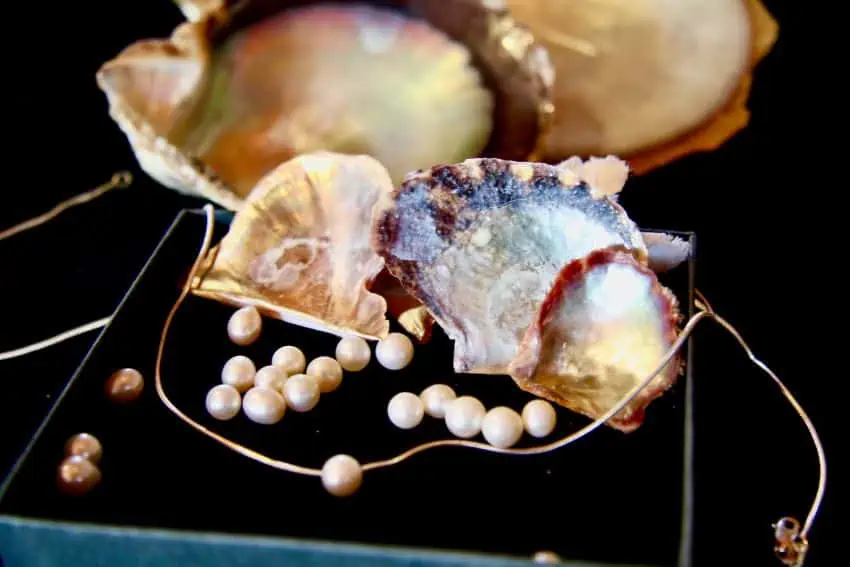
The delicate Atlantic Pearl Oyster, Pinctata radiata.
At a mere 18 years old, the pearl farm is in its infancy by industry standards. It takes years to grow a pearl, so production is limited. This makes the beautiful Cozumel pearl exceptional. A rare treasure of the ocean found nowhere else on Earth.
The Pearls
Each pearl is hand-crafted into an exquisite piece of jewelry. Of course, you can buy a pearl on its own or have it made into a one-of-a-kind creation by a very talented Mexican artisan.
Cozumel Pearl Farm believes in supporting Mexican entrepreneurs and artisans. Building a strong partnership, each piece is unique so they sell out fast. If you are interested in purchasing a pearl, or piece of jewelry, contact the farm to check availability.
Conservation
Conservation efforts and sustainability are top priorities of Cozumel Pearl Farm. Alongside working with nature to establish almost zero environmental impact. The Pearl Farm’s core ethos is working in harmony with nature. In fact, the entire operation is self-sufficient, using solar, wind, and wave power to provide their needs.
The pearl farm works in harmony with nature. Pollution is minimal.
By doing this, the farm actively educates people on how to reduce environmental impact and damage. Each structure is built on stilts made from recycled telephone poles. The large palapa, where you enjoy a beach barbeque lunch when visiting, is made from sustainably sourced local materials. All water needed for the operation of the farm is collected in rainwater tanks.
Conservation efforts involve work on both land and sea. For over a decade, the farm has been working with the National Commission of Natural Protected Areas (CONANP) to restore the balance of plant growth. They are also working to eradicate an invasive pine species on Cozumel island itself.
With Guadalupe’s Blessing
Aside from CONANP, the oysters have another protector as well. The Holy Virgin Guadalupe.
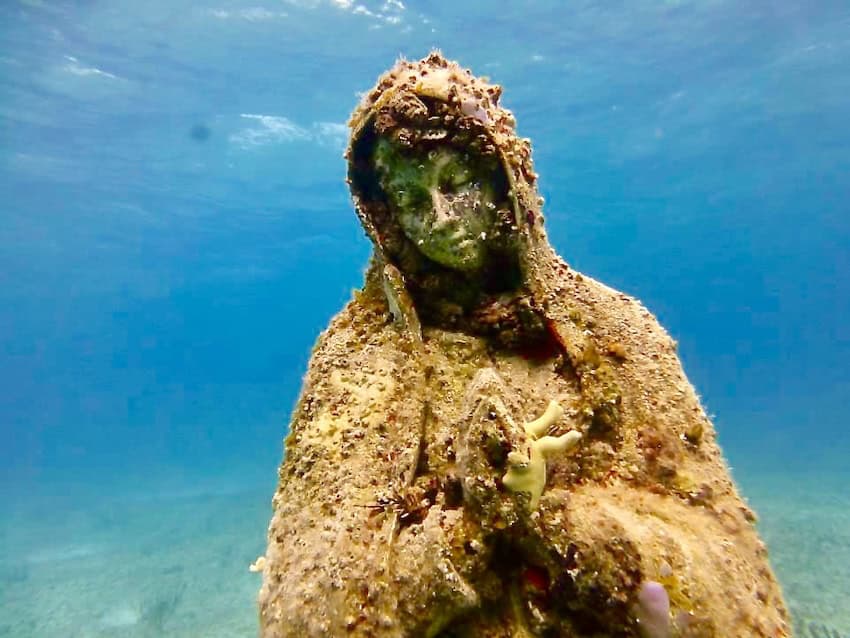
A serene sunken statue of the Holy Virgin Guadalupe watches over the pearls. She protects them and the pearl farm from natural disasters, poachers, and harm.
A sunken statue of the virgin Guadalupe protects the farmers in their work.
After Hurricane Wilma’s devastation in 2005, the owners — the Camaño family — learned their lesson. So, the clever Francisco Camaño (Pancho) invented an ingenious new anchoring system. Offering greater support for the oyster’s growing towers. They attach to the ocean floor. Which reduces the impact of Caribbean hurricanes.
Guadalupe’s protection and this anchoring system kept the pearls safe. Strong tropical storms and unpredictable weather wreak havoc each year from July to November.
It also helps nearby coral from the bleaching effects of climate change. Another conservation effort is an artificial reef for coral gardening. With the added benefit of providing local economic benefits. A diverse range of beautiful marine biodiversity is drawn to this location, making it a popular attraction for divers and snorkelers.
Touring the Pearl Farm
Yes, I went on a tour of the Cozumel Pearl Farm and can honestly say it was one the best day trips of my life. Being a pearl girl, I found learning all about pearls very fascinating. Information included how they are graded and the difference between a good pearl and a great one. Luster, shape, surface, size and color were all factors in grading quality pearls.
After touring the lab, we’d had burgers at a beach barbecue for lunch. They were delicious. They have veggie burgers too. As a vegetarian, I valued the thoughtful consideration.
Then came my favourite part of the day. A speed snorkel!
It’s the most wonderful experience. Peaceful and the perfect way to see the aquatic part of the pearl farm. They pull you behind the boat at a slow pace. There is a long line to hang onto. You float above the pearls serenely sitting undisturbed on the ocean floor. There is a long line to hang onto, and you don’t have to be a strong swimmer.
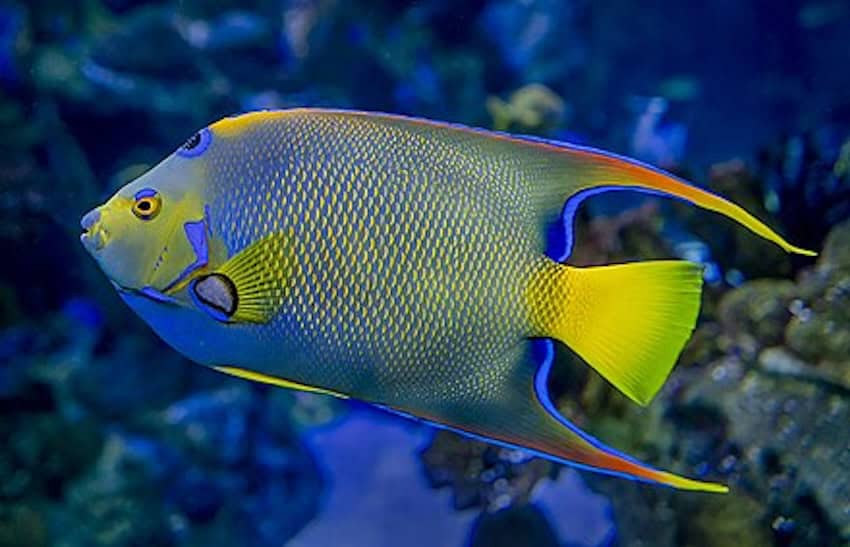
Afterwards, you can snorkel on a pristine reef. It’s full of colorful tropical fish and teeming with marine life. I dived down and said hola to Guadalupe. I made sure to blow her a kiss of thanks for looking after the pearls before I continued my snorkel. Every color of the rainbow of fish was there. The best was hanging out with a stunning Queen Angelfish for a while.
Swaying sea fans and anemones gently danced. Lobsters peeked out from under coral ledges. None of the wildlife seemed to be in a hurry or scared of humans, knowing they are safe in this protected area. A sweet little spotted yellow ray glided along the bottom. It displayed a true island vibe and seemed to be in no hurry.
This was a truly unique experience. A true Mexican treasure. Because the Cozumel Pearl Farm is the only pearl farm that uses the Atlantic Pearl Oyster, they may just be the rarest pearl in the world.
Mexico Correspondent for International Living, Bel is an experienced writer, author, photographer and videographer with 500+ articles published both in print and across digital platforms. Living in the Mexican Caribbean for over 7 years now she’s in love with Mexico and has no plans to go anywhere anytime soon.