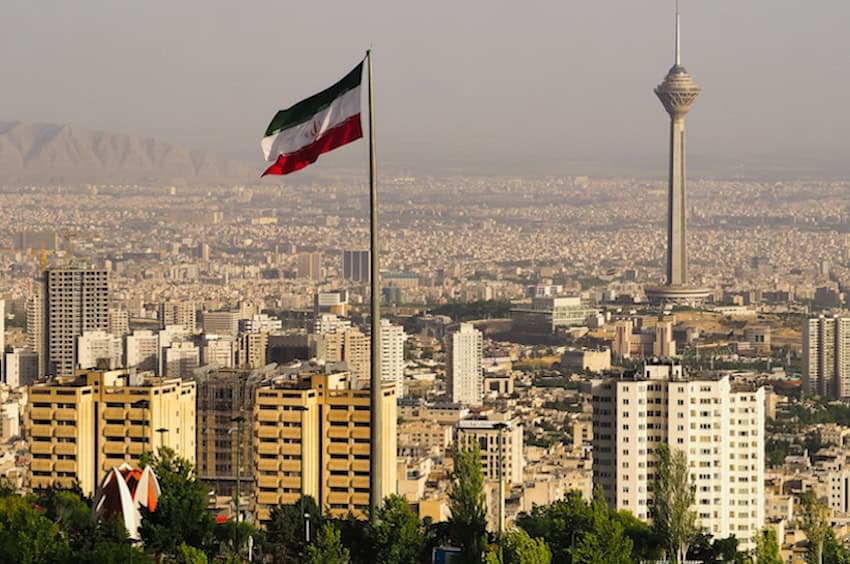
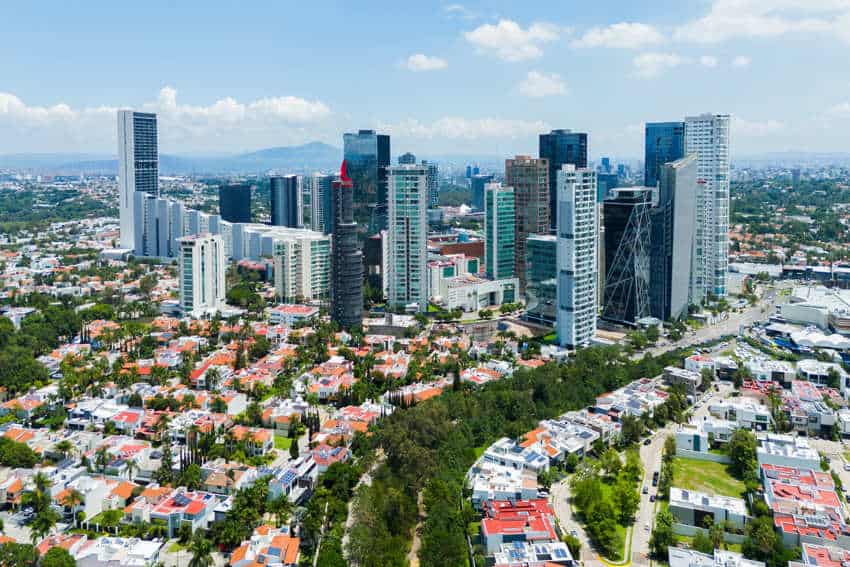
Healthcare quality and accessibility are key factors for foreigners considering a move to Mexico. (Shutterstock)
Healthcare is a very important topic for most people when considering spending more time in Mexico.
In that context, MND created a “Healthcare Experience Survey,” in which we invite you to anonymously share your personal healthcare experiences in Mexico.
Please click here to take the 5-minute MND Mexico Healthcare Experience Survey™, designed specifically to assess the healthcare experiences of foreign residents of Mexico.
The more respondents we get, the more reliable and informative the results will be.
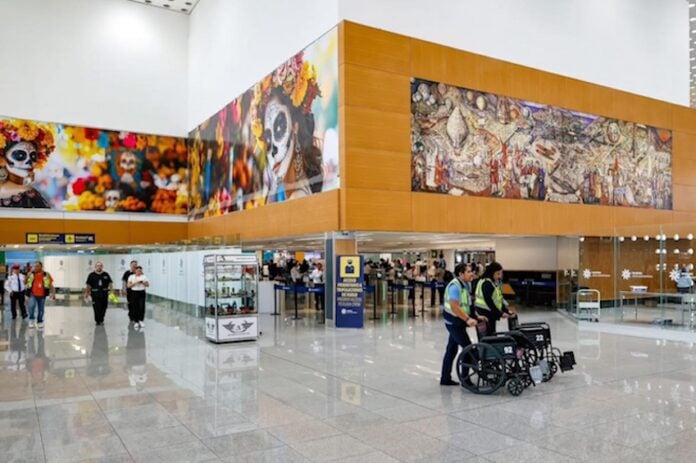
The first airport renovation has been completed in time for the arrival of World Cup visitors. The second will begin in August. A third phase would include a third terminal. (AICM)
The ongoing renovation work at Mexico City International Airport (AICM) may be extended to include a third terminal and a redesign of the streets connecting to the airport.
Head of AICM Admiral Juan José Padilla Olmos said that while the idea is still in the planning stages, such improvements would be part of any third renovation phase.
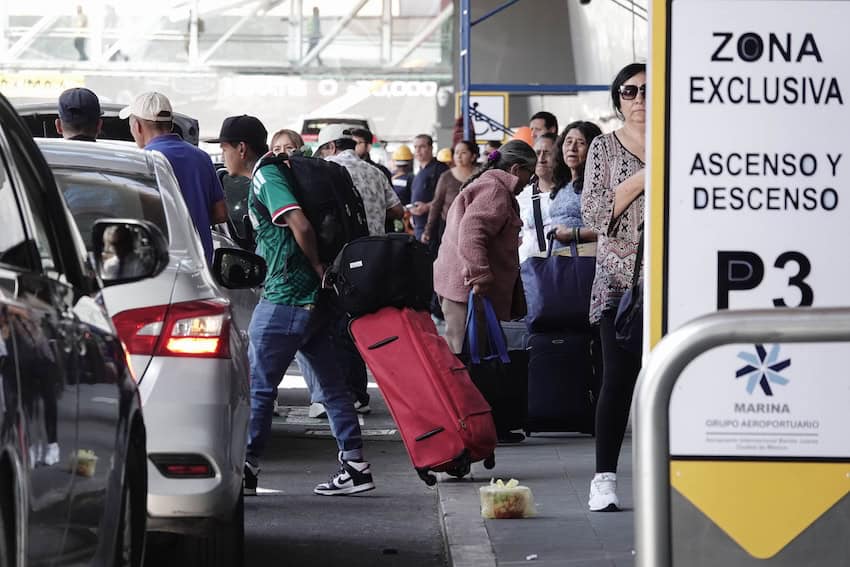
Overcrowding and difficult access are what the current renovation program is meant to resolve, but the solution may require a third terminal — although there are some who think that even that would not be sufficient. (Camila Ayala Benabib / Cuartoscuro.com)
“The third stage is a project that has not yet been finalized, but it is a project for a potential addition of one more terminal,” Padilla said in an interview with journalist Ciro Gómez Leyva.
The project is part of a wider modernization plan with a total investment of 10 billion pesos (US $576 million) that began last year in preparation for the 2026 FIFA World Cup.
The first modernization phase, which required an investment of 6.5 billion pesos (US $375 million), has recently been completed, while the second phase is expected to be carried out between August and December.
The remaining work includes operational and mobility adjustments to improve passenger flow and internal connectivity between different areas of the airport.
A third phase would include the reorganization of roads that converge at the airport, including the arrivals and departures areas, the North Axis 1 and the Inner Ring Road and the accesses in front of Terminal 1.
According to Padilla, these improvements would optimize flows and reduce the airport’s long-standing saturation problems.
“It is a very ambitious and necessary project, but it requires a thorough study and the integration of an interdisciplinary committee to ensure a successful outcome,” Padilla said.
Earlier this year, Mexico’s legacy airline Aeroméxico proposed building a third terminal at AICM to solve the frequent congestion issues of Terminals 1 and 2. Back then, Aeroméxico CEO Andrés Conesa Labastida said that a third terminal would increase capacity from 50 million passengers per year, to some 70 or 75 million.
Conesa noted that this proposal must be supplemented in operation by the Felipe Ángeles International Airport (AIFA) near Mexico City, and the Toluca International Airport in Mexico state, creating a combined capacity of more than 100 million passengers per year in the Valley of Mexico.
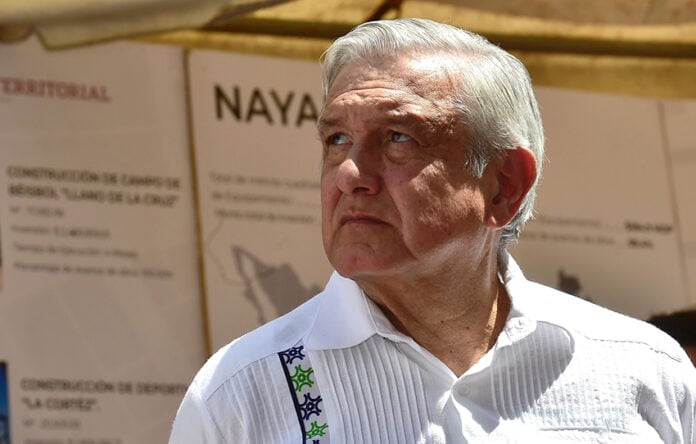
Former president López Obrador published a rare public statement Wednesday accusing the US of interfering in Mexican politics. (Presidencia/Cuartoscuro)
Former President Andrés Manuel López Obrador on Wednesday accused the U.S. government of using “interventionist practices” in an attempt to weaken the ruling Morena party and strengthen Mexico’s “right-wing opposition.”
Via his social media accounts and on his personal website. López Obrador published a statement with the heading “My unconditional support for President Claudia Sheinbaum Pardo and a Respectful Reflection on President Donald Trump.”
“It does not surprise me that, in the onslaught by the United States government against that of Mexico, the same old interventionist and completely unscrupulous practices are being used, now under the pretext of combating migration and narcoterrorism,” he wrote.
“It is clear that these attacks are not motivated, as our president Sheinbaum rightly said last Sunday, by any genuine interest in solving the serious problem that the United States sadly suffers from due to the prolonged pandemic of drug addiction. No, this is a matter of a political and electoral nature,” wrote AMLO, as the former president is best known.
Does the United States have “a legitimate interest in helping Mexico?” Sheinbaum asked.
“Is it a genuine commitment to combating organized crime? Or are we witnessing sectors of the American far right using our country to position themselves ahead of their 2026 elections? Or perhaps they intend to influence the 2027 elections in our country? These are not rhetorical questions,” she said.
AMLO: ‘Some U.S. officials are plotting to weaken Morena’
On the first page of his five-page statement, López Obrador asserted that “some United States officials are plotting to weaken Morena and strengthen the right-wing opposition in Mexico with the idea of once again having at their disposal a submissive, corrupt, mafioso and cruel government, which is therefore vulnerable, subordinate and faithful to their interventionist designs.”
“In addition, they are confident they can once again deceive many U.S. citizens with the Hitlerian propaganda tactic of repeating lies over and over in the run-up to the November elections [in the United States], in order to keep blaming Mexico for each and every one of their ills,” he wrote.
‘The Trump of today is different from the one I dealt with’
AMLO, who finished his six-year term in 2024 and has largely refrained from commenting on political issues since then, claimed that Trump’s attitude, especially in relation to Mexico, has changed in his second term compared to his first term.
“Speaking from what I myself know as a fact and can prove, the Trump of today is different from the one I dealt with,” he wrote.
López Obrador wrote that Trump “refrained from speaking ill of Mexicans” during his first term “and from mentioning the [border] wall.”
AMLO also pointed to a range of positive developments in the Mexico-U.S. relationship during his presidency, including the signing of the USMCA free trade pact, and claimed he had very few disagreements with Trump and that the U.S. president understood his opposition to the proposed deployment of U.S. forces to Mexico and heeded his advice on not designating drug traffickers as terrorists.
“At the end of his term,” López Obrador wrote, “relations were so good and there was so much trust in our government that, when agents of the DEA and the Department of Justice, in an act of revenge against the Mexican Army, fabricated a case against General Salvador Cienfuegos, Minister of Defense during the administration of President Peña [Nieto], and arrested him in the United States, I asked President Trump to allow us to review the evidence because we doubted its authenticity.”
“He agreed and ordered that the case be transferred to Mexico,” AMLO wrote, noting that Cienfuegos was found to be innocent.
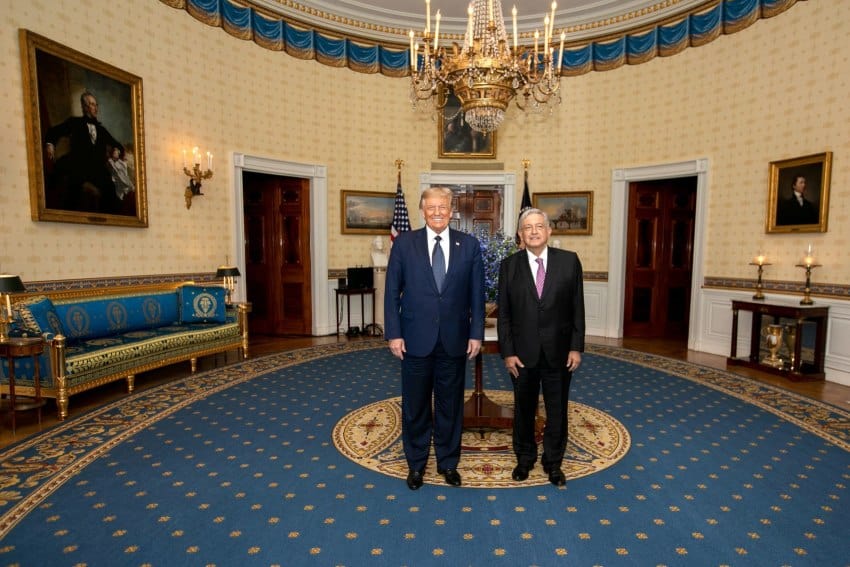
Despite notable ideological differences, former President Andrés Manuel López Obrador maintained a relatively warm relationship with his U.S. counterpart during the U.S. president’s first term in office. (Cuartoscuro)
López Obrador noted that during his 2020 visit to the White House, Trump “acknowledged that Mexican migrants are hard-working and contribute to the development of the United States.”
He then posed the question, “Why has President Trump changed so much in just a few years?”
“One could answer that these are different times and circumstances have changed; that this is his last term as president and that he is not obliged to hold back because re-election is not at stake; or that he simply does not exercise his leadership directly as he did before and now relies more often, when making decisions, on his inexperienced, resentful and fanatical advisers, who are not exactly statesmen,” he wrote.
López Obrador subsequently said that he didn’t buy the “change of circumstances” explanation because “in the case of Mexico, President Sheinbaum has been efficient, responsible, prudent and respectful” — “in essence … the best president of Mexico of our time.”
He also wrote that he didn’t believe that the U.S. president’s “new way of governing” is related to him being in his second term, “because for a person like Trump history matters more than the position and he would not like to be remembered as being responsible for an economic and social welfare crisis that also caused his party to lose elections.”
“… Rather, I attribute Trump’s surprising change to his false friends and advisers, both domestic and foreign, who have been getting him involved in vile and sinister adventures,” AMLO wrote without mentioning any names.
“For that very reason, I do not rule out — indeed I hope — that President Trump changes course. Hopefully he will go back to governing as he did before, with enthusiasm, personally, without delegating essential things, trusting his practical judgment and his sure instinct, and hopefully he will send to hell the parasites that surround him and egg him on, whoever they may be,” he wrote.
“… For the good of all, may the other Trump return,” concluded AMLO, who retains significant political influence in Morena — a party he founded — despite retiring from public life at the end of his presidency and handing over the reins of the “fourth transformation” political movement to Sheinbaum.
At her Thursday morning press conference, Sheinbaum thanked López Obrador for his support.
On Monday, she said she didn’t believe Trump was leading the U.S. interference “offensive” against Mexico. Last month, Sheinbaum claimed that Trump himself was not pressing for U.S. intervention in Mexico, although he has said on various occasions that U.S. forces would, or could, take action against cartels in Mexico.
Rather, “some people” who advise Trump are pushing for U.S. action in Mexico, she said May 20, expressing a similar view to that articulated by AMLO in his statement.
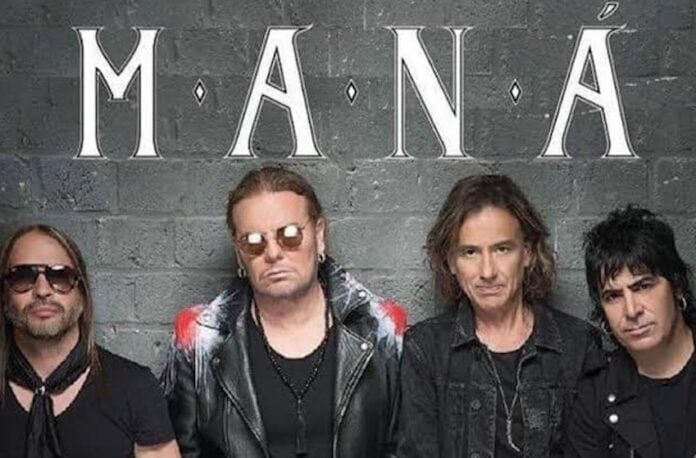
Maná, a Mexican band that regularly sells out concerts in the United States and many other countries, will be one of the Mexican headliners at the World Cup opening ceremonies at Estadio Azteca on Thursday, June 11. (San Luis Potosí Mayor Galindo / Facebook)
Mexico City’s marquee 83,000-seat soccer stadium will take global center stage on Thursday, June 11, with a star‑studded World Cup opening ceremony of sound, color and spectacle designed to showcase Mexican culture.
Set to start 90 minutes before the 2026 tournament’s very first game — Mexico vs. South Africa at 1 p.m. — the ceremony will fuse music, dance and tradition, with fans urged to be seated by 11 a.m.
FIFA has announced the Mexican headliners as ranchera and pop legend Alejandro Fernández, Grammy-winning singer-songwriter Lila Downs, Spanish-born pop star Belinda, and the bands Los Ángeles Azules and Maná.
Other stars include South African singer Tyla, Colombian star J Balvin and Venezuelan singer-songwriter Danny Ocean.
The ceremony, to be followed at 12:10 p.m. with team warmups, will take place at “Mexico City Stadium,” the name FIFA is using for Aztec Stadium during the tournament.
The opening ceremony will put Mexican identity front and center, anchored by the intricate cut‑paper art of papel picado as the visual motif. Indigenous performers and modern folkloric artists will share the field with the global stars, aiming for a show that reads as both a national self‑portrait and a curtain‑raiser for the three‑nation tournament.
The Mexico City ceremony is the first in a trilogy of opening ceremonies.
Italian producer Marco Balich and his Balich Wonder Studio are overseeing all three, with Canada’s ceremony on June 12 in Toronto before Canada vs. Bosnia and Herzegovina, and the U.S. show that same night in Los Angeles ahead of Team USA vs. Paraguay.
Balich describes the shared thread as “the celebration of sports, the passion for soccer, symbolized by the cup itself” interpreted through each country’s aesthetic.
In Mexico City, logistics will be tight around the stadium, where gates will open at 9 a.m. There will be road closures around the venue, including stretches of Calzada de Tlalpan, with access limited to ticketed fans, accredited staff, residents and emergency vehicles.
It will effectively be a public holiday in Mexico City. Mayor Clara Brugada has declared June 11 a day off from preschool through secondary school, and has urged employers to let staff work from home.
Two days later, the festivities will move to Paseo de la Reforma in Mexico City, where the “Great World Cup Parade” on June 13 will blend Mexican popular culture with soccer‑themed floats and performances.
Mexico City will host five games, including one each in the Round of 32 and Round of 16. The second will be Uzbekistan vs. Colombia on June 17.
There will also be four games each in Guadalajara and Monterrey, starting with South Korea vs. Czechia at 8 p.m. June 11 and Sweden vs. Tunisia at 8 p.m June 14, respectively.
The 2026 World Cup will air on official broadcast partners across Mexico, the U.S. and Canada. One free streaming option for the opening ceremony and Mexico City opening match will be Tubi, Fox’s ad-supported service.
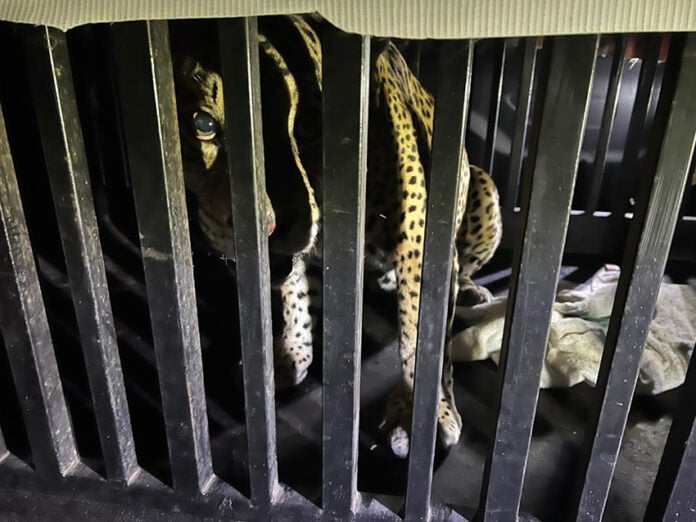
The jaguar was caught on private property in a cage trap intended for wild boars, an invasive pest in Tamaulipas. (Tamaulipas Parks and Biodiversity Commission)
A jaguar has been rescued in the mountains near the state capital of Tamaulipas after becoming trapped in a wild boar snare located on private property, state officials said this week.
The presence of the jaguar was reported to the authorities by local residents, and the government immediately dispatched wildlife management specialists to secure the animal.
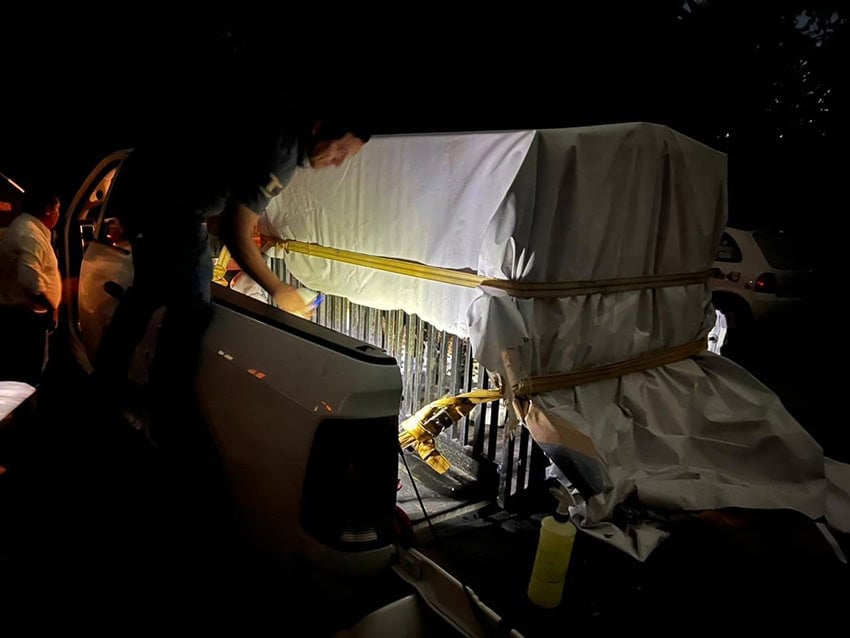
State officials secured the cage and transported the jaguar to Tamatán Zoo in Ciudad Victoria, where it is now receiving veterinary care. (Tamaulipas Parks and Biodiversity Commission)
Eduardo Rocha Orozco, the director of the parks commission, said the priority is to ensure the animal’s recovery and monitor its physical condition before considering whether it can be released back into its natural habitat.
Once the specimen is deemed to be in optimal health, a technical evaluation will be carried out to determine the most suitable site for its release, he said.
Wildlife specialists warn that boar snares and similar traps pose a risk to protected species, including the jaguar and the ocelot, as they can accidentally get caught up in them and suffer serious injuries.
Authorities reiterated their call for the public to immediately report any situation that endangers wildlife, so as to facilitate timely intervention and contribute to the conservation of native species in Tamaulipas.
Tamaulipas represents the northernmost limit of the jaguar’s continuous range in the Americas.
According to a report published in the newspaper Milenio in November, there are an estimated 54 jaguars inhabiting the state’s protected areas, such as the El Cielo Biosphere Reserve and the Sierra de Tamaulipas.
Earlier this year, however, The Wildlife Society reported that jaguar density is rapidly declining in northeastern Mexico. It said that researchers believe ongoing development and construction of a new highway are contributing to the declining health of jaguar populations in the region.
Fortunately, research indicates that many local residents demonstrate appreciation for the cats, particularly as they help attract nature tourists to the area.
“People in these areas don’t see jaguars as a threat anymore, but as a source of things people can get to know,” Zavdiel de la Rosa, a PhD candidate in natural resource management at the Autonomous University of Tamaulipas, told The Wildlife Society.
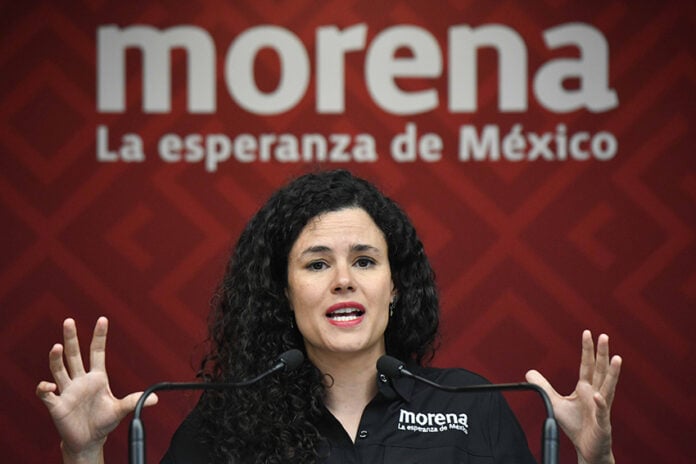
Morena Party President Luisa María Alcalde speaks at an April press event. (Mario Jasso / Cuartoscuro.com)
In early April, the National Regeneration Movement (Morena) published an infographic to social media that showed that it was the ninth-largest political party in the world by membership size.
The Bharatiya Janata Party (Indian People’s Party) is easily the world’s largest political party, with 140 million members, but Morena — with more than 12 million members — is no slouch.
¡Somos uno de los partidos políticos más grandes del mundo! 🏆🌎
In fact, the party founded by former president Andrés Manuel López Obrador (AMLO) last decade is the largest political party in Latin America and the third-largest in the Western Hemisphere, behind the Democratic Party and the Republican Party in the United States.
Hence, Morena — whose membership has surged in recent years — is also the largest political party in Mexico.
But what about Mexico’s other political parties?
How many members (afiliados or militantes in Spanish) do they have?
Have their memberships grown or declined in recent years?
We answer those questions in this week’s “Mexico in Numbers” article.
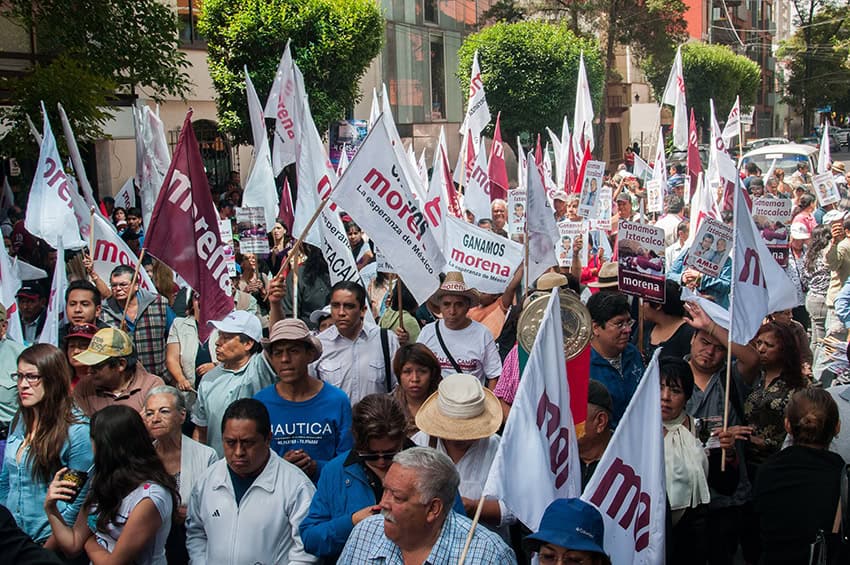
At the time of this 2015 Morena rally, the party had 600,000 registered members. Over the next decade, the party replaced the PRI as Mexico’s dominant political party and grew its membership more than twenty-fold. (Diego Simón Sánchez / Cuartoscuro.com)
1. Morena
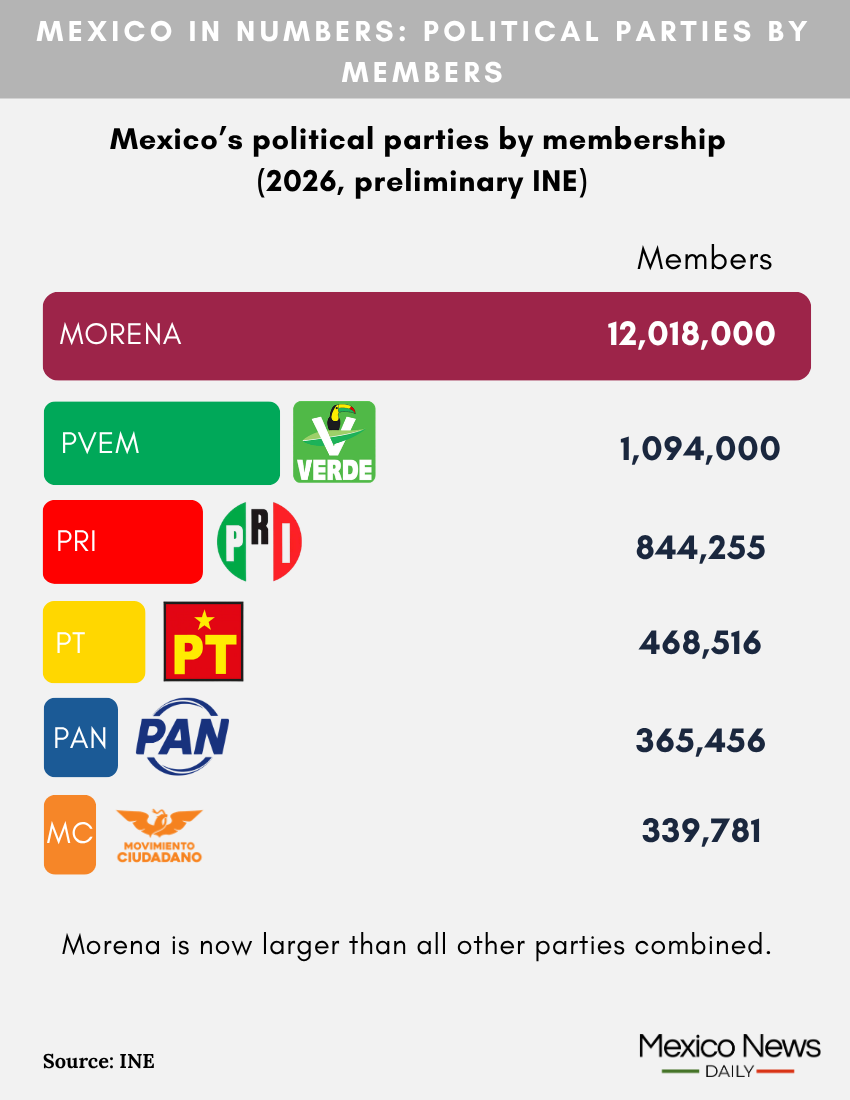
According to preliminarydata published by the National Electoral Institute (INE) in March, Morena has 12.018 million members.
Mexico’s second-largest political party by membership size is the Ecological Green Party of Mexico, an ally of Morena.
The party, founded in 1986, has 1.094 million members, according to INE’s preliminary 2026 numbers.
The PVEM’s membership has increased 84.7% since 2023, when the party had 594,417 members.
The PVEM governs one state — San Luis Potosí.
3. The Institutional Revolutionary Party (PRI)
For much of the 20th century, the Institutional Revolutionary Party ruled Mexico as a virtual one-party state. Today it is Mexico’s second-biggest opposition party (based on its representation in federal Congress) and is losing members.
The PRI has 844,255 members, a decline of 40.2% compared to the 1.41 million members it had in 2023.
The PRI last held power at a national level between 2012 and 2018 when Enrique Peña Nieto was president.
The PRI currently governs two northern states: Durango and Coahuila.
4. The Labor Party (PT)
Mexico’s fourth-largest party by membership size is the Labor Party, another ally of Morena.
The party, founded in 1990, has 468,516 members. That figure represents an increase of 2.4% compared to 2023, when the PT had 457,624 members.
5. The National Action Party (PAN)
The National Action Party, Mexico’s main opposition party based on congressional representation, is the country’s fifth-largest political party by membership size.
The almost 90-year-old conservative party has 365,456 members, an increase of 31.6% compared to the 277,665 it had in 2023.
The PAN governed at a federal level during two consecutive six-year terms: Under President Vicente Fox between 2000 and 2006, and under President Felipe Calderón between 2006 and 2012.
The party currently governs four states: Aguascalientes, Chihuahua, Guanajuato and Querétaro.
6. Citizens’ Movement (MC)
Mexico’s sixth-largest political party is Citizens’ Movement, a party previously known as Convergence for Democracy and Convergence.
MC has 339,781 members, according to the INE’s 2026 preliminary numbers. That figure represents a decline of 11.5% compared to the 384,005 members the party had in 2023.
MC governs two of Mexico’s most populous and economically important states: Jalisco and Nuevo León.
The OECD joined other recent forecasters and rating agencies in delivering sobering news regarding Mexico's growth outlook, but it did have a positive prediction for 2027. (Julio López / Unsplash)
Mexico received a mixed report from the Organization for Economic Cooperation and Development (OECD) this week, as the intergovernmental policy forum joined other recent prognosticators in lowering the GDP growth outlook for the rest of this year but boosting the forecast for next year from 1.7% to 1.8%
In cutting Mexico’s expected 2026 growth rate from 1.3% to 0.8%, the OECD cited economic policy uncertainty, trade tariffs and fiscal consolidation.
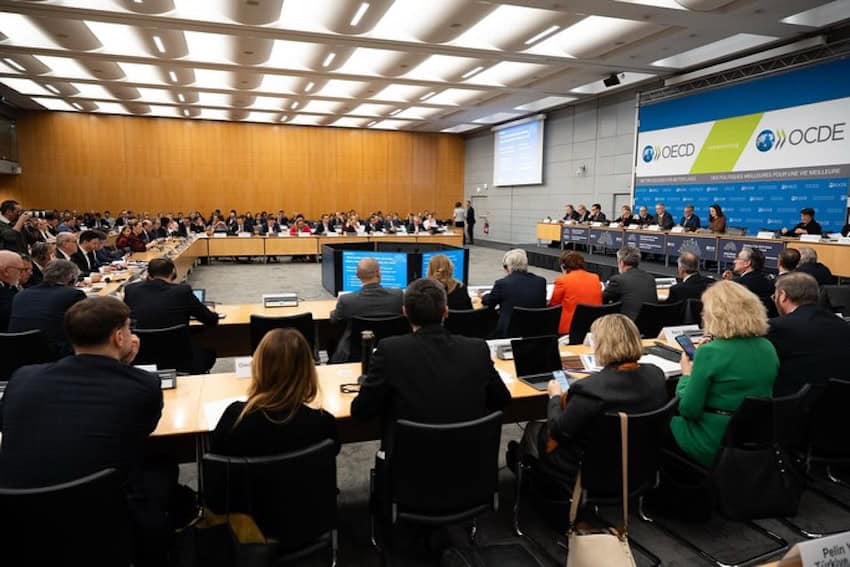
The Organization for Economic Cooperation and Development is a policy forum dedicated to promoting economic growth for its 38 member countries, of which Mexico is one. (OECD en español / Facebook)
The forecast was included in the OECD’s June Economic Outlook for Mexico in which it projected that the Mexican economy will maintain moderate growth, supported mainly by domestic demand and private consumption, and favored by low unemployment.
It added that lower interest rates “will gradually boost private investment, but recovery will be gradual against a backdrop of persistent national and international uncertainty.” The forecast also sees inflation gradually moderating to 3.2% by 2027.
While the report acknowledged the solid growth that marked the end of 2025, it pointed out that Mexican economic activity weakened sharply at the beginning of 2026, registering a 0.6% quarterly contraction of gross domestic product.
The latest Economic Outlook represented a 0.5% reduction from the OECD’s previous forecast, issued in March. At that time, the organization suggested Mexico needed to continue reducing the fiscal deficit through good-faith measures on both the expenditure and revenue sides. It also advocated for the development of “a sound medium-term fiscal framework” in order to preserve fiscal stability.
The OECD also urges boosting revenues and improving the quality of public spending in order to “safeguard fiscal sustainability and create more room for productivity-enhancing public spending.”
Spanish economist Alberto González Pandiella, head of the Economic Department for Mexico at the OECD, told El Economista newspaper that the US-Mexico-Canada (USMCA) trade talks are critical for establishing economic certainty.
González said it behooves Mexico to extend the USMCA rather than accepting an annual review process. A mandatory review is presently under way, the result of which could be a 16-year extension of the USMCA or a compulsory annual review process.
But investments are the engine needed to boost greater economic growth in Mexico, González said, adding that “investment clearly continues to be hampered by external uncertainty, such as that related to trade, as well as by internal factors.”
The OECD forecast also hinted at the necessity of addressing Pemex, the nation’s struggling oil company, which was cited by two credit agencies that downgraded Mexico’s sovereign rating last month. (In its statement announcing the reduction, Moody’s warned that “continued support for Pemex will continue to limit fiscal consolidation.”)
The OECD called for Mexico to increase the share of electricity generated from renewable sources so as to “accelerate decarbonization, strengthen energy security and enhance the country’s attractiveness to investors.”
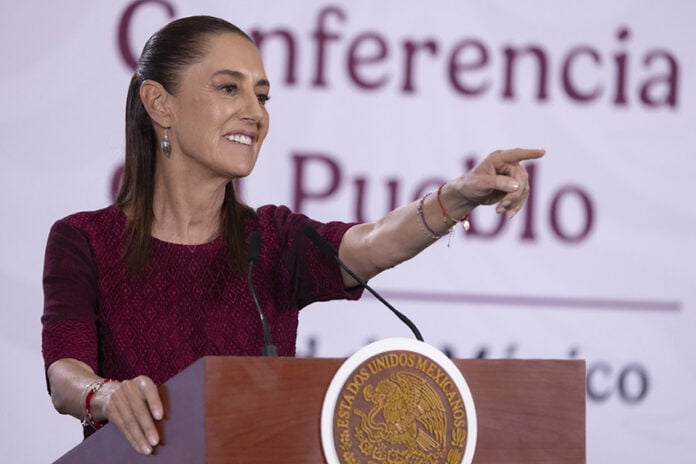
Challenges to Mexican sovereignty continued to dominate the discourse at Thursday's morning presser, as Sheinbaum addressed AMLO's response to escalating U.S. pressure. (Carlos Ramos Mamahua / Presidencia)
Sheinbaum’s mañanera in 60 seconds
🤝 AMLO backs Sheinbaum: Former President López Obrador published a statement offering his “unconditional support” for Sheinbaum, alleging that U.S. officials are plotting to weaken Morena and warning that Trump is being misled by “false friends and advisers.” Sheinbaum said she was “enormously” grateful and affirmed his words about her were true.
🗽 U.S. official backs Mexican sovereignty: Sheinbaum highlighted remarks made before a U.S. congressional committee by Homeland Security Secretary Markwayne Mullin, who said the U.S. must respect Mexico’s sovereignty. He also said the Sheinbaum government’s security cooperation with the U.S. is far superior to that of the previous Mexican administration.
⚖️ Only Mexicans elect and remove Mexican officials: Sheinbaum reiterated that the Mexican people alone hold the right to elect and remove authorities, pushing back against Washington’s demand that Sinaloa Governor Rubén Rocha Moya and other officials be arrested for extradition on drug trafficking charges.
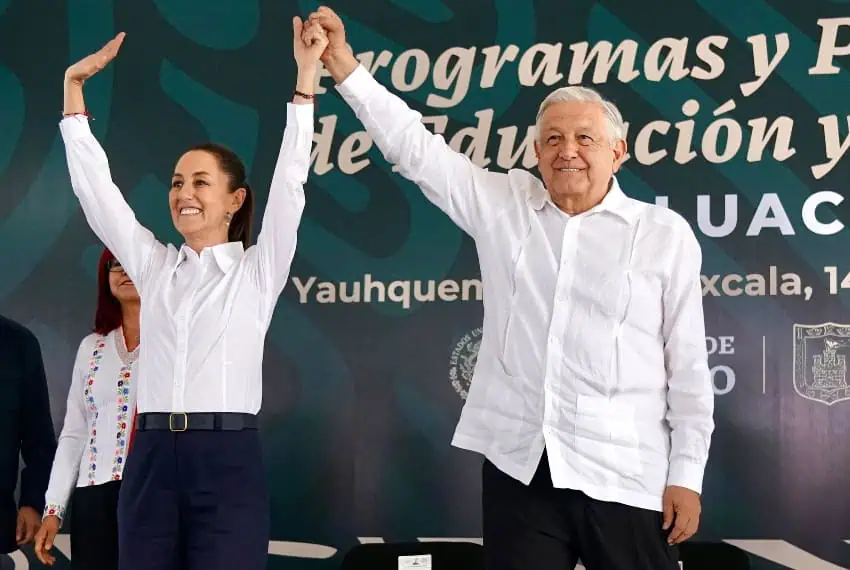
On Wednesday, former President Andrés Manuel López Obrador (AMLO) — Sheinbaum’s predecessor and political mentor — entered that conversation by publishing his thoughts on the prevailing situation.
López Obrador published a letter expressing his support for Sheinbaum this week. (Cuartoscuro)
At today’s mañanera, Sheinbaum acknowledged AMLO’s words of support, and also noted that U.S. Homeland Security Secretary Markwayne Mullin spoke on Wednesday about the need to respect Mexico’s sovereignty.
Sheinbaum read out the statement AMLO released on Wednesday under the heading “My Unconditional Support for President Claudia Sheinbaum Pardo and a Respectful Reflection on President Donald Trump.”
In the statement, López Obrador claims that “some United States officials are plotting to weaken Morena and strengthen the right-wing opposition in Mexico,” and asserts that “the Trump of today is different from the one I dealt with” and that the U.S. president is being unduly influenced by “false friends and advisers.”
He also calls Sheinbaum “the best president of Mexico of our time.”
Sheinbaum said she was “enormously” grateful for López Obrador’s support.
“And what he says about me is the truth,” she added.
Sheinbaum highlights Mullin’s remarks about Mexican sovereignty
“I just recently returned from Mexico City, speaking with President Sheinbaum and her cabinet about the [security] cooperation and I will tell you we’ve been impressed. They’ve been very cooperative, way more cooperative than the last administration, but they still believe in their sovereignty and we have to respect that,” Mullin said during an appearance before a U.S. congressional committee.
Sheinbaum — a staunch defender of Mexican sovereignty — told reporters that after she read Mullin’s remarks, she said: “Hey, that’s great, that’s great.”
‘The people’ — not US authorities — elect and remove authorities in Mexico, says Sheinbaum
Sheinbaum reiterated her view that the Mexican people — and only the Mexican people — have the right to elect and remove authorities in Mexico.
“Of course, if there are [criminal] complaints against any official, any public servant in Mexico, they are investigated,” she added.
“… If there is a complaint … [supported by] proof, the official is arrested,” Sheinbaum said.
The president’s remarks are related to the United States’ request that Sinaloa Governor Rubén Rocha Moya and other current and former Sinaloa-based officials, including the mayor of Culiacán and a Morena party senator, be arrested for the purpose of extradition to the U.S. to face drug trafficking charges.
Sheinbaum has endorsed the Federal Attorney General’s Office’s view that the United States has not provided sufficient evidence to warrant the suspects’ arrest.
During a forceful speech at a rally in Mexico City on Sunday, she said that her government “cannot allow” the U.S. Department of Justice to become “the primary elector in Mexico.”
By Mexico News Daily chief staff writer Peter Davies (peter.davies@mexiconewsdaily.com)
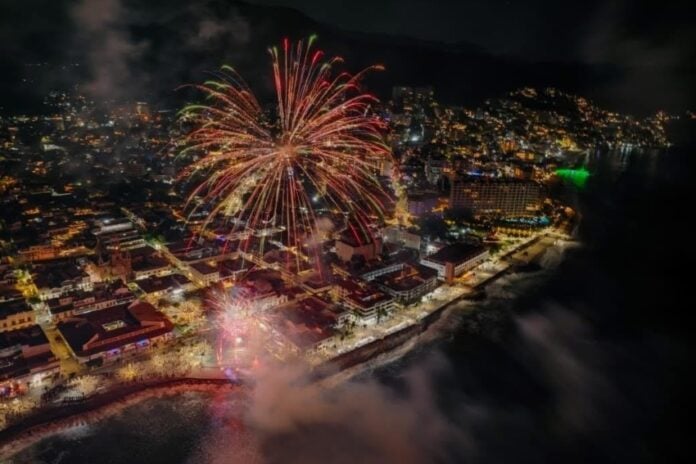
Fireworks exploded over Puerto Vallarta last weekend as it celebrated two important anniversaries. (Facebook/Gobierno de Puerto Vallarta)
Puerto Vallarta put on its finery last weekend as the city celebrated two linked milestones with the kind of pageantry that makes locals swell with pride and visitors grab for their phones or cameras.
From May 29 to 31, the city celebrated 108 years since it became a municipality in 1918, and 58 years since it was declared a city in 1968. In true Vallarta fashion, it marked the anniversary with a blend of ceremony and music, and a sky full of drama.
A joyous milestone weekend
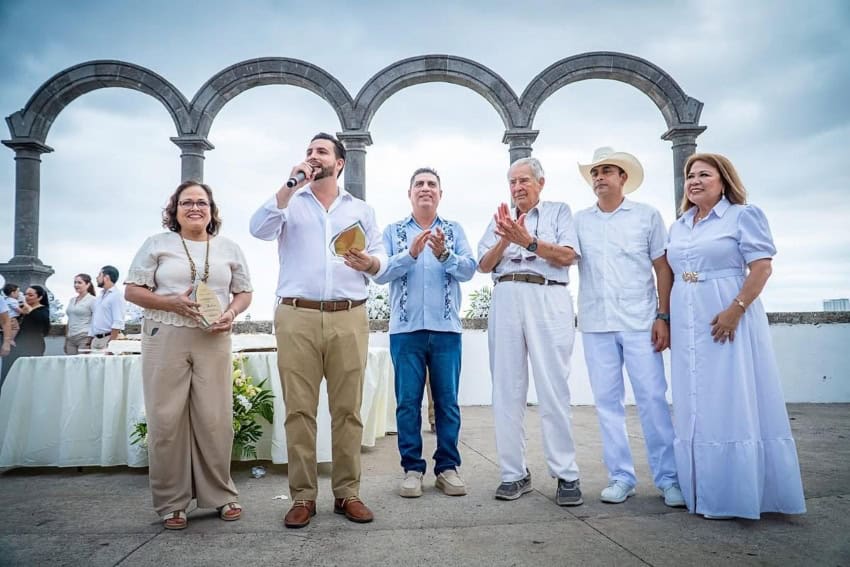
After 108 years as a municipality and 58 as a city, Puerto Vallarta officials had every reason to be proud during morning ceremonies. (Facebook/Gobierno de Puerto Vallarta)
Morning ceremonies at the Arcos del Malecón set a formal tone. A civic session recognized people and groups whose steady work stitches the city together. The teachers, volunteer groups and community organizers who offer the kind of quiet service that often slips under the tourist radar.
But the city’s anniversary weekend was far from solemn. The Malecón and Plaza de Armas soon turned into festival mode, as children darted under colorful banners, dancers in bright skirts spun to traditional tunes and regional bands migrated from street to street, giving old songs a celebratory new shine.
Food stalls lined the walkways with the familiar smells of corn and frying dough, families exchanged cake after a large ceremonial slice was shared and elders pointed out rooftops to grandchildren, sketching a living map of belonging. Local artisans displayed hand-painted tiles and woven hats, and impromptu street dancing made it all feel like one long, convivial block party.
If anyone doubted the weekend’s big-ticket attraction, the sky soon made it very clear.
Águilas Aztecas highlight Puerto Vallarta’s anniversary weekend
The highlight came from the Mexican Air Force’s aerobatic demonstration squad, Águilas Aztecas. The squad’s sleek formation flights over Banderas Bay were part precision, part poetry. The Águilas Aztecas turned the bay into a theater, delighting onlookers with tight loops, daring rolls and synchronized maneuvers that drew collective gasps from the beach and the promenade. Pilots who fly regular military missions by day translated that operational skill into a graceful, heart-thumping show, reminding spectators of the discipline behind the spectacle.
For many in the crowd, seeing the pilots in formation was more than a spectacle; it was a reminder of the human skill and duty behind the uniforms. After the show, conversations soon turned to the pilots’ dual roles as public performers in a grand celebration and as everyday aviators who protect and serve.
Protecting Mexico by day, the Águilas Aztecas squadron also found time to help Puerto Vallarta celebrate its milestone weekend. (Ojo de Aguila Photography)
As night fell, a countdown on the Malecón gathered everyone close. Parents raised their children on their shoulders and couples leaned into the moment when the fireworks began.
Launched across Banderas Bay, the display painted the water in mirrored explosions of color. Large shell bursts and delicate fountains cascaded in choreographed waves, reflecting in the bay as if it were applauding.
A story still being written
When the last sparks drifted down, what remained were quieter impressions of vendors packing up, city workers sweeping up and friends lingering for just one more song.
Puerto Vallarta’s anniversary weekend was a civic celebration done in full costume with equal parts ritual and revelry. It was a reminder that the city’s story is constantly being written by the people who live it, by the pilots who soar above it and by the ordinary, luminous moments that happen below.
Charlotte Smith is a writer and journalist based in Mexico. Her work focuses on travel, politics, and community. You can follow along with her travel stories at www.salsaandserendipity.com.
With global supply chains looking shaking after months of strife in the Middle East, could Jalisco offer a solution for manufacturers across the Pacific region? (Foxconn/LinkedIn)
Refineries that rely on oil from the Persian Gulf are running short, and airlines across Asia have begun extended schedule reductions. Some industry analysts expect the supply crisis to persist anywhere from a few months to more than a year.
Conflict in the Middle East has put a strain on global supply chains. (Shutterstock)
That is a serious problem for any supply chain built on long-haul air freight. Electronics from Shenzhen to Detroit, pharmaceutical ingredients from Mumbai to New Jersey, automotive parts from Nagoya to Monterrey. These flows assume that air capacity will always be available to bridge the distance. When that assumption turns false, companies begin asking a different question: how do we get production closer to the customer without causing ourselves excessive costs increases?
That question has been at the center of the nearshoring conversation for years. The Strait of Hormuz crisis simply gives it a sharper sense of timing. Decisions that companies were planning to make over a five year horizon are now being compressed into twelve month action plans.
This is where markets like Guadalajara fall into place. Guadalajara stands out, and the reasons go beyond a favorable map.
Pacific access without the Middle East
Guadalajara, or GDL, has a geographic advantage that often goes underappreciated. The metro area sits roughly five hours by road from Mexico City, the country’s biggest market, and connects by direct highway to three of the busiest crossings into the United States: Laredo and El Paso in Texas, and Tijuana in Baja California. From the same base, the metro area is within few hours of two of Mexico’s most important Pacific container ports, Manzanillo and Lazaro Cardenas. Together they handle most of the country’s Pacific maritime trade. For companies importing components or finished goods from Asia, these ports offer a maritime route into North America that bypasses the Persian Gulf entirely.
GDL’s advantage is not just the ports themselves but the connectivity around them. Highway capacity between Manzanillo and the GDL metro area has been progressively upgraded over the past decade. Ferromex rail service provides intermodal options for higher volume freights, and customs operations at both ports have continued to professionalize. For a manufacturer evaluating how to land Asian materials and ship finished goods into the U.S. market, the GDL-Pacific corridor has become a credible alternative to the Long Beach to rail to Midwest route that has dominated for the past two decades.
Guadalajara has reinvented itself as a modern, well connected alternative to trans-Pacific trade routes. (Carlos O. Flores/Shutterstock)
A real electronics ecosystem
Guadalajara is often described as Mexico’s Silicon Valley. This label might be a bit overused, but the reality is solid. The metro area has hosted contract electronics manufacturing operations for several decades, with established sites for global Electronics Manufacturing Services (EMS) providers and equipment manufacturers serving the consumer electronics, computing, and medical device segments. A very important portion of the design and engineering work, not just the assembly, takes place locally.
This is the kind of cluster that takes decades to build, and it cannot be replicated by a recently inagurated industrial park in a region without the supplier base. When a global brand decides to shift production capacity from Asia to North America, available land is only part of the equation. Suppliers, certified processes, and
engineering talent is what really matters in this situation. GDL answers that question for electronics in a way that few other Mexican markets can.
GDL has evolved to other clusters as well. Aerospace components, medical devices, and hardware have all grown in the region. Each of these segments represents the case for new opportunities. If one or more of your suppliers is already there, your decision becomes easier.
Talent that has been building for a generation
People is the ultimate bet over which industrial real estate sits. A new building only matters if there is a workforce ready to operate it.
Guadalajara has spent decades developing one. The University of Guadalajara, ITESO, and the Tec de Monterrey campus’ together graduate hundreds of engineers each year, and the metro area has had one of the strongest concentrations of bilingual technical talent for a long time. That base is being reinforced by specialized training programs in semiconductor handling, mechatronics, and industrial automation, often delivered in partnership between universities and the manufacturers themselves.
There’s another “breed” of individuals that raises the bar for this ecosystem: mid-career talent. Plant managers, quality engineers, and supply chain professionals with twenty years of experience in regulated manufacturing environments are not abundant in most emerging markets. They are in Guadalajara because the work has been there for a generation. For any company moving operations from Asia, the experience curve is the difference between a launch that hits its production target and one that misses it.
That has practical implications. Industrial absorbtion has been consistent and vacancy in the Guadalajara metro area has tightened over the past several quarters. Institutional developers continue to bet and deliver Class A inventory across submarkets such as El Salto and the Zapopan North corridor. Demand has been outpacing supply in several segments, and pricing reflects that.
For decision makers weighing a move, the message is straightforward. The advantages of Guadalajara are not a theory. The ports, the clusters, the talent are already in place.
Jacobo Guajardo is an industrial real estate specialist with over 33 years of professional experience. He is a Certified Public Accountant from ITESM Campus Monterrey and currently focuses on industrial and corporate real estate.