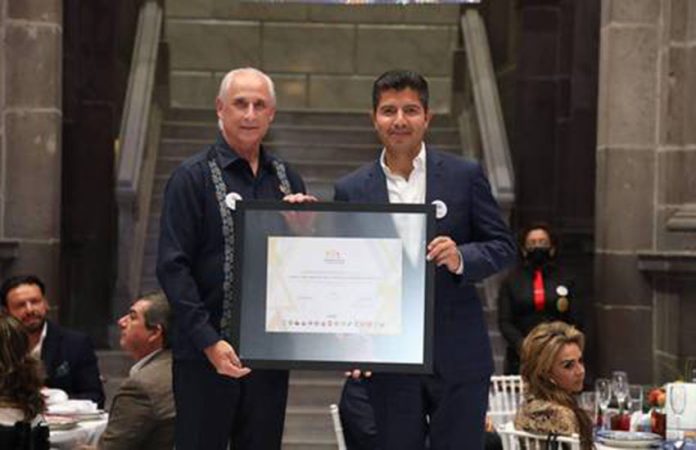
Puebla city Mayor Eduardo Rivera Pérez received the Ibero-American Academy of Gastronomy's award on Sunday. Puebla City council
For the next year, Puebla city has been officially given the title the Capital of Ibero-American Gastronomic Culture.
The award is granted each year to a different cuisine of Ibero-America — Spain, the Caribbean and Latin America — by the Ibero-American Academy of Gastronomy.
The award gives the city a chance to showcase its gastronomy and promote itself as a food destination around the world. Municipal tourism officials already plan to launch a publicity campaign called Puebla, la cocina de México, (Puebla, Mexico’s Cuisine).
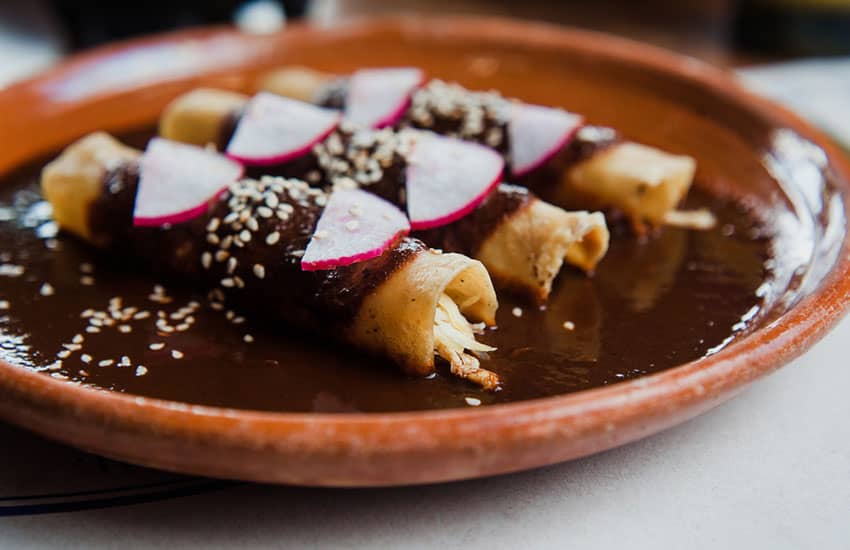
Puebla’s capital is the acclaimed birthplace of many of Mexico’s most iconic dishes, including mole poblano, chiles en nogada andtacos arabes, said to be the forerunner in Puebla to Mexico City’s variation, tacos al pastor. A half dozen or so traditional Mexican sweets also claim heritage here, as does Puebla’s famous cemita sandwiches, which were made famous in the city’s central markets.
One of Mexico’s most iconic traditional foods, mole poblano sauce hails from Puebla. Marcos Castillo/Shutterstock
The designation by the gastronomic organization recognized the city’s various elements that form its strong culinary tradition: the vast biodiversity of the area’s fields and farms and its traditional dishes developed by Catholic nuns during Mexico’s colonial period as well as the city’s numerous pottery and Talavera workshops.
Past winners have included Spanish cities like Madrid, Zaragoza and Córdoba; Buenos Aires; São Paulo and Miami. In Mexico, Guanajuato was a previous designee.
At Sunday’s award ceremony, Puebla Mayor Eduardo Rivera Pérez extended the recognition granted beyond the city itself.
“The designation of Puebla as the Capital of Ibero-American Gastronomic Culture is not just about the city but also the farm workers, traditional cooks, the restaurant sector, our universities and institutions,” he said.
The Ibero-American Academy of Gastronomy was founded in 2009 to promote the regional cuisine of the Ibero-American world as well as safeguard against the loss of traditions and improve international cooperation.
The president's rating has changed little in the last two years.
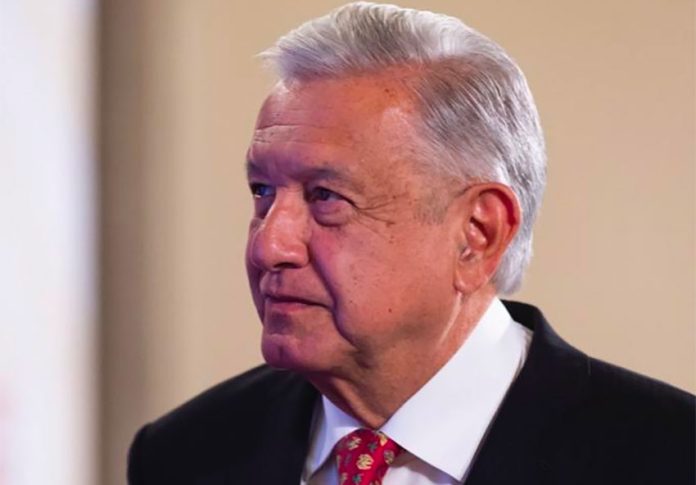
Inflation is at a two-decade high and cartels recently ran riot in some parts of the country, but Andrés Manuel López Obrador remains a popular president, according to a new poll.
A poll conducted by the Reforma newspaper between August 23 and 29 found a 61% approval rating for the president, who has now been in office for three years and nine months.
López Obrador’s approval rating among those surveyed by Reforma has remained close to 60% since early 2020. Before then, it was even higher.
One-third of respondents to the newspaper’s latest poll – in which 1,000 people responded to a range of questions – said they disapproved of the president’s performance. The 33% disapproval figure was one point higher than that yielded by the May poll, but lower than those detected a year ago and last December. A graph published by Reforma showed that López Obrador’s lowest disapproval rating was 18% in March 2019 while his highest was 41% in August 2020.
While 61% of respondents to the latest poll approved of AMLO’s overall performance, less than 50% said he was doing a good job in eight of 10 specific areas of governance. In health, 44% of those polled said the president was doing a good job, while the figures for combating poverty and attending to the relationship with the United States were 42% and 36%, respectively.
In those three areas, and social programs (64%) and education (53%), López Obrador had a net positive rating – a sizable percentage of respondents didn’t offer an opinion – but his net rating was negative in the other five. Only 34% of respondents said the president was doing a good job fighting corruption (versus 36% who said the opposite) and his numbers for economy (32% good/36% bad), medicine supply (29%/38%), security (29%/44%) and fighting organized crime (21%/48%) were even worse.
Just over half of those polled this month – 53% – said the Mexican economy has deteriorated over the past year, up from 46% a year ago. The rating agency Moody’s is predicting growth of 2% this year and just 1% in 2023. Meanwhile, inflation reached 8.62% in the first half of August, the highest level since 2000.
About four in 1o poll respondents said their personal economic situation worsened over the past year, and 77% said they have been significantly or somewhat affected by the high level of inflation.
With regard to security, 68% of those polled said they believed that violence has increased over the past 12 months and 66% thought that insecurity in general has worsened. A similar percentage of respondents – 63% – surmised that the presence of organized crime has increased.
Almost seven in 10 of those polled – 69% – declared that a security strategy that makes use of “all the force of the state” is more effective in combating organized crime than the federal government’s current non-confrontational “abrazos, no balazos,” or “hugs, not bullets” approach.
A separate poll conducted earlier this month for the El Universal newspaper found that 80% of respondents were very much in favor (51%) or somewhat in favor (29%) of the armed forces taking a greater role in the fight against organized crime.
The military could soon be effectively bolstered as López Obrador announced earlier this month that he intends to issue a decree to put the National Guard under the control of the army.
With a Pemex authorization earlier this month of US $6.47 billion, the budget for Mexico's newest refinery more than doubled to over US $20 billion.
The final cost of building the new Pemex oil refinery on the Tabasco coast will be just over US $20 billion, according to a government document, more than double the original estimate of $8.9 billion.
The newspaper El Universal reported Tuesday that it obtained a document that showed that the state oil company board authorized an additional $6.47 billion in spending on the project earlier this month.
The cost of building the Olmeca Refinery at the Dos Bocas port had already exceeded the original estimate and the project is now slated to cost just under $20.1 billion.
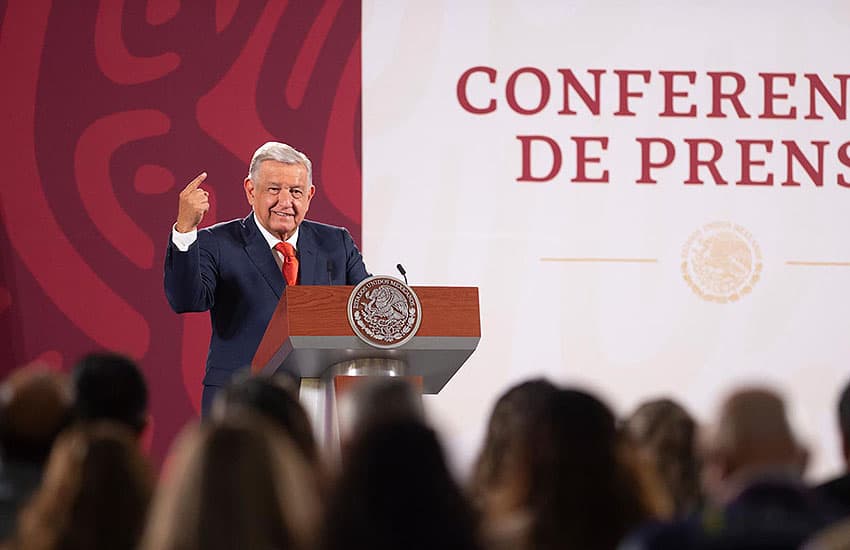
Asked at his regular news conference on Tuesday how much the cost of the refinery had increased, President López Obrador only conceded an overrun in the US $2 to $4 billion range.
President Lopez Obrador downplayed the news, only conceding an overrun in the US $2 to $4 billion range for the Olmeca Refinery project at Dos Bocas. Presidencia
“Not everything was considered,” he told reporters at his regular news conference. “Anyway, it turned out cheaper than foreign companies estimated,” López Obrador said.
On Tuesday, he said the cost of the refinery increased because all the equipment required to operate it wasn’t originally considered. “For example, the gas pipeline [to the refinery] wasn’t included,” he said.
López Obrador ruled out imposing sanctions on the officials who formulated the original cost estimate and advised journalists and “the entire [Mexican] population” to remain calm because “no one did business for personal gain in the construction of the refinery.”
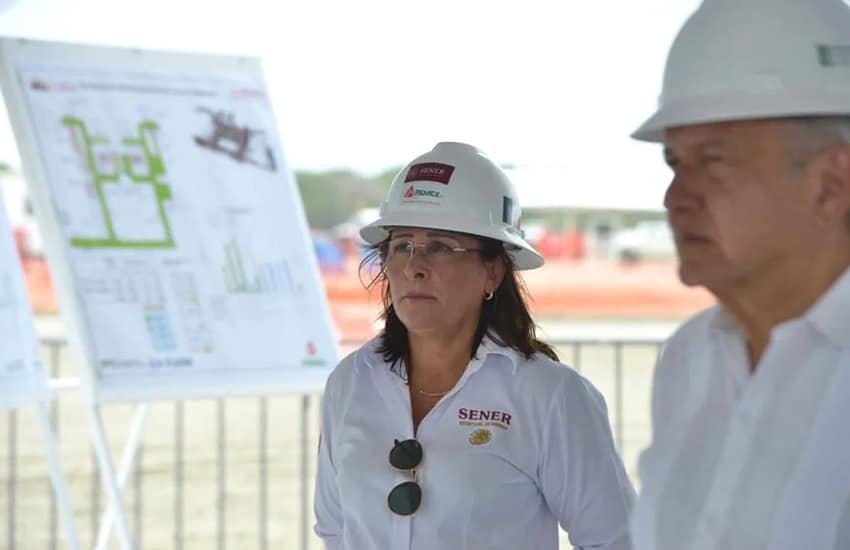
The president also defended Energy Minister Rocio Nahle, who has overseen the project. Government of Mexico
“There is no corruption; it’s no longer the same as before,” he said. “The person in charge of building the Dos Bocas refinery, [Energy Minister] Rocío Nahle, is an upright, honest woman,” López Obrador said.
“If we wanted to build it now, it would cost double, and we wouldn’t finish it in the time in which it was built,” he said. “It’s a great project. … We’re very happy with the project, … we’re going to process 340,000 barrels of crude oil per day. And a refinery hadn’t been built for over 40 years,” López Obrador said, describing its construction as an “unprecedented” feat.
“… Of course, the media that is at the service of vested interest groups, the oligarchy, of those who dedicated themselves to looting and stealing, is in disagreement with everything we do: the [Félipe Ángeles] airport, the refinery, the Maya Train. In disagreement with the pensions for seniors, the scholarships for young people, in disagreement with everything,” he said.
“It must be made very clear that the great difference between the neoliberal governments [of the past and us] – the crux of the matter, … is that corruption is not accepted in this government, corruption is not allowed. … We’re not thieves. The problem of the neoliberal governments is that they were thieves, … and not just the politicians but the business people too, who, in a strict sense, weren’t even business people, they were influence peddlers,” López Obrador said.
Drought has been devastating to many in northern Mexico.
The abundance of rain in northern Mexico recently has been the answer to many a cattle rancher’s prayers, but for most of them, a significant amount of damage has already been done.
In a report in the newspaper Vanguardia that focused on Coahuila, it was noted that up to 30% of cows in that state had perished this year due to perhaps the worst drought Mexico has seen for 30 years.
The estimate was based on figures from the Regional Livestock Union of Coahuila. “We don’t know exactly how much it is,” said Fernando Cantú González, president of the coalition of 15 livestock associations in the state. “We calculate that what died and what was available for sale represents 20% to 30% of the state’s stock.”
Coahuila, which borders Texas, is flush with prime livestock regions, notably Ocampo, Múzquiz, Sabinas, Villa Unión and Zaragoza. But the lack of rain over the past three years has put a severe crimp on the growth of crops for harvest and plants for foraging. The diminished feed not only means some cows are starving to death, but it also leads to problems such as reduced pregnancy rates, loss of overall health and lower milk production, which hampers the growth of calves.
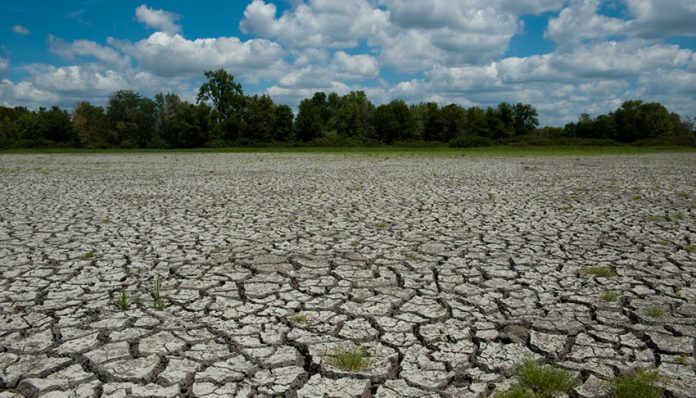
“This year was the most severe in the last 10 years,” Cantú said, noting that ranches that had never been affected before definitely suffered this year. Reservoirs have been lower, rivers have dried up to reveal cracked beds and the transfer of water to farms has been reduced. Fields that should be teeming with crops are either bare or filled with wilting plants, and cattle that are alive are bony with their ribs protruding.
According to an August 11 report by Reuters, July was the second hottest month in Mexico since 1953, with temperatures in some areas reaching 45 C, according to the national weather service.
In the north especially, the hot weather and drought have left dams either well below capacity or bone dry — devastating in agricultural regions which often do not have access to groundwater. According to Reuters, just 10% of Mexico’s dams were full in mid-July, with many at half capacity or even less.
Alberto Neira, a Coahuilense rancher, was quoted as saying it’s important to remember that even if “a strong tropical storm comes, no matter how much rain falls on us, we will not be able to recover” much of it.
Cantú explained that the lack of rain forces ranchers to sell or slaughter their cattle prematurely, before they might die. Both the lack of food and the early sale means the cows are thinner than they should be, and thus have to be sold at a lower price.
Coahuila is the state with the most serious drought situation, according to Vanguardia, with “80% of the territory” having experienced “severe, extreme or exceptional drought.”
Cantú requested the resumption of government support programs for the region so that livestock production can return to prior levels. He said in previous years there was a program in which heifers were delivered through subsidies from the federal and state governments, with the ranchers paying a share, too.
The Mexican government declared a national emergency in mid-July and announced initiatives to prevent companies like Coca Cola and Heineken extracting so much water in the north. In addition, there was water rationing in Nuevo León and publicized gatherings to pray for rain in Sonora.
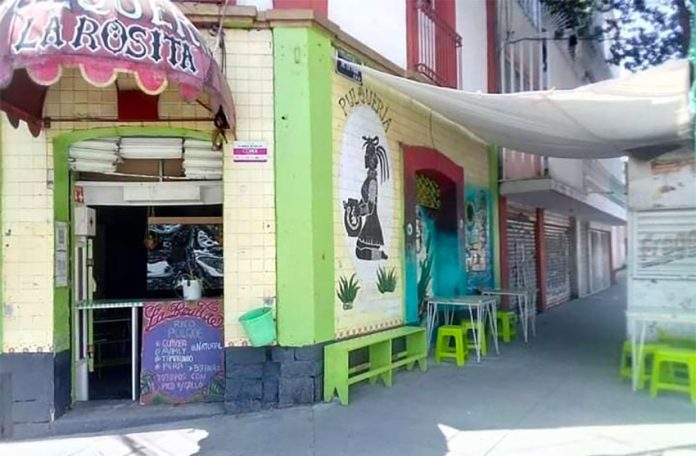
La Rosita, one of Mexico City’s oldest pulquerías (bars that sell pulque), celebrated its 101st birthday Tuesday with tacos de carnitas, free-flowing pulque, karaoke, and DJs spinning cumbia and rock.
A fermented and slightly alcoholic drink, pulque was popular in Mexico long before the Spanish brought distillation to the country’s shores, aiding the invention of its most famous spirits tequila and mezcal.
Pulque is the fermented sap of agave plants, collected from the center of the agave plant as agua miel, or honey water, and left to ferment until it takes on a slightly tangy, yeasty taste and viscous texture. In Mexico City pulque is often blended with fruit juices to make “curados” — a popular way to drink this ancient beverage.
La Rosita was opened in 1921 by the grandfather of the current owner, Luisito Ortíz, though it began life as La Gran Turca. Chilango magazine suggested it might have been named for one of its owner’s lovers, but it was given its current name in honor of Santa Rosa de Lima.
The walls and ceiling of La Rosita Pulquería are covered in murals representing pre-Hispanic pulque myths while outside, a tile-covered facade is the backdrop to yellow benches set on the sidewalk for patrons.
La Rosita’s walls tell the story of pulque starting with the moon representing a jug of pulque, guarded by a rabbit (in Mexico observers of the moon say they see a rabbit’s face on its surface), that is stolen by a possum. As it drinks from a small hole of the “jug” the moon shrinks to half and then a quarter of its size. What he cannot drink himself he brings back to humankind so that they also might know the glories of pulque.
In post-revolutionary times in Mexico, pulquerías were important gathering points for artists, writers, and thinkers and were often covered with extravagant artwork that represented the current trends in Mexican muralism and what today would be considered street art.
La Rosita’s facade reflects a certain passage of time, but the bar itself continues to delight its guests — regulars and tourists alike.
The bar can be found in Colonia Esperanza in Cuauhtémoc.
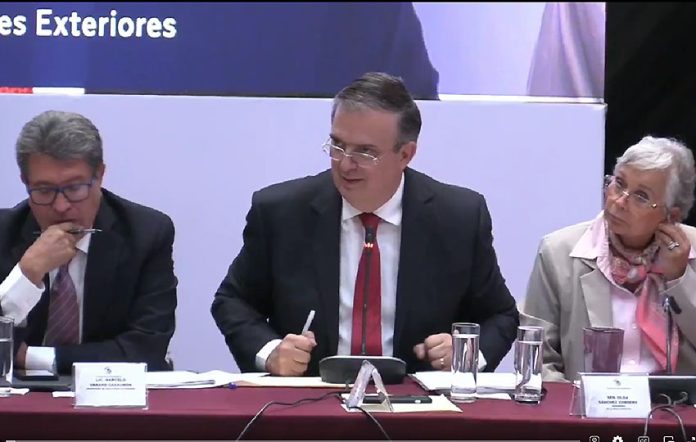
Foreign Affairs Minister Marcelo Ebrard, center, insinuated that the U.S. hasn't done enough to help fight firearms flowing southward across the Mexico-U.S. border. Morena/Facebook
Foreign Affairs Minister Marcelo Ebrard has struck back at United States Ambassador Ken Salazar after he asserted earlier this month that recent violence in Mexico would have a negative impact on foreign investment.
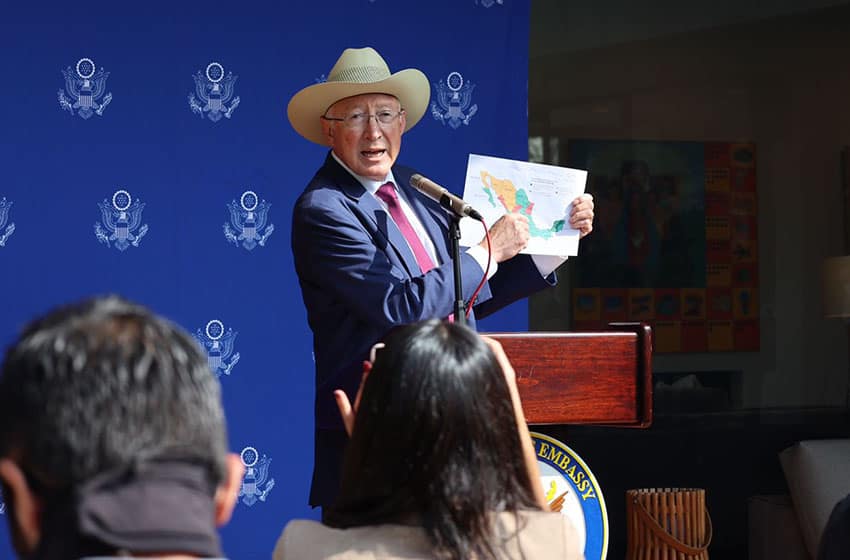
After outbreaks of cartel-related violence in Jalisco, Guanajuato, Chihuahua and Baja California, Salazar said August 18 that “with insecurity, investment here in Mexico from the United States and other countries cools off.”
“That’s contrary to what should happen under the USMCA dream,” the ambassador said, referring to the free trade agreement between the United States, Mexico and Canada. “There should be more investment, but insecurity is a big factor for business people,” Salazar said.
The ambassador also said it was time for the bilateral security partnership to yield results.
At a press conference on August 18, Ambassador Salazar said it was time for the U.S.-Mexico bilateral security partnership to yield results. Embajador Ken Salazar/Twitter
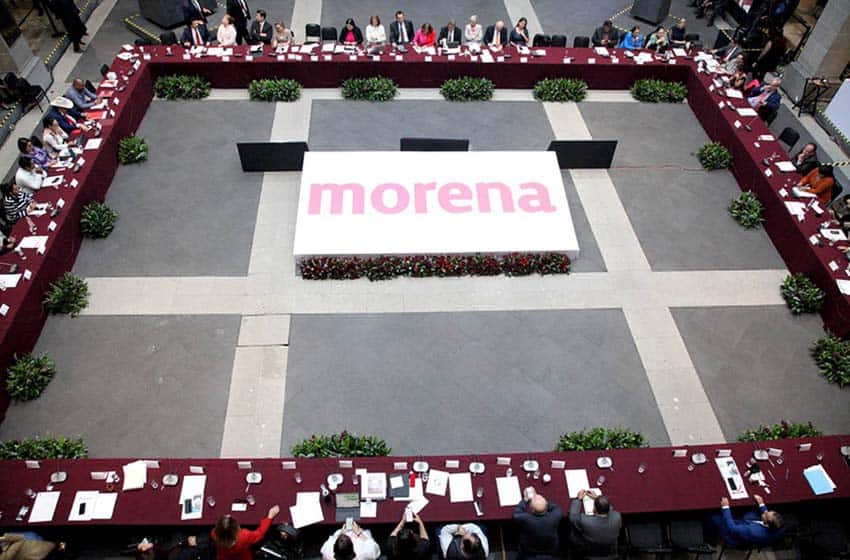
During a meeting with Morena party senators on Tuesday, Ebrard responded to Salazar’s remarks, insinuating that the United States hasn’t done enough to help reduce violence in Mexico because large numbers of firearms continue to flow southward across the two countries’ shared border.
“The United States ambassador said the other day that ‘it’s time for results in security.’ The question I would ask – and I’m going to ask the ambassador when we see each other – is: by how much has the United States reduced the illegal trafficking of arms?” the foreign minister said.
Ebrard highlighted that U.S. authorities committed to reducing the smuggling of firearms into Mexico when the two countries entered into a new security agreement – the Bicentennial Framework for Security, Public Health and Safe Communities – late last year.
Ebrard made his remarks while addressing a work group meeting of Morena senators. Morena.senado.gob.mx
Announcing the framework last October, Mexico and the U.S. affirmed their commitment to work together to combat arms trafficking. In a joint statement, the two countries said they would work together on the detection and interdiction of firearms and consider new strategies to combat the flow of weapons across their shared border.
“… We affirm our support for current initiatives and the need to continue current efforts to stop firearms sold in the United States from reaching Mexico, and actions to identify, target and investigate financing, transportation and communication methods employed by smuggling networks in order to disrupt and dismantle their operations,” the statement said.
Ebrard said bluntly that the United States has an “obligation” to stop firearms crossing the border into Mexico. He also noted that Mexico’s case against U.S.-based gun manufacturers – in which the government accuses them of negligent business practices that have led to illegal arms trafficking and deaths here – is ongoing.
The foreign minister expressed confidence that the United States court considering the case will soon hand down a ruling in Mexico’s favor.
“If you want [your gun] to say ‘Jalisco New Generation Cartel,’ they’ll do it for you. How is that not reprehensible?” Ebrard said. “And at the same time, the [U.S.] ambassador asks me why violence hasn’t declined.”
It’s not yet known whether the company that owns a yacht that contaminated a Baja California Sur beach will face fines, but it will cover the costs of cleaning up the coastline.
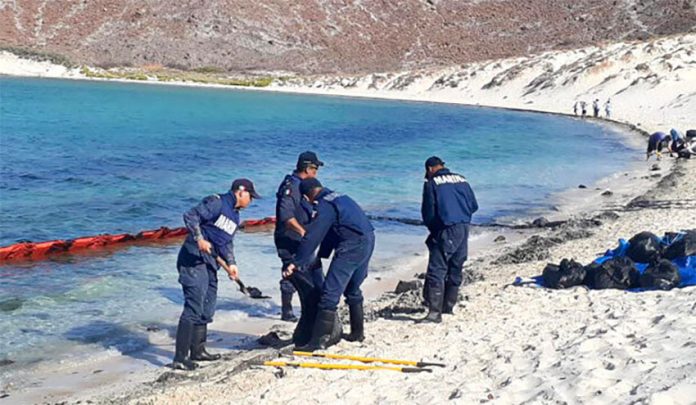
The luxury yacht Fortius caught fire and sank off the coast of Balandra beach near state capital La Paz on August 21. The calamity caused the beach – which has been described as the most beautiful in Mexico – to become contaminated with large quantities of oil, diesel fuel, ash and soot.
Baja California Sur Governor Víctor Castro Cosío said last week it would be up to federal environment authorities to decide whether the yacht owner would be fined. However, he stressed that the owner – a Jalisco-based company called Fortius Electromecánica – would pay to clean up the beach and the bay on which it is located.
“The owner of the vessel already committed [to pay], they’re hiring a company to help clean up,” Castro said. “Not just that, they have to recover the sunken vessel so that it doesn’t [continue] contaminating.”
The governor also said that the accident was “ the kind of thing that can’t be anticipated – it was a fire on a boat.”
“I think the whole community understands that it was an accident. This could happen with a car in the city and a gas spill. The owners, poor people, experienced losses as well,” Castro said.
A cleanup brigade of officials and more than 50 volunteers cleared 10 tonnes of waste last week, but nine days after the yacht fire and oil spill occurred, Balandra beach remains closed due to contamination.
A group of citizens protested on the La Paz malecón (seaside promenade) on Saturday to denounce the environmental damage and demand transparency in authorities’ response to it. The mainly young protesters held up placards with messages such as “Fortius, you messed with the wrong city,” “It could have been prevented, it’s not an accident” and “More action, more transparency.”
Meanwhile, the news website BCS Noticias reported that Fortius Electromecánica – which completes electrical installations and provides renewable energy solutions, according to the company’s website – was awarded 29 federal and state government contracts between 2007 and 2015. The value of the contracts was 92.9 million pesos (US $4.6 million at today’s exchange rate), said BCS Noticias, which obtained the information from QuiénesQuién.Wiki, a website that describes itself as Latin America’s “map of power.”
The state-owned Federal Electricity Commission awarded most of the contracts, which were for lighting and electricity projects in states including Jalisco and Coahuila.
Fortius Electromecánica is owned by David Alcalde Andrade. According to a report by the news magazine Zeta Tijuana, members of the Alcalde family constantly used the yacht to visit different destinations on the Mexican coast.
This student at the Autonomous University of Chiapas is a bit of an anomaly: only 12% of students in his state will attend and finish university. UNACH
Students in poor southern states such as Chiapas and Oaxaca are much less likely to go to university and finish a degree than students in more developed entities including Mexico City and Nuevo León, government data indicates.
Among students who began primary school in Chiapas and Oaxaca in the 2004–2005 academic year, just 12% graduated from university at the end of the 2020–2021 academic year, according to the Ministry of Public Education (SEP).
Data published in a SEP report shows that just 15% of students from another poor southern state – Guerrero – graduated from university 16 years after they began primary school. Three other states – Veracruz, San Luis Potosí and Guanajuato – had university graduation rates below 20%.
Mexico City is at the top of the table for “school-based education system efficiency,” with 46% of students who began school in the capital in 2004 going on to get a degree last year.
Guanajuato has a respected university in the capital and the city of León has multiple industrial parks occupied by several international companies. Yet, under 20% of the state’s students finish university.
Nuevo León ranked second with a graduation rate of 41% followed by Querétaro, 40%; Aguascalientes, 39%; Yucatán, 36%; and Coahuila, 36%.
A total of 19 federal entities had graduation rates at or above the national average of 26%, while 13 states were below the average.
Juan Alfonso Mejía, Sinaloa education minister between 2018 and 2021, told the newspaper El Universal that low graduation rates in southern states will persist without more targeted assistance for students.
“The scholarships that this [federal] administration is providing are welcome and very necessary for millions of Mexican children, but they’re not enough to maintain the education efforts of those children nor are they sufficient to achieve successful careers for the children,” he said.
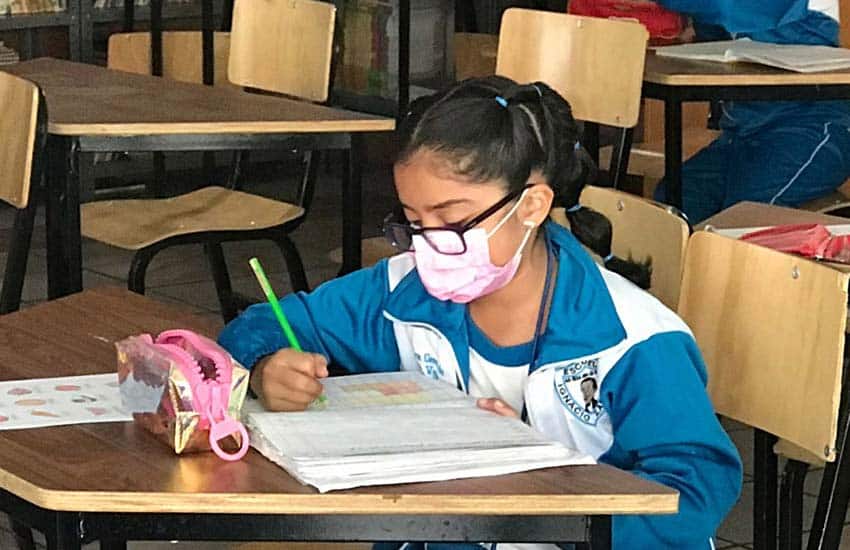
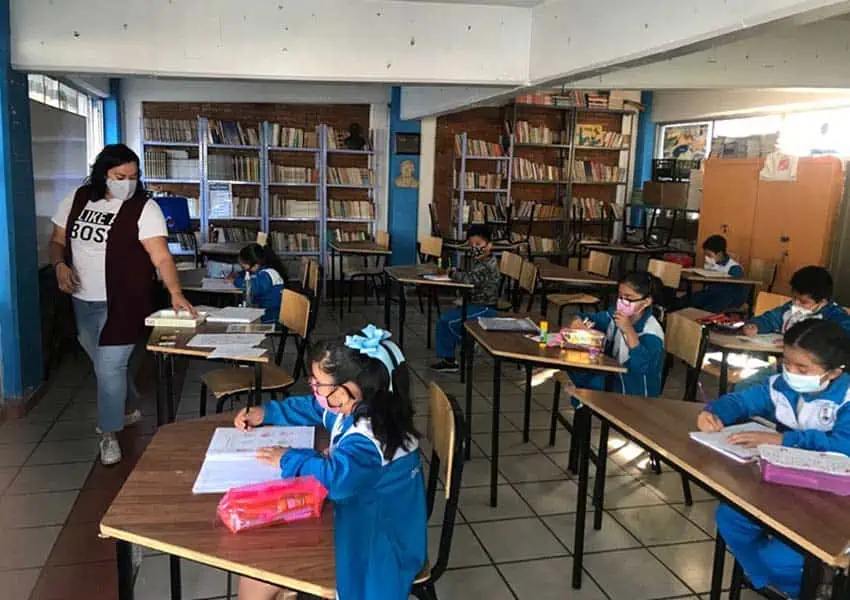
Because she attends school in Mexico City, this elementary school student automatically has a better chance of one day finishing university than her peers in other states. SEP
“No matter how much money you give them, if children don’t understand what they’re looking at in the classroom, they’ll become frustrated, and in the long term, that frustration will make students not want to continue at school,” Mejía said.
He said that students need sustained academic assistance to overcome disadvantages and lamented the government’s decision to terminate a program that extended school hours for students at more than 25,000 schools. The former state education minister called on the government to reestablish the Full-Time Schools Program or create a new similar scheme.
“Children have a learning deficit that has worsened due to the pandemic. If that learning isn’t reinforced there won’t be enough scholarships to reverse the [education] deficit there will be in the coming years. Recovering [students’ required level of] learning is urgent and targeted strategies are needed for that,” said Mejía, who is also an education researcher.
“Eliminating the Full-Time Schools Program was a monumental error because the evidence shows that children are better off spending more time at school,” he added.
Alma Maldonado, another education researcher, said that states in Mexico’s south and southeast have long lagged the rest of the country in terms of educational outcomes. It’s a “historic problem” that no government has solved, she said.
“It has to do with abandonment [by authorities], it has to do with economic, social and political issues and conflicts with teachers. In reality, it’s due to the lack of interest in reducing this educational inequality. Scholarships are provided but there’s no targeted work. … Specialized attention is needed for the indigenous and Afro-Mexican population, but no in-depth attention to the education issue has ever been carried out,” Maldonado said.
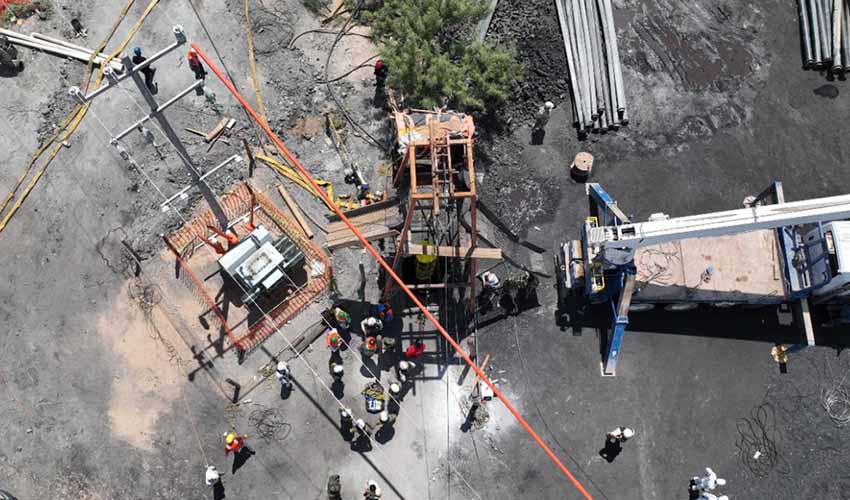
National Civil Protection chief Laura Velázquez said a memorial would be erected at the site once the miners' bodies have been recovered. Twitter
The families of 10 presumably deceased miners who have been trapped in a flooded Coahuila coal mine since August 3 have reluctantly accepted a recovery mission that could take 11 months or even longer to execute.
Relatives last week rejected a plan to build a slanted tunnel into the El Pinabete mine via an open pit, but Civil Protection chief Laura Velázquez said Monday that they had agreed to the proposal, which will be carried out by the Federal Electricity Commission (CFE).
“We reached an agreement today, … the open pit will be excavated. We’ll start now, as soon as we can,” she said at the mine site, located in the municipality of Sabinas.
“I’ve just had a phone call with [CFE chief Manuel] Bartlett. We’re a couple of days away from starting this large project,” Velázquez said.
The government says it will take six months to build a slanted tunnel into the Pinabate mine in Sabinas, Coahuila. Civil Protection/Twitter
The Civil Protection chief predicted it would take at least six months to build a tunnel into the galerías, or horizontal passages, of the mine.
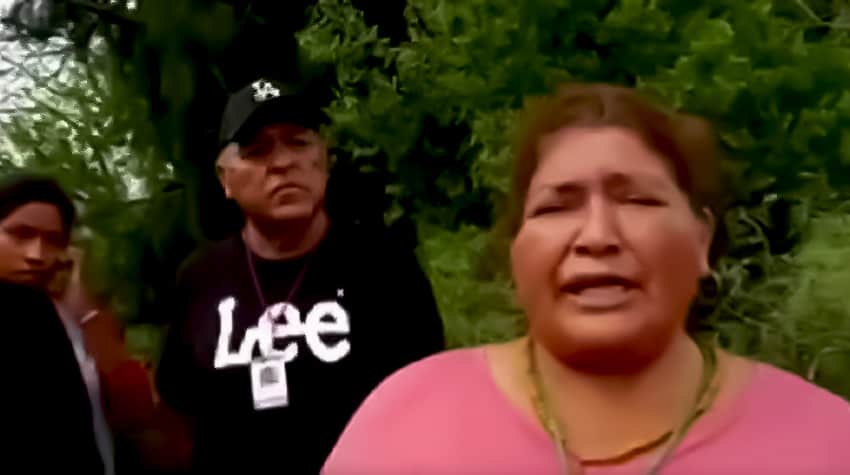
Hilda Alvarado, the wife of one of the trapped miners, told the newspaper El Universal that authorities left the families with no other option but to accept the open pit tunnel plan. She said the families were told that it could take up to two years to extract all the water from the mine, which flooded when excavation work caused a tunnel wall to collapse, allowing water to flow in from abandoned adjacent mines.
Alvarado complained that the authorities didn’t accept any outside help, although the federal government did seek advice from a United States company and a German firm. “It hurts so much, … it’s very difficult,” she said of the presumed death of the miners, who have now been underground for 27 days.
Velázquez — who has faced pressure to resign due to the failure to date to rescue the miners or recover their bodies — also said Monday that a memorial to the miners will be erected at the mine site after the recovery mission has concluded. She also said that the families will receive an unspecified amount of monetary compensation from the government.
Family members were told they would be given compensation by the government for the loss of their relatives. Screen capture
An Associated Press report published Sunday said there was evidence that the government has “driven the revival of the dangerous, primitive mines that continue claiming lives” because President López Obrador enacted a plan two years ago to revive coal-fired power plants in northern Mexico and give preference to buying coal from the smallest mines.
Alvarado told El Universal that she wouldn’t accept any compensation until she has her husband back. “One has to think about the [miners’] children,” she added. “A lot have young children who are studying.”
In an interview with the newspaper Milenio, two sisters of trapped miners complained that the authorities only consulted with the wives of the men about the recovery and compensation plan and didn’t consider other family members such as siblings and parents.
“They spoke with the wives. [They said] they had reached an agreement, but they didn’t let any direct family member enter [the discussions],” Magdalena Montelongo said.
Cuauhtémoc Cardenas spoke Monday to Grupo Plural, a cross-party group of senators. Grupo Plural
Cuauhtémoc Cárdenas, a former presidential candidate and co-founder of the leftist Democratic Revolution Party (PRD), has expressed concern about a range of problems affecting Mexico, asserting that no “concrete action” is being taken or being proposed to address them.
“I’m very concerned about the situation we’re living, the situation that the country is going through,” he said during a meeting with a cross-party group of senators on Monday.
“There are many things that concern me,” added Cárdenas, who was a candidate in the 1988, 1994 and 2000 presidential elections.
Among the 88-year-old’s concerns are insecurity, poverty, a lack of economic growth and insufficient government funding in a range of areas including education and health.
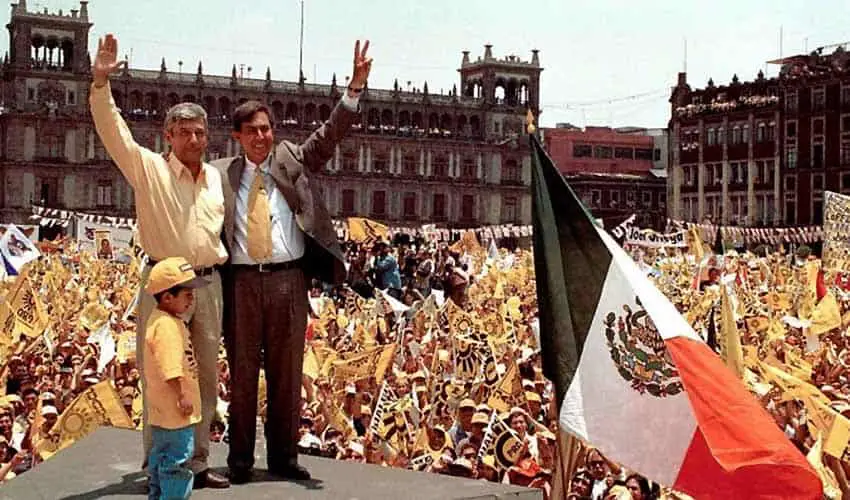
Cuauhtémoc Cardenas, right, in 1997. Cardenas achieved the PRD party’s first major election victory: mayor of Mexico City. Next to him is AMLO, president of the PRD at the time. El Ingeniero/INCIME
Cárdenas, who was governor of Michoacán in the first half of the 1980s and Mexico City mayor in the late ’90s, also cited social inequality as a problem. “We have a very high concentration of poverty [and] an economy that hasn’t grown for decades,” he said.
“… There is a matter than concerns me … and it’s that I don’t see in the political parties any serious proposal to seek solutions to the country’s problems,” said Cárdenas, son of former president Lázaro Cárdenas, who is best known for nationalizing Mexico’s oil sector in the late 1930s.
The party’s proposals are probably hidden away in their mission statements, “but they’re not in sight,” he said. “I don’t see any concrete action to address the serious problems that have been mentioned.”
Cárdenas said that criminal groups have used violence to seize control of yet more territory – a United States military official claimed last year that narcos control about one-third of Mexico – and charged that the government hasn’t invested enough to combat insecurity.
Among concerns Cardenas raised at the meeting of senators: insufficient funding for education. SEP
The political veteran said last December that the state must retake territory controlled by organized crime in order to guarantee economic growth and social peace. At the time, he advocated “the establishment and expansion of [government] productive projects, schools, universities, clinics and technological innovation and work training programs in each portion of the national territory” where organized crime has a presence.
“This doesn’t mean that a military man can’t participate [in National Guard operations] or be at the head of different [National Guard] programs, … as long as he’s in a civilian position,” he said.
The co-founder and former president of the PRD also spoke about the 2024 presidential election, repeating his belief that those who aspire to the presidency must make it clear why they want the nation’s top job.
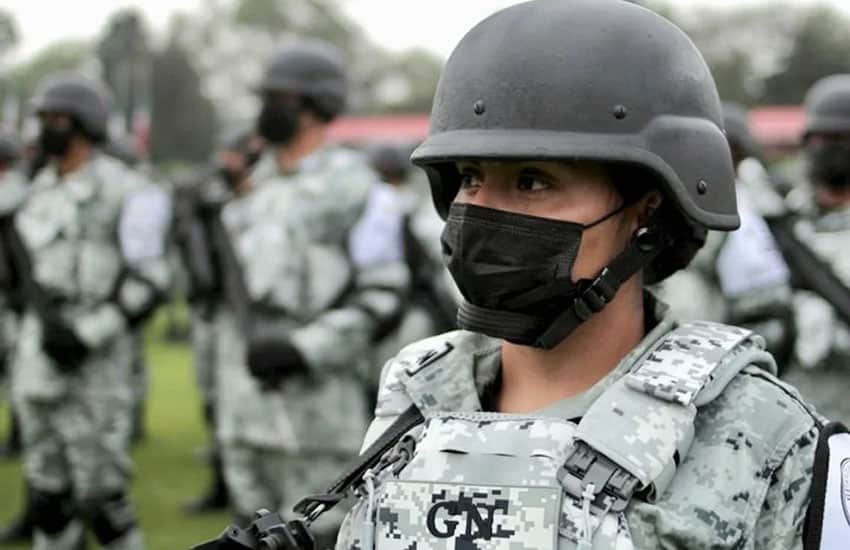
Cárdenas was also critical of President López Obrador’s plan to put the National Guard under the control of the army. GN/Twitter
“The presidential succession game has been brought forward,” Cárdenas said, apparently referring to growing speculation about who the ruling Morena party’s candidate will be in 2024.
“I’m not concerned that the electoral situation is starting to move, but I am worried that those who have been mentioned [as possible candidates] or those who say they have an interest in reaching a representative position such as president are not telling us why they want to be president,” he said.
Mexico City Mayor Claudia Shienbaum and Foreign Affairs Minister Marcelo Ebrard are the leading contenders to become Morena’s candidate, while there is less clarity about who the opposition parties might put forward.
It appears likely that the National Action Party, Institutional Revolutionary Party and PRD will back a common candidate, choosing a presidential aspirant from a field that could include current and former lawmakers, party officials and state governors.
Cárdenas stressed that he wouldn’t vote for anyone who hasn’t articulated why he or she wants to be president.
“If we don’t know why they want to be [president], I, for one, will not give them my vote,” he said.