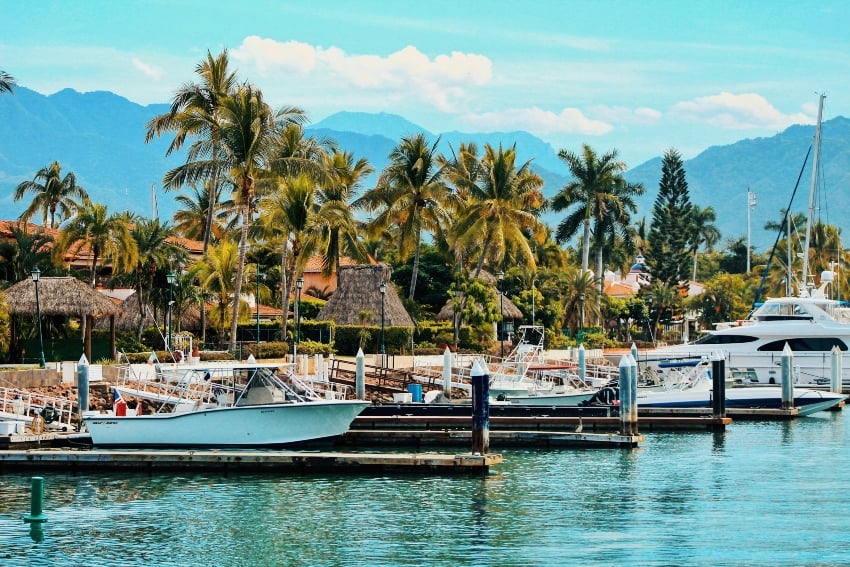
Walk around Puerto Vallarta right now and something feels different.
It’s not simply quieter in the way Vallarta is meant to feel during low season. There aren’t just shorter waits at restaurants, and there isn’t just a little more room on the beach.
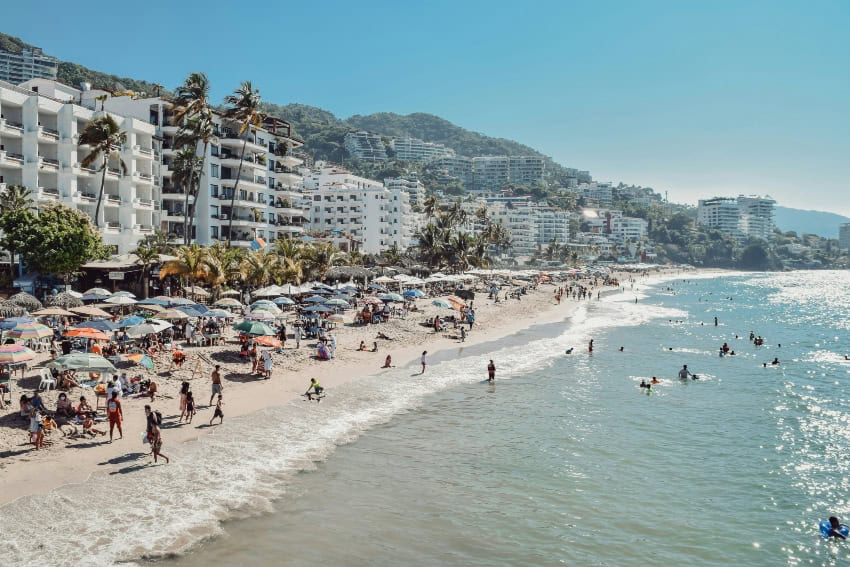
It’s empty.
Restaurants have tables sitting unused. Tour operators are seeing smaller groups. Businesses that depend on visitors are wondering when the crowds will return.
More than just the ‘low season’
Anyone who has lived here for a while knows that summer is slower. That’s nothing new. But this one? This one feels different.
And the question being asked across the city is simple: “Where did everybody go?”
The events of Feb. 22 certainly didn’t help. The violence that followed the military operation against cartel leader Nemesio Oseguera Cervantes, known as El Mencho, brought roadblocks, burned vehicles, disruptions and international headlines. Several airlines temporarily suspended flights to Puerto Vallarta as the situation unfolded.

For those here at the time, the reality was more complicated than the images broadcast around the world. The immediate crisis passed quickly, and Puerto Vallarta reopened even faster.
But for people watching those images thousands of kilometers away, they may have been all they saw. Fear has a far longer memory than a roadblock.
A viewer in Canada or the United States doesn’t necessarily distinguish between what happened that day and what Puerto Vallarta was like the day after, let alone what it’s like six months later.
If your only knowledge of a place comes from television footage showing burning vehicles and blocked roads, you might think twice about booking a holiday there, too.
However, February isn’t the whole story.
Increased competition for travelers
Travelers have more choices now, and Puerto Vallarta is competing harder for holiday dollars. Airfares and promotions matter, and more destinations are competing for the same travelers than ever before.
People can visit somewhere new, find a cheaper flight, take advantage of a resort promotion elsewhere or simply decide after several trips to Vallarta that they would like a change of scenery.
For a family deciding where to spend a week, a few hundred dollars makes a big difference.
Travelers don’t owe Puerto Vallarta their vacation, which means the city has to keep earning their business. That includes offering solid value.
Some may point out the prices certain restaurants are charging right now.
There are places in Puerto Vallarta where prices have climbed to the point that visitors can legitimately ask whether the experience still represents good value for money, particularly when compared with other destinations.
Yet there is another side to that conversation.
The economics of tourism
Restaurant owners still have employees to pay. They have rent, electricity, ingredients, maintenance, taxes and a list of other costs that don’t disappear because it’s August and the tables are empty.
When fewer people come through the door, every customer matters more. That doesn’t make every price reasonable, nor does it mean visitors should simply pay whatever they are asked. But to encourage lower prices, businesses need both a reason and a way to reduce them.
Volume matters. A restaurant with full tables can afford to make a little less per customer. A tour operator with full boats can offer a better deal. A shop with steady foot traffic can move more product at a smaller margin.
When the customers aren’t there, the math changes. That’s where the impact of a quiet tourism season spreads far beyond the hotel lobby.
Tourism isn’t just hotels. It’s the taxi driver waiting for a fare. It’s the server whose income depends partly on tips. The boat captain. The tour guide. The massage therapist. The shop owner. The market vendor. The person cleaning vacation rentals. It’s an enormous economic ecosystem that most people don’t consider until something goes wrong.
Why locals matter
The question isn’t necessarily whether businesses have any customers. It’s whether they have enough to make the numbers work. That’s where full-time residents come in, because local residents have far more influence than they realize.
Foreign residents often fall into the trap of thinking, “I’m not a tourist. Tourism doesn’t really affect me.”
It does. Local restaurants employ neighbors. Local shops generate community income. Taxis, tours and business recommendations all drive the surrounding economy.
One response to a quiet summer is surprisingly simple: Go out.
Try the restaurant you’ve been meaning to visit. Use the independent shop with the quirky knickknack that caught your eye. Book the local tour you’ve thought about taking. Catch a bus and venture beyond the tourist zone.
Leave a review. Recommend a business. Spend money locally. And when someone back home asks whether Puerto Vallarta is still worth visiting, tell the truth.
A shared investment
Yes, there was violence on Feb. 22. Yes, Vallarta deals with crime, traffic, construction and infrastructure issues. But it also offers extraordinary natural beauty, remarkable food, generous people, neighborhoods full of character and a community that continues to evolve.
Both things can be true.
Don’t sell a fantasy. Tell people why you still live here. Long-term residents offer something tourism campaigns never will: personal credibility.
When a government campaign says Puerto Vallarta is wonderful, people expect it — it’s a sales pitch. But when someone who has lived here for five, 10 or 20 years says, “I know the problems. I know what happened. And I still think you should come,” that carries real weight.
Maybe this unusually quiet summer is a warning. Maybe it’s simply a blip. Either way, it would be foolish not to pay attention.
The question shouldn’t only be “Where did everybody go?” It should also be “What can residents do to make sure they want to come back?” That starts with remembering that tourism isn’t an entitlement; it’s an investment everyone shares.
When those tables sit empty, the impact doesn’t stop with the restaurant owner. It ripples out, eventually reaching everyone who calls Puerto Vallarta home.
And when home is hurting, no one is untouched.
Charlotte Smith is a writer and journalist based in Mexico. Her work focuses on travel, politics and community. You can follow along with her travel stories at www.salsaandserendipity.com.