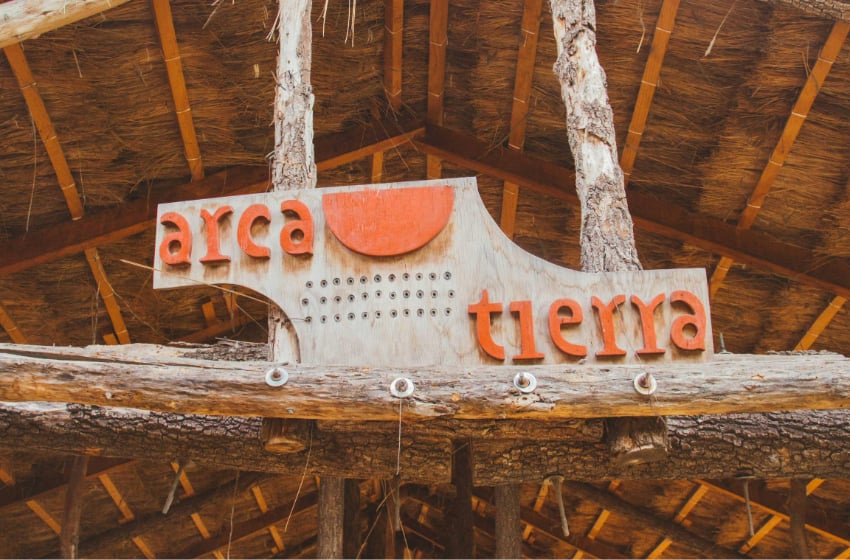
Arca Tierra, a Mexican sustainable agriculture initiative founded by brothers Lucio and Pablo Usobiaga, has won the Champions of Change Award 2026 by The World’s 50 Best Restaurants in Latin America.
The award honors their work to restore the chinampas of Xochimilco — an agricultural system set on man-made islands, used by the Mexica people in pre-Hispanic times. They are raised plots anchored to the lakebed, created from mud, organic matter and vegetation.
View this post on Instagram
Today they are known as a Mexico City tourist attraction due to the boat rides aboard traditional trajineras. But the Xochimilco chinampas remain part of the capital’s productive and cultural landscape

They face, however, challenges, such as environmental degradation, urban expansion, and declining profitability for those who work the land.
Arca Tierra seeks to improve their condition to create a food supply chain that is fairer, local and regenerative. Their project seeks to produce high-quality food with a lower environmental impact, preserve traditional farming knowledge, and expand access to local products for restaurants, consumers and communities in Mexico City.
“This recognition confirms that we are on the right track and inspires us to continue working hard with the farmers and producers that collaborate with us,” Lucio said in a statement.
In the capital, Arca Tierra produces around five tonnes of food per hectare per month. Its harvests supply 47 restaurants in Mexico City and reach more than 300 families through weekly baskets.
The initiative has also developed culinary and rural tourism offerings designed to connect chefs, diners, and visitors with the origins of their food. Its projects include Baldío — a Mexico City restaurant created in collaboration with British chef Douglas McMaster — which focuses on comprehensive use of ingredients and on waste reduction. For example, vegetable peels are fermented to make a traditional beverage called tepache, or repurposed into a syrup that is then diluted and fermented before being incorporated into other dishes.
Ultimately, Arca Tierra seeks to turn the spotlight to a process often overlooked by diners — the production and sourcing of local ingredients.
“In the value chain, the person who produces the food earns the least money — it’s a total contradiction because they’re the most important of all,” Pablo said.
With the mission to bring quality produce to more people, Arca Tierra has expanded its vision beyond Xochimilco and it now operates in Huasca de Ocampo, Hidalgo, and Amanalco de Becerra and Polvillos, in México state.
With reports from El Estímulo and Cool Hunter Mx