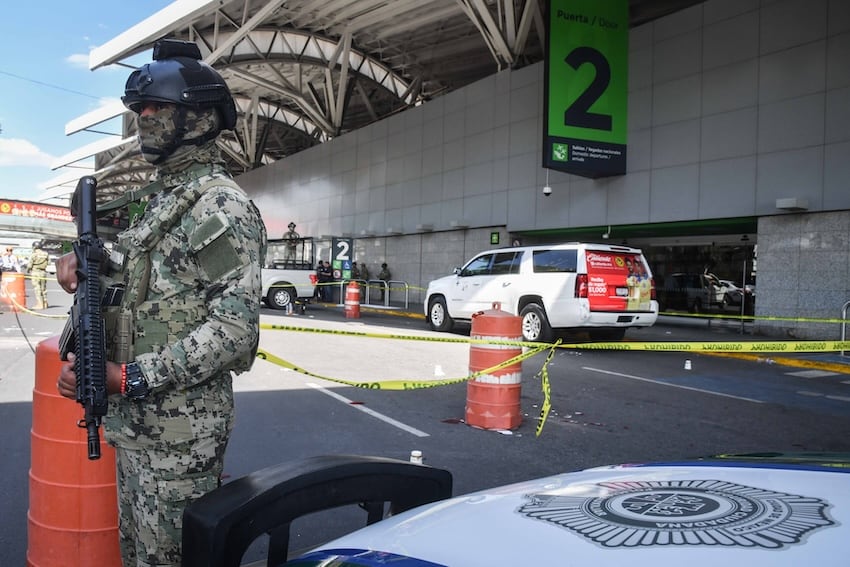
The federal government has placed three additional airports under military control, further entrenching the prominent role the armed forces play in civilian life in Mexico.
The Ministry of Infrastructure, Communications and Transport (SICT) on Tuesday published documents in the government’s official gazette that grant control of the airports in Uruapan, Michoacán; Palenque, Chiapas; and Puebla to the Olmeca-Maya-Mexica Airport, Railroad and Auxiliary Services Group, a state-owned company run by the National Defense Ministry (Sedena).
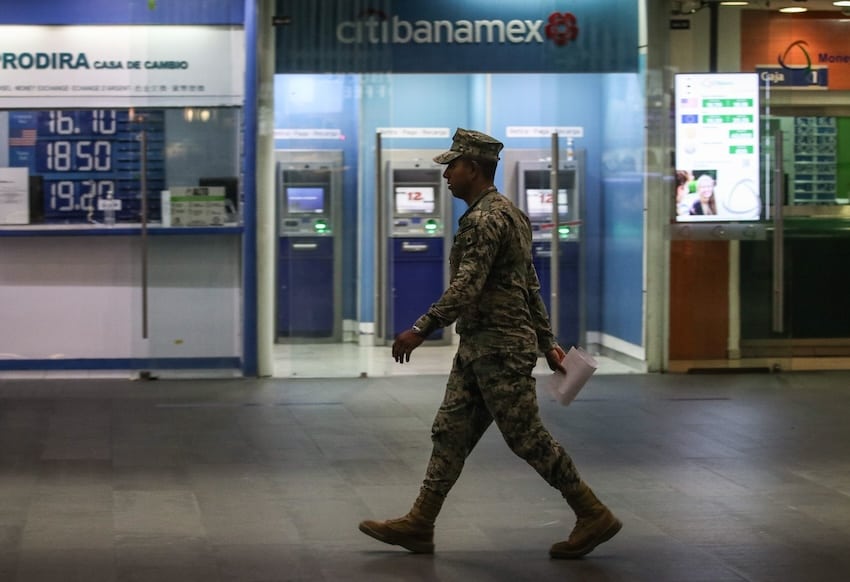
Those airports were previously operated by other state-owned companies.
The SICT also published a “concession title” that places the airport in Puerto Escondido, Oaxaca, under the control of the Mexican Touristic Airport Group, another state-owned company that operates the airport in Tepic, Nayarit.
The Olmeca-Maya-Mexica group – which already operates a number of other Mexican airports and will control the Tulum airport once it opens – will take charge of the airports in Uruapan, Palenque and Puebla for an indefinite period of time.
Among the airports that Sedena already operates via the state-owned company or independently are the Felipe Ángeles International Airport, which the army built during the current government, and the airports in Nuevo Laredo, Campeche and Chetumal. The newspaper El Financiero reported that the army will now control 12 airports across Mexico.
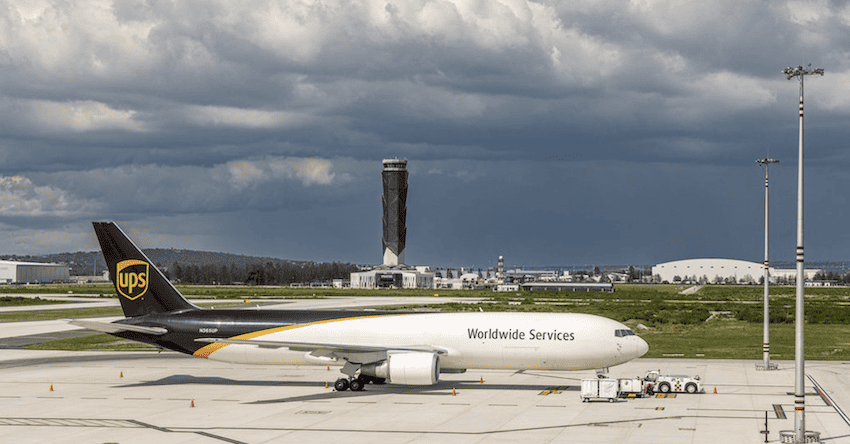
President López Obrador announced in June that the navy would be given complete control of the Mexico City International Airport, where it has been in charge of security since early 2022.

In addition to operating airports, Sedena will soon launch a new state-owned airline to operate under the long-dormant Mexicana de Aviación brand.
The military has been given a wide range of non-traditional tasks during the current government, including public security, infrastructure construction and the management of customs and ports.
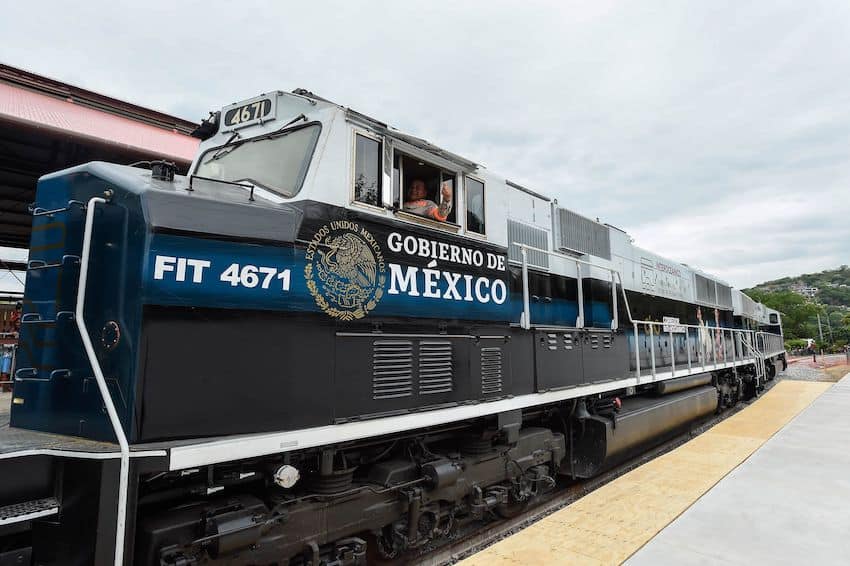
Sedena also controls the state-owned company that will operate the Maya Train railroad, which is set to begin operations next month. The navy will take charge of the Isthmus of Tehuantepec trade corridor, which will include a modernized train line between Salina Cruz, Oaxaca, and Coatzacoalcos, Veracruz, that is set to begin operations in December.
López Obrador said earlier this year that the military is a “fundamental pillar of the Mexican state,” but denied claims that he has militarized Mexico during his presidency.
“Despite what our adversaries maintain, … it’s important to point out that the greater participation of the armed forces in security tasks doesn’t imply authoritarianism or militarization … of the country,” he said during an Army Day address in February.
“… It has been proven that society feels safer and more protected with the army’s fulfillment of this mission. In other words, people feel that a soldier is one of them in uniform … and – like the majority of Mexicans – maintains a great reserve of cultural, moral and spiritual values,” López Obrador added.
With reports from El Financiero and Reforma