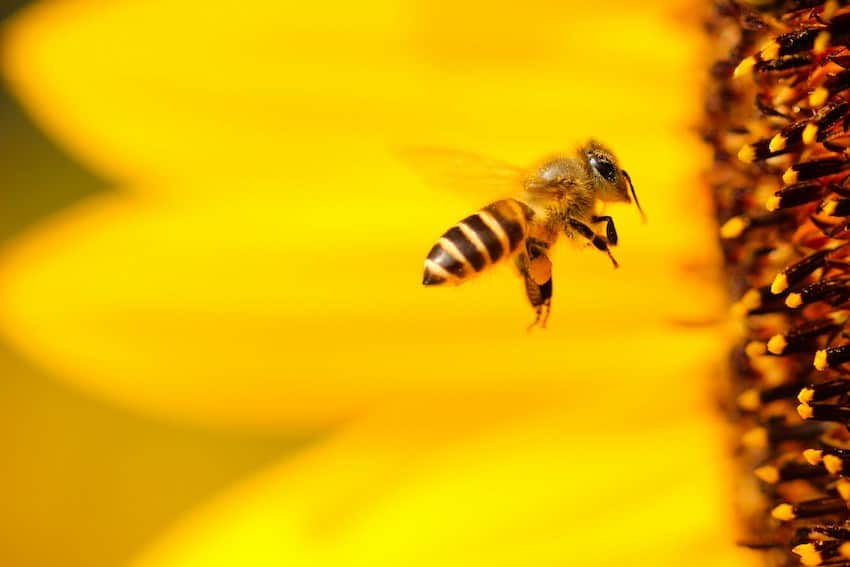
Mexico’s Supreme Court has agreed to hear a landmark case that could recognize bees as subjects of rights, a move Indigenous communities say is critical to protecting both biodiversity and their own cultural survival.
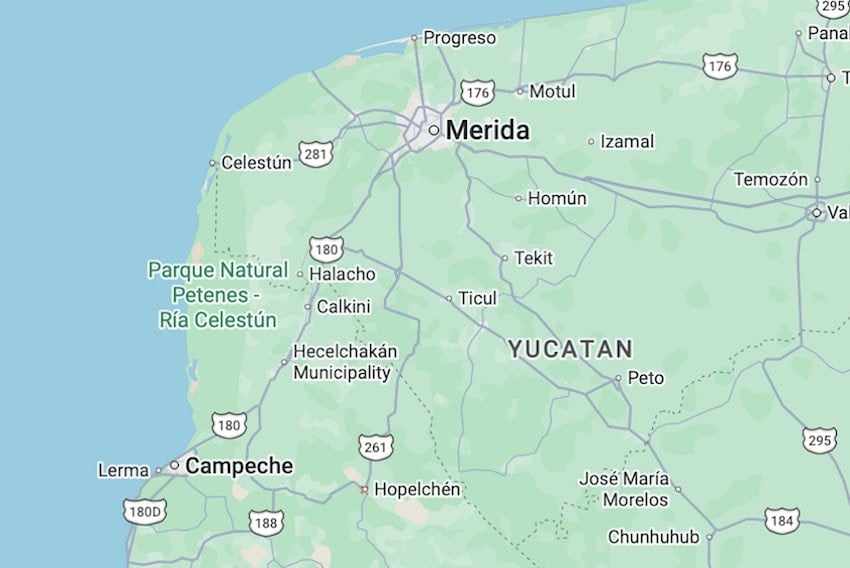
In an amparo case — a Mexican constitutional injunction used to defend fundamental rights — a group of Maya communities in the southeastern state of Campeche is asking the high court to grant legal standing to melipona bees native to the area.
The case also asks that Indigenous beekeepers be recognized as the guardians of these stingless honeybees, which are facing mass die-offs linked to deforestation for soy production, heavy pesticide use and climate change.
These hardships have threatened a honey industry that underpins local livelihoods and biocultural heritage, the lawsuit says.
Activists say authorities at all levels have failed to guarantee the constitutional right to a clean and safe environment, or to investigate complaints over habitat destruction and toxic chemicals.
The lawsuit, taken up last week with eight votes in favor and one against, also challenges regulatory agencies for allegedly ignoring calls to treat bees as rights-bearing entities and Maya communities as their legal representatives.
The communities involved in the case are in the inland municipality of Hopelchén, the state’s most productive beekeeping and agricultural region.

Soybean cultivation there has expanded rapidly and is directly tied to deforestation and glyphosate-heavy industrial agriculture, with studies noting that the area’s forests are being cleared “at a dizzying rate.”
Justice Irving Espinosa Betanzo said the case “allows us to study the ancestral relationship of the Maya community with bees [and] whether Indigenous communities can be guardians of nature.”
Mexico is home to about 1,900 bee species, including at least 46 native stingless bee species, 19 of which are traditionally managed by Indigenous communities.
The honey and propolis (sometimes called “bee glue”) from the melipona bees — stingless honey-producers native to Mexico and Central America — have shown antioxidant, anti-inflammatory and potential anti-cancer properties in studies of diseases such as diabetes and hypertension.
Mexico’s rights-of-nature debate is also playing out at sea.
Last year, a coalition of organizations filed an amparo on behalf of Gulf of California whales, arguing that the animals have an inalienable right to a safe, livable environment. In that case, a federal judge blocked mega-ship traffic tied to a planned LNG export terminal.
With reports from La Jornada, Wired en Español and UniVerso