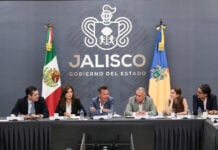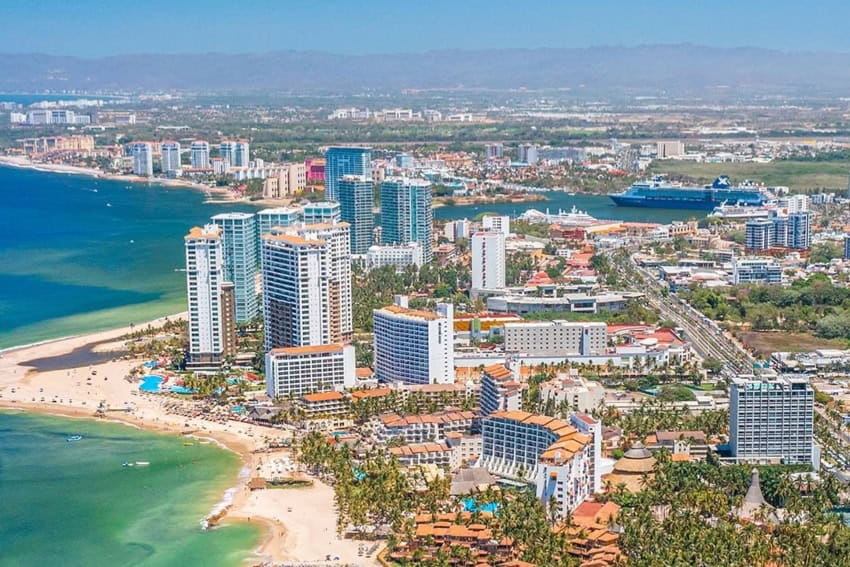
Headlines throughout the Bay of Banderas area span public safety, services and community resilience. More than 1,000 women marched in Puerto Vallarta, calling for justice and stronger protections. Jalisco is backing down on a transit fare hike and promising aid for vehicles damaged in recent unrest, and Bahía de Banderas is celebrating top-notch water-quality results.
Over 1,000 women march in Puerto Vallarta for justice
On March 8, more than 1,000 women took to Puerto Vallarta’s streets for a large, organized march marking International Women’s Day. The demonstration combined grief, outrage and political demand-making, as participants pressed for stronger government action to confront gender-based violence and femicide, called for transparent investigations of past cases, and held public vigils for victims whose families continue to seek answers.
View this post on Instagram
Speakers and marchers also drew attention to economic injustices tied to gender, particularly the difficulties faced by single mothers when court-ordered child support is ignored or delayed. Protesters urged the enforcement of child-support orders and systemic measures to protect families’ financial stability, arguing that economic accountability is central to broader efforts to protect women and children.

The day included community-focused activities meant to broaden participation beyond the protest route. The Municipal Women’s Institute organized the “8M for Equality” 5-kilometer run, drawing over 400 participants of varying ages and backgrounds to promote inclusion and civic engagement.
City officials, including Mayor Luis Ernesto Munguía González, participated in the event’s opening, and Municipal Women’s Institute director Sarahy Hernández used the gathering to highlight local programs, support services and training opportunities aimed at empowering women across the municipality.
Jalisco cancels public transportation fare hike proposal
After weeks of debate and public pushback, Jalisco officials announced they’d no longer consider implementing a proposed fare increase that would have raised public-transport fares from 11 to 14 pesos. Governor Pablo Lemus confirmed that, effective April 1, the standard fare will remain 11 pesos for all riders.
The government also reiterated protections for vulnerable groups. Student fares at five pesos will continue for students who verify enrollment, and programs offering free transport for older adults, people with disabilities and their caregivers, single mothers who are heads of household, relatives of missing persons, and other eligible groups will remain intact.
Officials emphasized the continued use of the Tarjeta Única al Estilo Jalisco as the platform for accessing these benefits and related services from Mi Bici bike-sharing to social programs and certain state health services.
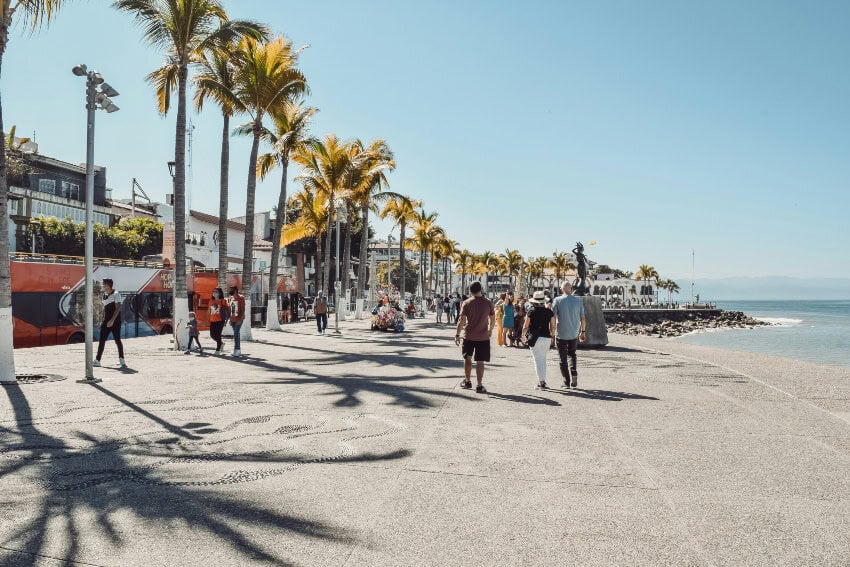
Authorities framed the decision as balancing affordability with the need to invest in the state’s mobility infrastructure. Cancellation of the hike followed consultations with community groups and reflected concerns about the potential financial strain on daily commuters, especially low-income residents who rely on public transit for work and school.
Jalisco plans aid fund for vehicles damaged in violence
In response to recent violence that left numerous vehicles burned or damaged across the state, Governor Pablo Lemus announced a proposed financial-aid program to help affected residents recover. Official reports have recorded roughly 600 incidents involving destroyed or damaged vehicles
The proposed assistance fund would be jointly financed by federal and state resources and make economic support available to claimants who register an official report documenting their loss. The program aims to address both documented insurance claims and the needs of uninsured owners who depend on vehicles for income-generating work, such as small business operators, delivery drivers and independent service workers.
In addition to direct aid, state officials are considering measures such as canceling outstanding state taxes or fees associated with the damaged vehicles as further relief. Authorities said the program seeks to be targeted and verifiable, requiring formal documentation to prevent fraud while prioritizing those whose livelihoods were most affected.
The announcement follows calls from community groups and local leaders for concrete assistance as residents assess the economic fallout from the unrest.
Nayarit raises water bar
OROMAPAS, the municipal water utility for Bahía de Banderas, presented a positive public-health update at a recent accountability meeting, showing strong results from ongoing water-quality monitoring. The Nayarit State Health Department recognized the municipality’s efforts through a formal letter acknowledging the Bacteriological Water Quality Program and the oversight role of state sanitary authorities in ensuring proper chlorination and monitoring.
The technical report for January 2026 indicated an average chlorination achievement of 98% across municipal systems, with 97 out of 99 random samples meeting health standards. Inspections and sampling covered neighborhoods and tourist hubs — including Bucerías, Sayulita, San Vicente, Valle de Banderas and Nuevo Vallarta.
Officials said the high compliance rates reflect consistent operational practices and reinforce public confidence in municipal water safety, a key priority for both residents and the tourism industry.
Municipal leaders framed the recognition as validation of ongoing investments in water treatment, monitoring and transparency. They noted continued vigilance is necessary to sustain standards and guard against waterborne illness, especially in areas with seasonal population surges.
Charlotte Smith is a writer and journalist based in Mexico. Her work focuses on travel, politics and community.