Home Blog Page 1021

Guerrero community’s own justice system jails woman’s killer for 25 years

0
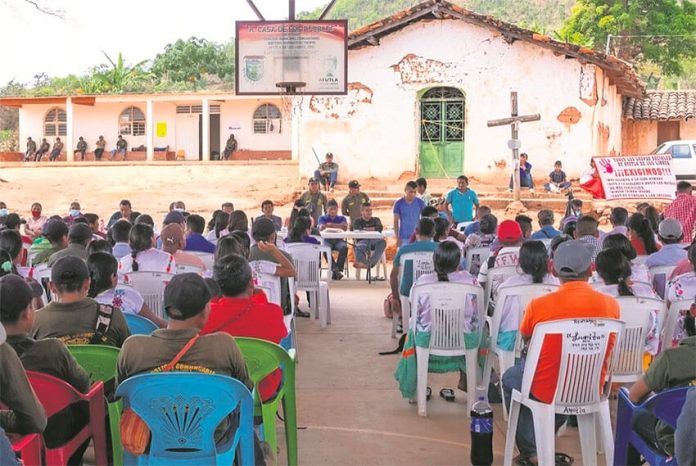
Saturday's assembly at which a young man was sentenced to 25 years for femicide.

The indigenous governing code known as usos y costumbres offers the justice system of choice for some Guerrero residents and there was evidence on the weekend that it can work.

A 19-year-old Guerrero man who murdered his girlfriend in January was sentenced to 25 years in jail after local officials and residents in the Costa Chica municipality of Ayutla agreed to the decision at a community assembly on Saturday.

Roberto Lucas confessed to killing his girlfriend with a machete on January 1. Roberto and Ángeles had attended a dance and got in an argument on their way home, according to Rogelio Teliz, lawyer with the Montaña Tlachinollan Human Rights Center.

Roberto was arrested by community police shortly after he committed the crime and pleaded guilty at an initial hearing on January 15.

During his 25-year jail term, Roberto will live in a cell at a facility known as the Casa de Justicia (Justice House). He will be allowed out to complete community work and has been ordered to learn a trade.

Roberto was sentenced by local officials and residents in accordance with usos y costumbres because they have little faith in state authorities and the conventional justice system.

Teliz said that Ángeles’ parents refused to allow the Guerrero Attorney General’s Office (FGE) to investigate and prosecute the crime due to their lack of confidence in that authority. On their request, the case was assigned to the community police force known as CRAC.

Teliz said that a life sentence was considered but officials and residents followed two precedents in deciding on a prison term of 25 years. Two other Ayutla men who were found guilty of femicide in 2018 and 2019 also received 25-year prison sentences.

Teliz said he would have supported a harsher sentence given that the conventional justice system jails perpetrators of femicide for 40 to 60 years.

“I think that the sentence could have been longer, but in the towns there is still a need to assign more seriousness to these cases and to work on them being considered with a gender perspective,” he said.

Nevertheless, a 25-year sentence is better than no punishment at all. Teliz said there have been eight femicides in Ayutla in the past three years and none of those investigated by the FGE has resulted in sentences against the perpetrators.

“In the traditional system the investigations are open but abandoned, without progress, without sentences,” he said.

“In some cases there are not even people who have been detained and that generates a lot of distrust among people,” the lawyer said.

Of 902 murders of women in Guerrero between 2017 and 2021, only 77 were classified as femicides and the perpetrators of just six of those crimes were sentenced, according to feminist and human rights organizations.

Ayutla is one of seven municipalities in Guerrero where a gender alert has been in place since 2017 due to high levels of violence against women.

Last November, the federal government’s women’s rights agency launched a strategy to prevent violence against women and girls in the Montaña and Costa Chica regions of Guerrero, where forced marriages continue to take place.

But gender violence persists in the southern state. Four women were murdered between March 22 and 28, the newspaper El Universal reported. Three of the murders were reported in Acapulco, which borders the Costa Chica region, while one took place in the municipality of San Luis Acatlán, which adjoins Ayutla.

With reports from El Universal 

Opposition presents Lego version of AMLO’s son’s luxury home in Texas

0
PAN senator Xochitl Galvez Mexico
Senator Xóchitl Gálvez puts finishing touches on a mock-up of the US house AMLO's son rented in Houston that ignited a scandal. PAN Twitter

In an attempt to draw attention to a possible case of corruption, lawmakers with the conservative National Action Party (PAN) presented a Lego-style toy model of the luxury home in which President López Obrador’s oldest son lived in the United States.

A report published in late January revealed that José Ramón López Beltrán and his wife rented a million-dollar home in Houston from a high-ranking executive with Baker Hughes, an oil sector company that has lucrative contracts with the state oil company Pemex.

López Beltrán, who has since moved to another Houston home purchased in his wife’s name, has denied any conflict of interest.

Presenting “The Gray House” Lego-style kit at a press conference in the Senate on Tuesday, Senator Xóchitl Gálvez said the idea was to remind the public that there are a lot of unanswered questions about the scandal.

“They haven’t explained where the money [to rent the house] came from, how much the president’s son earns, how long they really lived there,” she said.

mockup of Jose Ramon Lopez Beltran's Houston rental
The slogan on the box says, “Let the corruption be built!” Xóchitl Gálvez/Twitter

“… Hopefully the federal Attorney General’s Office will serve justice in such an embarrassing case of double standards,” the PAN senator said, alluding to the contrast between the luxurious life López Beltrán apparently lives in the United States and his father’s much-vaunted austerity.

“This house represents the privileges [of past officials] that they criticized so much but never ended,” Gálvez said.

In a video posted to Twitter, the senator said the gray house represents the “impunity, corruption and the gray [or drab] government they are.”

She told the press conference that the kit of toy bricks is a prototype and that she would hand over the patent to anyone interested in producing it on a large scale.

“It’s just a game, but I believe that [governing] the country is much more serious than a game,” Gálvez said.

“… We’re going to continue denouncing corruption,” said the senator, who revealed last year she had aspirations to become the next mayor of Mexico City.

José Ramón López Beltrán responded with humor on Twitter, saying he’d buy one for his son.


“… Corrupt people are in [López Obrador’s] government, his sons are corrupt, his niece is corrupt, his brothers are corrupt. That’s what we want to make clear with this game,” Gálvez said.

López Beltrán, who said last month that he works as a legal advisor for a Houston-based property development company, responded to the PAN’s publicity stunt in a Twitter post.

“I’m going to buy one for Salo,” he wrote, referring to his son in a post that included a photograph of the PAN lawmakers with a miniature version of his former abode.

López Beltrán added a laughing emoji and the hashtags #LEGO and #OposicionMoralmenteDerrotada (Morally Defeated Opposition) to his post.

The PAN is currently the main opposition party, occupying the second highest number of seats after the ruling Morena party in both the Chamber of Deputies and the Senate.

With reports from El Universal 
Widening La Pera-Cuautla highway in Morelos to be completed in August

0
La Pera-Cuautla highway in Morelos
The highway is being widened with an additional two lanes. Photos by Government of Mexico

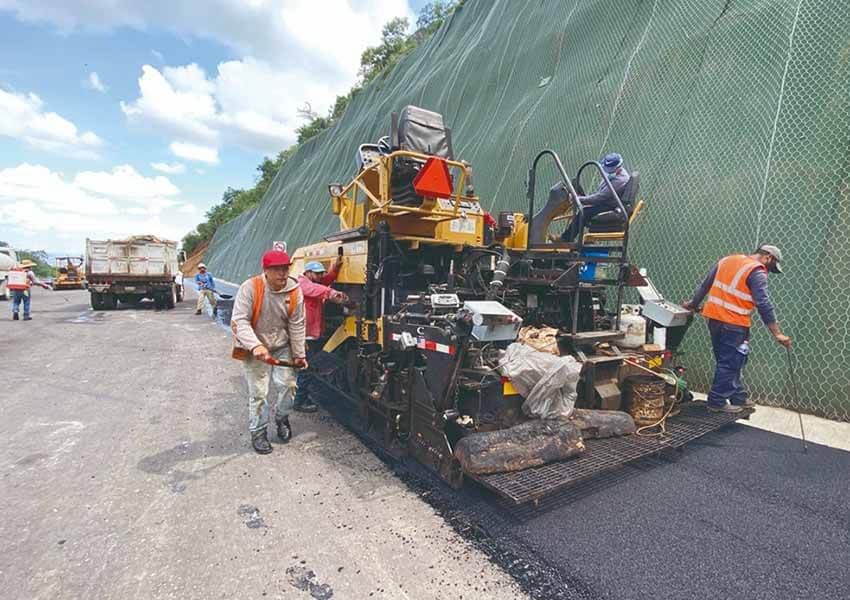
Work on a long-opposed highway in Morelos is set to be completed in August, President López Obrador said in his regular morning news conference on Wednesday.

The 34.2-kilometer modernization of the La Pera-Cuautla highway is set to ease congestion for residents of seven of the state’s municipalities.

The highway, which runs roughly 20 kilometers north of the state capital Cuernavaca to 45 kilometers east of the city, is being widened from two lanes to four and is expected to benefit the municipalities of Cuernavaca, Tepoztlán, Yautepec, Tlayacapan, Atlatlahucan, Yecapixtla and Cuautla, as well as drivers from Puebla and Mexico City.

The project was planned by former president Felipe Calderón’s government and initiated in the administration of Enrique Peña Nieto. It suffered several judicial setbacks due to opposition from activists and residents, who accused engineers of passing through woodland and areas considered sacred.

President López Obrador supervised progress on the highway on Friday.

Work on La Pera-Cuautla highway, Morelos
The widening and modernizing work on the La Pera-Cuautla highway is supposed to reduce travel time along the 34.2-kilometer stretch to 30 minutes.

“I have just been in Tepoztlán. The highway is being expanded. It will look very good, and we are going to deliver it … in August … It had not advanced for years,” he said on Monday.

The president insisted that the expansion was necessary, despite its environmental impact. “In one way or another a highway interrupts and interferes with a life of meditation and tranquility … It was necessary work because there is a lot of traffic, and the roads issue had to be resolved, taking care not to be destructive,” he said.

In the president’s view, the work was more justifiable than a previous proposal. “They even wanted to set up a golf course, and the villagers objected,” he added.

The Transport Ministry reported in October that the work was 82.3% complete. It said at the time that the investment was 4.4 billion pesos (US $215 million). It also detailed that the journey along the modernized stretch would take 30 minutes, rather the 48 minutes it currently takes, according to Google Maps.

The project’s progress is more positive news for the president after the inauguration of the Felipe Ángeles International Airport (AIFA) on March 21, built to serve Mexico City. However, his flagship Maya Train, which is to connect the country’s southeastern states of Tabasco, Campeche, Chiapas, Yucatán and Quintana Roo, faces legal challenges and opposition from environmental activists.

With reports from Reforma and Proceso 

Michoacán cockfight massacre was attempt to take out regional CJNG boss

0
cockfight massacre site in Michoacan
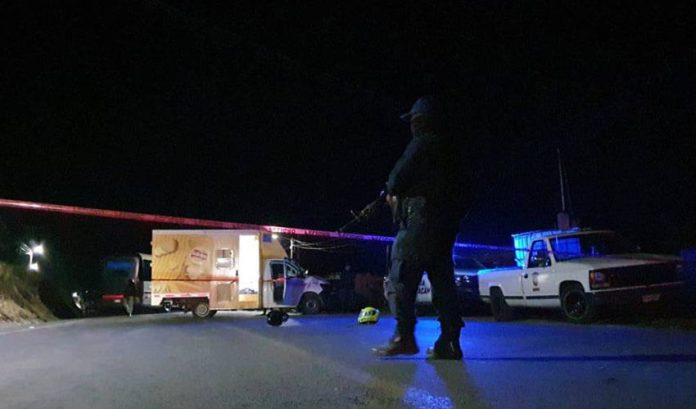
Police guard the area where the attack on the clandestine cockfighting site occurred on Sunday night.

The massacre of 20 people at a clandestine cockfight in Michoacán on Sunday was an attempt to take out the regional boss of the powerful Jalisco New Generation Cartel (CJNG), federal and state authorities have confirmed.

Gunmen with the Los Correa cartel stormed a cockfight around 10:30 p.m. in Las Tinajas, a town 70 kilometers east of the state capital Morelia, effectively declaring war. The leader of Los Correa, Daniel Correa, known as El 100 (The 100) or El Tigre (The Tiger) is thought to have ordered the massacre.

However, the gunmen’s apparent main target, CJNG leader William Rivera, alias El Barbas (The Beard), escaped from the building unharmed.

The bloody dispute has been long-running: in May, CJNG gunmen allegedly ambushed relatives of Rivera, killing seven people.

Los Correa came to prominence through illegal logging near Michoacán’s Monarch Butterfly Biosphere Reserve, a UNESCO World Heritage Site, and are suspected of killing two environmental activists in February 2020. They later switched their concentration to the production of synthetic drugs, harvesting marijuana and extortion.

Los Correa cartel encampment in Michoacan
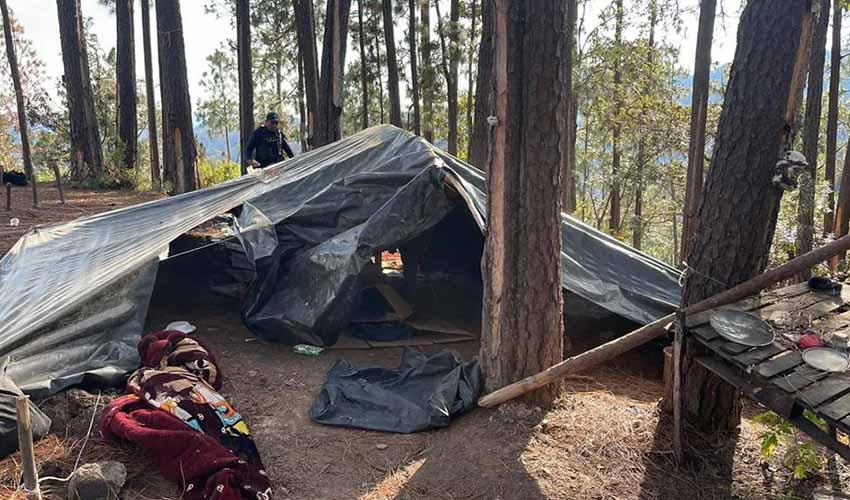
Authorities found five Los Correa encampments in CJNG claimed territory in eastern Michoacán last month. SSP Michoacán

According to the newspaper Milenio, it’s thought that the leaders of Los Correa held a meeting with members of Los Viagras cartel in recent days to form a common front against the CJNG. Michoacán state authorities told the newspaper Infobae in January that they were aware that Los Correa members were regularly extorting residents in at least eight communities of the Hidalgo and Zinapécuaro municipalities in cahoots with the Familia Michoacana, building up for a turf war against the CJNG ,and that they found Los Correa encampments in the woods of CJNG-claimed territory in those municipalities.

Los Viagras is part of the Cárteles Unidos, which is engaged in an extensive turf war against the CJNG in the notoriously violent Tierra Caliente region, which spans parts of Michoacán, Guerrero and México state.

The fighting was concentrated in Aguililla, Michoacán, until February, when the army largely retook control. Security forces, however, failed to prevent the assassination of Aguililla’s mayor, Arturo Valencia Caballero, near the town’s municipal palace on March 10.

Cárteles Unidos’ members are the presumed victims of another large-scale massacre in Michoacán on February 27, when 17 people were shot dead outside a wake that they were attending in the town of San José de Gracia.

Other cartels vying for power in the tinderbox region include Los Caballeros Templearios, El Cartel de los Reyes and Los Blancos de Troya.

With reports from Milenio and Infobae

AMLO moves to dismantle elections agency; citizens would elect officials, judges

0
The president said the change would leave democracy strengthened.

President López Obrador on Tuesday announced a plan to dismantle the National Electoral Institute (INE) in its current form, triggering criticism from electoral experts and opposition parties.

At his regular news conference, López Obrador – an outspoken critic of the INE – said he would send a constitutional bill to Congress that would allow citizens to directly elect electoral councilors and electoral tribune judges.

He said his proposed reform would “guarantee democracy in Mexico” and ensure that there are no judges with “biased attitudes” on electoral matters.

“This is so that there are no councilors or judges that don’t have a democratic vocation. And also to guarantee a free and secret vote, so there are no electoral frauds,” López Obrador said.

The president claims that fraud was the reason he didn’t win the 2006 and 2012 presidential elections, at which he was runner up to Felipe Calderón and Enrique Peña Nieto, respectively.

“We reached the presidency after fighting for many years and suffering electoral frauds, so we have to leave democracy strengthened,” López Obrador said.

“We’re going to present this initiative and we’re going to do it with the participation of all the people. It will go to the Chamber of Deputies first,” he said, adding that citizens would be given the opportunity to elect councilors and judges via an open vote in “a direct way.”

“The top-down agreements that are contrary to the interests of the people are over, or I hope that they end,” López Obrador said.

He said the executive, legislative and judicial branches of government would each nominate about 20 honest, “truly independent” candidates to fill the electoral councilor and electoral judge positions for a total of 60 candidates in each category.

The objective would be to have male and female councilors and judges in equal numbers, López Obrador said.

If the proposed reform becomes law and electoral officials are elected by citizens, Mexico will become the first country in the world to have such a system, the newspaper Reforma reported.

Luis Carlos Ugalde, a former president of the Federal Electoral Institute (IFE), the INE’s predecessor, said he wondered if López Obrador might be joking and contended that it would never pass Congress given that constitutional bills require the support of two-thirds of lawmakers to become law.

He also questioned what merit the elected individuals would have. “What kind of electoral authorities will come from this kind of exercise? It will give access to anyone and break the padlocks of experience and merit,” he said.

Ugalde also contended that those elected would serve the interests of the current federal government and the ruling Morena party, which together form the so-called Fourth Transformation or 4T movement.

The government has held several popular votes since it took office and has achieved the outcomes it sought largely because its supporters turned out in larger numbers than other members of the electorate. The opposition has called for boycotts of such votes, including a referendum last August in which citizens were asked whether past presidents should be investigated for crimes they might have committed while in office.

Electoral councilors and electoral tribunal judges elected in a popular vote would be “captured by an ideology, by the 4T,” Ugalde said. “They will be elected by the people but at the service of an ideology.”

Leonardo Valdés, another former IFE president, said that “experience tells us that it’s a terrible idea to reform the electoral system prior to an election.”

“So I would describe this idea as a terrible idea – a wrong idea at the wrong time,” he said.

Valdés, now an academic at the Meritorious Autonomous University of Puebla, noted that Morena and its allies would need opposition party support to approve the reform.

But Senator Clemente Castañeda, leader of the Citizens Movement party in the upper house, asserted that the bill “wouldn’t pass under any circumstance.”

“We call on the president to get serious and attend to the country’s problems,” he said.

Other opposition lawmakers, including representatives of the National Action Party (PAN) and the Institutional Revolutionary Party (PRI), also indicated that they wouldn’t support the proposal.

Senator Julen Rementería, the PAN’s leader in the upper house, said his party won’t allow the destruction of Mexico’s election authorities.

“We have to respect the INE, strengthen the INE, and not, as he proposes, … destroy it, demolish it [or] simply not recognize it,” Rementería said.

“… The truth is that the announcement of this initiative shows the desperation and desire … [López Obrador] has to destroy the electoral umpire – the National Electoral Institute, and of course the [Federal] Electoral Tribunal.”

PRI Senator Mario Zamora asserted that no Mexican wants to take a backward step in terms of democracy building. He said López Obrador’s proposal may have been another improvised, fanciful “quip” of the kind he has previously made in his morning press conferences, but the president repeated his proposal on Wednesday.

In recent times, López Obrador has accused the INE of not sufficiently promoting the upcoming “revocation of mandate,” or recall, vote, a claim the institute’s president, Lorenzo Córdova, has rejected

The president and the INE chief have clashed on several occasions, including after the former said in 2020 that he would be a “guardian” of the 2021 midterm elections.

Córdova said in February that the federal government was seeking to undermine the autonomy of the INE by cutting its budget, while he claimed in 2020 that the institute was facing unprecedented hostility – antagonism that could result in its death, or at least a complete overhaul, if AMLO gets his way.

With reports from Reforma and AM

AMLO dismisses journalist’s objection to displaying false tweet

0
López Obrador and Loret de Mola.

After admitting to having displayed a false tweet on Monday, President López Obrador dismissed the misrepresented journalist’s objections, declaring that while the message may not have been written by him, it still represented what he believed.

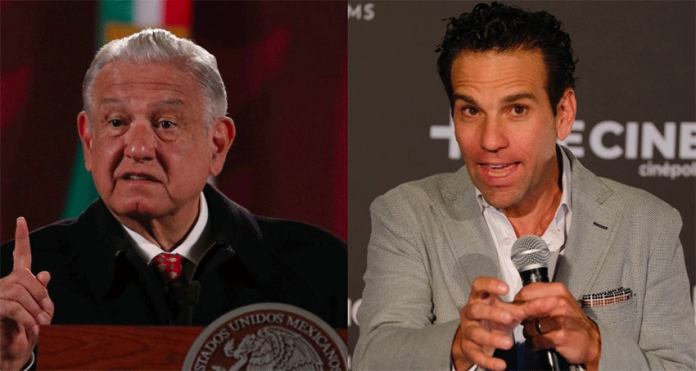
López Obrador showed the tweet at his morning news conference, alleging that it was written by journalist Carlos Loret de Mola, with whom he has had a long running dispute.

The false tweet, dated June 17, 2018, predicted the devaluation of the peso under President López Obrador.

Loret quickly called out López Obrador, accusing him of slander and of “lying again” by exhibiting the tweet, which he has repeatedly denied was written by him.

The president conceded his error on Tuesday. “Yesterday I was talking about Loret de Mola predicting that the dollar would be at 35 pesos. He clarified that [the tweet] is fictitious,” he said.

However, he then insisted that while the words weren’t written by Loret, they still represented his beliefs. “It may be fictitious but it’s the closest thing to his way of thinking,” he said.

The president added that showing the tweet was justified because he’d previously heard Loret say something similar. “I was there to hear him, and I have the recording … his comment implied that the dollar was going to go through the clouds,” he said.

The tweet is the latest confrontation between the two. The spat intensified in January after Loret collaborated in an investigation into the president’s son, José Ramón López Beltrán, which alleged that there was an element of corruption in his U.S. property arrangements.

Since the report appeared, the president has directed a barrage of criticism at Loret, including near daily demands that he reveal his wealth and salary. In February, the president exposed what he claimed to be Loret’s hefty salary while a March report by news site Contralínea detailed a large property portfolio held by Loret’s family.

With reports from El Universal
Pollution-triggered restrictions take 1.7 million vehicles off the road in capital

0
Mexico City air pollution
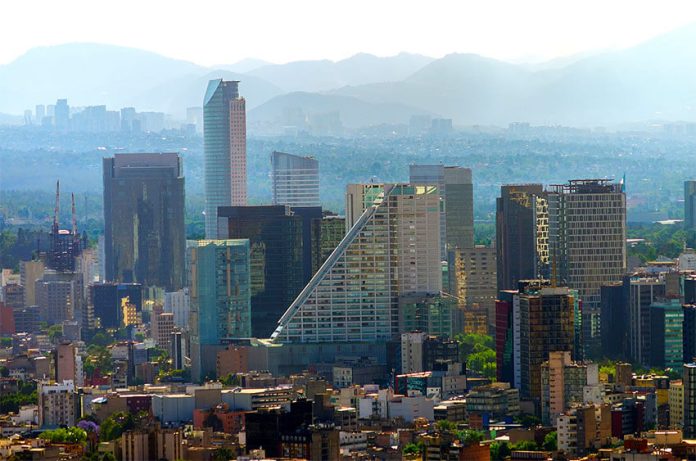
A file photo of Mexico City air pollution. lidia lopez

Due to high levels of air pollution, some 1.7 million vehicles are prohibited from using roads in the Mexico City metropolitan area on Wednesday.

The restriction applies between 5:00 a.m. and 10:00 p.m. to a large number of vehicles whose license plates end with 2, 3, 4, 6, 8 and 0 as well as vehicles whose plates only consist of letters.

New cars – which have previously been exempt from no-drive orders – with plates that end with 3 and 4 are among the vehicles that are banned. Electric and hybrid vehicles are exempt.

The 1.7 million vehicles that authorities estimate to be affected by the restriction represent almost one-third of the 5.3 million vehicles that use Mexico City roads on a daily basis.

A phase 1 environmental contingency alert was activated by the Environmental Commission of the Megalopolis after high levels of ozone pollution were recorded in Mexico City on Tuesday. The commission announced at 10:00 a.m. Wednesday that the alert would remain in place.

At 4:00 p.m. Tuesday, ozone levels of 162 parts per billion (ppb) were recorded in the western district of Santa Fe, while levels of 156 ppb were recorded in La Merced, part of the capital’s historic center. The pollution was exacerbated by intense solar radiation and a lack of wind.

The Mexico City government considers concentrations of ground-level ozone over 70 ppb (averaged over eight hours) are unhealthy.

The general director of the air quality unit at the Mexico City Environment Ministry told the newspaper El Universal that March, April and May are typically the worst months for air pollution due to high temperatures, a lack of cloud cover and scant wind.

Sergio Zirath said the last environmental alert for high ozone levels was in June 2021. He noted that it’s the first time that some new cars as well as some older models certified as having low emissions levels will be among the vehicles prohibited from circulating on Wednesday. Mexico City factories that emit ozone precursors must reduce their emissions by 40%, El Universal reported.

Residents of the Valley of México metropolitan area are advised to avoid outdoor activities including exercise between 1:00 p.m. and 7:00 p.m. Wednesday.

Excessive ozone in the air can have a marked effect on human health, according to the World Health Organization. “It can cause breathing problems, trigger asthma, reduce lung function and cause lung diseases.”

The United Nations declared Mexico City to be the most polluted city on the planet in 1992. While air pollution is still a problem at times, the situation in the capital and surrounding areas has improved significantly over the past three decades.

With reports from El Universal 

Rescue dog Frida is living out the rest of her life free of stress

0
Frida rescue dog Mexico
Rumors of Frida's death have been greatly exaggerated.

Amid fears that she’d died, accusations of sabotage and demands for the flag to be flown at half-mast, Frida the famous rescue dog appeared before cameras on Monday to prove she’s alive and well, living out a gratifying retirement, albeit with eyes drooping and moving at a slower pace.

The 12-year-old yellow Labrador is best known for her participation in search efforts following the powerful September 19, 2017, earthquake that devastated Mexico City and other parts of central Mexico.

Frida officially retired in 2019 after nine years of service.

In her distinguished career of public service, she was also involved in the search for earthquake victims in Haiti in 2010, in Ecuador in 2016 and in Juchitán, Oaxaca, in September 2017.

In addition, she searched for landslide victims in Guatemala in 2012 and looked for people buried under rubble after an explosion at the Pemex tower in Mexico City in early 2013.

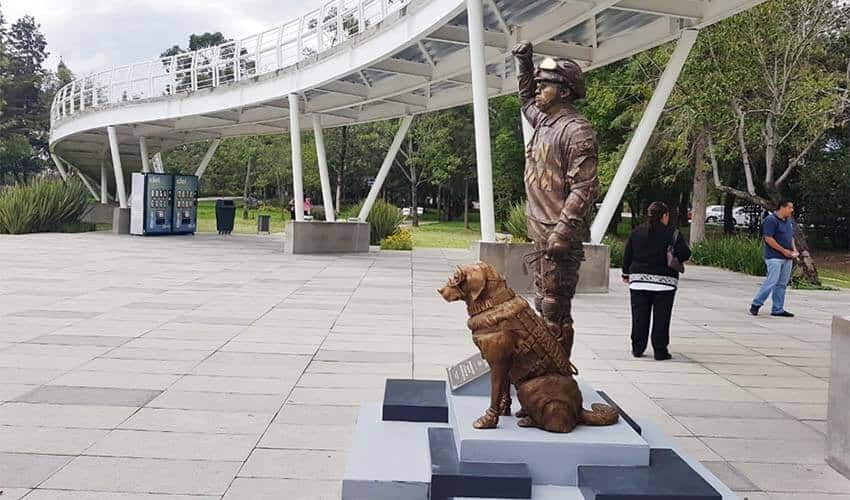
Frida rescue dog monument puebla, mexico
The statue in Puebla to Frida.

All told, Frida is credited with finding 12 people alive – all of whom were victims of the Haiti quake – and 41 bodies.

However, fears that Frida had died were not completely unfounded. Her search partner Nalah, a 10-year-old Golden Retriever, died on March 24 and was confused for Frida by some social media users. Nalah also helped in search operations after the 2013 Pemex explosion and in the 2017 earthquake, locating at least 17 people.

The veterinary specialist who looks after Frida, Miguel Ángel Huerta Miranda, said health problems meant the Labrador has had to face the troubles of old age. “Frida is a geriatric animal. Next month, she will hopefully be 13 years old. She already has the ailments of her age, like joint problems, which are degenerative,” he said.

Nevertheless, Huerta added that the pup was enjoying a well-earned rest. “She’s in retirement and no longer performs any operational work. She no longer trains, she just relaxes and takes a routine that doesn’t involve stress,” he said.

Frida was honored with a statue in her likeness in Puebla in 2018 and there is a mural dedicated to her in Roma, a Mexico City neighborhood that was hit hard by the 2017 earthquake, depicting the beloved Labrador as a saint-like figure.

With reports from Milenio

Avocado price at its highest level in 24 years

0
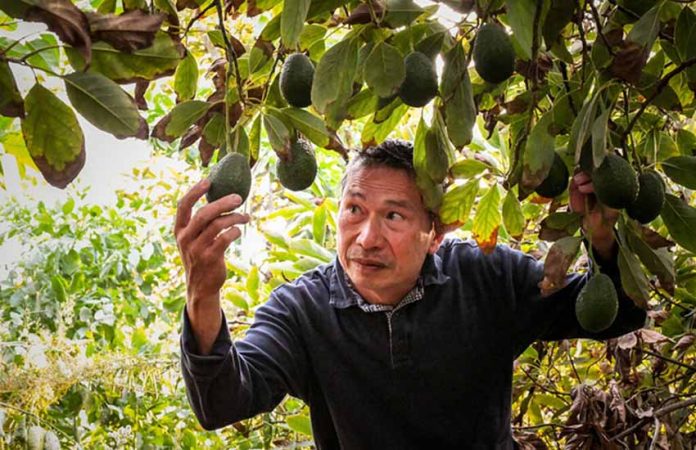
Michoacan avocado farmer
Michoacan farmer checks his crops. It's believed that avocado production in Mexico has decreased 8%. USDA

Mexico, the world’s biggest exporter of avocados, is currently seeing the highest prices for the fruit since 1998.

A price index of avocados in Michoacán, Mexico’s biggest avocado-producing state, shows that the cost of the fruit has surged 81% this year to 760 pesos (almost US $38) for a 9-kilogram crate.

David Magaña, an analyst at financial services company Rabobank International, said two factors had caused the price jump: fewer avocados and inflation.

It’s believed that Mexican avocado production declined 8% in the 2021–22 agricultural year, following record harvests in 2020–2021 recorded by the United States Department of Agriculture.

Mexico’s farmers account for more than 80% of the avocado consumed in the United States. Such huge demand has made the fruit’s production here so valuable that it is often termed “green gold.” Per capita consumption of avocados in the U.S. has more than doubled since 2010 to more than 4 kilos, according to Rabobank.

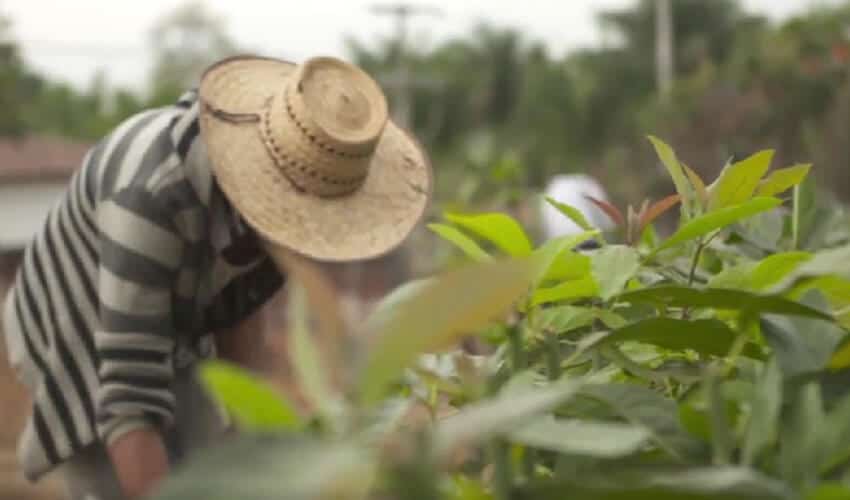
avocado farmer mexico
Mexico outstrips other countries worldwide in avocado exports and accounts for more than 80% of U.S. consumption.

The other half of the higher price equation is inflation: Mexico’s rate hit 7.29% in the first half of March, while U.S. inflation hit 7.9% in February, a 40-year high.

The largest U.S. avocado distributor, Mission Produce, has raised its prices by 50%. The company’s executive director, Steve Barnard, said international competition for the highly prized fruit had kept its cost high.

“Partially offsetting price gains was an 18% decrease in avocado volume sold, which was primarily driven by lower supply, but [it was] exacerbated by price sensitivity in select international markets that competed for lower-cost sources of fruit,” he said in Mission Produce’s first-quarter earnings report.

In California, which supplies about 15% of U.S. demand, production is forecast to increase this year. However, Magaña said that California’s production levels were “clearly not enough to meet the growing demand for avocado in the United States.”

The shortfall in avocado production is more bad news for Mexican producers and U.S. distributors: the U.S. government suspended imports of avocados for a week in February in light of a threatening phone call received by a Michoacán-based U.S. inspector. Citibanamex estimated the suspension cost avocado producers US $7.7 million per day.

With reports from Reforma

Study warns that Ukraine war could trigger increase in fuel theft in Mexico

0
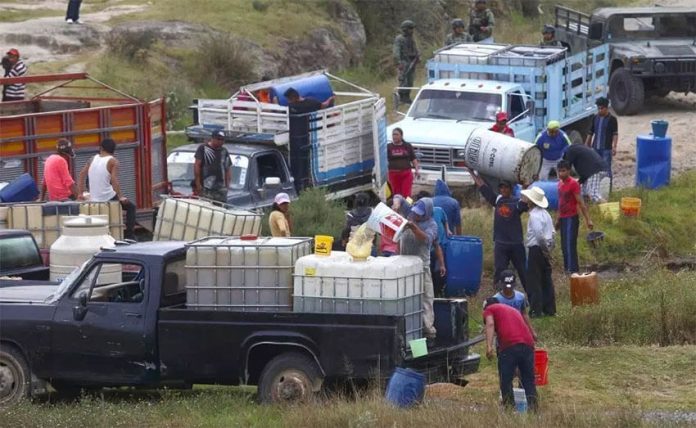
Fuel thieves at a pipeline tap.

An international non-governmental organization has warned that Russia’s invasion of Ukraine could make fuel theft more lucrative and prevalent in Mexico.

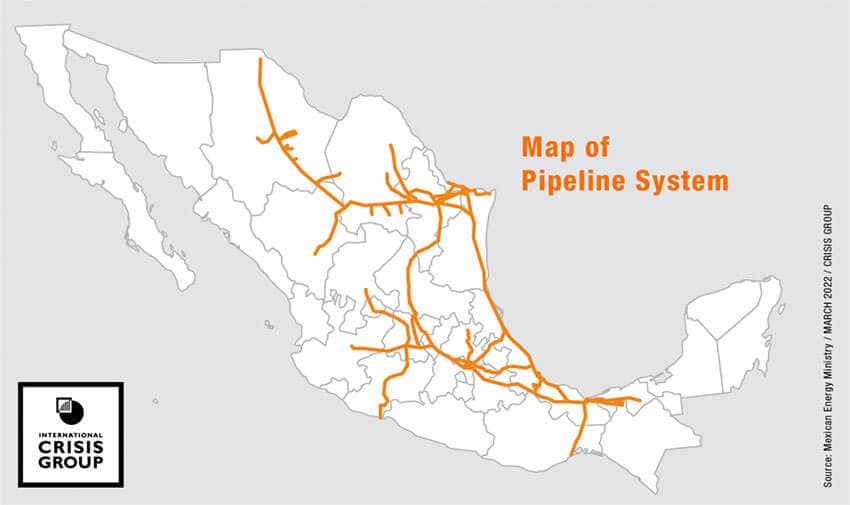
Colloquially known as huachicoleo, stealing fuel is mainly accomplished with illegal taps on pipelines owned and operated by the state oil company Pemex, although thieves have also robbed refineries, hijacked tanker trucks and diverted fuel to secret tunnels.

Theft has cost Pemex billions of pesos in lost revenue, but the current federal government cracked down on the crime and has succeeded in reducing the quantity of fuel stolen, although 2021 was the third worst year ever in terms of the number of number of pipeline taps detected with over 11,000.

In a comprehensive report entitled Keeping Oil from the Fire: Tackling Mexico’s Fuel Theft Racket, the International Crisis Group (ICG) acknowledged that the government has managed to reduce the volume of stolen fuel, but asserted that “its claims of swift success seem premature.”

“Areas traversed by pipelines still have a higher average homicide rate than those that are not. Fuel theft was reportedly on the rise once again in 2021, and sanctions linked to Russia’s invasion of Ukraine could make the racket still more lucrative by ratcheting up fuel prices again,” the report said.

“… Recent spikes in fuel prices, the result of sanctions targeting Russian oil and gas in the wake of the invasion of Ukraine, will in all likelihood make fuel theft increasingly profitable for criminal groups and more damaging to state coffers,” the ICG said.

In addition, the pressure on security forces tasked with combatting huachicoleo will increase, the report said.

The war in Ukraine has not caused fuel prices in Mexico to increase as much as in some other countries, partially because the government has recently lifted the excise tax on gasoline and diesel.

The ICG – which describes itself as an organization working to prevent wars and shape policies that will build a more peaceful world – said that tackling collusion between state officials and organized crime, and supporting legal alternatives to crime through region-specific development plans, are the best ways to make lasting progress toward stopping huachicoleo.

The report noted that Mexico’s notorious criminal groups have diversified their interests to include the fuel theft racket.

“The specific allure of huachicoleo for criminal groups can be traced in part to a set of fiscal and energy reforms aimed at redressing losses incurred by the state-owned oil company, Pemex. These measures caused fuel prices to rise, creating higher profit margins for stolen petrol,” it said.

Pemex pipelines in Mexico.

“New criminal groups branching into huachicoleo clashed as they sought to expand across Mexico, driving up homicide rates sharply in municipalities with pipelines running through them.”

Among the criminal groups that are or have been involved in fuel theft are the Zetas, the Gulf Cartel, the Santa Rosa de Lima Cartel and the Jalisco New Generation Cartel, as well as numerous smaller bands of huachicoleros (fuel thieves).

Puebla, especially an area known as the Red Triangle, and Guanajuato are among Mexico’s hotspots for huachicoleo, a crime that, like drug trafficking, has spawned its own culture, replete with a saint and huachicorridosballads that tell the stories of the thieves.

The ICG report noted that Georgina Trujillo Zentella, former chair of the energy committee in the lower house of Congress, said in 2011 that there is less risk in fuel theft than in the drug trade.

“You don’t have to risk crossing the border to look for a market. We all consume gasoline. We don’t all consume drugs,” she said.

The ICG also noted that President López Obrador suggested in late 2018 that as much as 80% of fuel theft is “orchestrated by elements of the state.”

The report cited one huachicolero who told the newspaper Milenio that fuel theft collusion “runs from MPs to municipal authorities to state secretaries to whatever you can imagine.”

“The police, municipal and state, are the ones you align with or you die,” the thief said.

The military, which has been used to guard pipelines, is also reportedly colluding with thieves, ICG said.

“Complicit officers reportedly coerce others into turning a blind eye or accepting kickbacks through violence or threats.  One white-collar operator working with the Jalisco New Generation Cartel stated that he had continued to profit from huachicoleo during López Obrador’s tenure thanks to ‘conversations [and] personal relationships’ with federal security forces, including military officers seconded to Pemex,” the report said.

The ICG added that approximately 90% of fuel theft cases go unpunished, despite the federal government’s crackdown.

Mexico News Daily