Home Blog Page 1152

Canadian man’s story spotlights inhumane conditions for migrant detainees

0
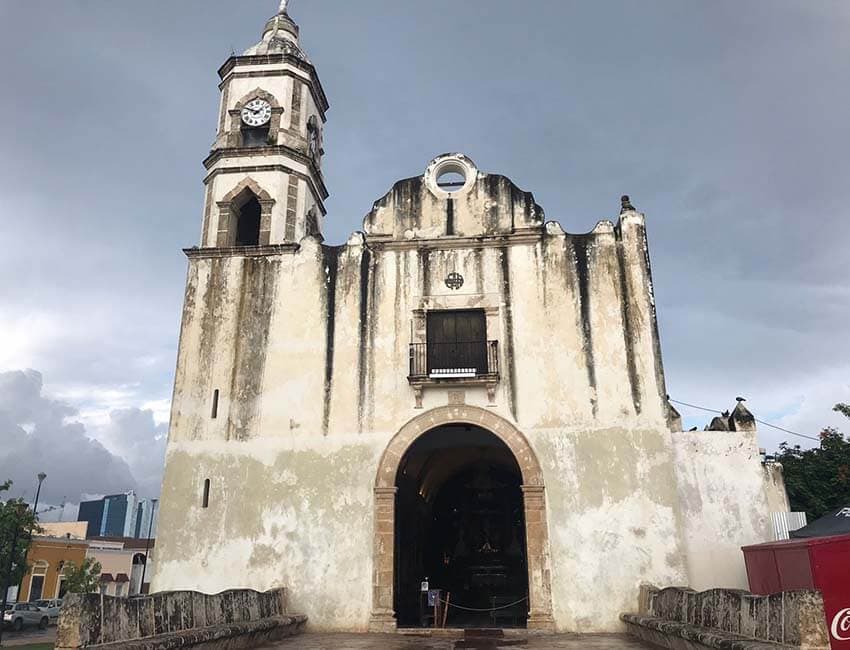
Las Ajugas INM migrant detention facility
The National Immigration Institute's Las Ajugas detention facility in Mexico City, where Daniel Maté was held for 24 days.

According to official statistics, some 147,000 people apprehended by Mexican immigration authorities were held in a detention center between January and August this year. Earlier this month, Herbenson Elma, 38, of Haiti and Canadian Daniel Maté, 46, joined this unenviable club.

Both were apprehended by authorities while traveling by bus through Mexico, but this is where most similarities in their stories end.

“We were in prison together,” said Elma, who, with other Haitian migrants, was released shortly after Maté.

Elma, had been camped out in Tapachula, Chiapas, near Mexico’s border with Guatemala, hoping to reach Tijuana to find work. Like many migrants from his country, Elma left Haiti to escape gang violence, living the past two years in Brazil before making the trek to the Guatemala-Mexico border.

“When they released [the Haitian migrants], they gave us each a letter of expulsion that says we have to leave the country in 20 days,” he said via WhatsApp from Tapachula, where he and his fellow migrants were taken by immigration authorities following their detention in Mexico City.

Daniel Maté
Maté teaching students songwriting and recording at PS 397 in Brooklyn, New York. Maté is a musician, performer and writer.

By comparison, Maté — who was apprehended due to a tourist visa that expired while he was waiting for a second vaccine dose in Mexico before returning — was released from detention and deported home. There are no legal obstacles to him returning to Mexico.

The Canadian was so troubled by the differences in his experience from the migrants with whom he was imprisoned that the composer and writer began publicizing his story on social media as soon as he was safely home with his family.

Maté wrote in a thread of posts on Twitter:

“Hi. This thread is about an ordeal I just [had] in the Mexican immigration system. It’s about my experience, but it’s more about what’s going on for the hundreds of men from Haiti, Ecuador, Guatemala, Honduras, Nicaragua, Colombia and elsewhere still locked up there.”

“I was released yesterday from the notorious Las Ajugas federal immigration detention center in Mexico City after 24 days incarcerated, run by @INAMI_Mx [Mexico’s National Immigration Institute],” Maté tweeted. “My crime was an expired (by two months) tourist visa. I was deported, blessedly, back to Canada.”

In his posts, Maté went on to detail his experience in detention, which was extended when he contracted COVID-19 and was required to quarantine. This infection, he said, was “highly probable” considering that testing did not occur when he entered detention in Las Ajugas, that there is overcrowding and mask-wearing is only “loosely enforced.”
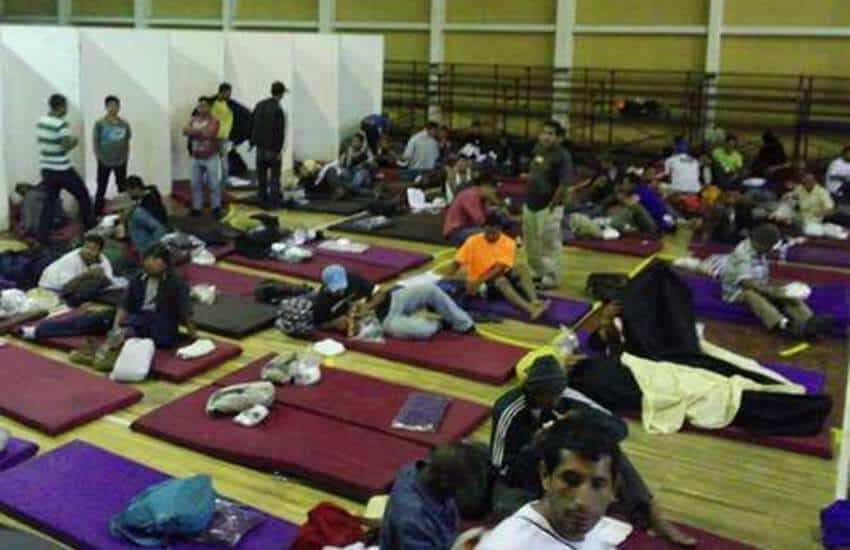
INM Las Ajugas migrant detention facility
A photo from inside Las Agujas from 2019.

The rights of prisoners to services like translation, making complaints and lawyers are advertised on posters around the facility, he wrote. “But nearly all of them were denied to us.”

In quarantine, Maté was locked 24 hours a day in a tiny area with up to 22 other men. The men were attended once, very briefly, by a doctor and otherwise left with “little ventilation and no outdoor time for 13 of the 15 days,” he wrote.

Maté marveled at the kindness and resilience shown by those with whom he was detained.

“There’s no hostility among the detainees. It’s an environment of tremendous solidarity and goodwill. It felt safe in that way, no threat from the others … The threat is of malign neglect [by Mexican authorities].”

Maté also wrote that he was poorly treated, but that it was much worse, for example, for Haitian prisoners who were “particular recipients of contempt and neglect.”

“One of them was very sick for days with circulation and breathing problems and received next to no medical aid, carted back to the locked cell block on a stretcher rather than [taking] him to a hospital.
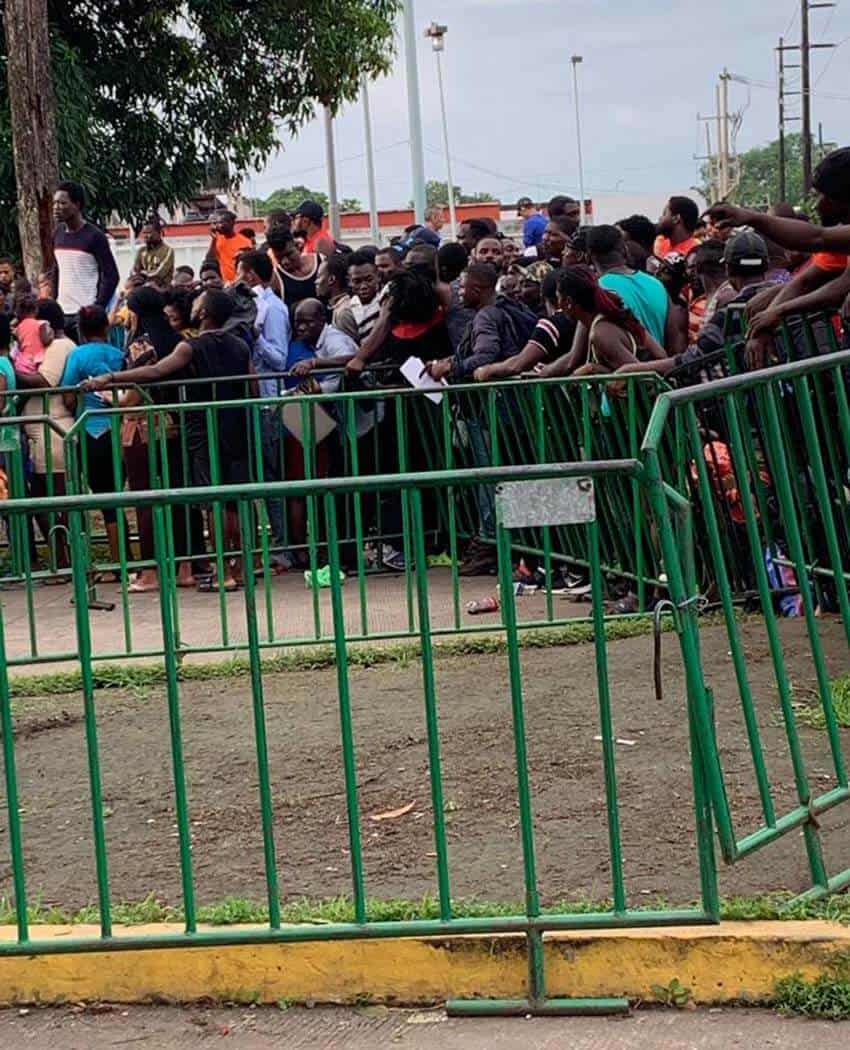
Migrants from the Caribbean and Africa at the Mexican government immigration complex in Tapachula in 2019
Migrants from the Caribbean and Africa at the Mexican government immigration complex in Tapachula. Ann Deslandes

“I fear for his life. The last thing he said to me, in French, was that he believed God had put me there to tell the world ‘what they’re doing to us.’”

Maté believes that there is no good reason why he should have been released from detention while the other prisoners remained.

“That I’m out and free now and they’re not is a function of our respective lots in life, nothing more,” he said.

“I had outside support,” he told Mexico News Daily. “My consulate supported me. My publisher, Random House Mexico, hired a lawyer for me; the Canadian philosopher John Ralston Saul was in the ambassador’s ear every day because he’s friends with my dad [Maté’s father is renowned trauma and addiction specialist Gabor Maté].”

This placed obvious pressure on immigration authorities.

“They knew I had a team behind me — someone brought by a prescription from a Canadian doctor for extra vitamins and supplements for me; my family hired an infectious diseases specialist from a local university to come and examine me.”

“They couldn’t ignore me,” he said. By contrast, “the Haitians waited days for health care.”

“I got moments of hostility, but it was just nothing like the neglect that other people were getting,” Maté said. “And, of course, I hadn’t spent months and US $6,000 trudging through the Panamanian jungle — getting held at gunpoint, losing friends, exhausted,” he added, referring to the dangerous trek through the Darién Gap that connects Colombia and Panama, taken as part of the long journey by many migrants from the Caribbean and Africa into Central America and Mexico.

The Gap is beset by violence and lawlessness: gangs frequently attack migrants — stealing from, beating, raping and sometimes killing those passing through — exactly the sort of thing Elma was escaping when he left Haiti in the first place.

“’I left my country after bandits with guns tried to kill me,” he said. He needs to find work to support his wife and five children still in Haiti, he added.

Maté said he observed his fellow inmates being treated with “dishonesty, contempt and racism.” The very ill man whom he saw being taken on a stretcher to the locked cell block “hadn’t been able to change his clothes in 12 days, and he wasn’t eating.”

Migrants who had crossed many borders in recent months told Maté that their treatment by Mexican immigration authorities was the worst of them all.
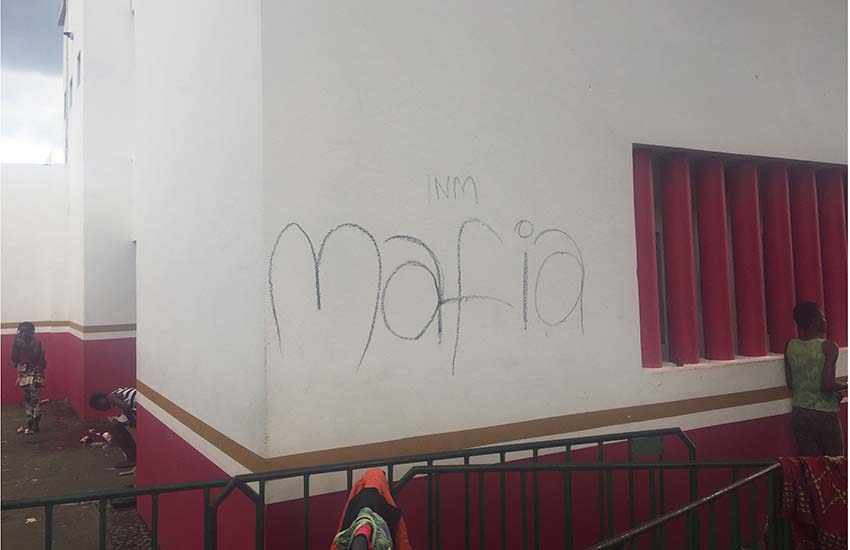
Graffiti on the wall of the INM offices in Tapachula, Chiapas
Graffiti on the wall of the INM offices in Tapachula. Ann Deslandes

In recent weeks, the Mexican government has joined the United States in a concerted effort to expel Haitian migrants from Mexico and prevent them from crossing the U.S. border. Some 4,000 have been deported to Haiti by U.S. authorities, and federal authorities from both countries have used violent force against migrants, including hunting, beating and ambushing them.

As CNN has recently reported, Haitians recently deported from the U.S. border following an apparent binational operation to corral them into Ciudad Acuña, Coahuila, which neighbors Del Rio, Texas, have been returned to a situation of escalating violence in the poorest country in the Latin America and Caribbean region.

“I am not going anywhere,” Elma said. “To go back home to my country would be looking to be killed. I prefer to die here.”

Maté urges people in Canada and the United States “to understand that our main North American little brother is carrying out our dirty work,” abusing migrants who are seeking safety.

Mexico News Daily
Auditor questions 3.6 billion pesos in questionable spending in Michoacán

0
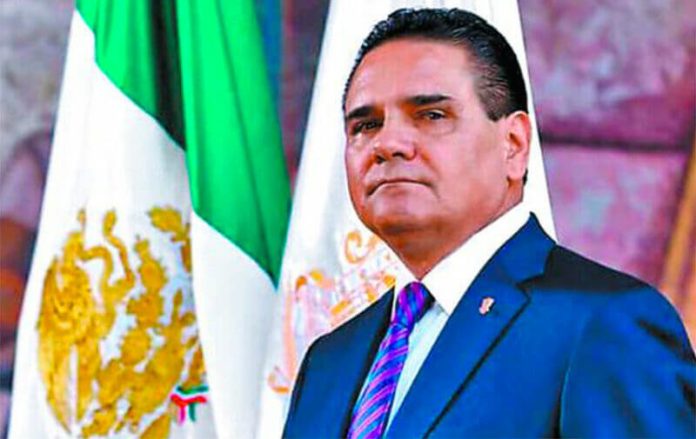
Governor Aureoles
Governor Aureoles defended his record and said he risked his life for Michoacán.

The governor of Michoacán only has one full day left in office, but is set to leave without explaining the use of 3.65 billion pesos (about US $178 million) in federal funds, the federal auditor (ASF) said.

Democratic Revolution Party (PRD) Governor Silvano Aureoles is believed responsible for 19 separate cases involving the questionable uses of federal money. The ASF alleges embezzlement.

Another 4 billion pesos (about $195 million) in credit is also missing, incoming Morena Governor Alfredo Ramírez Bedolla said. Aureoles took out the loans in December, allegedly for public works projects. The loans represent debt for the new state government.

The largest single unexplained use of federal money was for more than 1.1 billion pesos, supposedly spent by the state Finance Ministry on software maintenance, advertising, consulting, technological services and “monitoring systems.” The ministry did not present evidence of the contracting process.

Another unexplained expenditure was 852 million pesos supposedly paid to the Health Ministry, the public relations department and educational institutions.

The third largest irregularity found by the ASF was for over 370 million pesos, of which a large proportion was never used, but nor was it returned to federal authorities.

Morena Deputy Hirepan Maya Martínez accused Aureoles of corruption and links to organized crime in the state Congress Tuesday. “That’s how it is in Michoacán. We have drug trafficking governors, like the outgoing one, who has plunged our state into corruption … this misogynist, corrupt drug trafficker, outgoing governor,” he said.

Aureoles wrote on social media to defend his record. “Six years ago I took on the challenge of governing Michoacán … I know that there will be those who do not recognize that there was a before and after, and that Michoacán has changed, but I leave with a clear conscience because I was true to my word and I risked my life for Michoacán,” he said.

With reports from Milenio, Infobae and Reforma

AMLO’s wife urges caution as governor appoints official who made offensive tweet

0
Gutiérrez, left, and Sansores.

President López Obrador’s wife has urged the new governor of Campeche to exercise caution after she appointed an official to her cabinet who last year insulted Mexico’s leader and his spouse.

Layda Sansores, who took office in the Gulf coast state earlier this month, formalized on Tuesday the appointment of Manuel Enrique Pino Castilla as general director of the Campeche State Workers Social Security Institute (Issstecam).

Pino, formerly cultural director at the Campeche Autonomous University, called López Obrador and Beatriz Gutiérrez Müller imbeciles in a Facebook post in February 2020.

“Behind an imbecile, a big imbecile,” the new Issstecam chief wrote above a link to an article about Gutiérrez’s opposition to the national women’s strike, held on March 9, 2020. The post, which Pino denied writing himself, was subsequently deleted.

Gutiérrez, a writer and academic, has evidently not forgotten the slight. Beneath a Facebook post by the news website Visión Política that linked to its story about Pino’s appointment, she wrote “ojo” – “watch out” or “be careful” – before tagging Governor Sansores, who represents the ruling Morena party, which was founded by López Obrador.

Manuel Enrique Pino
Manuel Enrique Pino said his Twitter account was hacked.

Her remark garnered hundreds of responses, including one from Sansores herself, who asserted that Pino had not made the offensive remarks.

“He is a respectable university teacher who has been close to our movement since 2003 and is incapable of making these kinds of aggressive and disrespectful comments,” she wrote before directing Gutiérrez to a “clarification” Pino published to his Facebook account.

He again denied that he had personally written the post calling the president and his wife imbeciles, insinuating that his account had been hacked.

“My political commitment is with the president of the republic and Governor Layda Sansores,” Pino wrote.

“… I’m profoundly respectful of the wife’s president and all women; today more than ever the work Dr. Beatriz Gutiérrez Müller is undertaking for the benefit of Mexican woman requires the support of all Mexicans,” he wrote.

“The show of affection, support and recognition I’ve received in my new assignment is irrefutable proof of my career and work for Campeche. I regret that perverse minds are obsessed with discrediting the work of the fourth transformation [a nickname for the federal government] and of those of us working for the good of Campeche,” Pino said.

“… I affirm my love and unconditional support for the president … and his wife …”

 With reports from Proceso 

Nothing will stop ban on use of glyphosate, insists Greenpeace

0
farmer in his field
Some say the ban will adversely affect agriculture production. Others say there are alternative methods.

The ban on the controversial herbicide glyphosate cannot be averted, the environmental NGO Greenpeace said Tuesday.

Glyphosate is the most widely used pesticide in the world and is listed as “potentially carcinogenic” by the World Health Organization (WHO), although its manufacturer, Bayer, insists that those effects are unproven.

Use of the herbicide, frequently sold under the brand name Roundup, has been somewhat restricted through a governmental decree at the end of 2020. It has faced 26 legal challenges, which argue that the ban violates regulations in the North American trade agreement (USMCA).

However, Greenpeace insisted that the ban was “constitutional … and legitimate” and that the legal challenges were “principally promoted by the agroindustry.”

Viridiana Lázaro, an agriculture specialist at Greenpeace, said a new report by the NGO would facilitate governmental agencies that aim to “gradually replace the use, acquisition, distribution, promotion and import of the chemical substance.”

She added that herbicide can be replaced by “sustainable and culturally appropriate alternatives, which allow production to be maintained and are safe for human health, and safeguard the biocultural diversity of the country and the environment.”

The report offers examples of businesses in the sector that have used alternatives to glyphosate.

Manuel Becerra of the National System of Researchers, a federal agency, said international trade agreements should come second to environmental considerations. “If … compliance with a free trade agreement could jeopardize rules that protect the environment, those [latter] rules have preeminence. Therefore we affirm that the environmental norms, and of course the decree, is framed in international law that must be applied as per the constitution,” he said.

At the time of the ban, Bayer regional director Laura Tamayo said it was bad news for farmers and the food chain. “The lack of access to production options puts us at a disadvantage compared to our competitors, such as corn farmers in the United States … the import of genetically modified grain from the U.S. is essential for many products in the agri-food chain,” she said, speaking on behalf of the National Agricultural Council (CNA).

The CNA said at the time that the ban could cause agricultural production to fall by up to 45%.

With reports from Forbes México

Mexico prepared to offer asylum to 13,000 Haitians, foreign minister tells Senate

0
Foreign Minister Ebrard
Foreign Minister Ebrard addresses senators on Tuesday.

Mexico will offer asylum to more than 13,000 Haitian migrants, Foreign Minister Marcelo Ebrard said during an appearance before the Senate on Tuesday.

The minister said the Mexican Commission for Refugee Assistance (COMAR) advised that 13,255 Haitians qualify or will qualify for asylum.

“What is Mexico’s position going to be? Those who want refugee status will be given it,” Ebrard told senators, adding that Mexico is a country that infrequently rejects asylum requests.

He also said a new wave of Haitian migrants could soon arrive in Mexico via Central America.

“What do we know about what will happen in the coming days? Well, we’re in contact with the foreign ministries of other countries – Panama, Colombia, Costa Rica, Nicaragua, Honduras, El Salvador and Guatemala, so we know there are movements [of migrants] but we don’t yet know what size they will be,” Ebrard said.

Haitians have recently been traveling from South American countries such as Chile and Brazil to the northern coast of Colombia in order to travel by boat to Panama before continuing northward through Central America to Mexico’s southern border.

Ebrard said Haitians are leaving Chile and Brazil, countries in which many were granted refugee status years ago, because they mistakenly believe they will qualify for asylum in the United States.

However, thousands of Haitians have recently been deported from that country after crossing the border at Ciudad Acuña, Coahuila.

Probed by senators about the recent use of force to detain migrants traveling on foot in Chiapas, the foreign minister condemned the practice, saying that photographs and video footage of violence “angers everyone,” including the highest ranking members of the federal government.

“We mustn’t allow human rights to be violated for any reason,” he said. “For that reason the National Immigration Institute was asked to suspend, investigate and sanction those who commit human rights abuses. That will never be justifiable.”

Despite the recent arrest of hundreds of migrants traveling in four caravans that departed Tapachula, Ebrard, a leading contender to become Mexico’s next president, rejected an independent senator’s claim that Mexico has effectively become a border wall for the United States.

A Tapachula, Chiapas, stadium
A Tapachula, Chiapas, stadium has been converted into a refugee processing center.

When former United States president Donald Trump threatened in 2019 to impose blanket tariffs on Mexican goods if Mexico didn’t do more to stop migration flows, 144,000 people per month were crossing the northern border whereas the figure is currently about 200,000, he said.

“So Mexico is not a wall nor is it true that fewer [migrants] are arriving. … What we’re trying to do, what we are doing, is [saying to migrants] if you’re going to be a refugee in Mexico, respect the refugee rules in Mexico,” Ebrard said.

Haitians who recently left Tapachula in four migrant caravans did so without papers after waiting for weeks or months for their asylum claims to be processed by COMAR, which has been overwhelmed this year.

On Tuesday, the agency set up shop in a stadium in Tapachula to attend to migrants, who number some 120,000 according to an unofficial estimate. COMAR predicted it would be able to process 2,000 asylum requests daily.

Back in the Senate, Ebrard also noted that Mexico successfully lobbied the United States to invest in the expansion of Mexican government employment programs to Guatemala, Honduras and El Salvador.

High ranking Mexican officials are in contact with their United States counterparts on a regular basis, the minister said, describing the frequency as unprecedented. Progress has been made on shared problems, he added.

“There are those who assume that the only relationship with the United States is one of subordination,” Ebrard said before dismissing the notion.

However, the U.S. has only agreed to collaborate on the Central American employment programs. No cash has been forthcoming, nor has President Joe Biden replied to Mexico’s most recent petition for financial support for those programs, made in a letter by President López Obrador on September 7.

Last week the Mexican president reproached the U.S. government for its lack of response. “Nothing has arrived, nothing,” he told reporters at his morning press conference on Wednesday. “Enough talk, it’s time for action.”

With reports from Milenio and Proceso 

Critics say relieving drainage problems in Mexico City created new one in Tula, Hidalgo

0
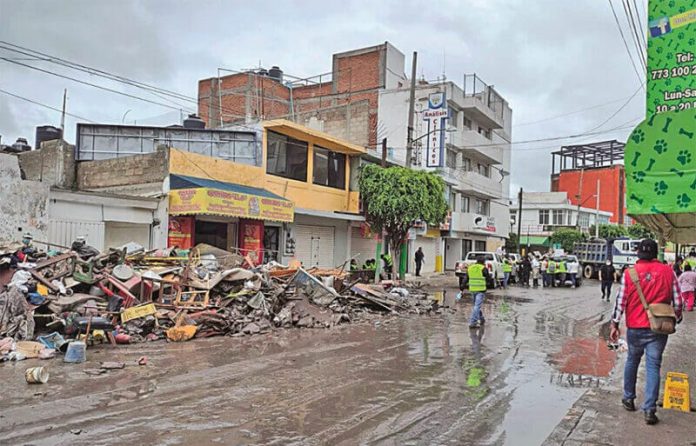
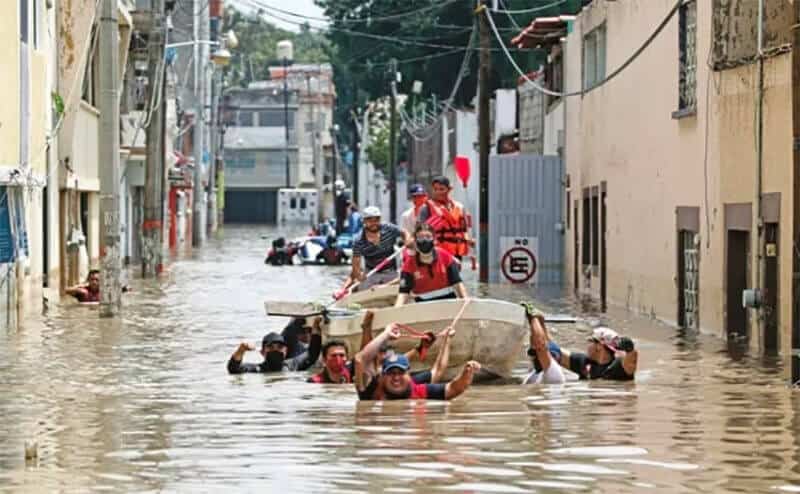
Flooding in Tula earlier this month
Flooding in Tula earlier this month killed 15 people and left a mess.

Recent flooding in Tula, Hidalgo, was caused by a fatal flaw in an infrastructure project built to drain rainwater and wastewater from Mexico City, according to a civil engineer who specializes in hydraulics.

Fifteen people died earlier this month after the city was inundated with water that overflowed from the Tula River after heavy rain in the Mexico City metropolitan area, especially the México state municipality of Ecatepec.

Fourteen of the victims were patients in an IMSS hospital in Tula, located about 100 kilometers north of downtown Mexico City.

According to Carlos Paillés, a civil engineer and head of the Hidalgo Valleys Environmental Infrastructure Trust, a flaw in the design of the Eastern Emission Tunnel (TEO) project, which was completed in 2019, is the main reason why Tula suffered severe flooding this month.

Paillés described the 30-billion-peso, 62-kilometer-long mega tunnel – built to reduce the risk of flooding in Mexico City – as an “extraordinary hydraulic engineering project” but one that is incomplete because it doesn’t include a canal that would allow runoff to flow into the Tula River at more than one point.

Rescuers at work in a flooded Tula street.

That oversight caused this month’s tragedy in Tula, the engineer told the newspaper El Universal, adding that all three levels of government are to blame. He questioned why a new canal wasn’t built to complement the TEO, as occurred in 1975 when the Salto Tlamaco canal was built in Hidalgo as part of the Central Emission Tunnel project, which also drains wastewater from Mexico City.

“Why didn’t the Mexico City government do something similar with the TEO? Because of the irresponsibility of several individuals, particularly two civil engineers with specific positions in the project, whose names and responsibilities I will personally deliver to the governor [of Hidalgo],” Paillés said.

A group of 30 experts from the National Autonomous University, the Metropolitan Autonomous University and the Chapingo Autonomous University also concluded that the failure to construct a complementary canal was the main cause of flooding in Tula. As a result of its absence, the TEO discharges 150 cubic meters of water per second into the Tula River at a single point – when it is functioning the way it was designed to work.

But after heavy rain fell in the Mexico City area on September 6, an estimated 500 cubic meters per second gushed out of the TEO and into the Tula River, Paillés said.

He apportioned blame for the situation to “those who didn’t take any precautions,” including negligent governments, because they failed to heed warnings about the possibility of the TEO causing flooding in Hidalgo.

“Everyone was delighted that this project would save the country’s capital from a possible flood, but they forgot about Hidalgo,” reported El Universal.

“There were a lot of warnings: environmental organizations warned that if the TEO entered into operation, Tula would be sacrificed. The warning became a prophecy and the prophecy became a reality.”

One way to reduce the risk of more severe floods in Hidalgo, according to the university experts, is to build small treatment plants in Mexico City that would treat the wastewater of individual “zero discharge” buildings. Water would be reused in the capital and wouldn’t flow into the TEO, reducing its burden. Construction of the plants wouldn’t be overly expensive, the experts said.

As things currently stand, large quantities of untreated wastewater, including water used in industry that is contaminated by heavy meals, flow into the Tula River via the TEO, causing significant contamination.

Paillés likened the situation to going to the toilet outside. “Directing untreated wastewater from cities to rivers and lake is the cowardly professional version of defecating in the open air,” he said.

“Tula must stop being the drain of millions of people who have turned the river into a black river,” said René Romero, a member of an environmental organization that warned that discharges from the TEO could cause flooding in Hidalgo.

“Mexico City sees us as a sewer, as if the function of the river should be a mega drain ready to receive its dirty water. There are alternatives,” he said, “so that Tula stops being contaminated.”

With reports from El Universal 

Mexico poised to hit 100 million vaccines doses administered

0
Mexico will likely announce Wednesday that it has reached 100 million vaccination doses given nationwide.

Almost 99.9 million vaccine doses have been administered in Mexico, according to the most recent federal Health Ministry data, after just over 500,000 shots were given Monday, positioning Mexico to have achieved giving 100 million total doses nationwide.

The milestone was in all likelihood passed on Tuesday, but data confirming that won’t be released until Wednesday. About seven in 10 Mexican adults have had at least one shot, receiving one of the seven vaccines — Pfizer, AstraZeneca, Moderna, CanSino, Sinovac, Johnson & Johnson and Sputnik V — used here.

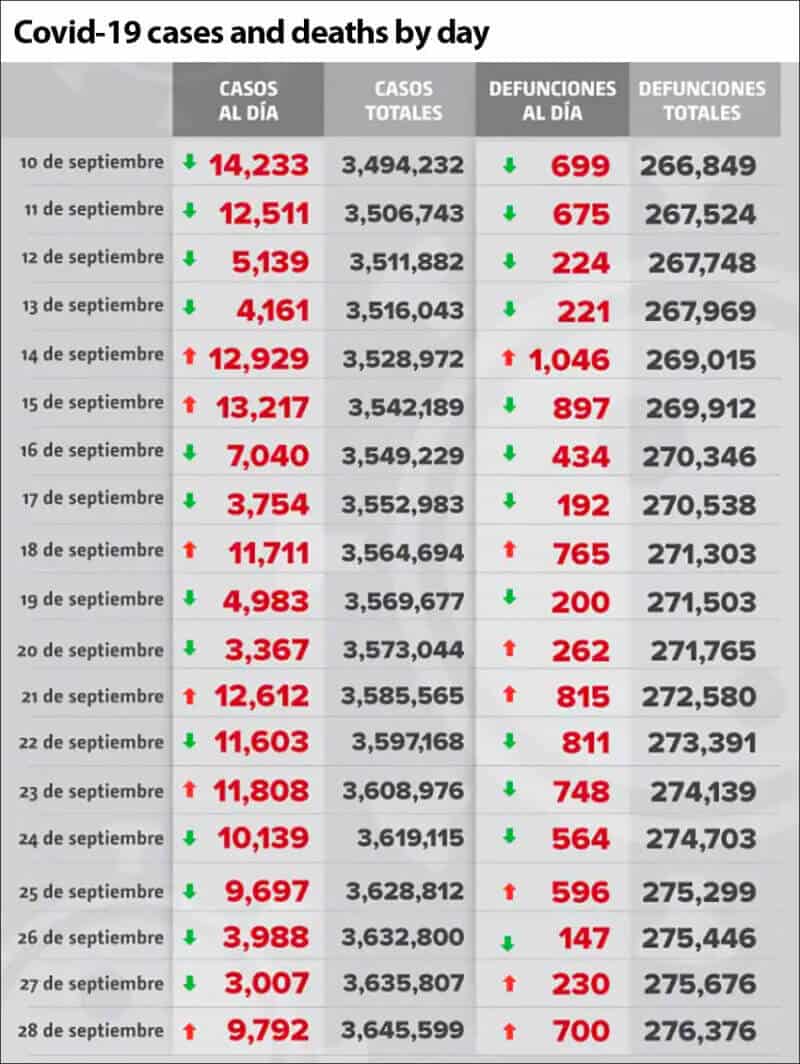
Meanwhile, the Health Ministry reported 9,792 new coronavirus cases and 700 additional COVID-19 deaths on Tuesday, lifting Mexico’s accumulated tallies to 3.64 million and 276,376, respectively. There are 61,217 estimated active cases, a 5% increase compared to Monday.

Mexico has recorded a daily average of 8,966 new cases over the past seven days, a figure equivalent to 48% of the seven-day pandemic peak, recorded on August 17.

Mexico City easily leads the country for confirmed cases and deaths with almost 950,000 of the former and over 50,000 of the latter.

Coronavirus cases and deaths in Mexico
Coronavirus cases and deaths in Mexico as reported by day. milenio

Those vaccinated with the Sputnik and CanSino shots – millions of Mexicans – could encounter difficulties gaining access to the United States. The Washington Post reported that new U.S. rules requiring foreign travelers to be vaccinated against COVID-19 appear to shut out people who have been fully vaccinated with the Russian-made shot.

Set to take effect in November, the new U.S. plan requires that most non-citizens seeking entry to the United States are vaccinated with shots approved by the U.S. Food and Drug Administration (FDA) or the World Health Organization (WHO), the Post said.

Like the Sputnik vaccine, the single-shot CanSino vaccine has not been approved by either the FDA or the WHO.

The former has a 97% efficacy rate, according to its manufacturer, while the CanSino vaccine has been found to be 75% effective against symptomatic COVID and 100% effective against serious disease.

Mexico News Daily 

Ex-drug lords unite against ‘harassment’ in maximum security prison

0
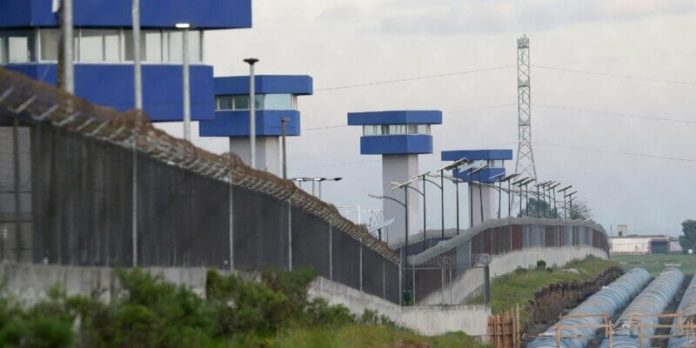
Altiplano federal prison, Mexico state
All three former cartel leaders are serving sentences in the Altiplano prison in México state.

The jailed former leaders of three drug cartels have shown their diplomatic side, coming together to make a joint complaint about their prison conditions.

The three men allege harassment and psychological torture by prison staff at the Altiplano maximum-security prison in México state.

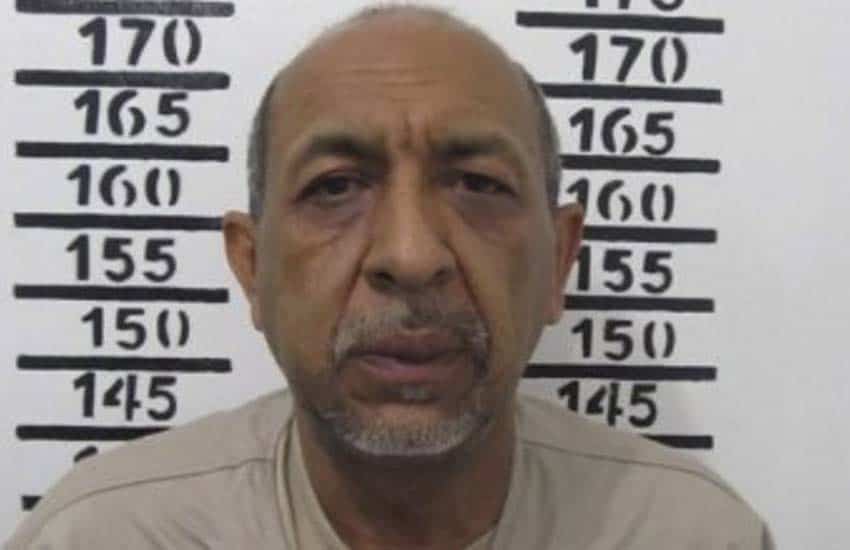
The complainants are Servando Gómez Martínez, the former leader of the Knights Templar cartel in Michoacán; Mario Cárdenas Guillén, who led the Gulf Cartel in Tamaulipas; and Fernando Sánchez Arellano, the former leader of the Tijuana Cartel in Baja California.

The Attorney General’s Office requested that the judge who accepted the lawsuit dismiss the case but the request was turned down.

Servando Gómez Martínez, former leader of the Knights Templar Cartel in Michoacán
Servando Gómez Martínez, former leader of the Knights Templar Cartel in Michoacán.

The three complainants have been provided by a public defense lawyer to argue their case.

The complaint was also signed by a string of other convicted cartel personnel, including former members of the Sinaloa Cartel and the former head of Los Zetas, which previously waged a civil war against the Gulf Cartel.

Cárdenas, recognized by the aliases “M-1” and “El Gordo,” served a first stint in prison from 1995 to 2007 and was released upon finishing his sentence.

He was arrested a second time in 2012 and given 20 years.

Gómez, also known as “La Tuta,” was arrested in 2015 and charged for organized crime, kidnapping, and drug trafficking offenses. In 2019, he was sentenced to 55 years in jail for the kidnapping of a businessman in 2011.

He faked a heart attack to enable Joaquín “El Chapo” Guzmán’s second prison escape in 2015.

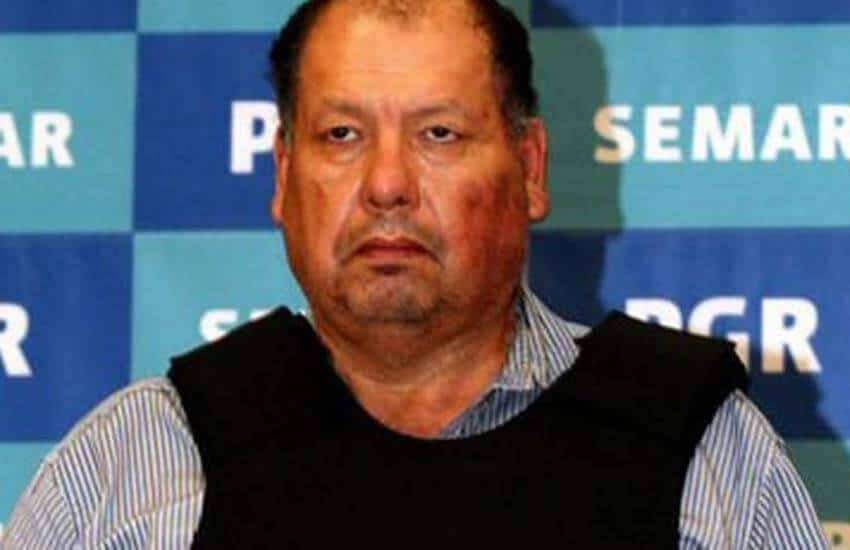
Mario Cárdenas Guillén, ex-leader of the Gulf Cartel.
Mario Cárdenas Guillén, ex-leader of the Gulf Cartel in Tamaulipas.

Sánchez, also known as “The Engineer,” was arrested in 2014. News website Infobae reported last year that the only standing charge against him was for money laundering.

With reports from Milenio

Remains identified of 5 Yaqui men who disappeared in July in Sonora

0
Investigators search for human remains
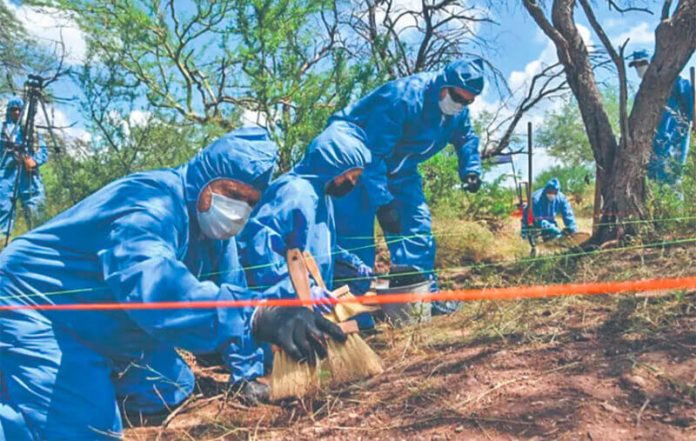
Investigators search for human remains on Chichiquelite Hill.

DNA tests on six sets of skeletal remains found in Sonora were identified Monday as five of seven Yaqui men who disappeared in July.

The men, aged between 27 and 65, disappeared while transporting cattle in Loma de Bácum, about 30 kilometers from Ciudad Obregón. Three other men from Loma de Bácum were kidnapped alongside the Yaqui men, but are not among those identified, according to news website 24 Horas. Five other men were also kidnapped, but were later released.

The skeletal remains were discovered on nearby Chichiquelite Hill on September 19.

The state Attorney General’s Office said more bone fragments and possessions had been found in the surrounding area, suggesting some of the still missing men may also have died there. It did not suggest a motive for their deaths, but has previously implied the involvement of drug cartels or affiliated gangs.

State Attorney General Claudia Contreras said that investigators searching for the disappeared men came under automatic rifle fire near the skeletons. The investigators returned fire, killing two of the assailants, before discovering the barely buried remains.

There has been a big increase in violence in the last year in southern Sonora.

Yaqui leader and water rights activist Tomás Rojo Valencia was murdered in May. Earlier that month, Abel Murrieta Gutiérrez, a former Sonora attorney general who was running for mayor of Cajeme, was murdered in broad daylight. In June, Yaqui environmental activist Luis Urbano was shot dead in downtown Ciudad Obregón.

Alberto Vizcarra, a leader of the Sonora Citizen’s Movement for Water, said the fight over water may ultimately be behind the killings. “What they did to Tomás [Rojo Valencia] was a political crime,” he said.

At the time of Rojo’s murder, the Attorney General’s Office pointed to tensions and money raised at highway blockades as possible motives. Prosecutors said the Yaqui leader had been trying to install a toll booth on a main highway that runs through their territory.

President López Obrador has consistently made his sympathies for the Yaqui community clear. He led a ceremony in southern Sonora on Tuesday to ask forgiveness for a government campaign to exterminate or exile their ancestors around the turn of the 20th century. He has committed to improving rights over ancestral resources like water — for which there is fierce competition in the state — and providing land concessions and federal investment.

“We came to endorse our commitment to do justice for the Yaqui peoples, first we want to ask them for forgiveness for state crimes against their ancestors during the dictatorship of Porfirio Díaz and we are also here to try to repair as much as possible the damage to the Yaqui peoples,” he said.

The Yaquis stubbornly fought the  government’s brutal campaign to eliminate the tribe in the late 1800s and early 1900s. They were largely defeated by 1900 and Díaz began moving them off their fertile farmland to less valuable territory or to virtual enslavement on haciendas as far away as Yucatán.

The government is investing 11.6 billion pesos in Yaqui communities, including a 158-kilometer aqueduct to deliver potable water to 40,000 people.

With reports from 24 Horas, Forbes México and AP News

‘This Christ is our Christ:’ Campeche’s black Jesus crucifix a beloved icon

0
Black Christ in Campeche
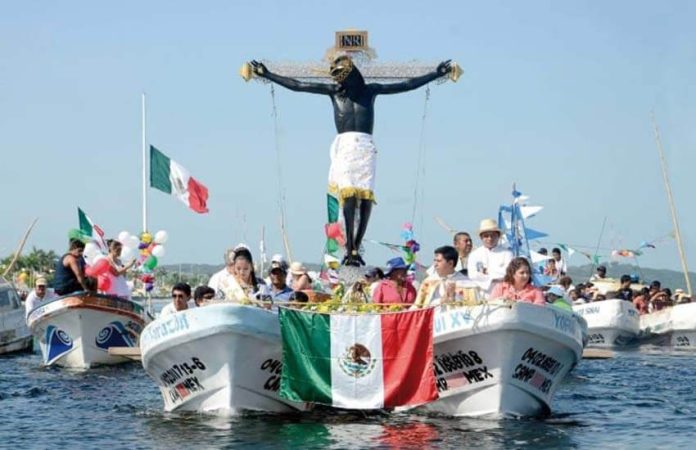
Boats shepherd the Black Christ statue to shore, a reenactment of its delivery to Campeche from Veracruz in 1565.

The year is 1565. Juan Cano de Coca Gaitán and his fellow sailors, bound for Campeche on a ship that set sail mere hours ago from Veracruz, are losing control of the vessel in a hurricane.

During the storm, a dark-skinned figure appears on deck and helps the ship navigate through the winds and waves, ensuring the survival of its crew and precious cargo: a large crucifix bearing the image of the Cristo Negro (the Black Christ).

When the ship docks in Campeche, they have been at sea just 24 hours despite the storm — a journey that usually is a two-day sail. It is deemed a miracle.

Over four centuries since this arrival on the coast of Campeche, the Iglesia del Cristo Negro (Church of the Black Christ), also known as the Church of San Román, continues to venerate and celebrate this lauded icon. The church in which the crucifix has been housed since its arrival was built in 1563, though it was later enlarged to accommodate the growing congregation and to house the sizable saint. It sits a little way from Campeche’s historic center, in a neighborhood of the same name. Its imposing façade is otherwise unassuming; it lacks the vibrancy of the exteriors of the churches of Guadalupe and San Francisco elsewhere in the city or the imposing stature of the cathedral on Campeche’s main square.

Nonetheless, multitudes from across Mexico and beyond flock to Barrio de San Román every year to pay homage to the 1.8-meter-high ebony icon.

Black Christ procession in Campeche
During a two-week religious celebration in September, the crucifix statue is taken out of the Church of San Román and is paraded through the city.

“The Black Christ is an icon of Campeche, no matter your religion — he is the patron saint of the fishermen and of the state, so his celebration is a tradition here,” says local resident Laura Haw Pacheco. “It’s the only festival for a patron saint celebrated in such a large way in Campeche.”

Every year on August 9, the Descent of the Cristo Negro heralds the beginning of the traditional Fiestas de San Román. A month later, the Black Christ is paraded through the streets and into the waters of the Bay of Campeche on boats to recreate its first arrival to the city.

The festival culminates in a two-week-long celebration between September 14 and September 28. Though restrictions due to COVID-19 have subdued the celebrations this year, the usual festival is a time for the community of San Román to come together through processions, agricultural exhibitions and artisanal fairs. Arguably, these celebrations supplant even Independence Day in importance to residents.

According to popular memory, in the years since the Black Christ arrived in Campeche, a number of other miraculous events have been associated with the Church of San Román, adding to the sculpture’s mystique.

As one tale tells it, a band of looting pirates attempting to steal the venerated crucifix were zapped by an electrical charge emanating from the cross and sent hurrying from the building in fear.

Of course, it is near-miraculous in itself that the statue has withstood the relentless march of time to survive, in near perfect condition, for almost half a millennium.

Cristo Negro in the Church of San Roman in Campeche
The Cristo Negro in the Church of San Román, where it has been a fixture for 456 years.

As such, says Neto Cauich, another local who has lived his full 67 years no more than half a block from the Christ, “The Cristo Negro is an integral part of the cultural history of Campeche.”

“Obviously, he is a religious icon,” Cauich continues, “which is immensely important in a city that has such strong affiliation with its Catholic past. But the Festival of San Román also feeds into the history of the campechano people as an emblematic example of the community that has always existed here and continues to exist today.”

The Cristo Negro of San Román is far from the only Black Christ in Latin America; veneration of such statues is widespread. Such figures emulate the development of other dark-skinned idols in Latin America, such as the Black Madonna, whose ritual devotions blend Catholicism, Mesoamerican tradition and popular lore.

Moreover, there is a global folk history of dark-skinned figures coming to hold a variety of connotations, although where these are racial appropriations — such as the Dutch Zwarte Piet, also known as the Black Santa — they have become polemical figures.

What marks out the Black Christ of San Román, however, is that although the symbology was imposed by the Spanish, the local population has taken the symbol as its own.

“We may not be Black as such,” says Haw Pacheco, “but historically, the perception of our skin was that we were darker, poorer, less civilized. Of course, this is far from the truth, but we take this symbol as a badge of honor. This is our land, our history. Our skin is a mix of all our races and all our histories. That is the truth.

Church of San Román, Campeche
Campeche’s Church of San Román is not as impressive as other churches in the city, but its celebrations of the Black Christ annually attract people from across Mexico.

“And this Christ? Well, this Christ is our Christ.”

Shannon Collins is an environment correspondent at Ninth Wave Global, an environmental organization and think tank. She writes from Campeche.