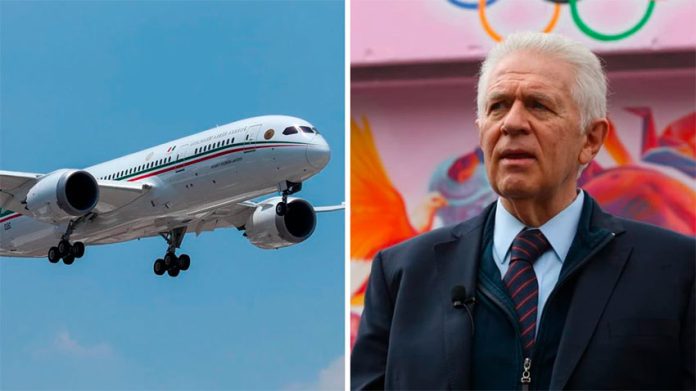
Olympic committee president Carlos Padilla said the presidential plane would be ill-suited to transporting athletes.
The Mexican Olympic Committee (COM) has turned down the government’s offer for transport to Tokyo next month on the presidential plane.
Finance Minister Arturo Herrera had indicated that the Boeing 787 Dreamliner would take athletes to the Olympic Games, and had been flown to the U.S. for maintenance work in preparation.
However, COM president Carlos Padilla said that the number of flights and athletes in question made the plane logistically ill-suited to the task.
The transport operation will involve more than 120 flights, meaning a single aircraft would be insufficient and more costly. Athletes will also be required to return the day after completing their participation in the competition.
Some competitors will head to the games from outside of Mexico, such as those traveling straight from tennis, golf or softball tournaments, and the timing of arrival will be defined in the days prior to the event, since each athlete has to undergo health screenings in order to diminish the risk of Covid contagion.
Given the logistical complexity, COM has a contract with the Japanese airline All Nippon Airways (ANA), which will be in charge of transporting the 73 male and 46 female competitors.
Padilla nevertheless thanked the government for the offer, and said that they would use the presidential plane if it were urgently required.
The plane was bought by former president Felipe Calderón for US $218 million and used by his successor, and has been on the market for three years.
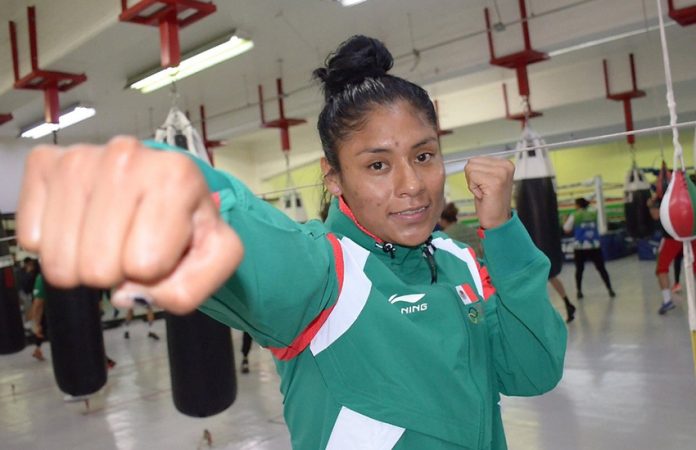
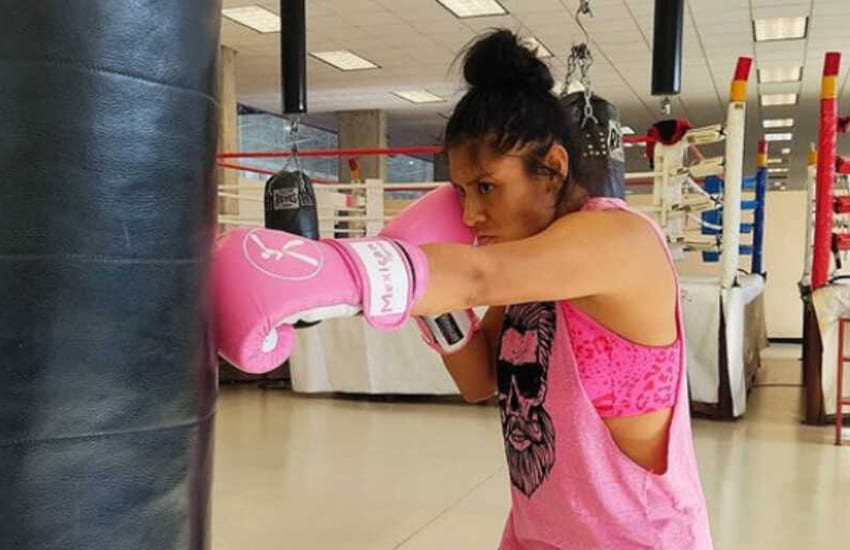
Esmeralda Falcón will be Mexico's first ever Olympic boxer.
For the first time ever, Mexico will have a female boxer among the members of its Olympic team at the 2020 Tokyo Games to be held this July and August.
Esmeralda Falcón of Mexico City will represent her nation in the women’s lightweight (57–60 kilograms) division of the boxing competition at the Summer Olympic Games, which will start in the Japanese capital on July 23, a year later than originally planned due to the coronavirus pandemic.
The 25-year-old’s journey from schoolgirl to elite athlete can be traced back to the living room of her childhood home in Santiago Tulyehualco, a town in the southern Mexico City borough of Xohchimilco. It was there that her father put on Bruce Lee movies for the viewing pleasure of his children, unwittingly placing his daughter on a path to sporting glory.
“… Since I was a girl, I wanted to be like Bruce Lee, jump like Bruce Lee, defend and attack like Bruce Lee,” Falcón told the newspaper Milenio.
To emulate Lee, Falcón wanted to learn Chinese martial arts, or kung fu, but in her search for a gymnasium, she first found one where boxing was the sport of choice. And she decided to stay.
Falcón came to the sport first seeking martial arts training. She stayed because she noticed few women in boxing.
“It really stood out to me that there were almost no women. All the [training] material was for men,” Falcón recalled, adding that she saw the male-dominated environment as “a kind of challenge” to overcome.
Another challenge was convincing the other female members of her family that she wasn’t being reckless in getting into the ring.
“In the beginning, my mother and my sister didn’t agree [with my decision to box] because they said that it was a dangerous sport … and I could get hurt,” she said.
The male members of her family were initially more supportive, she said.
“My dad and my brothers told me to think carefully about the decision but that if it was what I wanted, they would support me,” she said.
At the age of 18, Falcón decided to take her passion for boxing to another level and dedicate even more time to training with the aim of succeeding in competitive boxing.
“A lot of people said to me that I was already [too] old [to become a competitive boxer] but I told them that I could do it,” she said.
And indeed she could. In the same year that she turned 18, Falcón became the national champion in her weight division and would later go on to win a gold medal at the 2018 Central American and Caribbean Games and a bronze medal at the 2019 Pan American Games.
Also in 2019, the boxer achieved another dream by joining the navy and beginning a physical education teaching degree at the Naval University in Mexico City. “Since before I was a sportswoman, my intention was to study in the navy,” she told Milenio.
While continuing to study for her degree, Falcón is training hard for her Olympics debut, which is now less than two months away. She qualified for the games after triumphing in one of the most difficult bouts of her career. Her opponent? Covid-19.
Falcón, an asthmatic, got sick last year after contracting the virus, an episode that forced her to stop training and caused her to lose the physical conditioning she had worked so hard to build up. But determined to win a spot on the Olympic team, she got back in the ring after recovering and gradually rebuilt her strength and fitness.
Now Falcón has her sights set firmly on not just competing in Tokyo but in future Olympic Games.
“I want to compete in the next Olympic Games [after Tokyo]. I want to be an Olympic medalist in the medium term; I don’t want to settle for just participating,” she said. “And I want to finish my degree in order to move up in the navy and exercise my services as a teacher.”
As for Falcón’s mother, she has well and truly overcome her initial doubts about her daughter’s dream.
“She told me that she’s very proud [of me],” the boxer said. “She told me to keep working hard, to not drop off [in my training]. She told me that [making the Olympics] is a great achievement but also a great responsibility and that I had to be mature, responsible and keep my feet on the ground.”
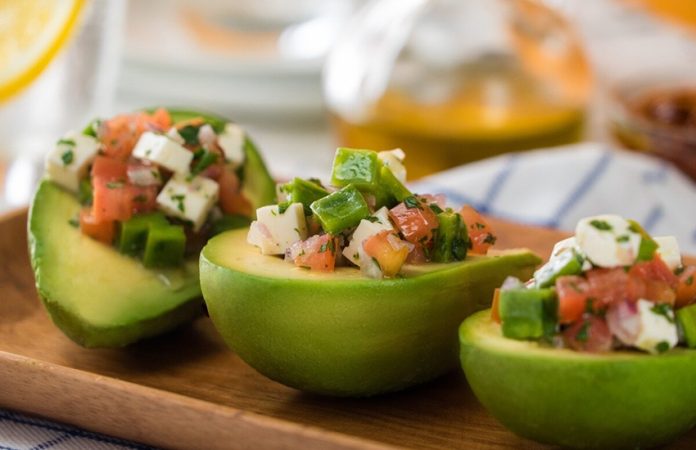
Lime juice and nopal's natural hint of tartness mix well with creamy panela cheese in these stuffed avocados.
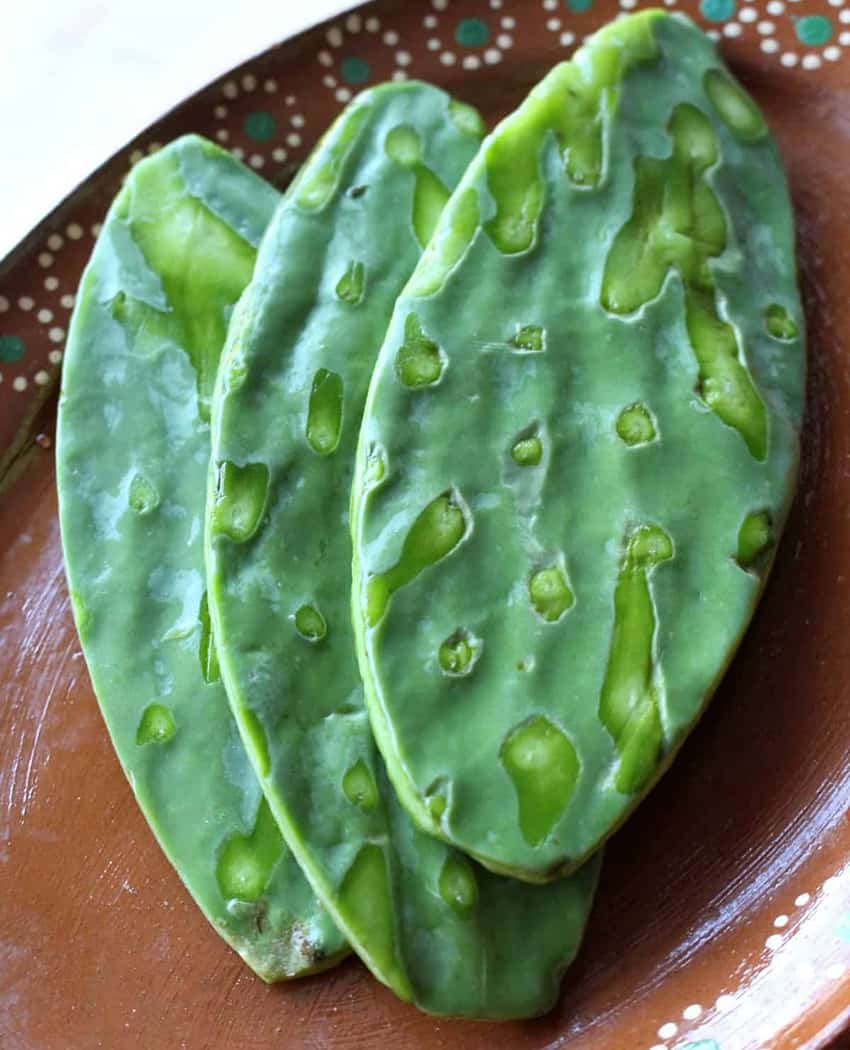
Nopal, or nopales — the “paddles” of the prickly pear cactus — are one of Mexico’s most iconic, and to many of us, unusual foods to find in the mercado. (The bright red-to-purplish fruits, called tuna, are also edible, but that’s another story.)
They’re also one of those ancient foods that have been “discovered” to be full of health benefits: nopales are rich in antioxidants, magnesium and Vitamin C; are beneficial for gut health and have immense antiviral properties.
Research has also shown that eating nopal can help regulate blood sugar levels and reduce cholesterol.
Some say eating nopal before a night of drinking can help alleviate the effects of a hangover; you’ll have to be the judge of that!
The word nopal comes from the Náhuatl nohpalli, and there are more than 100 known species of this cactus in Mexico alone.
Don’t fear the needles: most markets will make cactus safe and ready to cook.
While you can find them bottled or canned, there’s no reason not to buy them fresh — every mercado and grocery store will have someone cleaning the paddles of thorns, slicing or cubing them, and selling them in bags.
Usually, there are also cooked fresh pieces available too, making it effortless to add them to whatever you’re cooking. They have a not-unpleasant, slightly sour-tart flavor similar to string beans, and, like most veggies, are at their most tender in the spring.
Before nopales can be used in any recipe, they must be cooked to get rid of some of their mucilaginous liquid. There are many ways to do this.
The simplest is to cook the fresh paddles, thorns removed, in a pot filled with water to cover. Add 1 tablespoon of salt, bring to a rolling boil and cook for 10 minutes. Drain and rinse under cold water, rubbing with your hands until all sliminess is gone.
Some say add a few tomatillo husks to the water or a tablespoon of baking soda.
Once you start playing around with nopales, you’ll find lots of ways to use them: chopped and mixed with cheese stuffed inside chicken breasts or rolled skirt steak; diced in omelets, salsa and salads; inside tacos, huaraches and quesadillas or grilled as a simple side dish with meat or poultry.
Nopales with Eggs
Here’s a basic recipe — add other ingredients as you like.
⅔ cup nopales, chopped and cooked
2 eggs, whisked
1 Tbsp. olive or vegetable oil
2 Tbsp. chopped onion
Salt
In a frying pan over medium heat, sauté onion in oil for 1 minute. Add nopales, cook 2 minutes more. Add eggs and cook until tender, stirring gently. Add salt to taste.
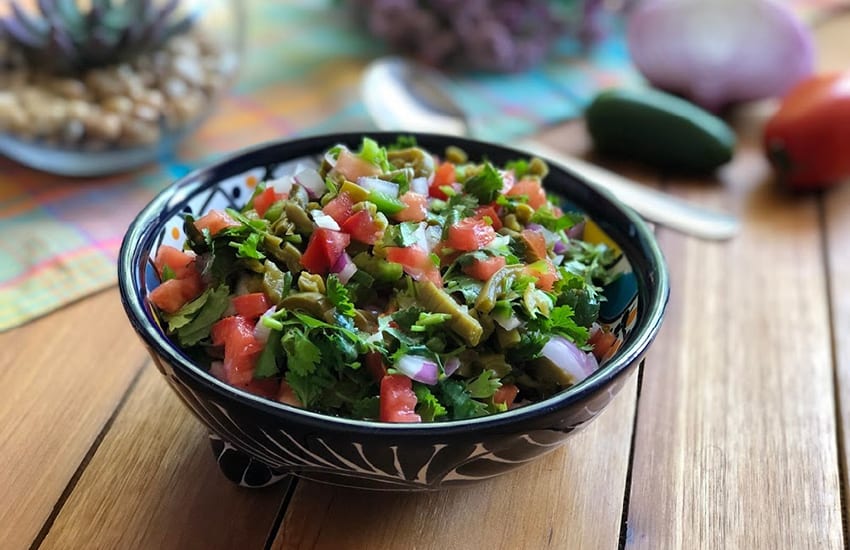
Salsa de Nopal
1 lb. nopal, cleaned, cooked and diced
3 Roma tomatoes
1 purple onion
1-2 jalapeños
1 cup cilantro
1-3 limes
1 Tbsp. cumin
1 tsp. sea salt
Chop all ingredients. Mix with nopal. Season with salt, lime juice and cumin.
Nopales Asados (Grilled Nopal)
Once cooked, wrap in plastic wrap and refrigerate for up to three days.
4 nopal paddles, thorns removed
2 Tbsp. olive oil
½ tsp. salt
Heat grill to 400 F. Rinse and pat dry cactus; brush both sides with oil, sprinkle with salt. Cook on hot grill for 5 minutes each side until cooked through but still tender-firm.
Place all ingredients in blender; process until smooth.
Nopales, Potato and Chorizo
Enjoy this on its own, in tacos, or as a side dish.
2 cups cooked nopales
6 oz. beef or pork chorizo, uncooked
1 medium potato, peeled and cubed
1½ Tbsp. vegetable oil
½ cup finely diced onion
1½ cups diced fresh tomatoes
1 serrano pepper
⅛ tsp. ground cumin
Salt and pepper to taste
Cook tomato, serrano and 1 cup of water in a saucepan on medium heat until tender, about 15 minutes. Strain out veggies and process in blender with about ¼ cup of cooking water until you have a smooth sauce. Set aside.
Heat oil in a large skillet over medium-high heat. Add potato and cook, stirring, until browned. Add onion, cook 3 minutes more. Add chorizo (casings removed) and cook, stirring, about 8–10 minutes more. When chorizo is cooked, add nopales, then add sauce. Simmer a few minutes to blend flavors, adding more water if needed. Season with salt and pepper.
Regular old salsa is easily livened up by adding a bit of nopal.
Stuffed Avocados
4 nopal paddles, cleaned and cut in cubes
¼ cup salt
½ red onion, finely chopped
2 tomatoes, cubed
1/3 cup panela cheese, cubed
1-3 tsp. fresh lime or lemon juice
1 tsp. oregano
1 tsp. olive oil
Salt and pepper
2 avocados
1 Tbsp. minced fresh coriander
In a bowl, mix nopales with salt; rub vigorously with your hands. When the cubes change color, rinse well and drain.
Mix nopales with onion, tomato, panela, citrus juice, oregano, cilantro and olive oil. Add salt and pepper to taste.
Slice avocados in half, remove pit and peel. Fill with salad, sprinkle with more lime juice and serve.
Nopales Salad
6 nopales paddles, cooked and chopped
1½ cup chopped tomato
1-2 serrano peppers, minced
½ cup chopped onion
¼ cup radish rounds
2 Tbsp. lime juice
½ cup fresh cilantro, chopped
Salt and pepper
1 tsp. oregano
⅓ cup olive oil
1 avocado, sliced or cubed
½ cup crumbled queso fresco
Corn tortillas or tostadas to serve
In a large bowl, gently mix nopales, tomato, onion, radishes, serrano peppers and cilantro. In a separate bowl, mix lemon juice, olive oil, oregano, salt and pepper. Add dressing to nopales mixture; stir.
Mexico’s presidential plane, which has gone unused since President López Obrador took office in 2018, will be used to transport Mexican athletes to the Olympic Games in Tokyo, Japan, this summer.
The Boeing 787 Dreamliner has been on the market for three years and a buyer has yet to be found.
It was flown to Victorville, California, this morning to undergo maintenance.
Finance Minister Arturo Herrera said he expects the plane to return at the end of June in time to take athletes to the Games, which begin on July 23.
He also confirmed that the plane is still up for sale, and that the United Nations continues to assist in its sale.
In Victorville, the aircraft has returned to a second home: the plane was previously stored at the airfield for about 19 months awaiting a buyer.
It was brought back to Mexico in July 2020 for a raffle, for which it had been named as a prize but in the end cash sums of the plane’s equivalent value were awarded to winners.
The plane was bought by former president Felipe Calderón for US $218 million and was used by the leader of the last administration, Enrique Peña Nieto.
The 2020 Olympic Games, delayed for one year by the Covid-19 pandemic, are set to go ahead despite protests in Japan amid a recent wave in infections and low vaccination rates.
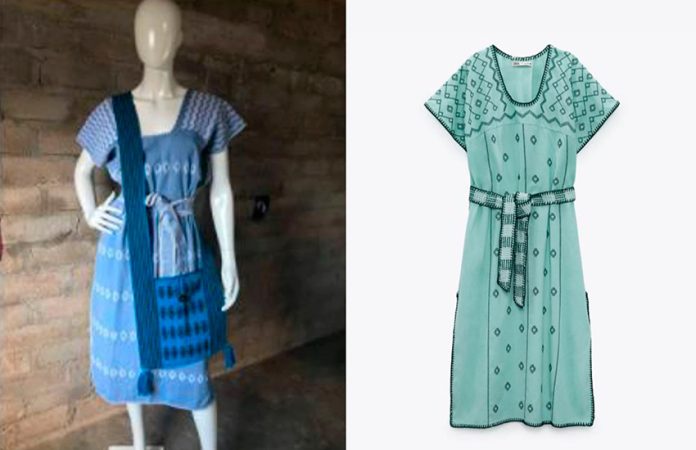
The Mixtec-made garment is on the left. The item sold by the clothing company Zara is on the right. Government of Mexico
The federal government has accused three international fashion brands of cultural appropriation of indigenous Mexican designs.
The Culture Ministry said in a statement it had sent letters to Zara, Anthropologie and Patowl in which it laid out its opposition to “improper cultural appropriation” and called on each company to provide a public explanation detailing “on what basis it could privatize collective property, making use of cultural elements whose origin is identified in several communities of Oaxaca.”
The ministry also called on the global brands to detail “the benefits that will be returned to the creative communities.”
It said that Zara, a Spanish brand, used a distinctive Mixtec pattern in one of its dresses. The pattern in question comes from San Juan Colorado, a municipality in the southwest of Oaxaca.
Inditex, the world’s biggest clothing retailer and the owner of Zara, rejected the cultural appropriation accusation in a statement sent to the news agency Reuters.
“The design in question was in no way intentionally borrowed from or influenced by the artistry of the Mixtec people of Mexico,” it said.
The Culture Ministry also accused Anthropologie, a United States brand, of using “elements distinctive and characteristic of the culture and identity of the Mixe people of Santa María Tlahuitoltepec, Oaxaca.”
The ministry said the offending garment was the brand’s Marka embroidered shorts.
In the case of Patowl, another U.S. brand, several printed shirts were identified as “faithful copies of traditional clothing of the indigenous Zapotec people of the community of San Antonino Castillo Velasco, Oaxaca, where pieces are made by hand with the technique called ‘hazme si puedes’ [make me if you can],” the ministry said. “This name reflects the complexity of the manufacturing process, which consists of several steps.”
Reuters said that neither URBN, the owner of Anthropologie, nor Patowl responded to its requests for comment.
The Culture Ministry said its letters, signed by Culture Minister Alejandra Frausto, are part of its actions in “defense of the cultural heritage of indigenous communities to avoid the plagiarism of their elements of identity by national and transnational companies.”
The federal government and other authorities have previously accused several other international brands of plagiarizing indigenous Mexican designs.
Some like Herrerra and Marant have said that their designs were done in tribute out of admiration for Mexican culture (although Marant eventually apologized for appropriating Purépecha work). Holt insisted she had done nothing wrong, that she pays individual Oaxaca artisans above market price for the rights to their designs. One company, Louis Vuitton, has changed tactics by connecting their customers with Oaxacan artisans, who receive payment directly from those customers for the work they do on Vuitton products.
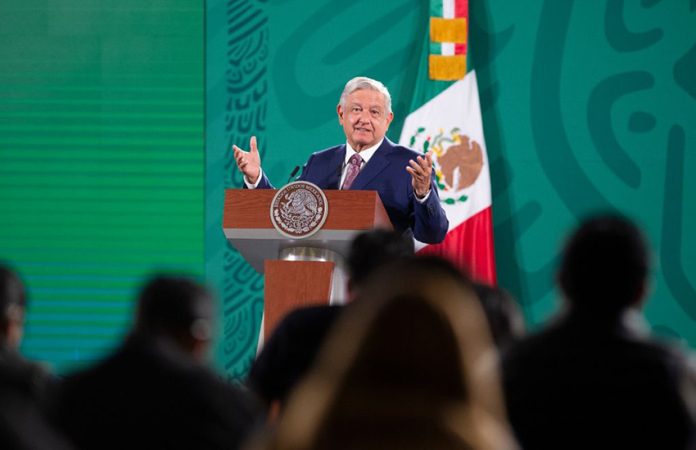
'It's very regrettable that the United States government hasn't taken our request seriously,' President López Obrador said Monday.
President López Obrador said Monday that the federal government has not received a response to its request that the United States stop funding what he says are political groups opposed to his administration.
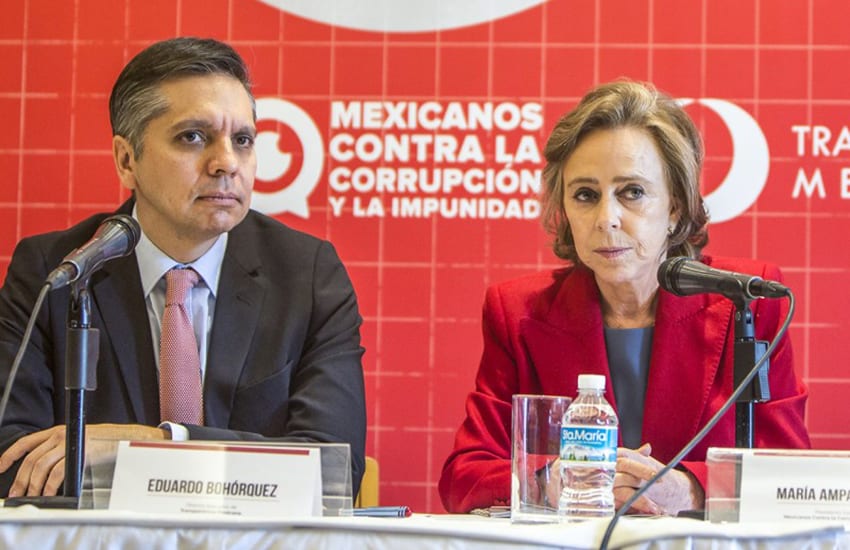
The government sent a diplomatic note to the U.S. earlier this month, asking it to explain why it has provided funding to Mexicans Against Corruption and Impunity (MCCI), a civil society organization that has been critical of López Obrador and his administration.
Speaking at his news conference on Monday, López Obrador said, “They’re not parties, but they are lobby groups or organizations that participate in politics, as is currently being done. … It’s improper that the United States government gives money to these organizations, even more so in electoral times. … It’s interference in the public life of our country,” he said.
“It’s very regrettable that the United States government hasn’t taken our request seriously. For that reason, we’re going to keep on respectfully insisting that it no longer finance political groups in Mexico, and the best thing would be that it didn’t intervene to finance any political group in any country in the world.”
María Amparo, right, is the head of Mexicans Against Corruption and Impunity. On her left is the head of another similar NGO, Transparency Mexico.
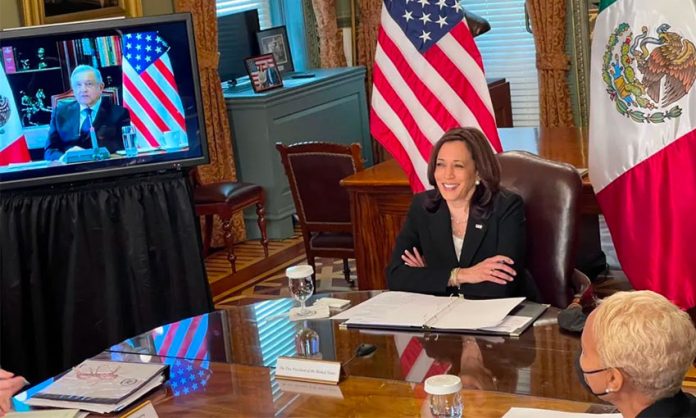
Despite that remark, López Obrador said he wouldn’t raise the issue with U.S. Vice President Kamala Harris, who is scheduled to visit Mexico next week to discuss ways to stem migration from Central America.
“There’s another agenda [for the meeting with Harris]. This [funding issue] has to do with the Department of State, with the embassy, because it’s the United States Embassy that distributes the money,” López Obrador said. “… This mustn’t be done. … It’s not related to the good foreign policy, the cooperation between the people [of Mexico and the United States], the friendly [bilateral] relations …”
The president also said that if organizations such as MCCI and Article 19 had any scruples, they would reject funding from a foreign government. “They claim that they’re not playing politics when it’s public knowledge that they are. It’s not necessary to present evidence; they are completely devoted to campaigning against us,” he said.
The Organization for Economic Co-operation and Development (OECD) and the Ministry of Finance have both upped Mexico’s growth forecasts for 2021, albeit by differing rates.
But both are cause for optimism: the OECD has raised predicted growth by 0.5% to 5% and the ministry expects growth of 6.5%, up from an April prognosis of 5.3%.
The OECD also expects Mexico’s GDP to grow by 3.2% in 2021, a rise of 0.2%.
The revised growth rates are largely the result of a lever effect from the United States, which is predicted to import more industrial goods, aided by a US $1.9-trillion rescue package. Mexican exports have already returned to pre-pandemic levels.
Deputy Minister of Finance and Public Credit, Gabriel Yorio, cited confidence in the vaccination program as a reason for the brighter forecast.
He added that the pandemic had revealed the vulnerabilities of an economy with a wide social gap, a large informal sector and barriers to digital assimilation.
The OECD addressed some of those social issues facing the economy in its recommendations. “Accelerating the vaccination campaign is crucial to reinvigorate the recovery. Greater income and training support would help the hardest-hit workers, both in the informal and formal sectors. Expanding access to childcare would facilitate female labor force participation … ” it said.
The report also stated the importance of boosting private investment by reducing regulatory barriers.
The OECD expects global GDP to grow 5.8% this year, up 0.2%, and to grow by 4.4% in 2022, up 0.4% on earlier forecasts. The United States’ US $1.9 trillion stimulus package could boost the GDP of Canada and Mexico by as much as 1%, and world GDP by the same rate.
The US vice president will travel to Mexico and Guatemala next week to seek solutions to the migrants problem.
Over five years ago I editorialized against a proposal called the Alliance for Prosperity, made by what are now known as the northern tier Central American countries of Guatemala, Honduras and El Salvador.
The plan was to use around US $5 billion (now $4 billion) to create conditions which would be so attractive at home that the budding refugee problem would go away. My then demurral was based principally on the corruption of the northern tier countries.
The refugee problem was warm enough at the time that then president Obama gofered it to his VP Joe Biden. Biden has now lateraled the hot potato to his VP Harris, who is traveling to Mexico and Guatemala next week to seek resolution.
A quote from Shakespeare sums up the optimism of the coming meetings: “There is a tide in the affairs of men, which taken at the flood, leads on to fortune.”
She will fail.
There are now three reasons for the impending failure:
Corruption continues in the three northern tier countries;
Mexico, a key although unnamed element in the alliance, is not ready;
The U.S. is involved in four tendentious bilateral disputes, one each for the northern tier countries and a fourth for Mexico.
The climate for agreement is not good.
These are recent rankings for perceived corruption among 180 countries: Guatemala 149, Honduras 157, El Salvador 104 and Mexico 124.
All are failing scores.
There is gallows humor in the details. Here are two examples: a would-be accountant and former president of El Salvador confessed to misappropriating $299 million and there was a recent seizure in Guatemala of over $15 million in cash in the vacant house of a now-on-the-lam former minister. Took two whole days to count the cash.
Eight former presidents from the three northern tier countries are charged or have been convicted of peculation, and one former chief executive from Guatemala has been in confinement for five years. Corruption continues.
Mexico, technically not northern tier, is still corrupt and a party to the refugee muddle. Just last week I used two smugglers’ crossings in one border excursion.
The U.S. is now involved in public disputes with Mexico over funding of anti-government NGOs, El Salvador over the president’s dismissal of elections supervisory judges, Guatemala over the year-long failure to name constitutional judges, and Honduras for sentencing the president’s brother for drug trafficking.
VP Harris is going to need four umbrellas to salvage an alliance for prosperity in this weather environment.
Carlisle Johnson writes from his home in Guatemala.
Agent Zavala, a Guanajuato state police officer found dead on a highway on Thursday, had been kidnapped from his home on his day off.
The Jalisco New Generation Cartel (CJNG) is targeting and killing police officers at their homes in Guanajuato, Mexico’s most violent state and the most dangerous for police.
According to a report by the Associated Press (AP), the cartel abducted several members of an elite police force in Guanajuato and tortured them to obtain names and addresses of other officers.
Now CJNG members are showing up at officers’ homes on their days off and murdering them in front of their families, the news agency said.
According to Poplab, a news cooperative in Guanajuato, at least seven officers have been murdered on their days off in 2021.
AP said the offensive against the state police officers — members of a force known as the Tactical Group — poses “the most direct challenge yet” to President López Obrador’s so-called “hugs, not bullets” policy, which is characterized by the desire to avoid conflict with cartels and instead focus on addressing the root causes of crime through government welfare and social programs.
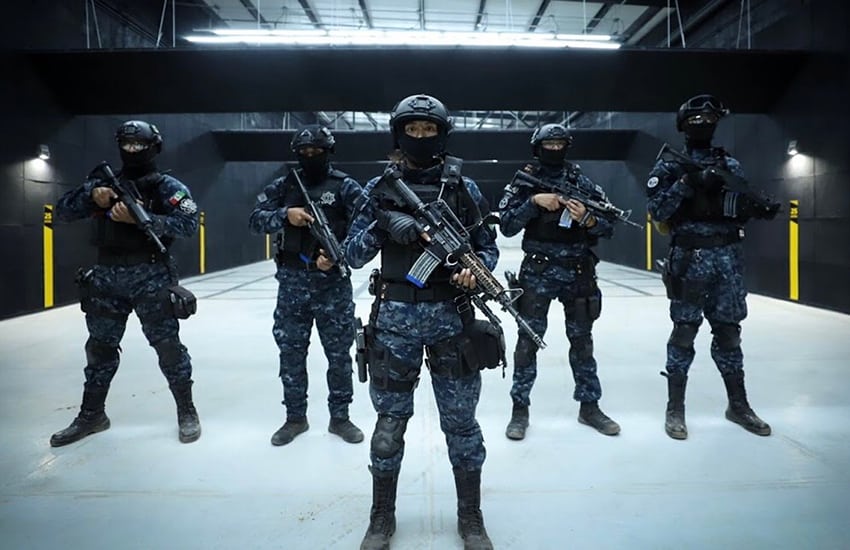
Publicity photo for Guanajuato’s division of the state police known as the Tactical Group.
However, the CJNG — generally considered Mexico’s most powerful and violent criminal organization — doesn’t share the desire to avoid conflict, having declared war on the Tactical Group, which it says has treated its members unfairly.
“If you want war, you’ll get a war. We have already shown that we know where you are. We are coming for all of you,” read a professionally printed CJNG banner that was hung on a building in Guanajuato this month.
“For each member of [the CJNG] that you arrest, we are going to kill two of your Tacticals, wherever they are, at their homes, in their patrol vehicles,” the banner said.
AP said that officials in Guanajuato — where the CJNG is engaged in a turf war with the Santa Rosa de Lima Cartel and other local gangs supported by the Sinaloa Cartel — refused to comment on how many members of the Tactical Group have been killed.
State police did, however, publicly acknowledge the latest case in which an officer was kidnapped from his home last Thursday and killed. His body was dumped on a highway.
Without offering an exact figure, Guanajuato-based security analyst David Saucedo said there have been many cases of cartel violence against police.
“A lot of them [the elite police officers] have decided to desert. They took their families, abandoned their homes and they are fleeing and in hiding,” he told AP. “The CJNG is hunting the elite police force of Guanajuato. … This is an open war against the security forces of the state government.”
Cartel gunmen went to the home of a policewoman in January, where they kidnapped her and killed her husband. The female officer was subsequently tortured and shot dead.
Tactical Group officers are among the 262 police who have been killed in Guanajuato between 2018 and May 12. According to Poplab, more police have been killed in Guanajuato than in any other state since at least 2018.
The average since that year of about 75 killings of police per year in Guanajuato is higher than the annual average of officers killed in the entire United States, which has a population 50 times that of the Bajío region state.
Violence against police in Guanajuato, Mexico’s worst state for homicides in recent years, has become so bad that the state government published a special decree on May 17 in which it pledged to provide an unspecified amount of funding for mechanisms to protect police and prison officials.
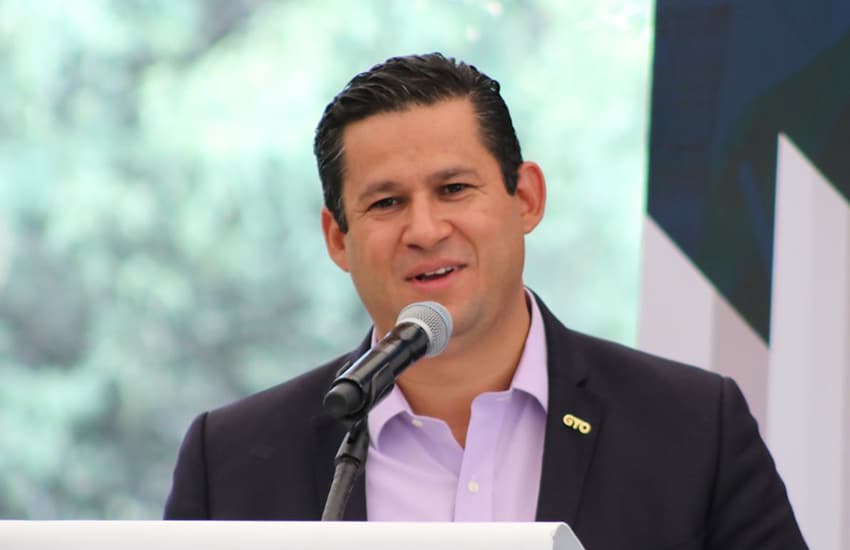
“Unfortunately, organized crime groups have shown up at the homes of police officers, which poses a threat and a greater risk of loss of life, not just for them, but for members of their families,” said the decree issued by Governor Diego Sinhue.
Guanajuato Governor Diego Sinhue recently confirmed that the Jalisco New Generation Cartel has begun targeting police officers in their homes. File photo
“They have been forced to quickly leave their homes and move so that organized crime groups cannot find them.”
AP said that state officials refused to describe the protection measures offered to police. They also declined to comment on whether officers would receive financial assistance to rent new homes or whether there were plans to build secure housing compounds for police and their families.
Federal security forces are deployed in Guanajuato but have failed to stem the violence or put any significant dent in criminal activity.
The federal government argues that its “hugs, not bullets” approach to security will result in a reduction in violence, but 2 1/2 years after it took office, homicide numbers remain extremely high, declining just 0.4% in 2020 from the record set in 2019 despite the coronavirus pandemic and the deployment of almost 100,000 National Guard troops.
Despite a campaign promise to withdraw the military from the nation’s streets, López Obrador has continued to use the armed forces for public security tasks but given them a clear directive to avoid direct confrontations with cartels wherever possible.
Former United States ambassador to Mexico Christopher Landau said last month that the president sees combating cartels as a distraction from his political agenda and has adopted a laissez-faire attitude toward them.
“He sees the cartels … as a distraction from focusing on his agenda. So he has basically adopted a pretty laissez-faire attitude towards them, which is troubling to our government, obviously. I think it’s a big problem for Mexico,” he said.
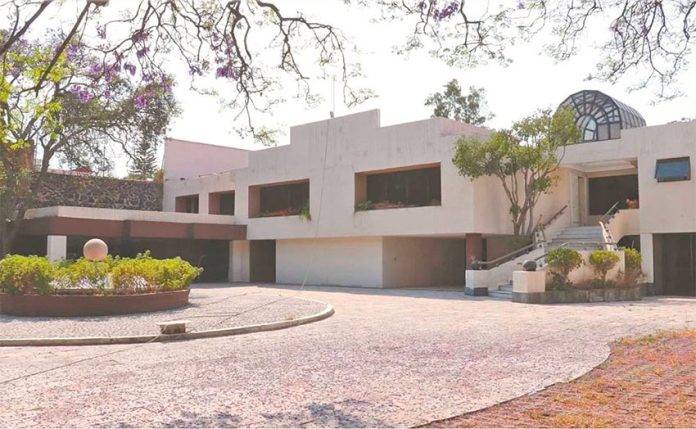
The Mexico City mansion of former cartel boss Amado Carrillo Fuentes.
A government “mega raffle” on September 15 will feature the residences of deposed drug lords and a corporate box at the Aztec Stadium in Mexico City.
The houses of Joaquín “El Chapo” Guzmán, formerly boss of the Sinaloa Cartel, and Amado Carrillo Fuentes of the Juárez Cartel had failed to sell when previously auctioned by the Institute to Return Stolen Goods to the People (Indep). The stadium box has been government property since 1984.
The raffle will give away 22 prizes with a total value of 250 million pesos (US $12.5 million).
The prize asset on offer is Fuentes’ former residence in Tlalpan, Mexico City, which is valued at more than 77 million pesos (slightly under US $4 million). The property, which was seized more than 20 years ago, comprises over 3,000 square meters in an exclusive area, with an indoor pool, nine bedrooms, jacuzzis, saunas, a wine cellar and a party salon.
The residence was auctioned in May last year and although a pallet was raised to acquire it, the purchase did not materialize.
Joaquín Guzmán’s more moderate former property in Culiacán, Sinaloa, valued at under 4 million pesos (US $200,000), has failed to sell after three times at auction. Its standout feature may be its bathtub, under which the diminutive ex-drug lord escaped from the Mexican navy through a tunnel in 2014.
The corporate box at the Aztec Stadium is valued at 20 million pesos and is valid until 2065. The box is described as being in “an excellent location” and has a 20-person capacity, a bathroom and four parking spaces. It is where in 1986 then-president Miguel de la Madrid handed the World Cup trophy to Diego Maradona, crowning Argentina as champion.
In last Thursday’s morning press conference President López Obrador clarified how the money raised from the “stolen” resources would be spent. “Selling properties, residences, even a box that the government had in the Azteca Stadium, all of that [the money raised] is going to be delivered to the people. … and help in the purchase of vaccines and medicines and given away as scholarships …” he said.
The event is similar to one held on the same date last year, in which the presidential plane was nominally up for grabs. In reality, cash prizes to the value of the plane were given away.
So far the Mexican government has spent more than two years trying to sell the plane. The United Nations has launched a tender to promote the sale amid low demand.