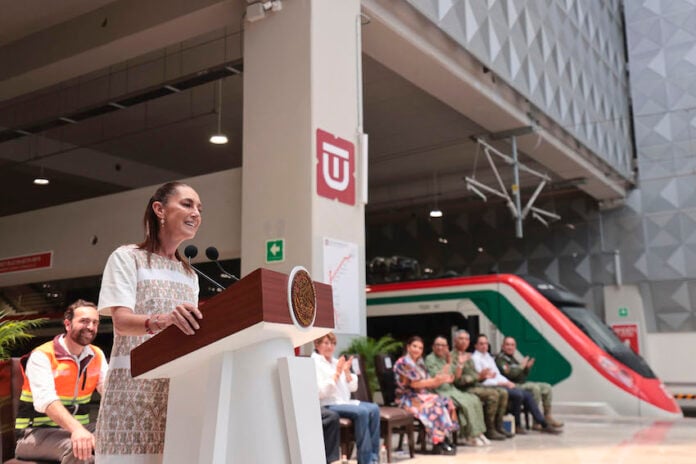
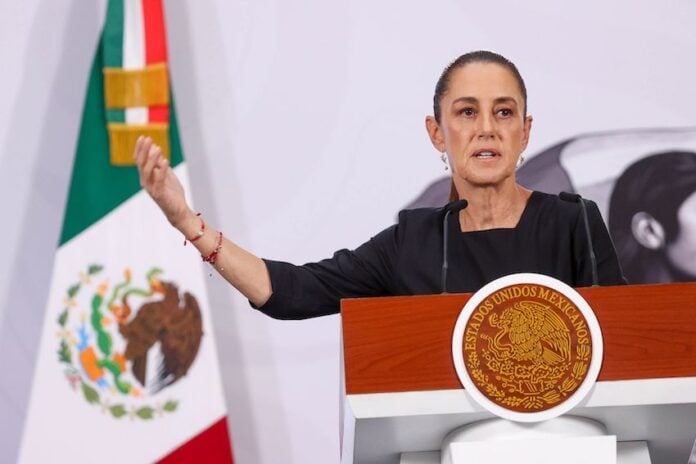
President Sheinbaum inaugurates Sunday the Buenavista-AIFA train line that will take passengers to and from Mexico City's newest airport. (Gabriel Monroy/Presidencia)
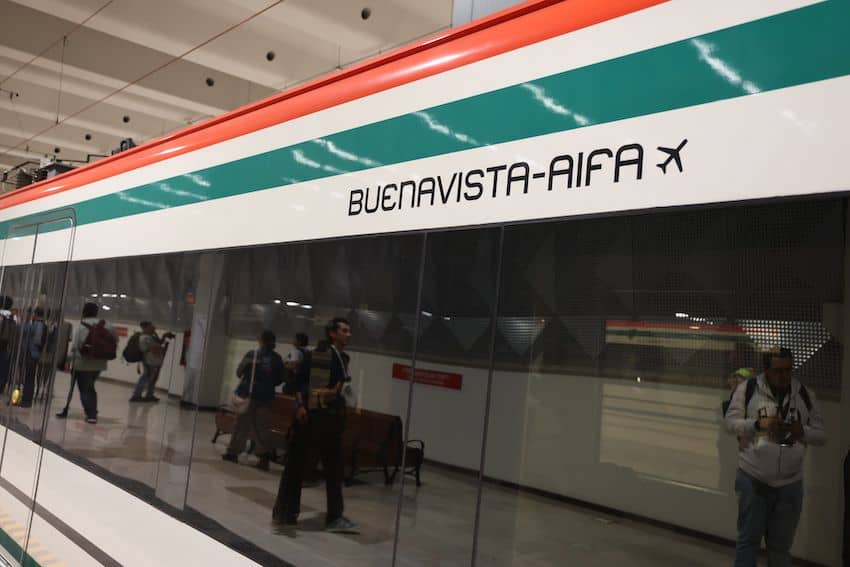
Getting to and from Mexico City’s Felipe Ángeles International Airport (AIFA) got a lot easier Sunday with the launch of a new suburban train line connecting Buenavista station, north of the city center, with the airport, which lies some 40 kilometers north of the city.
The train link opens just over four years after the inauguration of the AIFA airport, and forms part of the Morena government’s strategy to recover Mexico’s passenger rail services, which started during the López Obrador administration (2018-2024) and has accelerated with the current Sheinbaum government.
The new train line will benefit the public buildings at both ends of its journey. AIFA is expected to attract more passengers than it has in its brief existence, and the Buenavista train station will further establish itself as the hub of the Sheinbaum administration’s rapidly expanding passenger train system. (Presidencia/Cuartoscuro)
“Today we can say, as the armed forces say: ‘Mission accomplished,’” President Claudia Sheinbaum stated in her address during the inaugural ceremony held at the AIFA-Clara Krause terminal.
Sheinbaum had requested that the director of AIFA, Isidoro Pastor, name the airport terminal’s train station after Clara Krause, whom she called “an extraordinary woman.” Krause, the U.S.-born wife of the revolutionary general Felipe Ángeles, was a multilingual teacher in Mexico City but had to flee to New York when the Revolution broke out and never saw her husband again.
She died of a heart attack shortly after he was executed. Her ashes were only recently repatriated to Mexico.
The new route has six stations: Cueyamil, La Loma, Teyahualco, Prados Sur, Cajiga, Xaltocan and the AIFA-Clara Krause Terminal. It is expected to transport over 57,000 passengers a day, with a capacity of more than 80,000 people.
The trip takes around 50 minutes from Buenavista to AIFA, a time that will be reduced to 43 minutes once the service is fully operational. Passengers typically spend one-and-a-half to two hours to reach the airport by automobile or bus.
Initially, the route will operate with four of its 10 trains, running every half hour, with the aim of increasing frequency to every 12 minutes.
For the first month of operation, a fare of 45 pesos (US $2.60) has been set, which could increase as soon as next month. The planned fare is significantly lower than the fee quoted by ride-hailing taxis, of between 600 and 900 pesos ($35 and $52) each way, and buses, which charge between 200 and 300 pesos ($12 and $17).
The new route is expected to help re-establish the Buenavista railway station as the epicenter for the National Railway System.
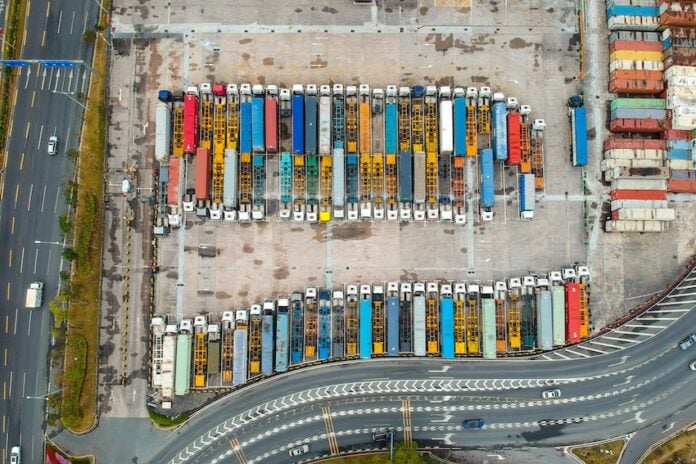
Mexico's export revenue totaled a record-high $175.586 billion in the first three months of the year, a 17.9% increase compared to the same period of 2025. (Unsplash)
Mexico’s export revenue surged 27.7% annually in March, driven by a 43.7% increase in the value of non-automotive manufacturing sector exports, according to official data.
The national statistics agency INEGI reported on Monday that Mexico’s exports were worth US $70.727 billion in March, easily the largest monthly total in 2026. Mexico’s export earnings have now increased in annual terms in each of the last 10 months. Six double-digit increases in revenue were reported in the period.
INEGI also reported that Mexico’s export revenue totaled a record-high $175.586 billion in the first three months of the year, a 17.9% increase compared to the same period of 2025. It was the largest annual increase in export revenue for any first quarter since 2011.
More than 90% of export revenue came from the shipment abroad of manufactured goods
INEGI data shows that the export of manufactured goods generated revenue of $64.72 billion in March, a 29.5% annual increase. That amount is equivalent to 91.5% of Mexico’s total export revenue last month.
The export of non-automotive manufactured goods generated revenue of $47.36 billion in March, a 43.7% year-over-year increase. Among these products are computer equipment and other electronics, whose export revenue increased 17.8% annually in March.
The export of automotive products, including vehicles, generated revenue of $17.36 billion in March, a 2% increase. The value of auto exports to the United States — which last year imposed tariffs on Mexican-made vehicles — fell 3.4% annually in March, but revenue from automotive products shipped to the rest of the world increased 39.2%.
Mexico’s agricultural exports were worth $2.21 billion in March, a 0.7% annual increase.
Mining sector exports generated revenue of $2.07 billion in March, an annual increase of 95.3%.
Mexico’s oil exports were worth $1.7 billion in March, a year-over-year decrease of 20.4%.
Manufacturing sector export revenue up nearly 20% in Q1
INEGI’s data shows that the shipment abroad of manufactured goods generated revenue of $160 billion between January and March, an annual increase of 19.4%. That amount is equivalent to 91% of Mexico’s total export revenue in the first quarter of 2026.
The export of non-automotive manufactured goods generated revenue of $117.65 billion between January and March, a 30.2% year-over-year increase.
The export of automotive goods generated revenue of $42.34 billion in the first quarter of 2026, an annual decline of 2.9%.
Mexico’s agricultural exports were worth $5.85 billion in the first three months of the year, an annual decrease of 7.7%.
The value of mining sector exports surged 94.8% annually in the first quarter to reach $5.41 billion.
Mexico’s oil sector exports were worth $4.3 billion between January and March, an annual decline of 25.5%.
Mexico’s outlay on imports increased 24% in March
As Mexico’s export revenue has increased, so too has its outlay on imported goods.
In March, foreign goods worth $64.79 billion were brought into the country, an increase of 24.3% compared to the same month last year.
Thus, Mexico recorded a trade surplus of $5.93 billion last month.
Mexico’s outlay on imported intermediate goods was $51.4 billion in March, a 27.2% annual increase. Intermediate goods include raw materials and semi-finished products.
Consumer goods worth $8.42 billion were brought into Mexico in March, an annual increase of 19.3%.
Mexico’s outlay on capital goods increased 7% annually in March to reach $4.97 billion.
Spending on imports increased 18% in Q1
In the first three months of the year, Mexico imported goods worth $176.59 billion, a year-over-year increase of 18.4%.
Mexico thus recorded a trade deficit of $1.01 billion in the first quarter of 2026.
Spending on imported intermediate goods increased 22.9% annual between January and March to reach $140.76 billion.
Mexico’s outlay on foreign consumer goods increased 6.8% annually in the first quarter to reach $22.46 billion.
Mexico imported capital goods worth $13.36 billion between January and March, a 1.7% annual decline.
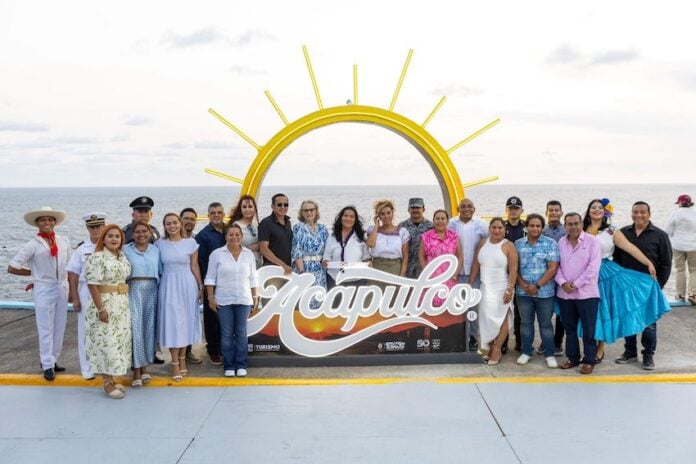
“Acapulco Is Standing Strong" is the theme of this year's 50th Anniversary edition of Mexico's prestigious Tianguis Turístico, which returns to the Guerrero resort and port city after a 15-year absence. (Facebook)
The Tianguis Turístico México, the nation’s largest and most prestigious tourism fair, celebrated its 50th anniversary over the weekend by temporarily opening up to the general public for the first time as it returns to its original host city of Acapulco, Guerrero.
Citing this year’s theme of “Acapulco Is Standing Strong,” the Tourism Ministry anticipates more than 58,000 business appointments, some 3,000 exhibitors and more than 2,500 national and international participants.
Moreover, officials expect an economic windfall of 1.1 billion pesos (US $67 million) for the resort and port city.
“This is where the history of tourism in Mexico began,” Guerrero’s Tourism Minister Simón Quiñones said during the inauguration ceremony, referring to Acapulco. “And today, in this 50th edition, the Tianguis not only returns, but it also evolves.”
To showcase the port’s renovation following Hurricane Otis in October 2023 and Hurricane John in 2024, the tourism fair launched new features and attractions to diversify the offerings and promote inclusion.
Over the weekend, the fair hosted Ventana a México, a public event featuring artisanal and culinary exhibitions with cultural displays and tourist offerings from more than 15 states. (From its official opening on Monday, and during its run through Thursday, April 30, the Tianguis is exclusive to professionals in the tourist industry.)
This year’s fair also initiated a community tourism pavilion dedicated to the experiences of local communities across the country, a retail pavilion offering direct sales of tour packages, and a technology zone featuring companies specializing in technology applied to tourism.
Federal Tourism Minister Josefina Rodríguez Zamora said that this edition aims “to boost local consumption and generate an economic benefit that directly benefits those who produce, create and keep traditions alive.”
This year’s Tianguis will also serve as the platform to announce new infrastructure projects, including a new cruise terminal for Acapulco and the launch of the “Maribús” water transport system.
In 2011, the Tianguis Turístico left Acapulco as its permanent host city to become an itinerant fair that travels across the country. Next year’s edition is expected to take place in Puebla, a city in central Mexico renowned for its colonial heritage, pre-Columbian ruins and traditional culinary scene.
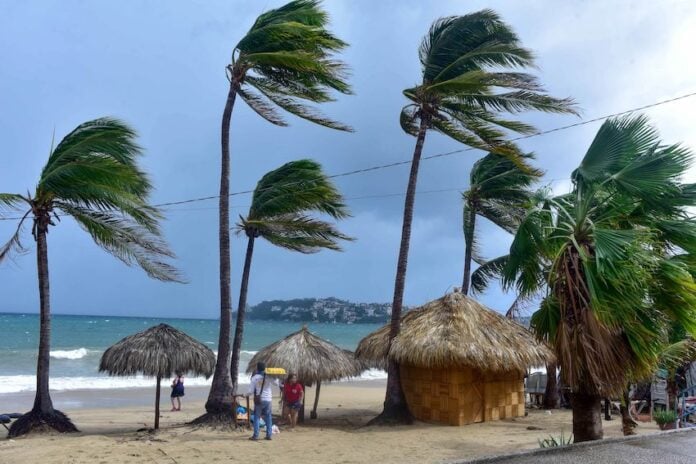
While tropical storms, as well as major hurricanes, are a threat to both of Mexico's coasts, cyclonic activity has been above average in the Pacific and is expected to remain so during the upcomng season. (Carlos Carbajal/Cuartoscuro.com)
State, federal and local governments began coordinating civil protection strategies last week following Wednesday’s presentation of the 2026 hurricane forecast by Mexico’s National Meteorological Service (SMN).
The SMN is predicting from 18 to 21 storm systems in the Pacific Ocean (including 4 or 5 major hurricanes) and between 11 and 15 storms in the Atlantic Ocean (up to 2 major hurricanes).
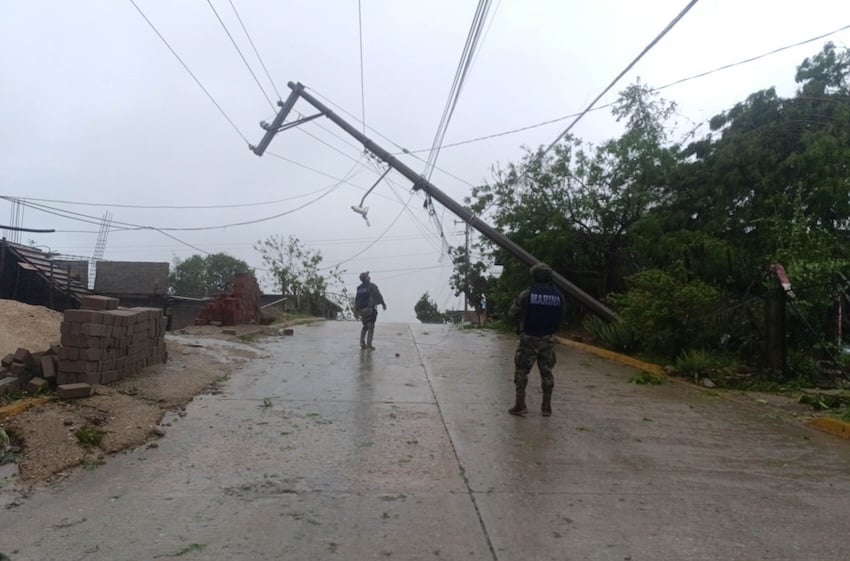
Erick, a Category 3 hurricane, caused extensive damage along the Oaxaca and Guerrero coasts last June. Mexico’s Pacific coast can expect four or five more such major hurricanes during the upcoming hurricane season, according to an official forecast. (Semar/Cuartoscuro)
The forecast for the Pacific Ocean, which reflects above-average cyclonic activity, was broken down as nine to 10 tropical storms, five to six Category 1 or 2 hurricanes and four to five Category 3-5 (major) hurricanes.
The forecast for the Atlantic Ocean, which affects Mexico’s Gulf and Caribbean coasts, sees seven to eight tropical storms, three to five Category 1 or 2 hurricanes and one or two Category 3-5 (high intensity) hurricanes.
Climatology studies from 1991 through 2020 reveal an average of 15 storm systems in the Pacific each year and about 14 in the Atlantic.
Hurricane season in the Atlantic officially begins on June 1, and starts on May 15 in the Pacific.
The SMN also said it is monitoring the El Niño-Southern Oscillation (ENSO) phenomenon, which has the potential to transition into El Niño during the May-July period.
The ENSO is expected to persist and strengthen during the peak of the tropical cyclone season (August to October), with a 25% probability of developing into a very strong El Niño event.
More than 1,200 members of the CNPC participated, including representatives of the 32 state Civil Protection agencies, as well as members of the Defense Ministry, the Navy Ministry and the National Water Commission (Conagua).
At the meeting, CNPC director Laura Velázquez outlined the fundamental pillars of the emergency response plan, the most important of which, she said, is to strengthen storm monitoring capabilities and early warning systems. This will be achieved by continuous surveillance in conjunction with the SMN and Conagua, as well as international organizations such as NOAA (the U.S. National Oceanic and Atmospheric Administration).
Another key strategy is direct mitigation, which will include river cleanup and slope stabilization.
Presently, an early start to hurricane season is not expected, but officials warned that storm activity outside the official period cannot be ruled out. They urge the public to follow civil protection recommendations and pay attention to warnings issued by the relevant agencies.
Perceptions of insecurity have reached their lowest point since Sheinbaum assumed the presidency in October 2024. (Chris Noyola/Cuartoscuro)
Perceptions of insecurity in Mexico have fallen to their lowest level since President Claudia Sheinbaum took office, but around six in ten Mexicans still consider their city an unsafe place to live, according to the results of the latest National Survey of Urban Public Security (ENSU).
Conducted by the national statistics agency INEGI between Feb. 23 and March 13 with adult residents of 27,300 households in 91 urban areas across Mexico, the first quarter ENSU found that 61.5% of respondents consider their city an unsafe place to live.
That figure declined 2.3 percentage points compared to the fourth quarter of 2025 and 0.4 points compared to a year earlier. It is the lowest ENSU result since Sheinbaum took office in October 2024. The incidence of various crimes, including homicides, have declined over the past 18 months.
The first quarter ENSU found that 67.2% of women and 54.6% of men consider their city an unsafe place to live. The figure for women declined 2.2 points compared to the previous quarter and 0.3 points annually. The figure for men fell 2.5 points compared to the fourth quarter of last year and 0.4 points compared to a year earlier.
Perceptions of insecurity surge in Puerto Vallarta
The city in which perceptions of insecurity increased most markedly between the final quarter of 2025 and the first quarter of 2026 was Puerto Vallarta, located on the Pacific coast of Jalisco. The percentage of respondents who consider Puerto Vallarta an unsafe place to live increased to 59.9% in the first quarter of the year from 32% at the end of 2025.
The latest ENSU began the day after Jalisco New Generation Cartel leader Nemesio “El Mencho” Oseguera Cervantes died after being shot in a military operation in Tapalpa, Jalisco. The operation triggered a violent cartel response, including in Puerto Vallarta. The violence in Puerto Vallarta on Feb. 22 appears to be the main reason why the percentage of residents who consider the city unsafe increased almost 28 points from one quarter to the next.
Tepic, the capital of Nayarit, and Zapopan, a municipality in the metropolitan area of Guadalajara, also saw sharp increases in the number of residents who consider the cities unsafe. In Tepic, the figure increased to 53.9% from 37.9% in the final quarter of 2025, while in Zapopan it rose to 70.8% from 54.7%.
Which cities have the highest percentages of residents with personal security concerns?
INEGI reported that 92.1% of residents of Irapuato, Guanajuato, consider their city an unsafe place to live. Known as “the strawberry capital of the world,” Irapuato was the city with the highest percentage of residents with personal security concerns, up from fifth in the final quarter of 2025.
The only other city that more than 90% of residents consider unsafe is Guadalajara, which was also affected by violence after “El Mencho” was killed. According to the results of the latest ENSU, 90.2% of residents of the Jalisco capital consider the city unsafe.
After Irapuato and Guadalajara, the cities with the next highest percentages of residents with personal security concerns in the first quarter of 2026 were:
Ecatepec, México state: considered unsafe by 87.6% of surveyed residents of the densely populated municipality that adjoins Mexico City.
Uruapan, Michoacán: considered unsafe by 86.7% of surveyed residents. Uruapan had the highest percentage of residents with security concerns in the final quarter of 2025, a period in which the city’s mayor was murdered.
Reynosa, Tamaulipas: considered unsafe by 86.1% of survey respondents who live in the northern border city.
The other cities considered unsafe by more than 80% of surveyed residents were Culiacán, Sinaloa; Ciudad Obregón, Sonora; Chilpancingo, Guerrero; Cuernavaca, Morelos; Villahermosa, Tabasco; Cuatitlán Izcalli, México state; Puebla city; Chimalhuacán, México state; and Naucalpan, México state.
Which cities have the lowest percentages of residents with personal security concerns?
The cities with the lowest percentages of residents with personal security concerns in the first quarter of 2026 were:
San Pedro Garza García, an affluent municipality in the metropolitan area of Monterrey, Nuevo León: 4.4%
Piedras Negras, a border city in the northern state of Coahuila: 12.9%
Benito Juárez, one of the 16 boroughs of Mexico City: 16.4%
Saltillo, the capital and largest city in Coahuila: 16.7%
San Nicolás de los Garza, another municipality in the metropolitan area of Monterrey: 19.4%
The places where Mexicans most commonly feel unsafe
Almost 71% of ENSU respondents reported feeling unsafe while using ATMs on the street, while 65% expressed security concerns about walking on the streets they regularly use.
Just over 64% of those surveyed said they felt unsafe traveling on public transport, while 60% expressed concerns about traveling on highways.
More than 54% of respondents said they felt unsafe at the bank.
The percentages were higher among women than among men in all those places — and several others, including the home and the workplace.
Among the respondents who reported having seen or heard criminal activity or anti-social behavior near their homes in the first quarter of 2026, almost six in 10 said they had observed people drinking in the street.
More than 45% of respondents reported having witnessed a robbery or mugging, and around four in 10 told INEGI they had seen people buying or using drugs.
More than 38% of those surveyed said they had witnessed homes or businesses being vandalized, and 36.5% reported having heard frequent gunshots.
Just under one-quarter of respondents said they had witnessed some kind of gang activity near their home.
Opinions on Mexico’s security forces
The Mexican Navy is the country’s most effective security force, according to the results of the latest ENSU. Just over 87% of respondents said they believe the Navy is very or somewhat effective in preventing and combating crime.
More than 85% of those polled said the same about the Mexican Army, while the figures for the Air Force and the National Guard were 84.9% and 77%, respectively.
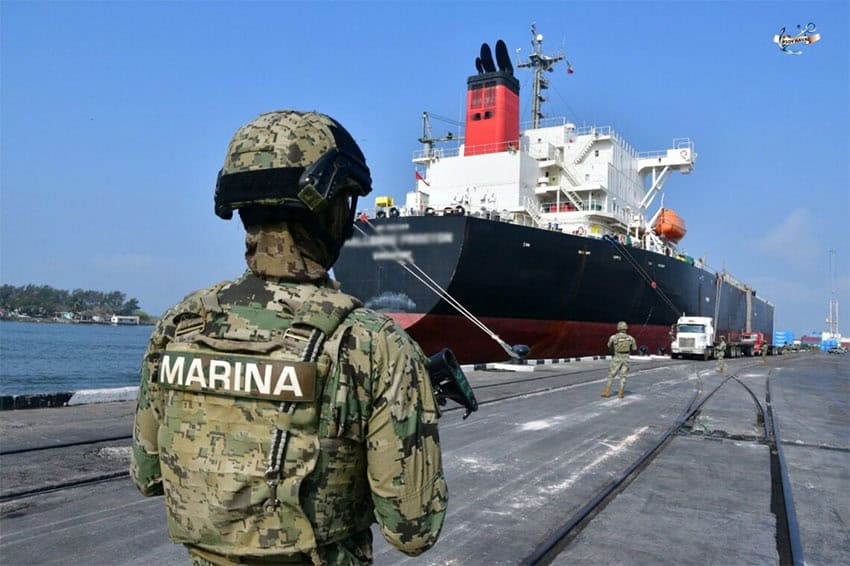
A Navy seaman stands guard after a recent fuel smuggling bust in Tamaulipas. (Semar)
Just over 56% of respondents said that state police forces are very or somewhat effective in preventing and combating crime, while 50.8% said the same about municipal police.
Citizens’ security expectations
Around one in three survey respondents (30.1%) said they expected the security situation in their city to remain “just as bad” during the next 12 months, while 27.1% predicted a deterioration.
Almost a quarter of respondents (24.7%) said they expected security to improve in their place of residence during the next 12 months, while 17% anticipated that the situation would remain “just as good” as it currently is.
Mexican communities in destinations like Tulum must deal with high prices exacerbated by tourists and foreign residents moving in. (Spencer Watson/Unsplash)
Over the last decade, many Mexican households have seen a steady squeeze. Wages haven’t kept pace with the rising cost of essentials, and the result is a stealthy theft of time as well as income. From 2016 to 2026, official data from INEGI, Mexico’s National Institute of Statistics and Geography, show sustained price increases in housing, food and transport that in many places exceeded income growth.
The presence of foreigners has long been a boon to Mexico’s economy, no question. There are many places in Mexico that depend on international tourism and suffer when foreigners choose not to visit. But just as undoubtedly, there has been another, trickier, dynamic at play in Mexico for a while now, one that has existed at the same time that Mexicans have been experiencing this economic squeeze: the presence of foreigners arriving in greater and greater numbers into their neighborhoods — frequently with access to much more powerful currencies that can drive up the cost of living.
Virtually any resident of Mexico City will attest that the cost of living has increased significantly in recent years. (Cuartoscuro)
How Mexican households are coping with less buying power
For households working in the informal sector, for lower-paid formal employees and for families with little or no savings, that squeeze has translated into familiar coping strategies, including taking on extra paid work, moving to cheaper neighborhoods farther from jobs and services and accepting longer, costlier commutes.
Each strategy buys only limited breathing room and carries the cumulative costs of worse nutrition, less time for childcare and study, more stress and illness and fewer opportunities for training or entrepreneurship.
The squeeze is as much about time as it is about money.
A household that retains a similar standard of living by adding work hours or commuting an extra two hours daily loses time for family, rest and civic participation. That time poverty compounds economic hardship, as exhausted students and workers perform worse in school and employment, are less likely to save and have reduced capacity to engage in the local civic life that sustains neighborhoods.
The good and bad influences of foreigner money in Mexican communities
Foreign spending isn’t the sole driver of these trends, but it does bring with it a mix of clear benefits and challenges.
Pensions, remote salaries and tourist spending bolster local restaurants, markets, tour operators, construction crews and craftspeople. For many small businesses, customers with higher discretionary incomes are a lifeline that preserves jobs and supports services in the community. New investment can also spur infrastructure upgrades and improved amenities that benefit residents and visitors alike.
A higher cost of living in places like Aguascalientes, a city of around 860,000 inhabitants in central Mexico, is one way Mexican households get squeezed. Diminishing rental options is another. (Shutterstock)
At the same time, external demand reshapes incentives in real estate markets.
Furnished short-term rentals and second-home sales generally yield higher returns than long-term leases, so property owners and developers often pivot toward the most profitable uses. Where long-term units are scarce and demand by short-term clients is high, landlords prefer to turn their properties into vacation rentals or short, high-return stays.
Furthermore, investors in new properties who see steady external demand may design their new developments for buyers seeking second homes or rental income rather than for locals’ rental needs, especially if that external demand is coming from wealthier clients.
The measurable outcome is a shrinking long-term rental supply and faster price growth in neighborhoods attractive to newcomers.
Similar development patterns
Three local patterns here in Mexican cities illustrate how these development dynamics play out.
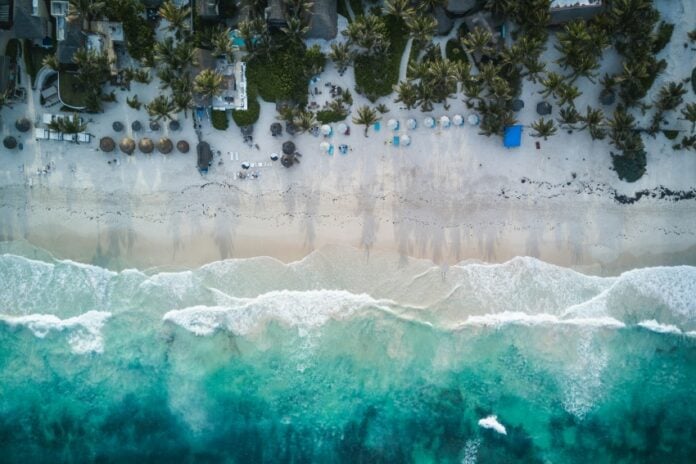
Tulum has rapidly transformed from a quiet beach town populated by locals to a new-construction hotspot, driven by international tourism and buyers seeking vacation properties. Numerous units have been marketed as second homes or converted to short-term rentals, tightening the long-term-resident supply and pushing the many locals who are hospitality and service workers to commute to their jobs from neighboring towns.
Those longer commutes translate into higher transportation costs and lost time, both of which act like a silent, persistent tax on household budgets.
Decades of foreign residents and seasonal vacationers have raised demand for housing in Puerto Vallarta. (Nicole Herrero/Unsplash)
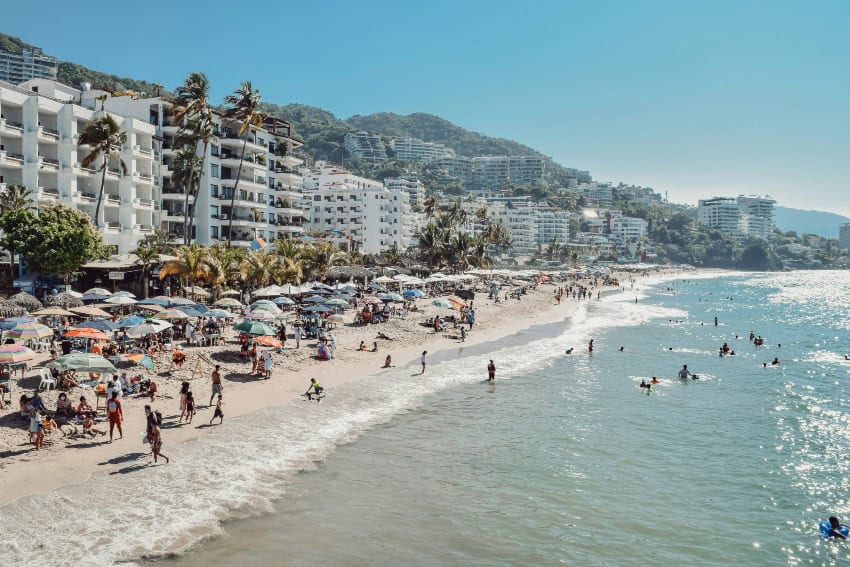
Decades of retirees and seasonal residents have raised demand for higher-end housing and services here, and property owners increasingly find that providing furnished short-term leases is more profitable than offering traditional long-term rentals.
The local economy benefits from tourism revenue, absolutely, but service workers and small-business employees find their living costs rising faster than wages. City debates over short-term rental regulation reflect a core tension between how to preserve tourism income while maintaining housing access for residents.
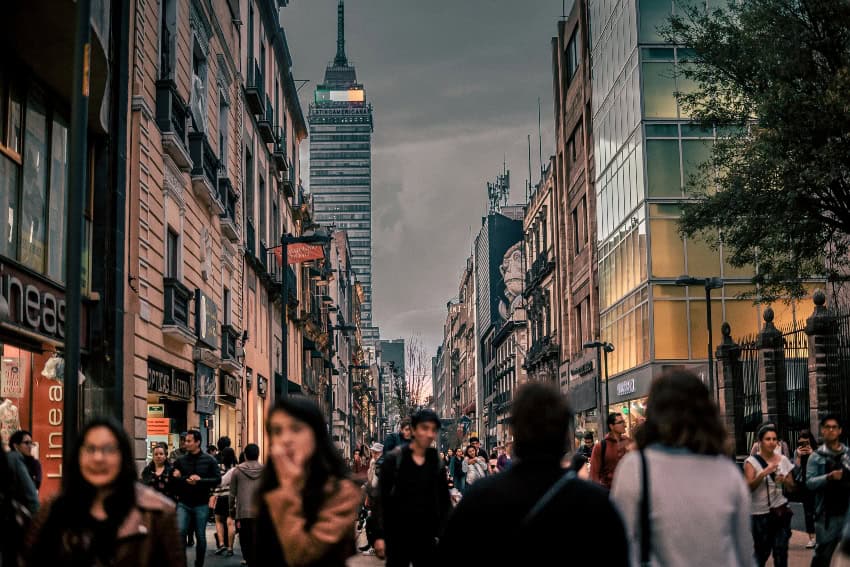
Historic central neighborhoods in Mexico City, such as La Roma and Condesa, offer a microcosm of displacement at urban scale.
Measuring the human costs
Demand for walkable, culturally vibrant areas has attracted boutique accommodations, cafes and tourist-oriented retail. Landlords raise rents or convert apartments to tourist uses, and long-time residents and lower-paid workers are often pushed to peripheral districts.
The result is both material loss in affordable housing and communal loss in weaker neighborhood ties and fewer everyday services.
Due to external demand for housing in Mexico City’s more fashionable neighborhoods, longtime residents often find themselves pushed to the city’s periphery. (Jezael Melgoza/Unsplash)
The human costs are tangible.
When families stretch budgets by cutting nutritious food or by adding paid hours, children’s school performance and long-term health can suffer. Long commutes eat into time for childcare, leisure and informal support networks. They also raise transport costs, particularly where public transit is limited and owning a car becomes effectively necessary for accessing better jobs.
These cumulative burdens reduce the ability of households near the margin to save or invest in the future.
What to be aware of when moving to Mexico
Foreign newcomers to Mexico who want to minimize harm can make choices that preserve housing stock and local social fabric.
Renting long-term rather than purchasing units to convert into short-term listings helps maintain the supply of homes for residents. Shopping at local markets and hiring neighborhood services directs spending into the local economy. Engaging with neighborhood associations, rather than acting solely as consumers of local amenities, can support balanced development. Choosing less touristy neighborhoods when possible reduces concentrated pressure on hot spots.
Public policy also matters.
Understandably, foreign residents want to live in beautiful places like Puerto Vallarta. Striving to be good neighbors, however, can help keep these places beautiful — and accessible — for everyone. (Doug Golden/Unsplash)
Cities can regulate and register short-term rentals to ensure tourism income doesn’t hollow out long-term housing supply.
How government can minimize effects on vulnerable households
Incentives for building affordable rental housing, streamlined permitting for resident-oriented projects, targeted rental assistance and food-price stabilizers can protect vulnerable households. Improving public transit and active-transport infrastructure reduces the need for private vehicles and shrinks commuting time, while wage policies that lift real incomes help households cope without resorting to precarious strategies.
The inflow of foreigners isn’t going to stop. Mexico’s climate, culture and relative purchasing power will continue to attract people from abroad, so informed optimism is the best strategy.
Enjoy what Mexico offers, of course, but remain mindful of how housing markets, services and neighborhood life can change.
Charlotte Smith is a writer and journalist based in Mexico. Her work focuses on travel, politics, and community. You can follow along with her travel stories at www.salsaandserendipity.com.
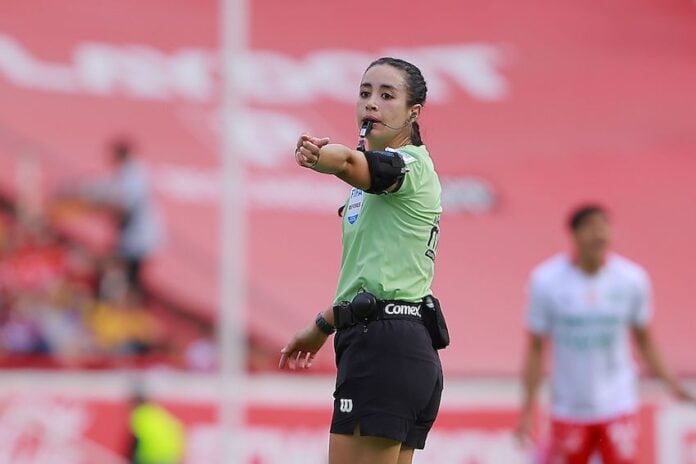
García, 32, will be working her first men’s World Cup, but the Mexico City native has had major women’s soccer assignments, notably the 2023 World Cup in Australia and New Zealand and the 2024 Summer Olympics in Paris. (César Gómez/Cuartoscuro)
Katia Itzel García will make World Cup history this summer as the only woman appointed as a main referee from Mexico — and one of just two women among 52 main referees selected worldwide.
Last week, FIFA published the names of 52 referees, 88 assistant referees and 30 video officials for the expanded World Cup, which will be played in Mexico, the United States and Canada through July 19. (Previously known as a linesman or lineswoman, an assistant referee works the sidelines and mainly calls offsides violations.)
The 170-member officiating crew (including seven Mexicans) is the largest in tournament history. That’s because there will be 48 teams participating in 104 matches this year, up from the 32 teams playing 64 matches in the previous seven men’s World Cups.
This year, Mexico will have two of the 52 main (or center) referees, matching the totals for the United States, England and France, and trailing only Argentina and Brazil, which each have three.
In addition to García, the other main referee from Mexico is César Ramos, 42. The native of Culiacán, Sinaloa, has been a referee in Mexico’s top men’s pro league, Liga MX, since 2011 and has worked World Cups in Russia (2018) and Qatar.
García, 32, will be working her first men’s World Cup, but the Mexico City native has had major women’s soccer assignments, notably the 2023 World Cup in Australia and New Zealand and the 2024 Summer Olympics in Paris.
Also in 2024, she became the first woman to referee a U.S. men’s national team match, wearing the whistle for a USA-Panama friendly in Austin, Texas.
Joining García in the milestone department this year will be Tori Penso, 39, of Florida, who will become the first American woman to work as a head referee in a men’s World Cup.
In all, there will be six female officials in this summer’s World Cup: two main referees, three assistant referees and one who will be doing video reviews.
“We are going to go and kill it. There is no other way,” said one of the assistant refs, Sandra Ramirez, 37, of Guadalajara.
The full list of officiating assignments can be viewed here.
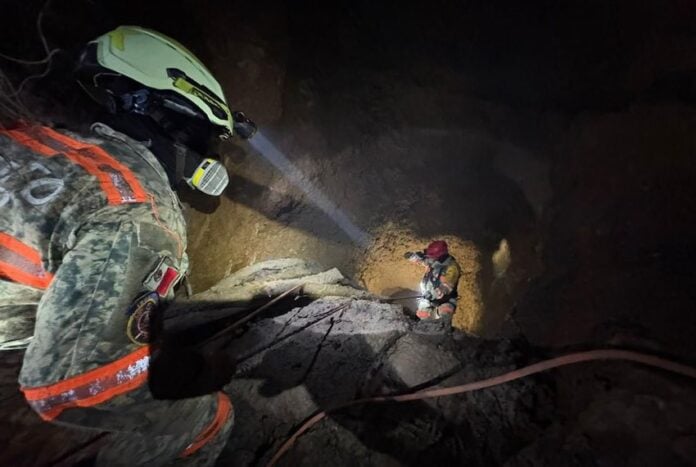
Twenty-four other miners were working inside the mine at the time, but four — Beltrán among them — were too deep inside to escape. Two of the trapped miners were rescued alive. (CNPC)
The body of the fourth and final miner trapped in a mine in the northern state of Sinaloa was located early Monday morning.
The victim, mine supervisor Leandro Isidro Beltrán, 54, was approximately 350 meters below the surface inside the Santa Fe mine when a tailings dam collapsed on March 25, flooding the mine with water and debris.
Twenty-four other miners were working inside the mine at the time, but four — Beltrán among them — were too deep inside to escape.
A massive rescue effort, eventually involving state and federal authorities and emergency personnel — more than 300 people in all — began the following day.
The discovery of Beltrán’s body comes 33 days — or 783 hours — after the accident at the mine operated by Industrial Minera Sinaloa.
A statement from the rescue team’s Unified Command said the body was found around 2:15 a.m. local time and it was “awaiting instructions from state agents to carry out the recovery process, in accordance with the required technical and legal requirements.”
The statement said the entire operation involved 389 members of various federal and state institutions, including the Defense Ministry, the Navy Ministry, the National Coordination of Civil Protection (CNPC), the Federal Electricity Commission (CFE) and Sinaloa state agencies, as well as personnel from the mine itself.
Rescuers worked around the clock to clear the entrances and tunnels of mud and tailings (mining waste), while searchers and divers descended into the mine.
The CFE installed an extraction system that pumped out 34,000 liters of water per hour, and workers reinforced the walls with plywood sheets and cement mixtures. In addition, divers, search dogs and a team using probes and cameras were working in the area to establish the minimal visibility within the brown mass and make contact with the trapped miners.
Following the announcement of the discovery of the body, the federal government and local authorities reaffirmed their commitment to providing support and assistance to the Beltrán family, under the supervision of CNPC director Laura Velázquez.
Sheinbaum said on Monday that the Ministry of Foreign Affairs sent a letter to U.S. Ambassador to Mexico Ron Johnson demanding that the United States comply with the rules of Mexico's constitution and National Security Law. (Moisés Pablo/Cuartoscuro)
Sheinbaum’s mañanera in 60 seconds
🔫 Correspondents’ Dinner shooting: Sheinbaum condemned political violence and said Mexico was the first country to send Trump a solidarity message after Saturday’s shooting at the Washington Hilton.
🇺🇸 CIA raid fallout: After CIA officers allegedly joined a drug lab raid in Chihuahua without federal knowledge, the government of Mexico sent a protest note to U.S. Ambassador Ron Johnson in which it said it expects the participation to be a one-time exception.
⚖️ Anti-corruption pushback: Responding to a report of a U.S. anti-corruption campaign targeting Mexican officials, Sheinbaum pushed back: fighting corruption in Mexico is Mexico’s job, and Washington should focus on cleaning up its own house.
Today’s mañanera was also significant as Sheinbaum addressed issues related to the Mexico-U.S. relationship. As usual, the president presented a staunch defense of Mexican sovereignty. However, that sovereignty appears to have been violated this year by alleged U.S. involvement in security operations in northern Mexico without the knowledge of the Mexican government.
Sheinbaum responds to Correspondents’ Dinner shooting
Asked about the shooting on Saturday at the Washington Hilton Hotel while Trump was attending the White House Correspondents’ Dinner, Sheinbaum spoke out against politically-motivated violence.
“We must always oppose violence, especially political violence,” the president said.
“… Democracy is the way to resolve differences,” Sheinbaum added.
“So we can never support a violent act and that’s why we were the first country to put out a message of solidarity [with Trump],” she said.
Qué bueno que el presidente Trump y su esposa se encuentren bien, tras los recientes acontecimientos. Le enviamos nuestro respeto. La violencia no debe ser nunca el camino.
— Claudia Sheinbaum Pardo (@Claudiashein) April 26, 2026
“Essentially what we said [in the letter] is that we’re working with very good coordination [with the United States] based on the [security] understanding we reached,” she said.
Sheinbaum noted that the bilateral security understanding is premised on “respect for the sovereignty of both countries.”
“They agree with that. … So what we set out is that the federal government wasn’t aware of the participation of these people [in the operation in Chihuahua] and we hope it’s an exception,” she said.
“That from this time on … the rules of our constitution and the National Security Law are complied with,” Sheinbaum said.
She said that the U.S. government “agrees” that they need to comply with the Mexican Constitution and Mexican laws. Sheinbaum subsequently expressed confidence that U.S. participation in a security operation on Mexican soil won’t be repeated.
According to a report published by The Los Angeles Times last week, CIA operatives have joined authorities in Chihuahua in operations against drug targets on at least three occasions this year.
Sheinbaum has assigned most of the blame for the apparently secret, allegedly illegal security collaboration between Chihuahua and the United States to the Chihuahua government, although she also stressed that U.S. authorities have questions to answer.
Sheinbaum: Mexican authorities are responsible for the fight against corruption in Mexico
A reporter asked the president about a Los Angeles Times report published on Sunday under the headline “U.S. may soon target Mexican politicians in anti-corruption campaign.”
Citing “sources familiar with the bilateral relationship,” the L.A. Times reported that anti-corruption remarks made by Ambassador Johnson in Sinaloa last week “mark the launching … of a wide-ranging anti-corruption campaign by the Trump administration targeting Mexican officials suspected of having links to organized crime.”
Sheinbaum stressed that “the fight against corruption” in Mexico is the responsibility of the Mexican government, the Federal Attorney General’s Office and state Attorney General’s Offices.
She suggested that the U.S. government should concern itself with combating corruption in the United States.
“[Corruption] is not just a matter for Mexico,” Sheinbaum said.
By Mexico News Daily chief staff writer Peter Davies (peter.davies@mexiconewsdaily.com)
April has been an eventful month in Guadalajara, as water, politics and voter discontent collide. (Fernando Carranza García/Cuartoscuro)
Major news this week in La Perla Tapatia includes continuing water challenges on the city’s east and south sides, a citizen petition to recall Guadalajara’s mayor, and a flurry of new rules for local drivers.
Water scarcity fraying daily life in eastern Guadalajara
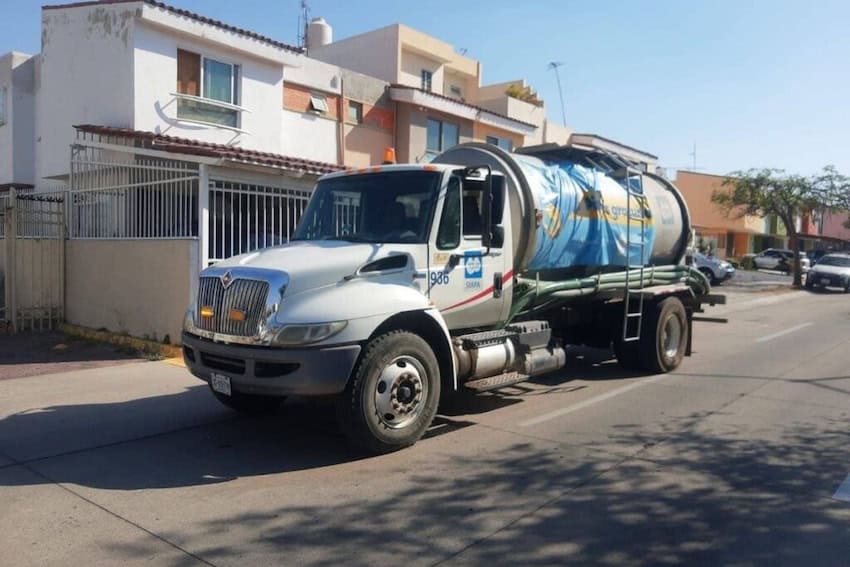
SIAPA, Guadalajara’s municipal water authority, is struggling with several challenges that are affecting residents water supplies. (gob.mx)
Following the Semana Santa break, at least six schools located in eastern Guadalajara were forced to make attendance at in-person classes optional due to a lack of water in the school buildings and surrounding homes.
Residents of Oblatos, Santa Rosa, Santa Cecilia, San Onofre, Guadalajara Oriente, and San Vicente complained to local news outlets Canal 44 and Radio UdG that they had been living without water in their homes for days.
At the José Clemente Orozco elementary school, a lack of water prevented students and staff from attending to basic hygiene, such as flushing toilets and washing hands in bathrooms. While delivery service from water trucks had been requested, nearly a week had elapsed with no deliveries. Parents with children attending the affected schools were given the option of keeping their children at home until water service was restored.
Guadalajara’s public water utility (SIAPA) acknowledged the service cut was due to unplanned maintenance on a storage tank in the Oblatos neighborhood, which distributes water to various communities on the city’s east side. A deep cleaning of the tank is expected to improve water quality and pressure for area residents once completed.
Meanwhile, south of the city in El Salto, immediately east of Guadalajara’s international airport, residents blocked the El Verde–El Castillo highway for almost 12 hours last week to protest the lack of running water.
Residents there complained that for the past three years, they have received water service for just half an hour a day. They accused SIAPA of prioritizing supply to new housing developments over existing neighborhoods, with capacity insufficient to supply all areas simultaneously.
A push to recall Guadalajara’s mayor
Mayor Veronica Delgadillo García. (Veronica Delgadillo/Instagram)
In an effort to hold the ruling Citizens’ Movement (Movimiento Ciudadano) party responsible for the city’s mounting unsolved challenges, Guadalajara resident Hugo Lupercio filed a petition last week to recall Mayor Veronica Delgadillo García.
For now, the gesture is largely symbolic, as the state of Jalisco does not have the legal framework to proceed with recalling sitting elected officials via a citizen-led campaign. But that could change.
In conjunction with Lupercio’s petition, two state deputies affiliated with the opposition Morena party launched an initiative seeking to change state election rules. In addition, Erika Pérez García, the president of the Morena State Committee of Jalisco, came out in strong support of the petition.
“The course of Jalisco is not defined by a government, but by … a united, informed, and participatory populace. It is the only force capable of transforming what is not working and building the state it deserves,” Pérez García told local newspaper El Occidental.
It’s not difficult to understand how this campaign emerged at such a crucial time for Guadalajara. Pressure has been building for months as the city readies itself to welcome a multitude of international visitors for the four games it’s hosting as part of the 2026 FIFA World Cup.
Public discontent is running high over unfinished construction projects, worsening air quality, a widening measles outbreak, and numerous examples of government waste on impractical beautification projects tied to World Cup preparations.
These newer headaches have compounded longstanding frustrations over pothole-plagued streets, perpetual traffic jams on most major roads, rapidly rising living costs and the lack of progress in finding thousands of disappeared Jalisco residents.
But the straw that undoubtedly broke the camel’s back is the city’s ongoing and worsening water crisis, which defies easy or quick solutions and has triggered a wave of local protests in recent months.
Mayor Delgadillo, for her part, dismissed the recall effort as a little more than a political stunt.
New fines, requirements for Jalisco drivers with out-of-state plates
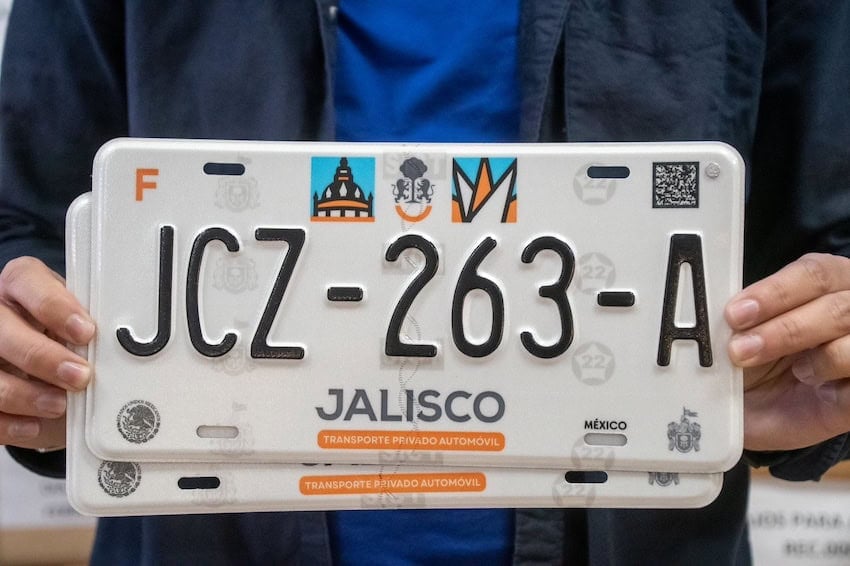
The new Jalisco license plates will be mandatory for all residents of the state. Visitors from outside of Jalisco will need to apply for a permit. (Government of Jalisco)
Jalisco’s state government is cracking down on vehicles with out-of-state license plates with a slew of new fines. The move, intended to crack down on local drivers circulating with illegal plates and visitors who fail to pay fines incurred in Jalisco, also has the potential to ensnare unsuspecting tourists from neighboring states.
The first change involves a new tax cooperation agreement with neighboring Guanajuato to ensure the collection of fines and outstanding debts.
This new agreement, which takes effect in May 2026, will initiate data sharing between the two states so that driving violations and fines incurred in Guadalajara by out-of-state drivers can be collected in Guanajuato, where drivers are registered. A similar arrangement is reportedly coming soon between Jalisco and Michoacán.
What else is changing for drivers with out-of-state plates:
Temporary Stay Permits are now mandatory. Vehicles with out-of-state license plates circulating in the Guadalajara Metropolitan Area must carry a “Temporary Stay Permit.”
The permit is free but has a maximum validity of 20 to 30 calendar days every six months. Exceeding the stay window or failing to comply with environmental verification rules carries fines ranging from 1,131 to 2,375 pesos. Vehicles with out-of-state license plates without a valid temporary permit could also be subject to impoundment.
License plate frames are prohibited. If vehicles use a license plate frame that obstructs the visibility of any element of the license plate, which are widely sold at area retailers, they are subject to hefty fines of up to 20,000 pesos.
Old license plate designs must be replaced. License plates with designs prior to 2019 (“Maguey”, “Gota”, “Minerva”) are no longer permitted. As of press time, it is unclear what type of fines will be applied in these cases.
MND Writer Dawn Stoner is reporting from Guadalajara.