The Mexican government has an open request for the extradition of 'El Mini Lic,' the son of a former Sinaloa cartel trafficker. (X)
President Claudia Sheinbaum confirmed Saturday that convicted drug trafficker Dámaso ‘El Mini Lic’ López Serrano was arrested in the United States.
The journalist Luis Chaparro first reported the arrest on Friday.
“EXCLUSIVE: FBI sources just confirmed to me Dámaso López Serrano, ‘El Mini-Lic,’ was just apprehended in the Virginia area for ‘fentanyl trafficking charges,'” Chaparro wrote on X.
Sheinbaum confirmed the arrest while in Palenque, Chiapas, on Saturday. United States authorities hadn’t publicly commented on the arrest by midday Monday.
Mexico’s Federal Attorney General’s Office said at the time that it would “insist” on López Serrano’s extradition to Mexico due to his “alleged intellectual responsibility” for the murder of Javier Valdez Cárdenas, a journalist who was killed in Culiacán, Sinaloa, in May 2017.
EXCLUSIVE: FBI sources just confirmed to me Dámaso López Serrano, ‘El Mini-Lic’ was just apprehended in the Virginia area for “fentanyl trafficking charges”. pic.twitter.com/2uIZzmewks
López Serrano, 37, turned himself in to the United States Drug Enforcement Administration in 2017, fearing that he could be murdered by the sons of former Sinaloa Cartel kingpin Joaquín “El Chapo” Guzmán.
On Saturday, Chaparro reported on his Substack site SAGA that “according to sources in the FBI and the U.S. Marshals Service, López Serrano was arrested at his home in Washington, Virginia, around 6 p.m. on December 12, by approximately 20 federal agents executing a warrant against him.”
“… Sources within the FBI told SAGA that the investigation, which included intercepted phone calls, videos, and at least three informants posing as López Serrano’s associates, began at least eight months ago. Authorities uncovered evidence that ‘El Mini-Lic’ was part of a group trafficking fentanyl from Sinaloa to the United States,” the journalist wrote.
López Serrano’s father — a close associate of “El Chapo” who studied law and was a prison director before turning to a life of crime — is in jail in the United States on trafficking charges.
América’s Richard Sánchez celebrates after scoring the third goal against Monterrey in minute 23 of Sunday’s championship game. (Gabriela Pérez Montiel/Cuartoscuro)
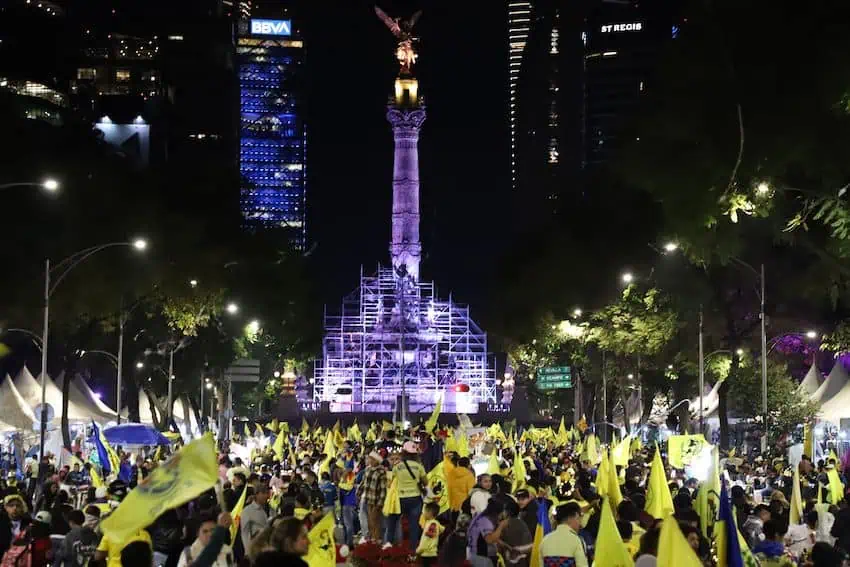
Back home in the capital, América fans flocked to the iconic Angel of Independence Monument to celebrate the team’s historic achievement.
Protecting a 2-1 lead from Thursday’s first leg, América played swarming defense from its base 5-4-1 alignment, limiting space down the wings and frustrating Monterrey probes through the middle.
In minute 23, América’s Álvaro Fidalgo found space through midfield, casually floating a pass to Alejandro Zendejas who had split two defenders. Zendejas nodded the ball backward into the path of an onrushing Richard Sánchez, who blasted the bouncing ball past a helpless Luis Cárdenas.
The goal extended the Eagles’ lead in the final to 3-1 and allowed América to sit back on defense. The club’s tactical discipline was on full display for the next hour and Monterrey struggled to create scoring chances.
Fans celebrate Club América’s victory in Mexico City on Sunday night. (Daniel Augusto/Cuartoscuro)
In minute 85, Monterrey substitute Johan Rojas curled a shot around an América defender and inside the far post to add some drama to the game’s final minutes.
With Monterrey needing one more goal to force overtime, the Eagles found themselves chasing shadows as the home team pressed forward and poured cross after cross into the goalie area.
With the entire América team scrambling to preserve the slim advantage, Monterrey managed to fire off six shots in the game’s final 10 minutes (including six minutes of stoppage time), but none reached the net. Four of the shots were blocked by defenders, the other two were off target.
When the final whistle sounded, the Eagles rushed the field to celebrate their historic feat, the first Liga MX franchise to win three championships in a row.
Since the Mexican soccer league switched to a short-season format in 1996, only three other clubs have won back-to-back titles: Atlas (2021-2022), León (2013-2014) and UNAM (2004).
América had previously won three straight titles when the league used a single-season format, hoisting the trophy after the 1983-1984, 1984-1985 and 1985 Prode seasons (the 1985 Prode was a shortened season since Mexico was set to host the 1986 World Cup).
Guadalajara holds the league record with four consecutive championships from 1958 through 1962.
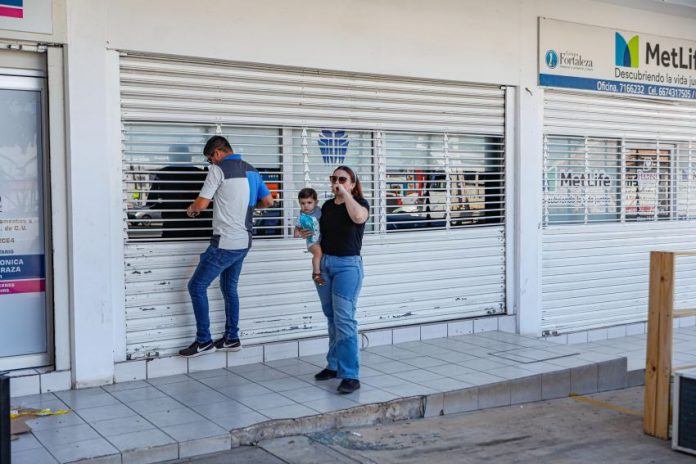
A total of 42.5 million pesos (US $2.1 million) will be distributed to local businesses affected by the recent wave of violence in Sinaloa. (José Betanzos/Cuartoscuro)
In an effort to mitigate the economic impacts of ongoing violence in the northwestern state of Sinaloa, Governor Rubén Rocha handed out more than 5.6 million pesos (US $278,000) in aid to local businesses.
Rocha and state Finance Minister Ricardo Velarde spent Saturday distributing checks to 511 recipients in four municipalities and the cities of Navolato and Culiacán, the state capital, as per the local newspaper Luz Noticias.
The Sinaloa Late Fuerte Program (Sinaloa Beats Strong Program) emergency fund was established in early December to support the state’s business sector during a time of debilitating violence. (Gobierno del Estado de Sinaloa/X)
According to the regional newspaper Debate, 10,000 pesos (US $500) was granted to businesses employing fewer than 10 employees, while businesses employing more than 10 people were granted 20,000 pesos (US $1,000).
The money comes from the Sinaloa Late Fuerte Program (Sinaloa Beats Strong Program) which benefits from a 65-million-peso (US $3.2 million) emergency fund established in early December to address the sputtering economy. The newspaper El Economista reported that 42.5 million pesos (US $2.1 million) of the emergency fund will be distributed to local businesses affected by the recent wave of violence.
This was the second weekend in a row that Rocha distributed funds from the Late Fuerte program.
Since early September, Sinaloa — particularly Culiacán — has been wracked by violence between warring factions of the Sinaloa Cartel. The fighting began two months after a top drug lord was allegedly kidnapped in Sinaloa by a rival drug lord and flown to the United States where both men were arrested.
En el Informe Diario sobre la incidencia delictiva en #Sinaloa tras el inicio de la ola de violencia, este lunes reporta que durante la semana anterior, con 42 homicidios registrados, se estabilizó en un promedio de seis asesinatos diarios
👉🏼 https://t.co/Su0B1oiuVDpic.twitter.com/9Bso5WhKZw
Additionally, more than 500 people have been disappeared since the fighting broke out on Sept. 9.
According to the Confederation of National Chambers of Trade, Service and Tourism (Concanaco Servytur), the ensuing violence has cost the state economy roughly 18 billion pesos (US $893 million) during the past three-and-a-half months.
Many local Sinaloa businesses have shuttered their doors or reduced their hours of operation dramatically. Concanaco Servytur speculates that job losses in Culiacán have reached 10% since the violence began.
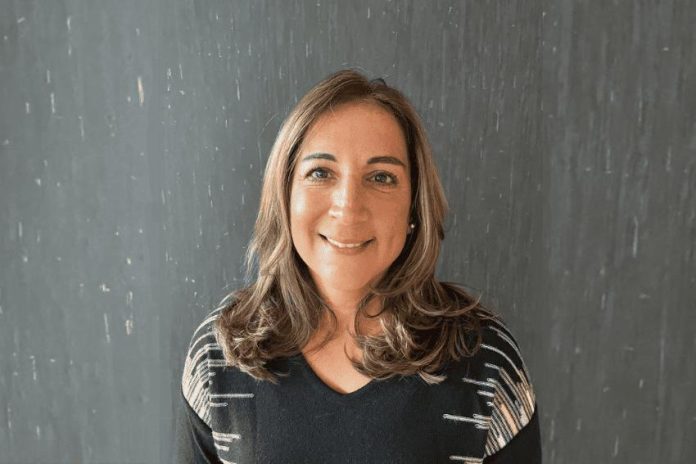
The podcast crew discuss the valuable lessons that Mexico News Daily co-owner Tamanna Bembenek learned about herself after moving to Mexico. (Tamanna Bembenek/LinkedIn)
When she gave up a high-flying corporate career in the United States to move to Mexico, Tamanna Bembenek learned a lot more about herself than she ever thought she would.
Here, our subscriber-exclusive podcast discusses Tamanna’s three biggest realizations and the joy she has discovered living in the country. She dives into key realizations about self-care as an act of self-love, redefining “diet” to include everything we consume — from media to relationships — and how Mexico’s vibrant culture taught her to find joy in everyday moments. Join us as Tamanna discusses finding energy, inspiration, and balance while navigating challenges and building a life full of purpose and connection.
MND Perspectives: What I learned moving to Mexico
This podcast was produced using AI tools. All information collected and discussed in this episode was investigated, written and edited by human journalists. Compiled from a Mexico News Daily article by Tamanna Bembenek. Edited by Kate Bohné. Podcast produced by Chris Havler-Barrett.
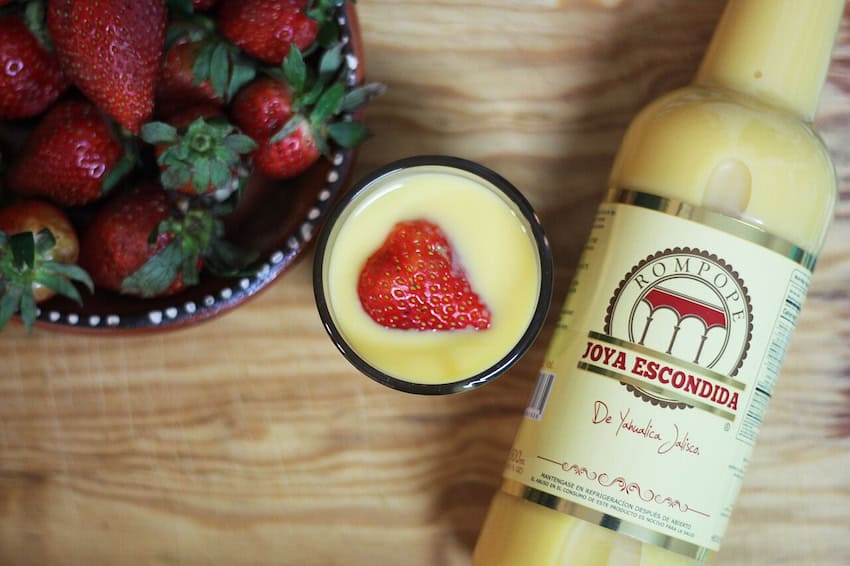
Turtle, cinnamon apple, New York style: none of these can win against the mighty Rompope Cheesecake Bites. (Rita-👩🍳 und 📷 mit ❤/Pixabay)
There are so many variations of cheesecake: turtle; peanut butter; cinnamon apple; chocolate; almond and of course, the classic New York. The list is endless and is so enjoyable! I mean, who doesn’t love cheesecake? It is the perfect dessert, no matter if it’s a dinner or a cocktail party, or an afternoon buffet — it is versatile.
But what about for the Holidays? How do you make it Christmasy and Mexican at the same time? The answer, of course, is to make Rompope cheesecake bites.
The cheesecake recipe arrived in Mexico along with the Spaniards and, as many other cultural jewels, it gained the New World’s spice. (Pixabay)
Cheesecake traces its history to ancient Greece and Rome where simple cheesecakes were the fare, not the luxurious creamy concoctions we’re used to, but they introduced the concept that cheese blends with cake and not just wine.
It was centuries later that the Europeans arrived in Mexico, in the 16th century, bringing their culinary practices, along with cheesecake, that they introduced to Mexico. Before long, a traditional cheesecake evolved, known as the Pay de Queso, or cheese pie, made with queso fresco (fresh cheese), and incorporating flavors like cinnamon and vanilla. The Mexicans eventually made it sweet, adding a flaky crust, or one made with graham crackers, along with sugar, cream-cheese, and spices — a culinary delight!
So, let’s take this a step farther, and kick the “same-old-same-old” cheesecake up a notch. Let’s make our cheesecakes bite-size and top them with some spicy Mexican eggnog (Rompope) frosting. Perfect for a buffet, a cocktail party, or a dinner dessert, even for Christmas festivities, not too much but just enough, and if you or your guests feel like it, you can always eat more than one! Disfruta!
Rompope Cheesecake Bites
Recipe adapted from inmamamaggieskitchen.com (Pexels/Pixabay)
Ingredients
Crust:
1 Cup (84 g) graham cracker (crumbs) (migas de galleta graham)
3 Tbs. (35 g) sugar (azúcar estándar)
3 Tbs. (42 g) butter* (melted) (mantequilla)
Best Mexican brands: Lala; Gloria; Alpura; Aguascalientes; Flor de Alfalfa.
½ tsp. (< 1 g) ground nutmeg (nuez moscada molida)
½ tsp. (2.84 g) ground cinnamon (canela molida)
Instructions
Preheat oven to 350F (176C).
Grease a muffin pan (12 muffin tin) or use liners. Set aside.
Next:
In a small mixing bowl, combine graham cracker crumbs, cinnamon, nutmeg and sugar.
Mix in melted butter.
Place a spoonful of crumbs in each cup and press down.
Bake for 5 minutes.
Remove from the oven and set aside.
Next:
Lower oven temperature to 300F (148C).
In a large mixing bowl, beat cream cheese until smooth.
Add sugar, eggs, eggnog and flour. Beat until creamy.
Fill each muffin cup ¾ of the way with cream-cheese mixture.
Bake in oven for 20 minutes.
Remove from oven and bring to room temperature.
Refrigerate for two hours or more.
Next:
In a medium mixing bowl, beat cream for 5 minutes until stiff peaks form.
Add eggnog and beat until well combined.
Add powdered sugar, nutmeg and cinnamon.
Top each cheesecake with a spoonful of frosting. Decorate any way you’d like.
Serve immediately.
NOTE: Cheesecakes can be stored in the refrigerator for 3-5 days, however, do NOT make frosting until ready to serve.
Rompope (Mexican Eggnog)
Recipe adapted from Mexicoinmykitchen.com. (Rubalca1990/Wikimedia Commons)
Ingredients:
4 Cups (1 liter) of whole milk (leche entera)
1 Cup (250 g) of sugar (azúcar estándar)
1 pinch of baking soda (bicarbonato)
1 stick of Mexican Cinnamon (rama de canela)
2 cloves (clavos enteros)
12 egg yolks (from large eggs) (yemas de huevo)
⅛ tsp. of ground nutmeg ((nuez moscada molida)
1 tsp. vanilla* (vainilla)
*Mexican brands noted for their intense flavor: Villa Vainilla; Vainilla Totonac’s; Molina Vainilla
½ Cup (118 ml) Rum or Brandy, or more or less to your liking. (ron o brandy)
Instructions:
In a saucepan, mix milk, cinnamon, cloves, sugar, nutmeg.
Add a pinch of baking soda and stir.
Place saucepan over medium-high heat and bring to a boil. Turn heat to low and simmer for 8-10 minutes, allowing the milk to absorb the flavors of cinnamon and cloves.
Turn off the heat and remove saucepan from stove to cool.
While the milk is cooling, whisk the egg yolks until they are pale yellow.
Slowly pour the egg-yolks into the cooled milk and stir.
Once completely incorporated, place the saucepan back on the stove and turn the heat to medium-high, stirring frequently.
Cook the mixture for 5-7 minutes, stirring frequently to avoid curdling, until the mixture become thick.
Remove from heat and pass through a sieve, discarding cinnamon sticks and cloves.
Add rum or brandy and mix well.
Pour into a container with a lid and let it cool for a couple of hours and then refrigerate. NOTE: The Rompope will taste best if you let the flavors combine by storing it in the fridge for two weeks. But it can be used immediately for your Rompope cheesecake instead.
Disfruta!
Deborah McCoy is the one-time author of mainstream, bridal-reference books who has turned her attention to food, particularly sweets, desserts and fruits. She is the founder of CakeChatter™ on FaceBook and X (Twitter), and the author of four baking books for “Dough Punchers” via CakeChatter (available @amazon.com). She is also the president of The American Academy of Wedding Professionals™ (aa-wp.com).
Lawyer and former expat Tracey Kitzman assists asylum seekers Eduardo Zambrano and Asael Maldonado at a weekly legal clinic she runs in New York City. (John Walkup)
Every Monday night since September 2023, approximately 30-40 volunteers have consistently shown up at either Plymouth Church in Brooklyn Heights or Congregation Rodeph Sholom in Manhattan to offer a free legal clinic to asylum seekers. This pro se (self-representation) legal clinic provides migrants with assistance in completing their applications for asylum, Temporary Protected Status and work authorization. Some of the volunteers are attorneys and legal advocates, while others are translators, organizers and childcare providers. Each Monday they serve 15-20 applicants — and each “applicant” may be an entire family, as asylum is family-based. On Thursdays, members of the group provide legal triage at Metro Baptist Church in Manhattan, where they answer questions to help explain the process to migrants.
This remarkable initiative is led by an American expat who recently returned from San Miguel de Allende to New York City. For six years, from 2016 to 2022, New Yorker and anti-trust lawyer Tracey Kitzman lived with her young son and daughter in San Miguel de Allende, where the kids became bilingual and the whole family regularly volunteered in the community. Kitzman was the president of women’s microlending organizationMano Amiga and the volunteer coordinator forCasita Linda, which builds homes for families living in extreme poverty. Kitzman and her family continue to work with Casita Linda by leading service trips for groups of students and volunteers who have raised money to fund a Casita Linda home.
Migrants gather in the gymnasium of the Plymouth Church in Brooklyn to seek assistance from legal advocates in applying for asylum, work authorization and Temporary Protected Status. On alternate Mondays, the legal clinic takes place at Congregation Rodeph Sholom in New York. (John Walkup)
In 2018, migrant caravans traveled through central Mexico, and Kitzman joined volunteers who donated food and other critical supplies. She was particularly inspired by a friend, fellow San Miguel expat and attorney Rebecca Eichler, who traveled to join the caravan to provide pro bono legal assistance, an effort chronicled in the award-winning documentary filmLas Abogadas.
The family returned to New York City in fall 2022 for Kitzman’s son to attend high school. At that time, Governor Greg Abbott of Texas had started sending busloads of migrants to New York, so Kitzman and her children immediately volunteered with a nonprofit organization called Team TLC NYC. Their role was to greet and assist people coming off the buses at the Port Authority terminal, putting their Spanish skills to good use. At that point, the Port Authority allowed Team TLC to work out of an old American Greetings card store in the terminal. “It was chaotic but wonderful,” said Kitzman. “I was proud to see New Yorkers stepping up to help people in need.”
Kitzman quickly offered to organize volunteer lawyers to assist the asylum seekers. She teamed up with Jethro Eisenstein and Michael Barkow, retired attorneys with pro bono experience in immigration law. They started running a triage table at the Port Authority and soon realized that what people needed most was assistance in filing for asylum applications and work authorization. Given the huge influx of migrants, particularly from Central and South America and West Africa, the capacity of other pro bono providers was maxed out.
So they offered their first legal clinic in June 2023 at Plymouth Church in Brooklyn Heights, where Kitzman is a member of the congregation, and they have been running them weekly since September 2023.
Founder Ilze Thielmann with a volunteer in Team TLC NYC’s Little Shop of Kindness, where migrants shop for free. (Team TLC NYC)
“The people we work with are anxious about the future, eager to comply with the rules of a system that they don’t understand, and grateful for our assistance. It is a pleasure to work with them,” said attorney Jethro Eisenstein.
“It’s rewarding to give people hope when they are facing an intimidating, somewhat arbitrary system,” Kitzman continued. “I have to say it’s challenging for anyone to navigate a bureaucracy in a new country while learning a new language. I am a lawyer myself, but when I lived in Mexico I found myself needing to hire a local advocate to assist me in applying for residency visas for my family. Even basic biographical information is difficult to provide when you have to do it in another language.”
The legal clinics offer only pro se (self-representation) assistance because of the volume of applicants. The advocates focus on the critical step of getting the asylum seekers’ applications correctly submitted, but they unfortunately do not have the resources to then support each applicant throughout what is often a multi-year adjudication process.
One key form of assistance that Team TLC NYC volunteers provide is helping individuals apply for work authorization. Being able to work legally in the United States is a primary goal of many of the migrants that attend the clinics, according to Kitzman. “I receive so many wonderful photos from people when they get their work authorization cards. There is such joy in the photos.”
Team TLC NYC volunteers also assist migrants with filing for changes of venue and updating their address with the court and immigration service. Because many migrants are initially housed in city shelters that require people to reapply for spaces every 30-60 days, address updates are all too frequently needed. The group also provides monthly training sessions on the asylum process and work authorization for their own volunteer advocates and for volunteers from other organizations.
“The triage operation spearheaded by Tracey Kitzman has helped scores of people to navigate the immigration system,” noted Eisenstein.
Team TLC NYC, founded in 2019 by Ilze Thielmann, also runs theLittle Shop of Kindness, a boutique where migrants can shop for free. The store offers clothing, toys, toiletries, and other necessities.
Based in San Miguel de Allende, Ann Marie Jackson is a writer and NGO leader who previously worked for the U.S. Department of State. Her award-winning novel “The Broken Hummingbird,” which is set in San Miguel de Allende, came out in October 2023. Ann Marie can be reached through her website, annmariejacksonauthor.com.
Mexico’s Pacific Coast is peppered with hundreds of beach towns, and the ones around Puerto Vallarta are some of the most famous in the country. You know the ones I mean: Sayulita, San Pancho, Bucerias, Boca de Tomatlan, and all the others in between. But further south (think three hours south), is a string of stunning beach towns that fly somewhat under the radar for most U.S. and Canadian travelers. Melaque is one of those towns.
Known for its laid-back vibe, lively music scene, and spectacular beaches, Melaque is a must-visit for anyone seeking a weekend a bit more removed from the typical tourist trail. Make no mistake, Melaque has its fair share of tourists — mostly travelers from Western Canada who enjoy seasonal direct flights into Manzanillo airport — but the relatively small size of the towns and the lack of mainstream access have ensured that Melaque retains a sleepier charm than its sibling beach towns to the north.
With the right mix of adventure and toes-in-the-sand margaritas, here’s how to spend a perfect weekend in this little slice of paradise.
Friday: Welcome to Melaque
(Hotel Aurelia/Facebook)
Your first stop in Melaque will be to check into Hotel Aurelia, a terracotta-colored boutique hotel with a pool overlooking the stunning beach. The hotel is within walking distance of the town’s main attractions (although, if we’re being honest, everything in Melaque is within walking distance). Drop your bags, slip not flip-flops, and get ready to explore.
Kick things off with a leisurely walk along Melaque’s Malecon, where ocean views and the gentle breeze will get you in that laid-back beach mood. Note that there’s very little shade coverage along the malecon, so you may want to save your walk for closer to sunset if you’re sensitive to the strong southern sun. Along the way, you’ll pass local vendors selling trinkets and tropical snacks.
When hunger strikes, head to Bugambilias, a cozy beachfront eatery serving fresh seafood and snacks. The guacamole and coconut shrimp are worth every bite. After dinner, ease into the weekend with live music at Kraken. Located along the main road, this lively bar has become a local favorite for strong drinks, a social atmosphere, and great live music.
Saturday: Beaches, bargains, and bliss
(Rustik/TripAdvisor)
Start your morning with breakfast at Ava’s, a beloved spot where the coffee is strong and the chilaquiles are legendary. Fuel up — you’ve got a big day of beach-hopping ahead.
First stop: Playa de Melaque, the town’s main beach. Its calm waters and wide stretch of sand are ideal for a morning swim or lounging under a palapa with a good book. If you’re feeling adventurous, hop in a taxi to nearby beaches like Playa Cuastecomates or Boca de Iguanas, where the jungle meets the sea in a palm-fringed fashion usually reserved for postcards.
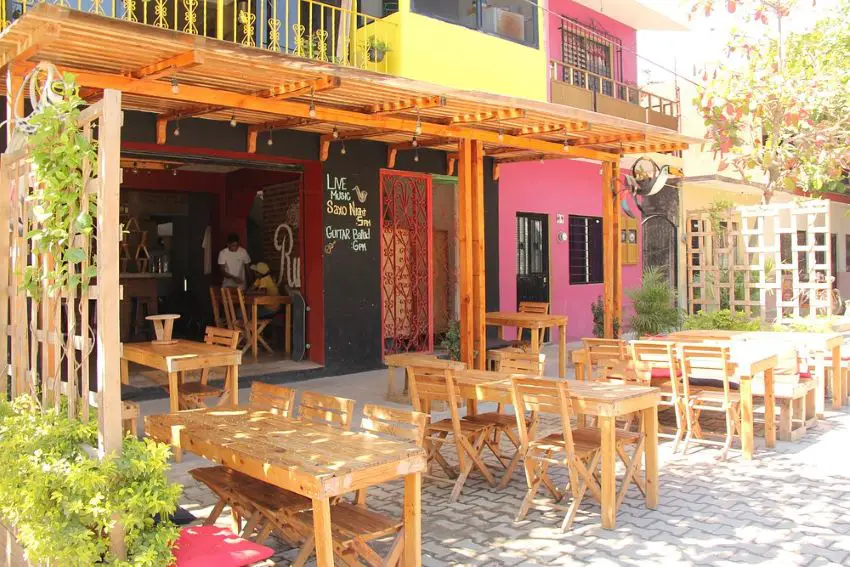
For lunch, head to Rustik, a cozy little street-front pizza/pasta restaurant and wine bar. The wood-fired pizzas here are crispy and fresh — a great treat for this tiny coastal Mexican town.
In the afternoon, make your way to the neighboring town of Barra de Navidad, just a 10-minute drive away. This larger, bustling town offers more shopping opportunities, from artisanal crafts to colorful beachwear. Wander the quaint streets or head out onto the Malecon that divides the sea from the lagoon and watch the stunning, smudgy, pastel-colored sunset.
Return to Melaque for dinner at The Wok Place, a fusion restaurant offering a creative twist on Asian cuisine. The Pad Thai is not to be missed. If you’re up for live music, check out Albatross, another beachfront bar that has live music most nights of the week.
Sunday: Markets, more beaches, and a farewell feast
(TripAdvisor)
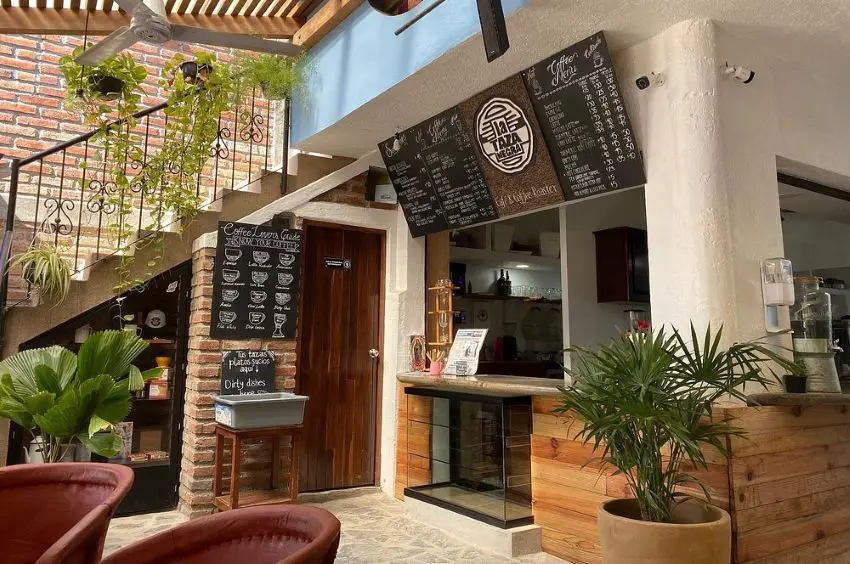
Sundays in Melaque start with a leisurely breakfast. Try La Taza Negra Cafeteria today or pick up some fresh pastries at a local bakery.
If your visit overlaps with Wednesday, don’t miss the weekly flea market, where you can shop for everything from handmade textiles to fresh produce. Even if it’s not market day, Melaque has plenty of shops offering everything from the typical tourist knick-knacks to hand-painted ceramics and beach-ready hammocks.
Spend your final afternoon visiting two locally known beaches: Tenacatita and Arroyo Seco. They’re a bit of a drive from Melaque (roughly 45 minutes to an hour), but what you are venturing for is unspoiled beauty. Tenacatita has fantastic snorkeling and a beachfront positively humming with casual pop-up restaurants. Arroyo Seco is far less developed but is hauntingly beautiful and one of the best surf spots along the Costalegre.
For a farewell meal, dine on the beach at Rojo Restaurant. Located right on Playa Grande in Arroyo Seco, this open-air restaurant is built entirely out of bamboo and is a stunning spot to enjoy a cold margarita, a sunset, and a final look at the southern stretch of the Costalegre.
Pro tips for your Melaque adventure
(Engin Akyurt/Unsplash)
Bring cash: While Melaque has ATMs, they tend to run out of money, especially on weekends. The ATM at the military base offers the lowest surcharge, so plan accordingly.
Embrace the vibe: Melaque is about taking it slow, so ditch the rigid itinerary and let the town’s relaxed pace guide your plans.
Beach essentials: Sunscreen, a hat, and a good book are your best friends. The Pacific sun can be intense even in winter, so stay protected.
Meagan Drillinger is a New York native who has spent the past 15 years traveling around and writing about Mexico. While she’s on the road for assignments most of the time, Puerto Vallarta is her home base. Follow her travels on Instagram at @drillinjourneys or through her blog at drillinjourneys.com
As the best small city in the world faces down catastrophic water shortages, one group has banded together to make a difference. (Sandra Gancz Kahan)
Climate change is no longer a distant concern; it’s here, and it’s affecting all of us. Mexico is seeing scorching heat waves and dry spells followed by sudden downpours and floods. This crazy weather isn’t just an inconvenience: it’s wreaking havoc on agriculture and threatening the water and food supplies.
San Miguel de Allende’s water crisis
San Miguel is beautiful, but it suffers from dryness. (Sandra Gancz Kahan)
The region of San Miguel de Allende has always relied on its short rainy season for most of its water. However, climate change is putting everyone at risk, while rural farming communities feel the highest impact.
It’s hard to imagine, but the arid landscape around San Miguel de Allende was once flourishing with forests that attracted rain and cooled the land. These forests were a vital part of the Laja River watershed, playing a key role in replenishing aquifers and maintaining steady rainfall.
Over time, however, overdevelopment, drought and erosion have destroyed much of this tree cover. Without the cooling effect of the forests, the exposed land absorbs heat, disrupts rainfall patterns and becomes even drier, a destructive cycle known as the “watershed death spiral.”
Abandoned reservoirs and overexploited wells
Guanajuato’s dams are running dangerously low on water. (Sandra Gancz Kahan)
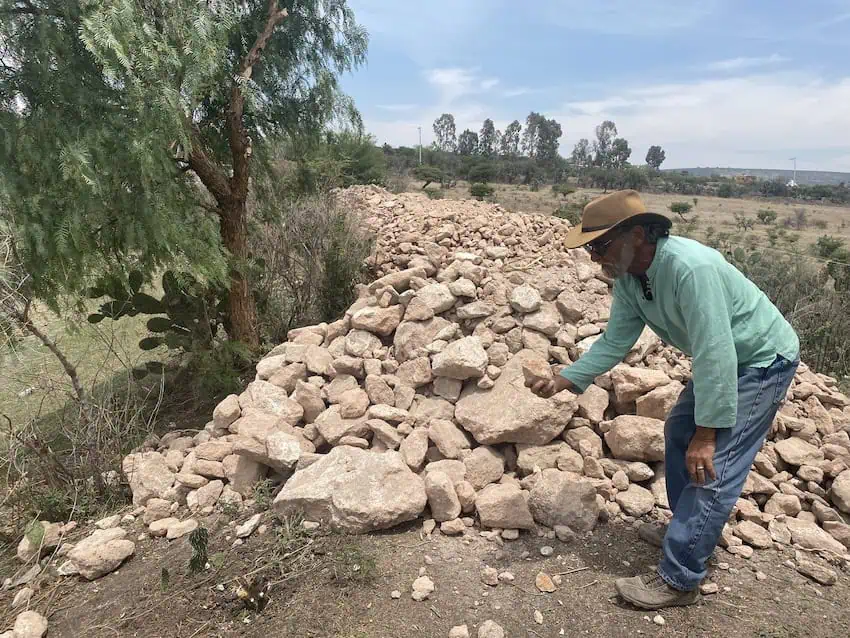
Another key factor contributing to the region’s current water crisis is the shift in how water is sourced. Rural farming communities once depended on rainwater reservoirs to endure the long dry season. However, with the arrival of electricity in the late 20th century, communities began drilling deep wells, which quickly became their main water source. As a result, rainwater reservoirs were abandoned and left to deteriorate.
Large-scale agribusiness has severely overexploited deep wells, depleting aquifers faster than they can replenish. As a result, many wells have already run dry, and the remaining water is often polluted with toxic levels of arsenic and fluoride. This contamination poses serious health risks and further exacerbates the region’s water crisis.
Tikkun Eco Center and Agua Para la Vida
Non-profit Tikkun Eco Center is stepping in to tackle this crisis. Through its Agua Para la Vida project, the Tikkun team focuses on restoring and reforesting water reservoirs to improve environmental and community health.
The Tikkun Eco Center is an oasis of green calm in the midst of one of Mexico’s driest areas. The experienced directorial team has helped make the center a vital local community pillar. (Sandra Gancz Kahan)
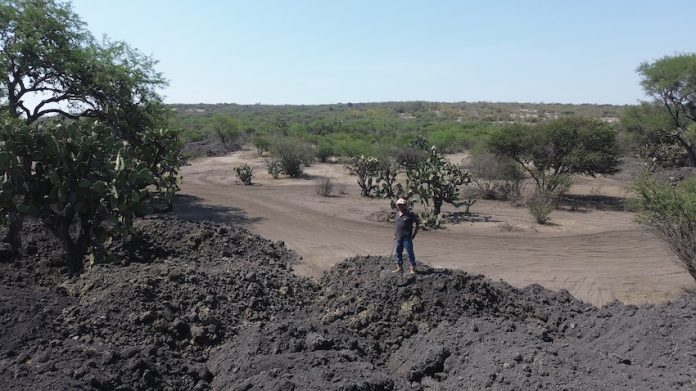
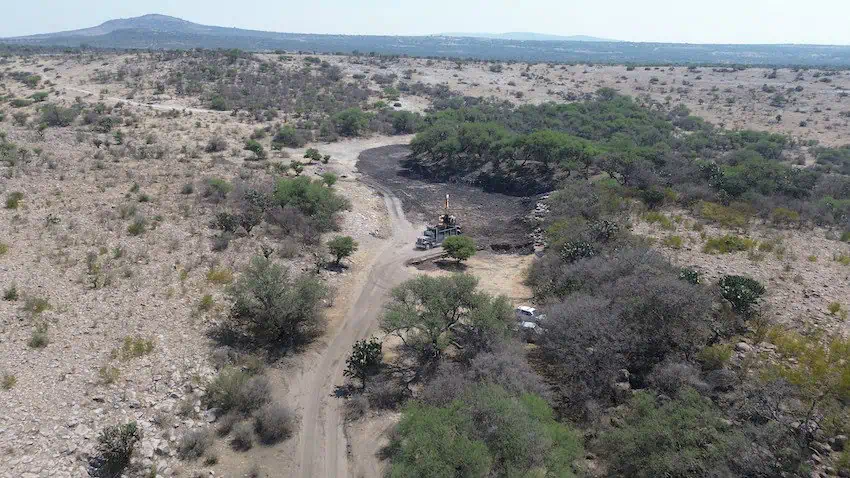
In 2022, Tikkun set out to restore the historic reservoir in the San Miguel neighborhood of San José de Gracia, a resource that had served four villages for over 200 years. Once a vital water source, the reservoir had deteriorated into little more than a mud flat after years of neglect. When the local aquifer could no longer meet the community’s needs, villagers were forced to ration water, receiving only two hours of well water per week per family, barely enough for personal use, let alone farming or livestock.
Breathing life back into the land
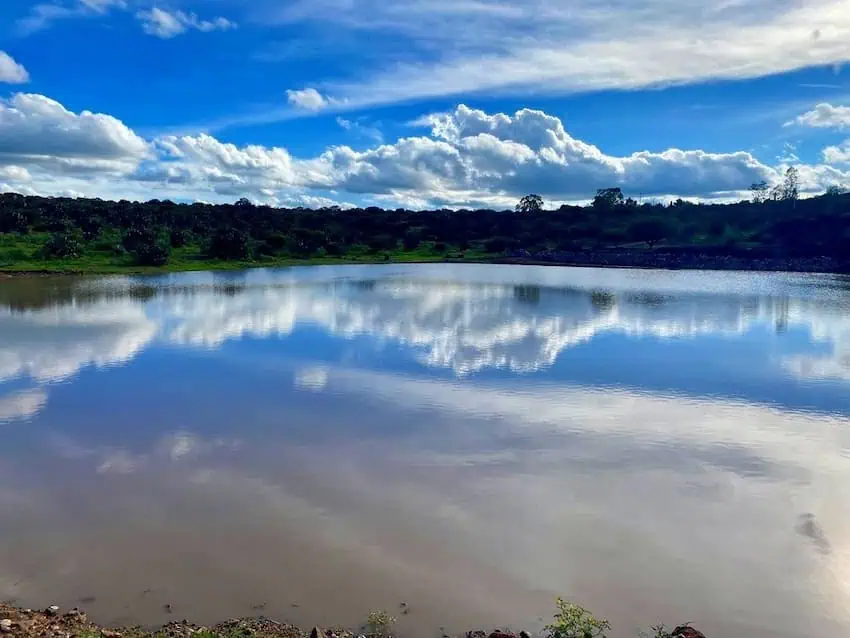
In just one month, Agua Para la Vida removed over 1,400 truckloads of silt and soil from the San José reservoir. Later, they raised the reservoir’s edges, reinforced the dam and installed water management systems. Thanks to these efforts, the San Jose de Gracia reservoir is now capable of holding 45 million liters of water.
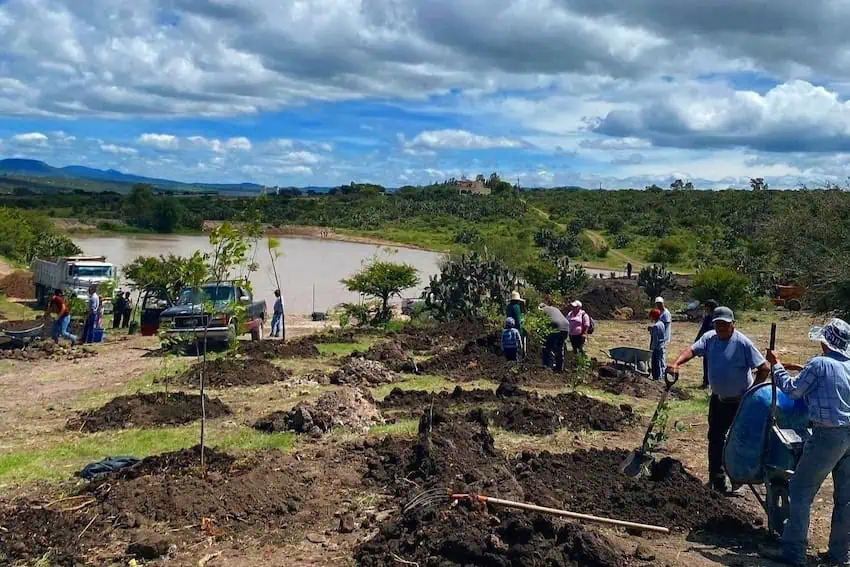
The excavated soil didn’t go to waste: it became the foundation for reforestation. Tikkun donated over 100 native tree saplings and hundreds of magueys, while the San Miguel Municipal Ecology Department (DMAS) contributed an additional 1,000 native trees and cacti that were all planted by volunteers. When the rains came, the reservoir filled and Tikkun stocked it with tilapia from their own ponds.
Tikkun Eco Center 20 Reservoir Restoration Project
A global movement for ecological restoration
Tikkun Eco Center’s work is part of a global movement to heal degraded ecosystems. Restoring local forests and promoting sustainable agricultural systems is essential for reversing the damage caused by deforestation and desertification. Around the world, communities facing similar challenges have achieved remarkable success.
In Asia, Africa and Australia, reforestation efforts and sustainable water practices have turned barren landscapes into thriving ecosystems. These projects bring back green spaces and improve food security, water availability and local economies, offering hope and inspiration for regions like San Miguel de Allende.
The recipe for healthy ecosystems
The water crisis in San Miguel de Allende can be dealt with with sustainable water practices, applied to the desert’s ecosystem. (Sandra Gancz Kahan)
Tikkun Eco Center specializes in restoring reservoirs and laying the foundation for regenerative agriculture. Their approach includes keeping fields green year-round with cover crops and intercropping trees. Permaculture methods guide their work, transforming fields into food forests that blend trees with deep-rooted grasses to create a cooler, more biodiverse ecosystem. This approach captures carbon, provides habitats for bees and beneficial insects, restores eroded soils and improves rainwater absorption.
Scaling up the impact
Tikkun Eco Center continues to expand its impact by partnering with experts and securing funding for vital projects. With support from the Rio Arronte Fund for Natural Resources and the San Miguel Community Foundation, Tikkun has teamed up with local water-focused NGO Caminos de Agua and Querétaro-based Inana to restore the community reservoir of Los Torres, another San Miguel neighborhood.
This work is just the beginning. The region has hundreds of abandoned reservoirs. Scaling up these efforts could transform the area. Tikkun’s holistic model of ecological repair has shown what’s possible. Still, more action and support are needed to expand the scope and reach of these efforts.
Sandra Gancz Kahan is a Mexican writer and translator based in San Miguel de Allende who specializes in mental health and humanitarian aid. She believes in the power of language to foster compassion and understanding across cultures. She can be reached at: sandragancz@gmail.com
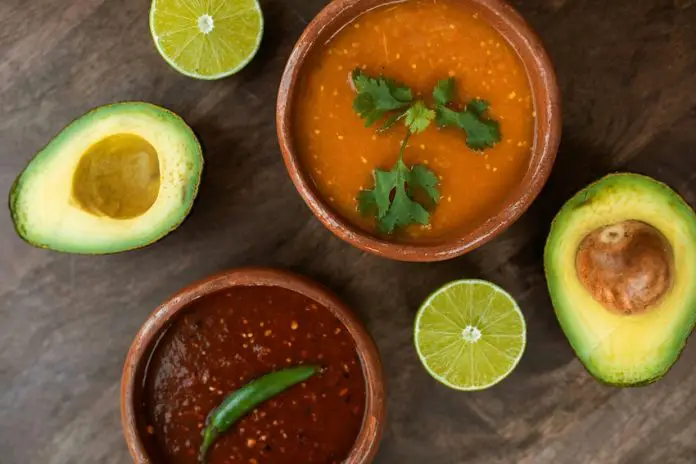
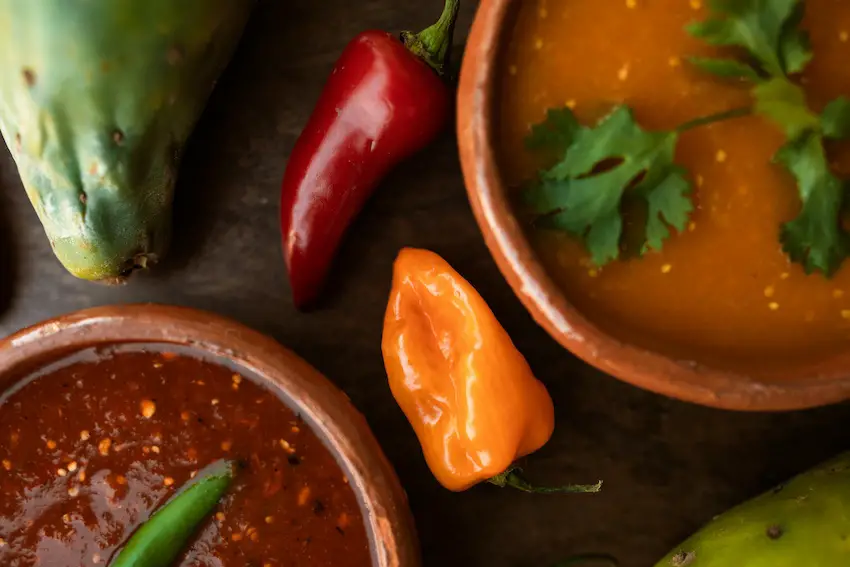
Onion, garlic, cilantro and, of course, different chile species are central in Mexican salsas. (DNE Stock project/Pexels)
No mere condiment, salsa has been a ubiquitous flavoring element of Mexican cuisine since its pre-Hispanic origins. When the Spanish first arrived in Mexico in the early 16th century, according to Harvard historian David Carrasco, they encountered a Mexica culture whose cuisine already boasted a “myriad of sauces made from beans, tomatoes, avocados, tomatillos, chilies, squashes, and mushrooms” to fish and wild game.
Well before Mexico-sourced tomatoes were introduced to Europe and inspired Italian marinara sauces, the Mexica had created recipes (or inherited them from earlier Mesoamerican cultures) for sauces like mole and guacamole that remain iconic and widely popular more than 500 years later.
Dating back to pre-Columbian times, salsa takes a central role in Mexican cuisine. (RDNE Stock project/Pexels)
The essential ingredients in Mexican salsas
The presence of chile pepper is the defining and indispensable element of Mexican salsas, even more so than the use of tomato or tomatillo — staple ingredients in red and green sauces, respectively.
More than 60 varieties of chile pepper are grown in Mexico, and as any connoisseur can tell you, different flavors and textures (and sometimes names) are produced according to whether the pepper is fresh or dried. Commonly used peppers like chile de árbol, for instance, have the same name fresh or dried, while chipotle is the dried version of jalapeño and guajillo the dried version of the mirasol.
Tomatoes and tomatillos are thought to have originated wild in South America, but both were first domesticated in México; tomatoes by about 500 B.C.; and tomatillos even earlier, from 800 B.C. Even though tomatillo means “little tomato,” it’s not. Rather, it’s a ground cherry. But each is part of the Solanaceae family of fruit, a category that also includes potatoes and all the world’s peppers (yes, chile peppers too).
Garlic, lime and cilantro are the major salsa ingredients brought by the Spanish, thanks to emerging trade routes. All were introduced into Mexico in the 16th century. Onion, another one, was already present during the pre-Hispanic period — its Náhuatl name was “xonacatl” – but its reputation as an aid to good salsa rose considerably during the Spanish colonial period.
The Classics
Mole
Chicken sauced with mole poblano. (Los Tres Gallos)
The similarity in the names of mole and guacamole speaks to a shared origin in the Nahuatl language. The first recipe for this world-class Mexican sauce was long attributed to a 17th-century nun in Puebla, Andrea de la Asunción. However, the tomato, pumpkin seed, and chile-based favorite has since been traced back to pre-Hispanic times when it was called mulli or molli (sources differ on spelling). Nowadays, regional variations abound, including some, like mole poblano, made with chocolate. But in Mesoamerica, chocolate was typically served only in beverage form, while mole sauces spiced with assorted chilies were commonly served as an accompaniment to turkey.
Guacamole
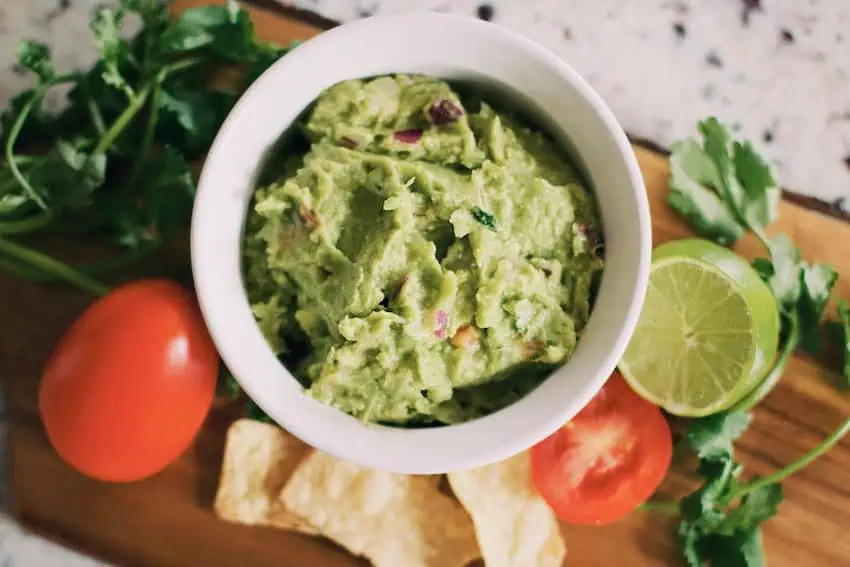
Guacamole is maybe the most internationally famed salsa of all. (Tessa Rampersad)
Guacamole, too, has its origins in Nahuatl-speaking cultures. The Toltecs may have invented “ahuacamolli.” Their “Feathered Serpent” deity, Quetzalcoatl, is said to have revealed it via divine message. However, the Mexica also accepted Quetzalcoatl into their pantheon as a god and the first recipe comes down to us from them. The original version, as noted, lacked lime, onion, and cilantro. The Mexica used only avocado, chilies, salt, and occasionally tomatoes. Avocados it should be mentioned, have grown wild and been eaten in México for 10,000 years or so. But they are theorized to have been first cultivated around 1800 B.C. by the Mokaya, an Olmec precursor group who lived in Chiapas and are now better known as the first people to make chocolate.
Salsa Verde & Salsa Roja
Enchiladas topped with salsa verde. (Los Tres Gallos)
Yes, salsa verde and salsa roja also date to pre-Hispanic México. Tomatillos and serrano chiles are the featured ingredients in the former, a versatile sauce that now tops everything from tacos and enchiladas to chilaquiles, quesadillas, and burritos. But garlic, onion, and cilantro are included, too, just as they are in the sauce’s “red” equivalent: salsa roja. The color difference between the two comes from the fruit of choice — tomato or tomatillo. Otherwise, these sauces are quite similar.
Salsa Bandera / Pico de Gallo
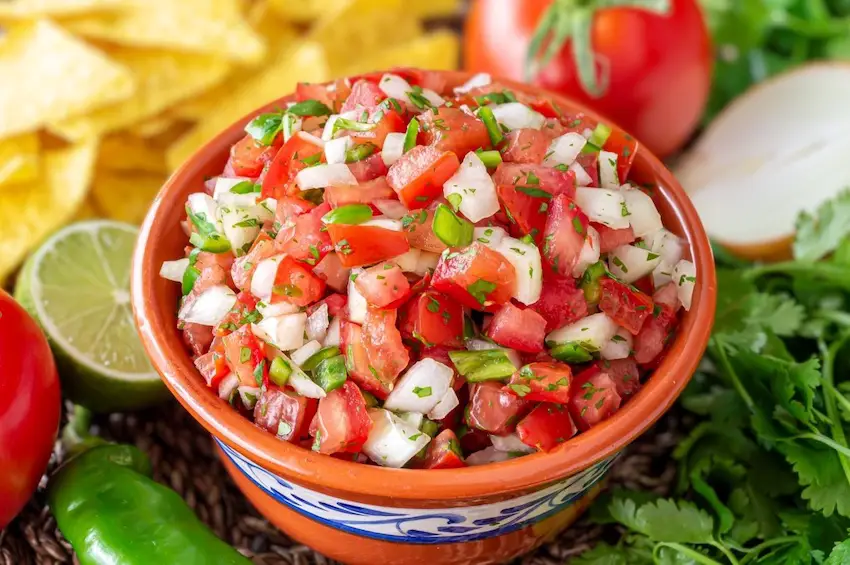
Imitating the Mexican flag, pico de gallo is among the most famous salsas in Mexico. (Damián Serrano)
If you’re noticing a trend that suggests most iconic Mexican salsas date at least to the Mexica, salsa bandera provides further evidence. However, its name comes from the Spanish word for flag, as the main ingredients — tomato, onion, and serrano or jalapeño chiles (plus lime and cilantro) — have colors that mimic those in the Mexican flag. One of its names, that is. This salsa is also known as pico de gallo, or “the rooster’s beak.” Why? That’s unclear. But likely it acquired different monikers in different regions. By either name, it’s a superb accompaniment to Baja-style fish tacos, among other tacos and enchiladas.
Bottled Salsas
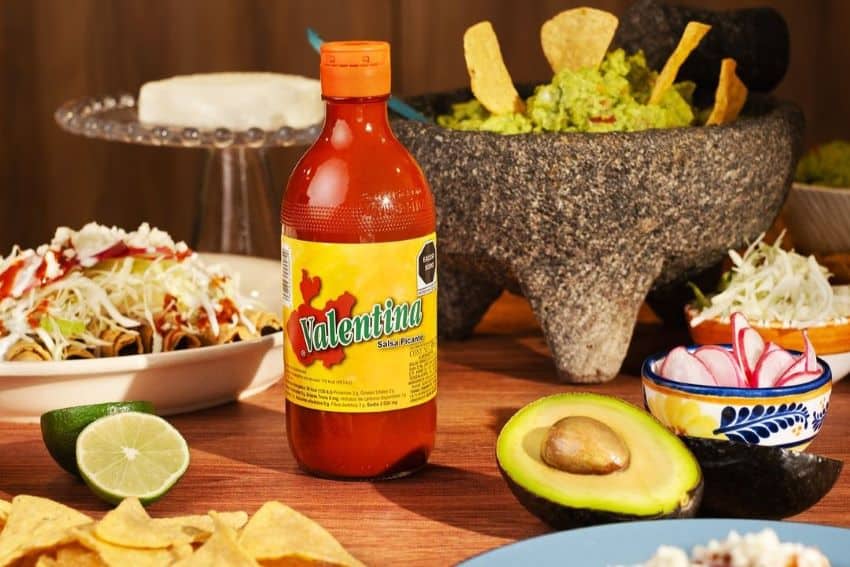
Salsa Valentina is arguably the most popular sauce in Mexico. This thick liquid is spicy, affordable and found throughout Mexico in households, at restaurants and street stalls to add freely to your snacks. (All photos by Salsa Valentina/Instagram)
Bottled salsas have added another dimension to the culinary experience, allowing for flavoring on food items not previously sauced. Who can now deny, for instance, that Salsa Valentina is perfect on popcorn, chapulines or virtually any other snack item? The Guadalajaran brand first hit the market in 1954 and has been a national favorite ever since thanks to its pleasing mix of puya chilies, vinegar, and spices.
Several other bottled salsas — Huichol and Guacamaya, notably — date to the 1940s, while habanero-spiced El Yucateco didn’t premier until 1968. However, these are relatively recent additions to the Mexican salsa tradition. As we’ve seen, many of the best-known salsas used to flavor the nation’s cuisine — including those most likely to grace dishes at your favorite restaurants and street food stands — were created before Hernán Cortés and his Spanish soldiers conquered Tenochtitlan in 1521. Some well before.
The Joys of Salsa
That’s part of what makes Mexican cuisine so special. It’s a living tradition, with staple elements that evoke millennia of history. Tortillas, for example, are said to have been around for over 10,000 years. From that perspective, salsas of all kinds are a relatively recent invention. It’s hard to imagine Mexican food without them, though. Salsas are the heart and soul of any dish they accompany and they accompany everything.
If you’ve ever felt a sense of joy as you dig into a hearty Mexican dinner, it’s likely because of the chile peppers in your salsa. They contain capsaicin, a compound that yes, makes your tongue burn. But it also signals the body to release endorphins and dopamine, flooding you with happiness and a profound sense of well-being. So the flavor is only part of the magic. Salsas please on many levels.
Chris Sands is the Cabo San Lucas local expert for the USA Today travel website 10 Best, writer of Fodor’s Los Cabos travel guidebook, and a contributor to numerous websites and publications, including Tasting Table, Marriott Bonvoy Traveler, Forbes Travel Guide, Porthole Cruise, Cabo Living and Mexico News Daily. His specialty is travel-related content and lifestyle features focused on food, wine and golf.
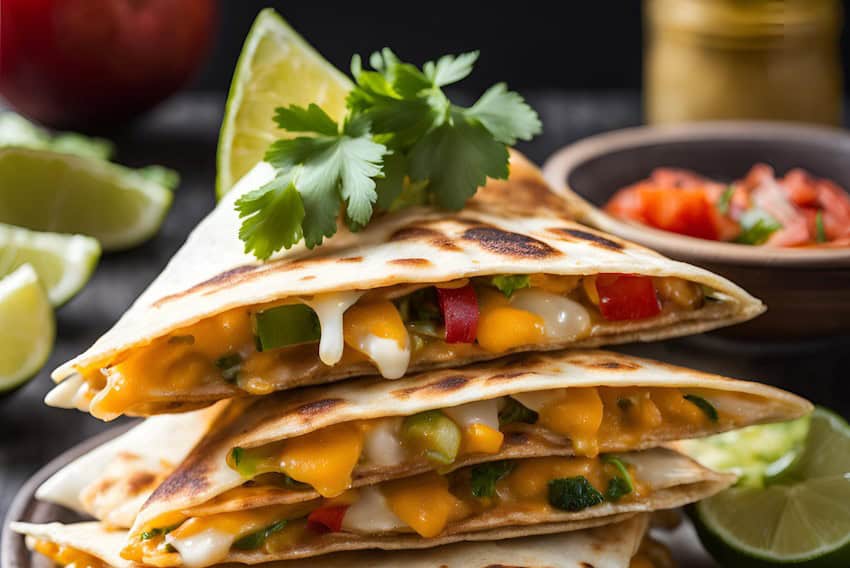
It’s beautiful. I’ve been looking at it for five hours now. (Canva)
What is it?
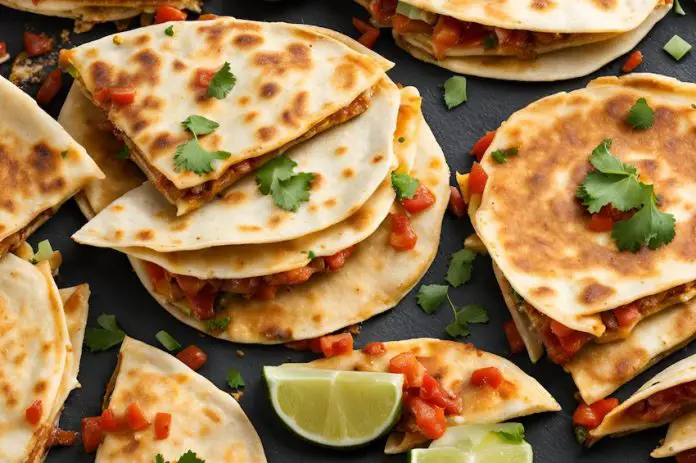
A quesadilla is a tortilla made from corn or flour that is folded in half and filled with various ingredients. While it may seem simple, there is a rich cultural, linguistic, and regional context behind it. Understanding these aspects reveals that a quesadilla is much more than just “a tortilla with cheese.”
Linguistic Origin: Yes, It Does Come From Cheese
The word “quesadilla” has its linguistic and cultural roots in Spain. It originates from “quesada,” a sweet tart from northern Spain — specifically Cantabria — made with fresh cheese, flour, eggs, and sugar. Although this is a European dessert, its essence took root in the New World.
During the colonial period, the term “quesadilla” adapted to the surroundings of New Spain as the blending of indigenous and Spanish culinary traditions led to countless variations in cuisine. In mestizo cooking, the term “quesadilla” gradually became associated with corn and savory fillings, particularly cheese. This is how the quesadilla evolved into the form we recognize today.
At some point, a theory emerged suggesting that “quesadilla” originated from the Nahuatl word “quesaditzin,” which means “folded tortilla.” In Nahuatl, the word for tortilla is “tlaxcalli,” so the accurate term for a folded tortilla with filling would actually be “tlaxcalpachōlli.” I’m sure this quesaditzin theory began as a meme that spiraled out of control.
The Cultural Dimension of the Quesadilla
The quesadilla serves as a cultural microcosm that encapsulates Mexico’s historical evolution. It reflects the fusion of pre-Hispanic cuisine — featuring ingredients like corn, nixtamal, herbs, mushrooms, and even insects — with the Spanish legacy, which introduced cheese, wheat, and livestock. Over the centuries, this humble snack has evolved into numerous regional variations, showcasing the rich culinary diversity of Mexico.
National Debate: With Cheese or Without Cheese?
We can’t confirm anything, but this may have started over quesdillas. (Sick Chirpse)
Families have been torn apart and friendships lost over this debate. Some argue that the answer is obvious: since “quesadilla” comes from “queso,” it should logically contain cheese.
However, reality surpasses linguistic logic. In Mexico City and the surrounding areas, quesadillas are often filled with a variety of detritus — such as squash blossoms, mushrooms, huitlacoche (corn fungus), pressed pork rind, potatoes, tinga (spicy shredded meat), picadillo (ground meat), chorizo, or rajas—and sometimes include cheese. This semantic flexibility may seem odd to outsiders unfamiliar with Mexico’s complex culinary traditions, but it reflects a unique aspect of their cuisine.
What Distinguishes a Quesadilla from a Taco?
Here’s a straightforward classification of the types of quesadillas you might encounter throughout Mexico:
1. By Type of Dough:
Corn: Made with nixtamalized corn dough; this is the most common type in Mexico.
Flour: Popular in northern Mexico due to U.S. culinary influence. In the north, quesadillas always incorporate cheese.
2. By Filling:
Orthodox: Filled only with cheese.
Inclusive: Cheese combined with other ingredients, such as huitlacoche, squash blossoms, mushrooms, pork rind, potatoes, tinga, or various meats. Sometimes we have the same fillings without cheese.
3. By Cooking Method:
Comal: Prepared on a griddle without oil, making them a healthier option.
Fried: Deep-fried in oil or lard, often topped with sauces, lettuce, cheese, and sour cream.
4. By Shape:
Folded: Dough folded in half after being filled.
Closed:Completely sealed, resembling empanadas, and prepared for frying.
5. Other Variations:
Pescadillas: A coastal classic—fried quesadillas filled with seafood.
Sweet Versions: In some regions, these are made with piloncillo (unrefined cane sugar) and fresh fruits.
The only type of quesadilla that resembles a taco is the comal cooked version filled with stews. However, there is a key difference: the size and thickness of the tortilla. Tacos typically use smaller, thinner tortillas, while quesadillas from street vendors are hand-made, much larger, and quite filling—you’ll be satisfied with just one or two.
Fun Quesdilla facts to cheese your friends
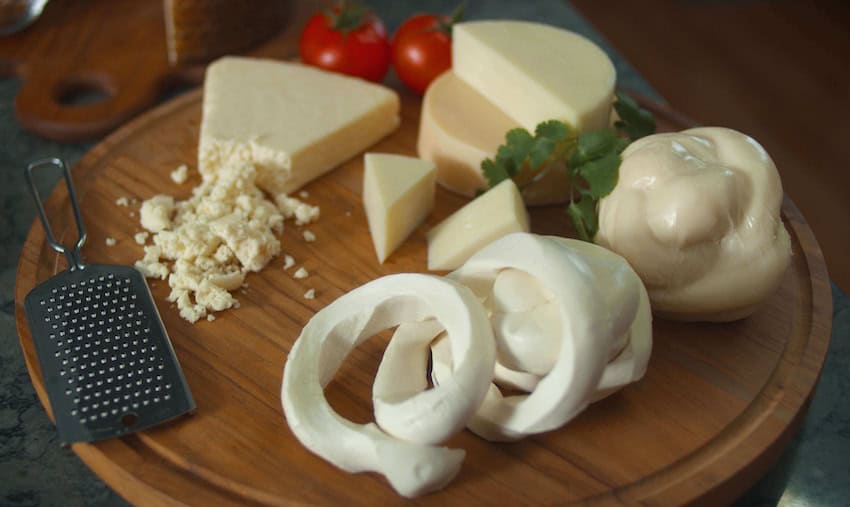
Presumably one of these ought to be inside the tortilla. (U.S. Dairy)
A Reliable Snack: Quesadillas are a popular street food that people commonly eat for lunch or dinner, rarely enjoyed for breakfast.
Easiest Dinner Ever: When you’re too tired to cook but still starving, nothing is simpler than placing tortillas on a griddle, adding cheese, and patiently waiting for it to melt.
Survival Food for Beginners: Many of us relied on quesadillas when we first moved out and lacked any cooking skills. While delicious, we sometimes ate them while crying and reminiscing about our mothers’ dishes.
Kids’ Favorite: Picky eaters rejoice! Almost every kids’ menu features an “order of quesadillas” because what child doesn’t love a warm, cheesy tortilla? For many of us, quesadillas were a staple growing up.
Amigos, now that you have all the data, tell us what you think: cheese or no cheese? And what’s the best quesadilla you’ve ever had?
María Meléndez is a Mexico City food blogger and influencer.