Two batallions made up of 600 soldiers arrived in Sinaloa on Saturday. (José Betanzos/Cuartoscuro)
The federal government has deployed 600 additional soldiers to the battle-scarred state of Sinaloa where hostility within the Sinaloa Cartel has sparked armed confrontations.
Shootouts and commando attacks have occurred primarily in Culiacán, the state capital, and surrounding towns.
The news magazine Proceso reported that four people were murdered overnight on Friday. Proceso also reported that a firefight between suspected cartel gunmen and the military on Saturday claimed three more lives. Meanwhile, El Sol de Sinaloa reported the discovery of five additional bodies outside an aquatic park in southern Culiacán later on Saturday.
That same afternoon, Sinaloa Governor Rubén Rocha announced the arrival of two battalions of soldiers.
In a social media post, Rocha said “a total of 600 members of the army have arrived in the state capital to join the active security operation … reinforcing the coordinated strategy between the three levels of government to combat insecurity in the state.”
“An operation was immediately implemented in coordination with security forces [who] managed to evacuate six adults and a minor from the building where the attackers had taken refuge, while they subdued three of the civilian attackers and arrested another.”
The governor declared the situation under control, but urged the public to avoid the neighborhood of Desarrollo Urbano Tres Rios while authorities conducted an investigation.
On Sunday, the Sinaloa Attorney General’s Office acknowledged reports of three murders and three disappearances, according to the news site Aristegui Noticias.
State struggles to keep students in school
When the violence began back on Sept. 9, the 1,846 elementary schools in the cities of Culiacán, Concordia, Elota and Cosalá opted to suspend classes.
A week or so later, the state Education Ministry insisted that the schools reopen their doors, according to El Sol de Sinaloa. On Sept. 17, after touring high schools in Culiacán, Education Minister Catalina Esparza Navarrete lamented the low attendance.
“The schools seem deserted,” she said.
Though schools in Culiacán and many other areas of Sinaloa reopened last week, few parents allowed their children to attend. (File photo)
Esparza said the state would offer training to 1,500 teachers, instructing them how to react when violence threatens their schools. The National Guard has also been deployed to protect more than 1,600 schools in the municipalities of Culiacán, Cósala, Elota and San Ignacio.
One school principal told El Sol de Sinaloa that the 370 Guardsmen and 125 vehicles would not be enough to guarantee student safety at their school.
El Sol de Sinaloa cited three cases, including two shootouts, that occurred in the vicinity of schools between Sept. 9-13. The third incident was the placement of a human head on the grounds of an elementary school.
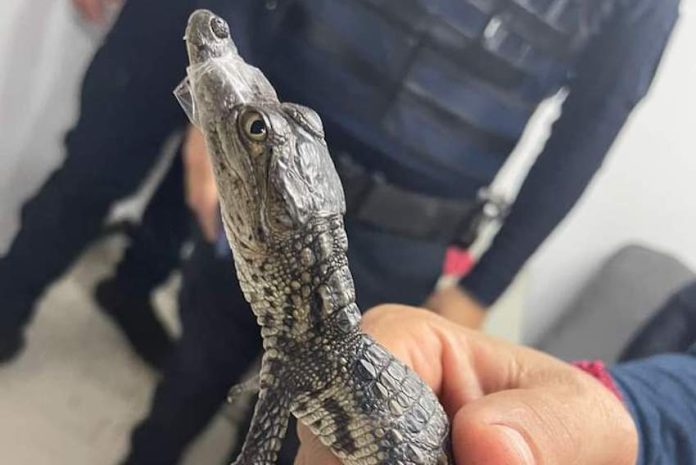
A Morelet's crocodile was found on the Mexico City Metro in September.
(@DiariodeMorelos/X)
Here are a couple things to remember while waiting for a train in a Mexico City metro station: Don’t step past the yellow line that marks the edge of the platform. And watch out for crocodiles.
Wait … what?
Over the weekend, baby crocodiles were spotted in two separate Mexico City metro stations.
On Saturday night, police responded to reports of a baby crocodile inside a train at the Río de los Remedios station in the eastern outskirts of Mexico City. The creature was found “commuting” inside a container partially filled with water.
After on-site officials confirmed it was a crocodile, they collected the reptile and notified animal rescue personnel.
The baby crocodile was taken to the Animal Vigilance Brigade (BVA) headquarters in the southern borough of Xochimilco where it was examined by a veterinarian.
The following day, passengers in the busy Balderas metro station in downtown Mexico City were surprised to see a little crocodile walking in the drainage canal along the edge of the railway platform.
Passengers notified authorities, who then trapped the reptile and handed it over to BVA agents.
This is not the first time exotic reptiles have been discovered outside their natural habitat in Mexico.
In June, an escapee from a nature park stopped traffic on a busy road in downtown Tampico, Tamaulipas. (Screen capture)
In 2020, two men attempted to carry several small crocodiles on the metro but were arrested. In 2022, a snake was found in the Boulevard Puerto Aéreo metro station in eastern Mexico City.
The authorities are unsure how the baby crocodiles made their way into metro facilities, though the immediate speculation was that they were abandoned by wildlife traffickers.
The BVA disclosed that both reptiles found this weekend are Morelet’s crocodiles, which can grow to 4.5 meters in length.
Though the Morelet’s crocodile is not an endangered species, it has long been threatened by habitat destruction and illegal hunting, particularly because high-quality leather can be made from its hide.
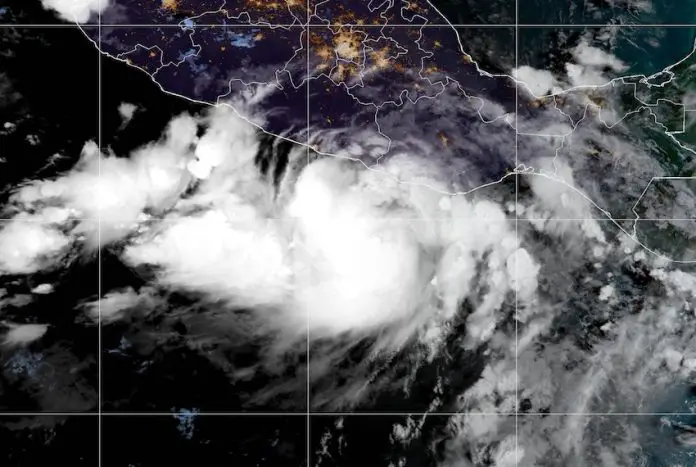
The NHC has said that Hurricane John will cause “large and destructive waves,” as well as potentially “catastrophic, life-threatening flash flooding and mudslides” to the coasts of Chiapas, Oaxaca and southeast Guerrero. (NOAA)
Hurricane John, currently located 160 km southwest of Puerto Escondido, Oaxaca, is forecast to rapidly strengthen into a major hurricane, bringing extraordinary rain to the coast of Oaxaca on Monday night through Tuesday morning.
The United States’ National Hurricane Center (NHC) expects John to produce 25 to 50 cm of rain along the Oaxaca coast and southeast Guerrero, with maximum sustained winds of 140 km/h. The NHC urged that “preparations to protect life and property should be rushed to completion,” as the storm is forecast to make landfall near Puerto Escondido in the next 24 hours.
Tropical Storm #John has strengthened into a Hurricane 🌀⚠️
Continued intensification is expected until landfall over the Mexican state of Oaxaca late Tuesday, possibly as a Major Hurricane. pic.twitter.com/oVE3PZGBje
A hurricane warning is in effect for the area between Punta Maldonado, Guerrero, to Bahías de Huatulco, Oaxaca. A tropical storm warning is in effect east of Bahías de Huatulco to Salina Cruz, as well as west of Punta Maldonado extending to Acapulco.
Oaxaca civil protection authorities have advised at-risk municipalities to install temporary shelters for residents. Civilians are encouraged to stay alert to official information here.
The rain and wind forecast by state in Mexico’s southwest is as follows:
Oaxaca: Extraordinary rainfall (+250 mm) with wind gusts of 100 to 120 km/h and waves of three to five meters high in coastal areas.
Chiapas and Guerrero: Torrential rainfall (150 to 250 mm) with gusts of 40 to 60 km/h and waves of one to three meters high, with waterspouts possible.
12:00 PM CST Key Messages on #Hurricane#John: John rapidly strengthens to a hurricane. John is forecast to rapidly intensify into a major hurricane before making landfall in southern #Mexico. Preparations to protect life and property should be rushed to completion. pic.twitter.com/ETpaepxLbo
The NHC has said that Hurricane John will cause “large and destructive waves,” as well as potentially “catastrophic, life-threatening flash flooding and mudslides” to the coasts of Chiapas, Oaxaca and southeast Guerrero.
The national weather agency has cautioned residents of these areas that strong winds may lead to falling trees and billboards.
Monday weather forecast for the rest of Mexico:
Intense rainfall: Campeche, Quintana Roo, Tabasco and Yucatán.
Very heavy rainfall: Chihuahua, Durango, Michoacan, Morelos and Puebla.
Heavy rainfall: Mexico City, Colima, México state, Jalisco, Nayarit, Nuevo Leon, San Luis Potosi, Sinaloa, Tamaulipas and Tlaxcala.
Showers: Aguascalientes, Coahuila, Guanajuato, Hidalgo, Querétaro and Zacatecas.
High winds from Hurricane John may reach some areas of México state through the end of the week.
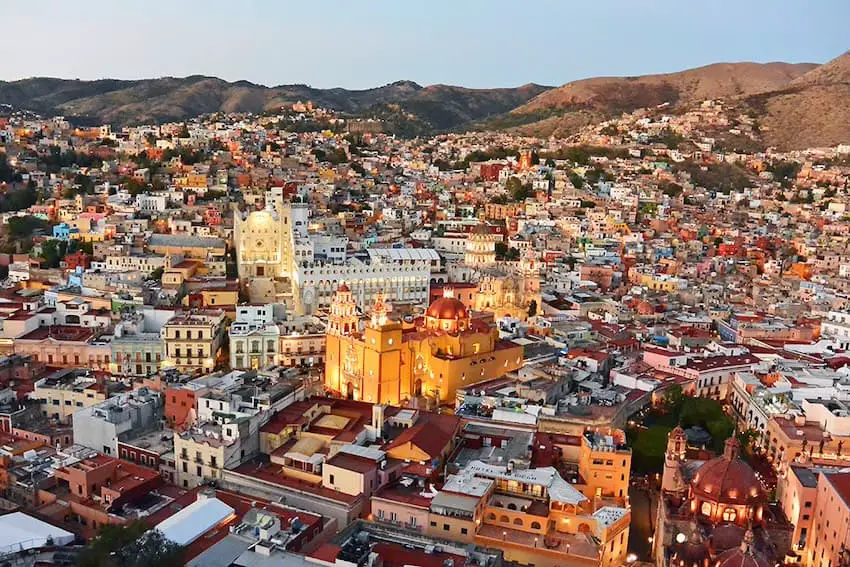
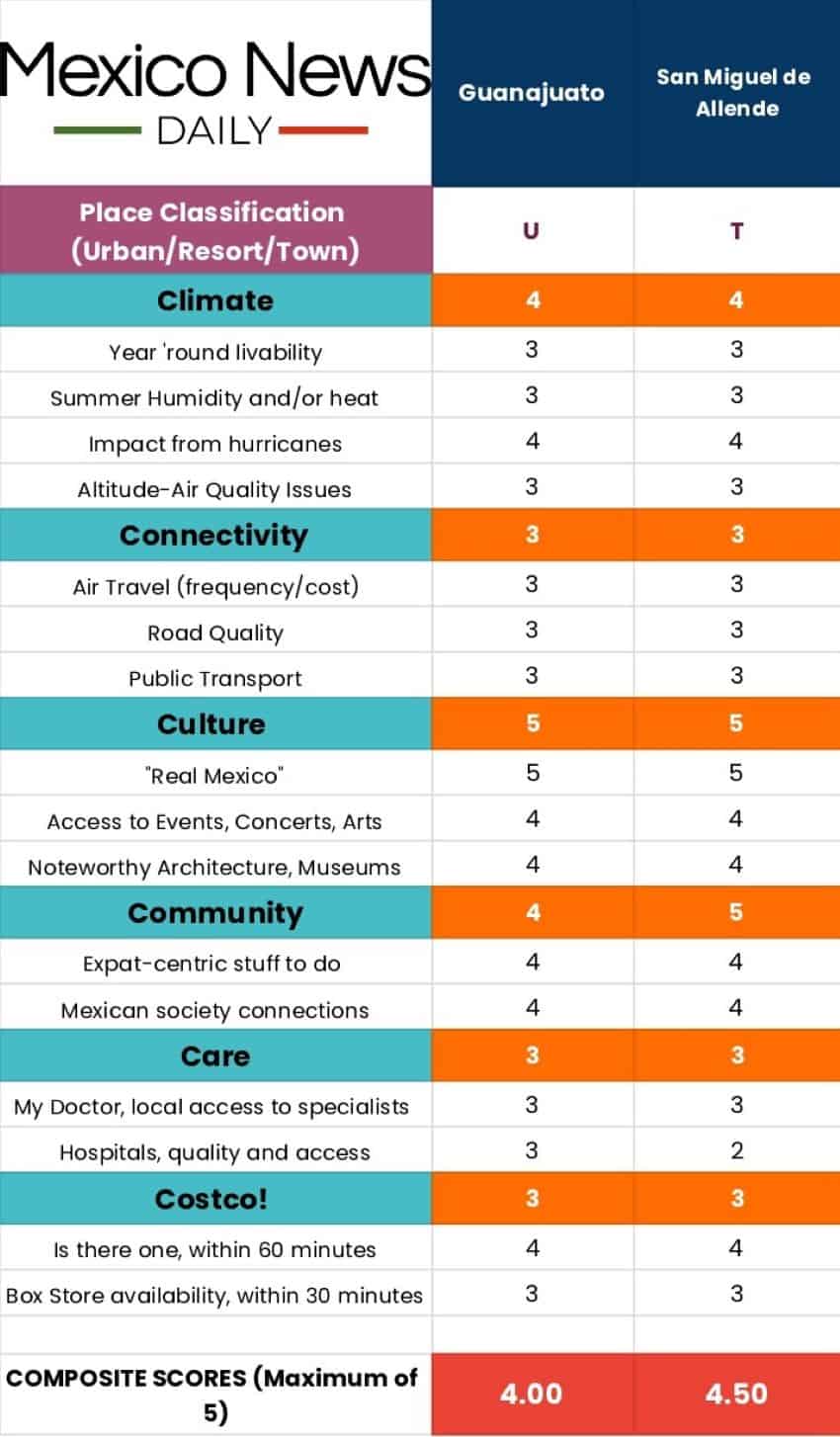
A lot has been said about San Miguel de Allende and Guanajuato City - and for good reason. But how do these gems stand up to the MND Where to Live in Mexico test? (The Longest Weekend)
Last week’s essay drew inspiration from a bygone era when the Pacific’s Mexican Riviera dominated the tourism landscape. This week we turn to the Mexican heartland, and a state that’s captured the attention of global travelers competing for selfies and a heady dose of “real Mexico.” Guanajuato has two UNESCO World Heritage cities and a third “route” (the Camino Real) that’s also on this coveted list. San Miguel de Allende has even earned a “Best City in the World” ranking a remarkable five times, 2014, 2017, 2018, 2021 and 2024! That’s an astonishing feat, especially since some Mexican and even foreign residents accept these accolades with a “Really?” blush of incredulity. But even without these international recognitions, the State has earned its 21st-century overseas living cred based on some simple, undeniable attributes: location, authenticity and sophistication.
Guanajuato was one of the first areas of Mexico colonized by the Spanish. In the mid-16th century, the state’s rich silver deposits lured the Spanish crown to develop settlements that grew into centers of wealth and influence. In fact, for some two and a half centuries, nearly one-third of the world’s silver came from the mines of one city — Guanajuato. This fertile region was also Mexico’s “breadbasket” — its farms, orchards and ranches feeding the emerging New World cities. The mining wealth enabled the economic and social emergence of Europe in the 17th and 18th centuries, helping fuel the Renaissance.
Guanajuato state is one of the oldest colonized regions of Mexico, and the mineral wealth found there made its cities some of the richest in New Spain. (Barefoot Caribou)
It has an average altitude of 2,015 meters (6,611 ft) above sea level. Guanajuato has a pleasant, high desert, spring-like climate, with temperatures from 11 to 26 degrees Celcius (52 to 80 Fahrenheit). Winter evenings can be cold, while the summer rainy season lasts from June to September — though with the uncertainty wrought by Mexico’s changing climate, this is becoming less certain with every passing year. It’s greener in the south, where vineyards are common. Before the Spanish arrived, this area was covered in dense forest, but mining needed wood fuel and sheep grazing pastures. Today, the central area is home to most of the state’s agriculture and industry since the terrain allows for highways and large farms, which produce grains, vegetables and fruit. This farmland is considered some of Mexico’s most productive.
Guanajuato State is perhaps Mexico’s grandest colonial-era showcase. It is located in the center of Mexico, in a region referred to since colonial days as El Bajio, meaning the lowlands. Guanajuato is bounded on the north by the State of San Luis Potosí, on the east by the State of Querétaro, on the south by the State of Michoacán, and on the west by the State of Jalisco. It has an area of 30,491 square kilometers (about 11,800 square miles; the size of Massachusetts). It derives great advantage from these surrounding states, especially Queretaro, which offers great access to medical care, air travel and shopping. In 2020 the state had an estimated population of 6.1 people and no one’s quite sure how many more foreign transplants.
Two cities (Guanajuato and San Miguel de Allende, each around 180,000 residents) earn high marks in our series’ ratings (see below). Some will lament how these places have been “loved to death” or how rising prices and weekend “invaders” have fundamentally altered each icon’s livability. The state is not all “pina coladas and getting caught in the rain”, as a persistent criminal element in the state’s southern region has put once visited places (Irapuato, Celaya) off-limits (what a shame).
Most foreign tourists and expat residents concentrate their Guanajuato visits to the state’s most famous colonial cities: Guanajuato and San Miguel de Allende. In addition, visitors will want to consider visits to León and Dolores Hidalgo, the “cradle” of Mexican independence. Prominente Pueblos Magicos include Jalpa de Canoves, Mineral de Pozos, Salvatierra, Comonfort and Yuriria. Far fewer foreigners live in these places, so you might actually get the chance to practice your Spanish.
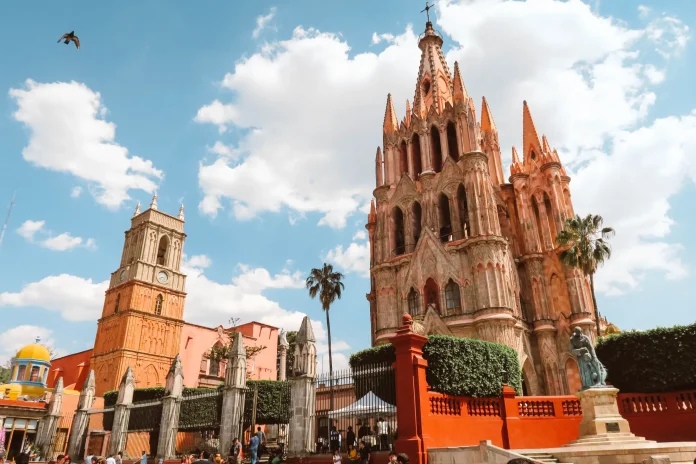
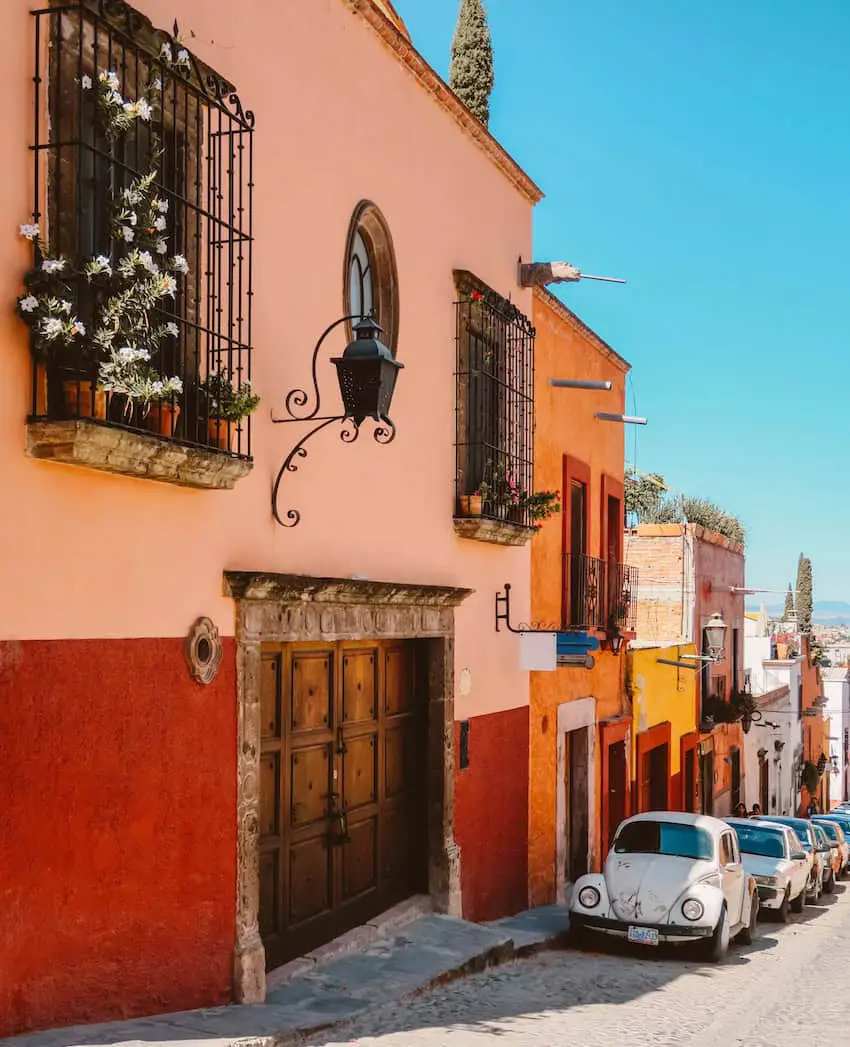
San Miguel de Allende might steal all the plaudits, but Guanajuato is every bit as much of a colonial gem. (Feather and the Wind)
Visitor infrastructure in Guanajuato State is a step above other Mexican interior states. There’s a rich assortment of historical attractions, exquisite architecture, excellent shopping, vibrant festivals, thermal water spas, and the chance to participate in small town Mexican life. Several super-highways cross the State; there’s Guanajuato’s international airport outside of León; and intercity bus service is frequent and inexpensive. Guanajuato State is also host to some of Mexico’s most renowned festivals, including the International Festival Cervantino in October, staged in Guanajuato, and the Fiesta de Los Locos in San Miguel de Allende held in June.
The State’s gastronomic heritage is one of Mexico’s best, including wine. You’ll want to try the tuna de xoconostlesalad, menudo quitar, the enchiladas mineras, the sopes, and pozole. Tohelp disseminate traditional cuisine and new dining trends,the state hosts culinary events throughout the year indifferent municipalities, including gastronomic weeks,festivals, encounters with national and international chefs,and vineyard tours.
San Miguel de Allende
San Miguel de Allende is now so synonymous with Mexico living that there isn’t much new to say. Those who love luxury will be drawn to the colonial haven, though others decry a lack of authenticity. (The Longest Weekend)
How would most places deal with being named the “Best city in the world”? San Miguel seems to have risen above the pressure, repeatedly winning the “honor.” Of course, you might want a place to live that’s a little less “discovered”, as one blogger puts it. To some detractors, and there are many vocal critics of what San Miguel has become, it’s all a charming façade: too expensive, too many awards, too many Texas license plates, too little foreigner integration with Mexican neighbors. But that’s not the whole story. As someone living in Mexico’s “other” expat hangout (Lake Chapala) I embrace San Miguel for its architectural authenticity and shopping-gallery-lodging-dining sophistication, all things my area lacks.
I meet in Ajijic with San Miguel “refugees” who have been priced out, or driven away from what they thought would be small town living — especially on weekends, when SMA can become saturated with CDMX experience seekers. My repeated visits, which began back in the 1980’s, still deliver a very pleasing mix of multiculturalism, local business friendliness, the remarkable Biblioteca Publica, interesting folks with global perspectives, and, yes, “real Mexico” engagements.
SMA’s municipal governments have for years kept the wheels on by balancing gentrification with authenticity. If you have mobility issues, the town is sloped and parking can be a nightmare, though sidewalks and streets are immaculate in the city center, some closed to automobiles. Lodging in San Miguel offers Mexico’s most esteemed inland collection of luxury brands (Belmond, Rosewood, Live Aqua and Small Luxury Hotels among others), some exquisite and historic small inns — even a property named the world’s best hotel by Travel + Leisure in 2021, and plenty of 3-4 star choices. Rental costs have skyrocketed. If you’re hoping you’ll find a “fixer-upper”, well you’re quite late to the party. What the city lacks for living — an airport, box stores, high quality medical care — all found 45 minutes away in Queretaro, so what’s the problem?
But who better to recount the realities, truths and myths of San Miguel living than Mexico News Daily owner Travis Bembenek, who has this to say: “Rarely if anywhere in the world have I seen such a beautiful mix of people from all walks of life enjoying living as much as I do in San Miguel de Allende. The mix of locals, Mexicans from other parts of the country, and expats from around the world all coexisting happily is a sight to see.”
Guanajuato City
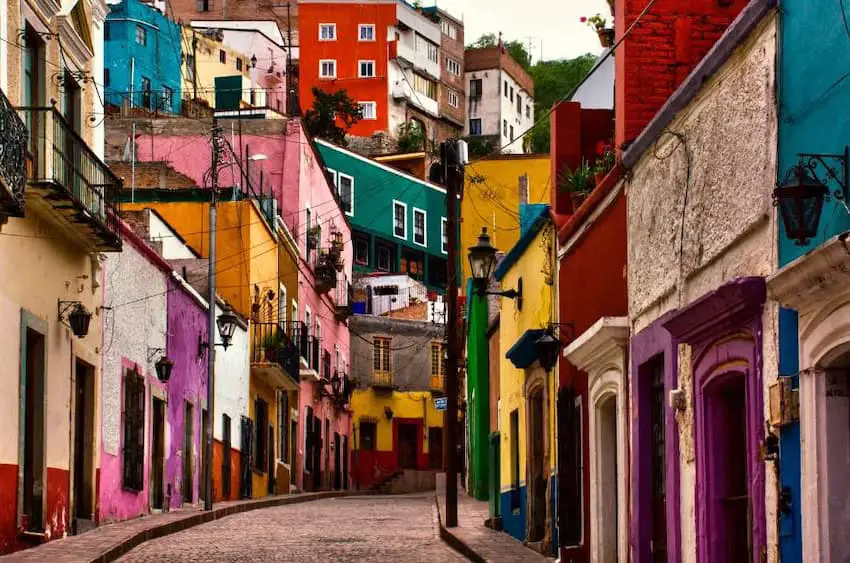
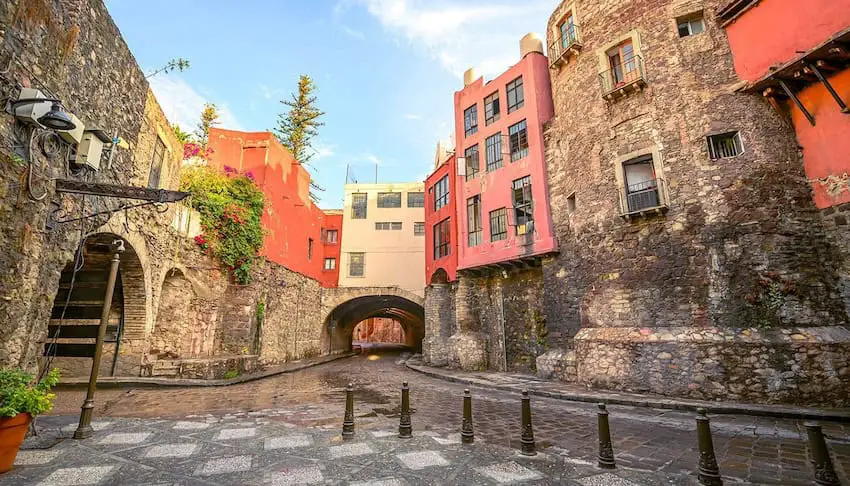
Guanajuato’s old flood control network now hosts the city streets, lending a charm more reminiscent of Seville than Mexico. (Visit Mexico)
This might be your Mexico living highlight for Guanajuato State, especially if San Miguel is just too, well, San Miguel. Climbing the sides of a narrow, mountainous ravine, Guanajuato founded in 1557, is one of Mexico’s most beguiling and beautiful cities. The best way to explore this city is literally to lose yourself in it. Around every corner is a new surprise. The city’s impossible topography gave Guanajuato one of the world’s most unusual, subterranean street systems. In what was once a riverbed and later the city’s flood control canals, cars now swoop through stone-arched tunnels that meander under the city.
The city’s centuries-old veneer conceals the fact that Guanajuato is a pretty hip town, imbued with musicians, artists, and Mexico’s most renowned cultural celebrations. particularly the Cervantino, held in October. Harmonies of all strains, from classical to mariachi, echo throughout the city. Strolling estudiantinas — local singers dressed as 19th century Spanish troubadours — serenade listeners on nighttime callejoneadas. Several acclaimed painters come from Guanajuato, including the great muralists Diego Rivera, José Chavez Morado, and painter Manuel Leal. The city’s downtown university campus draws foreign and Mexican students, giving the city a youthful flair.
And living here? Owning a car is not really an option, city center noise travels up into the hillsides where you’ll likely be living, and there’s nothing approaching the same levels as San Miguel de Allende for living the high life. Medical care is compromised, comparatively speaking and the demographic skews younger. But it’s affordable, eye-pleasing, and has a sort of magical ambiance that’s never boring.
Author Greg Custer lives in Mexico. He’s worked for over 40 years in international tourism, educating travel advisors around the world about Mexico and other Latin American destinations. He helps folks explore Mexico for living at www.mexicoforliving.com.
By day, they can be found sipping matcha and meditating on the beach. By night? Well. (Digital Nomad Couple)
Once upon a time, Tulum, Mexico was a major port and trading center for the Maya. The Yucatán city was known for its extensive fortification, surrounded by thick limestone walls on three sides, with the fourth side protected by cliffs facing the Caribbean. These fortifications did not succeed in protecting Tulum’s Indigenous residents from later Spanish colonization, nor did they protect the area from a new type of invasion today: that of a peculiar breed of spiritually-inclined, wealthy expats seeking enlightenment… preferably the type that can be aesthetically documented via Instagram post.
Enlightenment and entitlement
These are not your average Yucatecans. (mantecadon/Tumblr)
The Tuluminati, as they’ve come to be known, are wealthy expats who descended upon this tropical paradise, armed with hefty bank accounts and a burning desire to find themselves and their purpose. Unlike their Illuminati namesake, this group is less of a secret society conspiring to meddle in world affairs and is more the type to be found taking selfies while sipping artisanal mezcal and discussing their latest ayahuasca trip.
Urban Dictionary defines Tuluminati as “An ironic, self-imposed title for the privileged hippies that came to gentrify Tulum Mexico.” The sassy, crowd-sourced entry continues scathingly:
“They were the ones that posted Instagrams of themselves dancing in “fire ceremonies” to shamanic house music on the beach while wearing mumus and doing [ketamine]. They stayed in rooms that cost $1000 a night and “worked” as influencers who were just so #blessed to be there. Unfortunately, the Tuluminati aesthetic was exposed in 2015 for gentrification and now #tulumisdead.”
Indeed, this species of digital nomad has changed the sociocultural landscape of Tulum, raising eyebrows for their pseudo-spiritual, bohemian lifestyle, often powered by tech-industry paychecks and a heady mix of Indigenous medicines and designer drugs, while residing in luxury accommodations that boast eye-popping price tags.
Behold, the official uniform of the Tuluminati. (Fonte Tulum)
Tribal beats and ketamine chronicles
The Tuluminati are drawn to events that fuse hedonism with spirituality. The electronic music scene of Tulum, in particular, is a magnet for the Tuluminati. You can find them mingling and swaying to the tribal beats of a DJ dressed in shamanic attire on a beach, or attending all-night parties.
Ketamine is the most popular drug of choice, often paired with magic mushrooms. For the more “spiritually experienced,” there are carefully-prepped “party pouches” of substances like DMT, rapé (an Indigenous ceremonial snuff) and MDMA, generously shared among friends and strangers alike.
The aftermath of these parties is just as predictable: by morning, they can be spotted wearing designer sunglasses, feeling the residual effects of the night, perched at trendy beachside cafés with names like Raw Love, casually picking at acai bowls while recounting the details of the “cenote deep house rave” they danced at until 9 a.m.
The great Tulum migration
Many of these pseudo-spiritual Western expats have made Tulum their permanent home. In a sardonic guide to Tulum, Tribalik Blog provides a portrayal of these modern settlers, pointing out that today’s “hippy hipsters” differ drastically from the more grounded spiritualists of the past:
“They spend their days doing new forms of acro yoga or spiritual coaching, have new words for chakras and auras that I can’t even remember and run so many awesome sounding projects my eyes and ears both hurt. They basically make me miss the more grounded tie-dye trouser wooly jacket wearing tarot card reading hippies of Brighton. Or even the Astanga barefooted rebirth loving hippies of Goa.“
Indeed, Tuluminati are characterized by their willingness to spend significant money on spiritual wellness experiences. It is not uncommon to see events like “Celebrating the Great Kundalini awakening!” and “Lunar Yoni Cleansing Circles” abound, with ticket prices that would make many of us choke on our overpriced matcha lattes.
“I just totally LOVE Tulum, it’s like, so totally authentic, like a piece of the real Mexico.” (Tour de Lust)
The Tuluminati dress code
Tuluminati are instantly recognizable, so spotting one in the wild is easier than you might think — and not just because they engage in impromptu front-and-center photo shoots wherever they go. These seekers of style and spirituality adopt certain garments and accessories associated with Tulum’s bohemian culture, including unusual sunglasses and items with cultural or spiritual symbolism, creating a unique mix of high-end and artisanal fashion.
The attire of this class of individual can sometimes be described as “cult leader chic” – a cross between expensive tribal-inspired fashion, Burning Man-esque costumes and designer bathing suits. Look for the telltale signs: layered shamanistic bead necklaces, wide-brimmed boho hats often retailing at close to US $350, tribal mumus and flowy natural-fabric garments that whisper “I’m spiritual, but make it fashion,” at wild price tags.
Tuluminati style reflects the contrast between adopting a want-to-be-seen “hippie” aesthetic while living a luxury lifestyle. On a Reddit thread filled with users venting about the disappointing superficiality of Tulum, one writer aptly described her experience with the Tuluminati as “People getting dressed up to bike down the dirt road.”
What do the locals think? Like everything in Mexico, the answer is split. (Society of Cultural Anthropology)
Locals weigh in
While some embrace the Tuluminati lifestyle, others view it as a form of cultural commodification or inauthentic spiritual tourism.
Most locals have nostalgic impressions of Tulum before Tuluminati, espousing mixed feelings about the phenomenon that has turned their quiet beach town into a trendy tourist hotspot. Many express concern over rapid development, particularly its impact on Indigenous communities, some of whom face eviction as Indigenous land is sold for luxury developments, like the exclusive Aldea Zama. Once home to just 20,000 residents (per a 2020 census), Tulum’s population is projected to skyrocket to 250,000 over the next decade. While tourism has brought economic opportunities, it has also driven up living costs, putting pressure on locals.
Cultural appropriation is another sore spot, with some feeling their traditions and spirituality are being commercialized and misrepresented. Environmental concerns have arisen, noting the strain on natural resources and damage to fragile ecosystems like the area’s cenotes.
A moving photo essay by the Society of Cutural Anthropology highlights the complex relationship between Indigenous populations, commercial exploitation, and cultural commodification, leaving many natives feeling displaced and worried about the long-term impacts on their families, communities and environment. The essay asks: “how is it possible that people can smile while living under poverty, pollution, and displacement—all consequences of modernization and the creation of spaces for our delight.”
The irony of the Tuluminati movement is not lost. Many of its members, who are often part of “world-improvement-focused” communities like Summit and Burning Man, claim to be environmentally conscious while jetting around the globe. They advocate for cultural appreciation yet commodify Indigenous practices, and they profess minimalism while indulging in luxury.
When the party’s over: Tulum’s morning after
Yet, despite all the criticism, the Tuluminati seem like they’re here to stay for a while. As Tulum and its Mexican locals address the effects of this high-end-hippie-driven phenomenon, it begs the question: how will this play out over time?
One thing’s for sure — whether it’s in Tulum or elsewhere, these tech shamans and Instagram yogis will bring their unique blend of pseudo-spirituality, deep pockets and party lifestyle wherever they go.
Monica Belot is a writer, researcher, strategist and adjunct professor at Parsons School of Design in New York City, where she teaches in the Strategic Design & Management Program. Splitting her time between NYC and Mexico City, where she resides with her naughty silver labrador puppy Atlas, Monica writes about topics spanning everything from the human experience to travel and design research. Follow her varied scribbles on Medium at https://medium.com/@monicabelot.
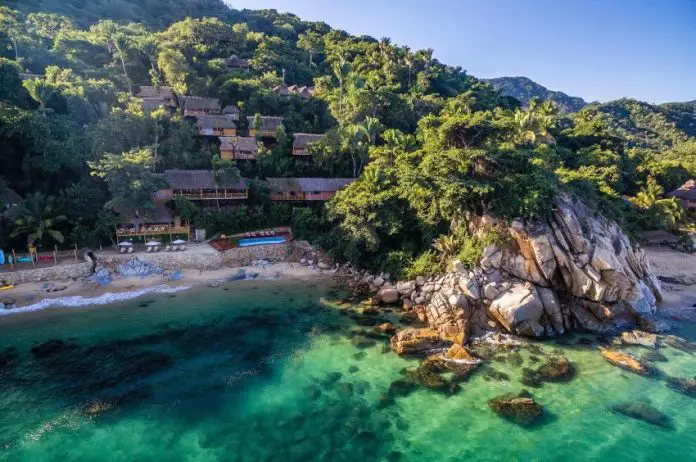
Everyone knows Puerto Vallarta has an almost endless offering of amazing stays. If you're thinking of making your next break a boutique one, why not consider one of these incredible options? (Xinalani Resort/Facebook)
Puerto Vallarta is nothing if not a great beach resort town. But the beauty of Puerto Vallarta is that it is a Mexican town first and a tourist resort area second. Puerto Vallarta was founded nearly 200 years ago as a small port city and thriving fishing village. The tourists came much later. Now of course, Puerto Vallarta is a vibrant city with a huge number of cool boutique hotel offerings. In fact, there are so many, it might be hard to choose which one is right for you.
Puerto Vallarta has a historic heart and a cultural, colorful spirit. The soul of the hotel scene here comes from its funky, eclectic, and under-the-radar boutique hotels. For those of you who tend to steer clear of all-inclusive resorts or any place with more than 20 rooms, you will be delighted to know that Puerto Vallarta has some truly impressive, small-scale places to stay that are absolutely loaded with personality.
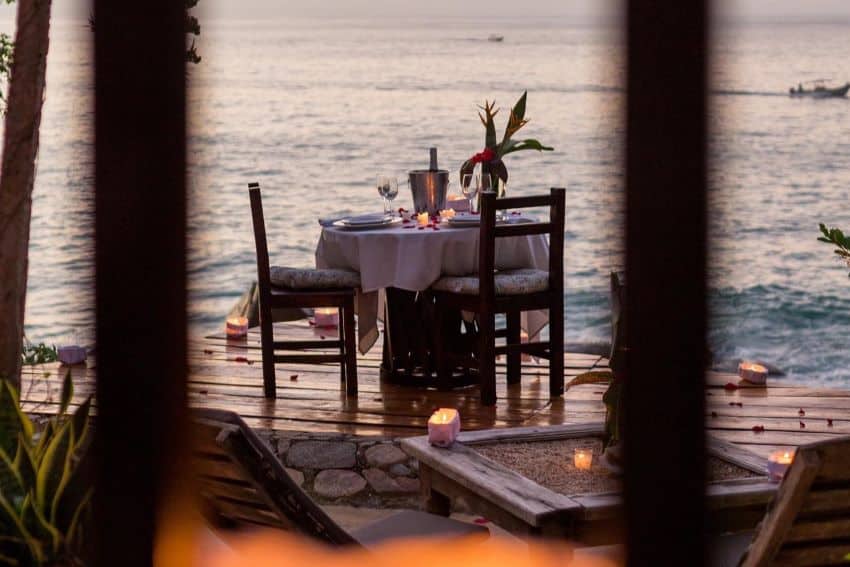
Dine between the beach and the jungle at Casitas Maraika. (Casitas Maraika/Facebook)
From cliffside retreats and beachfront sanctuaries to historic homes hidden back along cobblestone-covered hillsides, here is a look at the best boutique hotels in Puerto Vallarta.
Xinalani: An ocean zen retreat
Perched on a dramatic cliff overlooking the pristine waters of Banderas Bay, Xinalani is more than just a boutique hotel — it’s almost like a private island retreat, and one of the top Puerto Vallarta hotel on the beach. While the hotel isn’t on an actual island, it is only accessible by boat and sits along the remote shoreline between Yelapa and Quimixto. This eco-chic retreat is a blend of luxury and simplicity, with palapa-style suites that open up to the lush jungle and glittering Bay of Banderas. The centerpiece is its spa, where treatments are inspired by ancient healing practices. Enjoy a massage under a thatched roof or a yoga class on the beach. For foodies, the on-site restaurant serves up organic, locally sourced dishes, like shrimp, spinach, leek, and lemon stew, or eggplant and mushrooms served Veracruz style.
Villa Lala: A slice of tropical bliss
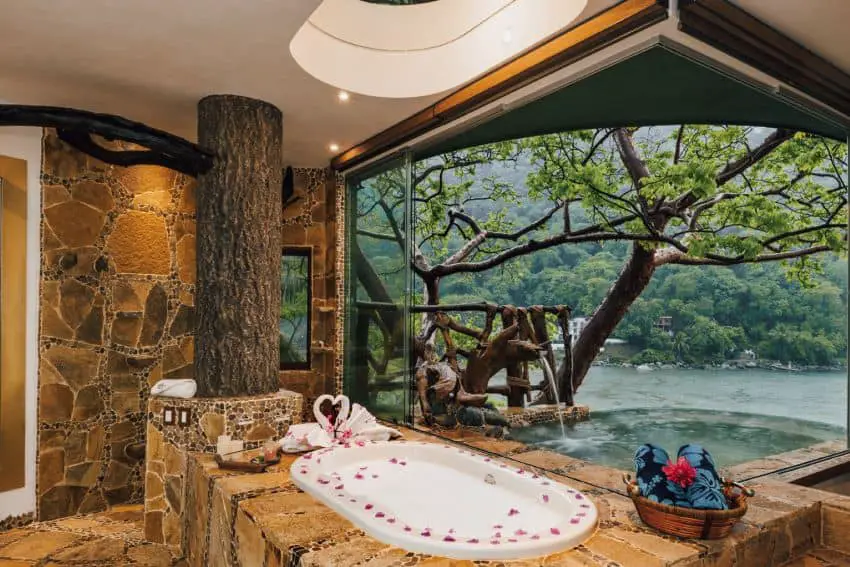
The beauty of Villa Lala is that you’d never know it’s there unless you knew what you were looking for. This natural oasis, right off Highway 200, is perched on a cliff looking down over the small fishing village of Boca de Tomatlan, 40 minutes south of Puerto Vallarta. The aesthetic of the villa is all about merging nature, open-air spaces, and luxury details. Picture bamboo, driftwood, and stone. Seven of the 12 suites are equipped with private plunge pools, while all guests have access to a common pool, two garden platforms, and fish-filled ponds that pepper the property. A private pier serves as the gateway to the Bay of Banderas, whether you’re going on a kayak excursion or hopping a lancha to explore the stunning undeveloped beaches along the southern end of the bay. At night, the private beach becomes the setting for romantic dinners, blazing bonfires, and colorful sunsets.
Ever enjoyed a romantic bath with a view? Villa Lala has you covered. (Villa Lala Boutique Hotel/Facebook)
Luna Liquida: Centro’s best-kept secret
I love this boutique hotel tucked up on a cobblestone street in the heart of Centro. Centro is one of Puerto Vallarta’s busiest neighborhoods, but if you head up the hilly streets, you’ll find yourself in a quiet section of the neighborhood with the best views of the Bay of Banderas and the crown of the Parroquia de Nuestra Señora de Guadalupe. It’s the details at Luna Liquida that make this place so special, like complimentary continental breakfast served on the outdoor terrace, homemade bread, babbling waterfalls, and stellar views. Luna Liquida feels like a little neighborhood compound with five villas connected by stairways and bridges. Rooms are all artsy and decidedly Mexican, with brightly colored walls, folk art, and terracotta tiles. My favorite amenity is the infinity rooftop pool and a spectacular city view. The entire design and vibe of the hotel is quirky and comfortable, stylish and approachable. It all comes together when you realize that the owner is Fher Olvera, the frontman of the Mexican rock band Mana.
Casitas Maraika: Bohemian beachfront bungalows
Cushioned between the lush jungle and a remote stretch of white sand beach, Casitas Maraika is a cliffside bohemian enclave just south of Puerto Vallarta. Accessible only by boat or coastal hike from Boca de Tomatlan, this beach club-meets-bungalow hotel is visually stunning and full of good energy. The six casitas evoke a rustic yet elegant Robinson Crusoe vibe with thatched palapas, hammocks, bamboo, and ocean views. Part of the property is dedicated to the beach club, which serves fresh seafood and cocktails at beautiful wooden tables on the cliffs and down on the beach. You can book a day pass to the beach club if you don’t feel like spending the night. Additional activities include yoga, massages, paddle boarding, and guided meditations.
BellView Boutique Hotel: historic elegance
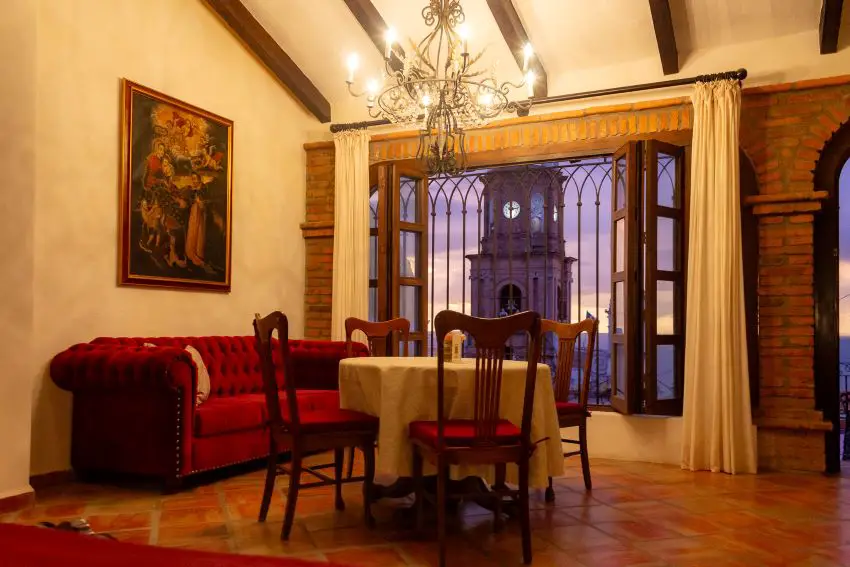
History and comfort go hand-in-hand at the BellView hotel. (BellView Hotel Boutique/Facebook)
Perched up in the Gringo Gulch neighborhood of Centro, BellView Boutique Hotel is a historic and beautifully designed retreat in the heart of the city. Overlooking the Parroquia de Nuestra Señora de Guadalupe, the quaint hotel has some of my favorite views of the Bay of Banderas, as well as the crown of the church and the surrounding mountains. Without only four uniquely styled rooms and suites, BellView is one of the most intimate hotels in Puerto Vallarta. You’ll want to book a table at the onsite La Capella Restaurant. It’s one of the pricier restaurant options in town, but the food is spectacular, and the views can’t be beat. Arrive for a cocktail around sunset because you’ll have one of the best views in town.
Meagan Drillinger is a New York native who has spent the past 15 years traveling around and writing about Mexico. While she’s on the road for assignments most of the time, Puerto Vallarta is her home base. Follow her travels on Instagram at @drillinjourneys or through her blog at drillinjourneys.com.
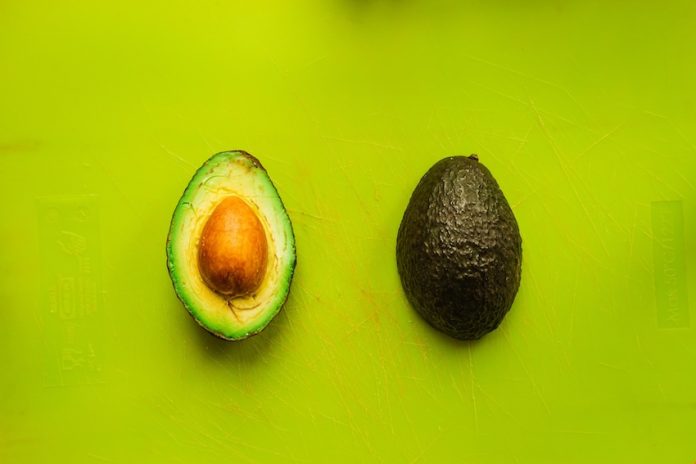
Nothing goes better with a taco, or pozole, or tortilla, or well, anything Mexican, than a delicious avocado. (Louis Hansel/Unsplash)
I spent the entire night thinking about which dish I was going to show you. I stared at the ceiling for hours until, just as I was about to fall asleep, I had a revelation: Is there anything as popular worldwide and as Mexican as the avocado? Definitely not. The humble avocado is absolutely an essential taste of Mexico and deserves to be treated as such.
Why is it called “Aguacate”?
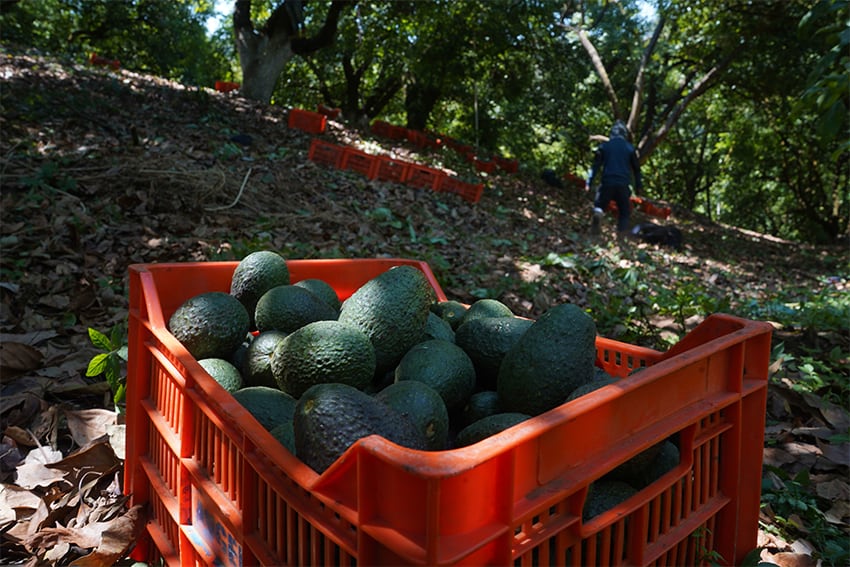
Avocados have been around for so long, nobody remembers why they’re called that. If you’re feeling provocative, you could ask a Mexican why they’re named after testicles. (Juan José Estrada Serafín/Cuartoscuro.com)
A long time ago, someone told me that aguacates are called that because they’re as tasteless as water (agua), hence the name aguacate. It sounded like a scam to me. Let’s remember that the avocado is a fruit native to this region. In pre-Hispanic times, “ahuacatl” was the Nahuatl word used to name the fruits hanging from a tree. Another theory suggests the name is a combination of two pre-Hispanic languages, forming the word “pahuatl,” which refers to a fruit that is neither sweet nor acidic. Nowadays, “pahua” is one of the 400 varieties of avocado. My favorite theory, however, is the one where avocado means “testicle.” At your next gathering, say: “Did you know the word ‘avocado’ comes from the Nahuatl word ‘ahuacatl,’ which means testicle?” Watch your friends’ reactions and how they immediately rush to verify that fact. It never fails.
The Avocado Boom
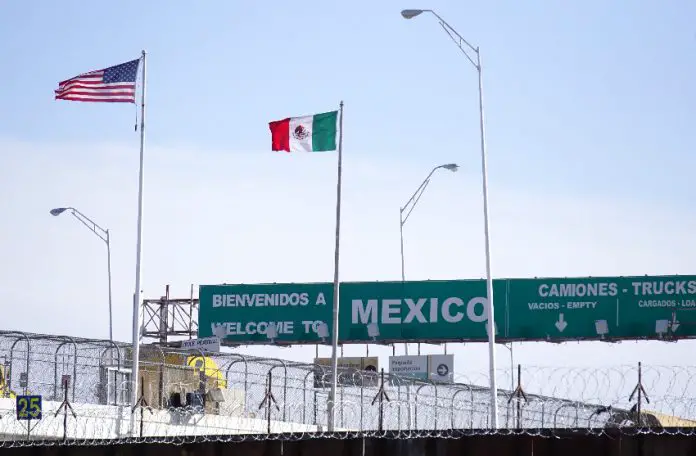
From 1914 to 1994, Mexicowasprohibitedfromexporting avocados totheUnitedStatesduetophytosanitary concerns. Despitethis, and forverysuspiciousreasons, some avocado seedswereexported, leadingtothecreation of Hass avocados in California in 1926. Following successfulnegotiationsduringthe NAFTA agreements, Mexico wasallowedtoexport avocados totheUnitedStatesstarting in 1997.
Theflawless marketing campaigns, fromtheonesduringtheSuper Bowltothearticlesin mass media aboutthe healthbenefitsof avocados, havegreatlyincreased avocado exports. In 1999, weexported 41,118 tonsof avocados, butthisyear, we’reexporting 137,500 tonsjustforthe Super Bowlweekend. So clearly, you know what fruit we’re talking about.
Themostcommonvarietyis Hass, so ifyoufindothervarieties at yoursupermarketor local market, givethem a try. There are subtledifferences in taste — some taste more likehazelnuts, others more like anise. Thepulpalso has some variations. Forinstance, thefuerte avocado (withgreen skin evenwhenripe) is ideal formakingsmoothies, guacamole, sauces, and creamsbecauseitspulpisverysoft and buttery. Thebacon avocado isalsoverycreamy and rich in flavor.
Beyond guacamole and avocado toast
Avocado has alwaysbeen a stapleonour tables. I loveaddingittomy fideo soup, orifI’mhaving a breadedcutletorgrilledsteak, I alwaysadd a layerof avocado. I alsoenjoyiton tostadas, tortas, tacos, ceviche, and even as a gazpacho-likecream. My favorite sauce isgreen sauce with avocado. Avocado can also be stuffedwitheggor tuna, and it can even be used in desserts, like chocolate brownies.
Oneofmy favorite waystoeat avocado is in a simple torta, probablybecauseitreminds me ofmychildhood. The kitchenwasthe place wherethefamilywouldgather. Whenwearrived at mygrandmother’shouse and hadtowait fortherestofthefamilytoeat, itwas torture tositthere, smellingherdisheswithoutbeingabletotouchanything. So, my dad wouldtakeustotheneighborhoodbakery, wherewe’dbuy a bag ofbolillos, avocados, and double creamcheese.With the bolillo still warm, we would slice it open, put pieces of double cream cheese on one side, and a quarter or half an avocado on the other. Then, we would close the bolillo. And now, the most awaited moment: the first bite. A GLORIOUS moment: the satisfaction of eating something delicious without much preparation. To this day, it’s one of my favorite meals. If you don’t have bolillo, you can susbtituteit with a tortilla.
The simple torta represents what I believe is the essence of everyday Mexican cuisine: uncomplicated, simple, unpretentious, delicious, and nutritious. Most importantly, it’s about who you share the table with, not just the dish.
And if you got lost the moment you read “torta,” be sure to watch the video. We always have you covered, my friend.
María Meléndez is a Mexico City food blogger and influencer.
Many irregular Chinese migrants enter Mexico on their way to the U.S. (Shutterstock)
As I travel around the country, I am always intrigued by the motivations of people coming to Mexico to live. I have previously written about my experience as an immigrant to Mexico, including why I am thankful for living in my newly adopted country and what I miss or don’t miss about my native United States of America.
Of course, the flow of “snowbird” retiree immigrants coming to Mexico from the United States and Canada is nothing new. What is new — and the team at Mexico News Daily has written extensively about it — is the diversity of the more recent waves of immigrants coming here.
Digital nomads, artists, younger couples, families with children, corporate management expats, as well as people from a diverse mix of countries in South America, Europe, and even Asia are all increasingly common in cities and towns throughout the country.
What also seems to be new (or at least, far more common) are immigrants coming for very different reasons. In many parts of Mexico, a large percentage of people would say that one of their main reasons for coming here is the lower cost of living and/or much better weather than where they came from.
They most often did not cite motivations “for leaving” but rather more reasons “for coming.” Lately, I’ve found that the reasons “for leaving” are growing (some cite social reasons, healthcare costs and quality, political reasons, etc.) and the reasons given “for coming” are also growing. Some of these motivations include being drawn to the culture (music, art), the food, wanting to start a business, and to learn the language, to name a few.
Perhaps the most fascinating trend I am seeing is that of first- or second-generation Mexican-Americans moving to Mexico to live.
I am referring to children born in Mexico whose parents moved them to the U.S., or to children of parents who were born in Mexico and at some point moved to the U.S. They grew up in the United States but this diverse group of immigrants is moving back to every part of Mexico. They vary in terms of age, professions, socioeconomic status and motivations but they’ve all decided to come here in search of something better.
This is the inspiration behind a new upcoming MND series called “My American Dream is in Mexico.”
We will tell the stories of these immigrants, explore their diverse motivations, their journeys on both sides of the border, the reactions they received from family and friends upon making the decision, and compare and contrast their lives before and after the move.
We will learn about what has been exciting, surprising, fun and difficult for them in making the move. We will profile people from across the country, with very different backgrounds.
Throughout the world, the lives of immigrants are often oversimplified, misunderstood and stereotyped.
The reality is that each immigrant has his or her own complex motivations and emotions behind the decision to leave home. These stories will help us to better understand their hopes and dreams — and maybe even our own.
Travis Bembenek is the CEO of Mexico News Daily and has been living, working or playing in Mexico for over 27 years.
Bringing Fido to Los Cabos? Make sure you read this guide. (Freepik)
Los Cabos is a great place to bring a pet. Assuming, that is, your pet is a cat or a small to medium-sized dog. Finding a hotel that accepts your pets may be more difficult if they’re larger. If they’re exotic they might not be allowed in Mexico at all. But cats and dogs are welcome at many hotels and resorts, from budget variety to ultra-luxury.
For example, the most famously pampering pet-friendly accommodation in Los Cabos, Las Ventanas al Paraíso, is known for its luxury canine touches, which Luna or Max or the ironically named Fido will undoubtedly appreciate. These include dog butlers for daily walks, private doggie cabanas, dog massages, yoga classes — dubbed “doga” as a portmanteau of dog and yoga — and special meals prepared by chefs and served in bejeweled dishes. Pet-friendly amenities are also notable at all-inclusive Hard Rock Los Cabos, thanks to “Unleashed” program highlights like welcome treats and memory foam pet beds.
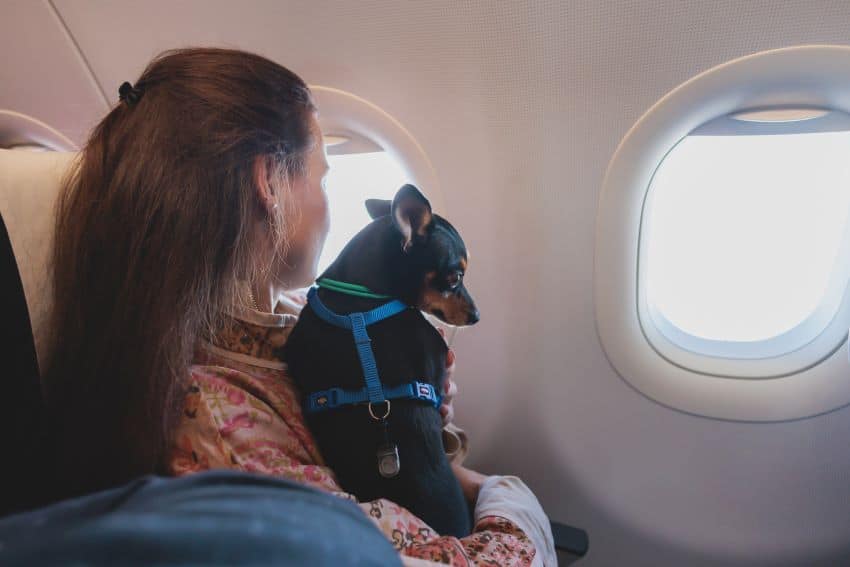
Getting away from it all doesn’t have to mean leaving your pets behind. (Shutterstock)
That’s not even to mention the abundant beaches to run and chase tennis balls. But first, you have to get your pets here. Then, there is the issue of getting them back into the U.S. That’s of particular interest based on recent changes to Center for Disease Control and Prevention regulations.
CDC announces new rules for traveling with pets
The new CDC rules for pets went into effect on August 1, 2024, and the good news for pet owners is that they don’t make it much harder to return from designated “low-risk” dog rabies countries like Mexico. However, there’s now a long list of over 100 countries — from Afghanistan to Zimbabwe — that are considered “high-risk” and if your pet has been in any of them during the preceding six months he or she will need additional documentation, including proof of rabies vaccination, to be allowed entry.
But if you’ve only been traveling in Mexico, simply answer “no” to the high-risk question on the new CDC Dog Import Form. It’s mandatory but free and easy to fill out — as seen here — and must be presented before boarding the return aircraft and at customs. If you’re traveling with more than one dog they’ll each need their own form, either printed or saved on your cellphone.
When bringing your pet into Mexico, you’ll need to sure it has all its paperwork in order first. (Moisés Pablo/Cuartoscuro)
You’ll also need to ensure your dog is at least six months old, in good health, and with a universal microchip for identification purposes, if one hasn’t already been implanted. The term universal means the chip can be read by scanners worldwide using the International Standards Organization frequency of 134.2 kHz. According to the American Veterinary Medical Association, your local veterinarian should be able to implant the chip. It requires an injection under your dog’s skin — the microchip is about the size of a grain of rice — and no, it won’t cause your dog undue pain or distress. At least no more pain than a typical vaccination shot, anyway. Ask your vet about the cost of the chip and subsequent registration.
As for cats, rabies vaccinations are a recommendation but not a requirement. The same applies to microchips. Import forms aren’t necessary either. The only real requirement for cats is that they’re healthy when reentering the U.S. If upon inspection it’s determined that they may not be, you’ll have to pay for a veterinary examination.
Special airline requirements for pets
The CDC regulations are for reentry. To fly to Los Cabos in the first place, you’ll need to check the policies and requirements of your airline of choice. These vary, as do their respective pet fares. American Airlines won’t accept certain breeds of snub-nosed (brachycephalic) cats and dogs because of possible respiratory issues during transport. These include Persian cats and popular dog breeds like Boston Terrier, Bulldog, Pekingese, Pit Bull, and Shih Tzu. There also may be restrictions based on destination. Southwest Airlines, for instance, doesn’t allow pets on international flights.
Size specifications for hard-sided pet carriers vary from airline to airline – here are United’s requirement for pet carriers. (United Airlines)
Many airlines will allow pets to be carried onto planes, assuming their carrier meets size requirements and can be stowed under seats. If you have two pets of the same breed that can fit in the same carrier, that may also be permitted. However, which seats you’re able to book may change. If you’re flying Delta, you won’t be able to sit behind bulkheads or in emergency rows.
What to know when arriving with pets in Mexico
Visitors with pets from the U.S. and Canada are not required to present vaccination cards or a certificate of good health. However, the pets will be inspected on arrival.
Exotic animals and some that may not be so exotic are explicitly denied entry. You probably suspected that crocodiles weren’t permitted to be brought to Mexico as pets — or chupacabras and snakes either — and that is indeed the case. But you may not have known that birds of all kinds, from parakeets and cockatiels to canaries and parrots, also aren’t welcome at Los Cabos International Airport.
But there’s no quarantine period and nothing to worry about with cats and dogs provided they’re in good health— and you likely wouldn’t have traveled with them if they weren’t.
Pet cabanas offer Fa chance for outdoor rest and relaxation alongside you while you unwind on the beach. (Las Ventanas al Paraíso)
Finding pet-friendly accomodations in Los Cabos
Numerous hotels and resorts in Los Cabos are pet-friendly and several boast pet-focused programs and amenities. But there are almost always limits. For example, Las Ventanas al Paraíso and Hard Rock Los Cabos, two exemplary pet-friendly local lodgings, have stated weight limits. It’s 40 pounds for the former and 50 for the latter. There may also be leash requirements and designated areas of the resort where pets are allowed. Check the property’s pet policy before booking to ensure yours is welcome.
Additional costs should be expected and will vary according to where you’re staying. Pets are charged for accommodations just like people are. The difference is that people almost always pay by the night, while pet rates may be charged by the night, week, or per stay. You may also be asked to sign a pet agreement regarding the hotel rules during check-in.
Many local bars and restaurants will also welcome pets, so long as they’re well-behaved. As to running and playing on local beaches, there is one factor to note: Los Cabos has more blue flag beaches than any municipality in Mexico, and these beaches only allow service animals, not pets. However, that still leaves dozens of popular beaches and areas where pets can fully enjoy their vacation, just like their owners.
Chris Sands is the Cabo San Lucas local expert for the USA Today travel website 10 Best, writer of Fodor’s Los Cabos travel guidebook, and a contributor to numerous websites and publications, including Tasting Table, Marriott Bonvoy Traveler, Forbes Travel Guide, Porthole Cruise, Cabo Living and Mexico News Daily. His specialty is travel-related content and lifestyle features focused on food, wine and golf.
Prepare the "jajaing" muscles for a run out, it's time for our Saturday memes!
Hello, my friends! If you’ve been sitting around wondering when you’d get to see a great Mexican meme roundup again — at least one that is translated and explained — you’re in luck. Today’s the day!
I’ve got some good ones for you after spending way too many hours searching far and wide for them. Do y’all think “meme curator” could become a job one day? If it does, let this serve as evidence that I am already experienced. And if it doesn’t, well, I’d do it for free anyway because there are few nicer things to share in life than a laugh. [Editors note: Thanks, I’ve passed this on to payroll]. Enjoy!
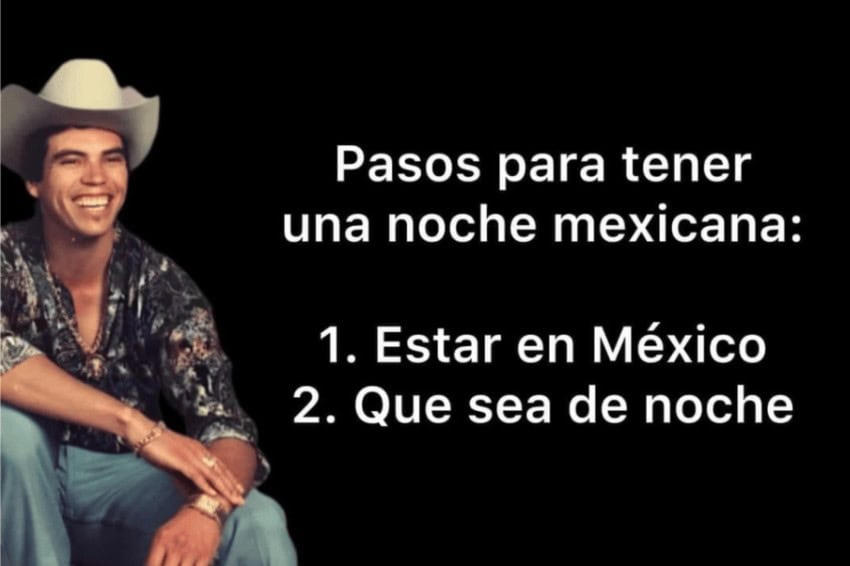
Meme translation: “Steps for having a Mexican Night:”
“Be in Mexico”
“At night”
What does it meme? When people say “noche mexicana,” they’re referring to the celebration of Mexican Independence on the night of Sept. 15th. In cities and towns all over the country, “el grito” – the scene of the highest government official available shouting “Viva!” from the community’s most important government building’s balcony – is the main event.
The fact that this is simply called a “Mexican Night,” of course, lends itself to jokes. Just be a Mexican at night. Ta-da!
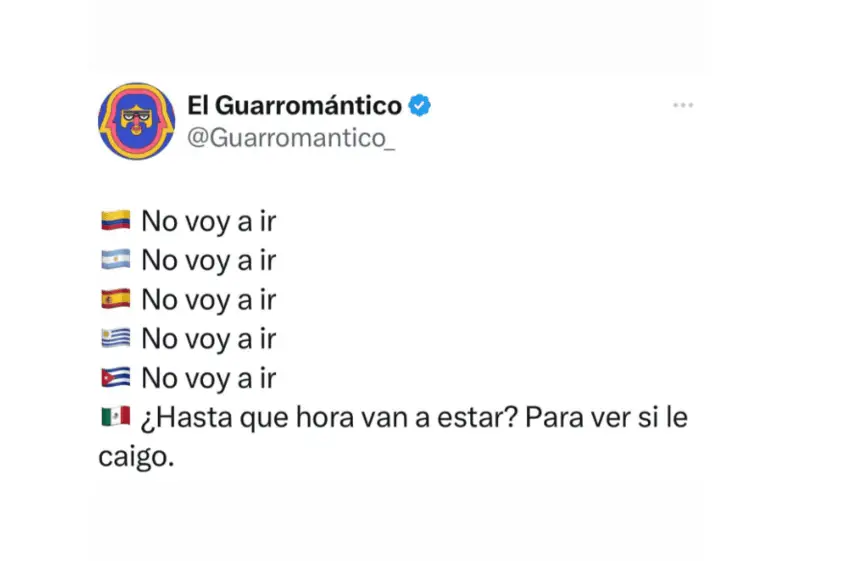
Meme translation: “I’m not going… I’m not going… I’m not going…
How long are you going to be there? To see if I can drop by.”
What does it meme? This is a popular format, especially for Mexicans, who are famous for talking a lot about possibly, almost surely, joining in on some social activity they’ve been invited to, and then not actually going.
If this happens to you, just remember: to them, it feels about 80% less rude than it does to you.
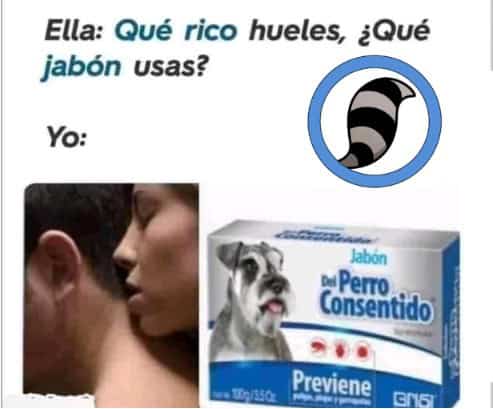
Meme translation: “Her: You smell so good. What soap do you use?
(on box) Soap for the Pampered Dog.
Prevents…”
What does it meme? This is one of my favorite memes of the bunch, and I keep cracking up at it even though I’ve looked at it over a dozen times now. Especially the “Prevents…” – presumably it says something like “fleas and ticks” – just kills me!
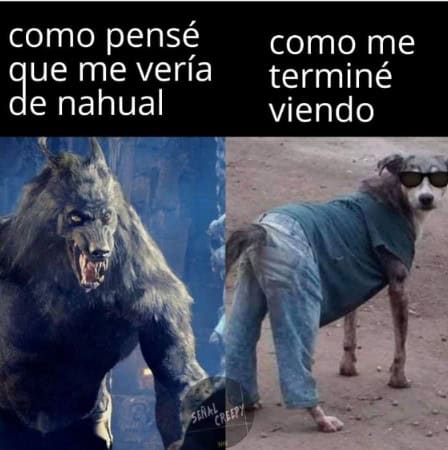
Meme translation: “How I thought I’d look as a nahual.”
“How I wound up looking.”
What does it meme? I’ve talked about the various aspects of magical thinking, including the famed nahuales, before.
In case you need a refresher, the basic gist is this: some people, during the night, turn into animals and run around making mischief. They’re often blamed for things like dead livestock and pets or destroyed gardens. For those who are hardcore believers, evidence will often be found in their investigations to figure out who among them may be nahuales: perhaps a farmer managed to cut the front-left paw of a giant boar, and now a neighbor has his left hand bandaged.
As for me, I cannot get enough of these stories. No one’s ever talked about one wearing clothes, though.
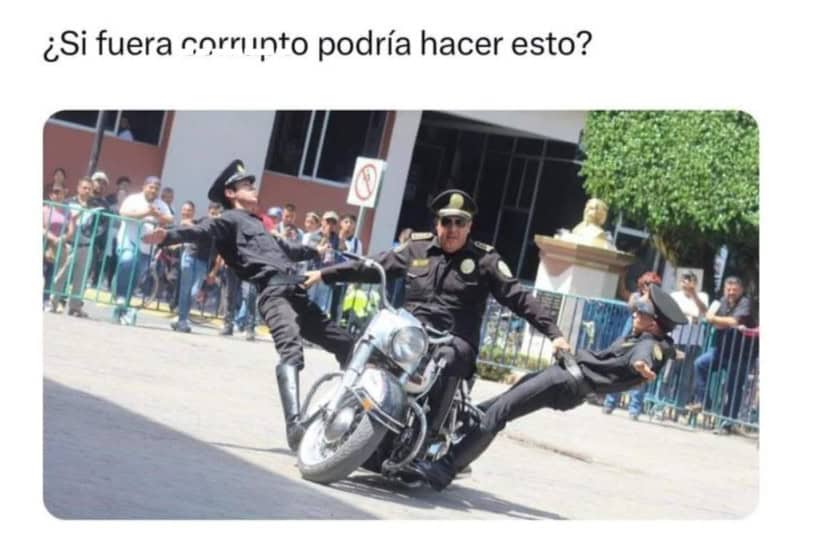
Meme translation: “If I were corrupt, could I do this?”
What does it meme? This is another one that has me cracking up every time I look at it.
The police in Mexico, unfortunately, are not known for their honesty, making me think that the effort to fix our justice system should perhaps start with the people on the ground rather than the judges. This isn’t the first time or place that municipal police forces have been fired or detained, after all.
Their corruption is such an open secret that it’s almost comical. Almost.