Home Blog Page 852

INEGI publishes data showing economic slowdown in October

0
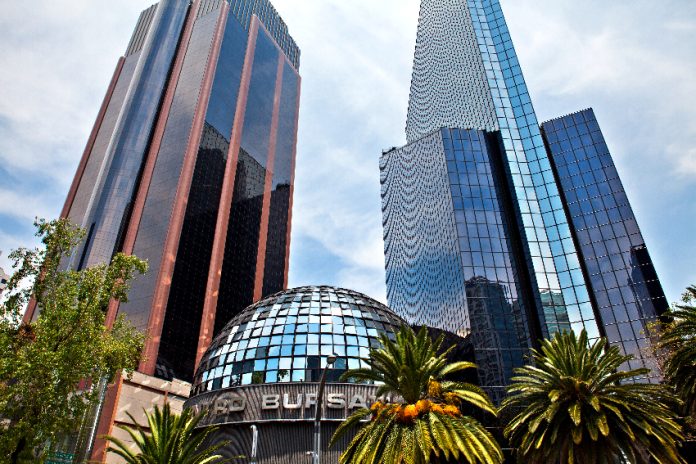
Mexican stock exchange building in Mexico City (Depositphotos)

Economic activity in Mexico slowed to a standstill in October after several months of growth, sparking fears of further deterioration in 2023 as the post-pandemic recovery period comes to an end.

According to the National Institute of Statistics and Geography (INEGI), the Global Indicator of Economic Activity (IGAE) — a monthly indicator of economic performance — stagnated at 113.2 points between September and October, the most recent month for which data is available.

Early indications suggest that November’s performance may have been weaker still, with the Timely Indicator of Economic Activity (IOAE) showing a decrease of 0.1%, according to Marcos Daniel Arias, analyst at Monex.

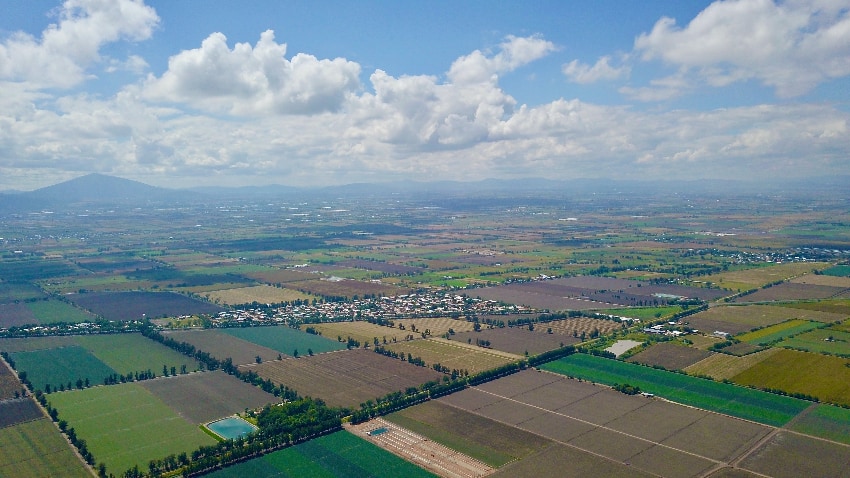
Farmland in GTO
The stagnation in October was mainly driven by a slow agricultural sector. (Farmland in Juventino Rosas, GTO by Ramy Loaiza en Unsplash)

“[Therefore] the last quarter of the year could be the weakest and open the door to scenarios of greater deterioration in 2023, a year for which the probabilities of a recession are still quite high,” he warned.

The INEGI report reveals that October’s stagnation was explained largely by a slowdown in the agricultural sector, which fell by 2.6%. The services sector also fell, although only by 0.1%, while the industrial sector grew by 0.4%, after two months of decline.

These disappointing results cap off three months of consecutive growth and an overall positive trajectory over the last year, as Mexico has recovered from the huge economic blow caused by the coronavirus pandemic. Mexico’s economy contracted by 8.2% during 2020, but has surprised economists with the speed of its recovery. Despite October’s slowdown, the IGAE still shows a year-on-year increase of 4.8% in real terms since October 2021.

“Although the performance of the economy in recent months has not been spectacular, the previous increases are enough to throw a robust picture throughout the year,” Arias said.

“As of October, the accumulated variation through 2022 amounts to 2.82%, so it is very likely that the total growth of the economy will be between 2.50 and 3.00%, even if there is no progress during the remaining two months.”

Mexico’s economic activity currently stands at 0.1% below its pre-pandemic level and 0.4% below its historical maximum in September 2018, suggesting that the boost caused by the reopening of the economy is now tailing off. International factors — particularly high inflation and rising interest rates in the United States and globally — are further depressing prospects for growth.

In light of this, Fitch Ratings have forecast growth of 1.4% for Mexico in 2023, while the Economic Commission for Latin America forecasts 1.1%. ECLAC has stated that these figures suggest a “return to normal” after the post-pandemic recovery, and that Latin American countries must focus on structural goals of inequality reduction, education and regulatory stability in order to attract investment and safeguard long-term growth.

With reports from El Economista and Infobae

Experts assess damage caused by arson at El Tajín archaeological site

0
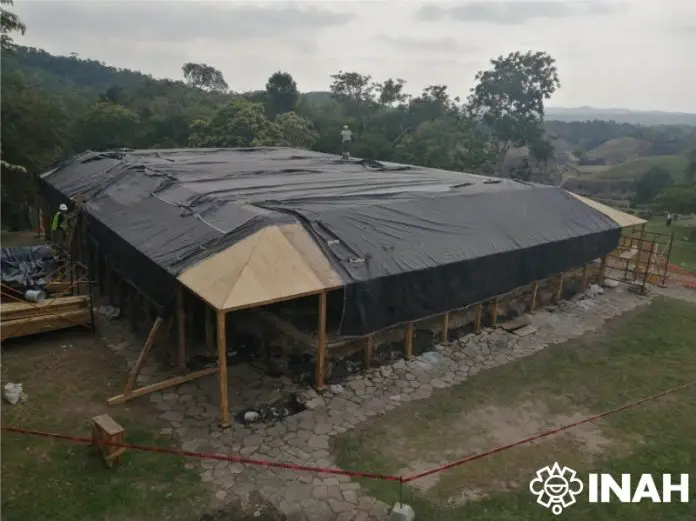
Vandals set a fire that damaged painted murals in Building I of the archaeological site. (INAH)

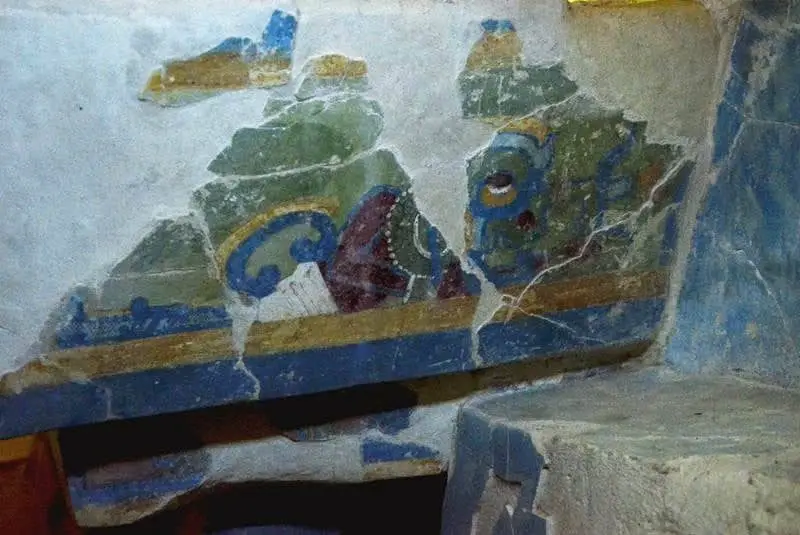
Murals created between 800 and 1,200 years ago in El Tajín — one of the largest and most important cities in Mesoamerica — suffered what was deemed “irreparable” damage in a pre-dawn fire on Wednesday.

Created by the Totonac peoples who inhabited the area, the murals are registered as a cultural asset by UNESCO.

El Tajín is 50 kilometers inland from the Gulf of Mexico in what is now the state of Veracruz, about halfway between the coastal cities of Ciudad Veracruz and Tampico, Tamaulipas. It’s located in the jungle 18 kilometers from Poza Rica, Veracruz.

The city flourished from 600 to 1200 A.D., during which time numerous temples, ballcourts and pyramids were built. The ancient city is sometimes described as a lost civilization, because after it fell to the Aztecs in the early 1200s, its existence remained unknown to colonizers until 1785.

A fragment of a painted mural at El Tajín in a photo taken prior to Wednesday’s fire. (INAH)

The fire was started by “unknown subjects” in building 1 of the Totonac archaeological zone, causing damage to the murals “that can no longer be repaired,” according to the newspaper El Financiero.

The National Institute of Anthropology and History (INAH) issued a release noting that the vandals entered the building, which was largely covered in plastic, and set a fire. The agency also noted that it had insurance for such an event.

Since June, the archaeological site allegedly had been under the protection of the National Guard.

“We strongly disapprove of the acts of vandalism that occurred in the archaeological zone of El Tajín in the state of Veracruz, which caused irreversible damage to the painted mural, a cultural heritage of humanity,” said a statement issued by the union of  INAH workers. “We demand that the authorities of the INAH and the federal government carry out the necessary investigations to find those responsible and for justice to be delivered.”

The vandals went unnoticed “despite the presence of the federal forces,” noted El Financiero. The paper added that there are stiff fines for invading archaeological zones and, depending on the final extent of the damages, sanctions could range from three to 10 years in prison.

The  murals measured approximately 30 meters in length and underwent three years of restoration work concluded in 2012. 

The incident occurred in an area where work is being carried out to restore a roof that partially collapsed due to Hurricane Grace in 2021. A lot of protective plastic was being used in the area, but the fire melted much of it — including some that melted right onto the murals.

The INAH noted that specialists “are assessing the extent of the damage, both to the structures and to the murals” and that “according to the first inspections, it can be noted that the effects on building 1 are reversible.”

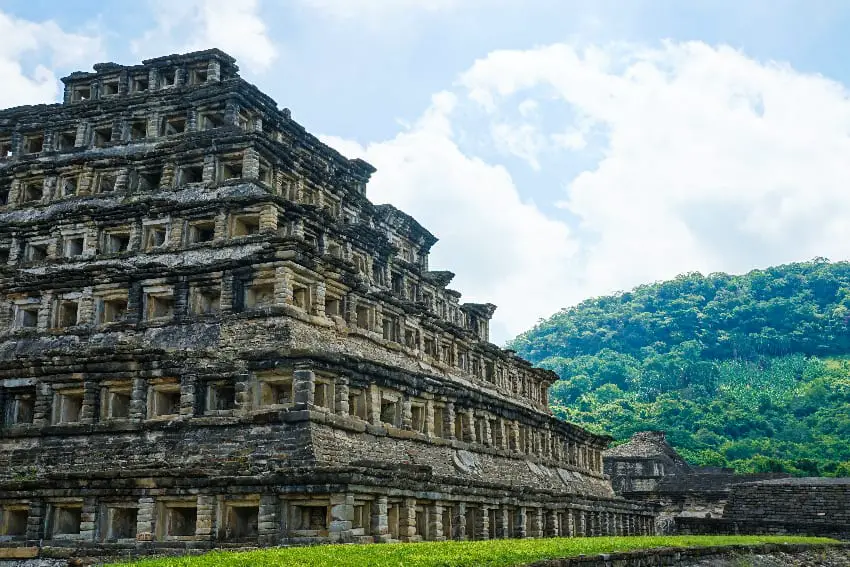
The Pyramid of Nichos at El Tajín site in Veracruz (Shutterstock)

El Tajín is believed to have risen to power in the centuries between the fall of the city of Teotihuacan and the rise of the Aztec empire. At its height between 800 and 1200 A.D., it was the most important center of the Mesoamerican northeast, with vast cultural influence. Archaeologists estimate that the city had a population of 15,000 to 20,000.

Its most impressive ruin is the 65-foot-tall Pyramid of the Niches, “a masterpiece of ancient Mexican and American architecture,” according to UNESCO. It has 365 steps, suggesting that it’s a sort of astronomical calendar.

Despite its historical significance, El Tajín today is one of the least-visited archaeological sites in all of Mexico, though it does play host each March to the Cumbre Tajín Festival, which features indigenous and foreign cultural events as well as concerts.

With reports from El Financiero , El Economista and INAH.gob.mx

Fifth arrest made in Tirado family murder case in Mexico City

0
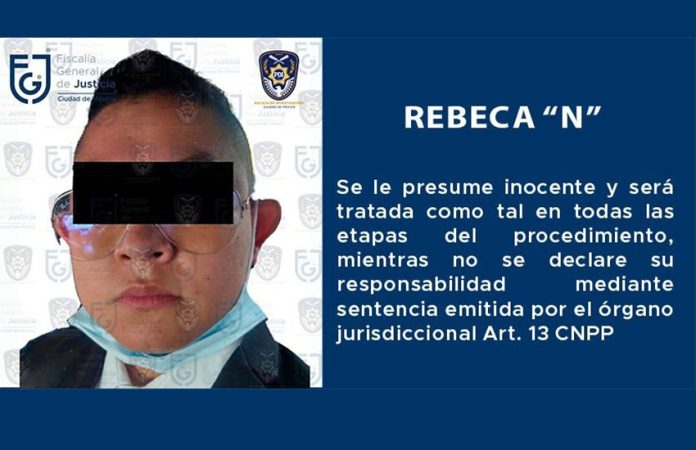
Police found Rebeca "N" carrying a pawn ticket for a laptop similar to one stolen from the the Tirado family’s home.
Police found Rebeca "N" carrying a pawn ticket for a laptop similar to one stolen from the the Tirado family’s home. (FGJ CDMX)

A fifth person has been charged in relation to the murder of three members of the Tirado family, in the Roma neighborhood of Mexico City last week.

The woman, identified as Rebeca “N”, is primarily charged with drug dealing, bribery, and possession of ammunition reserved for the armed forces. However, authorities are also investigating possible links to the murder of actor Andrés Tirado, his brother, music manager Jorge Tirado, and their uncle, José González.

The Tirado family’s bodies were found on Dec. 18 in their house in Roma Norte, two days after they were reported missing. Local journalist Carlos Jiménez reported that they had been tied up and showed signs of violence.

Brothers Andrés and Jorge Tirado were found dead in their home last week, along with their uncle José González.
Brothers Andrés and Jorge Tirado were found dead in their home last week, along with their uncle José González. (Facebook)

According to a statement by the Mexico City Attorney General’s Office (FGJ CDMX) on Sunday, Rebeca “N” has already attended a preliminary hearing and will now be held in preventive detention for up to two months while evidence is gathered for a full trial.

Rebeca “N” was arrested while allegedly dealing narcotics in the Jamaica neighborhood of Mexico City. When searched by officers of the Investigative Police, she was found to be carrying a pawn ticket for a laptop similar to one stolen from the address where the Tirado family’s bodies were found.

The woman is the fifth person to be charged in relation to the Tirado case. Three members of a family — Blanca “N”, her daughter Sally “N” and son-in-law Azuher “N” — were arrested shortly after the bodies were found, after they gave contradictory witness statements to the police. Preliminary investigations suggest they were in a legal dispute with the Tirado family over ownership of the property in Roma Norte where they all lived.

A fourth person — Randy “N” — was detained on Dec. 23 and charged with aggravated kidnapping. Authorities allege that Blanca “N”, who had worked as a live-in nurse to the owner of the property until he passed away in May, hired gunmen to enter the house, who held the three men prisoner and then murdered them.

On Dec. 19, authorities confirmed that the Tirado brothers’ aunt, Margarita Ochoa, had been found alive in the house.

“Assistance was provided to an elderly woman, who said that, along with her husband and nephews, they had been violently deprived of their liberty and stripped of their bank cards by several people,” said Lara López, spokesperson for the FGJ CDMX.

With reports from Milenio and Infobae

North American Leaders Summit to focus on energy, immigration and trade

0
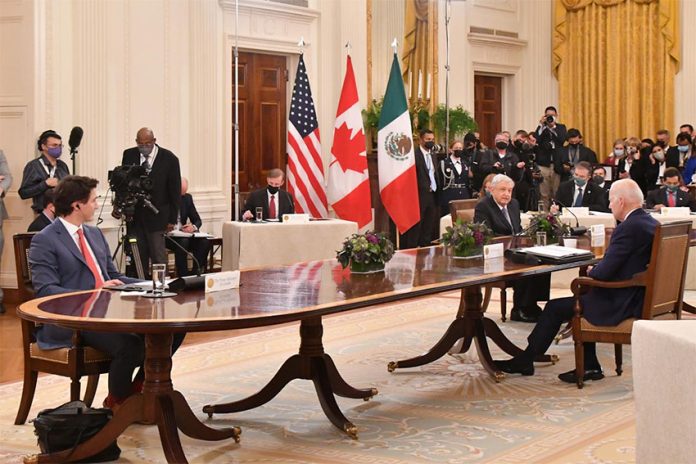
Presidents López Obrador, Biden and Trudeau at the 2021 leaders summit.
Presidents López Obrador, Biden and Trudeau at the 2021 leaders summit. (LopezObrador.org.mx)

Energy, immigration and trade will be the key issues under discussion at the North American Leaders Summit (NALS) held in Mexico City in January, according to an agenda presented by Mexican Foreign Minister Marcelo Ebrard.

Mexico will host the tenth edition of the summit between the leaders of Mexico, Canada and the United States — colloquially known as the “Tres Amigos” summit — at the National Palace from Jan. 9 to 11. U.S. President Joe Biden and Canadian Prime Minister Justin Trudeau will join President López Obrador to advance shared priorities among their three countries.

“The three nations will seek to continue the process of regional integration on the principles of respect, sovereignty and cooperation in good faith for mutual benefit, that is the objective,” Ebrard said, while presenting the agenda at AMLO’s morning press conference on Tuesday.

Foreign Minister Ebrard laid out the plan for this year's meeting at a press conference last week.
Foreign Minister Ebrard laid out the plan for this year’s meeting at a press conference last week. (Presidencia de la República)

The summit will open with a bilateral meeting between AMLO and Biden on Jan. 9. This will focus on strengthening bilateral trade relations, accelerating border infrastructure projects, and enhancing cooperation on issues such as labor mobility, security, education and climate change.

The migration crisis on the U.S.-Mexico border will likely be a key shaper of the discussions, as U.S. courts battle over the future of Title 42, the pandemic-era legislation that allows undocumented migrants to be immediately expelled to Mexico.

Ebrard explained that another key topic would be the Sonora Plan — Mexico’s proposal for the U.S. to help finance renewable energy infrastructure in the lithium hub of Sonora. Energy policy has been a recent point of tension between the three countries, with the U.S. and Canada accusing Mexico of unfairly favoring state-owned companies over foreign clean energy suppliers.

AMLO’s meeting with Biden will be followed by a trilateral summit on Jan. 10, and a bilateral discussion between AMLO and Trudeau on Jan. 11 focused on government strategy towards Indigenous and historically marginalized communities.

The trilateral meeting will seek to tackle six issue areas: diversity and equality; environment; trade competitiveness; migration; health; and common security. Mexico also intends to use the summit to propose a plan for tackling worsening poverty and inequality in the Americas, called the Alliance for the Prosperity of American Peoples.

“The central objective [of the alliance] will be to achieve a more egalitarian distribution of resources in the Americas based on the strengthening of trade relations … to maintain North America as the main economic power at the global level, which would allow establishing new ties with the rest of the continent,” Ebrard said.

The tenth NALS comes one year after the three nations relaunched the summit in November 2021, after a hiatus of five years. The ninth NALS, held in Washington D.C., focused on addressing the impacts of the coronavirus pandemic and improving supply chain resilience. The latter issue is likely to be still more relevant this year, in light of the supply shocks created by the war in Ukraine.

With reports from Infobae and El Financiero

“Don’t hang up” and other phone scams to watch out for

0
According to one estimate, more than 3.5 billion phone users around the world receive fraudulent SMS messages daily. (Depositphotos)

Several phone and text message scams have been “making the rounds” in the Guadalajara area in 2022, many of which came to my attention via personal reports from some of the victims.

I decided that as we go into a new year, a rundown on these sorts of scams might help readers avoid them in 2023. 

The names in these stories have been changed to protect the innocent…

“Don’t hang up!” 

María, a maid, was alone in the house when she got a telephone call from someone asking for Peter, the owner of the place. She replied,”he’s not here.” Then the caller said, “Okay, let me talk to Linda (Peter’s wife).” 

“She’s not here either,” said María.

Note that the caller knew in advance the names of the house owners and has now determined that neither one is at home at the moment.

Next, the caller said, “I’m trying to reach either one of them to tell them that before 1 p.m. today, they have to pay the interest they owe on a loan they took out. If they don’t pay it, the interest is going to go way up! So they need to make a deposit right now.”

“But they’re not here,” repeated María.

“Wait a minute,” said the caller. “La señora Linda is calling me right now.”

After a pause, the caller said: “I have her on the phone, and she says, por favor, look around in the office and in the bedroom for any money you can find so you can go make the deposit. Look in all the drawers because she doesn’t remember exactly where she put it.”

So the maid, trying to be helpful, went hunting in the office and the bedroom and found nothing.

Next, the scammer told her to look in the drawers in the bathroom.

Very quickly, the maid found 11,000 pesos. Then the caller said, “Now you need to take this money down to the Oxxo and I’ll give you the number of my account so you can deposit it.”

She replied. “Okay, I’m going to hang up the phone and go down to the Oxxo.”

“No! No! No!” reacted the caller. “No te cuelgues, (Don’t hang up!).”

Note that this phrase is the key for assuring the success of this scam, isolating the domestic helper from talking to anyone else.

The maid walked to the Oxxo. Once she was inside, the caller said: “Let me talk to the Oxxo clerk. I’m going to have to give her a different account number for the deposit.”

This final twist makes sure the victims of the scam don’t know the number of the account the money disappears into.

When the victims reported this scam to the authorities, they learned that many others have been defrauded in the same way and that a modified version of the scam is used to spirit away jewelry, sometimes worth millions of pesos.

All the scammers need to make this work is the names of family members and the approximate location of cash or jewelry, all of which might be gleaned from talkative domestic help or former help. 

The key to escaping unscathed from this type of scam: Whenever you hear the words “No cuelgues,” you should hang up immediately! And then start checking the facts of what you’ve been told.

“There’s an accident down the street”

This scam happened to a woman who lives with her daughter. When the daughter is at work, the mother is alone in the house.

One day a young man knocked at the door and, apparently stressed, told the mother that her daughter had had an accident just a few blocks down the street, “and she sent me here to ask you to come help her.”

So the woman locked her door and ran down the street.

As soon as she was out of sight, a group of burglars — knowing that the house was empty — broke in and made off with the TV, computer and other valuables.

Hindsight suggests that before leaving the house, the victim should have picked up the phone and called her daughter’s number. A person in panic would not ordinarily do this, but perhaps you, after reading this true case, might!

“Did you make this purchase?”

Jorge got a call, supposedly from his bank, saying they were checking on a purchase he had just made with his debit card.

“That wasn’t me!” replied Jorge and the “bank rep” kindly offered to help him resolve the problem.

First off, the rep said he would not ask for Jorge’s account number or card number, “because banks never solicit this information.”

The caller then showed Jorge how to block his account and then helped him open a new account, into which Jorge transferred all his money.

As easy as that, Jorge lost everything he had.

Reply YES or NO”

A pensioner got an SMS text message on her phone, apparently from BBVA Bancomer, saying, “Cargo en curso de $7,500 vía banca digital, folio 12345. Sí reconoce la operación, responda según sea el caso: SÍ o NO.

Which means, “You are about to be charged $7,500 via digital bank transaction 12345. Reply YES or NO to approve or deny the transfer.”

The pensioner handed the phone to her daughter. Not sure what to do, the daughter went to Bancomer.

“My mom got this text message,” she told them. “It’s very strange; did it come from you?”

Ay, no, señora!” cried the bank attendant. “Thank God you didn’t reply! You are the fifth person today to tell me the same story. And in every case, it’s an account belonging to a senior citizen.”

If you send back either a yes or no, the criminals now know you are a client of Bancomer, otherwise you wouldn’t have been fooled into answering. They can therefore proceed to the next stage of their nefarious plan, e.g., one of the scams mentioned above.

Scamming people via SMS messages, by the way, is known as “smishing.” If it’s any consolation, the tech site Earthweb says more than 3.5 billion phone users around the world receive fraudulent SMS messages daily. 

Want to check out other tricks used to relieve people of their money in Mexico? See there’s mustard on your backand other scams.

Have a safe and scam-free 2023!

The writer has lived near Guadalajara, Jalisco, since 1985. His most recent book is Outdoors in Western Mexico, Volume Three. More of his writing can be found on his blog.


MND Staff Picks: Best reads and listens of 2022

0
Pop art painting of Mexico City street and a person reading a book / DALL - E

It’s that time of year – the time of lists!

From Santa’s hallowed naughty or nice list to your holiday must-do list, to the ubiquitous year-end roundups, ’tis the season.

Here at Mexico News Daily, we have decided to put together a few lists of our own, sharing our favorite discoveries of 2022.

We start today with recommended books and podcasts about Mexico – be on the lookout for best films and travel experiences next week.

Dreamland: The True Tale of America’s Opiate Epidemic by Sam Quinones

In the growing body of investigative journalism on the history and scope of the U.S. opiate crisis, this award-winning 2015 book stands out in telling the story from both sides of the border. Small-town America and small-town Mexico are both rendered in compelling detail, as are their inhabitants, who have been swept up in this spiraling tragedy. Quinones lays bare the collision of pharmaceutical opiate addiction with Mexican drug traffickers, who kept a low profile while spreading black tar heroin throughout the U.S.

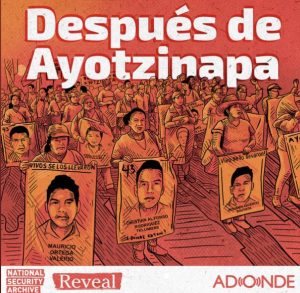
After Ayotzinapa podcast

After Ayotzinapa

Produced by investigative journalism podcast “Reveal”, this 3-part series (with a fourth follow-up episode) narrates the 2014 tragedy in Iguala and its ongoing aftermath with clarity and sensitivity. Interviews with some of the parents of the missing 43, as well as members of the expert forensic team (GIEI), former special prosecutor Omar Gómez Trejo, and even a DEA agent in Chicago provide big-picture context and perspective on the case. The podcast is available in English or Spanish.

Kate Bohné, executive editor

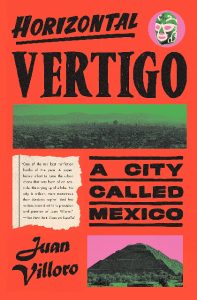
Horizontal Vertigo: A City Called Mexico by Juan Villoro

Horizontal Vertigo by Juan Villoro

I moved to Mérida from Mexico City a couple of years ago, but remain hopelessly addicted to the capital – albeit (mostly) from afar. 

While I was lucky enough to spend some time in CDMX this year, another way I got my fix “capitalino” was by reading Juan Villoro’s 2018 non-fiction book Horizontal Vertigo: A City Called Mexico.  

It’s a great book to dip into at random because it doesn’t have a linear narrative. Rather, it’s a collection of personal stories and reflections about life and culture in CDMX, the capital’s history and the people who live in North America’s biggest city. 

Mexico News Daily writer Rich Tenorio wrote about the book last year, calling it “Villoro’s paean to a place he knows intimately.” 

Peter Davies, staff writer

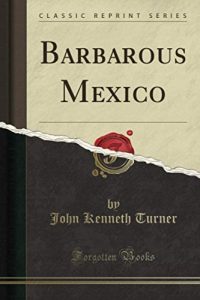
Barbarous Mexico by John Kenneth Turner

Barbarous Mexico by John Kenneth Turner

“Barbarous Mexico,” a book by U.S. journalist John Kenneth Turner, chronicles the reporter’s travels through Mexico in the years leading up to the Mexican Revolution (1910-1912). It provides fascinating insight into how General Porfirio Díaz, who was dictator at the time, sold his regime to the world as a progressive democracy.

The book’s publication played an important role in turning the tide of U.S. public perception, which led to the U.S. government withdrawing support for the Mexican dictatorship instead of continuing to support it.

It also shows some of its American writer’s blind spots, as he exposes “shocking” debt slavery of Maya and other Indigenous people in southern Mexico at a time when Black people in the U.S. were enduring something extremely similar: the share-cropping system of the U.S. South.

LOUD: The History of Reggaeton podcast

LOUD: The History of Reggaeton

Today, reggaeton has taken over the world, consistently ranking in the Top 40 even in non-Spanish-speaking countries. In Mexico, it’s hard to go a day without hearing Bad Bunny or J Balvin pumping out of cars, stores and bars. Many people know it came out of Puerto Rico, but how did a sound from a tiny island become so important on the world stage?

“LOUD” is the Spanglish podcast produced by Futuro Media and Spotify that goes back to beginning, tracing the roots of a genre that some now dismiss as shallow party music, but which still bears the marks of the rich musical traditions that fused to create it.

Rose Egelhoff, associate editor

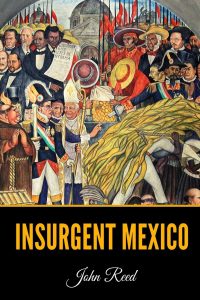
Insurgent Mexico by John Reed

Insurgent Mexico cover

A Mexican friend put me on to John Reed’s book “Insurgent Mexico,” which opened my eyes to both the causes and the chaos of the Mexican Revolution and led me to the 2003 movie “And Starring Pancho Villa as Himself.”

First read the book then see the film!

John Pint, regular contributor

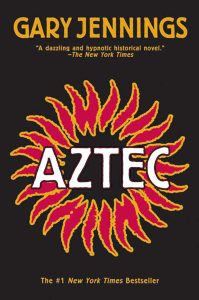
Aztec by Gary Jennings

Aztec cover

Whether you are a new transplant or a long-time resident, this is a must-read. This book intelligently sets the stage for everything Mexico, notably the region in and around the vibrant capital. With graphic, sensual overtones, Jennings dives into Mexico’s history, geography and classism. Life here will make more sense: street names, market culture, daily customs, traditional dishes, religious practices.

A well-researched novel that reads like a telenovela, Aztec should be required reading for all who call Mexico home.

Bethany Platanella, regular contributor

In the Shadow of the Angel by Kathryn S. Blair

In the Shadow of the Angel cover

Covering three decades of Mexico’s history (1900-1930), this novel dives into a pre- and post-revolutionary country through the troubled life story of wealthy cultural patroness, Antonieta Rivas Mercado.

Daughter of Antonio Rivas Mercado – the architect who built the Ángel de la Independencia – forward-thinking Antonieta was an extraordinary woman who fought against the social standards of her time to promote art, women’s rights, and education. It is without a doubt a must-read book for anyone interested in Mexico. 

Gaby Solís, staff writer

A Ballad of Love and Glory by Reyna Grande

This is an engaging novel mixing romance and historical fiction.

Set during the Mexican-American War, it imagines a romance between John Riley, a real-life Irish immigrant turned American army deserter who became the leader of the San Patricios battalion, and Ximena Salome, a fictional character who follows her curandera heritage and joins Santa Anna’s army as a nurse out of revenge for her slain husband. 

Rich Tenorio, regular contributor

Tamales: the food that crosses eras, religions and national borders

0
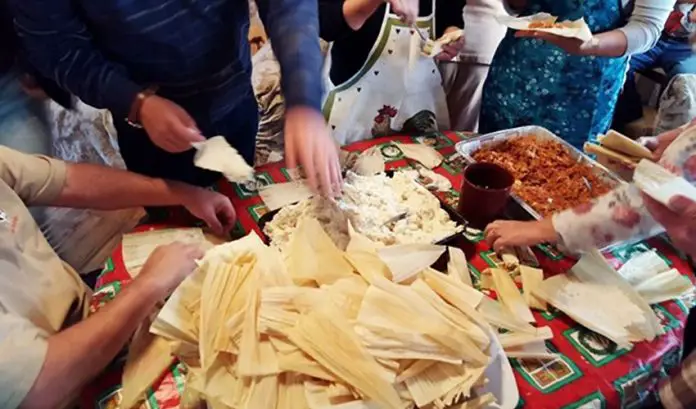
Making tamales is a labor-intensive task that in the past was done by a group of people, often family. With today’s hectic schedules, many families simply rely on buying them during the holidays from a trusted maker.

The importance of tamales at this time of year crosses borders, as does the work of Mexico’s professional tamale researcher, Beatriz Ramírez Woolrich.

Granted, there is nothing that stops people from enjoying tamales year-round today in all kinds of social settings. Originally, however, in the Mesoamerican world, they were a food fit for the gods and eaten only by the elite during certain ceremonies, according to early colonial-era historian Bernardino de Sahagún. 

Wheat, in the form of a communion wafer, became the sacred meal, but the tamale, whose name comes from the word for “wrapped” in Nahautl, remained important for the communal festivities after Mass, especially on holiday and is Mesoamerica’s oldest continuously-consumed food preparation. 

Ramírez’s research concludes that there are at least 5,000 ways of preparing tamales in Mexico, as fillings, types of corn, cooking methods and wrappings vary immensely, depending on local foodstuffs. There are also regional and familial preferences that create variety as well.  

Woman offering tamales to the gods, from the Bartolo murals in Guatemala. Tamales were important all over Mesoamerica.

Interestingly, Ramírez says, most Mexicans are not aware of many or most of the varieties outside their locale.

Until relatively recently, tamales made appearances generally on special occasion, because, as Ramírez says, “It’s not something you can make like a sandwich.” 

Time and lots of coordinated hands are needed to make enough tamales so that it is worth the effort — like ravioli or meatballs.

Beatriz Ramírez Woolrich. (Photo: Beatriz Ramírez/Facebook)

With the advent of businesses making and selling tamales, the food has become more common, able to be purchased in relatively small quantities for events like baptisms and even casual business meetings. In Mexico City and other urban centers, they are very popular as a street food, with vendors found selling them early in the morning as a cheap breakfast on the go, often paired with the corn-based drink atole, and sometimes late at night. A few places have tamale preparations specifically for Day of the Dead and Holy Week. 

But if one holiday is associated with tamales, it has to be the Christmas season. Mexicans all over the world value family and community get-togethers at this time of year. Various kinds of food can appear, and certainly tamales are not out of the equation, especially at potluck-type events. 

These tamales may be the same type as seen the rest of the year, but they can be special in the sense that they are more often made completely from scratch.

Homemade tamales appear more often among rural and indigenous families and communities. In more urban settings, they compete with other preparations, especially on Christmas Eve and New Year’s Eve, when feasters often prefer Spanish-style bacalao, romeritos (a type of green vegetable) with mole sauce, pozole and, more recently, roast turkey and ham. 

There is only one day a year when tamales are essential, and which day that is depends on which side of the border you are on. 

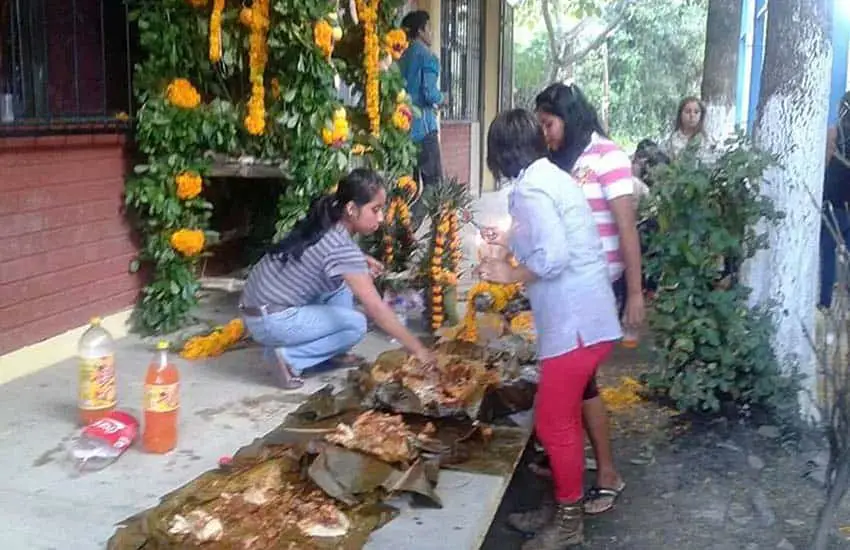
Tamales being offered and eaten for Day of the Dead in the Huastec region in Eastern Mexico. This style of tamale is called zacahuil. (Photo: Elenats/Creative Commons)

In Mexico, tamales are required on the Catholic feast day of Candlemas, February 2, and it is not unusual for people to eat them more than once during the day. Candlemas is the Mexican Christmas season’s last hurrah: February 2 commemorates the presentation of Jesus at the temple, and after a mass and blessing, everything is packed away for the year. 

Tamales figure in here starting on January 6. A sweet bread called a rosca de reyes (King’s Circle Cake) is shared among families, coworkers and gatherings of friends. The person who finds in their slice the small figurine of the Baby Jesus that’s been baked into the rosca slices are tasked with buying tamales for the same group on February 2. 

North of the border, the tamale requirement has shifted to Christmas Eve or Christmas Day. The tamales are eaten as part of the turkey dinner. 

Ramírez’s extensive research both north and south of the border indicates that this change comes from the greater importance of the Dec 24 and 25 in the United States, as well as the need of Mexican-American families to maintain their identity.

Ramírez says that in some ways, Mexican-American families are conserving the art of communally making tamales at home better than in Mexico because the process and storytelling that goes along with it — part of that conservation of identity. In the U.S., the need to eat tamales in the later part of the year is so strong that “Thanksgiving tamales” are gaining in popularity among Mexican-Americans.  

The popularity of tamales north-of-the-border grew as the ingredients needed to make them became easier to get. Thirty years ago, it could be difficult to get just the right chili pepper or corn dough, with families sometimes sneaking them across the border. 

Tamales’ popularity at this time of year is certainly helped by the fact that they are comfort food that retain heat well in cooler temperatures, often consumed with hot drinks like atole or fruit-based ponche (a hot fruit punch drink). But both inside and outside of Mexico, the eating of tamales made at home may have a difficult time surviving. 

Modern life in both countries generally does not afford a family the luxury of spending a day together making batches of them. And Mexican-Americans may not have a grandmother from the old country to guide everyone through the process. 

For this reason, tamales’ holiday role in many places has become limited to sharing a batch brought from the group’s favorite maker — the person who makes them “just like grandma did.” This is not such a new idea. 

Ramírez’s interest in tamales stems in large part from growing up some decades ago around her mother’s business, which made and sold tamales all over Mexico City. Such makers now are many and do well in major cities in Mexico, but the demand is even stronger in the US, where makers often cannot keep up. 

Leigh Thelmadatter arrived in Mexico 18 years ago and fell in love with the land and the culture in particular its handcrafts and art. She is the author of Mexican Cartonería: Paper, Paste and Fiesta (Schiffer 2019). Her culture column appears regularly on Mexico News Daily.

Expat’s grassroots food program plays Santa year-round to homebound veracruzanos

0

One of my daughter’s favorite books, even when it’s not even close to Christmas, is The (Wonderful) Truth about Santa by B.K. Gendran. The gist of the book is that Santa Claus is a tradition that encompasses the spirit of giving, which anyone can embody; therefore, Santa is “real” in that anyone can be a Santa. 

It starts by telling the story of “the first” Santa Claus, St. Nicholas. He kicks things off in the book by sneaking into a poor family’s home to leave some gold coins in their stockings that are hung up to dry by the fire.

The father “catches” him, and St. Nicholas says, “Keep the gold coins. But tell no one who gave them to you.” 

The father is so overjoyed that he just can’t keep quiet (I know the feeling, my dude!) and basically tells everyone. And from then on, parents were inspired to give in secret. 

I thought of this story after talking to John Robert Small, a fellow U.S. immigrant who lives outside of Coatepec, Veracruz, the next town over from me. 

Like many of us around here, he’s been living a quiet life, seamlessly folded into the surrounding community. Not one to draw attention to himself, this is precisely how he likes it: “Cup of Love is not about me,” he says. “I don’t want to be the face of it.”

Taza de Amor, or Cup of Love, is Small’s food service program that he runs from his garden and kitchen to deliver meals to primarily elderly shut-ins and other people who can’t leave their homes. In keeping with his preference not to draw attention to himself, none of the people who receive the benefit of his work have actually received anything directly from Small; most recipients have no idea who he is.

“I don’t really like the word ‘needy,’ but the truly neediest people around here are older folks in poor health who can’t leave their homes… sometimes the person delivering the food will be the only person they see all week.”

Small became keenly aware of this population when COVID-19, pushed his and other church communities’ services online. One of the only good things about the pandemic, he says, was that more people got internet access as a matter of necessity.

He quickly realized that even before the pandemic hit, there were many people in his community that were never able to attend Mass; they were essentially trapped in their homes. 

“Suddenly, they were able to rejoin their friends at church,” he says. 

From there came a question. “What are they doing for food and such?” 

Small has always loved to cook. Though he didn’t go into cooking as a career, it’s something that has always come naturally to him. And with two acres of land, he had already been gardening and growing plenty of food before the pandemic. 

When the Italian restaurant he’d been selling tomatoes to closed, along with every other public-facing business, he decided he could put that land, and his love for cooking, to good use. 

“That first Sunday, we delivered six meals,” he said. “Our delivery person said that one woman couldn’t believe that anyone had remembered her.” 

Since then, he’s served anywhere from 16 to 184 meals on any given Sunday. The demand varies. 

“This Sunday is Christmas, and is our 90th consecutive Sunday. We’re only expecting [to serve] around 30, as more older people have visitors on the holiday.” 

Though his budget is often limited — he lives on his retirement pension and pools together money from that as well as donations made to his page and occasional sales of an original painting – there are a few elements he’s always sure to include. 

“I always bake something to send along with the meal, and when fruit is in season and not too expensive, I’ll include a piece for everyone,” he said. 

He makes a point of only using biodegradable packaging and focuses on making sure to include protein, carbohydrates and vegetables so that every meal is as well-rounded and complete as possible. 

“Even if they don’t have much and the meal is just for one person, I’ve heard of people inviting their neighbors over to share,” Small said.

A former banker and computer programmer, he now spends his days painting, gardening and, especially over the past two years, shopping at the markets and cooking for his beneficiaries. 

“I try to find out by Wednesday how many people need to be served so that I can do all the shopping on Thursday and Friday,” he says. He inevitably gets messages as late as Saturday about new people to include.

While Small is in charge of the shopping, cooking, and packing, his “elves” — volunteer delivery people he knows and people from his church — take care of both letting him know how many people could use his service and getting the meals to them. He pitches in for gasoline as much as he can.

He estimates that with all costs included, each meal likely costs between US $3-4. While donations help, much of his budget for food and supplies comes out of his own pocket. Sometimes donors go above and beyond, though, which translates into even more help for those in need.

“We asked one woman if she had been eating, and she said that she hadn’t because she was saving money to see a specialist.” When a fellow painter heard the story, he says, she decided to pick up the tab.

Small may have a small budget, but he has big dreams for his homegrown initiative. He’s hoping to expand into surrounding areas in order to serve more and more people. And despite his tendency to stay in the shadows when it comes to doing good, he wants to see Taza de Amor lead by example.

“We hope that others will hear about these needs that so many have and say, ‘Hey, I can do something like that!’” 

  • If you would like to “be Santa” to someone else, you can donate to the Taza de Amor program here or via Small’s PayPal account by searching for his handle, johnrobertpaints@gmail.

Sarah DeVries is a writer and translator based in Xalapa, Veracruz. She can be reached through her website, sdevrieswritingandtranslating.com

Drink and be merry!

0
With the holidays this weekend, we’re offering up international ideas for cocktails, like this coquito, a traditional Puerto Rican beverage like eggnog but made with coconut milk.

The week between Christmas and New Year’s — and the days leading up to La Noche Buena (Christmas Eve) and La Navidad — are often full of too much rich food. Even in my quiet little life, I see myself wanting to make extravagant desserts, dinners and snacks. Why? Let’s just say ‘tis the season. 

This might be a good time to try making some festive holiday beverages instead.  

Coquitos, a traditional eggnog-like holiday cocktail from Puerto Rico, lends itself well to the ingredients we have in Mexico. While it’s traditionally made with fresh coconut meat and milk, blended and strained to make a thick, rich cream, it’s perfectly acceptable to substitute canned coconut cream or full-fat coconut milk following the tips in the recipe below. 

In chilly Sweden, the winter holidays call for a hot drink, and Glogg, a traditional mulled wine, does the trick. It also fills your house with the comforting aromas of cinnamon, cloves, cardamom and orange peel as it mulls, or simmers. 

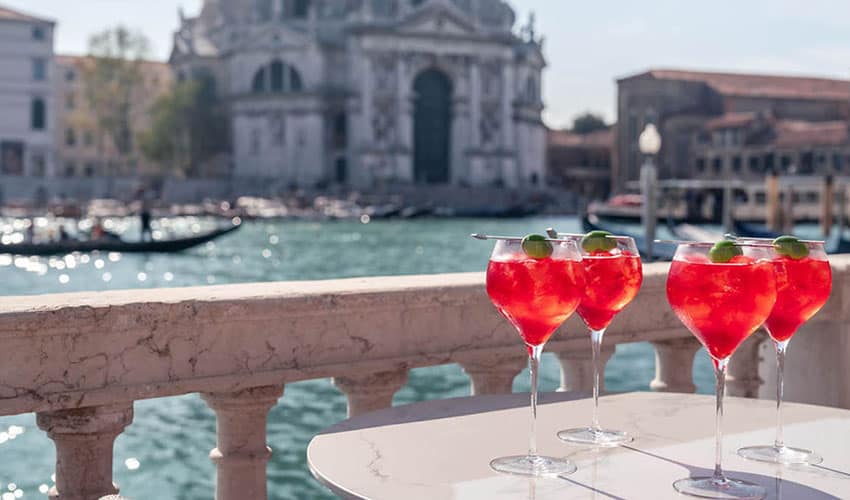
The flavors in this Venetian Spritz will transport you to the iconic Italian city.

The American South transfers the flavors of its legendary sweet potato pie into the Sweet Potato Dream, a creamy, delicious cocktail that might be more of a dessert than a beverage. Mexico’s heritage is showcased in the Mezcal Royale Punch, a delightful blend of flavors and alcohols that takes a bit of time to make properly but is totally worth the effort. And last but certainly not least, from Italy comes a Venetian Spritz, a fizzy combo of classic prosecco balanced with bitters and a jaunty green olive for good measure.

Coquitos

  • 2 large fresh coconuts or 2 (14-oz.) cans unsweetened coconut cream or full-fat coconut milk (see different instructions in recipe) 
  • 4 egg yolks
  • 1 (14-oz.) can sweetened condensed milk
  • 1½ cups white rum (darker rum will change the color of the coquito)
  • ½ tsp. kosher salt
  • Ground nutmeg, for garnish

To make coconut cream from fresh coconut:, have vendor separate meat from the shell, reserving liquid separately. Once home, chop coconut meat into 1-inch pieces. 

Place about ⅓ of the pieces in a blender with 1 cup of coconut water. Pulse and blend until coconut is broken into smaller, ⅛-inch pieces; strain through a clean dish towel over a bowl, squeezing to extract as much liquid as possible. (Reserve the coconut bits for another use.) 

Pour 1 cup of liquid back into the blender with another ⅓ of the coconut pieces, blend, and repeat squeezing process. 

Repeat with remaining coconut pieces. Measure out 3⅓ cups of fresh coconut cream. (If necessary, blend another cup of coconut water with some coconut bits and squeeze again to extract more liquid.)

If using canned coconut cream/milk, it needs to be refrigerated overnight so the fat (or “cream”) separates from the liquid. Then you can scoop the cream off the top and use it in the recipe, starting from this point: 

In large bowl, lightly whisk egg yolks. Pour 1 cup coconut cream and the sweetened condensed milk into a medium saucepan. Bring to a simmer over medium heat, stirring to prevent burning. 

Once thoroughly combined, slowly pour the hot mixture into the yolks, whisking constantly, until smooth and frothy. Stir in the rum, salt and remaining coconut cream.

Push mixture through fine-mesh strainer into glass bottles or jars; cover tightly and refrigerate at least 3 hours or up to 1 week. Remove from refrigerator 30 minutes before serving. Shake well, pour into glasses, sprinkle with nutmeg and serve.

Swedish Christmas Glogg

  • Peel of 1 large orange
  • 2 Tbsp. whole cardamom pods
  • 2 bottles red wine
  • 1 bottle ruby port
  • 1 pint Cognac or brandy
  • ⅓ cup brown sugar or grated piloncillo, to taste
  • 12 whole cloves
  • 3 cinnamon sticks
  • Raisins and sliced almonds 

Using metal tongs, hold the orange peel over a flame until it starts to singe and brown a little, then place it in a large pot. Crack and bruise the cardamom pods using the flat side of a knife or rolling pin or mallet. Add to pot with orange peel. 

Add wine, port, brandy, sugar, cloves and cinnamon. Gently simmer over low heat about 20 minutes, until fragrant. Taste and adjust sweetness. 

In each glass, place a few raisins and almonds, then fill with warm glogg. Yield: 16–20 servings.

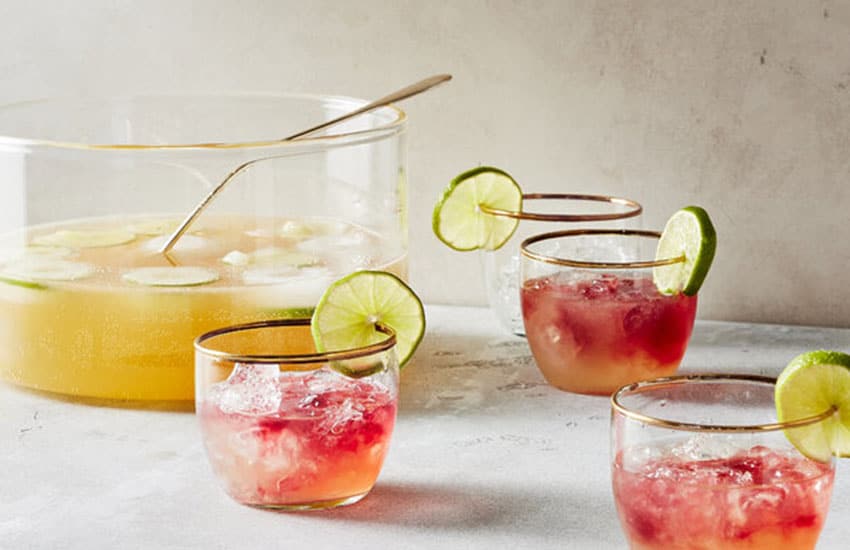
Wow your guests with a beautiful Mezcal Royale Punch that delights the eye as well as the palate.

Mezcal Royale Punch

This needs a few hours of “down time” to combine the flavors; read through the recipe first before making.

  • 8-10 limes
  • ¾ cup sugar
  • 12 oz. (1½ cups) blanc vermouth
  • 6 oz. (¾ cup) mezcal
  • 6 oz. (¾ cup) Cognac or brandy
  • 24 oz. (3 cups) club soda
  • 1 (750-milliliter) bottle cold, dry sparkling red wine, Lambrusco or sparkling rosé

Peel 4 limes. Place peels in medium bowl (if using a muddler) or a jar (if using end of a wooden rolling pin to muddle); reserve limes. 

Add sugar, working it into peels until they start to turn slightly translucent, about 2 minutes. Set aside at room temperature for at least 2 hours or overnight.

Juice reserved limes to make ¾ cup juice; add to lime-peel mixture. Stir (or cover and shake jar) until sugar dissolves. 

Push through a fine-mesh strainer, pressing on solids; transfer to large bowl. Stir in vermouth, mezcal, Cognac and 2 cups cold water. 

Pour mixture into resealable bottles or jars; cover and chill at least 1 hour or up to 24 hours.

To serve, pour mixture into a large punch or serving bowl. Add the club soda; stir gently to combine. Fill individual punch glasses with ice, and ladle punch into glasses. 

Top each glass with a splash of sparkling red wine and lime slice. Yields 18–20 drinks.

Sweet Potato Dream

A delicious dessert drink with an almost pudding-like texture.

  • 1 (18-oz.) can diced sweet potatoes in light syrup
  • 1-2 Tbsp. spiced rum
  • 1 egg
  • 1-2 Tbsp. maple syrup, to taste
  • Garnish: Whipped cream, marshmallows, cinnamon stick or ground cinnamon

Empty the can of sweet potatoes, including syrup, into blender and purée. 

In cocktail shaker or metal or glass container with a tight-fitting lid, combine about a tablespoon of purée with rum, egg and maple syrup. Shake vigorously, without ice. 

Half-fill shaker with ice; shake again. Strain mixture into cocktail glass. 

Top with a marshmallows or whipped cream. Grate cinnamon stick over the top, or dust with ground cinnamon. Yields 1 drink. 

Venetian Spritz

  • 3 oz. prosecco
  • 1½ oz. Aperol, Campari or other bitter aperitif
  • 1½ oz. soda water
  • Green olive, for garnish

Gently stir all liquid ingredients over ice in a tumbler and add olive. Yields 1 drink.

Janet Blaser is the author of the best-selling book, Why We Left: An Anthology of American Women Expats, featured on CNBC and MarketWatch. She has lived in Mexico since 2006. You can find her on Facebook.

Migrants at the U.S. border seek shelter from extreme cold

0
Bundled-up migrants in Ciudad Juárez, Chihuahua, wait to cross into the U.S.
Migrants in Ciudad Juárez, Chihuahua, wait to cross into the U.S. in December. (David Peinado / Cuartoscuro.com)

With Friday’s temperatures in El Paso falling below zero Celsius — the high teens in Fahrenheit — local government leaders and nonprofit organizations were scrambling to open up heating stations, add extra cots in emergency shelters and distribute blankets.

But among the thousands of migrants still in the city, not all of them qualified to stay.

“We’re not permitted inside the shelter because we crossed without permission,” a Venezuelan woman named Adda told NPR. She traveled to El Paso with seven family members on what she said was a harrowing journey through Mexico.

“We went to ask if we could stay in the shelter because my daughter is pregnant,” Adda said in Spanish. “But they told us no, not without a permit.”

Just across the border from Ciudad Juárez, Chihuahua, the city of El Paso is already in the midst of a declared state of emergency over thousands of migrants living in unsafe conditions. Now, the city has opened a government-run shelter with 1,000 cots inside its convention center, as well as shelters at hotels and several unused schools.

But they are open only to migrants who have documentation that they have turned themselves into the Border Patrol.

That policy is set by the federal government. And it’s leaving what would seem to be hundreds of migrants out in the cold, although there is no official count.

If undocumented migrants show up at government-run sites, they’ll be connected with Customs and Border Protection to start the process of turning themselves in, or they’ll be connected with shelters run by nonprofits, El Paso city spokesperson Laura Cruz Acosta told CNN.

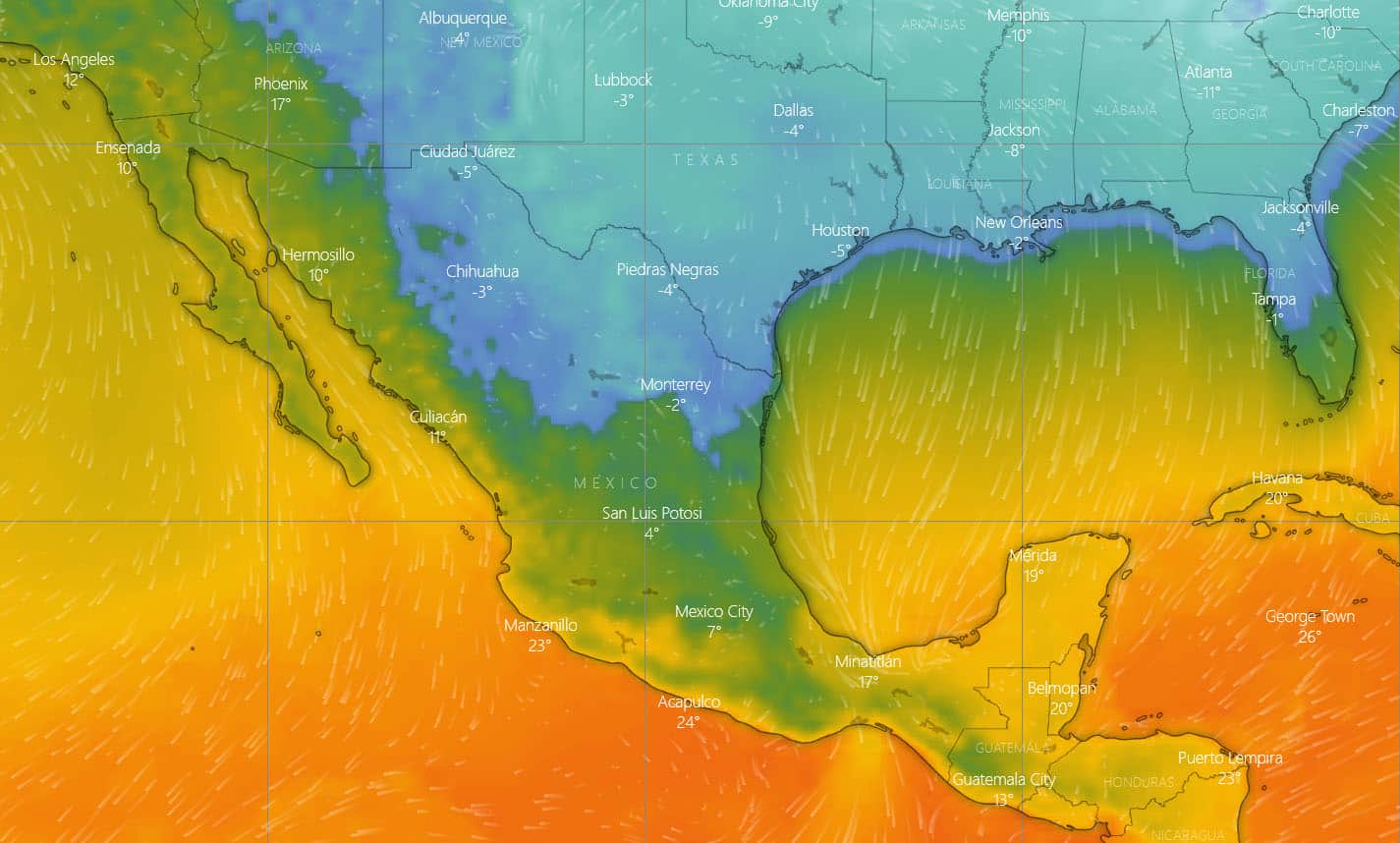
The temperature in El Paso plummeted from 20 C (68 F)  at around 4 p.m. on Thursday to -8 C (18 F) at around 7 a.m. Friday. Saturday’s forecast calls for a high of 10 C and a low of -3 C, with a warming trend to follow.

A map of Mexico and the southern U.S. color-coded by predicted temperature. Much of the border region is blue.
Temperatures are predicted to plunge well below freezing along much of the Mexico-U.S. border early Saturday morning (dark and light blue indicate freezing and sub-freezing temperatures). (Windy)

El Paso and other Texas border cities have raced to move migrants off the streets and into warm shelters, but shelters in El Paso are overflowing as thousands of migrants have arrived in the city in recent days, anticipating the end of Trump-era border restrictions.

“We wanted to make sure that we were able to get everyone who was on the street off the streets before this cold weather hits,” Mario D’Agostino, El Paso’s deputy city manager, told NPR on Thursday.

Migrants without paperwork can stay in shelters run by churches and nonprofits, if space is available (often it is not).

Overnight Thursday, sidewalks near the Greyhound bus station were lined with blankets and makeshift bedding as dozens of migrants tried to keep warm.

“We sleep on leftover cardboard pizza boxes inside layers and layers of blankets,” Carlos Areas from Nicaragua told NPR.

El Paso police officers on bicycle patrol encouraged migrants to relocate to the emergency shelter in the convention center. But many of the migrants on the street had not turned themselves into the Border Patrol.

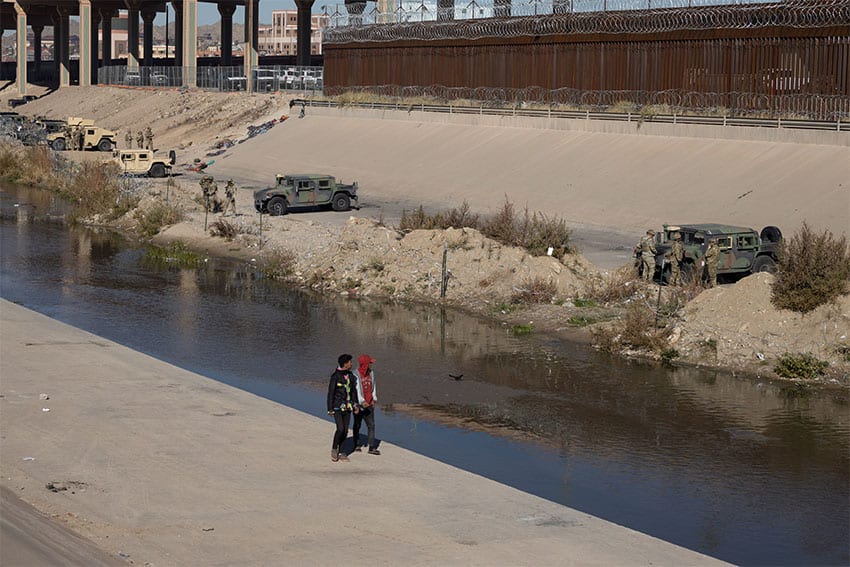
Members of the Texas National Guard parked tanks and set up barbed wire barricades to prevent migrants from crossing the Rio Grande, on Wednesday.
Members of the Texas National Guard parked tanks and set up barbed wire barricades to prevent migrants from crossing the Rio Grande, on Wednesday. (David Peinado / Cuartoscuro.com)

Since March 2020, pandemic-era border restrictions known as Title 42 have allowed immigration authorities to quickly expel many migrants, including those seeking asylum. However, those restrictions have been applied unevenly — in large part because Mexico has refused to take back migrants from certain countries, including Cuba and Nicaragua.

Title 42 was expected to be repealed this week — which is why so many migrants had either arrived at the Mexico-U.S. border or crossed it in recent days — but it was not.

The cold weather is only adding to an already difficult situation created by the increase in migrant crossings, which has overwhelmed the El Paso shelter system.

In order to avoid having migrants sleeping on the street — a dangerous option in the arctic cold — officials in El Paso have sent some to other cities such as Houston, but shelters there are also reaching capacity.

“Extremely cold, below freezing temperatures are expected along the Mexico and United States border during the next several days,” Hugo Carmona, acting associate chief of U.S. Border Patrol Operations, said in a video statement released a few days ago. “Do not risk your life and that of your loved ones trying to cross the river or the desert. Help avoid human death and tragedy. Stay home or remain in a safe shelter. This is a warning of extreme importance.”

With reports from El Financiero, CNN and NPR