September, known as the “mes patrio” or patriotic month, has begun. This is the month when Mexicans commemorate the consummation of our independence, which took place in 1821. During the official celebration on Sept. 15, the president reenacts the way the independence movement began with what we call the “grito” — the cry of independence.
We also celebrate the grito at home, accompanied by family and friends. We dress up to look even more Mexican with sombreros, fake mustaches and braids. We drink tequila, sing Mexican songs, shout “Viva México” and, of course, eat.
Perhaps the most famous seasonal dish, and the one that generates the most intrigue for me, is chile en nogada.
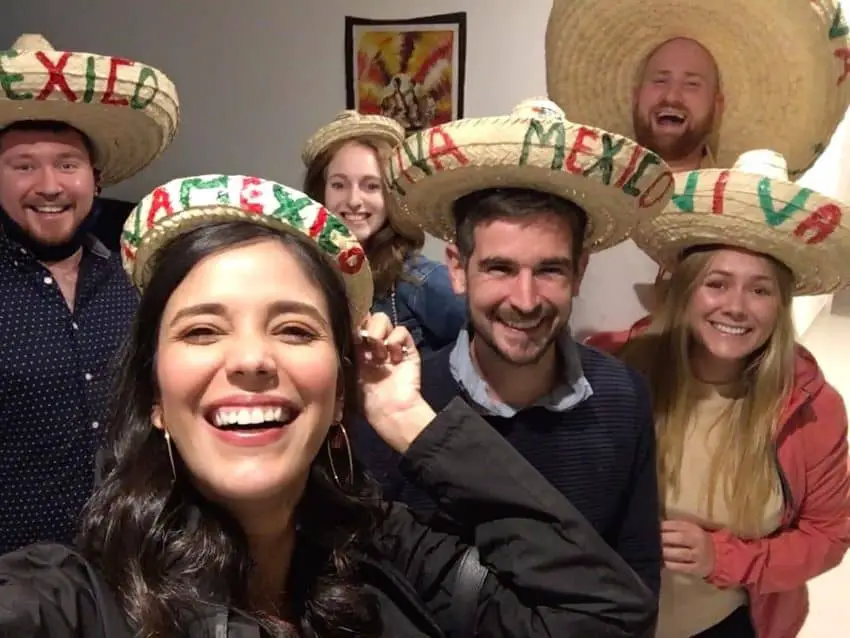
The dish is essentially a stuffed poblano pepper covered in a walnut sauce. The stuffing is a mixture of beef with fruits such as apple, peach, banana and pear, along with almonds, pine nuts, walnuts, onion and garlic. Its flavor profile, combining sweet and salty, is outstanding.
And now, the intriguing part
As a historian, I am fascinated by how official history is shaped, and I find it puzzling that chile en nogada is included in September’s menu as the quintessential Mexican dish.
According to information from an official government page, on Aug. 28, 1821, the Augustinian nuns of the Convent of Santa Mónica in the state of Puebla welcomed the first Emperor of independent Mexico, Agustín de Iturbide, with a newly created dish that represented the colors of the new national flag: green, white and red. This, the tale goes, is how chile en nogada came to be.
The historical records, however, tell a different story: Agustín de Iturbide did travel to Puebla in 1821, but he arrived on Aug. 5. The list of supplies purchased for the emperor’s reception shows that the ingredients needed to make the chile en nogada weren’t acquired, so it is highly unlikely that he ever tried the dish. Nevertheless, he did enjoy a splendid banquet.

The idea that the nuns created the dish for Iturbide is a myth: Historical records indicate that the recipe was already being prepared in the early 1800s. Researcher Lilia Martínez has discovered that nogada is a European sauce with documented origins going back to the 15th century.

It’s important to note that without the Spanish Conquest, this dish would be impossible, since most of the ingredients used in chile en nogada originate in Spain or were brought over in the intercontinental trade of the time. These ingredients include the English walnut, a protein option of pork, beef or chicken, pomegranate, almonds, apples, pears, peaches and bananas.
The poblano pepper is the sole ingredient native to this land — a huge and vital contribution, if I may add.
So why is it considered the quintessential Mexican dish?
“Je ne sais pas,” the French would say. Wouldn’t it make much more sense if we ate a mole madre or a “tlacoyo?” Or maybe we eat it because it’s the conjunction of two great culinary traditions. Regardless of the reason, I can promise you two things: first, it is one of the most delicious dishes in Mexican cuisine you’ll ever try. Second, once I find out when it became the quintessential Mexican dish, I will create a video and write an article about it.
View this post on Instagram
Where can you eat it?
Any Mexican restaurant will have its version of chile en nogada. However, in my opinion, the best chiles I’ve had are found in Puebla. If you can’t go there, look for a thick, ivory-white sauce on your plate, and you’ll probably have an amazing chile en nogada.
I considered sharing the recipe, but every family has its own version, and I don’t want to offend anyone by claiming that mine is the ultimate recipe. This recipe is over three centuries old, from a time when people had the luxury of peeling walnuts with their fingernails and taking time to appreciate the landscape, so it requires a lot of time and patience; as in, two whole days. My parents had two comadres who prepared chile en nogada for the entire family, a party of 80 including us. A group of six women had to spend a whole week in the kitchen. We were fortunate, no doubt.
Do you have a good chile en nogada recipe to share with us, or is the one you use a family secret? Do you know where the best chile en nogada can be found? Share in the comments below.
María Meléndez is a writer and art historian. She works at the Mexican Cultural Institute of the Embassy of Mexico in Washington, D.C.