Home Blog Page 1177

Opposition coalition seeks external probe of Mexico’s ‘narco-election’

0
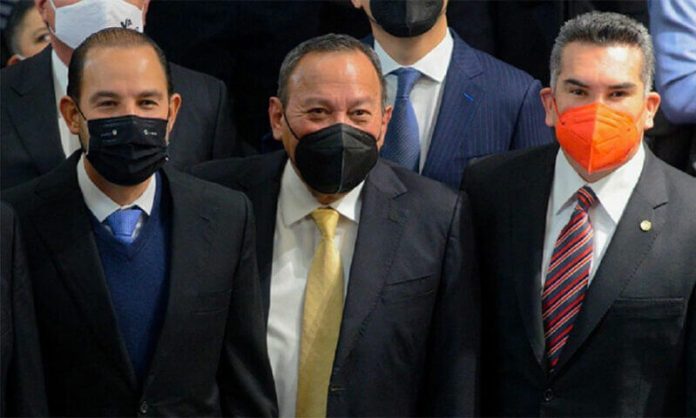
Cortés, Zambrano and Moreno
Cortés, Zambrano and Moreno were in Washington Monday to make their claim before international organizations.

The leaders of three opposition parties were in Washington D.C. on Monday to submit a complaint to two international organizations that the June 6 elections were unduly influenced by organized crime.

Marko Cortés of the National Action Party (PAN), Alejandro Moreno of the Institutional Revolutionary Party (PRI) and Jesús Zambrano of the Democratic Revolution Party presented their complaint to the Organization of American States (OAS) and the Inter-American Commission on Human Rights (IACHR), an autonomous organ of the OAS.

The three parties contested the June 6 elections – which came at the conclusion of the most violent electoral season on record – as part of an alliance known as Va por México (Go for Mexico).

The ruling Morena party was easily the most successful party in the outcome, although it lost its supermajority in the lower house of federal Congress.

The newspaper El Universal, which has seen the 57-page complaint, said the PAN, PRI and PRD leaders planned to ask the OAS to send a committee of observers to Mexico to investigate their claim that organized crime intervened in the elections to an unprecedented level. The three men subsequently took the same complaint to the IACHR.

Criminal groups “supported, installed, censured and murdered candidates in the majority of the country’s states” during the lead-up to the elections, the complaint says.

Cortés, Moreno and Zambrano met with OAS general secretary Luis Almagro and were due to meet with IACHR executive secretary Tania Reneaum later on Monday to discuss their claims.

Cortés described the meeting with Almagro as “very good,” while Zambrano said the OAS chief is “very worried about what is happening in our country” and committed to closely study the complaint submitted to him.

“… We will not allow Mexican democracy to be placed at risk,” Moreno said on Twitter above a photo of the three party leaders with Almagro.

The PAN, PRI and PRD assert that principles contained in the Inter-American Democratic Charter were blatantly violated during the process leading up to the elections, and people’s right to democracy was impinged upon as a result. The charter states that governments have an obligation to do all they can to defend democracy.

Their complaint, El Universal said, details a range of electorally-motivated crimes including homicides, kidnappings and intimidation of both candidates and everyday citizens.
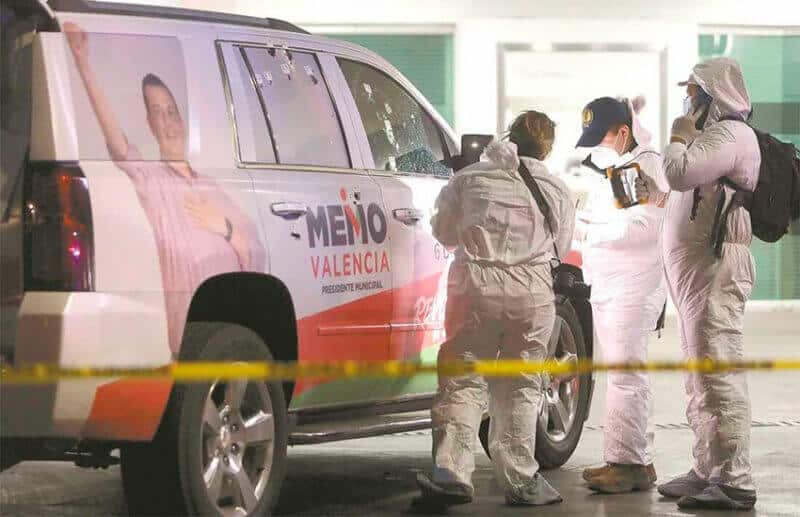
A campaign vehicle in Michoacán that was attacked a month before the June elections.

It refers in depth to criminal interference in elections in seven states where it was especially bad or there were particularly high-profile cases of political violence: Sinaloa, México state, Guerrero, Michoacán, Guanajuato, Veracruz and San Luis Potosí.

The complaint also mentions the appearance of a decapitated human head at a polling station in Tijuana on the morning of June 6.

“The image of this severed head with open eyes was the perfect metaphor for the interference of organized crime, not just on the day of the elections at which 20,500 federal, state and municipal positions were up for grabs, but also during the months that preceded them and the days that have followed,” it says.

“For months, the warnings of threats, kidnappings and murders suffered by the candidates to these positions carried the warning that violence and criminal coercion were going to be present like never before in these elections, the largest ever of the young Mexican democracy.”

The complaint also states that “armed groups kidnapped and immobilized complete campaign teams, seized polling stations and forced citizens to emit their votes publicly and on their orders.”

“… Thousands of citizens who were victims of this violence were forced to keep quiet. Lawyers preferred to abstain from processing electoral coercion complaints …” it says.

The complaint says there were a total of 693 victims of electorally-motivated violence during the 2020-21 electoral period, an increase of 68% compared to the 2017-18 period.

Noting Morena’s strong performance at the election in Pacific coast states, opposition parties and some media commentators previously suggested that the ruling party had struck a deal with organized crime groups to win power there.

Speaking at his regular news conference on Monday, President López Obrador said he was completely unconcerned about the opposition parties’ decision to file a complaint with the OAS and the IACHR in the United States capital.

“… They’re very desperate,” he said before adding that they have the right to present their accusations.

“It’s legitimate for them to criticize us, to make accusations at international organizations as long as they act peacefully, … it’s for the good of the country, that’s the way democracy is everywhere.”

With reports from El Universal 
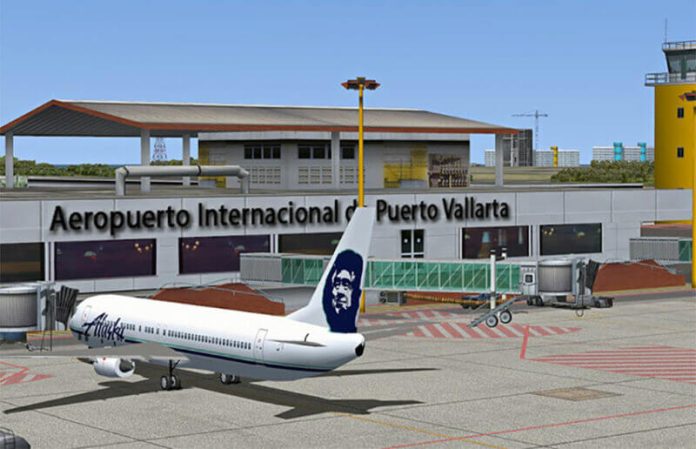
July increase in Puerto Vallarta airport traffic shows tourism is bouncing back

0
Traffic was up 14% in July
Traffic was up 14% in July compared to the same month in 2019.

Tourism is recovering in the Pacific coast resort city of Puerto Vallarta, Jalisco, even as Mexico endures a worsening third wave of the coronavirus pandemic.

Passenger traffic at the city’s airport was up 14.4% in July compared to the same month of 2019, while hotel occupancy rates were just below pre-pandemic levels.

A total of 457,100 passengers used the airport last month, according to its operator GAP, an increase of 57,600 compared to July 2019. International passengers outnumbered domestic passengers by 11% with 240,800 of the former and 216,300 of the latter.

Passenger traffic for the first seven months of the year – just over 2.1 million – was 33.2% lower than in the same period of 2019.

Still, the figure for July is encouraging, especially considering that the (now former) Puerto Vallarta head of the Mexican Employers Federation (Coparmex) said a year ago that it could take five years for tourism to recover to pre-pandemic levels.

Compared to 2020 – the worst year in living memory for tourism destinations across Mexico – passenger traffic at Puerto Vallarta airport was up 361% in July and 32.7% in the first seven months of the year.

The increase helped hotels in Puerto Vallarta achieve an average occupancy rate of 70%, according to data cited by the newspaper Reforma. The figure is only 7.7% below the average occupancy level in July 2019.

“We’re going well; we believe tourism has recovered quite well,” said Jorge Careaga, the former Coparmex chief who made the five-year recovery prediction.

Other GAP airports that recorded increases in passenger traffic last month compared to July 2019 were those in Manzanillo, Colima, (+16.4%), Morelia, Michoacán (+13.5%), Los Cabos, Baja California Sur (+11.1%), Tijuana, Baja California (+10.7%) and Aguascalientes city (+4%).

Passenger numbers at GAP’s six other Mexican airports – Guadalajara, Guanajuato, Hermosillo, Mexicali, La Paz and Los Mochis – were all down in July compared to two years earlier.

The decline in the Jalisco capital was 14.4% to just under 1.2 million, while La Paz, the capital of Baja California Sur, recorded the largest drop – 17.5% to just over 88,000.

Hotel occupancy in Guadalajara nevertheless increased compared to previous months to 53% in July, according to Gustavo Staufert, director of the Guadalajara Visitors and Conventions Office. That figure is 9.5% below July 2019 levels.

Staufert said that hotel reservation data for the second half of the year shows that Guadalajara is the fifth most “booked” destination in the country and Puerto Vallarta is No. 3.

“When you add Vallarta and Guadalajara together, Jalisco becomes No.2 [among the 32 states] for the quantity of reservations,” he said, citing data from online travel agency Expedia.

With reports from Reforma 

Baby dies after being mistakenly pronounced dead 4 days earlier

0
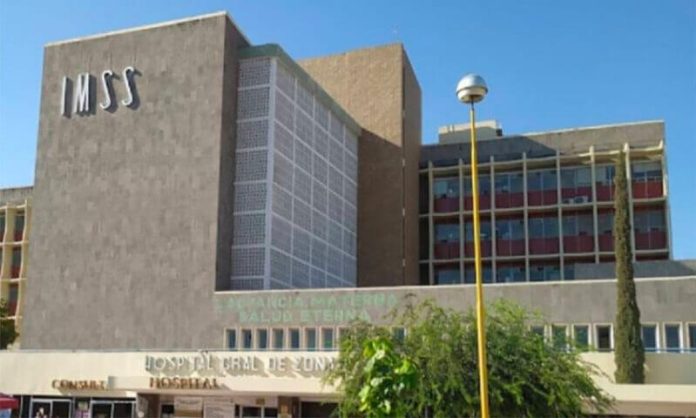
The Torreón hospital in which a baby was mistakenly pronounced dead.
The Torreón hospital in which a baby was erroneously pronounced dead.

A premature baby mistakenly pronounced dead upon birth at a hospital in Coahuila last Wednesday died on Sunday at the same hospital.

Born at the Mexican Social Security Institute (IMSS) No.16 General Hospital in Torreón to a mother who was 23 weeks pregnant, Jesús Sebastián was taken to the hospital morgue after what doctors believed was a stillbirth.

The baby’s mother, Daniela Hernández, told doctors that she had seen her son move but they told her that it was only a reflex movement of an already-deceased infant.

According to a report by the news magazine Proceso, family members signed a death certificate but later insisted on seeing Jesús Sebastián to verify that he was in fact dead. Morgue personnel subsequently realized that the baby was breathing and proceeded to save him.

He was reported stable late last week but passed away late on Sunday. Jesús Jasso, a lawyer for the family, said that medical reports indicated the four-day-old baby had suffered two heart attacks.

The family has filed a complaint against IMSS with Coahuila authorities, who will be responsible for carrying out an investigation. IMSS said it was carrying out its own investigation into the case of apparent medical negligence.

“All those involved … will be summoned by the [hospital’s] labor relations area, their conduct will be reviewed and sanctions will be issued if irregularities are found,” it said.

Jasso said it appeared there was no similar precedent in the state of Coahuila. He said that medical personnel present at the birth could face charges of medical negligence or even homicide.

The Coahuila Human Rights Commission announced that it would also launch an investigation, even though it hasn’t received any complaint from the family.

“We regret the suffering the family of the minor went though; … accompanying the family [during this difficult time] is one of the first actions [we will undertake] and we’ve opened a preliminary investigation,” said commission head Hugo Morales.

With reports from Proceso and Milenio 

5 dead after Pemex platform fire in Campeche Bay

0
Smoke billows from a fire on a Pemex oil platform Sunday.

Five people are dead and two people are missing after a fire Sunday aboard a Pemex offshore platform in Campeche Bay. Another six people were injured and one worker suffered from nervous shock.

Five of the workers were Pemex employees and eight were employed by Pemex contractors.

The fire started at 3:10 p.m. on the platform, part of a gas processing center located in the Ku-Maloob-Zaap oil field. It was brought under control at 4:30 p.m., Pemex said in a press release.

Reuters reported Monday that the natural gas valves on the platform were closed to extinguish the fire, shutting off gas supply to neighbouring oil fields. That triggered a decline in the availability of natural gas, which in turn caused crude output to plummet from 719,000 barrels a day to 275,000 early Monday, Reuters said, based on a company document it had seen.

Natural gas is reinjected into oil reservoirs to increase pressure and force the flow of oil.

It is the second fire at a Pemex installation in Campeche Bay since July, when natural gas leaked from an underwater pipeline and rose to the surface, where it caught fire.

Pemex said that fire was likely caused by a lightning strike. There were no casualties nor was there any damage to Pemex facilities.

The company said Sunday an investigation had begun but no further information had been released by early Monday afternoon.

UPDATED 4:42 p.m. Monday, August 23 with new information regarding the number of deaths.

With reports from Reuters

Citizens protest residential project in protected area of Quintana Roo

0
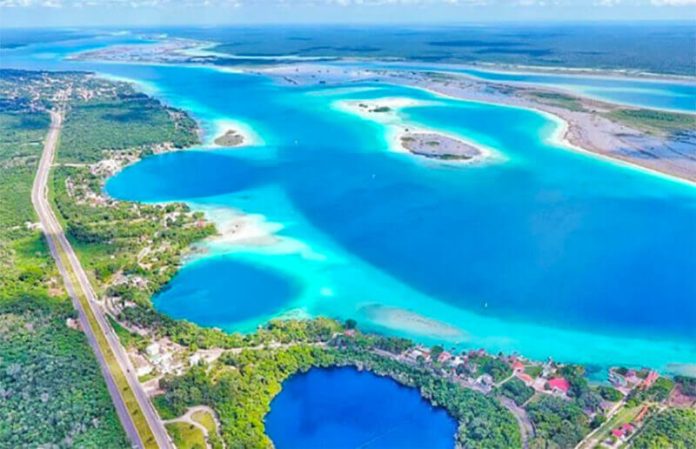
Lake Bacalar in southern Quintana Roo.

A conservation area in the Bacalar region of southern Quintana Roo is under threat by a 950-home residential development, claim local citizens who have filed a complaint against the project.

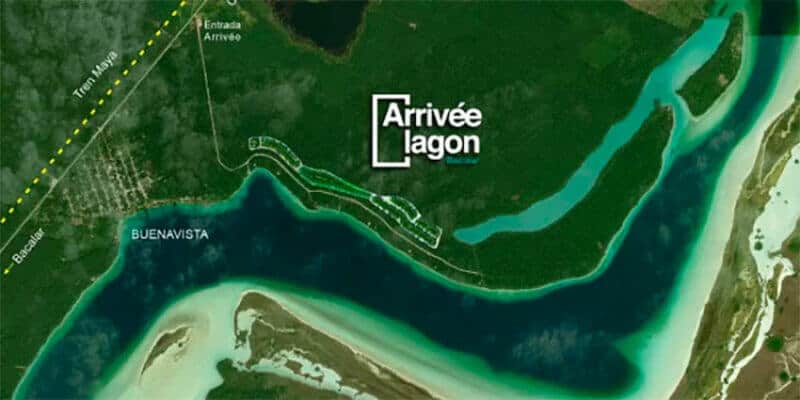
Arrivée Lagon Bacalar will include condominiums, a commercial area and 400 lots for residential construction in Buenavista, a community on the shores of Lake Bacalar, also known as the lake of seven colors.

The development is being promoted online as an eco-residential project with “minimal environmental impact” but its eco-friendly credentials have been called into question even before construction begins because four hectares of forest have been cleared for the construction of roads.

The project is to be built in a conservation area that was “suddenly eliminated” from federal Environment Ministry (Semarnat) records, according to a report by the newspaper Milenio.

Residents first noticed last November that workers with the real estate development company Depi del Caribe were falling trees and removing other vegetation on a property that adjoins the Condominios La Fe residential estate, which was built 20 years ago next to 135 hectares of land that was designated as a conservation area.

[wpgmza id=”346″]

The clearing of jungle prompted some residents of that estate, and others, to file a complaint with the federal environmental protection agency Profepa against the developer, as well as people promoting the development on its behalf.

“Through the [Condominios La Fe] supervisory council we filed a complaint with Profepa … for the clearing [of jungle] for 10-meter-wide roads,” members of a Bacalar conservation group said.

“They argued that [the roads] already existed but that’s not the case. … Profepa determined that the affected area was [only] four hectares … but that interrupts the entire biological corridor …”

They said Profepa imposed a fine of just 100,000 pesos (US $4,900) against two people for the infraction.

The environmental protection agency has not moved to stop construction of the project, in which vacant lots are being offered for pre-sale at prices starting at 1.2 million pesos (US $58,700), and doesn’t show any intention of doing so.

When the Condominios La Fe residents were preparing their complaint they discovered that the two-decades-old adjoining conservation area had disappeared from Semarnat records “without any explanation,” Milenio said.

The project is located near the route of the Maya Train.

The newspaper said it was told by Semarnat that protection of the conservation area was “definitively revoked” in April 2012 “but didn’t provide more information about the reasons for the revocation.”

The annulment occurred even though a 2001 Semarnat resolution said that protection and conservation of natural resources in the area where Arrivée Lagon Bacalar is to be built are irrevocable.

Although the revocation removes one barrier to the building of the residential project, the complainants argue that its construction would violate Quintana Roo environmental regulations, under which the shores of Lake Bacalar are incompatible with additional human settlements, hotels and other infrastructure. State government policies are designed to protect the Bacalar area – which is growing in popularity as a tourism destination but has not (yet) been overrun with visitors – and maintain low population density levels.

Residents of Condominios La Fe are angry at the failure of federal authorities to intervene but determined to continue their fight.

“The company doesn’t have permission to go ahead with its development let alone deforest the jungle,” said Nicolás Uribe, one of the residents.

“If nobody protects the jungle, if the authorities are not interested in the biodiversity and fauna, we’ll defend it because Bacalar is a very delicate ecosystem.”

The value of real estate in Bacalar began rising in 2019 as investors sought to secure land near the route of the Maya Train railroad.

According to Enrique Jardel, an academic and member of the board of the Commission for Natural Protected Areas, the federal government has been guilty of favoring economic development over the conservation of natural resources in areas across Mexico that are supposed to be protected.

With reports from Milenio 

8 people reported dead after Grace slams Veracruz as Category 3 hurricane

0
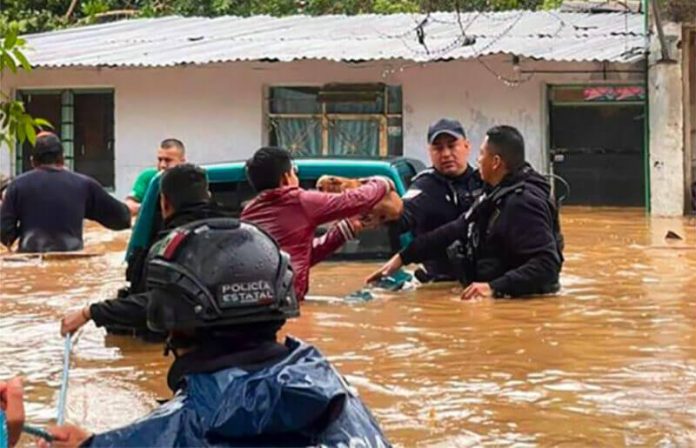
Hurricane Grace floodwaters in Veracruz.

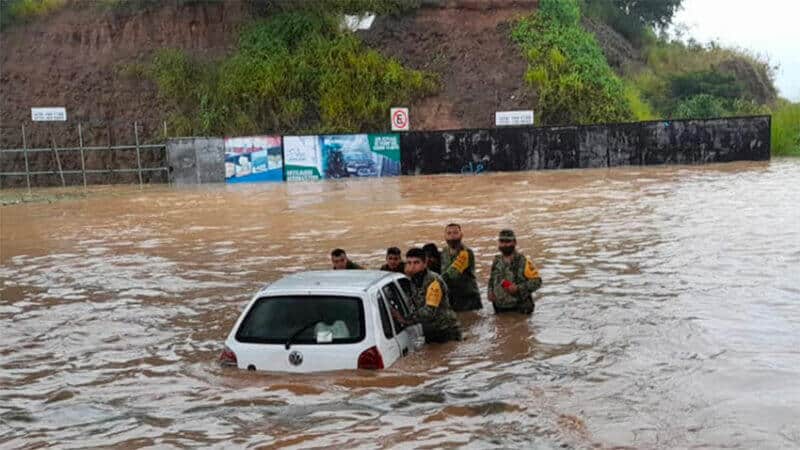
Eight people are dead after Hurricane Grace moved over the coast of Veracruz 20 kilometers north of Tecolutla shortly after midnight Friday as a Category 3 hurricane.

Grace made landfall with maximum sustained winds of 205 kmh and gusts to 240.

The state government said Saturday afternoon that seven people died in Xalapa as a result of landslides in the early hours of the morning. Six of the dead were children.

Another fatality occurred in Poza Rica. 

The areas worst hit were in Tecolutla and Poza Rica, Governor Cuitláhuac García told a press conference Saturday afternoon.

Deja 'Grace' destrozos en Veracruz

However, it was unclear how extensive the damage was because areas that took the brunt of hurricane remained cut off.

A man who was able to get word out about the damage said in Poza Rica “everything was destroyed.”

“Water storage tanks went flying, falling to the ground and breaking apart; [there are] fallen billboards, walls, all the electricity wires … are on the ground, broken windows; everything is a mess here, it hit extremely hard and I imagine that in Tecolutla and Zamora and that area it’s the same or worse.”

The Noticias RTV news agency reported highways are blocked and the town’s restaurant zone was completely destroyed. 

The National Meteorological Service said Saturday morning that Grace had been downgraded to Category 2 as it made its way westward through Tulancingo, Hidalgo. At 8:04 a.m. CDT it was downgraded to Category 1, becoming a tropical storm some three hours later as it passed near Mexico City.

By 4:00 p.m. the storm had dissipated, although the U.S. National Hurricane Center said its remnants will likely move into the eastern north Pacific by Sunday afternoon and could develop into a new tropical cyclone next week.

Soldiers arrive to the aid of a vehicle stranded on a flooded road in Veracruz.

But the effects of the hurricane will continue in the form of heavy rain in many states. The National Water Commission warned Saturday afternoon that torrential rains were forecast in Colima, Guerrero, Michoacán, Puebla, San Luis Potosí and Veracruz.

With reports from Reforma and e-veracruz

Natural disasters and the president’s haircut: the week at AMLO’s press conferences

0
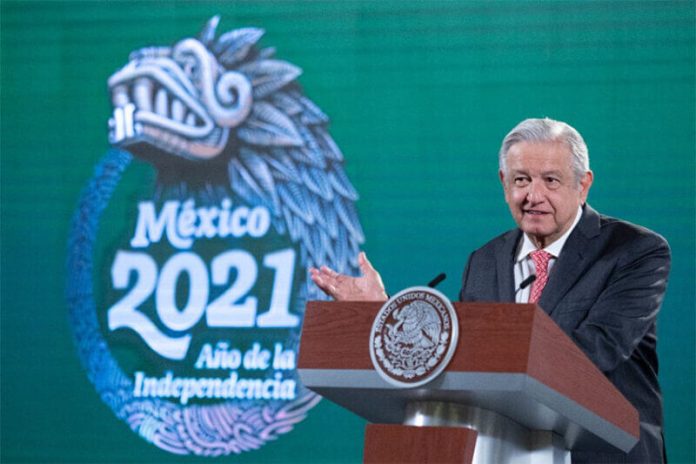
AMLO speaks at his Monday morning press conference.

In Mexico, everyone gets a nickname. President López Obrador is famously known by the moniker AMLO, but he has earned many others through the decades. Mysteriously, the first was El Molido (the minced). He was later known as El Americano (the American); La Piedra (the Rock); El Comandante (the Commander), but perhaps most infamously as El Peje (after the common Tabascan fish, the pejelagarto.)

Whether a rock, an American or a fish, Mexico’s oldest ever president delivered his morning conferences this week in his trademark style.

Monday

For the first time in over a month, AMLO woke to the week in his own home, the National Palace.

However, foreign shores were on his mind. Haiti had suffered an earthquake two days earlier and the death count was rising: “We decided to lend support … and forget about borders, we need to apply … the principle of universal fraternity: abandon selfishness, individualism,” he said.

The head of Civil Protection, Laura Velázquez Alzúa, detailed that three planes of aid had been sent to the Caribbean country.

Would the president recommend that incoming governors — most of whom are from his affiliated party Morena party — conduct audits of their predecessors’ administrations?

“Yes, yes, I would recommend it … But it is only a recommendation, because we don’t have that authority,” he replied. Later, he stepped up his proposals for the National Electoral Institute and the Electoral Tribunal, calling for a total clean-out: “Yes, complete change, categorical renewal,” he insisted.

Old battles resurfaced: August 13 was the 500th anniversary of the fall of Tenochtitlán, the Aztec capital, to the Conquistadors.

“How was it justified for a long time, to this day, that they could invade us? Because they came to civilize us, because the native peoples were barbarians, they ate human flesh, they believed in idols, they had religions dominated by the devil,” said the president, before recommending two books to better understand the period: Enrique Semo’s La Conquista and Pedro Salmerón’s La batalla por Tenochtitlán.

Tuesday

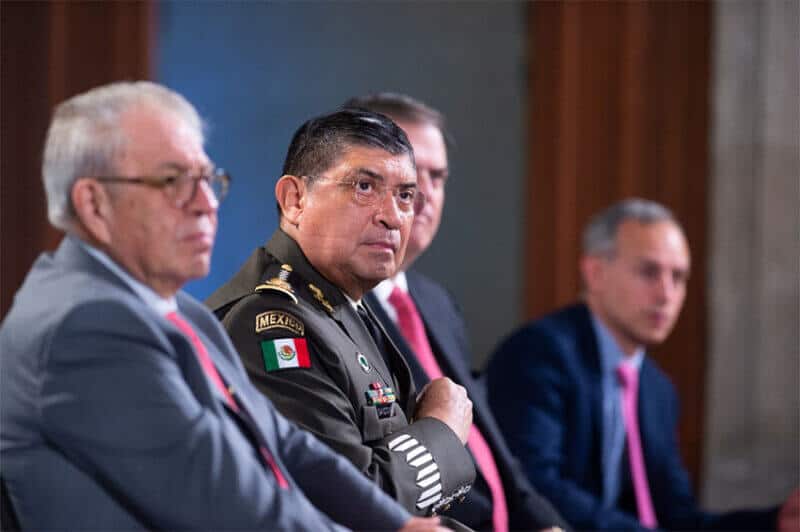
Speakers wait their turn at Tuesday's press conference.
Speakers wait their turn at Tuesday’s press conference.

As is customary, the COVID-19 report kicked off Tuesday. Deputy Health Minister Hugo López-Gatell said the third wave would be on the downturn within 15 days. He added that 61% of adults had received a first dose, and that of the people who had died from COVID-19 in 2021, 95.5% had not been vaccinated.

Foreign Minister Marcelo Ebrard confirmed that he would be in Washington D.C. on September 9 along with other ministers to talk all things economics with the U.S.

Back to school: on August 12 the education minister had delivered a 10-point plan for pupils returning to class. Parents, a journalist posed, were unhappy about an obligatory signed letter.

Don’t bring it, the president replied: “It’s not obligatory … do you think it was me that wanted the letter? No, it was a decision from below. If they’d have asked me I would have said no.”

However, AMLO detected a lack of mettle among parents: “We all take risks. Imagine if we didn’t go out because we could get sick, bad air affects us and gives us flu or pneumonia … No, no, we’re going to go out, we’re going to go out and face reality.”

“That,” concluded the president after two hours and 36 minutes, “was a very long conference. OK, see you later.”

Wednesday

Truth-sayer Ana Elizabeth García Vilchis exposed the media lies of the week. A letter putting the return to classes in doubt was a fabrication; children’s wards at hospitals were not full; people without access to healthcare had not risen by 12%.

“Let’s begin” declared the president, and lined up the journalists: “Two, three, four, five, six, the lady there.”

A journalist touched on an old feud. Brenda Lozano, a critic of AMLO, had been appointed cultural attaché of the Mexican Embassy in Spain. Had the president been informed of the decision?

“No, no, no,” he replied, and argued that it was down to the dominance of a political ideology: “It’s like two parties, which I don’t want to mention [Institutional Revolutionary Party and National Action Party], they appeared to be different … it’s like the difference between Coca-Cola and Pepsi Cola,” he said.

Later in the conference, the president reflected on the golden days of Mexican railways. “You could go from here [Mexico City] to Mérida by train … I used to travel to Palenque by train. Here in Buenavista we took the train at eight at night and at eight at night the next day I was in Palenque, 24 hours.”

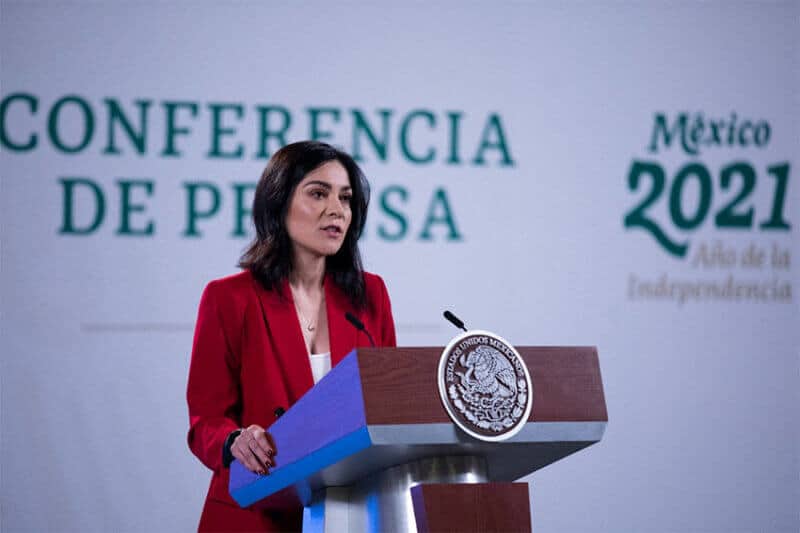
Ana Elizabeth García Vilchis lays out the truth
Ana Elizabeth García lays out the truth.

Thursday

“In bad times, put on a brave face,” the president began: Hurricane Grace had breached the coast in Tulum, Quintana Roo, Thursday morning.

With a focus on the return to classes, the UNICEF representative to Mexico, Luis Fernando Carrera Castro, a Guatemalan, joined the conference, and offered something of a gibe to his larger northern neighbor. “I’ve just come from another great country, Indonesia, a country of 270 million inhabitants, so I’m very happy to be in a small city like Mexico City.” Carrera added that on their return to classes children should be made to feel safe, protected and loved.

Alejandro Encinas, human rights deputy minister, doled out some worrying data. Between March and June familial violence against children had reached historic highs.

Questioned on electoral reform, the president took the discussion back to 2006, when he said he was cheated out of the presidency by the victor Vicente Fox: “And he [Fox] used the whole apparatus of the state to carry out the fraud, to consummate the fraud. He became a real traitor to democracy.”

Later in the conference, AMLO lamented attacks by the press, including coverage of a photo of him getting a trim in his office, offering a pun in the process. “Álvaro cuts my hair, he is the only one who has taken my hair for more than 20 years,” he said: in Mexican Spanish, to take one’s hair is to fool them. “Hairdressers, stylists, are first class people,” he added.

Friday

Hurricane Grace had continued on its westerly path, and was now on the fringes of Veracruz, but no deaths had been reported, Civil Protection head Laura Velázquez Alzúa confirmed. She added that three more planes of aid were headed to Haiti.

On the appointment of an anti-AMLO cultural attaché to Spain, the president signaled a change of heart. “I am going to propose to [Foreign Minister] Marcelo [Ebrard] that the person who represents us in the cultural field be an indigenous woman … So, we’re going to change that.”

A journalist took the conference to a sober place. Once again, a member of the press had met a brutal end: 60-year-old radio presenter Jacinto Romero Flores had been assassinated in Veracruz on Thursday. AMLO conceded that it was time to review the strategy for the protection of journalists.

As for the weekend, it was time for the president to rest his weary legs. It was to be feet up for a couple of days in his spiritual home. “I’ve got to go … I am going to Palenque, I am going to write for two days … I also need to see the trees and listen to the birds and the macaws, I need it, I need it.”

Mexico News Daily

The miners who brought British culture to Mexico

0
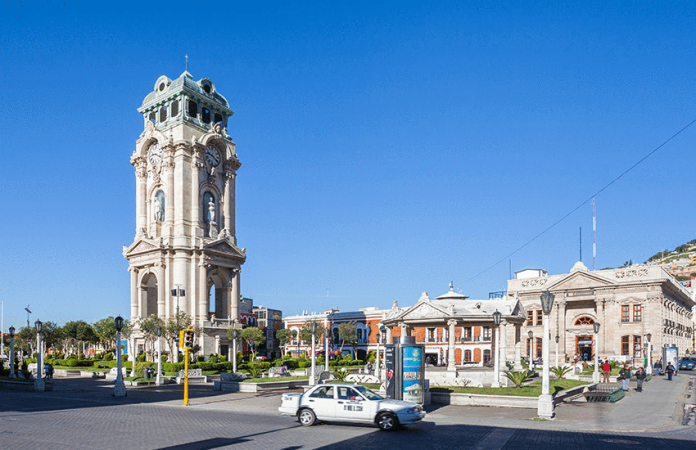
Pachuca's clock tower built for Centennial of Mexico's independence
Pachuca’s British-style clock tower built in the early 1900s to celebrate the centennial of Mexico’s independence and its British heritage. Diego Delso/Wikimedia Commons

No, Pachuca and Real del Monte were not founded or conquered by the British, but these foreigners made such an indelible mark here that “being British” has become part of these towns’ identities.

These neighboring communities are located about three hours north of Mexico City. This region in Hidalgo state has a long history of mining, starting with green obsidian soon after the first humans arrived, through the Mesoamerican period.

This mining abruptly stopped with the Conquest simply because the Spanish had no interest in it. But the discovery of silver in the 1550s caught their attention. By 1560, Pachuca’s population had tripled, putting the area on par with mining communities in Taxco and Zacatecas.

Pachuca and Real del Monte (officially known as Mineral del Monte) would remain important for three centuries, although mining had its ups and downs. One principal reason for this was the exhaustion of accessible ore, given the technology of the time.

Colonial-era mining depended almost entirely on human and animal muscle, and by the War of Independence, these had taken all the ore they could. The new country of Mexico needed to restart mining but did not have modern equipment, so they convinced a group of British investors to form the Caballeros Aventureros de Real del Monte y Pachuca company and bring the technology across the Atlantic.

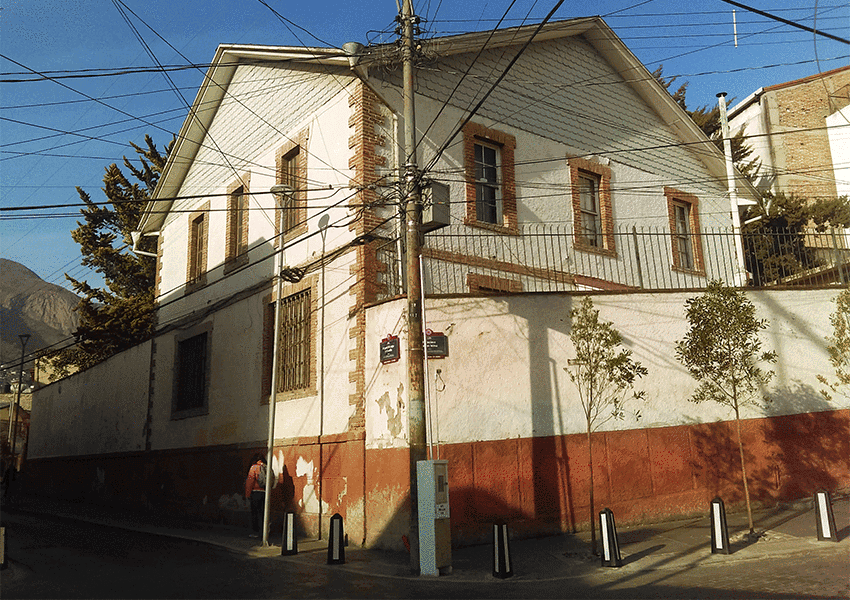
English-style house in the historic center of Pachuca.
English-style house in the historic center of Pachuca. Rube HM/Wikimedia Commons

The first ships carrying steam-powered machinery and 15 Cornish miners arrived at the port of Veracruz in 1824, but the machinery was so heavy and roads so bad that it took almost two years to get to the high mountains of Hidalgo.

The miners felt right at home in the area’s cold and damp climate, and by 1827, there were 3,500 Cornish miners and family members. Despite their numbers, they kept themselves mostly separate, establishing communities such as Straffon, Oliver, Noble, Rule and Ludlow with their own schools, (Protestant) churches and stores.

The British company dominated mining in the state of Hidalgo until 1849 when it went bankrupt. The Mexican-American War was part of the reason, but the reality was that despite the impressive amount of silver, the Caballeros Aventureros never really recovered their astronomical initial investment.

The mine owners were forced to sell to a Mexican enterprise but managed to win a stipulation that their Cornish miners could remain working if they wanted. Most decided to return to England, but some remained as they had strong business and family ties.

The Mexican company found the profits that the British never managed to realize. Pachuca and Real del Monte became extremely important mining centers for the rest of the century, and a target during the Mexican Revolution.

This war disrupted operations yet again, and the Mexicans sold to an American company. The Americans dominated mining in Mexico much like the British had before, but they never had the same cultural impact.

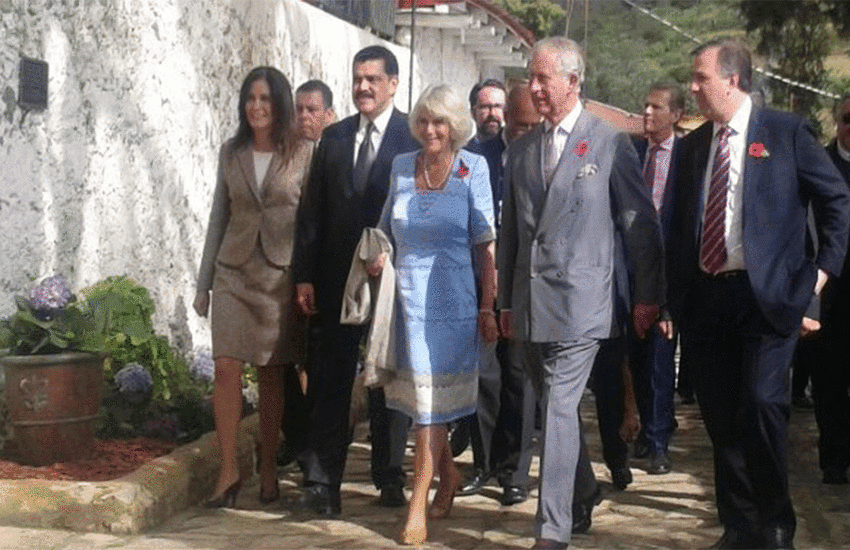
Prince Charles and the Duchess of Cornwall in Real del Monte in 2014
Prince Charles and the Duchess of Cornwall visit Real del Monte in 2014.

In 1965, with mines once again non-viable, the company fell into the hands of the Mexican government which pretty much meant the end of operations. It would be decades before Pachuca’s economy recovered by shifting to industry, and Real del Monte’s to tourism.

Today, Pachuca is the capital of the state of Hidalgo, its educational and cultural center and one of its most economically diverse. Real del Monte has become a Pueblo Mágico, or Magical Town, promoted for weekend excursions. The forest areas around both places are filled with second homes and cabins for Mexico City residents looking for a quick getaway.

Both places are worthy of visiting as their architecture is a testament to their shared history. The colonial past is best seen in Pachuca, especially at the Caja Real (Royal Vault), a fortress to safeguard the 20% share that the Spanish crown demanded from all mines.

However, Pachuca’s most distinguished architectural landmark is a 40-meter-tall, white volcanic-stone clock tower in the main square. Built between 1904 and 1910 for the centennial of Mexico’s independence, its style pays homage to the area’s British heritage as well as to Mexican history. The clockwork is a replica of that made for London’s Big Ben, made in the same Austrian factory.

It’s not the only British legacy. The Mina La Dificultad in Pachuca, today a mining history museum, was built in the British industrial style. In both Pachuca and Real del Monte, there are houses that would be right at home on the other side of the Atlantic, as well as Methodist and Anglican churches. Real del Monte is home to a noted British cemetery.

Perhaps the most important cultural contribution of Cornish miners to Mexico as a whole is the introduction of football, or soccer. They began playing it soon after their arrival in Pachuca, with formal teams established by the end of the 1830s and the city’s first professional club in 1901. Today, Mexico is one of the more soccer-addicted countries in the world.

pastes, a British-influenced Hidalgo food
Cornish immigrants that came to the region to work the mines were the source of the regional food known as “pastes” — the locals’ take on British pasties. Alejandra Mendoza Santillan/Wikimedia Commons

Lesser-known is a culinary contribution: the paste (PAH-steh). It is the Mexican take on the Cornish pasty, the food miners brought with them deep underground for the midday meal. The crust of these hand pies has not changed much, but the cooks in Pachuca and Real del Monte have taken quite a few liberties with the fillings.

Savory ones vary, almost always with chile pepper of some kind, and there are even sweet fillings. Their popularity has grown regionally outside of Hidalgo, especially in intercity bus stations in central Mexico because they are cheap and easy to take along for the ride.

Today, you will not hear English spoken in either town, and any signs in the language are created for tourists. But there are a number of prominent families with English last names and some others that can trace their lineage back to the European miners. And the appearance of lighter skin, hair and eyes in some people here indicates the descendants of those Cornish miners who came to Pachuca and Real del Monte.

Leigh Thelmadatter arrived in Mexico 18 years ago and fell in love with the land and the culture in particular its handcrafts and art. She is the author of Mexican Cartonería: Paper, Paste and Fiesta (Schiffer 2019). Her culture column appears regularly on Mexico News Daily.

Pepitas are the secret foundation of many classic Mexican dishes

0
pepitas
Don't confuse these pepitas with pumpkin seeds!

Contrary to what you may think — and what I thought too — all pumpkin seeds are not the same. In fact, those white-hulled pumpkin seeds inside your Halloween jack-o’-lantern, or sold in bins as snacks in mercados everywhere? Not pepitas, which is what you’re looking for if you want to make mole, pipián verde or any number of other classic Mexican dishes.

So while we may (wrongly) call them both “pumpkin seeds” in English, the truth is that pepitas only come from one kind of squash and don’t need to be hulled; they’re just their small, oblong green selves all along.

Could you take the time to shell the interior seeds from “regular” white pumpkin seeds, and would they taste kind of the same? Yes. But why? Just buy the correct pepitas.

Pepitas have been used as a food source for a long time; coming from squash — one of the “three sisters,” the indigenous cornerstones of companion planting — that’s not really a surprise.

Evidence of cultivated squash goes back about 8,000 years, several thousands years earlier than even beans and maize, the other two “sisters.”

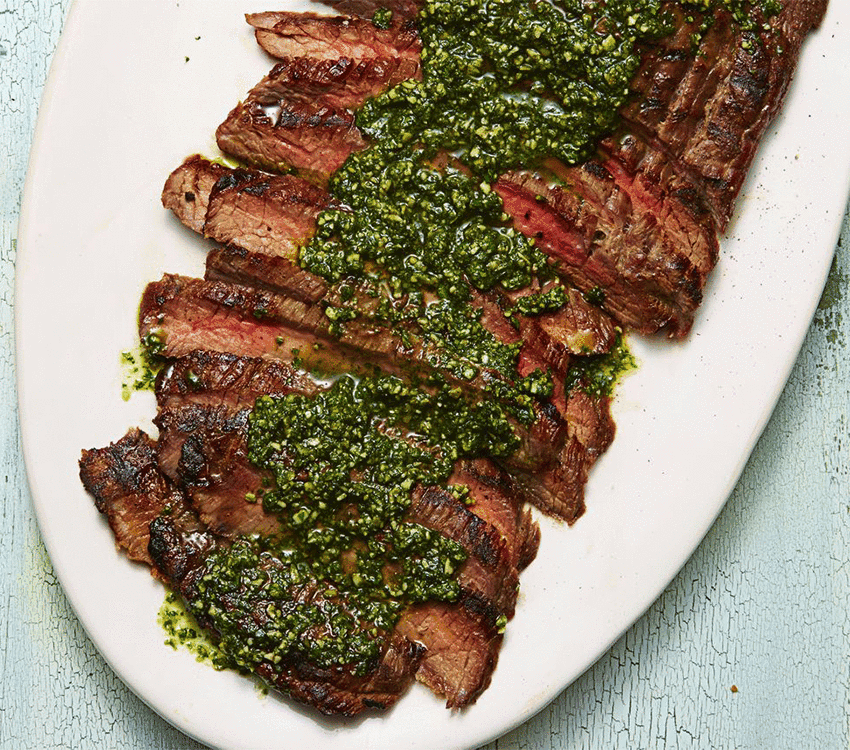
A delicious Mexican alternative to basil pesto is Pepita-Cilantro Pesto.

Pepitas are rich in nutrients and micronutrients. Dried and roasted, they’re high in polyunsaturated fats, contain 30% protein and are a good source of Vitamin E, zinc, magnesium and calcium.

Pipián is the name used for dishes made from pepitas. Other moles use pine nuts, almonds, sesame seeds or peanuts, each of which lends a distinctive flavor and texture to the mole.

All are made with the same pre-Columbian method of browning the seeds to release their natural oils and grinding them into a flavor-filled paste that’s then added to the usually complex mixture of spices, vegetables, broths and seasonings.

Pipián Verde

There’s also a pipián rojo recipe, but it’s too complicated and lengthy to include here.

  • ½ large white onion
  • 4 garlic cloves
  • 2 serrano chiles
  • 1 lb. tomatillos, husks removed
  •  2-3 Tbsp. olive oil
  • ½ cup toasted pepitas
  • ½ cup chopped cilantro
  • 1 tsp. dried oregano
  • 2 tsp. caldo de pollo (chicken bouillon)
  • 2 cups chicken broth
  • Salt and pepper to taste
Pipian Verde sauce
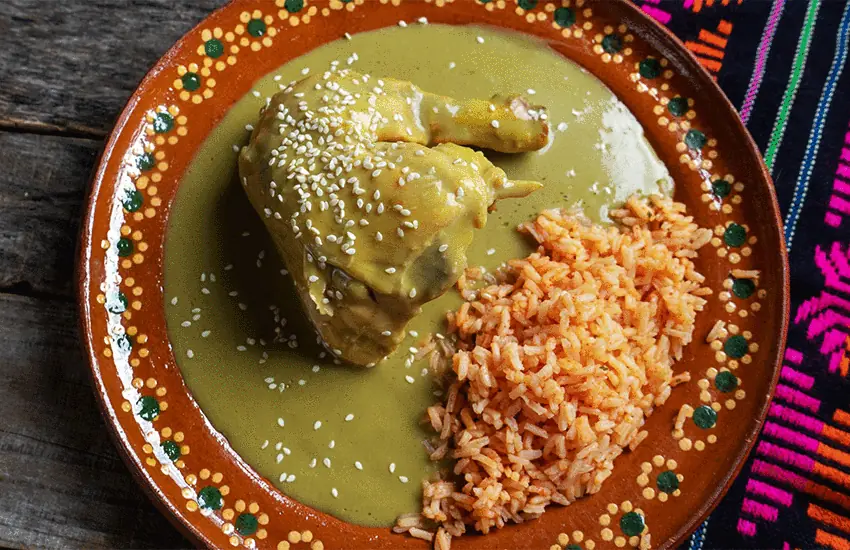
Classic Pipián Verde goes great on chicken.

In large skillet or a comal over medium heat, place onion, garlic, serranos and tomatillos. Drizzle lightly with oil and cook, turning as needed, until skins blacken in spots, 15–20 minutes.

In a blender, process grilled veggies, ¼ cup pepitas, cilantro, oregano, bouillon, chicken broth, salt and pepper until smooth. Adjust seasonings if necessary.

Heat 2 Tbsp. oil on medium heat in a large skillet. Pour in the blended pipián sauce. Bring to a boil, reduce to simmer. Cook, partially covered, 20 minutes.

Serve over chicken with rice.

Pipián de Puebla Tradicional

  • 10 tomatillos, husks removed
  • 6 serrano peppers
  • 1⅓ cups pepitas, raw
  • 4 garlic cloves
  • ½ chocolate tablet (1.7 oz)
  • ½ tsp. cumin
  • 3 cups chicken stock
  • 2 Tbsp. butter or lard
  • 1 tsp. salt

In a skillet over medium heat, melt 1 Tbsp. butter/lard. Add pepitas; sauté, stirring, 2–3 minutes until lightly browned. Transfer to blender.  Add tomatillos, peppers, garlic, cumin, stock and 1 tsp. salt. Blend well; set aside.

In a saucepan over medium heat melt remaining tablespoon of butter/lard. Add tomatillo mixture from blender, then crumble in the chocolate. Stir well and bring to a low boil, stirring constantly until chocolate dissolves. Reduce to low heat; cook about 30 minutes, stirring occasionally, until sauce thickens and color brightens. Serve with chicken or turkey.

Classic Mole Verde

Serve this tangy, herbal and spicy sauce with poached or pan-cooked chicken breasts, fish, shrimp or grilled vegetables.

  • ½ cup raw pepitas
  • ½ pound tomatillos, husked and coarsely chopped
  • ½ jalapeño (or more to taste), roughly chopped
  • 3 romaine lettuce leaves, torn into pieces
  • ¼ small white onion, coarsely chopped
  • 2 garlic cloves, halved
  • ¼ cup loosely packed chopped cilantro
  • 1½ cups chicken stock
  • 1 Tbsp. canola, coconut or olive oil
  • Salt

Heat a heavy Dutch oven or saucepan over medium heat; add pepitas. Wait until you hear one pop, then stir constantly until they’ve puffed and popped and smell toasty. (Note: If they get darker than golden, they’ll taste bitter!) Transfer to a bowl; cool.

Place cooled pepitas in blender. Add tomatillos, chiles, lettuce, onion, garlic, cilantro and ½ cup of stock. Process until smooth, stirring if needed.

Heat oil in the Dutch oven or saucepan over medium-high heat. Drizzle in a bit of pepita mixture; if it sizzles, add the rest. Cook, stirring, until the mixture darkens and thickens, 8–10 minutes. (It will splutter, so be careful.)

Add remaining stock, bring to simmer, then reduce heat to medium-low and simmer uncovered, stirring, until sauce is thick and creamy, 15–20 minutes.

Season to taste with salt. For a silkier sauce, blend again in batches.

Pipián Salsa

  • 2 garlic cloves, minced
  • ½ cup roasted pepitas
  • 2 canned chipotle peppers
  • ¼ cup fresh cilantro
  • ½ onion, diced
  • One (14.5 oz. can) diced tomatoes
  • 1 tsp. salt
  • ¼ tsp. black pepper
  • 1 tsp. ground cumin
  • 1 Tbsp. fresh lime juice

{e[
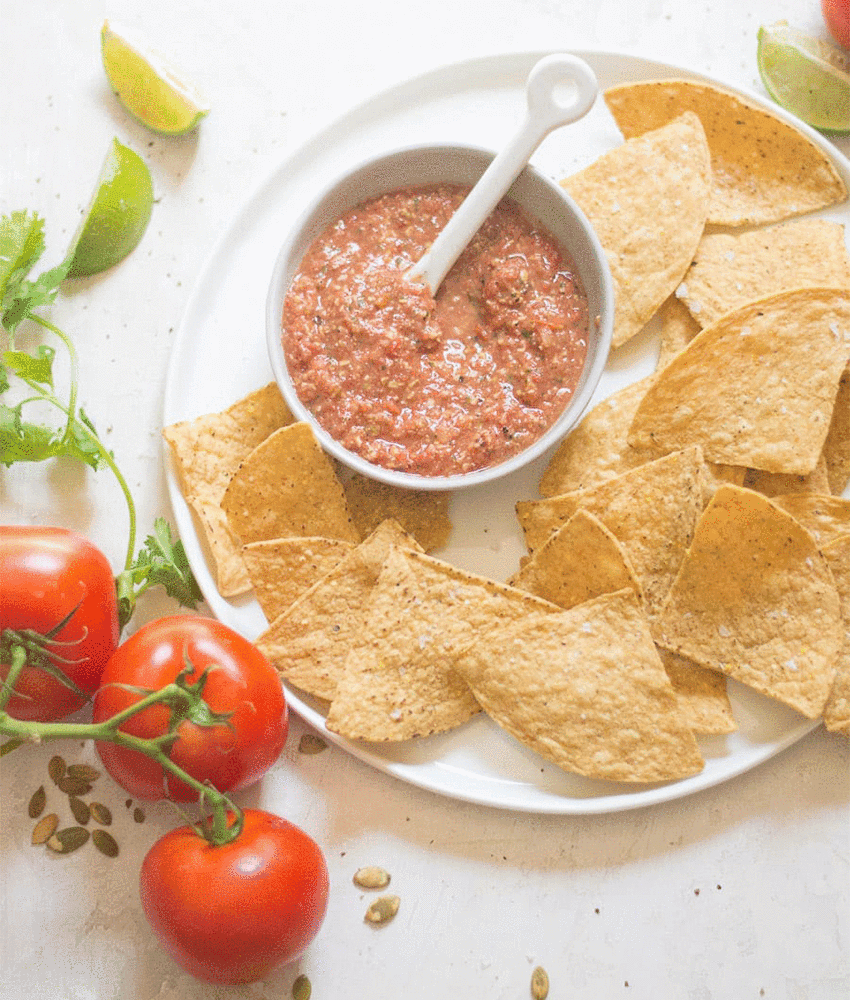
Change up your regular chip dip with this Pipián Salsa.
In food processor or blender, mix garlic, pepitas, chipotle peppers, cilantro and onion until minced. Add tomatoes, salt, pepper, cumin and lime juice. Puree until desired smooth or chunky consistency. Store refrigerated up to a week.

Pepita-Cilantro Pesto

  • 1 cup packed fresh cilantro
  • ½ cup extra-virgin olive oil
  • ⅓ cup roasted pepitas
  • 2 Tbsp. lime juice
  • 1 clove garlic
  • ¼ tsp. cayenne pepper
  • Salt
  • Optional: ground Parmesan cheese to taste

Blend cilantro, oil, pepitas, lime juice, garlic, cayenne and ½ tsp. salt until mostly smooth. Add Parmesan, if using, and blend well.

Janet Blaser is the author of the best-selling book, Why We Left: An Anthology of American Women Expatsfeatured on CNBC and MarketWatch. She has lived in Mexico since 2006. You can find her on Instagram at @thejanetblaser.

As delta rips through the country, perhaps back-to-school can wait

0
Are schools ready for returning students?

It’s August! August is my birthday month. For the first few years of my schooling, it represented pool parties and the last sweet sips of summer before the school year officially began.

For the past couple of years, however, August has been markedly tenser for reasons I don’t need to restate. As the new delta variant continues to spread without yet an end in sight, the new school year looms large ahead of us with a host of problems and unknowns.

Problems include:

  1. The permanent closings of many private schools in every state which, in the absence of government funds, did not survive. This means that fewer schools are available to accommodate a growing population of children needing a school, not to mention the plenty of personal space within said school needed for safety reasons;
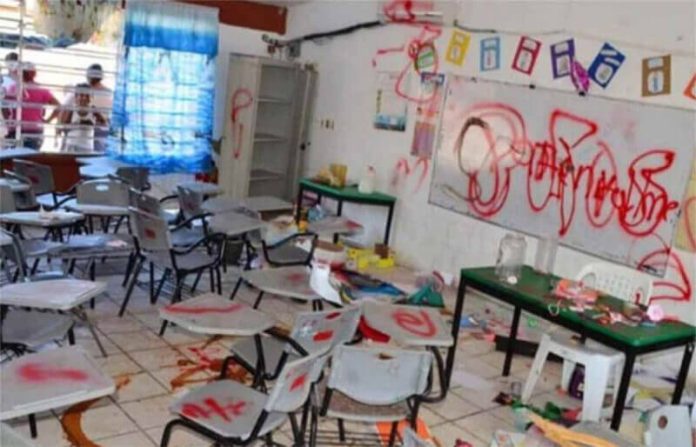
  2. Vandalized, abandoned schools that do not have the funds to replace needed materials and are not ready to receive students;
  3. Public schools that were quite crowded before the pandemic, with their abilities to accommodate an influx of ex-private school students unspecified (I’m not optimistic);
  4. Many children who have simply left the school system.

Then, the big unknowns:

  1. When and how the delta variant will peter out;
  2. The extent to which children will suffer if and when they contract the delta variant;
  3. If teachers and school personnel who don’t accept the vaccine will be allowed to work;
  4. When vaccines for children will become available and whether or not students will be obliged to get them (as they are with other vaccines) in order to be in the classroom;
  5. At what point we’ll have enough space across public and private schools to accommodate children safely: other countries have shown how to do it, and a big piece of the puzzle is keeping them a certain amount of distance away from each other in ventilated areas. Does our current physical infrastructure make that possible?

The president, after not having set forth much of a plan regarding education during the past year and a half, has now said that “there are no risks” and has set August 30 as the day that all students should return to school. Though he’s cited a UNICEF study as evidence for the harm done to children by not being in school, I hesitate to get behind the effort at this particular moment in the pandemic, when cases have been increasing exponentially, mostly in younger unvaccinated people.

It’s also hard to cut through the noise when emotions are so high. Some of those high emotions are directed by the president himself, who insists that messages to be cautious about school openings are part of a “media conspiracy orchestrated by the opposition” — which is not the solid argument he thinks it is.

I would love to believe that sending our children back to school right now is absolutely the right decision. But where we are at this particular point in the pandemic — as well as our convoluted response to pretty much everything regarding it — gives me pause. After writing in favor of returning to the classroom, under our current circumstances I don’t feel so strongly.

Apparently, neither do approximately 58% of other people, according to El Financiero. But whether we feel sure about it or not, there are people that need childcare so that they can work; there are children that need a place to go to learn and to interact with others in a socially safe environment. I do not criticize anyone for sending their children to school or daycare because being able to do that is a built-in necessity of our modern society that few have the privilege to live without.

And if we want to keep advancing as a country, we can’t simply fail to educate our children indefinitely. Even the most privileged children have missed out on the benefits of schooling during this past year and half; even consistent online schooling in a beautiful house with parental support is not good enough.

But I would argue that, for those who are able, we should at least wait until this delta surge runs its course. Perhaps in the meantime we could focus on getting our schools’ physical infrastructure in place for when they do go back.

While I tend to roll my eyes at the many messages from panicked parents in WhatsApp groups equating the idea of sending one’s children back to school with being selfish and not caring if kids die, all those problems and unknowns I listed above have stopped me on the track I was hiking down for most of the previous year.

I feel unsure, and my gut now tells me to wait until things have calmed down at least a bit; promises from the president that “nothing bad will happen at all,” which is not something anyone can promise, make me even more nervous.

We’re still taking forever to vaccinate, and plenty of people are also refusing the vaccine. I wrote about that last week and received quite a few negative emails in response.

(If that was you, by the way, I don’t respond to emails calling me an idiot for “falling for CDC lies.” And to the guy who wrote me a 4,000-word thesis — thank you, but I’m a single mom with about five low-paid, strung-together gigs just trying to survive month to month; I just don’t have time to write a counter-thesis).

One guy — they were all guys, actually; they usually are — even told me that he’d never get the vaccine, even if Covid-19 were “100% lethal” because he was … against tyranny?

Whatever the reasons, and however valid or invalid they are, it’s clear to me that we’re not going to have enough people willingly participate in vaccination to get the herd immunity that would get us through this.

The pandemic is raging. It’s targeting younger people faster. Vaccines are being distributed much too slowly to a high-density population in the cultural habit of standing very close to one another at all times, and a sizable portion of the population is refusing to do their part.

I guess it’s time to hunker down for a little longer, people. After all this, what’s a little more misery?

Sarah DeVries is a writer and translator based in Xalapa, Veracruz. She can be reached through her website, sdevrieswritingandtranslating.com and her Patreon page.