Home Blog Page 1178

COVID roundup: 21,897 new cases, 7 states now red on stoplight risk map

0
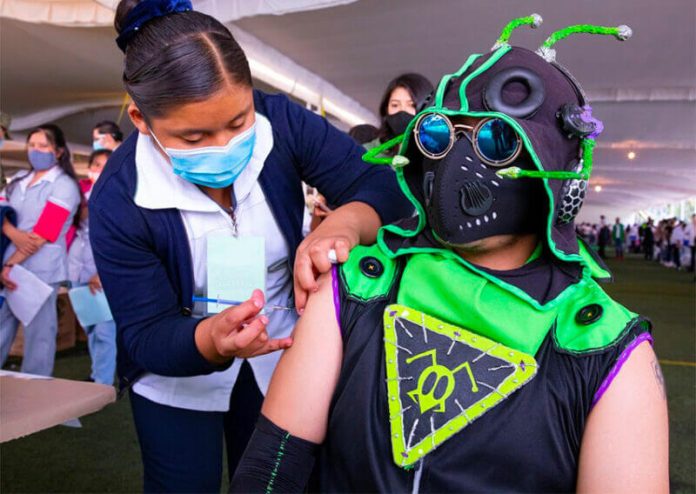
The superhero Supergrillo was one of the costumed candidates for vaccination in Xochimilco this week.

An additional 21,897 confirmed coronavirus cases were added to Mexico’s accumulated tally on Friday as the the delta variant-driven third wave of the COVID-19 pandemic continues to surge.

Mexico’s case total now stands at just under 3.2 million, while the official COVID-19 death toll rose to 252,080 on Friday with 761 additional fatalities.

The Health Ministry reported 348,856 new infections in the first 20 days of August for a daily average of 17,443 cases. That figure is 64% higher than the daily average in July and 23% above the average in January, which was the worst completed month of the pandemic in terms of both cases and deaths.

There are currently 152,130 estimated active cases across Mexico, according to Health Ministry data.

There have been 11,174 reported COVID-19 deaths so far this month for an average of 559 fatalities per day. That figure is 121% higher than the daily average in July but 47% lower than the average in January. The reduction in deaths compared to the peak of the second wave of the pandemic when very few people were vaccinated is evidence that vaccines are doing their job and preventing severe disease and death in most cases.
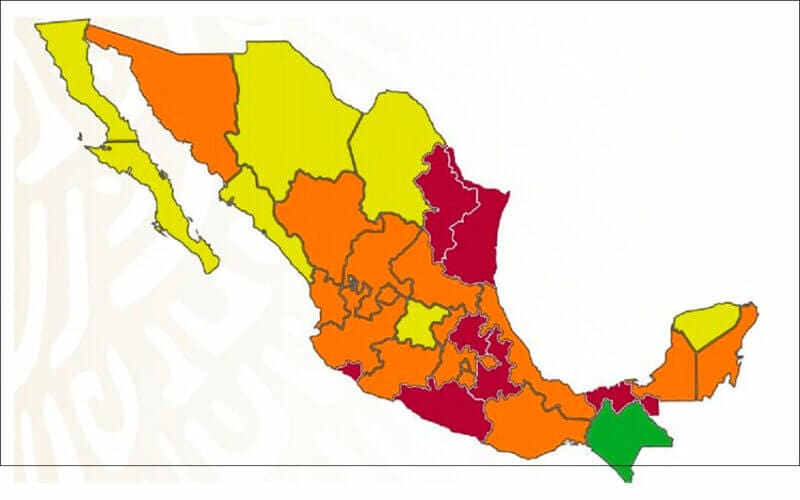
The coronavirus stoplight map that's in effect beginning Monday.
The coronavirus stoplight map that’s in effect beginning Monday.

Federal government coronavirus point man Hugo López-Gatell said earlier this month that 97% of hospitalized COVID-19 patients were unvaccinated.

In other COVID-19 news:

• There are seven red light maximum risk states on the coronavirus stoplight map that will take effect Monday and remain valid through September 5. They are Nuevo León, Tamaulipas, Colima, Guerrero, Puebla, Hidalgo and Tabasco.

• Mexico City and México state will remain high risk orange on the map next week, authorities said on Friday. The adjoining entities easily have the highest coronavirus case tallies and COVID-19 death tolls in the country. The capital has recorded more than 860,000 confirmed cases and over 47,000 deaths since the start of the pandemic, while confirmed infections in México state number more than 320,000 and deaths are approaching 30,000.

There are 15 other orange states: Sonora, Durango, Zacatecas, Nayarit, Jalisco, Aguascalientes, San Luis Potosí, Michoacán, Querétaro, Tlaxcala, Veracruz, Oaxaca, Morelos, Campeche and Quintana Roo.

Baja California, Baja California Sur, Sinaloa, Chihuahua, Coahuila, Guanajuato and Yucatán are all medium risk yellow, while Chiapas remains the sole low risk green state.

• In Mexico City, 88% of adults have received at least one dose of a vaccine, city official Eduardo Clark said Friday. Just under half of all adults in the capital – the country’s coronavirus epicenter since the start of the pandemic – are fully vaccinated.

Clark said there are currently 3,207 hospitalized COVID-19 patients in Mexico City, a reduction of 147 compared to a week ago.

• Tamaulipas recorded its worst day of the pandemic in terms of new case numbers on Wednesday with 717 confirmed infections. The daily case tally was almost 14% higher than the previous record of 630 cases set last Friday.

The northern border state added an additional 538 confirmed cases to its accumulated tally on Thursday. That total stands at just over 81,000 while Tamaulipas has recorded more than 5,800 COVID-19 deaths, according to federal data.

In light of the recent rise in infections in the northern border state, Health Minister Gloria Medina Gamboa urged Tamaulipas residents to get vaccinated, stay at home as much as possible and follow all virus mitigation measures.

She said Wednesday that 56% of beds set aside for coronavirus patients were occupied, up from 52% a day earlier. A total of 786 COVID patients have been hospitalized in Tamaulipas during the third wave of the pandemic, 712 of whom were not vaccinated, the health minister said.
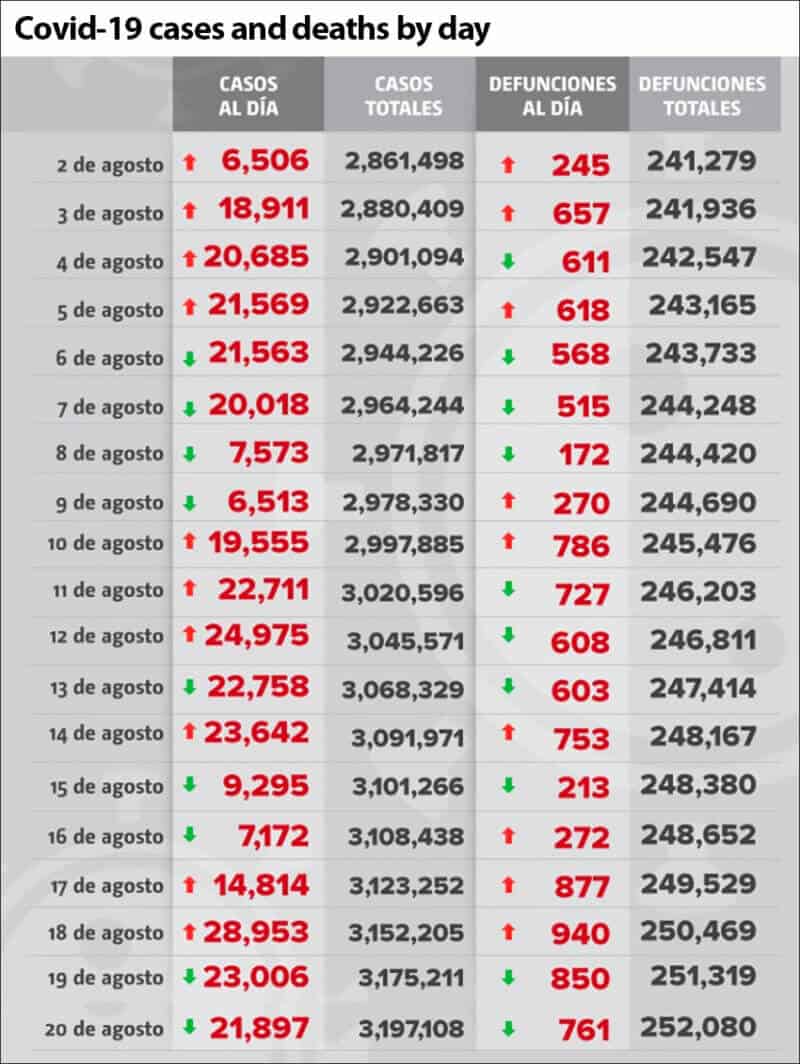
Coronavirus cases and deaths in Mexico as reported by day
Coronavirus cases and deaths in Mexico as reported by day. milenio

• More than 80% of general care hospital beds are occupied in COVID-19 wards in Tlaxcala and Puebla. Federal data shows that the rate in the former state is 85.5% and just over 80% in the latter. Five other states have rates above 70%. They are Hidalgo, Veracruz, Durango, San Luis Potosí and Colima.

At 85%, Colima has the highest occupancy rate for beds with ventilators. Tlaxcala and Mexico City rank second and third, respectively, with rates of just above 70%.

• The Mexican Association of Insurance Institutions reported that the average cost of hospital treatment for COVID-19 patients aged 10 to 19 has increased to almost 176,000 pesos (about US $8,600) from 174,638 pesos two weeks ago. Data from numerous countries shows that children are more likely to be infected with the highly contagious delta strain of the virus than other variants.

• Mexico has granted emergency use authorization to the COVID vaccine made by the United States pharmaceutical company Moderna. Health regulator Cofepris issued the approval on Wednesday.

Foreign Minister Marcelo Ebrard said on Twitter that the United States will send 1.75 million doses of the mRNA vaccine to Mexico this weekend and another consignment of the same number of shots in a month.

There are now eight COVID vaccines authorized for use in Mexico. They are the Pfizer, AstraZeneca, Sputnik V, Sinovac, CanSino, Covaxin, Johnson & Johnson and Moderna shots.

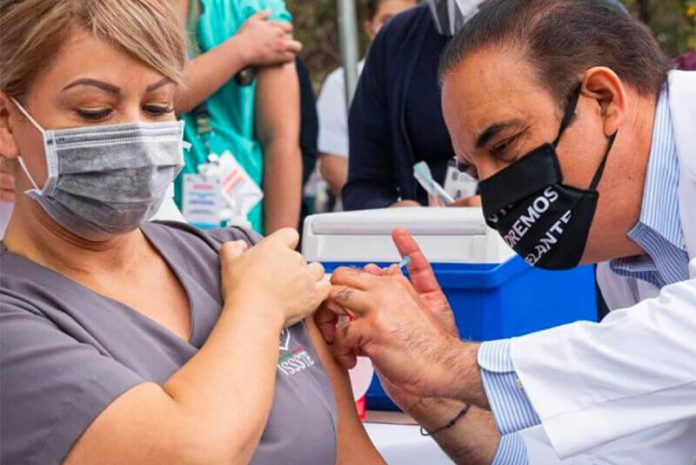
• Several young people dressed as fictional characters including Pikachu, Batman, Wonder Woman and Winnie-the-Pooh before venturing out to get vaccinated on Thursday in the Mexico City borough of Xochimilco. The chance to win prizes such as books and pajamas encouraged some vaccine candidates to don the colorful suits, but one man said he did so to help him overcome his fear of needles.

“I like Pikachu and [dressing up as the Pokemón character] gives me courage because I don’t like needles,” a 24-year-old chef told the EFE news agency.

With reports from Reforma, Milenio, Infobae, Marca Claro and EFE 
Guadalajara brings aficionados a veritable feast of abstract art in August

0
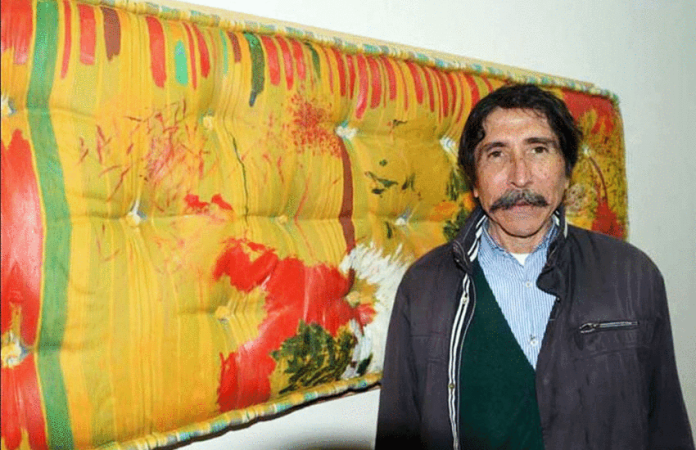
Artist Anibal Delgado
Artist Anibal Delgado with one of his painted mattresses.

If you’re an abstract art lover and you’re going to be in Guadalajara in the next couple of months, you might want to take advantage of two art exhibits that opened this month that are offering the public a rare opportunity to view the best work of aspiring artists in Mexico who express themselves through this medium. One is a collection of several abstract artists from all over Mexico, while the other is by a single artist.

One of the exhibits, “Primer Encuentro de Arte Abstract de Pequeño Formato” (The First Gathering of Small-Format Abstract Art), is at the Center for the Study and Diffusion of Non-Figurative Art (CIANF) in Pinar de la Venta, Jalisco. The show is the brainchild of the CIANF’s owners, José de Jesús “Pepe” Olivares and Rosalia Zepeda.

“We challenged abstract artists in Jalisco and all over Mexico to send us an example of their best work, but confined to within a medium measuring 30 centimeters by 30 centimeters: a footprint of their art, you could call it,” Olivares said.

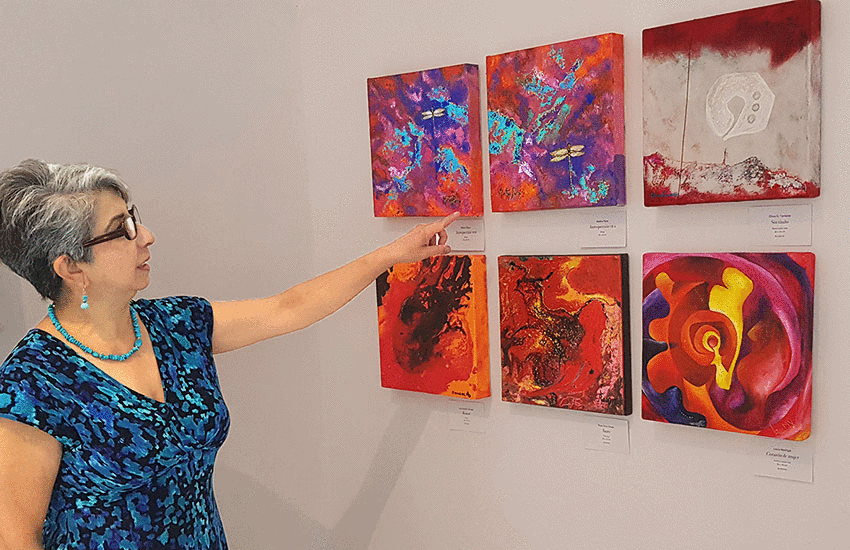
“The response has been wonderful,” Zepeda said. “All the works you see here were created especially for this exhibit. We have 70 ‘footprints’ on display, offering the public a unique opportunity to peruse today’s abstract art scene in Mexico within the confines of three small rooms.”

I was impressed at how enticing the schema was. I could not take three steps without some obra (artwork) grabbing my attention, then obliging me to take a closer look and finally seducing me.

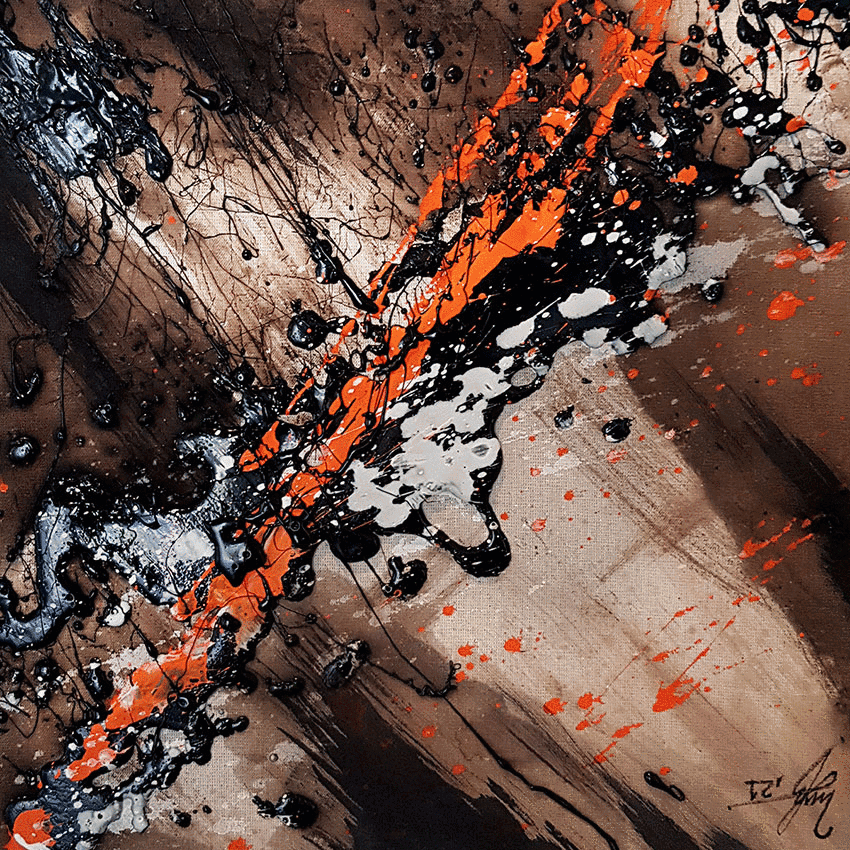
"X-1" by Dadu Magaanya
“X-1” by Dadu Magaanya was made with splattered hot tar and is on exhibit at the Center for the Study and Diffusion of Non-Figurative Art in greater Guadalajara.

While most of the works were acrylics on canvas, there were also watercolors, pourings, collages and some outstanding three-dimensional pieces, along with a delightful stained-glass window — only 30 by 30 centimeters, of course.

The work X-1 by Dadu Magaaña, a graphic designer who lives in Guadalajara, was principally made using hot tar splattered on the canvas. It appears that the artist also employed layers of tar diluted with solvent.

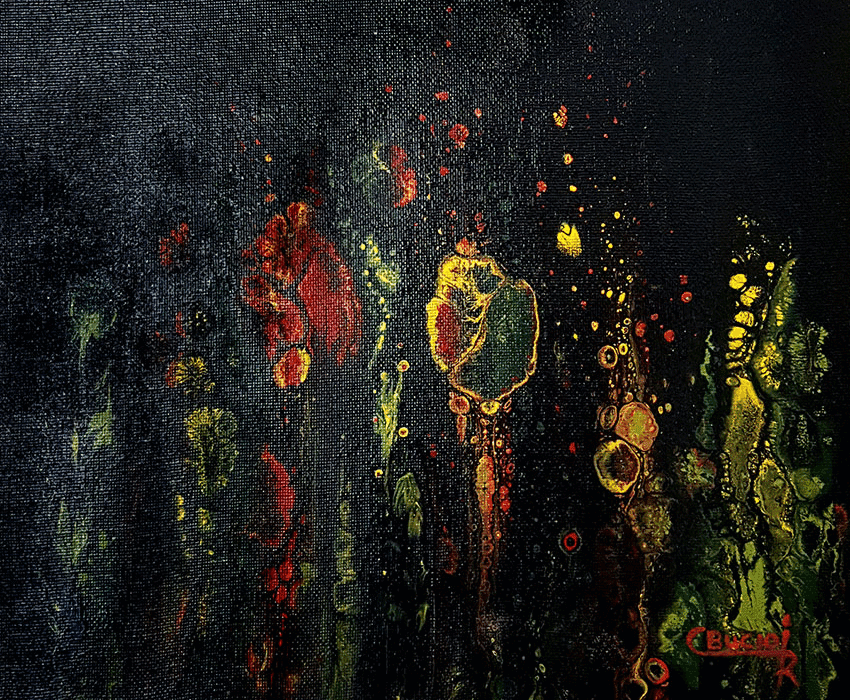
Luz II by María del Consuelo Bucio is from the artist’s collection Luz de la Vida, (The Light of Life).

“This painting,” Pepe Olivera explained,”… is an example of a pouring combined with acrylic painting. The canvas was laid down flat, and a mixture of paint, oil and water was poured on it. Later, after it dried, the artist used black acrylic paint as a kind of mask covering everything but the areas she wanted to be visible.”

CIANF, by the way, is more than an art gallery. It’s also an art school for children and adults, a library and a venue for art-related presentations and discussions. Located in the community of Pinar de La Venta, it’s about eight kilometers west of Guadalajara.

This collection of paintings will be on display throughout August, September and October.

"Luz II" by Maria del Consuelo Bucio
“Luz II” by Maria del Consuelo Bucio, is on exhibit at Center for the Study and Diffusion of Non-Figurative Art through October.

The Center is located at 98 Paseo de las Primaveras, in Pinar de la Venta, Jalisco. It is open Monday through Friday from 11 a.m. to 6 p.m. and Saturdays from 11 a.m. to 3 p.m. Interested parties should call 333-616-6242 in advance of their visit.

To reach the center, ask Google Maps to take you to CIANF, Pinar de la Venta, Jalisco. In front of the gallery’s gate, you will see a telephone pole clearly marked with a big red number nine.

This is an important landmark because house numbers on this street are hopelessly jumbled.

The other exhibit, “De Cuando la Tierra era Plana y los Diamantes Brillan” (From When the Earth was Flat and Diamonds Sparkle),” is on display atHospicio Cabañas, Guadalajara.

The Hospicio Cabañas, a hospital founded in 1791 in Guadalajara and now a UNESCO World Heritage Site, is exhibiting this collection of abstract works by Anibal Delgado, a native of Guadalajara who also spent many years living in Mexico City.

The exhibit features more than 50 pieces of his abstract art.

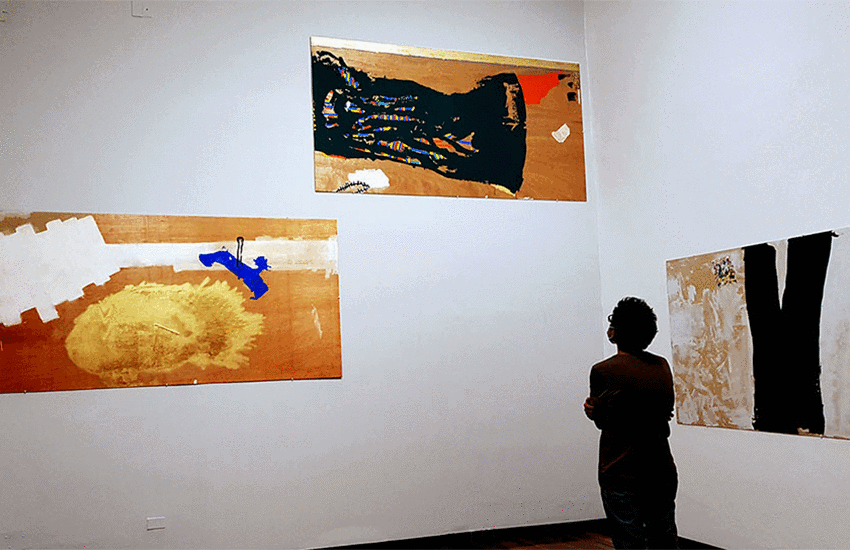
Aníbal Delgado’s paintings at Hospicio Cabañas Museum
A visitor contemplates one of Aníbal Delgado’s paintings on plywood at the Hospicio Cabañas Museum in Guadalajara.

Delgado’s work has appeared in more than 60 shows in Canada, Belgium, Switzerland, the United States and, of course, in many parts of Mexico. In 2007, he received the a scholarship from the Pollock-Krasner Foundation, founded by abstract expressionist artist Lee Krasner.

Delgado told me that he grew up interested in sports, not art or culture. “But then, one day, when I was in my 20s, I was handed a few books of abstract art by some friends studying architecture,” he said. “I took one look at them and I was hooked. They knocked me off my feet!

“I guess what I want to say is that I was completely beguiled by abstract art. And all this happened 50 years ago. Yes, it was around 1970 when I discovered that it was possible to become a painter and then starve to death because of it.”

Delgado has experimented with painting on different surfaces, even mattresses, and most of his works on display at Hospicio Cabañas are painted on ordinary plywood. “For me, art is fun,” he said.

In an attempt to understand and appreciate Delgado’s work, I asked Olivares, who is also an abstract art teacher, to comment on three of Delgado’s paintings now on display.

His responses follow:

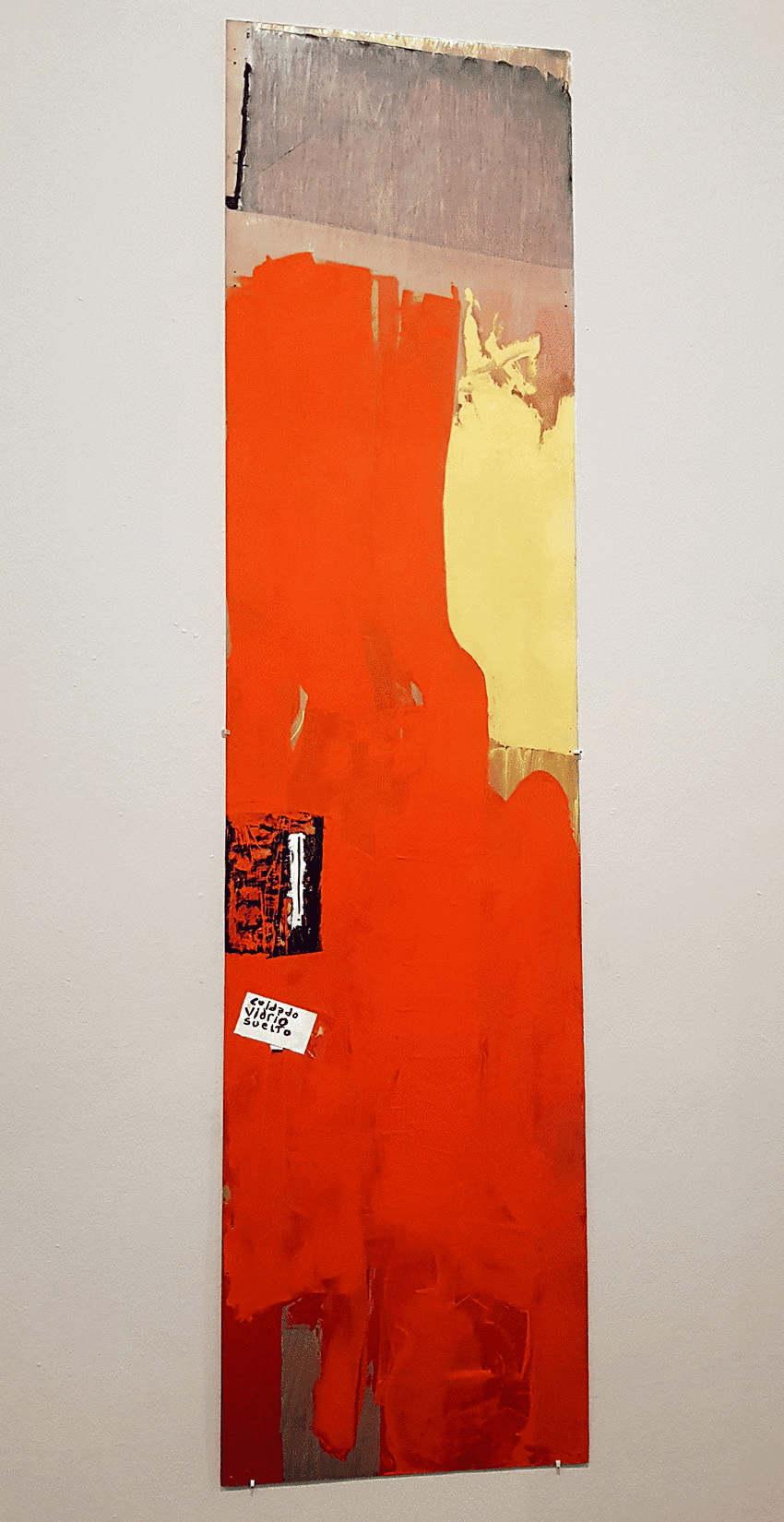
"Vertical Orange" by Anibal Delgado
“Vertical Orange” by Anibal Delgado.

Regarding Vertical Orange: “This is painted on a sheet of plywood,” he said. “Here we have red and yellow along with orange, which is what you get if you mix the first two colors. So there is color harmony here.”

“Then we have a patch of white and a patch of black,” he continued. “I feel that these give the chispa (spark) to this work and act as a catalyst. He’s playing with very few elements here, but I feel he is placing them with great care. It wouldn’t work if these two spots weren’t located where they are, and the orange section wouldn’t work if you moved it up higher. All the parts are in just the right places.”

Aníbal’s work is really original and doesn’t follow any tradition, said Olivares.

“Basically, he is having fun. He plays with colors, often bright primary colors like those you see in a country fiesta. Aníbal says, ‘No me importa si es arte abstracta; a mi lo que quiero es disfrutar la fiesta’ [I don’t care whether this is abstract art or not, all I want is to enjoy the fiesta]. This helps you understand Aníbal’s work.

“It’s sort of saying, ‘We have only two options in life: disfrutarla o sufrir: Enjoy it or suffer.’”

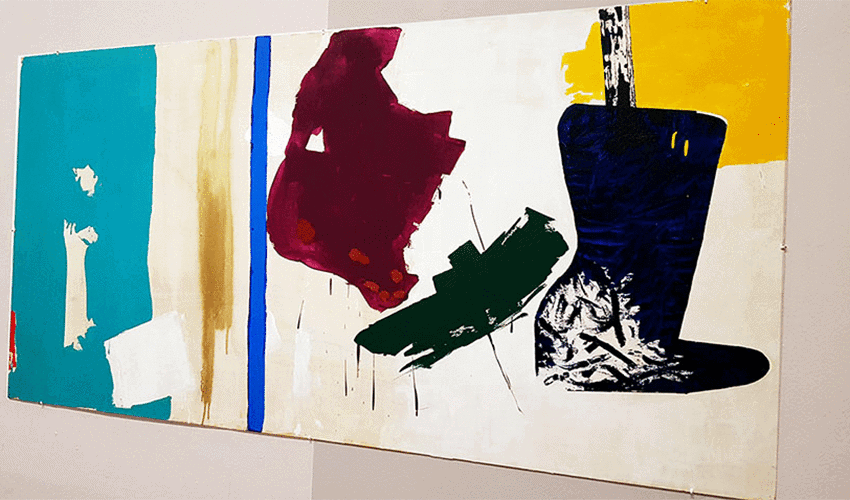
Of Dancing Colors, he said, “The colors are dancing across this piece of plywood where the texture shows through. This painting traps you. A poet might write something very beautiful about it.”

"Dancing Colors" by Anibal Delgado
“Dancing Colors” by Anibal Delgado.

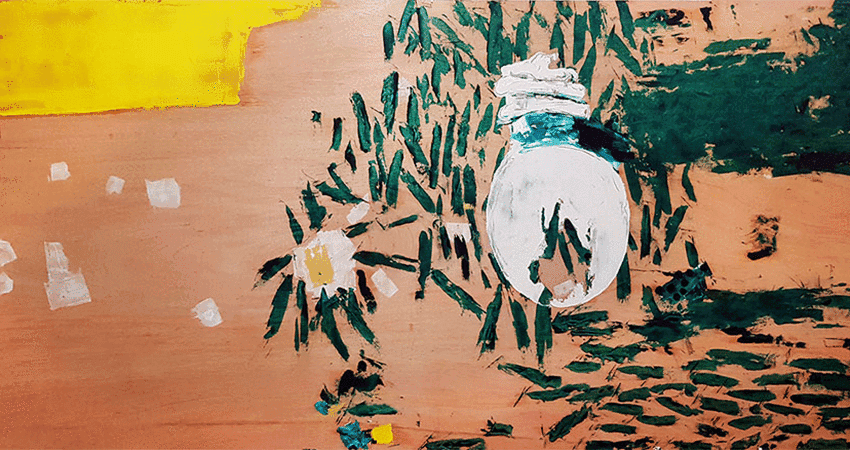
Regarding the piece Maybe a Light Bulb, he had questions:

“What is this?” he asked, “a light bulb? A globe? A fishbowl with a cover? Whatever it is, I like it. It grabs me.”

Delgado’s works will be on display at at the museum until November 28.

To get there, ask Google Maps to take you to Hospicio Cabañas, Guadalajara.

The official address is C. Cabañas 8, Las Fresas, 44360 Guadalajara, Jalisco.

But the truth is, you will probably have the best results by getting yourself to Guadalajara and then using what I call the “Mexnet” method.

"Maybe a Light Bulb" by Anibal Delgado
“Maybe a Light Bulb” by Anibal Delgado is on exhibit with more than 50 other pieces of his art at Hospicio Cabañas in Guadalajara.

In other words, just keep asking people, “Dónde está el Hospicio Cabañas?

It almost always works!

The writer has lived near Guadalajara, Jalisco, for 31 years and is the author of A Guide to West Mexico’s Guachimontones and Surrounding Area and co-author of Outdoors in Western Mexico. More of his writing can be found on his website.


"Chorreado" by Ricardo Barajas
“Chorreado” is a stained-glass window by artist Ricardo Barajas on display at the CIANF.


Center for the Study and Diffusion of Non-Figurative Art, Guadalajara
Rosalía Zepeda, co-founder of the CIANF, with a few of the 70 recent works by some of Mexico’s best abstract artists, on display at the center through October.


"Maybe a Light Bulb" by Anibal Delgado
“Maybe a Light Bulb” by Anibal Delgado is on exhibit with more than 50 other pieces of his art at Hospicio Cabañas in Guadalajara.


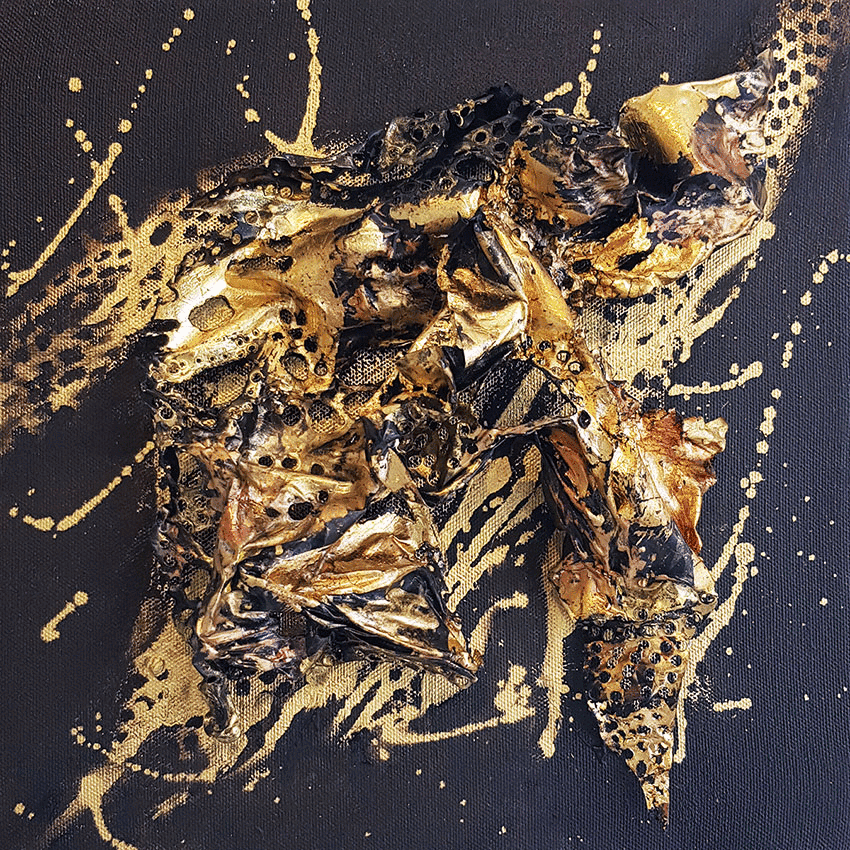
"Engalanada," by Lucero González Navarro.
“Engalanada,” a three-dimensional work by Lucero González Navarro on display at the CIANF.


Pepe Olivares of the Center Center for the Study and Diffusion of Non-Figurative Art in Guadalajara
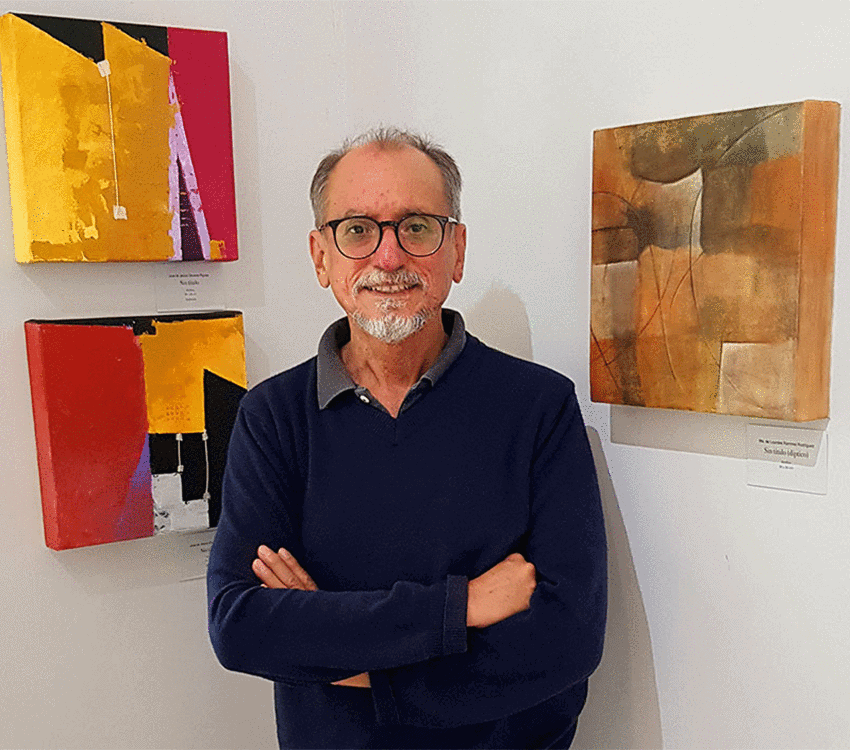
The CIANF’s Pepe Olivares with two of his paintings, left, and one by María de Lourdes Ramírez Rodríguez, right.


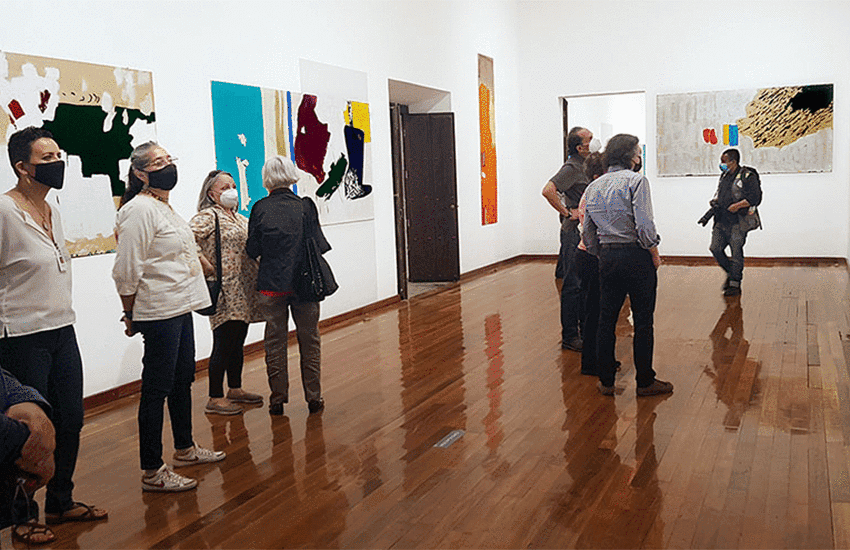
Visitors with paintings by Aníbal Delgado at the Hospicio Cabañas Museum
Visitors with paintings by Aníbal Delgado at the Hospicio Cabañas Museum. The exhibit runs until November 28.


7 out of 10 students want to return to classes: survey

0
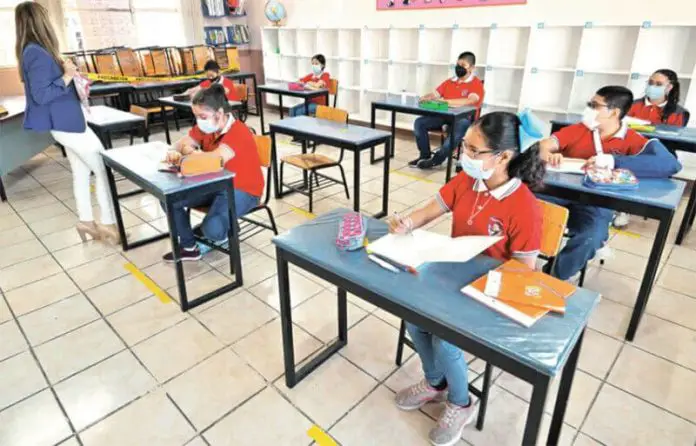
One in four students fears catching Covid at school.

A clear majority of students are ready to ditch their electronic devices, dust off their textbooks and return to the classroom, a new survey indicates.

Among almost 38,000 primary, middle and high school students across Mexico surveyed by the Mexico City Human Rights Commission (CDHCM), seven out of 10 want to return to in-person classes. Only two out of 10 said they would prefer to continue studying at home while one in 10 was unsure about his or her preference.

Schools across Mexico closed in March 2020 due to the coronavirus pandemic and most haven’t reopened since. However, after almost 1 1/2 years of online and television learning, students will have the option to voluntarily return to the classroom for the start of the new school year on August 30.

The CDHCM survey – the results of which were presented by commission president Nashieli Ramírez Hernández at President López Obrador’s morning press conference on Thursday – asked students what made them happy about the upcoming, albeit voluntary, return to in-person classes.

Almost half of those polled – 48% – cited the opportunity to be with friends, while 37% said that it was easier to understand what they were being taught in the classroom. More than one in five showed signs of cabin fever, saying they would be happy to return to school just to get out of the house.

López Obrador has been a fierce advocate for the forthcoming return to the classroom, particularly stressing the importance of social interaction between students. In-person classes will recommence in August regardless of “rain, thunder or lightning,” he said in late July, using one of his oft-repeated catchphrases.

While most students are keen to once again sit in the classroom with their peers, the return to school is far from an anxiety-free proposition.

The CDHCM survey found that half of respondents are worried that their fellow school-goers won’t wear face masks, while 25% said they feared they would catch the virus at school and get sick. Almost one in five students said they were anxious about not being able to give their friends a hug, while almost three in 10 feared that their schools would close again if an outbreak occurs, sending them back to lonely learning at home.

Ramírez said that listening to students’ views about a government decision that directly affects them, and taking them into account, was an “obligation of families, society and the state.”

She noted that a previous CDHCM survey found that almost 60% of students thought the closure of schools would last just two months or a little more. But the closure dragged on and on as Mexico endured one of the worst coronavirus outbreaks in the world. For an eight-year-old student, the duration of the closure represents about 20% of his or her life, Ramírez remarked.

The government’s decision to forge ahead with its decision to reopen schools comes as Mexico records soaring coronavirus case numbers as a delta-variant-fueled third wave of the pandemic gains a foothold across much of the country.

Students have protested against the resumption of classes before children are unvaccinated, while parents, teachers, states and schools are divided over the August 30 reopening of thousands of schools.

Mexico News Daily 

Protected areas lacking protection due to impunity, reduced resources

0
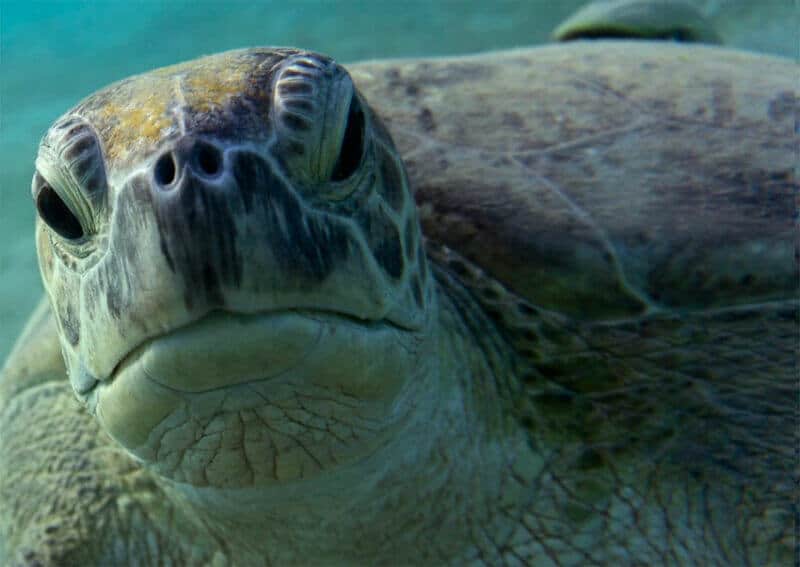
The Club de la Tortuga conservation group protects 18 kilometers of beach in Telchac Puerto.
The Club de la Tortuga conservation group protects 18 kilometers of beach in Telchac Puerto. Club de la Tortuga de Telchac Puerto

High levels of impunity for environmental crimes and budget cuts at two federal government institutions are heightening the risks faced by Mexico’s flora and fauna in areas where they are supposed to be protected.

As is the case for many crimes committed in Mexico, the impunity rate for environmental offenses is well above 90%, a situation that emboldens environmental plunderers and encourages others to join in.

According to data obtained by the newspaper El Universal, the Commission for Natural Protected Areas (Conanp) registered 4,264 environmental crimes in 182 natural protected areas (ANPs) between 2006 and 2020.

The commission only followed up on 834 of those crimes – which included offenses such as removal of vegetation, illegal fishing, illegal construction and illegal logging – and referred 643 to the federal environmental protection agency Profepa.

It resolved only 50 of the crimes, meaning that 94% of all offenses referred to it went unpunished, while the impunity rate for all crimes committed in ANPs over the past 15 years was just under 99%.

Economic development is a threat to turtles in Telchac Puerto, Yucatán. club de la tortuga telchac puerto

The fact that such rampant impunity flourishes in ANPs is perhaps not surprising given the generalized impunity that plagues Mexico. But it is definitely concerning given that – as academic and Conanp board member Enrique Jardel puts it – the areas are “one of the main instruments to conserve habitats and biological diversity, and maintain environmental purposes such as the protection of catchment areas, the storage of water and climate regulation.”

In addition to the previously mentioned environmental crimes, commercial agriculture including cattle ranching, mining and tourism development are all encroaching on ANPs, and having a negative impact on them.

Authorities invariably favor economic development over the protection of natural resources in ANPs, Jardel said.

One example is the case of Telchac Puerto, a Yucatán port town and municipality on the Gulf of Mexico 40 kilometers east of Progreso where sea turtles nest on an 18-kilometer-long stretch of coastline. High-end tourism development and residents pose a threat to the municipality’s natural environment and wildlife, according to Minerva Cano, a biologist and leader of a local turtle conservation group.

“The tourist area is very urbanized, … [with] poorly planned construction on [or near] the beach and the dunes,” she told El Universal. “They erode the coastline and denude the dunes, affecting [turtles’] nesting.”

Cano also said that large lights on fishing boats and other vessels “completely disorient the turtles” and prevent them from returning to sea. Many end up dying, she said, adding that young people who drive all-terrain vehicles along the beach also pose a threat to nesting turtles and their eggs.

In addition, local people in precarious economic situations fish and hunt turtles to eat and sell, she said. Those illegal practices are seldom punished.

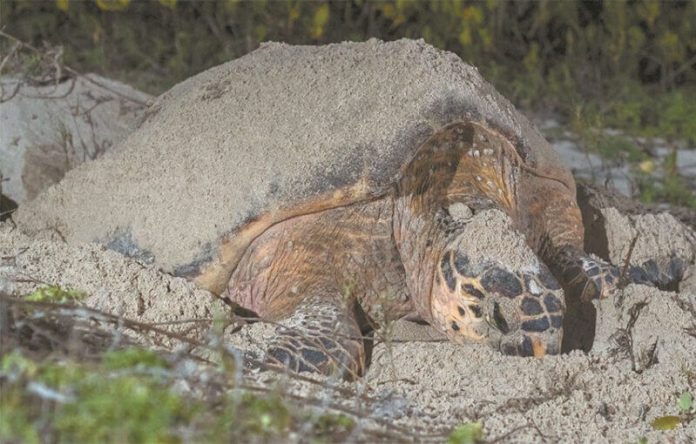
One example recounted by El Universal was the discovery earlier this year of the decapitated head of a Hawksbill sea turtle on the beach in Telchac Puerto. Its body and shell were nowhere to be found and the sand on which the head lay was stained red with blood, the newspaper said.

Such a crime in an ANP is punishable by up to 12 years’ imprisonment and a fine as high as 564,000 pesos (US $27,600) but as is all too common in Mexico, no one was held accountable. There is no justice in such crimes, members of Cano’s turtle conservation group said, unless a culprit is caught in the act with a knife in one hand and the slain reptile in the other.

Another example of the rampant impunity for crimes against wildlife is a 2016 case in which a trophy hunter posed for photos with a protected species of crocodile he killed in the Xcalak Reefs National Park in Quintana Roo.

The case – like hundreds of others – was referred to Profepa but went unresolved. The agency has given a vague explanation for its extremely limited success in holding environmental criminals to account, saying it has been unable to prosecute many offenses due to “insurmountable material obstacles.”

The El Universal report also indicated that justice – in the few cases in which it is served – is highly selective: a small-plot farmer transporting illegally-felled timber on donkeys is more likely to face punishment than the armed criminals who cut down the trees.

A turtle swims near a beach in Yucatán.
A turtle swims near a beach in Yucatán. club de la tortuga telchac puerto

Achieving justice in cases of environmental crimes – arresting perpetrators and obtaining court sentences against them – requires monetary resources, but both Conanp, which manages sea and land ANPs covering some 90 million hectares, and Profepa have suffered budget cuts in recent years.

El Universal reported that both institutions reached a budget “peak” in 2016, with the former receiving 1.35 billion pesos (US $66.1 million) and the latter 960 million pesos (US $47 million).

By 2020, Conanp’s annual budget had fallen to 860 million pesos, a 36% decline in four years, while that of Profepa dropped 18% to 790 million pesos.

Eduardo Vega, an economics professor at the National Autonomous University, wrote about such budget cuts in a paper entitled The Budgetary Erosion of Mexican Environmental Policy.

The Ministry of the Environment and Natural Resources and the government bodies that depend on it have faced severe cuts that amount to a budget collapse, he wrote. In real terms, funding was cut 63.7% between 2015 and 2018 and a further 26% between 2018 and 2020, Vega said.

President López Obrador, who talks up his environmental credentials but has faced criticism in the area, presided over the most recent cuts, while Enrique Peña Nieto was in office when the earlier ones occurred. A failure to adequately protect the critically-endangered vaquita marina porpoise is seen as one environmental shortcoming of the current government.

Vega wrote that there is clear evidence that the environmental budget cuts have caused “virtual ineffectiveness in many of the important areas of public action on environmental matters.” The lack of protection of flora and fauna in Mexico’s ANPs is one example of that.

“The cuts began in the middle of the previous six-year term of government and with the present administration there have been cuts over cuts, leading to increasingly precarious [environmental] conditions,” said Jardel, the Conanp board member.

“It seems that [the authorities] see [the ANPs] as obstacles to economic development,” he added.

With reports from El Universal 

Journalist shot and killed in attack by commando in Veracruz

0
jacinto romero
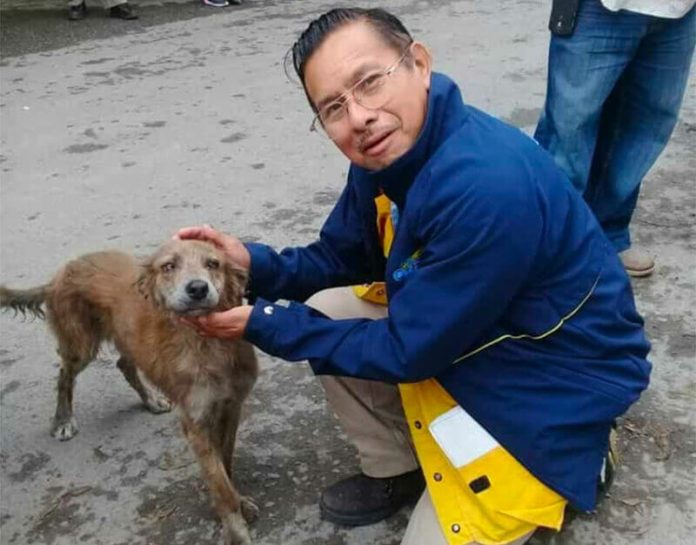
Romero was known for his love of animals.

Reporter and radio host Jacinto Romero, 61, was killed by a commando Thursday morning in Ixtaczoquitlán, just outside the city of Orizaba, Veracruz.

The attackers shot Romero around 10:45 a.m. as he was driving from his home in the community of Potrerillo on his way to work. The journalist wrote and hosted for the radio station Ori Stereo 99.3 FM.

Romero was described as an affable, old-school reporter who loved animals and spoke out in support of health workers during the pandemic. In his column, called “The Dwarf of Tapanco,” he gave his own wordy take on local politics.

In early March of this year, Romero said he had received threats after covering abuses committed by local police. The case in question involved an officer who shot a horseback rider at a 15th birthday party in Texhuacan. The officer turned out to have political connections: his aunt was the Texhuacan chief administrator.

After his coverage, he received WhatsApp messages tell him to “stop writing bullshit,” and “don’t mess with my people,” threatening to “come for him.”

Veracruz Governor Cuitláhuac García assured the public that the government was on the case.

“Intimidation of the population, and of journalists in particular, will not be permitted. Any attempted crime won’t go unpunished,” he wrote on Facebook.

The region is known for forced disappearances and narco-violence. In Ixtaczoquitlán in 2019, at least 13 people detained by the municipal police were not seen again. At least 30 people have disappeared in the Montañas Altas region, where Ixtaczoquitlán is located, since April of that year.

Just days before Romero’s death, on August 11, armed men blockaded roads in the area after two presumed cartel members were arrested. The incident left four people dead. The next day, rumors circulated in local WhatsApp groups that a journalist had been kidnapped. A state journalists’ organization contacted Romero to make sure he was alright, and he responded affirmatively.

His death makes him the 26th journalist killed in Veracruz since 2011 and the sixth killed this year in Mexico, a country known for violence against journalists. According to the freedom of information advocacy organization Article 19, at least 141 Mexican journalists have been killed because of their work since 2000, not including Romero.

With reports from E-Veracruz, Reuters and AVC Noticias

Homicide numbers continue to show a slight decline year-on-year

0
crime scene
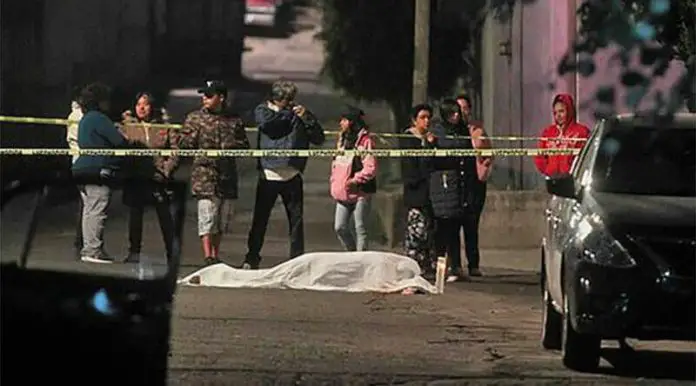
Efforts to curb homicides are concentrated on the 50 most violent municipalities.

The modest decline in homicides recorded in the first six months of 2021 continued in July, according to data presented Friday by the country’s head of security.

Homicides decreased 3.5% between January and June compared to the same period of last year, while they fell 3.9% annually in July, Security Minister Rosa Icela Rodríguez told reporters at the morning press conference.

However, the number of homicide victims last month – 2,846 – was up almost 7% over June numbers.

Rodríguez highlighted that 50.4% of the 19,788 homicides in the first seven months of the year occurred in just six states: Guanajuato, Baja California, Michoacán, Jalisco, México state and Chihuahua.

Guanajuato, where several criminal groups including the powerful Jalisco New Generation Cartel operate, has been the country’s most violent state in recent years, while Baja California, and especially its largest city – Tijuana, has long been a hotbed of cartel violence.

The security minister noted that the government has now adopted a bolstered security strategy in the country’s 50 most violent municipalities.

“Since July 20, this strategy to increase [the number of] priority municipalities from 15 to 50 began,” Rodríguez said.

“… Focused actions are now being carried out” in those municipalities, she said, explaining that intelligence operations and the deployment of the military and other security forces have been strengthened.

Still in its infancy, the broadened strategy has not yet yielded the results the government is seeking as the 50 most violent municipalities – a list headed by Tijuana, Ciudad Juárez and León – remain marred by murders, although some recorded declines last month.

Rodríguez said that 46% of all homicides in July occurred in the 50 priority municipalities. She also presented data that showed that a range of crimes declined in the 12-month period to the end of July compared to the final year of the government led by former president Enrique Peña Nieto, who left office at the end of November 2018.

Robberies on public transit and vehicle theft both declined almost 40%, cattle theft fell 33%, carjackings decreased 31%, burglaries and muggings both dropped 26% and business robberies were down 21%.

In contrast, extortion rose 28%, human trafficking was up 37%, reported rapes increased 29%, domestic violence surged 36% and femicides – the killing of women and girls on account of their gender – rose almost 14%.

On a more positive yet still tragic note, Rodríguez reported that the number of femicides in July – 66 – was the lowest monthly total since the government took office almost three years ago.

“Be that as it may, we’re maintaining coordination with state authorities so that this crime is penalized and whoever commits it doesn’t go unpunished,” she said.

The security minister also said that kidnappings were down 54% in July compared to the government’s first month in office.

She asserted that the government’s crackdown on fuel theft has generated an estimated saving of almost 162.3 billion pesos (US $8 billion) and that security forces over the past year prevented the loss of almost 18 billion pesos at highway toll plazas, which are frequently overrun by criminals and protesters.

Rodríguez added that the Finance Ministry’s Financial Intelligence Unit has blocked more than 41,000 suspect bank accounts containing 14.3 billion pesos since the government took office.

Mexico remains mired in near record levels of violence but the security minister said that “persistent, daily work” by the federal government in collaboration with state and municipal authorities is “yielding results that allow us to say that we’re making progress on the path toward the construction of peace.”

Mexico News Daily 

Mayor calls anti-smoking measure excessive, says police have other things to do

0
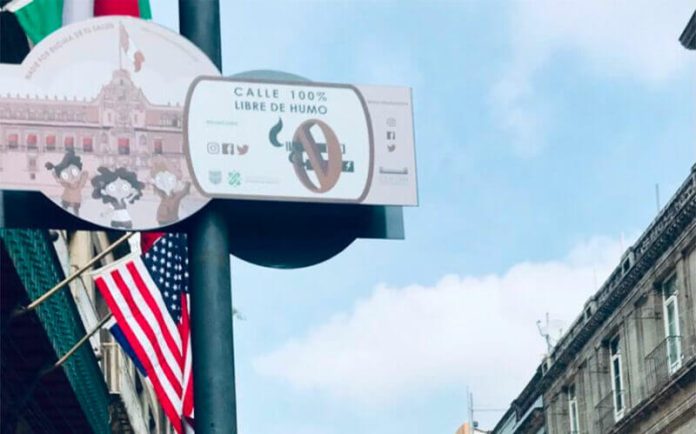
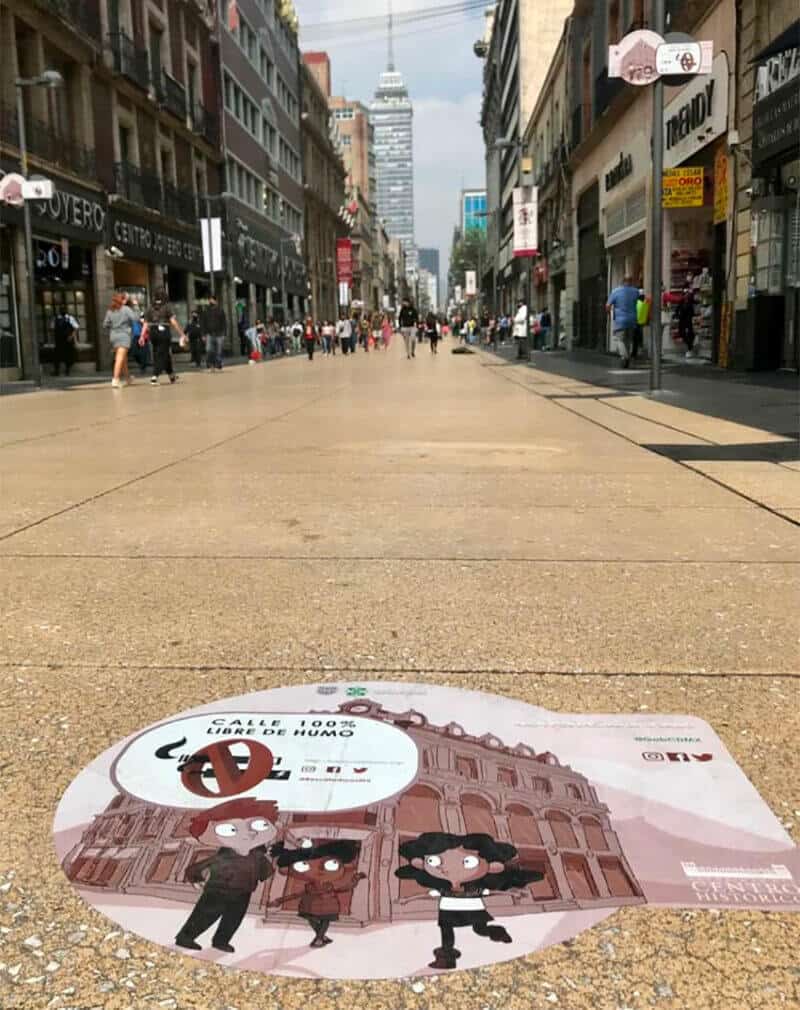
Sign declares the street smoke-free.

Mexico City Mayor Claudia Sheinbaum spoke out on Thursday against a new smoking prohibition on Madero Street, calling it excessive.

Dunia Ludlow, chief of the Historic Center Authority, announced the measure on Tuesday, saying that after a month of awareness-raising, full enforcement would begin in September. Under the new rule, auxiliary police can impose fines of up to 2,688 pesos (US $134) for rule-breakers who light up along the historic avenue.

Mayor Sheinbaum said she only found out about the measure when it came out in media reports.

“It was not something that we established, it was an initiative of the Historic Center Authority. I’m not criticizing it but I don’t think it is worth it,” she told reporters.

She expressed concern that enforcement of the rule would take police away from more important tasks.

No smoking allowed on iconic Madero Street.

“I believe that health comes first, but this seems excessive to me … the police need to focus on what they need to focus on, not on sanctioning people who smoke,” she said.

She did not say if she would take any action to block the measure, and the new anti-smoking signage remains in place on Madero Street.

With reports from Expansión Política

Federal deputy arrested in sexual assault case after immunity removed

0
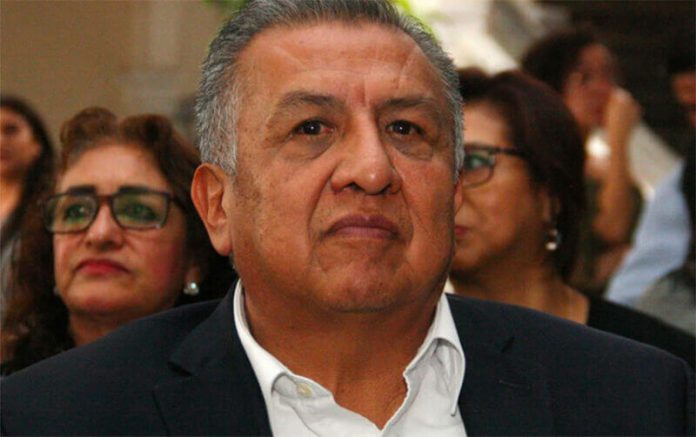
Huerta has been remanded for trial.

Saúl Huerta, the federal deputy accused of sexually assaulting a 15-year-old boy, is in custody after voluntarily surrendering to police early Thursday morning.

The Morena party legislator, who represents a district in Puebla, allegedly raped the boy in a Mexico City hotel in April. Huerta was briefly arrested after the boy reported the assault but was released just a few hours later due to his congressional immunity.

After numerous delays, Huerta’s immunity was revoked on August 11. The Mexico City Attorney General’s Office requested a warrant for his arrest the same day. But then another problem came up: although Huerta was considered a flight risk and authorities were monitoring his movements, they lost track of him.

Finally, authorities and Huerta’s legal representatives agreed to his surrender to police at a place of his choice, a building in the Roma Sur neighborhood of Mexico City. He was arrested on the charge of rape, but also faces accusations of aggravated sexual abuse.

Later Thursday afternoon, Huerta appeared before a judge who ruled that the accused will go to trial and remain in custody for the next three months, during which time an investigation of the alleged crimes will be carried out.

The defense did not object to the judge’s ruling, saying that they too seek time to investigate and find evidence for Huerta’s defense. Defense lawyer Rafael Castillo added that at one point the victim’s family asked for money, a point that the team believes could play in their client’s favor.

“They made an economic petition for 1.32 million pesos [US $65,000] for what had happened, so I think we can see the victim’s intention in this matter,” Castillo said.

For his part, the victim said in a May interview that he seeks justice.

“What I want right now is justice. All I want is for there to be no more victims,” the boy said.

With reports from Milenio

Hurricane Grace bearing down on Veracruz; strengthening to Category 2 predicted

0
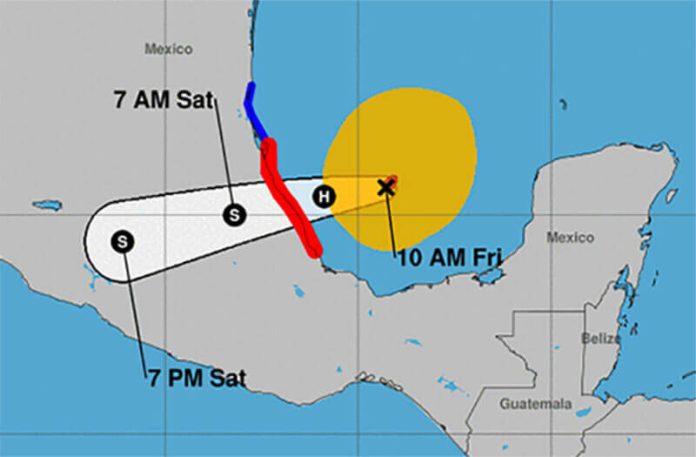
The forecast track of Hurricane Grace on Friday.
The forecast track of Hurricane Grace on Friday. us national hurricane center

Tropical Storm Grace has regained strength and was upgraded to a Category 1 hurricane Friday morning as it crossed the southern Gulf of Mexico in the direction of the state of Veracruz.

The latest weather advisory from the National Water Commission (Conagua), issued at 10:00 a.m. CDT, put Grace 250 kilometres northeast of the city of Veracruz and 325 kilometres east of Tuxpan with maximum sustained winds of 140 kmh and gusts up to 165.

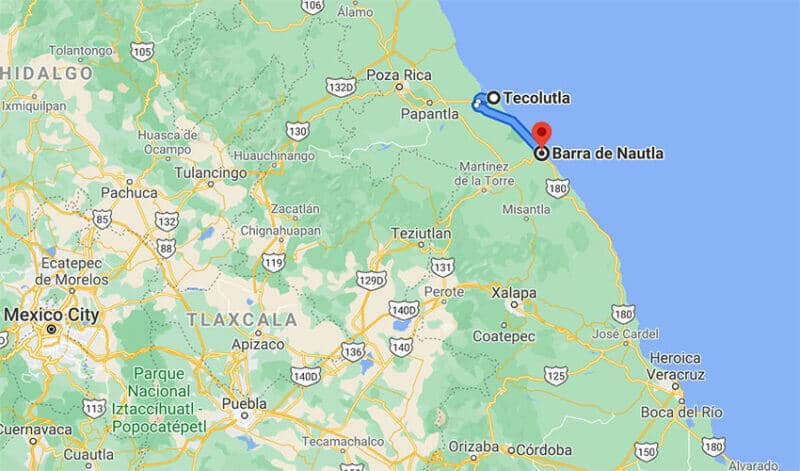
Forecasters predict the hurricane will strengthen to Category 2 and make landfall this evening or tonight between Tecolutla and Barra de Nautla, 135 kilometres west-northwest of the city of Veracruz.

A hurricane warning remains in effect between the city of Veracruz and Cabo Rojo and a tropical storm warning between Cabo Rojo to Barra del Tordo, Tamaulipas.

Conagua said torrential rainfall can be expected in regions of Puebla and Veracruz, with accumulated totals between 150 and 250 millimetres. Intense rains are predicted in Chiapas, Hidalgo, Oaxaca, San Luis Potosí, Tamaulipas and Tlaxcala. 

hurricane grace
Grace is predicted to move over the Veracruz coast between Tecolutla and Barra de Nautla.

Waves three to five meters high are forecast for the coast of Veracruz.

Grace made landfall early Thursday morning near Tulum, Quintana Roo, and crossed the Yucatán Peninsula into Yucatán as a tropical storm Friday morning. 

Neither state reported casualties or any serious damage.

The Federal Electricity Commission (CFE) said 150,000 customers on the peninsula were without power after it was cut off as a precautionary measure.

In Mérida, the power went off about 1:00 p.m. Thursday according to one CFE customer and didn’t come back on again until 11:00 p.m.

Mexico News Daily

US extends land border closure for another month due to rising coronavirus numbers

0
A vaccination center in Nuevo León
A vaccination center in Nuevo León, one of the border states where the process has been accelerated in the hopes of reopening the US border.

The United States has announced another month-long extension to the closure of its land borders with Mexico and Canada to nonessential traffic as all three countries record rising coronavirus case numbers.

“To minimize the spread of #Covid-19, including the delta variant, the United States is extending restrictions on nonessential travel at our land and ferry crossings with Canada and Mexico through September 21, while continuing to ensure the flow of essential trade and travel,” the Department of Homeland Security (DHS) said on Twitter on Friday.

In coordination with public health and medical experts, DHS continues working closely with its partners across the United States and internationally to determine how to safely and sustainably resume normal travel,” it added. 

The United States land border has remained closed to nonessential travel from Mexico since early last year. Mexico also banned nonessential land travel from the United States but numerous reports have indicated that the rule is not always enforced. It eased restrictions last April, allowing people to cross the border for nonessential reasons in states where the coronavirus risk level was medium yellow or green low on the coronavirus stoplight map.

Three of the six northern border states – Baja California, Chihuahua and Coahuila – are currently yellow on the map, while Sonora and Tamaulipas are high risk orange and Nuevo León is maximum risk red.

Mexico has been pushing for a reopening of the border with the United States, and prioritized the vaccination of residents of border communities to that end.

However, Mexico’s ever-climbing vaccination rate – more than six in 10 adults have received at least one shot – has failed to stem a growing third wave coronavirus outbreak fueled by the highly contagious delta variant. More than 23,000 new cases were reported Thursday, while a new single-day record of almost 29,000 cases was set Wednesday.

The United States’ decision to extend the closure of its land borders with Mexico and Canada – which has also seen an uptick in case numbers despite a high vaccination rate – recognizes the dangers posed by the easily transmitted delta strain. Only 51% of Americans are fully vaccinated against Covid-19, according to data compiled by The New York Times.

The decision contrasts with that of Canada, which has reopened its land border to nonessential United States travelers who are fully vaccinated and thus far less likely to be infected with and spread the virus.

The almost 18-month-long closure of the United States’ southern border travelers has dealt a heavy blow to many businesses in U.S. border towns and cities that brought in significant revenue in pre-pandemic times from consumers who live south of the border. In turn, businesses in Mexican border cities have benefited as locals spend at home rather than across the border.

When the U.S. eventually does open its land borders it, like Canada, is likely to require visitors to be vaccinated. It already requires people arriving by air to show a negative Covid-19 test result before boarding flights.

Mexico has not imposed any restrictions on incoming travelers, a policy that has helped the recovery of the tourism sector but has also been blamed for fueling coronavirus outbreaks in tourism hotspots such as Quintana Roo and Baja California Sur.

Mexico News Daily