




President Sheinbaum discusses ‘second shooter’ in Colosio assassination: Friday’s mañanera recapped
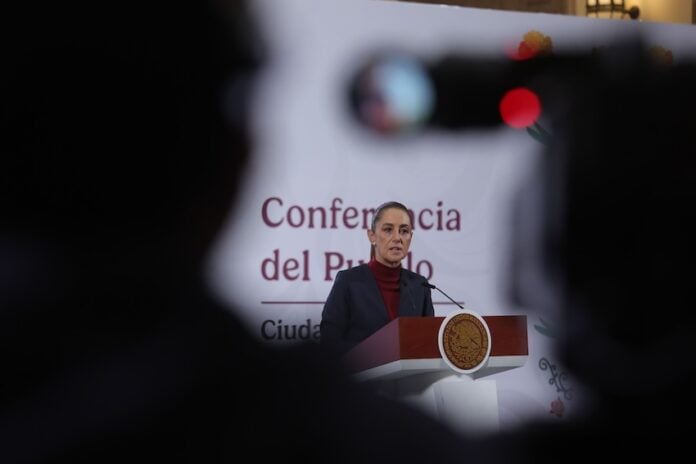
Tourism Minister Josefina Rodríguez Zamora took center stage early in President Claudia Sheinbaum’s Friday morning press conference, reporting that the number of international tourists — that is, foreigners who spent at least one night in Mexico — increased 6.4% annually in the first nine months of 2025 to reach 34.7 million
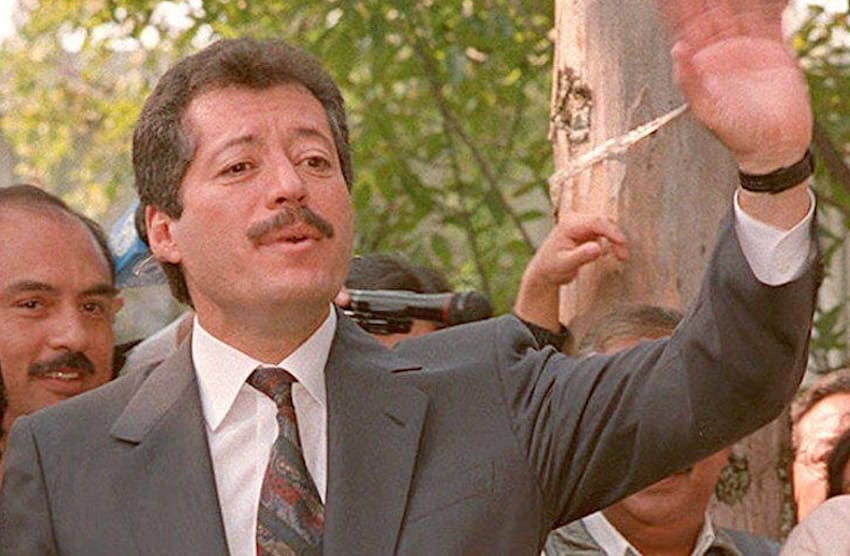
She also presented a new tourism strategy for the Caribbean coast resort town of Tulum — “Tulum Renace” (Tulum is Reborn), which focuses on making the destination “fairer, safer and more sustainable.”
·
Sheinbaum noted that one of the first actions of the strategy was the establishment of free access to beaches in Tulum, where lower-than-normal hotel occupancy rates and a sagging economy have recently caused concern.
Later in the press conference, the president responded to questions on a range of topics, including the government’s plan to legislate a 40-hour workweek and the three-decade old case of the assassination of a presidential candidate.
She also noted that many of the nation’s children aren’t entirely happy with her government’s actions.
40-hour workweek proposal could be presented to Congress this month
Sheinbaum told reporters that her government is continuing to work on a constitutional reform bill aimed at reducing Mexico’s standard workweek from 48 hours over six days to 40 hours over five days.
“I hope that the proposal can be presented [to Congress] this month,” she said.

Citing unnamed sources, the El Economista newspaper reported on Thursday that it was expected that the proposal would be submitted to Congress next Thursday Nov. 20, Revolution Day in Mexico.
Labor Minister Marath Bolaños said earlier this year that the government would gradually install a 40-hour work week before the end of Sheinbaum’s term in September 2030.
The president said on Friday that her administration is seeking “an agreement on the outline of how the 40-hour workweek will be implemented.”
She has previously highlighted the importance of consulting workers, union leaders, private sector representatives and others on how to transition from a 48-hour workweek — as set out in the Mexican Constitution — to a 40-hour one.
Sheinbaum stressed at the mañanera that her government is in favor of a 40-hour workweek, but wants the process required to get there to have input from all interested parties. She said that has been the case to date, and that “conflicts” have been avoided as a result.
In 2023, a committee of Mexico’s Chamber of Deputies approved a bill to reduce the workweek to 40 hours, but the proposal wasn’t passed by the full Congress.
New development in the 31-year-old Colosio case
A reporter noted that a former agent of the now-defunct Center for Investigation and National Security (CISEN), Jorge Antonio Sánchez Ortega, was arrested in connection with the 1994 assassination in Tijuana of Luis Donaldo Colosio, who was preparing to contest the 1994 presidential election as the candidate for the then-ruling Institutional Revolutionary Party, or PRI.
The Federal Attorney General’s Office (FGR) revealed early last year that it had formally accused Sánchez of firing one of two bullets that struck the 44-year-old politician on March 23, 1994. However, the evidence the FGR presented to a court in January 2024 was not able to convince the presiding judge to issue a warrant for his arrest.
Mario Aburto, who was convicted of murdering Colosio, remains in prison even though in late 2023 a federal court annulled the 45-year sentence he was given in December 1994.
On Friday morning, Sheinbaum acknowledged that a warrant had been issued for the arrest of the alleged “second shooter” — i.e. Sánchez Ortega.
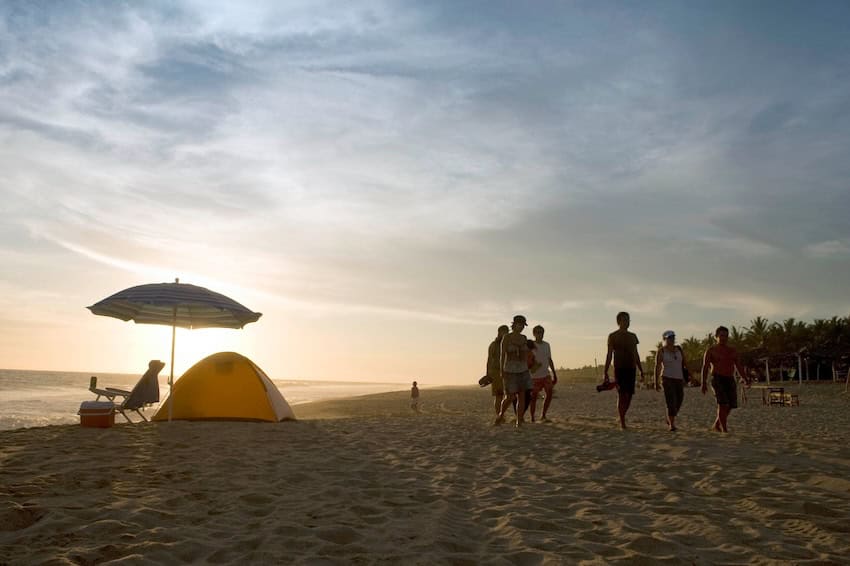
She also noted that former president Andrés Manuel López Obrador “effectively” said at one of his mañaneras that “this second shooter” was “allegedly taken out” of the Lomas Taurinas neighborhood of Tijuana — where the assassination occurred — by Genaro García Luna, a former federal security minister who worked for CISEN at the time. The implication was that García Luna helped Sánchez to avoid being implicated in the crime, even if he didn’t actually whisk him away from the scene.
“García Luna is quite a character,” Sheinbaum said of the man who is now serving a lengthy prison sentence in the United States following his conviction on charges that he colluded with the Sinaloa Cartel.
At a press conference in early 2024, López Obrador said that García Luna was accused of involvement in a government cover-up of the assassination of Colosio. He described the assassination of Colosio – who denounced corruption within the PRI, and almost certainly would have won the 1994 election – as a “state crime,” a view shared by many Mexicans.
As Mexico News Daily reported on the 25th anniversary of the assassination, “people continue to deny that Aburto is the true culprit.”
“Most fingers instead point at the PRI – an inside job against a candidate who was trying to shake things up a little too much and made some powerful enemies in the process.”
‘Claudia, bring candy back to schools’
Almost eight months after a ban on junk food in Mexico’s schools took effect, Sheinbaum said that every time she goes to a school students display “little signs” expressing their feelings on the matter.
“‘Claudia, bring candy back to schools,’ — that’s the greatest demand,” she said.
Sheinbaum said that during a visit to a school on Thursday, she told students:
“Sorry, on this … I have to be a mom, an aunt, or however you want to see me, but excessive sugar consumption is very harmful.”
By Mexico News Daily chief staff writer Peter Davies (peter.davies@mexiconewsdaily.com)
Buen Fin, the annual shopping extravaganza, kicks off across Mexico

Mexico’s answer to Black Friday and Cyber Monday got under way on Thursday with 215,000 businesses across the country advertising discounts and special offers as part of the five-day El Buen Fin shopping extravaganza.
Kicking off what is described as the “largest commercial festival in the country,” Octavio de la Torre, president of the Confederation of National Chambers of Commerce, Services and Tourism (Concanaco-Servytur), made the first purchase at the Solesta shopping center in Puebla city.
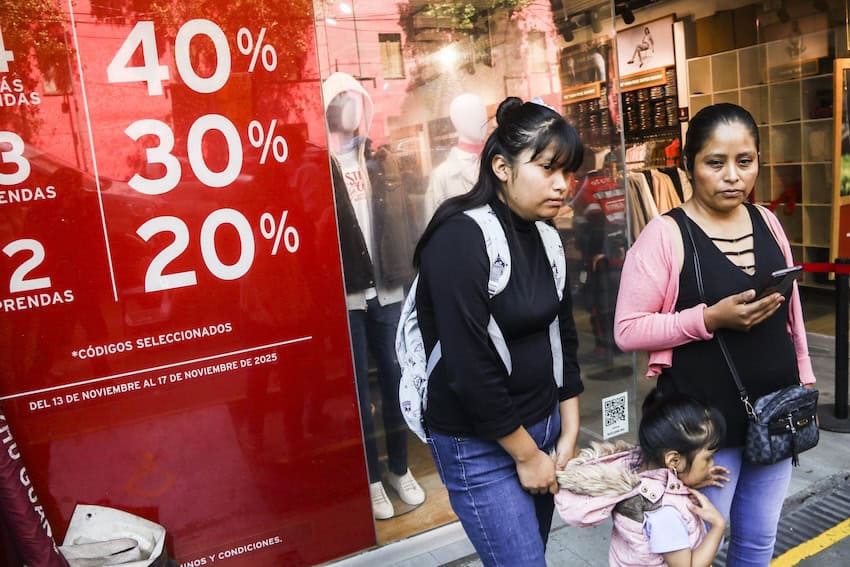
After paying for his item, De la Torre said El Buen Fin “unites companies, authorities and consumers around formal and responsible commerce.”
“El Buen Fin is no longer just a weekend of sales,” he said, “it is a national cause measured by how it improves people’s lives. Every purchase at a formal business or a registered family-run company helps keep money in our communities, generates jobs and provides security for families.”
Shoppers can expect to find deep discounts on consumer goods and services at businesses, shops and service providers registered on the official El Buen Fin platform.
Additionally, financial institutions such as BBVA, Banamex, Banorte, Scotiabank and Banco Azteca are offering interest–free payment plans, including “buy now and pay in 2026” promotions. Cashback programs and bonus points are also on offer.
El Buen Fin (roughly translating to “The Good Weekend”) was established in 2011 as a joint effort by the federal government, banking institutions and the private sector to stimulate the domestic economy and boost consumer spending.
Last year, El Buen Fin generated 173 billion pesos (US $9.4 billion) in sales during the four-day weekend. Concanaco-Servytur estimates that with an additional day of shopping this year nationwide sales will surpass 200 billion pesos (US $10.9 billion).
Although the business sector is committed to an orderly, transparent and legal exercise in commerce, the Federal Consumer Protection Agency (Profeco) encourages shoppers to shop at established stores, while advising buyers to limit online purchases to well-known sites and avoid offers on social networks.
Profeco will also be carrying out a nationwide operation to prevent abusive practices, false pricing and misleading advertising in order to ensure that offers are genuine.
Suppliers are legally obligated to honor advertised promotions and prices. Failure to comply can result in fines of up to 12 million pesos (US $655,000) for repeated offenses or fraudulent discounts.
The agency has tasked nearly 2,000 employees with surveillance duties and has set up 169 service modules and 337 mobile teams in major shopping centers and department stores.
Profeco is also providing consumers with immediate and free assistance through its ConciliaExprés and Concilianet services.
With reports from La Jornada, Record and El Economista
International visitation is up nearly 14% this year

Between January and September, Mexico’s international visitation increased by 13.9% over the same period last year, according to the Tourism Ministry.
In that period, Mexico received 71 million visitors, of which 34.7 million were international travelers who stayed overnight, which is 6.4% higher than last year. while the number of tourists off cruise ship passengers increased by 10.6% to a total of 8 million.
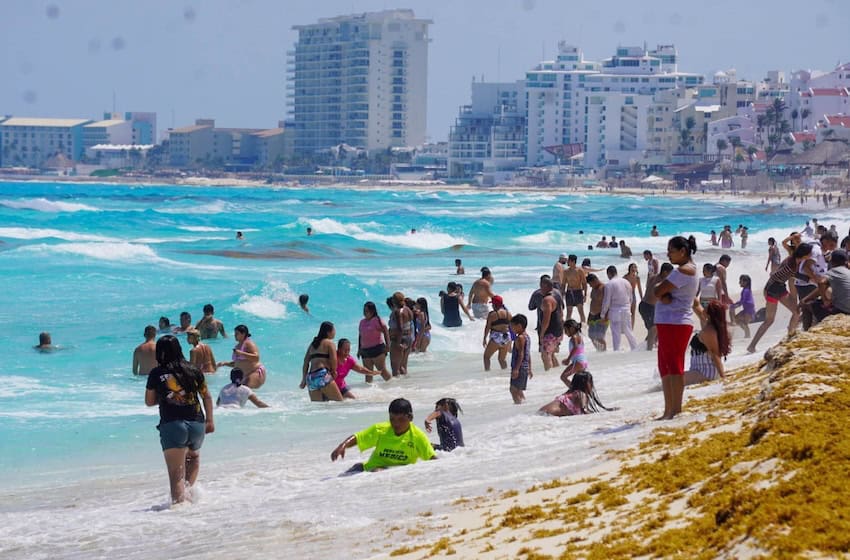
“The results we are presenting today foreshadow a historic 2026 for tourism in Mexico, a year that, with the boost from the World Cup, FITUR [the International Tourism Fair in Madrid, in which Mexico will play a prominent role] and other international promotional activities, will consolidate our country as a global tourism and cultural powerhouse,” Tourism Minister Josefina Rodríguez Zamora said.
Official figures also revealed that during the January-September period, foreign exchange earnings from international visitors amounted to US $25.7 billion — up 6.2% compared to 2024.
Rodríguez noted that as of the third quarter of 2025 the average spending by international tourists arriving by air also increased. According to the report, these travelers spent an average of US $1,242.60, marking a 6.1% increase compared to the previous year.
Replicating the same upward trend, the National Institute of Statistics and Geography (INEGI) revealed that September alone saw 7.28 million travelers enter Mexico, a remarkable increase of 16% compared to the same month of 2024. Of that September total, less than half (3,203,803) were foreign residents who spent at least one night in the country, which is actually down from last September. The rest were excursionists who did not spend a night in Mexico, usually cross-border day-trippers or cruise ship passengers.
Though spending increased over the first three quarters, average spending per tourist decreased by 11.1% in September, falling from US $285 in September 2024 to $253.36 this year.
Rodríguez said she expects an important increase in October, as it marks the onset of cold weather in the United States and Canada, which typically draws more tourists to the country.
She added that this current period is one of the busiest of the year for Mexico’s tourism sector, due to increased vacation travel, favorable weather here and improved air connectivity, reinforcing Mexico’s position as one of North America’s favorite destinations.
“Tourism activity continues to grow steadily and all indications show that 2025 will close as a historic year,” Rodríguez said.
Mexico News Daily
Following Mexico’s lead, US sanctions cartel-linked casinos across Mexico

Two days after Mexico announced the closure of 13 gambling establishments and websites involved in possible money laundering, the U.S. Treasury Department restricted access to the U.S. financial system for 10 Mexico-based establishments, accusing the Sinaloa cartel of using them to introduce illicit funds into the international financial system.
The U.S. Office of Foreign Assets Control (OFAC) sanctioned 27 targets in all, while the Financial Crimes Enforcement Network (FinCEN) took action against the 10 establishments, which are accused of laundering money for the Sinaloa cartel.

The casinos sanctioned include the Skampa in Ensenada, Baja California, and Villahermosa, Tabasco; the Palermo in Nogales, Sonora; the Emine in San Luis Río Colorado, Sonora; the Mirage in Culiacán, Sinaloa; and the Midas Casino chain, which operates in Mazatlán, Sinaloa, as well as Rosarito, Baja California, and other northwestern cities.
The OFAC and FinCEN worked closely with the Mexican government to target the Hysa Organized Crime Group allegedly responsible for the cartel-related money laundering and a slew of other criminal activities across Mexico and Europe.
In a U.S. Treasury press release, the coordinated action was described as “the result of recent U.S.-Mexico commitments … to work together more closely to combat narcotrafficking and related financial crime by Mexico-based drug cartels and other groups.”
John K. Hurley, the U.S. undersecretary for Terrorism and Financial Intelligence thanked Mexico for its cooperation in the operation, which was secured during his visit to Mexico City on Sept. 18.
“Our message to those supporting the cartels is clear: You will be held accountable,” he said.
According to the Treasury, the primary target of the operation, the Hysa family, “has used its influence through its investments in, or control over, various Mexico-based businesses — including gambling establishments and restaurants — to launder the proceeds of narcotics trafficking” for the Sinaloa cartel.
The newspaper El Universal pointed out that the operation against the Hysa family — originally from Albania — came less than three months after Sinaloa cartel co-founder Ismael “El Mayo” Zambada, now in U.S. custody, accepted a plea agreement.
On Tuesday, Mexico’s Finance Ministry blocked operations at 13 casinos where multimillion-dollar cash transactions, the cross-border movement of illicit funds and the use of unsupervised digital platforms were detected.
Security Minister Omar García Harfuch said that an inter-institutional investigation uncovered the criminal activity, identifying 13 physical and virtual gambling houses where irregular operations were detected. The casinos in question were operating in the states of Jalisco, Nuevo León, Sinaloa, Sonora, Baja California, México state, Chiapas and Mexico City.
Today, Treasury issued sanctions and has taken steps to cut off numerous Mexico-based gambling establishments involved in cartel-related money laundering.
We will continue to target those involved in supporting terrorist drug cartels.
— Treasury Department (@USTreasury) November 13, 2025
As a result of the findings, criminal complaints were filed with the Federal Attorney General’s Office and the Tax Prosecutor’s Office was notified. All activities at the sites in question were suspended, while websites and bank accounts were blocked.
On Wednesday, President Claudia Sheinbaum acknowledged that Mexico’s casino law needs to be updated.
“Today, a great many bets are placed digitally … there are many [digital casinos] … advertised on social media platforms, television, etc.,” Sheinbaum said, adding that she supports tightening regulations governing casinos and digital gambling platforms.
On Thursday, Mexico announced it had sanctioned five more companies it suspected of money laundering. The Mexican government did not name any of the 18 shuttered sites, but Grupo Salinas, controlled by magnate Ricardo Salinas Pliego, said it operated two of the targeted casinos and denied wrongdoing.
A columnist for the newspaper El Universal questioned why the previous administration did not fully investigate the Hysa family.
Mexican authorities opened a money-laundering investigation against the Albanian family in 2022, but it failed to progress and the case was dropped despite reports of an alliance between the so-called Albanian mafia and the Sinaloa Cartel.
With reports from The Associated Press, Reuters, La Jornada and CNN en Español
US Secretary of State Rubio rules out unilateral military action in Mexico
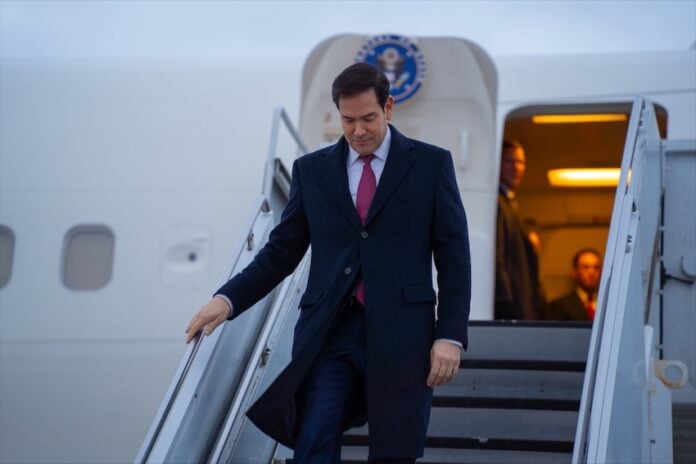
The U.S. will not be sending military forces to Mexico or undertaking any unilateral actions in the fight against drug trafficking, U.S. Secretary of State Marco Rubio said on Thursday.
“The United States will give support to Mexico against drug cartels only if the Mexican government makes a request,” he said. “We can provide them all the help they want, but obviously if they don’t want us to intervene, we’re not going to take unilateral decisions and … send American forces into Mexico.”
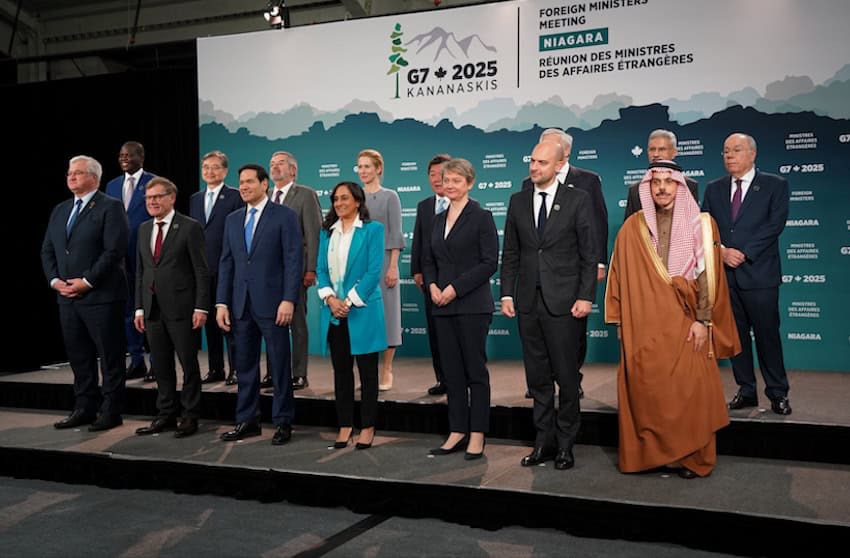
Rubio made these comments, which seemed timed to quell recent rumors of an imminent unilateral U.S. action, upon arriving in Hamilton, Ontario, ahead of the G-7 foreign minister meetings.
The U.S. secretary of state voiced concern about the escalating violence in the western state of Michoacán and elsewhere when asked about the Nov. 1 murder of Uruapan Mayor Carlos Manzo.
“There’ve been other mayors … journalists, different politicians and different judges who are victims of organized crime that controls and governs certain zones within Mexico,” he said.
Rubio confirmed that the U.S. government is committed to eradicating the cartels that “have more power than the federal forces.”
“These cartels are very powerful, you don’t have to be ideological to be a terrorist,” he said, confirming that he views them as terrorists, especially because “in many cases they possess better weapons, better training and more capabilities … than local and national forces.”
The U.S. foreign minister also decried the fact that “no one is talking about … the rise of these Foreign Terrorist Organizations (FTOs).”
In February, U.S. President Donald Trump designated six Mexican cartels as FTOs.
Rubio said the U.S. is ready to provide Mexico with equipment, training and the exchange of intelligence, adding that “there are many types of things we can do if they ask … but they have to ask for it.”
Rubio’s comments were in contrast to a recent report that the U.S. government was preparing a mission to send troops to Mexico.
Report: Trump administration is planning a manned mission to fight cartels in Mexico
Citing current and former U.S. officials, NBC News reported on Nov. 3 that the U.S. “has begun detailed planning for a new mission to send American troops and intelligence officers into Mexico to target drug cartels.”
The report claimed that four current and former U.S. officials confirmed that the initial stages of training for ground operations within Mexico’s borders had already begun, although they insisted “deployment is not imminent.”
With reports from El País, Border Report and Milenio
The Gulf of California is getting hotter. What does that mean for the people and fish that live there?

Key highlights
- A recent study conducted on the remote Isla San José, in Baja California Sur, identified a loss of species due to rising temperatures in the Gulf of California.
- Researchers detected up to 40% less diversity of fish species in a little-explored area of Mexico’s most productive region.
- The research also established a baseline for the study of invertebrates, especially sea slugs, which were recorded for the first time on Isla San José.
- Authors of the oceanographic monitoring study said funding and public awareness of scientific issues were the greatest challenges for conserving the ecosystems of the region’s third-largest island.
The Gulf of California is warming rapidly, a fact that is even impacting remote areas like Isla San José — located north of the city of La Paz — where a recent study by the Autonomous University of Baja California Sur (UABCS) detected not only a temperature increase, but also the loss and displacement of fish and invertebrate species, as well as the deterioration of rocky reefs and changes in wetlands.
The research is part of the Isla San José Marine Research Program, which compares biological communities documented in 1999 and 2005 with information collected between 2024 and 2025 on the third-largest island in the Gulf of California, which functions as a sort of “natural laboratory” for analyzing the effects of climate change thanks to being uninhabited and having little human activity.
The island has been privately owned since 1887. At one point, it was the site of artisanal gold and salt mining, but most of the island is relatively untouched, with few changes to its ecosystems.
For scientists from the Academic Department of Marine and Coastal Sciences at UABCS, the preliminary results of the research demonstrate an ecological transformation and form a baseline that could help prevent impacts on fishing and the coastal Gulf of California communities that depend on it. The region is the source of roughly 50% of Mexico’s seafood and fishery products.
Program biologists who participated in the monitoring and data analysis explains the research results.
40% less diversity in fish species
Average water temperatures in the Gulf of California have increased up to 3 degrees Celsius, impacting the productivity of the area, where the study detected 40% fewer genuses of fish species, compared to the last monitoring conducted on Isla San José between 2001 and 2002.
According to the study, which included 33 field monitoring sessions, of the 76 genuses detected in 2001 and 2002, only 46 were found from 2024 to 2025 — despite the fact that the researchers found a greater average number of specimens in each monitoring session. In other words, they found a higher quantity of species but less diversity.
Biologist Isabelle Nelson explains that this has implications not only for species living in the Gulf of California, but also for coastal communities who depend on fishing for their livelihood.
“Species richness was 40% lower than what had been found in 2001, a very shocking decline for the time frame we’re talking about,” she says.
She adds that fishing hotspots such as El Pardito and San Evaristo have also been involved in monitoring actions. “They’re the ones who fish in all the surrounding areas and they’ve told us that the quantity of fish of commercial interest has changed,” Nelson said.
It is not an isolated finding: The research also indicates that there are changes in the composition of rocky reefs, a common Gulf of California ecosystem formed by varied outcrops of rock. The reefs are essential for colonies of algae and invertebrates as well as offering refuge for other species.
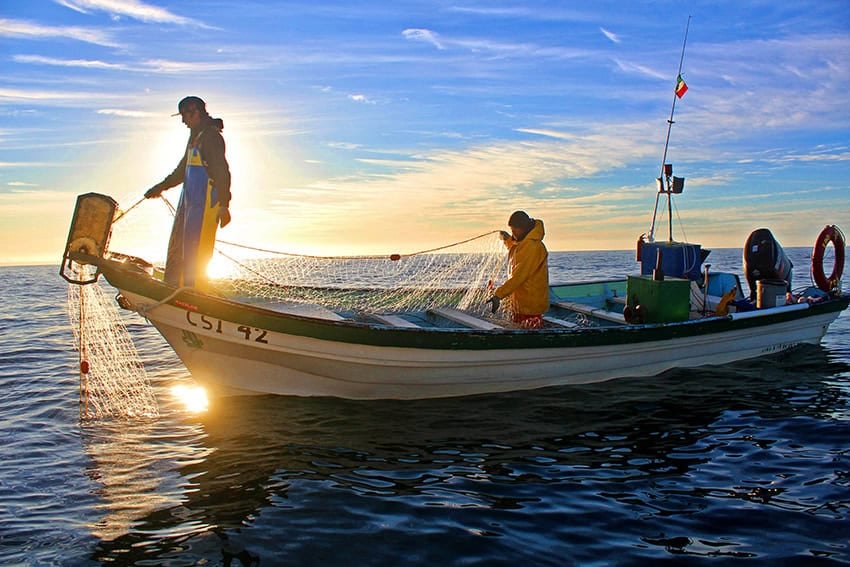
“Rocky reefs, reefs in general, are the foundation of marine life and ultimately are super productive environments where many animals will have their offspring, lay their larvae. If these ecosystems are not healthy, the base for everything else is not functioning,” the biologist warns.
These findings coincide with other studies on species living in the Gulf of California, such as Pacific red snapper (Lutjanus peru), known as huachinango in Mexico, a key commercial species in the country. According to research published in the journal Science Direct, this fish could experience a drastic change in its marine distribution due to ocean warming. Such a change would hurt fishing communities, as snapper accounts for up to 72% of their income.
The disappearance of marine species has also been studied in crustaceans like California spiny lobster (Panulirus interruptus), another commercially important species, which has recorded low catch levels due to increasingly intense and prolonged heat waves associated with the climate crisis.
Mariana Gámez, a biologist and another author of the study, points out that ocean warming in the Gulf of California affects more than temperature. It also leads to the depletion of nutrients in the water. With less dissolved oxygen available, some species are unable to adapt in their original area of distribution.
“What we are seeing with the results from Isla San José is a tropicalization of species. If normally the water was at 20 degrees, but now it’s at 23, they will leave, they will seek lower temperatures and where there are more nutrients,” she explains.
These alterations were also identified in the estuary of Bahía Amortajada, a little-studied coastal wetland, according to the investigation, which was led by José Alejandro Ramos Rodríguez, a marine science researcher at UABCS.
Invertebrates, an understudied indicator of health in natural systems
The research team also studied invertebrate species living around Isla San José. There is little previous research on invertebrates in the area, despite their importance in marine ecosystems.
Most were corals, making up 64.6% of the invertebrates found by the team, followed by worms (12.7%), sea urchins (10.6%) sea slugs (4.7%) and snails (3.5%).

The local decrease in these species was once again evident. For example, while researchers found more than 400 individuals per sampling site between 1999 and 2000, the recent study only found nine starfish, with six belonging to a single species: the crown-of-thorns starfish (Acanthaster planci).
Although the creatures have a range of adaptation for dealing with changes in their environments, Gámez maintains that there is still much to learn about the ecological imbalances that can cause these species to disappear.
Among their findings, the research team highlights the identification of sea slug species that were known to occur in the Gulf of California, but had not previously been identified on Isla San José.
For the first time, the monitoring team detected 119 specimens of eight sea slug species in the area: Elysia diomedea, Felimida norrisi, Felimare californiensis, Edmundsella bertschi, Chromolaichma sedna, Felimare agassizii, Berthellina ilisima and Rostanga pulchra.
Biologist Mariana Núñez de Cáceres-García, who was in charge of sea slug monitoring, points out the importance of this study for understanding changes in the populations of these species.
“It’s a monitoring that we just starting, taking into account oceanographic factors. That way, we can see how the abundances of sea slugs is affected by other conditions. And getting to know the composition [of different species] at the sites,” she explains.
Núñez also studied the sea floor to see whether it was composed of rocks, sand or algae and understand what conditions allow sea slugs to survive in the area, since sea slugs are known to reflect the quality of ecosystems.
“They are known to be potential bioindicators, according to various authors. If there is a greater presence of algae, there may be a greater presence of sea slugs, and if there are changes in temperature, in nutrients, this is reflected in the sea slug population, since they are more sensitive to those changes,” the biologist says.

She noted that during monitoring there were marked differences in species that were observed at five points on the island, which measures about 30 kilometers in length. “This gives us an interesting window within the same island, where species behave differently,” she notes.
Challenges for research
The study’s authors highlight conditions that make Isla San José important for studying climate impacts in the Gulf of California, one of the most biodiverse regions of Mexico.
However, they recognize that there are information gaps that currently not allow better measures for its conservation.
“We cannot conserve something we don’t know about, and this type of study teaches us about the health of the fish, invertebrate and sea slug communities of an ecosystem. It shows us how it has changed in the last 20 years and how to prepare for the future,” Nelson says.
The researchers say they will continue with new phases of study in 2026, incorporating monitoring with better tools, like remotely operated vehicles (ROVs). However, they highlight the need for both public and private funding for the investigations.
“One of the biggest challenges is the difficulty in reaching the island because although it’s three hours by boat, the planning of the entire project involves very important logistics: diving equipment, boats, captains and the team that will be working in the field,” says the biologist about the funds and logistics necessary for monitoring the island.
Gámez also highlights the dissemination of the findings with local communities so that they can take ownership of these regions and conserve them, despite the distance and their limited accessibility.
“The main thing is dissemination, that people know about Isla San José, because when I talk to La Paz city residents, very few know about the existence of this island,” she says.
For the scientists, understanding the transformations of these ecosystems is what will allow them to continue conserving life in the waters that oceanographer and explorer Jacques Cousteau named “the aquarium of the world.”
This article was written by Gonzalo Ortuño López and published by Mongabay Latam. It was translated from Spanish to English by Mexico News Daily editor Rose Egelhoff.
La casa chica: The rise and fall of Mexico’s institution of second families

The first time I heard the term “casa chica” was years ago, before I moved to Mexico. A friend and I were chatting about our favorite topic — men — and she referenced the term. “A what?” I asked, understanding the literal definition (small house) but not the societal one. “A casa chica! You know, the house where the mistress and her kids live. It’s a Mexican thing.”
In fact, I didn’t know, but it was enough to pique my interest. After digging a bit, I discovered that a casa chica, beyond mere infidelity, was a complex social institution that has shaped contemporary attitudes on marriage, class and power in Mexico. How many of these apartments I walk by in Mexico City are hiding second families? As it turns out, not many. Laws have been put in place to prevent such circumstances. But a mere 150 years ago, the capital would have been crawling with them.
Colonial origins and Catholic constraints
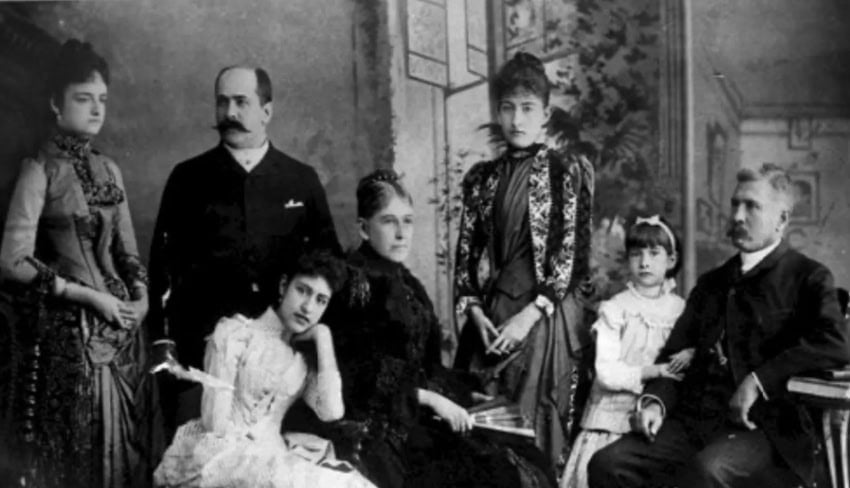
According to the Universidad Nacional Autónoma de México (UNAM)’s Revista de Derecho Privado, la casa chica is a “formal and stable relationship in which a married man establishes a second home with another woman.” It was once described by the Los Angeles Times as “an enduring Mexican institution” despite parallels in other Catholic colonial societies — particularly the Spanish, French and Portuguese Caribbean, where concubinage and mixed unions were tolerated as long as they were discreet. However, unlike Europe, where mistresses were typically of noble blood, elite Mexican men sought lovers among the Indigenous or mestizo classes who lacked what they could offer: financial stability.
In New Spain, only church-sanctioned marriages were considered legitimate and divorce was forbidden. Mexico’s strict societal rules meant Europeans married Europeans; mestizas and Indigenous women were considered morally suspect and sexually promiscuous. Therefore, marriages were more a product of class arrangement than a love relationship and thus, la casa chica was born.
In part, the second home derived from desire — a place for the man to relax, as it were — but it also arose from prestige. Only men with substantial wealth had the means to support two households, often with two sets of children. Having a casa chica showcased status and elite ranking, as those from the lower rungs of Mexican society could never afford it.
The art of maintaining a double life
Logistically, there was a lot to juggle — whispering neighbors, in-house staff and daily agendas — so maintaining a casa chica was an art in itself. Archival research reveals that during the Porfiriato (1876–1911), secondary households clustered in middle-class neighborhoods like Santa María la Ribera. The more casa chicas on the block, the better chance the arrangement would be accepted by the local community. Moreover, these neighborhoods were a safe distance from the primary household, ensuring schools and church services would never overlap. Of course, there was less chance to be caught red-handed, and men had to carefully coordinate schedules between their two households. Work, business trips or seasonal estates were often used as cover for visits to their second families.
Since the secondary house ran as a carbon copy of the primary house, it had its own set of staff that had to be managed and, above all, trusted. The job was given to Indigenous or lower-class mestizo women whose loyalty was compensated with room and board as opposed to formal wages. Servants who broke confidence faced not just dismissal but the inability to secure future employment. This was a preferable arrangement — it was easy to hide the payment. As for the secondary woman, the money she needed to live and raise their children came in the form of “donations” (INEHRM). When the men died, women from casa chicas faced destitution unless they had been fortunate enough to receive property donations or have their children acknowledged in wills.
The primary wife and family remained in an equal state of limbo. Adultery was illegal under the 20th-century Penal Code, but that didn’t mean it was enforced. Prosecutions could proceed only upon a wife’s formal complaint, at which point she’d risk losing both her partnership and her social dignity. It wasn’t until the 1983 amendments to the Federal Civil Code that a turning point came to Mexican family law. For the first time, a concubinato (non‑marital, long‑term cohabitation) was formally recognized as a legitimate domestic category. This extended inheritance rights to partners who had either cohabited for two years or shared children, a reflection of the fight put up by scholars such as Patricia Kuri García, who argued that Mexico’s “invisible families” deserved legal recognition.
The decline of an institution

What Guadalupe Loaeza once described as the “golden age of double lives” would, like all golden ages, eventually come to an end.
Three major trends contributed to the casa chica’s decline: expanding divorce laws, women entering the professional workforce and feminist movements challenging “institutionalized infidelity.” Mexico’s infamous double standards were now at risk, and the respect once garnered by sustaining a casa chica started to diminish. By the 21st century, a casa chica was no longer thought of as an art, but rather, a plain old love affair.
When labeled as such, this particular extramarital activity pervades with tenacity in Mexico — according to a 2019 study made by Universidad Autónoma de Nuevo León in Monterrey, around 6 of 10 men and 3 of 10 women reported having at least one current or previous partner outside of their marriage in the previous year. Another 2025 study by the Instituto Nacional de Estadística y Geografía (INEGI) found that 30.6% of Mexican men and 12.8% of Mexican women admitted to sexual infidelity within the last year.
If we take the average of these two statistical findings, roughly 45% of men and 21% of women have — admittedly — strayed. Begging the question: has the casa chica truly fallen, or has it simply adopted a modern form?
UNAM sociologist Lucía Melgar claims the latter, saying we’re simply living in “the dematerialized casa chica era,” where relationships are maintained through apps and messaging platforms without the formal domestic architecture of the past — in other words, the casa chica without the casa.
Social media and dating apps have made secret relationships accessible beyond the wealthy elite who once monopolized the role. However, these contemporary arrangements lack the economic protection and semi-legitimate social status that historical casa chicas provided. The legacy of the casa chica culture persists in Mexican attitudes that still show greater tolerance for male infidelity than female, though this gap continues to narrow among younger generations.
Famous cases and historical figures
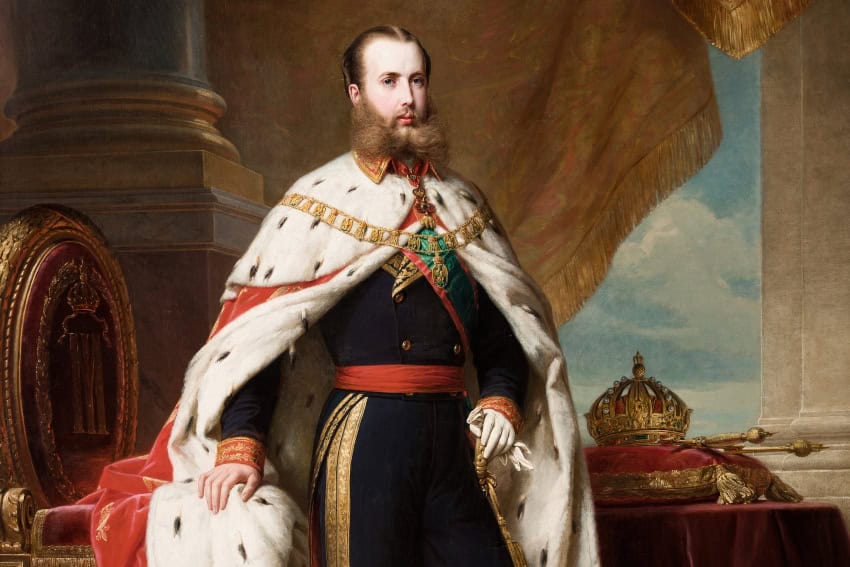
Mexican history is riddled with rumors of famous men and their hidden — and sometimes not so hidden — lovers, revealing how casa chicas intersected with power, politics and public image in Mexican society.
Stories of Emperor Maximilian I have been swirling for centuries regarding his supposed mistress and illegitimate son, for whom he allegedly kept a secondary home near Cuernavaca. Historians such as Enrique Krauze and Tina Schwenk dispute the claim, but that doesn’t stop the legend from living on.
Francisco “Pancho” Villa is reported to have had multiple recognized spouses and secondary households. Mexico Desconocido claims he had up to 23 partners and at least 26 children despite his civil marriage to Luz Corral de Villa of Chihuahua. Villa’s multiple alliances served both personal and political purposes; he likely used these relationships to guarantee regional loyalties during the Revolution. It’s said that 22 widows attended his funeral.
A married José López Portillo (President of Mexico from 1976 to 1982) met actress Sasha Montenegro in 1984 in Spain, and within three years fathered two of their children. After his presidency ended, he divorced his wife and married Sasha, provoking a national scandal that went beyond romantic limits and crossed into political corruption. After the pair moved into one of four mansions on his 12-hectare compound in an upscale Mexico City neighborhood, revelations emerged that it had been built with redirected state funds.
Bethany Platanella is a travel planner and lifestyle writer based in Mexico City. She lives for the dopamine hit that comes directly after booking a plane ticket, exploring local markets, practicing yoga and munching on fresh tortillas. Sign up to receive her Sunday Love Letters to your inbox, peruse her blog or follow her on Instagram.
The real costs of buying a home in Mexico
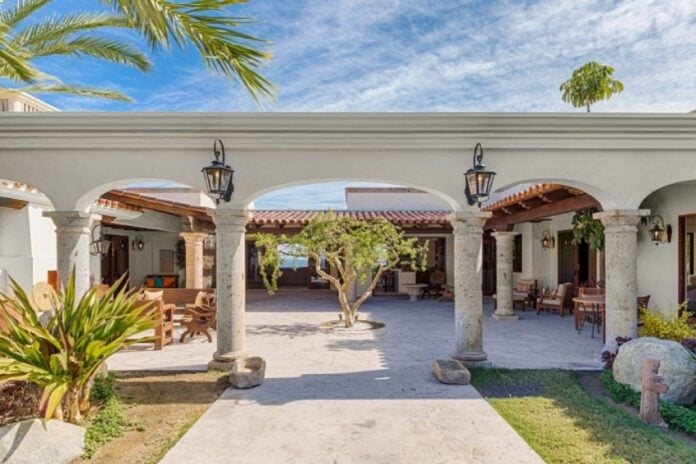
Buying a home in Mexico can be a reasonably straightforward process, but it’s not without potential surprises — especially when it comes to closing costs and related expenses.
For many foreign buyers, the final amount they pay at closing ends up higher than expected simply because they didn’t budget for all the details that go into purchasing a home here. Understanding those costs up front can make the process less stressful and help you make better financial decisions.
Closing costs: What to expect
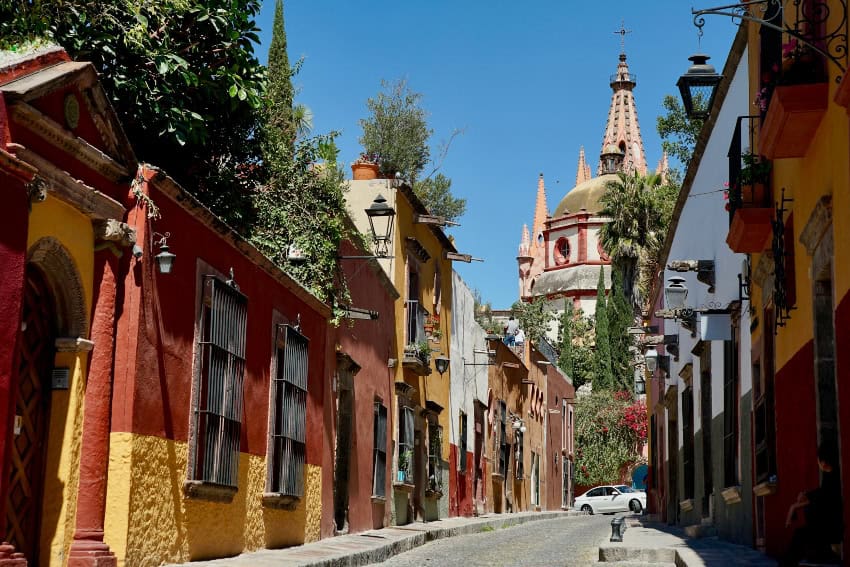
Closing costs are generally higher in Mexico than in the United States and can vary depending on where you buy. In San Miguel de Allende, for example, they typically range between 5% and 6% of the purchase price, but for Querétaro, barely an hour away geographically, the percentages tend to run higher — closer to 8%.
These amounts do not include any loan origination fee a buyer might pay when financing a purchase. For example, if you use a U.S.-style mortgage from a lender specializing in foreign buyers, there may be an origination fee in addition to regular closing costs. That means your total costs could rise to around 8% or 9% of the property’s price.
Buyers are responsible for all closing costs in Mexico, while sellers typically pay the real estate commission. This division of costs is standard practice across the country.
What’s included in closing costs in Mexico for real estate
Closing costs generally cover three main categories:
Acquisition Tax: A government tax charged when a property changes ownership. This is similar to a transfer tax or stamp duty in other countries.
Notary Fees: All real estate transactions in Mexico must be formalized before a notary public (notario público). The notary’s office verifies the title, oversees the legal transfer, collects taxes and registers the sale with the government. Fees vary slightly by notary, but they’re generally consistent within a region.

Legal Fees: Many buyers also pay a lead attorney’s fee, which covers legal review of title documents, due diligence and administrative fees for the attorney’s time in coordinating between the notary, buyer and seller.
These costs are typically bundled into your final statement at closing, so it’s important to review the breakdown carefully. Most notaries and attorneys in a given region follow similar fee structures, so significant variations from the norm should raise a red flag. A competent realtor should be able to give you a good idea of what the norm is for your area.
Negotiating the price
Home prices in Mexico are often negotiable, and your real estate agent can assist you with negotiations. It’s common to see final sale prices come in at 5% (or maybe a little more) below the initial asking price, depending on market conditions, property age and seller motivation.
Working with a local agent who understands the market can help you determine what’s reasonable to offer. While bidding wars are rare in most areas, desirable homes — especially in popular locations — can still attract multiple buyers, so flexibility is key.
Furnished or turnkey homes
One pleasant surprise for many foreign buyers is that homes in Mexico are often sold furnished, or even turnkey, meaning they come fully equipped and ready to move in. “Turnkey” usually means everything is included: furniture, appliances, kitchenware and sometimes even artwork and linens. You might only need to unpack your clothes and toothbrush before settling in.
That can be a real advantage for buyers relocating from abroad, as furnishing and outfitting a home in another country can take time and effort. However, it’s always wise to confirm in writing exactly what’s included. Some sellers remove personal items or heirlooms in a home before closing, so make sure your purchase agreement clearly states what stays with the property.
If you’re buying an unfurnished home — or just want to bring some of your stuff with you — Mexico allows foreigners with a recent visa a one-time permit to import their personal possessions without paying any duties, which means you can also bring items from home with you in the move — even large items like furniture and a car. However, customs agents at the border have complete discretionary authority, so be aware that if they believe any of your items are brand-new, they may insist on charging you import duties on those items.
After the purchase: Property taxes

Once you’ve closed, you’ll encounter another pleasant surprise: Property taxes in Mexico are extremely low compared to the United States, Canada or Europe.
In many cities in Mexico, annual property taxes (known as predial) can often be paid online, and the amounts are modest — sometimes only a few hundred dollars a year, depending on the property value and location. This low tax burden is one reason Mexico continues to attract retirees and second-home buyers from abroad.
Still, it’s important to stay current with your payments. Late fees and penalties can add up over time, and unpaid taxes can complicate future sales.
Fideicomisos: What coastal buyers need to know
If you’re purchasing a home near Mexico’s coastline or within 100 kilometers of a foreign border, you’ll need to establish a fideicomiso — a bank trust that holds the title on your behalf.
Under Mexican law, foreigners cannot directly own property in these restricted zones. However, a fideicomiso gives you full control over the property, including the right to sell, lease or pass it on to heirs, who can easily renew the fideicomiso.
According to Christina Larson of Boardwalk Realty in Puerto Vallarta, one of Mexico’s most active coastal real estate markets, where fideicomisos are required, setting up the trust costs around US $2,000, with annual maintenance fees of about $500. This fideicomiso lasts 50 years and can be renewed for another 50 when it expires.
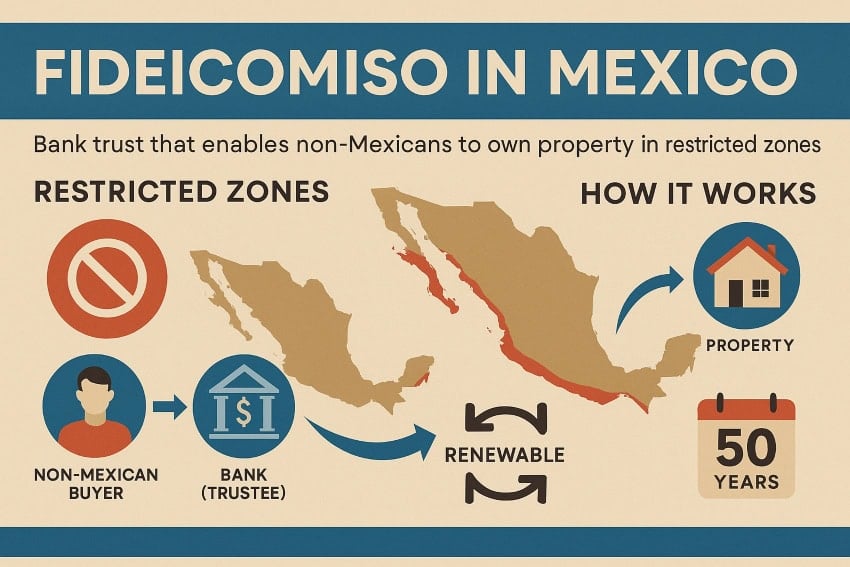
While it adds another step to the process, Larson explained that a fideicomiso is straightforward once you’ve chosen a bank to administer the trust. It’s a well-established system that thousands of foreign homeowners in Puerto Vallarta and other coastal resort cities use without issue.
Renovation and building costs
For buyers interested in renovating an older home — or building one from scratch — costs in Mexico are generally significantly lower than in other parts of North America and Europe. Labor is more affordable, and materials can often be sourced locally.
In most cases, you’ll work with an architect who has his own construction crew. The key is to find someone reputable who understands both your vision and the local building codes.
Renovation projects in Mexico can be rewarding, particularly if you appreciate the country’s architectural styles and craftsmanship.
Why local expertise matters
Real estate markets in expat enclaves in Mexico have often adjusted themselves to suit attractive foreign buyers, so buying in these places may feel rather familiar — especially to Americans and Canadians. But there are still key differences that make it advisable to work with a knowledgeable local realtor.
A local agent can help you:
1) Understand the true costs of purchase, including taxes and fees.
2) Negotiate effectively in the local market.
3) Coordinate with trusted notaries, attorneys and escrow services.
4) Guide you through cultural and procedural differences that might otherwise cause delays or misunderstandings.

Mexico’s real estate market operates smoothly when all parties know the rules and communicate clearly, but it’s not identical to systems outside the country. Having the right guidance from the start can save time, money and stress.
The bottom line
Buying a home in Mexico remains an appealing and attainable goal for many foreigners, but it’s important to go in with open eyes and a well-planned budget. Between acquisition taxes, notary and legal fees, and possible financing costs, closing can add anywhere from 5% to 10% to the total purchase price.
Factor in these costs from the start, confirm what’s included in your purchase, and rely on an agent you trust to guide you through the process. With the right preparation, owning a home in Mexico can be a rewarding experience and a sound investment.
Glenn Rotton is a real estate agent with eight years of experience in San Miguel de Allende. Originally from Seattle, he has lived in Mexico for twelve years with his husband, Kiang Chong Ovalle, and their dog, Angus. Read more about Glenn here.
Sheinbaum decries revictimization by opposition leaders after her sexual assault: Thursday’s mañanera recapped
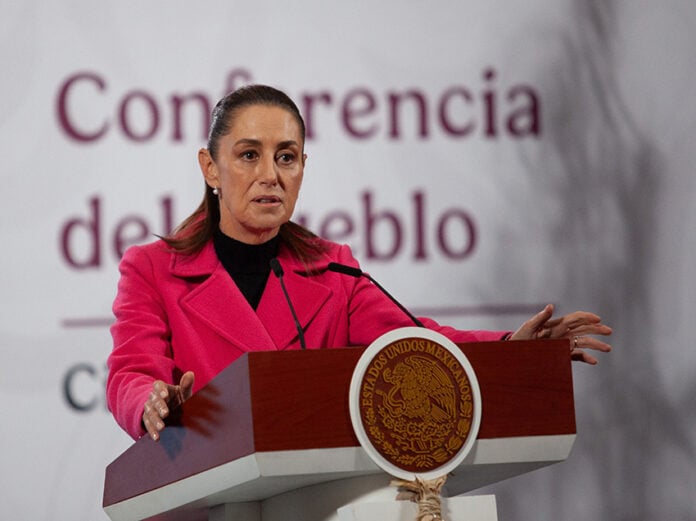
At the start of her Thursday morning press conference, President Claudia Sheinbaum commented that the Treasury Hall of the National Palace looked like a cornfield as it was adorned with corn plants, corn cobs and baskets of corn kernels.
The reason for the decoration was that the government presented its National Native Corn Plan, subtitled “El Maíz es la Raíz” (Corn is the Root).
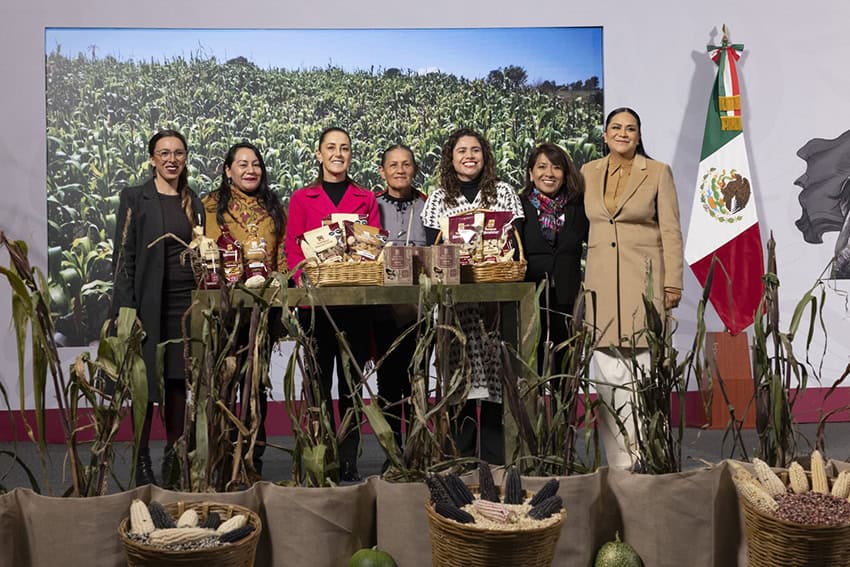
The objective of the plan is to “promote the conservation, production, processing, and marketing of native Mexican corn, [while] strengthening community agri-food systems,” said María Luisa Albores González, general director of the government’s Food for Well-Being department.
Later in the press conference, Sheinbaum spoke about recent criticism she and her government have received, as well as claims that the sexual harassment she suffered last week was a “setup.”
Sheinbaum acknowledges that criticism of her government is inevitable
After a reporter asked her whether she was concerned about criticism of her government, Sheinbaum noted that Andrés Manuel López Obrador used to say that no previous president had been subject to such an “offensive” from the media and others as him.
The president subsequently asserted that she and her government are getting close to reaching the level of criticism that AMLO was subjected to during his presidency.
In an attempt to prove her point, she pointed to criticism she and her government received over the past month for its response to severe flooding in five states, and in the wake of the assassination of Uruapan mayor Carlos Manzo, who had called on the Sheinbaum administration to ramp up the fight against organized crime.
Referring to the criticism over the government’s flood response, Sheinbaum asserted that a lot of it came from social media bots.
“They said [it was] half organic, half bots; Yes, but if there weren’t bots there wouldn’t be the organic [criticism] because they drive it,” she said.
With regard to criticism after the murder of Manzo, Sheinbaum said that the “offensive” against her government was “full of money,” although she didn’t specify who she believed had funded it.
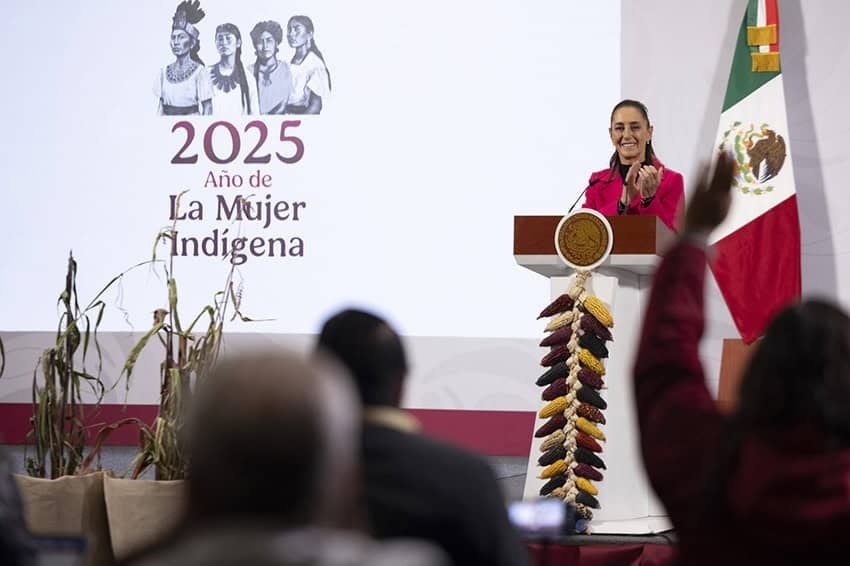
She went on to say that criticism will occur no matter what she and her government do.
“They will criticize us for everything: if we do something, they will criticize us for doing it; if we don’t do something, they will criticize us for not doing it; if we do ‘A,’ they will criticize us for doing ‘A’; if we do ‘B,’ they will criticize us for doing ‘B,’ Sheinbaum said.
Sheinbaum rails against claims that the sexual harassment she suffered was a ‘setup’
Nine days after she was inappropriately touched by a man while walking in the historic center of Mexico City, Sheinbaum turned her attention to claims that the incident was a “setup” to distract attention from more serious issues, such as political violence.
Such claims came from ordinary Mexican citizens, and also from high-profile ones such as Senator Alejandro Moreno, who is also the national president of the Institutional Revolutionary Party.
Sheinbaum likened the claims to comments women commonly receive after they have suffered acts of sexual harassment or abuse.
President Sheinbaum files criminal complaint after groping incident on the streets of Mexico City
“They make us feel guilty. … [It’s] revictimization,” said the president, who also railed against newspapers that published photos of the groping she suffered on their front pages.
“… I can tell you that there is a lot of misogyny and machismo in this. They thought that because I am a woman they were going to break us. No. What keeps us going is conviction, support and fraternity with the people. That’s what sustains us,” Sheinbaum said.
Is it fair to blame Calderón for the insecurity that plagues Mexico today?
Toward the end of the mañanera, a reporter told the president that a lot of “opinion leaders” believe that she shouldn’t speak about former president Felipe Calderón, who was in office between 2006 and 2012.
Like AMLO did during his presidency, Sheinbaum often attributes blame to Calderón for the insecurity in Mexico today. She also frequently highlights that his security minister, Genaro García Luna, was convicted of colluding with the Sinaloa Cartel and is serving a lengthy sentence in a U.S. prison.
Shortly after he took office in late 2006, Calderón launched a militarized war on drug cartels, a strategy that has been blamed for dramatically increasing violence and homicides in Mexico. Homicides continued to increase during Enrique Peña Nieto’s presidency (2012-2018) and in the first half of López Obrador’s 2018-24 term.
Sheinbaum — whose government has succeeded in reducing the homicide rate — rejected the suggestion that she shouldn’t speak about Calderón, saying that “we must always remember history.”
“We must keep it in mind,” she added.
By Mexico News Daily chief staff writer Peter Davies (peter.davies@mexiconewsdaily.com)
