Home Blog Page 118

From guns to paintbrushes: How the Mexican Revolution shaped the muralism movement

2
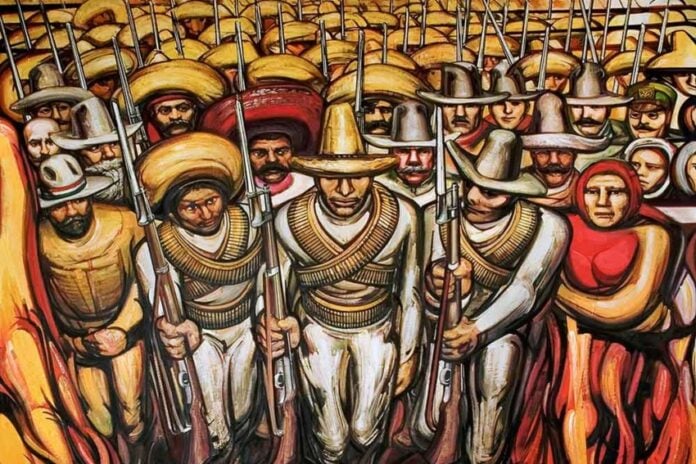
David Alfaro Siqueiros' "Del porfirismo a la Revolución"
David Alfaro Siqueiros' "Del Porfirismo a la Revolución" explicitly links muralism and revolution. (INEHRM)

In every major Mexican city, there’s at least one building whose walls burst with color, waiting for you to explore them. But beyond their impressive scale, what truly makes each mural remarkable is the commitment the Muralist movement shared with the Mexican Revolution.

Murals weren’t made just for aesthetics; they were a tool in a country where nearly 90% of the population couldn’t read or write. Today, those numbers have changed, but the purpose of muralism remains: to showcase historical events whilst expressing the artists’ visions of the nation’s future.
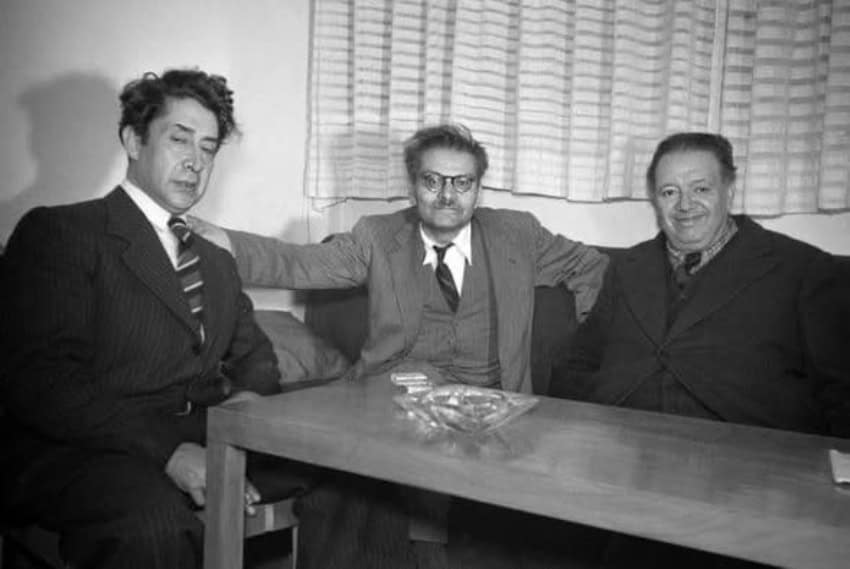
Siqueiros, Orozco and Rivera
The “Big Three” of Mexico’s muralism movement: Siqueiros, Orozco and Rivera. (Colegio de San Ildefonso)

Even though it’s been a while since muralism saw its golden days, these massive pieces of artwork continue to captivate locals and foreigners alike, creating a strong bond between art and national identity. What’s portrayed in the murals is meant to be remembered as history — at least, one version of it.

First, let’s talk about the Revolution

The Mexican Revolution was a movement that exposed the urgent necessities of a marginalized population, tired of an authoritarian government represented by dictator Porfirio Díaz and his three-decade regime. When the majority of the Mexican population realized that just a few could live a dream life, while the others literally starved, revolutionary ideas started shaping what became an armed movement.

Although the beginning of the confrontation served as a catharsis for the population, the latter part of the war evolved into an internal dispute over who should be in charge once the war ended. And so, the battles were guided more by politics and less by the possibility of a better life. 

However, confrontation between those in power and those who worked the land had a specific flavor, as it became the first Revolution of the 20th Century. The Mexican Revolution was also the first led by the working class, which deeply inspired the motifs on which muralism is based.

The Big Three: Siqueiros, Rivera and Orozco

At the same time that Diego Rivera was holding his first solo show after returning from Europe, David Alfaro Siqueiros was on the battlefield, and José Clemente Orozco was in the trenches of Veracruz, listening to revolutionary speeches by Dr. Atl. One thing was certain: the three of them were forging their inner artists to become Los tres grandes — the “Big Three.”

When visiting the Palacio de Bellas Artes, you’ll find yourself surrounded by their creations. But even in that shared space, you won’t feel the same standing before Siqueiros’ “Tormento de Cuauhtémoc” or Rivera’s “El hombre controlador del Universo.” And both feelings differ, of course, from the one you get when staring at Orozco’s “Katharsis.” Siqueiros overwhelms you with intensity, violence and movement; Rivera invites reflection through order, symbolism and balance; Orozco’s chaotic energy and cartoonish characters laugh at everything — and everyone.

Diego Rivera
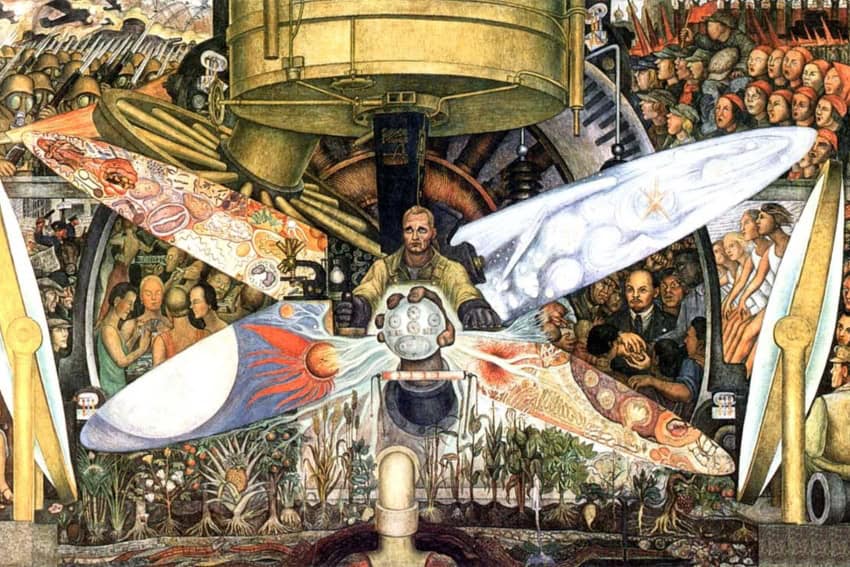
Diego Rivera's mural "El Hombre Controlador del Universo."
A portion of Diego Rivera’s famous mural “El Hombre Controlador del Universo.” (Gumr51/Wikimedia Commons)

Even though Rivera presented himself as a revolutionary man, there was a part of him that was a little bit of an outsider. He never really knew what being on the battlefield meant (like Siqueiros and Orozco did). Yet, he had the opportunity to experience art as few artists can: on a scholarship before World War I took its toll on Europe.

Diego tried every technique and met every (or almost every) renowned name of the time. From his long-lasting friendship with Pablo Picasso to his brief but intense marital life with painter Angelina Beloff, he was learning everything he could from the Old World to bring it back home … and so he did.

David Alfaro Siqueiros
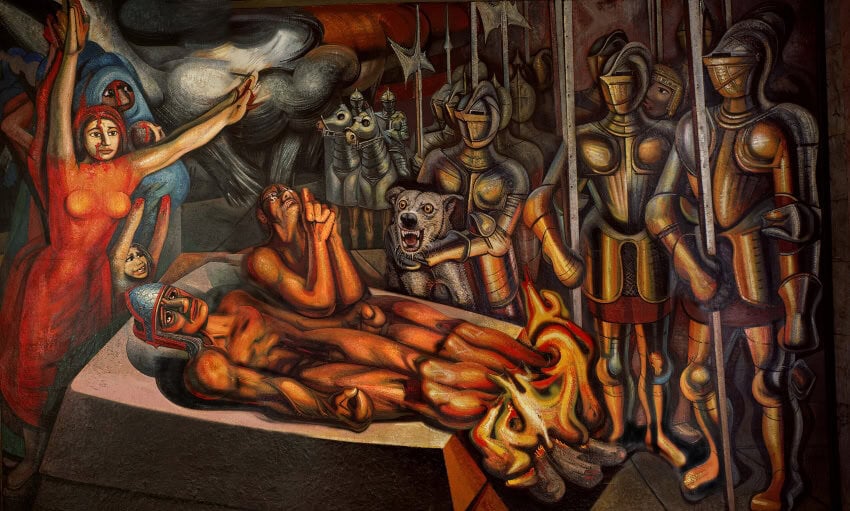
Siqueiros’ “Tormento de Cuauhtémoc” reimagines a famous episode in Mexico’s history from a 20th-century perspective. (Museo del Palacio de Bellas Artes)

Siqueiros’ nickname “El Coronelazo” didn’t come easy. The muralist left the Academia de San Carlos — the only art academy in Mexico at the time — to join the revolutionary army. As a teenager, Siqueiros was already a soldier, fighting for the causes he believed in —a characteristic that led to his later participation in the Spanish Civil War and the student movement of 1968.

After the war was over, David Alfaro Siqueiros changed the gun for a paintbrush. Besides being one of the founders of the muralist movement, he was also a precursor in experimenting with 3D paintings, introducing the use of pyroxilyn on walls and canvases.

José Clemente Orozco
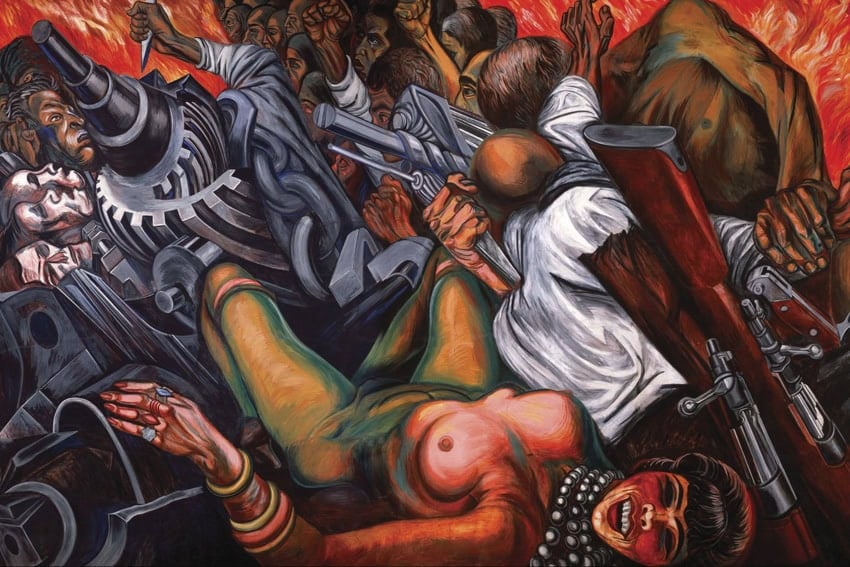
Orozco "Katharsis"
From Orozco’s terrifying yet satirical mural “Katharsis.” (Museo del Palacio de Bellas Artes)

The connection Orozco had with the Revolution grew as he learned from his teacher, Dr. Atl. During the war, both were part of La Vanguardia, a newspaper that pursued revolutionary causes, like “building the Revolution” through text and pictures.

Orozco recalls Dr. Atl’s lessons: “We had to learn from the old masters and from foreigners, but we could do as much, or even more, than they did. Not out of pride, but out of confidence in ourselves, an awareness of our own being and of our destiny.”

Unlike his two partners, Orozco’s art represented not reality in its most literal form, but a satiric and always critical version of it. As he did at La Vanguardia, the characters of his murals showed their worst traits. That is the main reason he is sometimes left behind. Whereas Siqueiros and Rivera capture the essence of the Revolution, Orozco criticizes the whos and the hows, filling his pieces with discomfort.

There’s no trinity without a godfather

To understand muralism, we must return to the moment of its birth. The Mexican Revolution had ended, but the struggle for food, shelter and national identity continued. What did it mean to be Mexican?

With the intention of answering that question, the newly appointed Secretary of Education, José Vasconcelos, created a movement that could do both: create an identity for the re-established nation and produce works of art to show the world what Mexico had to offer. It all began with the buildings under his authority: Escuela Nacional Preparatoria and Secretaría de Educación Pública.

It has been said that Escuela Nacional Preparatoria, located in the colonial building that once served as Colegio de San Ildefonso, is the cradle of muralism, and those who say so are not wrong. The halls and corridors that hosted high school alumni also witnessed Dr. Atl’s first experiments on muralism, a task interrupted by the Revolution. 

Reimagining Mexico’s history
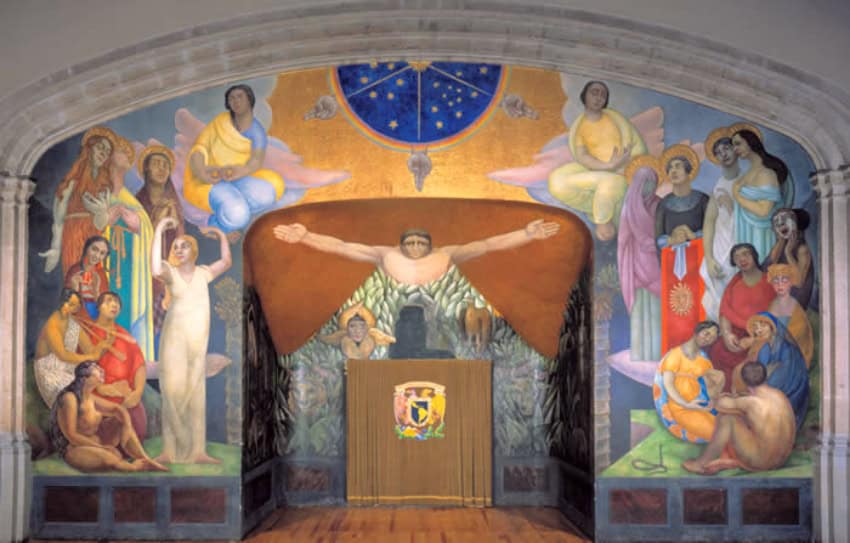
Rivera "La Creación"
Diego Rivera’s mural “La Creación.” Something new from something old. (Colegio de San Ildefonso)

Once the war ended in 1922, Vasconcelos hired 35-year-old Diego Rivera to paint “La Creación,” inside the school’s amphitheater, a symbolic piece that portrays Adam and Eve and the creation of something new. It was related to the beginning of Diego’s muralist career, but also with the whole movement — something was about to happen at San Ildefonso and the world would be stunned by it. 

This historical place preserves in its walls the works of young muralists such as Jean Charlot, Fernando Leal, Ramón Alva de la Canal and Fermín Revueltas. Orozco was also invited to this muralist assembly, of course. The murals displayed scenes of Mexico’s history, from Hernán Cortés to current local celebrations. These paintings depicted every color in the country’s light prism.

On the other hand, Diego was also commissioned to design two government buildings: Secretaría de Educación Pública and Palacio Nacional. The first held the national offices of the Ministry of Education, the second was the headquarters of the Mexican presidency. While the murals in both buildings were inspired by social and political events, Secretaría de Educación Pública’s (S.E.P.) artwork shows a deeper representation of the ongoing revolutionary process of the country.

Rivera shows us what the soldiers were fighting for, trying to share their history with every visitor of the S.E.P. It is no coincidence that in one of the most intense panels, Rivera painted portraits of three artists delivering weapons to the working-class fighters: fellow muralist David Alfaro Siqueiros, photographer Tina Modotti and a young, revolutionary Frida Kahlo, who would later become his life-long partner.

Before and after the ‘Big Three’

In contrast to Italian muralism, which reached its peak with Michelangelo’s “Sistine Chapel,” Mexican muralism stems from something deeper, something rooted in Mesoamerican cultures. Think of the wall paintings at Bonampak or the magnificent frescoes in Teotihuacán. Even the now-bare Templo Mayor was once covered in color during its golden age.

Muralism wasn’t created; it was rediscovered, not only in format but in its technique. Muralists moved from European encaustics to the traditional fresco used by Mesoamerican artists for millennia. 
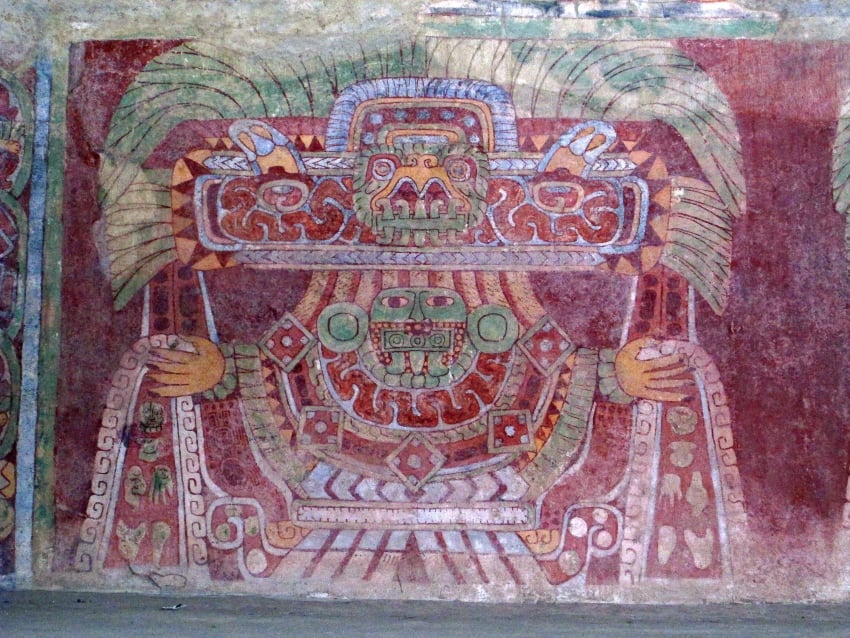
Teotihuacán mural
An ancient mural from an artist in Teotihuacán. (Adrian Hernandez/Wikimedia Commons)

As poet Octavio Paz wrote in “Los Privilegios de la Vista,” the Revolution created the perfect opportunity to reflect on what the century-old nation had done right and what path it should follow toward the so-called “civilized world.”

“Our painting is a chapter of modern art. But at the same time, it is the expression of a people who have just discovered themselves and who, not content with recognizing themselves in their past, seek a historical project that will place them within contemporary civilization.”

Although muralism, as the movement led by Rivera, Siqueiros and Orozco, no longer exists, the walls still call for color, and artists continue to answer. From the murals painted along the U.S. border to the marvelous rótulos that accompany street vendors, muralism remains.

Lydia Leija is a linguist, journalist, and visual storyteller. She has directed three feature films, and her audiovisual work has been featured in national and international media. She’s been part of National Geographic, Muy Interesante, and Cosmopolitan.
Sustainability meets investment at these Mexican real estate projects

0
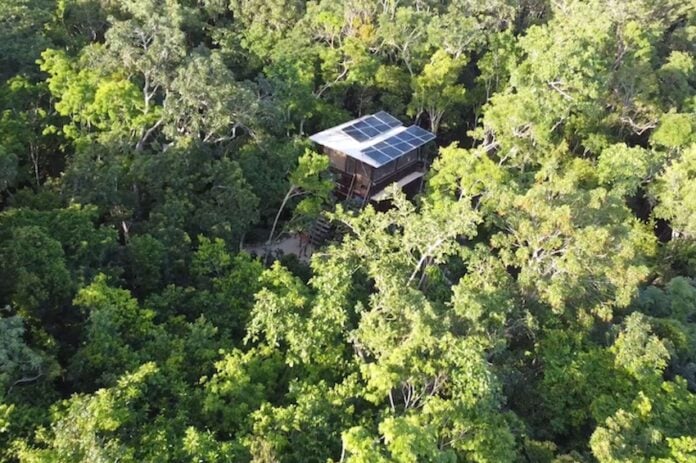
A small house in a forest
Get a taste of Mexico's natural side with some of these sustainable living projects from across the country. (Eco Home)

What’s one of the fastest-rising trends in the real estate industry in Mexico? Wellness.  

Recent data indicates that the wellness real estate (RE) market in Mexico is projected to see an estimated annual investment of US $16.418 billion for 2025, with sustained growth of 13.7% per year.

Woman in pool
It’s not just Mexico’s best luxury retreats that are focused on wellness. It’s also a selling point for the real estate industry. (La Joya Sayulita/Facebook)

These homes feature holistic environments and designs that promote the physical and emotional well-being of the people in residence. Especially in Mexico’s vacation hubs, you can find increasing numbers of well-appointed new builds on the market with plenty of these wellness features and amenities.

In Mexico, the primary wellness real estate standard is the WELL Certification, created and overseen by the International WELL Building Institute. This standard considers comfort factors like air quality, water quality and lighting, as well as amenities aimed at sustaining mental health and physical fitness. 

Where are the wellness-friendly locations in Mexico?

Certain locations in Mexico are closely linked to wellness tourism destinations, such as the Riviera Maya on the Yucatán Peninsula. However, the trend can be seen throughout the country. 

If you’re looking for a full-time home or vacation property you can retreat to and recharge, here are some properties offering wellness-focused features and amenities:

Reserva Escondida Torre Nogal, Mexico City

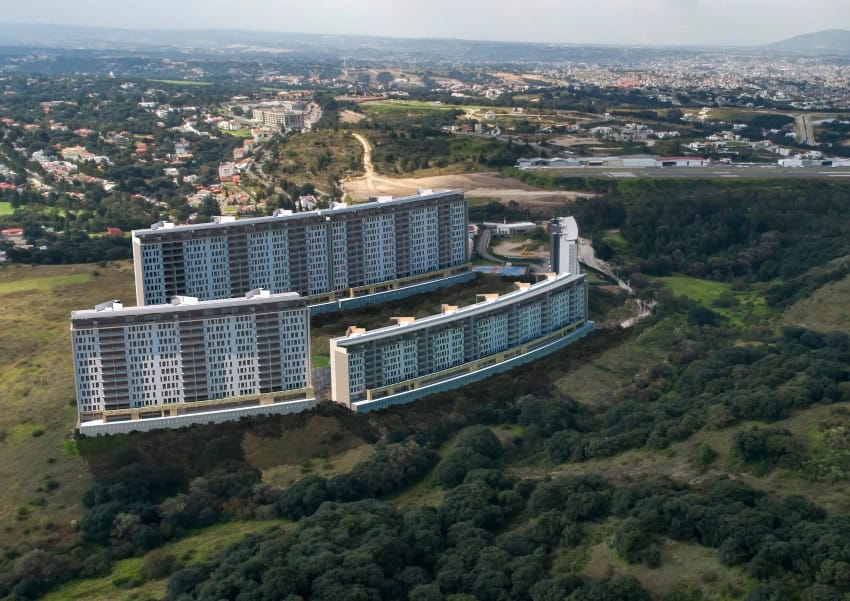
Reserva Escondida
Looking for a sanctuary in the midst of Mexico City? Reserva Escondida fits the bill. (Reserva Escondida)

Mexico City is a vibrant, culturally rich metropolis. But it also can be exhausting! What if you could enjoy all that Mexico’s capital has to offer — and then come home to your own private nature sanctuary? 

This pet-friendly luxury residential tower is located northwest of Mexico City in the heart of the Zona Esmeralda, surrounded by 3 million square meters of protected woodlands and spectacular views of the beautiful Parque de los Ciervos, which features walking trails next to wildlife habitats. 

The property has multiple options for relaxation, entertainment or both. All apartments have access to terraces, and the site features a paddleball court, massage room, lush gardens and even its own cinema.

More info can be found here.

Project KAANA

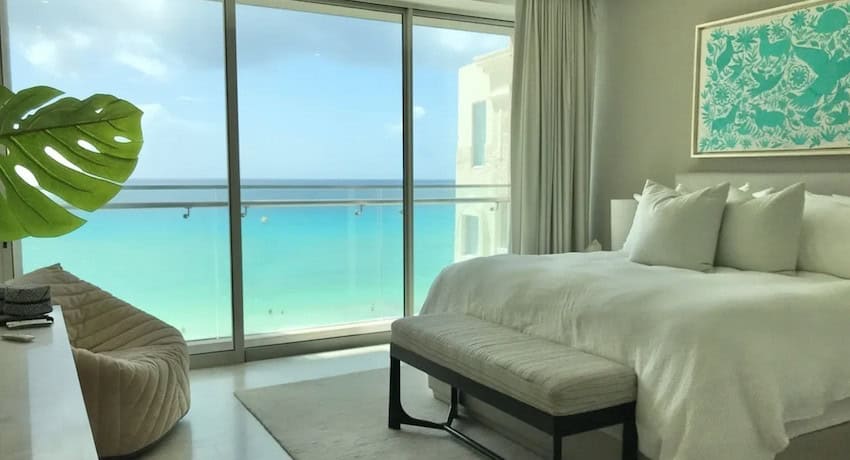
A room at the KAANA Project
The KAANA project boasts amazing views of the Caribbean Sea and the Nichupté Lagoon. (Kaana Project)

If you dream of being right on the beach, KAANA, in the heart of Cancún’s hotel zone, is an excellent choice, surrounded by the vibrant electric blues of Nichupté Lagoon — a natural reserve with a unique system of seven lakes — and stunning views of the Caribbean Sea. With all its relaxing amenities, including a yoga area, a gym, a massage room, a pool and a steam room, this 12-story luxury residential development is like a stay at a luxury Cancún hotel … but surrounded by all your own stuff.

Located 15 minutes from Cancún International Airport, this property has EDGE (Excellence in Design for Greater Efficiencies) sustainability certification, which means at least a 20% savings on your average prices for energy and water. 

For more information, click here.

Love Tulum

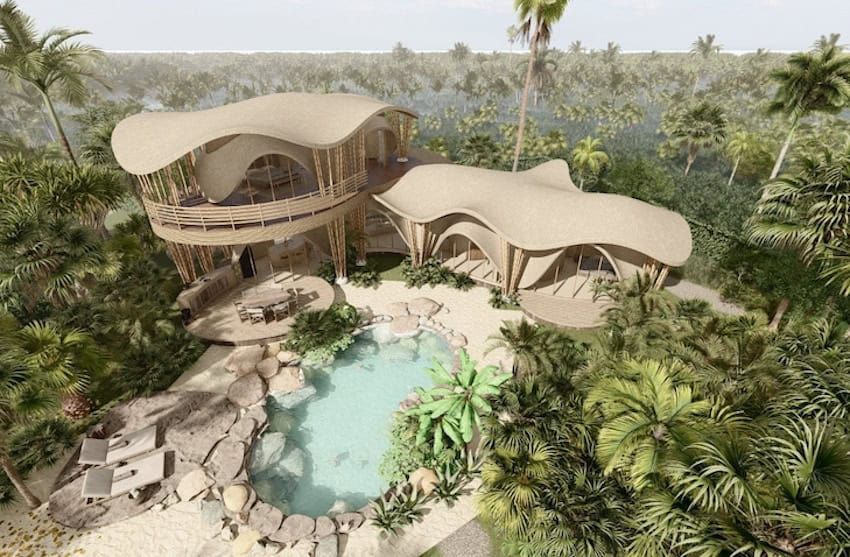
If you like innovative architecture and design, plus easy access to one of Mexico’s premier getaway destinations, you’ll love Love Tulum. (Love Tulum)

This oasis of best ecological practices and innovative architecture gives you the best of both worlds — located in the heart of Tulum’s jungles but with easy access to town nearby. With a blend of private and communal spaces, the Love Tulum residential development easily fosters a sense of community and designs spaces to encourage mental peace.

The property’s communal spaces were built with natural materials such as Super Adobe and were designed to be organic and integrated with nature. Examples include its large palapa designed for events and ceremonies and the walkable trails on the property that lead to pristine cenotes. Fractal architecture and bioconstruction are everywhere here. 

You can purchase single-family plots ranging from 1,000 to 2,000 square meters, but to preserve the area’s integration with the natural environment, you are allowed to build on only 25% of each plot, so this is for folks who are committed to living surrounded by nature.

For more information, click here.

Libera, multiple locations 

Libera
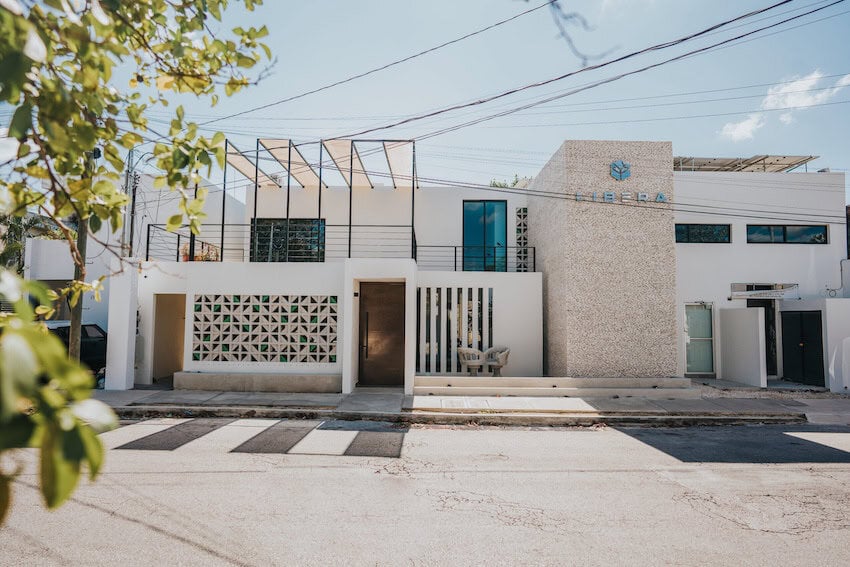
Libera was the first developer in Mexico to be awarded an Environmental Quality Distinction. (Grupo Libera)

This chain of residential developments has properties on the Yucatán Peninsula in Tulum, Mérida, Celestún, El Cuyo and Sisal. This is where to go if you want to live in the quietude of nature while still having access to activities that’ll keep you entertained. 

This developer was also the first real estate company in the country to receive the Environmental Quality Distinction from Mexico’s Federal Attorney General’s Office for Environmental Protection (PROFEPA).

While Tulum remains the classic jewel of the Mexican Caribbean, it’s worth considering Libera’s other properties on the Peninsula that are in less overdeveloped locations: 

  • There’s Cuyo, for example, an up-and-coming gem offering more privacy and stunning sea views. 
  • Celestún is a “pink paradise,” a sanctuary of estuaries, flamingos and mangroves. 
  • Sisal provides low property development amid gorgeous, mostly untouched Caribbean beaches.

But all four developments are designed to equally blend into their surrounding landscapes, and each has facilities meant to help you enjoy the surrounding environment and enjoy outdoor activities. Go swimming in a beautiful cenote, practice meditation in the onsite Zen park, have a mini-adventure with family in the onsite camping area and give Fido some quality time in each development’s pet park. 

If you enjoy exploration and connecting with nature, this place is worth checking out. 

Learn more about it here.

Desarrolladora ECO-GM

Desarrolladora ECO-GM
Desarrolladora ECO-GM’s properties like Hakuna are oases of green living. (Desarrolladora ECO-GM)

This is another property located in the heart of the jungle, 35 minutes from Quintana Roo’s beaches and just 25 minutes from Cancún International Airport and the Maya Train. 

If you love conservation, Hakuna is one of their projects that preserves over 60% of its green spaces and protects the local ecosystem. Here you’ll find eco-friendly technologies and amenities that enhance the living experience, all while fostering sustainable growth and generating long-term value. 

If you enjoy making friends with your neighbors, Hakuna’s amenities are great for promoting a tight-knit community, with a camping area, landscaped walking paths — including orchards — a pet park and an outdoor gym. Meaning, there are plenty of opportunities to meet the people living around you.

For more info, click here.

Hogares Eco Sustentables de Mexico

Hogares Eco Sustentables is renowned for its comfort and energy efficiency. (Hogares Eco Sustentables)

Are you looking for modernity and comfort in a more urban setting? Hogares Eco Sustentables de Mexico creates residential options throughout the country where alternative energy technologies are already built in. Rather than polluting energy sources like gas and coal, its homes feature solar and other sustainable energy technologies. 

Many buyers will likely be interested in the developer’s properties in Mexico City and the greater metropolitan area, but it also has properties in up-and-coming urban settings like Salina Cruz, Oaxaca — one of Mexico’s main port cities and an entry point to the Istmo de Tehuantepec. 

If you prefer an urban design approach that integrates technology, innovation and environmentally friendly energy efficiency, Hogars Eco Sustentables’ offerings may appeal to you. 

For more info, click here.

Vinte

Vinte property
No real estate developer in Mexico has more EDGE-certified properties than Vinte. (Vinte)

If you are looking for a “green life” but want to settle somewhere other than Mexico City or the Yucatán Peninsula, then you owe it to yourself to explore Vinte. This developer has a strong presence in many states — everywhere from Mexico City, Hidalgo, Estado de México, Nuevo León, Puebla, Querétaro and Quintana Roo.

Recognized as an innovator in sustainable housing, Vinte has the highest number of EDGE-certified properties in Mexico. This company promotes green mortgages, has created zero-energy houses and offers homes with zero-gas hybrid technology. Their projects also include spaces that encourage interaction with nature and the community, including green spaces, playgrounds, bike paths, multipurpose playing courts, pet parks, clubhouses and even baseball and soccer fields that are ideal for families with young children.

For more info, click here.

Ana Paula de la Torre is a Mexican journalist and collaborator for various outlets, including Milenio, Animal Político, Vice, Newsweek en Español, Televisa and Mexico News Daily.

Born for a mission for peace: The little-known origins of Puerto Vallarta’s pirate ship, the Marigalante 

5
Puerto Vallarta
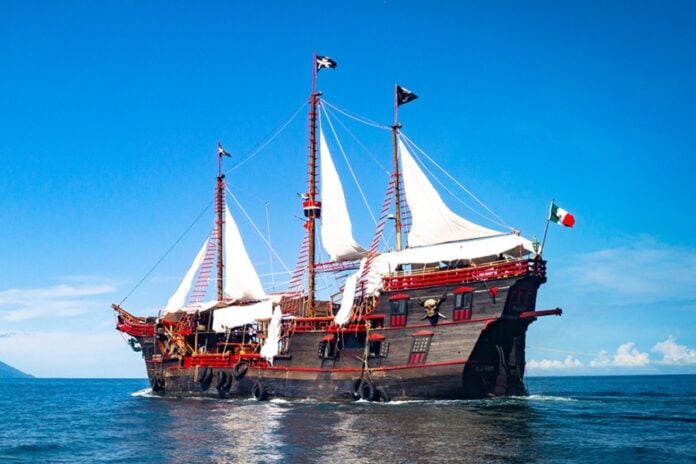
Puerto Vallarta's iconic former pirate ship, the Marigalante. (pirateshipvallarta.com)

For decades, she was a floating spectacle: a roaring, rollicking Vegas-style pirate ship, ablaze with fireworks, sword fights and the ever-flowing promise of all-you-can-drink tequila.

Each night, beneath the warm Mexican twilight, tourists in Puerto Vallarta flocked to her, enchanted by her swashbuckling promises. Music blared, laughter echoed across the Bay, and the Marigalante set sail in a blaze of revelry.

The history of the Marigalante

Mariagalante
Each trip aboard the Marigalante in her later life promised sword fights and all-you-can-drink revelry. (Puerto Vallarta)

But behind her dazzling theatrics was a gentler, nobler beginning, one few on board ever knew, as they clinked glasses and cheered on buccaneers wielding plastic cutlasses. The Marigalante wasn’t always a kitschy, tequila-fuelled fantasy. She was born of a far quieter dream.

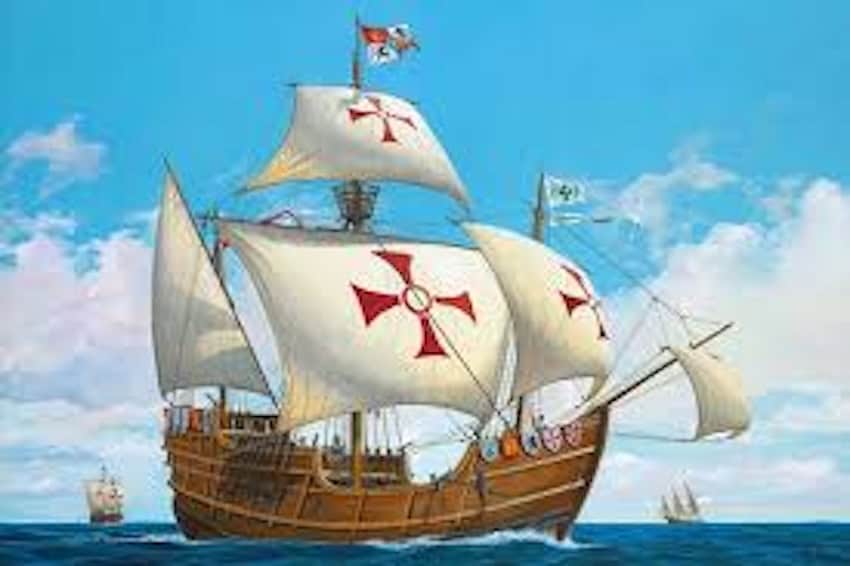
A full-scale, seaworthy replica of one of the three ships that sailed the Atlantic in 1492, Christopher Columbus’s Santa María, she was lovingly crafted to serve as a floating ambassador of peace, history and cultural dialogue. She wasn’t built for crowds or cocktails, nor for cannon blasts and photo ops. She was conceived as a symbol. 

Her tale stretches across oceans and decades. From a forgotten shipyard in Veracruz to the distant ports of the world, from diplomatic mission to floating fiesta, and, finally, to the quiet, final stillness beneath the waves.

The ship’s journey began in Veracruz

The Marigalante’s journey began in the early 1980s, in the bustling port city of Veracruz. At the helm of the vision was Vital Alsar Ramírez, a Spanish-born scientist and sailor who had made Mexico his adopted home. Known for launching epic ocean voyages on humble rafts, Alsar had long been fascinated by the sea’s ability to connect people and cultures. But his ambitions had grown grander. No more rafts. He wanted a galleon.

Thus began the “Mar, Hombre y Paz” Project (Sea, Man and Peace), a maritime mission shaped not by conquest, but by understanding and meaning.

The Marigalante was built using traditional shipbuilding techniques. Her hull was crafted from mahogany and teak, her beams of pine, each timber fitted with care. The aim wasn’t theatrical nostalgia, but historical integrity. She was meant to be a messenger, flying a white flag of peace, sailing not to entertain but to unite.

Crossing oceans like her model

The Santa Maria
The Santa María, a flagship for Christopher Columbus on which the Mariagalante was based. (Surfer Today)

But dreams, like ships, are expensive things. When Mexico’s peso sharply devalued in 1982, the project stalled. The nearly-built Marigalante sat tethered and forgotten for several years, unfinished, uncelebrated and slowly wearing with salt and time.

Eventually, funding returned, construction resumed and the Marigalante was finally completed. And for a brief, shining season, she lived her purpose.

She crossed oceans, docking with fanfare in Spain, parading past crowds in Brazil, gliding through the locks of the Panama Canal and even bowing gently into Japanese harbors. At each port, she offered not conquest but conversation. She was a vessel of diplomacy. She was a floating museum providing a bridge between centuries.

The move to Puerto Vallarta

Yet, noble missions often drift into reality, and maintaining a full-scale wooden galleon, especially one meant to sail internationally, proved more costly and complex than idealism could sustain. The Marigalante was sold to private owners, and her course shifted permanently.

She was brought to Puerto Vallarta, where the sun-soaked tourism industry welcomed her transformation with open arms. And so, a new era of sequins and stage fights began.
She was retrofitted for spectacles. Loudspeakers, fire jugglers, choreographed sword duels and nightly fireworks now filled her decks. Each evening, she would sail into the horizon, her belly full of tourists and her timbers echoing with laughter, music and the clink of cocktail glasses.

The final dramatic chapter

In later life, the Mariagalante served as a floating party palace. (Mexico Luxury Villa Rentals)

To the thousands who boarded her each year, she was just a really cool pirate ship. But beneath the glitter and smoke, echoes of her old soul remained.

Her name, Marigalante, a lyrical reinterpretation of Maria Galante, an early name for Columbus’ flagship, remained proudly etched on her hull. Her wooden frame still bore the bones of the ship that once sailed for peace. Her essence lingered, if only quietly.

Then, in a twist almost too poetic to believe, her story came full circle on Columbus Day weekend. On October 10, under skies that had once watched her sail in glory, the Marigalante met her final and most dramatic chapter.

The details remain under investigation, but what is known is that she began taking on water. As curious onlookers gathered on the beaches nearby, she listed heavily and struggled for balance. Finally, she surrendered to the sea she’d once ruled.

Miraculously, no one was hurt. But the image of her sinking — majestic and tragic — has left the community reeling. A floating landmark, a familiar friend, was gone. 

Replacing the irreplaceable

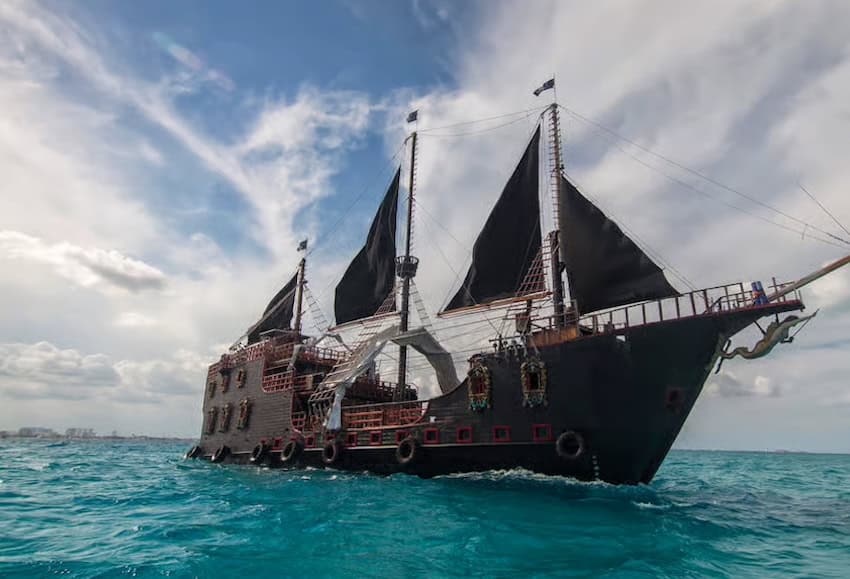
In the days that followed, there was talk of salvaging and restoring her. But instead, a sister ship is set to take her place: The Jolly Roger, another replica of the Santa María, is being relocated from Cancún and is expected to begin tours by late 2025, if all goes to plan.
The Jolly Roger is set to replace the Mariagalante. (GetYourGuide)
Unlike her predecessor, the Jolly Roger was designed from the start for entertainment. She’ll come outfitted with modern amenities and updated attractions, every inch built to dazzle. But whether she’ll inherit the soul of her sunken sister remains to be seen.

The Marigalante’s life raises deeper questions about preservation, the commodification of culture and how we remember the past. She spent her final years as a party boat, yes, but she was born of something far more idealistic.

Built in peace, tied to conquest

In her earliest form, she was a vessel of diplomacy and historical memory. Her later life was a fantasy cruise for honeymooners and spring breakers. Both stories are true, and both are hers. And in the end, the Marigalante was neither fully one nor the other. She was a floating contradiction of a ship, built to heal and one dressed up to entertain.

Even her very model, the Santa María, now carries a new weight. In recent years, Columbus’s legacy has faced renewed scrutiny, as historians and communities reckon with the devastating impact of his voyages on Indigenous peoples across the Americas.

The Marigalante was conceived with peace in mind, yet symbolically tied to conquest. Her creation was noble, but her associations were complex. In the shifting tides of historical understanding, her story now feels both poignant and painfully relevant.

Charlotte Smith is a writer and journalist based in Mexico. Her work focuses on travel, politics, and community. You can follow along with her travel stories at www.salsaandserendipity.com.

Mexico and the first World Cup in 1930

0
Mexico against Argentina in 1930
Mexico's national team put up a game effort in a 3-6 loss to Argentina during the first World Cup in 1930. (X, formerly Twitter)

When Mexico steps out onto the Estadio Azteca next June, it will be the countrys 17th appearance in a World Cup tournament. This puts them 5th in a table of appearances, led by ever-present Brazil (22 tournaments), and followed by Germany, Argentina and Italy. Mexico’s success is partly a question of geography. Traditionally, North America has not been a soccer stronghold (although that is changing), and for many years, Mexico expected to represent the region in every tournament. El Tricolor has another claim to fame. On July 13, 1930, Mexico was one of four teams to play in the opening games of the very first World Cup tournament 

The story of the World Cup really starts not with that 1930 tournament, but thirty years before with the Olympics. The first Olympic soccer tournament was a modest affair, staged in 1900 with just three club sides representing France, Belgium and Great Britain. The tournament slowly expanded, and while athletics generally was the star attraction of the Olympics, by the 1920s, it was the soccer tournament that was bringing in the most gate money.

Olympic soccer in Amsterdam in 1928
The success of Olympic soccer, like this game in Amsterdam in 1928, helped to inspire the first World Cup tournament in 1930. (Public Domain)

Mexican football in the early 20th century

Mexican football during the 1920s centered on the Campeonato de Primera Fuerza de la Federación Mexicana de Futbol, which consisted of just nine Mexico City-based teams. It was all very amateurish, with only a couple of hundred men taking the game seriously, and the big sport clubs, with their “members only” teams, were still influential. Grounds were small, with a few hundred spectators attending the biggest games. Football was a close-knit community, and the young men who played each other on the weekend met in committees during the week, and many socialized in the clubs. The most influential of these pioneers was Rafael Garza Gutiérrez, a man who was a natural leader thanks to both his family status — they were founders of Club América — and his notable physical size. He had been Club América’s player-manager since 1917 and was still playing, although now in his thirties.

The winners of the Mexico City-based league were listed as champions of Mexico,  but there were similar competitions around the country, most notably in Veracruz and Guadalajara. However, in the 1920s, it was the capital that beat at the very heart of Mexican football, and the violence of the Cristero War, which was raging across central Mexico, added to this isolation. Indeed, one of the great pioneer clubs from the countryside, Pachuca FC, had recently folded as so many of its players had fled the mining city. 

The Mexico City clubs had put out a combined “Mexican” team in 1923 to play visitors from Guatemala, and there had been occasional exhibition games involving a Mexican “selection” since then. The turning point came in 1927 when Club América played Real Madrid in New York. This fed the appetite for international football and focused attention on the need to upgrade the organization from an ad hoc collection of club officials getting together to arrange the occasional game to an elected and recognized governing body. The result was the formation of the Mexican Football Federation in 1928.

The Olympics of 1928

Later that year, Mexico was one of 16 teams that gathered in Amsterdam for the Olympics. Football in Mexico was still played by amateurs, and selection for the team was as dependent on a mans financial position as his skill on the pitch. Any players selected would have to be able to afford to take up to 6 weeks off work. As a result, the young men who sailed to Europe were either comfortably wealthy or had understanding employers. Goalkeeper Óscar Bonfiglio, for example, was an army officer and had the support of the military. Mexicos Olympic participation lasted just 90 minutes, and they went out after losing 7-1 to Spain. However, they had planned a prolonged post-Olympic tour, travelling through Germany, Switzerland, Holland, and Belgium for the next six weeks and playing club sides such as Feyenoord, Cologne and Zurich.

It was at the FIFA Congress, staged before the Olympics, that the decision was taken to organize the first World Cup tournament. FIFA wanted to echo the financial success of the Olympic football tournament, and at the same time saw the need for a true World Championship, which, unlike the Olympics, would be open to the growing number of professional players. Several nations came forward to organise the event, but one by one they dropped out, leaving only Uruguay. The South American economy was holding up well, there was immense pride in their football team, which had won the last two Olympic titles, and 1930 would see the country celebrate 100 years of independence. It seemed perfect timing, and plans were immediately laid down to build a gigantic concert stadium to host the event. 

The first World Cup

There would of course be problems. Passage would be by sea, meaning players would be away for at least six weeks. This would not clash with the European season, but it would take players away from their families and interrupt the traditional summer rest period. The February deadline for entering came and went with no European sides committed. Political pressure was applied, and France, Belgium, Romania and Yugoslavia agreed to send teams, but the target of sixteen sides was not reached. In addition, Egypt had entered but was delayed by a storm in the Mediterranean and literary “missed the boat” that was to bring them on to South America.

Mexico's national team in 1930
The Mexican team before they faced France in the first World Cup game ever played. (Public Domain)

When the World Cup invitation had first been received in Mexico, Juan José Luqué de Serrallonga had been invited to coach the team. He was a Spaniard who had moved to Mexico in 1928. Back in Spain, he had played for his local side Cádiz CF, where he had been a useful goalkeeper, and he was now coaching in the Mexico City league. On May 25, 1930, Serrallonga invited the best players in Mexico City to play an exhibition game to help select the World Cup team. Of the 17 players selected for the squad, five were from Club América and seven from Atlante. Five of the 1928 Olympic team retained their place, and there were also two sets of brothers, Manuel and Felipe Rosas and Francisco and Rafael Gutiérrez. Then, as now, fans and the press had their own strong ideas.

The appointment of Luque de Serrallonga was particularly criticized. There was a belief that the position should have gone to a Mexican, while El Universal suggested that, after average performances coaching Real España and Germania, he ”lacked the merits” to hold such a position. A thoughtful journalist at El Universal questioned the policy of limiting selection to players from Mexico City, and fans at the final warmup games called out the names of players they wanted added to the squad, most notably Américas Luis Cerrilla.

The journey to Uruguay

The team had to take a roundabout route to Uruguay, first travelling to New York, where, on the evening of June 13, they and the US team boarded the S.S. Munargo. It was an 18-day trip to Montevideo with stops in Bermuda and Brazil, and training on board was difficult, “an open deck for exercising,” and “very poor bathrooms,” as the US team explained to the press.

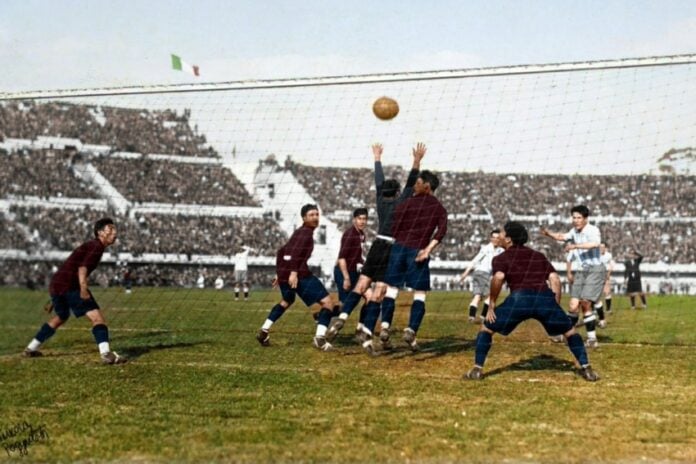
Mexico had been drawn in Group 1, the only group to have 4 teams, and they would be facing Argentina, one of the favourites for the trophy. Workmen were still rushing to finish the Estadio Centenario, so on July 13, Mexico and France faced each other in the modest  Estadio Pocitos. Playing in dark maroon shirts, Mexico showed naivety in defence, crowding their penalty area without tightly marking the opposing forwards. In the 19th minute, the ball came in from the right, and there was Lucien Laurent, standing unmarked, to score the first-ever goal in the World Cup. In the 26th minute, the French goalkeeper fell to the feet of Mejia and had to go off injured. Down to ten men, and with a defender now in goal, France still raced to a comfortable 3-0 halftime lead. In the 70th minute, Juan Carreño, who had scored Mexicos first goal in the Olympics, scored their first goal in the World Cup, but France ran out 4-1 winners. Mexicos second game was against Chile, and once again, Mexico lost. The final score was 0-3 with Manuel Rosa unlucky to have the ball hit him and bounce into the net for the first own goal of the tournament.  

Mexico game in a losing effort against Argentina

On July 19, Mexico played its third match in a very different atmosphere. The new stadium was ready and the heaving bowl was packed with 42,000 fans, the majority having caught the ferry from Buenos Aires to support Argentina. Argentina were 3-0 up after 17 minutes, and Bonfiglio in the Mexican goal had saved a penalty. That incident became a football legend. There are accounts that Fernando Paternoster, disagreeing with the referees decision to award the kick, had deliberately hit the ball into the goalkeepers arms, or that the penalty spot had not been marked on the pitch, and the inexperienced referee had paced out too many steps. Just before half-time, Mexico also won a penalty. Manuel Rosa, he of the earlier own goal, stepped forward to hit it into the net. Rosa was only 18 years old and would hold the record as the youngest goalscorer in the FIFA World Cup until Pelé arrived on the scene 28 years later. 

The goals continued: 4-1, then 5-1, before Mexico was awarded a second penalty, the third of the game. This time, goalkeeper Ángel Bossio got a hand to the ball, but it fell back to Rosa, who scored his second goal. When Roberto Gayón made it 5-3, it looked for a moment as if Mexico might actually perform a football miracle. But Argentina put the game beyond reach with their sixth goal. Mexico would come home without taking a point from their three games. Even so, they had come out of the tournament with honor, particularly in this last game. “Mexico Plays Well in Montevideo,” was the headline in El Universal.

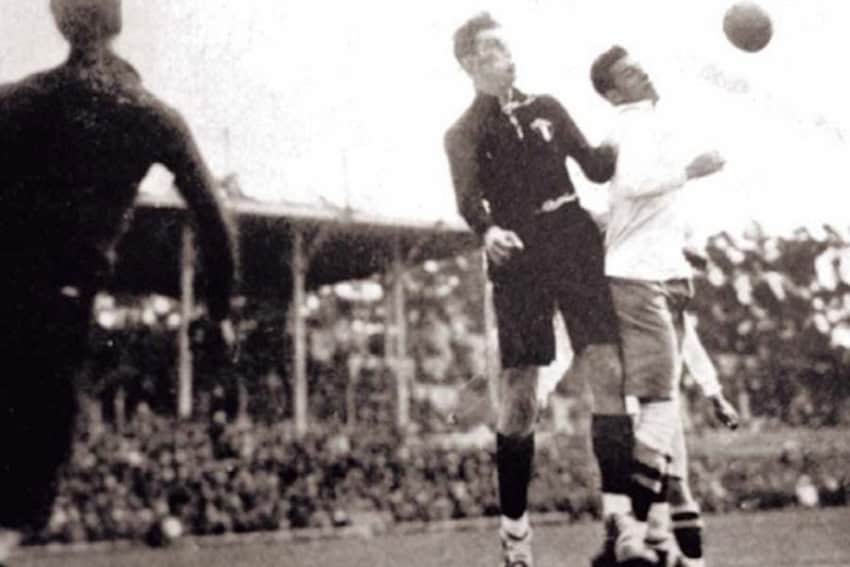
Mexico playing Chile in the first World Cup in 1930
Mexico lost to Chile 0-3, one of three defeats in the first World Cup tournament. (Public Domain)

The players of 1930 have long ago slipped out of the public spotlight. Dionisio Mejía later became the key striker in the team, scoring 7 goals in the 1934 qualifying campaign. Alfredo Sánchez was still playing for Mexico at the 1938 Central American and Caribbean Games, and Juan Carreño, the scorer of Mexicos first goals in both Olympics and World Cup, was the leagues joint top scorer when Atlante won the title in 1932. He died of appendicitis aged just 31. Goalkeeper Óscar Bonfiglio went on to have a distinguished army career, and Rafael Garza Gutiérrez continued to be involved with Club América for another twenty years.  The boys of 1930 made up a unique group of colleagues and friends. They would be the last Mexicans to play in the World Cup until 1950.

Bob Pateman is a Mexico-based historian, librarian and a life-term hasher. He is editor of On On Magazine, the international history magazine of hashing.

How Jalisco is getting ready to welcome the world for the 2026 FIFA World Cup

1
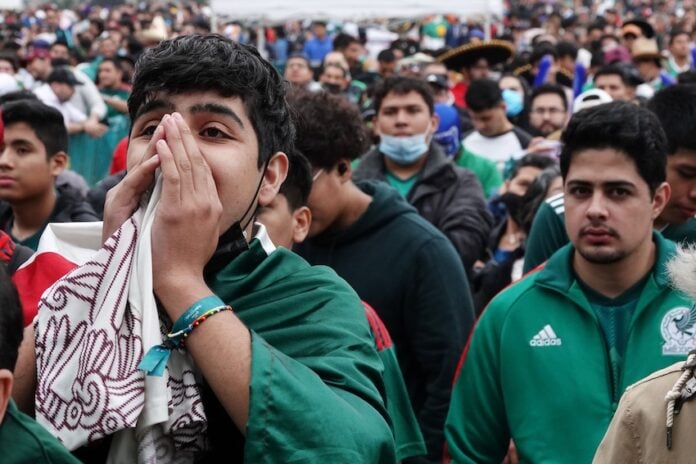
Mexico soccer fans
Mexico's cultural capital is getting ready for the biggest sporting event in town. What can visitors expect during the 2026 FIFA World Cup? (Galo Cañas/Cuartoscuro)

When Guadalajara last hosted a FIFA World Cup, Diego Maradona still ruled the pitch. That was 1986, a lifetime ago in the life of Jalisco’s capital. Nearly 40 years later, the city is preparing once again to take its place on the global stage, this time as part of the largest World Cup in history.

From June 11 to July 19, 2026, 48 teams will play 104 matches across the United States, Canada and Mexico. Guadalajara will host four of those matches at Estadio Akron, including one featuring Mexico’s own national team. For the first time, “El Tri” will play a World Cup game on Jalisco soil, and local pride is running high.

Guadalajara to host 2026 FIFA World Cup matches

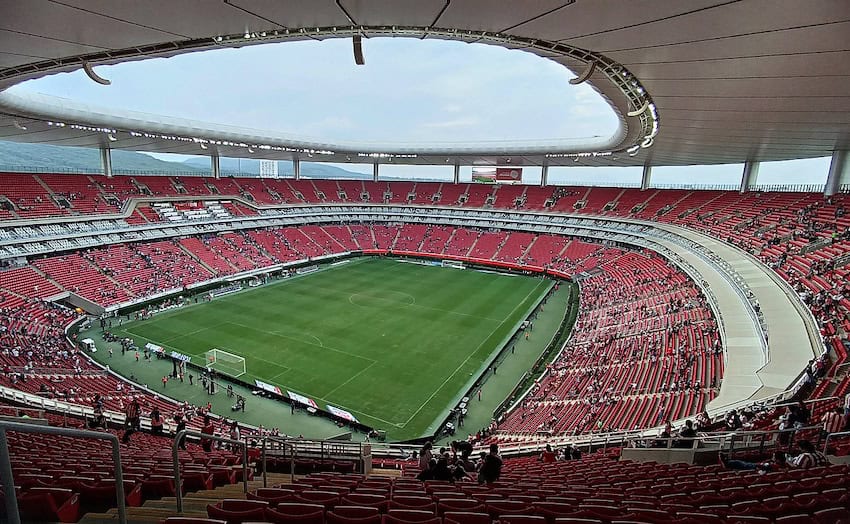
South header of the right side of Akron Stadium after a match on July 2, 2022 between Guadalajara and Bravos de Juárez
Akron Stadium in Guadalajara will host four matches during next year’s World Cup. (Alejan98/Wikimedia Commons)

Guadalajara’s connection to soccer runs deep. The city was a host venue for the 1970 and 1986 World Cups and has long been one of Mexico’s football capitals, home to the legendary Club Deportivo Guadalajara (Chivas) and Atlas FC. Estadio Akron, located in the Zapopan suburb, has already seen international action. It was a major venue for the 2011 Pan American Games and the FIFA U-17 World Cup.

The stadium will once again take center stage on June 11, 18, 23 and 26, 2026, when tens of thousands of fans are expected to fill its 48,000 seats. But the preparations taking shape across Jalisco go well beyond the matches themselves.

Less than a year before kickoff, Governor Pablo Lemus Navarro met with President Claudia Sheinbaum Pardo in Mexico City to present an ambitious slate of projects designed to strengthen Jalisco’s role. The meeting focused on investment across infrastructure, mobility, security, hospitality and culture. The state projects that more than 2.5 million visitors will arrive in Jalisco during the World Cup, a major boost for the local economy and a chance to showcase the state’s tourism identity on a global scale.

Infrastructure upgrades and other World Cup preparations are underway

Central to that transformation is a 2.5 billion peso rehabilitation of the Chapala Highway, the key artery connecting Guadalajara International Airport with the metropolitan area. The project includes new lanes, improved lighting, and modernized public transport access. Plans for the city’s future Line 5 metro are tied to the same corridor.

The Guadalajara International Airport is also expanding, part of a broader upgrade of Mexico’s major air gateways. With more international flights expected from North America, the airport’s capacity, security and customs facilities are being scaled up to handle the expected surge in passenger traffic.

Security remains another pillar of the state’s preparations. The modernization of the C5 Escudo Jalisco surveillance system, a network of cameras and control centers, is underway to monitor key areas during the tournament.

Jalisco is readying its destinations and hotel rooms

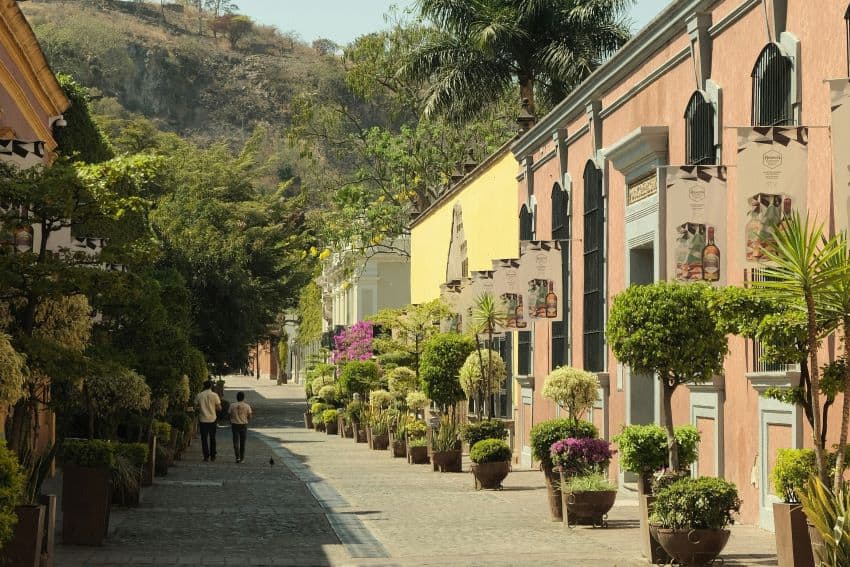
The Pueblo Mágico of Tequila is among several to get a facelift in preparation for the World Cup. (Austin Curtis/Unsplash)

Jalisco already offers around 83,000 hotel rooms, but another 38 hotels are in development with an estimated investment of 20 billion pesos. These new properties will be spread across Guadalajara, Puerto Vallarta, Costalegre, Tapalpa and Autlán. To support sustainable growth, Jalisco is offering incentives for hotels that adopt green building practices, like reusable water systems and renewable energy. The state is launching hospitality academies in Guadalajara and Puerto Vallarta to help train and certify hospitality staff, from front desk to housekeepers, and everyone in between. 

Puerto Vallarta, in particular, is expected to see indirect benefits. Many visitors will likely split their time between Guadalajara and the coast, combining matches with beach escapes. The state’s Pacific destinations are already popular among international travelers, and additional air routes and resort investments are expected to enhance that draw.

State cultural assets will be displayed for visitors

Jalisco’s preparations aren’t all about roads and rooms. The state is leaning heavily on its cultural assets to make the World Cup a celebration of identity. In Guadalajara’s historic center, a World Cup Fan Festival will transform the plazas into a hub of music, art and gastronomy, featuring mariachi performances, charreadas and regional cuisine.

Beyond the capital, the state’s 12 Pueblos Magicos, including Tapalpa, Mazamitla, Lagos de Moreno and Tequila, are undergoing beautification projects under the Rutas Magicas de Color initiative. These efforts aim to improve public spaces and strengthen tourism infrastructure ahead of the global spotlight.

The federal Pueblos Mágicos program itself is also evolving. The Tourism Ministry recently announced new classification tiers — A, AA, AAA — that will assess each town’s readiness based on sustainability, service quality, and innovation. Evaluations are expected to conclude by late 2025.

Jalisco is becoming a global event hub

Officials predict the World Cup is just the start of a larger push to position Jalisco as a global event hub. Later that same year, Guadalajara will host ITB Americas, one of the world’s largest travel trade shows, for the first time. The fair will attract thousands of industry leaders from across the Americas and is expected to generate nearly US $12 million in tourism revenue.

Meagan Drillinger is a New York native who has spent the past 15 years traveling around and writing about Mexico. While she’s on the road for assignments most of the time, Puerto Vallarta is her home base. Follow her travels on Instagram at @drillinjourneys or through her blog at drillinjourneys.com.

El Jalapeño: Pete Hegseth declares victory in War on Drugs after sinking Puerto Vallarta booze cruise

33

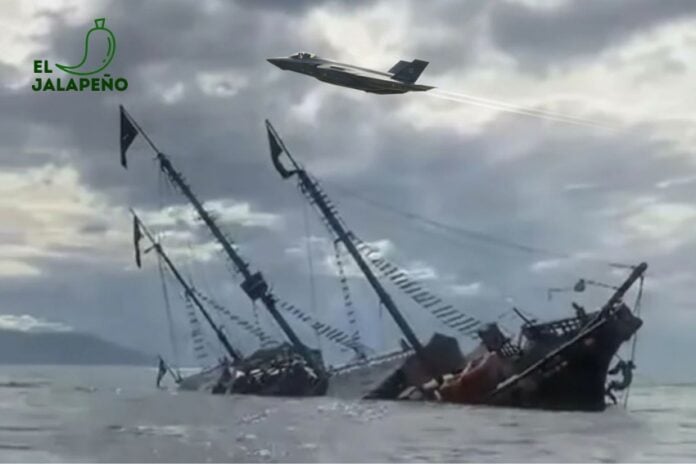
El Jalapeño is a satirical news outlet. Nothing in this article should be treated as real news or legitimate information. The real news article that inspired this piece can be found here.

PUERTO VALLARTA — In a move described by military historians as both “bold” and “possibly the biggest cruise dinner interruption since the Titanic,” Secretary of War Pete Hegseth announced that he personally authorized a “kinetic strike” on what sources later revealed was the Marigalante — the infamous Puerto Vallarta pirate ship beloved by tourists and anyone who enjoys limp buffet shrimp and forced pirate puns.

According to Pentagon insiders, the “heavily armed galleon-style vessel” was first flagged by analysts after TikTok videos surfaced showing passengers cheering during an abnormally realistic cannon fight and suspiciously abundant rum-based cocktails. “Frankly, it checked every box for cartel activity: wooden ship, pirates, fireworks, unlicensed sword fights, and untaxed Mai Tais,” Hegseth explained during a press conference held outside Señor Frog’s.

Eyewitnesses say the strike occurred just as the pirate actors began their nightly “surrender or walk the plank” skit, which, due to the missile, turned out to be more interactive than usual. “The whole ship started tilting — I thought it was part of the dinner show, until the waiters began yelling, ‘Abandon ship!’ instead of ‘Last call for daiquiris!’” recalled one shaken but well-fed tourist.

The U.S. government confirmed that it will continue to dispense justice, American-style, whenever the need arises. When pressed on the possibility of future strikes, he replied, “Let this be a warning: if you’re mixing pirates, pyrotechnics, and all-you-can-eat surf-and-turf — freedom may strike when you least expect it.”

Though no tourists were harmed, Hegseth hailed the mission as proof that “no vessel is too whimsical, nor any tourist’s vacation too sacred, to be left untouched by American firepower.”

Check out our Jalapeño archive here!

Got an idea for a Jalapeño article? Email us with your suggestions!

Voices of Mexico: 7 podcasts worth adding to your queue

3
Podcast equipment
Podcasts are a great way to keep up with what's happening in Mexico and to hear engaging Mexican voices. (Unsplash/Will Francis)

I’m a huge fan of podcasts. I fall asleep to them, wake up with them, walk with them, multitask with them and shower with them. They’re a wonderful way to learn, be entertained and even feel accompanied … by your own interests.

There’s also no better way to get the pulse of another country than through its local voices, and podcasts are one of the most accessible and dynamic ways to do it. They’re also a surprisingly effective way to practice your Spanish comprehension if it’s not your native language (it helps to turn down the speed of the podcast to 0.5x). Beyond that, they offer fascinating insights into the cultural priorities, humor and storytelling style of Mexico today.

Below, we’ve vetted a variety of podcasts based in Mexico that are on our radar today. There’s something for everyone, ranging from salacious gossipy productions with mass appeal to serious podcasts with business-focused insights, tales of horror, self-improvement content and hilarious storytelling. 

Without further ado, here are some of the most engaging Mexican podcasts of the moment worth adding to your queue.

La Magia del Caos

Síndrome del impostor, inseguridades y amor propio con Regina Blandón | T6 Ep #11 La Magia del Caos


La Magia del Caos takes its name from the tagline “Sin caos, no puede haber cambio. Sin cambio no hay evolución” (“Without chaos, there can’t be change. Without change, there is no evolution”), capturing its focus on growth through life’s messiness. Hosted by Mexican actress Aislinn Derbez, the show mixes candid, heart-centered conversations with therapists, artists and public figures. What feels like friends “shooting the shit” carries a deeper intention: exploring behavior, awareness and self-improvement with humor and vulnerability.

Drawing on Derbez’s personal experience, the podcast tackles themes like relationships, motherhood, trauma and growth. Each episode offers emotional insight and practical wisdom that help listeners turn chaos into evolution.

Accionables

Growth Marketing: Cómo cambiar de carrera y aumentar tu salario 60% | Orlando Osorio, Accionables

Accionables with Orlando Osorio is a fast-paced podcast for startup and tech enthusiasts, offering deep insights into Latin America’s venture capital scene, founder journeys and the region’s technology ecosystem. Each episode features influential VCs, founders, operators and tech leaders who break down growth marketing, go-to-market strategies, team building, management tactics, productivity tools and the latest industry trends.

The show is a gem for ambitious listeners navigating Mexico City’s booming startup ecosystem, and for those seeking tips on growth, productivity and innovation. A standout episode features Natalia González, a Mexican-born and U.S.-raised venture capital investor, who shares personal stories, practical advice and her perspectives on the future of investing in the region.

Leyendas Legendarias

Historias del Más Acá 241 - Mi Director es Brujo

Leyendas Legendarias is a cult favorite for good reason. The show fuses true crime, paranormal mysteries and humorous history with irreverent comedy. Hosted by José Antonio Badía, Eduardo Espinosa and Mario Capistrán, the trio dives into notorious cases like “La Mataviejitas” and legendary phenomena — always with a focus on the bizarre and offbeat. The latest episode I caught was titled “El Defecador Serial” (“The Serial Defecator”) and if that doesn’t make you chuckle, you have no soul.

Since launching in 2019, it’s become one of the most popular Spanish-language podcasts, topping Spotify rankings in Mexico and ranking among the most downloaded across Latin America.

Cracks Podcast con Oso Trava

GUÍA COMPLETA: INTELIGENCIA ARTIFICIAL para EMPRENDEDORES | ADRIÁN VILLASEÑOR CRACKS PODCAST #353

Cracks Podcast, hosted by entrepreneur Oso Trava, is known for deep-dive interviews with Mexico’s business, tech and arts elite. Guests range from billionaire Carlos Slim to 87-year-old surrealist painter Pedro Friedeberg, as well as other avant-garde creatives and industry heavyweights. Trava’s style is direct but thoughtful, bringing conversations on success, resilience and personal philosophy. With his wide range of guests, Cracks gives us insight into Mexico’s entrepreneurial and creative circles. The podcast has plenty of food for thought, with over 350 episodes, and has gained high acclaim.

Querida Valeria

Transformando el Trauma con Marco Ratti - Ep.3 T5

Hosted by Mexican actress and psychologist Carla Cardona, Querida Valeria is an intimate, emotionally-focused podcast that provides listeners with self-help tools and candid explorations of mental health topics like vulnerability, heartbreak and self-acceptance. It’s an intimate, emotionally grounded podcast that feels like getting letters from a wise friend. Inspired by Cardona’s own life, every episode feels personal and encourages listeners to lean into their emotional journeys and growth.

A recent fascinating episode features Mexican sports legend Lorena Ochoa — the former world #1 ranked professional golfer — who speaks not only about her athletic career but also delivers some inspiring tips on resilience and self-belief.

Dementes Podcast

Diego Barrazas
Diego Barrazas’ “Dementes” podcast is a great resource for those looking to carve out unconventional career paths. (Dementes Podcast)

Dementes (meaning insane, crazy or demented) is hosted by Diego Barrazas and is intended for those who defy traditional career paths. It features practical conversations with industry leaders who have carved unconventional routes to success, sharing challenges, lessons learned and actionable advice. With its energetic, inclusive tone, the show resonates strongly with ambitious millennials in Mexico, blending career development, creativity and entrepreneurship.

Since launching in 2016, Dementes has grown into one of the top podcasts in its category with over 15 million downloads. Guests range across diverse industries, but the focus is consistent: long-term entrepreneurship, cultivating creative skills and embracing the mindset of being an “outsider” as a strength. It gives TED Talk energy but is more casual.

Territorio Rojo

T1:E7 DELIA PATRICIA BUENDÍA, 'Ma Baker', la primera MUJER líder de un CÁRTEL CHILANGO

This one will have you on the edge of your seat. Territorio Rojo is one of Latin America’s most impactful and chilling true crime podcasts, which covers the dark reality of narcotrafficking and organized crime in Mexico. It’s not sensationalist. It takes a serious, journalistic approach to stories that are unfortunately real, uncovering the violence, corruption, insecurity and the complicity networks that sustain the infiltration of organized crime into institutions. 

Episodes delve into high-profile incidents like the 2012 Cadereyta massacre, acts of citizen resistance such as Alejo Garza’s stand against cartel gunmen, and the infiltration of organized crime into institutions. The podcast takes an investigative, ethical approach, highlighting both atrocities and the human stories of courage, grief and resilience.

Growth, entertainment and a new perspective

It’s no surprise that podcasts have exploded by 718% over the last decade. Podcasts are entertaining and informing today’s multitasking listeners. Think of them as cultural time capsules, giving us a glimpse into how a society laughs, reflects, functions, grieves, hustles and dreams. 

So next time you lace up your sneakers or hop in the shower, consider pressing play on a Mexican podcast. You’ll be entertained, challenged, and — most importantly — invited into another way of seeing the world.

What are your favorite Mexican podcasts? Share them in the comments below, and stay tuned for Part II of Mexican Podcasts of the Moment.

Monica Belot is a writer, researcher, strategist and adjunct professor at Parsons School of Design in New York City, where she teaches in the Strategic Design & Management Program. Splitting her time between NYC and Mexico City, where she resides with her naughty silver labrador puppy Atlas, Monica writes about topics spanning everything from the human experience to travel and design research. Follow her varied scribbles on Medium at medium.com/@monicabelot.

Taste of Mexico: Rice and pasta

2
Rice, pasta, soup. Three essential elements in the tao of Mexican cuisine. (Lampos Aritonang/Unsplash)

As I pursue a Master’s in Modern and Contemporary Art, it’s impossible not to see every work of culture — be it a canvas or a cuisine — through the lenses of history, politics, and society. Food, like art, is never accidental; it’s a rich tapestry woven with meaning, tradition, and identity. When we examine our customs — why we eat what we do, how we do it — we begin to understand that culinary practices are more than mere habits.

I must confess, having grown up in Mexico, I am thoroughly accustomed to the rhythm and richness of our meals. Yet, every time I travel abroad, especially to places like the United States or Canada, I experience a subtle cultural jolt — an inner sense that our lunches, with their deliberate courses, are not just about sustenance but about ceremony. To my palate, a three-course meal is a dance, starting with a light soup or a mound of rice, progressing to a main, and concluding with a sweet revelation. Anything less feels like a hurried, incomplete affair.


And so, a pattern emerges: Our meals are abundant — an unapologetic celebration of life — and if they last less than two hours, we’ve likely eaten in haste. But the weekends, with their lingering sobremesa — a space where conversation and snacks intertwine — remind us that food is an act of leisure as much as nourishment.

Today, I want to dig into the first act of this culinary performance: Why do we open our meals with rice or soup, dishes that are often so hearty they could stand alone?

Blame it on the Spanish

Specifically, blame it on the rich Spanish who were used to having a three-course meal because their main courses used to be deliberately heavy on carbs and proteins, with just a hint of vegetables. Naturally, to prepare for those indulgent mountains, the Spaniards typically begin with something lighter. Historically, soups in pre-Hispanic Mexico played a similar role: vegetable concoctions, often with tiny fish or even insects, warming the stomach softly before a heavy meal.

Recent scientific insights echo this tradition. Starting a meal with a vegetable soup — like Mexico’s beloved “milpa” soup — can actually aid digestion. It’s a ritualization of health, a gentle wake-up call for the stomach.

As 19th-century Mexico began to industrialize, the three-course structure became widespread, transcending class divides. It became part of our culinary DNA: open with rice or soup, dive into the main, and finish with something sweet.

Rice has long been a staple of Mexican cuisine. (JG/Unsplash)

Arroz. Ah, one of China’s grandest gifts to the world, adopted wholeheartedly by Mexico. We treasure rice as fiercely as we exalt our corn. Thanks to the Spaniards — whose ships brought it in the 16th century — rice has embedded itself into our culinary soul. Based on recent data from INEGI (2020), Mexicans consume roughly 30 to 35 kilograms of rice annually — more than beans.

Each family’s touch varies: some boast rice with sour cream, avocado, ketchup, or even banana — creativity knows no bounds. And in many homes, a splash of red rice elevates chicken broth into a hearty, comforting staple.

Soups with short pasta

With the arrival of the Spanish, our soups evolved, adopting forms that resemble what we know today: pozoles, milpa broths, chicken or beef soups, pot moles. But it was the humble short pasta — elbows, vermicelli, letters — that came to define everyday Mexican soup.

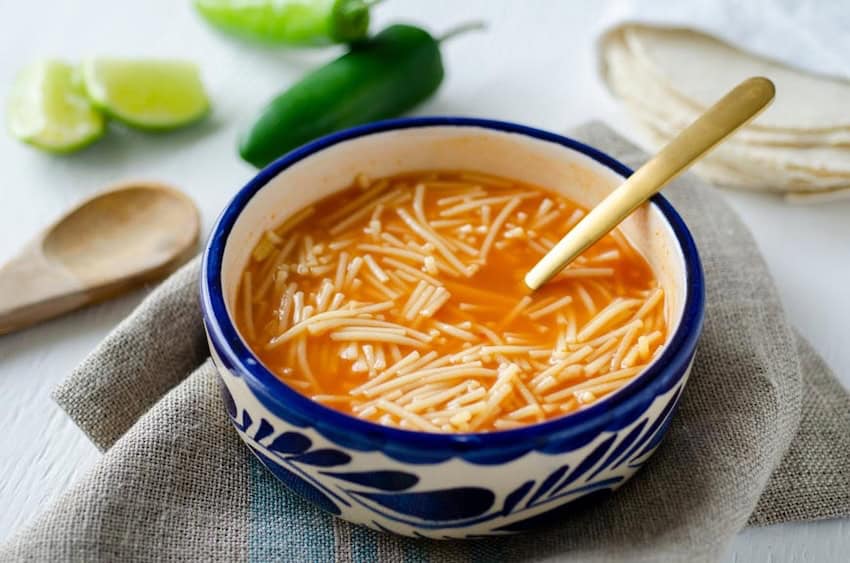
Growing up, a bowl of “letter soup” or “ammunition” — which I affectionately called “municipalitas” — was a staple. Pasta soups now account for about 10% of instant processed foods in Mexico, a testament to their enduring comfort.

The humble pasta soup has been a mainstay of Mexican cuisine since the arrival of Europeans. (Dora’s Table)

This Mediterranean influence blended with local ingredients during the viceroyalty, giving rise to soups uniquely ours — lively, fiery, and imbued with history. Though Spaniards also used liver and sweetbreads, which are much rarer today, a hot pasta soup remains the traditional way to “open” our stomachs with warmth and familiarity.

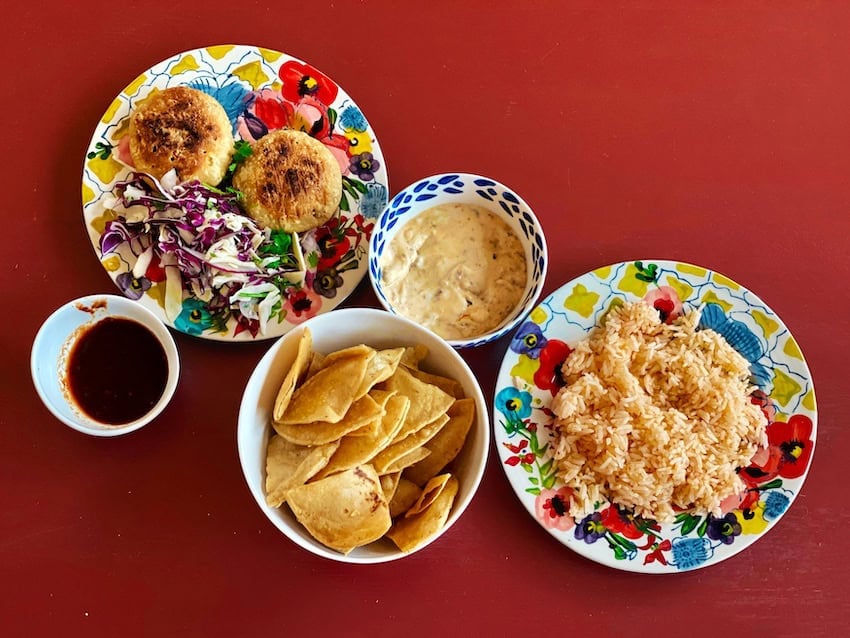
If you’re new to these flavors or simply want to master the basics, here are two foolproof recipes — one for Mexican-style rice and another for a classic pasta soup.

Zero-Fail Pasta Soup

Ingredients:

  • 1 tablespoon vegetable oil or lard
  • 1 medium onion, finely chopped
  • 2 cloves garlic, minced
  • 2 medium tomatoes, peeled and chopped (or ½ cup tomato puree)
  • 1 liter chicken, beef, or vegetable broth (preferably homemade)
  • ½ cup short pasta (elbows, letters, vermicelli)
  • Salt and pepper to taste
  • Fresh cilantro or parsley for garnish (optional)

Preparation:

  1. Heat oil in a large pot over medium heat. Sauté onion and garlic until translucent.
  2. Add tomatoes or puree; cook for 5 minutes.
  3. Pour in broth and bring to a boil.
  4. Add pasta, reduce heat, and cook for 8-10 minutes.
  5. Adjust salt and pepper. Garnish. Serve hot and comforting.

Mexican-Style Rice

Ingredients:

  • ½ kg ripe tomatoes, chopped (or a 411g can)
  • ⅓ cup chopped white onion
  • 2 cloves garlic
  • 1 teaspoon salt (or to taste)
  • 3 cups chicken or vegetable broth
  • 3 tablespoons vegetable oil
  • 2 cups white rice
  • Optional: parsley, jalapeños, carrots, peas, corn

Preparation:

  1. Blend tomatoes, onion, garlic, salt, and chiles until smooth.
  2. Sauté rice in oil until lightly golden.
  3. Add the tomato mixture; cook 3-4 minutes.
  4. Pour in broth and vegetables; simmer until rice is soft and liquid absorbed, about 15 minutes. If time has passed, all the liquid is absorbed, and the rice is still undercooked, add ¼ cup of water or broth (no one will know.) Cover again and cook for 2-3 more minutes.
  5. Rest for 5 minutes before serving, and enjoy a taste of Mexico’s culinary soul.

In the end, much like art, our cuisine is an ongoing dialogue between tradition and innovation. The rituals of starting with rice or soup are acts of cultural preservation, storytelling, and communal identity as much as they are simple sustenance.

So next time you sit down to a meal, remember: your first bite is the opening statement of a much deeper story — one painted in flavors, history, and love.

Maria Meléndez is an influencer with half a degree in journalism

Mexico’s week in review: Organized crime faces pressure from international collaborations, as homicides and industrial activity decline

0
Hundreds of hot air balloons dot the sky over León, Guanajuato
The International Balloon Festival kicked off in León, Guanajuato, on Thursday, with more than 200 hot air balloons participating. (Jorge Ortega / Cuartoscuro.com)

Mexico navigated a busy week marked by dramatic security achievements, international cooperation, economic challenges and political tensions. From coordinated anti-cartel operations to archaeological discoveries, the Nov. 10-14 period saw the Sheinbaum administration tout crime reductions while confronting business slowdowns, infrastructure issues and bilateral friction with the United States.

Didn’t have time to read this week’s top stories? Here’s what you missed.

Security successes amid ongoing challenges

President Sheinbaum started the week with the announcement that it would deploy nearly 2,000 additional troops to Michoacán as part of the Plan Michoacán for Peace and Justice, a comprehensive 57-billion-peso ($3.1 billion) initiative to pacify one of Mexico’s most violent states. The 12-point strategy also includes economic development, infrastructure projects, education improvements and support for farmers. Notably, Sheinbaum emphasized that unlike former President Calderón’s militarized approach, “peace is not imposed with force.”

On Tuesday, Federal Security Minister Omar García Harfuch revealed that 56% of extortion telephone lines traced through the government’s 089 hotline originated from just 12 prisons, prompting plans to block cell phone signals at 14 federal prisons and 13 Mexico City prisons by early 2026. Meanwhile, it came out that a suspect in the murder of Uruapan’s mayor had already been arrested when he was killed, raising questions about why a municipal police officer killed someone who was no longer a threat — and may have been able to provide information about the conspirators behind the crime.

The Sheinbaum administration highlighted significant progress in reducing violence. At Tuesday’s morning press conference, officials reported homicides declined 27.9% in 2025 compared to 2024, with an average of 66.1 murders per day in the first 10 months. October saw particularly dramatic improvement, with 32 fewer daily homicides than September 2024. García Harfuch attributed the decline to 37,000 arrests over 13 months, along with seizures of nearly 300 tonnes of drugs and nearly 19,000 firearms.

However, grim discoveries tempered these achievements. Authorities announced the remains of 16 people were found in a clandestine cemetery near Cancún, a rare occurrence for the Caribbean coast tourism destination.

Following Mexico’s lead, US sanctions cartel-linked casinos across Mexico

The week also saw unprecedented U.S.-Mexico cooperation. The two countries coordinated operations to shut down cartel-linked gambling establishments suspected of money laundering for the Sinaloa Cartel. After Mexico announced closing 13 casinos Tuesday, the U.S. Treasury sanctioned 10 Mexico-based establishments, including casinos in Ensenada, Villahermosa, Nogales and Mazatlán. The coordinated action targeted the Hysa Organized Crime Group, an Albanian family accused of laundering drug trafficking proceeds.

International drug trafficking cooperation expanded further. China announced new restrictions requiring export licenses for 13 fentanyl precursor chemicals destined for Mexico, the United States and Canada, taking effect immediately on Monday. FBI Director Kash Patel credited the policy change to President Trump’s engagement with Chinese President Xi Jinping. Separately, Mexico and France announced joint efforts to tackle organized crime.

Despite cooperation, tensions over potential U.S. military intervention surfaced. However, U.S. Secretary of State Marco Rubio clarified Thursday that America will not undertake unilateral military action against Mexican cartels, appearing to quell recent media reports of imminent operations.

Political developments and controversies

President Sheinbaum confronted multiple political challenges this week. At Thursday’s press conference, she forcefully addressed opposition claims that her recent sexual assault was staged, describing such statements as “revictimization” rooted in misogyny. She also defended references to former President Calderón’s role in current security problems, stating “we must always remember history.”

The next day, Sheinbaum announced that a proposal to reduce Mexico’s workweek from 48 to 40 hours could be presented to Congress this month.

Meanwhile, billionaire Ricardo Salinas Pliego met with El Salvador’s President Bukele Wednesday, suggesting Mexico needs a “tough on crime” leader. Awkwardly, Mexico’s Supreme Court ruled the next day that Salinas must pay over 48 billion pesos ($2.6 billion) in a massive tax evasion case.

Economic indicators paint a mixed picture

Three shoppers
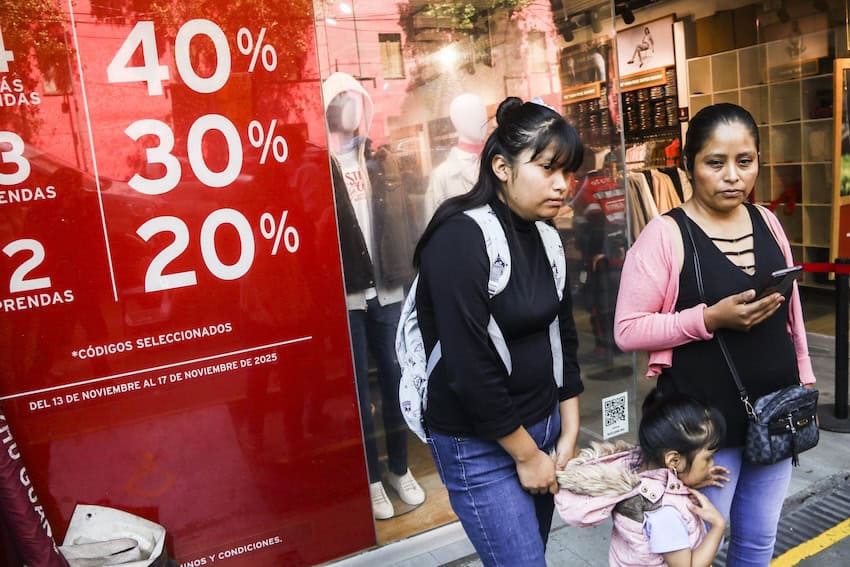
The Buen Fin shopping event kicked on Thursday, with businesses across the country offering discounts through Sunday. (Victoria Valtierra/Cuartoscuro.com)

While the long weekend shopping extravaganza El Buen Fin launched Thursday expecting to generate over 200 billion pesos ($10.9 billion) in sales, deeper concerns emerged. Industrial activity declined 1.8% in the first nine months of 2025, the worst performance since 2009 excluding the pandemic. Construction declined 2.7% annually, with civil engineering projects plummeting 26.7% due to reduced government infrastructure spending. Manufacturing fell 0.5%, with transport equipment production down 4.9%. The telecom sector is also set to lose a major player, after Movistar announced its exit from the Mexican market.

Yet growth pockets remained visible. International visitation increased 13.9% in the first nine months, with 71 million total visitors generating $25.7 billion. At Wednesday’s press conference, Sheinbaum celebrated record formal sector employment. And earlier in the week at Monday’s FIFA briefing, she fielded questions about 2026 World Cup security and tickets. The event is expected to generate an economic windfall, especially for the Mexican host cities: Mexico City, Guadalajara and Monterrey. Meanwhile, daily production at the Dos Bocas refinery surged 87% in September.

Investment news offered tentative optimism. BYD signaled renewed interest in building a Mexican plant. The Mexican company Cipre Holding also shared news of plans for a US $1 billion data center in Nuevo León (an announcement that was partially overshadowed when the state governor mistakenly credited and thanked Nvidia for the investment, which they denied).

Technology developments continued with Jalisco announcing a new semiconductor chip design park, even as the U.S. semiconductor industry urged the USMCA free trade treaty partners to excempt their industry from tariffs.

A different industry faced new tariffs, this time implemented by Mexico. In response to domestic oversupply, the government announced tariffs of up to 210% on sugar imports.

Infrastructure and social developments

Infrastructure showed progress despite constraints. Work began on a new highway connecting San Luis Potosí with Querétaro. Nayarit authorities announced recovering $2.7 billion in beachfront land illegally sold during previous administrations.

The weather cooled down, and a cold front prompted schools in Puebla and Hidalgo to close on Monday. Then Thursday night, another cold front swept across Mexico, bringing temperatures to -10°C in mountainous areas with heavy rains forecast.

Nayarit authorities reclaim US $2.7B in stolen beachfront land

Cross-border tensions emerged as U.S. senators pushed legislation to block water deliveries to Mexico over the 1944 treaty.

Archaeological discovery

Archaeologists announced discovering a massive 3,000-year-old map of the Maya universe in Tabasco. The Aguada Fénix site, built between 1050 and 700 B.C.E., covers an area comparable to Cincinnati, making it the oldest and largest monumental architecture in the Maya world. Unlike pyramid-building kingdoms, it shows no signs of rulers, suggesting voluntary communal construction.

Looking ahead

Several key issues demand attention. Past 40-hour workweek proposals have repeatedly failed, and Sheinbaum’s new attempt will require delicate negotiations over the course of the next month. Whether China’s fentanyl precursor restrictions keep the chemicals out of the hands of traffickers remains to be seen, and Mexico has its work cut out to keep homicide levels trending down.

President Sheinbaum’s ability to navigate criticism while maintaining focus on security, addressing an industrial slowdown and tackling social issues will shape Mexico’s trajectory approaching the World Cup and could position the country for continued growth despite trade tensions and domestic challenges.


This story contains summaries of original Mexico News Daily articles. The summaries were generated by Claude, then revised and fact-checked by a Mexico News Daily staff editor.

The wedding that forever changed Los Cabos

0
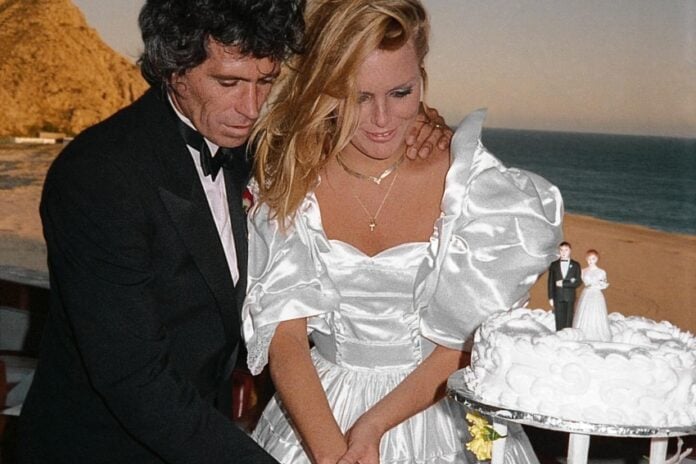
Wedding of Keith Richards and Patti Hansen
Keith Richards and Patti Hansen were married in Cabo San Lucas on December 18, 1983. (Instagram)

The Rolling Stones were the biggest rock band in the world in 1979 when the lead guitarist, Keith Richards, met model Patti Hanson — where else? — at Studio 54 discotheque in New York City. Richards was 35, while Hansen was celebrating her 23rd birthday on the night they met. But she was already famous, too, having appeared on the cover of the American edition of Vogue on 12 separate occasions between 1975 and 1978. Richards, immediately smitten, sent over a bottle of Dom Pérignon Champagne. 

Their marriage, however, wouldn’t take place for another four years, over 2,000 miles away in the small town of Cabo San Lucas, still in its formative phase as a tourist destination. The area boasted only half a dozen or so hotels, but was by no means unknown in celebrity circles or among the world’s wealthy elite.

Setting the stage

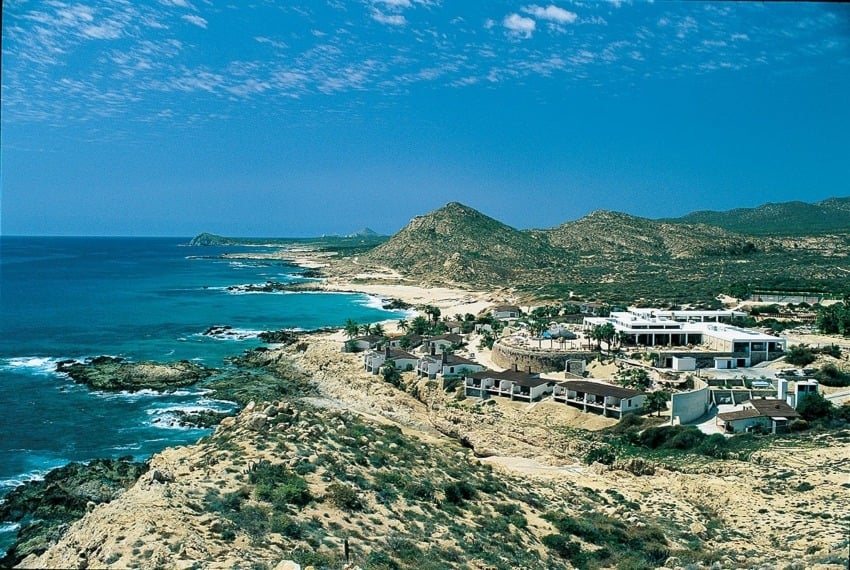
Hotel Twin Dolphin in Los Cabos
Hotel Twin Dolphin, the golden age Cabo resort where Richards and Hansen stayed. (Hotel Twin Dolphin)

Erle Halliburton, founder of the eponymous multinational oil company, had cruised to Cabo San Lucas from Corpus Christi, Texas, as early as 1938 aboard his newly launched 160-foot yacht Vida. Among those along for the ride was his son, David, who spent so much time splashing about in the local waters that Erle was heard to remark, “The kid’s a twin of a dolphin.”

By 1945, the year the Second World War ended, Halliburton’s company had drilled over 80,000 wells worldwide. But he and his family never forgot Cabo San Lucas. His son, David Sr., returned so often on fishing trips over the years — accompanied by celebrity friends like Barron Hilton, Dean Martin and John Wayne — that he ultimately decided to build a resort so their wives could accompany them and enjoy comfortable accommodations.  

Thus, in 1977, the Hotel Twin Dolphin was opened by the man who had acquired the same nickname 39 years earlier. The 50-room resort was an expanded, updated version of the original Hotel Bajo Colorado, built seven years earlier near Bahía Santa María. It was immediately recognized as one of the premier properties in the region. Celebrities, notably, embraced it. Not just David Sr.’s famous fishing buddies, Dino and the Duke, but other big-name stars as well. 

Richards and Hansen must have felt right at home when they arrived in late 1983. It was, after all, a place accustomed to catering to the whims of famous guests, a task no doubt made easier by the fact that the two were clearly in love. 

“I loved her soul and knew in my heart I wanted to make this thing legitimate,” Richards remembered in his 2010 autobiography, “Life,” co-written with James Fox. “And I was coming up to my 40th birthday. What was more appropriate? We’d been shooting videos in Mexico City for ‘Undercover of the Night,’ with Julian Temple, who shot many of our videos in those days. We shot three or four in Mexico while we were there. And at the end, I decided, right, fuck it, time off, go down to Cabo San Lucas.”

A memorable proposal

The Rolling Stones had been performing since 1962 and had been regularly touring the U.S. since 1964. As a consequence, Richards had made friends in all parts of the country. Indeed, a fledgling member of his “Southwest crew” would play a key part in the proposal. That was Gregorio Azar, whose family had founded the successful Azar Nut Company, headquartered in El Paso. Azar had a house in Cabo San Lucas and although he had never met Richards before, the two had enough mutual friends that they soon began hanging out. 

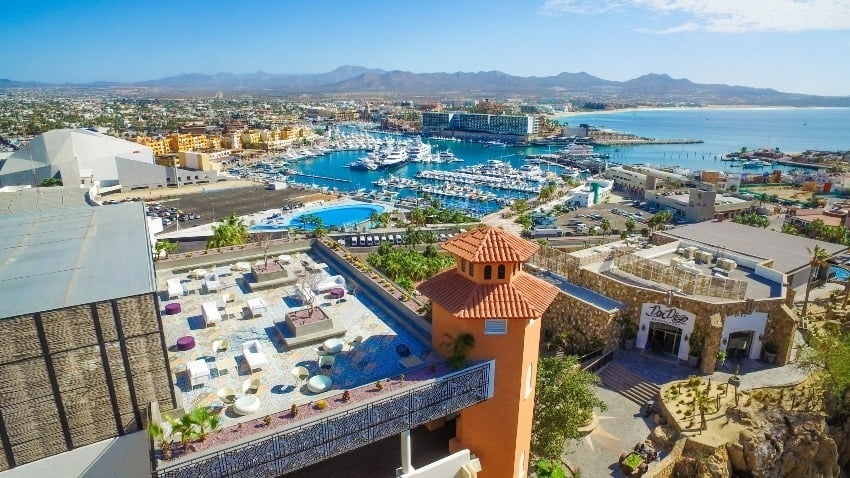
Sandos Finisterra in Cabo San Lucas
Event space at Hotel Finisterra, now Sandos Finisterra. Richards and Hansen were married at the property, which also showcases spectacular Pacific Ocean views, in 1983. (Sandos Finisterra Los Cabos)

One night, on Azar’s roof, Richards asked Hansen to marry him, setting the date to coincide with his 40th birthday: Dec. 18, 1983. Her response was immediate and violently enthusiastic. 

“She said, Do you mean it?” Richards related in “Life.” “I said yeah. Immediately, she jumped on my back. I didn’t feel anything, but I heard something go snap and I looked down and there’s two beautiful fountains of blood coming out from behind my toenail. Within five seconds of me saying yeah, I mean it, she broke my toe. Next time it’ll be the heart, right? Half an hour later, it had started to throb and then I was on a crutch for the next two weeks. 

“A few days before our wedding day, I found myself running through the Mexican desert on a crutch with a black coat and chasers on. We’d had a fight, Patti and I, some premarriage thing, I don’t know what it was about, but here I was, hobbling through cacti, chasing her into the desert. ‘Come here, you bitch!’ like Long John Silver.”

The day of the wedding

The venue chosen for the wedding was not the Twin Dolphin, where Richards and Hansen stayed for the entirety of their visit. But another iconic Los Cabos property: the Hotel Finisterra. It was opened in Cabo San Lucas in 1972 by pioneer hotel builders Luis Cóppola Bonillas and Luis Bulnes Molleda. The former was a former war hero and Trans Mar de Cortés pilot turned hotelier who had invested in and helped build some of the area’s most famous early hotels. The latter was the former cannery manager, a native of Ribadesella, Spain, who, two years after helping open the Finisterra, would premiere Hotel Solmar at Land’s End, the first of what would become Los Cabos’ only homegrown hotel chain

The Finisterra, or “Land’s End,” was and still is a remarkable property. Built on a ridge overlooking both the Pacific Ocean and the Cabo San Lucas Marina — completed the same year as the wedding — it’s as picturesque a location for a wedding as any on Earth. 

Richards and Hansen were married in Finisterra’s Whale Watchers Bar on a Sunday afternoon amid friends and family that had flown in for the occasion. The Rolling Stones’ frontman, Mick Jagger, for instance, arrived from Barbados the night before the event and acted as best man. Richards’ parents were also there, as were several members of Hansen’s family. The wedding itself was officiated by a local civil registrar, Mercedes Ceseña Chong, who noted to United Press International (UPI) beforehand: “It will be a wedding like any other, under the same laws that Mexicans marry, even though it has to do with an important artistic personality.”

Keith Richards Patti Hansen Wedding Cabo San Lucas - Satisfaction Garantee

Naturally enough, given the rock star participants, music was a big part of the proceedings. “Let’s have some music,” Richards was heard to say as the ceremony concluded and traditional Mexican songs accompanied both ceremony and reception, the latter held at a local trailer park, El Faro Viejo, where a mariachi band performed. 

A melancholy honeymoon 

Richards and Hansen had been in Los Cabos for a month before the wedding took place and Richards at least seemed loath to leave afterward. “When Keith came down for his wedding, he’d planned to stay for a week, but didn’t leave for three months,” Sammy Hagar confided in his autobiography, “Red: My Uncensored Life in Rock.” 

“His family went back after a couple of weeks, but he stayed, sleeping on people’s floors. Jorge Viaña, the bellman at the Twin Dolphin who eventually became the manager of Cabo Wabo, took Keith everywhere. Keith liked to sit in with the mariachi bands. They didn’t know who he was, this crazy gringo in the rock-and-roll clothes, but he was drinking tequila straight from the bottle and handing out $100 bills, so they loved him.”

He had also run into more old friends courtesy of a tip from Azar. Namely, the German couple Uschi Obermaier and Dieter Bockhorn, a fashion model and a former bar owner, who were renowned in counterculture lore for driving a Mercedes bus, fur-lined and with a sauna, along the old hippie trail through Afghanistan, Turkey and India.

The fabled bus had somehow made it to Cabo San Lucas by 1983 and Richards met up with the two on the eve of his wedding. Less than two weeks later, however, on New Year’s Eve, Bockhorn died tragically after crashing his motorcycle into a truck. According to Richards, he was “killed on his motorcycle, his severed head still in his helmet, on one side of the road; his body had gone over the bridge.”

It was a macabre close to what had been a long and life-changing visit.

A lasting legacy

Van Halen in Los Cabos, 1990
Van Halen bandmates Alex Van Halen, Michael Anthony, Eddie Van Halen and Sammy Hagar arrive at Cabo Wabo Cantina in Cabo San Lucas for its opening in 1990. (Van Halen News Desk)

The Hotel Twin Dolphin was closed by 2006. El Faro Viejo RV Park by 2008. The Sandos Finisterra, meanwhile, remains open, and guests today can still see mementos, like the ceremonial coffee urn, used during the celebrated nuptials. The most important legacy of the Richards and Hansen wedding, however, was the rock stars it inspired to make Los Cabos a part of their lives. Hagar was the most famous of these. 

“In December 1983, I saw a photograph in People magazine from the wedding of Keith Richards and Patti Hansen,” he later reminisced. “They were standing poolside at the Twin Dolphin … and I thought it looked cool. He has always been one of my heroes, and told Betsy we should go down, check the place out. 

“There was only one flight a week — one flight in, one flight out — with dirt roads all the way from the airport to the Twin Dolphin. There were no telephones, no newspapers, no televisions, and no air-conditioning. To make a phone call, you had to go to the phone company downtown and pay by the minute after they placed the call for you.”

Hagar had joined Van Halen and was touring with the band by 1989. Meanwhile, a new nightclub called Cabo Wabo Cantina was being built in Cabo San Lucas. Hagar had approved the construction plans provided by local developer Marco Monroy, but all four band members had ownership stakes. By 1990, it was ready to open, which it did with massive amounts of promotion from MTV, which flew in contest winners and filmed the opening concert at the nightclub on April 22.

Hagar bought out the other members of Van Halen by 1994, but other rock stars were happy to visit, with many joining him onstage during his annual birthday shows. As the years went by, country music stars also fell in love with Los Cabos, with many getting their first taste via performances at Cabo Wabo. Naturally, songs extolling Los Cabos’ virtues soon followed from Toby Keith’s “Cabo San Lucas” and Merle Haggard’s seasonal classic “Christmas in Cabo San Lucas” to Kenny Chesney’s “Beer in Mexico,” which was written during a vacation to the area. 

In this way, Richards and Hansen’s wedding helped to put Los Cabos on the map, not only for musicians but for millions of their fans worldwide. 

Chris Sands is the Cabo San Lucas local expert for the USA Today travel website 10 Best, writer of Fodor’s Los Cabos travel guidebook and a contributor to numerous websites and publications, including Tasting Table, Marriott Bonvoy Traveler, Forbes Travel Guide, Porthole Cruise, Cabo Living and Mexico News Daily.