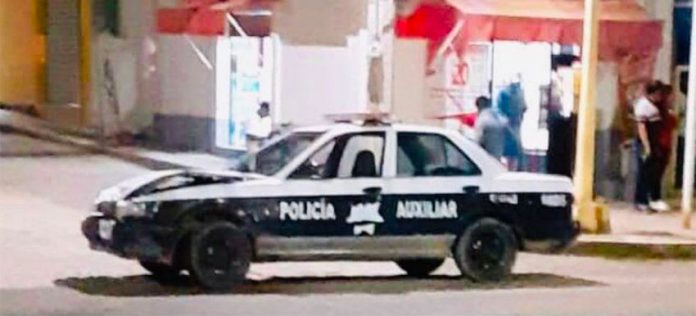
The patrol car in which the police were traveling when they struck a building.
Four Oaxaca police officers lost their jobs this week after crashing a patrol car while inebriated and then resisting arrest.
They belonged to the Auxiliary, Banking, Industrial and Commercial Police.
The officers were traveling in a patrol car when they struck a building on the Huajuapan-Puebla federal highway in the municipality of Huajuapan de León. They tried to flee the scene but were arrested by municipal police.
The Ministry of Public Security (SSP) announced that the four officers were immediately dismissed from their posts following the incident. Security Minister Heliodoro Díaz said there was “zero tolerance” for such behavior.
A crocodile is tied down on a street in Acapulco Friday.
The Diamond Zone in Acapulco had an unwelcome visitor Friday when a 2.5-meter-long crocodile was spotted wandering the streets near Playa Revolcadero.
Guerrero Civil Protection personnel responded after 911 call around 11 a.m. reported the presence of the big reptile.
They restrained the animal with rope, following safety protocols to avoid causing it any harm. The crocodile was taken back to Civil Protection headquarters to await transfer to federal environmental authorities.
The crocodile most likely emerged from the nearby lagoon of Puerto Marqués due to the heavy rains Guerrero has experienced in recent days.
The national soccer team, El Tri, will play two games to empty stadiums.
The Mexican Soccer Federation (FMF) has a problem: its fans keep chanting a slur widely seen as anti-gay at opposing teams.
Now FIFA, the international body that governs soccer, has sanctioned the Mexican national team after the chant, “Eh, puto!” was heard during two of Mexico’s Olympic qualifying tournament games. As a consequence, the Mexican team will have to play two home games in empty stadiums and the FMF will have to pay a fine of 60,000 Swiss francs (roughly US $65,000).
“In the name of the FMF, of the players, of the MX League, of the clubs and all the teams: let’s stop. Let’s please stop yelling puto … although many think it is funny, it is not,” said FMF president Yon de Luisa at a press conference after the sanctions were announced.
The sanctions are a result of the chant being shouted during Olympic qualifying games against the United States and the Dominican Republic. De Luisa said FIFA is also investigating whether the chant was heard in a May friendly match that Mexico played against Iceland.
With the most recent sanctions, Mexico entered phase 2 of FIFA’s process for punishing discriminatory behavior. The first phase is a monetary fine and the second is one or more matches closed to the public. If the chants continue, Mexico will face phase 3: deduction of points in an official tournament.
The fourth phase is elimination from the tournament.
“We invite our fans to reflect and understand once and for all the significance and impact of this kind of attitude. They are magnificent when it’s time to cheer the team on, but we beg that they focus only on the [Mexican] team,” said Gerardo Martino, technical director of El Tri, as the national team is known. “We are very worried … about what is coming, about the sanctions we could suffer.”
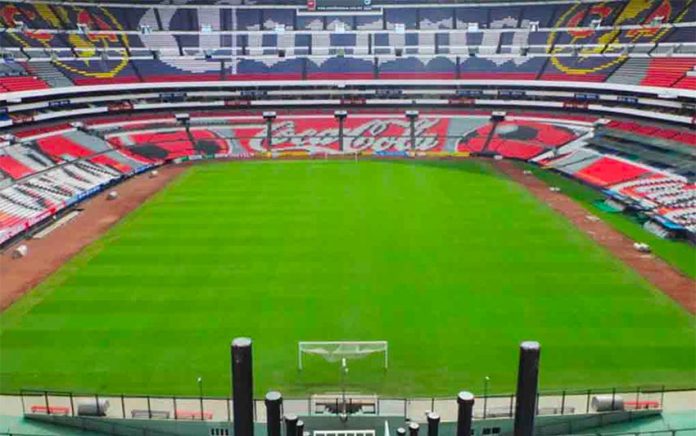
The two empty-stadium games are expected to be World Cup qualifying matches against Jamaica and Canada in September and October at Mexico City’s Aztec Stadium.
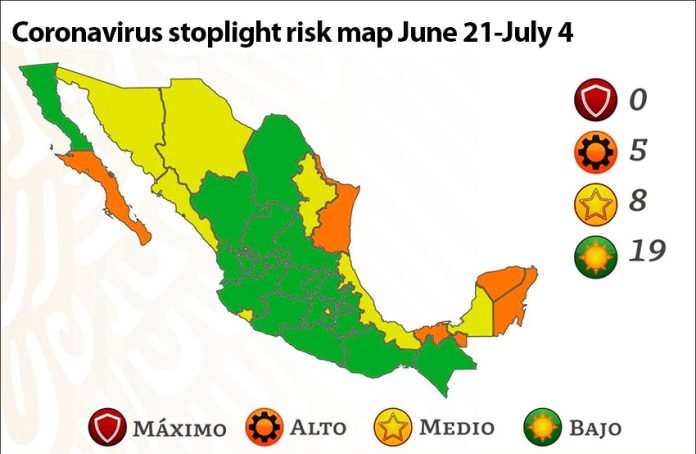
The intensity of the coronavirus pandemic is increasing in eight states, the federal Health Ministry said Friday as it announced a new stoplight map on which Mexico City lost its green light low risk status.
New case numbers are on the rise in Baja California Sur, Campeche, Quintana Roo, Sinaloa, Tabasco, Tamualipas, Veracruz and Yucatán, the ministry said in a statement.
Estimated case numbers across the country increased 14% in epidemiological week 22 – May 30 to June 5 – compared to the week prior.
Deputy Health Minister Hugo López-Gatell said earlier this week that Quintana Roo and Yucatán had recorded the most signifiant recent increase in case numbers. Both states are high risk orange on the new stoplight map, which will take effect Monday and remain in force until July 4.
There will be three other orange light states for the next two weeks: Baja California Sur, Tabasco and Tamaulipas.
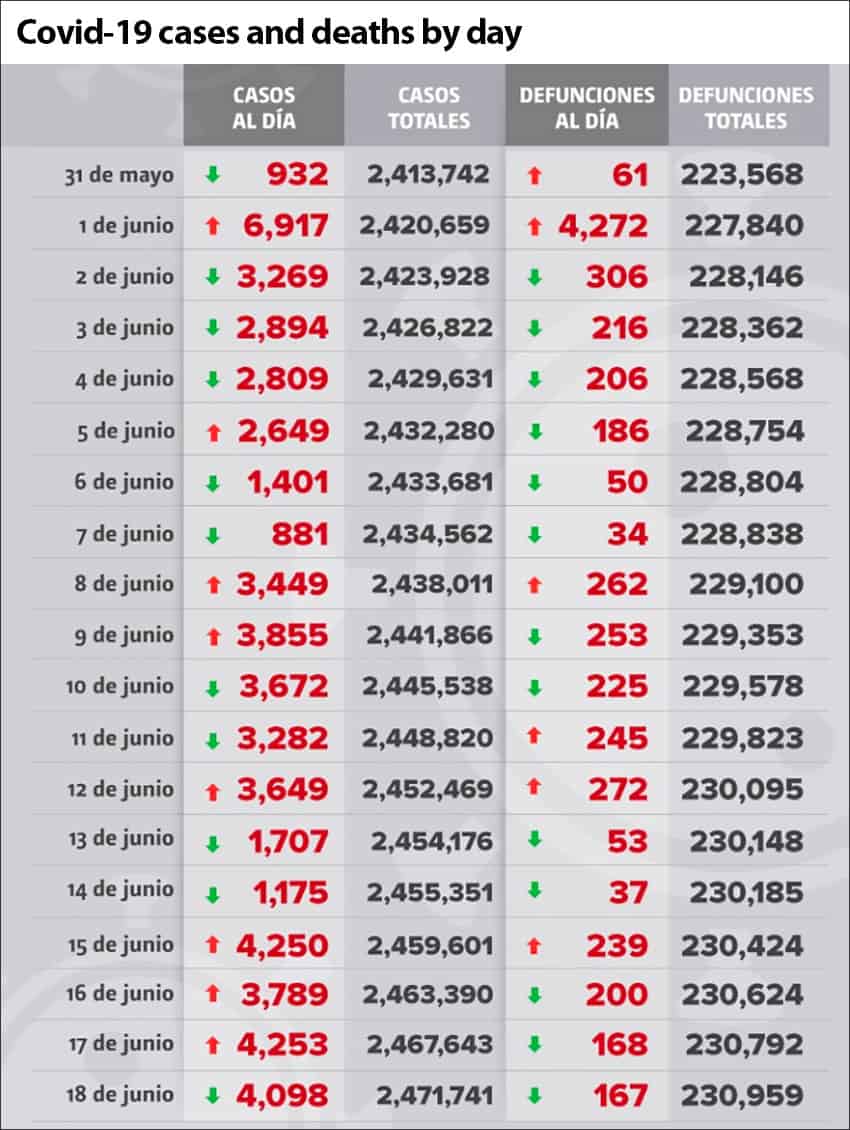
Coronavirus cases and deaths in Mexico as reported by day. milenio
Four of the five orange states are already that color while Tamaulipas, where there are more than 1,500 active cases, will switch from medium risk yellow.
There are eight yellow light states and 19 green ones on the updated map, which is once again devoid of maximum risk red.
The yellow states for the next two weeks will be Campeche, Chihuahua, Mexico City, Colima, Nuevo León, Sinaloa, Sonora and Veracruz. Seven of the states are already yellow while Mexico City will switch from green just two weeks after reaching the low risk level.
The Mexico City government said in a statement that the capital’s “Covid score,” according to a federal Health Ministry system that takes 10 different indicators including case numbers and hospital occupancy levels into account, had increased one point to nine, pushing it out of the green light range.
“According to the guidelines established by the government of Mexico, the cutoff to be at the green light level is eight points,” it said.
“It’s important to highlight that all the indicators assessed by the government of Mexico, including Covid-19 cases, hospitalizations and deaths, as well as their trends, are still in the same range as those obtained on June 3 when the change to green was determined,” the Mexico City government said, adding that the only indicator that increased was that which measures the virus reproduction rate (the number of people each infected person infects on average).
Even with a higher reproduction rate, case numbers, new hospitalizations and Covid-19 deaths are all more than 90% below their respective maximums, the government said. Restrictions will not be tightened in the capital despite the increased risk level.
The 19 green light states for the next two weeks will be Aguascalientes, Baja California, Chiapas, Coahuila, Durango, México state, Guanajuato, Guerrero, Hidalgo, Jalisco, Michoacán, Morelos, Nayarit, Oaxaca, Puebla, Querétaro, San Luis Potosí, Tlaxcala and Zacatecas. All of those states are already green with the exception of Baja California, which will switch from yellow.
The Health Ministry said the national hospital occupancy rate for beds set aside for coronavirus patients is 86% lower than the peak recorded in January when Mexico was amid its second and worst wave of the pandemic. More than 80% of both general care and beds with ventilators are currently available, it said.
More than 27.2 million Mexicans, or 30% of the adult population, have received at least one vaccine dose, among whom are 15.8 million people who are fully vaccinated, the Health Ministry said.
The accumulated case tally currently stands at 2.47 million while the official Covid-19 death toll is 230,959, the fourth highest total in the world after those of the United States, Brazil and India.
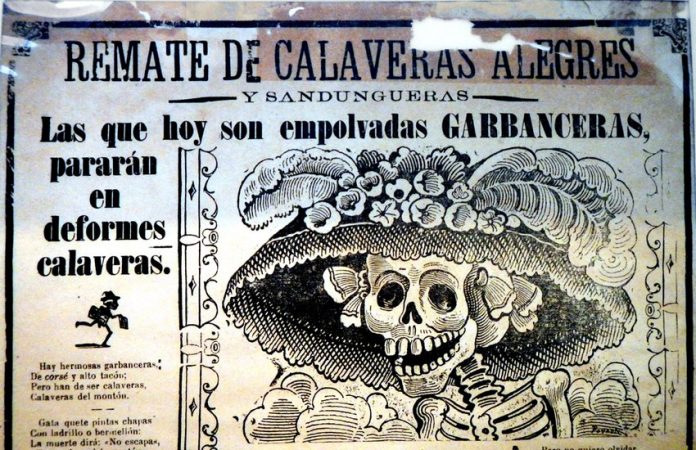
Posada’s original 1905 cartoon of La Catrina is on display in the museum.
La Catrina, the grinning skeleton with the elegant, floppy chapeau is, without a doubt, the most famous creation of Mexican cartoonist, illustrator, artist and satirist, José Guadalupe Posada (1852–1913), whose work was so prolific that even today, no one knows exactly how many obras (works) he produced.
But if you’d like an overview of his work — and at the same time an insight into life in Mexico during the tumultuous days of the Revolution — the place you should not fail to visit is the José Guadalupe Posada Museum in Aguascalientes.
Posada was born in the city of Aguascalientes and began his career as a teenage cartoonist for a local newspaper. Unfortunately, the paper was forced to close after 11 issues, supposedly because one of Posada’s cartoons had offended a powerful local politician. He then moved to León, Guanajuato, where he started a printing shop that flourished until 1888, when a disastrous flood hit the city.
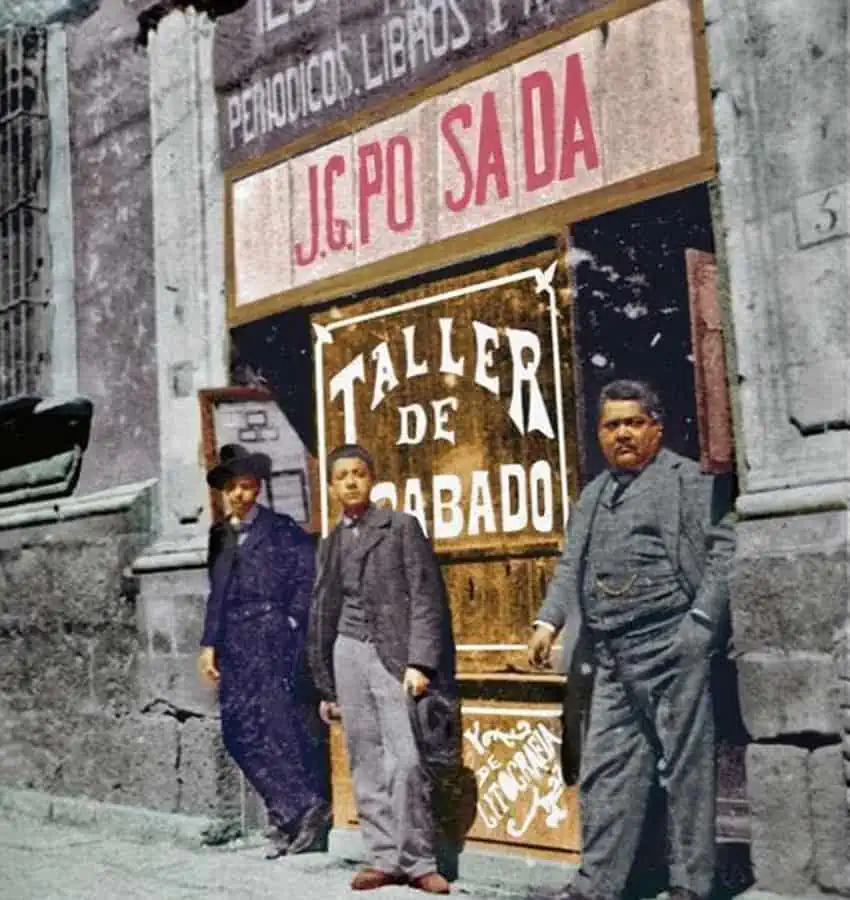
Posada then moved to Mexico City, where he collaborated with the newspaper La Patria Ilustrada and the Revista de México. For years, he had been doing his engravings on wood, but in 1895, he began experimenting with techniques of etching on blocks of zinc.
Mostly he did cartoons that were accompanied by verses or popular news items. The papers he worked for were penny publications, the precursors of today’s supermarket tabloids, and he illustrated countless tales of murder and mayhem as well as graphic reports of catastrophes and dire predictions of cataclysms.
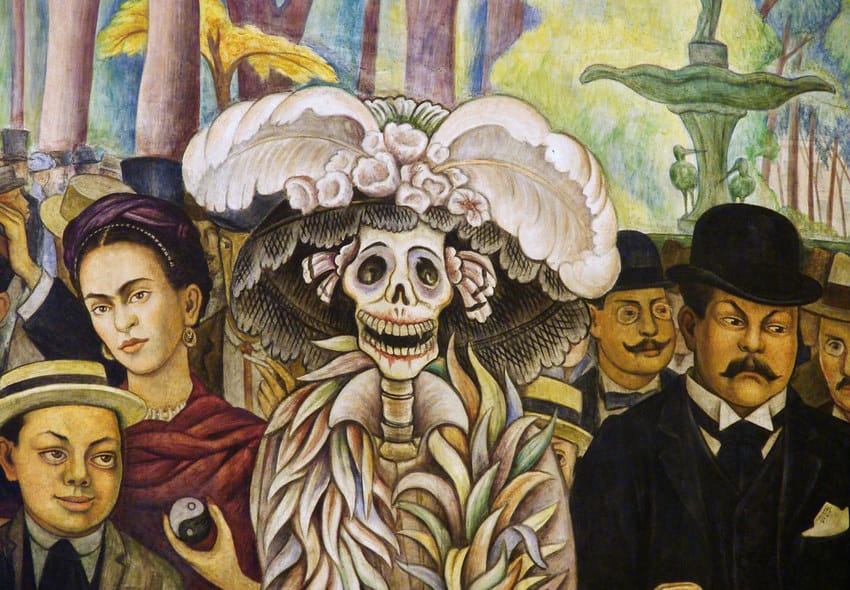
Detail from Diego Rivera’s Sunday Afternoon Dream mural.
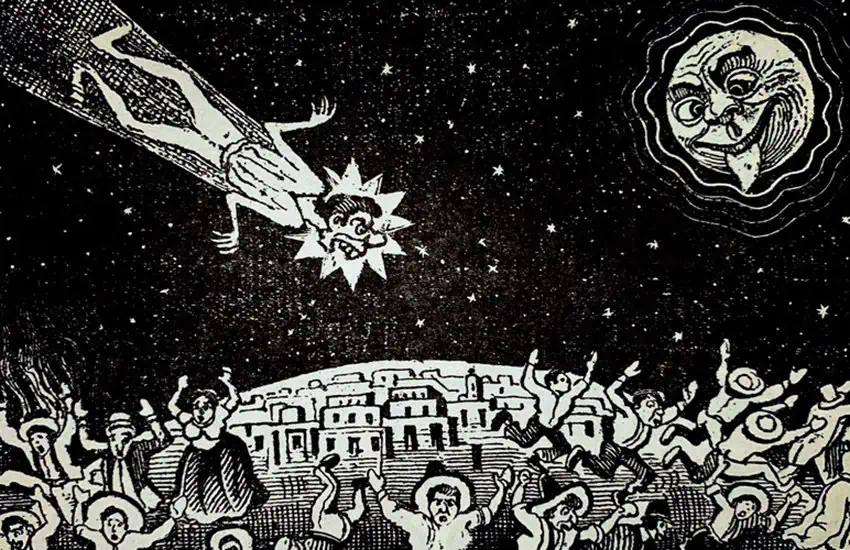
As for cataclysms, surely the most awful one predicted during Posada’s entire lifetime was Halley’s comet, which was expected to arrive in 1910. Well in advance of the comet’s arrival, famed French astronomer Camille Flammarion announced that the deadly gas cyanogen had been detected in Halley’s tail.
Because Earth was surely going to pass through that tail, Falmmarion predicted that the atmosphere would be impregnated with cyanogen and all life on Earth might possibly be snuffed out.
This prognostication produced panic all over the planet as people rushed to buy gas masks and phony “anti-comet pills” or “anti-comet umbrellas.” In Mexico, many churches were filled as the dread day approached and, in true Mexican style, fiestas were held “para despedirse de la Tierra,” to bid goodbye to Earth.
On May 19, Earth did actually pass through the tail of the comet, which put on a spectacular show, exciting stargazers and killing no one.
Posada’s cartoon pooh-poohed the calamitous predictions of doom.
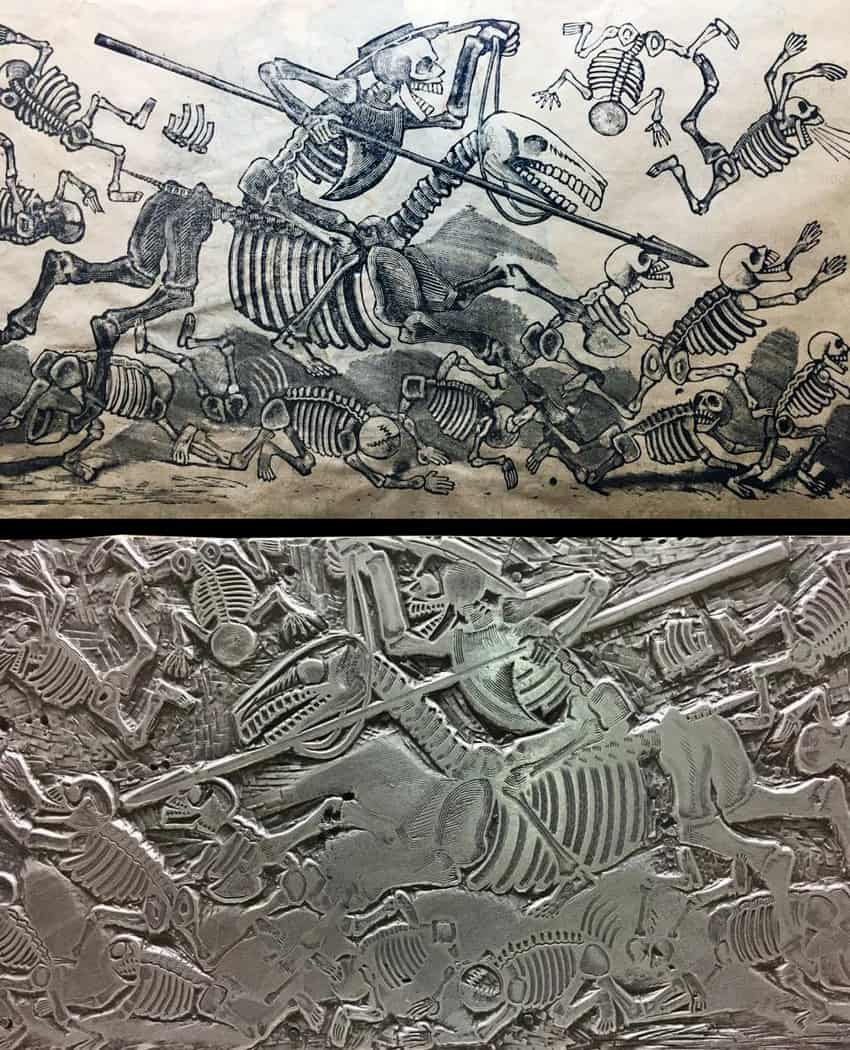
José Guadalupe Posada’s first well-known representation of people portrayed as skeletons was his etching of a bony Don Quixote, published in 1905. From then on, the calavera became his trademark.
Posada’s 1910 depiction of Halley’s comet pokes fun at predictions of the end of life on Earth.
Calavera literally means “skull,” but in most cases, his calaveras were complete skeletons. In 1912, near the end of his career, Posada drew his most famous calavera, La Catrina.
Guides at the Posada Museum take pains to point out that, originally, Catrina was in no way related to the Day of the Dead, nor a mystical symbol of the inevitability of death, so predominant in pre-Hispanic Mexico.
In reality, Posada’s Catrina poked fun at Mexico City’s high society during the Porfiriato — the period of Mexican history between 1876 and 1880 and 1884–1911 when Porfirio Díaz was president — when French fashions were all the rage.
Even servants and garbanceras (ladies selling chickpeas in the street) wanted to look catrín (fancy) and, one way or another, would borrow something French-looking to wear in public as well as whiten their dark skin with powder — in imitation of Porfirio Díaz himself, who went to lengths to hide his mestizo origins.
During all of his life, Posada worked for someone else, illustrating verses or stories written by other people.
“Posada does not want to reform or change society; he wants to depict it,” said Octavio Paz.
Posada, right, at his Taller de Grabado or Engraving Workshop in Mexico City.
José Guadalupe Posada did such a good job at portraying things as they really are that the celebrated artist and husband of Frida Kahlo, Diego Rivera, included him among the 150 most emblematic Mexicans in his 1948 mural Sueño de una tarde dominical en la Alameda (Dreams of a Sunday Afternoon in Alameda Park), which depicts 400 years of Mexican history.
In this 15-meter-long mural, Rivera painted a self-portrait of himself as a child, holding hands with Posada and La Catrina. He shows her wearing sophisticated clothing and an extravagant hat with feathers, thus creating the look that she is known for today.
The mural can be seen in the Diego Rivera Mural Museum in Mexico City.
Sad to say, José Guadalupe Posada died penniless in 1913 and, like Wolfgang Amadeus Mozart, was buried in a dirt-cheap grave. Ironically, seven years later, the grave was dug up and Posada’s remains were thrown into the cemetery’s “calaveras del montón,” the very “heap of bones” which had appeared so often in his drawings.
Without a doubt, Diego Rivera would have agreed that the Posada Museum — with its collection of 3,000 pieces — is well worth a visit. It’s open Tuesday to Sunday, 11 a.m. to 6 p.m. The entrance fee is 10 pesos general admission, and only five pesos for students and golden-agers.
You can reach them at (449) 915 4556 or via email or their Facebook page. The museum is free on Wednesdays and, yes, they have a Facebook page].
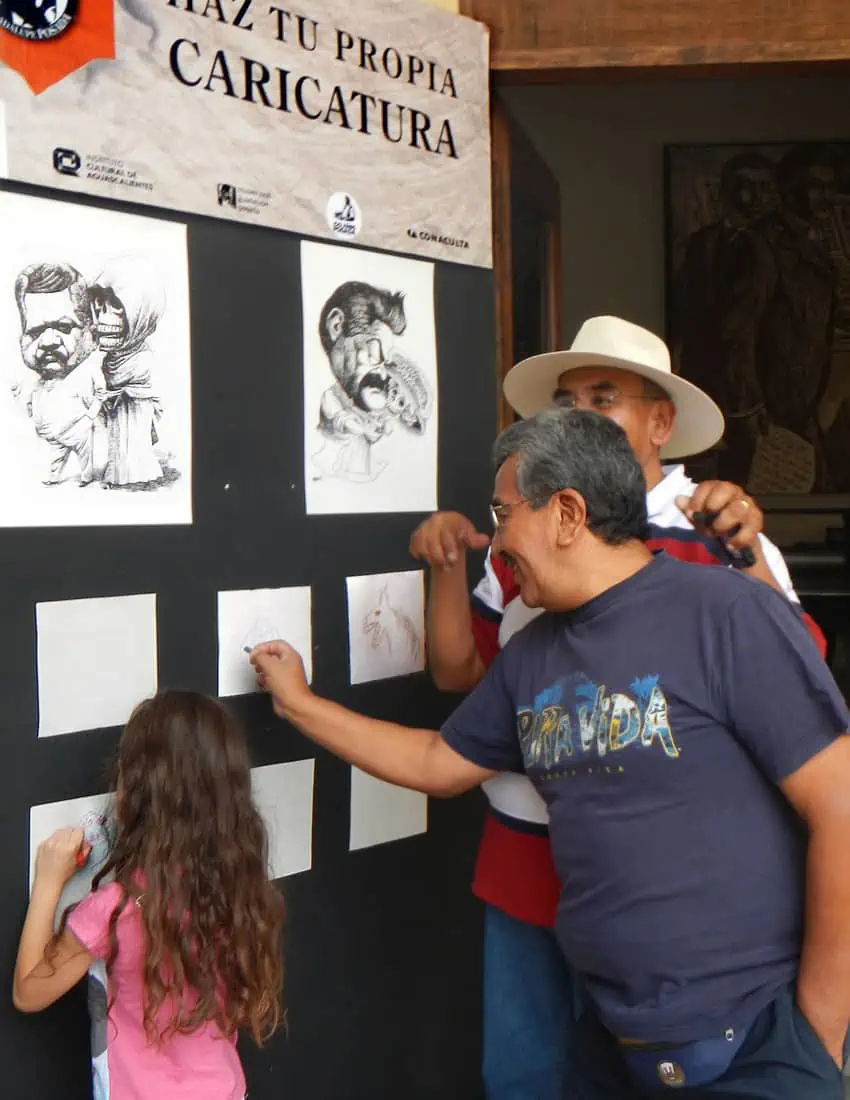
Draw Your Own Cartoon, one of many activities at the interactive museum.
You can get there from Guadalajara in about three hours via very good toll roads, and it’s only a five-hour drive from Mexico City.
“Death is democratic, because in the end, everybody, whether light-skinned, dark-skinned, rich or poor, ends up as a calavera.”
— José Guadalupe Posada
The writer has lived near Guadalajara, Jalisco, for 31 years and is the author of A Guide to West Mexico’s Guachimontones and Surrounding Area and co-author of Outdoors in Western Mexico. More of his writing can be found on his website.
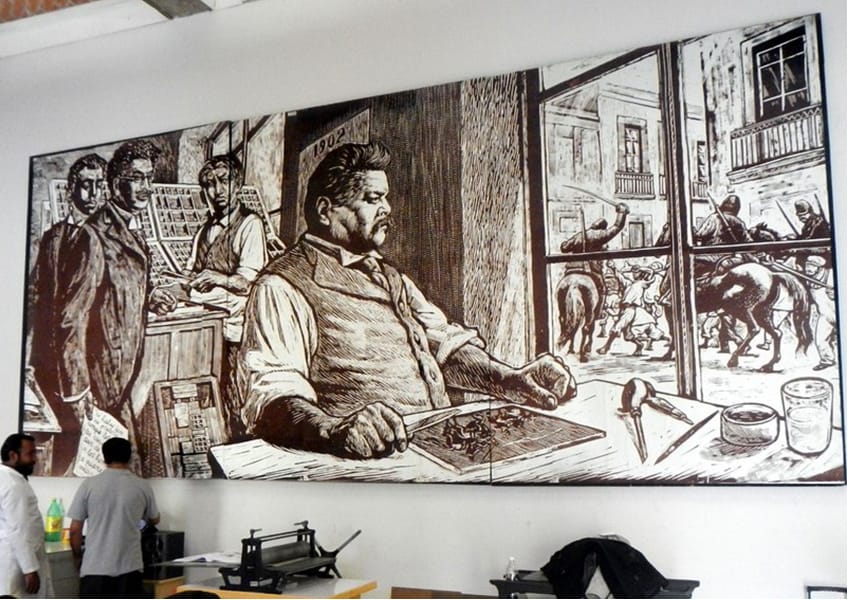
Homage to Posada by Leopoldo Méndez hangs in the museum’s workshop where courses are offered on engraving and printing.
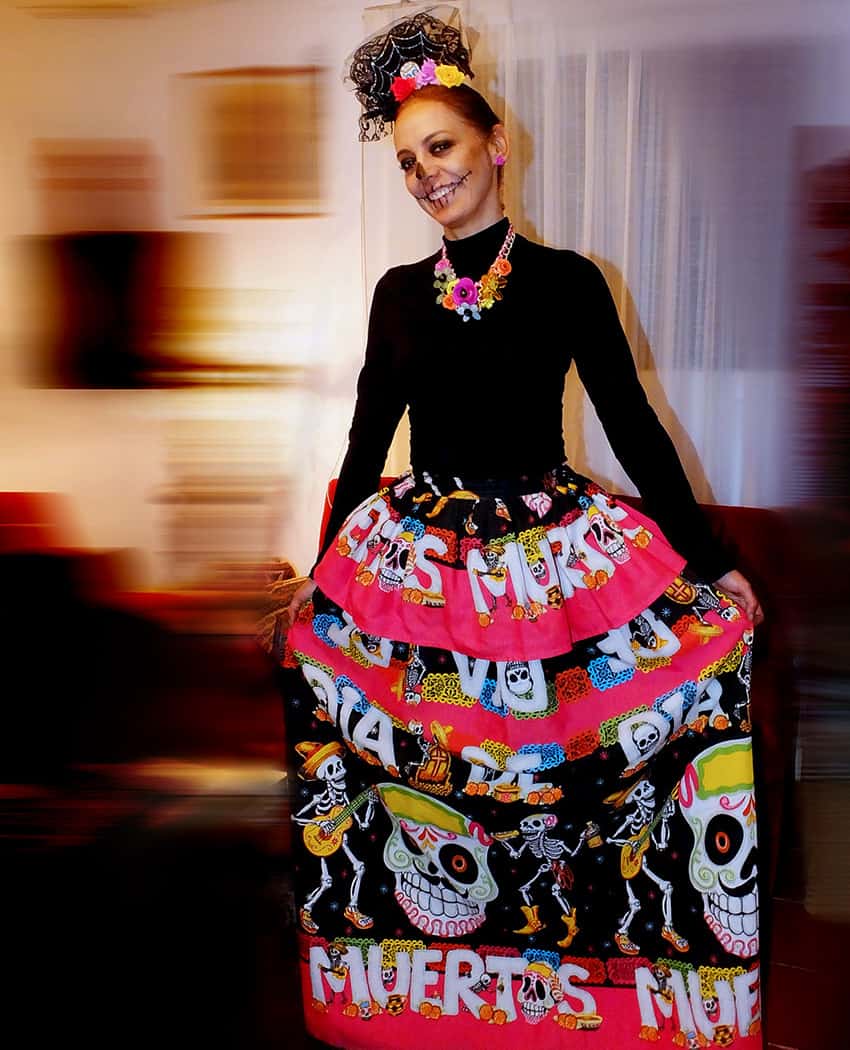
These days, it’s trendy to dress up like La Catrina for the Day of the Dead.
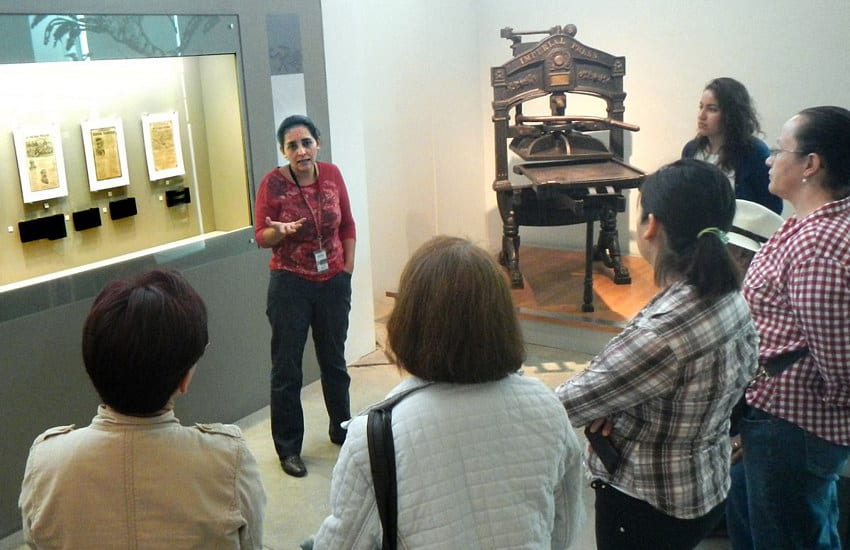
A museum guide describes the times of Jose Guadalupe Posada. The tour is free.
Cartoon of Don Quixote, Posada’s first calavera, with the original zinc plate below.
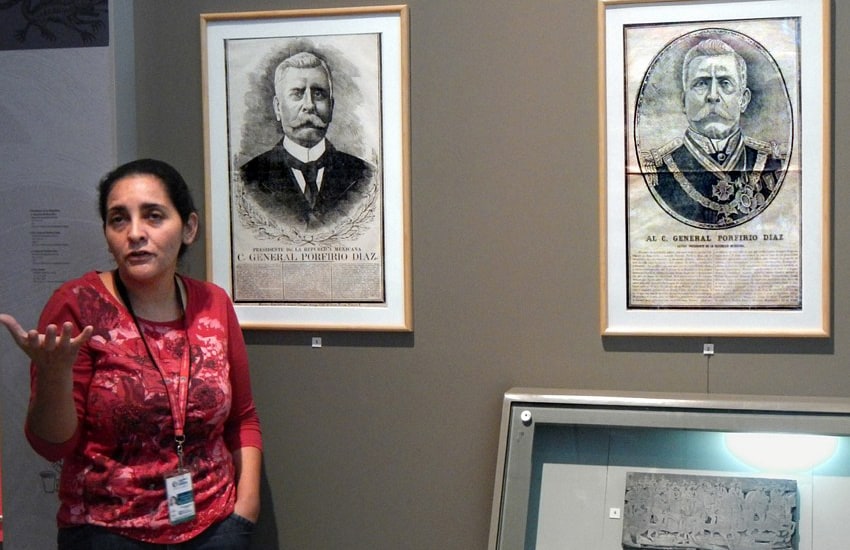
Museum guide describes Posada’s two portraits of Porfirio Díaz and his gradual disillusionment with El Presidente, who reigned for 31 years.
Posada’s La Primavera, Springtime.
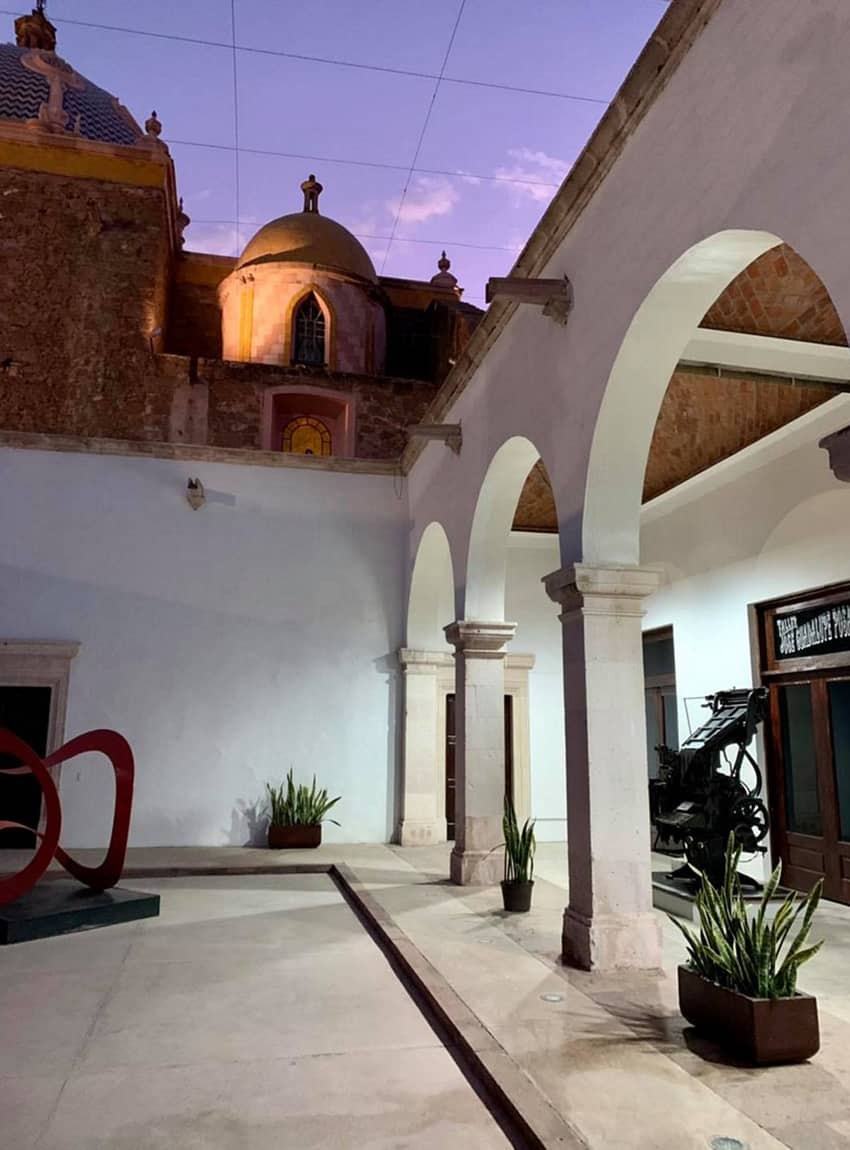
Patio of the Posada Museum in Aguascalientes.
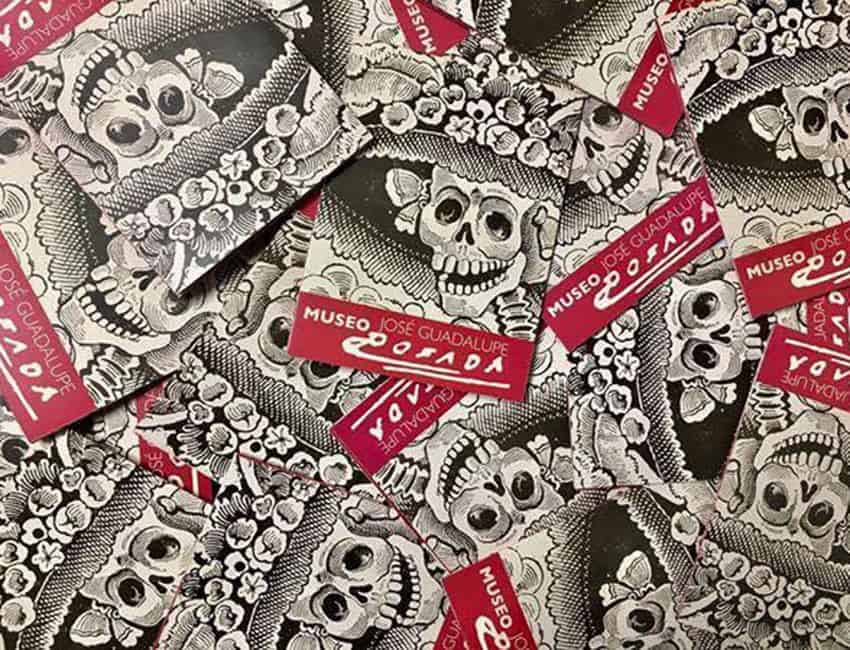
The Posada Museum is dedicated to the promotion of the graphic arts.
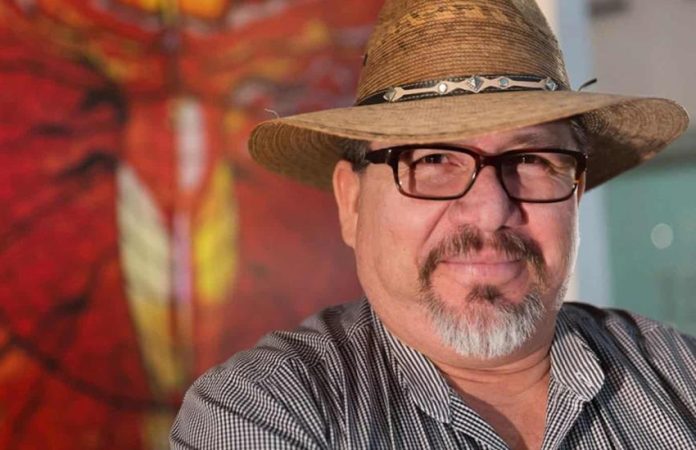
Javier Valdez, who wrote several books on Mexico's drug traffickers, was murdered in 2017.
A man convicted of the homicide of a journalist in Culiacán, Sinaloa, in 2017 was sentenced on Thursday to 32 years and three months in prison.
A Culiacán court last week found Juan Francisco “El Quillo” Picos Barrueta guilty of the May 15, 2017 murder of Javier Valdez Cárdenas, founder of the weekly newspaper Río Doce.
Picos Barrueta is the second person to be sentenced for the crime after Heriberto Picos Barraza, also known as “El Koala,” was sent to jail for almost 15 years in February 2020. Picos Barraza, El Quillo’s cousin, was driving a car used to intercept Valdez near the Rio Doce offices in Culiacán.
Picos Barrueta shot the 50-year-old journalist. Another man, Luis Ildefonso “El Diablo” Sánchez Romero, also allegedly shot Valdez but was murdered himself in September 2017.
Federal prosecutors brought 32 witnesses before a judge to support its argument that the killing of Valdez, who also contributed to the Mexico City newspaper La Jornada, was premeditated and in retaliation for articles he had written about organized crime.
Valdez’s murder was found to be retaliation for a series of stories he wrote about Sinaloa Cartel leaders Dámaso López Núñez, also known as “El Licenciado” (The Graduate), and his son, Dámaso “El Mini Lic” López Serrano. (“Lic” is a nickname for one who is a licenciado.)
The latter, currently imprisoned in the United States on drug trafficking charges, allegedly ordered the homicide.
Last year, Picos Barrueta rejected an offer of a prison sentence of 20 years and eight months in exchange for accepting responsibility for the murder. He turned the offer down because he had previously been offered a term of 14 years and eight months. Prosecutors increased the length of the sentence on offer because Picos Barrueta also faced weapons charges in Mexicali, Baja California, and Mazatlán, Sinaloa.
Jan-Albert Hootsen, Mexico representative of the Committee to Protect Journalists, said the sentencing of Picos Barrueta is “an important and welcome step forward to end impunity in a murder that shocked Mexico and the world.”
“We now call on the Federal Special Prosecutor for Attention to Crimes Committed Against Freedom of Expression to continue pushing for justice in the case and pursue the extradition of Dámaso López Serrano so that he can be tried in Mexico and be held accountable,” he added.
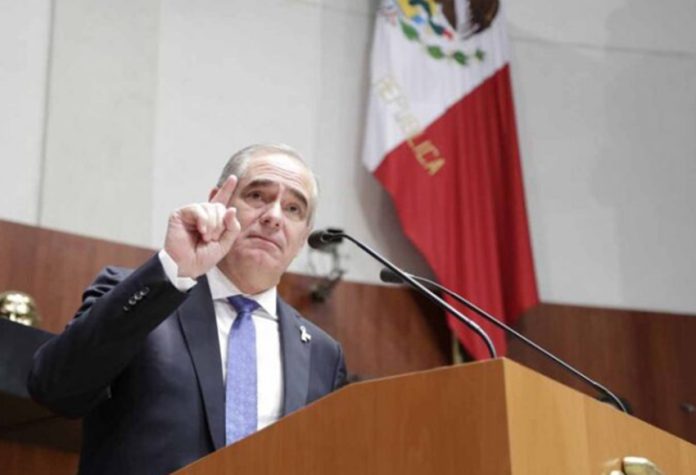
PAN Senator Julen Rementería accused the government of energy policy 'ineptitude' and predicted higher electric bills and more blackouts this summer.
The federal government has rejected claims there will be power outages this summer due to high demand for electricity and policies that make it harder for private companies to enter the Mexican energy market.
The leader of the National Action Party (PAN) in the upper house of Congress said Thursday that there have been at least nine major blackouts due to government “ineptitude” and asserted that there will be more.
“So far in this six-year term [of government], we’ve suffered at least nine massive power outages, and they always look for whom to blame. When it’s not hurricanes, it’s the wind or snowfall. The truth is that the origin is ineptitude,” Senator Julen Rementería said.
“… If every year, the need for more energy grows between 3% and 4% in the country, this has to be covered by energy that is generated in some way,” he said. “But if the Federal Electricity Commission [CFE] doesn’t invest in transmission and generation of energy and if the participation of renewable energy companies is not permitted, we will continue suffering the consequences: more expensive power bills and of course more blackouts,” Rementería said.
The federal government published a new energy policy last year that imposed restrictive measures on the renewable energy sector but it was subsequently suspended by the Supreme Court. President López Obrador, a staunch energy nationalist, is also attempting to overhaul the electricity market to favor the state-owned CFE, but his government is facing stern legal opposition from numerous private companies. In addition, the National Energy Control Center (Cenace) suspended national grid trials last year for renewable energy projects, justifying the decision by saying that the reliability of supply had to be guaranteed during the coronavirus pandemic.
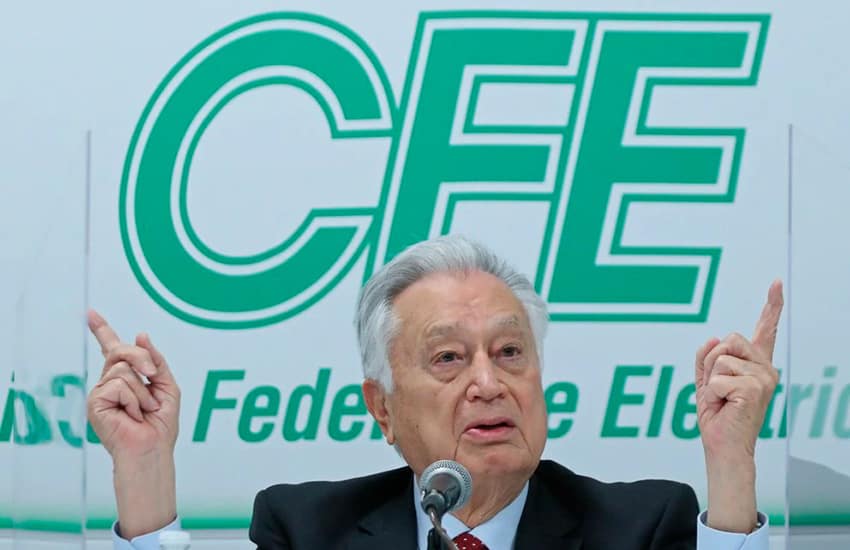
Bartlett said that there is a media onslaught against him and the CFE by those who want to hand control of Mexico’s electricity market to foreign companies. File photo
Rementería claimed that more than half of Mexico’s population has been affected by power outages in the 2 1/2 years since the current federal government took office and asserted that a change in energy policy is needed. Almost 2,000 blackouts have affected Ciudad Juárez, Chihuahua, alone this year, creating water supply water problems in the northern border city.
“What has to be done at the Federal Electricity Commission is to make technical and economic decisions instead of ideological ones,” the PAN senator said. He also stressed the need to have trained experts at the CFE, as well as at the state oil company Pemex and at Cenace, to reactivate auctions for energy generators to sell power to the CFE and to invest in renewable energy.
“Mexican homes need sufficient, cheap and clean energy whose flow is continuous, but for that to happen, we have to correct the course the government is taking … because up until now, they’ve unfortunately got the strategy wrong … and who suffers the consequences is the population of our country.”
Several media outlets published articles on Thursday about the risk of power outages this summer. The newspaper Reforma said “while the government hinders the entry into operation of private generators that produce cheap and clean electricity, the CFE could face blackouts this summer due to the lack of capacity to meet demand.”
Some reports said the CFE could periodically cut power supply to some parts of the country to ensure that the entire electricity system doesn’t collapse due to high demand. It has previously done so on a scheduled, staggered basis to reduce pressure when needed on the national system.
But López Obrador, his communications coordinator Jesús Ramírez and CFE director Manuel Bartlett all rejected the claims that Mexico will suffer blackouts — intentional or otherwise — in the coming months.
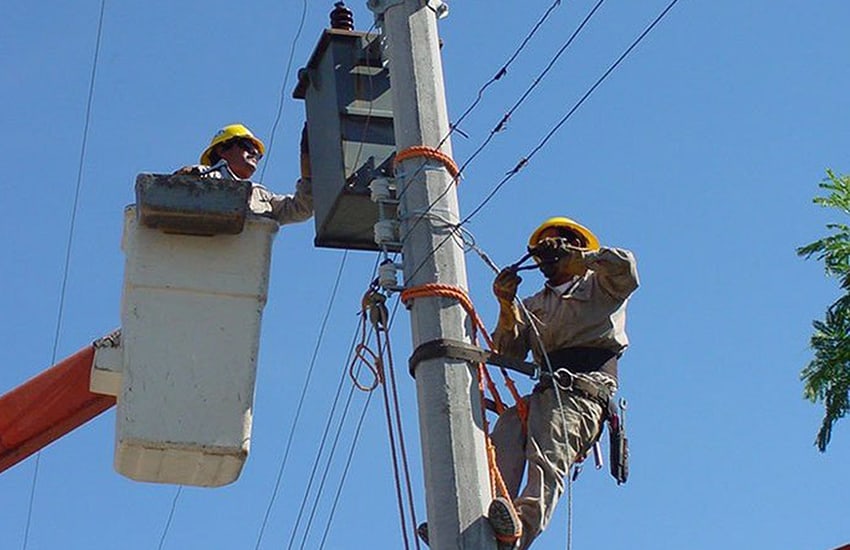
CFE distribution chief Guillermo Nevárez Elizondo said the state-owned utility is ready to maintain power through adverse weather conditions.
Bartlett claimed Thursday that a “dirty war” against the company he heads is underway.
“We guarantee that the CFE will be at the service of the population and that we’re going to do everything so that there are no outages. We’re all ready,” he said.
“… Stop spending your money on dirty campaigns, you’re not going to achieve anything,” Bartlett said after claiming that unnamed people who want to abolish the CFE and hand control of Mexico’s electricity market to foreign companies are funding a media onslaught against him and the state-owned utility.
“We’re going to rescue the CFE [from what the government calls years of neglect] despite the personal attacks, the lies, the whole campaign paid for by those who want to conserve their dirty tricks,” he said.
CFE distribution chief Guillermo Nevárez Elizondo said there will be no scheduled power outages and provided an assurance that the state-owned utility is prepared to maintain electricity supply in any adverse weather conditions that might occur.
Reports of groping and other sexual acts are not uncommon on the Mexico City Metro, but police officers are not normally at the center of them.
One cop is now without a job after a video captured him touching a woman’s butt in the Metro while on duty.
The officer, a member of the Bank and Industrial Police, was at the Line 3 Juárez station of the Metro. In the video, which was recorded by another officer, a blue-haired woman appears with her skirt lifted.
Both the cop and the woman can be seen glancing around to make sure no one is watching.
City officials fired the police officer as a result.
In other police-related news, on Tuesday a man in the Historic Center of Mexico City hit a transit official with his car then fled in an attempt to avoid being fined. The maneuver was unsuccessful; minutes later, the man was apprehended by police.
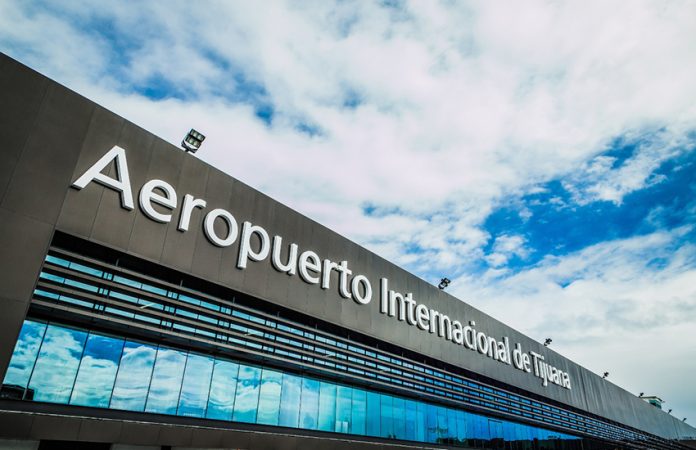
The US raised its travel warnings for Baja California, which includes tourism destinations like Tijuana, Mexicali and Ensenada.
The United States raised its travel alerts Thursday for two Mexican states and downgraded them for four others.
The Department of State increased its warnings for Baja California and Guanajuato from Level 2 “Exercise increased caution” to Level 3 “Reconsider travel.”
The updated travel advisory cited crime and kidnapping as dangers in Baja California, home to cities such as Tijuana, Mexicali and Ensenada.
“Violent crime and gang activity are common. Of particular concern is the high number of homicides in the non-tourist areas of Tijuana. Most homicides appeared to be targeted; however, criminal organization assassinations and territorial disputes can result in bystanders being injured or killed. U.S. citizens and Lawful Permanent Residents (LPRs) have been victims of kidnapping,” the State Department said.
The advisory warns citizens to reconsider travel to Guanajuato — currently Mexico’s most violent state and home to popular expatriate and tourism destinations such as Guanajuato city and San Miguel de Allende — due to crime.
“Gang violence, often associated with the theft of petroleum and natural gas from the state oil company and other suppliers, occurs in Guanajuato, primarily in the south and central areas of the state. Of particular concern is the high number of murders in the southern region of the state associated with cartel-related violence,” the State Department said.
The new travel advisory downgrades the alerts for Nuevo León and San Luis Potosí from Level 3 to Level 2 and reduces those for Campeche and Yucatán from Level 2 to Level 1, or “Exercise normal precautions.”
The latest advisory continues to warn U.S. citizens not to travel to five Level 4 states — Colima, Guerrero, Michoacán, Sinaloa and Tamaulipas — due to crime and kidnapping.
There are 11 Level 3 states: Baja California, Chihuahua, Coahuila, Durango, Guanajuato, Jalisco, México state, Morelos, Nayarit, Sonora and Zacatecas.
The State Department advises citizens to reconsider travel to eight of those states due to crime and kidnapping, while for three — Durango, Guanajuato, Nayarit — crime is the only cited risk.
There are 14 Level 2 states: Aguascalientes, Baja California Sur, Chiapas, Hidalgo, Mexico City, Nuevo León, Oaxaca, Puebla, Querétaro, Quintana Roo, San Luis Potosí, Tabasco, Tlaxcala and Veracruz. Campeche and Yucatán are the only Level 1 states.
The United States alert level for Mexico as a whole remains at Level 3, having been downgraded earlier this month, citing the CDC’s Level 3 Travel Health Notice for the country, indicating a high level of the disease in Mexico.
It also says that “violent crime — such as homicide, kidnapping, carjacking, and robbery — is widespread and common in Mexico.” and warns that “the U.S. government has limited ability to provide emergency services to U.S. citizens in many areas of Mexico, as travel by U.S. government employees to certain areas is prohibited or restricted.”
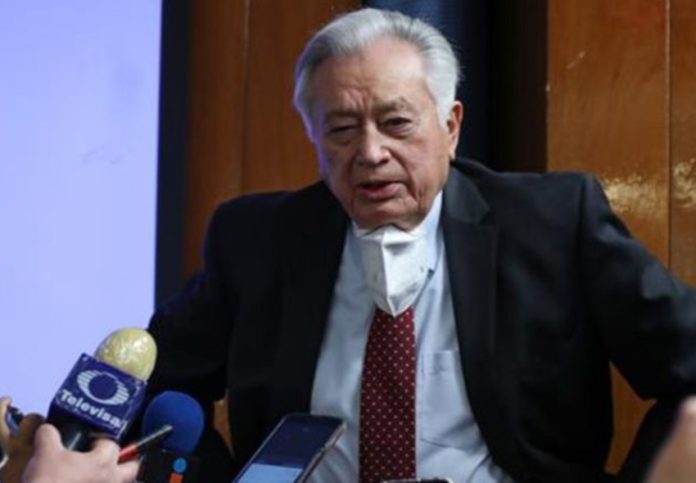
Bartlett denies allegations by the magazine Proceso that US Department of Justice officials want to question him about the murder of DEA special agent Enrique Camarena in 1985.
Manuel Bartlett Díaz, director of the Federal Electricity Commission (CFE), has denied that he is being investigated by the United States government in connection with the 1985 murder of U.S. Drug Enforcement Administration (DEA) agent Enrique “Kiki” Camarena, a crime that occurred when he was federal interior minister.
His denial on Thursday came almost a month after the news magazine Proceso published a report that cited U.S. Department of Justice (DOJ) officials saying that he would be immediately detained in connection with the abduction, torture and murder of Camarena if he were to set foot in the U.S.
Bartlett, also a former governor of Puebla, former federal education minister and ex-secretary general of the Institutional Revolutionary Party, told a press conference that the assertion that he is under investigation in the United States is “a lie” and “false.”
He claimed that the Proceso article — and the cover page on which he appeared under the title “United States insists on questioning Bartlett” — was funded by people who want to abolish the CFE and hand control of Mexico’s electricity market to foreign companies.
“[The report] is a lie, a fallacy. … They brought it out a few days before the [June 6] elections. It’s shamelessness; it’s a paid front cover [story],” Bartlett said.
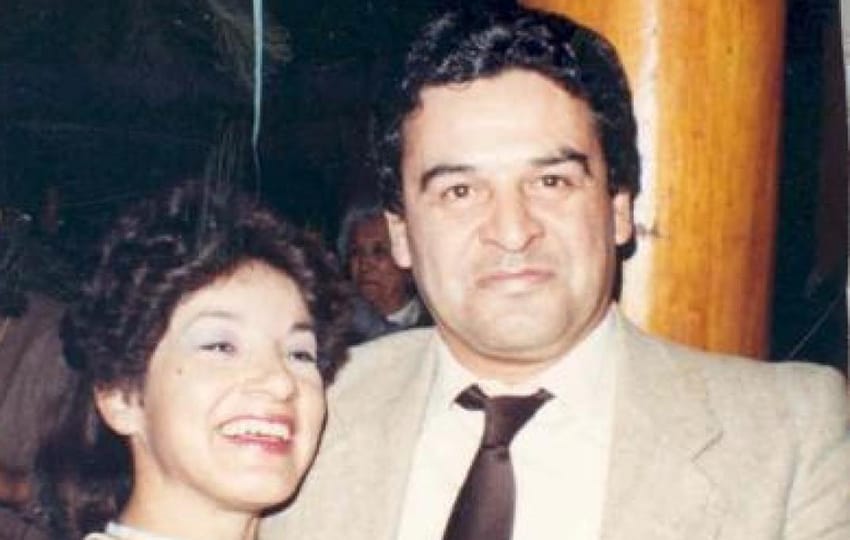
DEA agent Enrique “Kiki” Camarena, seen here with his wife Mika, was kidnapped and killed by orders of the Guadalajara Cartel.
The 85-year-old also asserted that the report is a “rehash” of a “false” story from three years ago. He claimed that its publication is an attempt to intimidate him and the federal government into not carrying out energy sector changes to favor the CFE over private companies.
But Bartlett said he wouldn’t be intimidated, declaring that “we’re going to continue to defend the national interest.”
President López Obrador said this week his administration had no knowledge of such an investigation and claimed the Proceso report was part of a “smear campaign” against his government.
The Proceso report is based on an interview with unnamed DOJ officials and extracts from a government file on the case.
“His name appears numerous times and on various pages of the investigation files that are open in the Camarena case,” one U.S. official told Proceso. “If he [Bartlett] enters the United States he will be detained for questioning.”
“Mr. Bartlett knows that his name has been mentioned during the decades that this investigation into the Camarena case has been going on, and that is why he would have to testify before a grand jury,” said another Department of Justice official.
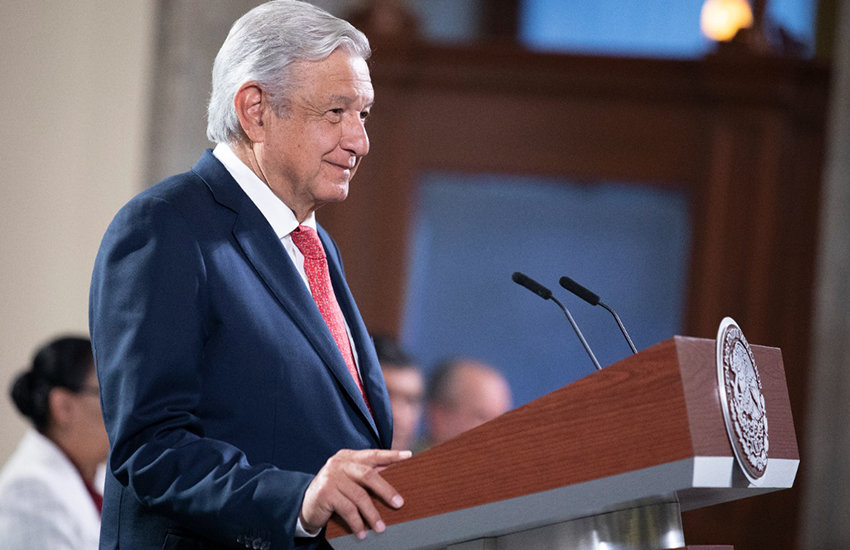
President López Obrador says he knows of no US investigation of Bartlett and that the Proceso report is a ‘smear campaign’ against his administration.
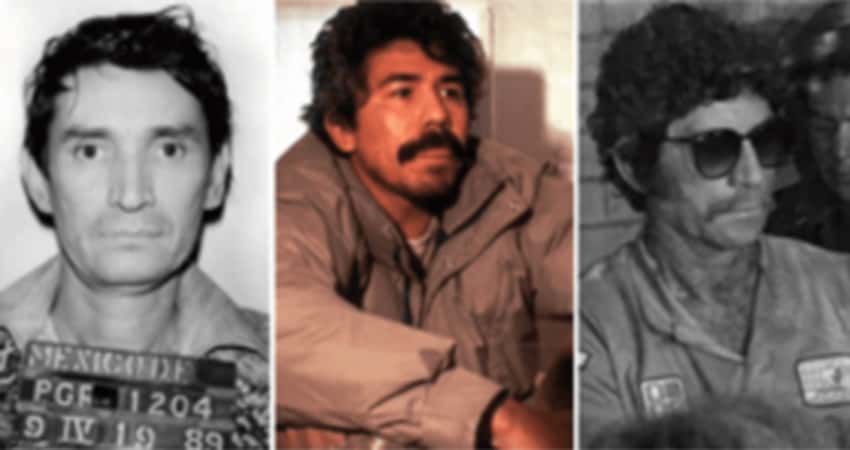
Camarena, a Mexican-born special agent, was abducted on February 7, 1985 in Guadalajara and killed two days later on the orders of Guadalajara Cartel leaders Miguel Ángel Félix Gallardo, Ernesto Fonseca Carrillo and Rafael Caro Quintero. The traffickers allegedly operated in cahoots with both federal and state authorities in Jalisco.
Proceso said the documents it obtained — which it said are currently “sealed in a federal court in California” — state that Bartlett, as interior minister in former president Miguel de la Madrid’s government, participated in meetings between drug traffickers and officials before the abduction of Camarena and after his murder.
Proceso said the Department of Justice officials confirmed the authenticity of the documents it obtained, in which other de la Madrid officials, including national defense minister Juan Arévalo Gardoqui and José Antonio Zorrilla Pérez, director of the now-defunct Federal Directorate of Security, are also mentioned.
Bartlett Díaz “was ultimately responsible for the Federal Directorate of Security (DFS). DFS was so deeply involved with the traffickers that witnesses have testified that it was impossible to tell the difference between them. There are approximately 800 DEA files reflecting reports of DFS corruption from 1980–1990,” one document said.
“Bartlett Díaz was present at several pre-abduction meetings during which the kidnapping of S/A [special agent] Camarena was discussed,” it said, adding that witnesses “have also placed” the then interior minister at 881 Lope de Vega street in Guadalajara on the night of February 7, 1985 — the day Camarena was abducted.
Proceso said the house on Lope de Vega street belonged to Rubén Zuno Arce, brother-in-law of Luis Echeverría Álvarez, president of Mexico between 1970 and 1976.
From left: Guadalajara Cartel leaders Miguel Ángel Félix Gallardo, Rafael Caro Quintero, Ernesto Fonseca Carillo.
“It was at that property where Camarena was interrogated with atrocious torture methods before he was murdered,” Proceso said.
The same document said the CFE chief “was reported to have attended a meeting in Mexico City on February 25, 1985, regarding information leaks to DEA” adding that “an eyewitness said that a copy of the Camarena interrogation tapes were delivered to Bartlett Díaz.”
Another government file extract obtained by Proceso cited a witness as saying that he or she on February 7, 1985 “looked into one of the main living rooms of the residence” owned by Zuno Arce and saw numerous officials including Bartlett, Arévalo, Zorrilla, then Jalisco governor Enrique Álvarez del Castillo, then Interpol Mexico director Miguel Aldana Ibarra and then Federal Judicial Police director Manuel Ibarra Herrera as well as traffickers, including Félix Gallardo.
The witness stated that “during this time period he/she noted that Fonseca Carillo was not present at the residence but that he returned a short time later,” the document said.
Another document obtained by Proceso cited a witness as saying that Bartlett and other officials attended a meeting a few days before the abduction of Camarena at a house in Zapopan, Jalisco, owned by Caro Quintero. Félix Gallardo and Fonseca Carillo were also allegedly present.
A Department of Justice official told Proceso that if Bartlett was questioned in the United States, “he would have to make a lot of clarifications about why different witnesses, who don’t even know each other, insist on involving him in the case of the abduction, torture and murder of Camarena.”
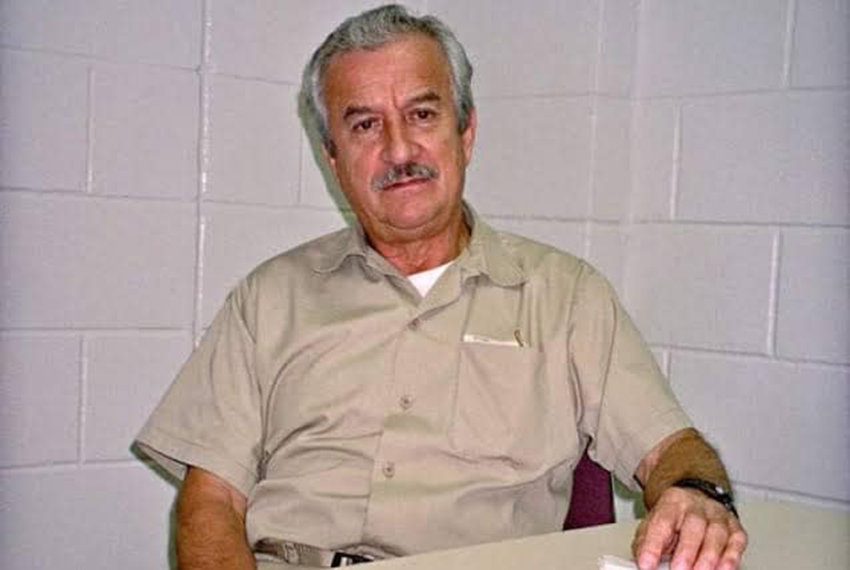
Rubén Zuno Arce, whose Guadalajara home Bartlett and others allegedly met in to discuss Camarena, died in a US prison in 2012.
A DOJ official told the magazine that Bartlett hired a group of private investigators and lawyers in 1997 — he was governor of Puebla at the time — to find out everything they could about the protected witnesses that have linked him to the Camarena case.
“His intention was to discredit the witnesses. His investigators compiled their sins, reports that they were corrupt police officers, that they had committed murders on the orders of drug traffickers, that they raped women, that they were unfaithful, that they had children with various wives. … His idea was to strip them off their credibility,” the official said.
The official said that lawyers for Bartlett delivered the information the investigators dug up about the witnesses to a court in California.
“But the grand jury and the judge rejected [the information] because there wasn’t anything that wasn’t known and it was considered a ploy by Bartlett Díaz to avoid being questioned,” the DOJ official said.
Asked by Proceso whether Bartlett has been to the United States “since he has been mentioned in the Camarena case,” the official responded: “That’s personal and confidential information, so I’m prevented from speaking about the point.”
Proceso noted in its report that “it’s public knowledge that Bartlett Díaz denies any reference that links him to the case of the abduction, torture and murder of the DEA agent.”
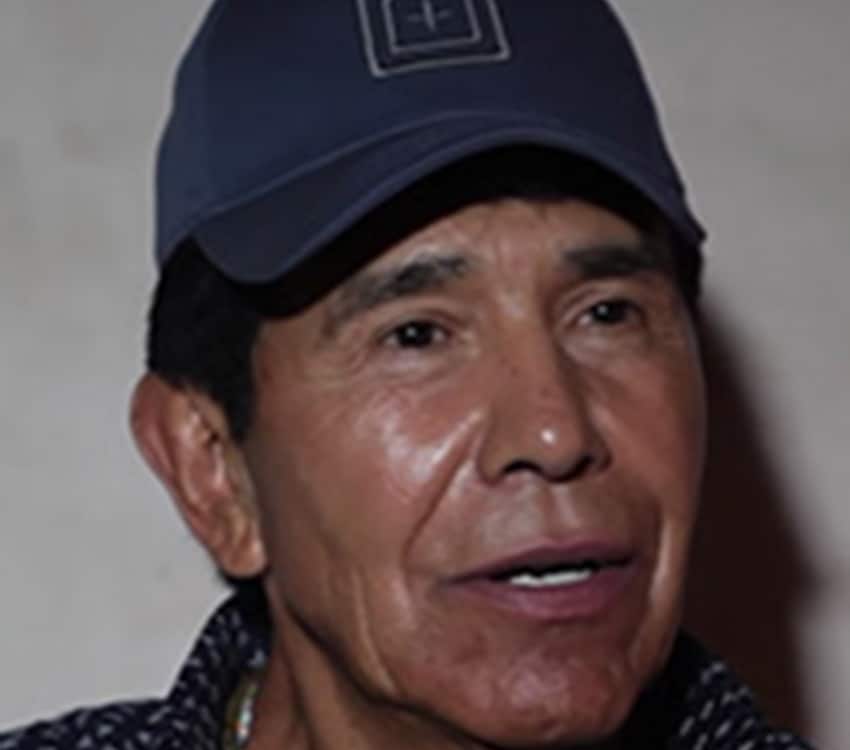
Rafael Caro Quintero is on the DEA’s most wanted fugitives list after being released on a technicality from a Mexican prison in 2013. DEA
However, there are two “indisputable things,” the report added, asserting that the first is that while the investigation into the Camarena case continues, Bartlett will be detained for questioning if he enters the United States.
“The second is that his name is mentioned on many occasions and in different circumstances in declassified investigation documents, which are in a federal court in Los Angeles, California.”
United States journalist Charles Bowden has also compiled eyewitness accounts describing Bartlett’s alleged involvement in the decision to kidnap, torture and murder Camarena in order to put an end to his operation against the Guadalajara Cartel.
Ignacio Morales Lechuga, attorney general during the latter half of the 1988–1994 government of former president Carlos Salinas, said late last year that when he was the country’s top legal officer he met with United States attorney general William Barr, FBI director William Sessions and DEA administrator Robert Bonner and “they asked me to extradite Manuel Bartlett, Enrique Álvarez del Castillo and Juan Arévalo, who they accused of being the intellectual authors of the murder of Camarena.”
However, the extraditions never occurred, and Álvarez, the former Jalisco governor, and Arévalo, the defense minister when Bartlett was interior minister, are now deceased.