Home Blog Page 224

An unusually rainy June brings drought relief and flooding to Mexico

8
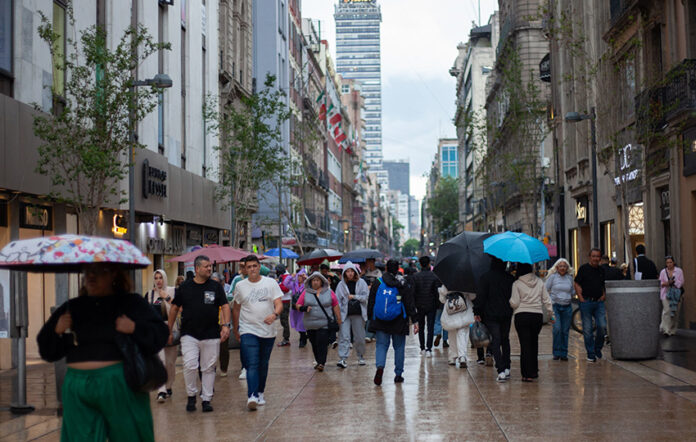
people walk through mexico city with umbrellas, with the latin america tower in the backgound
While Mexico City saw its rainiest June in over 50 years, reservoir levels remain low in much of northern and central Mexico. (Andrea Murcia/Cuartoscuro)

Rainfall in Mexico in June was 51.3% higher than the average for the month in recent decades, the National Meteorological Service (SMN) reported this week.

The 30 days between May 31 and June 29 constituted “quite a rainy period,” particularly along the Gulf of Mexico coast and in the south and southeast of the country, Alejandro Jair García Jiménez, an SMN official, reported on Tuesday.
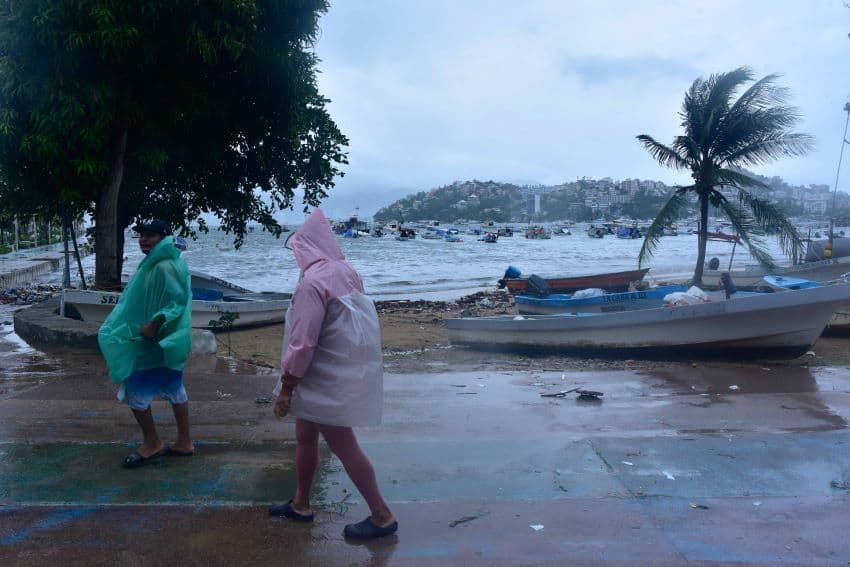
Storm ravaged Acapulco coast
Tropical Storm Dalila, seen here, brought heavy rain to the Guerrero coast. Hurricane Erick followed shortly after. (Carlos Carbajal/Cuartoscuro)

During an SMN “informative session” broadcast online, he said that accumulated rainfall totaled 148.1 millimeters in the 30 days to June 29, 51.3% higher than the average for the same period between 1991 and 2020.

Rain brought by Hurricane Erick, which made landfall in Oaxaca last month, and other recent storms, contributed to the high levels of precipitation in Mexico in June. The rain helped ease drought conditions.

On June 15, the percentage of the country experiencing moderate to exceptional drought conditions was 37.5%, well below the 73.79% recorded on the same date in 2024.

García also reported that accumulated rainfall in Mexico between January 1 and June 29 was 10.9% higher than the annual average for the same period between 1991 and 2020.

He said that 233.9 millimeters of rain was recorded in the first six months of the year, 22.9 millimeters more than the average in recent decades.

CDMX records rainiest June since 1968 

Mexico City Mayor Clara Brugada reported earlier this week that accumulated rainfall in the capital in June amounted to 337 million cubic meters of water. That made last month the rainiest June in 57 years.

If 337 million cubic meters of water sounds like a lot, that’s because it is. That amount of water could fill up Mexico City’s cavernous Estadio Azteca (Aztec Stadium) 176 times, the Reforma newspaper reported.

Given the heavy rainfall — almost double the historic average for June in Mexico City — it’s no surprise that flooding in the capital was a problem last month.
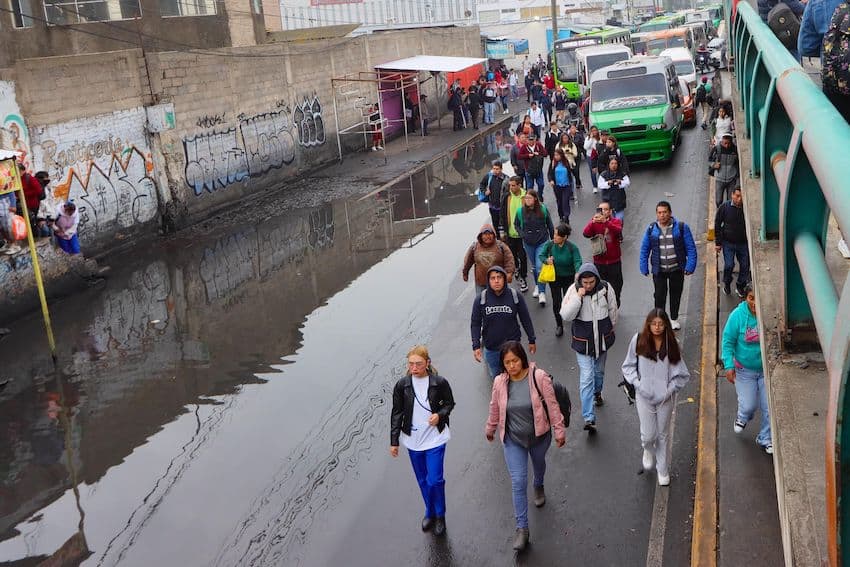
Metro passengers walking from the Guelatao station in the Iztapalapa borough of Mexico City to the La Paz station in México state, after service on part of Line A of the capital's metro system was suspended on Monday evening due to flooding.
June rains caused flooding in the Mexico City Metro, shutting down sections of the subway and forcing these passengers to walk from Guelatao station in Iztapalapa to La Paz station in México state. (Rogelio Morales/Cuartoscuro)

Brugada attributed the immense precipitation to climate change and asserted that such rainfall can no longer be considered atypical.

Torrential rain was recorded in Mexico City on various days last month, including June 29, with 38 million cubic meters of water falling on the capital.

Reservoir levels up 24% compared to June 2024 

According to National Water Commission (Conagua) data, the largest 210 reservoirs in Mexico were collectively holding 56.9 million cubic meters of water at the end of June. That figure represents 45% of the maximum capacity of the reservoirs.

Compared to June 30, 2024, the quantity of water in the 210 principal reservoirs in Mexico was 24.4% higher. However, the 56.9 million cubic meters of water the reservoirs held at the end of June was 5.2% below the historical average.

The quantity of water in the reservoirs increased 3.4% between June 23 and June 30.

Data presented by Conagua official Daniel Arriaga Fuentes on Tuesday showed that 19 of Mexico’s 210 largest reservoirs were at full capacity at the end of June, up from just five at the same time last year.
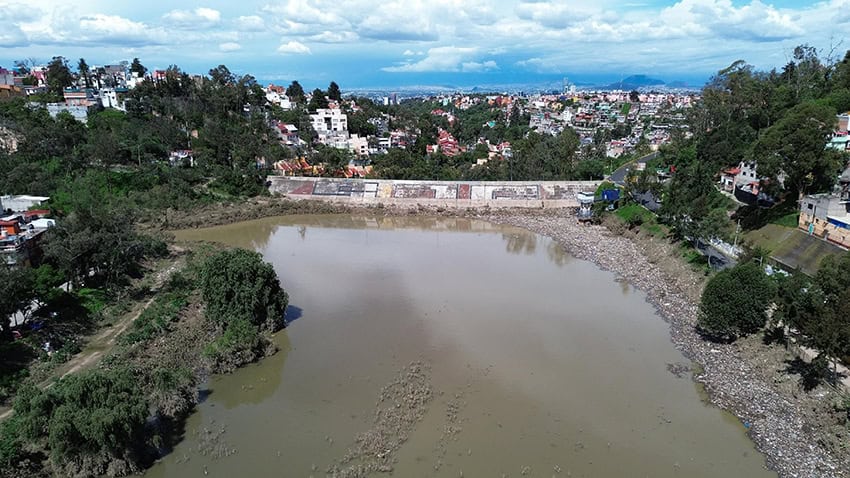
A dam surrounded by trees with a city in the background
Water levels are up in reservoirs like Mexico City’s Mixcoac dam, thanks to plentiful rain in June. (Rogelio Morales Ponce/Cuartoscuro)

Thirty-one reservoirs were at least 75% full, while 63 were 50%-75% full.

Almost half of the 210 principal reservoirs — 97 — were less than 50% full. While the high number is a concern, it is significantly lower than the 158 reservoirs that were less than 50% full a year ago.

A Conagua map shows that the reservoirs that are currently less than half full are concentrated in northern and central Mexico.

The reservoirs that make up the Cutzamala system, which supplies water to the Mexico City metropolitan area, were at 52% capacity at the end of June, up from just 26.7% a year earlier.

“Since May 25, the Cutzamala system has had contributions [of water from rainfall] and its storage is on the rise,” said Citlali Peraza Camacho, director of the Conagua department responsible for the Valley of Mexico water basin.

Water supply is a major concern in Mexico City, making the recent rain especially welcome, despite the flooding and other problems it has caused in the capital.

36 deaths attributed to recent rainfall

The newspaper La Jornada reported on Wednesday that there have been 36 deaths in Mexico related to rain since the rainy season began on May 15.

Citing data from state authorities, La Jornada said that 10 fatalities in the southern state of Oaxaca were related to heavy rainfall.

It also reported six rain-related fatalities in Guanajuato; five in Chihuahua; four in each of Jalisco and San Luis Potosí; three in Morelos; and one in each of Guerrero, Hidalgo, Tamaulipas and Colima.

A one-year-old baby boy died in a swollen river in the municipality of San Marcos, Guerrero, after Hurricane Erick made landfall in the neighboring state of Oaxaca on June 19.

La Jornada also reported that rainy and stormy conditions in recent weeks have damaged thousands of homes as well as hundreds of roads and bridges.

Oaxaca and Guerrero, which bore the brunt of Hurricane Erick, are the worst affected states, but flooding has also recently caused damage to homes in other states, including México state and Hidalgo.

With reports from Reforma, La Jornada, El Economista and Milenio   
Peso hits its strongest point so far this year

0
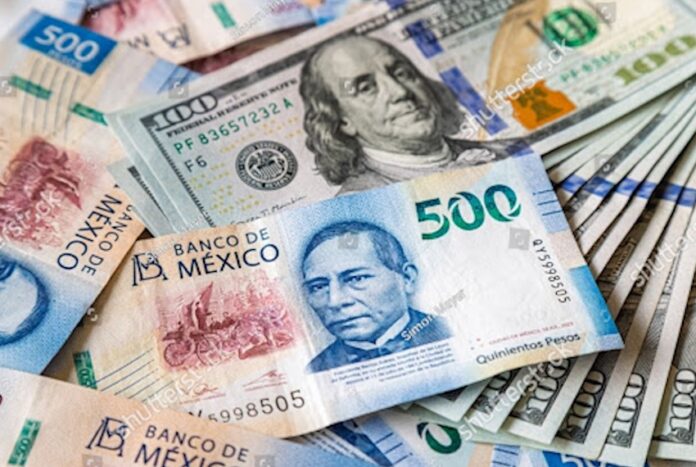
bills of Mexican currency
Both the Mexican peso and the U.S. dollar have shown gains in the last two days. (Shutterstock)

The Mexican peso made new gains against the dollar on Thursday after recovering from a brief pause in its seven-day winning streak. 

The Mexican currency closed at 18.66 pesos per U.S. dollar Thursday, its strongest level since August 15, 2024. The per-dollar rate broke the 19 barrier in June

The peso continued to gain on Friday, coming in at 18.63 to the dollar shortly after 1 p.m. Mexican Central Standard Time.

The peso’s rise comes at a time when markets appear to have temporarily set aside concerns over the geopolitical situation in the Middle East. Meanwhile, concerns about tariff negotiations between Mexico and the U.S. are resurfacing, El Economista reported.

Even as the peso rose against it, the dollar strengthened after the release of better-than-expected U.S. employment data, with job creation figures surpassing the consensus. The U.S. dollar index, which measures the greenback’s performance against six international currencies, rose 0.35% to 96.77.

Despite persisting trade and fiscal uncertainties in the U.S., the upbeat jobs report helped lift the dollar off recent lows. 

Far from confirming the slowdown that analysts had forecast, U.S. job creation rose to 147,000 — significantly higher than the forecast of 110,000. This rise contributed to an unexpected decline in the unemployment rate, dropping from 4.2% to 4.1%. Analysts had anticipated it would rise to 4.3%.

With reports from La Jornada and El Economista

Oaxaca mayor marries a caiman: It’s a centuries-old tradition

1
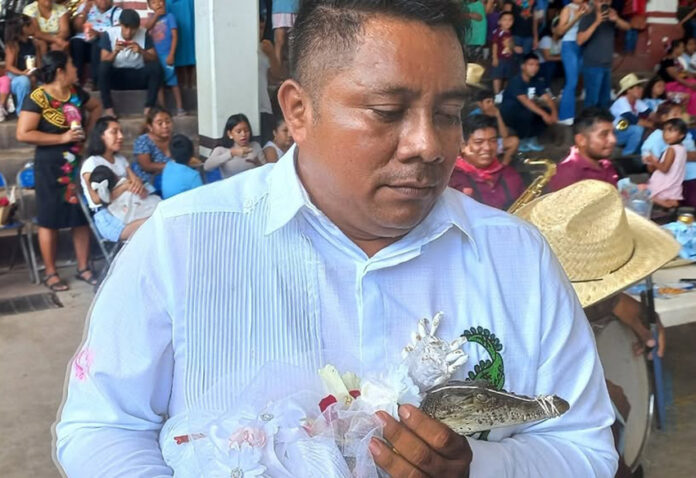
Man in white shirtholding a caiman
Huamelula Mayor Daniel Gutiérrez Peña plays the symbolic role of the Princess Lizard's groom in a centuries-old tradition. (Huamelula/Facebook)

Daniel Gutiérrez Peña, mayor of the municipality of San Pedro Huamelula in the southern state of Oaxaca, married a female caiman in a symbolic ceremony known as the Wedding of the Caiman.

The ritual, which dates back 230 years, symbolizes respect and unity among the Chontal and Huave Indigenous communities of the region. It has its origins in a legend of a royal marriage uniting the Chontal with the Huave to seal peace and brotherhood between their peoples. 

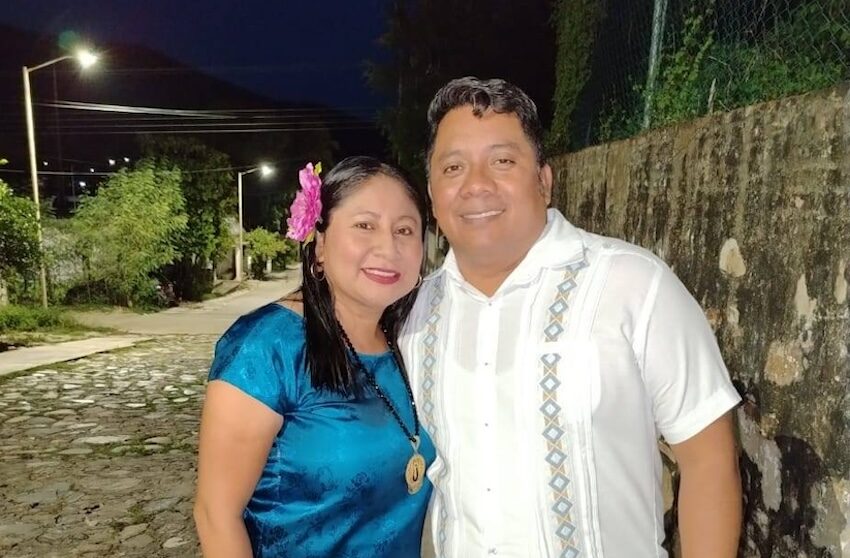
man and woman
The Huamelula mayor and his real wife. (Daniel Gutiérrez Peña/Facebook)

In the ceremony, the mayor represents the Chontal king and the caiman a Huave princess. Caimans are scaly lizards similar to small alligators.

Since then, the ritual has been practiced as a means to keep the connections between these original communities of the Isthmus of Tehuantepec alive. 

“This is a historic moment that happens every year,” Mayor Gutiérrez told the press. “It’s a celebration that unites two peoples, two cultures, two brotherhoods.” 

As part of the ritual, the caiman is dressed in a white wedding dress and for safety reasons, its snout is tied. The community, dressed up in festive costumes, accompanies the symbolic union with processions, dances, and offerings as the “princess bride” parades through the town visiting homes.


View this post on Instagram


A post shared by Raquel Cunha (@raquelcunha.photo)

The festivity spans three days of vibrant cultural traditions. The reptile is dressed by a woman known as the godmother in three different traditional garments, one a colorful Zoque dress complete with a skirt and floral headdresses.

This year’s reptile bride was named by locals Miguelana Estela del Mar Zavaleta Ramírez.

Beyond its social symbolism, the ritual is also a spiritual offering. Indigenous peoples believe that the wedding serves as a prayer for abundant harvests, as well as blessings from Mother Earth and the Creator.

“For us, it’s a ritual in which we ask mother earth and our creator for abundance in our harvests, fishing, and every product our region can offer,” Luis Manuel López, a resident of the town, told Reuters. 

In a religious syncretism combining pre-Columbian traditions with Catholic beliefs, the symbolic ceremony marks the end of the patron saint festivities in honor of San Pedro Apostol.

The blend of cultures has enriched the ritual, which today is a source of pride and celebration for the inhabitants of San Pedro Huamelula.

“Huamelula is so rich in tradition and culture that today, like every year, Huamelula is in the eyes of the world,” Mayor Gutiérrez said.

With reports from Reuters and ADN 40

Exports to US rebound in May after tariff-induced turbulence

0
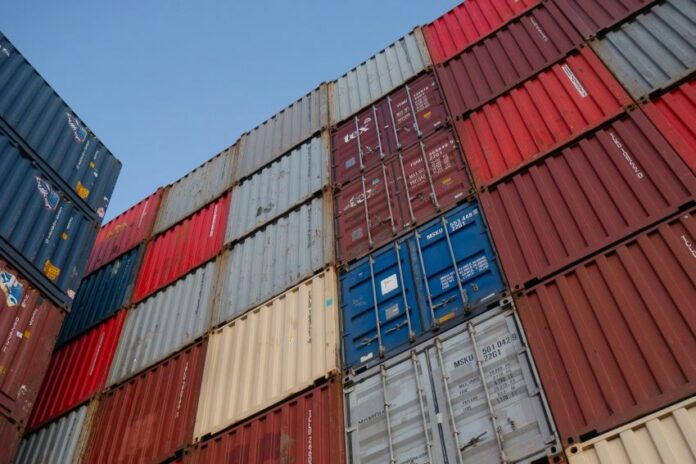
Cargo shipping containers
Exports to the U.S. dipped unusually low in April, but made a comeback in May. (Pat Whelen/Unsplash)

Mexican exports to the United States increased by 5.6% year-on-year in May after falling in April, the U.S. Trade Office announced on Thursday.

April’s weak exports to the U.S. followed a month of both new and threatened tariffs in March. May saw a nearly full recovery as companies adjusted to new market conditions and Mexican leaders sought to negotiate on tariffs and reassure frazzled investors.

Mexico remains the leading trade partner of the U.S., despite a wide variety of tariffs implemented by U.S. President Donald Trump this year. The trade duties and the uncertainty around their implementation has hurt many U.S. trade partners in recent months.

Trade between Mexico and the United States totaled US $74.5 billion in May, with Mexico contributing 16.2% of global trade with the U.S.

Canada was the second biggest exporter to the U.S., contributing 12.5% of the total, with China following with 5.9%. The U.S.’s other largest trade partners in May were Taiwan, Germany, Japan, Vietnam, South Korea, Ireland and India.

Exports of Mexican goods to the U.S. totaled $46.3 billion, while U.S. exports to Mexico stood at $28.2 billion. This resulted in a trade deficit of $18.2 billion in favor of Mexico, the largest of any U.S. trade partner.

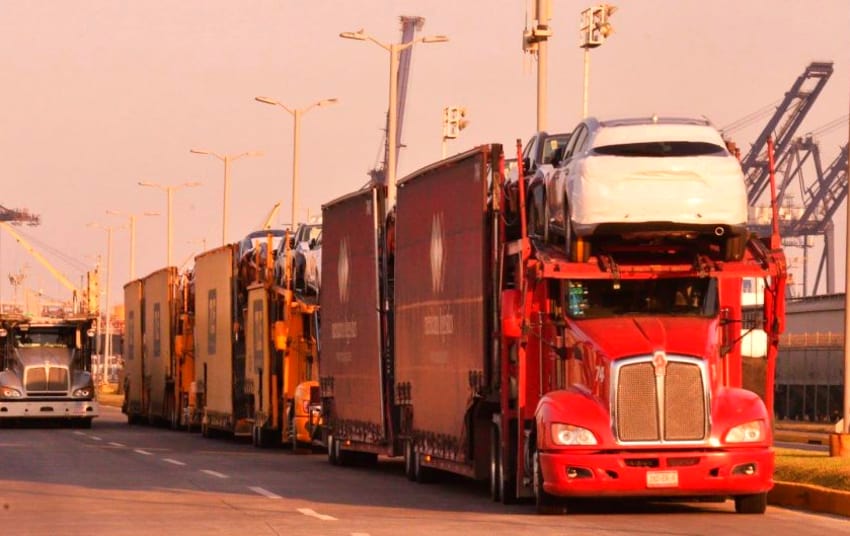
Trailers full of cars wait to be loaded onto ships at a dock in Veracruz
Vehicles and auto parts represent some of the top products Mexico exports to the U.S. (Asipona Veracruz)

The increase represents a rebound from April, when Mexican exports to the U.S. declined for the first time in 13 months. Mexico exported nearly $41.7 billion in goods and services to the U.S. in April, 2.7% less than April 2024.

Exports from Mexican states

Despite the uncertainty, Mexico’s total exports rose by 3.6% year-on-year in the first quarter of 2025, totaling $133.625 billion, Mexico’s National Institute of Statistics and Geography (INEGI) announced in a press release on Monday.

The border state of Chihuahua dominated exports, contributing 16% of the national total, followed by the states of Coahuila (11.8%), Nuevo León (9.9%), Baja California (9.4%), Tamaulipas (6.4%) and Jalisco (6.3%).

Together, these six states accounted for 59.9% of the total national exports.

The five states with the most significant increase in export value were Yucatán (up 29.3% compared to the same period last year), Chihuahua (27.5%), Colima (26.9%), Zacatecas (25.8%) and Jalisco (25.0%).

With reports from El Universal

How to spend a day in Mexico City’s Tabacalera

1
Just north of the Angel of Independence lies Tabacalera, one of the city's most criminally underrated neighborhoods. (Expedia)

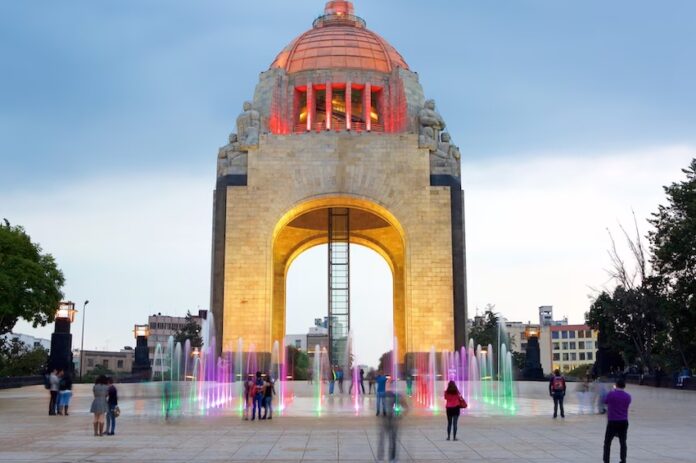
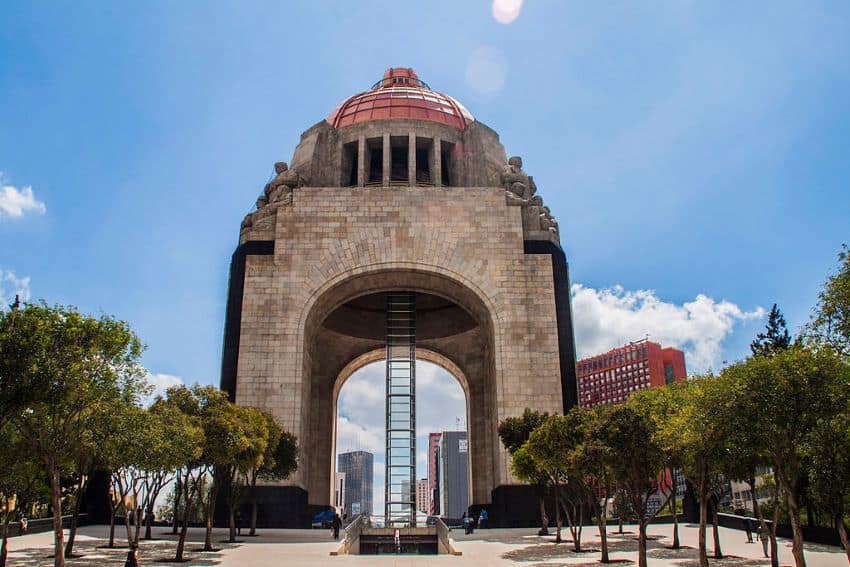
While tourists flock to Roma Norte and Condesa, savvy travelers are quietly sneaking north to Tabacalera, a neighborhood that perfectly captures Mexico City’s ability to blend revolution with refinement. Recognizable for the iconic Monument to the Revolution and bordered by tree-lined Paseo de la Reforma, this compact barrio showcases some of the capital’s finest Art Deco architecture and surprising history.

Tabacalera’s many corners showcase a day’s worth of cultural discoveries, culinary adventures, and spontaneous moments that make Mexico City so unique Here’s how to experience the capital’s most underrated neighborhood like a local, from revolutionary coffee to rooftop sunset views.

Monument to the Revolution in Mexico City
The Monument to the Revolution is Tabacalera’s most recognizable icon. (Felipe Alfonso Castillo Vazquez / CC BY-SA 33.0)

Morning: Revolutionary breakfast

Start your morning at Café La Habana, where history and caffeine intersect in the most delicious way. Due to its location on the southern side of Paseo de la Reforma, it’s technically in La Juárez, but so commonly associated with the Monument to the Revolution that it would be silly not to start your day of Tabacalera exploration here.

The beloved Cuban restaurant is known for more than its sandwiches and coffee — rampant are the claims that Fidel Castro and Che Guevara planned the Cuban Revolution from this very diner while in exile in Mexico City. Running since 1952, the restaurant’s high ceilings, central wooden bar and black-bowtied wait staff give you the feeling that you’ve time traveled to the days of Vincente Fernández and Octavio Paz.

Once you’re adequately hopped up on caffeine and that revolutionary spirit, take a 10-minute walk across Reforma for your first museum stop. 

Mid-morning: Descend into history

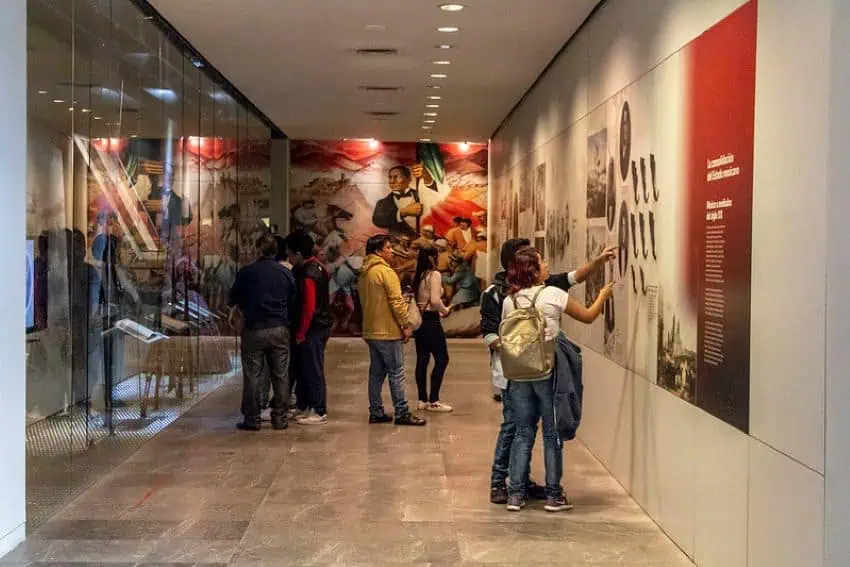
The Museum of the Revolution is housed within the monument of the same name and serves as the prominent arched landmark in Tabacalera’s Plaza de la República. And isn’t it ironic? You have to descend into the bowels of this towering structure to understand the roots of the uprising that shaped modern Mexico.

Museum visitors look at exhibits at the Museum of the Revolution
The interior of the monument houses a museum for the history of  Mexico’s revolution. (Gobierno de México)

Inside, broad explanations of history from the Constitution of 1857 through the post-revolutionary government are exhibited with the kind of thorough detail that makes you grateful for that strong coffee you just consumed. Information is presented in Spanish, so have your translator handy if necessary or hire a local guide. From here, a 150-peso ticket will grant you access to the top of the monument for impressive views of Mexico City’s sprawling geography.

Late Morning: Unexpected performances

Back on the plaza, take a spin around its circumference, where you’re sure to stumble upon a series of impromptu contemporary dance performances. These group sessions, made up largely of local teens and 20-somethings, generally take place in front of the business district’s reflective facades, and while the choreography may be amateur, it’s genuinely impressive. 

The energy is infectious, and you’ll find yourself lingering longer than planned, which is exactly the point. However, don’t let it cut into the time you could spend admiring the Frontón Mexico. The funky Art Deco building is notable for its bright red facade, but it’s what’s inside that really shines: visitors can choose between trying their luck at the casino’s slot machines or indulging in a midday jai alai tournament. 

Midday: Aristocratic art

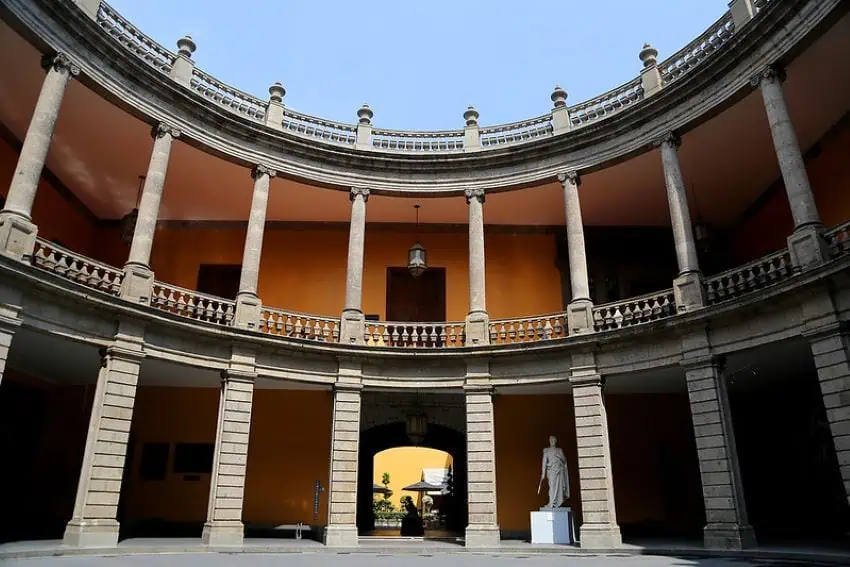
Continue north until you reach the National Museum of San Carlos, adjacent to a small park aptly named Parque Tabacalera. The transition from the plaza’s contemporary dance scene to this aristocratic palace feels like stepping through centuries in a matter of minutes.

Valencian colonial-era architect Manuel Tolsá created this part-Neoclassical, part-Baroque masterpiece for the Count of Buenavista, and despite centuries of varying uses — it once served as the official offices for the National Lottery — the building retains its aristocratic elegance. The marble staircases and frescoed ceilings are the backdrop for an extensive collection of European art, including Lucas Cranach the Elder’s “Adam and Eve”, works by Tintoretto and sculptures by Auguste Rodin.

Museo Nacional de San Carlos
The San Carlos National Museum is housed in the former Palace of the Counts of Buenavista. (Gobierno de México)

Afternoon: Hands-on Italian

You’re probably thinking about food now, and instead of sitting down to a predictable lunch, why not indulge in something different? Enter Toscanaccio, where Chef Gurioli, a native of Florence, will teach you the tricks behind making true Italian-style pizza — like where to source authentic mozzarella 10,000 kilometers from Italy — in the heart of Mexico City. You’ll later enjoy your creation with delicious imported wines and homemade pasta, creating the kind of cross-cultural moment that defines modern Mexico City dining.

Late Afternoon: Sweet whimsy and street life

Save room for dessert, which you can have in abundance at Doncella Cafe. The whimsical café serves up fairy-tale themed desserts in every shape and color of the rainbow, an appreciated contrast to the morning’s serious history lessons. The Instagram-worthy presentations and flowery decor are equal parts over-the-top and playful.

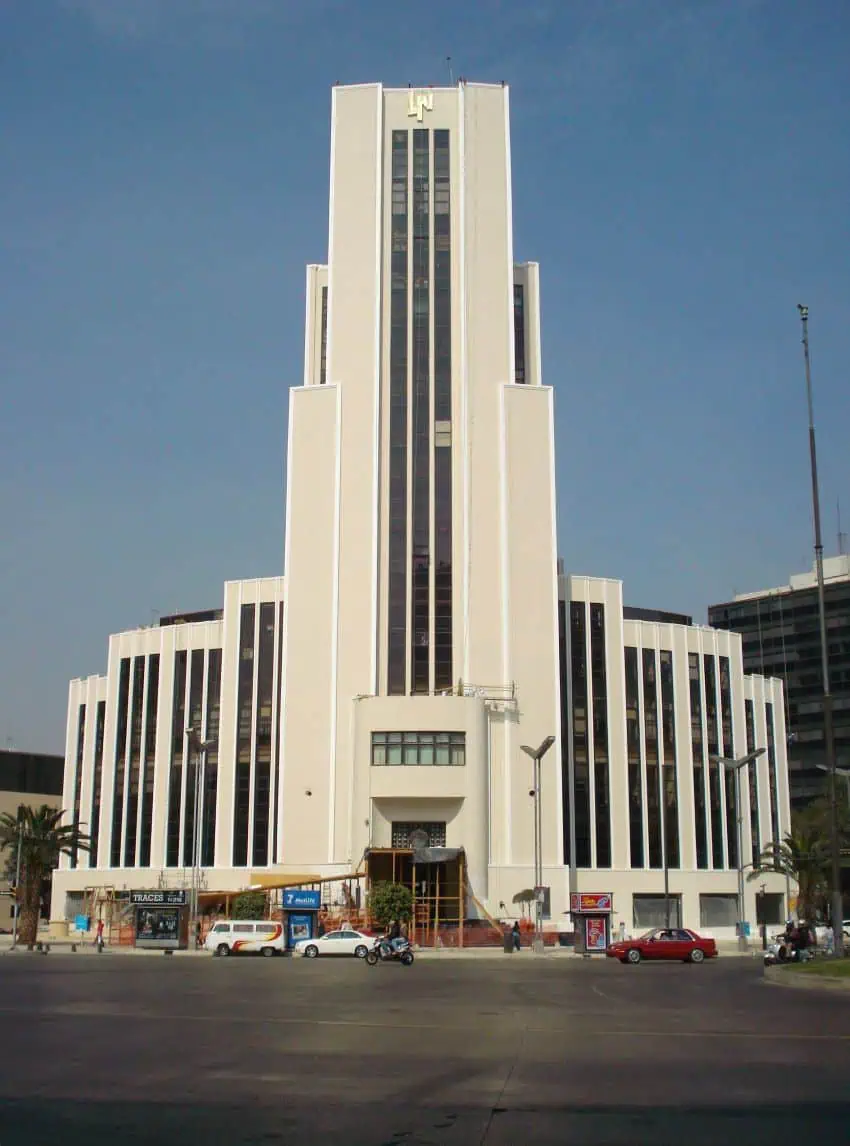
Walk it off with a bit of shopping at the many market stalls that surround the plaza. Vocal vendors sell everything from Lucha Libre masks to beaded hummingbirds to steaming hot esquites. Pass by the National Lottery Building, also known as Edificio El Moro, to catch a glimpse of its legendary Art Deco design. For a brief moment in 1946, this structure was the tallest building in Mexico City, a reminder of the neighborhood’s bold mid-century ambitions. 

The El Moro building was one of Mexico City’s first skyscrapers. (Felipe Alfonso Castillo Vazquez / CC BY-SA 33.0)

Before heading to your evening destination, make one more revolutionary pilgrimage to Calle José de Emparán 49, where a modest plaque marks the unassuming building where Fidel Castro   and Che Guevara first met.The contrast between this quiet residential street and the world-changing events that were conceived here is a true testament to Tabacalera’s ability to hide history in plain sight.

Evening: Rooftop revolution

Before dusk, take the elevator up to the top floor of Avenida de la República 157 and step out onto one of Mexico City’s best-kept secrets:Terraza Cha Cha Cha. Filled with plants, pictures and an energetic zeal that feels both sophisticated and welcoming, the westward-facing views are perfect for watching the sunset while sipping on a spicy margarita.

The seafood-forward menu features favorites from many of Mexico’s coastal regions — including an excellent pescado zarandeado — and marks a fitting end to a day of cultural exploration. Bartenders will come to your table with a dolly full of your favorite liquors, and if you’re lucky, a marching band will be competing for airtime in the plaza below. As neon lights illuminate the monument soaring above Tabacalera’s cacophonous atmosphere, you’ll agree that there’s no better place to witness Mexico City’s charming chaos.

Bethany Platanella is a travel planner and lifestyle writer based in Mexico City. She lives for the dopamine hit that comes directly after booking a plane ticket, exploring local markets, practicing yoga and munching on fresh tortillas. Sign up to receive her Sunday Love Letters to your inbox, peruse her blog or follow her on Instagram.

What’s on in San Miguel de Allende in July?

1
(Guanajuato International Film Festival/Facebook)

This month, San Miguel de Allende is at its best, offering a vibrant mix of outdoor activities, the region’s largest film festival, and art everywhere you look. Let yourself be captivated by the charming cobblestone streets glistening after the rain and the lush, radiant countryside that surrounds the city.

The Jam – Fundraiser for LARF and ABBA House Celaya

In these challenging times the world is facing, it is more important than ever to stand together and remember that no human being is illegal. Join us on July 4th at 2 p.m. to support our migrants going through difficult circumstances. Admission is by voluntary donation, and 100% of all contributions will go directly to the immigrant shelter. While you help, enjoy live music and delicious food provided by Paprika Restaurant. Reserve your spot by calling 415-124-2338.

Date: July 4, at 2 p.m.

Location: Abba House

Cost: Suggested donation: 400 pesos

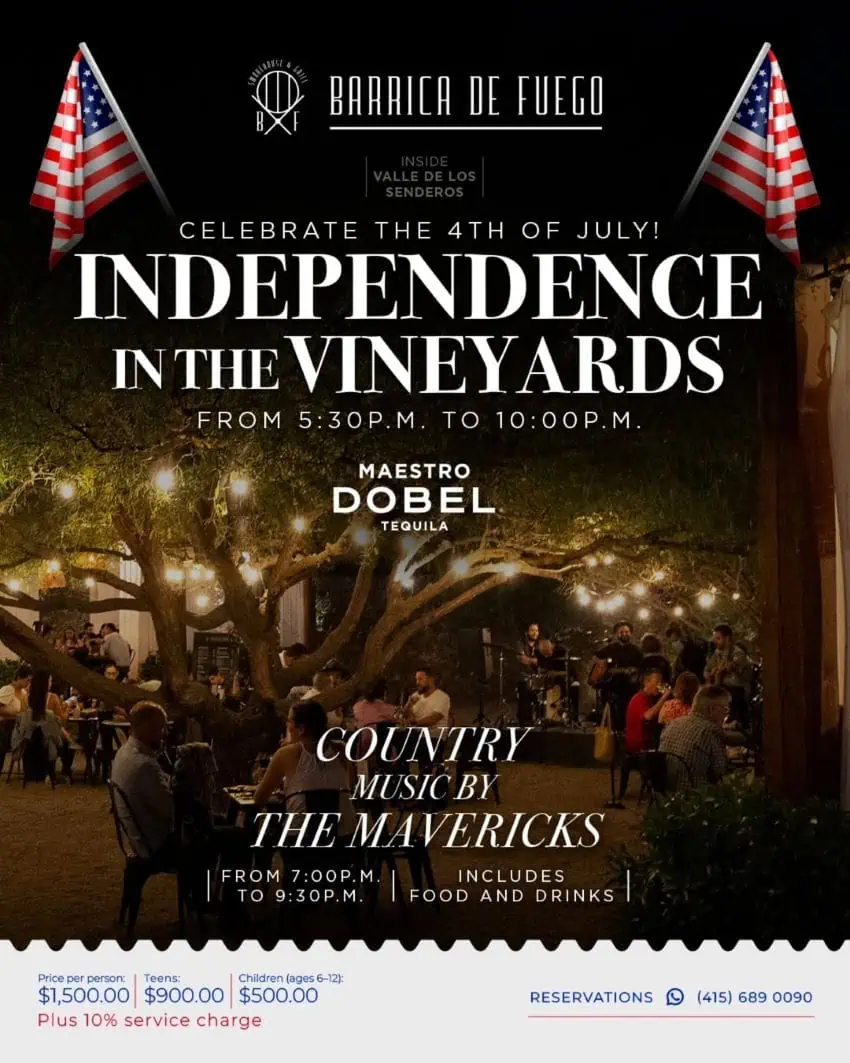
Independence in the Vineyards – Barrica de Fuego

Celebrate the United States’ Independence Day in a unique and family-friendly way at the Barricas de Fuego vineyard. From 5:30 p.m. to 10 p.m., enjoy live music, traditional Fourth of July flavors, and a magical experience among the vineyards under the stars. To reserve your spot, call (415) 689 0090. An unforgettable adventure awaits you!

Date: July 4, at 5:30 p.m.

Location: Barrica de fuego

Cost: 1,500 pesos per person, teens 900 pesos, children under 12, 500 pesos

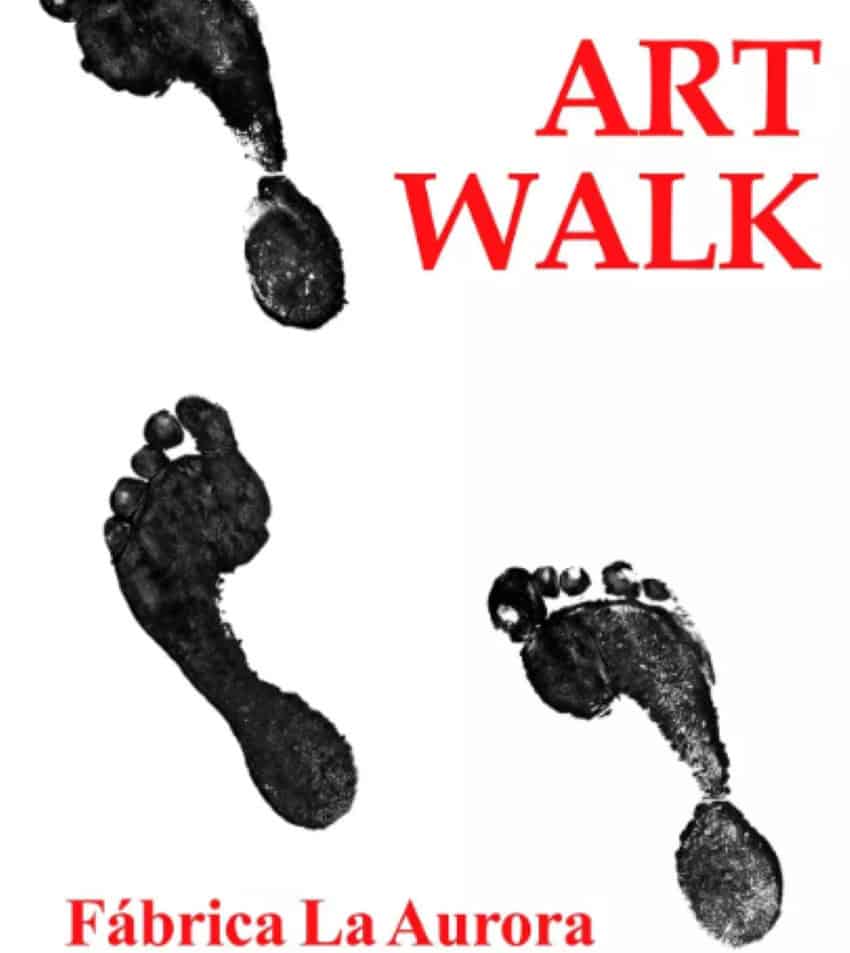
Art Walk in Fábrica la Aurora 

Every first Saturday of the month, Fábrica la Aurora, a beautifully renovated former textile mill in San Miguel de Allende, hosts its celebrated Art Walk. This vibrant event transforms the art center into a lively gathering place where art lovers can explore a diverse array of galleries, mingle with local artists, and enjoy live music and delicious food in a unique, creative atmosphere. The Art Walk is renowned for its welcoming community spirit and the chance to discover new talent, making it a must-visit for anyone in town seeking inspiration or meaningful conversation. Whether you’re an art aficionado or simply curious, you’re sure to meet fascinating people who share your passion for creativity.

Date: July 5, at 5 p.m.

Location: Fábrica la Aurora, Calzada de la Aurora S/N

Cost: Free

Darbukanos Dance Concert presents: Bellydance Night

The Santa Ana Theater invites you to enjoy an evening of Bellydance with the Darbukanos Dance Concert on Friday, July 11 at 6 p.m. This enchanting evening will showcase pure Arabian-style dance with the incredible Viri Reyes and the talented darbuka player Moises Ponce from Querétaro. Accompanying them are Guanajuato’s own Aurora Artemisa on flute, Saúl Taboa on violin and Héctor Gaona on oud. Produced and creatively led by Fridha Gitana, the show blends ancient and modern instruments, creating a mesmerizing fusion of tradition and contemporary rhythm. Don’t miss this unforgettable night of music and dance in San Miguel de Allende.

Date: July 11, at 6 p.m. 

Location: Teatro Santa Ana 

Cost: 420 pesos

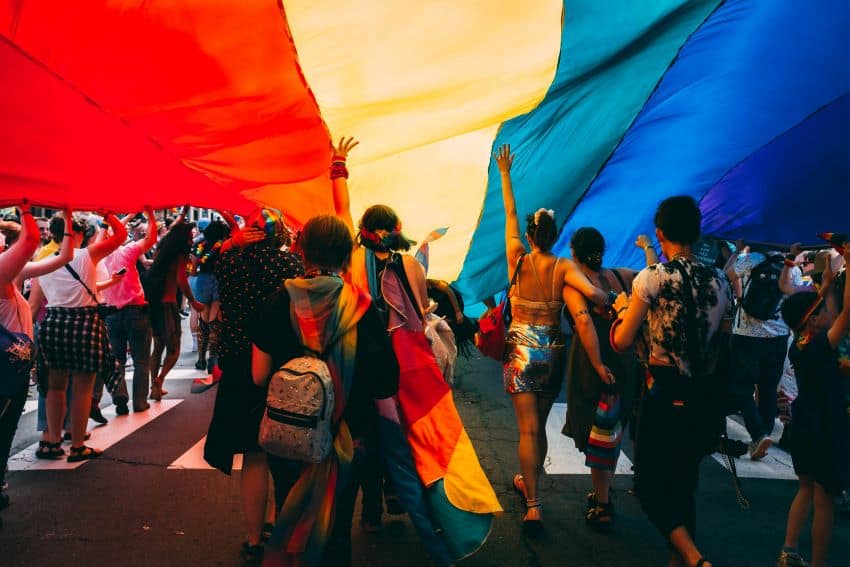
Pride march 

The LGBT+ Pride March will take place on July 12, starting from Benito Juárez Park and ending at the Main Garden. Various groups from the municipality will participate, representing the 4.7% of San Miguel’s population belonging to the community.

Date: July 12

Location: Starting at the Parque Juárez

Cost: Free

Patronal feast of Jesus the Nazarene

If you want to experience an authentic San Miguel de Allende tradition, the festival honoring Jesús Nazareno is waiting for you. From Friday, July 18 to Monday, July 21, the charming village of Atotonilco — located just 12.2 km from downtown San Miguel — comes alive with live music, Mexican food stalls, dancing, performances, fireworks, traditional dancers, and plenty of fun. It’s also a fantastic opportunity to visit the famous “Sistine Chapel of the Americas,” the Sanctuary of Jesús Nazareno de Atotonilco. Every year, locals from San Miguel embark on a 12-km pilgrimage to reach the Sanctuary. Don’t miss this deeply Mexican celebration that blends faith, culture, and community spirit.

Date: From July 18 to 21, all day 

Location: Atotonilco, Guanajuato (12 km from San Miguel) 

Cost: Free

Festival de Blues

From 5 p.m. to 10 p.m., enjoy an incredible blues concert at Foro el Obraje. Featuring Radio Blues from Mexico City, New Zealand-born pianist and soulful singer Steven Jaymes—renowned for his captivating voice and masterful blend of blues, soul, and Americana—and the local band Sunset Blues, this promises to be a magical and vibrant night for all blues lovers. Don’t miss this unique opportunity to experience world-class live music in San Miguel de Allende. Reserve your tickets now by calling 446-259-4821.

Date: July 19, at 5 p.m.  

Location: Foro del Obraje, Calzada del Obraje #50

Cost: 524.33 pesos

GIFF

This month marks the arrival of the most important festival of the year in San Miguel de Allende: the Guanajuato International Film Festival. From July 25 to August 3, short and feature films in various categories will be screened at different venues across Guanajuato City, San Miguel de Allende, and Irapuato. This year, in its twenty-eighth edition, the festival pays tribute not only to the aesthetic and suspense of Vertigo, Alfred Hitchcock’s acclaimed film, but also to the primal emotion that pulses in our hearts during this uncertain stage of human history. It evokes a sense of vertigo that is not just individual, but social and global—a feeling that represents us all in our shared vulnerability.

Date: Starting in Guanajuato capital, on July 23, all day 

Location: Centro Cultural Ignacio Ramírez “El Nigromante”, Teatro Ángela Peralta, Cinemex, Panteón municipal 

Cost: Free

Will Trump’s ‘Big Beautiful Bill’ hurt nearshoring in Mexico? Thursday’s mañanera recapped

1
President Sheinbaum in front of an audience of reporters
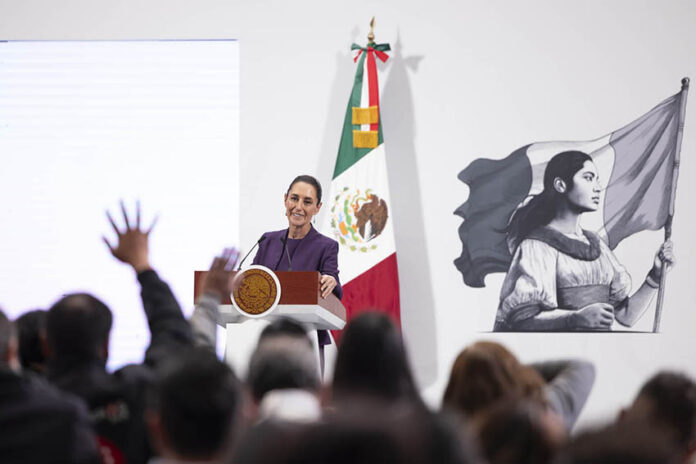
Without actually saying the words, Sheinbaum made her position on U.S. negotiations with a Sinaloa Cartel leader clear at her Thursday press conference. (Gabriel Monroy/Presidencia)

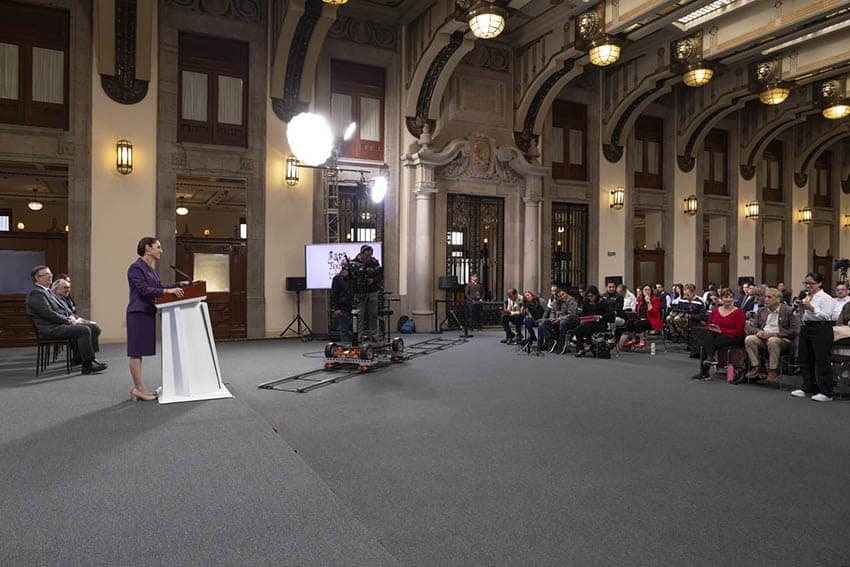
Much of President Claudia Sheinbaum’s Thursday morning press conference was taken up by investment announcements from four Mexican pharmaceutical companies.

Later in the press conference, the United States government’s “Big Beautiful Bill” and the legal case of Sinaloa Cartel leader Ovidio Guzmán were among the topics that were discussed.

Will the ‘Big Beautiful Bill’ affect nearshoring in Mexico?

A reporter noted that the “Big Beautiful Bill,” which was approved by the U.S. House of Representatives on Thursday, will provide large tax incentives for large companies, making the U.S. a more attractive place for them to invest.

“Could this affect us in nearshoring, in investment in Mexico? the reporter asked.

Economy Minister Marcelo Ebrard fielded the question.

“I would say two things briefly about that possibility,” he said.

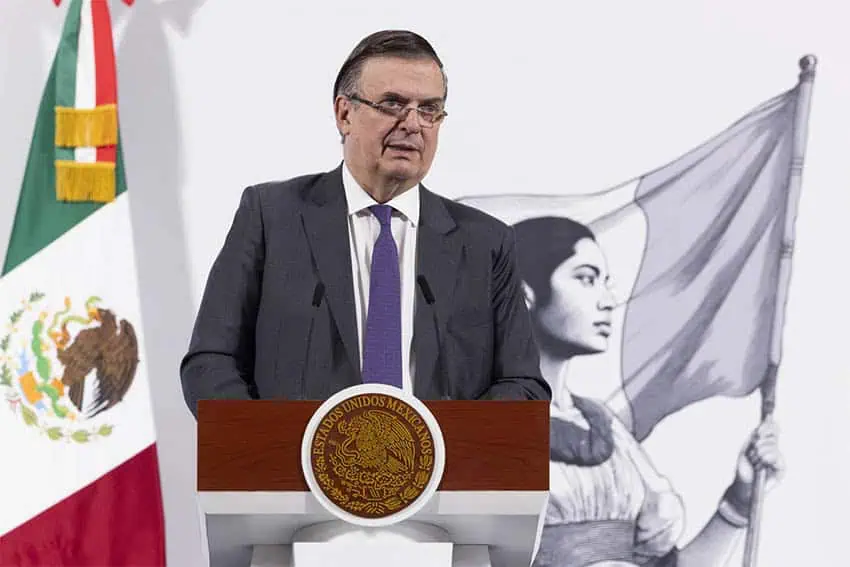
Economy Minister Marcelo Ebrard at a podium
Ebrard suggested that the the new U.S. fiscal bill is unlikely to hurt Mexico’s ability to draw international investment. (Presidencia)

“Firstly, it’s too early [to tell]. … We have to evaluate how [the law] will be applied,” Ebrard said.

“But the main idea you raise is: Does the reduction of tax costs on profits in the United States mean that companies will relocate to that country? I would say, well, in accounting terms it could happen, but what matters here is production — that is what is your cost in terms of relative productivity between one country and another?” he said.

Ebrard said that Mexico has a range of “very important advantages” that allows it to be competitive when it comes to attracting investment.

He cited “our productivity,” Mexico’s proximity to the United States and various “logistical advantages.”

“… In production we’re very competitive,” Ebrard said.

He subsequently said that “a system of comparative disadvantages” is being created because “every country” will have to pay a different tariff rate to ship their goods to the United States.

A line of Audi cars at a Mexican auto manufacturing plant
Ebrard cited Mexico’s productivity, location and unnamed logistical advantages as reasons that foreign companies will keep setting up shop in Mexico. (Audi México)

Ebrard noted that the United States has reached a trade deal with Vietnam and asserted that Mexico will have “a 6-to-1 advantage” over the Southeast Asian nation when it comings to exporting to the U.S.

“… Why 6 to 1? Because the average of what was announced yesterday means that for products from Vietnam — which is a competitor of ours — entering the U.S. market will cost them an average [tariff] percentage between 35% and 40%, while for us it will cost an average of 6%,” he said.

Ebrard didn’t specify how he arrived at the 35%-40% tariff figure for Vietnam, which will face a 20% tariff on its exports to the United States and 40% if the goods are transshipped from a third country.

Mexico has a free trade agreement with the United States (and Canada), but Mexican steel, aluminum, cars and goods not covered by the USMCA currently face tariffs when entering the U.S.

Ebrard said that the “system of comparative disadvantages” he spoke about is “starting to be configured” given that the United States has reached new trade deals with Vietnam and the United Kingdom, but he noted that it remains to be seen how it will end up.

“But I’m using yesterday’s agreement [with Vietnam] as a base because it is the first agreement signed with a country with which the United States has a [trade] deficit,” he said.

“… So, [a] 6 to 1 [advantage for Mexico]. Therefore, the final balance is that our advantage will be accentuated, that’s what we are seeing. That’s why I think the [United States’] fiscal package will not affect us,” Ebrard said.

Sheinbaum turns the tables and asks reporters her own questions … about Ovidio Guzmán case

A reporter asked the president her opinion about the case of Ovidio Guzmán López, who, according to court documents filed on Tuesday, intends to plead guilty to drug trafficking charges in the United States.

Guzmán, one of the sons of imprisoned drug lord Joaquín “El Chapo” Guzmán and a leader (or ex-leader) of the “Los Chapitos” faction of the Sinaloa Cartel, is scheduled to attend a plea hearing next Wednesday.

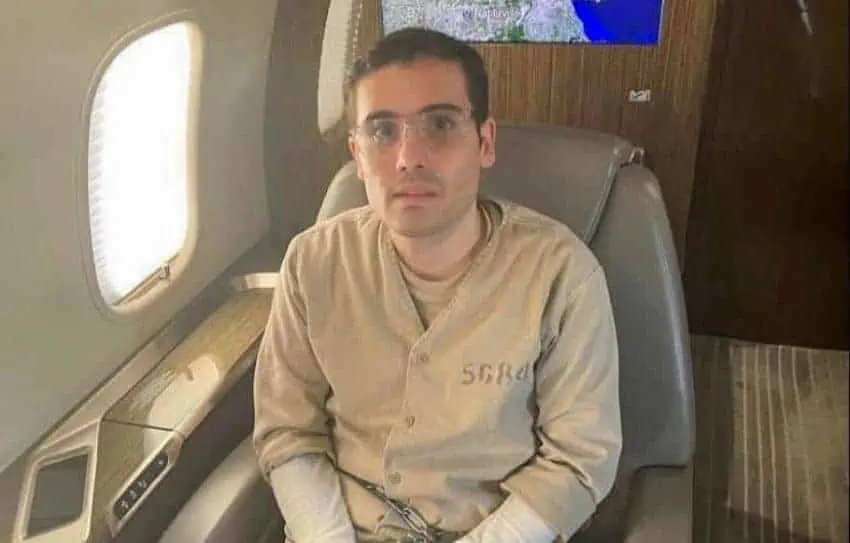
Ovidio Guzman shackled in a prison uniform
Ovidio Guzmán is planning to guilty to drug trafficking, according to U.S. court documents filed this week. (Courtesy/Cuartoscuro)

He was extradited to the United States in September 2023 after he was captured in Culiacán, Sinaloa, in January of that year. Jeffrey Lichtman, lawyer for Guzmán López, said in May that his client and the U.S. government had not yet reached a final plea deal, “but hope to in the future.”

That deal has now apparently been reached.

After describing the reporter’s inquiry about the Guzmán case as “a good question,” Sheinbaum declared that she was going to ask a few questions of her own.

“How did the United States government designate organized crime organizations in Mexico?” she asked.

As terrorists,” came the response from reporters.

“What has the United States government said with relation to terrorist organizations?” Sheinbaum asked.

“That it doesn’t negotiate with terrorists,” a reporter responded.

“And what is it doing?” Sheinbaum asked.

“Negotiating with terrorists,” responded members of the press corps.

Sheinbaum nodded in response, having made a pointed criticism of the United States government via her back-and-forth with reporters.

Sheinbaum stands in front of a room full of reporters
A little audience call-and-response helped Sheinbaum make her point without saying anything undiplomatic. (Gabriel Monroy/Presidencia)

She subsequently noted that soldiers were killed as a result of the operation to detain Guzmán, and asserted that given that the suspect was extradited to the United States there should be “coordination” between U.S. authorities and the Federal Attorney General’s Office in Mexico.

Her insinuation was that such coordination has been lacking in the case of Ovidio Guzmán López, whose brother, Joaquín Guzmán López, is also in U.S. custody following his arrest last year after he flew into a small airport in New Mexico on a private plane with Sinaloa Cartel leader Ismael “El Mayo” Zambada.

By Mexico News Daily chief staff writer Peter Davies (peter.davies@mexiconewsdaily.com)

Mexico’s pharma industry eyes growth with 13B pesos promised for drug development and manufacturing

3
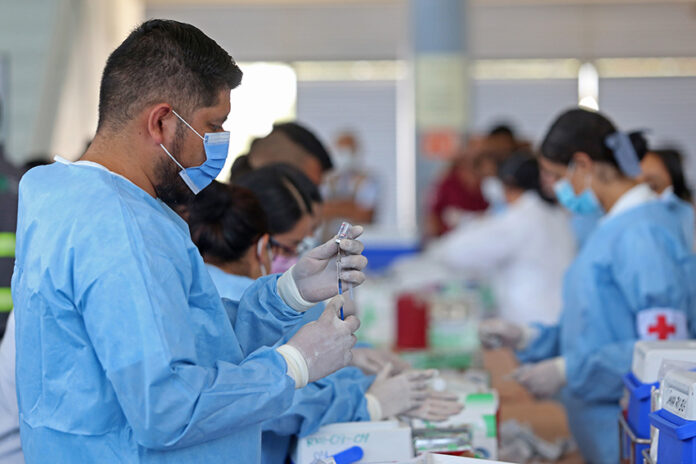
A Mexican man in scrubs and a facemask fills a syringe from a vial in a busy vaccine application center
The projects promise to increase domestic vaccine production, among other goals. (Fernando Carranza García/Cuartoscuro)

Four Mexican pharmaceutical companies announced investment plans totaling more than 13 billion pesos at President Claudia Sheinbaum’s Thursday morning press conference.

Sheinbaum said at the start of the press conference that the four companies — Kener, Genbio, Neolpharma and Neolsym — had “decided to join Plan México,” the federal government’s ambitious economic initiative that seeks to spur investment and make Mexico more self-sufficient, among other objectives.

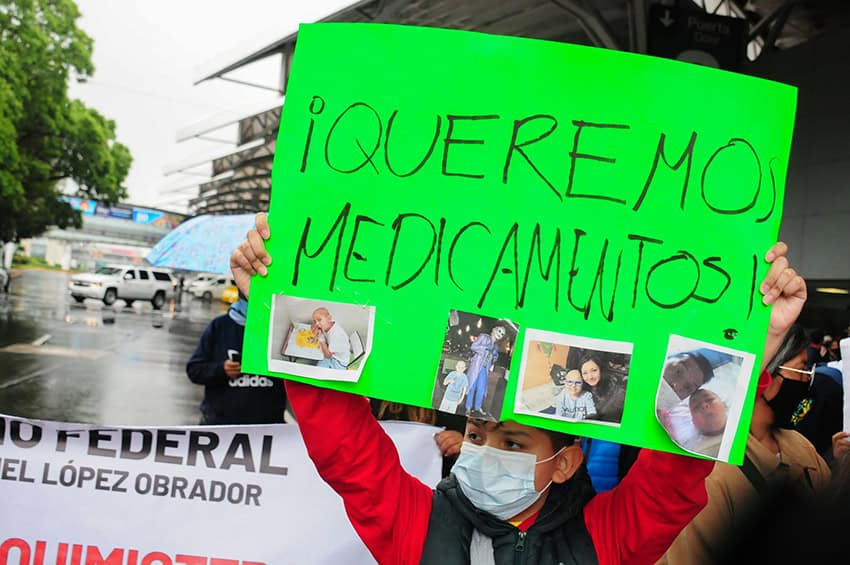
A child holds a sign reading "Queremos medicamento" at a protest
Medication shortages have plagued Mexico’s public health system in recent years. Families of children with cancer have notably led numerous protests, like this one in 2021. (Daniel Augusto/Cuartoscuro)

The investment announcements come at a time when Mexico continues to experience long-running shortages of various medications, including ones used in the treatment of cancer. The federal government is aiming to increase domestic production of medications and medical devices as part of its Plan México initiative.

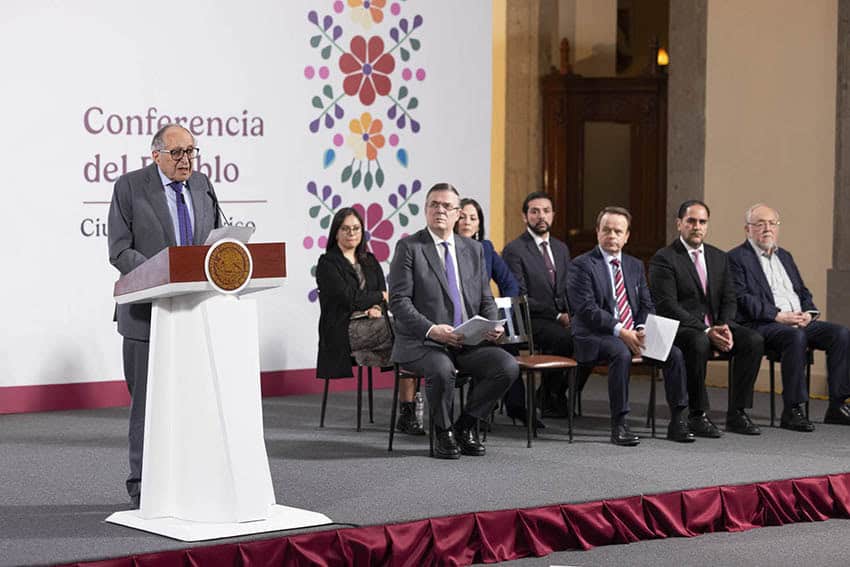
“Mexico needs to increase its self-sufficiency … in everything to do with medicines,” Economy Minister Marcelo Ebrard said on Thursday morning.

The CEO of Laboratorios Kener, which makes a variety of medications including injectable drugs, was the first pharmaceutical executive to speak at Sheinbaum’s press conference.

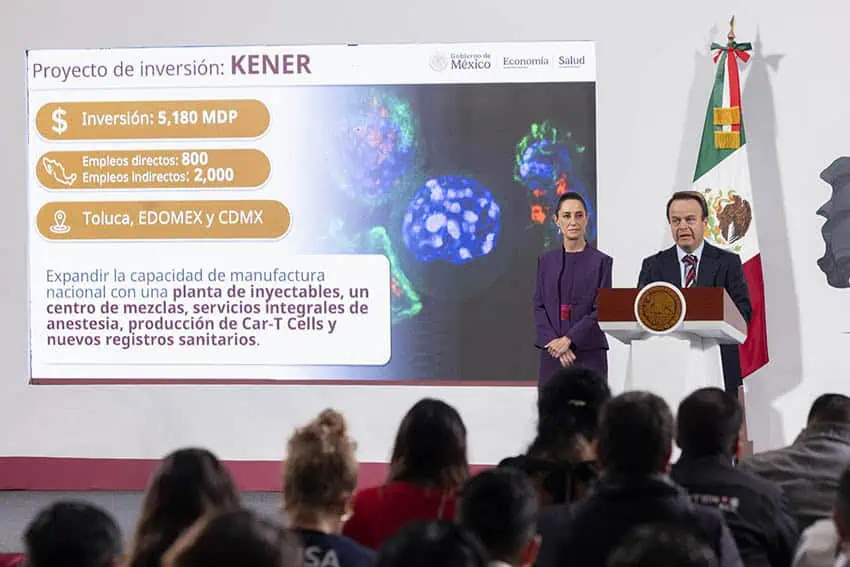
Presidenta, today we want to proudly announce an investment plan of more than 5.18 billion pesos [US $277.3 million],” Federico Prince Laris said.

He said that Kener would expand its plant in Toluca, México state, to “triple” its “installed capacity,” and noted that the project was expected to be finished by the first quarter of 2027.

Prince Laris explained that Kener specializes in “cardiology, hematology and anti-infective products” as well as “emergency medications known as ‘crash cart‘” drugs.

“In recent years, we’ve focused on the in-hospital injectables segment, which today represents the heart of our business,” he said.

Prince Laris said that the 5.18 billion peso investment in Kener’s plant will allow the company to achieve a range of objectives:

  • Guarantee “national pharmaceutical sovereignty” in “several of our products.”
  • Create a drug compounding center.
  • Offer “comprehensive anesthesia services.”
  • Create “new health registries for strategic medications for the country.”

Prince Laris said that the investment will also allow Kener to establish a “local production center for third generation CAR T cells,” which are used to treat cancer.

He said the center will be the first of its kind in Latin America and “will place Mexico at the forefront of personalized medicine.”

President Claudia Sheinbaum looks on as a man in a business suit shares a slide about Kener Laboratory's new México state and CDMX investment in pharmaceutical projects
Federico Prince, director of Kener Laboratories, said the investment will allow Kener to establish a local production center for modified T-cells used in cancer treatment. (Gabriel Monroy/Presidencia)

The CEO said that Kener’s projects will create around “800 specialized direct jobs” and approximately 2,000 indirect ones, “boosting the economic and social development of the country.”

Presidenta, as you see, our plans are totally aligned with Plan México,” Prince Laris said.

“… Today, more than ever, pharmaceutical sovereignty is fundamental in order to reduce dependence on foreign countries for the supply of critical medications,” he said.

Genbio’s 4-billion-peso investment in a blood plasma plant 

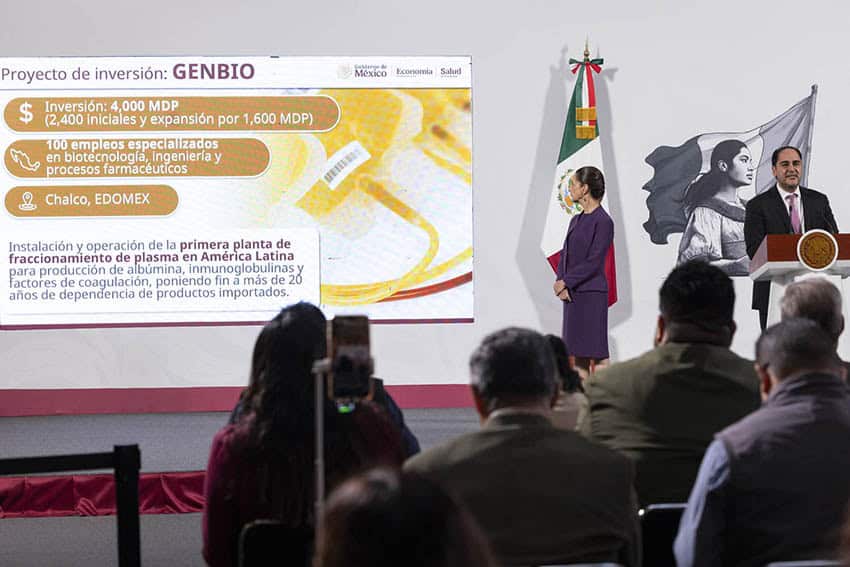
Genbio general director José Miguel Ramos Rodríguez noted that the company he leads has a “human plasma fractionation plant” in Chalco, México state. He highlighted that the plant is the first of its kind in Mexico and all of Latin America.

At the plant, Ramos noted, “we produce essential medicines such as albumin, immunoglobulin, and coagulation factors.”

These medicines are “needed by millions of patients” and are essential to survival for some people, as is “the case for hemophiliacs who need coagulation factors,” he said.

Genbio plans to expand production of plasma-derived medications at its plant in Chalco, México state, director José Migual Ramos said. (Gabriel Monroy/Presidencia)

Ramos said that Genbio has already invested 2.4 billion pesos (US $128.6 million) in “infrastructure, technology and talent,” and announced that in conjunction with Grupo Vazol, a Mexican conglomerate, it will invest an additional 1.6 billion pesos in its México state plant, creating 100 new specialized jobs.

The additional investment “will allow us to increase our capacity to cover even more of the national market,” he said.

“… Presidenta, thank you very much for your support of the national industry and your firm commitment to the well-being of patients,” Ramos said.

Neolpharma to invest 6 billion pesos in 8 projects 

Luz Astrea Ocampo Gutiérrez de Velasco, general director of Grupo Neolpharma, described the company she leads as “one of the most important pharmaceutical groups in the country.”

“We make everything from vitamins to high-specialty products,” she said.

Ocampo said that the company is planning to invest some 6 billion pesos (US $321.5 million) in coming years to carry out eight projects.

A woman speaks at a podium
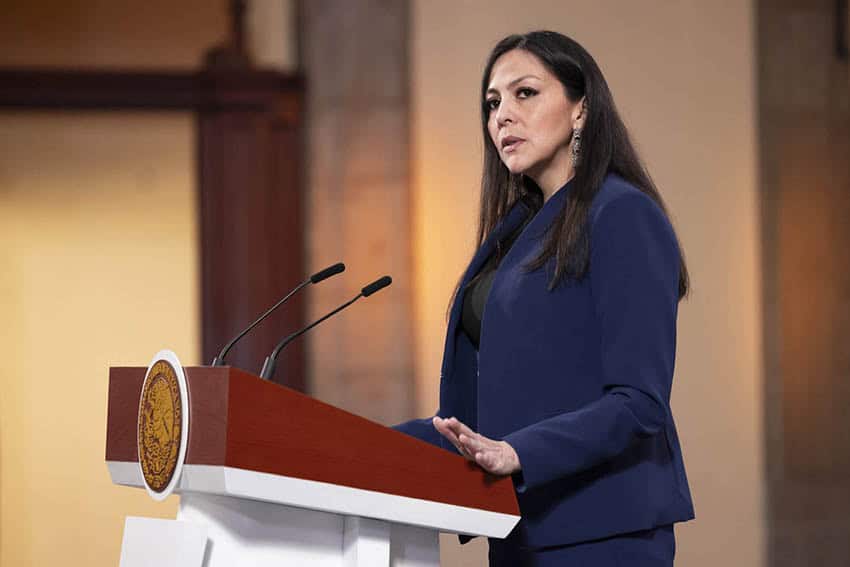
Luz Astrea Ocampo Gutiérrez de Velasco, vice president of Grupo Neolpharma, said her company is expanding production of vaccines and investing in drug development. (Gabriel Monroy/Presidencia)

On Thursday morning, she focused on the 800-million-peso “Alpharma BioGenTec” project, explaining that it is “based on two pillars.”

“One has to do with infrastructure. The infrastructure will be for the production of biopharmaceuticals from microbial cells; we will also be filling biotechnological products, and we will also be making vaccines,” Ocampo said.

“The other arm of the project is [drug] development. As of today, in this first phase that we are talking about, we already have four bio-generic drug developments,” she said, adding that the company is collaborating with CICESE, a scientific investigation center in Baja California, and the Mexico City Ministry of Education, Science, Technology and Innovation.

“But not only that,” Ocampo said. “We believe in innovation. Mexico should not only receive innovation, but also create it. We are working with public universities on two projects: one, an innovative biotechnological product, and the other, a vaccine.

“Likewise, we are in talks with prestigious companies around the world that, in the coming years, will transfer biotechnology and vaccines to us.”

The Alpharma BioGenTec project is slated to create 110 direct and 310 indirect jobs, according to information presented by Ocampo.

Neolsym announces 500-million-peso investment 

The executive chairman of Grupo Neolpharma, the parent company of Neolsym, announced an investment of 500 million pesos (US $26.8 million) “for the expansion of our raw materials production project” in Ecatepec, México state, and Jiutepec, Morelos.

Neolsym makes active pharmaceutical ingredients “that form part of the medications that Mexicans use,” Diego Antonio Gutiérrez de Velasco said.

The 500-million-peso investment is slated to create 120 direct jobs and 400 indirect ones.

Pharmacy shelves
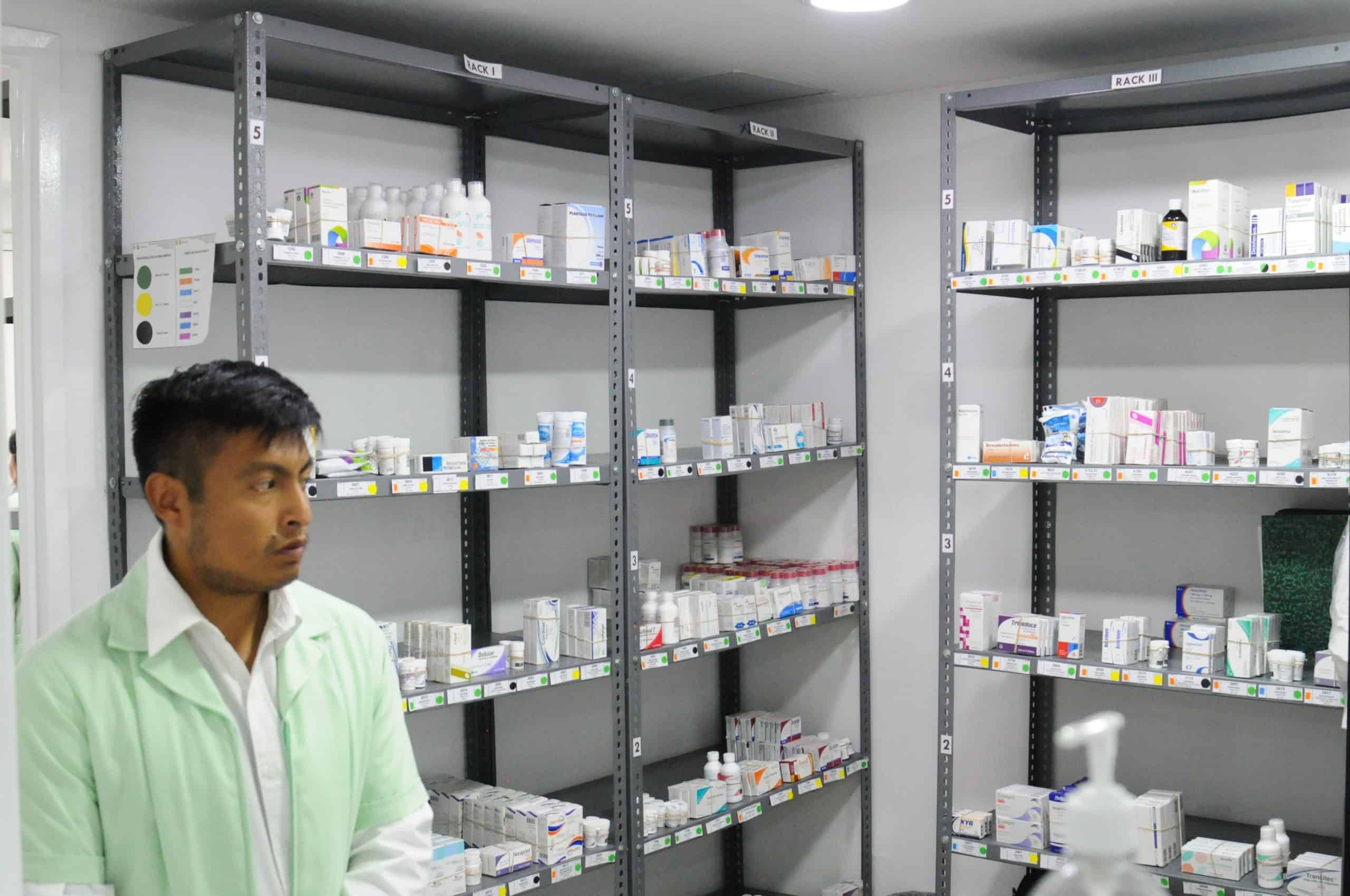
Neolsym plans to expand production at chemical plants in México state and Morelos that produce the raw materials needed to make a wide variety of medications used in Mexico. (Daniel Augusto/Cuartoscuro)

Gutiérrez said that currently around 90% of inputs for medications are imported, and declared that Neolsym, and its parent company Neolpharma, are committed to increasing domestic production “so that we can have greater control over the supply chain, lower costs, and ensure the availability of medicines.”

“We currently have a plant in the eastern part of México state, in Ecatepec, where we are investing in the development of molecules. And we are making a significant expansion in Jiutepec, Morelos, to launch a new plant with the capacity to produce high-potency drugs, hormonal drugs,” he said.

Foreign pharmaceutical investment coming as well, says health minister 

The investment announced on Tuesday by Kener, Genbio, Neolpharma and Neolsym totals 13.28 billion pesos (US $712.1 billion). With the 2.4 billion pesos Genbio has already invested in its plasma plant, that amount increases to 15.68 billion pesos.

Health Minister David Kershenobich said that the four Mexican pharmaceutical companies are all supporting Plan México, and asserted that foreign pharmaceutical firms will as well.

He said that the government will soon announce investment plans of foreign pharmaceutical companies in Mexico.

“Instead of producing abroad,” such companies will “produce in Mexico,” Kershenobich said.

“… Investment in the [pharmaceutical] industry isn’t just national, but foreign as well, but with production in the country,” he said.

Health Minister Kershenobich speaks at a press conference
In addition to the announcements from these Mexican companies, there are also major investments from foreign pharmaceutical companies in the pipeline, Health Minister Kershenobich said. (Gabriel Monroy/Presidencia)

President Sheinbaum met with Narenda Modi at the G7 Summit in Canada last month and subsequently said that she spoke to the Indian prime minister “about the importance of strengthening economic ties between India and Mexico, particularly in some sectors like the pharmaceutical industry.”

India is a major producer and exporter of pharmaceuticals.

On Tuesday, Kershenobich said that investment in the pharmaceutical sector is not just aimed at achieving “health autonomy,” but also improving “social and health well-being” in Mexico.

“And also, why not say it, [there is] an economic benefit [as well],” he said.

Mexico News Daily

Chinese EV maker BYD cancels its plans for a Mexico factory, citing ‘geopolitical issues’

1
BYD building
BYD, the world's largest manufacturer of electric vehicles, had announced in 2023 plans for a major factory in Mexico, but the plan never got off the ground. (Shutterstock)

The Chinese electric vehicle (EV) manufacturer Build Your Dreams (BYD) announced on Tuesday the cancellation of its plan to build a manufacturing plant in Mexico, following months of uncertainty.

BYD cited a lack of clarity on the United States President Donald Trump’s tariff plans for the automotive sector, as well as geopolitical tensions, for the decision to rethink its investment strategy.

BYD had announced in 2023 plans to develop a plant in Mexico, where it would produce approximately 150,000 vehicles per year and generate 10,000 jobs.

The facility was expected to serve the Mexican and Latin American markets, as well as eventually the U.S.

The company remains interested in expanding in the Americas but has no timeline to make a new investment, BYD’s Executive Vice President Stella Li said in an interview with Bloomberg on Tuesday in Brazil’s Bahia state, where the firm is opening its first factory outside of Asia. 

“Geopolitical issues have a big impact on the automotive industry,” Li said in the interview. “Now, everybody is rethinking their strategy in other countries. We want to wait for more clarity before making our decision.” 

BYD was expected to announce the location of its planned Mexico plant by the end of 2024. However, in March, President Claudia Sheinbaum said that BYD had not submitted a formal offer to invest in Mexico.

At that time, the Financial Times (FT) reported that China’s Ministry of Commerce had not approved BYD’s investment in Mexico for fears that the company’s smart car technology could be accessed by the United States. 

The FT reported that its two sources thought China was giving preference to projects in countries that are part of China’s global infrastructure development strategy — the Belt and Road initiative. They also cited “shifting geopolitical dynamics” for the lack of approval. 

In early November last year, BYD said it would follow through with plans to build its first plant in Mexico, no matter the outcome of the U.S. election. That announcement initially made the investment appear more likely to happen, but that hope was dashed with Tuesday’s announcement. 

With reports from El Economista, Bloomberg and The Financial Times

Mexico to face US in Concacaf Gold Cup final after victory over Honduras

1
A soccer player in the black Mexican uniform dribbles ahead of another player in a white and blue uniform
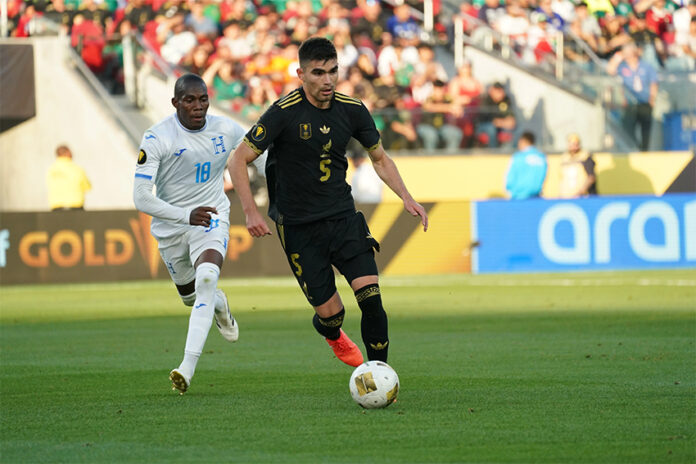
Mexican center-back Johan Vásquez keeps ahead of Dixon Ramírez of Honduras during Wednesday's match. (Concacaf)

Mexico’s national soccer team will get the chance to take back the Concacaf Gold Cup this weekend after narrowly beating Honduras on Wednesday.

El Tri, as the team is known, played the semi-final against Honduras at Levi’s Stadium in Santa Clara, California, where around 70,000 fans attended the event. It will now go on to play its fourth consecutive Gold Cup Final.

México 1-0 Honduras | Copa Oro 2025 | Semifinal

While Mexico dominated possession throughout the match, the team was not able to score in the first half. However, Mexico’s manager, Javier Aguirre, nicknamed El Vasco, switched up the lineup in the second half, helping push the team to victory.

Mexico’s 16-year-old midfielder Gilberto Mora, a rising star known as “Chavito,” delivered a strong pass to striker Raúl Jiménez, who then scored in the 50th minute against Honduran goalkeeper Edrick Menjivar to put Mexico ahead.

Jiménez has now scored 42 goals for Mexico and is edging closer to Javier “Chicharito” Hernández’s national record of 52 goals.

The team’s captain, Edson Álvarez, scored another goal three minutes later, but after a lengthy VAR check, it was disallowed for being offside.

Mora made another would-be assist to Roberto Alvarado, but the winger was not able to score a second goal.

Mexico struggled to maintain its lead in the final minutes of the match after Vasco sent Mora off, and the players fought to keep possession of the ball. Honduras pressed hard late on but was ultimately unable to equalize.

The Mexico national team hopes to achieve a record-breaking 10th Gold Cup title, while the U.S. men’s national soccer team (USMNT) aims to win its eighth. The two teams have been widely considered the strongest throughout the tournament.

The USMNT, which last won the Gold Cup final in 2021, beat Guatemala for a 2-1 win in the semi-final on Wednesday.

“It’s a ‘Clasico’, Concacaf direct rival. We have to win the ‘Clasico’ — I learned that from America — it will be a war,” Reuters reported Mexico’s goalkeeper Luis Malagón as saying.

The Gold Cup final will be played at the NRG Stadium in Houston, Texas, on Sunday.

With reports from Reuters, Milenio and The New York Times