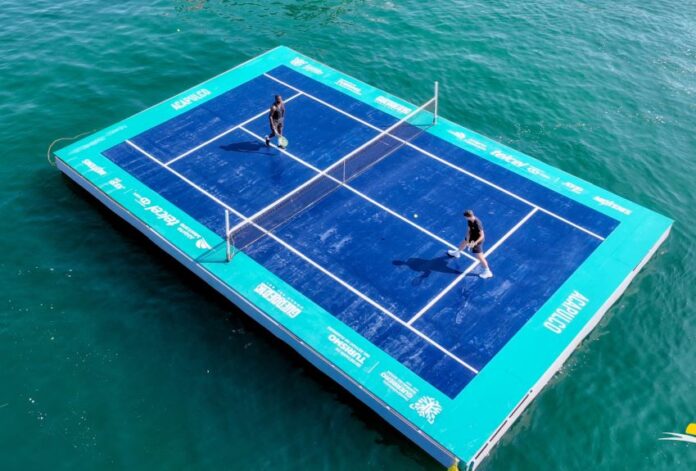
The floating tennis court featured the U.S.' Frances Tiafoe and Denmark's Holger Rune playing an exhibition match in Acapulco's Santa Lucia Bay. (Abierto Mexicano de Tenis/X)
The 32nd edition of the Mexican Open, also dubbed ATP 500 Acapulco, kicked off this weekend with an exhibition match on an eyecatching floating court in Acapulco Bay.
Professional men’s tennis players Frances Tiafoe and Holger Rune participated in the match, the first time in a decade that the tournament has featured a floating exhibition match in Acapulco’s Pacific waters.
Tournament play began Monday in the city’s GNP Arena with Round 1 of the Doubles championship. (Mexican Open)
Guerrero Tourism Minister Simón Quiñones Orozco noted that this type of event strengthens the state’s ability to promote Acapulco as a high-level sporting event venue.
“We’re very happy […] and confident that we will exceed all expectations for the Mexican Open,” Quiñones said. “The event is going well, and we will attract the attention of those who still have doubts about coming to Acapulco.”
“We want to show that Acapulco is recovering,” Quiñones said. This year’s edition of the tournament — organized by Mextenis in collaboration with the Guerrero government — promises innovative facilities.
The Mexican Open began Monday and will run through Saturday. It will see five of the Top 15 players in the world among its competitors, among them No. 2-ranked Alexander Zverev and No. 4-ranked Taylor Fritz.
Local authorities estimate that the tournament will bring an income of 550 million pesos (US $26.8 million) to the state.
Nemak is currently amid a strategic adjustment to its operations that seeks “to align its resources and investments with changing market demands and customer needs,” according to its most recent earnings report. (Nemak/Facebook)
The threat of 25% tariffs on auto exports to the United States has prompted Nemak, among the world’s largest auto industry suppliers, to consider moving some production operations from Mexico to the U.S.
Nemak, headquartered near the northern industrial city of Monterrey, Nuevo León, is a global automotive parts manufacturer that specializes in aluminum components.
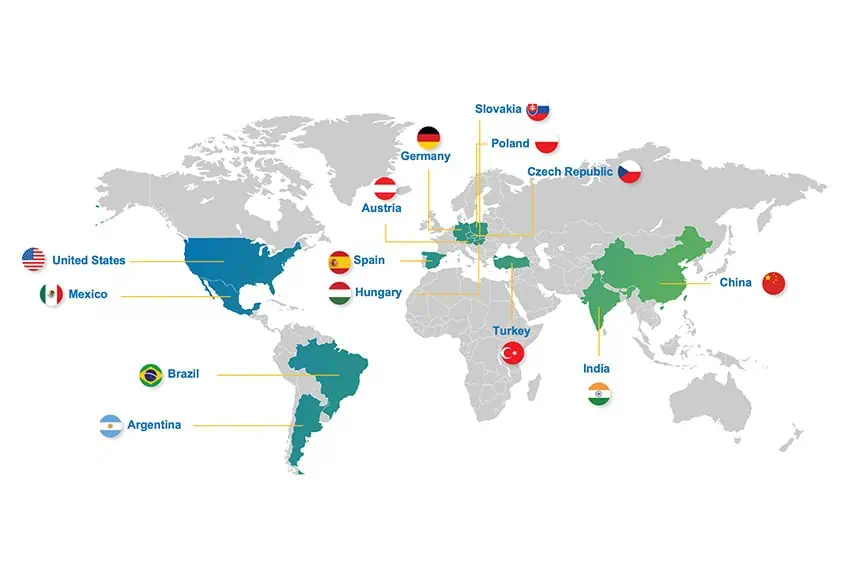
Auto parts manufacturer Nemak, headquartered in Monterrey, has 37 factories in 14 countries. (Nemak)
While delivering the company’s fourth-quarter earnings report last week, Nemak CEO Armando Tamez conceded that shifting some operations to the U.S. is a possibility, but “only if it makes economic sense.”
Tamez dismissed the impact of the tariff threats, the newspaper El Financiero reported, citing ongoing trade negotiations between Mexico and the U.S. Still, he said, the company must analyze all possible scenarios.
Nemak supplies auto parts to every major vehicle manufacturer operating plants in Mexico, including General Motors, Ford, Toyota, Stellantis and Nissan.
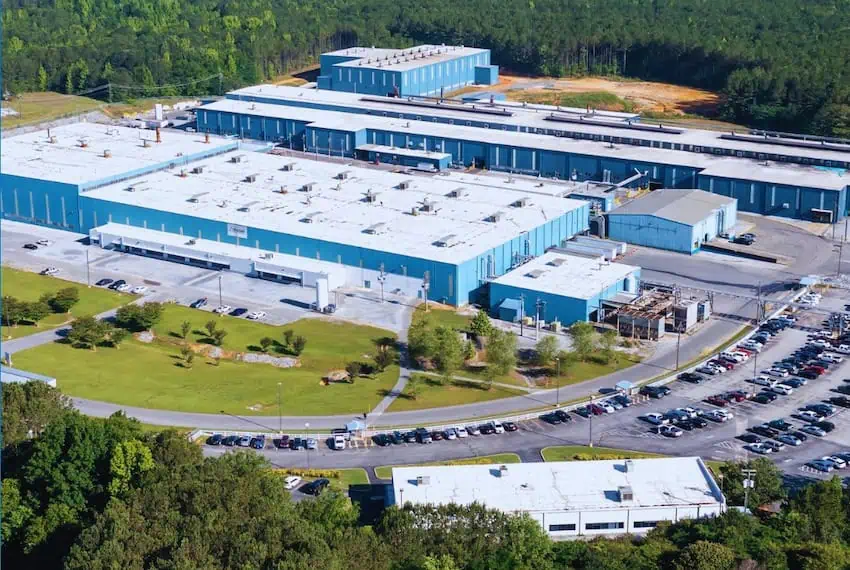
Nemak cannot increase production at its two plants in the United States, according to CEO Armando Tamez. (Nemak Alabama)
If Nemak’s clients move operations to the U.S. — Nissan is said to be considering it — Nemak could have its auto parts taxed directly under the new tariffs.
Tamez said the company currently has limited capacity in the U.S. and its plants there — one in Kentucky, the other in Alabama — are unable to increase production.
“So if we were to move operations to the U.S. from Mexico, it would have to make economic sense for Nemak,” he said, adding that prices would undoubtedly rise because “the cost of doing business in the U.S. is higher than that in Mexico.”
Nemak has seven facilities in the state of Nuevo León and two others in the state of Coahuila. It also has aluminum recycling and remanufacturing operations in Nuevo León.
In its 4Q earnings report, Nemak, a subsidiary of the Mexican industrial conglomerate Alfa, disclosed that although revenue grew by 6% year-to-year to US $1.2 billion in the final three months of the year, company revenue was down 1.7% in 2024.
While analyzing a partial move to the U.S., Nemak is amid a strategic adjustment to its operations that seeks “to align its resources and investments with changing market demands and customer needs.”
In early January, the company postponed new facilities in Mexico and Germany. These paused operations were to involve the production of battery housings for fully electric vehicles within the e-mobility, structure and chassis applications, according to Mexico Industry.
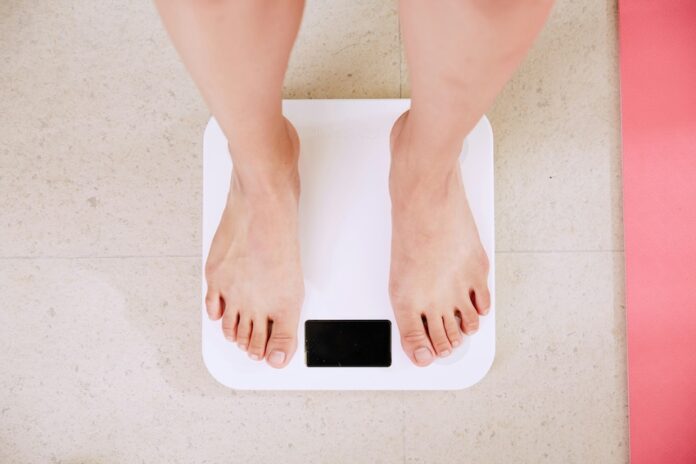
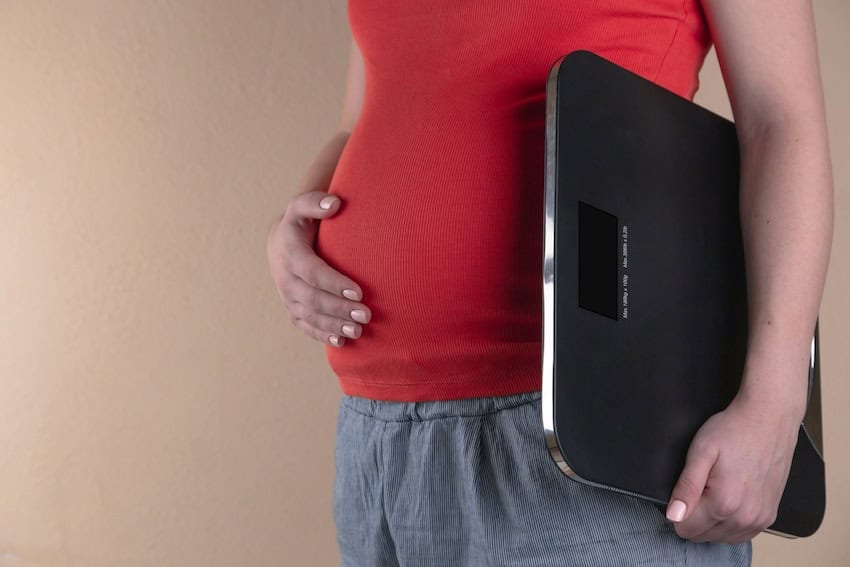
Trying to lose the pounds (or should that be kilos) in Mexico? Great news: It's easier than you might think! (I Yunmai/Unsplash)
Are you ready for another weekly tale of woe and minor inconvenience? This time it’s about going on a diet in Mexico.
As some of you know, I got back from a trip to the United States last month. As always, I put on at least eight pounds even though I was only there for a couple of weeks. Most came off within a week or so of being back in Mexico. Still, it left me sluggish, and made it really hard to get back to my normal eating habits.
It’s the ice cream, honestly. (Volodymyr Hryshchenko/Unsplash)
Part of the issue? I just can’t resist Blue Bell Homemade Vanilla ice cream. Even after their listeria scare, I loved them. “Well, we all make mistakes!” I said.
Pathetic, I know.
Then there were the restaurants I hadn’t been to in forever, and donuts! Krispy Kreme has opened a little kiosk at my local Mexican mall, but I need the real stuff when I go home. If they don’t taste the same as when my mom would get us donut holes before taking us to preschool, it’s just not the same.
As you can probably tell, my main issue is sugar. There have been times over the past several years in which I’ve given it up completely, often for months at a time. I’d slim down, and I’d feel good. “How could I have put that stuff in my body for so long?” I think.
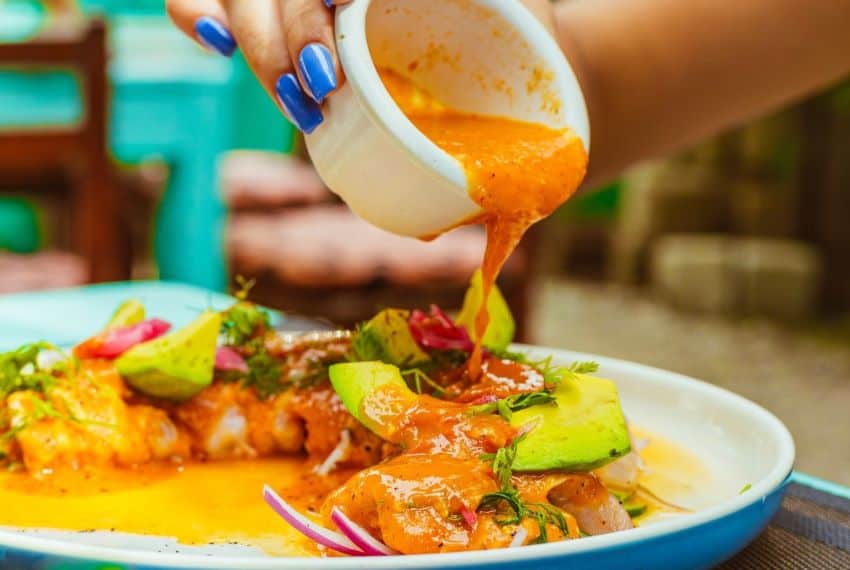
Texan food might not be great for you, but sometimes Mexican food can be just as bad. (Abulón Antojería del Mar/Facebook)
Then I go home, and it’s game over.
At least I live in Mexico and not the U.S. I’m sure I’d weigh at least 50 pounds more if it were the other way around.
For some reason, it’s just easier not to go overboard in Mexico.
A disclaimer: being overweight is not the worst thing in the world. I’ve accepted that I’m no longer a teenage princess. It’s fine. But I’m getting older, and my body is handling the changes shakily, at best, and I need all the help I can get. Having seen high cholesterol and triglycerides on my last tests scared me straight for a while, but then I want home to Texas. And now here I am, trying to get back on track, again.
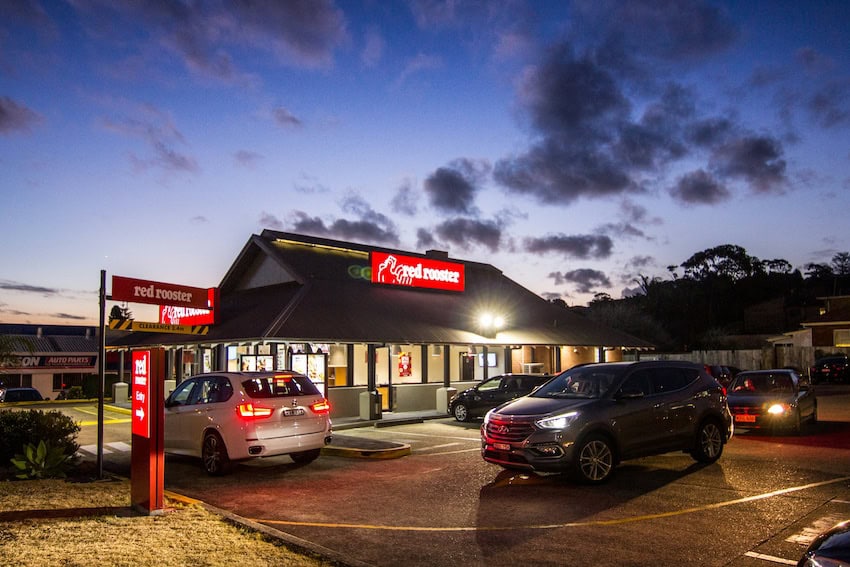
It’s a delicious and convenient invention, but it’s not good for the waistline. (Tim Cooper/Unsplash)
So let’s say you, too, want to lose a bit of weight while you’re in Mexico. Happily, you’re in luck! There are a few forces against you — like there would be anywhere — but for the most part, I find keeping up at least a moderately healthy lifestyle here is much easier.
Let’s start with the forces against:
Limited options: If you’re someone like me that kind of hates to cook, and hates even more to plan meals, this is…kind of a problem. My creativity, alas, does not apply to all areas of my life, and food is for sure bottom of the list. Sometimes I try to solve this by finding a diet that I can just follow. Unfortunately, it always involves preparation, and often of ingredients that I just can’t find down here. If I were doing it in the U.S., I’d find quite a bit of what I needed in both the frozen and canned food aisles. Not so here! Canned food is especially limited, and things like egg and spinach microwavable frittatas, for example, are nowhere to be found.
Cheap and convenient sweets: This is not unique to Mexico, I realize, and the way they’re presented here is actually quite helpful. Still, it can be hard to resist the prominent displays of pillowy pastries, cookies, and sweets sold everywhere.
Mexicans aren’t militant: When I stopped eating sugar, people thought I was extreme. Surely, they asked, I could have a little in moderation? No, I cannot have a little in moderation. It’s like a beer to an alcoholic. One taste sends me down a slippery slope, and sobriety might take months to get back to. A relaxed attitude is good in general, but if you’re trying to be careful about your eating, it can render your intentions pretty much meaningless.
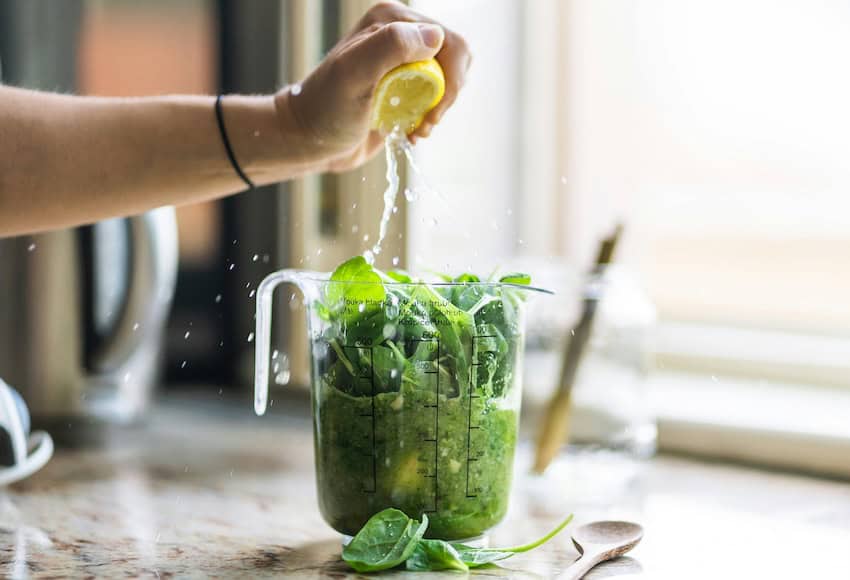
Mexico is a haven for those who are in search of simple, fresh, wholesome food. (Jan Sedivy/Unsplash)
Now, for the good!
Fresh, inexpensive ingredients: While you might not find many diet-friendly convenience foods to serve as a crutch, you will find plenty of fresh food! Fruit and vegetables are quite inexpensive compared to the U.S.And not only can you find them at the grocery store, but even your local tiendita is bound to have some. The market, of course, is the place to be for variety galore. A bodega too is a great place to find things like nuts and seeds by weight. Unsweetened coconut flakes? Not at the store, but for sure at the bodega!
Way smaller portions: If you’ve mostly been living in the U.S., you’re probably used to having your drinks constantly refilled. Plates are gigantic and filled to the brim. In Mexico, portions are much more reasonable. Ordering a Coke will get you a can of Coke and a glass of ice. If you want more, you order another one, and pay for it. And while you can certainly walk away full after a meal at a Mexican restaurant, stuffing yourself to the brim isn’t as easy. Another plus? “Comidas corrida” are cheap lunches where you show up and get what everyone is getting. There’s a soup, a main dish, a simple dessert and usually some agua fresca. Delicious, nutritious, and pretty well balanced!
Drive-through culture is absent: I’m speaking for my own community here. Fast food, U.S. style, is not an everyday thing. This is due in great part to the fact that it’s actually quite a bit more expensive than cheaper, homemade food. This is a good thing.
Nutritional warning labels: In 2019, a law was passed in Mexico that required black-and-white octagon-shaped warning labels be put on every package of food that contains excessive sugar, salt, calories, saturated fats and trans fats. I really appreciate these, as they work to counteract deceptive advertising. “Excess sugar in tomato sauce? What? Never mind!”
Lots of opportunities for exercise: In most communities in Mexico, you can walk. And if you do, you’re not going to be the only one walking: because there aren’t the same types of zoning laws as in the U.S., you’ll often find just what you need right in your neighborhood. No need to speed off somewhere in your car.
This is not a complete list, but I’ve tried to give you a good idea of what you might expect. Just know that if you’re hoping to get healthier in Mexico, your prospects are actually great! Good luck out there, and try not to overdo it at the bakery.
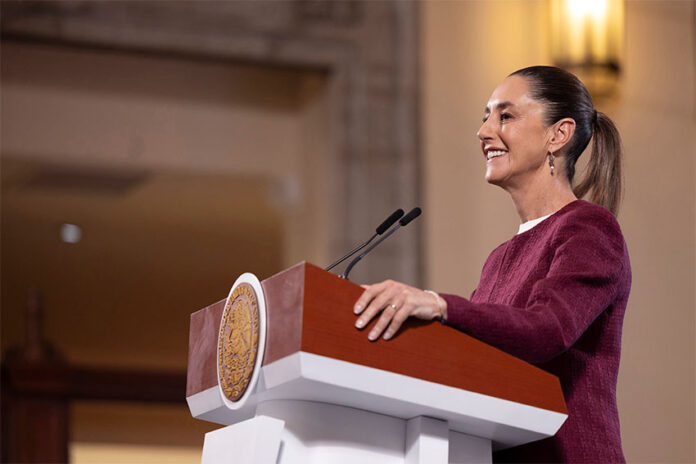
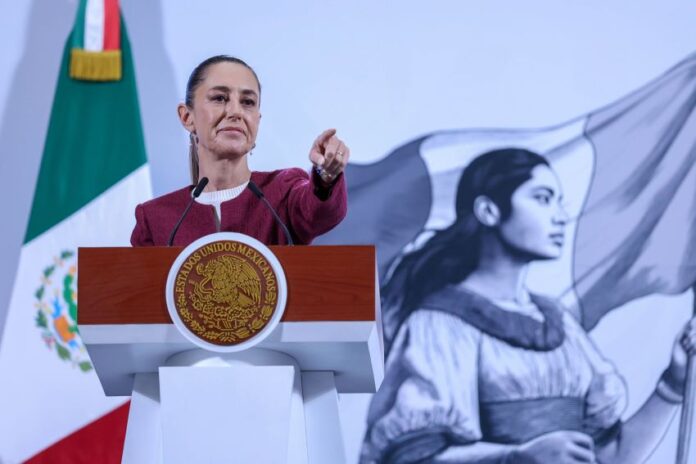
The president on Monday reiterated Mexico's commitment to "helping the United States" solve the "humanitarian crisis" caused by illicit fentanyl in the U.S. (Presidencia)
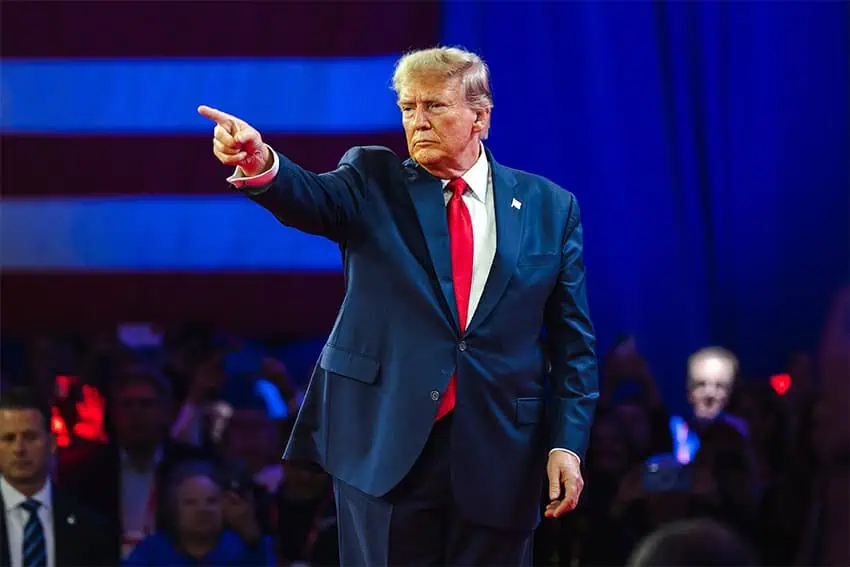
United States President Donald Trump said Monday that his planned 25% tariffs on all Mexican and Canadian exports to the U.S. “are going ahead on time, on schedule,” meaning the duties would take effect on March 4 at the conclusion of a one-month suspension.
“This is an abuse that took place for many, many years,” Trump said in justification of the decision to impose tariffs on the United States’ neighbors and North American trade partners.
“We’re on time with the tariffs,” President Donald Trump says when asked during a joint press conference with French President Emmanuel Macron about the tariffs planned to take effect on Canada and Mexico next month https://t.co/bMyOnTKtDnpic.twitter.com/1PqCjNZAH1
“And I’m not even blaming the other countries that did this, I blame our leadership for allowing it to happen. I mean who can blame them if they made these great deals with the United States, took advantage of the United States on manufacturing, on just about everything,” he said at a joint press conference with French President Emmanuel Macron.
Earlier on Monday, President Claudia Sheinbaum expressed confidence that Mexico would in fact reach an agreement with the United States to stave off Trump’s proposed tariffs for a second time.
At her morning press conference, Sheinbaum also spoke about the possibility of Mexico imposing additional tariffs on imports from countries with which it doesn’t have free trade agreements, most notably China.
‘If necessary,’ Sheinbaum will seek call with Trump
Trump has said he plans to impose 25% tariffs on imports from Mexico and Canada for three reasons:
Undocumented migrants have “poured into” the U.S. from Mexico and Canada.
Large quantities of drugs, including fentanyl, have entered the U.S. from its southern and northern neighbors.
The United States has large trade deficits with Mexico and Canada.
On Monday, Sheinbaum reiterated Mexico’s commitment to “helping the United States” solve the “humanitarian crisis” caused by illicit fentanyl in the U.S.
On actions to combat drug trafficking and other problems Mexico will need to reach “important agreements” with the United States this Friday, she said, noting that the tariffs are scheduled to take effect early next week.
“If it is necessary I will be seeking another telephone call with President Trump — whatever is needed to reach an agreement,” Sheinbaum said.
“… I believe we’re in a position to do so,” she said.
Ebrard has said that the United States would be shooting itself in the foot if it imposes a 25% tariff on Mexican exports, asserting that 400,000 jobs would be lost in the U.S. and prices would rise for U.S. consumers.
He said earlier this month that 25% tariffs the United States intends to impose on all steel and aluminum imports are illogical and a “bad idea” with regard to Mexico, given that the U.S. has a trade surplus with Mexico on the trade of those metals. The steel and aluminum tariffs are scheduled to take effect on March 12.
USMCA the priority, says Sheinbaum, and therefore additional tariffs on China are an option
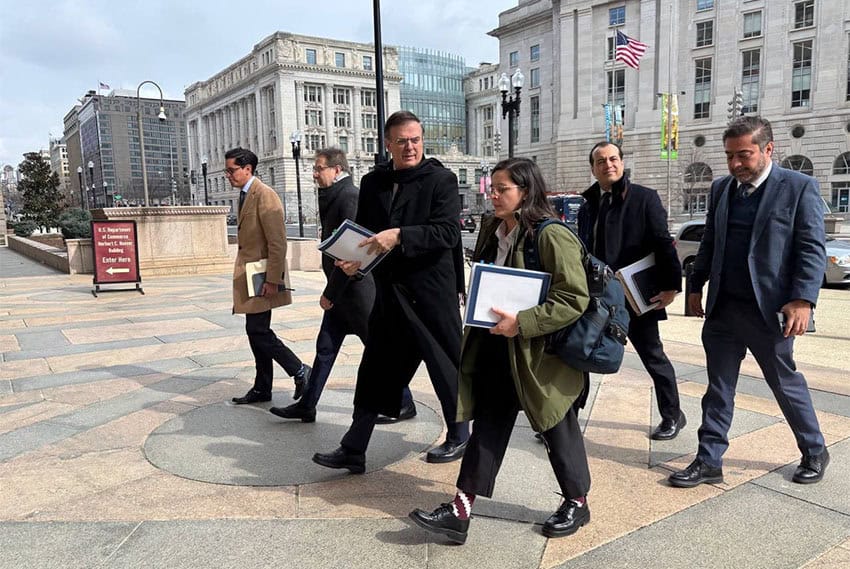
Sheinbaum noted that an Economy Ministry team is still in Washington as Mexico seeks to reach a new deal to stop Trump’s proposed tariffs taking effect next week.
“What we’ve established — I’ve said it from the beginning — is that the relationship and trade agreement with the United States has to be prioritized,” she said.
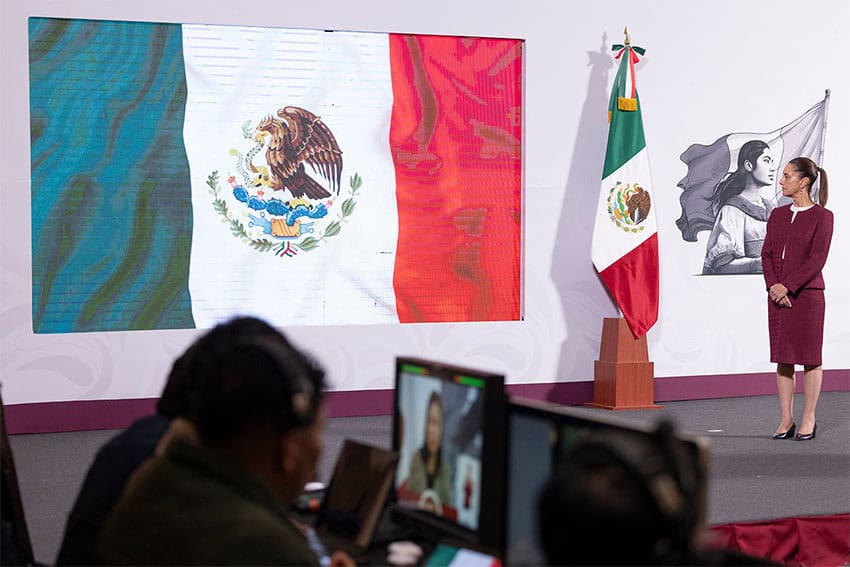
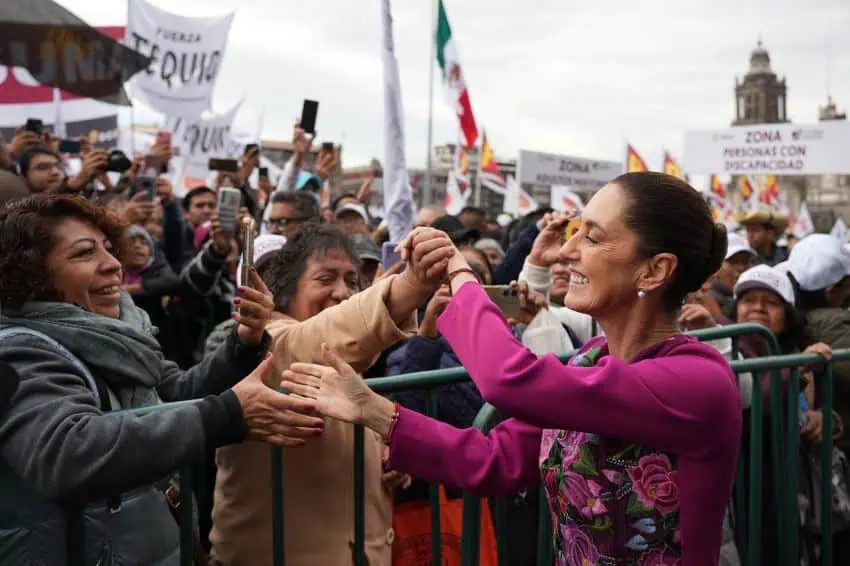
After observing the national holiday Flag Day, Sheinbaum discussed her efforts to avert tariffs and the importance of the USMCA free trade deal. (Presidencia)
“And we ask the United States to prioritize its trade agreement with Mexico and Canada,” Sheinbaum said.
She said that imposing tariffs on imports from countries with which Mexico doesn’t have free trade agreements, such as China, is an option.
“… With China, for example, we don’t have a trade agreement. … So it’s part of what this [Economy Ministry] group is working on,” she said, alluding to additional tariffs on Chinese exports to Mexico.
Bloomberg, citing “people familiar with the matter,” reported on Saturday that “the Trump administration told Mexican officials” including Minister Ebrard “that they should put their own duties on Chinese imports as part of their efforts to avoid tariffs threatened by President Donald Trump.”
However, Sheinbaum said that the implementation of tariffs on Chinese exports to Mexico wasn’t a “condition” that had been set by the United States.
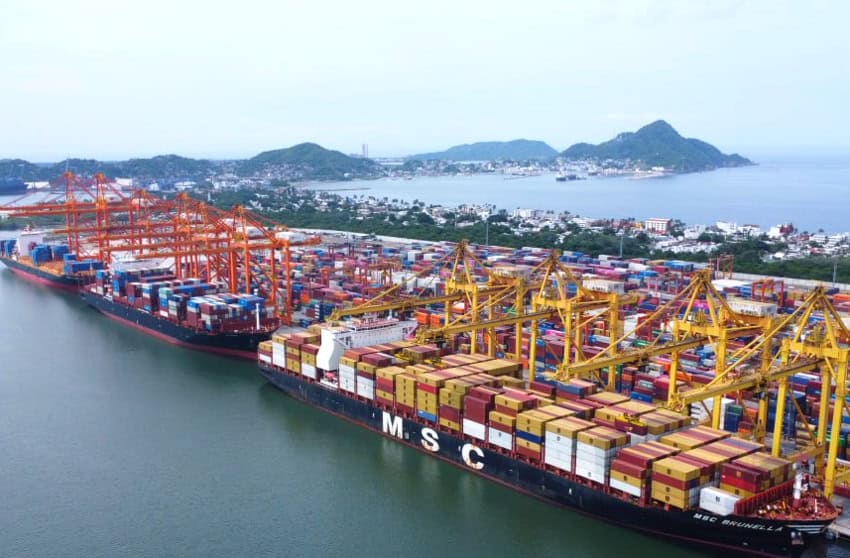
Implementing tariffs on countries with which Mexico doesn’t have a free trade deal — like China — is an option on the table, Sheinbaum said Monday. (Asipona Manzanillo)
“The issue is to reach an agreement that allows us … to guarantee that there are no tariffs between our countries [and] that the trade agreement continues,” she said.
“… [We have to] give priority to this trade agreement and see how the three [USMCA] countries can strengthen ourselves compared to other regions of the world,” Sheinbaum said.
“… In that sense, we’re not suggesting [tariffs] in particular on China, but rather on those countries with which we don’t have trade agreements,” she said.
“It’s something that I even put forward in the conversation I had with the president of China at the G20 [Summit in Brazil]. Of course with China there is a cultural relationship, … and [a relationship spanning] many other issues. On the issue of trade I told [President Xi Jinping] that we have the trade agreement with the United States and that is one of our priorities,” Sheinbaum said.
By Mexico News Daily chief staff writer Peter Davies (peter.davies@mexiconewsdaily.com)
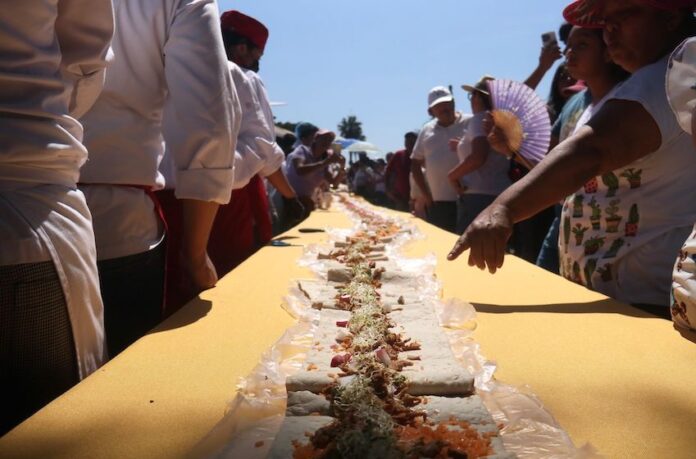
Dozens of restaurants and gastronomy schools joined forces to build the 80-meter masterpiece. (Margarito Pérez Retana/Cuartoscuro)
Residents of Mexico City who made the easy drive to Cuernavaca for a short getaway this past weekend were treated to a feat of culinary gallantry: the creation of a taco acorazado measuring 80 meters (262 feet).
According to the Cuernavaca City Council, the “City of Eternal Spring” in Morelos state broke the Guinness World Record by surpassing the previous record of 78 meters set last year. A public notary, Hugo Salgado, certified the mark, but organizers said they won’t purchase space in the record book due to costs.
Destaca Cobaem en talento artístico en Récord Guinness del taco acorazado más grande del mundo
Over 400 people — including veteran chefs, young people studying for careers in the food industry and volunteers — worked together Sunday for two hours to assemble the massive taco acorazado, a regional specialty that translates to “armored taco.”
Originating from Cuernavaca, the generously filled taco features a large, thick corn tortilla base layered with red rice and various guisados — stews that typically include meats, vegetables and sauces. Classic accompaniments include cactus, bell peppers and potatoes.
“I feel very happy,” said Estefanía Guerrero, a gastronomy student at the University of the Valle de México. “I really liked being part of this. We had to have a lot of communication and teamwork so that it wouldn’t break.”
The culinary masterpiece — whose length was equal to about 88 yards on a U.S. football field or about six standard-sized ADO buses placed end to end — was created in front of the historic Palacio de Cortés. The former residence of Spanish conquistador Hernán Cortés reopened in 2023 as a museum after being damaged in the 2017 Puebla earthquake that claimed 370 lives in central Mexico.
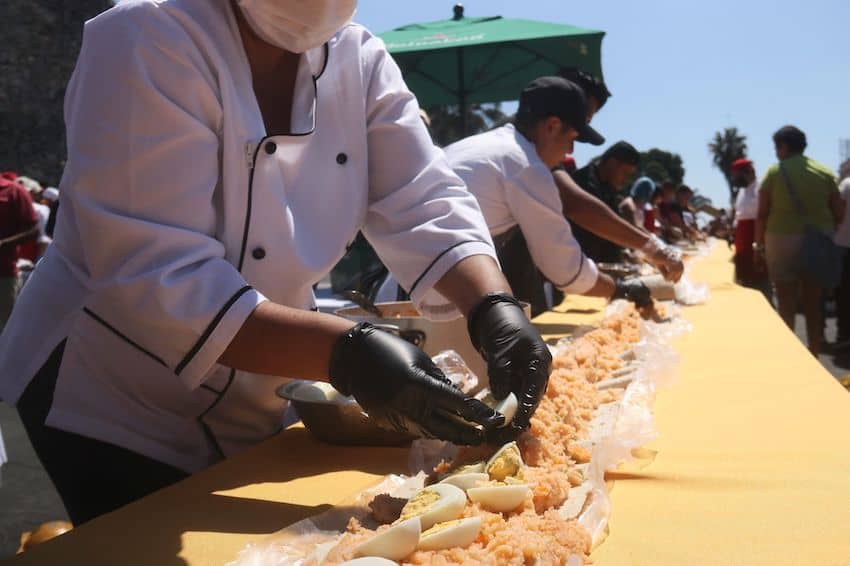
One section of the seemingly endless taco was filled hard-boiled egg, one of the simplest and most traditional taco acorazado fillings. (Margarito Pérez Retana/Cuartoscuro)
The construction of the taco was accompanied by live music, cultural performances and enthusiastic crowds. With temperatures reaching 28 degrees Celsius (82 Fahrenheit), students from local high schools played string instruments and performed folkloric dances.
Antonio Vázquez, an organizer affiliated with businesses that produce masa (tortilla dough) and tortillas, said more than 20 restaurants participated in the event.
“It’s important to mention that we achieved the title of the largest taco acorazado, but we are not going to buy the page in the [Guinness] record book because it costs thousands of dollars,” Vázquez said.
The lengthy taco featured a wide variety of traditional and innovative fillings, including hard-boiled egg, mole, Milanese (a thin cut of meat, often pork, that is breaded and pan-fried), chicharrones (fried pork rinds), huauzontle cakes, fish strips and chicken. Huauzontle is a high-protein, edible plant related to quinoa and amaranth.
With its history rooted in providing sustenance for workers at the beginning of the 20th century, the taco acorazado has become a symbol of Cuernavaca’s identity — along with the city’s lush gardens, historic haciendas and year-round pleasant climate.
Official data released on Monday by the national statistics institute INEGI indicated prices rose by 0.15% in the first two weeks of February, as compared to the second half of January. (Rogelio Morales/Cuartoscuro)
Inflation rose slightly in Mexico during the first half of February, lifting annual headline inflation to 3.74% from 3.59%, with core inflation coming in at 3.63%.
En la primera quincena de febrero de 2025, el Índice Nacional de Precios al Consumidor #INPC presentó un nivel de 138.631 y representó un aumento de 0.15% respecto a la quincena previa. Con este resultado, la inflación general anual fue de 3.74%.
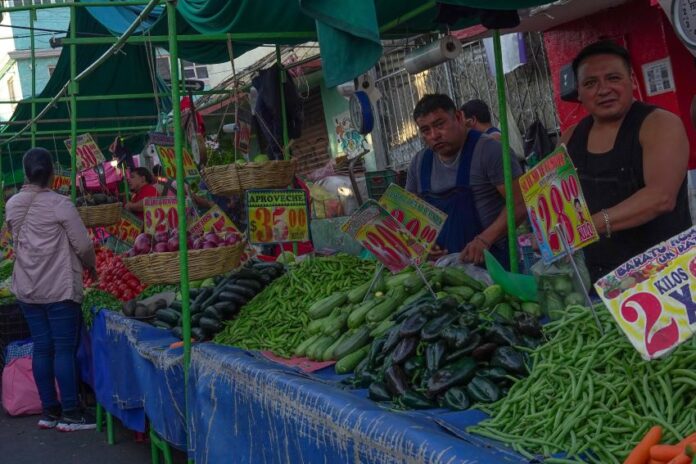
Services were among the leading drivers of inflation during the first two weeks of February, but prices of fruits and vegetables shrank by 6.25% compared to one year ago.
According to INEGI, tomato prices dropped 18.53%, while nopales were down 10.66%, squash prices fell 10.27% and onions were down 7.81%.
Bananas and eggs were an exception, however, with banana prices climbing 5.74%.
Bird flu in US is increasing egg prices in Mexico
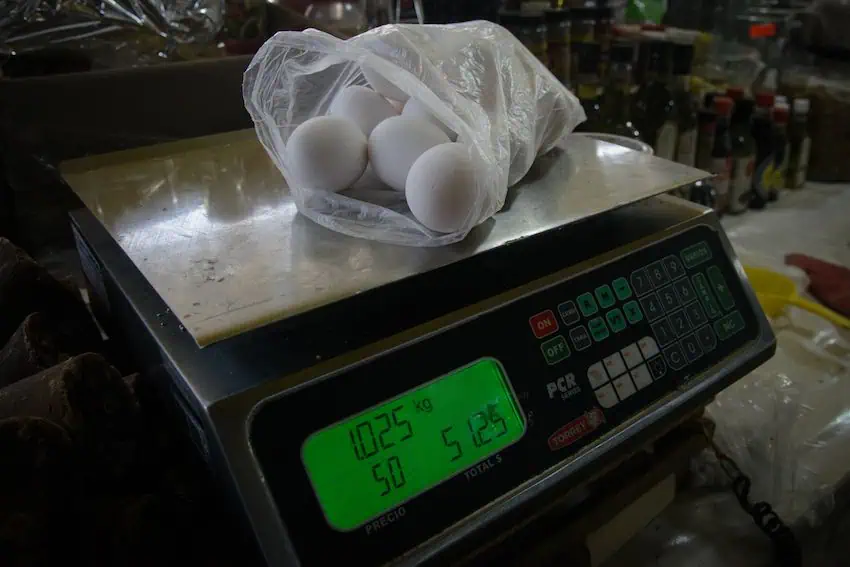
INEGI reported the price of eggs climbed 5.28% in early February due to an increase in demand for eggs in the United States as a result of the ongoing bird flu outbreak.
“We’ve observed an increase in domestic prices driven mainly by the strong demand in the neighboring country, where avian influenza has caused the slaughter of more than 30 million laying hens, which represents approximately 10% of the national inventory,” explained Juan Carlos Anaya, general director of Grupo Consultor de Mercados Agrícolas (GCMA), in an interview with the newspaper El Financiero.
Among services, small restaurants — eateries locally known as loncherías, fondas and taquerías — also boosted prices by 0.50%, while housing prices rose 0.18%.
The slight increase in the headline rate was roughly in line with expectations, according to Bloomberg News.
The average price for a kilogram of eggs — typically 16 — in Mexico is currently around 50 pesos, or US $2.50. (Cuartoscuro)
The 3.63% figure for core inflation suggests the central bank’s plans to deliver a sixth straight interest rate cut could remain in play.
Banxico lowered its benchmark interest rate to 9.5% on Feb. 6, saying that inflation had reached the bank’s target range — 3% plus or minus one percentage point — while also citing economic contraction in the fourth quarter of 2024. The bank said then that “it could consider adjusting [the interest rate] in similar magnitudes.”
Many economists believe that another half-point cut is on the table at next month’s rate decision meeting, in line with Citi México’s Expectations Survey, which projects a 50 basis-point rate cut at the central bank’s next meeting on March 27.
Kimberley Sperrfechter, an emerging markets economist at Capital Economics, concurred, writing in a research note cited by Bloomberg News that Banxico was “dovish” at its last meeting.
“There’s nothing in the mid-month inflation data to change this stance,” Sperrfechter wrote.
Analysts surveyed by Citi Bank estimate annual headline inflation at the end of February to reach 3.8%.
When asked about the worst thing the president has done, 75% of respondents had nothing to say. (Moisés Pablo/Cuartoscuro)
President Claudia Sheinbaum’s defense of Mexico amid threats from Donald Trump helped propel her approval rating to 80% among respondents to the latest El Universal poll.
Sheinbaum won significant praise for averting a crisis for the Mexican economy by reaching an agreement with Trump to stave off 25% tariffs, with The Wall Street Journal reporting that “she negotiated a deal that world leaders are studying for their own trade talks with the U.S.”
Sheinbaum’s best action as president? ‘Defending the country from Trump’ the top response
Sheinbaum’s approval rating rose to 80% from 77% in January and 74% in November, according to polling conducted for El Universal in recent months. Only 11% of those polled in February said they disapproved of the president’s performance, down from 13% in January.
Among students, residents of southern Mexico, Mexicans aged 18-45, housewives, people who live in rural areas of the country, women and citizens with education up to a high-school level, support for the president was even higher than the overall 80% approval rating detected this month.
The lowest level of support among all sectors of the population was a still-high 75% among those aged 46-59.
The 1,000 respondents to the most recent El Universal poll were also asked to respond to the question: “In your opinion, what is the best thing Claudia Sheinbaum has done so far as president of the republic?”
Sheinbaum’s top achievement so far has been her defense of Mexico in the face of Trump threats, according to poll respondents. (Shutterstock)
The top response was “defending the country from Donald Trump,” with 14% of those polled saying that was the president’s greatest achievement since she took office on Oct. 1.
The next most popular responses were:
The monetary support for senior citizens (9%)
The support/scholarships for students (9%)
The government’s “social programs in general” (8%)
Providing continuity to the work of former president Andrés Manuel López Obrador (7%)
Public security, the biggest concern
Asked what the “worst thing” Sheinbaum has done as president, the top response was “public security” — i.e. the government hasn’t done enough to reduce violence and other crime in Mexico.
However, only 7% of respondents gave that response, whereas more than six times that percentage — 43% — said they didn’t know what was the worst thing Sheinbaum has done or didn’t respond to the question. An additional 32% of those polled said “nothing” when asked what the worst thing the president has done.
Other poll results
Among the other results from the latest El Universal poll are the following:
56% of respondents believe that Mexico is on a “very good” or “good” path, double the 28% who think Mexico is on a “very bad” or “bad” path.
72% of respondents believe that Sheinbaum “has the reins of the country,” while 19% think that “things are getting out of control.”
With the program Jalisco con Estrella (Star Jalisco), the state government wants to make music and technology priority areas of public education. (@PabloLemusN/X)
Public schools in the state of Jalisco will become the first in Mexico to require technology and music education, according to an announcement on Friday by Governor Pab lo Lemus.
As part of a new multi-year program called “Jalisco con Estrella” (Star Jalisco), the state government seeks to achieve two priorities: the comprehensive rehabilitation and modernization of more than 7,000 public schools, as well as making it mandatory for all levels to be equipped with technology and music classrooms.
Jalisco Governor Pablo Lemus announced the Jalisco con Estrella program at a Guadalajara secondary school on Friday. (@PabloLemusN/X)
“All … 7,200 preschools, primary and secondary schools, will have a music classroom. Not only will they have computers, but they will also have musical instruments,” Governor Lemus said during a ceremony in which he distributed guitars, cellos and other instruments to students of secondary public school 56 Juana de Asbaje in the capital of Guadalajara.
During the event, the secondary school’s String Orchestra and School Mariachi performed classic songs including “Cielito Lindo” and “Guadalajara, Guadalajara.”
According to Jalisco Education Minister Juan Carlos Flores Miramontes, the Jalisco government has provided 266 schools in 71 municipalities with musical instruments.
During his presentation at the event, Miramontes shared that this year, he hopes for “10 new orchestras” in “every corner of Jalisco.” The “Jalisco con Estrella” program will have an initial budget of 5 billion pesos (US $245 million) and school renovations are expected to be completed before the end of 2027.
Las nuevas generaciones 👧 🧒están familiarizadas con la tecnología, y en Jalisco queremos unirla con la educación 📚, en beneficio del aprendizaje; bajo esta lógica entregamos 42 kits Lego Robotix 🤖, para impulsar el desarrollo en habilidades STEAM (Ciencia, Tecnología,… pic.twitter.com/djii0HhgAs
In January, Lemus led the symbolic delivery of LEGO RobotiX kits to enhance students’ STEAM (Science, Technology, Engineering, Art and Mathematics) abilities. This year, the local government handed out 42 LEGO RobotiX Kits to Jalisco schools, designed according to each educational level.
Fundación RobotiX, which organizes the global competition FIRST LEGO League in Mexico, provides robotics materials, training and strategic guidance to teachers and school administrators nationwide.
“If we compare ourselves with other states in Mexico, we are many steps ahead to be able to guarantee a much more promising future for our girls and boys,” Lemus said. “The educational system of Jalisco will be an example at the national level.”
Lemus added that these actions and other educational programs developed by Jalisco’s education minister are evolving to adapt to current times and meet contemporary teaching methods for children.
According to a press release, the general director of Grupo RobotiX, Roberto Saint Martin, said that 1,600 schools throughout Mexico receive education and materials from RobotiX and that the goal is to add 85 more participating schools in Jalisco in the next few years.
Effects of exceptional drought include widespread crop and pasture losses and shortages of water in reservoirs, streams and wells creating water emergencies, according to the U.S. National Oceanic and Atmospheric Association. (Cuartoscuro)
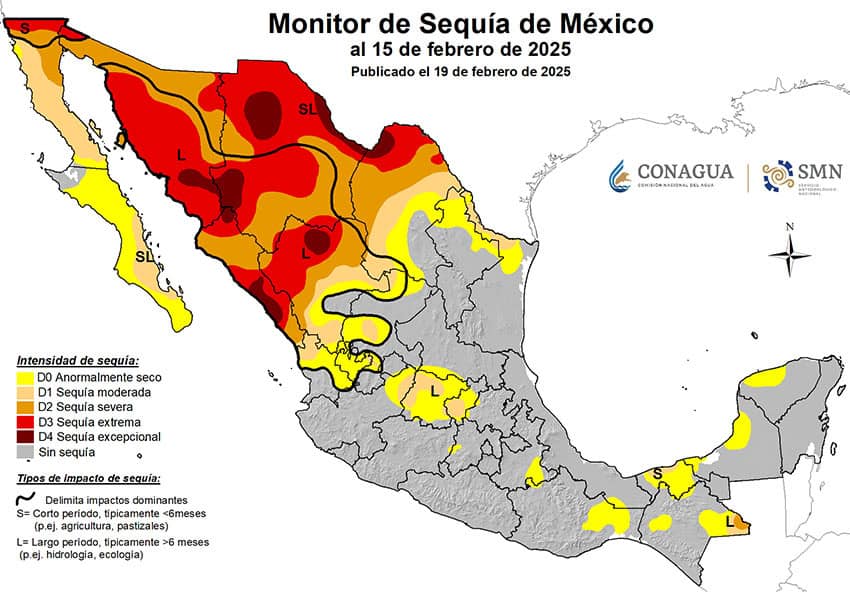
Mexico’s northwest region is experiencing widespread drought, according to the National Water Commission (Conagua). Drought levels in the parts of Sinaloa, Sonora, Chihuahua, Durango and Coahuila states are classified as “exceptional,” the most highest drought severity classification.
There has been a shortage of rain in the region due to the La Niña climate phenomenon, with little to no precipitation expected until the rainy season commences around July.
Most areas of Sonora, Sinaloa and Chihuahua are currently experiencing severe to exceptional drought. (Conagua)
“We will get to May with severe limitations of water services in general, which we will see reflected in intermittent cuts [and] rationing,” Juan Espinosa Luna, an expert in applied geophysics, told the newspaper La Jornada.
Espinosa called on the Federal Electricity Commission to guarantee Sinaloa’s energy supply, which relies heavily on hydroelectric and thermoelectric plants.
Due to the lack of rain, the drought is expected to intensify in Sinaloa, Sonora and Baja California Sur over the coming months, leading to more severe water shortages.
The average storage level in Sinaloa’s dams fell to 11.8% on Feb. 23 — the lowest in 30 years, according to Conagua.
🚱 Deja Conagua prácticamente seca la presa Huites, se queda al 1% de almacenamiento 💧 pic.twitter.com/BwGJD3O5tI
— Luis Alberto Díaz y Los Noticieristas (@noticieristas) November 21, 2024
The water level of Sinaloa’s largest dam, Adolfo López Mateos, stands at just 7.6%, while the Luis Donaldo Colosio, known as Huites, has a water level of 3%.
Agriculture affected by drought
According to Conagua’s Drought Monitor, Sinaloa is one of the four states in the country that has drought across all municipalities. The drought is having a knock-on effect on the region’s agricultural activities and output.
In Sinaloa, almost 50% of the cultivated land has not been planted due to water scarcity.
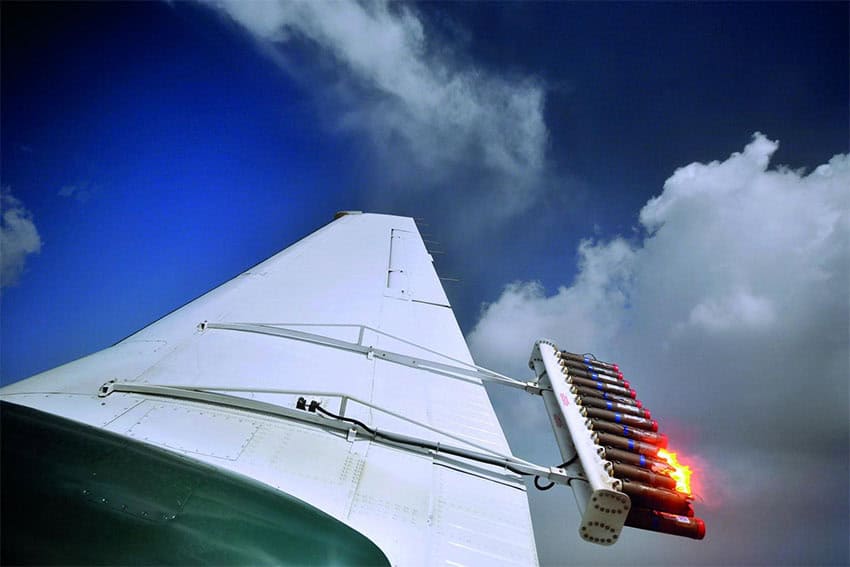
The government has responded to the climate challenges by announcing a cloud seeding program, a weather modification technique aimed at improving a cloud’s ability to produce rain.
In cloud seeding programs, airplanes disperse chemical agents that catalyze water vapor in clouds to condense into rain. (World Meteorological Organization)
Sinaloa’s Governor Ruben Rocha said the 2025 program will be financed with federal funding of 13 billion pesos (US $636 million).
“We have had a drought, that drought is being reflected, you producers are planting less because there is not enough water. There is not enough water. We have to find ways,” Rocha said during his speech at the assembly of the Association of Farmers of the Western Sinaloa River (AARSP).
“We are going to start the rain stimulation program.” the governor added.
Rocha referred to the town of Guasave in Sinaloa, which is widely known for its agricultural activities, as “Mexico’s granary” during his speech.
He reassured farmers that they will continue to receive support for fertilizers, seeds, marketing, storage and price support for corn crops. However, he also emphasized the need to reduce the cost of agricultural inputs.
The government hopes that the cloud seeding program and financial support for farmers will help communities tackle the climate crisis being faced in the region and overcome economic challenges.
Mexico News Daily CEO Travis Bembenek moderated a session on "Nearshoring and Mexico's Business Landscape" with Pedro Casas Alatriste, executive vice president and CEO of the American Chamber of Commerce of Mexico (AmCham). This article draws on his comments in his forum session, and his remarks during a subsequent interview with Mexico News Daily.
On Feb. 6-7, Mexico News Daily and Querencia hosted the “Future of Mexico Forum” at the Querencia Private Golf & Beach Club in Los Cabos, Baja California Sur. The forum brought together leaders from Mexico and the United States to discuss the future of Mexico across a diverse range of topics. As part of this Forum, the MND team conducted a series of exclusive interviews with each of the speakers and will be sharing the highlights with you in this series.
On the second day of the event, Mexico News Daily CEO Travis Bembenek moderated a session on “Nearshoring and Mexico’s Business Landscape” with Pedro Casas Alatriste, executive vice president and CEO of the American Chamber of Commerce of Mexico (AmCham).
Mexico News Daily Future of Mexico Forum: In conversation with Pedro Casas
During the session, Casas said he sees a “very bright future for Mexico” in an economic sense, in part because he believes that Mexico will avoid the tariffs United States President Donald Trump has proposed placing on its exports. He also believes Mexico could benefit from increased U.S. trade protectionism against China.
However, Casas acknowledged that Mexico needs to overcome a range of challenges — including ones related to energy, water, security, infrastructure and human capital — to capitalize on its economic opportunity in the years ahead.
This article draws on his comments in his forum session, and his remarks during a subsequent interview with Mexico News Daily.
US tariffs on Mexican exports ‘no longer an option’
“The economic relation between the U.S. and Mexico has evolved in the past three decades from being trading partners to being part of a co-production system,” he told MND.
The United States’ trade deficits with other trade partners, such as China and Vietnam, “could be solved through tariffs, but the relationship with Mexico is now one that is so integrated that tariffs are no longer an option,” the AmCham CEO said.
“If you put tariffs on Mexican exports, you are — statistically speaking and literally speaking — also imposing tariffs on yourself, yourself being the United States, because the value add of U.S. in Mexican exports is quite high,” Casas said, emphasizing Mexico’s dependence on manufacturing sector inputs that are made in the U.S.
He also highlighted that U.S. companies are significant exporters of manufactured goods from Mexico to the United States. The annual value of those exports, Casas said, is around US $170 billion, a figure more or less equal to the trade deficit the United States had with Mexico last year.
Therefore, “to put it very simplistically,” the United States wouldn’t have a deficit with Mexico on the balance of trade if the exports produced here by U.S. companies were taken into account, he said.
“I believe Mexico will be just fine in the next few days or even decades,” Casas said, referring to his optimism that Mexico will avoid the imposition of U.S. tariffs, which are currently on pause, but remain scheduled to take effect at a level of 25% in early March.
Investment in infrastructure is ‘just what we need’
Jesús Antonio Esteva Medina, director of Mexico’s Infrastructure, Communications and Transportation Ministry, tells reporters about Mexico’s plans for building rail lines throughout the country. (Presidencia)
“Investment in railways, investment in highways, airports, ports, border infrastructure — amazing, just what we need,” he said.
“The key ingredient there is that the private sector is … a central part in the discussion,” he said.
Cutting of red tape and digitalization of paperwork will ‘absolutely’ expedite investment
In late January, the federal government presented a draft law whose central aims include simplifying and digitalizing bureaucratic paperwork and reducing the number of procedures companies have to undertake before an investment project can be approved. One of the goals of Plan México is to reduce the average time between an investment announcement and the execution of a project from 2.6 years to 1 year.
Casas said that the simplification/digitalization initiative will “absolutely” expedite investment in Mexico.
“That is something we’ve been pushing very hard” for a long time, he said.
Casas said that the approval of projects in Mexico is “substantially slower” than in other countries of Latin America, not to mention the United States and Europe.
Therefore the government’s plan to change the situation is “a game changer for the country, for sure,” he said.
Casas was generally upbeat about the federal government’s overall stance toward business, noting that there had been more meetings between private sector representatives and President Claudia Sheinbaum in her first 120 days in office — including when Sheinbaum was formulating a plan to ward off Trump’s proposed tariffs — than there were in the entire six years of the 2018-24 presidency of Andrés Manuel López Obrador.
President Claudia Sheinbaum recently met with Executive Chair of Santander Ana Botín, who praised Sheinbaum’s economic plans for Mexico. (Claudia Sheinbaum Pardo/X)
Development of North American semiconductor sector a ‘huge opportunity’ for Mexico
Some six months after telling Mexico News Daily that “everything is aligned” for Mexico and the broader North American region to become a semiconductor success story, Casas expressed the same optimism.
Casas stressed the importance of semiconductors in the modern world, describing the electrical components also known as chips as “the oil of today.”
“Everything that gets the world moving has a semiconductor in it. The cameras we’re using right now to videotape us having a conversation, our cell phones, our laptops, our cars, every machine that is used to produce any good that you can potentially imagine has a semiconductor in it,” he told MND.
“For the future when we’re talking about internet of things, AI and everything that is going to drive economic growth and development in the world, [they are] based on semiconductors,” Casas said.
In late 2024, chip manufacturer Foxconn announced its plans to build the “biggest factory in the world” in Guadalajara, Mexico. (Foxconn)
“… So this is an economic issue that is super important but at the same time it has a factor of national security in it because if there is a single player or very few players that actually are the ones that are producing the oil of today that gives them a lot of leverage and power to turn off or on the economy of the world,” he said.
The United States government and private sector are making a “huge bet” on the development of a larger semiconductor sector in North America and therefore Mexico has a “huge opportunity” that “we need to seize,” Casas added.
Trump could push Mexico and Canada to ‘align themselves even more’ to US needs
Casas said that Trump’s “preconceptions” about global trade and his desire to create a level playing field between the United States and its trade partners could create some challenges when the USMCA free trade pact is reviewed by the three signatories in 2026.
Mexico and Canada could be pushed to “align themselves even more to the United States’ needs” than to those of the rest of the world, he said.