Home Blog Page 392

Homicides decline as crackdown on high-impact crime intensifies: Tuesday’s mañanera recapped

4
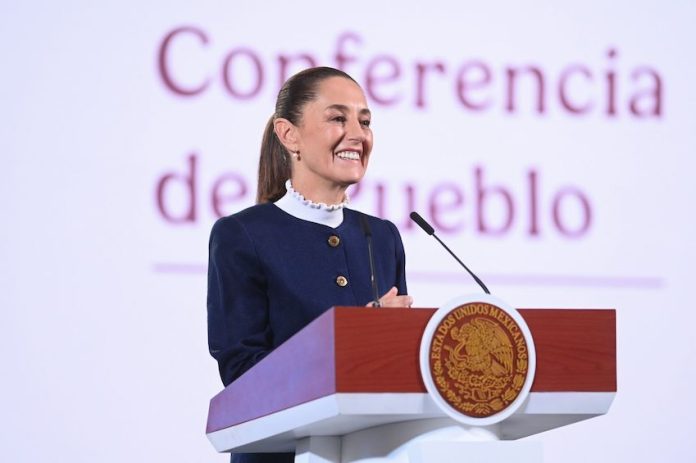
Sheinbaum during Dec. 3 mañanera
Sheinbaum's security cabinet reported on Tuesday that they've arrested 5,333 people for "high-impact crimes" such as murder and kidnapping in the past two months. (Presidencia/Cuartoscuro)

Barely a day goes by without another report of a massacre in Mexico. Just last weekend, eight people were killed in a shooting in Apaseo el Grande, Guanajuato, and seven people were murdered in an attack in Jiutepec, Morelos.

But despite the constant stream of bad news — cartel infighting in Sinaloa, turf wars in Guerrero, violence in the border region of the southern state of Chiapas, etc. — homicide numbers are, in fact, falling in Mexico, as highlighted by senior security official Marcela Figueroa Franco at President Claudia Sheinbaum’s morning press conference on Tuesday.
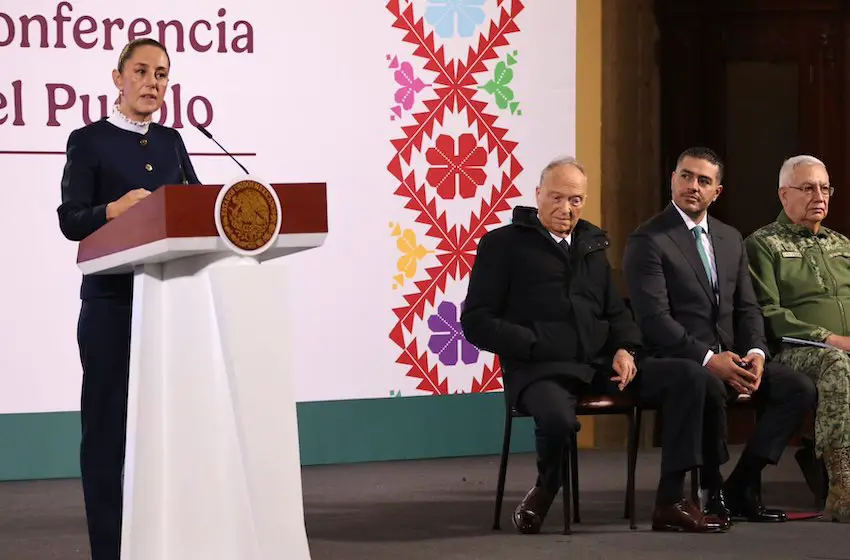
Dec. 3, 2024 mañanera
Following the portion of the Tuesday presser that is dedicated to national security, the president addressed a potential United States invasion of Mexico and the progress that has been made toward mining lithium in Sonora. (X)

During the second part of the federal government’s fortnightly security update, Security Minister Omar García Harfuch presented data on arrests and drug seizures since Sheinbaum took office on Oct. 1.

Later in her Tuesday morning presser, the president herself responded to reporters’ questions on topics including a potential U.S. invasion of Mexico and the progress that has been made toward mining lithium in Sonora and other parts of the country.

Homicides down almost 7% this year 

Figueroa Franco, head of the National Public Security System, presented preliminary data that showed there was a total of 2,234 homicides in November.

She noted that there was an average of 74.5 murder victims every day last month. That was the lowest daily average for any month this year, although it’s likely that the figure will be revised upward.

Figueroa also presented data that showed there was an average of 82.3 homicides per day in the first 11 months of 2024. She highlighted that the daily average was 6.9% lower than that recorded in 2023.

Compared to 2018, when former president Enrique Peña Nieto was in office for the first 11 months of the year, the decline in homicides between January and November was 18.2%.

Figueroa told reporters that 49.5% of the homicides recorded in the first 11 months of the year — 13,463 of 27,558 — occurred in just seven states.

Guanajuato was the most violent, accounting for 10.3% of all murders in Mexico this year, followed by Baja California, México state, Chihuahua, Jalisco, Guerrero and Nuevo León.

Since Sheinbaum was sworn in on Oct. 1, Guanajuato has recorded the highest number of murders among Mexico’s 32 federal entities followed by Sinaloa, where a war between rival factions of the Sinaloa Cartel has claimed hundreds of lives in recent months.

More than 5,000 arrests for ‘high-impact crimes’ since Oct. 1

García Harfuch reported that 5,333 people were detained for ‘high-impact crimes’ such as murder and kidnapping between Oct. 1 and Dec. 1.

He also said that 57.9 tonnes of drugs were seized in the period, not including more than 415,000 fentanyl pills.

In addition, Mexican authorities confiscated 2,471 firearms in the two months after Sheinbaum took office, Harfuch said.
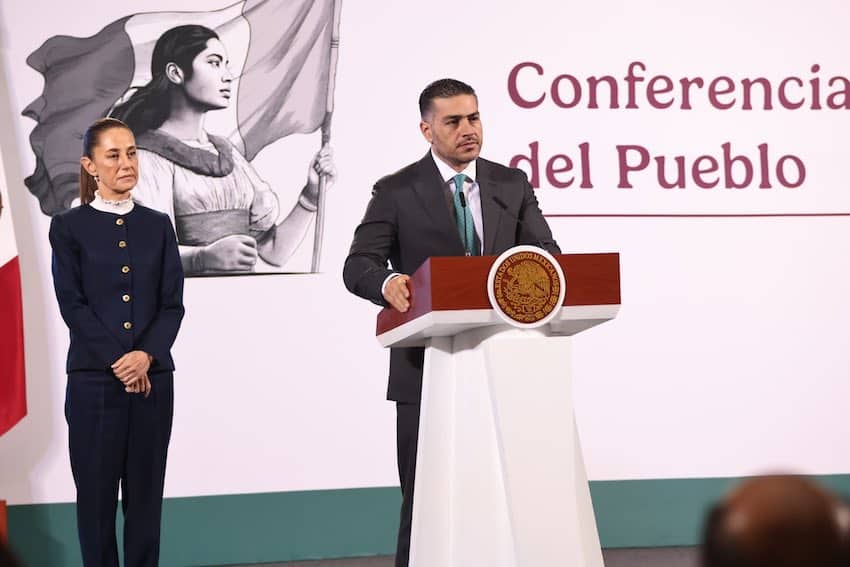
Security Minister Omar Harfuch García
Security Minister Omar Harfuch García said that the seizure of narcotics in Mexico over the past two months will ensure that “more than 50 million doses” of drugs don’t reach the streets. (X)

Most guns used in violent crimes in Mexico are smuggled into Mexico from the United States.

García said that the seizure of narcotics in Mexico over the past two months will ensure that “more than 50 million doses” of drugs don’t reach the streets, “preventing these substances from destroying families and communities.”

“… Taking these weapons off the streets means less violence, less firepower for criminal organizations and more tranquility for Mexican families,” he added.

“… These actions are designed to protect families and build peace in our country,” García said.

‘There won’t be an invasion’ of Mexico 

Sheinbaum was once again asked about the possibility of the United States government sending the U.S. military into Mexico to combat cartels during the second Trump administration.

“It won’t happen, there will be a good relationship with President Trump,” she said.

“… There won’t be an invasion, that’s not a scenario we have in mind,” Sheinbaum reiterated.

“And in any case, we have our national anthem,” she added tongue-in-cheek.

The lyrics of the anthem are bellicose in nature, urging Mexicans to defend their homeland amid any foreign invasion.

Preparations to mine lithium in Mexico are ongoing, Sheinbaum says 

More than two years after lithium was nationalized in Mexico and the state-owned company Litio para México (LitioMx) was created, no lithium has actually been mined in Mexico.

But Sheinbaum assured reporters that LitioMx is working toward that goal.

She noted that extracting lithium in Sonora and other parts of the country is complicated because “in contrast to South America, it’s mixed with clay here.”

The Mexican Petroleum Institute and the National Council for Humanities, Science and Technology have developed methods to extract lithium from clay and LitioMx is looking at how those methods can be applied on a large scale, Sheinbaum said.

She also said that LitioMx is looking at how much lithium will cost to mine in Mexico.

“So we’re still working. … We’re going to continue supporting LitioMx,” Sheinbaum said without specifying any date when lithium mining in Mexico might commence.

By Mexico News Daily chief staff writer Peter Davies (peter.davies@mexiconewsdaily.com)

Citibanamex separation now complete, says Citigroup

0
A three-dimensional Citibanamex logo on a Citibank building in Mexico.
Citigroup CEO Jane Fraser said Monday that the separation of Banamex from Citi México "represents an important milestone in our simplification." (Graciela López/Cuartoscuro)

Citigroup announced on Monday that it has completed the separation of retail bank Banamex from its institutional banking business in Mexico as it prepares to list Banamex on the stock exchange.

“With this separation complete, effective December 1, Citi will now operate two separate financial groups in Mexico: Grupo Financiero Citi México and Grupo Financiero Banamex,” the New York-based bank and financial services company said in a statement.

Citigroup CEO Jane Fraser
Citigroup CEO Jane Fraser is overseeing Mexican retail bank Banamex’s separation from Citi México, part of her strategy to simplify Citigroup’s structure. (Wikimedia Commons)

“The separation into these financial groups marks a significant step in the execution of its strategic plan to simplify the firm,” the company added.

Citigroup purchased Banamex – one of Mexico’s largest banks – in 2001.

It announced in May 2023 that it would seek to sell Banamex on the stock exchange, ending conjecture that a US $7 billion sale to the conglomerate Grupo México was imminent.

On Monday, Citigroup said that it “continues to actively work on the proposed IPO of Grupo Financiero Banamex.”

The timing of the listing, it added, “will be driven by regulatory approvals and market conditions to maximize shareholder value, which remains a priority for Citi.”

Reuters has reported that Citigroup has considered a dual stock listing for Banamex, possibly in Mexico City and New York.

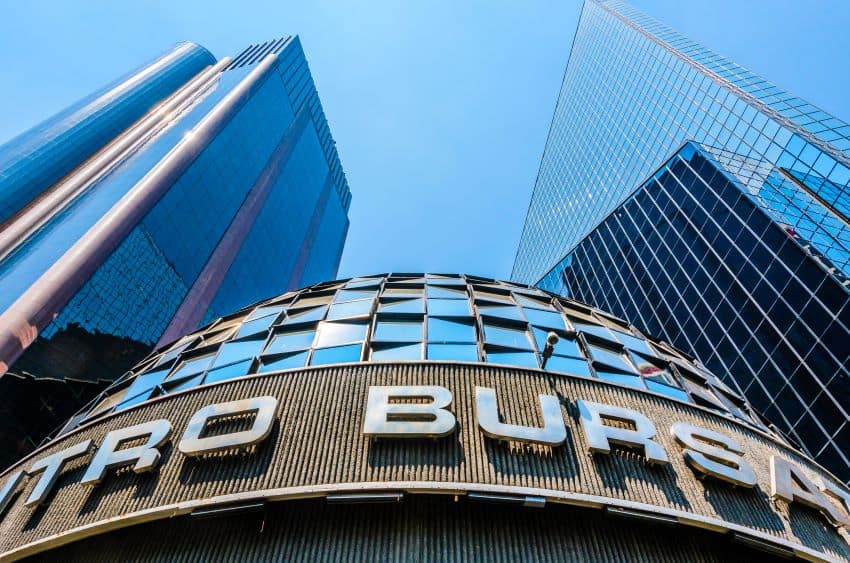
The headquarters of the Mexican Stock Exchange (BMV) en Mexico City.
Banamex may end up with a dual stock listing in both Mexico City and New York, according to Citigroup. (Shutterstock)

Commitment to Mexico ‘as strong as ever,’ says CEO 

Citigroup CEO Jane Fraser said Monday that the separation of Banamex from Citi México “represents an important milestone in our simplification and brings us closer to our long-term vision of a more connected bank that is focused around our core strengths.”

“We are proud to have executed this process thoughtfully and with full transparency. Our commitment to our clients in Mexico is as strong as ever, and we will continue to connect Mexico and the world through our market-leading investor and corporate client platforms,” she said.

“We will now prepare for the Banamex IPO, focused on optimizing value for our shareholders.”

According to the Citigroup statement, Citi México will maintain “a significant presence” in Mexico and continue to serve Citi’s institutional clients here through “a full-service bank,” Citi Banco México, and through the brokerage Citi México Casa de Bolsa.

Approximately 3,000 Citi México employees will serve around 2,000 institutional clients, including “financial institutions, governments, investors, multinationals, and national companies seeking to internationalize,” according to Citigroup.

For its part, Banamex will continue to operate as a full-service bank, “offering retail banking, including wealth management services, consumer loans, residential mortgage lending, deposits, payroll services, payments and a full suite of commercial banking products,” Citigroup said.

“… With its digital-first mentality, innovative online banking and mobile apps and an extensive network of approximately 1,300 branches and more than 9,100 ATMs across the country, Banamex will continue to offer a full range of financial services to nearly 20 million clients, furthering its 140-year legacy in Mexico,” the company said.   

“Over 39,000 employees currently supporting these businesses, as well as Banamex’s art collection and historical buildings, and the social and cultural associations (Fomentos), will continue to be part of the Banamex financial group,” Citigroup added. 

Banamex had revenue of more than US $4.7 billion in the first nine months of 2024, the Wall Street Journal reported last week

“Banamex accounted for about 8% of Citi’s total revenue in the first nine months of 2024,” the newspaper said.   

With reports from Reuters 

French aerospace manufacturer Safran invests US $35M in Querétaro plant

0
Mexican-government and Safran officials in a horizontal line preparing to cut a ribbon launching a new assembly line at Safran's aerospace parts manufacturing plant.
At the ribbon-cutting event, Querétaro Minister of Sustainable Development Marco del Prete, third from left, told attendees, "Be proud of what you do, because a piece of Querétaro is flying around the world.” (Feria Aeroespacial México)

French aerospace equipment manufacturer Safran Group has inaugurated a new assembly line as part of a 720-million-peso (US $35.4 million) plant extension project in the state of Querétaro on Wednesday.

This followed an October announcement of a new facility in the northern state of Chihuahua, expected to be completed by the end of 2024.

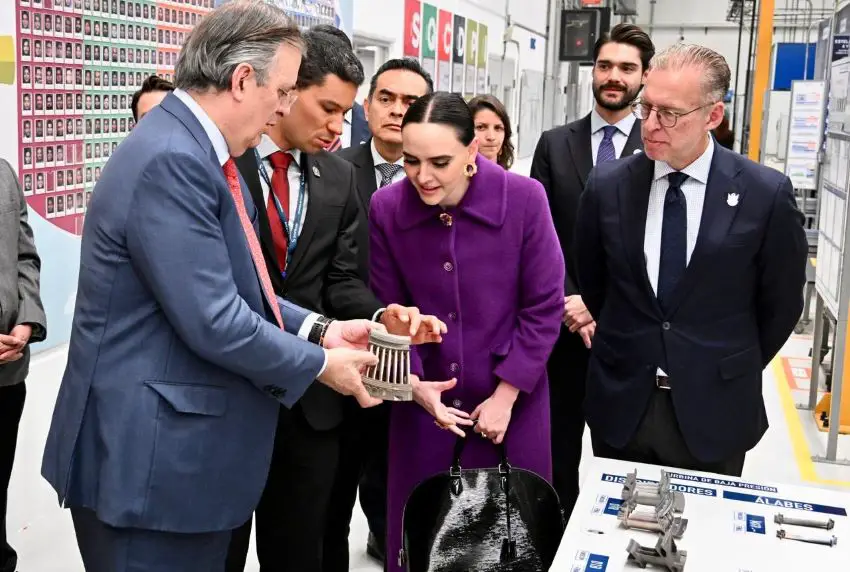
Mexico's Economy Minister Marcelo Ebrard holding an engine part while other officials look on at a Safran México plant in Queretaro.
Mexico’s Economy Minister Marcelo Ebrard checks out an engine part on display at Safran’s Querétaro plant. (Marcelo Ebrard/X)

“This plant symbolizes our commitment to excellence and our mission to push the boundaries of talent and aerospace technology in Mexico,” said Philippe Errera, Safran Group’s Director of International and Institutional Relations. “Querétaro, with its talent and vision, has become a key partner, and Safran is proud to contribute to the development of this region, where ideas become reality.”

Mexico’s Economy Minister Marcelo Ebrard, who attended the event, emphasized government support for Safran’s projects to ensure Mexico maintains a significant role in its operations.

The assembly line will support Safran’s increase in CFM LEAP production. The CFM LEAP is an engine used widely in Airbus aircraft. There are 8,500 LEAP units in operation worldwide and an order backlog exceeding 11,600 units, according to Safran.

Safran assembly director Jean-Francois Locufier said that the company has a goal of assembling 100 LEAP 1A engines at the facility by 2027.

The extension makes Querétaro the only final assembly site in Mexico for single-aisle commercial aircraft engines, alongside existing Safran facilities in France and the United States.

Safran Aircraft Engines Mexico (SAEM) spans a total 279,861 square feet of operational space and employs 650 people. The expansion adds 46,284 square feet of operational buildings and 91,493 square feet of logistics warehouses, supporting the creation of 150 jobs, according to Safran officials.

Two men on step ladders work on an airplane turbine, apparently building it
Safran’s new Queretaro plant will be the only final assembly site in Mexico for single-aisle commercial aircraft engines.  The others are in the U.S. and France. (Safran/Facebook)

Querétaro is a hub for aerospace manufacturing in Mexico. As of 2022, it had received 50% of all foreign direct investment in the industry over the last decade and ranked as the world’s eighth most competitive region in the aeronautical sector.

“With this plant, Mexico will position itself among the few countries capable of covering the entire engine life cycle — from manufacturing parts and modules to final assembly, repair, maintenance, and engine testing,” said CEO of Safran Aircraft Engines Jean-Paul Alary at the Farnborough Airshow this past July.

The November inauguration followed an announcement in Oct. of a new facility to be built in Chihuahua this year. Safran System’s Plant 6 will manufacture evacuation products, slides and rescue equipment and is expected to open by the end of 2024.

“Safran is betting a lot on Mexico, for the simple fact that it is a completely strategic country, toward one of the largest consumers of aerospace products which is the United States and also a visibility to the Brazilian market,” said President of Safran Mexico Alejandro Cardona Seeman during the BJX Summit Aerospace 4.0 2024.

Safran, Mexico’s largest aerospace employer — known for providing the engines for the supersonic passenger aircraft the Concorde — has operated in Mexico for more than 34 years. It currently has 18 facilities in Chihuahua, Querétaro, Baja California and Mexico City, as well as over 14,000 employees in Mexico.

With reports from Aviacionline and Mexico Now

Cold front expected to bring freezing temperatures this week

1
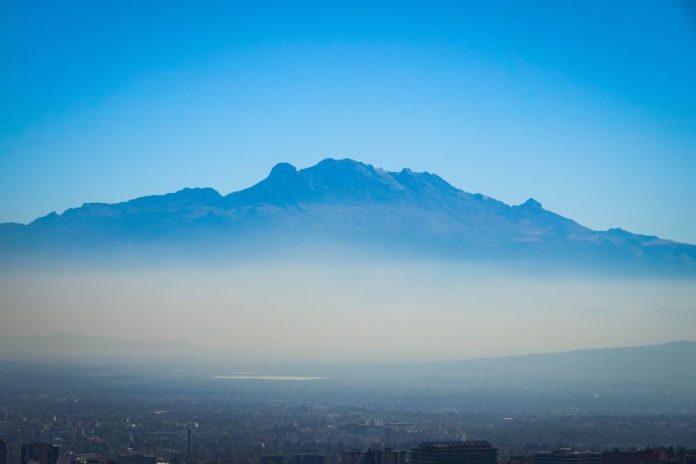
The Mexico City skyline with a layer of fog over it.
Higher elevations across Mexico will see freezing or just below freezing temperatures Tuesday, Wednesday and Thursday, according to Mexico's National Meterological Service (SMN). (Rogelio Morales/Cuartoscuro)

As cold front No. 12 enters the country, parts of Mexico are bracing for heavy rains and a drop in temperatures, according to the National Meteorological Service (SMN).  

The cold front will enter from the northeast and interact with a low-pressure channel extending over the eastern regions. 

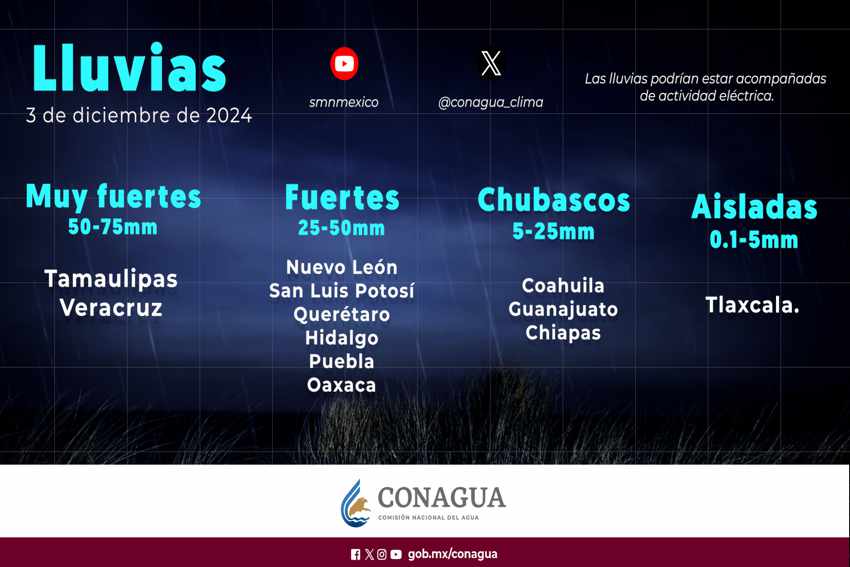
infographic of rain predictions for 12 states in Mexico, with Tamaulipas and Veracruz expecting the most at 50-75 mm and Coahuila, Guanajuato and Chiapas expected cloudbursts of between 5-25 mm
Heavy rain will be an issue for the Gulf Coast states Tamaulipas and Veracruz, with 50-75 millimeters (approximately 2 to 3 inches) of rain expected. (SMN)

Here is the rain forecast for Tuesday, Wednesday and Thursday:

  • Very heavy rainfall (50 to 70 millimeters): Tamaulipas and Veracruz.
  • Heavy rainfall (25 to 50 millimeters): Nuevo León, San Luis Potosí, Querétaro, Hidalgo, Puebla and Oaxaca.
  • Scattered showers (5 to 25 millimeters): Chiapas, Coahuila and Guanajuato.

Furthermore, scattered rains are expected in Tlaxcala.

Dense fog banks are expected in the northeast, center and east of the country, as are strong gusts of wind on the coasts of the Gulf of Mexico, the Yucatán Peninsula, the Isthmus and the Gulf of Tehuantepec. In these areas, waves are expected to reach 2 to 3 meters high.

Meanwhile, below-freezing temperatures are expected in higher regions across the country. 

Mountainous areas of Chihuahua, Durango, México state, Hidalgo, Tlaxcala and Puebla will see freezing temperatures range between minus-5 to minus-10 degrees Celsius. 

Temperatures in high regions of Baja California, Sonora, Coahuila, Zacatecas, Aguascalientes, Jalisco, Michoacán, Guanajuato, Querétaro and Veracruz will range between minus-5 and zero degrees Celsius.

Finally, higher elevations in Nuevo León, San Luis Potosí and Mexico City will see temperatures between zero and 5 degrees Celsius. 

In contrast, hot temperatures ranging between 35 and 40 degrees Celsius are expected in the states of Sinaloa, Nayarit, Michoacán and Guerrero, as well as on the coast of Oaxaca. Meanwhile, the states of Jalisco and Colima, southern Morelos, Puebla, Campeche, Yucatán and the coast of Chiapas are all expecting temperatures ranging between 30 to 35 degrees Celsius. 

Weather authorities advised residents to stay informed about weather conditions in their areas and to take necessary measures to ensure their safety.

Mexico News Daily

US sanctions Gulf Cartel for smuggling red snapper

2
Closeup of multiple dead red snapper fish, still fully intact, on ice
The US Treasury Department says that transnational criminal organizations rely on a variety of illicit schemes to fund operations. Illegal fishing is one of the latest. (Crisanta Espinosa Aguilar/Cuartoscuro)

U.S. authorities have sanctioned five alleged members of Mexico’s Gulf Cartel for smuggling red snapper fish caught in U.S. waters. The sanctions consist of property seizures and other penalties imposed by the Office of Foreign Assets Control.

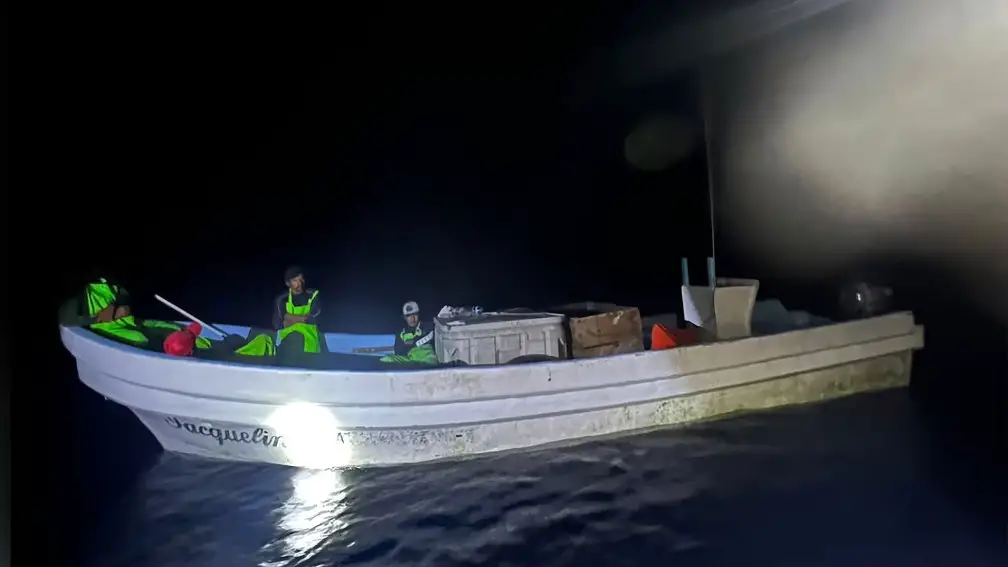
On Tuesday, the U.S. Treasury Department accused the alleged cartel members of using fishing boats to facilitate drug and migrant smuggling under the guise of being commercial fishermen. During these journeys, the U.S. government claims, the boats fish for red snapper, a commercially valuable but ecologically vulnerable species. 

Men in a small motorized fishing boat that bears the name "Jacqueline" painted in cursive on it.
Because the valuable red snapper is more abundant there, the cartel is fishing illegally in U.S. waters. (US Coast Guard)

The magazine Newsweek describes the Gulf Cartel as one of the most powerful crime syndicates in Mexico while identifying the northern border cities of Reynosa and Matamoros — both in the state of Tamaulipas and across from McAllen and Brownsville, Texas – as strongholds for the cartel. The boats, U.S. officials said, often launch from Playa Bagdad, east of Matamoros, on the Gulf coast. 

The Department claims transnational criminal organizations rely on a variety of illicit schemes to fund operations. Illegal fishing is one of the latest.

“The Gulf Cartel engages in the illicit trade of red snapper and shark species … based out of Playa Bagdad,” the Department said. “Apart from their use for IUU (illegal, unregulated, or unreported) fishing in U.S. waters, [the boats] are also used to move illicit drugs and migrants into the United States.”

The fishing of red snapper and shark species is strictly regulated in the United States. Because those species are more abundant there, Mexican fishermen cross into U.S. waters.

“They then bring their catch back to Mexico, where the product is ultimately sold and, oftentimes, exported into the United States,” the Department alleges. “This activity earns millions a year … and also leads to the death of other marine species inadvertently caught by the accused.”

Francisco Javier Sierra Angulo, 35, alias “El Borrado,” was identified by Treasury officials as the prime suspect. Sierra Angulo is believed to be the leader of the Gulf Cartel in Matamoros.

Also named were Raúl Decuir García, 53, alias “La Burra”; Ildelfonso Carrillo Sapien, 48, alias “El Chivo”; and brothers Ismael “Mayelo” Guerra Salinas, 35, and Omar “Samorano” Guerra Salinas, 38.

The Guerra Salinas brothers allegedly run the Gulf Cartel’s operations in Playa Bagdad. The other two suspects operate the fishing boat company.

With reports from Newsweek, CBS News and El País

Mexico City’s tuition-free university to expand nationwide under new decree

2
The first campus outside of Mexico City will be in Comitán, Chiapas, the birthplace of Rosario Castellanos (1925-1974)
The first campus outside of Mexico City will be in Comitán, Chiapas, the birthplace of Rosario Castellanos (1925-1974). (Galo Cañas/Cuartoscuro)

President Claudia Sheinbaum has signed a decree to elevate the Rosario Castellanos University (URC) in Mexico City to a nationwide higher education institution starting next year. 

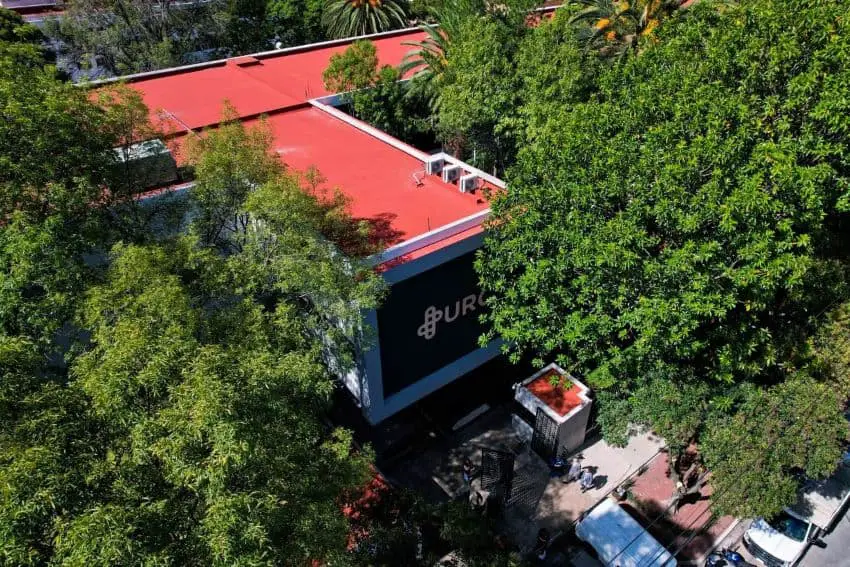
Officially known as the Rosario Castellanos Institute of Higher Education of Mexico City, the university began operations in 2019 during Sheinbaum’s term as the head of the Mexico City government. It currently offers undergraduate, graduate and post-graduate degrees at no cost to students. 

Officially known as the Rosario Castellanos Institute of Higher Education of Mexico City, the university began operations in 2019 during Sheinbaum’s term as the head of the Mexico City government.
Officially known as the Rosario Castellanos Institute of Higher Education of Mexico City, the university began operations in 2019 during Sheinbaum’s term as the head of the Mexico City government. (Gobierno de la Ciudad de México/Cuartoscuro)

The new decree will transform the institution into the Rosario Castellanos National University, and seeks to establish campuses in cities surrounding the federal government’s priority development poles, known as Poles of Wellbeing. These include the northern border zone, el Bajío and the Gulf of California, among others.  

The first campus outside of Mexico City will be in Comitán, Chiapas, the birthplace of Rosario Castellanos (1925-1974), a prominent thinker, poet, writer and diplomat after whom the university is named. 

“We’re working closely with state governments to start lessons in the first semester of 2025,” the head of Mexico’s Sciences, Humanities, Technology and Innovation Ministry (Conahcyt), Rosaura Ruiz, said during Sheinbaum’s morning press conference on Monday. 

Ruiz explained that Conahcyt will request temporary facilities from state governments while the university’s permanent facilities are under construction. 

The Rosario Castellanos University in Mexico City
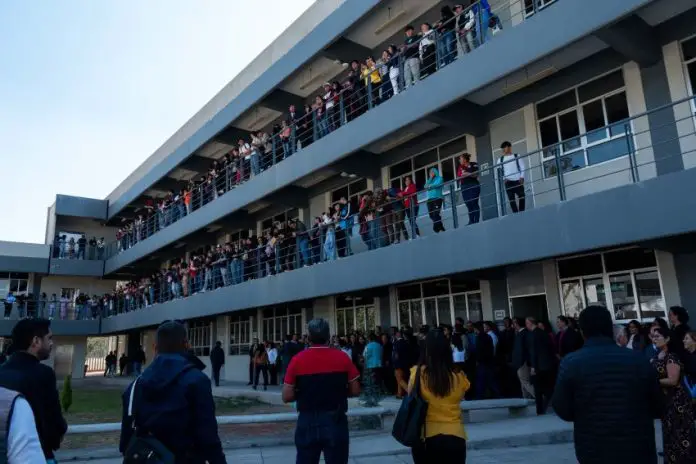
Currently, the university has 55,000 enrolled students across six campuses in Mexico City, in addition to 6,000 graduate students. (Galo Cañas/Cuartoscuro)

The head of Conahcyt also announced that the next city to get a Rosario Castellanos University will be Tijuana, Baja California. Puebla, Yucatán and Sonora are likely to follow suit.  

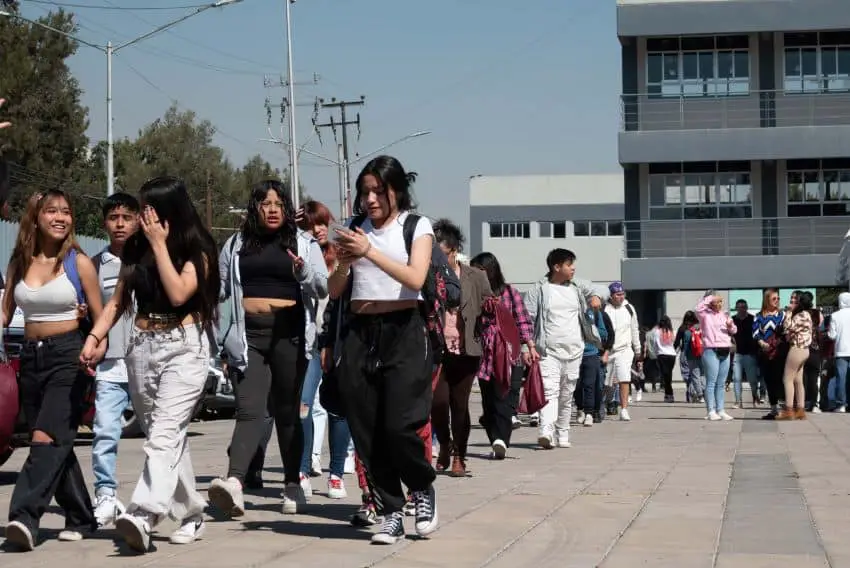
As in Mexico City, the university’s additional campuses will allow students to complete their studies while following a hybrid program, online or on-site. 

Currently, the university has 55,000 enrolled students across six campuses in Mexico City, in addition to 6,000 graduate students. It offers 23 bachelor’s degrees, five specialties, seven master’s degrees and three doctorates.

Today, Mexico has approximately 4 million people enrolled in college, compared to the 1.9 million it reported in 2000. Still, Mexico’s percentage of students enrolled in higher education, at 38%, lags behind other Latin American countries like Brazil (50%) and Argentina (89%).  

States showing the largest gaps in access to higher education include Chiapas and Oaxaca.  

Sheinbaum’s government seeks to extend the educational offer to 300,000 students across the country through the Rosario Castellanos National University, as well as the University of Health, the Benito Juárez University, the National Technological Institute of Mexico (TecNM) and state universities.

With reports from Forbes

Formal employment propels Mexico’s job market forward in October

0
In the first 10 months of the year, the size of Mexico's workforce increased by 723,563, according to INEGI.
In the first 10 months of the year, the size of Mexico's workforce increased by 723,563, according to INEGI. (Moisés Pablo/Cuartoscuro)

Mexico’s unemployment rate fell to 2.5% in October, down from 2.9% a month earlier, according to official data.

The national statistics agency INEGI reported Tuesday that 1.53 million people were unemployed at the end of October, a reduction of 254,000 compared to the end of September.

With the addition of over 445,000 jobs, October was Mexico’s second-best month this year for job creation. (Isaac Esquivel/Cuartoscuro)

The unemployment rate in October was not far off the record low of 2.3% in March.

Mexico’s economically active population — people aged 15 or over who are working or looking for work — was just over 61.4 million people in October, according to INEGI.

The size of Mexico’s total workforce increased by almost 446,000 in October compared to September to reach 59.87 million. October was Mexico’s second-best month this year for job creation.

The increase in the size of the Mexican workforce in October — considering both formal and informal sectors of the economy — came after some 276,000 jobs were lost in September.

Juan Carlos Alderete, head of economic analysis at Banorte, said that the latest jobs data suggested that “weakness seen on certain fronts” in recent months was only temporary.

The creation of more than 445,000 jobs in October occurred despite a slowdown in the Mexican economy.

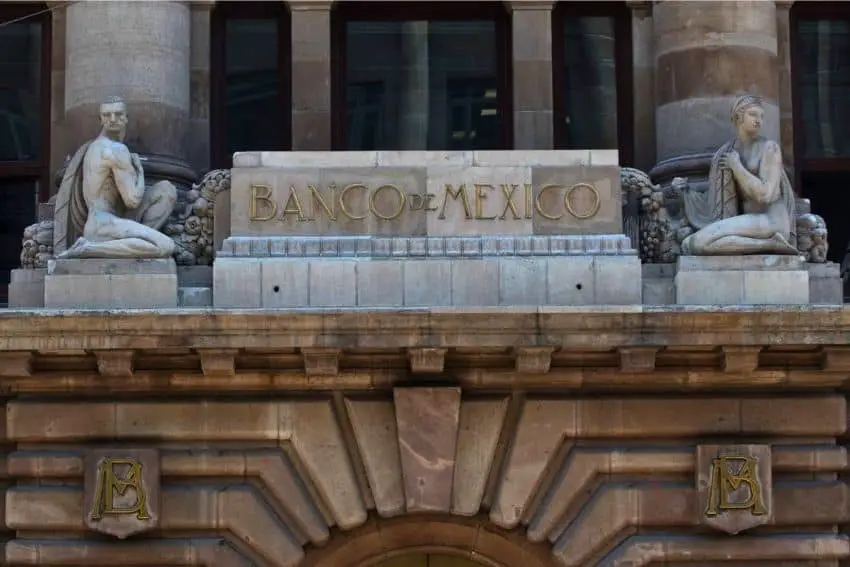
The top of the facade of the Bank of Mexico building in Mexico City, which features a sculptured man and woman in ancient Roman-style dress on either side of a block of stone saying Banco de Mexico
Mexico’s economy has slowed in 2024 after growing 3.2% in 2023. (Rogelio Morales Ponce/Cuartoscuro)

Mexico’s economy grew just 1.5% in annual terms in the first nine months of the year, compared to 3.2% in 2023. The Bank of Mexico is forecasting that economic growth this year will be just 1.2%.

Colima has Mexico’s lowest unemployment rate, Tabasco the highest 

INEGI data shows that the unemployment rate in the small Pacific coast state of Colima was just 1.2% in October, lower than any other state.

Nine other states had unemployment rates below 2%: Campeche, Guanajuato, Guerrero, Hidalgo, Jalisco, Michoacán, Morelos, Oaxaca and Puebla.

The Gulf coast state of Tabasco had the highest unemployment rate among Mexico’s 32 federal entities in October. Of the state’s economically active population, 4.1% didn’t have a job.

Ten other states had unemployment rates of 3% or higher in October: Coahuila, Chiapas, Mexico City, Durango, Querétaro, Quintana Roo, San Luis Potosí, Sonora, Tamaulipas and Zacatecas.

60% of new jobs created in October are in the formal sector 

Of the 446,000 new jobs created in October, 269,000 are in the formal sector and 177,000 are in the informal sector.

In October, 54.1% of all people with jobs worked in Mexico’s vast informal sector, which includes street vendors and many domestic workers.

Informal workers don’t pay income tax and don’t have access to formal employment benefits such as holiday pay and access to the Mexican Social Security Institute health care program.

Over 700,000 jobs added this year 

In the first 10 months of the year, the size of Mexico’s workforce increased by 723,563.

The newspaper El Economista reported that Mexico recorded net job additions in five months — February, March, May, July and October — and net job losses in January, April, June, August and September.

Of Mexico’s 59.87 million workers at the end of October, around 5.6 million, or 9.4% of the total, were classed as underemployed, meaning they would like to work more hours.

With reports from El Universal and El Economista

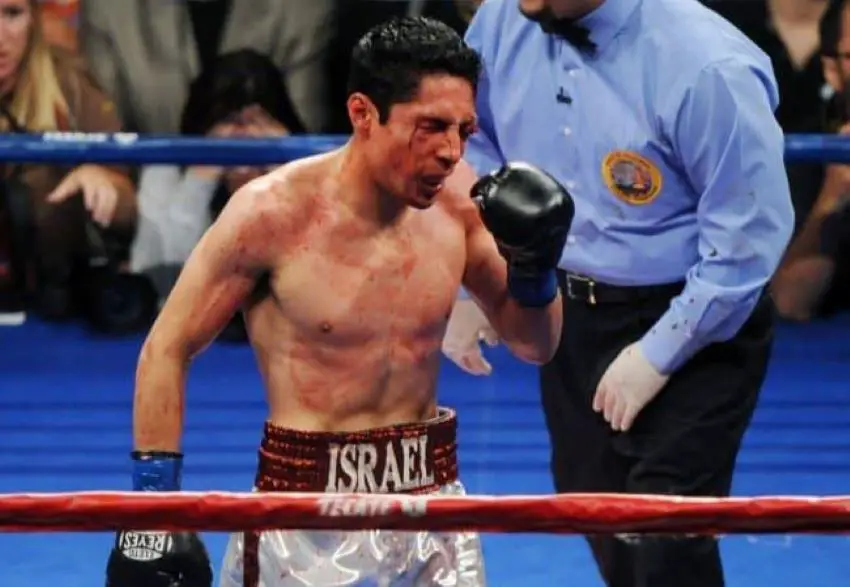
Mexican boxing legend Israel ‘Magnífico’ Vázquez dies at 46

0
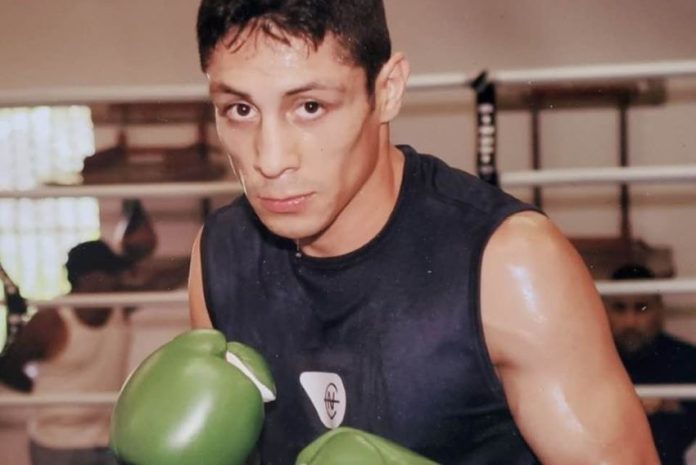
Vázquez had been diagnosed with stage 4 sarcoma in November 2024.
Vázquez had been diagnosed with stage 4 sarcoma in November 2024. (Israel Vázquez/Facebook)

Legendary Mexican boxer Israel “Magnífico” Vázquez lost his battle with cancer on Tuesday at his home in Los Angeles. He was 46.

World Boxing Council (WBC) president Mauricio Sulaiman confirmed Vázquez’s death, paying tribute to the pugilist in a social media post: “Thank you Israel for the so many great memories that you have given us through your actions inside the ring but most importantly outside of it,” he wrote. “You are now eternal, rest in peace.”

“Magnífico” was known for his punching power and hand speed, according to ESPN.
“Magnífico” was known for his punching power and hand speed, according to ESPN. (Israel Vázquez/Facebook)

Vázquez, a native of the Mexico City borough of Azcapotzalco, began his boxing career in 1995 at 18 years of age. He compiled a 44-5 record with 32 wins by knock-out.

According to the sports network ESPN, “Magnífico” was “[k]nown for his punching power and hand speed,” describing Vázquez as “one of Mexico’s most celebrated boxers.” 

Vázquez had been diagnosed with stage 4 sarcoma in early November. Shortly after, Sulaiman had set up a GoFundMe site calling on boxing fans to show love for Vázquez. The WBC president also hosted a Mike Tyson-Jake Paul watch party fundraiser last month, which raised more than US $10,000 for the boxer.

Freddie Roach, widely regarded as one of the best boxing trainers of all time, also offered his condolences: “Always a world champion and a legend in boxing. One of the best boxers I have had the privilege to work with, a world champion. … My condolences to the Vázquez family and to all those who called Israel their friend.”

Israel Vázquez with President Claudia Sheinbaum during a 2023 visit to Los Angeles, California.
Israel Vázquez with President Claudia Sheinbaum during a 2023 visit to Los Angeles, California. (Israel Vázquez/Facebook)

Vázquez held the International Boxing Federation world championship in the super bantamweight division from March 2004 to May 2005 and won the WBC super bantamweight title on two occasions, holding the belt from December 2005-March 2007 and again from August 2007-March 2008. 

Vázquez is fondly remembered for his fantastic ring rivalry with fellow Mexican Rafael Márquez. The boxing pair met four times, splitting the series 2-2. 

Their first three fights are recognized as modern-day classics and are being rebroadcast as a trilogy this week by DAZN, co-sponsored by the WBC.

With reports from El Universal, ESPN, Marca and Boxing News 24/7

The fraud, sex and intrigue behind the Zihuatanejo Parthenon

4
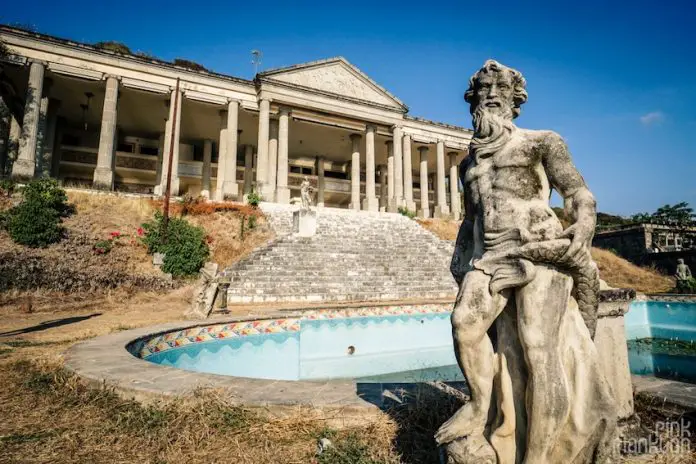
View of the Parthenon's façade in Zihuatanejo
A strange Greek-style monument on a hill outside Zihuatanejo holds both a troubled history and a symbol of civic rebirth. (Jessica Devnani/Pink Plankton)

In the almost 30 years I have lived in Zihuatanejo, a beautiful port town in the southwestern state of Guerrero, I have always been fascinated by a building known as the Parthenon, located high on the hills above the town. 

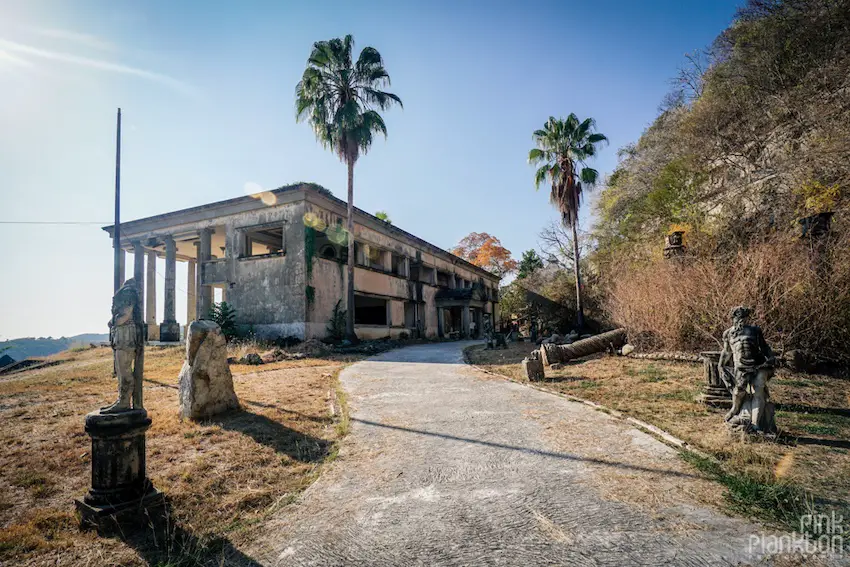
Patterned after the Greek Acropolis Parthenon in Athens, the Greek capital, it was a majestic Hellenistic structure. Today, the Parthenon of Zihuatanejo is a ruined structure, much like that of its Greek counterpart. 

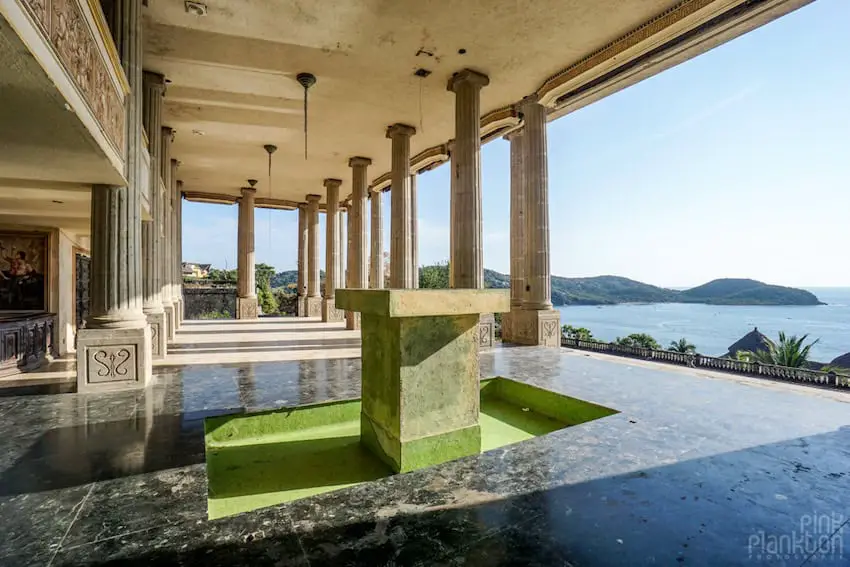
Inside view of Durazo's estate
Built during the 1980s by Mexico City’s infamously hedonistic Chief of Police, Arturo Durazo Moreno, the Parthenon is a testament to corruption, greed and power. (Jessica Devnani/Pink Plankton)

Over the years, I was lured by friends to visit it several times, sometimes able to enter without a guard in place but usually stopped by military personnel or a caretaker, who, for a “fee,” would allow us to look around. The late Dennis Johnson, a former expat and  Canadian publisher, accompanied me on one of my visits, and the following is a combination of his notes and my research. The history is dark.

A troubled past

Built during the 1980s by Mexico City’s wickedly excessive Chief of Police, Arturo Durazo Moreno (otherwise known as “El Negro” Durazo), the Parthenon is a testament to the corruption of the man. 

It began when Durazo’s boyhood friend, José López Portillo, became the president of Mexico in 1976. As one of Mexico’s most corrupt presidents, López Portillo turned to loyal Durazo for his security and appointed him to be his chief of Police, knowing that he had been under investigation in the US for almost a year for drug trafficking. 

During Durazo’s six-year tenure (from 1976 to 1982), he turned the police force into a racketeering organization and built his empire of corruption. He extorted money at every turn and lived a lavish lifestyle. He made a fortune from the bribes paid by the rank-and-file police officers under his command, and he used them as his construction labor force to build the Parthenon in Zihuatanejo, one of Guerrero’s most visited beaches. But that was not all. Canadian writer Jessica Devnani wrote, “he used it as his own personal playhouse with extravagant parties fueled with drugs, prostitutes and other sinful activities”. 

View of the Parthenon's façade in Zihuatanejo
The entrance to the ruins of the Parthenon. (Jessica Devnani/Pink Plankton)

Although Durazo was lauded for his work in lowering the crime rate in Mexico City and was even honored with a prestigious award in the Soviet Union for doing so, his methods were discovered to be beyond brutal when the tortured bodies of 12 Colombians suspected of bank robbery turned up in a river. An investigation into his practices began, ultimately revealing his elaborate pyramid scheme of bribes and payoffs.

Durazo’s fortune changed once again, this time not for the better, with the arrival of a new presidential administration, Miguel de la Madrid, whose campaign theme was “Moral Renewal.” 

Durazo fled the country, and an international search ensued. After charging him in absentia with racketeering, Mexican and U.S. authorities tracked him down in Costa Rica in 1984 and brought him back to trial in Mexico. Durazo was charged with a long range of offenses, from corruption to extortion, tax evasion, drug kickbacks and possession of illegal weapons. He was given 25 years in prison; though he was released after less than eight, in 1992 due to ill health and good conduct. He lived out his final days in Acapulco, redeeming himself a bit by working with recovering alcoholics. He died of cancer in 2000.

Before his death, Durazo’s chief bodyguard, José González, wrote a runaway bestseller in 1980 about his evil boss, entitled “Lo Negro Del Durazo”. A movie quickly followed. Never allowing himself to be out-maneuvered, Durazo won a defamation lawsuit against his former aide from behind prison bars.

A return to former glory


View this post on Instagram


A post shared by Tropifashion (@tropifashionmx)


The restoration of Mexico’s version has been completely revitalized into a breathtakingly beautiful monument, thanks to the former administration of mayor Jorge Sánchez Alec and the city of Zihuatanejo.

Today, the Parthenon reflects its appearance in all its former glory. The once-chained tigers and the disco used for wild parties are gone, and the swimming pool has been removed. The gates have been refurbished, weeds have been pulled, and gardens have been tended to. Statues and murals have been replaced and repainted, and rooms that were once bedrooms complete with hanging beds will now be used as special events rooms, functions and exhibitions, five halls in all, according to Tourism Director Jesús Gallegos Galván. 

There will be concerts and other cultural events but, says Gallegos, no private events such as weddings and no alcohol will be served. General seating will hold up to 500 people. There will be a small fee — 100 pesos for outside tourists, 50 pesos for locals and free for handicapped and older adults. Students will be charged just 20 pesos. 

There will also be a small café where you can purchase coffee and other beverages and relax. At the same time, you admire a view that is as spectacular as the bay of Zihuatanejo itself.

The inauguration, which happened recently on November 6 to much fanfare, was presided over by Guerrero state Governor Evelyn Salgado Pineda and Zihuantanejo’s current mayor, Lizette Tapia. Following this, the first major cultural event of the year, known as Tropifashion, was held on November 29 of this year and is sure to set the stage for an exciting year ahead for other cultural events.

The writer divides her time between Canada and Zihuatanejo.

How to stand in line (or how not to) in Mexico — a comprehensive guide for foreigners

10
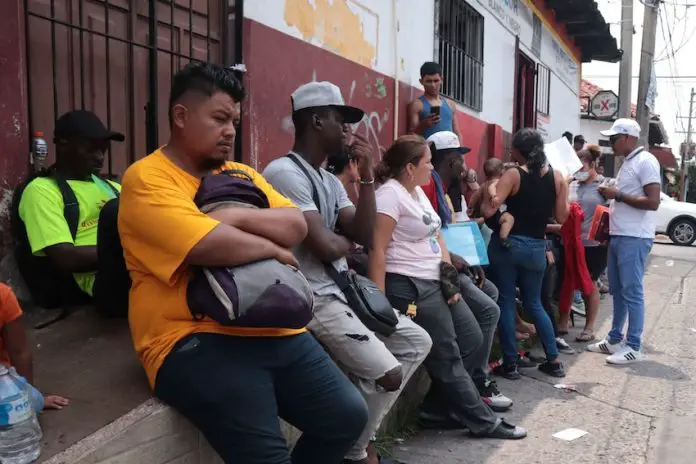
Migrants of different nationalities demanded that the Mexican Commission for Refugee Assistance (COMAR) respect the dates of the appointments
Queueing in Mexico. It's an art - and like all arts, entirely imprecise and subjective. (Damián Sánchez/Cuartoscuro)

Queuing in Mexico is a dark art. A fine art. An art that takes years to hone, like Dutch master before an easal. Yesterday at Sanborns, I stood patiently in front of the pharmacy counter, waiting to be helped.

It’s like I never learn.

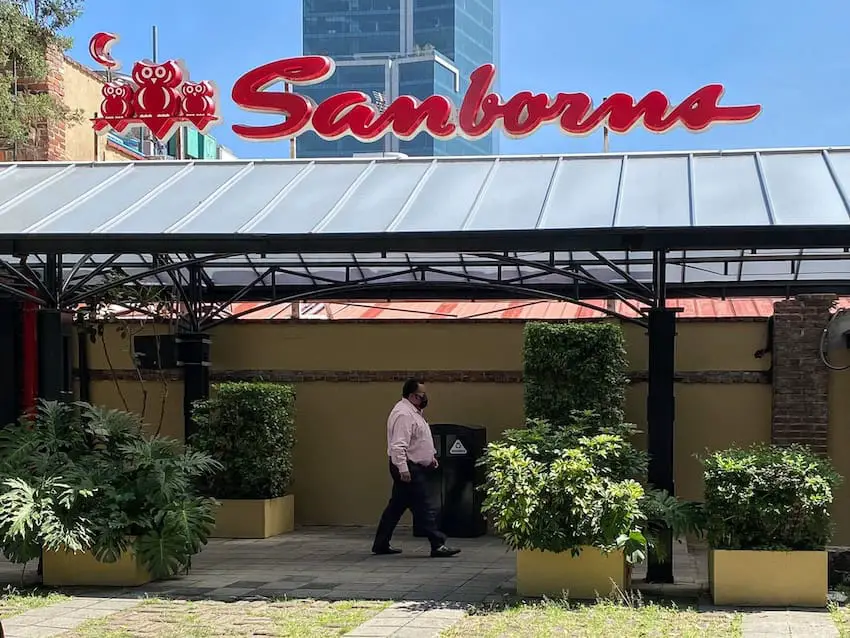
Inside a Sanborns store in Mexico City
If you’ve been in Mexico any amount of time, you’ve surely noticed that the concept of waiting your turn can be…different. (Cuartoscuro)

What’s something else that gives us away as North Americans? We stand in line, and we expect others to stand in line, too. We also expect to be noticed and rewarded for our good standing-in-line behavior. Order, foolishly for me, is the expectation. But it’s not necessarily a fair one.

Back to Sanborns. Admittedly, I was pre-irritated. I’d taken my daughter and her extremely hyper, scream-y best friend to the mall for video arcade and movie theater fun, and they were wearing on my nerves. When a woman stepped directly in front of me and proceeded to be helped, I piped up.

“Excuse me, where is the actual line here?”

“Oh, we’re getting to people as they come.”

“But how do you know who’s come first? Where should I stand to make it clear?”

Due to the COVID-19 pandemic, Sanborns stores have reported branch closures.
The only rule is that there are no rules. (Rogelio Morales/Cuartoscuro)

At this point, the woman who’d stepped in front of me stepped aside and said, “Oh, I’m sorry, were you waiting on her?”

I thanked her, happy she understood and feeling a little sheepish about my visible bad mood. I was finally able to buy the face cream I’d been clutching, and we went on our way.

If you’ve been in Mexico any amount of time, you’ve surely noticed that there are different rules when it comes to waiting one’s turn. The rule is mainly that the rules are not strictly observed. Those serving people say, at a counter, will typically help whoever has put themself in front of them and begun speaking.

If you need to be helped, this is a tough country to be shy in. “The squeaky wheel gets the oil”, so sometimes you’ve got to start squeaking!

The correct way to stand in line in Mexico

Fortunately, there are polite ways to “squeak”. Let’s start with pharmacies and consultorios (doctor offices), though it can work anywhere with a reception area. When there’s a counter or a reception desk, simply make eye contact with someone on the other side and say “buenos días” (or tardes or noches, depending). This is what I should have done at Sanborns, by the way.

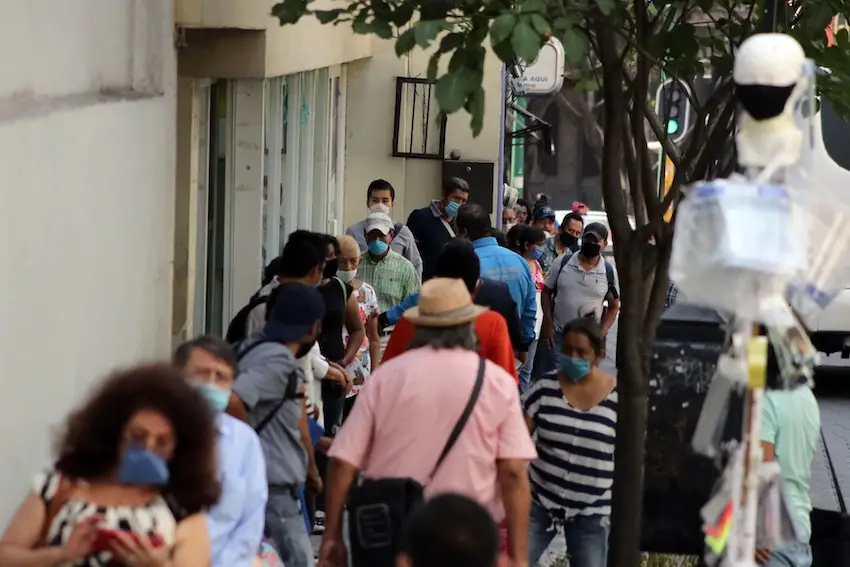
Long queues to carry out transactions at banks in the city centre.
For longer lines (especially when it comes to dreaded trámites) things can get a little more complicated. (Cuartoscuro)

Anyway! You’ve made contact and let them know you’re there. If they look at you expectantly, that’s your cue to start asking for what you want. Once they know, they can either help you or give you instructions to be helped. Easy!

For longer lines, especially when it comes to dreaded trámites, things can get a little more complicated. At both my local immigration and Hacienda offices, for example, lines are visible. However, getting in back of them right away is not the best move, and could waste a lot of your time. 

If you have an appointment especially, but even if you just want information, find the security guard. Not only are they helping to keep order, but they let you know where to go and what to do. They’re often the first line of defense for information-giving, so let them be your first stop!

At my immigration office, for example, they direct me to sign a book and write down the purpose of going; only then do I get in line. At Hacienda, the guard will direct you to which line you need to stand in, or where to go and simply sit down to wait.

Do’s and don’ts in customer service offices

At banks and other customer service-oriented offices, there might be a number system. This means you’ll be given, often by a machine that’s sometimes human-assisted, a number that will be called, similar to when you dine in for fast food. When your number is called, it’s your turn! If you think you missed it, though, be sure to ask someone who works there; they can usually help.

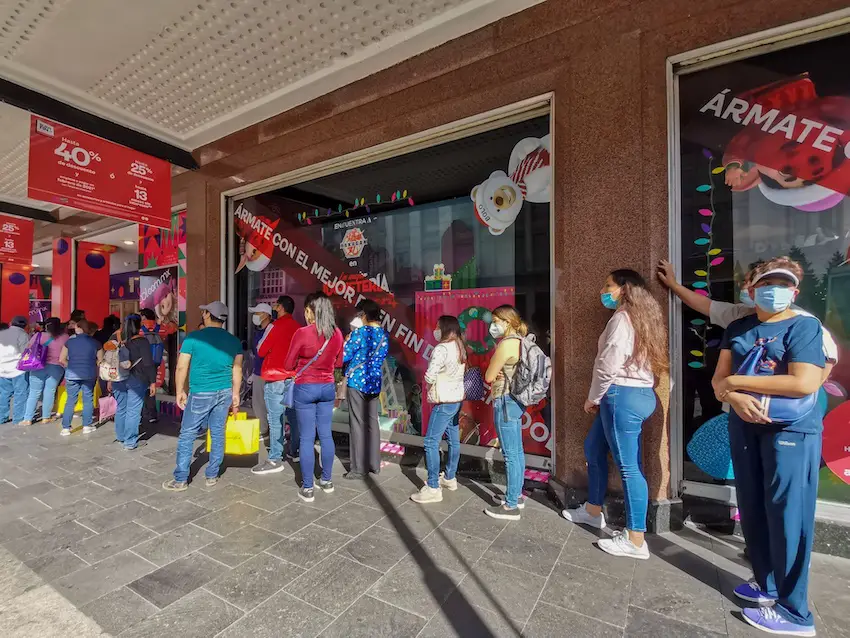
Clothing and department stores were lined with people waiting to take advantage of the Buen Fin offers, which end on November 20.
The longer the line and the more impatient the people in it, the less likely it is there will be “cutters”. (Cuartoscuro)

The general rule is this: the longer the line and the more impatient the people in it, the less likely it is there will be “cutters”. But if the line is short and there’s a counter-type situation, people are liable to butt in if they can. And if you think that’s bad, just look at people’s behavior in heavy traffic, which is where the above rule does not apply at all: cutters driving cars are rampant, especially when they’re impatient.

Finally, don’t be afraid to stick up for yourself. Some people really are oblivious and in a hurry and just don’t notice others. “Disculpe, estamos formados” (Excuse me, we’re in line) will usually work. Sometimes it won’t, and you can choose whether or not you want to start a fight about it. When you yourself are unsure about the existence of a line — this often happens in bathrooms — simply ask, “¿Están formados?” (Are you in line?)

So remember: squeak with the best of them, and ask for help when you need it. Just don’t cut in line; we’ve got a reputation to keep up!

Sarah DeVries is a writer and translator based in Xalapa, Veracruz. She can be reached through her website, https://sarahedevries.substack.com/