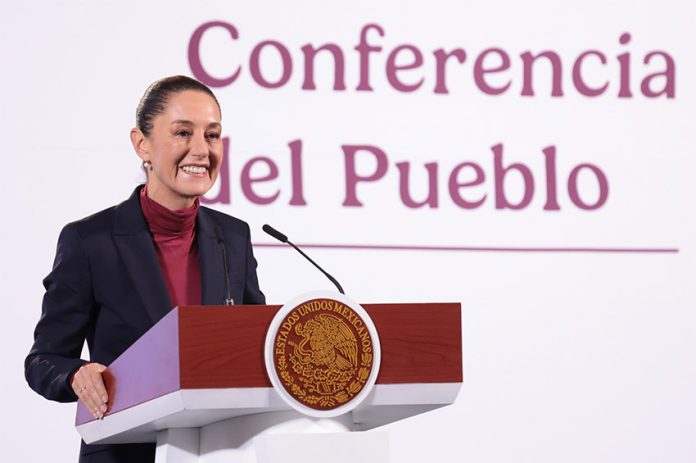
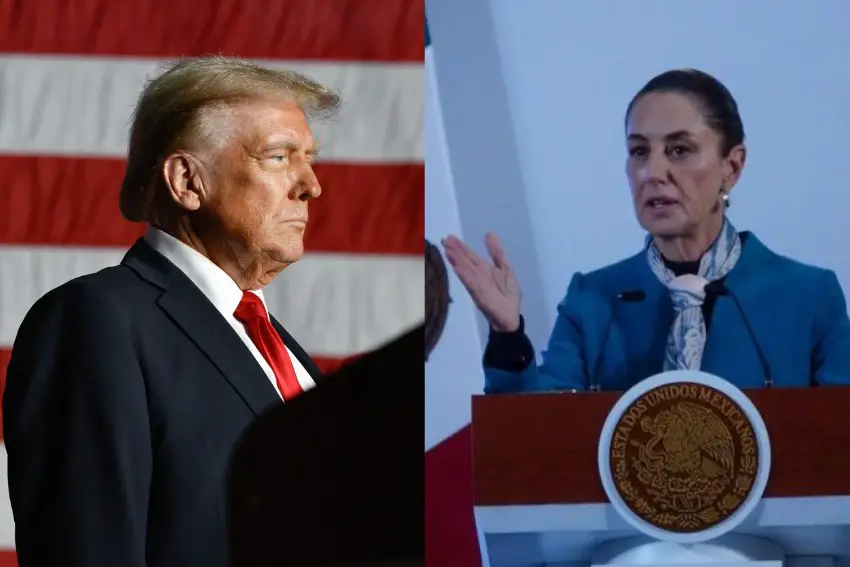
A recent New York Times report and U.S. President-elect Donald Trump took center stage at President Sheinbaum's Monday press conference. (Presidencia)
Claudia Sheinbaum has now completed two full months as Mexico’s first female president.
And with the swearing in of Rocío Nahle as governor of Veracruz on Sunday, 13 of Mexico’s 32 federal entities are now led by women, more than ever before.
At her morning press conference on Monday, Sheinbaum heaped praise on Nahle, who served as energy minister for almost five years during the administration of former president Andrés Manuel López Obrador.
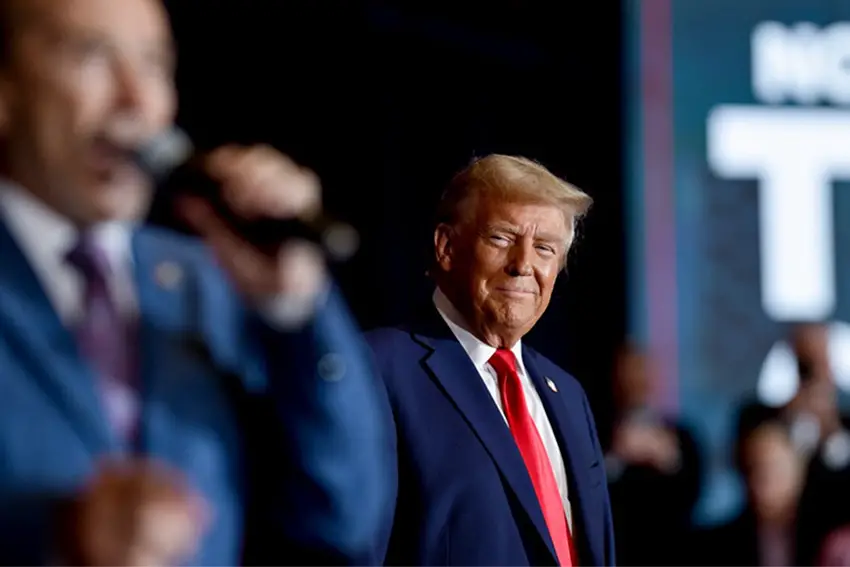
She also commented on a New York Times report and noted that United States President-elect Donald Trump asked her how the U.S. could help Mexico with security issues.
Sheinbaum suggests NYT report was inspired by ‘Breaking Bad’
“Do you have information about that?” inquired the reporter.
Sheinbaum dismissed the NYT report, suggesting it was inspired by the fictional television series “Breaking Bad.” (Breaking Bad/High Bridge Entertainment Gran Via Productions/Sony Pictures)
The president said that she asked members of her cabinet about the Times’ reporting before declaring that “there is no information about this.”
“… There is a [television] show … that takes place in … New Mexico, … a very well-known show that got a lot of awards about a chemistry teacher,” Sheinbaum added, referring to the Emmy-award winning series “Breaking Bad.”
“I saw some episodes, I didn’t see all of it … but maybe that’s where they got [the report] from, right?” Sheinbaum said.
“Because we don’t have information [about chemistry students making drugs for cartels]. And, in any case, chemistry students shouldn’t get involved in that, right?” she added.
“… I explained to him that we have a very competent security cabinet, coordinated by [Security Minister] Omar García Harfuch. I even told him about Omar’s history, the attack he suffered and how he has a history of a lot of professionalism in the Mexico City Security Ministry and now at the federal level,” Sheinbaum said.
At her Monday presser, Sheinbaum continued to field questions about her recent call with Trump. (Mexico News Daily via Cuartoscuro/Twitter)
The president said she told Trump that it is very important for Mexico and the United States to share information with each other, but emphasized that they must respect each other’s sovereignty when collaborating on security issues.
“And he agreed, he said he thought … [my proposal] was very good,” Sheinbaum said.
Even if a person is convicted of corruption and serves jail time, the money and/or assets they obtained as a result of their crime are not usually recovered in Mexico. (Shutterstock)
The Mexican government wants to make living in a corruption-free environment a constitutionally enshrined human right.
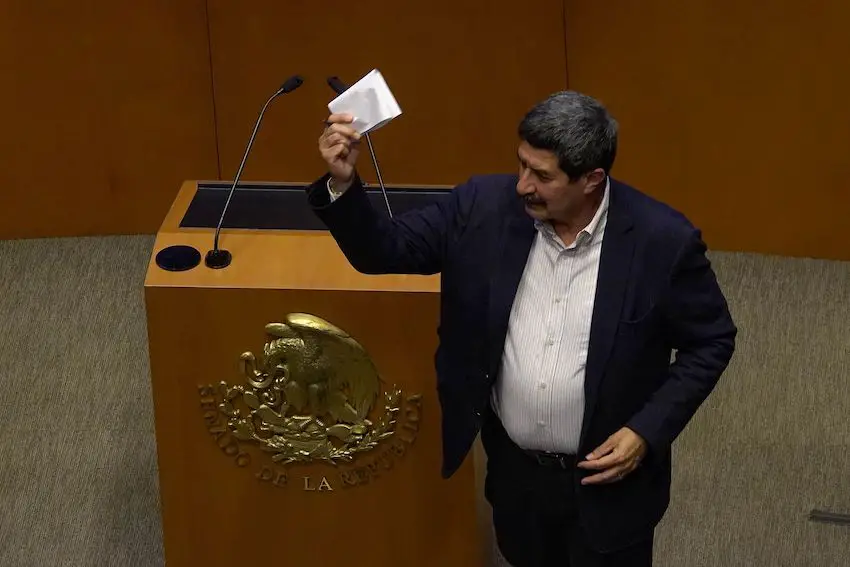
Senator Javier Corral, a lawmaker with the ruling Morena party and a former governor of Chihuahua, said last week that in the coming months, he would present an initiative to create a General Law for the Investigation and Punishment of Acts of Corruption.
Senator Javier Corral is spearheading an initiative to classify corruption as a human rights offense in Mexico. (Rogelio Morales/Cuartoscuro)
Speaking in the state of Morelos at an annual meeting of Mexico’s anti-corruption prosecutor’s offices, Corral said that President Claudia Sheinbaum had entrusted him with the task of examining the best ways that corruption can be combated. While governor of Chihuahua, he made bringing his predecessor César Duarte to justice on corruption charges a central aim of his government.
The proposed law Corral is slated to present to Congress would enshrine in the constitution a new human right: the right to live in a corruption-free environment and to enjoy responsible and lawful public administration by Mexican authorities.
Allow the creation of a uniform nationwide anti-corruption investigation and prosecution policy.
Establish a national system that assists anti-corruption collaboration between federal and state governments, including in the realm of intelligence gathering.
Seek to ensure that acts of corruption are effectively punished and that those found guilty of the crime don’t continue to benefit from their wrongdoing.
Seek to ensure that misspent public resources are recovered.
Create new anti-corruption prosecutor’s offices and courts.
Allow people who report corruption to participate more closely in the criminal prosecution of the case if they demonstrate they have a legitimate interest in it.
Recognize people involved in the investigation and prosecution of corruption as defenders of human rights.
Former president Andrés Manuel López Obrador made combatting corruption a central aim of his administration, and less than a year into his six-year term declared that there was “zero corruption” in the federal government as a result of his dedication to “sweeping away” what had developed over the previous 30 years.
But Sheinbaum believes there is more work to do, such as disbanding a number of autonomous government agencies. She recently said that the elimination of seven such agencies — as approved by the Senate last week — would lead to “more transparency” in government and help to eliminate corruption.
Corruption has long been a problem in Mexico, with various scandals plaguing the 2012-18 government of former president Enrique Peña Nieto. Despite López Obrador’s determination to eliminate corruption — and his declarations that he had achieved his goal — his administration also faced accusations of corruption, including ones related to Mexico’s food security agency Segalmex and the Youths Building the Future apprenticeship scheme.
While corruption is common in Mexico, so too is impunity for that crime — and various others.
Even if a person is convicted of corruption and serves jail time, the money and/or assets they obtained as a result of their crime are not “normally” recovered, El País reported.
As mentioned above, one of the objectives of the proposed General Law for the Investigation and Punishment of Acts of Corruption is to change that situation.
In Morelos last week, Corral — who was affiliated with the National Action Party until joining Morena this year — described corruption as a “social cancer” that weakens Mexico’s democratic institutions and the rule of law.
According to the statement issued by the Senate last Wednesday, he also said that his proposed law would seek to stop Mexico’s “culture of impunity” from being an incentive for the proliferation of corruption. Corral noted that Mexico’s anti-corruption prosecutor’s offices have a central role in the fight against corruption and in restoring citizens’ confidence in Mexico’s institutions.
“But let’s not fool ourselves,” he added. “Combating corruption is not and never will be a simple task.”
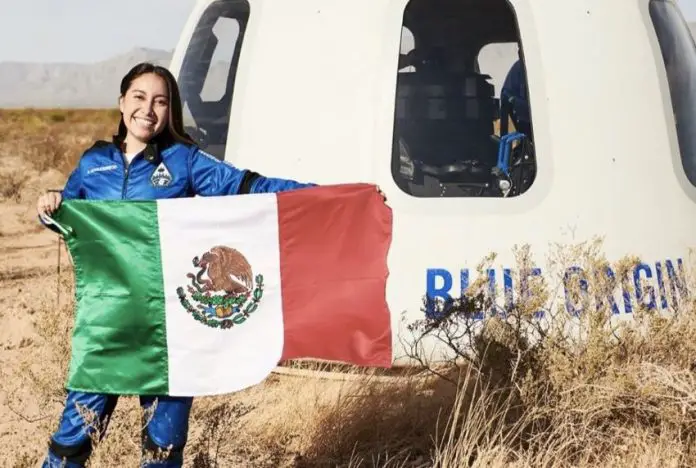
The mission will be led by electrical engineer Katya Echazarreta, who became the first Mexican astronaut and the youngest female astronaut at age 26. (Katya Echazarreta/X)
A top official in the Sheinbaum administration stated last week that Mexico is working to create a 100% Latino mission to space in 2027 — led by Mexican-born astronaut Katya Echazarreta — as part of an overall plan to advance the Mexican aerospace industry.
The announcement was made by Altagracia Gómez Sierra, an influential business leader in Mexico and currently the coordinator of the Advisory Council for Economic, Regional Development and Business Relocation (CADERR) under President Claudia Sheinbaum.
CADERR, led by Mexican businesswoman Altagracia Gómez, seeks to advance nearshoring opportunities, develop industrial parks and promote infrastructure projects to support regional economic growth. (@inaoficialmx/X)
During an Oct. 27 presentation, Gómez Sierra pointed out that a key goal of Sheinbaum’s government is to lead the first all-Latino space mission.
CADERR, a new entity under the Sheinbaum administration, aims to capitalize on nearshoring opportunities, develop 100 industrial parks nationwide and promote infrastructure projects to support regional economic growth in Mexico.
Its strategies include partnering with businesses, government agencies and communities; simplifying investment procedures; and promoting sustainability and innovation.
Mexico’s plan to expand its aerospace industry
One of CADERR’s goals, Gómez Sierra said, is to increase the regional content of aerospace industry exports by at least 10% by 2030.
Other keys, she added, include the integration of an aircraft engine fully manufactured in Mexico by the France-based aerospace company Safran and the launch of the first 100% Mexican satellite.
As for the all-Latino space mission, the newspaper El País pointed out that “no further details are yet known [and] it has not been specified whether it will be a crewed mission [or] the sending of a space probe, a satellite or another type of initiative.”
A crewed or uncrewed space mission could spur growth in the Mexican aerospace industry, a sector whose strategic value has increased 14% over the last 20 years. (Richard Gatley/Unsplash)
Echazarreta, 29, said last month she wants to do whatever she can to help.
“My goal is to contribute to the growth of the aerospace industry in Mexico,” the first Mexican-born woman to fly into space said at a summit organized by the news magazine Expansión. “It is time for our country to position itself as a major player in this field.”
As of now, Mexico’s aerospace industry is underdeveloped, Echazarreta said, because “there are no laws that regulate it.”
She said there are agreements in place to build launching pads in Mexico, but the lack of legislative reform prevents these projects and others from moving forward. Though international companies are interested in investing in the Mexican aerospace industry, she added, efforts remain limited.
“There are agreements in the works, but we cannot move forward due to current laws,” she said. “That is why we are working on a reform that will allow this industry to find an outlet.”
Born in Guadalajara, Echazarreta spent the first seven years of her life in Mexico before moving with her family to San Diego. In 2022, she became the first Mexican-born woman — and, at 26, the youngest woman ever — to fly into space when she was aboard a craft built by Blue Origin, a company started by Amazon founder Jeff Bezos.
Echazarreta earned an electrical engineering degree from UCLA in 2019 and was an intern at NASA, where she worked on the ground on five missions. She also has a master’s degree in electrical engineering and computer science from Johns Hopkins University.
The trilogy follows the impact of border policies on not just migrants but also local residents of the border region and families of missing people. (Damián Sánchez/Cuartoscuro)
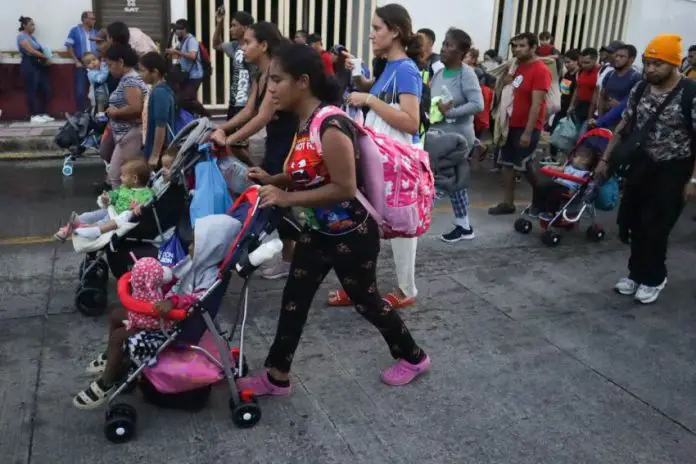
Amid tension between Mexico and the United States ahead of the inauguration of Donald Trump, Mexican immigration authorities broke up two small migrant caravans headed for the U.S. border.
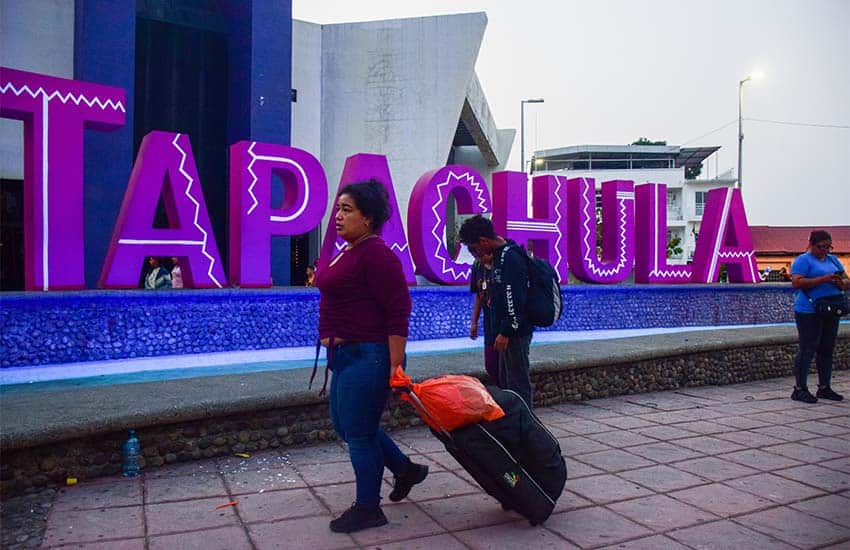
However, on Monday a new caravan of roughly 2,000 migrants left the southern border city of Tapachula, intent on reaching the United States.
Tapachula, Chiapas, has become the origin of many caravans due to its location near the border with Guatemala. (Damian Sánchez Jesús/Cuartoscuro)
Migrants rights activist Luis García Villagrán said the breaking-up of the two caravans appeared to be part of an agreement between the president of Mexico and the president-elect of the United States, the Associated Press reported.
The action came shortly after President Claudia Sheinbaum and President-elect Trump discussed Trump’s threat to impose 25% tariffs on all Mexican products entering the United States unless Mexico does more to stem the flow of migrants to the U.S. border.
While Trump insisted Sheinbaum had agreed to stop all unauthorized migration to the United States, Mexico’s president disputed that claim, saying “Mexico’s position is not to close borders but to build bridges between governments and between peoples.”
Instead, Sheinbaum wrote on her social media accounts, “migrants and caravans are taken care of before they reach the border.”
Blocking the caravans
Undocumented migrants have been detected in record numbers so far this year. Mexican authorities reported finding 925,085 migrants from January through August of this year, an increase of 132% over the 398,991 during the first eight months of 2023.
The AP reported that immigration authorities and the Army had dismantled the two caravans — comprising approximately 4,000 migrants — by bussing them to cities across central and southern Mexico while also offering 20-day transit documents.
Rights activists are warning migrants not to be deceived by the INM offer, reported the publication Infobae.
Pastor and prominent migrant advocate Luis García Villagrán accused Mexican officials of tricking migrants into accepting bus rides to far-flung cities. (File photo)
García Villagrán, the migrant rights activist, has accused the INM of lying to migrants by promising them shelter and transit documents. Instead, García told Infobae, they are abandoning them in cities outside of migrant routes with the intention of eventually deporting them.
The warning has reached the new caravan preparing to leave Chiapas this week.
One migrant in Tapachula told Sin Embargo that they don’t trust the authorities. “We have seen [INM] agents lie about helping us,” he said. “Some have been detained for three days then released without any documents.”
A Guatemalan migrant told the newspaper La Jornada that he would prefer the transit documents to be validated as they advance north. “The only thing we ask is that they let us continue on our way,” he said.
Revenue from port fees charged to cruise ship passengers are usually earmarked for enhancements and updates to port facilities and infrastructure. (Especial/Cuartoscuro)
Last week, Mexico’s lower house of Congress voted to impose a US $42 immigration fee on every passenger of each cruise ship that docks at one of the country’s ports.
With the bill now in the hands of the Senate, cruise ship lines are pleading with President Claudia Sheinbaum to veto the legislation, should it be approved by the upper house.
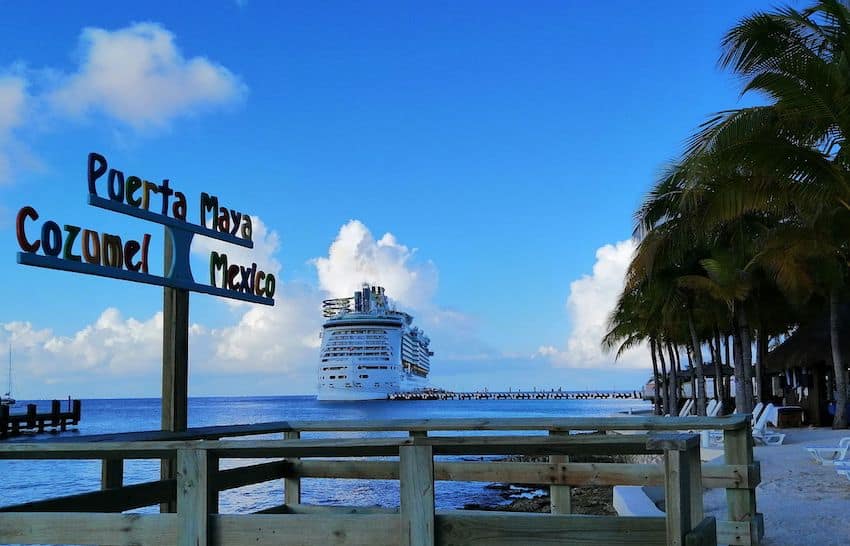
Cozumel, the world’s busiest port of call, welcomed 4.2 million cruise passengers in 2023 who spent $392 million while in port, according to a report by the FCCA. (Elizabeth Ruiz/Cuartoscuro)
The Florida and Caribbean Cruise Association (FCCA), which represents 20 cruise line companies, sent a letter to Sheinbaum over the weekend, notifying her of the group’s opposition to the proposed tax, according to the tourism industry website Reportur.com.
The Mexican Association of Shipping Agents (Amanac) has also voiced opposition to the proposal, according to the magazine Forbes. “If this measure is implemented, it would make Mexican ports among the most expensive in the world, severely affecting their competitiveness with other Caribbean destinations,” it said.
Cruise Radio reported that cruise lines could respond to the hefty fees by skipping Mexican ports of call, a move that could prove to be disastrous for several resorts and locations, such as Cozumel, that are heavily reliant on tourism.
The new immigration tax, once combined with the Quintana Roo state tax of $5, would bring the total cost to US $47 per cruise passenger. (Especial/Cuartoscuro)
What consequences might the new tax have for Mexico’s cruise tourism industry?
Cruise lines and their destination ports typically work together to decide what taxes and port fees are reasonable, and usually, these are directed to help finance enhancements and updates to port facilities and infrastructure.
Historically, cruise passengers have been exempted from paying immigration fees in Mexico because they are considered “in transit,” and not staying overnight on land.
The FCCA warns that cruise developments in Mexico, such as Royal Caribbean’s Perfect Day Mexico private destination near Costa Maya, and other cruise port investments could be affected by the new tax.
According to the Amanac, 10 million passengers and 3,300 cruise ships are expected to arrive in Mexico throughout 2025.
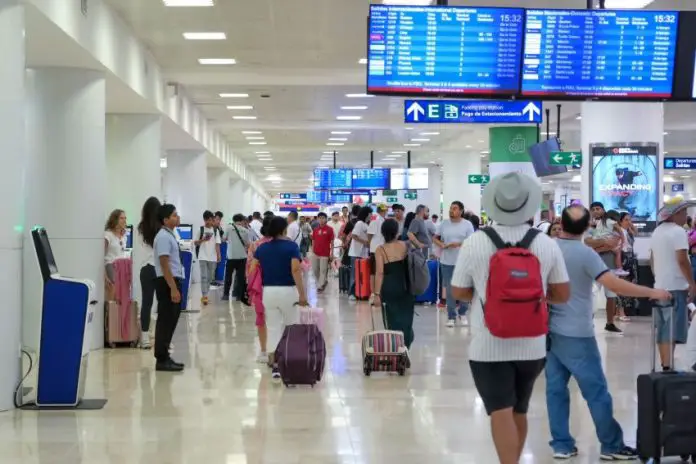
The Felipe Carrillo Puerto International Airport in Tulum, Quintana Roo, celebrated its first full year of operations on Sunday, surpassing expectations for passenger traffic. Last year, it became the fourth international airport in the area surrounding the Riviera Maya, joining the Cancún, Chetumal and Cozumel airports.
“The International Air Transport Association projected that we would receive 700,000 passengers in this first year,” Governor Mara Lezama Espinosa said in a statement. “However, thanks to the joint work, vision and commitment to our state, we have far exceeded that goal, reaching more than 1,074,000 passengers and 8,500 air operations as of Nov. 21. And we still have one month left to close the year!”
The Federal Civil Aviation Agency (AFAC) recorded 942,093 travelers aboard 7,627 flights to Tulum between January and October. (Mario Jasso/Cuartoscuro)
The Federal Civil Aviation Agency (AFAC) recorded visitor traffic of 942,093 travelers aboard 7,627 flights to Tulum between January and October, and by Nov. 4, visitor numbers had surpassed one million.
Tulum is located approximately two hours by car from Cancún. After the Mexico City International Airport (AICM), Cancún is the second most-visited airport in the country and the primary airport for incoming international travelers.
The “terminal sells itself by being in a privileged world destination,” said the general director of the National Institute of Legal-Aeronautical Research (INIJA), Pablo Casas Lías, in an interview with the newspaper Reforma. He added that due to its success, the airport may soon face saturation problems.
Rogelio Rodríguez, an air sector specialist, stressed the importance of carrying out better marketing to attract visitors who are thinking of traveling to the Riviera Maya via Cancún.
Con 673 operaciones aéreas el sábado ✈️, y alrededor de medio millón de visitantes nacionales y extranjeros, nuestro estado se sigue consolidando como destino mundial 🌎.
Works began on the Tulum airport in 2022, and were completed on Nov. 30, 2023. Construction is estimated to have cost 19.2 billion pesos (US $939.3 million).
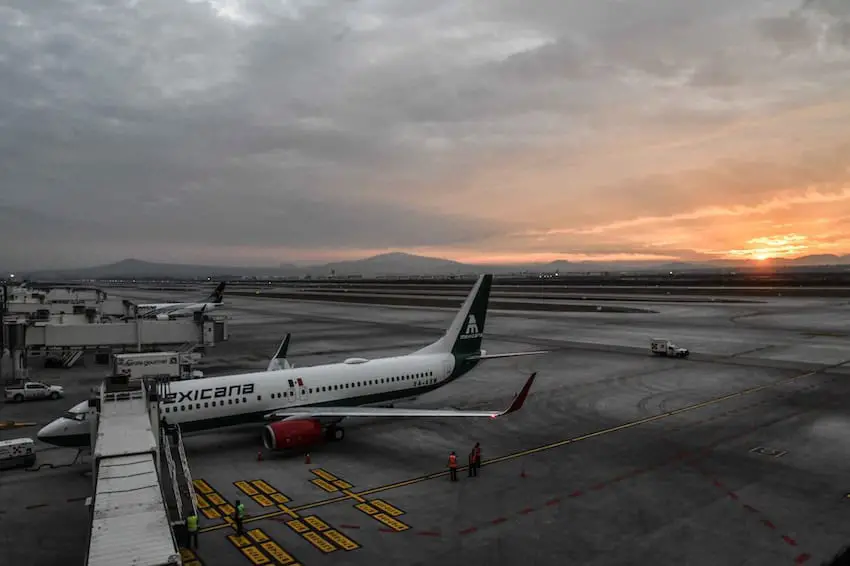
There are currently 11 airlines operating out of Tulum, serving 15 destinations. Nationally, Aeroméxico, Viva Aerobús and Mexicana de Aviación connect with the Felipe Ángeles International Airport (AIFA) in Mexico City, while Viva Aerobús also flies from Tulum to Monterrey and Guadalajara.
International routes include:
JetBlue to New York City
American Airlines to Miami, Charlotte and Dallas
Air Canada to Montreal and Toronto
Delta to Atlanta
United Airlines to Houston, Chicago and Newark
Copa Airlines connects Tulum with South America via Panama
Sunwing to Montreal
Four airlines will open new routes to Tulum in December, improving connectivity between the Mexican Caribbean and Canada, as well as South America. Discover Airlines will also launch the first direct flight from Tulum to Europe, connecting with Frankfurt.
Polvorones are the perfect sweet for Christmas time. Here's the only recipe you'll need to bake up your own. (Canva)
It’s Christmastime, time for those traditional, nuttery-buttery, melt-in-your-mouth Mexican recipes that we all love — like polvorones! But how did wedding cookies in Mexico become synonymous with Christmas?
Mexican wedding cookies, also known as polvorones, can be traced back to medieval Arabian culinary tradition, where cookies were made with rich spices, butter, sugar, and nuts. The recipe, and its variations, then traveled the trade routes and made its way to Europe and ultimately to Spain.
Also known as polvorones, can trace their history back to medieval Arabian culinary tradition. (Marianne Perdomo/Wikimedia Commons)
The name polvorones comes from the Spanish word polvo, or dust, that is evident in the cookie’s crumbly texture and the powdered sugar that’s used to “dust” them. The cookies became very popular, and the Spanish brought the recipe with them to Mexico with the colonizers in the 16th century. Because they symbolize happiness and unity, they naturally became traditional wedding treats, but they also exemplified joy, and therefore became a perfect sweet to serve at festive occasions, especially Christmas.
The term “Mexican Wedding Cookie” gained traction in the U.S. in the 1950s, when the recipe became a favorite of American cookbooks, replacing the similar Russian Tea Cake (due to Cold War sentiments). It was also given this moniker in the States because it was known for its popularity at Mexican weddings. However, the first known mention of the cookie as “Mexican” appeared in a 1937 issue of American Cookery, meaning the cookie had gained recognition long before they became popular.
The Mexican Wedding Cookie, however, is different in texture than the Russian Tea Cake, due to its higher flour-to-nut ratio, making it more crumbly and sandier to the bite. It also tastes butterier and is often infused with vanilla. Some variations may even include cinnamon and anise. The Tea Cake, however, is denser because the nuts (traditionally, walnuts) in the recipe are finely ground, making the cookie chewy, giving it a pronounced nutty taste.
Once again, these cookies, like so many other foods in Mexico, represent an incredible blending of cultures, that are treasured today for their rich, wonderful flavor and for their symbolism of happiness, unity and joy that they have come to embellish.
Mexican wedding cakes: the recipe
Recipe adapted from wenthere8this.com. (Tamorlan/Wikimedia Commons)
Ingredients:
½ Cup (115 g) unsalted butter* (softened) (mantequilla sin sal)
½ Cup (115 g) salted butter* (softened) (mantequilla)
Best Mexican brands: Lala; Gloria; Alpura; Aguascalientes; Flor de Alfalfa.
½ Cup (50 g) powdered sugar plus ½ Cup (50 g) for coating (azúcar glas)
1 tsp. (4.2 g) vanilla extract* (extracto de vanilla)
Mexican brands noted for their intense flavor: Villa Vainilla; Vainilla Totonac’s; Molina Vainilla
2 Cups (240 g) all-purpose flour
Use only U.S. flour, available online.
½ tsp. (1.5 g) coarse sea salt (sal gruesa)
1 Cup (100 g) pecans toasted and finely chopped (nueces pecanas)
Instructions
Preheat oven to 350 degrees.
Line a large baking sheet with parchment paper.
Next:
Combine softened butter, ½ Cup powdered sugar and vanilla and beat until fluffy, about 1-2 minutes.
Add flour and salt and mix until a dough starts to form.
Once the flour is about 80% incorporated, add the chopped pecans.
Mix together, but do not over mix.
Roll the dough into 1 ½ inch balls and place 2 inches apart on baking sheet.
Bake for 12-14 minutes, or until the bottoms of the cookies are lightly browned.
Remove from the oven and let cool for 5 minutes on baking sheet.
Place cookies on a wire cooling rack to finish cooling.
In a container with lid, place ½ Cup powdered sugar.
When cookies are cooled completely, place several in the container at one time. Cover with lid, and gently turn the container to coat the cookies with sugar.
You can repeat this step for additional coating.
Disfruta!
Deborah McCoy is the one-time author of mainstream, bridal-reference books who has turned her attention to food, particularly sweets, desserts and fruits. She is the founder of CakeChatter™ on FaceBook and X (Twitter), and the author of four baking books for “Dough Punchers” via CakeChatter (available @amazon.com). She is also the president of The American Academy of Wedding Professionals™ (aa-wp.com).
Giant Motors Latinoamérica, a joint venture between the Massri family and billionaire businessman Carlos Slim's financial company Inbursa, assembles JAC vehicles at a plant in Ciudad Sahagún, Hidalgo. (Giant Motors)
The CEO of the only company that makes Chinese vehicles in Mexico is unfazed by the possibility that new tariffs could be imposed on Mexican exports and imports of foreign goods to Mexico.
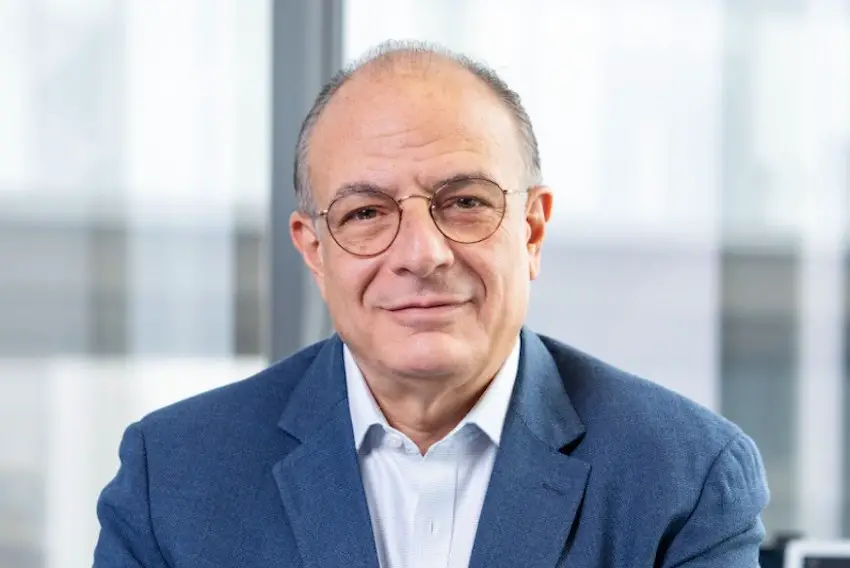
Elías Massri, chairman of the board and CEO of Giant Motors Latinoamérica, spoke to the Bloomberg news agency about Donald Trump’s threats to slap tariffs on Mexican exports as well as the possibility that Mexico could impose new or additional duties on imports from countries such as China.
CEO of Giant Motors Latinoamérica Elías Massri told Bloomberg that “if [the U.S.] changes the rules, we are ready to play by them.” (LinkedIn)Giant Motors Latinoamérica, a joint venture between the Massri family and billionaire businessman Carlos Slim’s financial company Inbursa, assembles JAC vehicles at a plant in Ciudad Sahagún, Hidalgo. The company, which was founded in 2006 with 100% Mexican capital and describes itself as “proudly Mexican,” does not export cars to the United States and has no current plans to do so, meaning that it wouldn’t be affected by any tariffs imposed by the second Trump administration.
Still, Massri told Bloomberg that “if they change the rules, we are ready to play by them.”
“There have already been many battles, and we have not stopped investing what is required and earning profits,” Massri said.
According to Bloomberg, the CEO said that “Giant Motors’ ambitions are narrowly focused on the Mexican market, and the company will not be poking the bear by attempting to export vehicles to the U.S.”
Massri also said that if new tariffs were imposed on imports to Mexico — products from China, for example — his company could source auto parts and components from countries that are on favorable trade terms with Mexico. “There are free trade agreements in Mexico with many parts of the world,” he said.
Donald Trump threatened to slap 25% tariffs on all Mexican exports last week. (Donald Trump/Truth Social)
As Mexico comes under increasing pressure from the United States and Canada over its trade relationship with China and Chinese investment in a range of sectors of the Mexican economy, the Mexican government could increase tariffs on Chinese imports.
Giant Motors wants to grow, but will more Chinese cars be made in Mexico?
Bloomberg reported that Giant Motors began manufacturing JAC vehicles in Mexico in 2019, when production totaled about 8,000 units. It started selling JAC cars in 2017, before vehicles made by other Chinese automakers such as BYD and SAIC were available in Mexico.
JAC, officially called Anhui Jianghuai Automobile Group Corp., is based in the Chinese province of Anhui.
Giant Motors, Bloomberg reported, “buys completely knocked-down kits from JAC in China and adjusts the design of the cars and trucks at its plant to meet the needs of the local market.”
Giant Motors began manufacturing JAC vehicles in Mexico in 2019. (X)
Massri explained that his company makes vehicles with higher suspension and powerful engines to ensure they are suitable for hilly terrain and potholed roads in Mexico.
Production this year is expected to be 30,000 vehicles, with output anticipated to increase to 40,000 units in 2025. Giant Motors’ plant in Ciudad Sahagún, located about 90 kilometers northeast of central Mexico City, has the capacity to assemble 60,000 vehicles annually.
“We are not satisfied with our size. We want to be bigger,” Massri told Bloomberg.
While JAC vehicles are made in Mexico by a Mexican company, some Chinese automakers have announced plans to build their own plants in Mexico. They include BYD, MG Motor and Chery, whose announcements caused — and continue to cause — concern in the United States and Canada.
Although a number of Chinese automakers have announced plans to establish a manufacturing presence in Mexico, none of them has a “firm investment project” here, President Claudia Sheinbaum said last Thursday.
The Chinese automaker that has received the most attention about its plans in Mexico is BYD, the world’s largest electric vehicle (EV) manufacturer. BYD has said that it is aiming to settle on a location for its proposed plant by the end of the year.
The Shenzhen-based company says that it will make vehicles in Mexico purely for the Mexican market, but there is speculation that its ultimate aim is to export vehicles from Mexico to the United States, which currently allows products made in Mexico to enter the country tariff-free in accordance with the provisions of the USMCA trade pact.
Escape to a quieter Mexico for your Christmas vacation this year, and see some major sites without the crowds. (Trivago)
For the first time in over a decade, I’m going to taking my Christmas vacations in Mexico. It’s the peak of high season for Canadian and American visitors since most of us get time off for the holidays.
States like Quintana Roo and Oaxaca will be crowded with tourists. But, as someone who has been to most of the popular tourist spots, one question comes to mind: What other places in Mexico should I explore instead?
If this doesn’t look like your idea of a good time, here are some other Mexican landmarks that are much less busy in the Christmas period. (Shutterstock)
I asked some family members, friends I have in Mexico and Mexican-Canadian residents I know for their recommendations and created a new “Mexico bucket list” with three Mexican states that make for the perfect Christmas vacation.
If you plan to be in Mexico this holiday season and want to go off the beaten path, you’ve come to the right article!
Channel my inner Indiana Jones in Puebla
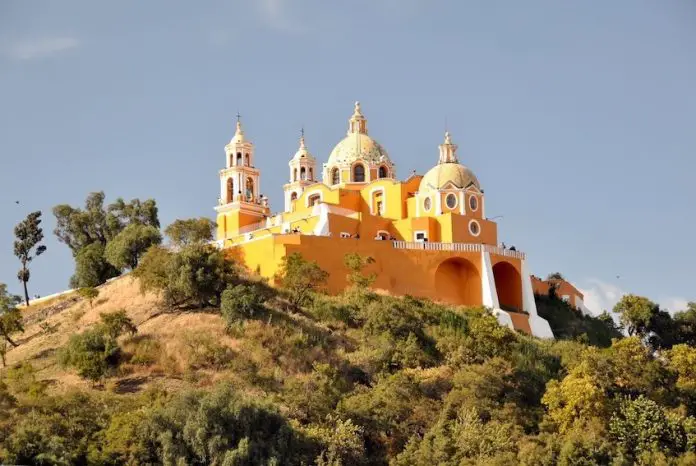
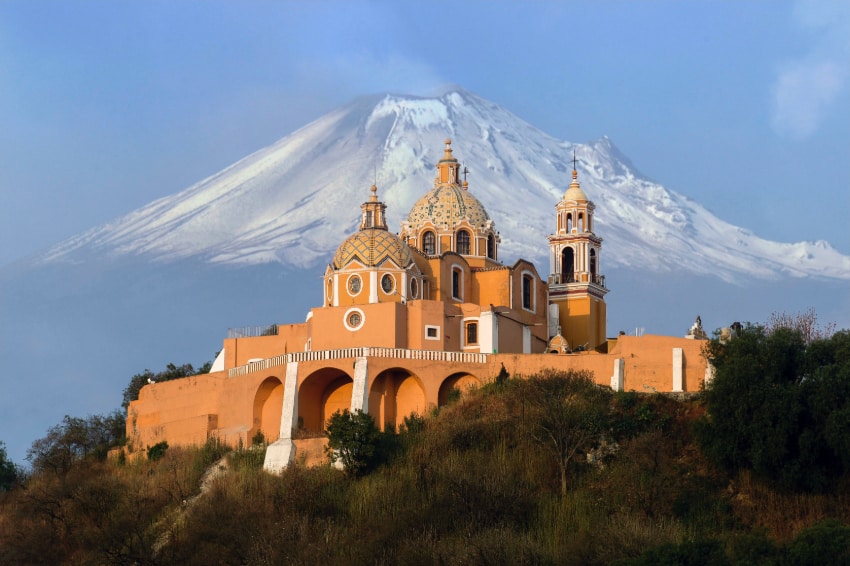
The convent atop the Great Pyramid in Cholula is one of Mexico’s most iconic sights. (Unsplash)
Do you know where the biggest known pyramid in the world is? It’d be fair to guess the great Pyramid of Giza in Egypt. But believe it or not, it’s a short day trip away from Puebla. It’s called The Great Pyramid of Cholula and even holds a Guinness World Record. While it’s not as tall, it boasts significantly more volume than its Cairene cousins, making it an impressive feat of engineering.
From afar, Cholula seems like a mountain with a yellow church overlooking all the people and town streets below. But drone footage of the pyramid gives you a better idea of its impressive architectural stature.
Losing yourself within the city of Puebla also sparks adventure. If you wander around its downtown center, there’s a plethora of beautiful colonial architecture and talavera tiles everywhere you look. If you’re a history buff (or love taking pics for your socials), the Puebla Cathedral is a great item to add to the itinerary. If you pray hard enough at the cathedral, “apparently” you’ll be granted three wishes according to folklore.
In the event you’ve always wanted to go on a safari in Africa but couldn’t afford the flights, Puebla has other next best thing — Africam Safari. It’s possible to see elephants, lions, flamingos, monkeys, and so much more in this excursion, which just adds layers to an Indiana Jones-like adventure where you’re in a constant state of discovering new things.
Puebla is also home to a great version of Mexican cuisine. From mole poblano, cemitas, and tacos arabes, you can eat your way through Mercado de Sabores and indulge in the local flavors.
Enjoy tacos and hang out in Campeche
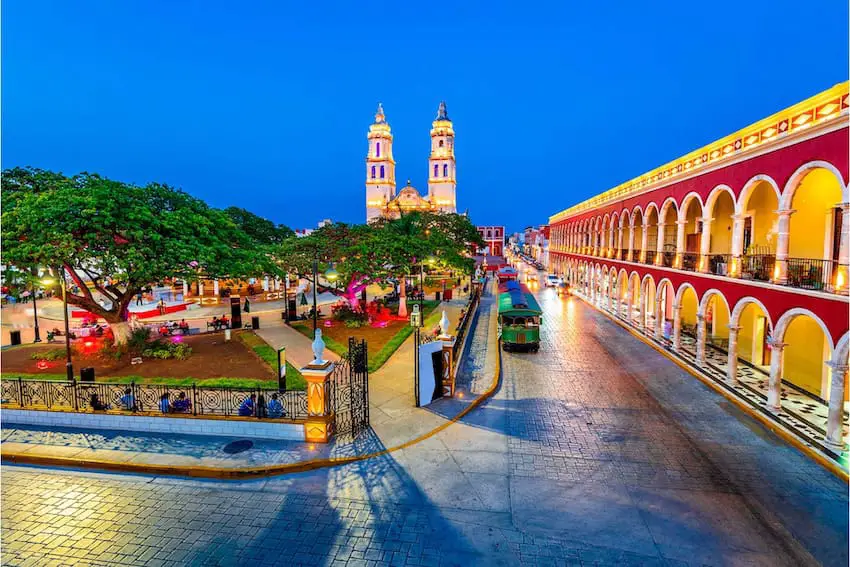
Campeche offers all the charm of Yucatán living with a dash of colonial history. (Visit-Mexico)
Full disclosure: Campeche tacos are some of my favorites. I’ve become something of a foodie over the years, and I love the combination of steak, chorizo, and chicharrones, a speciality of street stalls in the city. I also like adding slices of avocados inside to make it my own, along with lime and a touch of salsa verde.
So, why not go to the source for the most authentic version of Campeche tacos? If you’re a foodie, I’d say Campeche is as good an option as anywhere else in Mexico. Since it’s in the Yucatán Peninsula, you’re also able to enjoy things like cochinita pibil and panuchos, so there are plenty of delicious options.
But exploring Campeche’s downtown center is also well worth your time. This scenic colonial town by the water looks like the best place to move to if I’m ever a digital nomad again. If you consider its historical background, I’d say this is one of the most underrated cities in Mexico.
Once a major trading port for silver, Campeche flourished as an important settlement for the Spanish in the 1500s. But since there was a lot of money going in and out of that part of Mexico, there were also frequent pirate attacks. Eventually, this forced the residents of Campeche to find a solution, leading to the construction of fortified walls and bastions in the 17th century.
Today, these fortified walls, cannons, and other military architecture once used to combat Captain Jack Sparrow and his men are UNESCO World Heritage sites. The historically curious can take a guided tour to learn about it in more detail.
If you’re like me and appreciate a good beach day, Campeche also has you covered. Isla Aguada and Playa Bonita have a good combination of calm waters and just enough sand so you’re not constantly getting it off your clothes as you would be on most beaches in Quintana Roo. Campeche beaches promote seafront vibes that encourage relaxation by the water. Almost like sitting by the lake in a lawn chair.
It might not feel like a Christmas vacation, but Campeche is an important (and iconic) part of Mexico that’s rarely overrun by crowds, making it a great place to visit this December.
Have a local experience in Veracruz.
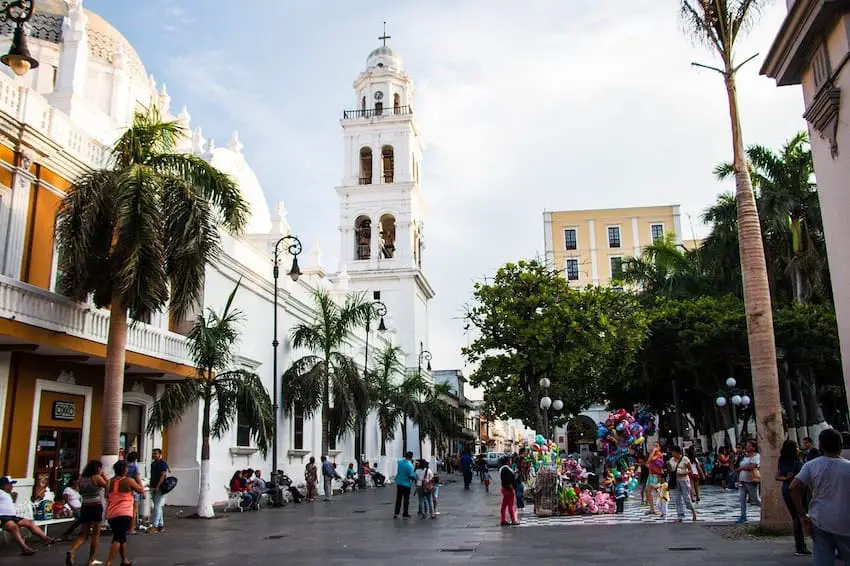
Caribbean and Mexican living collide in Veracruz. (adonde y cuando)
Last year, I met someone from Veracruz at my office job in Canada. When I was thinking of new Mexican vacation ideas, one of the first things I did was ask my friend, Librado, how to make the most of my time in Veracruz if I were to be there for a few days.
“I would go to La Parroquia for breakfast and then go to the aquarium,” Librado said. “If I’m there for a while, I would also go to San Andres to see the waterfalls and beaches.”
I was happy to learn La Parroquia is an old-school establishment with traditional values when it comes to making coffee, which is awesome since I enjoy café culture. Upon more research, I learned that Veracruz has Cuban and African influences in its cuisine, music, and even their local dialect. The state even has its own Spanish vernacular.
Veracruz hosts an annual Afro-Caribbean Festival, so the multicultural influences here make it a unique and eclectic part of Mexico.
Just outside the city, San Andres Tuxtla also caught my attention. A three-hour bus from Veracruz, it’s a popular getaway for locals, and a great option for tourists who like chasing waterfalls, hiking, or tanning on the sand.
The nature in Salto de Eyipantla and Cascada El Tucan alone looks breathtaking. If hiking is your thing, I’d recommend going down one of these walking trails. The Playa Hermosa trail is the easiest to do, will lead you to picturesque views and is perfect for taking photos along the way.
The more Librado tells me about his hometown, the more I realize how different Veracruz is compared to the rest of Mexico. It makes me want to go see it for myself.
Next stop, who knows?
If you have other ideas in mind for a unique Christmas vacation in Mexico, let us know in the comments. With 32 states in the country, there’s so much to see outside of the popular spots.
Ian Ostroff is an indie author, journalist, and copywriter from Montreal, Canada. You can find his work in various outlets, including Map Happy and The Suburban. When he’s not writing, you can find Ian at the gym, a café, or anywhere within Mexico visiting family and friends.
Communities threatened by a lack of access to clean drinking water are finding ingenious new ways to filter, capture and clean the precious liquid thanks to the support of nonprofit foundations. (Caminos de Agua)
There are many things that we take for granted in the modern world. These include simple things, like accessibility to drinking water or taking a warm shower at home. Believe it or not, these are privileges, especially considering that at least one-third of the world’s population lacks clean water and sanitation.
Such is the case of the municipalities of Dolores Hidalgo and San Diego de la Unión, located in northwestern Guanajuato state. Both cities are tourism powerhouses: one of Mexico’s 132 Magical Towns, Dolores Hidalgo is known as the cradle of Mexican Independence. San Diego de la Unión, on the other hand, is part of Guanajuato’s Wine Route and is famous for its escamoles, Mexico’s answer to caviar. Despite their storied histories, however, both cities are today known for their issues with arsenic pollution.
The city of Dolores Hidalgo, the cradle of Mexican independence, struggles to provide access to clean drinking water for residents. (Juan Carlos Fonseca/Wikimedia)
The communities fighting for clean water
“We started to face this problem in [Dolores Hidalgo and San Diego] back in 2010,” Carmen Castro, a coordinator for the civil association Pozo Ademado Community Service (Secopa), told Mexico News Daily. “So far, we have provided potable water to 20 communities that includes 300 beneficiaries, and we give priority to those families with children.”
The Mexican water nonprofit assists homeowners from vulnerable communities in Guanajuato by providing them access to rainwater harvesting systems and water filters in partnership with international organizations like Caminos de Agua. Castro emphasized there are still communities where residents do not have access to these systems and residents have no option but to collect water in jugs, from central cisterns that supply the whole town.
“We started this project five years after we noticed this issue and still, less than 5 per cent of our population get water from other families,” Castro explained. “All of them get training from us about water usage in general,” she added.
Sebastián Serrano Director of Communications and Sustainability at water treatment firm Hidropluviales. (Alcaldes de Mexico)
The challenges of providing water to a megacity
Water scarcity and pollution are not problems exclusive to rural communities. Urban sectors are not far behind and face more difficulties when it comes to water, including overexploitation and flooding.
Sebastián Serrano, Director of Communications and Sustainability at Hidropluviales, a company that makes water treatment systems for rainwater harvesting, spoke to Mexico News Daily about the challenges involved in implementing water purification systems in populated areas. He explained that the challenges are especially significant in Mexico City.
“The atmosphere [in Mexico City] is more polluted than the areas where vulnerable communities are located. Its infrastructure is overloaded and there is not enough drainage capacity,” he said.
Serrano emphasized that as a result of the litany of problems surrounding water treatment, the Federal District’s 2003 Water Law made it mandatory to install alternate systems for collecting and reusing water in housing units larger than 500 square meters and neighborhoods of Mexico City without a continuous water supply or drinking water network. Noncompliance, however, was widespread. “People used to capture water, put it in a tank and save it for years,” Serrano said.
Sacmex oversees Mexico’s national water infrastructure, including the provision of clean water to homes. (Gob. de CDMX/Cuartoscuro)
After years of the Water Law’s ineffectiveness, the Mexico City water authority (Sacmex) invited businesses in the field, including Hidropluviales, to examine the city’s water regulations, provide feedback and implement updates based on international agreements.
“Sacmex became more efficient after the feedback… since then, we’ve offered filters to commercial and residential buildings to clean rainwater and store it clean to later use it in toilets or make it drinkable,” Serrano said.
The lack of access to drinking water in Mexico
The UN’s 2023 World Water Development Report found that globally, two billion people lack access to safe drinking water. A further 3.6 billion people have no access to safely managed sanitation.
In Mexico, according to nonprofit Water.org, almost 60% of the population lacks access to clean water, and more than 35% lack access to a safe toilet.
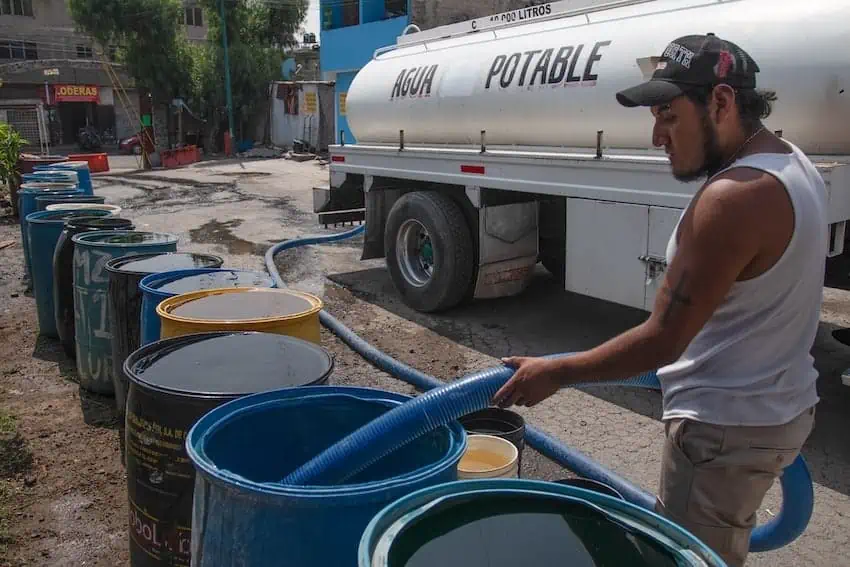
Many areas of Mexico rely on weekly water deliveries and are without any access to clean running water. (Andrea Murcia/Cuartoscuro)
Water.org lists water supply and sanitation as challenging areas for Mexico, although this has improved in both urban and rural areas over the course of the last two decades. The nonprofit notes this issue continues in some areas of the country mainly due to “a lack of ongoing investment [that] has slowed progress in getting access to safe water to low-income communities.”
Secopa and other Mexican water nonprofits spoke with Mexico News Daily about how they have faced similar issues where they have not received what they see as proper assistance from Mexican authorities.
“We’ve reached out to local and state government about our water scarcity and pollution for years… One of our team members even went to Mexico City to speak to someone at the Senate and we never got a response from anyone,” Secopa’s Carmen Castro said. “The only assistance we have are other local nonprofits like ours plus international support from bigger organizations.”
Mónica Olvera Molina, Director of Systemic Change Strategy at Cántaro Azul, a nonprofit organization specializing in water, hygiene and sanitation, has called attention to the water distribution model in Mexico. She explains that it does not benefit rural communities, especially in rural areas of Chiapas.
“Chiapas is one of the states that offer clean water, but it has the least access to its own water… its rural population covers almost 50 per cent of the territory and only the big cities are covered,” she explained. However, despite the fact that the state has enough clean drinking water to meet demands, access to water is provided by a committee, meaning that the needs of businesses are often prioritized over those of community residents.
An opening for Mexican water nonprofits
How can nonprofits avoid these challenges and what opportunities are available for those who are willing to create water projects in Mexico without government support?
David Vargas, President and Co-founder of Isla Urbana, a nonprofit that provides access to clean water, especially in rural in Wixárika (Huichol) and Rarámuri (Tarahumara) schools and communities in the north of the country, told Mexico News Daily that most international institutions located in Mexico act as bridges, connecting donors, partners and volunteers seeking to provide water purification systems.
#RainForAll
Isla Urbana has been creating these bridges for more than 15 years, installing rain collection systems for half a million people and more than 40,000 schools in Mexico.
Despite this, Vargas points out a number of issues facing nonprofits in Mexico. “There is a lack of partnerships between social organizations to reach agreements with the Mexican government,” he explained. “Another problem is that we need to learn to showcase the problem so it can be seen and understood. In our case, 40% of schools have water failures in Mexico and parents are often asked to bring buckets of water or pay fees to buy pipes,” he finished.
“Multinational corporations with offices in Mexico are always in search of corporate social responsibility initiatives and they give priority to projects like ours. They should take advantage of it because it also gives them a good reputation,” he added.
Isla Urbana has partnered with the Coca-Cola Foundation and is currently working on the creation of 500 rain collection systems in 25 states. They aim to install a total of 5,000 functional systems before the 2026 FIFA World Cup.
“Our machines are highly specialised and even though our targets are residential homes, businesses, restaurants and hospitals that are in the coastal areas or Mexico City as our machines work in elevated and dry areas…we are in search of a donor willing to accept the challenge,” AirWater Director of Operations Christian Beebe told Mexico News Daily.
“Our goal is to make a 10-year project that is not using collection systems with existing water through rain, but from the air,” he added.
Originally from Texas, Nancy Moya has two degrees from New Mexico State University and the University of Texas at El Paso. With 15 years of experience in print and broadcast journalism, she’s worked with well-known outlets like Univision, The Associated Press, El Diario de El Paso, Mexico’s Norteamérica and Mundo Ejecutivo, Germany’s Deutsche Welle and the Spanish-language El Ibérico of London, among others.