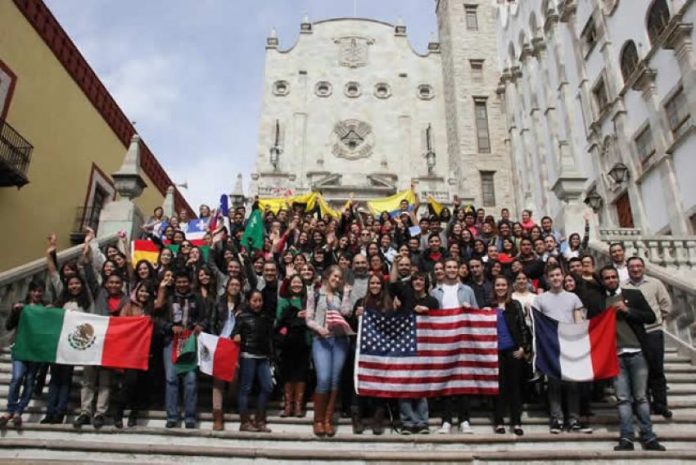
Is Mexico the perfect destination for foreign exchange students? The MND Perspectives podcasts discusses. (Universidad de Guanajuato)
With around 40,000 U.S. college students choosing to study in France and Spain every year, why do so few opt for neighbouring Mexico? While there might be an allure to life in Europe, what is it that is making Mexico so overlooked?
This week, the MND Perspectives podcast takes a look at the reasons that Mexico makes an ideal destination for foreign students and the skills that they could learn during their stay in the country. Using the experiences of Travis Bembenek, Mexico News Daily CEO, the podcast team discusses the opportunities for personal and professional growth awaiting those who choose to come and study in Mexico.
MND Perspectives: Why don't more students study abroad in Mexico?
This podcast was produced using AI tools. All information collected and discussed in this episode was investigated, written and edited by human journalists. Compiled from Mexico News Daily articles by Travis Bembenek. Edited by Kate Bohné. Podcast produced by Chris Havler-Barrett.
December in Guadalajara and the Lake Chapala region is full of festive fun. Come on down and join the party! (Players of Life)
December is here, and with it, various events to celebrate one of the most anticipated seasons of the year.
But not everything is Christmas-themed in December’s calendar. From the largest book fair in the Hispanic world to sporting events and a classical music concert, here are the best things to do in December in Guadalajara and the surrounding areas.
Guadalajara International Book Fair (FIL Guadalajara)
If you enjoy baseball, you’ll want to see the Charros de Jalisco in action during the Arco Mexican Pacific League.
While baseball is generally less popular in Mexico than in the United States, the Charros de Jalisco have generated significant interest in their home state and built a large following.
When? Dec. 1; 6, 7 and 8; 13, 14 and 15; 17, 18 and 19; 25, 26 and 27.
Mexican orchestra director Alondra de la Parra, the first Mexican woman to conduct in New York City, is coming to Guadalajara to showcase her latest production: Gershwin, la Vida en Azul (Gershwin: Life in Blue).
The concert is a homage to U.S. composer George Gershwin, whose compositions spanned popular jazz and classical genres, evoking the musical scene of the 1920s and 1930s in New York and Paris.
When? Dec. 10 and 11.
Where? Sala Plácido Domingo, Conjunto Santander de Artes Escénicas
A new ballet staging from the Ballet Cámara Jalisco will premiere this Christmas season under the direction of Lucy Arce, head of Jalico’s Ballet.
The show, dubbed El Espíritu de Navidad (Christmas Spirit), tells the story of a boy who, guided by the Snow Fairy, rediscovers the joy of Christmas. It features 100 dancers and aims to capture the spirit of the holiday through music and ballet.
The Moscow State Ballet from Russia is returning to Guadalajara to perform The Nutcracker, a beloved ballet composed by Pyotr Ilyich Tchaikovsky and based on E.T.A. Hoffmann’s The Nutcracker and the Mouse King.
The ballet tells the story of Clara, a young girl who receives a magical nutcracker doll from her godfather, Herr Drosselmeyer, at a Christmas party.
The fifth edition of Navidalia, a theme park celebrating Christmas, is back in Guadalajara. Featuring a monumental Christmas tree, a nativity set, an ice-skating ring, live music, light shows, and much more, Navidalia offers a Christmas experience for the whole family.
The park is divided into four pavilions that represent a region of the world and its Christmas traditions. The pavilions include the European World, Nordic World, Mexican Posada, and Middle Eastern World.
The Run Santa Run race is back in Guadalajara, featuring 1, 5, and 10 kilometer options.
The event promises surprises along the route, including Christmas decorations, artificial snow, and a meet-and-greet area with Santa Claus and the Grinch.
Participants are expected to run wearing a Christmas-themed disguise. Santa Claus Kits for adults will be sold at 380 pesos, while Elf Kits for kids younger than 12 years of age, will be sold at 330 pesos.
The Jalisco Philharmonic Orchestra will perform the last concert of its third season at Degollado Theater in Guadalajara’s Historic Center, featuring music by Obermüller, Mendelssohn and Schumann
The Orchestra is currently directed by Spanish Director José Luis Castillo.
Picture a musical concert next to a lake, featuring relaxing rhythms by national and international artists. That’s Sonidos del Lago (Sounds from the Lake), a festival that invites attendees to connect with themselves and nature.
The event can only host 300 guests, so make sure to buy your tickets soon before they’re sold out. Snacks, drinks, and cacao are also available at the venue.
When? Dec. 5.
Where? Nimue Marina Residence & Hotel Boutique, Chapala.
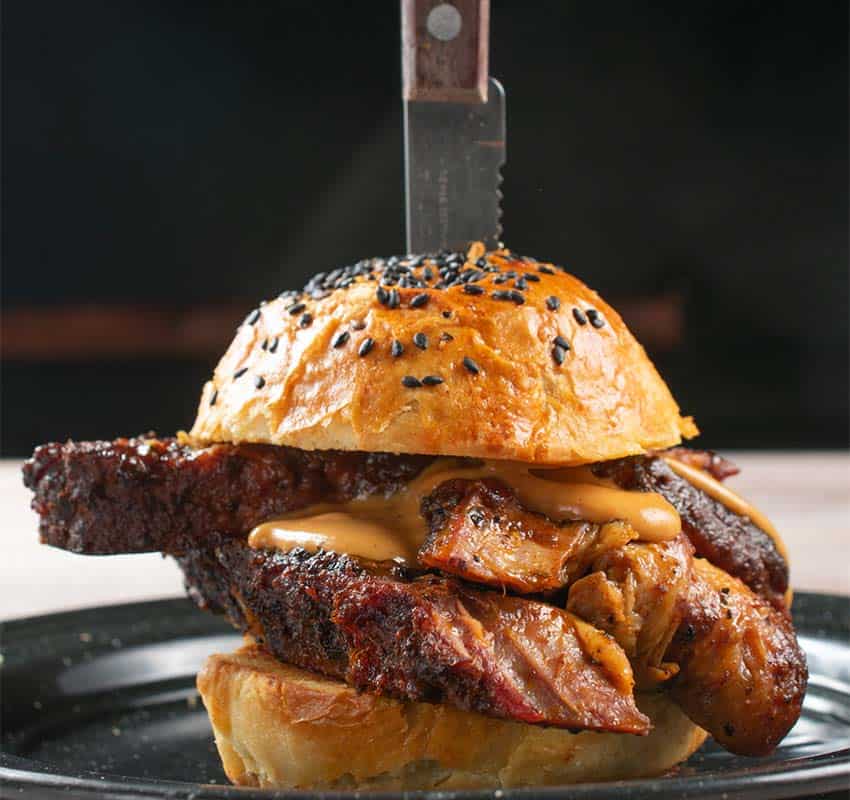
Barbeque lovers are invited to the Barbeque Festival in Guadalajara, which will feature over 150 exhibitors specializing in grilling. The drink menu will offer a selection of beer, wine, and food pairings.
Besides food and drinks, the event will see live music including mariachi and a kids’ club.
When? Nov. 30 and Dec. 1
Where? Centro de la Amistad Internacional
Gabriela Solis is a Mexican lawyer turned full-time writer. She was born and raised in Guadalajara and covers business, culture, lifestyle and travel for Mexico News Daily. You can follow her lifestyle blog Dunas y Palmeras.
Art, culture, Christmas colors and a heavy dose of ceremony are all on offer for explorers in the state of Oaxaca. (Gobierno del Estado de Oaxaca)
December in Oaxaca is a time period filled with festivals, parties and parades, punctuated with the bangs of homemade fireworks that go off all hours of day and night. This month leading up to Christmas is sometimes described as the season of the Virgens, with many celebrations around these particular saints.
If you’re in Mexico’s artistic and gastronomic capital this Christmas, here are some of the incredible activities you can enjoy.
December Pilgrimages
(Estación Foto/Cuartoscuro)
In Oaxaca, the Christmas season begins with the annual pilgrimage to Santa Catarina Juquila and the shrine of Our Lady of Juquila, known for healing miracles. Devout pilgrims arrive from a multi-day journey by foot from nearby villages while others travel long distances by bus from other states to celebrate her day of worship.
Date: Dec. 8 Location: Santa Catarina Juquila
Our Lady of Guadalupe is Mexico’s most celebrated saint, with activities in her honor taking place between Dec. 1 and 9. Oaxaca has a particular tradition. Families visit the Templo de la Virgen de Guadalupe, north edge of El Llano Park. Boys dress up as Juan Diego, who first saw the Virgin, while girls wear traditional blouses and skirts with their hair braided with ribbons.
When: Dec. 12 Where: Templo de Nuestra Señora de Guadalupe
Our Lady of Solitude (Nuestra Señora de la Soledad) is the patron saint of Oaxaca and is honored with one of the state’s biggest December celebrations. Festivities start in front of the Basílica de Nuestra Señora de la Soledad and develop into one of the longest parades in Oaxaca. Arrive early to explore the food stalls nearby before the celebrations begin.
When: Dec. 18 Where: Basilica de Nuestra Señora de Soledad
Inauguration: “En memoria a”
Step into the evocative world of Alberto Cruz with “En memoria a…”, an exhibition that captures the essence of childhood innocence through the powerful simplicity of graphic imagery. A celebrated Oaxacan printmaker, Cruz’s work has traveled far and wide, gracing galleries across Mexico and internationally in the United States, United Kingdom, and Japan. Honored with the prestigious Takeda Award in 2016, his art resonates with universal themes and timeless charm. Don’t miss the inaugural event at El Alacrán, a vibrant art space within the collective founded by the legendary Francisco Toledo in Oaxaca. Join us for an unforgettable artistic experience!
Where: El Alacran, Murguia 302
When: 6 December 6pm
Amanda Miguel at Auditorio Guelaguetza
(Amanda Miguel/Facebook)
Rising dramatically on the hillside above Oaxaca’s Historic Center, the Auditorio Guelaguetza is more than just a venue — it’s a cultural icon. Originally built to showcase the vibrant traditions of Oaxaca’s annual Guelaguetza celebrations, the open-air amphitheater recently celebrated its 50th anniversary on November 27. This month, the stage comes alive with an exciting lineup of concerts, including a standout performance by the legendary singer-songwriter Amanda Miguel. Don’t miss the chance to experience world-class music in one of Oaxaca’s most stunning settings!
Date: Dec. 14 at 9 p.m. Location: Auditorio Guelaguetza Cost: Tickets start at 1000 pesos. Available for purchase online.
Get ready for a December full of beats, vibes, and festive cheer at Cantinita, the go-to spot in downtown Oaxaca for unforgettable nights! The month kicks off with New York’s Mr. Big Happy, spinning vinyl magic on December 7. Then, on December 18, brace yourself for a takeover by Mexico City’s Brujas, recently crowned No. 45 in North America’s @50bestbars.
Finally, mark your calendar for December 20, when the Cantinita crew and guest musicians come together for a lively Christmas Posada — the perfect way to celebrate the season with music and merriment. Don’t miss it!
Posadas, which translates to “inns,” are processions and celebrations held during the evenings leading up to Christmas Eve. They are deeply rooted Christmas tradition celebrated in Oaxaca and other parts of Mexico. A posada is a re-enactment of Joseph and Mary’s journey: pilgrims arrive, request shelter and are refused — all in song. After several exchanges, the doors are opened. Inside, the host has prepared gifts of sweets and fruits and as a finale they break a piñata.
In Oaxaca, a posada is also the term for when families and friends also gather for festive Christmas parties — so get down and enjoy some traditional winter snacks and delicious ponche if you’re in town.
Date: Dec. 16-24 Location: Various; a good option is 6:30 p.m. at the church of San Matías Jalatlaco
Radish night
(Gobierno del Estado de Oaxaca)
Noche de Los Rábanos, or Radish Night, is one of Oaxaca’s most popular December events. It dates back to the 1800s when vendors carved radishes to draw attention to their stands at the Christmas market. In 1897 it was declared an official competition. Now huge radishes are grown especially to carve into fantastic sculptural scenes such as the Last Supper. The event has become very popular, attracting over 100 contestants and thousands of visitors.
Date: December 23 Location: Zócalo, Oaxaca de Juárez
Las calendas del Niño Dios
(Graciela López/Cuartoscuro)
For Christmas Eve, known as La Noche Buena, churches in central Oaxaca organize parades known as calendas. Each church is represented by different colored lanterns.
At the heart of the calenda is the baby Jesus, led by his madrinas (godmothers) to the main square in front of the Cathedral de Nuestra Señora de la Asunción. They circle the zocalo four times and then return to their host churches. Then Jesus is placed in a manger in time for the beginning of midnight mass.
The calenda typically starts around 8 p.m. at each church, reaching the cathedral by around 10 p.m.
Date: Dec. 24 at 10 p.m. Location: Zócalo, Oaxaca de Juárez
Festive light show and markets
(Max Núñez/Cuartoscuro)
During the lead up to Christmas, Oaxaca city puts on a festive light show in front of Santo Domingo Church. This is a fun way to start an evening downtown, watching the lights, with a a hot elote and a warming drink.
During the day there are seasonal markets. One of the largest is located on Alcala, just north of Santo Domingo Church. These tent-covered stalls offer artisan crafts and specialty Christmas foods.
Date: Month of December Location: Plaza de Santo Domingo
Winter wonderland
🎄Hermosa Villa Mágica de Mitla ¿Que hacer esta Navidad en Oaxaca?🎄
About an hour from Oaxaca city, the Pueblo Mágico of Mitla hosts festive celebrations beginning around the middle of December, lasting until the first week of January. The beautifully decorated town square has a small ice skating rink and a stage with nightly performances by local bands. It is a perfect festive trip for the whole family.
If you don’t want to go all the way to Mitla, Parque El Llano in Oaxaca city also has an ice rink, food vendors and nightly performances.
Date: Month of December Location: Mitla and Parque el Llano in Oaxaca de Juárez
Anna Bruce is an award-winning British photojournalist based in Oaxaca, Mexico. Just some of the media outlets she has worked with include Vice, The Financial Times, Time Out, Huffington Post, The Times of London, the BBC and Sony TV. Find out more about her work at her website or visit her on social media on Instagram or on Facebook.
The Riviera Maya is alive with fun this December. Here are some of the best activities to enjoy during the last month of 2024. (cancuniairport)
Champagne and hors d’oeuvres, flying acrobats, holistic wellness festivals, rock bands, and International Salsa masters will all keep you entertained this December in the Riviera Maya and across the Yucatán peninsula.
Whether you enjoy traditional plays, tomfoolery, or the fine arts, it’s all here this month. Whether you’re a local resident or a visitor to one of the incredible resorts throughout the region, make the end of your 2024 a great one!
Stretch Bracelet Making
Jewelry Workshops
Looking for that special Christmas gift? Why not make it in this fun, crafty and creative custom-made jewelery workshop. Design, your one-of-a-kind bracelet and make it under the expert tutelage of a jewelry designer to help make your masterpiece. Made with natural and semi-precious materials. Perfect for every skill level and age, this is a great family, or friends, activity to prepare for the December activities.
Date: December 3, 4.
Location: Boheme, Playa del Carmen.
Cost: 467.50 pesos (includes bracelet)
Holiday Spectacular Fundraiser
(Hacienda Wakax)
Start the silly season our right with champagne and hors d’oeuvres. Then enjoy a holiday concert followed by wood-fired pizza, beer, and wine, pinata-hitting fun, a silent auction, and hopefully win some of the raffle prizes. This charity event sends 100% of your ticket price to Tacos & Toys charity.
Immerse yourself in wellness, music, and love at this wellness festival with activities for all ages. Conscious yoga for adults and yoga kids for young ones. Plus, a temazcal (sweat lodge), traditional massage, ice baths, and ecstatic dance are just a few things to do and see. Add in holistic markets and great food and it’s a fun day out for every age. Date: December 7, 8 a.m.-10 p.m.
Latino dance lovers break out your dancing shoes at the largest festival in Merida. Explore and learn different syles of salsa: Casino (Cuban Salsa), Bachata (from the Dominican Republic), and the swaying sweetness of Paupapá. You can join International and national masters in workshops, and dance contests, or just enjoy watching the professionals and competitions in a toe-tapping good time.
Tex - Tex - Toque Magico, Me Dijiste y Asesinos del Rock en el Vive Latino 2013
After 37 years of playing some of the best events in Mexico and abroad, Tex-Tex is coming to Playa del Carmen for the first time ever. Grab your gal and enjoy a night out listening to some of Mexico’s best rock. DJs and Bohemios del Rock are in the lineup as starters, as well as Los Nitos to help you get in the groove. Doors open at 9 p.m.
Date: Saturday, December 14
Location: Sushi 3:1, Playa del Carmen
Cost: Presale 250 pesos, 300 pesos on the door.
Pastorelas
(Pinterest)
These fun traditional plays are popular in Isla Mujeres and Merida, as well as Playa del Carmen so if you’re in these areas be sure to stop by and enjoy a real Mexican Christmas treat. It’s the tale (and usually a very funny one) of Mary and Joseph’s search for shelter the night the baby Jesus was born. With candlelight, processions, and typically sweet treats and some punch to be found as well.
Dates: December 16-24
Location: Churches and town squares in Isla Mujeres, Merida, Playa del Carmen
An Experience for Your Senses... JOYÀ | OFFICIAL SHOW TRAILER | Cirque du Soleil
If you’re like me and this show has been on your list but the year has gotten away from you, December is the last chance to see JOYÁ. Dinner and show at its finest with champagne and flying acrobatics, a 3-course meal, and a wonderful story of a grandfather and granddaughter trying to unfold the mysteries of life. Set in the jungles of the Riviera Maya, expect beauty at every turn.
Date: until the end of December 2024.
Location: Cirque Du Soliel Theatre, Vidanta Riviera Maya, Playa del Carmen.
SET Underground Tulum Jungle Experience - Altona Showcase
Music lovers rejoice, this year’s SET Underground New Year’s Eve Jungle Cenote party in Tulum will have you dancing till dawn. See in the new year with an epic lineup including Bora Uzer, Christian Löffler, and Parra for Cuva. Doors open at 8 p.m. and it goes until 8 a.m. on New Year’s Day.
Mexico Correspondent for International Living, Bel is an experienced writer, author, photographer and videographer with 500+ articles published both in print and across digital platforms. Living in the Mexican Caribbean for over 7 years now she’s in love with Mexico and has no plans to go anywhere anytime soon.
Punta Mita offers all the comforts of Puerto Vallarta without any of the bustle. It's also a great gateway to the Riviera Nayarit. (Gearminded)
Most people who live in Puerto Vallarta or the Riviera Nayarit know Punta Mita for one thing and one thing only: luxury. This isn’t an incorrect assumption — it certainly has one of the highest concentrations along the Pacific Coast of multi-million dollar mansions and five-star resorts. And while Punta Mita does conjure up these images of A-list celebrity hideaways, you don’t necessarily need to blow your savings to experience its magic.
Punta Mita has a lot of magic to offer, from the towering jungle-covered sierras to the rolling, thunderous surf of the deep blue Pacific. Visitors to Punta Mita can savor fresh seafood, hike the jungle-clad peaks, or simply sprawl out on a sugary beach. Here’s my favorite way to enjoy a weekend in Punta Mita — with or without splurging.
Friday: Arrival and Sunset Sips
Check-In
Kick off your weekend by checking into the stylishly minimalist ONDA Surf Hotel. This budget-friendly boutique spot offers all the vibes with none of the sticker shock. I love this boutique hotel for its beachy, boho aesthetic, pool, yoga classes, and friendly staff who can help arrange tons of activities.
Once settled, wander into Corral del Risco, Punta Mita’s main “town.” It’s tiny but has those sun-drenched, sandy streets, and laid-back coastal charm. Your first stop should be Norma’s Tacos, a beloved local spot where the tortillas are fresh and the fillings hearty and full of flavor. For a slightly more upscale option, the plates at Tuna Blanca are as photogenic as the ocean views. The fried soft-shell crab with avocado and apple is one of my favorites. You also can’t miss the grilled tuna with green tomatillo sauce and roasted avocado.
Nightcap
End the day with a drink under the stars at Punta Mercedes, a hidden gem with a chic beachfront aesthetic and a lovely wine and cocktail list. The weekend officially starts now.
After grabbing breakfast at El Cafecito de Mita — try their artisanal bread and a frothy cappuccino — it’s time to hit the waves. Punta Mita is a surfer’s paradise, catering to both beginners and pros. Book a lesson through one of the local surf schools, or rent a board and paddle out to nearby surf breaks like El Anclote. Tip: Take the lesson in the morning when the water is glassy and the crowds are minimal.
Lunch with a View
Refuel with an elegant, toes-in-the-sand lunch at Mita Mary, a beachside restaurant at the St. Regis Punta Mita. The ceviche and fish tacos are outstanding, and the view of the turquoise-colored Pacific against the white sand will make you think you’ve landed in the Caribbean.
Afternoon in Sayulita
Sayulita, once a sleepy fishing town, is now a must-see alternative lunch spot. (Shutterstock)
A short drive from Punta Mita, Sayulita is a bohemian beach town bursting with color, creativity, and a touch of chaos. Explore its boutiques and pick up artisan goods, like embroidered dresses, woven bags, and handmade jewelry. But here’s the thing: Sayulita can be a bit much with its crowds and Instagrammers vying for that perfect shot. (It’s no secret that I prefer San Pancho to Sayulita.) Pop in, shop, grab a gelato, and then head back to Punta Mita.
Dinner Under the Stars
For a splurge-worthy evening, book a table at Hector’s Kitchen, where celebrated chef Hector Leyva has been wowing foodies with dishes like truffled sweet potato tortellini, braised short rib, and grilled octopus over parsnip puree.
Sunday: Marietas Magic and Jungle Trails
Island Adventure
It wouldn’t be a beach escape without a boat ride, right? (Chica Locca Tours)
Set your alarm early because it’s time for a bucket-list experience. Book a boat cruise with Chica Locca Tours to the nearby Islas Marietas, a UNESCO-protected haven of natural beauty. These uninhabited islands are famous for their hidden beach and stunning bird and marine life. Chica Locca makes a full morning experience, complete with snorkel and paddle board equipment, lunch, and an open bar.
Afternoon Hike: Monkey Mountain
Before saying adios to Punta Mita, lace up your hiking shoes for a trek up Monkey Mountain. The trail winds through lush jungle, offering gorgeous views of the peninsula and beyond. It’s a moderate hike, so bring plenty of water. But the payoff is absolutely worth it.
Final Farewell
Treat yourself to a gourmet meal in Punta Mita’s most magical restaurant. (Bahia)
End the weekend with a casual dinner at Tuna Blanca, or dig out your wallet and splurge at Bahia by Richard Sandoval at the Four Seasons Punta Mita. Bahia is known for its Mediterranean-style menu featuring signature cuts of steak, grilled seafood, and vibrant, veggie-packed salads (my favorite is the fresh, aromatic tabbouleh salad). The open-air location and seductive wine list, plus the gorgeous sunset view, will be worth the price tag. But both restaurants are equally memorable. It’s simply a matter of how much you want to shell out for the memories. Either way, you’ll feel as though you’ve made the most out of your Punta Mita weekend.
Meagan Drillinger is a New York native who has spent the past 15 years traveling around and writing about Mexico. While she’s on the road for assignments most of the time, Puerto Vallarta is her home base. Follow her travels on Instagram at @drillinjourneys or through her blog at drillinjourneys.com.
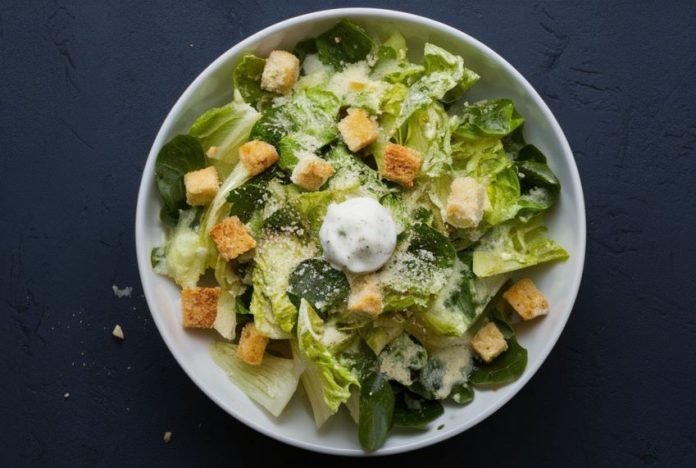
When you think of Baja cuisine, you might think of the fish taco or the Margarita cocktail. There is one global icon that towers above them however - the Caesar Salad. (Shutterstock)
The 1920s and early 1930s were a golden age for Tijuana thanks to Prohibition, the ban on alcohol across the border in the United States that turned the city into a playground for bootleggers, movie stars and those just looking to have a good time. The legacy of this colorful era still lives on today thanks to two all-time great gastronomic treasures: the margarita cocktail and the Caesar salad. Of the two master dishes, the history of the Caesar salad is certainly the more mysterious.
The salad may not be as readily associated with Baja California as the margarita or the Baja-style fish taco, perhaps because its fame spread so rapidly around the globe. But it was created in Tijuana in 1924 at a restaurant run by Italian immigrant Cesare Cardini, and its traditional association with the city has been kept alive by Tijuana’s most famous family of restaurateurs, the Plascencias. In 2024, as the iconic salad celebrated its 100th anniversary, celebrations were held along Avenida Revolución — including the unveiling of a statue of Cardini in the act of making his namesake specialty — only a few blocks from where this signature Mexican dish was first served a century ago.
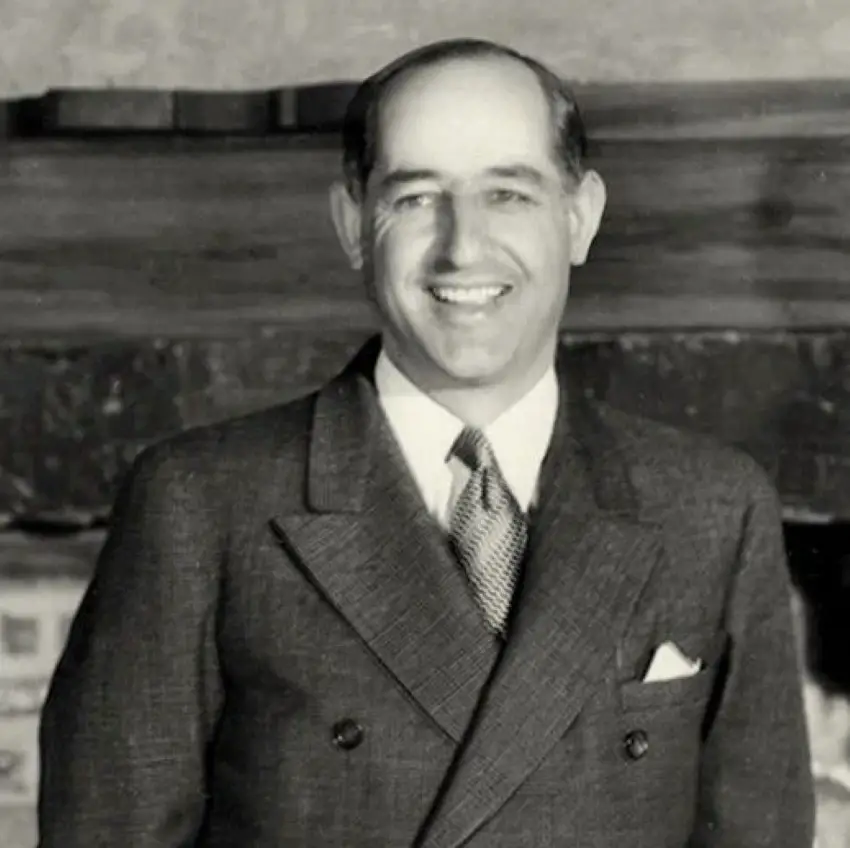
Cesare Cardini, an Italian immigrant who settled in Mexico and invented the famous Caesar salad in 1924. (Wikimedia Commons)
The birth of the Caesar salad
The original wasn’t the Caesar salad as most think of it today, There were no anchovies, no garlic, no croutons and as with any good Mexican recipe, squeezes of lime rather than lemon juice were used. In total, there were just seven ingredients: romaine lettuce, grated Parmigiano-Reggiano cheese and a dressing made with olive oil, egg yolk, salsa inglesa (Worcestershire sauce) and lime juice, plus a toasted slice of baguette-style bread placed on top. This eclectic mix, with preparation instructions such as a two-minute time limit on the “coddling” of eggs, resulted in the dish that the Parisian International Society of Epicures declared in 1953 to be “the greatest recipe to originate from the Americas in 50 years.”
How did Cardini, a man who originally hailed from Baveno, Italy, who emigrated to the U.S. along with his brothers for a fresh start and who achieved no great success with his early restaurants in Sacramento and San Diego, achieve something so singularly remarkable in Tijuana? That’s a difficult question, one complicated by the competing claims for credit that often go hand-in-hand with any new dish that acquires “classic” status.
But if you believe Cardini’s story, as related by his late daughter Rosa, it was simple desperation. On July 4, 1924, the restaurant was packed with revelers celebrating U.S. Independence Day. At some point, running low on almost everything, he was forced to improvise, using what few ingredients he had left to create a salad. Or, rather, to create “the” salad.
How the Caesar salad conquered the world
There are alternate theories. Some believe, for example, that Cardini’s brother Alessandro, also called Alex, was the true inventor of the salad. A veteran of the Italian Air Force, one version of the origin story has him whipping up the salad for some aviator buddies. Thus, it was called the “aviator salad” before being renamed for his fratello-cum-hermano Caesar. However, according to The Los Angeles Times, this tale came from a Detroit restaurateur named “Monsieur Joseph” Calemme and despite being published by Gourmet Magazine deserves zero credence. Still, several cookbooks have repeated it, and Alex did have chef skills, as he later demonstrated.
American actress Rita Hayworth helped spread the salad’s fame, in the days when Baja California was considered a luxury destination. (Wikimedia Commons)
But considering who the salad is named for, it’s hard to credit anyone but Caesar himself for the salad’s birth. He died in 1956 but his daughter Rosa backed up his claim to the salad and dressing he began bottling in the 1940s — she later patented it under his name. It’s still sold that way, although she sold the rights to a manufacturing company called Dolefan Corp. in 1988, and it has since been resold to T. Marzetti.
In the early days of Caesar’s restaurant, movie stars like Clark Gable, Jean Harlow and Rita Hayworth spread the salad’s fame. Later, so too did Julia Child. The future author and television star visited during her youth and would remember the intense emotion she experienced while eating the salad. Chefs in the U.S. and Europe soon began refining their own Caesar recipes, although it was the popularity of the cookbook “The Joy of Cooking” in the early 1950s that made it a household word. Today, AP reports that an astonishing 35% of restaurants in the U.S. feature Caesar salads on their menus.
The rebirth of the Caesar salad in Tijuana
A year before decamping with his family to Los Angeles in 1928, Cardini had moved his business from the restaurant on Calle Tercera where his famed salad was created to a new one on Avenida Revolución — the Hotel Caesar came later, in 1931. This is the eatery reimagined as Caesar’s Restaurante Bar in 2010, although it should be noted that the place has been in operation, albeit under numerous owners and with varying degrees of success, for nearly a century.
It’s hard to overstate how important the Plascencia family, who acquired the historic property, is to the food scene in Tijuana. From “Nana Chela,” who cooked for the legendary Agua Caliente casino in the 1930s and 1940s to Juan José Plascencia, who opened Giuseppi’s, the city and perhaps the country’s first pizzeria in 1969, the family has deep culinary roots in the border city. Grupo Plascencia now boasts five restaurant brands, and the Plascencia’s most famous family member, chef Javier Plascencia — who helped revive Caesar’s fortunes and was one of the founders of Baja Med cuisine at Misión 19 — has seven more of his own that stretch the length of the Baja California peninsula from Tijuana to San José del Cabo.
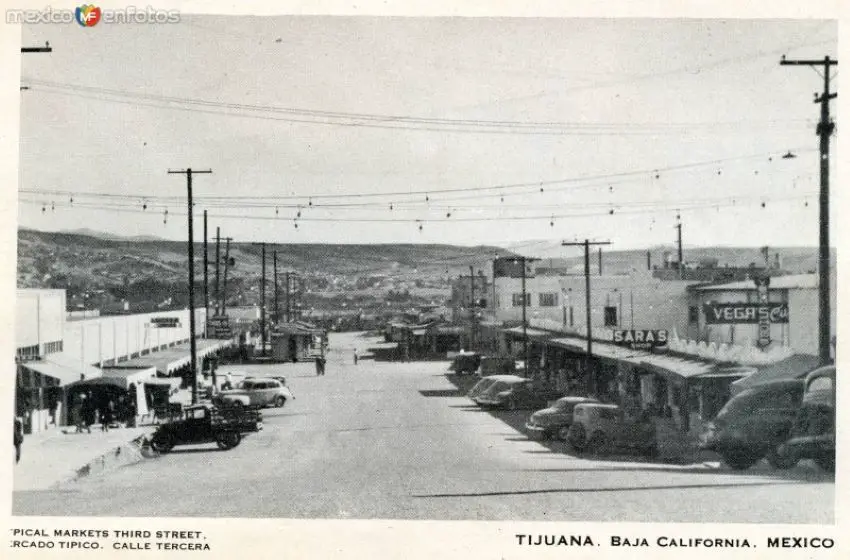
Calle Tercera, Tijuana. (México en fotos)
Caesar’s preserves the original bar and the restaurant is still designed to look as it might have back in 1927. Photos of the restaurant’s long history also adorn the walls, but some things have changed. The namesake salads, for instance, are now made with anchovies, garlic and exactly two croutons. Tableside service, as always though, remains a specialty. This service aspect of the salad has been lost in many locales but is still practiced in Baja California. At Caesar’s, where scores of salads are ordered nightly, waiters make them using wooden bowls and mixing pallets. No one knows why cured wood matters to the finished product, but it certainly seems to. However, high-quality service is the real secret ingredient for this acclaimed Baja food dish.
Chris Sands is the Cabo San Lucas local expert for the USA Today travel website 10 Best, writer of Fodor’s Los Cabos travel guidebook and a contributor to numerous websites and publications, including Tasting Table, Marriott Bonvoy Traveler, Forbes Travel Guide, Porthole Cruise, Cabo Living and Mexico News Daily. His specialty is travel-related content and lifestyle features focused on food, wine and golf.
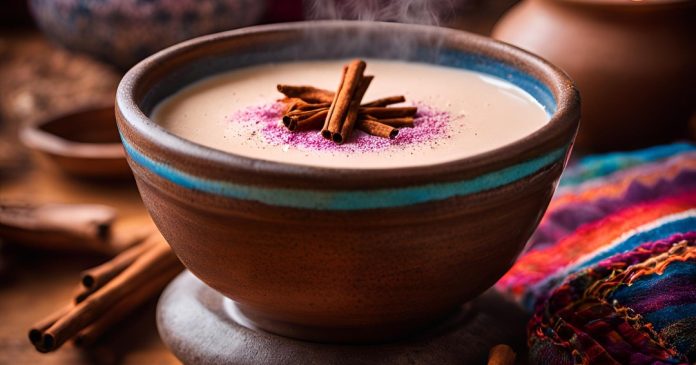
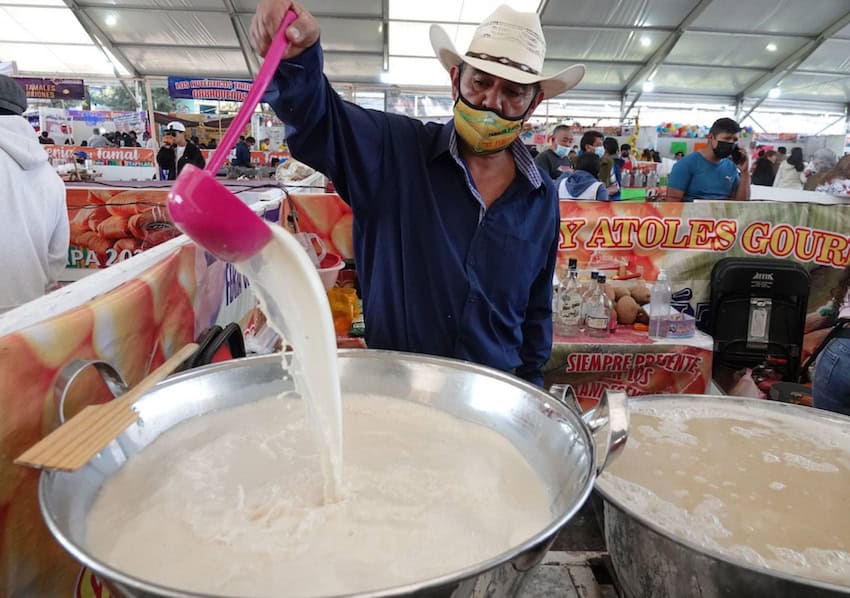
Before there was coffee in Mexico, there was atole. (Canva)
Modern life, particularly in urban areas, has transformed our routines, traditions, and, notably, our culinary practices. In cities like Mexico City, where residents typically spend an average of two hours commuting to work, breakfast often consists of whatever is affordable, delicious, and convenient. This usually means picking up a pan dulce and a coffee on the go.
The popularity of coffee in Mexico is relatively recent. Coffee cultivation began in 1790, primarily with exports to the United States and Europe. Locally, coffee consumption was mainly limited to the wealthiest families and workers on coffee plantations. At that time, there were very few coffee shops in the country, which were frequented by men looking to socialize, discuss current events, and conduct business and politics. In these cafés, hot cocoa and coffee with milk were served, and some also functioned as cantinas.
Sweetened by the typical flavor of piloncillo, here are some of the best drinks to enjoy this Christmas in Mexico. (Cuartoscuro)
Coffee wasn’t a beverage that the majority of the population consumed. In fact, the poor working conditions for laborers on coffee plantations, combined with poorly planned large-scale exports, played a role in the Mexican Revolution. However, we can discuss that another time, as we take little sips to our cups of coffee.
It wasn’t until the 1950s, with the introduction of instant coffee, that coffee became a staple breakfast beverage for most Mexicans. Before that time, most Mexicans started their day with a hot atole.
If life gives you corn, learn to make a thousand and one things out of it
The history of atole dates back 9,000 years, while the dominance of coffee has only lasted a bit less than 100 years — a blink in comparison! The story of atole begins with the indigenous peoples of this region, who discovered how to nixtamalize corn. This process involves soaking and grinding corn kernels with lime to create the dough, the masa, which is used for tortillas, tamales, atoles, and other dishes that require corn dough.
In Nahuatl, atole translates to “water you eat.” This beverage is made by cooking water and the masa over a flame in a clay or metal pot while continuously stirring until the mixture thickens. The result is known as the original atole, or atole blanco (white atole). By itself, it is rather bland and serves as a base for various flavored atoles. Over the centuries, countless recipes have been developed to incorporate flavors such as cacao, cacao husks, a variety of fruits, hazelnuts, cinnamon, anise, vanilla, honey, rice, and even flowers like orange blossom or bougainvillea. There are also savory atoles made with beans or chiles considered as the main course, not a side dish. Truly, atole is a vast universe waiting for you to explore it.
Atole for all seasons
Have you ever heard of a drink that can be enjoyed both at breakfast and during weddings? Atoleis that drink. It was highly valued by pre-Hispanic cultures, as it was used in special ceremonies and rituals, as well as being a staple food.
In modern times, it is often given to breastfeeding mothers to support lactation, to the sick for a speedy recovery and is served at various celebrations such as weddings, baptisms, funerals, masses, Christmas posadas, and pastorelas. Last but not least, it is also a popular choice to start the day with a boost of energy.
You might be wondering why atole isn’t available at every corner puesto, restaurant, Oxxo, or cafeteria, and why it’s not offered in weird flavors at every Starbucks. Atole has been considered a beverage for Indigenous people and those of lower socioeconomic status since colonial times. This association is less than ideal, but we can work to change that! #DrinkAtole #NixtamaliseThis
Nutritional value: Is atolethe next superfood?
Corn is a fantastic source of fiber, antioxidants, magnesium (goodbye insomnia!), phosphorus, zinc, and vitamins B1 and B7. When combined with ingredients like cacao, fruits, amaranth, or chia seeds, it transforms into a complete superfood that can enhance your morning routine.
A cup of atole blanco contains approximately 200 calories. Keep in mind that adding different flavors will change its nutritional content.
Corn. There’s always plenty of corn in Mexico. (Shutterstock)
If you’re following a lactose-free diet, you can prepare atole using water or substitute dairy with plant-based milk.
Champurrado
Champurrado is one of the most popular flavors of atole, and it is a true delight. Here’s a recipe for you to try at home. Everyone has their own variation, so I am sharing what I have found to be one of the oldest and simplest recipes.
Ingredients:
5 cups of water
1/2 block of piloncillo (you can sweeten with honey or sugar)
2 cinnamon sticks
2 Mexican chocolate tablets (Abuelita or Mayordomo) – approx. 100g
1 cup of corn dough (masa); if using corn flour (Maseca), mix it with water to form the dough.
Instructions:
1. In a pot, combine three cups of water, cinnamon, piloncillo, and chocolate. Heat the mixture while stirring until everything is fully dissolved.
2. In a separate bowl, dissolve the dough in the remaining two cups of cold water to prevent clumping. Yes, you can do it in a blender. Then, strain the mixture.
3. Gradually add the strained dough mixture to the pot while stirring continuously. Simmer on low heat, stirring until the mixture thickens. Once it reaches the right texture, remove it from the heat. This will take you around 20 minutes.
4. Serve in a mug and enjoy this divine pre-Hispanic creation.
Amigos, here’s one last warning. If you hear someone say “te dieron atole con el dedo,” it means someone has fooled you. The phrase literally translates to “they gave you atole with the finger.” This expression dates back to Colonial times when wet nurses had to feed babies but didn’t want to breastfeed them, so they would entertain the babies by giving them atole with their finger.
When referring to what you read here in MND, you could say something like: “Man, I love MND! It’s the only media that won’t try to give you atole con el dedo, you know what I mean?” while sipping your atole.
María Meléndez is a Mexico City food blogger and influencer.
For some people, a beach town like La Manzanilla is their happy place, while others find peace in the flow of bustling cities or the cool and quiet of the mountains. (La Manzanilla Del Mar/Facebook)
One thing that has always amazed me about living in San Miguel de Allende is how many people describe it as “their happy place.” The combination of a diverse population, amazing weather, great food, constant festivals and events, cute kids everywhere, colorful plants and stunning architecture all contribute to people’s general happiness in this great town.
My wife and I recently went on a road trip to some parts of Mexico we had not yet discovered. The objective of the trip was precisely to “not really plan anything” so that we could spend our time listening, learning, and observing the communities and the people that live there. (Yes, that is a very geeky thing to do, but that’s how we roll.)
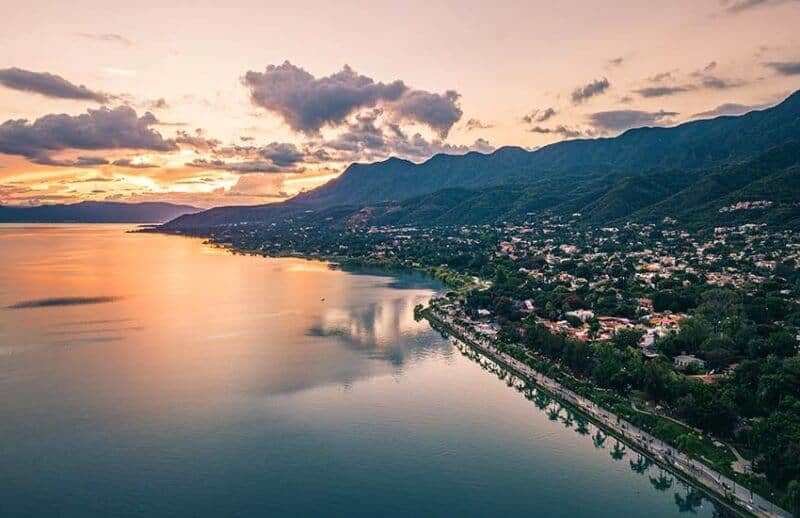
View of Lake Chapala and Ajijic at sunset. (Somniphobiac/Creative Commons)
Our first stop was Ajijic, a charming little town on the shores of Lake Chapala an hour outside of Guadalajara. I had been hearing about Ajijic since I studied in Guadalajara 30 years ago, but never actually went there until this trip. We rolled into town at the tail end of the Día de Muertos long weekend, and the town was still buzzing with activities, music and color. We were given a great tour of town by Greg Custer, a long time resident, local historian and MND writer who recently completed a “Where to Live in Mexico” series of articles for us.
We were impressed and amazed at how many people have made Ajijic their “happy place” over the years — from famous writers and musicians to expats looking for a quieter life and slower pace, to Guadalajara families looking for a place to relax outside of the city. The charming town sits on a narrow strip of land between impressive mountains and Mexico’s biggest lake. The setting is impressive any time of the year, but even more so now that the mountains are lush green and the lake brimming with water after a good rainy season.
We spent time walking around over our two days there, visiting the Lake Chapala Society, and observing the many expats who have made the location their home. The common threads we felt were a strong sense of community, a slow pace of life, a beautiful and convenient location, and affordability.
Our next stop was La Manzanilla (not Manzanillo) on Jalisco’s Costalegre, about three hours south of Puerto Vallarta. Part of our inspiration for this stop was a series of articles written by MND writer Meagan Drillinger that described the area as one still relatively untouched from mass tourism. La Manzanilla was tiny. We stayed there for four nights and never drove the car a single time after arriving. It’s the kind of place that forces you to slow down, relax and scrap the action-packed agenda. It’s a place to just be and observe nature and the still-light touch of humanity on nature.
Jalisco’s Costalegre is one of Mexico’s sleepier, less-developed beach destinations. (Wikivoyage CC BY-SA 4.0)
Mornings and evenings consisted of long walks on a beautiful, nearly 3-mile beach. Our entertainment was watching the birds fishing, dolphins jumping, fisherman at work and families playing in the water — very peaceful and calming.
Over several days there, we chatted with locals, foreigners from the U.S. and Canada, and Mexicans from other parts of the country. All described La Manzanilla as their happy place, a place still untouched by the increasingly fast-paced and crazy world we live in. A place to reconnect with oneself and nature. We found ourselves drifting into a state of relaxation that neither one of us was entirely comfortable with yet, given our busy MND life, so we decided to head north to Puerto Vallarta.
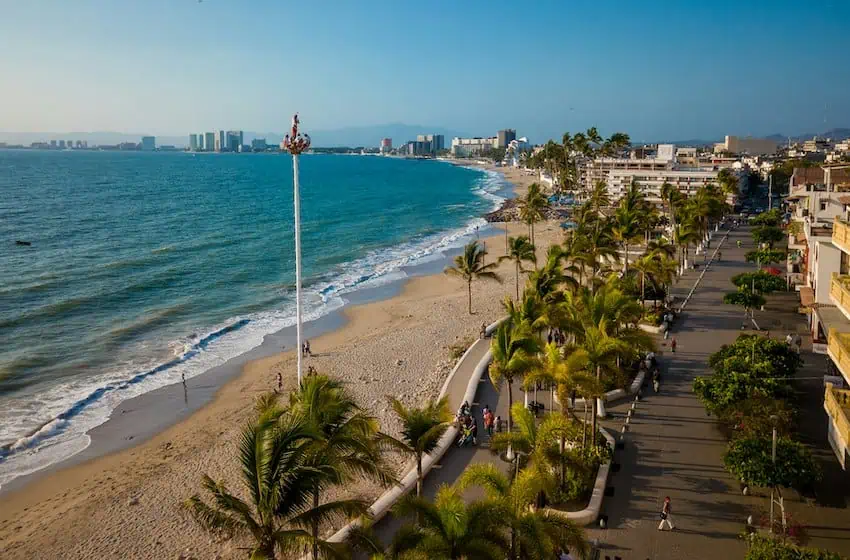
Puerto Vallarta is another place that, increasingly, is becoming a happy place for many people, for a myriad of reasons. The setting of PV is beautiful: It has an incredible sweeping bay with great beaches and stunning mountains. The weather is great for much of the year, albeit damn hot and sticky for a few rainy season summer months. What many people find irresistible about PV is its charm. There aren’t many bigger cities on the Pacific Ocean in Mexico (Acapulco being an obvious exception) and Puerto Vallarta has managed to grow significantly while still finding a balance of a connection with nature and a strong Mexican flavor.
Puerto Vallarta has charming neighborhoods with great restaurants, shopping and nightlife, all just a few steps away from the beach. The airport continues to grow and now has direct flights to most major cities in North America. Both to the north and south of the city, within a short car ride, are beach towns with totally different vibes. Tolerant, multicultural, scenic and lively — Puerto Vallarta seems to tick the right boxes for an increasing amount of people year after year.
Many are drawn to Puerto Vallarta, which offers restaurants, shopping, nightlife and of course, miles of sandy beaches. (Unsplash)
And that, perhaps, was one of my biggest learnings (and validations) from the road trip. More and more people from around the world are finding their “happy place” in Mexico. It can be in a landlocked, dry mountain town like San Miguel de Allende; a small town on a lake like Ajijic; a tiny, quiet fishing village like La Manzanilla; or a bustling, vibrant city on the beach like Puerto Vallarta.
Of course people can and do find their “happy places” all over the world, but there is something about Mexico that increasingly lands it on the list of so many people. If you are finding yourself feeling like you are not in your “happy place” or looking for an additional one, why not come to Mexico and explore the many diverse options throughout the country? If you take time to look, I bet you will find it here!
Travis Bembenek is the CEO of Mexico News Daily and has been living, working or playing in Mexico for nearly 30 years.
From a town of 400 with no hotel, the Solmar resort chain has built an empire in Baja California Sur. (Grand Solmar)
The story of Cabo Land’s End, and the hotel chain that defines it, begins some 70 years ago. When Luis Bulnes Molleda and his wife Conchita arrived in Cabo San Lucas in 1954, the town had only about 400 inhabitants and no hotels. The only industry of note was the tuna cannery. Bulnes had come from Ribadesella, Spain to take over as manager there at the behest of the owner (and his boss), Elías Pando Pendás, who not coincidentally was from the same part of Spain.
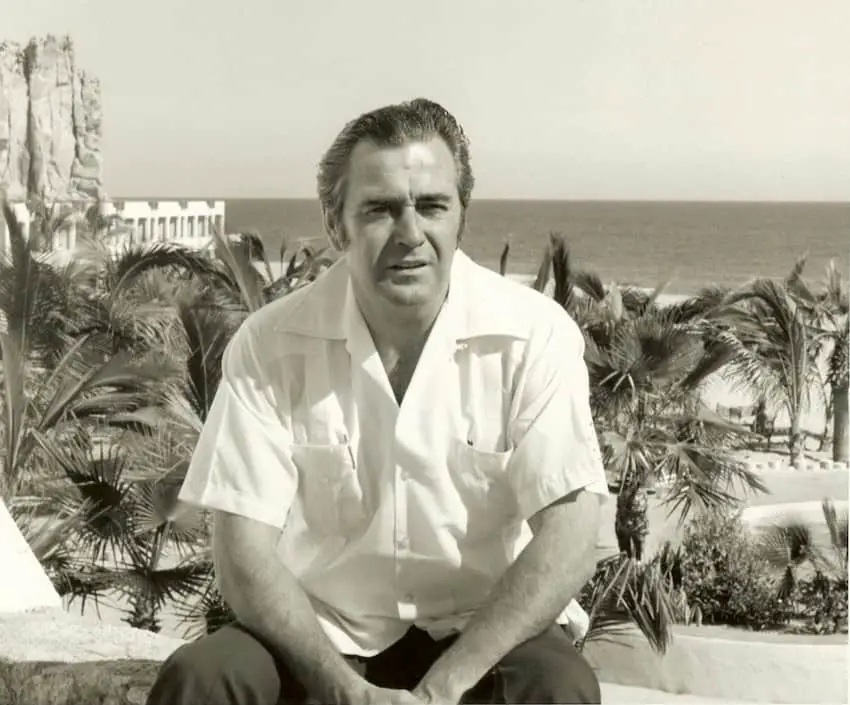
Both men had enormous energy and ambition. Pando, for instance, became rich due to various business interests and lived to the age of 102. Bulnes would later retire from the cannery to build hotels, becoming a pioneer developer of Cabo San Lucas. The family-owned hotel chain he founded, Solmar Hotels & Resorts, remains the only one ever born at Land’s End. A statue of him stands on the marina boardwalk, a testament to his enormous contributions to tourism.
Luis Bulnes Molleda, one of the men who built Los Cabos, and the founder of its only homegrown hotel chain. (Solmar Hotels & Resorts)
How Cabo San Lucas became a tourist destination
It was a destiny that must have seemed impossible when he first arrived in what is today Los Cabos. “We had no children in those days. It was impossible to have children here,” Bulnes told Baja Explorer in 1992. “No doctors, no medicine, no nothing. It was really isolated. To take a trip to La Paz took five or six hours by car. In the stormy season it could take a week because the road would wash out. Once I had to rebuild the road with my guys. We were isolated for 25 days.”
By 1971, Cabo San Lucas was no longer isolated. That was the year Hotel Finisterra opened near Land’s End, built by Luis Cóppola Bonillas, Bulnes, and Raúl Aréchiga. It wasn’t the first hotel to arrive in Cabo San Lucas. Abelardo “Rod” Rodriguez Jr., son of a former Mexican president, premiered Hotel Hacienda at the juncture of the marina and Playa El Medano in 1963. Except there was no marina then. Dredging on the marina wouldn’t begin until 1973, the same year the Transpeninsular Highway was completed.
Bulnes saw it all and played a major role in the destination’s continued development. He sold his shares in Hotel Finisterra and opened his own 20-room and two-suite Hotel Solmar in 1974, even closer to Land’s End than the hotel that bears its name. That was also the year Baja California Sur became a state, becoming, along with Quintana Roo, the last to join the nation.
The evolution of the Solmar brand
That means Hotel Solmar, later redubbed Solmar Resort and renovated and expanded to 100 rooms, is celebrating its 50 anniversary in 2024. Bulnes and his family would eventually help grow Solmar from a single hotel to a hospitality brand managing resorts, restaurants, residences, spas, and a world-class golf course.
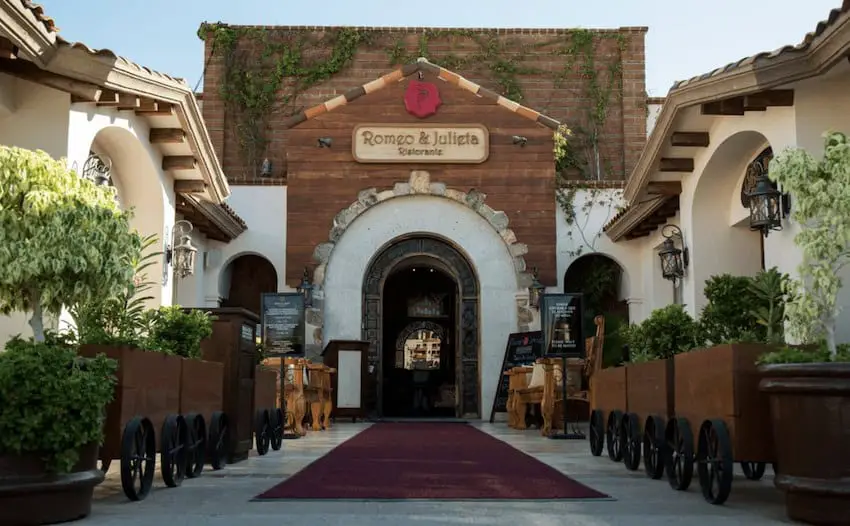
The first restaurant of note was Romeo y Julieta, which opened in 1986 and continues to serve Italian-style cuisine in an enchanting setting in Cabo San Lucas. By then, he had partnered with Marco Monroy on Terrasol, the first beachfront condominium project in Los Cabos. It received a presidential inauguration in 1988 and today retains its pristine location between Solmar Resort and Playa Grande Resort & Grand Spa, overlooking Playa Solmar and the Pacific Ocean. By 1990, Solmar would also venture into timeshares.
Playa Grande, another Solmar property, opened in 1998 and was followed by an adjoining luxury resort – The Ridge at Playa Grande – in 2005.
A commitment to sustainability
The entrance to Romeo y Julieta, one of many fine Solmar-based restaurants. (Solmar Hotels & Resorts)
It may seem surprising that a former manager of one of Mexico’s most productive fishing canneries and once the owner of Cabo San Lucas’ largest sportfishing fleet would be so dedicated to sustainability. But Bulnes was an early advocate for big-game fishing in Los Cabos while also seeking to protect its resources. For example, he established the Fundación para la Conservación de los Picudos in 1993 to help preserve the billfish species so important to sportfishing in Los Cabos.
He also helped to promote catch-and-release policies. “We have to protect the resource. There are too many lines in the water. The important thing is catch-and-release,” he said in 1992. “I want my grandkids to be able to fish these waters.”
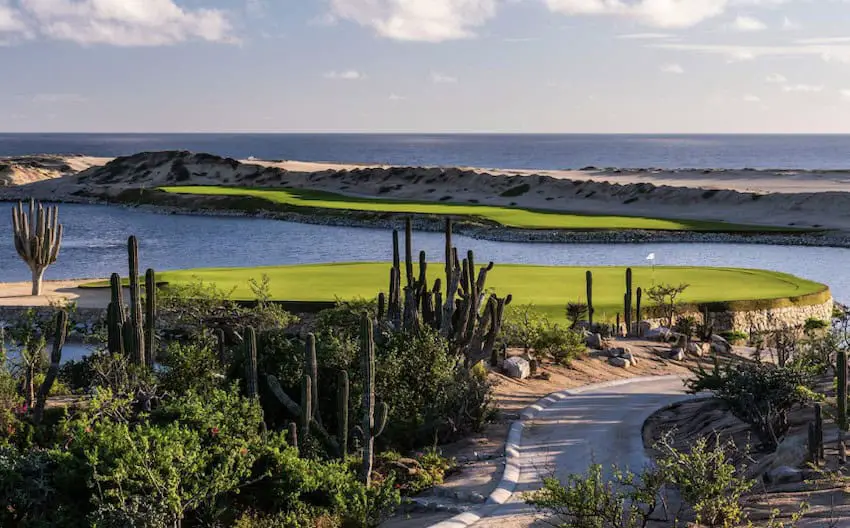
This spirit has carried on into the 21st century at Solmar. The world-class Solmar Golf Links designed by Greg Norman that opened in 2020 is an Audubon Certified Cooperative Sanctuary, attesting to its efforts to remain environmentally sustainable while protecting native wildlife.
Solmar in the 21st century
The 17th green at Solmar Golf Links, the spectacular layout from major champion and designer Greg Norman. (Solmar Hotels & Resorts)
The fact that Solmar Hotels & Resorts is the only locally grown hotel chain with a history that dates to Cabo San Lucas’ early days as a tourism destination has certainly provided some benefits. No other hospitality brand has ever built hotels on the Land’s End headland at the tip of Cabo San Lucas. Bulnes passed away in 2011, the year the most spectacular of these properties, Grand Solmar Land’s End Resort & Spa opened. That was also the year the non-profit Solmar Foundation was created in Bulnes’ honor to aid those who need it most locally.
His son Francisco “Paco” Bulnes took the reins, overseeing a decade of tremendous growth, including the opening of Grand Solmar Pacific Dunes & Spa and Grand Solmar The Residences in 2017, and the nearby Solmar Golf Links. He would pass away too soon in 2021. However, the legacy endures with new president Rosario “Charo” Bulnes Malo, a tribute to what one family can achieve, for themselves and their community. Solmar Hotels & Resorts has grown from its original 22 rooms to a collection of properties offering about 1800. More are on the way, too.
For instance, several new food and drink destinations have recently opened under the Solmar aegis. The Wine Bar premiered next to Romeo y Julieta in 2019, Picaro Garden Cuisine on the Pacific Coast near Solmar Golf Links in 2020, and Fiore Bakery & Coffee (also by Romeo y Julieta) in 2024. More rooms are also expected to be added to Grand Solmar Pacific Dunes and a renovation is planned for Playa Grande.
What would Luis Bulnes think of Cabo San Lucas today, which no longer has 300 residents, but over 200,000? Probably some variation of his quote after the opening of the Transpeninsular Highway in 1973, remembered in Gene S. Kira’s superb The Unforgettable Sea of Cortez: “We are going to lose the tranquility, but we are going to make a lot of money. Civilization has a price.”
Chris Sands is the Cabo San Lucas local expert for the USA Today travel website 10 Best, writer of Fodor’s Los Cabos travel guidebook, and a contributor to numerous websites and publications, including Tasting Table, Marriott Bonvoy Traveler, Forbes Travel Guide, Porthole Cruise, Cabo Living and Mexico News Daily. His specialty is travel-related content and lifestyle features focused on food, wine and golf.
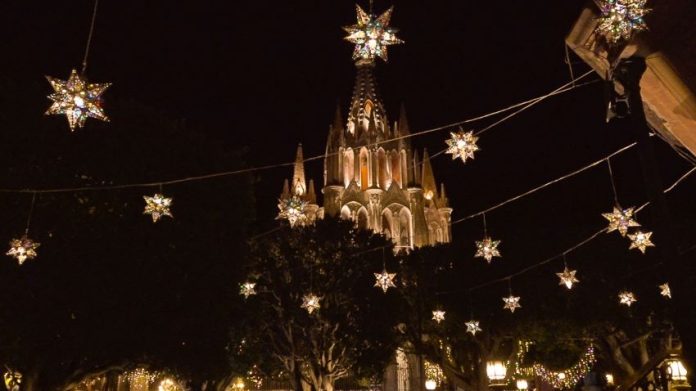
San Miguel is in the Christmas spirit, with events to match. (Gobierno de San Miguel de Allende)
San Miguel de Allende is one of Mexico’s most beautiful and happening cities year-round, and that’s even more true in December. From jazz to fireworks to hand-made crafts, there’s no shortage of things to enjoy in the city.
Check out the best holiday offerings in the pearl of the Bajío. with our guide to what’s on in San Miguel de Allende in December.
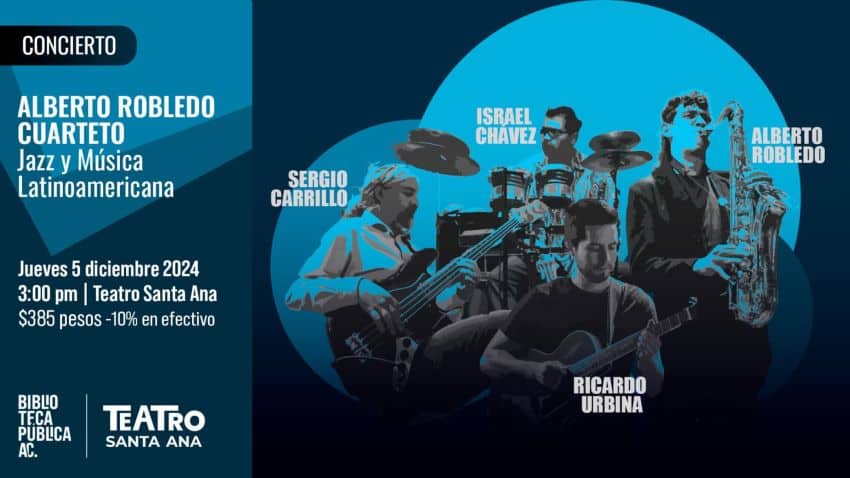
Alberto Robledo Cuarteto: Jazz y Música Latinoamericana
(San Miguel Live)
Experience original music by Alberto Robledo, widely regarded as San Miguel de Allende’s finest saxophonist. His compositions intertwine the rhythmic vitality of Latin American music, the refined structure of classical traditions and the soulful depth of the blues. These pieces, performed by the musician’s quartet, are crafted exclusively for the theater stage, far removed from the distractions of bar performances, to create a focused atmosphere that invites you to fully immerse in the concert’s emotional journey.
Robledo composed these pieces to allow for his fellow musicians to contribute their own magic. Israel Chavez on the drums, Sergio Carrillo on bass and Ricardo Urbina on guitar, weave together a highly skilled ensemble.
Date: Dec. 5 at 3 p.m. Location: Teatro Santa Ana at the Biblioteca Pública Cost: 385 pesos, available at the Biblioteca ticket office or online
Holiday Extravaganza
(Holiday Extravaganza)
Get ready for a day of incredible deals and holiday cheer at this year’s Holiday Extravaganza! On Dec. 7, head to the Patronato Pro Niños building for a buy one, get one free shopping spree. From cozy seasonal clothing to housewares, sporting goods and holiday décor, there’s something for everyone.
Best of all, every purchase supports Patronato Pro Niños, a non-profit providing medical, dental and psychological care to children in need. Don’t miss this fun fundraiser organized by Heart to Heart Charity Bazaar where you can give a little and help a lot. Visitpatronatoproninos.org for details.
Date: Dec. 7, 10 a.m. – 2 p.m. Location: 2nd floor of the Patronato Pro Niños building Cost:
Centenario de la Alborada
La Alborada is one of San Miguel’s most beloved yearly traditions. (Casa Tres Cervezas)
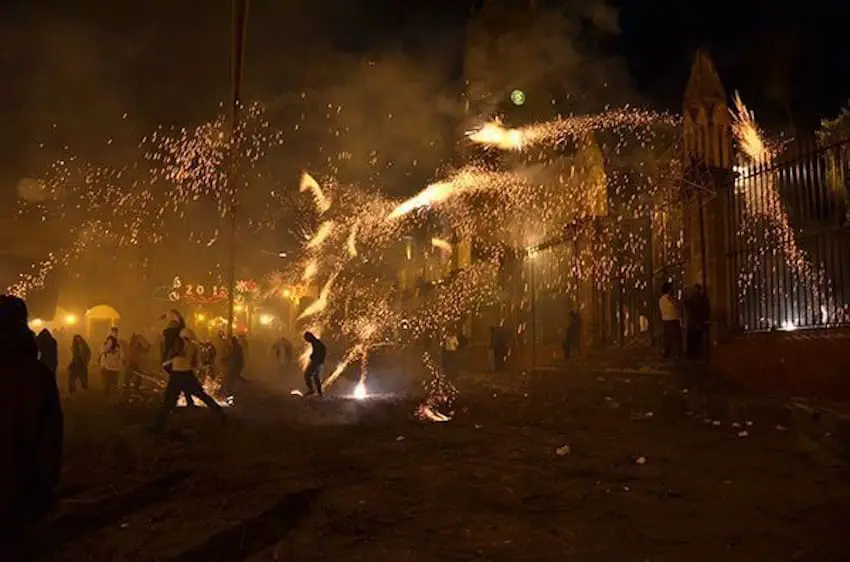
Get ready for another loud night as San Miguel de Allende celebrates the 100th anniversary of La Alborada. This cherished tradition began on Dec. 8, 1924, when workers from the La Aurora factory gathered to honor Our Lady of the Immaculate Conception at the Templo de las Monjas. By the following year, the event had grown into a city-wide celebration dedicated to San Miguel, the city’s patron saint, and has been celebrated ever since.
This event will begin at 3 a.m., with the firing of the same cannon used 100 years ago. At 4 a.m., a colorful procession will weave through the city streets, culminating at the Templo de las Monjas for the traditional singing of “Las Mañanitas” at 5 a.m. The morning concludes with an exhilarating fireworks “display” (it’s more of a pitched battle, really).
The celebration continues throughout the day with live music outside the temple, a lively outdoor fair and an afternoon parade. The festivities reach their grand finale in the evening with the quema de castillo and another dazzling fireworks show in honor of this beloved tradition.
Date: Dec. 8 at 3 a.m. Location: Templo de la Purísima Concepción (Las Monjas) Cost: Free
Rafael Jorge Negrete: Navidad a la Mexicana
(Eventbrite)
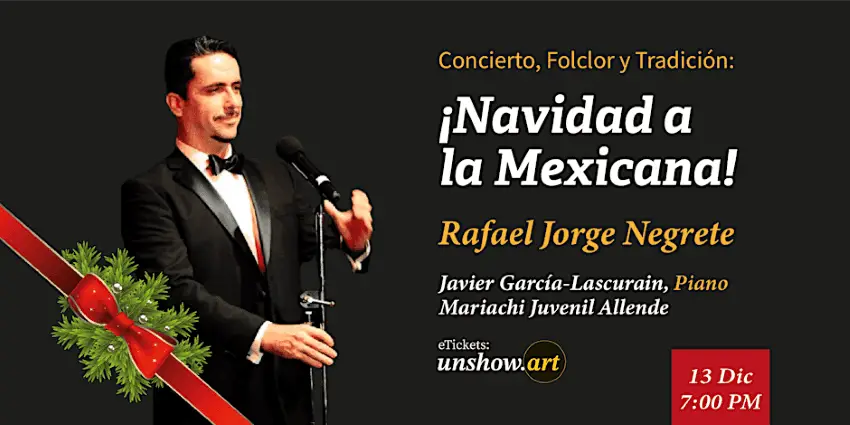
Celebrate a magical evening of opera at the Templo de la Tercera Orden. Renowned baritone Rafael Jorge Negrete, grandson of the legendary Jorge Negrete, brings his international opera prestige to a Christmas concert that blends classics with traditional folklore, accompanied by pianist Javier García-Lascurain and the Mariachi Juvenil Allende.
The first part of the concert features a lyrical repertoire with piano, including timeless pieces like “Joy to the World,” “Largo al Factotum” and “Noche de Paz.” The second part celebrates Mexican traditions with mariachi classics, and the night concludes with a festive encore featuring “Los Peces en el Río” and “Feliz Navidad.”
Date: Dec. 13 at 7 p.m. Location: Templo de la Tercera Orden Cost: 850 pesos VIP, 600 general. Purchase tickets online or at the box office day of, or make reservations via WhatApp at (443) 202 1277.
Geek&Coffee Christmas Bazaar
(Geek&Coffee)
This holiday season, make a difference right here at home by shopping local at the Geek&Coffee Christmas Bazaar! On Dec. 14, from 10 a.m. to 5 p.m. at this lovely coffee house and garden in Fabrica La Aurora, you’ll find a treasure trove of unique items —chocolates, art, jewelry, decorations, and more — all crafted by local producers and artisans. Enjoy delicious food, warm Christmas wine, and a lively atmosphere as you browse.
Every peso you spend goes straight to the artists and makers, as Geek generously covers the tables and advertising costs. In a world that feels harder to fix by the day, supporting our community is within our reach. Come and find the perfect gift while making a meaningful impact this Christmas season.
Date: Dec. 14, 10 a.m. – 5 p.m. Location: Cost:
Posada Mexicana at El Nigromante
(INBAL)
Celebrate the holiday season with the “Posada Mexicana” at the central garden of Centro Cultural El Nigromante on Dec. 20. Dancers from folk dance group Corazón de México will perform a vibrant showcase inspired by Mexico’s rich Christmas spirit. With colorful costumes, lively music and a joyful atmosphere, this event is a feast for the senses.
Date: Dec. 20 at 7 p.m. Location: Centro Cultural El Nigromante Cost: Free entry.