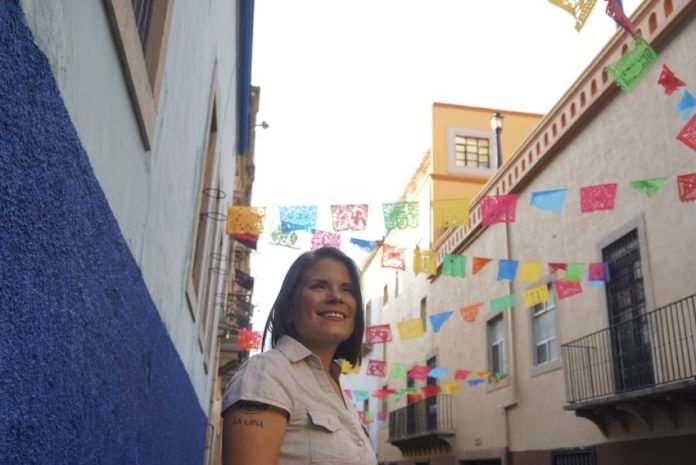
Moving to Mexico sparks a sense of childlike awe at how great life can be. Tamanna Bembenek shares her perspectives on what making the move did for her. (Mi Pham/Unsplash)
Mexico News Daily co-owner Tamanna Bembenek shares how a podcast invitation inspired her to reflect on her journey from a professional career to rediscovering childhood creativity in Mexico. The latest edition of our subscriber-exclusive podcast looks at how a move south of the border led to bigger changes than she could ever have expected.
MND Perspectives: Rediscovering childlike wonder in Mexico
Embracing vibrant colors, nature and simple joys like painting and storytelling have all helped, as has limiting media consumption and focusing on curiosity, imagination, and resilience. Her journey highlights the transformative power of reconnecting with one’s inner child to dream and create anew.
What are her ten rules for life and what does Tamanna think about how you can recapture that same sense of optimism? The MND Perspectives podcast has the answers to all this and much more, as we take a look at how she rediscovered her sense of childlike wonder thanks to living in Mexico.
This podcast was produced using AI tools. All information collected and discussed in this episode was investigated, written and edited by human journalists. Compiled from Mexico News Daily articles by Tamanna Bembenek. Edited by Kate Bohné. Podcast produced by Chris Havler-Barrett.
This podcast was produced using AI tools. All information collected and discussed in this episode was investigated, written and edited by human journalists. Compiled from Mexico News Daily articles by Travis Bembenek, Thomas Buckley, Andy Altman-Ohr and Peter Davies. Edited by Rose Eglhoff, Caitlin Cooper and Kate Bohné. Podcast produced by Chris Havler-Barrett.
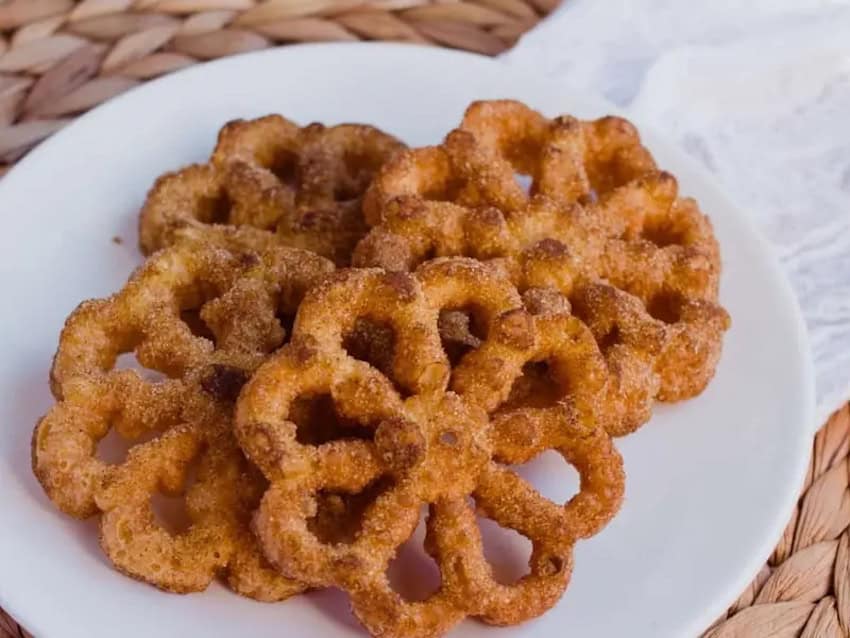
There's nothing like a crunchy, crispy, delicious fried buñuelo to give a real taste of Mexico. (Shutterstock)
My grandmother wasn’t the type of woman who spent her days in the kitchen. She worked during an era when it was uncommon for women to do so. As a result, we didn’t grow up with the typical Mexican grandmother who lived to cook for her family. She only cooked on special occasions, such as birthdays or during vacations, and when she did, she made it an event. She would have us rolling tortillas, making tamales, baking cakes, or crafting buñuelos de rodilla. Whenever our attempts were disastrous, she would laugh heartily at our clumsiness.
Today, I want to talk about buñuelos because they are a staple this time of year, and they remind me of my grandmother’s laughter whenever mine turned out less than perfect compared to hers.
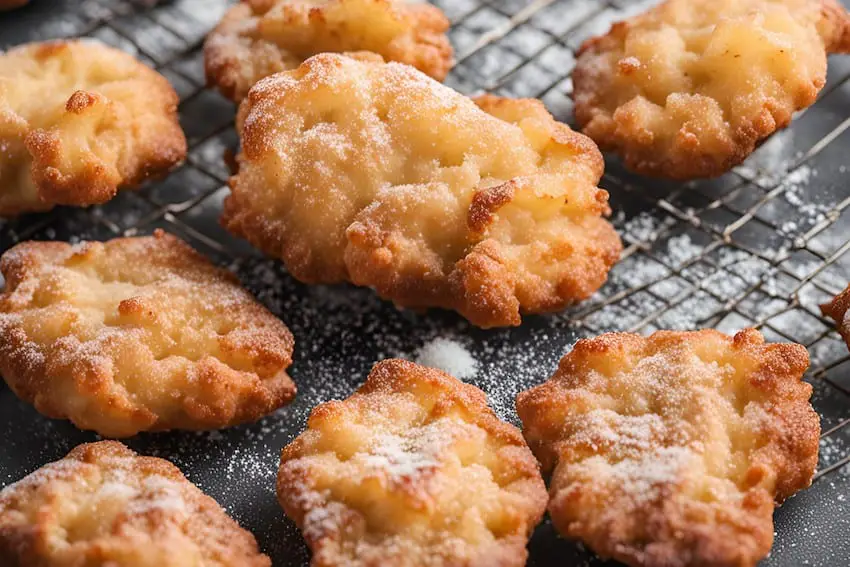
Think of a buñuelo as Mexico’s answer to the donut. (iStock)
What are buñuelos?
Buñuelos are a type of dough made from flour and eggs, which is fried in oil or lard. They are typically topped with piloncillo syrup or sprinkled with sugar. While I would love to claim that this recipe originated with my grandmother, the truth is that it dates back thousands of years, and its exact origins remain unclear.
Possible Origin No. 1: Lunculus. In the Roman Empire, people made a dough with flour and honey, which they then fried in oil, making it quite popular.
Possible Origin No. 2: Andalucía. Olé! During the Moorish occupation of southern Spain from 700 to 1492, gastronomy played a vital role in daily life — not only as a means of sustenance but also as a source of joy and devotion to their God. Desserts were so highly esteemed that poems were written about them, and buñuelos were no exception. In fact, there are records of penalties being imposed for poorly made buñuelos. Thank goodness my grandmother wasn’t aware of this custom; otherwise, she’d have surely penalized me!
Let’s not forget that this part of Spain was previously under Roman rule. (Did you picture Maximus Decimus Meridius, The Spaniard, like I did?) I wouldn’t doubt for a second that lunculus was the precursor to the Andalusian buñuelo.
Buñuelos became popular throughout the Spanish Empire, and when the Spanish arrived in Mexico, they brought this delightful tradition with them.
It is believed that our renowned colonial poet, Sor Juana Inés de la Cruz — who famously wrote, “You foolish men who accuse women unjustly without realizing that you are the cause of what you blame” — authored the convent’s recipe book. This book includes a recipe for buñuelos that is still preserved to this day.
The two main types of buñuelos are essentially the same recipe with slight variations. In my opinion, buñuelos de rodilla are far superior to buñuelos de viento. Buñuelos de viento are shaped like snowflakes and coated in a mixture of cinnamon and sugar.
Meanwhile, buñuelos de rodilla are large, round sheets of flour dough that are shaped on the knee. Don’t worry; the dough doesn’t come into contact with your pants or skin. A damp cloth is placed over the knee to make the stretching of the dough easier, although shaping it’s tricky, and that’s the part where my grandmother would laugh until she cried, watching our dough disks end up looking more like squashed donuts. The dough is then fried and coated in a piloncillo syrup that is sweet but not overly cloying, making the buñuelos utterly addictive.
Make your own buñuelos
Try making your own buñuelos with María’s family recipe. (Canva)
For the Dough
¾ cup of water (180 ml)
1 tablespoon of anise liqueur (15 ml)
2 cups of flour (280 g)
1 teaspoon of baking powder (2 g)
1 egg (50 g)
1 tablespoon of sugar (15 g)
1½ tablespoons of butter (22.5 g)
Corn oil for frying
For the Piloncillo Syrup
1 cone of piloncillo (10 cm, 200 g)
1 stick of cinnamon (10 cm, 5 g)
1 tablespoon of anise seeds (5 g)
1 guava (60 g)
2 cups of water (480 ml)
Instructions
Heat the water with the anise liqueur, then allow it to cool slightly.
In a bowl, mix the flour and baking powder. In the center of the dry ingredients, add the egg, sugar, and butter. Gradually mix in the warm anise water as needed.
Knead the dough for 10 minutes, or until it is smooth.
Cover the dough and let it rest for 40 minutes.
Divide the dough into small balls.
Roll each ball out to about 15 cm in diameter.
Place a bowl upside down and cover it with a cloth, or cover your knee with a cloth. Stretch the rolled-out dough over the bowl (or your knee), gently pulling the edges with your fingertips until it is very thin.
Heat corn oil in a pan and fry the buñuelos until they are golden brown. Drain them on paper towels.
To make the Piloncillo Syrup
In a saucepan, combine all the ingredients and bring to a boil. Cook until the syrup reaches a thick consistency.
Once the buñuelos are fried, drizzle them with the syrup.
Amigos, cooking is a way to connect with living history. As you gather with your loved ones, help keep our traditions alive by making buñuelos de rodilla. And if they turn out misshapen or not quite as expected, do as my grandmother used to do: laugh — lots!
María Meléndez is a Mexico City food blogger and influencer.
Karla left a high-flying corporate job in the United States to live her American Dream down in Mexico. She doesn't regret it for a second. (All photos by Karla Parra)
In our series “My American Dream is in Mexico,” we explore the growing trend of Mexican-Americans reclaiming their heritage by choosing to live in Mexico. But the story of Karla Parra stands out in unexpected ways. Raised between idyllic seaside towns like Cozumel, Chetumal, and Manzanillo, Karla’s childhood straddled two worlds — a Mexican father, an American mother, and a home life infused with both cultures. Her father’s career kept them on the move, shaping her love for a nomadic lifestyle.
Years later, in the heart of Corporate America, Karla realized she missed that freedom. Trading her high-powered job for van life with her husband, she embarked on a journey of adventure and self-discovery that eventually led her back to Mexico — not to reclaim something lost, but to build something entirely her own: a values-driven life rooted in freedom, creativity, and the bicultural identity she’s embraced all along.
Growing up American in a Mexican household
Life in Mexico has played an important role for several generations of Karla’s family.
Karla’s parents’ love story could have been plucked straight from a movie. Her mother, a Pennsylvania native, first fell in love with Mexico as an exchange student in Mexico City. Captivated by the culture, she decided to stay. Years later, while teaching English at the United Nations, she met one of her students — a charming man who would become Karla’s father. The rest, as they say, is history.
Karla’s childhood was defined by constant motion, with her family moving often due to her father’s work in Mexico’s port industry. Despite the frequent relocations, there was one constant at home: language. “My mom was adamant that we speak both languages equally,” Karla explains. “From the moment we were babies, we were speaking and being educated in both Spanish and English.”
This bilingual upbringing gave Karla a strong sense of pride in her American roots. “I remember feeling proud to be American, it was a cool thing,” she recalls. “My mom’s American, I spoke English at home, and we’d visit my family in the U.S.” Growing up surrounded by other Mexicans, she didn’t think much about her Mexican identity, it simply blended into the fabric of her everyday life. But as she grew older and her journey unfolded, Karla found herself reconnecting with that part of her heritage, ultimately feeling just as proud to be Mexican as she once felt about being American.
Burnt out on the American Dream
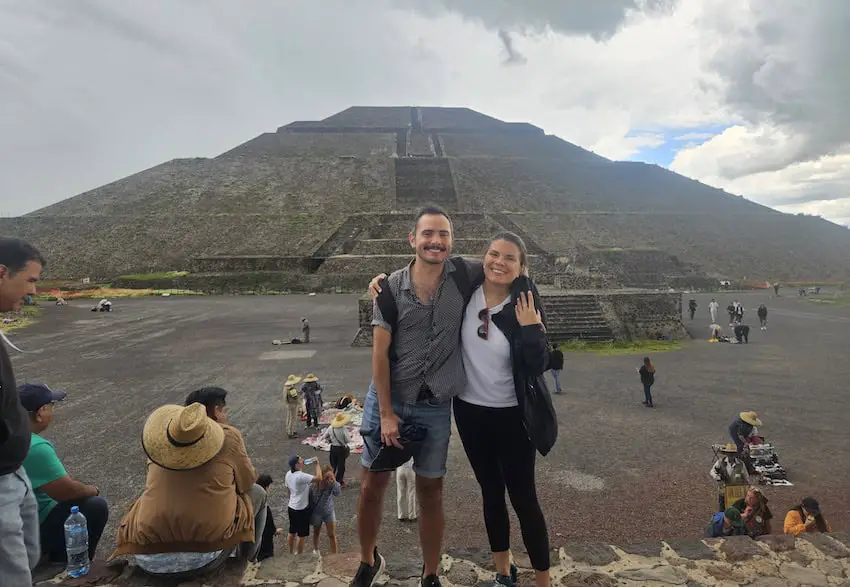
Karla and her brother Kevin at Teotihuacan.
Karla’s mother had always believed that one day her daughter might choose to attend college in the U.S., and she was right. Karla pursued her studies in New York, driven by a determination to make her parents proud. As the eldest of her siblings and a high achiever, she felt the weight of their sacrifices — her parents had prioritized her education, putting her in private schools in Mexico despite the cost. Her hard work paid off as she embarked on a corporate career, working for General Electric and later climbing the ladder at Accenture as a consultant.
But success, as Karla discovered, wasn’t what she expected. “I reached that point in corporate where my value started to shift,” she recalls. “I’d achieved the American dream I always looked up to as a girl in Mexico — success was in the U.S., or so I thought. I did it all, and then I found myself thinking, ‘And now what?’ I was so unhappy. I’d wake up with a knot in my stomach, unable to do the things I wanted with my time.”
At the time, Karla and her husband were living in Dallas, and the dissatisfaction weighed heavily on her and she began to dig into her core values. “Freedom is one of my top values,” she explains. “My upbringing was very nomadic, but here I was, stuck in this constrained routine filled with work, work, work. I was missing adventure, freedom, and nature. All the things that mattered most to me were missing.”
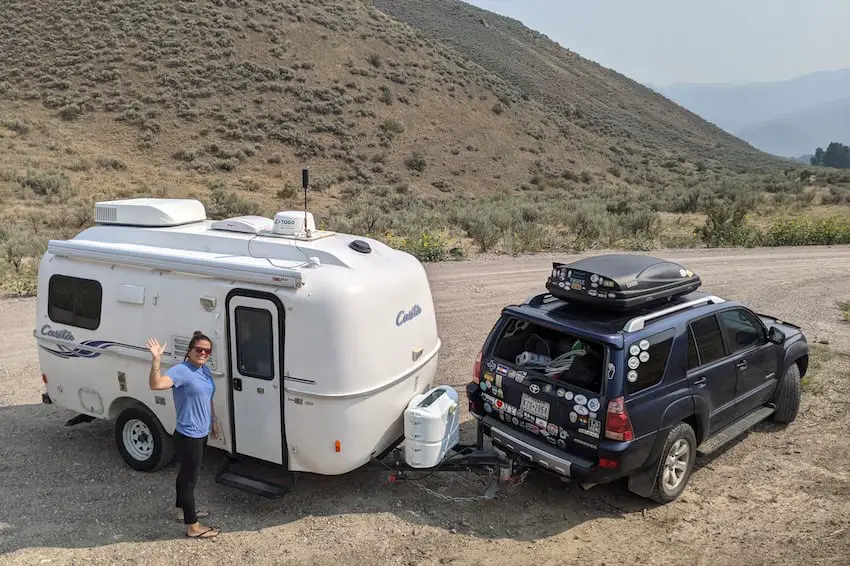
The realization prompted a radical decision. “It wasn’t easy to make such a huge change,” Karla admits. “But my husband and I eventually decided to just go for it.” They sold almost everything — downsizing from their 750-square-foot apartment to an 84-square-foot camper — and hit the open road, ready to embrace a completely different kind of life.
Turning 40: Writing as Karla’s Next Chapter
Karla hit the road in her new, 84-sq ft. camper, a stark change from her luxurious apartment in Texas. (Karla Parra)
Entering the fourth decade of her life became a pivotal moment for Karla, prompting her to reexamine her professional life. “Turning 40 challenged me to think, what’s next in my career?” she reflects. Earlier that year, she had to decline a promising business opportunity that would have required her to plant roots back in the U.S. But Karla is committed to living by her values and preserving her freedom, which meant staying true to her nomadic lifestyle.
Encouraged by her husband, Karla decided to put her coaching business on hold to pursue a long-held dream she had pushed aside: writing. Though it had never felt like a “legitimate” career to her, she found the courage to focus on her passion with the support of a community of female authors she met during her travels. Since January, she has been working on her memoir and growing her newsletter.
Karla’s goal as a writer is clear: “I want to shed light on what it means to be bicultural. I want to challenge stereotypes about Mexico,” she shares. With her unique perspective as someone who is both fully American and fully Mexican, she wants to share stories that provide a deeper, more nuanced view of Mexico to an American audience. In the future, Karla hopes to write novels about Mexican women and communities, further breaking down cultural misconceptions.
A homecoming: Returning to Mexico
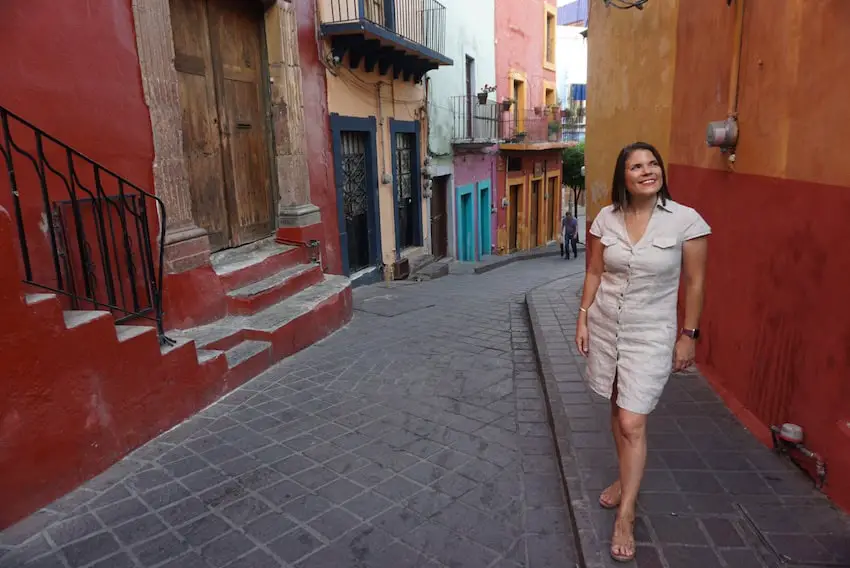
Karla on the streets of Guanajuato. (Karla Parra)
Karla and her husband visited Mexico many times during their years of van life, but earlier this year, Karla felt a strong calling to spend an extended period there. After five years without a lease, they chose San Miguel de Allende for its beauty and its vibrant, bohemian atmosphere, filled with artists, writers, and creators. Karla describes San Miguel as the “confluence of where my cultures have intersected.”
The homecoming has been “amazing, challenging, beautiful, fulfilling, complicated — all of the emotions,” Karla says. Returning to Mexico has been magical, allowing her to rediscover and appreciate the country’s rich traditions and natural beauty. Growing up surrounded by these things, Karla admits she took them for granted, but now she marvels at them with a renewed sense of gratitude. “It has filled my heart and overflowed it with love and appreciation for our country, the people, the food, the traditions,” she shares. “Leaving has also allowed me to see its flaws more objectively.”
Karla’s connection to Mexico has deepened, and her pride in being Mexican is now stronger than ever. “My Mexican pride will never falter.” Currently, she is living in Mexico until March of next year, helping organize the San Miguel de Allende Writers’ Conference. She believes that she moves on from a place when it no longer feels like home but envisions Mexico remaining an integral part of her life. “It might not be full-time living, but I never want to let years go by without returning. This is where I’m from, and I am so proud to be Mexican. It’s part of my heart.”
Are you a U.S.-born or raised child of Mexican immigrants currently living in Mexico? Perhaps your Mexican parents immigrated to another country, and you’ve chosen to return to Mexico? If so, I’d love to hear your story for this series! Please leave your email in the comments, and I’ll reach out.
Rocio is based in Mexico City and is the creator of CDMX iykyk, a newsletter designed to keep expats, digital nomads and the Mexican diaspora in the loop. The biweekly dispatches feature top news, cultural highlights, upcoming CDMX events & local recommendations. For your dose of must-know news about Mexico,subscribe here.
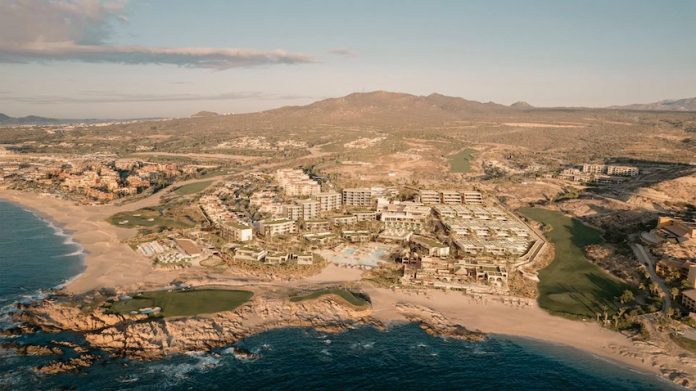
What's in store for Los Cabos in 2025? (World of Hyatt/Park Hyatt Los Cabos)
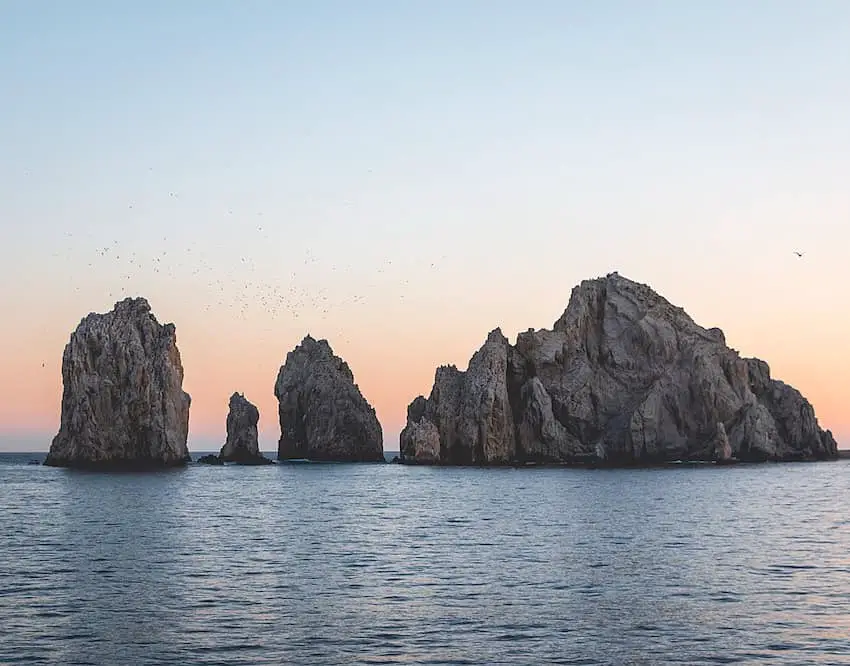
Los Cabos has experienced explosive growth in recent years, with rising numbers of tourists helping to propel population growth in the area. Home to cape cities Cabo San Lucas and San José del Cabo, the municipality welcomed about 4 million visitors in 2024, more than one million more than visited only three years ago. Meanwhile, the population has tripled (and then some) since 2000, increasing from 105,469 to 351,111 at the latest census in 2020.
Expect these trends to continue rising in 2025. Of course, to achieve this, more tourists from new markets must be introduced to the destination. These plans are in the works, with new flights already announced and more being negotiated.
Los Cabos welcomed about four million visitors in 2024, 25 per cent more than visited only three years ago. (Miguel Angel Lopez Rojas/Wikimedia Commons)
“Connectivity” is the buzzword for 2025
The traditional markets for Los Cabos are all in North America. There are direct flights from 30 cities in the U.S., 16 in Mexico, and 11 in Canada. New flights from Nashville will begin in March — just in time for Spring Break — bringing the number in the U.S. to 31.
But the big news for 2025 (and beyond) will be an attempted expansion into more non-traditional markets around the globe. Currently, there is only one flight from Europe, the Condor flight from Frankfurt, Germany that began service in November 2024 and will run seasonally through April. Seasonal summer service from Madrid (Spain) has also been offered in recent years via Iberojet.
The Los Cabos’ Tourism Trust (Fiturca), has ambitious plans to expand into more European markets between 2025 and 2027 and is also looking to gain footholds in South America and the Middle East. Central America should also be mentioned since, according to FITURCA Director General Rodrigo Esponda, there’s a good chance service from Panama will begin in 2025.
What about Asia? Yes, tourism officials are interested in this market, too. For example, there was a 500% increase in tourists from Japan in 2023, bringing the number of visitors from that country up to 5,000 for the year.
The big news is that Park Hyatt Los Cabos at Cabo del Sol is officially accepting reservations beginning next summer, July 1, 2025. The upscale Hyatt brand is known for its luxurious accommodations, first-class cuisine and fine art collections.
The Los Cabos version in the destination’s Tourist Corridor is certainly expected to deliver in the luxury department, with 197 rooms, villas, and suites — the latter featuring private plunge pools or terraces — and an enormous 59,000 square-foot spa and fitness facility that will outpace the extensive pampering spas at Grand Velas Los Cabos and Montage Los Cabos, at 35,000 and 40,000 square feet, respectively, as the largest on the peninsula.
A handful of seaside swimming pools and access to the Tom Weiskopf-designed Cabo del Sol Desert Course should also entice visitors who can afford the rates, which start at US $765 per night off-season.
Other long-awaited high-profile hotels and resorts are tentatively slated for 2025, including a 70-room Soho House & Beach Club at Cabo del Sol, 55-room Amanvari at Costa Palmas, and the 120-room St. Regis at Quivira. However, no official opening dates have been announced for these properties.
Those looking to explore new accommodation options should also note recent openings like the boutique Tropicana Los Cabos, a 68-room, 2-suite Tapestry Collection by Hilton property renovated and remodeled in downtown San José del Cabo, which premiered on November 14, 2024.
The Los Cabos version in the destination’s Tourist Corridor is certainly expected to deliver in the luxury department, with 197 rooms, villas, and suites. (Aman)
Notable events in Los Cabos for 2025
Los Cabos has several high-profile sporting events that draw visitors annually, from fishing to PGA golf and ATP-sponsored tennis tournaments. The schedules for the most notable 2025 events have already been set, with one significant calendar change.
Cabo Triple Crown of Fishing: June 19 – 22
ATP Los Cabos Open: July 14 – 19
Bisbee’s East Cape Offshore: July 29 – August 2
Bisbee’s Los Cabos Offshore: October 13 – 18
Bisbee’s Black and Blue: October 20 – 25
PGA World Wide Technology Championship: November 3 – 9
Cabo Tuna Jackpot: November 5 – 8
The PGA World Wide Technology Championship is also expected to see significant change in the coming years. (PGA World Wide Technology Championship)
The ATP Los Cabos Open, sponsored by Mifel and Telcel Oppo, has returned to the summer after moving up to February 2024 to serve as a lead-in for the Mexican Open in Acapulco. That change helped fellow Mexican Pacific Coast destination Acapulco return to sporting prominence after the devastation wrought by Category-5 Otis in 2023.
Although judged a success, the two will no longer be held back-to-back. The ATP 250 series Los Cabos Open returns in July, the month it was held from 2016 through 2023. The ATP 500 series Mexican Open in Acapulco, the country’s most important tennis tournament, remains in the usual February/March calendar slot.
The PGA World Wide Technology Championship is also expected to see significant change in the coming years, as the host course shifts from the Tiger Woods-designed El Cardonal layout at Diamante to the Woods-designed Legacy Course at Diamante either in 2026 or 2027. The year the change occurs will depend on when the Legacy Club, envisioned as a sort of Baja version of Shadow Creek in North Las Vegas, is finished.
An update on new golf courses
An estimated 5% of Los Cabos tourists are drawn to the destination solely by the region’s world-class collection of golf courses. Eighteen are currently open and up to a half dozen more are expected to open their fairways and greens to the public and private members in the coming years.
Unfortunately for destination duffers, it doesn’t appear any of these will open in 2025. But for those who’d like to look ahead, 2026 is shaping up as a banner year for golf in Los Cabos. Tom Fazio, whose first course outside the U.S. at Querencia in 2000 has been rated one of Golf Digest’s World’s 100 Greatest, has a second spectacular desert-meets-the-sea style layout set to debut at Querencia in 2026. Woods’ ultra-exclusive Legacy Club course, restricted to only 250 members, is also expected to open in 2026, as is the new Ernie Els-designed course at Oleada (Oleada Golf Links).
Chris Sands is the Cabo San Lucas local expert for the USA Today travel website 10 Best, writer of Fodor’s Los Cabos travel guidebook, and a contributor to numerous websites and publications, including Tasting Table, Marriott Bonvoy Traveler, Forbes Travel Guide, Porthole Cruise, Cabo Living and Mexico News Daily. His specialty is travel-related content and lifestyle features focused on food, wine and golf.
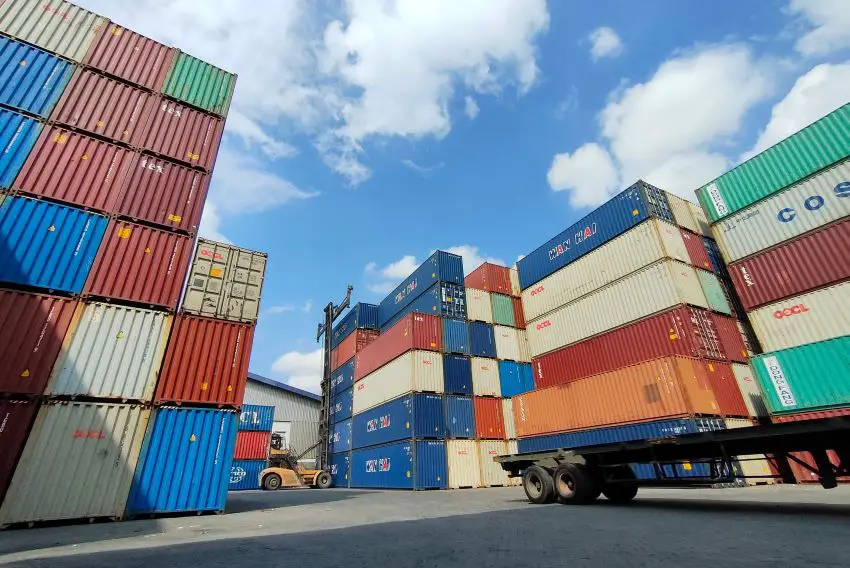
Nearshoring has drawn billions of dollars of investment to Mexico, with even larger investments promised in the near future. (Shutterstock)
I start most days by reading the Wall Street Journal (WSJ). The WSJ has been my favorite newspaper to read for nearly 30 years. Its regular reporting is well-written and informative. Its op-eds are often provocative but also well-worth reading. But a week ago, I read an opinion piece from a long time WSJ opinion columnist titled “How Mexico Missed the Nearshoring Boom,” and I almost fell out of my chair.
The columnist is one whose work I have read diligently for over a decade, and who I respect for her opinions and perspectives on Latin America. But this particular column’s thesis of a “missed opportunity” was, to me, totally incorrect.
A review of key nearshoring and export data would make it hard to conclude that the opportunity has been missed:
As of September, Mexico has received US $35.7 billion in foreign direct investment (FDI) in 2024, representing 8.5% growth over the same period of 2023.
From October 2022 to July 2024, Mexico has seen 118 foreign investment announcements totaling US $122.7 billion.
Of the above mentioned $122.7 billion, so far only $13.2 billion of these projects have been completed — meaning 89% or $109 billion remains unrealized.
There are 93 new industrial parks currently being built in Mexico, which will bring the country’s total to 460.
Just last year, Mexico became the leading exporter to the United States for the first time in 20 years.
At the close of Q3 2024, Mexico continues to consolidate its lead, now representing 15.9% of total imports to the U.S., versus 14.4% for Canada and 10.8% for China.
These numbers present the real story, show a clear trend, and provide no evidence of a “missed opportunity.” In fact, if the next U.S. administration enacts a 60% tariff on China as has been suggested, then Mexico could become even more attractive and further increase its leading position in exports to the United States.
With more than US $100 billion in announced investments still unrealized, nearshoring has yet to reach its full potential, argues Mexico News Daily CEO Travis Bembenek. (Shutterstock)
More importantly, the results of many companies show just how real the trends are. Sales of many export-oriented companies are growing double digits, profits are increasing, and many of those companies are making significant investments in plants, equipment and people to continue driving growth in the years to come. Industrial parks are at record low levels of occupancy and new ones are being built throughout the country. That is precisely why it’s so important to listen to business leaders on issues like these, hear firsthand what they are doing, and look beyond the political rhetoric. Business leaders make decisions that involve money and often long-term investments, so observing their actions matters.
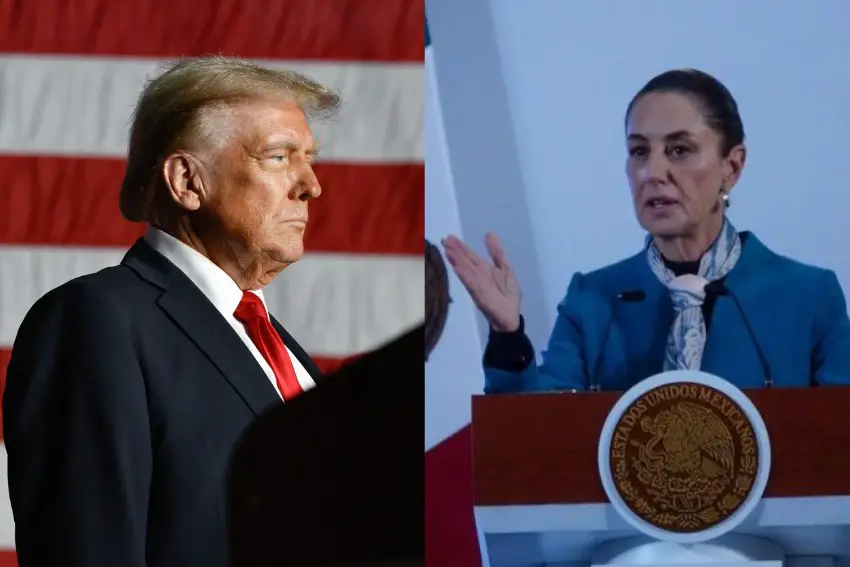
There is, of course, much uncertainty on the horizon for global trade flows and manufacturing plans given the promises of significant tariffs coming soon from the Trump administration — and Mexico will most certainly be impacted. But it’s hard to not see this uncertainty having an even more significant impact on China, which should only make Mexico even more attractive as a nearshoring destination. Mexico has and always will have geography in its favor, and its cost of labor, workforce skills and productivity levels are globally competitive.
The nearshoring boom has not had as large an impact as quickly as had been hoped for Mexico, but I think it’s important to recognize that such significant changes in supply chain strategy often take time. Many companies spent the last several decades moving manufacturing to Asian countries, so it is reasonable to expect that changes in a company’s manufacturing footprint do not happen overnight.
It is also likely that many companies were waiting for more clarity on the Mexican elections, the U.S. elections and potential trade policy changes. With some of those big questions resolved, it seems reasonable to expect that things will now begin to move faster.
With presidential elections over in Mexico and the U.S., the new policy landscape is becoming more clear. (Mexico News Daily via Cuartoscuro/Twitter)
Mexico, despite its imperfections, has shown to be a consistent and reliable destination for investment for many years. I personally think that we are still in the early innings of what will be a significant nearshoring opportunity for both Mexico and North America as a whole for years to come. Declaring that it was a missed opportunity is neither correct nor constructive.
The real missed opportunity was chance to present an accurate picture of nearshoring in Mexico. What was presented in the article is far from the reality that I see and hear on the ground, or from what the data shows. It was yet another example of what I have seen as the consistent trend of international media to often only focus on the negative side of the story when it comes to Mexico. That was, of course, a significant motivator of ours in buying Mexico News Daily: to present a more complete and comprehensive perspective on the country that is sorely lacking in most international media today.
I will say that the nearshoring boom has not come as quickly as hoped and has not yet had nearly the impact expected. Yet hardly a day goes by without critical improvements in the country’s security, energy, water, education and infrastructure. Mexico (both the public and private sectors) have much work to do to fully realize the benefits of the nearshoring opportunity, but it is moving in the right direction.
Travis Bembenek is the CEO of Mexico News Daily and has been living, working or playing in Mexico for nearly 30 years.
Please, somebody, anybody, create these businesses for me. I'll be your best customer, I swear. (AS Photography/Pexels)
When it comes to finding products and services at reasonable prices, Mexico is a veritable smorgasbord of options.Beauty services abound, and fresh food — even fresh meat — can easily be found and bought the very day you need it. However, as Mexico News Daily’s resident philosopher queen and generally deep thinker, I have taken it upon myself to think of other, better business ideas that we need today.
There are actually plenty of things you can buy without even leaving your house! I hear a man selling tortillas and masa (cornmeal dough) on my street daily, and I can getgarrafones of water delivered, too. Private services offer to cart my trash away. Other services are providedeven though I haven’t asked for them, like the neighborhood’s self-appointed “security guard”.
In Mexico, if you need it, it usually magically appears at your door. (Andrea Murcia/Cuartoscuro)
Put simply, it’s fairly easy to get what you need here. Not everything is super simple, but lots of things, surprisingly, are.
But as we all know, enormous tariffs from the US could ensure that Mexico begins facing quite a bit of pain. After all, world trade only works if all parties agree to the same terms. It’s hard to say what will happen at this point, but a good general rule of thumb is that the more a country can produce for itself, the less vulnerable it is to economic exposure during political shifts.
All worries aside, I still find myself wishing that Mexico had certain other products or services. I’m not much of a business person myself, but hey! Other people are. Perhaps I can entice someone?
Following is a short list of businesses I wish people would start in Mexico.
New businesses to start in Mexico: a miscellaneous (and imprecise) wishlist
Scented candles
Don’t laugh, ok? (thevibrantmachine/Pexels)
I know this one may seem a little silly to you. But I am really into good quality scented candles, and they are hard to come by! I’m not encouraging anyone to steal the Yankee Candle recipes; I’m just saying I wouldn’t be mad if they did, and made them in Mexico for the local market.
The homemade candles I’ve come across are okay, but I have yet to be wowed. The first place to come out with strong-smelling pumpkin candles for the fall and pine for the winter will have my loyalty forever.
Real tea
This one was suggested by our British editor: real tea. Yes, Mexico is a coffee-drinking place. But for “real” tea drinkers like the British or those colonized by the British, our cute little “herbal infusions” just aren’t going to cut it. PG Tips and Yorkshire were mentioned. Surely there’s a good way to import the stuff! [Editors note: If you make this happen I’ll give you a raise]
I’m ahardcore coffee drinker myself, but I can still have sympathy. What if you went somewhere and Nescafé made up the entirety of the offerings?
Really nice textiles
Would some Mexican-Egyptian cotton kill you? Jeez. (Zak Chapman/Pexels)
Curtains, tablecloths, sheets, blankets…we need more variety! And it’s not that Mexico doesn’t already produce textiles; they do. But it would be nice to see the country’scotton farming industry take off again in a way that would let us produce really nice textiles. I mean, you can get sheets and curtains here, but the material is usually pretty, well, threadbare. We could be making 100% cotton 600 thread count sheets instead of importing them, people! And paired with the beautiful designs to be found around here, I’d think the sky’s the limit.
Same-day delivery from big box stores (like Costco and Sams)
This might seem a little silly, but it’s always struck me as odd that grocery stores have had this option since the COVID-19 pandemic, but these stores don’t! I’ve long suspected it’s simply snobbery, but I’m sure logistics has something to do with it, too.
Still, if you have some basics that you need all the time (for me, it’s the boxes of milk!), it would be awesome to not have to schlep over there.
Products to combat mold and humidity
Like this, but imagine it worked. (Amazon)
Honestly, I’m thinking of entire stores just dedicated to this.
If Pinterest ads and YouTube Mexican dad videos are to be believed, there are solutions! And even in dry areas like Querétaro, I’ve rarely lived in places that weren’t affected by humidity. Part of the issue is that buildings are made from concrete, and concrete is porous.
The dreaded salitre (the white powder that appears on walls). Paint sloughing off the damp walls. Moldy shoes in the closet. I would pay such good money to find a consistent and effective solution to these issues!
Our weather is going to get more extreme, not less. Weather and climate are things we’re going to need to take into consideration as we continue building. Is one’s area hurricane-prone? Round constructions. Vulnerable to earthquakes? Ask Mexico City how they build now! Susceptible to drought? We need some safe water storage!
Water-catchment systems
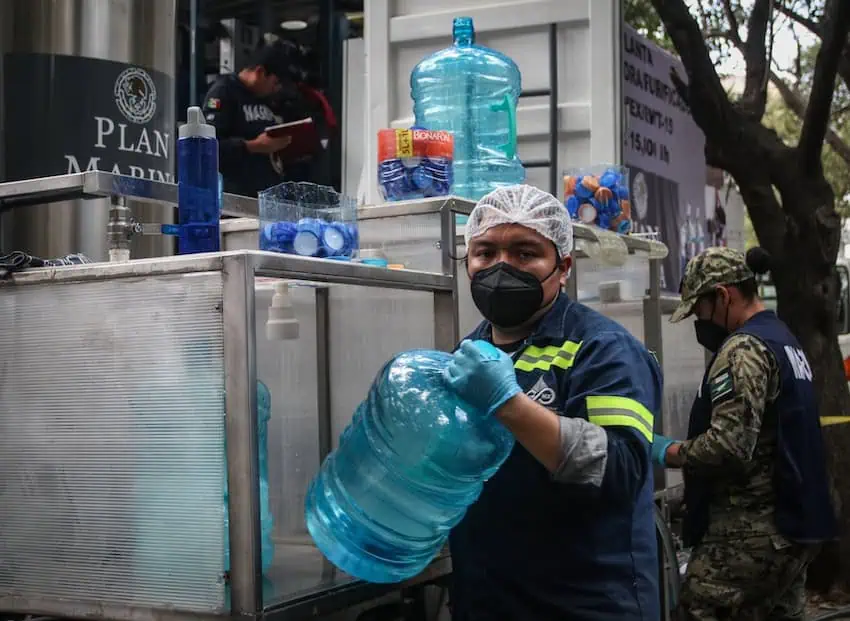
Speaking of water, it would be great to have more makers and installers of water catchment systems! There are a few already, but they’re simply not big enough to cover the entire country.President Sheinbaum’s plans are good, but it’s going to take even more. Projects likeIsla Urbana help ensure that homes have their own water. Wouldn’t it be something if all homes were outfitted with systems like this?
So that’s my list. Some of the things on it are a bit frivolous, and others, more serious and consequential. What ideas might you add?
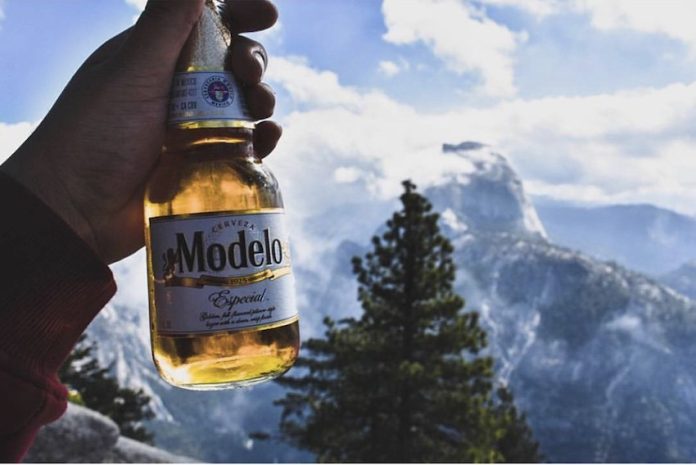
Modelo has become (Mexican) America's beer - but what's behind the prodigious rise? (Modelo Especial/Instagram)
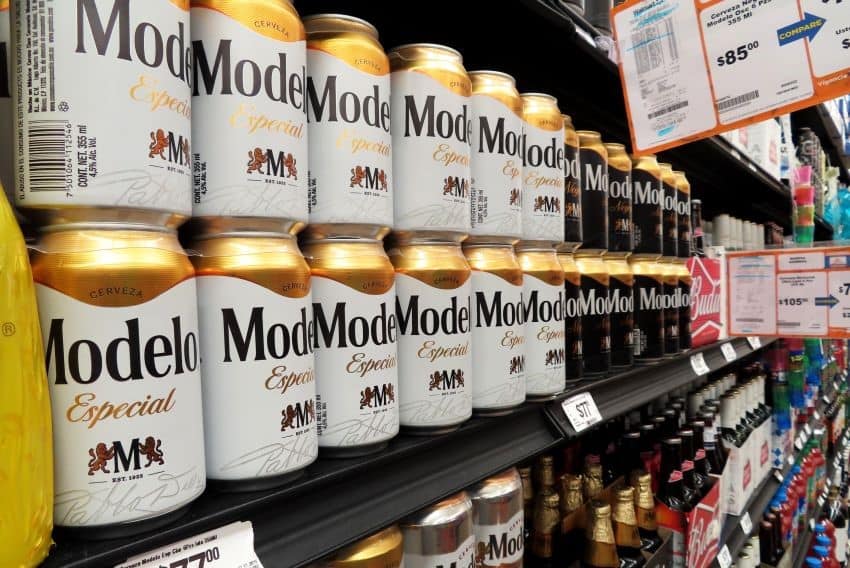
About a year and a half ago, in May 2023, Mexico’s Modelo Especial became the most popular beer brand among U.S. consumers and has remained so ever since.It was not an unexpected ascension. Many experts had predicted that Modelo Especial would eventually surpass Bud Light in sales. What was surprising was that it happened when it did, as it required almost a perfect storm of contributory factors, from marketing savvy and shifting demographics to a competitor caught in the crosshairs of the culture wars.
The politics
Bud Light’s 22-year reign atop the U.S. beer market ended amid a storm of controversy. In March 2023, Bud Light was still clearly the most popular beer in the the countryU.S., with a market share of 10% compared to 7.7% for Modelo Especial. Then, in April, transgender influencer Dylan Mulvaney promoted Bud Light in an Instagram post, causing a few outraged conservatives to call for a boycott of the beer. When Bud Light subsequently failed to stand by Mulvaney — she later said she felt abandoned by the brand — liberals were outraged, too. It was a devastating one-two punch and by May Modelo Especial had overtaken Bud Light for the top spot.
The culture war controversy badly damaged Bud Light — the brand’s losses in the wake of it were estimated to be well over a billion dollars — and undoubtedly helped Modelo Especial become the country’s most popular beer when it did. But it was going to happen anyway. “This was long a matter of, if not when. These trends have been building for a long time,” Bart Watson, chief economist for the Brewers Association told CNBC. “Modelo has been on a rise and Bud Light’s been on a decline as we’ve seen overall shifts in the beer market in the last 10 years.”
The demographics
Demographics are part of the reason for Modelo Especial’s rise. The Latino population in the U.S. has been steadily growing and now makes up a more significant part of the population than it did a decade ago: 19% in 2021 compared to 13% in 2013. Much of that 62 million-strong bloc is Mexican-American. In fact, according to statistics from the 2020 census, almost 36 million Americans have roots in Mexico (or as high as 40 million if you count the estimated four million unauthorized immigrants from the country). But even without factoring in the latter, Mexican Americans are now a robust 10.8% of the U.S. population — and many of them are of beer-drinking age.
In all but one U.S. state, White Americans make up the largest group of those aged 65 and older. Latinos, by contrast, are a rising force in the demographic categories beermakers covet most, accounting for 20.7% of those aged 35 to 44, 21.5% of those aged 25 to 34, and 23.6% of those 18 to 24. Even more importantly, perhaps, they make up 25.8% of potential future beer drinkers, those aged 5 to 17.
Modelo Especial, which last May became the best-selling beer in the U.S., is more popular than ever. (Edgardo Moya/Shutterstock)
This demographic shift has proven especially favorable to Modelo Especial, helping to push it past Bud Light and another popular Mexican beer, Corona Extra, in popularity. “Corona is for an older, whiter audience,” notes Matthew Barry, insights manager for Euromonitor International, via NBC News. “Modelo Especial has been positioned, on purpose, for a younger, more diverse market.”
The Mexican beer boom
That’s not to say Corona Extra isn’t doing extremely well in the U.S. It has remained a brisk seller, along with Coronita Extra and Corona Familiar. Mexican beer brands Pacífico and Dos Equis are also firmly entrenched among the top 20 beers favored by U.S. consumers.
Sales of Mexican beers, in general, are booming. It’s perhaps not surprising when one considers what an overwhelming share they now hold of the export market. In the early 1990s, it was 17%. Today, it’s 80%. As The Washington Post points out: Mexico sells more than twice as much beer in the U.S. as any other suds-exporting nation. The Netherlands is a distant second.
It’s not just Modelo – Mexican beer is having a moment in the spotlight. (Galo Cañas Rodríguez/Cuartoscuro)
Lest one thinks it’s only Mexican beers that are now flying off shelves, it should be noted that tequila and mezcal are also logging record sales, with the volume of the two combined increasing by a staggering 273% between 2003 and 2022.
Marketing savvy
The success of Modelo Especial is due to more than political controversies and shifting demographics. After all, the fastest-growing markets for the beer brand are now near the Canadian border, which are not exactly Hispanic hotbeds. For this, the credit should go to New York-based Constellation Brands, which by dint of a decade-old legal decision lucked into the opportunity of a lifetime.
When the Belgium-based AB InBev, already the owner of Anheuser-Busch, purchased Mexico’s Grupo Modelo for $20 billion in 2013, the U.S. Department of Justice decided it was too close to a beer monopoly for comfort and filed an antitrust suit. The upshot was that AB InBev maintained global rights to Grupo Modelo brands. However, the U.S. rights were instead divested to Constellation Brands, which has seen its company valuation surge from $8 billion to $45 billion in the 11 years since.
It has been well-earned. Constellation Brands has made all the right moves, with savvy marketing that has stressed Modelo Especial’s connection to authentic Mexican culture and ads touting its “fighting spirit.” Promotion via partnerships with several popular sports leagues — the UFC and NCAA College Football, notably — helped to establish it as the fastest-growing beer brand, and Constellation’s distribution has been up to the task of meeting increased demand as the company has invested in more Mexico-based brewing facilities.
Modelo Especial is still exclusively brewed in Mexico, and yes, it’s the most popular beer in its home country, too – at least according to a Statista survey from November 2023 that showed it ahead of Victoria and Heineken (currently the world’s most valuable beer brand).
So as Modelo Especial quickly approaches its 100th birthday (it was first brewed in 1925) it’s now more popular than ever, and that popularity should only continue to grow.
Chris Sands is the Cabo San Lucas local expert for the USA Today travel website 10 Best, writer of Fodor’s Los Cabos travel guidebook and a contributor to numerous websites and publications, including Tasting Table, Marriott Bonvoy Traveler, Forbes Travel Guide, Porthole Cruise, Cabo Living and Mexico News Daily. His specialty is travel-related content and lifestyle features focused on food, wine and golf.
When you finally settle into your new life, you'll realize it was all worth it. You've got this. Maybe. If you follow the rules, that is.
(Jakub Zerdzicki/Pexels)
When I touched down in Puerto Vallarta earlier this year as an official temporary resident of Mexico, it was a dream that was 10 years in the making. I had gone through the hoops to prove my financial solvency, getting approved in the U.S. and, ultimately, getting approved in Mexico for my temporary residency card and CURP number. I thought I was set.
The hard part was over, right? Turns out, becoming a temporary resident is just the prologue to the real story of settling into expat life in Mexico. What follows is a tale of paperwork, patience, and more hoops than I could have imagined.
Let me save you some suspense: getting a temporary residency is the easy part. It feels monumental at the time — and don’t get me wrong, it’s worth celebrating. But once you’ve navigated that process, the true adventures begin. Here’s everything I wish someone had told me about relocating to Mexico.
The car conundrum
If you’re an expat and want to buy a car, you either pay in full, buy used or renew your residency before buying. (Tim Samuel/Pexels)
After years of relying on public transportation and Uber, I decided it was time to buy a car. Armed with my CURP number, how hard could it be? Cue my first major wake-up call. In Mexico, you can’t finance a vehicle for longer than the length of your temporary residency. That means if you have a one-year residency permit (which is typical when you first apply), forget about those shiny new-car commercials promising low monthly payments for 48 months. Your options are: pay in full, buy used, or renew your residency before buying.
The caveat with buying a used car is that warranties aren’t guaranteed. If you’re lucky, the dealership might offer a short one, but that’s if you’re very lucky.
You’ll also need something called an RFC, which is a tax identification number now required in Mexico for anyone who wants to buy or sell property, including cars. You do not need an RFC if you plan to buy a motorcycle.
You could opt to bring your own car with you across the border, but if you plan to do that it’s a whole different set of rules that can include import taxes, taking the car back across the border every six months if you plan to keep your home country plates, or plating it with Mexican plates.
Plating the beast
There is extensive documentation expats need to have at hand when attempting to buy a vehicle. (Crisanta Aguilar/Cuartoscuro)
Once you’ve secured your ride, it’s time to get it plated. This involves registering the vehicle in your name and obtaining Mexican license plates, which, spoiler alert, requires even more paperwork than buying the car. To get your plates you’ll need:
The car’s paperwork (think title, bill of sale, and proof it isn’t stolen — yes, that’s a thing).
Your temporary residency card — no skipping this step.
Your passport, because of course.
Proof of address, usually a utility bill.
Seems straightforward, right? Not so fast.
The utility bill dance
In Mexico, a utility bill is used as a proof of address, even if your name isn’t on it. (Moisés Pablo/Cuartoscuro)
In Mexico, a utility bill is like a golden ticket. It’s proof that you live where you say you live. But there’s a catch, while not everywhere will ask for it to be in your name, if has to be, then it’s a convoluted process (of course) to change it.
To switch an existing utility bill into your name you’ll need:
A copy of your lease
Your landlord’s official ID
The property’s deed
Proof that the property taxes have been paid
Signatures and identification from two witnesses
Still with me? Good. Because you’ll also need patience and a sense of humor. Pro tip: Try to bring all the paperwork they could possibly ask for in case the rules vary slightly, which they often do depending on the office, day, or mood of the clerk.
If you can’t switch the utility bill into your name, there’s a workaround: open a Mexican bank account. An official bank statement with your address can serve as proof but don’t expect to have this in hand immediately. Most banks require you to wait until the first week of the month before issuing your first statement.
Timing is everything (except predictable)
Here’s the thing about getting stuff done in Mexico: everything takes longer than you think it will. I mean everything. You might breeze through one step of the process only to hit a wall on the next. Offices close early, systems go down, or someone forgot to mention the extra photocopy you need. The sooner you accept this as part of the experience, the smoother yours will be.
In the end, though, everything does get done eventually. One day you’ll look at your perfectly plated car, your utility bill in your name, and your official bank statement and wonder why you ever stressed about it.
Moving to Mexico is an adventure in every sense of the world. It’s not just about learning a new language or culture; it’s about learning to live life on Mexico’s timeline. The good news? With patience, humor, and a willingness to embrace the chaos, you’ll not only survive but thrive.
And when you finally settle into your new life, you’ll realize it was all worth it. Welcome to Mexico. You’ve got this.
Meagan Drillinger is a New York native who has spent the past 15 years traveling around and writing about Mexico. While she’s on the road for assignments most of the time, Puerto Vallarta is her home base. Follow her travels on Instagram at @drillinjourneys or through her blog at drillinjourneys.com
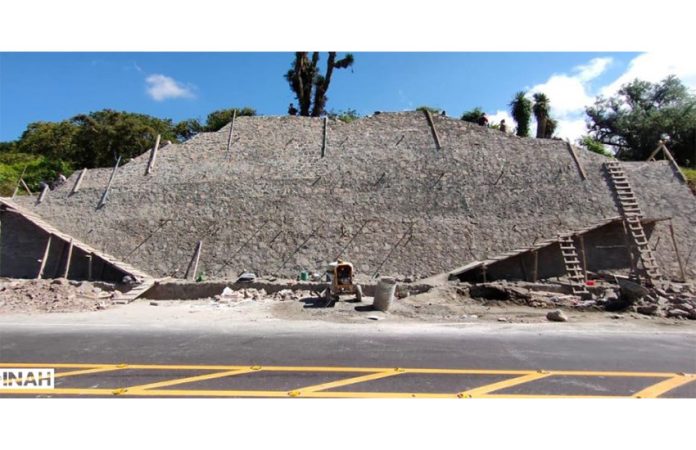
Researchers collected 155 samples of ceramic, shell and lithic materials before re-burying the pyramid. (CINAH Hidalgo)
The National Institute of Anthropology and History (INAH) has announced it will stop exploration and excavation work at a newly discovered pyramid in the state of Hidalgo, due to lack of budget.
The discovery happened in June this year, in the municipality of San Agustín Metzquititlán, during expansion works at the Pachuca-Huejutla highway. Following the discovery, experts from the INAH visited the site for inspection.
The archeological site is made up of five sectors and includes at least 10 archaeological mounds. According to archeologists, it dates to the Epiclassic (650-950 A.D.) and Late Postclassic (1350-1519 A.D.) periods. During their initial investigation, they unearthed obsidian fragments and rock paintings depicting faces, arrows, and everyday objects, which appear to belong to an ancient citadel.
Researchers also collected 155 samples of ceramics, shells and lithic materials from floors made of lime, coal, earth and charred wood. All samples will be subject to laboratory studies in the coming month.
The dimensions of the pyramid are between 300 and 400 meters, according to the newspaper El País.
According to the director of Tourism of San Agustín Metzquititlán, Héctor Labra Chávez, the base of the pyramid is located where the road passes and excavation work is necessary to learn more about the structure. He stressed that there are no vestiges of pre-Columbian civilizations in this area and noted the need to conduct more in-depth research in the area to learn about the culture that settled there.
🤩🇲🇽 ~ ¡Lo que escondía la carretera Pachuca-Huejutla!
Trabajadores del municipio de San Agustín Mezquititlán que realizaban trabajos en el tramo Cerro Colorado, descubrieron diversos monumentos piramidales fuera del derecho de vía de la carretera, como vasijas, pinturas… pic.twitter.com/0N5AQNxso9
El País and other outlets reported that, according to INAH sources, excavation on the site will not continue due to budgetary limitations. Labra, the local tourism director, said the municipal government offered to provide the financial resources to continue excavating the site, if INAH provided personnel.
However, after taking samples, INAH announced that the pyramid would be covered with geotextile fabric and re-buried to ensure its preservation. The institute also announced plans to build a 43-meter wall to protect the site.
Claudia Sheinbaum’s government budget for next year has made significant cuts to nearly all cultural areas. In 2024, INAH received a budget of just 8 million pesos (US $395,000). Next year, this amount will be reduced to 4.5 million pesos (US $222,000), representing a substantial decrease of 45%.