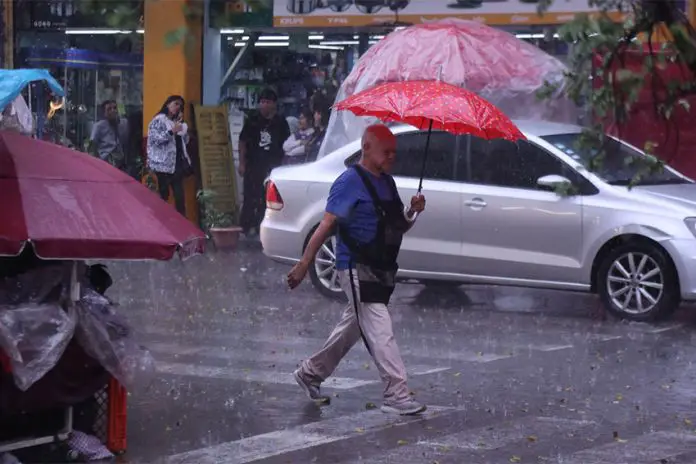
Downpours were the norm yesterday in Mexico City's historic center. Thirteen of 16 boroughs in the nation's capital were on alert for flooding. (Edgar Negrete Lira/Cuartoscuro)
Heavy rains on Wednesday wreaked havoc across parts of central Mexico, flooding streets in Puebla and México state, delaying operations at the Mexico City International Airport (AICM) and causing rush-hour chaos in the nation’s capital on Thursday morning.
Thirteen of Mexico City’s 16 boroughs were on alert as a result of the torrential downpour, but the soggy metropolis won’t have much time to dry out as more rainstorms are in the forecast. The city’s civil protection agency issued a weather advisory telling the public to expect warm, cloudy weather and lightning storms in the evening on Thursday, as part of Tropical Wave No. 11.
Espero saliste de casa con paraguas 🌂 porque este jueves se esperan #tormentas eléctricas ⛈️ y posibles #granizadas 🧊 en varias regiones de #México 😲
Heavy rains are predicted throughout most of Mexico for Thursday, Friday and Saturday, as this animated rain accumulation predictive map shows. (Meteored/X)
The rain affected operations at the AICM, causing delays to departing flights after access roads — including Boulevard Aereo Puerto and the Circuito Interior — were flooded. The deep water left commuters stranded for more than three hours, according to the newspaper El Universal.
Airport traffic control focused on facilitating arrivals over departures as the weather worsened, until Runway 5 was deemed too unsafe to use. When the rain and wind reduced visibility to a dangerous level, at least six flights were diverted to nearby airfields.
Wednesday afternoon’s storms also flooded streets in the city of Puebla and the eastern regions of México state.
Puebla was particularly hard-hit as high winds knocked down trees, one of which crushed an automobile. No injuries were reported, but flooding in the northern part of the city caused damage at the Plaza Comercial San Pedro.
In downtown Puebla, another shopping plaza, La Herencia 811, was inundated. The city was still surveying the damage late into the night and several roads were still underwater on Thursday morning, according to digital news outlet Infobae.
Commuters were stranded in eastern México state when long stretches of the Mexico City-Puebla highway were flooded, shutting down traffic completely. The Mexico City-Texcoco highway was also affected, with traffic slowing to a crawl in several sections.
The torrential rains wreaked havoc in the city of Puebla Wednesday, where flooding and downed trees kept emergency personnel busy through the night. (Social media)
Public transport was impacted as several stations east of the capital were inaccessible on Wednesday. Line 4 of the capital’s Metro system was shut down briefly after a tree fell across the tracks.
On the positive side, the hydraulic system that supplies water to Mexico City received an influx of much-needed rain. As of July 15, the three main dams that feed the Cutzamala system had risen by 1.3% in one week, according to the National Water Commission (Conagua).
The dams had been dangerously low before the rainy season arrived and were still only at 29.1% of capacity on July 15, reported the newspaper Milenio.
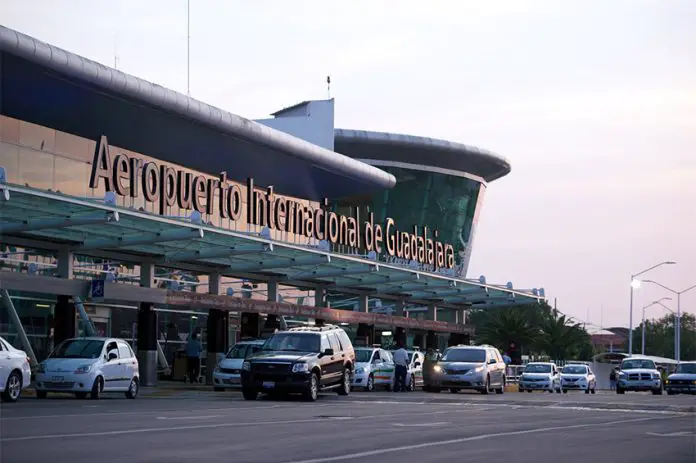
Guadalajara's long-planned second runway will be inaugurated next week. (Visita Guadalajara)
It’s been a long time coming, but the Guadalajara International Airport (GDL) will finally become Mexico’s fourth airport to feature at least two runways.
The Transportation Ministry fully certified the new runway earlier this month and airport operator Grupo Aeroportuario del Pacífico (GAP) announced its inauguration will take place on July 23.
According to newspaper El Economista, the Jalisco state government spent $15 billion pesos (US $837 million) to build the runway, while the remaining investment went toward constructing a new terminal and modernizing the airport infrastructure.
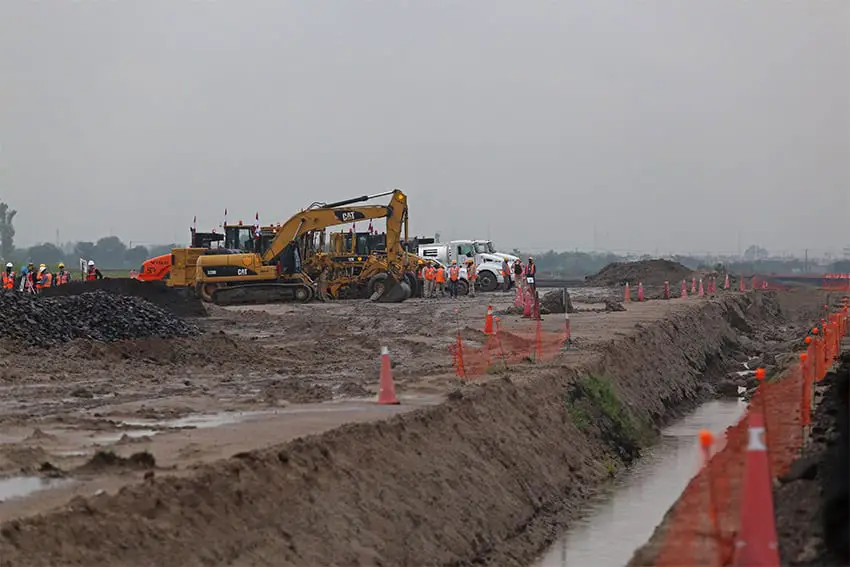
The new runway is 3.5 kilometers long and is a distance of 275 meters away from the other runway, giving the airport the capacity to manage 60 operations per hour, duplicating the number of flights currently operating and further consolidating GDL as a world-class airport.
“The second runway will increase opportunities for growth and boost economic development in the state,” said Xavier Orendaín, Jalisco’s top economic official. “The airport has already announced four new routes and a few more will be announced before the end of the year.”
The runway is part of a $15-billion-peso plan to expand and upgrade airport facilities. (Fernando Carranza García/Cuartoscuro)
Orendáin said GAP recently submitted a master plan with recommendations for routing traffic within the vicinity of the airport as well as industrial and logistical developments. This is a necessity since the additional runway will increase cargo flights in and out of Guadalajara, the state capital.
State transportation authorities are also working on new highway plans and loop roads to streamline airport traffic around Guadalajara. Orendaín added that city officials are preparing an executive plan to add a light train route to the airport.
Runway inauguration is culmination of 50 years of negotiations
Airport authorities had long sought to expand its operations, but for years residents of the adjacent El Zapote ejido thwarted their efforts.
In addition to the second runway and the new terminal, airport director Martín Zazueta said the new property will facilitate GDL’s expansion plans, with investments lined up for the next five years. Ongoing construction projects include a new general aviation area which will lead to the construction of a second terminal.
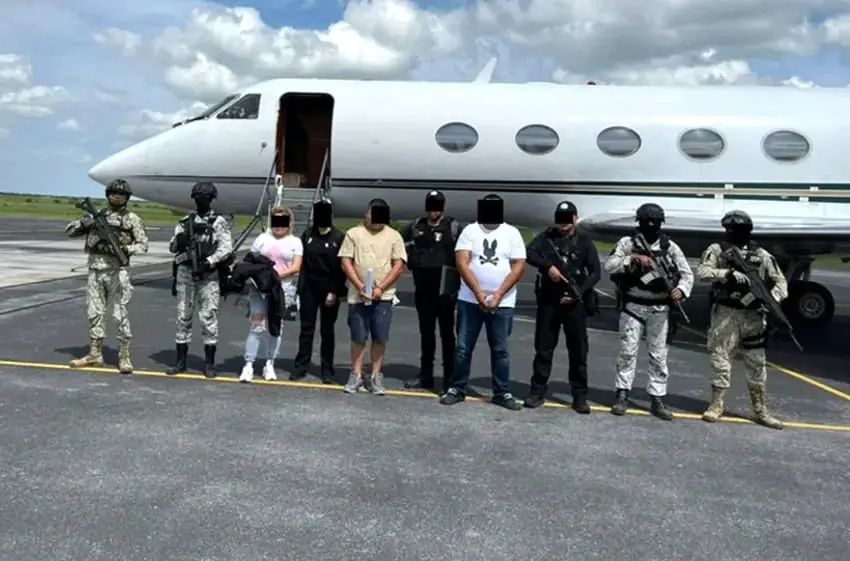
Authorities say the arrest of the alleged Gulf Cartel leader "El Escorpión 17" and other operatives will "weaken" the criminal organization. (Cuartoscuro)
An alleged Gulf Cartel leader and at least three other alleged members of the same criminal organization were arrested in Tamaulipas this week.
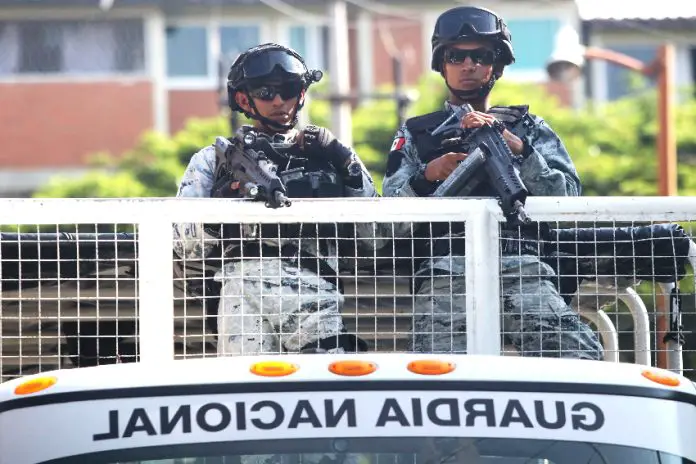
The National Guard (GN) said Wednesday that members of a special forces unit, “in coordination with the Federal Attorney General’s Office,” arrested Antonio Guadalupe Pérez Domínguez in the municipality of Ciudad Madero on Tuesday.
Three of the other suspects arrested on Wednesday were alleged to be members of the “Los Ciclones” faction of the Gulf Cartel. (Sedena)
Pérez, known as “El Escorpión 17”, is the alleged leader of “The Scorpions” (Los Escorpiones), the armed wing of the notoriously violent Gulf Cartel.
The GN said that Pérez was located in the Playa Miramar area of Ciudad Madero and transferred to the maximum-security Altiplano federal prison in Almoloya de Juárez, México state, after his arrest.
The security force said that the arrest will help “weaken a criminal organization with a presence in the state of Tamaulipas, limiting its financial activities, its trafficking of undocumented people and drugs to the United States and its illegal introduction of firearms to national territory.”
The security forces also seized weapons, ammunition and tactical gear during raids following the arrest of the alleged cartel leader. (Sedena)
The GN said that as a result of the arrest of Pérez, raids were carried out at four properties in Matamoros and four people were detained. It also said that firearms, ammunition and tactical gear were seized at the properties.
At least three of the four people detained in Matamoros were members of “The Cyclones” (Los Ciclones) faction of the Gulf Cartel, according to a Milenio newspaper report.
Citing information it received from the Ministry of National Defense, Milenio said that “three operators” of the Cyclones faction were detained on Wednesday morning in Matamoros, located opposite Brownsville, Texas.
It identified those detained as Daniel Isidoro, Leonardo Daniel and Perla Guadalupe.
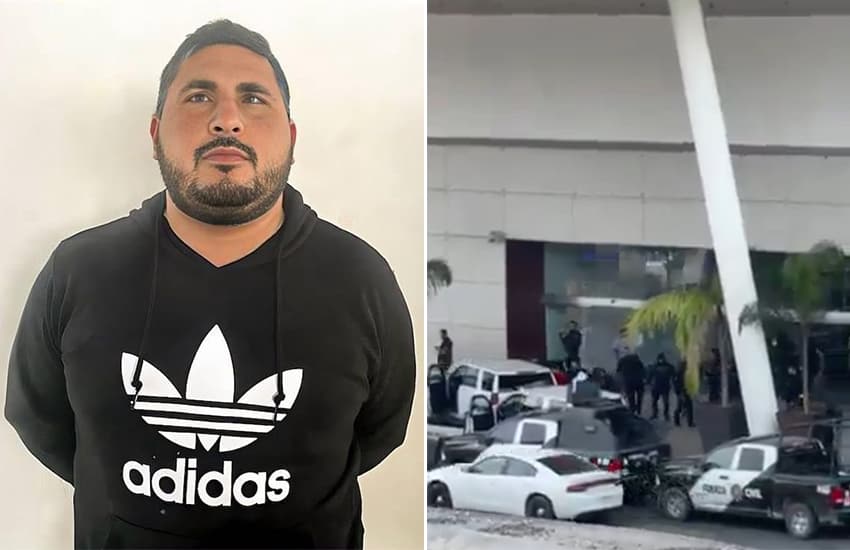
José Alberto García Vilano, also known as “La Kena,” was arrested in a department store in an upscale neighborhood of the Monterrey metropolitan area. (X)
Daniel Isidoro, known as “El Dany,” is the second most important man in the “criminal structure” of the Cyclones, Milenio said. José Alberto García Vilano, the faction’s presumed leader, was detained in Nuevo León in January.
Leonardo Daniel, known as “El Pepino” (The Cucumber), is the chief of the Cyclones’ communications network, Milenio said. Perla Guadalupe, known as “La Cuñada” (The Sister-in-Law), is the faction’s “main financial operator” in Matamoros, Milenio said.
The three alleged members of the Cyclones were also transferred to the Altiplano federal prison, the penitentiary from which Joaquín “El Chapo” Guzmán escaped via a tunnel in 2015. They face a range of organized crime charges including drug trafficking, weapons possession and extortion.
According to Insight Crime, the Gulf Cartel is “one of the oldest and most powerful of Mexico’s criminal groups but has lost territory and influence in recent years to its rivals, including its former enforcer wing, the Zetas.”
“… The group has split into many different factions, each vying for control over Tamaulipas’ extensive borderlands,” says the think tank and media organization.
A lack of legislation surrounding surrogacy in Mexico is putting vulnerable women in danger. (Deon Black/Unsplash)
You’re probably familiar with surrogacy, an agreement in which a woman agrees to carry a child for a person or couple who intend to be the parents of the child born from that pregnancy. But when these hopeful parents choose surrogate mothers in countries with a weak legal system — like Mexico — abuses tend to happen.
Tracking the exact birth figures through surrogacy in Mexico is impossible due to the lack of regulation in this area. According to news outlet N+Focus, for example, the state of Sinaloa registered 115 births through surrogacy between 2016 to 2022. Only one in five involved a signed contract.
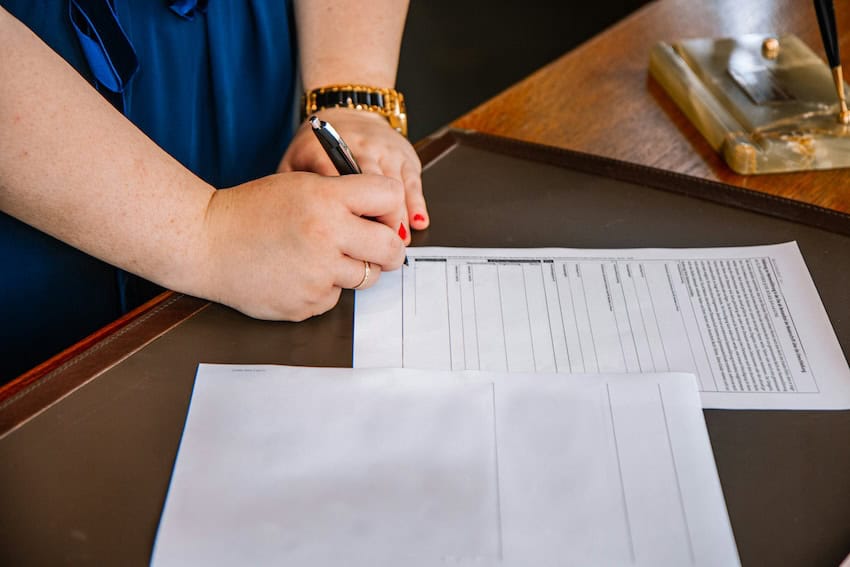
Only 20% of surrogates in the state of Sinaloa were protected by a legal contract. (Picsea/Unsplash)
“Currently, a surrogacy contract is left to the discretion of private agreements regarding the rights that the State should safeguard, such as the right to one’s family, to know one’s origins, to remain with one’s family of origin, and to have a nationality, among others,” Sofía Rosas Michel, a University of Monterrey-trained lawyer specialized in surrogacy, told me.
In 2021, Mexico’s Supreme Court (SCJN) ruled that a 2016 modification of the state of Tabasco’s Civil Code that banned surrogacy for all except married heterosexual Mexican couples was unconstitutional on the grounds that it discriminated against foreigners, LGBTQ+ couples and unmarried people, as well as violating the best interests of the child and women’s autonomy.
The ruling established surrogacy as a protected medical procedure and the legality of both paid and free surrogacy. The court’s ruling also emphasized the need for federal authorities to regulate surrogacy with criteria based on human rights and medical science. However, most states have not adopted the ruling into their legal system. Only two states allow surrogacy, two states forbid it and the remaining 28 states say nothing on the subject in their civil or family codes.
As a result, “surrogacy agreements in Mexico are carried out under the legal logic that what is not forbidden is allowed,” Rosas said. This deficient regulation frequently leads to human right violations against the child and the surrogate mother, as explained below. Furthermore, in the states with no regulation the parties have no legal resources to claim compliance with the agreement.
Despite the growing popularity of surrogacy in Mexico, most states do not have any legislation to govern the practice or protect the surrogates. (Alexander Grey/Unsplash)
Still, international surrogacy agencies advertise Mexico as a safe and legal country for the process, leading the U.S. embassy to warn those wishing to pursue surrogacy in Mexico of the possibility of issues with health care and administrative and legal hurdles to documenting children born through surrogacy
The embassy also warns intendent parents that surrogate mothers may assert their parental rights during the surrogacy process regardless of contracts relinquishing those rights. “Mexican surrogacy law is incomplete and open to wide interpretation,” the embassy’s website says. “Be wary of any agency or clinic that guarantees the legality of surrogacy in Mexico or fails to explain the risks.”
What are the risks of a surrogacy contract in Mexico?
Surrogacy contracts are explicitly forbidden in Querétaro and Coahuila. They are allowed — with many caveats — in Tabasco and Sinaloa and are unregulated in the rest of the country. Hence, a surrogacy contract in Mexico poses some risks like months-long delays in Mexico for intended parents while waiting for court decisions on parental rights and legal impediments to documenting children born through surrogacy.
Beyond these risks, surrogacy contracts in Mexico may lead to human rights violations. A study by the Information Group on Reproductive Choice (GIRE) found that the most common human rights violations include the right to non-discrimination, the right to legal certainty and the child’s right to identity.
Some human rights foundations have suggested that some surrogacy contracts in Mexico may violate the human rights of surrogates. (Leon Seibert/Unsplash)
GIRE, for instance, has documented violations of the children’s right to identity due to the absence of birth certificates for children born in Mexico to surrogate mothers. It has also recorded cases in which agencies retain medical information regarding the surrogate mother’s care and treatment, meaning a direct breach of their right to health. Other examples include discrimination against them by the medical personnel, who act in the interest of the intended parents rather than the surrogate mother.
“The state must find a way to protect those who wish to be parents, women who decide to be surrogates for other families and the children born from these kinds of agreements,” GIRE says.
However, according to Sofía Rosas, the rights of pregnant women are often left in greater vulnerability than those of the children.
“It’s worth pointing out that the countries where intended parents look for surrogate mothers are developing countries. This has created a form of ‘reproductive tourism,’” she says. “This suggests that individuals with fewer opportunities are placed at a disadvantage compared to those who travel to pay for a child to be conceived. It raises questions about whether it is legitimate for women to make this choice, especially when they are in economically and socially vulnerable situations, as it may constitute reproductive exploitation.”
Many surrogates are at risk of exploitation as a result of the lax legislation. (Claudia Soraya/Unsplash)
After the SCJN approved surrogacy in 2021, groups like feminist organization Nosotras Tenemos Otros Datos spoke out against the ruling. They argued that “wombs for rent do not respect, promote or guarantee the human rights of women or children.” They stated that not prohibiting this practice would be equivalent to supporting and reproducing inequalities and violence against women within a patriarchal and capitalist system.
On the other hand, GIRE research coordinator Verónica Esparza Pérez urged the government to allow surrogacy in all states of the country. Her organization has said that in countries like Mexico, “its prohibition implies less state control to mitigate risks and guarantee minimum conditions of consent. Furthermore, it criminalizes those who carry it out.”
This reflects a problem that can be summarized in two major positions, Rosas explains: one that seeks the abolition of surrogacy and one that is in favor of its regulation.
How much does a surrogacy contract cost?
The deficient regulation of surrogacy in Mexico makes it difficult to estimate the amount of money that Mexican surrogate mothers receive from intended parents.
According to a four-month study by Gaceta UNAM and UNAM Global TV , the compensation and living expenses in a surrogacy agreement are classified as “support” voluntarily given to women, supposedly to avoid the perception of “marketing babies.” Therefore, there is no specific amount that women must receive, the study explains.
However, UNAM had access to a surrogacy contract that agreed on a total amount of 300,000 pesos (around US $16,800). Furthermore, social media posts of intended parents looking for surrogate mothers offer similar amounts.
The “Surrogacy Market 2023-2032” report, published by Global Market Insights, states that the surrogacy industry will reach US $129 billion by 2032. As the industry grows, Mexico needs to take a clear stand on surrogacy. As GIRE researcher Amneris Chaparro Martínez told UNAM Global TV in January: “If surrogacy is an industry, it’s important to determine what would be the fair payment for someone who will compromise their body in such an intense way.”
What do you think Mexico should do about surrogacy? Leave a comment with your opinion.
Gabriela Solis is a Mexican lawyer turned full-time writer. She was born and raised in Guadalajara and covers business, culture, lifestyle and travel for Mexico News Daily. You can follow her lifestyle blog Dunas y Palmeras.
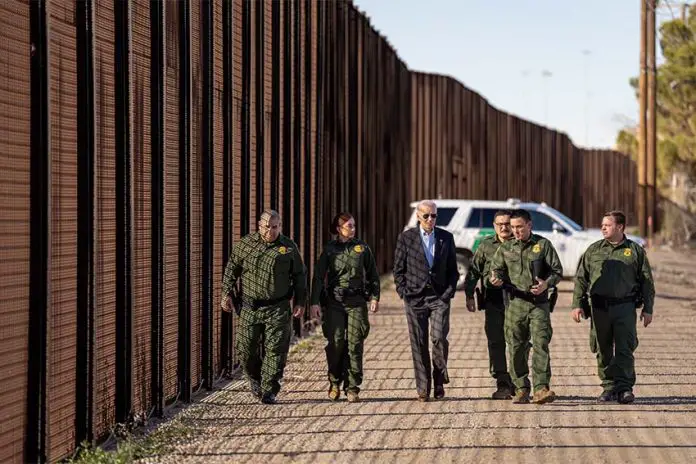
Since U.S. President Biden restricted asylum claims, migration across the Mexico-U.S. border has plummeted. (File photo)
United States government data indicates a significant decline in the number of migrants attempting to illegally enter the U.S. via Mexico since U.S. President Joe Biden implemented a new border policy in early June.
Customs and Border Protection (CBP) said Monday that the number of “encounters” between migrants and authorities at the U.S.-Mexico border decreased by more than 50% in the past six weeks.
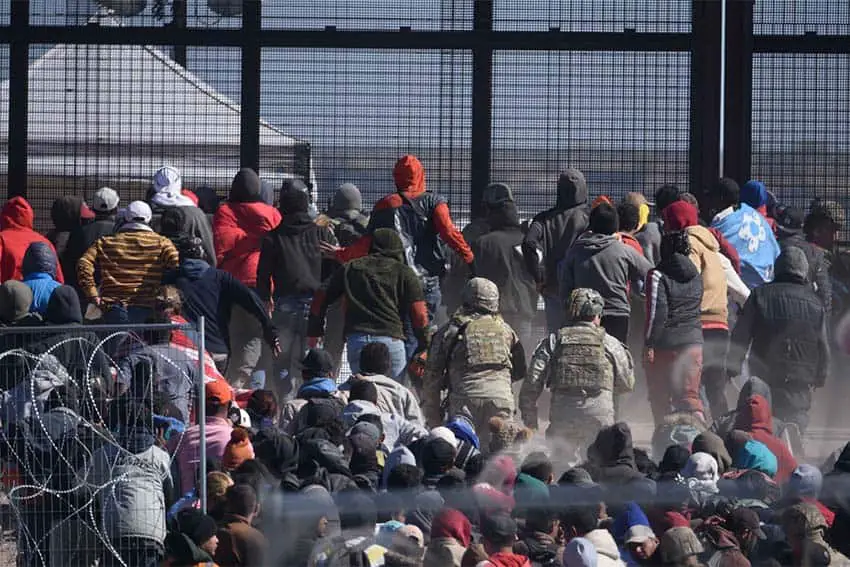
Migrants in Ciudad Juárez, Chihuahua, in March, attempting to breach Gate 36 of the U.S. border into El Paso, Texas. Before BIden’s June 4 executive order, these migrants had hopes of being able to apply for asylum if they made it into the United States. (Rey R. Jáuregui/Cuartoscuro)
“The Border Patrol’s seven-day average has decreased to below 1,900 encounters per day,” the agency said in a statement.
Biden issued an executive order on June 4 that prevents migrants from making asylum claims at the U.S.-Mexico border at times when crossings between legal ports of entry surge.
The order — described by The New York Times as “the most restrictive border policy instituted by Mr. Biden, or any other modern Democrat” — took effect the following day as the seven-day average of illegal crossings by migrants, as measured in terms of “encounters” with authorities, was above 2,500 per day.
The new border policy allows authorities to send migrants back to Mexico or to their countries of origin within hours or days without the chance to apply for asylum, even if a migrant believes they have a worthy claim. In order for U.S. authorities to reopen the border to asylum seekers, the number of migrant crossings between ports of entry must remain below a daily average of 1,500 for seven consecutive days prior.
CBP said Monday that encounters with migrants between official ports of entry to the U.S. declined 29% in June compared to May. The monthly total of encounters — 83,536 — was the lowest since January 2021, it added.
“Recent border security measures have made a meaningful impact on our ability to impose consequences for those crossing unlawfully, leading to a decline of 29% in U.S. Border Patrol apprehensions from May to June, with a more than 50% drop in the seven-day average from the [Biden] announcement to the end of the month,” said Troy A. Miller, a CBP senior official currently serving as the agency’s acting commissioner.
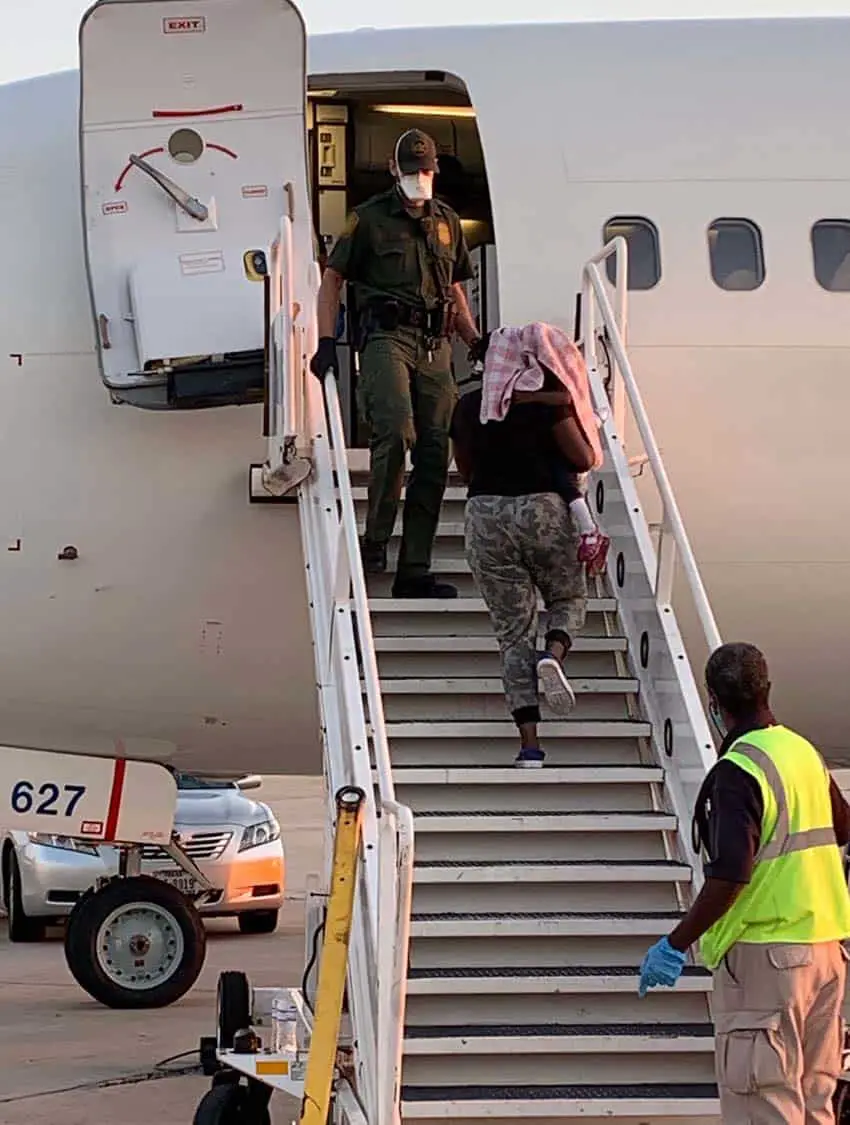
The US government has stepped up repatriation flights since Biden’s border policy went into effect six weeks ago. Here, migrants board a repatriation flight from Del Rio, Texas. (DHS/X)
Since Biden’s new border policy and an associated immigration rule took effect on June 5, the Department of Homeland Security “has removed or returned more than 70,000 individuals to more than 170 countries, including by operating more than 150 international repatriation flights,” CBP said.
“Total removals and returns over the past year exceed removals and returns in any fiscal year since 2010 and a majority of all southwest border encounters during the past three fiscal years resulted in a removal, return, or expulsion,” the agency added.
The Hill newspaper reported that the new CBP data “could be a boon for Biden, as border crossings have taken center stage in the 2024 presidential election.”
He emphasized that the more than 50% reduction in encounters with migrants at the U.S.-Mexico border occurred “in just six weeks” and declared that the reduction in apprehensions to below 1,900 per day was a “significant milestone.”
“… We will continue working to advance the legal [migration] pathways and an orderly, safe and humane migration system,” Salazar said.
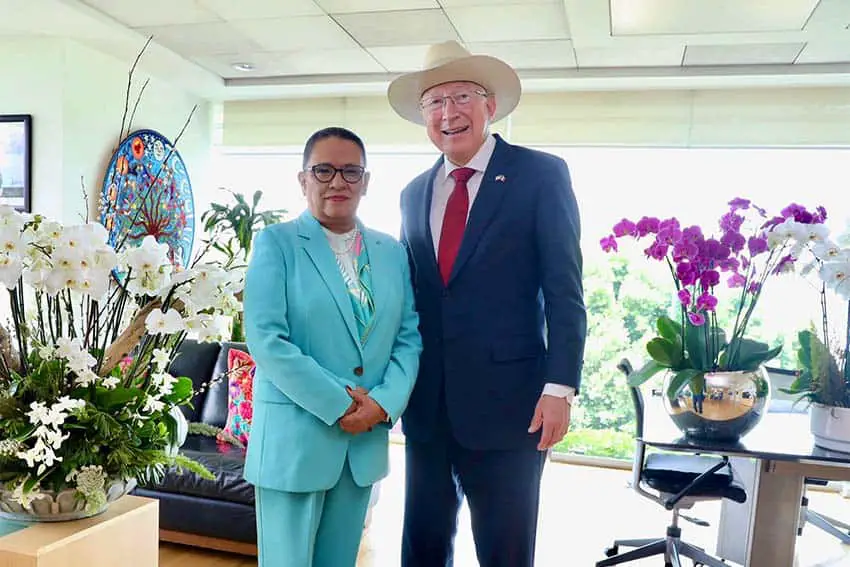
U.S. Ambassador to Mexico Ken Salazar, seen here during a meeting with Mexico Security Minister Rosa Icela Rodríguez, called the CBP numbers a “significant milestone.” (Ken Salazar/X)
Mexico has come under pressure from the United States to do more to stop the flow of migrants to its northern border and has recently ramped up enforcement against undocumented migrants.
The National Immigration Institute said last month that almost 1.4 million undocumented foreigners were “rescued” and taken to detention centers or facilities operated by the DIF family services agency in the first five months of the year. In addition to sending migrants to detention centers, Mexican immigration authorities “round them up across the country and dump them in the southern Mexican cities of Villahermosa and Tapachula,” the Associated Press reported in June.
Following a meeting with U.S. officials in December, Mexican authorities also increased efforts to stop migrants boarding northbound buses and trains.
President Andrés Manuel López Obrador has long stressed the need to address the root causes of migration in various Western Hemisphere countries. His government has expanded its employment programs to some Central American countries while calling on the U.S. to increase development funding for the region.
The United States Congress should approve a US $20 billion “plan of cooperation for development and well-being,” López Obrador said earlier this year, adding that the aim of such an initiative would be to address the structural causes of migration — things such as poverty, violence and lack of opportunity.
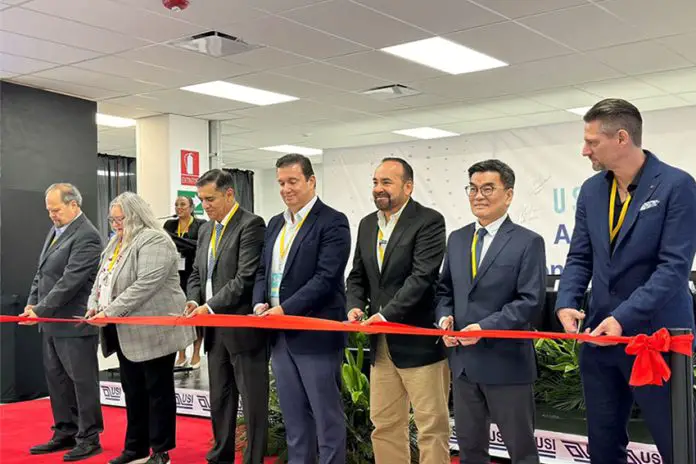
USI, or Universal Scientific International, a global electronics company based in Shanghai, held an opening ceremony on Tuesday at its new Tonalá plant. In attendance were USI officials and Jalisco economic development functionaries.(USI)
Global electronic design and manufacturing company USI has opened a new US $82 million plant in the metropolitan area of Guadalajara, its second facility in the Jalisco capital.
Universal Scientific Industrial, as the Shanghai-based company is officially called, said in a press release on Tuesday that it was “delighted” to announce the opening of its new site in the municipality of Tonalá.
The new plant, in the Axis Industrial Park, cost US $82 million and took over a year to build. (Enrique Alfaro/X)
The company held an opening ceremony on Tuesday, with government and business officials including Jalisco Economic Development Minister Roberto Arechederra in attendance.
USI said the “Tonalá site is poised to become a center of excellence, driving technological advancements and contributing to the local economy.”
“USI is excited to embark on this new chapter and looks forward to the positive impact the site will have on the region and beyond,” the company added.
“USI, a leading company in the development and production of electronic products for the automotive industry, consumer electronics and communications has set its sights on our land and decided to open its second plant in Mexico, here in Tonalá,” he wrote on X.
“… That a company with a presence on the five continents has arrived in Tonalá is an achievement for the state and for an area of the city that no one looked at for years,” Alfaro added.
USI already has facilities nearby in the city of Guadalajara. (USI)
The governor acknowledged the $82 million investment in the new plant, and the announcement that its operation is expected to create “3,000 new jobs for our people.”
At the plant opening in the Axis Industrial Park, the general manager of USI’s Guadalajara and Tonalá sites, Bernardo Santos, said that the “mission” at the new plant is to “foster a collaborative environment where cutting-edge technology and local talent come together to drive success and contribute to the region’s economic development.”
Matthew Behringer, the company’s senior vice president for North American operations and corporate operations development, said “the Tonalá site represents a pivotal step in our North American operations, enabling us to enhance our service capabilities and better meet the needs of our clients in this dynamic market.”
For his part, Arechederra said the government and people of Jalisco “feel very honored that USI has trusted the state since 1997.”
“… We celebrate this technology that USI is going to make in Jalisco, and we celebrate its expansion in our country and our state,” the economic development minister added.
Tonalá Mayor Sergio Chávez said the site where the new plant opened was “empty land” a few months ago, but now USI will manufacture products there that will be exported to Europe, Asia and the United States.
“We are talking about an investment of almost US $82 million with 3,000 new jobs, and that is what we mayors have to promote,” he said.
What happens when you send an American kid to a Mexican school? A world of opportunity! (All photos by Debbie Slobe)
Attracted to a slower pace of life and beautiful beaches, more foreign families are uprooting their kids, quitting their jobs, finding new ways to support themselves and moving to Mexico’s small coastal communities. Educating my child in Mexico is one of the best decisions I ever made.
Towns are responding and developing international and bilingual schools that cater to foreign children and accepting more foreign students into local public schools.
The author’s daughter is now bilingual thanks to her time at El Jardín school.
We are one of those families. In 2015, we left our jobs and home in the United States, moved to the small beachside community of Chacala, Nayarit, and enrolled our daughter in El Jardín y La Selva, a nonprofit community school. We had no idea when we dropped her off for her first day of preschool what a positive experience it would be.
As she is about to graduate from primary school, I’ve been reflecting on what she’s gained by attending a small school in coastal Mexico. I share these perspectives to help other families considering making a similar move.
Kids won’t “fall behind”; they’ll be light years ahead
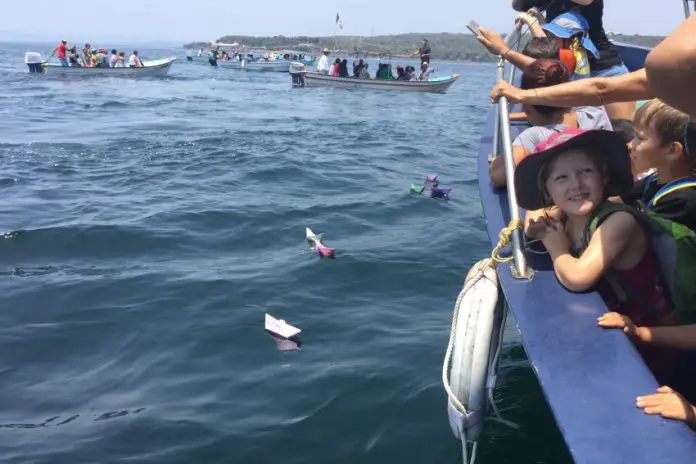
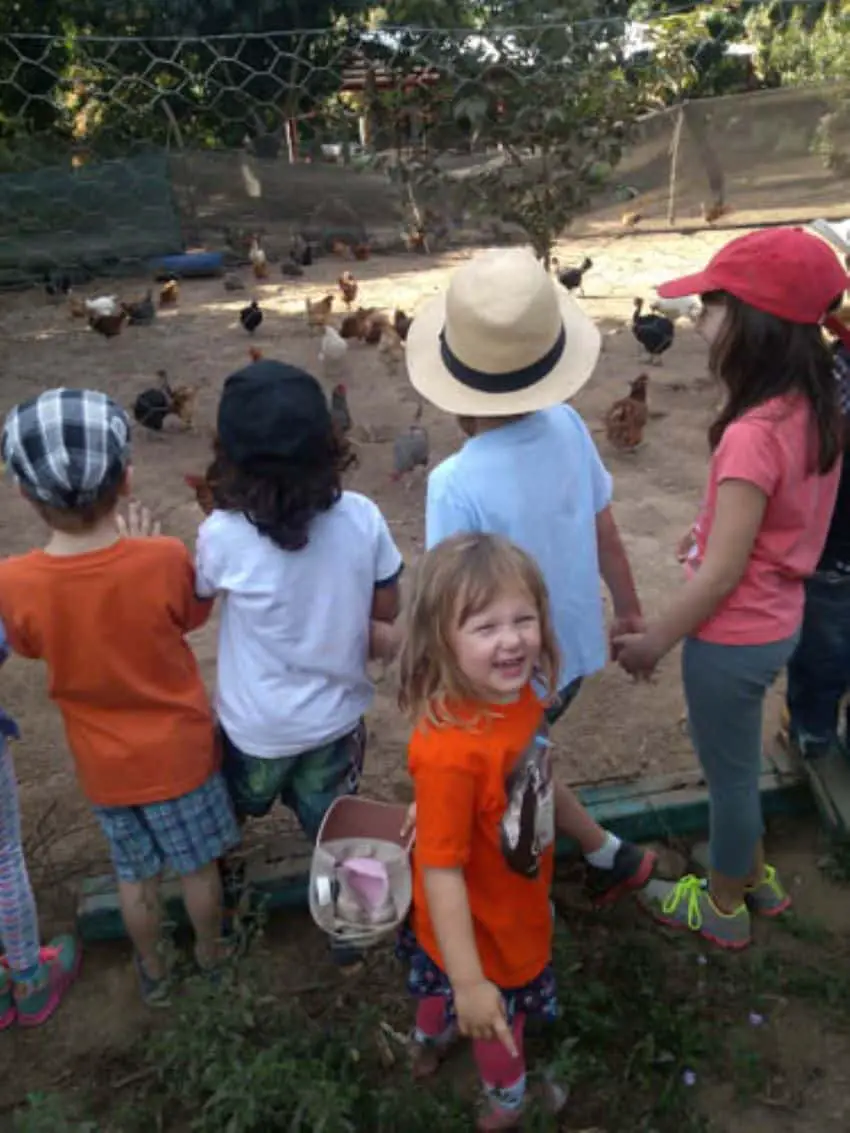
On a tour of El Rancho organic farm with El Jardín school.
One of the fears I had pulling my daughter out of the American school system and placing her in a small-town Mexican school was that she’d fall behind her peers in the U.S. True enough – when we returned to the States those first few summers, many of her friends were more advanced reading in English.
But I learned over time that the social and emotional skills she gained at El Jardín were far more important. Thanks to her time there, she’s more confident, creative and collaborative. Plus, now she reads and writes fluently in Spanish and English and is doing great in core subjects thanks to the school’s strong academic program.
Being plopped into a Mexican school without knowing the language or culture forced her to figure out how to advocate for herself, be more observant and experience what it’s like to be different. It humbled her as much as it frustrated her at times, but in the end, the experience made her more resilient and adaptable.
Small-town schools foster a culture of sharing
Like most beach towns in Mexico, in Chacala there are vast differences in the local population’s economic situation. Some families have lived here for generations, supporting themselves through fishing, domestic work and tourism. Others are relative newcomers from foreign countries and large cities in Mexico with greater wealth.
This means that both high and low-wealth students are part of the school community. While this is also true in many U.S. schools, because American neighborhoods are more economically homogeneous, the differences are starker in Mexico.
Our school has about a 4:1 ratio of low to high-wealth kids. So everything the school does needs to take this into account, from the way it fundraises and distributes scholarships, to how it plans school activities, fundraisers and excursions. Each child is given equitable access to the educational and extracurricular offerings according to their needs.
This fairmindedness extends to how the children treat each other. My daughter and her classmates come from all these backgrounds. They see the differences and disparities but instead of forming cliques, they have created a culture of sharing, not comparing. It amazes me to this day to see how generous they are with each other, regardless of their economic situation.
Celebration is an essential part of life
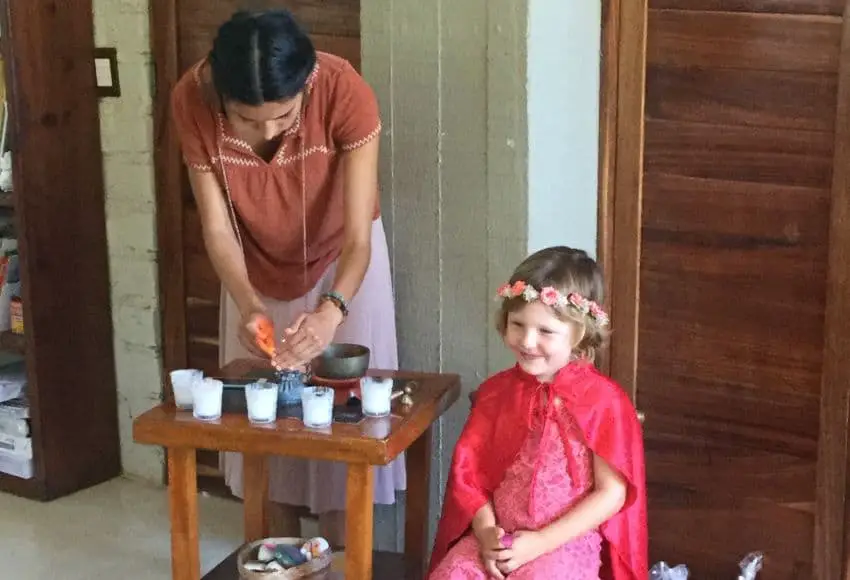
Celebrating a birthday at El Jardín.
In addition to all the Mexican national holidays, coastal communities like Chacala have local celebrations, such as Mariner’s Day, Saint Raphael Week and arts and environmental festivals, in which students participate. Small community schools like El Jardín add other celebrations, such as Teacher’s Day, Family Day and International Children’s Day. The school year is longer to accommodate all the in-school celebrations and days off, but seeing your child experience so much joy, gratitude and community connections is so worth it.
Downtime is not “lost time”
Engaging with local culture is an important part of sending your child to school in Mexico.
Schools in small Mexican beach towns generally don’t have much going on in the way of after-school activities. The activities we do have are either at the school or within walking distance. Kids generally fill their time outside of school playing at each other’s houses, on the beach, at the local playground, on the plaza or relaxing at home.
There are times when I look at my friends’ social feeds and see everything that their kids are doing in the U.S. and feel like my daughter is missing out. But then I talk to these parents and they are exhausted from the frenzy of activities and their kids have zero downtime.
I’ve come to learn that there’s nothing wrong with downtime. It allows kids to connect with their friends and family, pursue a craft or hobby or — god forbid — spend time alone. Sometimes my daughter is bored. But I’d rather she be bored than oversubscribed.
Our experience has shown that there is nothing to fear and everything to gain by educating your child in a coastal community school like El Jardín.
El Jardín is one of many coastal schools dedicated to providing quality education to local children. Learn more about El Jardín and how you can support the project here.
Debbie Slobe is a writer and communications strategist based in Chacala, Nayarit. She blogs at Mexpatmama.com and is a senior program director at Resource Media. Find her on Instagram and Facebook.
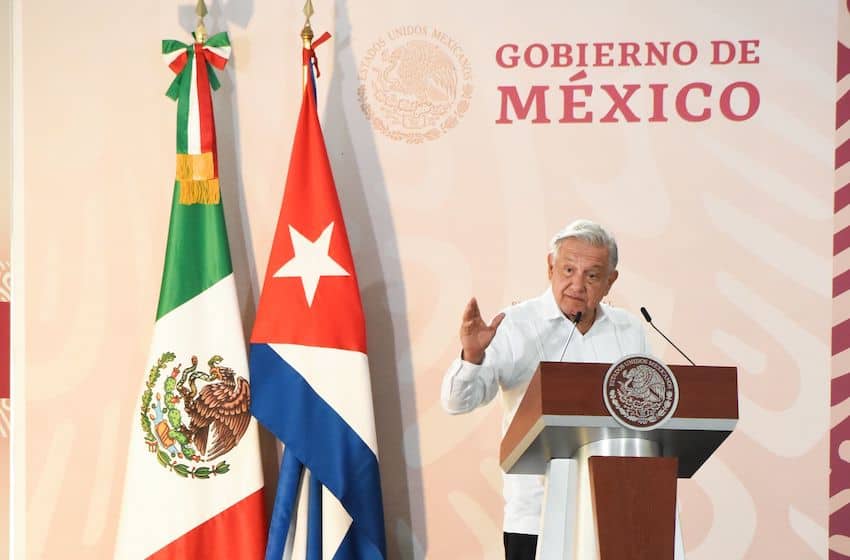
Mexico's director of the public health system IMSS told reporters Tuesday that Mexico needs to hire the 2,700 doctors from Cuba because Mexicans are unwilling to take open positions in rural hospitals. Mexico's medical community say there is no shortage justifying the decision. (Cuartoscuro)
The federal government announced Tuesday that 2,700 Cuban medical specialists will come to Mexico to work, joining 950 Cuban doctors already in the country.
Zoé Robledo, general director of the Mexican Social Security Institute (IMSS), told President Andrés Manuel López Obrador’s morning press conference that Cuban specialists will help fill shortages in the areas of surgery, anesthesiology, pediatrics, gynecology and obstetrics, internal medicine and emergency care.
President Andrés Manuel López Obrador is an outspoken supporter of Cuba and its communist government and has close relations with its leader, Miguel Díaz-Canel. (Cuartoscuro)
“In addition to the 950 [Cuban] doctors that are already working in 23 states of the country, 2,700 doctors in these specialties I just mentioned are joining us,” he said.
Their employment in Mexico is the result of an agreement between the Mexican and Cuban governments.
President Andrés Manuel López Obrador is an outspoken supporter of Cuba and its communist government and has repeatedly called on the United States to end its embargo against the island nation.
Robledo said the Cuban specialists will work at hospitals located mainly in rural areas but also in areas of “high marginalization.”
With the arrival of the 2,700 Cuban specialists, “these hospitals will have an average workforce of 12 doctors,” he said, adding that they will consequently have the capacity to undertake surgeries that in many cases are only performed at large hospitals in big cities.
The hiring of Cuban doctors by the federal government to work at IMSS hospitals would appear at first glance to be a praiseworthy initiative. But there is significant opposition to it, including from Mexico’s medical community and opposition politicians.
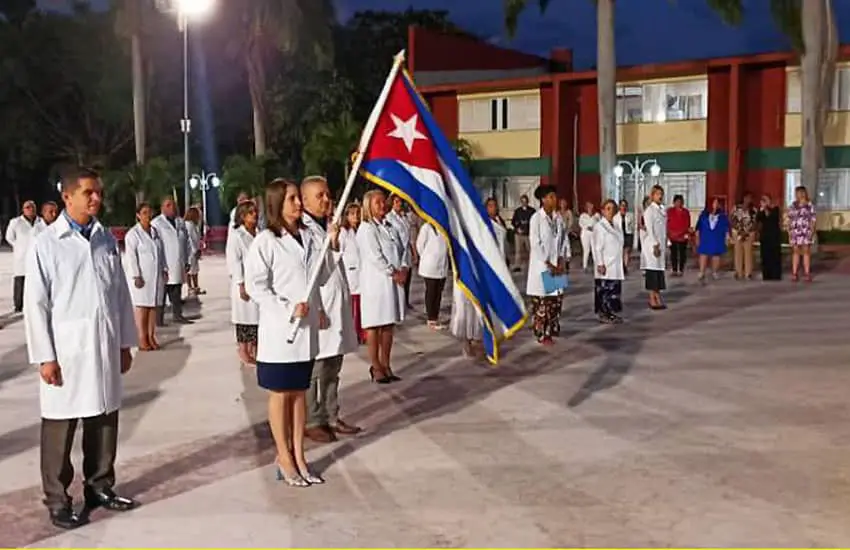
Cubans being sent by their government to work in medical positions in Mexico in 2023 participate in a Cuban government sendoff. (Cuban government/X)
When the federal government announced its intention to hire some 500 Cuban doctors in 2022, the heads of 30 medical colleges, associations and federations expressed their “profound disapproval” of the plan, saying that it was justified by a supposed rather than real shortage of doctors.
The hiring of foreign doctors is a “serious offense” against Mexican health professionals, they said in a statement.
“In our country, there are doctors with abilities endorsed by the universities of the Mexican republic,” and they are equipped with “full knowledge of the needs and idiosyncrasies of our population,” the statement said.
In May, Senator Julen Rementería, the National Action Party’s leader in the upper house of the federal Congress, questioned why Cuban doctors were being brought to Mexico when “there are 51,000 Mexican doctors who don’t have work.”
He said the hiring of Cuban doctors is “contrary” to the government’s pledges to “provide employment to the people of Mexico.”
Health Minister Jorge Alcocer asserted in 2022 that Mexican doctors were unwilling to work in remote areas, leading the government to hire Cubans.
López Obrador said Tuesday that he very much appreciated “the support of the people and government of Cuba because they’re helping us [by] sending medical specialists.”
More concerns about Cuban doctors in Mexico
In 2021, Rementería asserted “there was not a single piece of evidence” that the 585 Cubans brought to Mexico to treat COVID patients had medical degrees.
He accused the federal government, the Mexico City government — led at the time by President-elect Claudia Sheinbaum — and the Cuban government of committing a 255-billion-peso fraud by bringing “fake doctors” to Mexico.
In 2022, the NGO Prisoners Defenders alleged in a report that Cuban doctors in Mexico were working in conditions of “modern slavery,” although López Obrador said they would be paid wages equal to those earned by their Mexican counterparts.
Among other concerns, Prisoners Defenders said that Cuban doctors had entered Mexico at military airports on Mexican military aircraft, “bypassing all Mexican civilian
immigration procedures.”
The Cuban government, Reuters reported, “has said its deployment of doctors around the world is its primary source of foreign income.”
For its part, the United States Department of State noted in a statement earlier this year that “the COVID-19 pandemic increased the need for medical workers in many places around the world, and the Cuban government helped fill the gap by increasing the number of its medical workers abroad, including through the use of its Henry Reeve Brigade, which Cuba first initiated in 2005 to respond to natural disasters and epidemics.“
“There are serious concerns with Cuba’s recruitment and retention practices surrounding this program, exacerbating workers’ vulnerability to being subject to forced labor,” the State Department added.
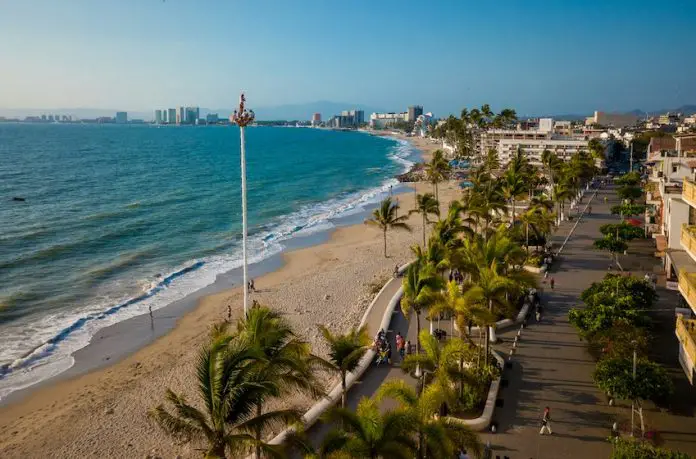
Many are drawn to Puerto Vallarta, which offers restaurants, shopping and nightlife a step away from the beach. (Unsplash)
Authorities in the United States have announced new sanctions against Mexican individuals and companies allegedly involved in cartel-backed timeshare fraud schemes in Mexico that have cost thousands of U.S. citizens hundreds of millions of dollars.
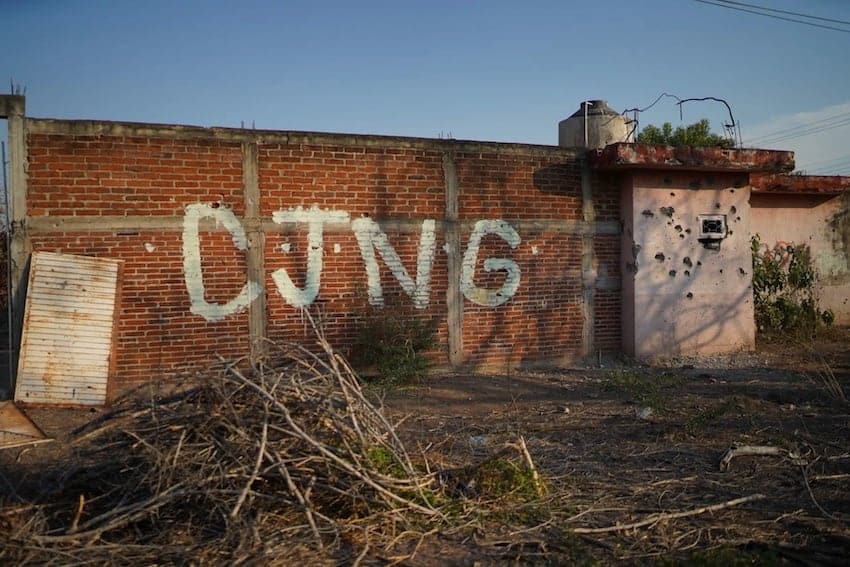
The United States Department of the Treasury (USDT) said in a press release on Tuesday that its Office of Foreign Assets Control (OFAC) had sanctioned three Mexican accountants and four Mexican companies “linked, directly or indirectly, to timeshare fraud” led by the Jalisco New Generation Cartel (CJNG).
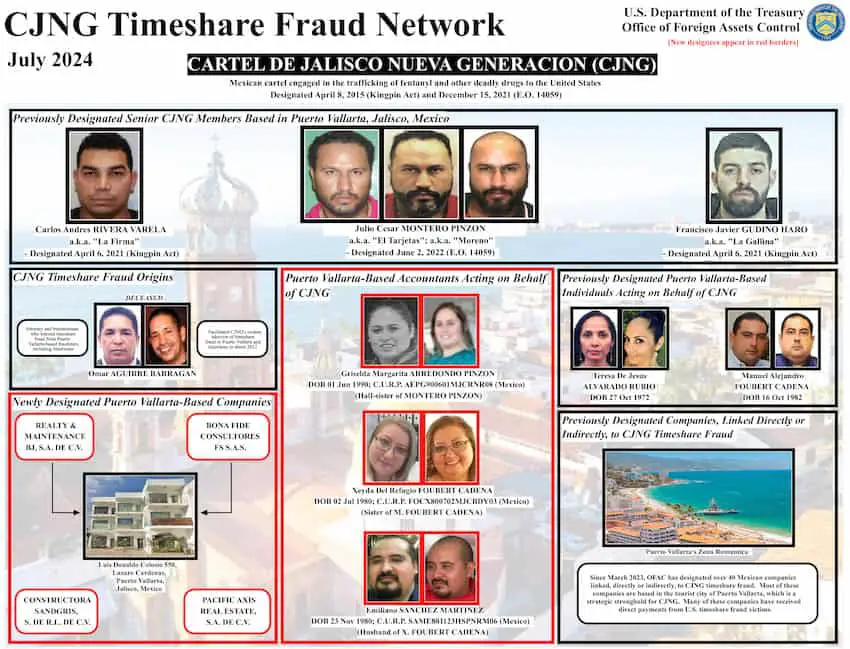
The operators are all connected to the New Generation Jalisco Cartel (CJNG), the mastermind behind the scheme. (USDT)
The three Puerto Vallarta-based accountants “assist CJNG’s timeshare fraud activities and have familial relationships with previously designated persons,” the USDT said.
The four companies sanctioned have alleged connections to the three accountants in Puerto Vallarta, where many of the defrauded U.S. citizens own timeshare properties.
The USDT said that the CJNG and other criminal organizations “operate call centers in Mexico with scammers impersonating U.S.-based third-party timeshare brokers, attorneys or sales representatives.”
“The scammers target and defraud U.S. owners of timeshares in Mexico through complex and often yearslong telemarketing, impersonation and advance fee schemes, including timeshare exit, re-rent and investment scams,” the department said.
1/ Today, our Office of Foreign Assets Control (OFAC) sanctioned three Mexican accountants and four Mexican companies linked to timeshare fraud led by the Cártel de Jalisco Nueva Generación (CJNG). https://t.co/SbmOQ9rDYx
The USDT said that victims of timeshare fraud in Mexico are often targeted for a second time in “re-victimization schemes where perpetrators impersonate U.S.-based law firms and U.S., Mexican and international authorities.”
“The victims often send payments to the scammers through wire transfers via U.S. correspondent banks to Mexican shell companies with accounts at Mexican banks or brokerage houses (casas de bolsa) before the ill-gotten funds are further laundered in Mexico through additional shell companies and trusts (fideicomisos) controlled by cartel members, their family members or third-party money launderers, such as complicit accountants and other professionals,” it added.
According to the Federal Bureau of Investigation (FBI), around 6,000 U.S. victims have reported losing nearly US $300 million to timeshare fraud schemes in Mexico between 2019 and 2023.
“However, this figure likely underestimates total losses, as FBI believes the vast majority of victims do not report the scam due to embarrassment and other reasons,” USDT said.
Brian E. Nelson, USDT’s Under Secretary for Terrorism and Financial Intelligence, said that “cartel fraudsters run sophisticated teams of professionals who seem perfectly normal on paper or on the phone.”
However, “in reality, they’re money launderers expertly trained in scamming U.S. citizens,” he said.
“Unsolicited calls and emails may seem legitimate, but they’re actually made by cartel-supported criminals. If something seems too good to be true, it probably is,” Nelson added.
The origins of CJNG timeshare fraud
The USDT said that Mexican attorney and businessman Omar Aguirre Barragán, who is now deceased, “learned how to conduct timeshare fraud from Puerto Vallarta-based fraudsters, including Americans” more than a decade ago.
“In about 2012, Aguirre educated CJNG about timeshare fraud and sought its support in taking over this highly lucrative scheme from rivals in Puerto Vallarta and elsewhere. Eventually, CJNG took more direct control and cut out Aguirre as an unnecessary middleman,” the department said.
The sanctioned individuals and companies
OFAC on Tuesday sanctioned the accountants Griselda Margarita Arredondo Pinzón, Xeyda Del Refugio Foubert Cadena and Emiliano Sánchez Martínez pursuant to Executive Order 14059, officially titled: Imposing Sanctions on Foreign Persons Involved in the Global Illicit Drug Trade.
The Jalisco New Generation Cartel (CJNG) is estimated to have the largest number of employees of any cartel in Mexico. (Cuartoscuro)
Arredondo is the half-sister of senior CJNG member Julio Cesar “El Tarjetas” Montero Pinzón, the USDT said.
Foubert is “the sister of Manuel Alejandro Foubert Cadena, a Mexican attorney linked to CJNG’s timeshare activities whom OFAC designated on November 30, 2023,” USDT said.
She is married to Emiliano Sánchez, the third accountant who was sanctioned by OFAC on Tuesday.
The four companies sanctioned on Tuesday are:
Constructora Sandgris, which the USDT said is “purported to be engaged in wholesale trade.” It was sanctioned for “being owned, controlled or directed” by Arredondo.
Pacific Axis Real Estate, which is “purported to be engaged in real estate activities.” It was sanctioned for its links to Foubert.
Realty & Maintenance BJ, which is also “purported to be engaged in real estate activities.” It was also sanctioned for its links to Foubert.
Bona Fide Consultores, an accounting firm owned by or linked to Sánchez.
The sanctions on the three individuals and four companies cut them off from the United States financial system and freeze any assets they may have in the U.S.
U.S. authorities “deploying all tools available” to combat timeshare fraud
In addition to sanctioning individuals and companies allegedly involved in timeshare fraud, U.S. authorities are cracking down on the crime in a range of other ways.
On Tuesday, the Financial Crimes Enforcement Network (FinCEN), OFAC and the FBI issued a notice to financial institutions that provides an overview of timeshare fraud schemes in Mexico associated with the CJNG and other criminal organizations.
“The joint Notice provides the methodologies, financial typologies and red flag indicators associated with timeshare fraud in Mexico to help financial institutions identify and report suspicious activity to FinCEN and law enforcement,” the USDT said.
Nelson, the USDT undersecretary, said that the “Treasury and our partners are deploying all tools available to disrupt this nefarious activity, which funds things like deadly drug trafficking and human smuggling.”
“… We encourage the public to use our resources to stay vigilant against these threats,” he added.
The FBI issued a warning last month after detecting a rise in scams targeting timeshare owners. The warning noted that “older Americans” are mainly targeted and therefore timeshare fraud is “technically” a form of “elder fraud.”
“Timeshare fraudsters aim to suck their victims dry, with devastating consequences to victims’ financial futures, relationships and physical and emotional health,” said Paul Roberts, who leads FBI New York’s Complex Financial Crimes Branch.
He said that the crime is attractive to cartels because it is cheaper to carry out than other “revenue generators” such as drug and weapons trafficking.
“Timeshare fraud has low overhead costs and minimal reinvestment, needing only a rental of small space, telecom setup and English-speaking employees with access to resort databases,” Roberts said.
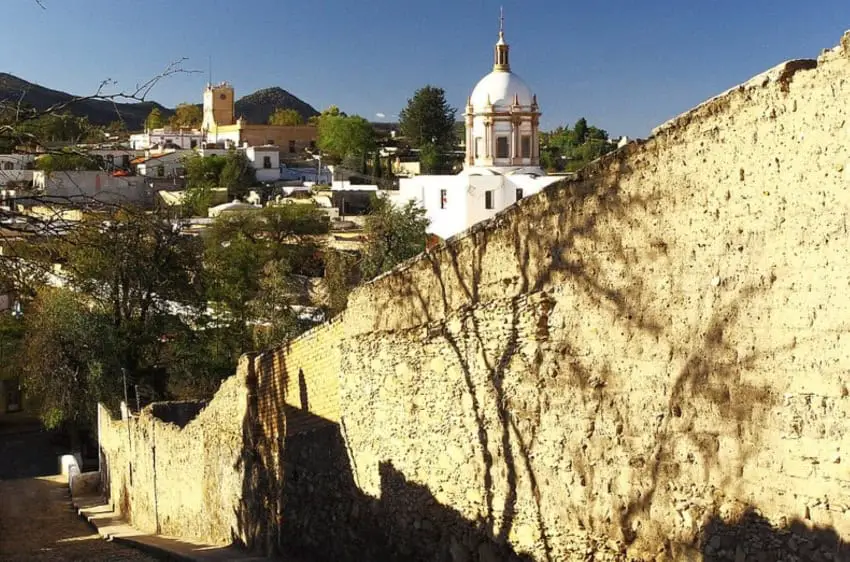
Once a mighty mining capital, Guanajuato's Mineral de Pozos has now become a brilliant day trip destination. (gob.mx)
Once a ghost town, Mineral de Pozos, Guanajuato, is being revived by newcomers attracted to its whispers of the past. Marked by dramatic shifts from prosperity to near-desolation, it is now experiencing a remarkable cultural renaissance.
Declared a Pueblo Mágico in 2012, this enchanting town in the municipality of San Luis de la Paz has transformed into a haven for artists and musicians. If you’re looking for a great day trip that is not too far from San Miguel de Allende, Mineral de Pozos is only 37 miles away.
Mineral de Pozos’ strategic location
Supplying the Spanish crown with gold, silver, copper and more, the city grew rapidly during the 16th century. (Mexico Travel and Leisure)
In 1576, 30 years after the discovery of silver in Zacatecas, the Spanish built a fort at Mineral de Pozos to protect the precious metal during transportation. This initial fortification marked the beginning of the area’s transformation. The Spanish, particularly the Jesuits, recognized the region’s potential and began exploring and developing mining operations.
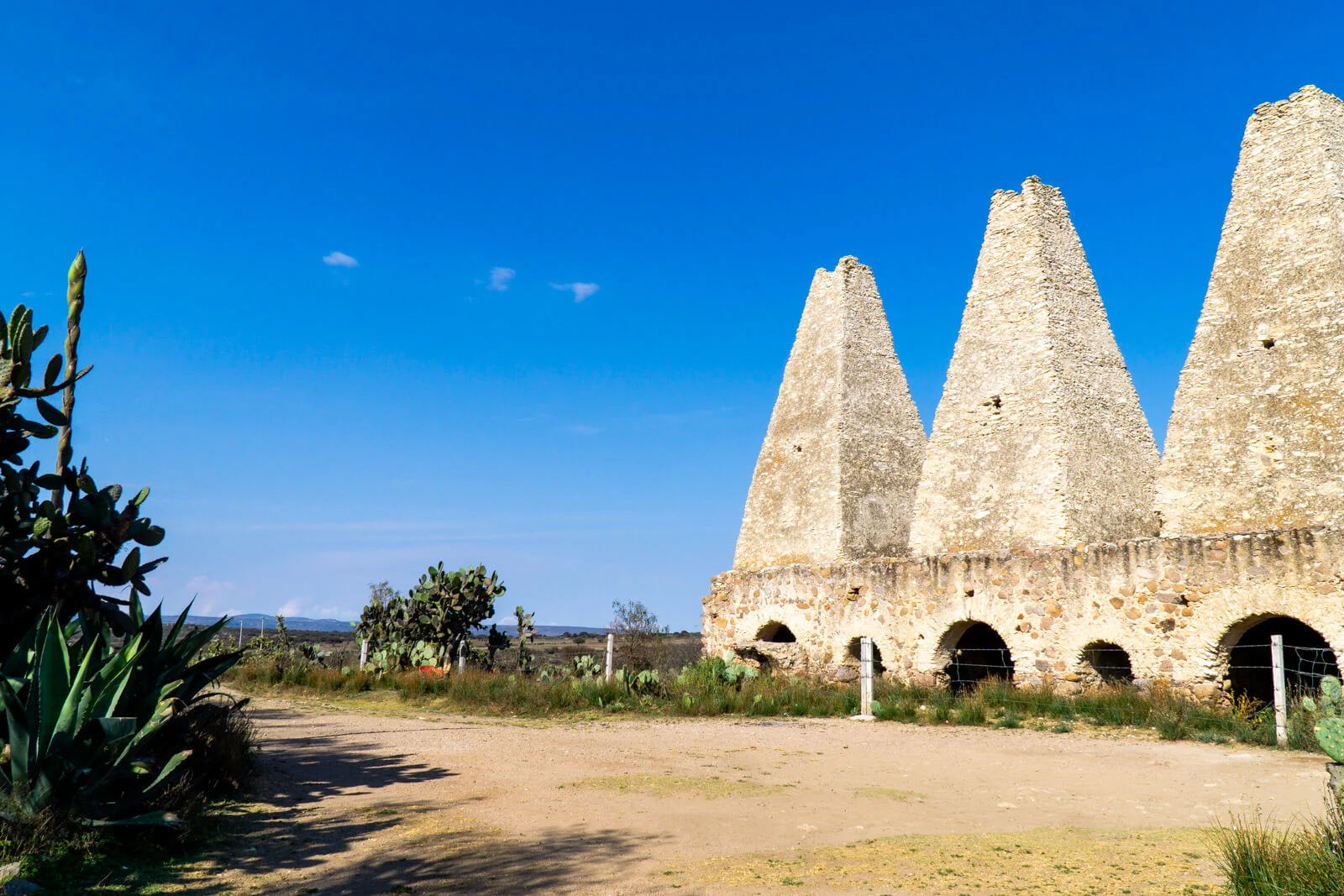
One of the earliest significant mining ventures was the establishment of the Santa Brígida mine in 1595 by Jesuit priests. This mine was part of the broader effort to exploit the region’s rich mineral resources, including silver, gold, copper, lead, zinc, and mercury. Over time, settlers developed more mines, and the town of Mineral de Pozos grew prosperous.
Boom and decline
Mineral del Pozos reached its zenith during the Porfiriato, when it received major state investment. (Journey Wonders)
President Porfirio Díaz made substantial investments in mining infrastructure, leading to a boom in the late 19th century. This period saw the construction of mines in Mineral de Pozos like Cinco Señores, established in 1889 by European entrepreneurs who capitalized on the region’s mineral wealth. This era was marked by technological advancements and increased production, making Mineral de Pozos a major mining center with over 70,000 residents.
However, the Mexican Revolution of 1910 marked the beginning of a steep decline. The war caused many to abandon their work to join the conflict, leading to the closure of the mines. The post-revolutionary period saw attempts to revive the mining industry but flooding in mine shafts complicated these efforts. The once-thriving population rapidly decreased, and by the 1950s, Mineral de Pozos had dwindled to around 200 residents, marking its transition into a ghost town.
Exploring the ruins
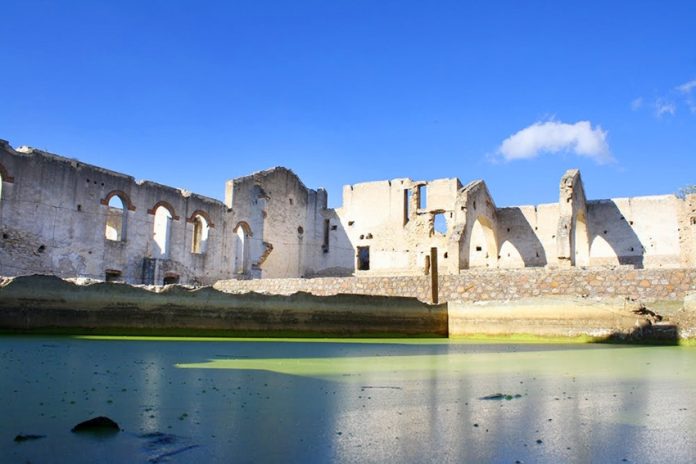
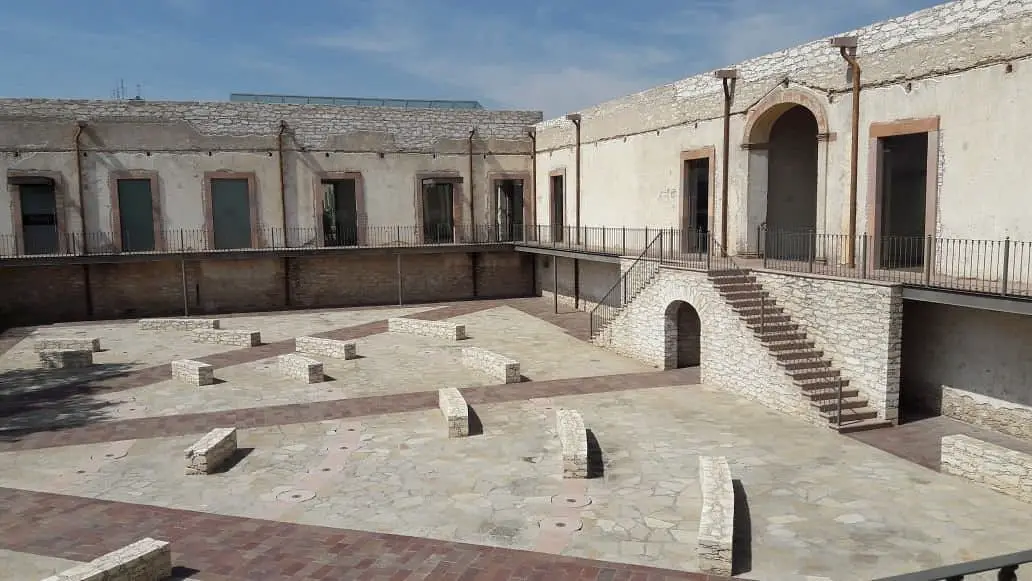
The empty city, dominated by stunning architecture like the Escuela Modelo, offers a chance to walk through a long lost world. (Trip Advisor)
Today, you can visit Mineral de Pozos to experience its unique atmosphere and explore its hauntingly beautiful ruins. The Cinco Señores mine still showcases its walls with Moorish arches and an ancient aqueduct. You can admire the massive furnace chimneys of the Santa Brígida mine, known as chacuacos. The San Rafael mine invites you to walk through its tunnels and hear about its mysterious tales.
Another site worth a visit is the ruins of the Escuela Modelo. Porfirio Díaz implemented significant reforms across Mexico. One such initiative was the model school, designed to elevate literacy rates and integrate European education methods. The model school built at Mineral de Pozos was one of the largest in the nation, highlighting the town’s prominence.
These schools emphasized beauty and functionality, with top architects commissioned to create impressive facilities. Walking through its halls, you get a sense of Diaz’s ambitious vision. Whether you’re a history buff or a fan of stunning architecture, the Escuela Modelo offers a fascinating glimpse into the educational progress made during the Porfiriato.
A place to relax and enjoy
Spa Caliche Vino Tinto | Mineral de Pozos
When visiting Mineral de Pozos, don’t miss the chance to explore its rich mezcal culture. This iconic Mexican spirit is deeply intertwined with the town’s heritage, and you can experience it firsthand to learn about the production processes. Enjoy tastings at the distilleries, bars and restaurants and savor the delicious local cuisine.
To further your experience, you can visit Spa Caliche, which offers an eclectic mix of hydrotherapy options and therapeutic massages that will awaken your senses. Imagine soaking in a tub of beer, coffee, chocolate, or wine while receiving a relaxing massage: each ingredient is chosen for its rejuvenating properties. Spa Caliche prides itself on its certified staff and on using 100% organic ingredients in all its therapies. Embrace the weird and wonderful side of Mineral de Pozos for an unforgettable wellness trip.
A local renaissance
The town now plays host to the International Mariachi Festival, attracting musicians from all over the country. (Innovación Mexicana)
In addition to Mineral de Pozos’ fascinating historical sites, a vibrant cultural scene brings this ghost town to life. The International Mariachi Festival is an annual gathering that attracts hundreds of mariachi bands from across the country each April. This festival offers a unique opportunity for visitors to interact with musicians, attend performances and participate in workshops, masterclasses and exhibitions. The Mariachi Festival showcases talented musicians and attracts music lovers and tourists who want to experience an authentic piece of Mexico.
The International Blues Festival, held every June, attracts blues musicians and enthusiasts from around the world. The festival includes live music and workshops such as specialized guitar clinics and opportunities to sample local craft beers. It has played a significant role in revitalizing the town, bringing in thousands of visitors and featuring performances in the recently restored Antiguo Abasto, an important historic site that once served as a central market.
The Pozos International Independent Film Festival is held every year in October. Created to promote new talent facing challenges in accessing commercial cinema, the festival provides an open platform for filmmakers to present a variety of works, with no restrictions on the length or number of submissions. This event has become a vital part of the town’s calendar, attracting filmmakers and cinema enthusiasts. In addition to showcasing a wide array of films, it fosters a supportive community for emerging artists.
Reflecting on the evolution of Mineral de Pozos
Mineral de Pozos has witnessed both great prosperity and profound decline. Its transformation from a booming mining hub to a nearly abandoned ghost town and finally to a vibrant cultural center reflects the history of Mexico itself. As annual events breathe new life into the ruins, blending echoes of the past with rhythms of the present, Mineral de Pozos invites you to reflect on the resilience of a place that continues to evolve while honoring its heritage.
Sandra Gancz Kahan is a Mexican writer and translator based in San Miguel de Allende who specializes in mental health and humanitarian aid. She believes in the power of language to foster compassion and understanding across cultures. She can be reached at: sandragancz@gmail.com