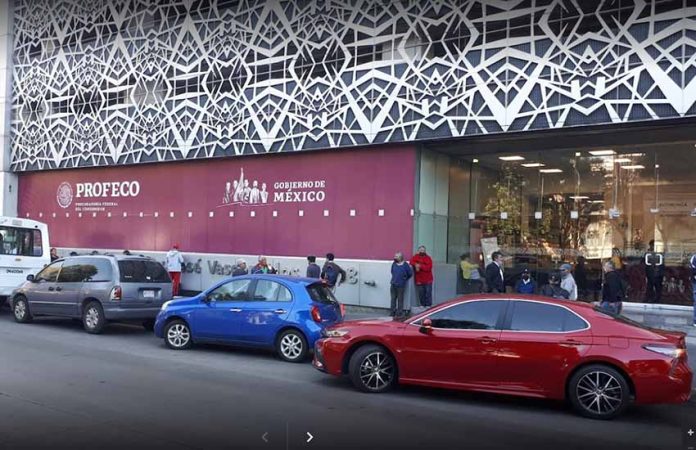
The nation's consumer protection agency Profeco filed the suit against the cable internet company on behalf of more than 4 million subscribers.
The federal consumer protection agency Profeco has filed a class-action lawsuit against the Mexican telecommunications company Megacable due to increasing consumer complaints about the company’s recurrent service failures.
The legal action demands that Megacable deliver its contractually obligated services on behalf of more than 4 million subscribers, under the premise that failure to do so violates the user’s human right to access to communication and information technologies.
Under Mexico’s Consumer’s Federal Protection Law, Profeco may sue whenever the constitutional rights of a group of consumers are harmed; Mexicans’ right to access communications and information technology is protected by the nation’s constitution.
In a statement, Profeco said that among users’ main complaints were the frequent loss of connectivity for long periods and undue charges despite Megacable’s service outages.
According to the agency, Megacable is the telecommunications and cable television operator that had accumulated the most complaints per million subscribers in recent months – an increase that was noticed across different states in Profeco’s Consumer Defense Offices. The Federal Institute of Telecommunications also reported that Megacable ranks second among Mexico’s companies with the most complaints reported as of June this year.
Internet service failures were the main complaint, followed by disagreements about charges, pending balances and outage reimbursements.
Earlier this year, the federal agency targeted AT&T México with a class-action lawsuit. In May, the agency sued the company over a subsidized equipment charge. Profeco objected to an annual 225-peso (US $11) charge to AT&T México customers acquiring devices by paying in monthly installments.
Profeco and AT&T México later reached an agreement in which AT&Tagreed to pay back the charges to 844,000 users. Those who had stopped using the company were entitled to compensation of up to 3,000 pesos (US $150), while existing users were to receive a bonus 3-gigabyte data bundle.
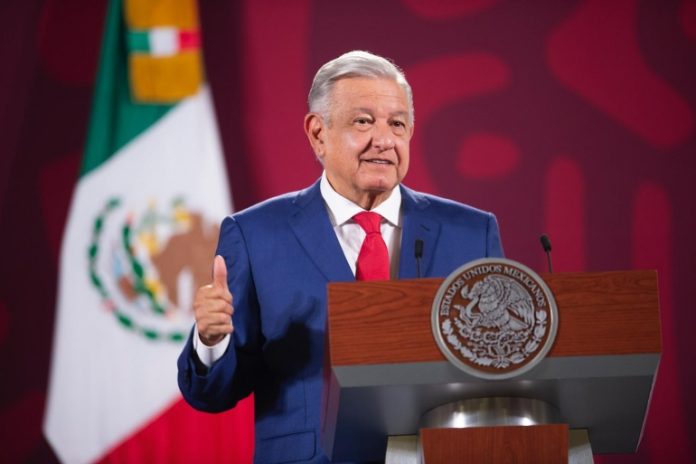
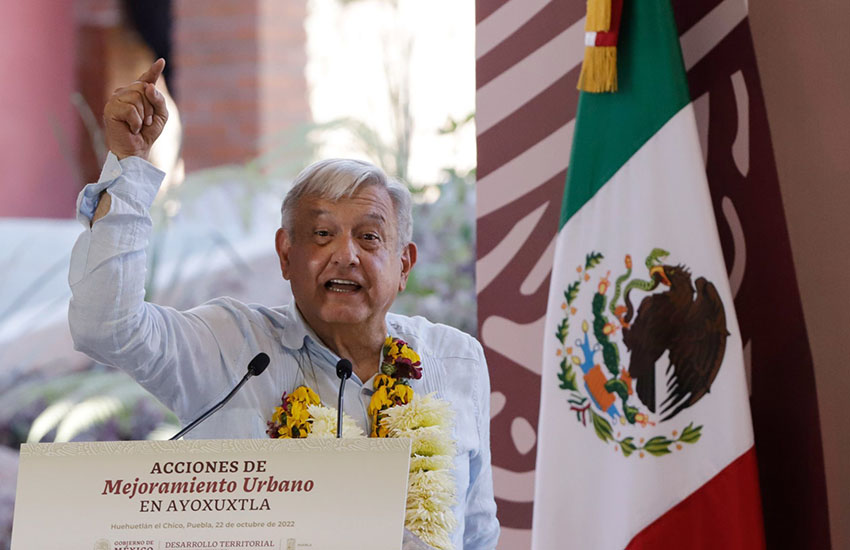
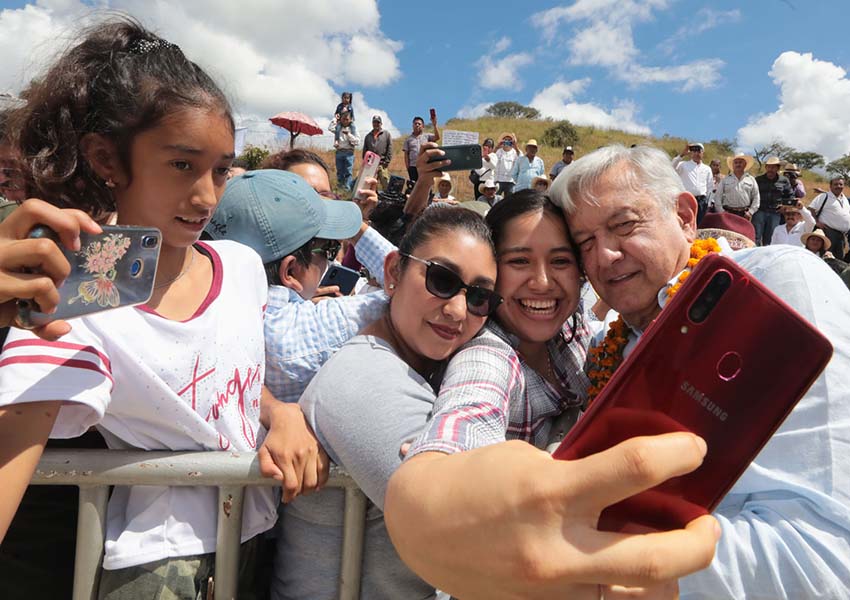
“So we're going to open up [to more] competition. That's democracy," stated the president in his morning press conference. Foto de Chris Leipelt en Unsplash
The federal government could allow foreign airlines to operate domestic routes in Mexico in order to put downward pressure on the cost of air travel.
Mexican law currently prohibits foreign carriers from flying between Mexican destinations, but President López Obrador on Tuesday proposed doing away with the restriction.
Suggesting ways in which competition in the domestic air travel market could be increased in order to “help control prices,” López Obrador said that the government could change the law to allow foreign airlines to fly routes within the country.
“What would that mean? More competition,” he told reporters at his regular news conference.
“… What should a government care about? People’s finances,” López Obrador said before questioning why flying from Mexico City to Hermosillo, Sonora, can cost as much as traveling to Lisbon, Portugal.
“So we’re going to open up [to more] competition. That’s democracy. … The important thing with democracy is for there to be competition, … there shouldn’t be monopolies,” he said. “… We’re going to attend [to the problem of expensive air travel]; we’re going to solve it.”
López Obrador’s proposal came three weeks after he confirmed that the government is considering the creation of a state-owned commercial airline to be operated by the army. In addition to wanting lower prices for air travel, the president – a frequent flyer on commercial airlines himself – wants airlines to fly to more destinations within Mexico.
“There are a lot of places that can’t be reached by plane because they’re not served by the current airlines,” he said on Oct. 4. “… There are cities where there were flights before but now there are none.”
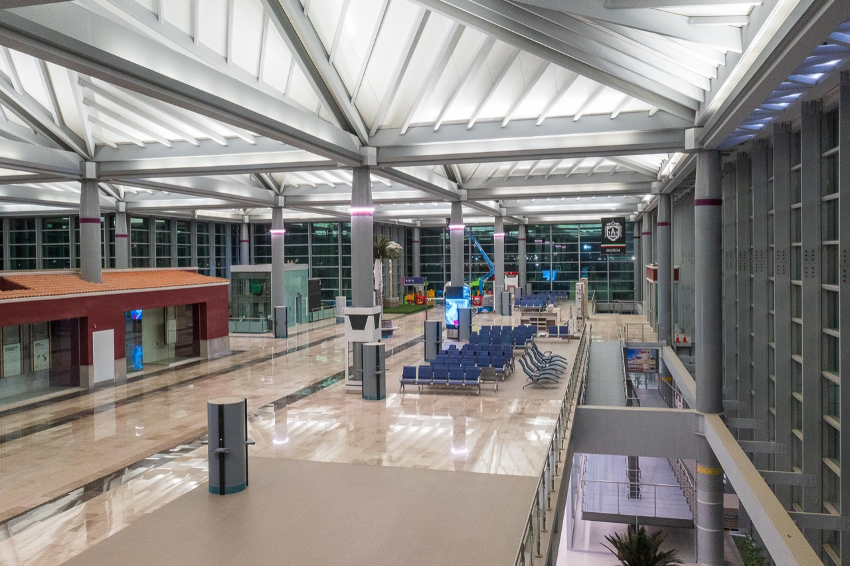
A waiting area inside the Felipe Ángeles International Airport, which opened in March. Gobierno de México
López Obrador also said he is frustrated about the low number of flights currently arriving at and departing from the Felipe Ángeles International Airport, an army-built airport north of Mexico City that opened in March. One barrier to greater usage is that Mexican airlines are currently prevented from adding new flights to the United States because Mexico hasn’t recovered its Category 1 aviation safety rating with U.S. aviation authorities that it lost in May 2021.
Asked on Tuesday about efforts to recover the top-tier rating, López Obrador said that a lot of progress has been made. He also said that a delegation of transport officials, including Infrastructure, Communications and Transport Minister Jorge Arganis Díaz Leal, would travel to Washington this weekend for a meeting with U.S. authorities vis a vis the reinstatement of the Category 1 rating.
Díaz’s department said in June that the process to regain the top-tier rating was ongoing but predicted it would conclude “in the coming months.”
Having been passed by both chambers of congress, the bill now goes to President López Obrador to sign into law, a formality, since he spearheaded the effort behind it.
Daylight saving time (DST) will end this Sunday – not just for 2022 but permanently, after the Senate approved a bill to eliminate twice-yearly clock changes in most of the country.
Fifty-nine senators voted in favor of eliminating DST – first introduced in Mexico in 1996 – 25 opposed the bill and 12 abstained, the Senate said in an early Wednesday morning tweet after 15 hours of debate.
The bill, which proposes a new Times Zones Law, will now be sent to President López Obrador – a staunch opponent of DST – for promulgation.
The new law will end DST in most of the country, but allows 33 northern border municipalities to continue to change clocks in order to stay in sync with the U.S. states they adjoin.
Several municipalities in border states will maintain the practice to stay aligned with the U.S.
López Obrador sent the bill to Congress in July, and it was approved by the Chamber of Deputies in late September. He said in June that a government study concluded that DST generates savings of about 1 billion pesos (US $50.4 million) a year across Mexico, and that “the conclusion is that the damage to health is greater than the importance of … [those] savings.”
Energy Minister Rocío Nahle said earlier this year that DST hasn’t helped Mexican families in a financial sense, while an Interior Ministry survey found 71% support for elimination.
During the lengthy Senate debate, Senator Rocío Abreu Artiñano of the ruling Morena party said that the electricity savings generated by DST are minimal and therefore the time change “has not achieved its goal.”
It has, however, caused “negative impacts” on people’s health, said Abreu, president of the Senate’s energy committee.
Xóchitl Gálvez, a National Action Party senator who opposed the bill, said that the proposal goes against what is happening in other parts of the world, where governments are making or seeking to make DST permanent. The United States is one country where lawmakers are considering that move.
Gálvez argued that DST can have a positive impact on people’s health, asserting that an extra hour of afternoon sunlight in summer helps reduce childhood obesity because “women and children” can stay at the park for longer. She also said that DST helps reduce violence and crime in general because many workers are able to return to their homes before it gets dark and are thus less likely to be targeted by criminals during their evening commute.
The Senate’s approval of the DST bill brings some closure to a debate that has raged in Mexico for years. State legislatures will, however, be able to seek an exemption from the law, provided that they first consult residents.
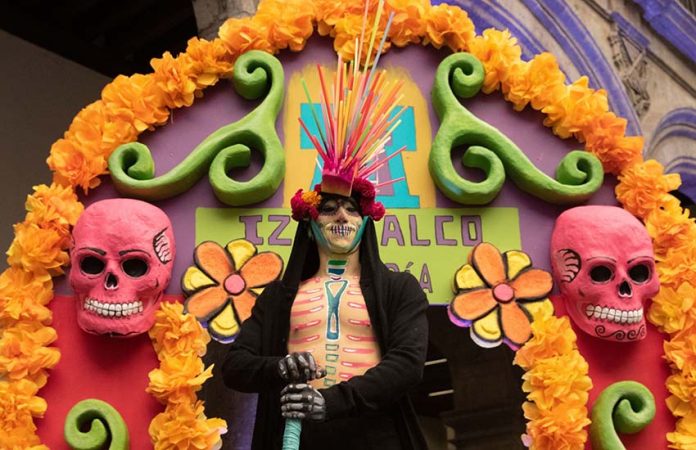
Large crowds of tourists and residents will flock to festivities all over Mexico, including the annual Day of the Dead parade in Mexico City, happening this Saturday. Moisés Pablo Nava/Cuartoscuro
Mexican and foreign tourists are expected to spend big while attending Day of the Dead celebrations between Oct. 28 and Nov. 2.
Tourism Minister Miguel Torruco said in a statement that tourists are predicted to spend 37.72 billion pesos (US $1.9 billion) in the six day period.
About 9% of that amount – 3.43 billion pesos – is expected to be spent on accommodation, with the remainder of the predicted outlay to go to other tourism service providers such as restaurants, airlines and bus companies.
Torruco said that 2.16 million people are expected to stay in hotels across the country between Friday and next Wednesday, a period that encompasses both Halloween and Day of the Dead festivities. That figure is just short of the 2.27 million people who stayed in hotels during the pre-pandemic Día de Muertos period in 2019.
The tourism minister said that just under three-quarters of hotel guests this year are expected to be Mexicans, with foreigners making up the remainder. An additional 2.45 million Mexicans are expected to stay with family or friends, or in holiday homes, while partaking in Day of the Dead activities – and spending their hard-earned cash in the local economy.
Michoacán, home to popular Day of the Dead destinations such as Pátzcuaro and Morelia, is one state that is expecting a large influx of visitors. Large crowds will also flock to festivities in Mexico City, including the Day of the Dead parade this Saturday.
Torruco said that hotel occupancy of almost 80% is expected in Mexico City Saturday night, with some 78,000 guests set to wake up in the capital Sunday morning, possibly after attending the previous day’s parade among a predicted crowd of 1 million people.
There are many other Day of the Dead attractions in Mexico City, including monumental ofrendas (altars or offerings) set up in public squares such as the Plaza de Santo Domingo and the Plaza de la Constitución, commonly known as el zócalo.
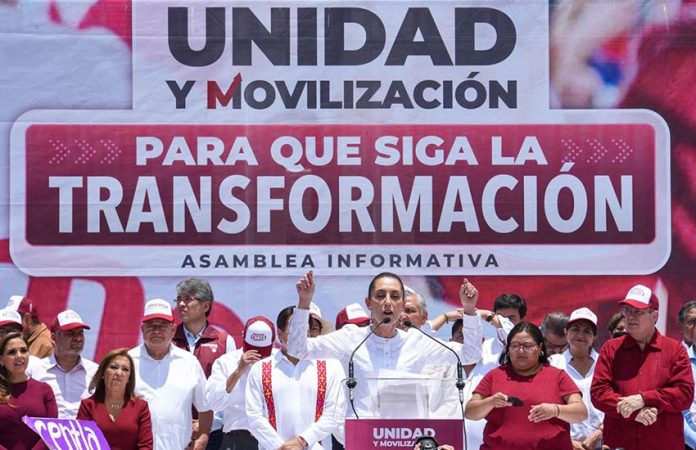
Mexico City Mayor and presidential contender in 2024 Claudia Sheinbaum was a visible figure at a Morena rally in June. Crisanta Espinosa Aguilar/Cuartoscuro
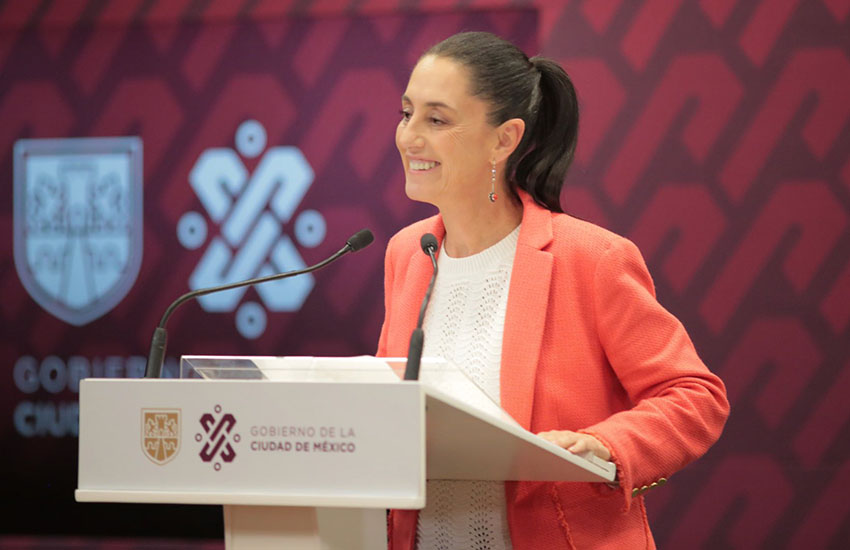
Mexico City Mayor Claudia Sheinbaum – a leading candidate to succeed President López Obrador – has declared she is “ready” to take on the nation’s top job.
In an interview with Milenio TV, the Morena party mayor said she is excited about the possibility of becoming Mexico’s first female president. She asserted that the country is ready to have a woman as its chief executive before declaring that she, too, is “ready” to succeed her close ally when he leaves office in 2024.
“I’m ready, obviously everything [will happen] in good time,” Sheinbaum said, referring to the ruling party’s future process of selecting a 2024 presidential election candidate. “I believe that the participation of women enriches democracy in our country.”
“Mexico is actually one of the most advanced countries in the whole world with regard to the participation of women in public life, particularly politics. And I think that’s marvelous, not just for us, this generation but also for future generations,” Sheinbaum said.
“Mexico is actually one of the most advanced countries in the whole world with regard to the participation of women in public life, particularly politics,” Sheinbaum asserted in an interview with the news network Milenio.
Sheinbaum – considered AMLO’s preferred successor by many observers – acknowledged that she has the support of the president but said he treats all the possible Morena candidates equally.
Interior Minister Adán Agusto López, Senator Ricardo Monreal and Labor Party Deputy Gerardo Fernández Noroña have also expressed interest in participating in the ruling party’s internal process to find its 2024 flag bearer.
“We all know the rules of the game…” Sheinbaum told Milenio TV.
President López Obrador told a Puebla crowd last week that Morena wouldn’t handpick a presidential successor for the 2024 election, but that party members would choose. Yerania Rolón Rolón/Cuartoscuro
López Obrador reiterated Saturday that he won’t handpick a successor as previous presidents have done. Rather, “the people” – rank and file Morena members – will decide who will appear on the ballot as the ruling party and its allies’ candidate, he told people attending an event in Puebla.
“It won’t be like before, I can assure you. Will there be a tapado? No, screw that! Will there be a dedazo? Screw that!” AMLO declared. The colloquial terms refer to an anointed successor and previous Institutional Revolutionary Party (PRI) presidents’ unilateral designation of presidential candidates. For most of the 20th century, these candidates were assured victory due to a de facto PRI dictatorship.
“… Who is going to choose the [Morena congressional] candidates and the the next president? …. The people! The people will decide,” he said. “Fortunately, … there are several women and men who can guarantee …that the transformation [of Mexico] in benefit of our people will continue.”
Earlier this month, López Obrador presented a long-list of possible opposition candidates, saying that a total of 43 people have either expressed interest in vying for the presidency or have been touted as potential contenders to the Morena party candidate.
Among the names he mentioned were Jalisco Governor Enrique Alfaro, former first lady and federal Deputy Margarita Zavala and ex-interior minister and current Senator Miguel Ángel Osorio Chong.
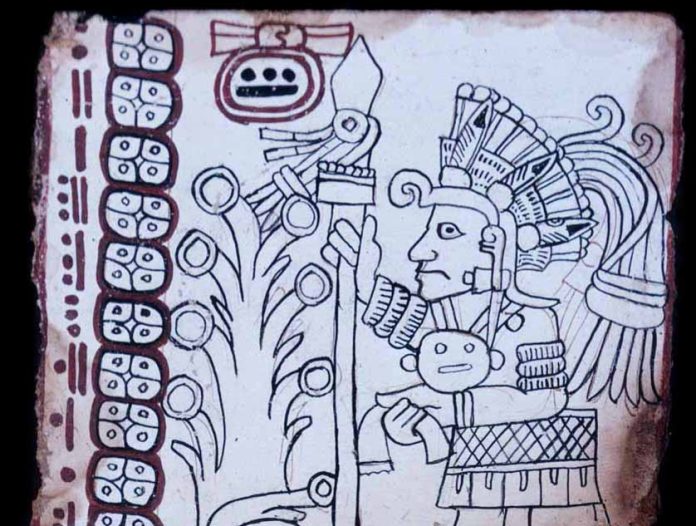
A page from the Códice Maya de México, dated to between 1025-1152 AD Wikimedia Commons
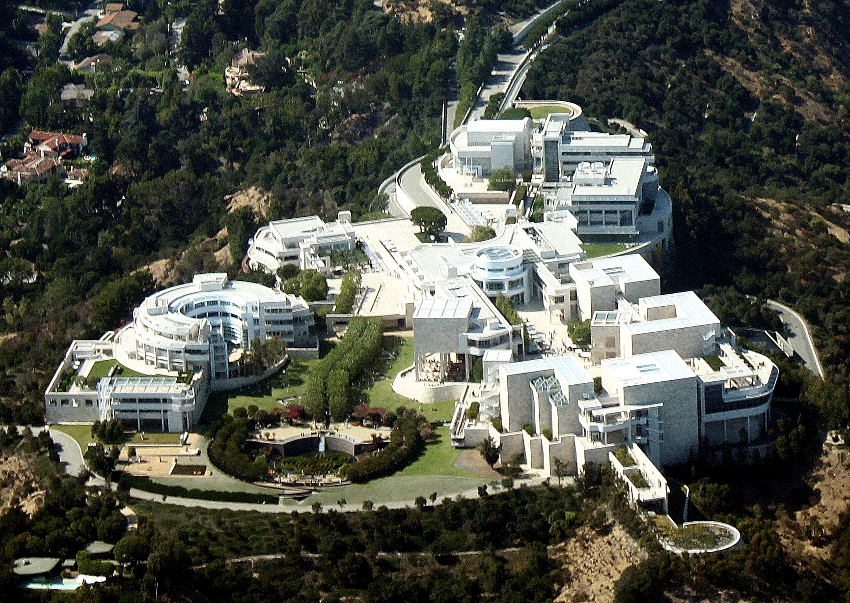
The oldest surviving book in the Americas, known as the Códice Maya de México (Maya Codex of Mexico) is on display at The Getty Center Museum in Los Angeles in an exhibit that opened on Oct. 18 and will run through Jan. 15, 2023.
On loan from Mexico’s National Library of Anthropology and History, this is the first time the artifact has been exhibited in the U.S. in fifty years.
“The importance of this special loan from Mexico cannot be overstated,” said museum director Timothy Potts in a press release. “Home to the largest Mexican diaspora outside of Mexico, this loan is a gift not only to our Getty visitors but to the city of Los Angeles.”
The book has been exhibited only three times before: in 1971 at the Grolier Club in New York – hence its former name as the Grolier Codex – and twice at the National Museum of Anthropology and History in Mexico City.
An aerial view of the Getty Center Museum in Los Angeles Wikimedia Commons
Painted by a single artist on amate paper (made from the bark of fig trees), the Códice Maya de México tracked the transit of the planet Venus as the morning and evening star, a journey that, from the Earth’s perspective, lasts 584 days and which was calculated in the codex over 104 years.
For decades, the book’s authenticity was disputed due to its mysterious appearance in the mid-1960s in a private collection in Mexico.
With the use of the latest technology, scholars were able to authenticate the book in 2018 through a multidisciplinary project coordinated by the National Institute of Anthropology and History (INAH).
Their extensive research concluded that the codex dates to the period between 1021 and 1152 AD, making it at least two hundred years older than the three other surviving pre-Hispanic manuscripts.
The exhibition will highlight the sophisticated astronomical calendar content of the codex, and the way in which the Maya civilization interpreted the cosmos.
“The exhibition draws attention to the intellectual and artistic achievements of ancient indigenous peoples of the Americas,” said Mary Miller, of the Getty Research Institute. “It critiques and de-centers notions that science and mathematics were under the strict purview of European cultures.”
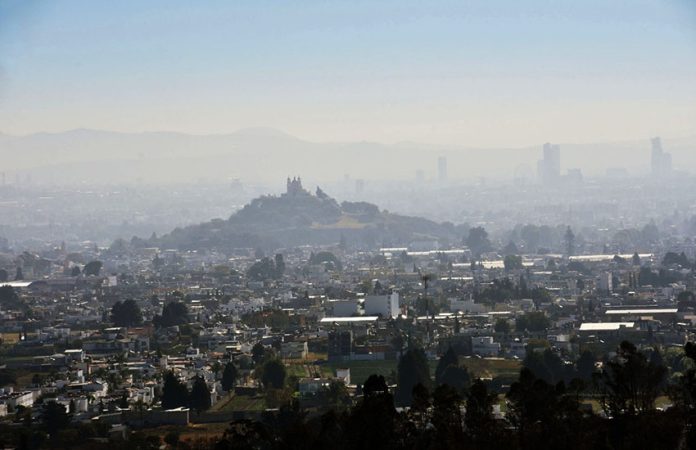
The Great Pyramid of Cholula is surrounded by the vibrant tourist city of San Andrés Cholula, Puebla. Photos by Joseph Sorrentino
It may not be as famous or get as many Instagram posts as the Great Pyramid of Giza or even Mexico’s own Chichén Itzá, but Tlachihualtepetl, better known by the far more pronounceable name, The Great Pyramid of Cholula, is nevertheless impressive: by volume, it’s the world’s largest pyramid.
No wonder its original Nahuatl name means “mountain made by hand” or “human-made mountain.” The Cholula name comes from San Andrés Cholula, the town where it’s located in Puebla.
It stands 25 meters tall and has a base that’s 300 by 315 meters. Though it’s dwarfed in height by the Giza pyramid, at 146.6 meters, the Cholula pyramid total volume — 4.45 million cubic meters — is almost double that of the Egyptian pyramid.
It’s also the oldest continually occupied site in Mexico. The pyramid was built and frequently modified over at least 1,000 years, with the first construction phrase happening probably around 200 B.C. and then continuing on as several different indigenous groups took it over. Each built on top of or modified the existing pyramid. It’s thought that the pyramid has undergone four major constructions and was modified at least nine times.
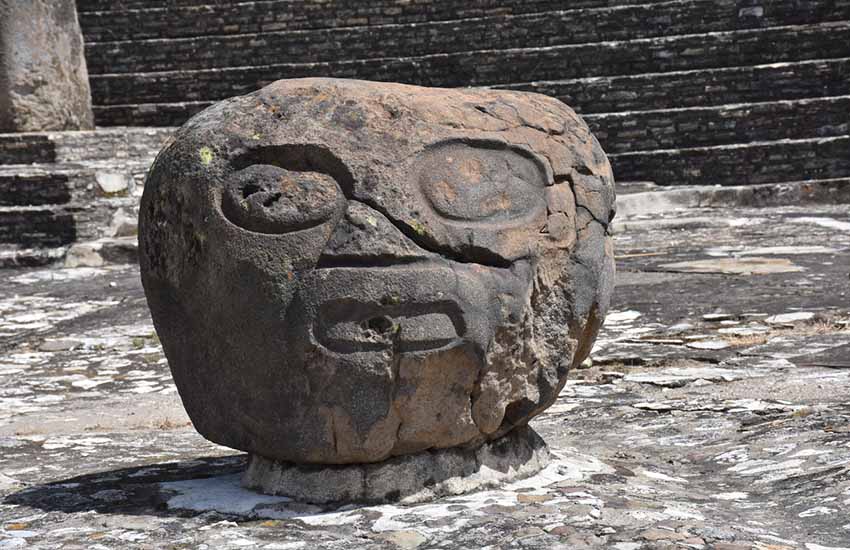
A carved head located in the Courtyard of the Altars.
Tlachihualtepetl was dedicated to Quetzalcoatl (the Plumed Serpent), one of the most important gods in Mesoamerica. He was — and still is — worshipped as the god of wind and rain who was also responsible for creating the world and humans. It’s still an important pilgrimage site for indigenous Mexicans.
One of the nice things about this site is that not only are you allowed to climb this pyramid (unlike many others in Mexico), a wide stone path actually leads you to the top. There are warnings not to attempt the climb if you’re suffering from heart problems or other ailments, but nevertheless, the admittedly somewhat steep walk to the peak takes less than five minutes at a moderate pace.
Shortly before you reach the church that stands atop the pyramid, the Iglesia de Nuestra Señora de los Remedios (Church of Our Lady of the Remedies), this path will fork into three roads. The left two lead to the church, and the right one leads to where you want to go — the ruins below.
Incidentally, the church, built by the Spanish in 1594, is also worth a visit if you have time. Thousands of Catholics do a pilgrimage here due to the small figure of the Virgin of the Remedies enclosed in a glass case inside. Pilgrims arrive on the night before her feast day of September 8 so they can greet her early in the morning.
Indigenous pilgrims come here on the spring equinox to celebrate with dancing, music and fireworks.
If you take the fork’s right path to the pyramid, you’ll get a view of the archeological site before you arrive. Entry is a modest 85 pesos, and there are several information signs set among the ruins explaining what some of the buildings were used for.
The first people arrived in this area around 3,000 years ago. Over the centuries, the city was conquered and occupied by the Olmecs, Toltecs and finally the Mexicas (Aztecs). At its peak, it reached an estimated population of 100,000.
Some of the buildings exhibit architectural designs like those found in Teotihuacán to the north, suggesting a link between the two. Others have seashells and other marine designs, indicating trade with coastal civilizations.
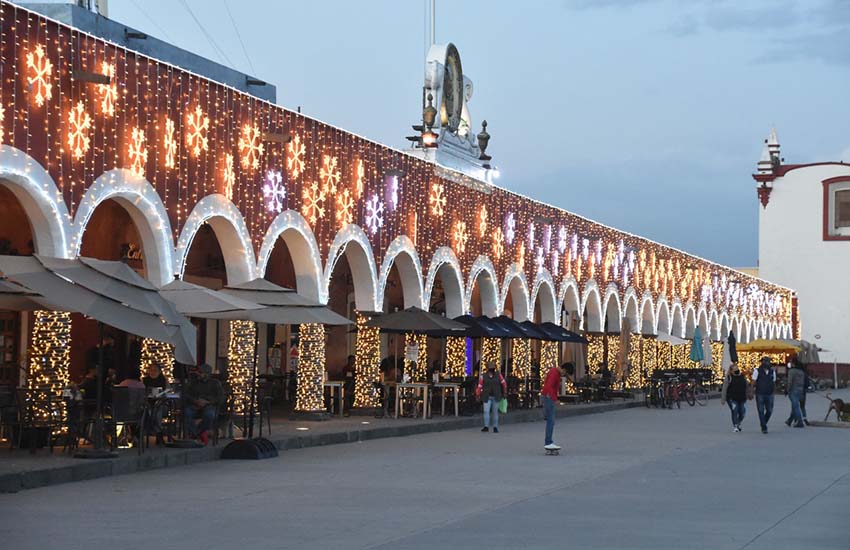
The arches located in San Andrés Cholula’s zócalo where there are several restaurants and coffee.
Off to one side of the ruins is a reproduction of Los Bebedores (The Drinkers), is located deep within the pyramid and, unfortunately, off-limits to the general public. The actual mural stretches 56 meters (184 feet) and depicts a celebration where people are drinking pulque, a mildly alcoholic drink still drunk today in Mexico.
The city underwent a period of decline between A.D. 500 and 800. Between A.D. 700 and 800, work on the pyramid halted. Researchers give three possible explanations: Popocatépetl erupted in A.D. 500, which may have forced people to leave; a nearby lake may have flooded the city; or people may have moved to Zapotecas, a nearby hill, in order to facilitate trade with other civilizations.
When the conquistador Hernán Cortéz saw Cholula, he declared it to be the most beautiful city outside of Spain. That did not, however, stop him from perpetrating one of the most horrific events of the Conquest, which probably occurred in the courtyard in front of the pyramid in October, 1519.
Cortés had made an alliance with the Tlaxcalans, who were the city’s enemies. He marched from Tlaxcala to Cholula with his soldiers and probably thousands of Tlaxcalan warriors, reaching the city on October 14. Supposedly told of a plot against his troops, he invited the Cholulan nobles a few days later to a meeting in their courtyard, according to one source, leaving the Tlaxcalan warriors outside. Once inside the courtyard, the Tlaxcalan warriors streamed in, slaughtering several thousand unarmed Cholulans.
Just behind the pyramid is the The Regional Museum of Cholula. Housed in a former psychiatric hospital opened in 1910, there are stories of ghosts wandering the museum. The six-room facility displays artifacts from different periods of Cholula’s history. All the rooms are worth visiting. Room 8 is dedicated to Puebla’s popular art, displaying works from across the state, including traditional tree of life figures, tapestries and Talavera. Entrance costs 42 pesos. Be warned it’s closed on Mondays.
Although best known for the pyramid and the archeological site, San Andrés Cholula also boasts a number of excellent restaurants and coffee shops once you’re done perusing the ruins. Several are located just across the way. Ringing the courtyard and along the walkway adjacent to the pyramid are the many souvenir stands you’d expect, but on weekends, you’ll likely catch performances by voladores — Puebla’s aerial acrobatic tradition on UNESCO’s list of intangible human heritage.
Although it’s been said that the city has 365 churches, that’s probably not true. For sure, there are a lot, so you’ll have plenty to choose from and more for a return visit.
Calle Morelos, a street lined with shops, leads from the pyramid to the city’s zócalo (main square), where there’s a lovely park, more restaurants and more stands selling ice cream and candies, perfect for aimless, relaxed sightseeing. On weekends, there’s also a small art fair in front of the park’s gazebo, organized by an artists’ cooperative.
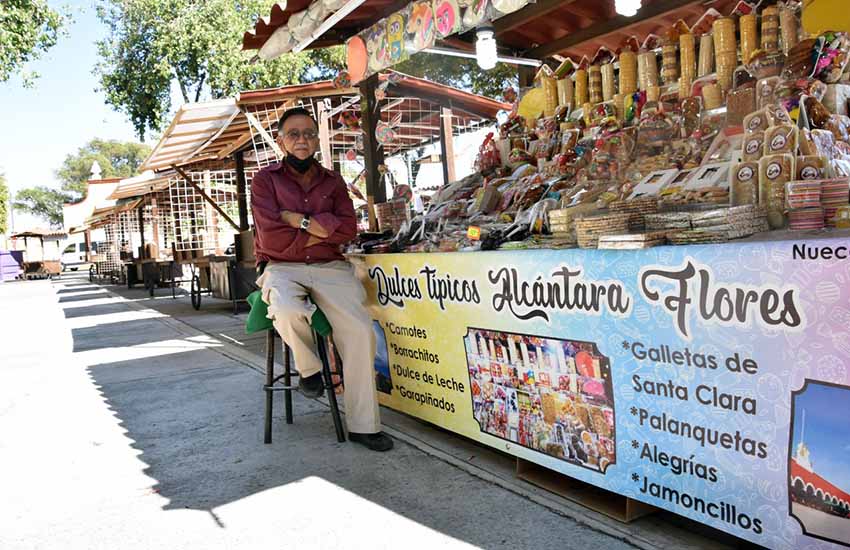
A vendor selling Santa Claras and other sweets typically found in Cholula
No trip to Cholula is complete without eating a cemita, a sandwich filled with different meats and cheese, as well as Santa Claras, a delicious cookie you won’t soon forget.
If you still have time, Cerro Zapoteca, a hill a short distance from the city center, is also worth a trip for its many hiking trails a great view of the pyramid; the monster pyramid looks large up close, but it’s only from a distance that its size can truly be appreciated.
Fall is an excellent time to visit because a field across from the pyramid is filled with cempasúchil and terciopelo, the brilliantly colored flowers of Day of the Dead. The site is less than 10 miles from the city of Puebla and a little under two hours from Mexico City, and there are plenty of hotels and Airbnbs for overnight stays.
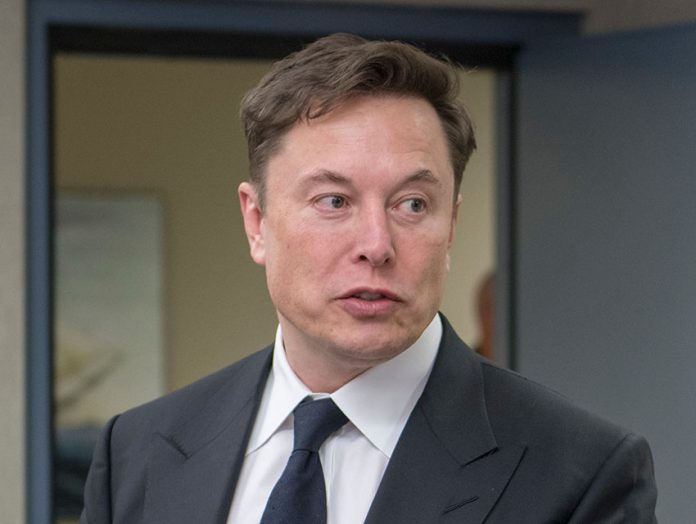
Technology magnate Elon Musk was spotted in Nuevo León, sparking speculation about plans for a new Tesla plant in the area.Creative Commons
The world’s richest person, Elon Musk, could inject some of his vast resources into Nuevo León, as the tycoon is reportedly considering a municipality in the metropolitan area of Monterrey as the location for a new electric vehicle (EV) plant.
The Tesla and SpaceX magnate was in the northern border state last weekend, where he met with Governor Samuel García and other state officials as well as U.S. Ambassador to Mexico Ken Salazar, according to reports.
Musk, who is currently attempting to close a messy deal to buy Twitter for US $44 billion, is believed to be considering Santa Catarina as the site for an EV plant, presumably to be operated by Tesla. Tesla executives accompanied the 51-year-old South African native in his meeting with Nuevo León officials.
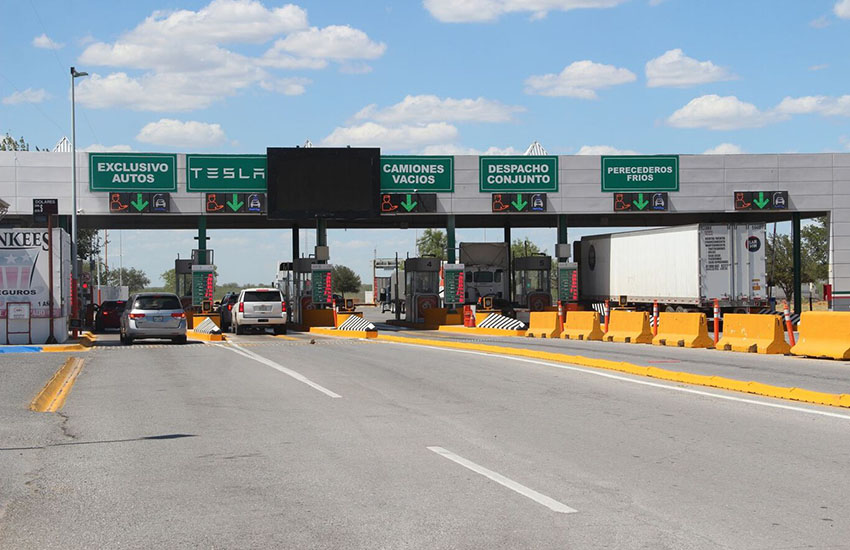
Located just west of Monterrey, Santa Catarina is a seven-hour drive from Austin, Texas, where Tesla is headquartered. The EV manufacturer’s Mexico-based suppliers already have their own private lane at a Mexico-U.S. border crossing thanks to a deal the company struck with the García-led state government earlier this year.
“I’m very optimistic and very happy about what’s coming for our state – that’s why the richest people in the world come here; it’s not by chance,” Nuevo Leon Governor Samuel García said after reports surfaced that he and state officials had met with Musk in Mexico. Samuel García/Twitter
Nuevo León officials have said little about the meeting with Musk, citing a confidentiality agreement they entered into with the businessman, but the governor and his social media influencer wife Mariana Rodríguez posted several screenshots of media reports about the encounter to their Instagram “stories.”
One of García’s posts was overlaid by an emoji showing two hands clasped together, apparently indicating that García is praying for Musk to invest in the state. The baby-faced, social media-savvy governor said Monday that Musk was attracted to Nuevo León by the business-friendly environment the state offers.
“I’m very optimistic and very happy about what’s coming for our state – that’s why the richest people in the world come here, it’s not by chance,” García said at the launch of a new online portal for business-related bureaucratic procedures called “Agiliza Nuevo León,” (Speed Up Nuevo León).
“In Nuevo León, as always, we must be an example of how to do things,” said the governor, who highlighted that his state is a job creation powerhouse and a magnet for foreign investment.
Tesla employees and employees of their supply companies in Mexico already have their own lane at the Colombia Solidarity International Bridge crossing, north of the Laredo, Texas, crossing.
State Economy Minister, Iván Rivas, one of the other officials who met with Musk in Monterrey, said that authorities are “analyzing” what they can do with Musk, who has a net worth of US $219 billion, according to Forbes’ 2022 World’s Billionaires List.
He noted that suppliers to Tesla and other EV manufacturers have already set up shop in Nuevo León, an industrial hub and one of the engine rooms of the Mexican economy. Rivas said that any investment from the world’s richest person would be a good thing before telling reporters at the Agiliza Nuevo León event, “We can’t really talk about the issue because we have a confidentiality agreement.”
Musk said earlier this year that both Mexico and Canada were being considered as possible locations for a Tesla manufacturing facility.
“We are looking at sites [in the United States for a new plant], but we are considering some site options more broadly in North America, so including Canada and Mexico and the U.S. as well,” he said in June.
Data published by the national statistics agency INEGI on Tuesday showed that the primary sector of the economy grew 3.6% in August compared to July, the tertiary sector expanded 1.2% and the secondary sector remained steady with no month-over-month variation.
The overall 1% growth was well above expectations and the best month-over-month result for the Mexican economy since April, when GDP increased 1.2% compared to March. It came after month-over-month growth of 0.5% in July and a 0.2% contraction in June.
INEGI also reported that the economy expanded 4.7% in annual seasonally adjusted terms in August. The primary sector expanded 4.3% compared to August 2021, the secondary sector grew 3% and the tertiary sector gained 5.4%.
Mexico’s economy grew from July to August, as well as on an annual basis from August 2021, but growth wasn’t evenly divided among the economic sectors.
The annual growth figure was the best since July 2021, when the size of the economy was 7.7% larger than a year earlier.
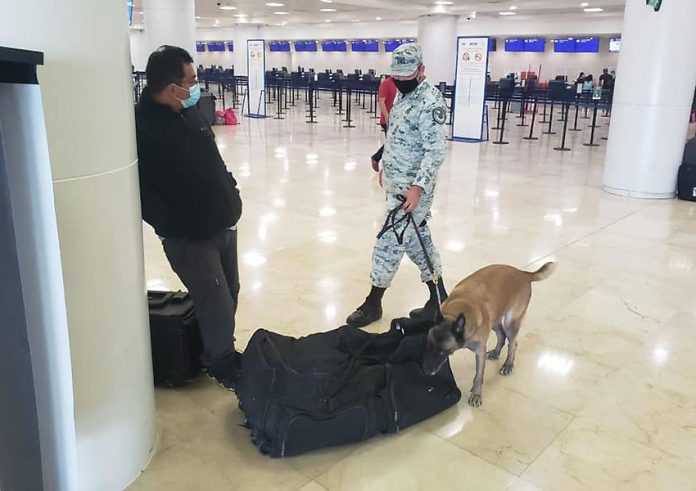
A National Guardsman's dog inspects a bag at the airport in Veracruz International Aiport.
Almost three-quarters of Mexicans agree with the government’s plan to continue using the armed forces for public security tasks until 2028, a new poll indicates.
A constitutional bill extending the military’s involvement in public security by four years has already been approved by Congress and will become law once it has been ratified by a majority of Mexico’s state legislatures.
A survey conducted by the polling company Enkoll for the newspaper El País and broadcaster W Radio found that 73% of just over 1,000 respondents agreed with the plan to keep the military on the streets until 2028.
A similar number – 72% – said they agreed with the armed forces having control of customs, airports and border crossings, while 62% of those polled expressed support for the military’s construction of infrastructure projects such as the Felipe Ángeles International Airport and the Maya Train railroad.
AMLO seems intent on increasing the military’s role in Mexicans’ daily life. Citizens polled mostly seemed to agree with his plans.
Conducted face-to-face at people’s homes between October 14 and 17, the poll also garnered opinions about the trustworthiness of Mexico’s different public security institutions. As has traditionally been the case, the navy was deemed the most trustworthy security force, with 54% of respondents saying they trusted it a lot and an additional 16% expressing “some” confidence in the nation’s marines.
The army, National Guard and state police forces were all seen as less trustworthy, although a majority of respondents indicated they had a lot or at least some confidence in the first two institutions. However, only 13% of those polled said they trusted state police a lot while an additional 20% told Enkoll they maintained some confidence in their officers.
In a more telling revelation, two-thirds of respondents said they had little or no trust in their state police forces.
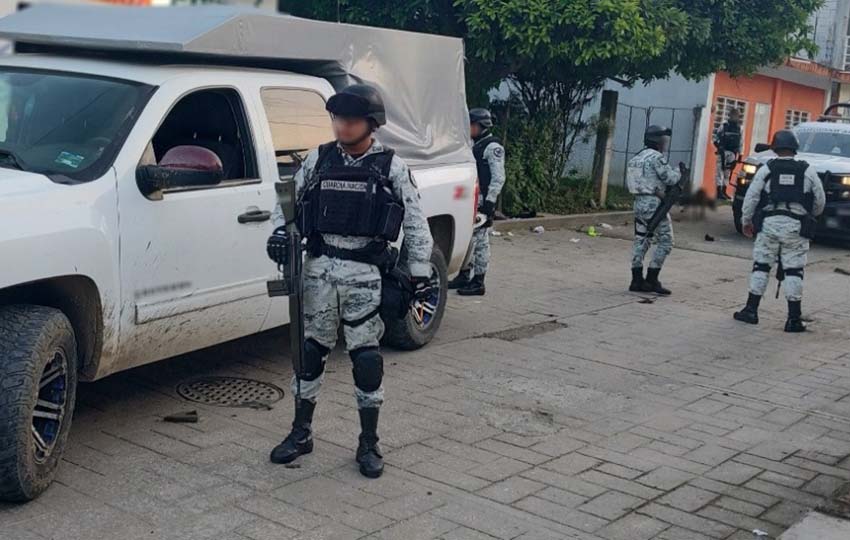
National Guardsmen taking presumed illegal migrants into custody in Chiapas.
Asked whether they agreed with López Obrador’s assertion that corruption could be avoided by using the military to build public infrastructure projects, almost six in 10 respondents said they did. Just over one in 10 said they very much agreed with the claim while 47% indicated more restrained concurrence with the president.
Although Mexican newspapers have recently been filled with reports detailing the contents of a massive trove of emails and documents stolen from the Ministry of National Defense’s IT system by the Guacamaya hacking group, 71% of respondents said they hadn’t heard about the security breach and subsequent leak.
López Obrador downplayed the seriousness of the security breach, asserting that he didn’t expect any negative consequences from it, while Defense Minister Luis Cresencio Sandoval declined to meet with lawmakers to discuss the hacking incident. That response was neither particularly popular or unpopular among those polled, with 41% of respondents praising the government’s handling of the issue and 34% criticizing it. An additional 25% declined to comment on the government’s response or said they didn’t know anything about it.
A clear majority did, however, assert that the army’s digital security personnel “must assume responsibility” for the hacking of the army’s servers, a breach that resulted in the theft and subsequent leaking of six terabytes of data.
In response to additional questions about the military, 53% of those polled said they believed that the army was involved in the 2014 disappearance of 43 students in Iguala, Guerrero, while 37% said that the army has a lot of influence over the nation’s politics. An additional 28% said the army exerted some influence, while just 8% said it had no clout at all.
Militarization is currently a hot-button issue in Mexico as the federal government seeks to augment the role the armed forces play in public life. López Obrador recently asserted that military presence is essential to guarantee peace, while he frequently stresses that his administration – unlike its predecessors – doesn’t tolerate human rights abuses perpetrated by the army and navy.
For their part, opposition parties, human rights organizations and others argue that the ongoing use of the armed forces for public security tasks only perpetuates a failed security strategy and comes with the risk of yet more human rights violations being committed by the generally “trustworthy” military.
A majority of Mexicans, the El País/W Radio poll suggests, side with the government on the issue, perhaps believing, rightly or wrongly, that the country’s perilous security situation – there have been over 132,000 homicides since López Obrador took office – would be even worse without soldiers and marines patrolling the nation’s streets.