Home Blog Page 1080

As Mexico downplays danger of omicron, health officials see it in more serious light

0
lopez obrador
The president takes his temperature while suffering from covidcito.

President López Obrador asserted this week that the omicron variant of the coronavirus only causes mild disease in vaccinated people and described the highly contagious strain as “un covidcito” or “a little COVID.”

Deputy Health Minister Hugo López-Gatell, Mexico’s coronavirus czar, compared the new strain to the common cold.

But the World Health Organization (WHO) and its affiliate, the Pan American Health Organization (PAHO), take a considerably different view.

“While omicron causes less severe disease than delta, it remains a dangerous virus, particularly for those who are unvaccinated,” WHO Director-General Tedros Adhanom Ghebreyesus told a media briefing on Wednesday.

“Almost 50,000 deaths a week is 50,000 deaths too many,” he said, referring to global fatalities.
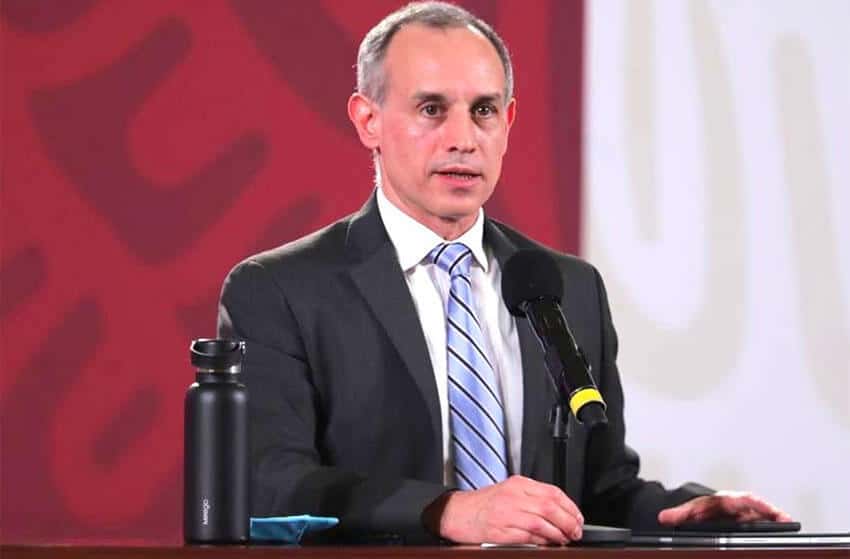
The deputy health minister lopez-gatell
The deputy health minister likened the effects of omicron to a common cold.

“Learning to live with this virus does not mean we can, or should, accept this number of deaths. We must not allow this virus a free ride or wave the white flag, especially when so many people around the world remain unvaccinated.”

Sylvain Aldighieri, a COVID-19 incident manager for PAHO, rejected the idea that omicron is comparable to a common cold, especially when a lot of people are not fully vaccinated and others live with health conditions that make them vulnerable to COVID-19 complications.

“An omicron infection can become serious or very serious and therefore we shouldn’t relax at this time. .. We must maintain all the control and distancing measures,” he said.

According to a Mexican Health Ministry analysis, Aldighieri noted, Mexico’s fourth omicron-fueled wave of infections is predicted to be larger than the third delta-fueled one.

“… In Mexico we’re seeing a curve of exponential growth in cases,” the PAHO official said, noting that a new daily record of more than 33,000 cases – almost certainly a vast undercount due to a low testing rate – was set Tuesday.

Via its stoplight system, the federal government this week raised the coronavirus risk level in several states, but none is at the red-light maximum risk level and there is little or no appetite for heavy-handed restrictions at both the federal and state level.

Authorities appear resigned to omicron spreading unabated in the coming weeks, and apparently expect – or at least hope – that the country’s relatively high vaccination rate will prevent the health system from being overwhelmed and stop COVID deaths from spiraling.

Mexico’s official death toll is already above 300,000 – the fifth highest total in the world – and continues to climb, albeit at a significantly slower rate than that seen earlier in the pandemic. But hospitalizations and fatalities typically increase weeks after surges in case numbers, meaning that the second half of January and February will likely reveal whether the optimism of federal officials such as the president is misguided or not.

López Obrador, currently isolating after testing positive for COVID for a second time on Monday, downplayed the threat of the coronavirus at the start of the pandemic and is now minimizing the danger posed by omicron, even as Mexico continues to record hundreds of pandemic deaths per day.

“… Let’s not be scared. Fortunately, this is a variant that doesn’t have the level of danger of the delta variant,” he said during an appearance via video link at his regular news conference on Tuesday.

“… Fortunately, I believe that we [people infected with omicron] won’t need to be admitted to hospital nor are we going to suffer the loss of human lives. This [variant] is different, this virus is on its way out… and things will normalize very soon. We have to keep doing our activities, taking care of ourselves, of course, but let’s not be alarmed.”

With reports from Milenio, Reforma and El Financiero
Army, National Guard forces strengthened to combat crime in Acapulco

0
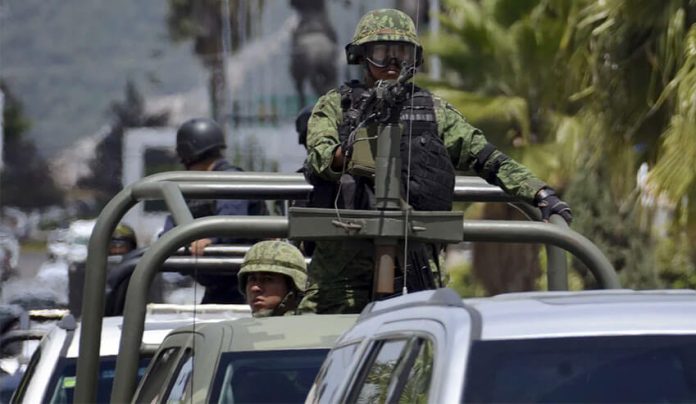
security forces
More security forces will be stationed in the Guerrero destination.

Security forces are to be reinforced in Acapulco, Guerrero, amid a wave of violence in the tourist destination.

More than 600 additional military personnel will be stationed in the beach city to combat the high incidence of homicides, kidnappings and extortion.

Three-hundred-and-twenty of the new personnel are National Guardsmen and 290 are soldiers. Increased security presence is also expected in the cities of Iguala and Chilpancingo.

Small business owners in Acapulco have been afflicted by the violence in recent months. Since October, 2021 eight transport workers were killed in the city, and three service workers were murdered on the beach. On Sunday, the owner of a chain of 14 pharmacies was found dead on a highway in a likely extortion case.

A security plan called Refuerzo 2021 (Reinforcement 2021) was announced on November 8. The plan coordinates federal, state and municipal security forces to enable more patrols and establish road checkpoints in high-crime areas, but business owners and the head of the Acapulco federation of chambers of commerce have labeled it ineffective.

The head of the ninth military regiment of Guerrero, General Celestino Ávila, said Acapulco was one of 50 municipalities considered a priority for the government due to its high homicide rate.

From January through November, there were 1,260 homicides in Guerrero, of which 418 occurred in Acapulco, according to data from the National Public Security System (SENSP).

With reports from Reforma and Infobae

Acapulco welcomes first cruise ship arrival in two years

0
Seven Seas Mariner cruise ship docks in Acapulco
Passengers aboard the Seven Seas Mariner in the port of Acapulco.

On Tuesday, Acapulco saw its first cruise ship arrival since the pandemic began.

The Seven Seas Mariner sailed more than 1,000 kilometers from Puerto Quetzal on the Pacific coast of Guatemala to the Guerrero tourist city, making it the first cruise ship to dock there in almost two years. The vessel was carrying 460 passengers and 445 crew.

They were welcomed to the city with regional music and dances while authorities handed out leaflets to instruct them that face masks were obligatory during their visit.

The mayor, Abelina López Rodríguez, said the value of cruise ship tourism had been missed during the pandemic. “Today is a promise fulfilled … this is the path that Acapulco has to continue down because it is the way we will be able to reactivate the economy,” she said.

López added she hoped that 90 transatlantic ships would dock in Acapulco in 2021.

Guerrero Tourism Minister Santos Ramírez Cuevas celebrated the boat’s arrival on Twitter and promised there would be more cruise ships coming to the port city in 2022, although he predicted a more modest number.

“After almost two years since seeing the last cruise … we are receiving the first cruise in the month of January, and 14 will arrive during the year,” he said.

With reports from Milenio 

Drone drops explosives on civilians’ camp in Michoacán—and films the attack

0
Tepalcatep-drone-bombing
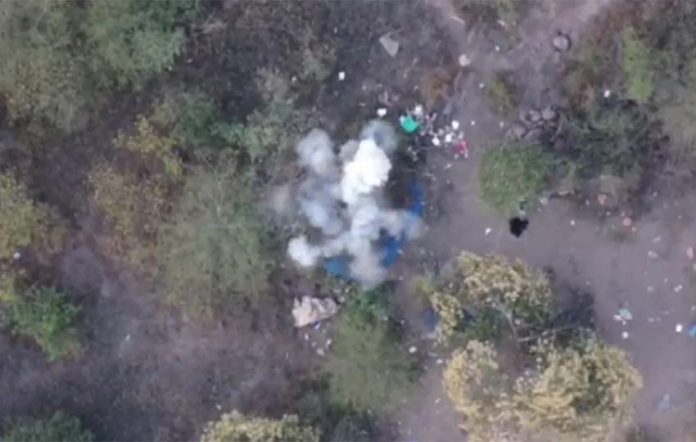
An image from footage of an alleged Jalisco New Generation Cartel drone bombing of civilians Monday.

A video that shows explosives being dropped on a civilian encampment in a forest in Michoacán has been posted to social media, one of multiple attacks on civilians in the Tierra Caliente municipality of Tepalcatepec on Monday.

The footage was filmed by a drone from which the explosives were believed dropped by members of the Jalisco New Generation Cartel (CJNG), who were allegedly operating the unmanned aerial vehicle.

The attack was carried out against an encampment of displaced people from the violence-plagued community of El Bejuco, said the newspaper El Universal.

The footage shows people running for their lives after the first explosion. Three more explosives are dropped from the drone, sparking fires in the forest. At least one person was injured, the newspaper said.

About halfway through the video, the pictures begin spinning wildly – a blurry, vertigo-inducing phenomenon that continues until the footage concludes. The cause: the drone was brought down by the camp dwellers and local authorities, El Universal said.

Difunden video de bombardeo desde drones en Tepalcatepec

They were able to seize the drone’s footage, which later made its way to social media.

The CJNG is accused of perpetrating other attacks in Tepalcatepec on Monday, including one in El Bejuco. Another video posted to social media shows two heavily armed residents – members of a local self-defense group, according to the newspaper El País – hiding behind trees as a CJNG commando fires in their direction. Apparently knowing that they were outgunned, the residents fled.

The ensuing footage, which shows the two men making their escape through a forest, was described by El País as an “adrenaline rush” with “distorted and rapid images of branches and dry leaves” accompanied by a soundtrack of “omnipresent” gunfire.

Tepalcatepec is one of several municipalities in the Tierra Caliente region of Michoacán where the CJNG is engaged in a turf war with rival group Cárteles Unidos.

According to InSight Crime – a foundation dedicated to the study of organized crime – Cárteles Unidos is a criminal organization born out of an alliance between the Cartel de Tepalcatepec, Los Viagras and other groups intent on combating the advances made by the CJNG in Michoacán.

Tepalcatepec Mayor Martha Laura Mendoza last week appealed to federal and state authorities for help to combat insecurity.

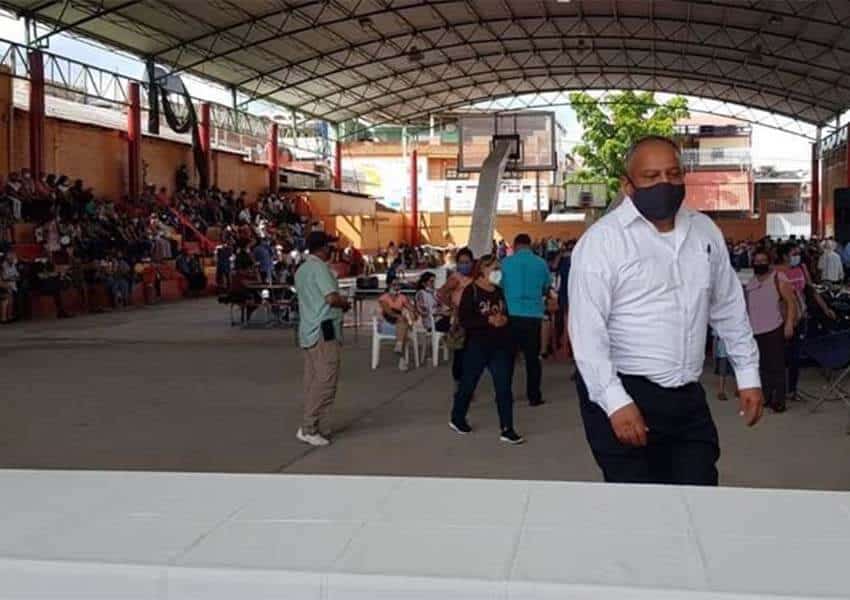
displaced Tepalcatepec residents in sports center
Tepalcatepec residents who fled cartel violence in September and had to take shelter in a local open-air sports facility. file photo

“… We’ve now had four months of insecurity, [but] nobody turns around to see [what’s happening]. … This is the only municipality where there are more than 3,000 displaced people,” she said. “Four months and … nobody provides a solution.”

The CJNG has carried out numerous recent attacks in the Tierra Caliente region of Michoacán, including other offensives in which they have used drones equipped with explosives.

Five men were decapitated after being murdered by CJNG members during a lengthy offensive in Tepalcatepec last September, while there was a series of attacks in the same municipality in November.

A cell of the Jalisco Cartel attacked the municipal seat of Chinicuila with explosive-carrying drones last December, spreading terror through the community before the National Guard responded and drove the attackers out of town.

Among the other Tierra Caliente municipalities where violence is a major problem are Coalcomán and Aguililla, where CJNG leader Nemesio “El Mencho” Oseguera Cervantes was born and raised.

Authorities have been accused of doing little to combat the high levels of violence in the region, and residents protested last September to demand military intervention to combat organized crime.

A month later, the federal government announced the deployment of 17,000 additional National Guard troops to the state, but as Monday’s offensive shows, little has changed in the Tierra Caliente, which borders two other violent states: Jalisco and Colima.

In terms of total homicides, Michoacán was the third most violent state in the first 11 months of last year with more than 2,200 victims. The only states with more murders were Guanajuato and Baja California. The CJNG, generally considered Mexico’s most powerful criminal organization, also operates in those states as well as many others across the country.

With reports from El Universal and El País

Stella Artois’ Art of Chalice: 1,000 beer glasses adorned with Mexican designs

0
Chalice designs created by Mexican artisans.

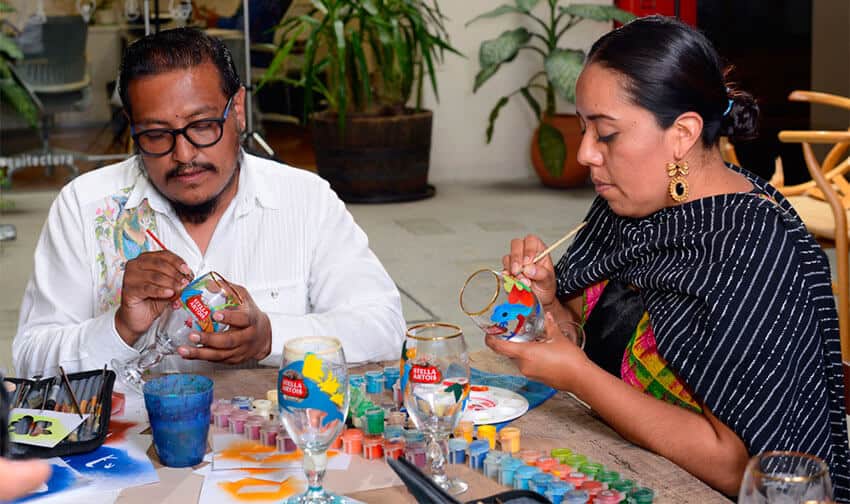
One thousand beer glasses have been painted and/or engraved by Mexican artists thanks to an initiative of pilsner brand Stella Artois.

The brand, brewed in Mexico by Grupo Modelo, collaborated with artists from various parts of Mexico on “The Art of Chalice” project.

Stella Artois chalices are sold around the world and considered the best glasses from which to drink the pale lager that was first brewed in Belgium almost 100 years ago.

Collaborating on a project to create a collection of hand-painted chalices was an opportunity for Stella Artois to “merge its historic respect for artisanal process around the world with the ancient artistic traditions of Mexico,” said brand manager Sofía Hourcade.

“… Stella Artois and several of … [Mexico’s] best artists have created works of absolute beauty that are a window to the world [to show] how beautiful Mexico and its culture are,” she said.

Two of the many artisans
Two of the many artisans who participated in the project.

The chalices, which feature a range of distinctly Mexican images, have been on sale since late last year with all proceeds going to the artists who painted them.

One artist who participated in “The Art of Chalice” project was Waldo Hernández Melchor of San Martín Tilcajete, a town about 30 kilometers south of Oaxaca city. The maker of alebrijes (wooden carvings of fantastical creatures) told the newspaper Milenio that he was thankful for the opportunity to paint a number of Stella Artois chalices.

“That brands such as Stella Artois do these kinds of collaborations is a great opportunity of growth for us, and not just us, but artisans from all over the country,” Hernández said.

“We should all have the opportunity to show how much we love our country through the arts and crafts we make,” he said. “… For us it’s a way of showing off our work, our skills…”

Hernández collaborated with a range of other artists during his participation in the initiative including Amador Montes, who features in an official “The Art of Chalice” video.

“… It was a great experience because we exchanged knowledge, sensibilities and techniques,” he said.

Artist Amador Montes speaks (in Spanish) about the Art of Chalice project.


Hernández said that initiatives such as that backed by Stella Artois also help to create jobs and spur artists to grow and develop their skills. “We are very grateful,” he added.

With reports from Leisure and Lux, Latin Spots, Milenio and Excélsior

This laboratory’s most cutting-edge project: scientific collaboration

0
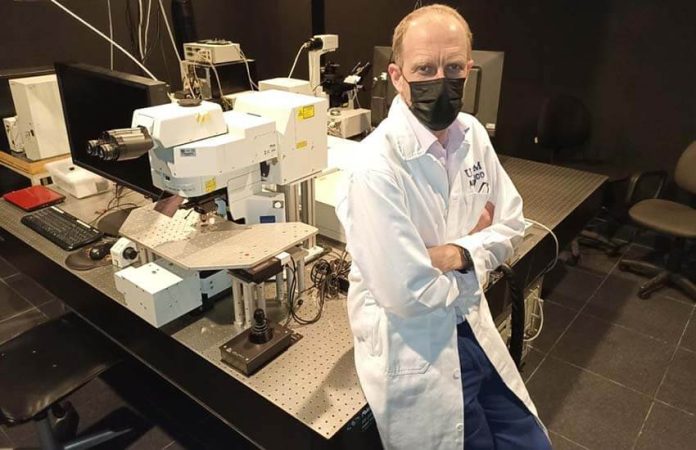
Chris Wood, director of the National Laboratory of Advanced Microscopy.
Chris Wood, director of the National Laboratory of Advanced Microscopy in Cuernavaca, Morelos. Julia Wood Martínez

Microscopy has been utterly fundamental to our understanding of the life sciences for half a millennium. It is a sad reality, however, that in Mexico, as well as the rest of Latin America, there are disparities in scientific development and infrastructure compared to the rest of the globe.

This means that young Mexican scientists, who simply cannot access the most advanced equipment and techniques, are looking to other parts of the world for a gateway to resources and funding.

In other words, argues Chris Wood, director of the National Laboratory of Advanced Microscopy (LNMA) in Cuernavaca, Morelos, Mexico needs to fight harder to retain scientific talent and create space for innovation. To achieve this, he argues, there is a pressing need for more egalitarian access to core facilities.

At the LNMA, Wood, alongside a team of scientists and specialist technicians, is shifting the narrative on precisely this issue, building connections among laboratories around the country to encourage knowledge exchange and emphasizing the importance of cooperation at every level.

With the support of Conacyt’s National Laboratory Program and the National Autonomous University (UNAM) — the lab complex is located on UNAM’s Morelos campus — the LNMA opened its doors in 2013, part of a national program of national laboratories formed by Conacyt in 2006. Renting its state-of-the-art microscopy equipment to everyone, regardless of their scientific background, the LNMA creates a space for fruitful knowledge exchange and collaborative research for the whole community.

There is not a clinical laboratory in the world that does not contain a microscope of some form since microscopy is essential to our knowledge of anything that exists beyond what we can see with the naked eye. However, many microscopes with the most cutting-edge capabilities cost millions of dollars and are therefore not feasible to purchase for the majority of laboratories. This means that a great deal of exciting new research is stymied by the misfortune of financial circumstances.

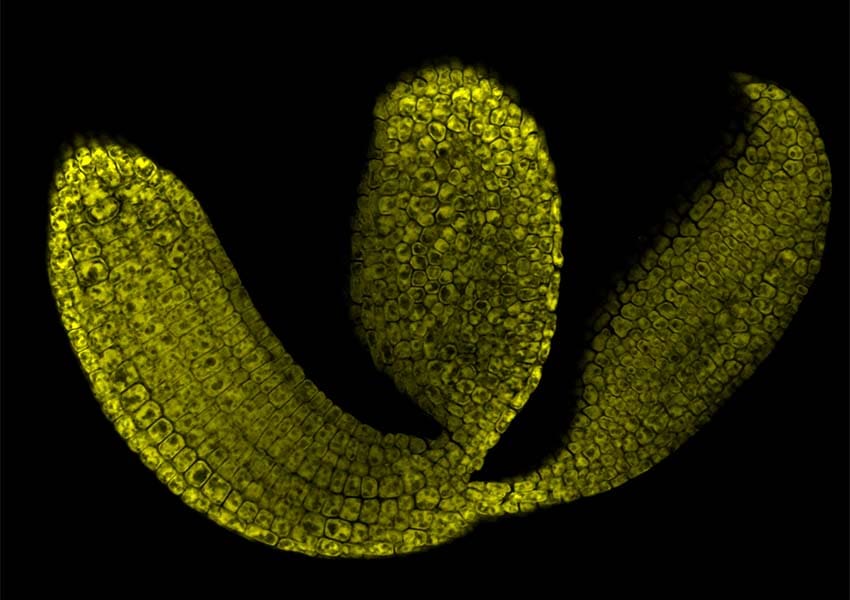
Arabidopsis seed embryo
An autofluorescence image of an Arabidopsis seed embryo. Chris Wood

Moreover, funding here has historically been granted hierarchically; in Mexico, Conacyt previously granted subsidies to individual scientists who oversee groups of researchers and graduate students. This stratification of access to resources created a gap between the proprietors of expert knowledge, whose research is hugely influential in public policymaking, and the on-the-ground interests of the people served by those policies — as well as new scientific talent whose access to facilities might be restricted.

The LNMA’s founding grew from the need to create a positive tonal shift in scientific infrastructure. In 2011, Conacyt made the groundbreaking commitment to fund this centralized facility, accessible to people of every circumstance, in order to ease the way for burgeoning new domains of scientific discovery, as well as to encourage new progress in more established fields.

Changing an entrenched system, however, has been no easy task: Wood explains that one of the biggest battles fought at the genesis of the laboratory was explaining the concept to the scientific community and overcoming the skepticism surrounding the notion of a widely accessible core facility.

“Given that it takes a significant amount of time for scientific systems to accommodate a system which does not fit the typical model of research,” he says, “it is a risk to switch to running core facilities. But stepping outside of the traditional evaluation systems is worth it to make sure the science we do in Mexico is comparable to science performed anywhere in the world.”

Bioimaging labs in Latin America and across the globe are largely removed from the academic rigmarole of publication. Instead, laboratories like the LNMA exist at the vanguard of knowledge exchange and support for people through human resources and high-quality training.

“We run courses which anyone can attend, and anyone with 200 pesos in their pocket can spend an hour on a microscope,” Wood explains. “The result is that we work with a hugely diverse range of people and that we are able to democratize access and make it a bit more horizontal. We work with photographers, advertising agencies and cinematographers — we never have a dull day!”

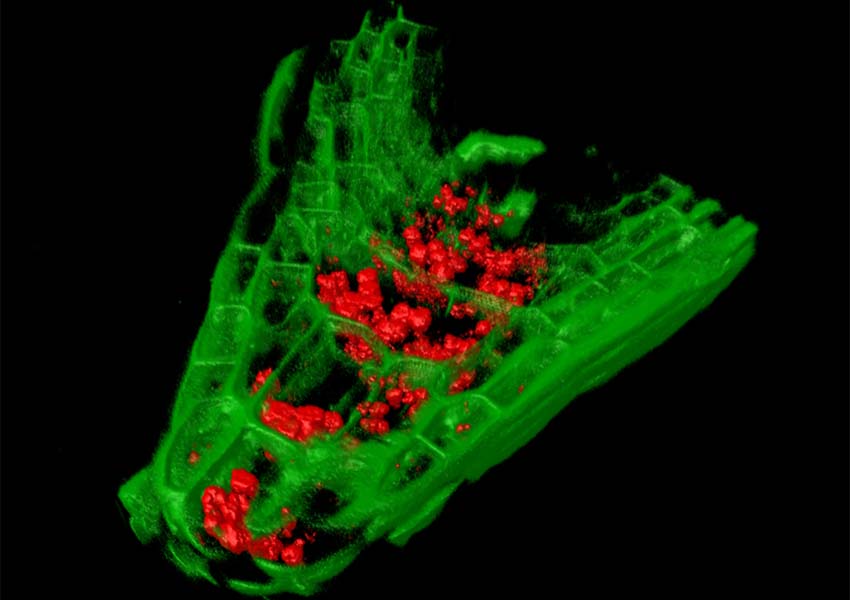
Arabdopsis root image
Image of an Arabidopsis root with starch granules taken with an LNMA microscope. Arturo Guevara, Chris Wood

Needless to say, it is not merely about the equipment: a collection of machines can do little without a highly specialized team of technicians and researchers who can guide users into getting the best results.

Beyond this, LNMA has invited microscopy labs across the country to join a growing network of cooperating bioimaging laboratories. Wood and his colleagues are embarking on a three-year project which epitomizes their philosophy and aims to connect the Mexican bioimaging community.

Funded by the Chan Zuckerberg Initiative, which encourages collaboration among scientists from around the globe, the LNMA and associate microscopy labs — including the Center for Scientific Research and Higher Education at Ensenada (CICESE) and the Mexican Institute of Social Security (IMSS) — will hold workshops in various institutions across the country on all aspects of microscopy — another way to get scientists across Mexico talking to each other.

“By fomenting relationships through networks like this one, we have the freedom to be multidisciplinary,” says Wood. “We are able to escape academic labels that pigeonhole us into specific fields, and we can instead problem-solve using a diverse team to take a multi-angle approach.”

What this does is create an ecosystem whereby the team at LNMA, working in dynamic exchange with labs across the nation, can take multipronged approaches to the scientific problems brought to them, facilitating a more collaborative understanding of our environment.

“Presenting a united front, it really does change the culture of how you do science,” Wood concludes, striking at the heart of what he and his colleagues do best in Cuernavaca: taking radical steps forward in the advancement of knowledge exchange in bioimaging and microscopy across Latin America by blending the most innovative scientific techniques with a philosophy focused on sharing and collaboration.

Shannon Collins is an environment correspondent at Ninth Wave Global, an environmental organization and think tank. She writes from Campeche.

Weather service records warmest December in 68 years

0
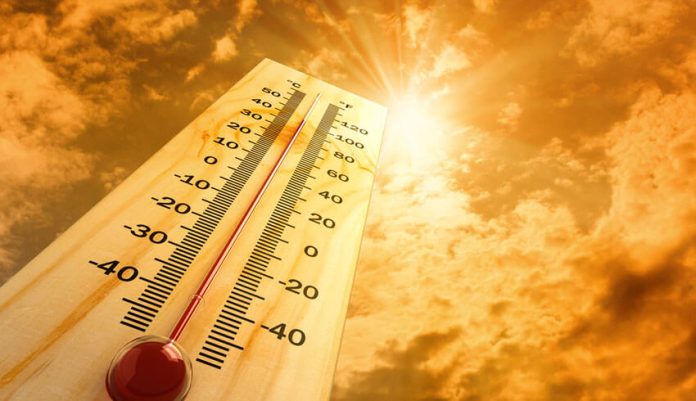
thermometer
Average temperature during the month was 18.7 C. deposit photos

The final 31 days of 2021 marked the warmest December in 68 years, the National Meteorological Service (SMN) said. 

The average temperature during the month was 18.7 C, surpassing December 2016 to become the hottest final month of the year since record keeping began in 1953.

The historic December average for Mexico, which takes 1981-2010 data from the United Nations World Meteorological Organization (WMO) as a reference, is 16.9. December was 1.8 degrees above that average.  

The average nationwide temperature for 2021 was 22.2, making it the fourth warmest year since 1953, only eclipsed by the hotter years of 2017, 2019 and 2020.

However, the head of the SMN, Miguel Ángel Gallegos, warned against over generalizations on the national scale, explaining that extreme heat in some states had raised the nationwide average. “The increase in temperature does not occur in a generalized way throughout the country. On the Pacific coast, from Sinaloa to Chiapas there have been temperatures in the past year of 40 and 41. For the months of March, April and May, in the northern part of the country, we had temperatures of almost 50,” he said.

Meanwhile, the SMN also noted that rainfall was below average in recent months. The agency said that from October 1 through January 9 there was 8% less rain than the historic average for the same period. 

And it has been an extremely dry 2021 so far: for the first nine days of the year, the country saw 39.4% less precipitation than the historic average for the same period. 

The agency added that only 21 of the 56 cold fronts forecast for the winter season have come to fruition, making it milder than usual.

With reports from Milenio

Foreign capital outflows hit a record high in 2021

0
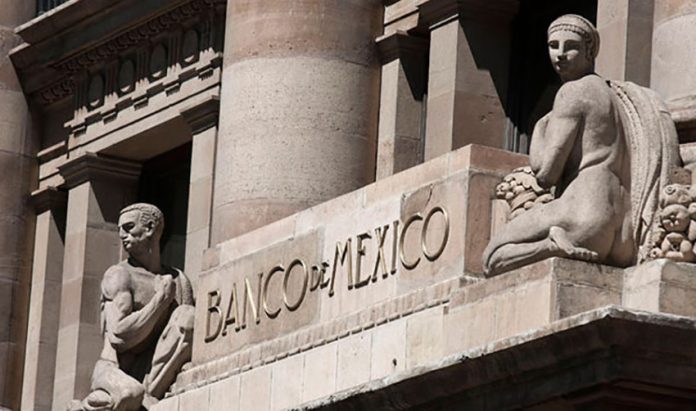
banxico

Foreign capital outflows of Mexican debt hit a record high of more than US $12.6 billion last year, central bank data shows.

The Bank of México published data Tuesday that showed there were debt instrument capital outflows of 257.6 billion pesos (US $12.64 billion) in 2021.

The outflows, slightly higher than those in 2020, were the highest since such data was first recorded in 1992.

The value of government securities in foreign hands declined 13.6% last year, 1.7% higher than in 2020. That was the biggest annual decline since 2000, according to data compiled by Banco Base.

Balance of payments data to be published later this year will give a broader picture of foreign capital movements in 2021.

The record outflows of Mexican debt came as the economy recovered from the sharp downturn of 2020, but not as strongly as expected.

GDP contracted in the third quarter of last year compared to the previous quarter (although it increased on an annual basis), and the Bank of México cut its 2021 growth forecast to 5.4% from 6.2%. Data on fourth quarter growth has not yet been published, meaning that the overall performance of the economy last year is not known.

Gabriela Siller, director of economic analysis at Banco Base, said the outflows of foreign capital in the debt market were due to “aversion to risk” in the Mexican economy.

“This is due to the low growth but also government initiatives. This year we have the debate about the electricity reform [which would favor the state-owned Federal Electricity Commission over private companies] so it’s highly probable that the aversion to risk and the capital flight will continue,” she said

With reports from El País

Health authorities report sharp increase in influenza cases compared to last year

0
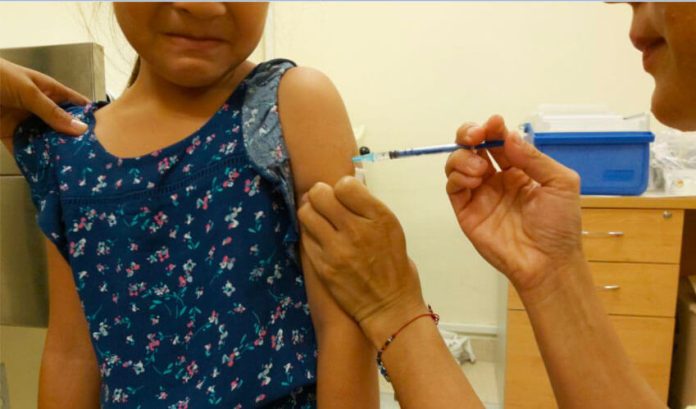
A public health nurse administers a flu shot
A public health nurse administers a flu shot to an unhappy candidate in Jalisco.

COVID-19 isn’t the only respiratory illness gaining ground in Mexico – a massive increase in influenza cases has also been reported.

Health Ministry data shows there were 1,261 confirmed cases of influenza between October and the first week of January. In the same period of 2020-21 just seven cases were detected.

Deaths attributed to influenza rose to 22 from just one in the same period a year earlier.

Data from the Health Ministry’s epidemiology unit shows that just under one-third of influenza cases – 31% – were detected in people aged 20-29 and that 54% of cases were detected in women.

Quintana Roo has recorded the highest number of cases this flu season with 219 followed by Yucatán (192), Nuevo León (186), Tabasco (102) and Sonora (69).

In an interview with the newspaper El País, infectious disease specialist and University of Guanajuato academic Alejandro Macías said the symptoms caused by the omicron variant of the coronavirus and those caused by influenza are so similar that a diagnosis of one illness or the other is not possible without a PCR test.

He noted that there was practically no influenza a year ago – when Mexico was facing a second wave of coronavirus cases – but acknowledged that the viruses that cause the disease are currently circulating.

However, without testing “it is very difficult to know how much of what we’re seeing is influenza and how much is COVID,” Macías said.

He said that the decline of the delta-fueled third wave of coronavirus allowed influenza to gain a foothold but predicted that the incidence of the disease will fall due to the growing prevalence of the highly contagious omicron strain.

Concurrent infection with the coronavirus and influenza – so-called “flurona” – is possible, but the World Health Organization (WHO) says that co-infections are fairly rare.

“More evidence is required to better understand the interactions between the two viruses and if the severity of illness is higher when influenza and SARS-CoV-2 viruses co-infect, especially in the high-risk individuals and the elderly,” the WHO told the news agency Reuters.

At least three cases of “flurona” have been detected in Mexico – two in Jalisco and one in the neighboring state of Nayarit.

More than 82 million Mexicans are vaccinated against COVID-19, but the number of people who have received flu shots this flu season is much lower.

An influenza vaccination campaign began in early November with the goal of administering some 32.3 million shots over a period of five months. The shots are mainly administered in public clinics and hospitals such as those run by the Mexican Social Security Institute, or IMSS.

With reports from El País 

Mexico City paid 6.8 million pesos in compensation to pothole victims

0
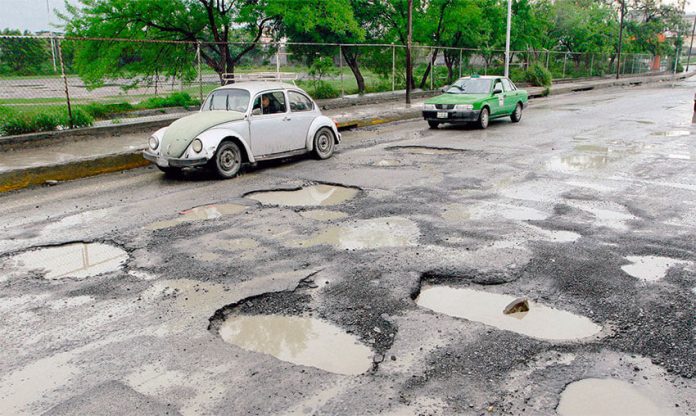
Potholes are a common hazard
Potholes are a common hazard for motorists throughout Mexico.

The Mexico City government has paid vast sums to motorists due to potholes that damaged their vehicles, a freedom of information request by the newspaper El Universal revealed.

The Infrastructure Ministry paid over 6.8 million pesos (US $334,000) to drivers whose vehicles were damaged by broken paving on the city’s main streets, begging the question: wouldn’t it have been cheaper to repair the roads in the first place?

The ministry paid out on 516 of 721 claims, at an average of around 13,000 pesos per payment, from January 2019 through October 2021. The value of the payouts ranged from 1,000-55,000 pesos.

Twenty-five claims were rejected in that period and a further 180 claims are still being processed. The highest number of claims was in 2019, before declining over the subsequent two years.

A separate freedom of information request showed the Infrastructure Ministry and the 16 boroughs of Mexico City made 1,829 requests to the Finance Ministry for accidents caused by potholes in the same period.

However, that still represents a vast decrease: in 2018 alone, 2,261 pothole damage cases were registered.

Infrastructure Minister Jesús Antonio Esteva Medina said that in Mexico City the incidence of potholes on main roads has fallen by 30%. He added that by the end of this 2021 the government would surpass 15 million square meters of repaved roads.

The Mexico City government recently introduced a system for drivers to report potholes on the road.

President López Obrador announced a nationwide plan to repair potholes in August, 2021 and said they were a bigger concern for citizens than security.

With reports from El Universal