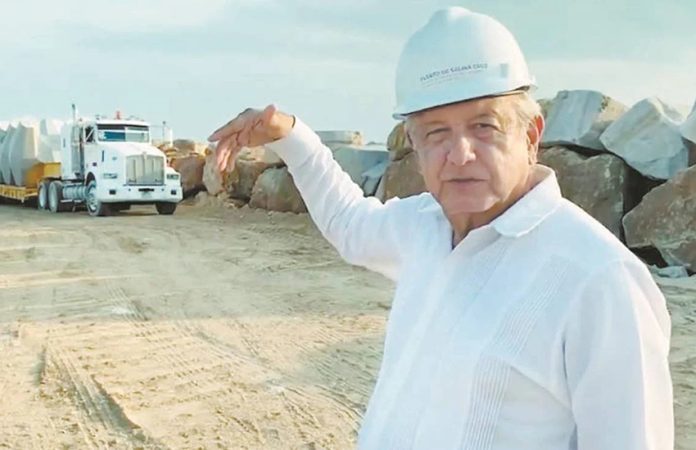
Among the goals of the Isthmus of Tehuantepec project is to upgrade ports in Veracruz and Oaxaca and build a new trans-isthmus highway.
The navy will be given control of the new Isthmus of Tehuantepec trade corridor once it is completed, President López Obrador said Sunday.
The federal government is currently modernizing the 300-kilometer corridor between Coatzacoalcos, Veracruz, on the Gulf of Mexico coast and Salina Cruz, Oaxaca, on Mexico’s Pacific side. The project, slated for completion in 2022, includes upgrades to the ports in both cities, construction of a new trans-isthmus highway and 10 industrial parks and modernization of the railroad between the Atlantic and Pacific coasts.
In a video message filmed in Salina Cruz, López Obrador said that concessions to operate the new trade corridor will not be awarded to private or foreign companies.
“It’s a matter of sovereignty, it will be managed by the state and looked after by the Ministry of the Navy,” the president said.
“It’s to the navy that we’re going to entrust all these public works when we finish them, for the good and for the progress of our country,” López Obrador said.
Management of the trade corridor will add to the long list of tasks already entrusted to the military in Mexico. López Obrador has perpetuated the militarization of public security, even though he pledged to remove soldiers and marines from the streets, assigned the construction of major infrastructure projects, including the new Mexico City airport, to the army and put the military in charge of the nation’s ports and customs offices.
The military is also playing a role in the distribution of Covid-19 vaccines, nurturing saplings for the government’s tree-planting employment program and delivering textbooks, among other nontraditional tasks.
The president has defended his heavy reliance on the armed forces, casting the military as an honest institution and an essential ally in the fight against corruption.
On Sunday, López Obrador touted a navy-managed trade corridor as a vehicle for development and “progress with justice.”
It will generate jobs and well-being, he said, adding that the government is fully funding the 4.6-billion-peso (US $231.2 million) project without taking on debt. That is possible, the president explained, because his government has generated savings through its austerity program and elimination of corruption.
“… How do we have money? … Because there’s no corruption, that’s the key to everything, … we’re saving; there are no luxuries in the government. Before there was a rich government with a poor people, the government was self-absorbed, it didn’t attend to the development of the country,” López Obrador said.
A previous trans-isthmus project undertaken by the government of late 19th- and early 20th-century president Porfirio Diáz wasn’t as successful as expected because Pacific Rim countries, especially Asian nations, weren’t as economically important as they are today, he said.
“Now it’s different,” López Obrador said. “The Pacific ports — not those on the Gulf [of Mexico], on the Atlantic — are the ones that move the most cargo by ships. Now it’s Manzanillo, Lázaro Cárdenas; before it was mainly Veracruz, perhaps also Tampico, but that’s changed now because China became the world’s factory.”
Arugula adds a natural kick that can invigorate a plain pasta dish.
When I first started seeing arugula in Mazatlán, it was at our local farmers’ market, grown by Gail Blackburn, an expat who’d had a long and successful career in the Pacific Northwest of the United States as a farmer before she moved to Mexico.
Each week, customers and local chefs snatched it up from her stand, and she couldn’t grow enough to meet the demand.
That was 10 years ago, and nowadays it’s not unusual (at least here) to find packaged arugula in the grocery stores and for it to be included on menus in salads and sandwiches, either the whole leaves or microgreens.
The peppery, wasabi-like bite of arugula adds a naturally spicy kick that wakes up the taste buds and complements other milder, sweeter lettuces and greens.
And although the most common way to eat this green, leafy vegetable is raw, in salads, it’s not a lettuce; it’s actually a member of the cabbage family.
When cooked, say in pasta soups or as a side dish, the flavor mellows but still provides a nice change from other greens like spinach and chard.
In certain regions of Italy, raw arugula, also known as rocket, is sprinkled on pizza just before serving.
Arugula’s history is not without controversy; in ancient Roman times, monasteries were forbidden to grow it because of its reputation as an aphrodisiac.
The many varieties of arugula have varying degrees of spiciness. And while the narrow, notched leaves are all the same deep green, you’ll find different sizes and widths, some with pointy ends, some rounded. The small baby arugula will be the most tender and mild, if you can find it.
Mango, Arugula & Brie Sandwich
A tropical take on a classic French sandwich!
8 slices rustic bread such as ciabatta or focaccia
4 Tbsp. olive oil
8 oz. brie, thinly sliced
2 ripe mangoes, peeled and cut into thin slices
Salt and pepper
3 oz. arugula
Optional: caramelized onions, drizzle of honey
Heat a heavy skillet over medium heat. Brush both sides of bread slices liberally with olive oil; layer brie on inside of the bread.
Sprinkle with a little salt and pepper. Place mango slices and arugula on bread, add any optional ingredients and close sandwiches carefully.
Place in the preheated pan and put a second heavy skillet (such as cast iron or a skillet with a can in it) on top, like making a basic grilled cheese sandwich.
Lower heat to medium-low. Cook sandwich until brie is fully melted and bread is golden, 3–5 minutes per side.
Serve immediately.
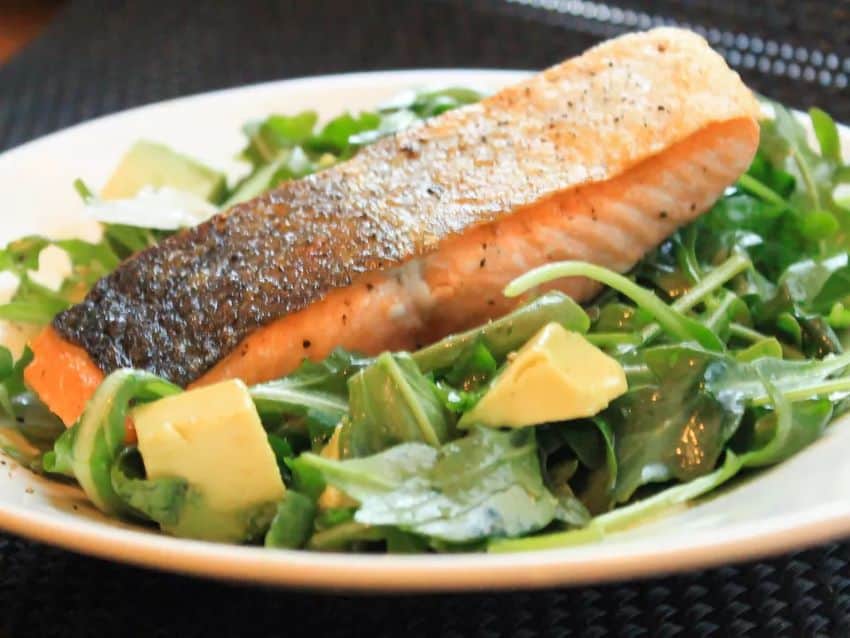
This pan-roasted salmon is an elegant dish you can whip up in 20 minutes or less.
Pan-Roasted Salmon with Arugula & Avocado Salad
4 salmon filets
Salt and pepper
1/3 cup + 3 Tbsp. olive oil, divided
4 cups baby arugula
2 Tbsp. fresh lemon juice
Grated Parmigiano-Reggiano, for serving
1 ripe avocado, cut into ½-inch cubes
Press salmon filets between paper towels to dry; season all sides with salt and pepper. Heat 1/3 cup oil in large skillet over medium-high heat. Add salmon with the skin side down; immediately reduce heat to medium-low.
Cook, pressing gently on back of filets, until skin is crisp, about 6 minutes. Flip salmon and cook on second side.
Meanwhile, in a large bowl, mix arugula, lemon juice, remaining 3 Tbsp. oil and avocado. Season with salt and pepper; toss in grated cheese.
Remove salmon from pan. Spoon salad onto plates, top with salmon and serve.
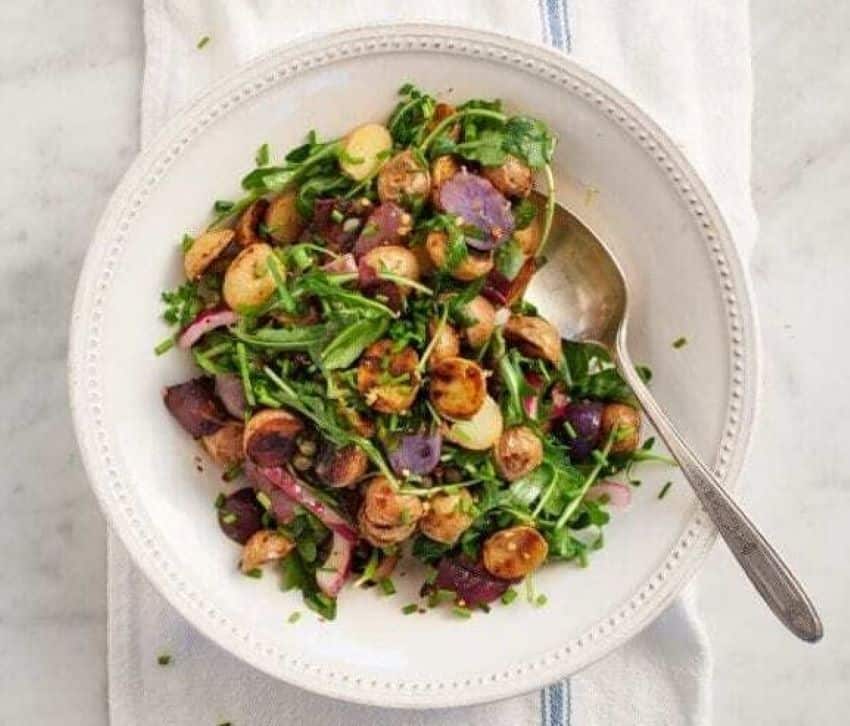
Potato Salad with Chorizo & Arugula
1¾ lbs. potatoes, baby or fingerling if available
Salt
4 sprigs fresh oregano or thyme
3 bay leaves
1 medium yellow onion, diced, divided
Sherry vinegar
2 Tbsp. olive oil, plus more as needed
4 oz. good quality chorizo, diced
2 oz. arugula
In a medium saucepan, place herbs, potatoes, some salt and enough water to cover. Cook until potatoes are tender but still firm. Remove from heat, drain and allow to cool. Discard herbs.
Put half the diced onion in a bowl. Add just enough sherry vinegar to cover; set aside. In a skillet, warm olive oil over medium heat. Add chorizo and cook, stirring, until lightly browned. Using a slotted spoon, transfer to a plate. Add remaining onion to skillet, increase heat to high, and cook, stirring, until starting to brown, about three minutes.
If potatoes are small, leave whole; otherwise, cut into halves or quarters. Transfer to large bowl; add chorizo, sautéed onion and any remaining cooking oil. Add your now quick-pickled onions (reserve the vinegar) and stir to combine.
Dress with more olive oil or vinegar, salt and pepper. Just before serving, add arugula and toss.
Take the time to find fresh oregano or thyme and sherry vinegar to make this arugula, chorizo and potato salad a standout.
Arugula Pesto
2 cups packed fresh arugula leaves, rinsed and dried
¼ cup walnuts, chopped
4 garlic cloves
1/3 cup olive oil
½ cup fresh grated Parmesan cheese
2 tsp. fresh lemon juice
Salt and pepper
Place arugula, walnuts and garlic in a food processor or blender. Pulse until finely chopped, scraping sides as necessary. With food processor/blender running, add oil in slow, steady stream. Continue processing until smooth, scraping sides. Add Parmesan and lemon juice; pulse to combine. Season with salt and pepper. Store refrigerated for up to a week.
Arugula Salad with Perfect Vinaigrette
1 shallot, minced
1 tsp. Dijon mustard
2 tsp. red wine vinegar
¼ cup olive oil
1 tsp. sugar
1 tsp. honey
Salt and pepper
6 cups arugula
Combine everything except arugula in a jar and shake well. Toss arugula with vinaigrette. — Food Network / Tyler Florence
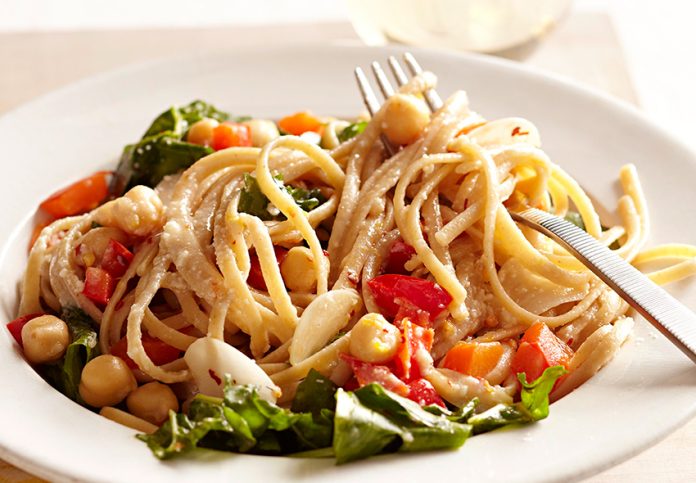
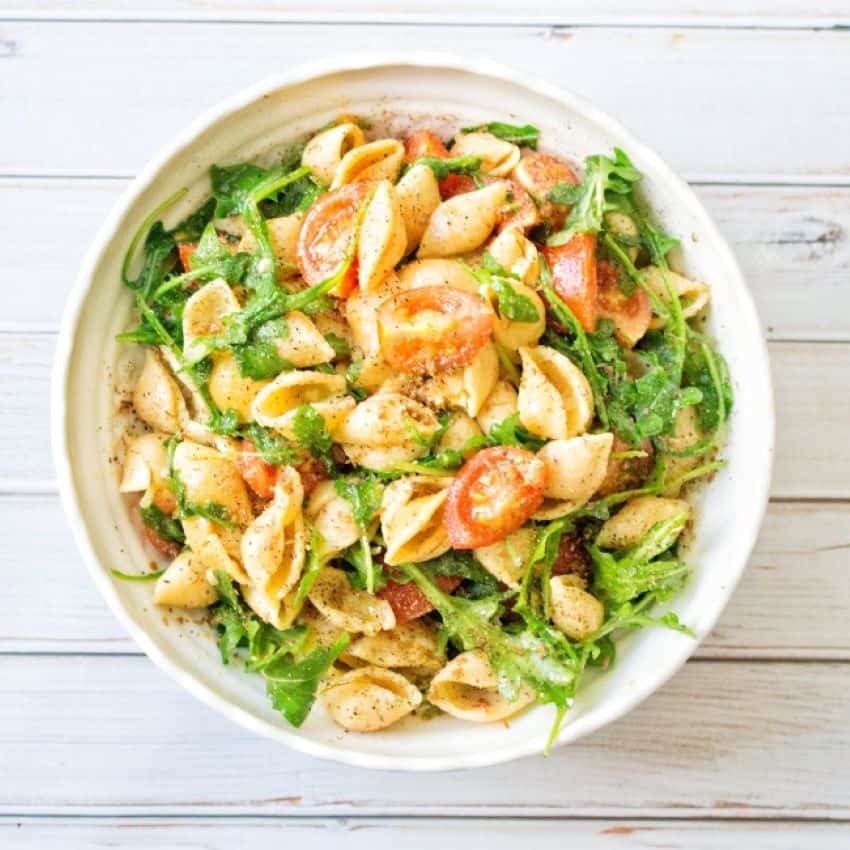
No need to cook the arugula in this recipe. The warm pasta will wilt the delicate greens to perfection.
Pasta Shells with Chickpeas & Arugula
¼ cup balsamic vinegar
1 garlic clove, minced
Salt and pepper
½ tsp. EACH thyme and oregano
¼ cup olive oil
1 (15-ounce) can chickpeas, drained and rinsed
½ lb. fresh mozzarella, cut into ¼-inch pieces
½ lb. pasta shells
¼ cup fresh grated Parmesan cheese
2 cups arugula
In a large bowl, whisk vinegar, garlic, ½ tsp. each of salt, pepper, thyme, oregano and olive oil. Add chickpeas and mozzarella; stir. Cover bowl and let sit at room temperature for 30 minutes to blend flavors.
Cook pasta al dente, drain and add to bowl with chickpea mixture. Add a handful of arugula and a sprinkling of parmesan and stir. Continue this process until all the arugula and most of the Parmesan have been added. The arugula will wilt slightly due to the warm pasta.
Season to taste with more salt and pepper, sprinkle with the remaining grated Parmesan, and serve warm or at room temperature.
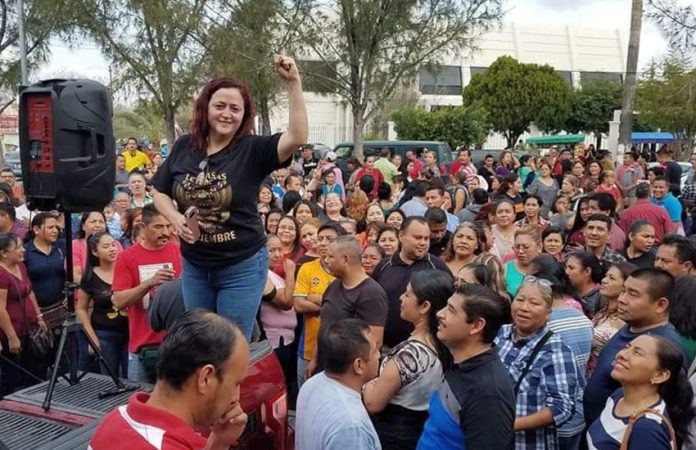
Labor activist Susana Prieto in 2019 speaking to workers in Matamoros who are currently being prohibited from choosing a union led by her. (File photo)
The largest labor federation in the United States said it would file on Monday the first petition for the U.S. government to lodge a complaint against Mexico under the terms of the new North American free-trade agreement, which took effect last year.
The American Federation of Labor and Congress of Industrial Organizations (AFL-CIO) states in its petition, which it shared with the Reuters news agency, that employees at the Tridonex auto parts plant in Matamoros, Tamaulipas, were denied the right to independent union representation in violation of the United States-Mexico-Canada Agreement (USMCA).
The agreement, which came into force on July 1, 2020, was designed to give greater power to workers to demand better wages, which have stagnated in Mexico since the now-defunct North American Free Trade Agreement (NAFTA) took effect at the start of 1994. As a result, salaries in Mexico now rank as the lowest among the 37 member countries of the Organization for Economic Cooperation and Development.
Although the USMCA enshrines workers’ right to independent representation and gives them more power to negotiate higher wages — a provision also designed to stem the loss of U.S. jobs to Mexico due to the lower wages paid here — hundreds of Tridonex employees were effectively blocked from joining the union of their choice.
The workers, unhappy with its current representation by the SITPME union because it didn’t support their fight for higher wages in 2019, sought to be represented by a new labor organization led by lawyer and activist Susana Prieto.
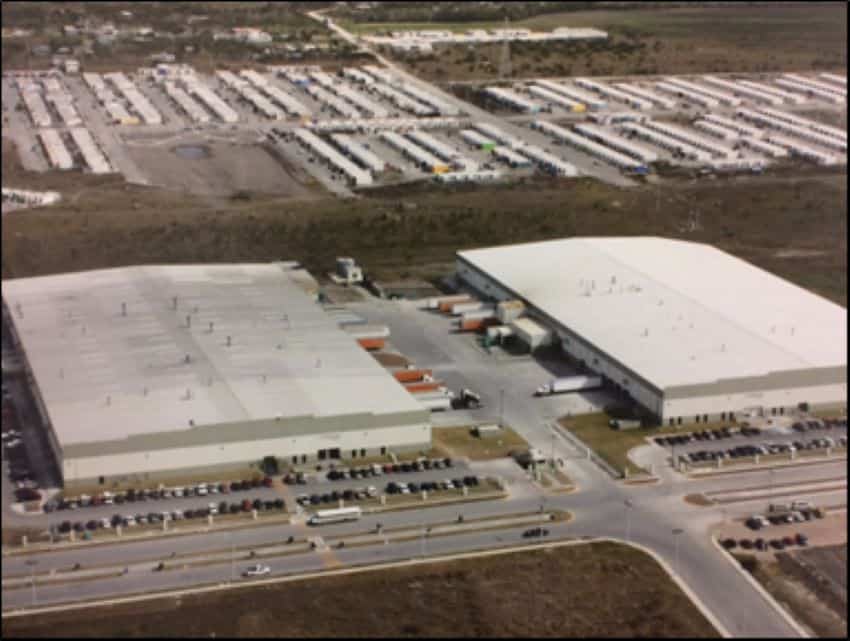
The Tridonex manufacturing plant in Matamoros, Tamaulipas.
But state labor officials never scheduled an election, Reuters reported, adding that Prieto claimed that 600 of her supporters at Tridonex — a subsidiary of Philadelphia-based Cardone Industries, which is controlled by Canada’s Brookfield Asset Management — were fired last year “in what some workers described as retaliation for their efforts to switch unions.”
The AFL-CIO’s petition — supported by the union that represents U.S.-based Cardone workers, Prieto’s union and the U.S. nonprofit Public Citizen’s Global Trade Watch — will put the USMCA’s labor enforcement provisions to the test for the first time, a case that will be closely watched by companies bound by the pact as well as labor activists.
According to the trade agreement’s “Rapid Response Mechanism,” firms can be sanctioned with tariffs or other penalties if they don’t guarantee workers’ rights such as the freedom to choose their union.
Cathy Feingold, director of the international department of the AFL-CIO, which fought for the inclusion of improved workers’ rights provisions in the USMCA, said the Tridonex case will be precedent-setting and a test for the new system created by the new three-way trade agreement.
The AFL-CIO’s petition will go to the U.S. Office of Trade and Labor Affairs, which will have 30 days to review it and determine whether to take the case to the Mexican government.
If it decides to do so, labor officials in Mexico would collaborate with their counterparts in the United States to come to an agreement on terms of remediation, according to Reuters. The news agency said the entire process, which would include a final stage to determine potential sanctions on Tridonex and penalty fees, must be resolved in no more than five months.
Benjamin Davis, director of international affairs for the United Steelworkers, which is part of the AFL-CIO, said most of the issues “could get fixed pretty quickly if the political will is there.”
Before the USMCA was ratified by the three North American trade partners, President López Obrador, who has pledged to get rid of “protection contracts” that are common in Mexico and seen by critics as favoring company interests over workers’ rights, promulgated a labor reform package that sought to give greater rights to company employees, democratize unions and give them more power to negotiate more effectively on behalf of their members.
But the 2019 reform is being implemented gradually and will not reach Tamaulipas — and the Matamoros Tridonex workers — until next year, Reuters said.
Davis said that Mexico has a responsibility to ensure that the reform doesn’t remain on paper but is implemented on the ground.
“The rights start right away, even if institutions aren’t in place yet,” he said.
An 18-year-old was arrested in Baja California Sur on Friday on suspicion of killing his girlfriend by stabbing her 230 times.
Celso ‘N’ is accused of the April 30 murder in Mulegé and is being held in pre-trial detention after a judge determined that early evidence was sufficient to link him to the case.
The crime took place in a garbage dump in Villa Alberto Alvarado Arámburo.
According to the autopsy report puncture wounds to the chest caused the victim to suffer a collapsed lung, opening an air pocket which then filled with blood, known in combination as a hemopneumothorax.
Juan Manuel Delgado Cárdenas was about to graduate as a pharmaceutical chemist and biologist.
A Tijuana university student who was just months away from graduating as a pharmaceutical chemist and biologist was murdered late last month, apparently for refusing to cook synthetic drugs for narcos.
Juan Manuel Delgado Cárdenas, 23, a clinical laboratory employee and student at the Autonomous University of Baja California (UABC), was killed on April 30 by armed men who broke into his family’s home in the Tijuana neighborhood of El Florido.
Two of Delgado’s siblings and two of his friends were wounded in the attack, which was allegedly perpetrated by three men, none of whom have been arrested. A 12-year-old boy who was shot while playing video games with his brother to celebrate Children’s Day remained hospitalized on Saturday, the news website Zeta Tijuana reported.
According to the newspaper Milenio, the Baja California Attorney General Office’s most solid line of investigation is that a drug cartel attempted to lure the 23-year-old to its ranks so that it could make use of his knowledge to manufacture drugs such as methamphetamine. But Delgado, a keen runner who taught boxing to disadvantaged kids in his spare time, refused.
The student was buried last week after a funeral service led by Rodrigo Salinas, a Tijuana priest. Delgado set an example for others by choosing good over evil, the priest said.
Tijuana student Paulina Michelle Casillas Martínez with her boyfriend, Humberto Mejía Sandoval, whose bodies were found in a clandestine grave with other victims.
“This is a message for all the young people who are carried away by the desire … for money and power,” Salinas told Milenio after the funeral service.
Delgado’s death shocked and frightened other Tijuana university students, some of whom joined a protest on Saturday at the Tijuana campus of the National Pedagogical University (UPN), where the victim’s sister, Marena Delgado, studies.
The students demanded that Baja California authorities fulfill their responsibility to provide security to citizens and ensure that justice is served in the case of Delgado and other university students who have recently been murdered in Tijuana, among whom was Paulina Michelle Casillas Martínez, a UABC tourism studies major whose burnt body was found last week with that of her boyfriend, Humberto Mejía Sandoval, in a clandestine grave.
Their message was forceful but the turnout at the protest was small, a circumstance that was attributed to students’ fear that they too could be targeted by organized crime.
“I believe that the clearest proof that young people are afraid is that they preferred not to come — not all of them — and we have to respect their decision and support them,” a UPN professor told Zeta Tijuana.
“We don’t want to live with this fear,” one student said. “What happened to Juan Manuel Delgado Cárdenas happened at his home; it’s ugly that you’re not even safe in your own home. … I don’t want to be studying today and appear in the news tomorrow … [because] I was found in a [hidden] grave,” he said.
A female student told Zeta that news of Delgado’s death was even more shocking because it occurred on Children’s Day and was witnessed by his younger brother.
“How could you imagine that at a time of celebration, [criminals] would come and take [the life] of a person so close to you. … We’re here to ask for justice for all the students who are no longer with us and especially to support my classmate, Marena,” she said.
“It makes me sad and angry,” another young woman said. “… We’re students. We want to prepare ourselves to have a better future, … to make a better future for Mexico, and knowing that they’re stealing our dreams … makes us angry.”
Bitcoin is cheaper and faster for making payments. deposit photos
As cryptocurrency grabs more and more headlines in the financial news, it is increasingly the chosen method for many Mexicans working in the United States to send home remittance payments.
Last year, working migrants sent over US $40 billion to their families back home, 2.5-3% of which was processed by Mexico’s major cryptocurrency platform, Bitso, a total of $1.2 billion.
Crypto platforms offer a vastly cheaper rate for sending those payments. Bitso charges commissions as low as $1 per $1,000 sent, while international transfer companies like Western Union charge an average fee of 10.9% per transaction.
Sending by crypto is also more efficient: direct account deposits can take up to five days while crypto transfers go directly to the recipient in a matter of minutes.
Traditional financial instruments are foreign to many Mexicans but ease of use is pushing consumers towards crypto adoption. More than half of households do not have bank accounts, while 88% have the necessary technology for crypto trading: a smartphone.
Jesús Cervantes González, an economist with the Center for Latin American Monetary Studies (CEMLA), said the pandemic led migrants to search for digital solutions to send money home, as many traditional exchanges closed their doors to the public.
Media reports have stated that more Mexicans received money from the U.S. stimulus package via remittances than through any Mexican government benefits, although Cervantes said there are no statistics to prove such a claim.
Maria Salgado, a Los Angeles resident originally from Oaxaca, has sent money home for 24 years to pay for her sister’s kidney treatments. She initially thought crypto currency was a scam, but became a convert in 2017. “I realized we were all fighting for the same thing: to have a better life,” she said.
Salgado, a former factory worker, is currently invested in a crypto-mining rig — an advanced processing computer that mines cryptocurrency — being run out of Arizona. She also teaches cryptocurrency workshops online.
The growing power of digital currencies in Latin America is evidenced by Bitso’s success. After a funding round last week Latin America’s largest cryptocurrency platform became its first crypto unicorn, a term used to describe a privately-held startup valued at more than $1 billion. Bitso is now valued at $2.2 billion with more than one million users, primarily in Mexico and Argentina.
Eloisa Cadenas, CEO of consulting firm CryptoFinTech, says the platforms are filling a consumer demand. “In Mexico, Bitso made evident the advantages of using crypto for remittances. The exponential growth of this platform proves that it is really helping [recipients],” she said.
Samuel Gómez Milano, co-founder of Venezuelan CoinGroup, expects the crypto remittance trend to continue. “The remittances market will continue to grow as long as the U.S. is rich and Latin America isn’t … There will always be migration, driven by the financial and labor disparities [between them],” he said.
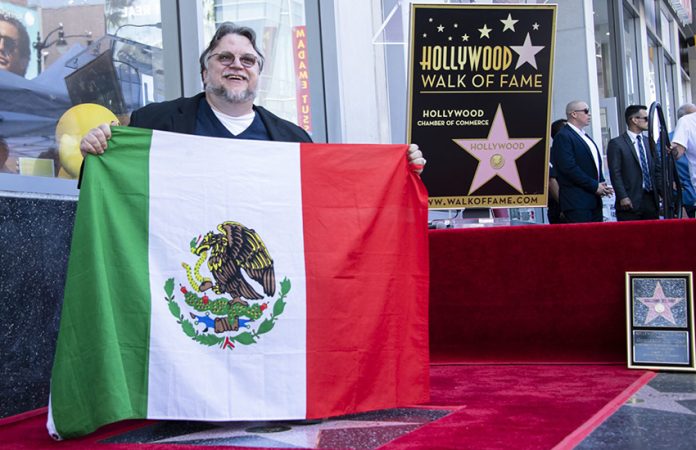
When film director Guillermo del Toro received his star on the Hollywood Walk of Fame, he proudly displayed his Mexican identity.
We foreigners know Mexico sort of from the “outside in” … the country which has a capital of the same name. But that is both simplistic and inaccurate.
When I first came to Mexico, I lived in Toluca, a small city in the central part of the country. I quickly became confused and curious because locals referred to Mexico City simply as México and as residents of México state called themselves mexiquenses as well as mexicanos.
Much of the country calls Mexico City México without the Ciudad de part, but that is not true everywhere. In Mexicali, when I referred to Mexico City as México, I was strongly corrected: “Ciudad de México,” they said. “Mexicali is part of Mexico, too.”
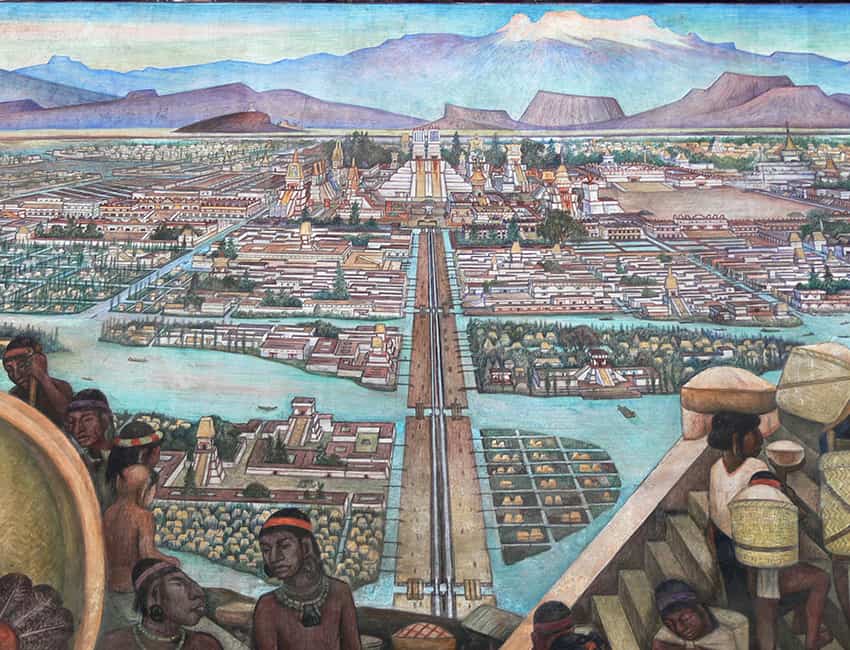
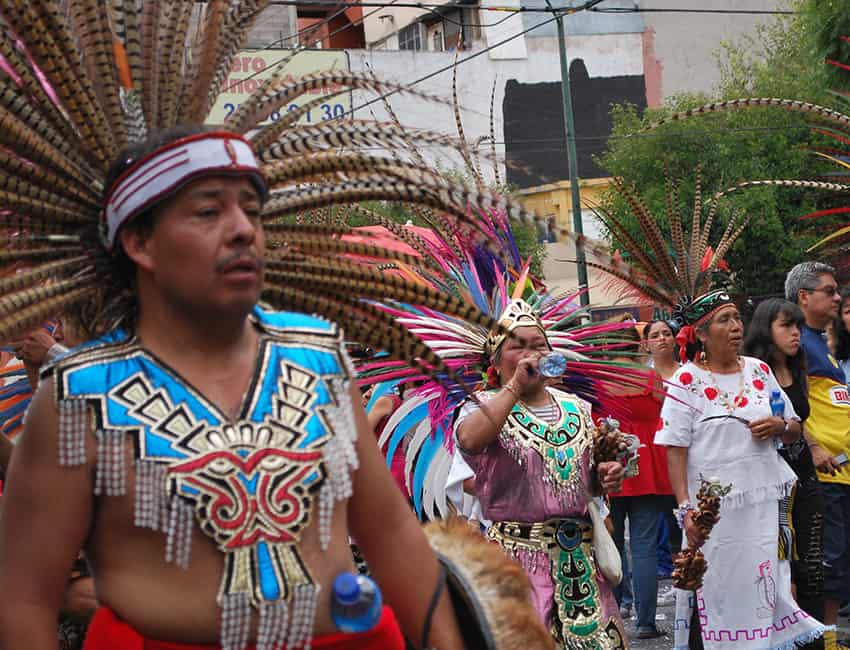
The word México originates in the Mesoamerican era with the Náhuatl word Mēxihco (pronounced Meh-SHI-ko) originally referring to the Valley of México. A people called the Mexica migrated south from a place they called Aztlán, established a city on a marshy island in Lake Texcoco, then expanded their domain over the entire valley and beyond.
That valley came to be known as the land of the Mexica, or the Valley of México. The capital, Tenochtitlán, was called both Tenochtitlán and (the city of) Mexico.
Tenochtitlán as imagined by Diego Rivera. Excerpt from one of the History of Mexico murals that was commissioned for the National Palace.
The empire later came to be known as Aztec, a term coined by historian Alexander von Humboldt. Not all Aztecs were Mexica, although the terms today are often used interchangeably.
The 500th anniversary of the fall of the Aztec Empire is this year, specifically on August 13, commemorating the taking of Tenochtitlan by Hernán Cortés’ army of Spanish and (more importantly) indigenous allies. The Spanish simply substituted themselves as the heads of the old Aztec social order.
But Tenochtitlán is difficult for Spanish speakers to pronounce, so México was adopted with a pronunciation change to fit Spanish phonetics.
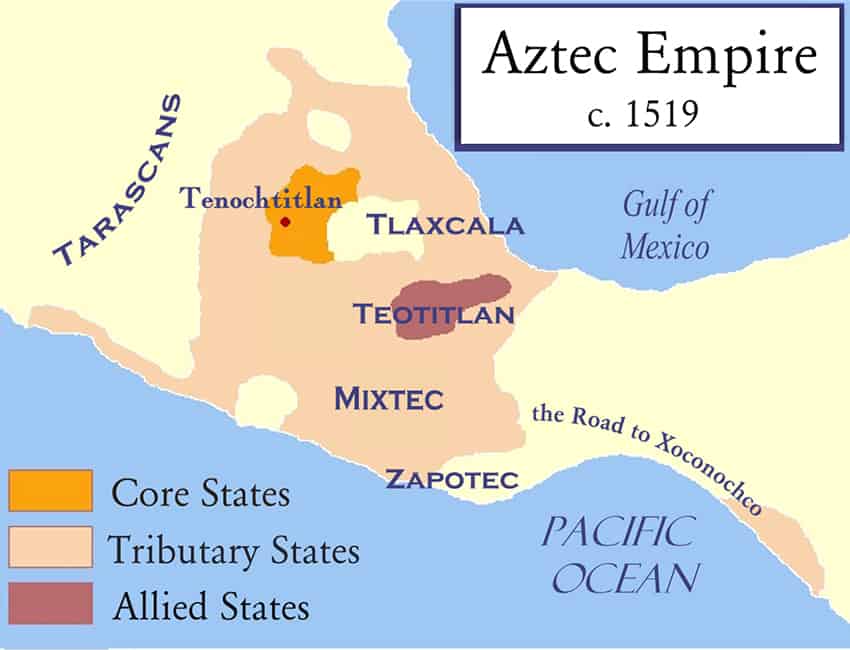
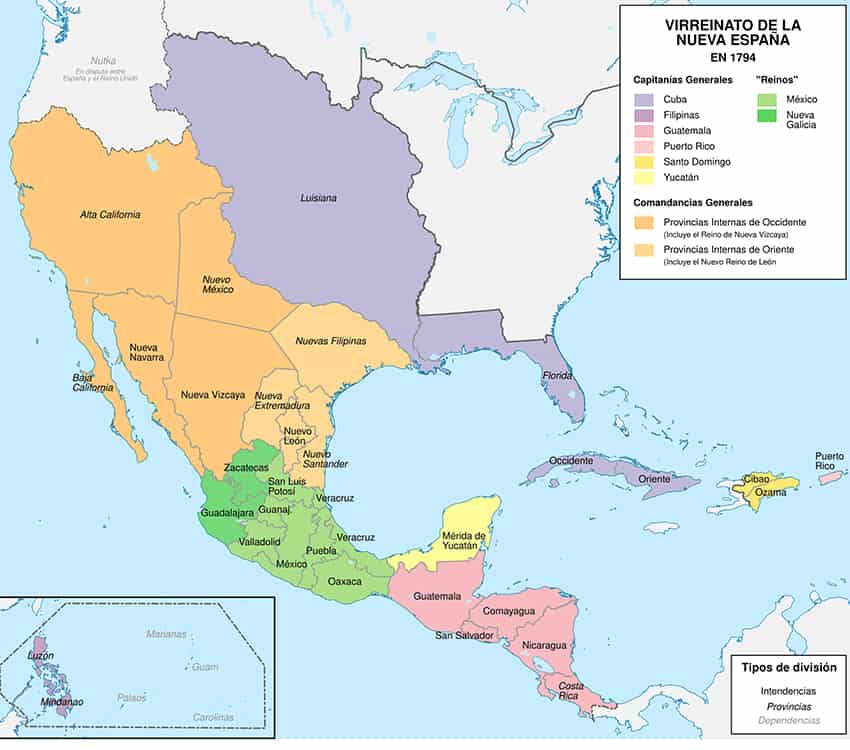
When New Spain was created, it was divided into five provinces, the most important of which was — you guessed it — México, based roughly off the borders of the old Aztec Empire. Mexico City became the capital of both the province and the colony of New Spain.
So during the colonial period, México could refer to Mexico City, the valley in which it is located or the colonial-era province.
In the early 19th century, New Spain fought for and gained independence from Spain. One reason the rebellion succeeded was a shift in identity among those of European heritage born in the colony.
Map of the Aztec Empire as of 1519, just before the Conquest.
Under the social order, those born in New Spain were second in status to peninsulares (those born in Spain), yet they felt that they were the “true Mexicans.” For this reason, when independence was achieved in 1821, the choice of name for the new country was Mexico.
This did not change the name of the city, valley or province. During the 19th century, the colonial Mexico province was a state, a département or a province, depending on which of the constantly warring forces were in control of the country at the time.
But shortly after independence, there began a process of breaking up these lands. The first was separating out Mexico City proper with the adoption of the 1824 constitution. Similar to Washington, D.C., the idea was that the capital was of the entire country, not just one part of it.
The city would remain under direct control of the federal government until 2016.
The remaining Aztec lands were called the state or province of Mexico. For various socioeconomic and political reasons, these vast lands were eventually divided into various entities, the core of which are Morelos, Guerrero, Hidalgo and México state.
The first three are named after Independence War heroes, and the rest is the Valley of Toluca, with a curious panhandle that almost completely surrounds Mexico City. That panhandle is the result of the expansion of the territory of the federal district of Mexico City after the Mexican-American War.
Layout of the Spanish Viceroyalty in Latin America in 1794.
There have been a number of official name changes to the country since independence, but all refer to Mexico in some way. With the current constitution, adopted in 1917, the official name became the Estados Unidos Mexicanos or United Mexican States.
Colloquially, the country is referred to as the República Mexicana (Mexican Republic), or simply México, in part because the official name sounds too much like that of the country’s northern neighbor.
As if all this was not confusing enough, in 2016 Mexico City was recategorized from being a federal district to a state.
That is right — México state is a state, and Mexico City is a state too. If I had to bet, my money would be on México state changing its name at some point to Toluca to end the confusion. The panhandle might even get absorbed into Mexico City.
The use of México reflects that the identity of the country is still highly tied with the city and is reinforced by history, legends and symbols such as the eagle and cactus (from the Aztec origin myth) and the Virgin of Guadalupe.
However, that identity has not been absolute. It weakens as you get farther away from the lands identified as Mesoamerica (Aztec and other pre-Hispanic empires). For this reason, the countries of Central America broke away shortly after independence and the United States was able to keep Texas and the southwest after the Mexican-American War.
The Mexico name reflects how tied the country’s identity still is to its indigenous heritage. Alejandro Linares García
Mexico almost lost Yucatán and Chiapas as well.
In northern Mexico, the idea of being Mexican is complicated both because of influence from the United States in the north and a cultural and political rivalry with the seat of power to the south.
If you live anywhere in Mexico, it is worthwhile to visit Mexico City at least once to get a feel for it as the ombligo del mundo (the navel of the world). It is a Mexican’s point of reference, economically, politically and culturally, even if the Mexican in question hates it …
Leigh Thelmadatter arrived in Mexico 18 years ago and fell in love with the land and the culture in particular its handcrafts and art. She is the author of Mexican Cartonería: Paper, Paste and Fiesta (Schiffer 2019). Her culture column appears regularly on Mexico News Daily.
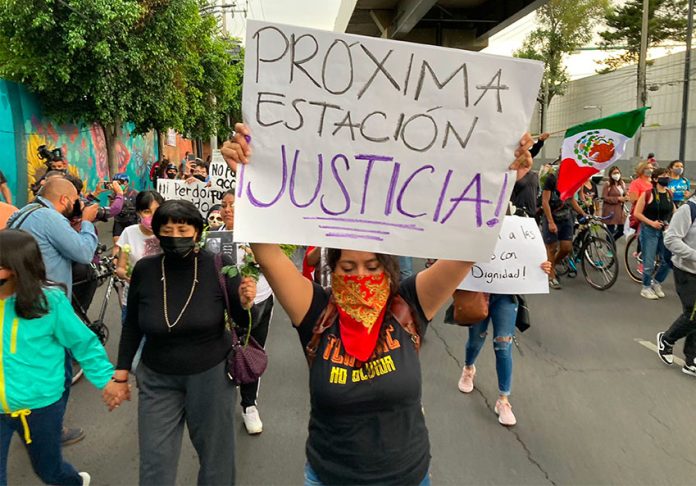
'Next station, justice,' reads the sign of a marcher during a protest Friday calling for justice for victims of the incident, which they said was a result of negligence.
Families of victims of last Monday’s deadly train crash in Mexico City will receive 700,000 pesos (US $35,160) in compensation, according to an announcement on Saturday by Mayor Claudia Sheinbaum.
The payout is a result of negotiations with the Metro train line’s insurer. According to the transportation system’s policy, families of victims would normally receive 350,000 pesos. The Metro agreed to increase the amount to 650,000 pesos, and the Mexico City government will chip in 50,000 pesos for each of the 26 victims of the crash, which occurred on Line 12 in southeastern Mexico City.
Sheinbaum estimated that the compensation will be paid out starting May 10, after beneficiaries have been identified.
In addition to 26 deaths, 33 people remain hospitalized after the crash, which injured more than 80. Of those, 12 remain in critical condition. The families of the injured will receive a payment of 10,000 pesos (US $500).
“We will not leave them alone, we will not leave them defenseless, and they will have the full support of the government so that in this painful moment, they will not have [financial] worries,” Sheinbaum said.
The city is also working on a wider support program including psychological support, social programs, job placement and education.
The federal and city Attorney General’s Offices are both investigating the crash, as well as an external auditor from Norway.
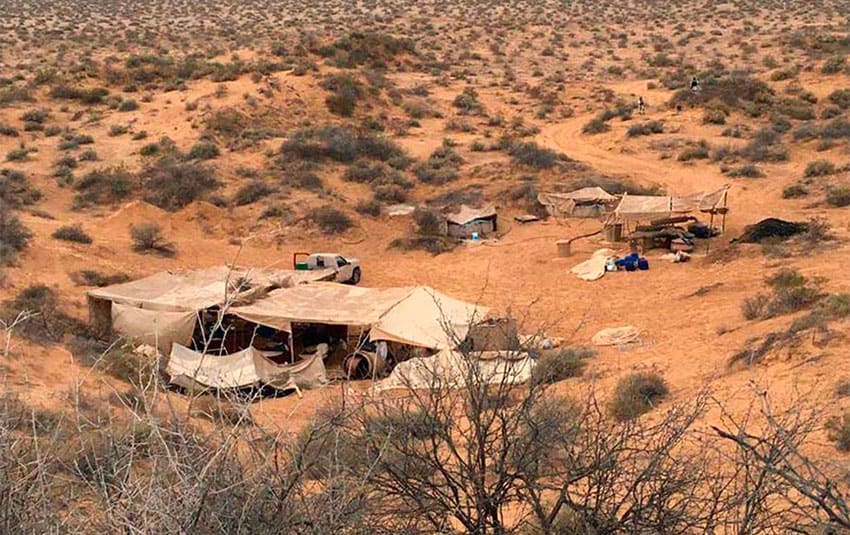
A National Guardsmen stands watch at a meth lab found in Sonora.
The Mexican marines carefully stacked the plastic drums one by one, dressed head to toe in white hazmat suits with gas masks tightly fastened around their faces to shield themselves from any toxic fumes.
Deep in the sierra of the state of Sinaloa, long the cradle of the country’s drug trade, authorities counted the solid crystal and liquid methamphetamine, precursor chemicals and equipment found at the clandestine lab.
On that Friday, August 17, 2018, security units in the air and on the ground had flanked the town of Alcoyonqui, nested into the surrounding mountains less than an hour east of the bustling state capital, Culiacán. Beneath the main production site, the mega-lab was outfitted with two underground warehouses to store some of the partially processed liquid methamphetamine.
In total, authorities seized at least 50 tonnes of methamphetamine and precursor chemicals used to produce the synthetic drug. It was the largest such seizure in the country’s history, evidence of just how much organized crime groups — in this case the Sinaloa Cartel — had ramped up production to feed growing demand for the drug in the United States.
The seizure was another sign of the spectacular rise of illegal synthetic drugs, in particular the stimulant methamphetamine and the synthetic opioid fentanyl. The spike in production in Mexico and use in the United States has coincided with a similar spike in Mexican use, particularly of methamphetamine.
Mass production has led to drastically lower prices in both countries, and methamphetamine use now rivals other commonly consumed drugs in Mexico like marijuana.
From US to Mexico production
It wasn’t always this way. Until the early 2000s, most of the methamphetamine consumed in the United States was produced in domestic laboratories, either tucked away in quiet suburbs outside of major cities or in rural communities. But by the 1990s and 2000s, mounting concerns regarding the dangers of the drug pushed lawmakers and law enforcement officials into action.
In 2004, the Drug Enforcement Administration (DEA) recorded almost 24,000 domestic methamphetamine incidents, which included seizures of labs, dumpsites and chemical or glass equipment. Something had to be done. In 2005, U.S. lawmakers passed the Combat Methamphetamine Epidemic Act which, among other things, sought to limit access to over-the-counter cold medicines that contain ephedrine and pseudoephedrine, key precursor ingredients for methamphetamine production.
The United States pushed for similar legislation in other countries, including Mexico, which adopted stricter drug controls starting in mid-2007.
At the same time, Mexican criminal organizations were evolving, developing increasingly sophisticated means of mass-producing methamphetamine and distributing it in vibrant U.S. drug markets. The Mexico-produced methamphetamine was both higher in purity and lower in price, and when the new controls on precursors began, the Mexican groups simply shifted gears, moving to more accessible and harder to control precursors. The U.S.-based producers could not compete.
The combination of the U.S. crackdown and the flood of Mexico methamphetamine gutted the U.S. production market. In 2019, the DEA recorded just 890 domestic methamphetamine incidents.
Now, Mexican organized crime groups are the “primary producers and suppliers of low cost, high purity methamphetamine” sent to U.S. consumers, leading to “significant supply” of the synthetic drug in the U.S. market, according to the DEA.
The rise of methamphetamine in Mexico
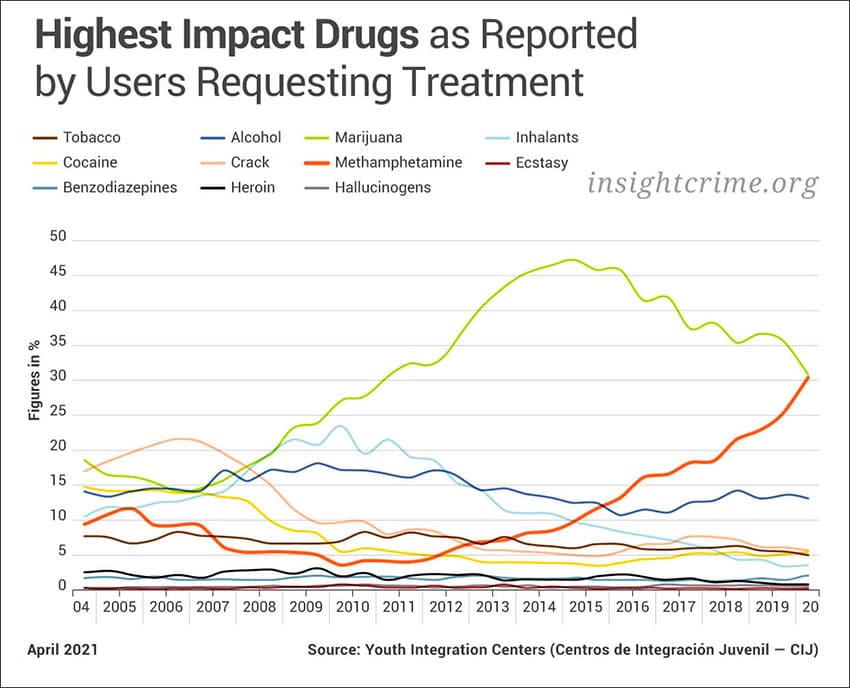
As production ramped up, public health officials in Mexico started to notice the emerging threat methamphetamine posed amid a rise in addiction around 2009 or 2010. A decade later, the civil society-led Youth Integration Centers (CIJ), which work with the state’s health sector to combat drug use among youth, reported that methamphetamine use was rising exponentially, becoming the drug most reported by users seeking treatment in their facilities nationwide.
What’s more, the CIJ report found that through the first half of 2020, a growing number of people in their care — more than ever before — reported using methamphetamine at least once in their life. Methamphetamine just barely outpaced cocaine, and fell behind only alcohol, tobacco and marijuana, which may soon be completely legal in Mexico.
“We need to look at methamphetamine as the current substance that’s creating the most problems for people who use drugs in Mexico. We’ve seen an increase in consumption around the country and are suffering the unintended consequences of both preferences for substances and drug policy changes,” said Jaime Arredondo, a professor at the Drug Policy Program at the Center for Economic Research and Teaching (CIDE) in Aguascalientes.
Methamphetamine is attractive for many reasons. It’s powerful, offers an intense high and is extremely cheap. A user in Mexico can buy one “rock” on the streets for 50 pesos, or around US $2 per dose. Combined with its easy accessibility and the fact that it can be produced in any climate, it comes as little surprise that methamphetamine has spread across the country as crime groups have boosted production to keep up with U.S. demand.
Indeed, in Baja California state, a key drug trafficking corridor home to the border cities of Tijuana and Mexicali, the CIJ reported that methamphetamine was the drug most cited by users in their care between the second half of 2015 and the end of 2018, exceeding all other drugs, including marijuana.
Last year in Tijuana, authorities seized 3,386 kilograms of methamphetamine, more than any other city and almost three times as much as Ensenada, which saw the second-highest rate of such seizures, according to government data compiled by the non-profit Mexico United Against Crime (MUCD).
However, local drug users likely aren’t getting the high-quality product that consumers are in the United States. North of the border, the potency and purity of seized methamphetamine averages more than 97%. The drug is also increasingly being marketed – often unbeknownst to users – as counterfeit Adderall pills in places like New England. In 2019, the DEA made 115 methamphetamine seizures in pill form in that region. Before that, between 2015 and 2018, there were only 13 such pill seizures.
But while headline-grabbing news reports in Mexico often showcase the famous blue pills, Arredondo, the CIDE professor, says it’s extremely rare to see the regular users he interacts with in Tijuana and Mexicali using methamphetamine in pill form.
“It could be that the best product just gets exported to its final destination in the United States, while users continue to use lower quality drugs here in Mexico,” Arredondo told InSight Crime.
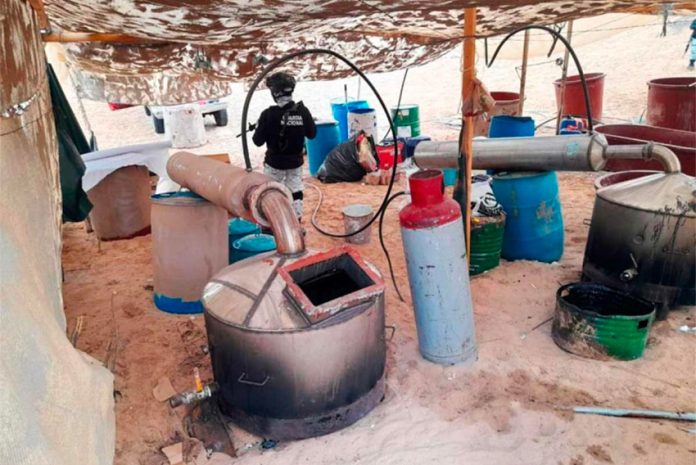
With precursor chemicals, the infrastructure and the ability to follow a recipe anyone can set up a meth lab.
Another side effect: violence
Given the rise of the market in the United States, securing safe transport of the high-quality product across the U.S.-Mexico border has become even more important, evidenced in the battles between drug trafficking groups and corrupt security officials operating along these routes. Baja California – just across the border from the San Ysidro port of entry, the busiest land border crossing in the Western Hemisphere – had the highest homicide rate of all of Mexico’s states in 2020, with nearly 80 per 100,000 citizens, more than double the national average.
Of the 34,515 homicides recorded nationwide in 2020, the border city of Tijuana accounted for more than 4,000, or about 12% of all killings, the most of any town.
That said, rates of violence are not tied solely to the drug trade. Local economic and political interests also influence how power brokers use violence as a resource to establish order and maintain power, or to set new rules and configurations.
Further complicating things is the increasingly atomized nature of Mexico’s criminal landscape. Producing methamphetamine takes no agricultural know-how, unlike cultivating poppy for heroin or coca for cocaine. Anyone with access to precursor chemicals, the right infrastructure and the ability to follow a recipe can do it. This low bar of entry allows smaller startup groups to carve out a place for their own operations, taking advantage of a massive market with rising demand and prices.
As things stand now, the lucrative trade shows no signs of slowing, and use of the drug in Mexico is likely to continue. In 2019, Mexico’s National Statistics and Geography Institute (Inegi) reported that the number of citizens addicted to amphetamines jumped 775% since 2000.
With use growing, the array of players is widening. Last month, a former mayor was arrested for his role in brokering a multimillion-dollar deal on behalf of the so-called Cárteles Unidos to deliver half a tonne of methamphetamine hidden in concrete tiles and house paint to south Florida by truck.
Not long after the arrest, members of the Jalisco New Generation Cartel (CJNG) — one of the main producers of synthetic drugs like methamphetamine — reportedly stormed Aguililla, the town in Michoacán state the former official once presided over, in what was the start of just the latest power struggle to be waged.
This is the third and final part of a series (read chapters one and two) in which InSight Crime has explored changing drug consumption patterns in the region and its impact on criminal dynamics. Parker Asmann is a writer with InSight Crime, a foundation dedicated to the study of organized crime in Latin America and the Caribbean.