Home Blog Page 14

MND Local: Magical places on the Baja California peninsula

0
Magical places in Baja California
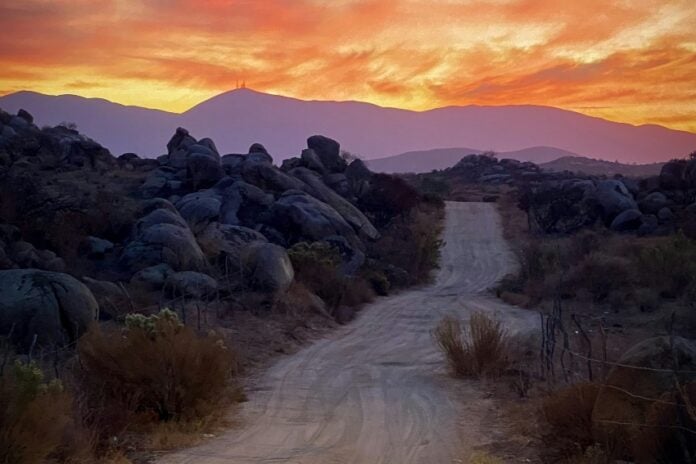
Many roads on the Baja California peninsula end in magical places, like this one, which leads to the Pueblo Mágico of Tecate. (Luis Ramírez/Unsplash)

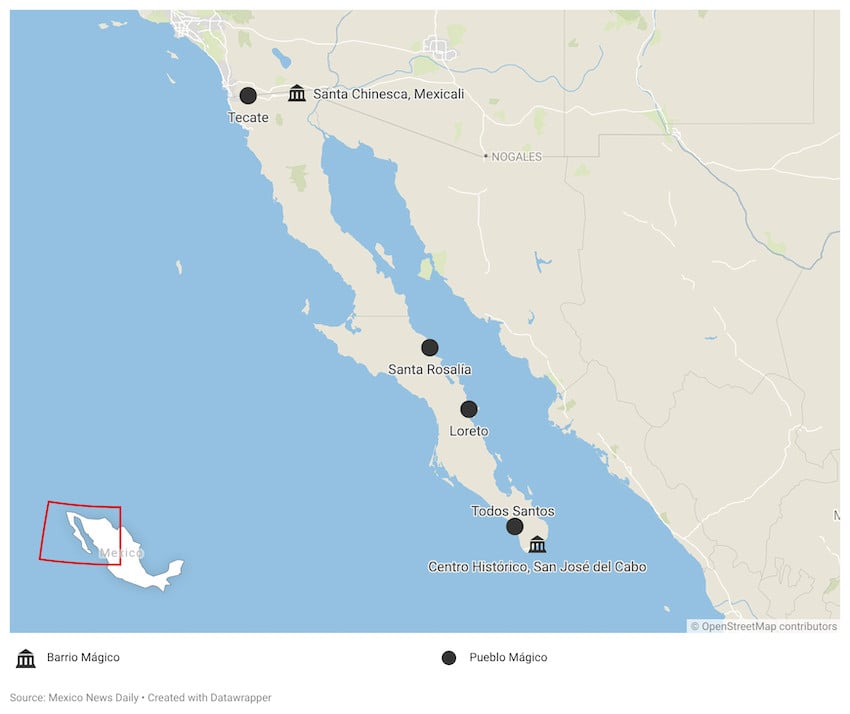
There are many magical places on the Baja California peninsula but only six have been officially designated as such: three in Baja California Sur and one in Baja California as part of the Pueblo Mágico program, launched in 2001 to promote towns in Mexico with a particularly rich history and culture; and one in each state as part of the Barrio Mágico program, founded to showcase the country’s most emblematic urban neighborhoods in 2022.
Todos Santos (Pueblo Mágico, 2006)
Todos Santos
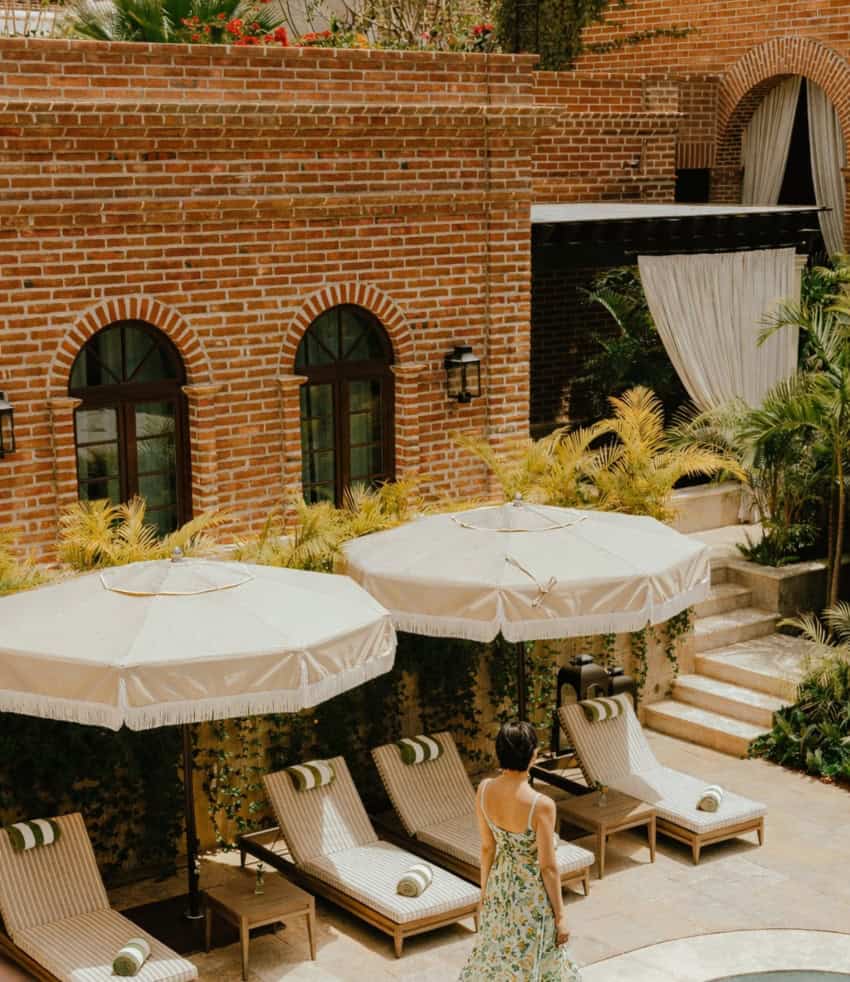
Todos Santos’ distinctive brick buildings are a legacy of its history as Baja’s sugar capital, and they can still be found in abundance today, including in some of the town’s premier boutique hotels. (Instagram)

Todos Santos is a town that has led several lives. Originally founded as the site of a Jesuit mission, Santa Rosa de las Palmas, in 1733, Todos Santos emerged after secularization in the 19th century as the peninsula’s sugar capital, with eight mills in operation by 1850. Sugar was what paid for the brick buildings that gave the town its now instantly recognizable architectural character.

However, after a drought in the 1950s lowered the water table, Todos Santos, home to a fertile oasis of lush palm groves and sugarcane fields, saw its fortunes reversed, with sugar mills shuttered and its traditional identity lost. A renaissance wouldn’t occur until the mid-1980s, when expatriate artists fell in love with the quality of light in Todos Santos and gave a boost to the town’s nascent tourism industry (A popular day trip destination from Cabo San Lucas — only an hour distant by car — it now draws half a million visitors annually). 

The combination of art galleries and surfer chic gives Todos Santos its unique vibe — great surfing can be found nearby beaches like Cerritos, San Pedrito and La Pastora — but the town is also notable for its superb dining scene and many charming boutique hotels. It was a natural selection as the peninsula’s first Pueblo Mágico, and one of the original 32 named in Mexico.

Loreto (Pueblo Mágico, 2012)
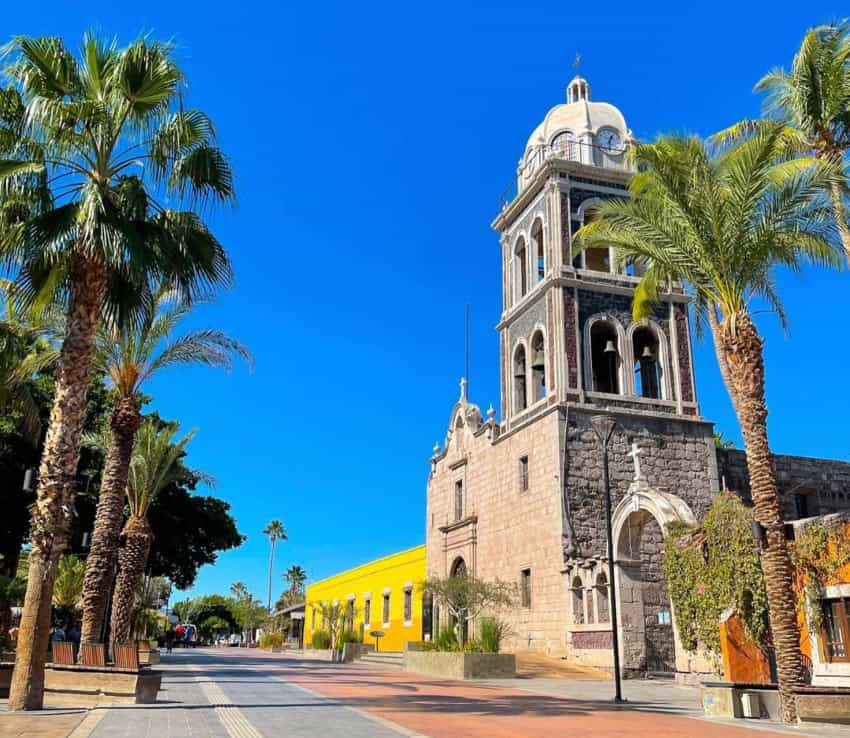
Loreto, Baja California Sur
Loreto’s mission dates to 1697 and is representative of the town’s outstanding history and culture. (Instagram)

Loreto was the site of the first permanent peninsular mission, founded in 1697 by Jesuit padre Juan María de Salvatierra, and became the center of subsequent mission building, as well as the capital of California until 1777, and of Baja California until 1829. Simply put, there is no town on the peninsula with a longer or more esteemed history.

That includes the Indigenous inhabitants — most notably Cochimí and Guaycuara — whose own history in the area dates back thousands of years. In fact, one of the premier cultural attractions of Loreto, besides the mission museum, is the great rock art sites inland in the Sierre de la Giganta, which are part of the “great mural” tradition. The town of Loreto itself, with its seaside malecón and emblematic seafood delicacy, almejas chocolatas (chocolate clams, named not for their flavor but the color of their shells), is likewise a must-visit, as are the offshore islands, since designated as a national park and UNESCO World Heritage Site.

Spring is the best time to see the area’s most famous seasonal visitors, blue whales — the largest creatures ever to exist on Earth — but destination golfers can tee it up anytime of year at TPC Danzante Bay, with its spectacular cliffside holes and magnificent vistas.

Tecate (Pueblo Mágico, 2012)
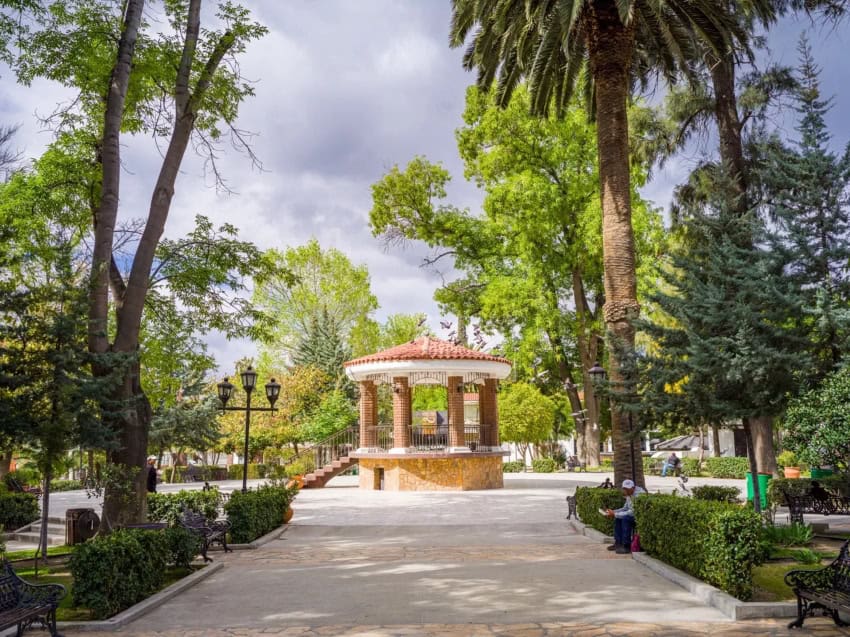
Tecate Baja California
Parque Miguel Hidalgo, only a few blocks from the U.S. border, is the traditional heart of Tecate, near architectural monuments like the Tecate Hotel. (Baja California Travel)

As of 2026, there are 177 designated Pueblos Mágicos, with Baja California and Colima being the only states in Mexico to have only one. Tecate, designated in 2012, is certainly a standout, however. Although the history of the Indigenous Kumeyaay dates back thousands of years, Tecate was founded only in the late 19th century, with many of the most noteworthy buildings, like the Streamline Moderne-style Hotel Tecate, lining the picturesque Parque Miguel Hidalgo, a few blocks from the U.S. border.

Tecate was a traditional stop on the San Diego and Arizona Railway, built in the early 20th century by John D. Spreckels, which, because of the difficulty of the terrain — the origin of its nickname, the “Impossible Railroad” — dipped down into Mexico for 44 miles between Tecate and Tijuana. The historic prairie-style depot remains an attraction in Tecate, as does the Tecate brewery, which dates to 1944, the year operations began at Cervecería Tecate under the auspices of founder Alberto V. Aldrete.

Since 1940, one of the most popular attractions has also been the pioneering wellness resort, Rancho La Puerta, founded by Romanian philosopher Edmond Szekely and his wife Deborah and set on 4,000 acres with over 40 miles worth of hiking trails near the base of Mount Kuchamaa (Tecate Peak), a sacred place for the Indigenous Kumeyaay. 

Santa Rosalía (Pueblo Mágico, 2023)
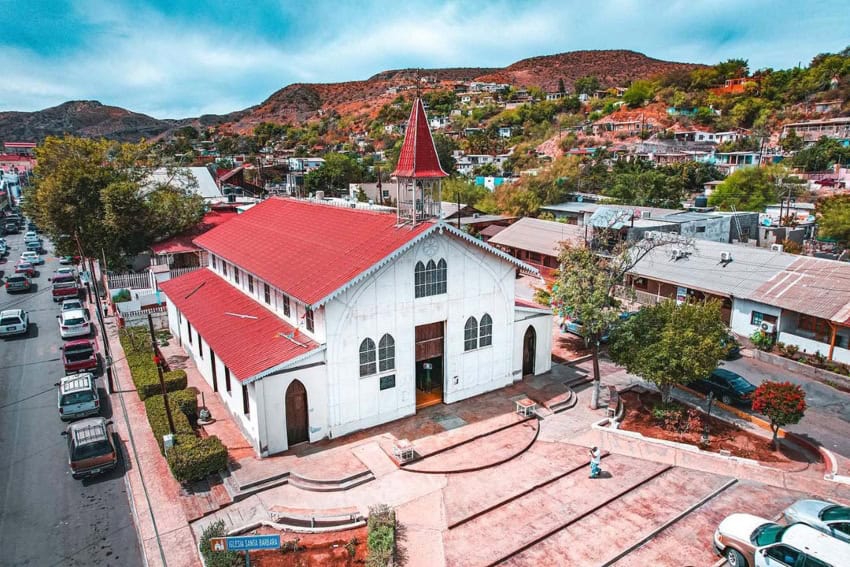
Santa Rosalia Baja California Sur
Iglesia de Santa Bárbara, one of two structures in Baja California Sur attributed to Gustave Eiffel (of Eiffel Tower fame), dates to the late 19th century. (SantaRosalía.mx)

Located a little over 60 kilometers north of Mulegé, Santa Rosalía came to prominence as a mining capital, with its House of Rothschild-owned copper mine, Compagnie du Boleo, in operation from 1885 until the 1950s. During the 1890s, the mine produced more copper than any other in Mexico, at its peak accounting for about half of all national production. It was also, it must be noted, a major regional employer. When what is today Los Cabos experienced severe droughts during the last five years of the 19th century, nearly 10% of the population is said to have left to work in Santa Rosalía’s copper mines.

The French investors brought railway cars and lumber as they built out the town, which still retains its European influences, as well as those from Indigenous residents. Many of the miners, for example, were imported Yaqui peoples, whose legacy is recalled in the El Boleo Mining Museum, as well as in a yearly Easter festival featuring Indigenous elements like traditional dances and mask burning rituals.

French-style pastries from the El Boleo Bakery remain a delicious part of Santa Rosalia’s culinary culture. Nowadays, however, the town’s signature dish is a more typically Baja-inspired seafood treat: almohaditas, or “little pillows” of foil-wrapped yellowtail. The Hotel Francés, meanwhile, is the preferred lodging of choice. Built during the 19th century to house visiting French engineers, its broad balconies hark back to an earlier era.

La Chinesca, Mexicali (Barrio Mágico, 2023)
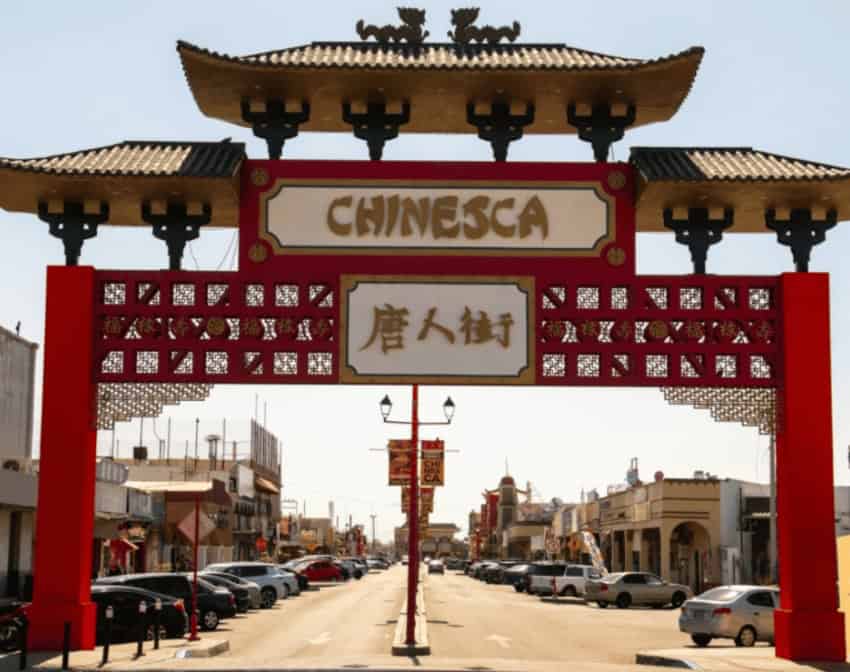
La Chinesca Mexicali
La Chinesca, the central district showcasing Mexicali’s Chinese culture, and the city’s population of over 20,000 people with Chinese heritage. (Instagram)

The oldest “Chinatown” in Mexico, La Chinesca in Mexicali, dates back to the early 20th century founding of the town, with Chinese residents initially outnumbering Mexicans 3:1 following the passing of the Chinese Exclusion Act in the U.S. There are still an estimated 20,000 people of Chinese descent living in the city.

The legendary underground tunnels — once home to opium and gambling dens — were built by the 1920s and continue to be a popular tourist attraction, as does Mexicali’s unique fusion cuisine. Today, Mexicali is thought to boast more than 300 Chinese restaurants, many of which have merged traditional wok-cooking methods with Mexican ingredients, birthing local specialties like “rice tamales.” 

La Chinesca has been a Barrio Mágico since 2023, one of more than 30 in the country.

Centro Histórico, San José del Cabo (Barrio Mágico, 2024)
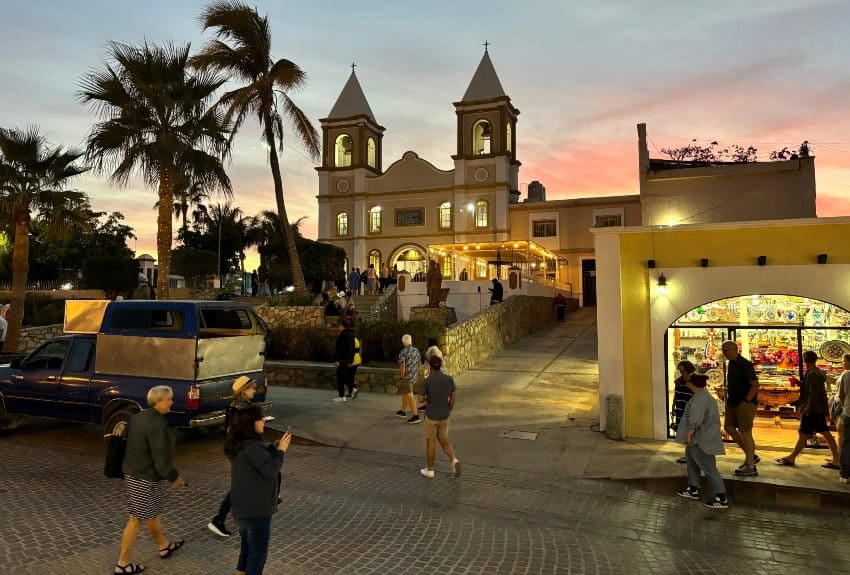
San José del Cabo
San José del Cabo’s historic Catholic Church is one of many attractions in its Centro Histórico district, named a Barrio Mágico in 2024. (Chris Sands)

For the last 20 years, weekly Thursday night Art Walks have showcased the cobblestone streets of San José del Cabo’s historic Gallery District, as well as its larger Centro Histórico neighborhood, from the broad city center, Plaza Mijares — named for a martyred hero of the Mexican-American War battle that took place in the city — to City Hall, with its historic early 20th century clock tower and interior murals, and the old Catholic church, Parroquia San José, which was rebuilt after a hurricane in 1918, with a tile mosaic above the entrance that remembers the killing of Jesuit padre Nicolás Tamaral by Indigenous Pericú in 1734.

Art Walk evenings remain the best time to enjoy this extraordinary neighborhood and newly designated Barrio Mágico, but the truth is that the neighborhood is an enjoyable stroll any time of day. Although the creation of the Los Cabos municipality is rather recent (1981), San José del Cabo is one of the most historic destinations on the peninsula, dating back to the founding of the mission in 1730, Estero de las Palmas de San José del Cabo Añuití, and of the town 100 years later.

Chris Sands is a writer and editor for Mexico News Daily, and the former Cabo San Lucas local expert for the USA Today travel website 10 Best and writer of Fodor’s Los Cabos travel guidebook. He has also contributed to numerous other websites and publications, including The San Diego Union-Tribune, Marriott Bonvoy Traveler, Forbes Travel Guide, Porthole Cruise and Travel, and Cabo Living.

El Jalapeño: Mexico unveils revolutionary electric vehicle just slightly larger than your grocery cart

4
Olinia
Is it a shopping cart? Is it an SUV for gnomes? No, it's Mexico's first EV. (Image generated by AI)

All stories in El Jalapeño are satire and not real news. Check out the original article here

MEXICO CITY — Mexican officials confirmed Monday that the country’s first domestically produced electric vehicle, the Olinia, is complete and on schedule to debut June 7, describing the compact urban car as a “landmark achievement in sovereign mobility” that industry analysts say can comfortably seat two adults, provided neither of them had lunch.

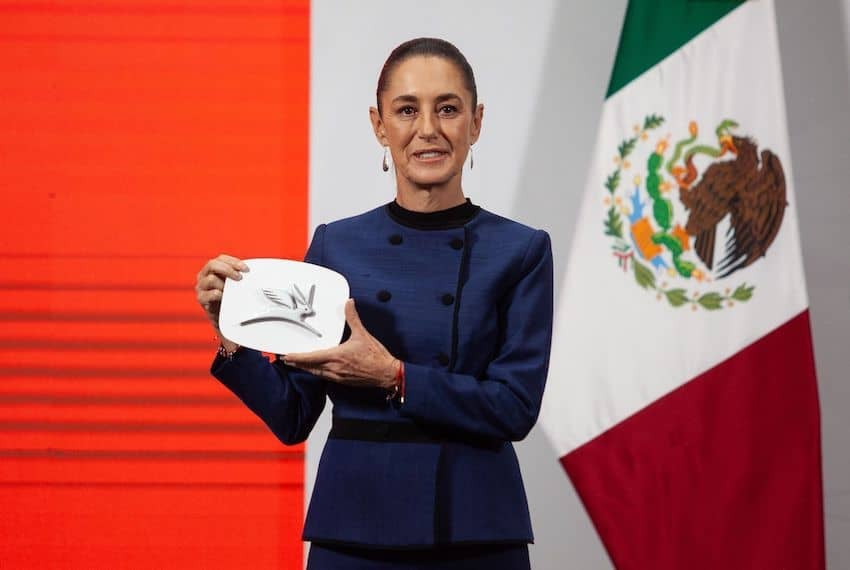
Sheinbaum with Olinia logo
This badge is rumored to be bigger than the Olinia itself. (Andrea Murcia/Cuartoscuro)

The Olinia, developed under government direction as a practical solution to urban congestion and fossil fuel dependency, measures approximately the size of a large kitchen appliance and is expected to revolutionize short-distance travel in Mexico City, particularly among commuters whose journey does not require a highway, a hill, or any form of luggage.

“This is a historic moment for Mexican manufacturing,” said a senior official at the presentation, standing beside the vehicle in a way that made the vehicle look smaller. “The Olinia represents our commitment to clean energy, national industry, and the reality of parking in Condesa.”

The electric mini-car boasts a reported range sufficient for most intracity trips, which officials clarified means trips that do not begin and end in different boroughs. A charging infrastructure rollout is planned for select neighborhoods, with priority given to areas where residents have already accepted that certain things simply take longer than expected.

Consumer response has been cautiously enthusiastic. “I think it’s great,” said one Mexico City resident who asked not to be named. “I just need to know if my dog counts as a second passenger or cargo.”

Automotive analysts noted that the Olinia’s debut puts Mexico alongside a small group of countries that manufacture their own electric vehicles, a distinction that several larger economies with considerably more resources have yet to achieve. No further comment was made on that point, as none was felt to be necessary.

The Olinia is expected to go on sale later this year at a price point described by officials as “accessible,” a term whose definition will be clarified at a future date.

El Jalapeño is a satirical news outlet. Nothing in this article should be treated as real news or legitimate information. Check out our Jalapeño archive here!

Got an idea for a Jalapeño article? Email us with your suggestions!

Mexico-EU trade deal promises legal certainty for billions in transatlantic investment

0
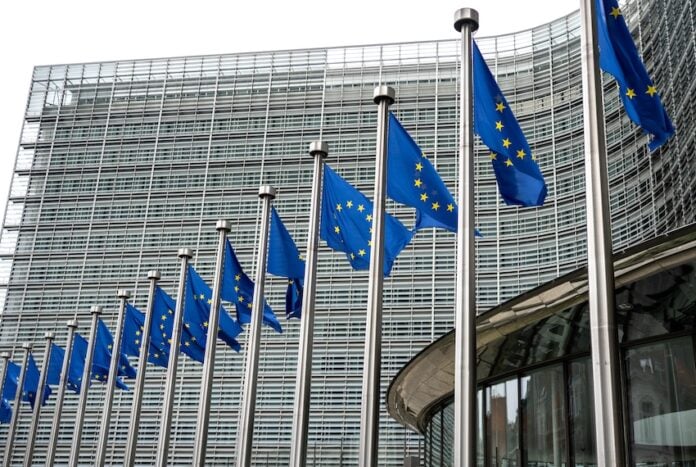
European Union Flags Waving In Brussels Opposite The European Commission Building
The EU was Mexico's second-biggest export market after the US (€33.9 billion) in 2025. (Shutterstock)

The updated Mexico-European Union trade agreement that is set to be signed in Mexico City this Friday will pave the way for the creation of a tribunal that will be tasked with settling investment disputes.

The Investment Dispute Resolution Tribunal will settle disputes related to European investment in Mexico and Mexican investment in Europe. Bilateral (e.g., Mexico-Spain or Mexico-Germany) mechanisms for the resolution of investment disputes will be phased out.

A key aim of establishing the tribunal is to provide greater legal certainty to European companies that operate in Mexico and Mexican companies that operate in Europe.

The newspaper El Economista reported that the design of the tribunal will ensure “transparency, speed and predictability” in the resolution of disputes.

“The mechanism includes clear procedures for filing claims, sets strict deadlines, and establishes precise rules of evidence. Decisions will be based on consistent interpretations of the treaty,” the newspaper reported, referring to the Mexico-EU Modernized Global Agreement (MGA) that Mexican and EU officials will sign on Friday.

Investment Dispute Resolution Tribunal panels will be made up of three people, including at least one representative from Mexico and one representative from the European Union. One of the three panel representatives will serve as the panel’s president.

A panel must hand down a final report on the dispute it was tasked with resolving no more than 120 days after it was established.

El Economista also reported that under the terms of the MGA — a pact that has been in the works for a decade — EU companies in Mexico and Mexican companies in the EU must receive the same treatment as local companies.

“If Mexico grants a license to a national company under certain terms, it is obliged to give equivalent terms to a European company,” the newspaper reported.

European Union green-lights a trade deal with Mexico, with summit set for May 22


The MGA also seeks to establish a level playing field by stipulating the uniformity of bureaucratic procedures and tax obligations for Mexican and European companies operating in Mexico and Europe. It will allow Mexican companies that operate in the EU to return profits to Mexico without restrictions, while European companies in Mexico will be permitted to do the same.

According to the European Commission, two-way trade in goods between the EU and Mexico totaled €86.8 billion (US $100.76 billion) in 2025.

“The EU was Mexico’s second-biggest export market after the US (€33.9 billion) in 2025. The EU’s key imports from Mexico are machinery and appliances, mineral products, chemical products, transport equipment, and base metals,” the European Commission said.

“The EU was Mexico’s third-largest source of imports in 2025 (€52.9 billion), after the U.S. and China. Key EU exports to Mexico include machinery and appliances, chemical products, transport equipment, base metals, and mineral products.”

Mexico received just under US $10 billion in foreign direct investment (FDI) from EU countries last year, accounting for almost one-quarter of total FDI that flowed into the country.

With reports from El Economista

Airport taxis reject rideshare pickup zones at Mexico City International — again

1
cars at airport
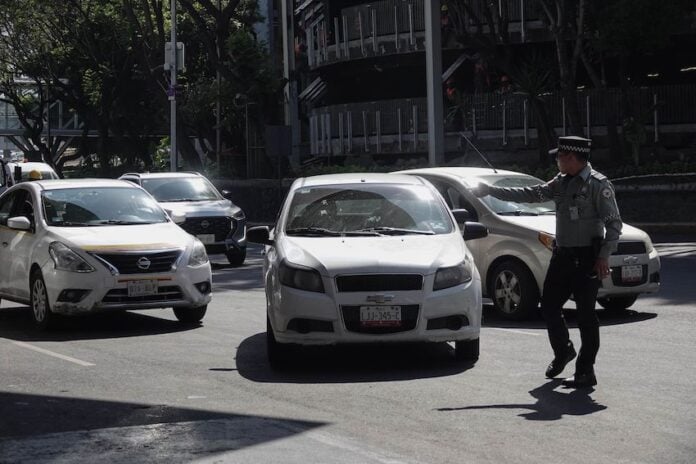
A plan to provide a space for ride-hailing app users and drivers to meet up at the Mexico City International Airport was shot down by airport taxi service providers on Friday. (Camila Ayala Benabib/Cuartoscuro)

The plan to provide spaces for ride-hail vehicles at Mexico City’s International Airport (AICM) was rejected again on Friday due to opposition from airport taxi service providers. 

The AICM parking plan was aimed at converting a short-stay parking lot to facilitate quick passenger pick-up and drop-off and offer passengers a designated waiting area for ride-hailing services, such as Uber and Didi. 

“The short-stay parking area would have had a capacity of 200 spaces and primarily served two purposes: one, for people who were simply picking someone up or dropping them off at the airport; and two, for ride-hailing services to have a place to wait for their customers,” explained AICM Director Juan José Padilla Olmos.

In March, taxi drivers blocked access roads to both airport terminals to protest the government’s ongoing support for ride-hailing apps operating at AICM. 

During the disagreement between the government and AICM taxi services, passengers arriving at AICM have been forced to seek alternative transport or walk long distances to board Ubers.

President Claudia Sheinbaum acknowledged the situation during her daily press conference on Friday, emphasizing that the airport is still being remodeled and that once the work is completed, mobility within the airport terminals will be reorganized, including the operation of licensed taxis and ride-hailing services.

Sheinbaum also announced that traditional taxis and ride-hailing vehicles will operate in separate areas within the airport. 

The new plan is aimed at stopping passengers from having to walk long distances to nearby avenues to board a taxi, as is currently the case for many.  

While passengers may still have to walk further to the designated ride-hailing bays, improvements to mobility will make this easier, according to the president. 

“The airport will be well-lit, with ramps and everything needed to get there,” Sheinbaum said.

The new boarding areas will be available in both Terminal 1 and Terminal 2, and the move is expected to reduce traffic congestion.

Under the new system, ride-hailing services will need to indicate designated collection spots to users to facilitate the meeting between users and drivers. 

Authorities recommended checking the information within the app before leaving the terminal, as the exact pick-up point may vary depending on the time of day or service availability.

With reports from El Financiero, Reporte Indigo and El Norte

WHO warnings on Ebola outbreaks in Africa prompt Mexico to issue a travel advisory

2
President and heallth minister
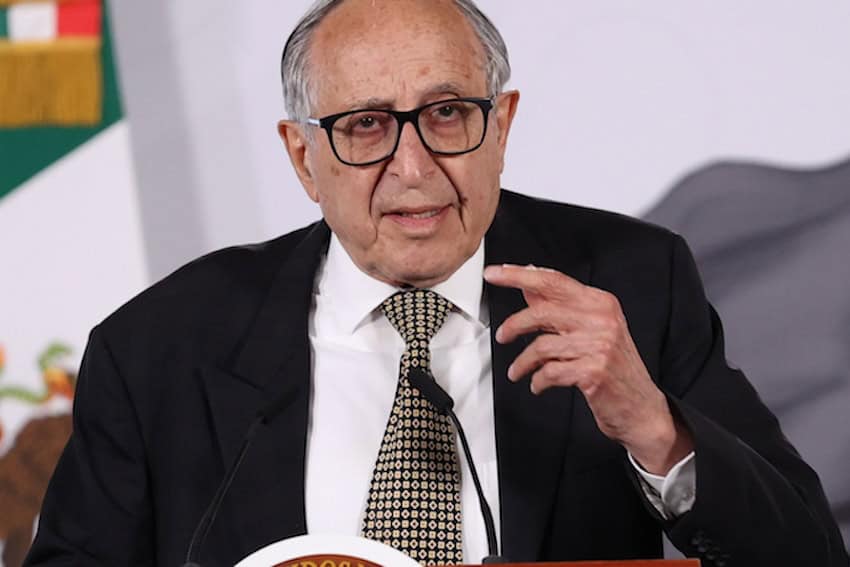
President Sheinbaum and Health Minister David Kershenobich display to the press a graphic describing some of the features of the Ebola virus, including the fact that it is transmitted through contact, not by air, and that no vaccine or treatment as yet exists for it. (Galo Cañas/Cuartoscuro)

Mexico has issued an Ebola-based travel advisory due to an active Ebola outbreak in Central Africa that the World Health Organization has classified as an international emergency. 

While the advisory is meant especially for people traveling to the Democratic Republic of Congo and Uganda, where the outbreak has been most severe, the Health Ministry (SSA) is urging all travelers to exercise epidemiological vigilance and caution.

Health Minister David
In the past week, Health Minister David Kershenobich has penned a health warning for the hantavirus and a travel advisory for the Ebola virus, but at the same time, assured Mexicans that there are no confirmed cases of either one in the country and the probability of a local outbreak is very low.
(Gaolo Cañas/Cuartoscuro)

“Given that this is an event with a risk of international spread, it is important to consider that travelers could be exposed not only to potentially sick people, but also to other health risks present in the affected areas,” the SSA said. 

While authorities have stressed that there are no confirmed cases in Mexico to date and the overall risk of contagion abroad is low, individual risk depends on recent travel history, length of stay and exposure in areas with active transmission and contact with sick people or contaminated materials.

The Bundibugyo Ebola variant of the virus is deadly. No specific vaccine or approved treatment exists for the disease it causes. 

The SSA has said that transmission occurs through direct contact with blood, secretions, or contaminated objects, not by air like COVID-19 or influenza. The incubation period varies between two and 21 days and timely identification and isolation of symptomatic individuals significantly reduces the risk of transmission.

Furthermore, the SSA has warned travelers that if they experience fever, severe weakness, headache, muscle pain, vomiting, diarrhea, abdominal pain and/or unexplained bleeding within 21 days of their return, they should avoid self-medication, proceed to immediate isolation and inform health authorities via telephone of their travel history.

Health authorities have stressed that due to international mobility and global air connectivity, they maintain epidemiological surveillance for emerging diseases of international concern.

Just last week, Mexico issued a preventive hantavirus alert following the confirmation of a hantavirus outbreak on May 2 onboard an international cruise ship sailing the South Atlantic Ocean.  

As with Ebola, hantavirus has no approved antiviral treatment.

Mexico News Daily

More than half of Mexico’s expected economic windfall from the World Cup will be from beer sales

0
Beer
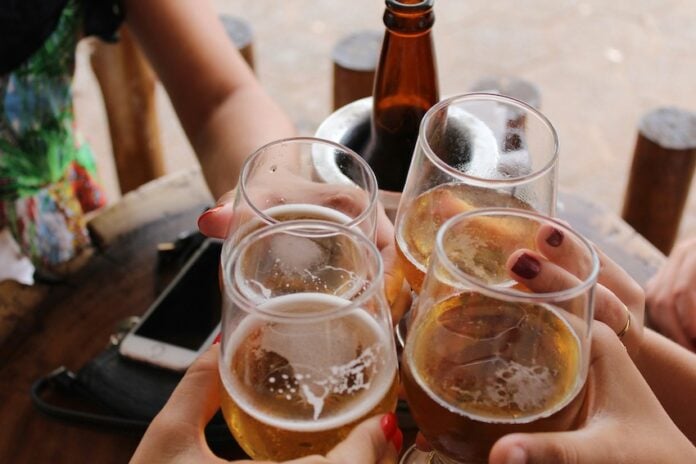
Beer sales are seen as contirbuting as much as 65% of the economic windfall during the World Cup tournament in Mexico, with sales increasinfg by almost 10% in the World Cup host cities of Mexico City, Guadalajara and Monterrey. (Unsplash)

Of all the factors that will contribute to Mexico’s expected economic windfall from co-hosting the upcoming World Cup, beer seems to be the clear champion.

According to a recent report from Deloitte, the leading multinational professional services firm, beer sales will account for between 55% and 65% of total spending related to the World Cup. 

beer truck
The increased demand will require logistical adjustments by the breweries, such as increasing delivery trucks by 25% (Facebook)

According to Deloitte, beer sales in the host cities of Mexico City, Guadalajara and Monterrey could increase by up to 9.9% during the tournament, which translates to triple the usual profit the brewing industry experiences in that period in years without sporting events of the World Cup’s magnitude. 

The increase will be driven both by increased consumption by locals and the arrival of thirsty international visitors. 

In Mexico, per capita beer consumption reaches 68 liters annually, positioning the industry as a significant economic driver within the manufacturing and agribusiness sectors.

Given that the World Cup’s focus is on sectors like tourism and hospitality, beer sales will bring an important retail opportunity. But they also present a challenge because wholesalers must achieve the logistical capacity to supply extraordinary demand in record time, logistics company Chep said, citing data from Deloitte. 

The Chep report further warns that logistics costs in urban areas could increase by up to 30% due to city congestion and mobility restrictions. Brewing companies may need to increase their logistics assets, such as pallets and transport units, by up to 25% to avoid shortages during peak demand weeks.

“Events of this magnitude demonstrate that the challenge is not only to move more product, but to do so more efficiently, in a coordinated and sustainable way,” Giovanni Mirabent, Chep’s Country General Manager for Mexico and Key Accounts for Latin America said. “Logistics becomes a key enabler for responding to peak demand without compromising operations.” 

Overall, Deloitte anticipates that the 2026 FIFA World Cup will contribute US $2.73 billion in added value — equivalent to 0.14% of Mexico’s GDP — and will generate 112,200 temporary jobs, representing 0.19% of total employment in Mexico. 

The most benefited industries will include the food service, hospitality and transportation sectors. 

With reports from La Jornada

Sheinbaum suspends work on Royal Caribbean’s ‘Perfect Day’ megaproject in Mahahual

17
site fof Perfcdt Day
In ordering a work suspension to allow for further impact studies, President Sheinbaum expressed concern that Royal Caribbean's "Perfect Day" water park project would alter Mahahual's "very important ecological balance, particularly for the reefs.” (Greenpeace Mexico)

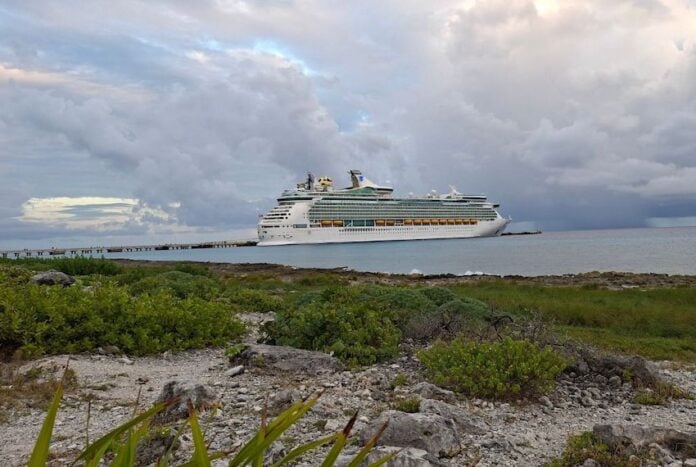
President Claudia Sheinbaum has ordered a fresh environmental review of Royal Caribbean’s Perfect Day Mexico water park planned for Mahahual, Quintana Roo, amid mounting protests on the coast and in Mexico City.

Sheinbaum said Monday she instructed the Environment Ministry (Semarnat) and its head, Alicia Bárcena, to scrutinize the megaproject after weeks of demonstrations by residents, environmentalists and online activists.

Perfect Day Mexico protests(Mario Jasso( Cuartoscuro
Royal Caribbean’s plan to bring 30 waterslides, 12 eateries, 24 bars and the “world’s largest sombrero” to an area now occupied by a tiny fishing village, coral reefs and mangrove forests has generated protests from within and well beyond Mexico. (Mario Jasso/Cuartoscuro)

Royal Caribbean, the multibillion-dollar cruise ship giant, is pushing ahead on the massive park, which it wants to open in phases starting in late 2027 as its own private cruise-ship playground on Mexico’s Caribbean coast.

“We must not do anything that affects that area, which has a very important ecological balance, particularly for the reefs,” Sheinbaum said at her morning press conference, according to Infobae.

“In any case,” she added, “the project can be moved to another area of Quintana Roo that does not have so many impacts on the area.”

The review comes as the environmental group Sélvame MX is calling for a peaceful march on Thursday outside Semarnat’s offices in Mexico City to demand the project’s cancellation.

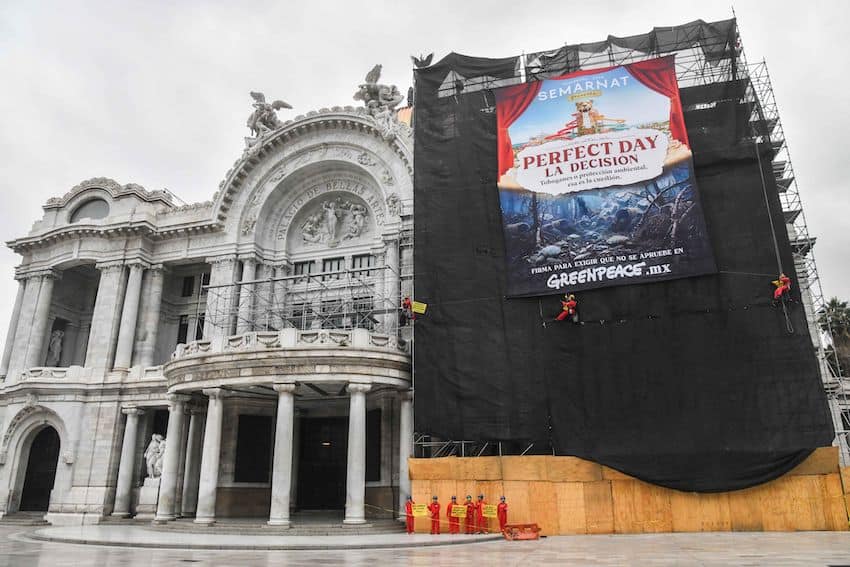
Protesters are being urged to bring banners and “energy to remind [government officials] that Mahahual is not for sale.” Greenpeace has already hung a banner at the Palacio de Bellas Artes in the capital denouncing the project and warning of an “environmental tragedy” if it goes ahead.

Opposition has spread beyond traditional green groups. Fans of K‑pop group BTS and singer Taylor Swift have launched social media campaigns, circulating Change.org petitions and slogans such as “Mahahual needs us” and “Our love for BTS can also change the world.” 

Mahahual is a small fishing community of fewer than 3,000 people on the southern Caribbean coast that sits beside the Mesoamerican Reef System, the world’s second‑largest coral reef, and mangrove forests that act as a natural hurricane barrier and major carbon sink.

Activists warn the park — planned to open in phases from late 2027 and receive up to 20,000 daily visitors — would damage more than 90 hectares of jungle and mangroves and threaten endangered species, including jaguars and sea turtles.

The park reportedly would include more than 30 waterslides, the world’s longest “lazy river,” three beaches with cabanas and water sports options, and roughly 12 eateries and 24 bars — including the Tipsy Sombrero Bar in the Fiesta Plaza arrival area that Royal Caribbean says will be adorned by the “world’s largest sombrero.”

With reports from Infobae, El Universal, Uno TV, El Economista and Reportur

Mexico blocks bank accounts of former Sinaloa Governor Rocha Moya and other officials

3
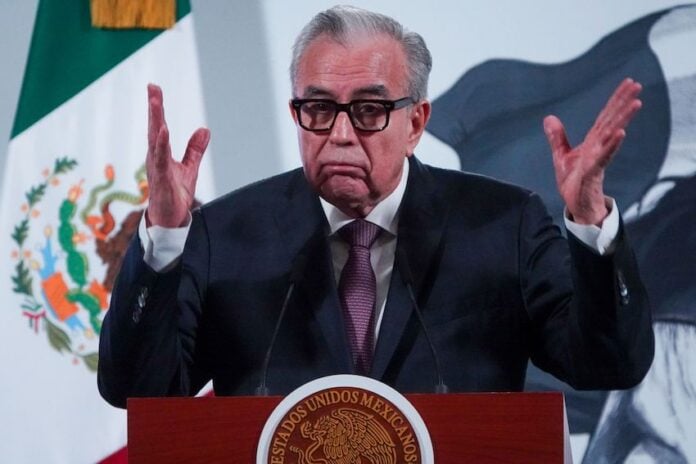
Former Governor of Sinaloa Rubén Rocha Moya
Rocha and nine other defendants are facing charges by the United States of conspiracy with the Sinaloa Cartel. (Galo Cañas/Cuartoscuro)

The federal government’s Financial Intelligence Unit (UIF) has blocked the bank accounts of Sinaloa Governor Rubén Rocha Moya and nine other current and former officials accused of drug trafficking by U.S. prosecutors in an indictment that was unsealed on April 29.

President Claudia Sheinbaum said on Monday that the UIF acted after Mexican banks took “a series of measures” related to the accounts of Rocha and the nine other officials accused of colluding with the Sinaloa Cartel. Mexican media first reported last week that the defendants’ accounts had been frozen.

On Monday, Sheinbaum said that “since there is an arrest warrant in the United States for 10 individuals, banks here, because they have relationships with banks there, take a series of measures, and the UIF automatically takes preventive action.”

Asked whether the UIF was investigating Rocha, who is currently on leave as governor, Sheinbaum said it was not.

She said that the UIF would issue a statement explaining that its freezing of the accounts of the people accused of drug trafficking in the United States was the result of “automatic mechanisms” that are triggered in such cases.

In its statement, the UIF said that additions to the “List of Blocked Persons” were of a “strictly preventive nature” and due to “reports issued by institutions of the Mexican financial system.”

“These reports … stemmed from allegations made by U.S. authorities and disseminated publicly,” said the UIF, which is part of the federal Finance Ministry.

“Consequently, Mexican banks, which maintain correspondent banking relationships with U.S. financial institutions, issued alerts regarding customers considered to be Politically Exposed Persons (PEPs) in accordance with their compliance and monitoring procedures,” the statement said.

“Based on these bank reports, … the UIF carried out a preventive freeze in order to protect the integrity of the national financial system.”

The UIF said that “these measures don’t constitute a definitive determination nor do they imply a finding of liability.”

Rather, they are “preventive actions of an administrative nature,” the agency said.

The UIF also said that “the people included on the List of Blocked Persons have access to defense mechanisms and guarantees provided under applicable legislation, including the exercise of the right to a hearing.”

In addition, it said that it was analyzing a range of “information and documentation” related to the politically exposed persons included on the List of Blocked Persons.

Two of the 10 defendants, both of whom were ministers in the state government led by Rocha, turned themselves in to U.S. authorities last week. All of the other suspects are presumed to be in Mexico.

2 former Sinaloa officials in US custody following drug trafficking indictment

According to the U.S. indictment, Rocha and the nine other defendants participated in a conspiracy with the Sinaloa Cartel to “import massive amounts of fentanyl, heroin, cocaine, and methamphetamine from Mexico into the United States.”

“Among other things, the defendants have shielded Cartel leaders from investigation, arrest, and prosecution; caused sensitive law enforcement and military information to be provided to members of the Cartel and allied drug traffickers to assist the Cartel’s criminal activities; directed members of state and local law enforcement agencies … to protect drug loads stored in and transiting through Mexico to the United States; and allowed brutal drug-related violence to be committed by members of the Cartel without consequence,” the indictment states.

“In exchange, the defendants have collectively received millions of dollars in drug money from the Cartel,” it says.

Rocha and other accused officials, including a Morena party federal senator and the mayor of Culiacán, have rejected the accusations against them. Mexican authorities have said there is currently insufficient evidence against the defendants to warrant their arrest for the purpose of extradition.

Rocha and various other suspects are affiliated with Morena, the party founded by former president Andrés Manuel López Obrador, and which backed Sheinbaum at the 2024 presidential election.

Milenio: UIF investigating companies linked to Rocha’s sons 

The newspaper Milenio reported on Tuesday that the UIF has begun an investigation into the financial transactions of companies linked to Rocha’s three sons.

“The noose is tightening around Rubén Rocha Moya, the governor of Sinaloa who is currently on leave,” the newspaper wrote.

“In addition to having his accounts frozen, the Financial Intelligence Unit (UIF) yesterday began reviewing all financial transactions involving his son’s companies, according to requests within the national banking system to which Milenio had access.”

Milenio said that companies linked to Rocha’s sons are suspected of carrying out “operations of financial triangulation and money laundering.”

Those companies include construction firms, a market research firm and an agricultural business.

The newspaper Reforma published a similar report on Sunday, writing that the UIF was looking at “possible money laundering operations, financial triangulation and the use of companies” linked to Rocha’s family.

Reforma reported that the bank accounts of the governor’s sons have also been blocked.

“The freezing of accounts ordered by the Financial Intelligence Unit (UIF) is no longer limited to former officials and security commanders accused in U.S. investigations, but has extended to the ex-governor’s children,” the newspaper wrote, specifically mentioning Rubén, Ricardo and Jose Jesús, three of Rocha Moya’s four children.

(Rocha’s also has a daughter, Eneyda Rocha Ruiz, who is president of the DIF family services agency in Sinaloa.)

Citing letters sent by the National Banking and Securities Commission on May 6, Reforma said that the UIF wasn’t just required to add the 10 people accused of drug trafficking by U.S. prosecutors to the List of Blocked Persons, but family members of the governor as well.

With reports from CNN Español, La Jornada, Reuters, Reforma and Milenio 

Made in Mexico: Tin Tan, Mexico’s first binational icon

3
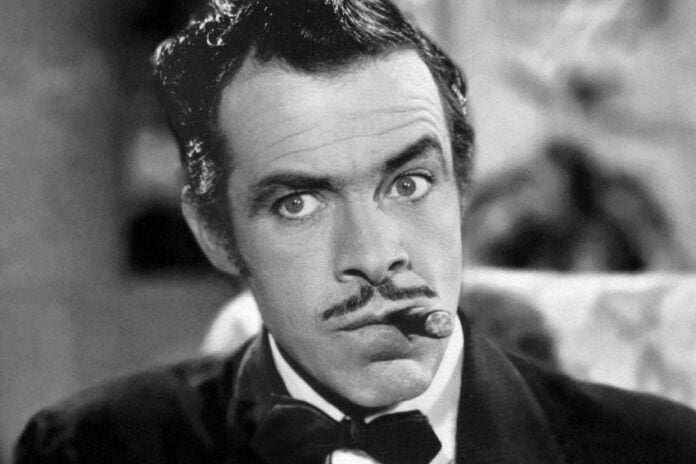
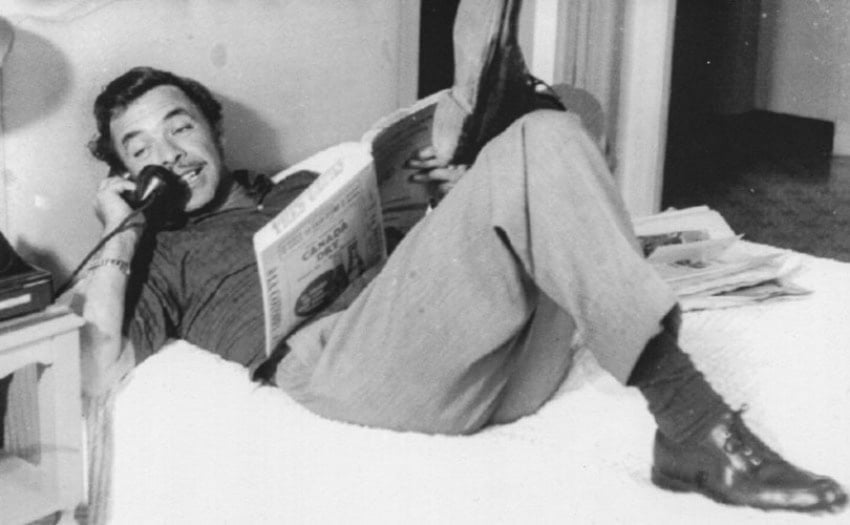
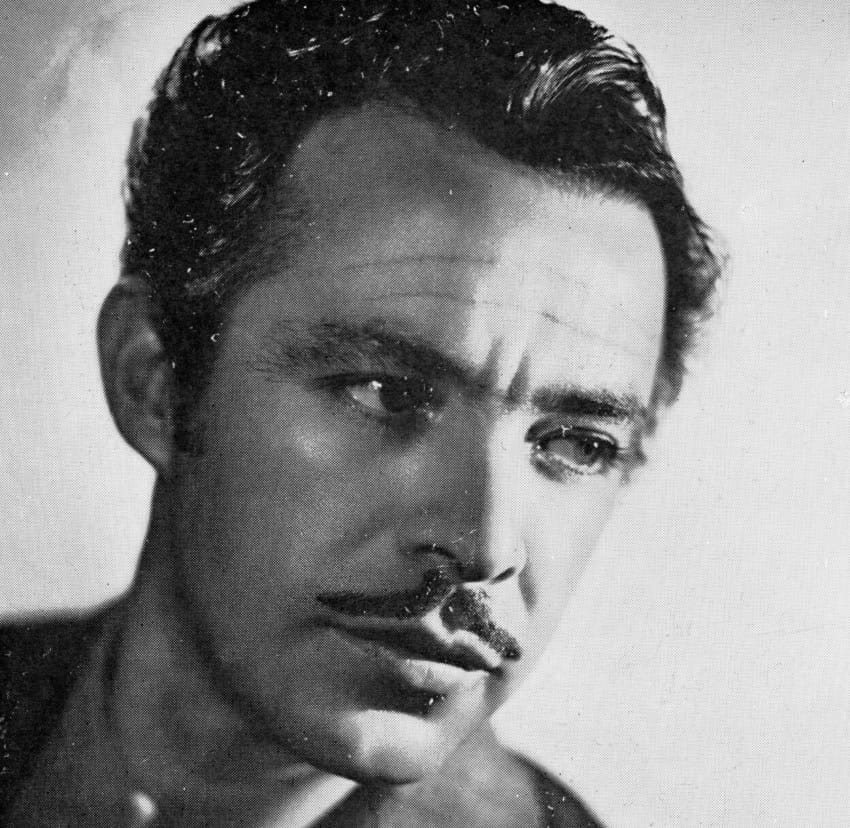
Tin Tan, the pachuco persona of Germán Valdés
The creation of Germán Valdés, Tin Tan became a movie star and Mexico's first binational icon. (IMDb)

In Mexico, the first binational icon may be the mestizo: 500 years of cultural collision condensed into what Octavio Paz once called a contradictory soul. But there are many Mexicos, and one that rarely makes it into English-language coverage is that of the pachucos — young Mexicans in Los Angeles who appropriated U.S. slang and style on their own terms. The pachuco was everything official Mexico preferred not to see: despised by the upper classes, nothing like the charro masculinity of Jorge Negrete or Pedro Infante, and a world away from the cosmopolitan chilangos of mid-century Mexico City.

One actor changed how that figure was seen and, alongside Cantinflas, became a pillar of Mexican comedy: Germán Valdés, better known as Tin Tan. Dressed in an oversized zoot suit and singing in a jazz-inflected cadence, he exploded onto the screen shouting, “¡Ya llegó su pachucote!” What he announced, without quite knowing it, was a future that looks a lot like our present: the binational, border-born self.

Tin Tan in Havana, Cuba
Like Mario Moreno with Cantinflas, Germán Valdés became famous by portraying the character of Tin Tan. (Héctor García/Wikimedia Commons)

A binational legacy

Germán Genaro Cipriano Gómez Valdés y Castillo was born in Mexico City on September 19, 1915: his mother was from Aguascalientes; his father, Rafael, was a customs agent whose work would carry the family north.

Rafael was first posted to Veracruz and then, in 1931, to Ciudad Juárez. Germán was sixteen. He arrived at the border just as a generation of young people on both sides was inventing something new: a hybrid culture stitched together from Mexican migration, African American jazz, Hollywood swagger and Depression-era poverty. Historians would later call them the “Mexican American generation.” On the street, they called themselves pachucos.

Germán took to it immediately. A poor student pushed to work, he was hired as a janitor at XEJ, the local radio station. One afternoon, alone in the studio, as the legend goes, he began imitating the announcers for his own amusement, unaware that the microphone was live. Station owner Pedro Mesenes heard him and turned the janitor into an on-air personality.

In 1943, impresario Paco Miller arrived in Juárez with a traveling company. When one of his comedians suddenly quit, Miller heard Tin Tan on the radio and hired him almost immediately.

Pachucos under suspicion

Pachucos were young, mostly working-class Mexican Americans who emerged in border cities in the 1930s and 1940s. Influenced by Black jazz culture, they wore zoot suits — oversized jackets with padded shoulders, baggy trousers pegged at the ankle, wide-brimmed hats, two-tone shoes — popularized by performers like Cab Calloway and adopted by Mexican American youth as a visible statement of identity and refusal. They spoke a slang that blended Spanish, English and their own inventions: a kind of early Spanglish that dominant cultures on both sides of the border found incomprehensible and vaguely menacing. In the eyes of two nations, they were simultaneously the wrong kind of Mexican and the wrong kind of American.

In June 1943 — just as Germán was preparing to leave Juárez with Miller’s troupe — the Zoot Suit Riots exploded in Los Angeles. White U.S. servicemen, with the tacit cooperation of the LAPD, attacked Mexican American youths, stripping them of their suits and beating them. The Mexican government, allied with the United States during the Second World War, struggled to respond. 

From punchline to protagonist

Tin Tan was not a parody of a pachuco, but the pachuco as a hero of his own story. (Asociación Nacional de Actores/Wikimedia Commons)

Other comedians had already dressed up as pachucos, but only to mock them, using the slur pocho to mark their distance from “real” Mexicans. In their hands, the pachuco was a walking punchline.

Tin Tan inverted the formula. He didn’t perform the pachuco as a caricature; he played him as a protagonist — sly, charming, musically gifted, romantically successful and linguistically inventive. He was the hero of his own story. That, more than the zoot suit or the slang, is what scandalized cultural nationalists. José Vasconcelos — one of the architects of post-revolutionary national identity — denounced such foreign influences. To mix Spanish with English, to dress in foreign clothes and dance to foreign music, was, for him, a betrayal of the patria.

Octavio Paz, writing in “The Labyrinth of Solitude,” was more sophisticated but no kinder. For Paz, the pachuco was a figure of negation, defined by his refusal to belong to either culture that had produced him. His defiance was a kind of self-humiliation: Su voluntad era la de no ser” — their will was not to be.

It’s one of Paz’s most quoted observations and also one of his most incomplete. Paz was looking at pachucos from the outside, as pathology. Tin Tan had grown up among them in Ciudad Juárez; he knew them as friends and neighbors, and carried that sensibility into Mexican mass culture with a generosity Paz, writing from California, could not see.

A radically modern way of being funny

On set, he improvised constantly, pushing directors to give him space “to do and undo” as he pleased. As critic Carlos Monsiváis noted, he didn’t leave a single word in peace: he twisted, stretched and jazzed the language until it broke into something new. He did the same with the camera — in an era when most actors behaved as if the audience were sealed off in the dark, Tin Tan looked straight into the lens, treating it as another character and the audience as an accomplice. The effect feels surprisingly modern: a proto-YouTube directness in the middle of the Golden Age of Mexican cinema.

Five films as an entry point

Tin Tan made more than 100 films. A handful are enough to open the door:

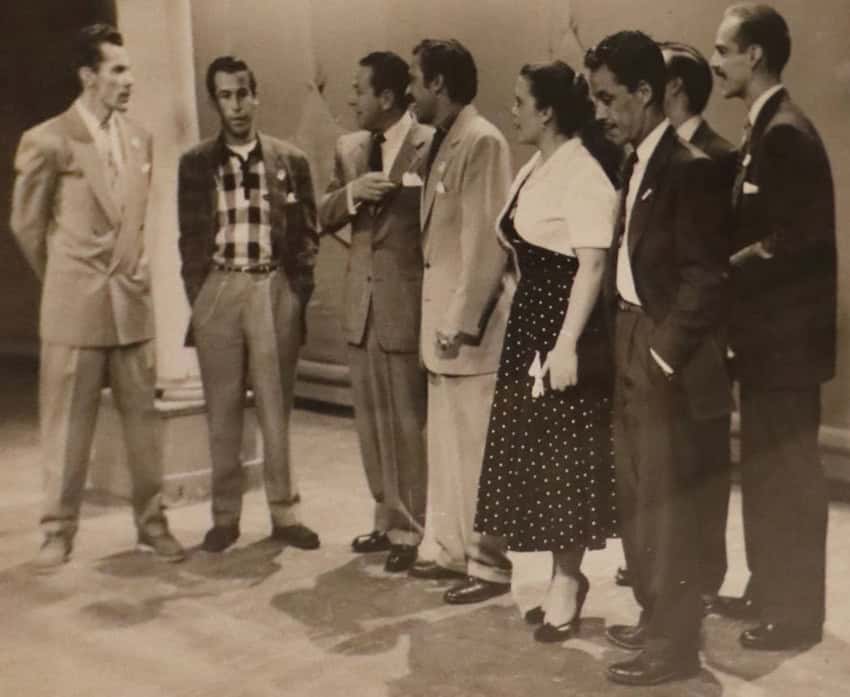
The Valdés brothers in 1958, with Germán at the far left. (Secretaría de Cultura de la Ciudad de México)
  • “El hijo desobediente”: His first leading role, and the debut of actress Marga López. Watch it to see him still working out the character.
  • “Calabacitas tiernas”: Directed by Gilberto Martínez Solares — his most important collaborator — this 1949 film is the one that made him a star. 
  • “El rey del barrio”: If you only watch one Tin Tan film, make it this one. He plays a railway worker by day and the leader of a hopeless band of thieves by night, a Robin Hood of the vecindad whose schemes collapse with the elegance of a Buster Keaton routine. This is widely regarded as one of the great achievements of Mexican cinema.
  • “El ceniciento”: A 1951 parody of Cinderella featuring one of the most joyful dance sequences of his career, set to Beny Moré’s “Dónde estabas tú.”
  • “El revoltoso”: A meddlesome shoeshine boy gets entangled in a plot that lands his girlfriend in jail — a reminder that Tin Tan’s characters lived in the barrio, fought for the barrio and never aspired to leave it.

The other voice you already know

Almost every Mexican parent eventually learns a small, delightful fact: Tin Tan is the Spanish-language voice of Baloo in Disney’s “The Jungle Book (1967) and of Thomas O’Malley in “The Aristocats” (1970). Listen to Baloo singing “Busca lo más vital” and you’ll hear it immediately — the rasp, the swing, the way he hangs slightly behind the beat, turning “vital” into a word that carries an entire philosophy of life. This is why Mexicans of a certain age sometimes become unexpectedly emotional during an old Disney cartoon. They’re not crying about a bear. They’re remembering Tin Tan.

A legacy that took its time

Tin Tan died on June 29, 1973, at age 57, from complications related to cirrhosis and pancreatic cancer. He left no fortune. One of the few formal honors he received in his lifetime was the Virginia Fábregas Medal, awarded for 25 years of professional service.

The rest came later. Today, the verb tintanear circulates in Mexican Spanish alongside Mario Moreno’s cantinflear. Where cantinflear means to talk in circles and say nothing, tintanear is its opposite: to express everything by mobilizing every available resource. Tin Tan was not corrupting Spanish; he was expanding it. Words he popularized — chidochalecarnalnelya sábanas — are now so embedded in Mexican Spanish that removing them would feel like amputating the language itself.

And that hybrid border identity Paz once treated as a symptom? It has quietly become the dominant cultural reality of a continent. Around 37 million people of Mexican descent live in the United States. Spanglish is the everyday language of an enormous demographic. Zoot suits hang in museums; pachucos are studied in Chicano Studies departments; the grandchildren of those young men beaten in Los Angeles in 1943 now run cities, write novels and win Oscars.

On a Saturday night in a dance hall in Tepito, you can still find men in their seventies and eighties wearing zoot suits and two-tone shoes. Ask them where the look came from and they won’t say Los Angeles or Cab Calloway. They’ll say: Tin Tan.

That, in its way, is the deepest kind of immortality — when a person’s name stops referring only to him and starts referring to a way of being in the world. And for the record: in 2026, Tin Tan has more monthly Spotify listeners than Sammy Davis Jr. — 710,700 to 636,500. The pachucos, it seems, are still very much alive in the algorithm.

Maria Meléndez writes for Mexico News Daily in Mexico City.

Health Ministry announces goal of 9,000 new hospital beds by 2030: Tuesday’s mañanera recapped

1
Sheinbaum stands before a podium and views a presentation by her government's Health Ministry
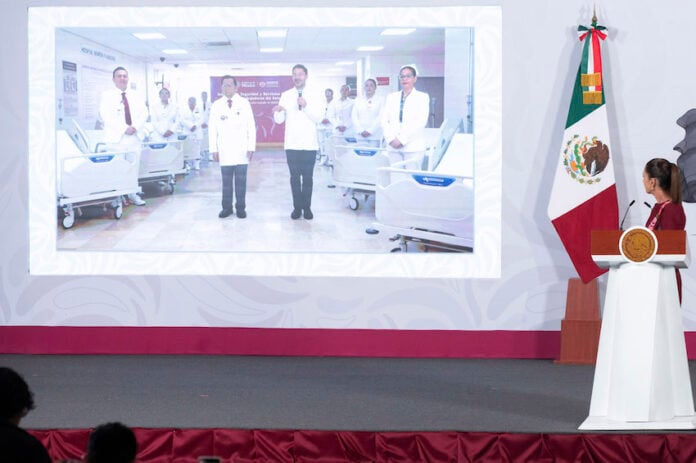
According to the government's plan, 6,364 of the new beds — around 70% of the total — will be in 50 new hospitals that have been built or will be built during Sheinbaum's presidency. (Saúl López Escorcia/Presidencia)

Sheinbaum’s mañanera in 60 seconds

  • 🏥 9,000+ hospital beds planned: Deputy Health Minister Eduardo Clark announced the government intends to add 9,139 public hospital beds by 2030, spread across new and expanded facilities, at an estimated cost of 181 billion pesos.
  •  ⚖️ Zero extraditions from U.S. to Mexico: Foreign Affairs Minister Velasco said that since 2018, Mexico has made 269 extradition requests to the U.S., but none have been fulfilled. He said that 33 requests were denied and 233 still pending — context the government is using to push back on U.S. pressure to extradite Sinaloa Governor Rocha Moya and other officials accused of collusion with the Sinaloa Cartel.  
  •  🔄 Reciprocity demanded on serious cases: Sheinbaum pressed the U.S. to explain why none of the 269 requests have been honored, saying that those sought include ex-governors, organized crime figures, fake invoice brokers and suspects linked to the 2014 Ayotzinapa case.

Why today’s mañanera matters

At President Claudia Sheinbaum’s Tuesday morning press conference, the federal government once again sought to demonstrate that asking for proof (or additional proof) against a person that the United States wants Mexico to extradite, or vice versa, is not an unusual practice.

Federal officials, including Sheinbaum, have emphasized this point since U.S. authorities requested the provisional arrest for extradition purposes of Sinaloa Governor Rubén Rocha Moya and nine other current and former officials accused of drug trafficking in league with the Sinaloa Cartel. Two of the suspects, both former ministers in the Sinaloa government led by Rocha, turned themselves in to U.S. authorities last week.

Mexican authorities have requested proof against the suspects from their U.S. counterparts, asserting that, as things stand, there is insufficient evidence to warrant the arrest of Rocha and the other defendants who remain in Mexico.

Also of note at today’s mañanera was the announcement of a plan to add more than 9,000 beds to public hospitals in Mexico before Sheinbaum leaves office in 2030.

Government aiming to add over 9,000 hospital beds by 2030

Deputy Health Minister Eduardo Clark announced that the federal government intends to increase the number of public hospital beds in Mexico by 9,139 during its six-year term (October 2024 to September 2030).

According to the government’s plan, 6,364 of the new beds — around 70% of the total — will be in 50 new hospitals that have been built or will be built during Sheinbaum’s presidency.

Clark said that 47 public hospitals will be expanded to allow the installation of 1,001 new beds, while 1,774 extra beds will be installed in 55 other hospitals.

If the government succeeds in adding 9,139 new beds during its six-year term, the total number of beds in public hospitals across Mexico will increase to 106,105 in 2030 from 96,966 in 2024.

Clark said that the plan to add more than 9,000 new hospital beds in new and expanded hospitals will cost an estimated 181 billion pesos (US $10.4 billion) between 2024 and 2030.

He presented data that showed that 5,308 public hospital beds were added during the six-year term of former President Felipe Calderón (2006-12), while 3,906 beds were added during the presidency of Enrique Peña Nieto (2012-18). During Andrés Manuel López Obrador’s presidency (2018-24), the number of public hospital beds increased by 7,404.

If 9,139 beds are added during Sheinbaum’s term, the number of public hospital beds added in the 12 years between 2018 and 2030 will be 80% higher than the number added in the 12 years when Calderón and Peña Nieto were in office.

Velasco: Since 2018, Mexico has asked US to extradite 269 people; None have been sent to Mexico 

Foreign Affairs Minister Roberto Velasco told reporters that between Jan. 1, 2018, and May 13, 2026, Mexico asked the United States to extradite 269 people. However, none of those people has been sent to Mexico, Velasco said.

Foreign Affairs Minister Roberto Velasco
Foreign Affairs Minister Roberto Velasco made a case for greater reciprocity in extraditions from the United States to Mexico, saying it is a “common practice” between the countries. (Saúl López Escorcia/Presidencia)

He said that 36 extradition requests were denied, while 233 are “still pending completion.”

Velasco said that in 47 of 50 outstanding cases in which Mexico requested the provisional arrest of people in the United States for the purpose of extradition, U.S. authorities asked for “additional information.”

“In other words, it’s a common practice between the two countries,” he said.

Velasco presented information about some of the people that Mexico has asked the U.S. to arrest for the purpose of extradition. Among them are suspects wanted in connection with the 2014 abduction and presumed murder of 43 students in Guerrero (the Ayotzinapa case). Velasco highlighted that the United States rejected a request for the extradition of a man wanted in connection with an embezzlement case because the crime he allegedly committed was not a violent one.

Sheinbaum: ‘Why haven’t they handed anyone over?’ 

Sheinbaum emphasized that the United States hasn’t fulfilled any of the 269 extradition requests Mexico has made since 2018. 

“They haven’t sent anyone,” she said. 

Sheinbaum said that Mexico has requested the extradition of people in connection with “extremely serious cases.” 

She said those people include factureros (fake invoice brokers), ex-governors, people accused of organized crime and people linked to the Ayotzinapa case. 

“There has been no handover of any of these alleged criminals to Mexico,” Sheinbaum said. 

“What does Mexico always ask for? … Reciprocity. Why haven’t they handed anyone over?” asked the president, whose government has sent over 90 organized crime figures to the U.S. in three large transfers that took place in January 2026, August 2025 and February 2025.  

Neither Sheinbaum nor Velasco mentioned that former Chihuahua Governor Cesar Duarte was extradited to Mexico from the U.S. in 2022

By Mexico News Daily chief staff writer Peter Davies (peter.davies@mexiconewsdaily.com)