Home Blog Page 504

Congress approves new Inauguration Day as a federal holiday in Mexico

1
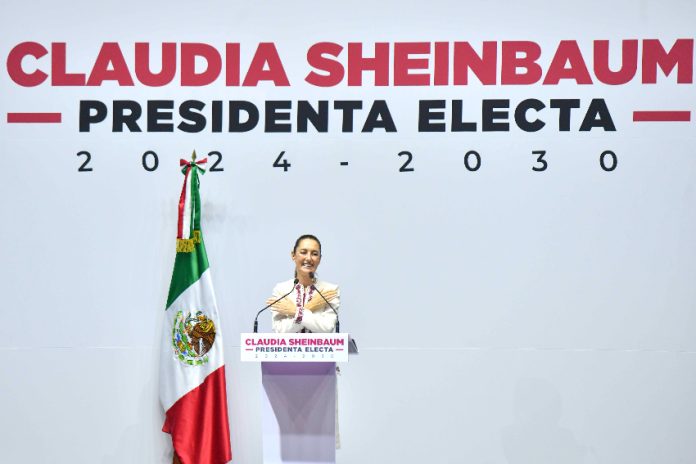
President-elect Claudia Sheinbaum
President-elect Claudia Sheinbaum will take office on Oct. 1, which will be observed as federal Inauguration Day. (Cuartoscuro)

Mexico’s first female president, Claudia Sheinbaum, will be sworn in next Tuesday, Oct. 1, which will now be a federal holiday observed every six years when a new president takes office.

The law to make Inauguration Day on Oct. 1 an official national holiday was approved in the Senate last week, and passed in the Chamber of Deputies on Tuesday with 397 votes in favor.
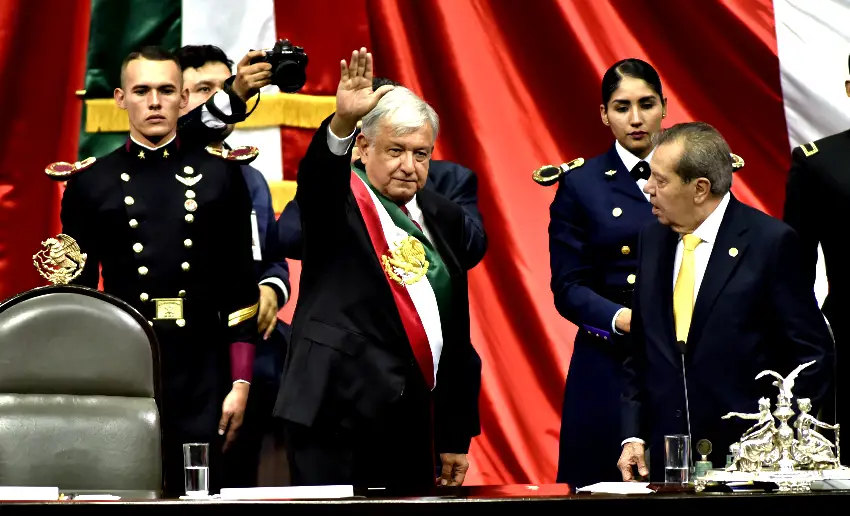
AMLO at his inauguration in 2018
President López Obrador was the last Mexican president to be sworn in on Dec. 1. (Cuartoscuro)

As published in the federal gazette, the new law declares that: “The Oct. 1 holiday not only implies a change of leadership in the federal government, but also establishes the day as a moment of rest, reflection, and the preservation of our cultural, civic and political heritage such that the nation is united via the celebration of our democracy as well as the country’s political, economic and social stability.” 

The law — based on a constitutional reform made in 2014 that changed the date of presidential inauguration — mandates that Oct. 1 be observed as Inauguration Day in Mexico starting this year. According to the Federal Labor Law, that means employees are not obligated to work on Inauguration Day, while those who do work are entitled to triple pay.

The declaration has confused schools, however, as the new holiday was not included in the 2024–2025 school calendar published in June, prompting families to wonder if there will be classes next Tuesday.

In the official 2024–2025 school calendar, Oct. 1 was already identified as a “Day of Reflection and a Day of Commemoration,” which means students should attend school although classes are sometimes reduced, with activities limited to ceremonies and projects related to the theme of the special day. 

Some schools across Mexico have already informed students’ families that they will be not be in session in honor of Inauguration Day. Parents are advised to contact their children’s schools to find out whether or not their school will suspend classes.

Prior to the upcoming inauguration of Claudia Sheinbaum, Mexican presidents used to be sworn in on Dec. 1 (which was observed as a federal holiday). This meant a new president took office as many as five months after having been elected. 

With reports from Infobae, Latinus, El Financiero and El Economista
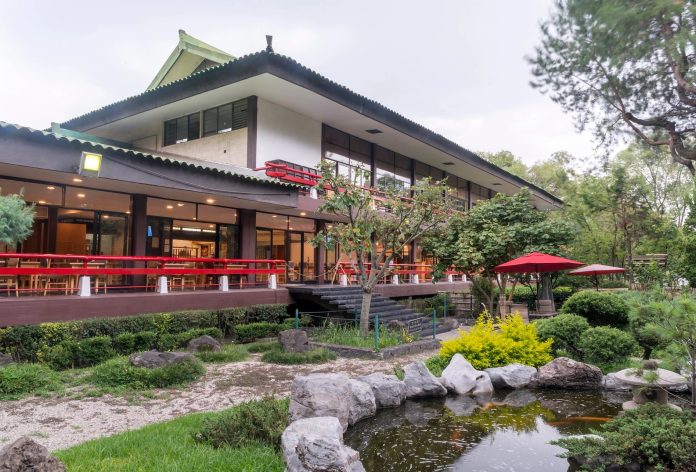
Why Mexico City’s Japanese restaurant scene is about more than just great food

1
Asociacion Mexico Japonesa building, home to a restaurant where you can get Japanese food in Mexico City.
Though small, the Japanese Mexican community packs a mighty culinary punch. The restaurants that dot the city today also tell the long story of Japanese culture in Mexico. (Asociación México Japonesa)

As MND puts local food and drink into a sharper focus in its new sections, we’re kicking off a series to give readers and eaters a peek into the many cultures that make Mexico City’s cuisine what it is today. Many people think of Mexico as ethnically monolithic, a mestizo nation made up of the descendants of Spaniards and Indigenous peoples. In fact, many groups of immigrants have also come to the country and left their indelible mark on the local food scene. One of these groups is the Japanese.

In 1888, Mexico and Japan signed the Treaty of Amity, Commerce and Navigation,  which not only established diplomatic relations between the two countries but was also Japan’s first trading agreement that put it on equal footing with another nation. But even then, there were already hundreds of years of history linking the two countries: Japanese sailors had long been part of the Manila Galleon, the trans-Pacific trade route that connected the Philippines and Mexico during the Spanish colonial period. These sailors often joined up on ships that were making the rounds and trading with Spanish sailors in the Philippines.

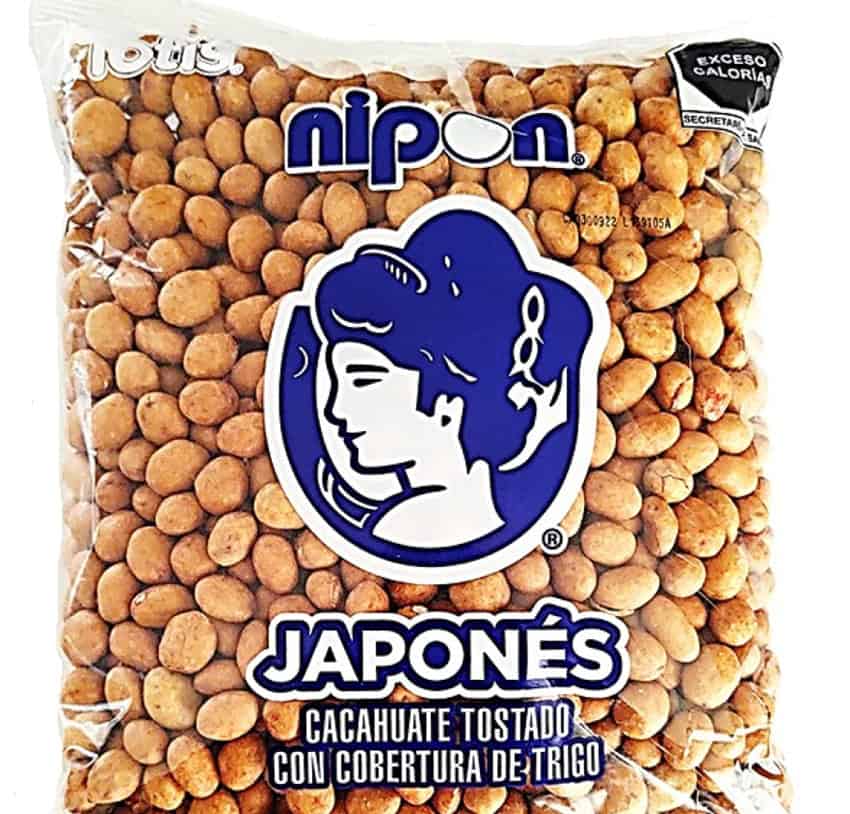
Cacahuates japoneses
Invented by a Japanese immigrant in Mexico, cacahuates japoneses are a beloved national bar snack. (Amazon)

A brief history of Japanese Mexicans 

The first official Japanese immigration to Mexico came in the form of the Enomoto Colonization Party, which settled in Chiapas with plans to start a coffee-growing business. The project failed, but it was the start of a small trend of permanent Japanese immigration to Mexico during the 19th and 20th centuries. By 1910, 10,000 Japanese are believed to have settled in Mexico. Many early immigrants worked on the railroads and fishermen on the coast, or headed inland to the capital to start small businesses. 

During World War II, the United States government pressured Mexico to move its Japanese population away from the coasts and the borders to the interior of the country, specifically Guadalajara and Mexico City. Although their situation was not quite as punitive as in the United States — where 90% of the Japanese population was arrested and sent to internment camps — some Japanese in Mexico were arrested and held for the duration of the war, and the majority of those forced to relocate were stripped of their possessions and property. Forced to register in their new home cities so that the Mexican government could monitor them, they were left to survive with no government assistance.

What came from this concentration of the Nikkei — or Japanese-descendant — community were thriving local enclaves of immigrants who worked to preserve their culture and their cuisine despite the challenges they faced. In Guadalajara, Japanese cooks set up stands outside the bus station selling fish soup to travelers: today, these stands have morphed into many of the city’s market stalls, currently operated by the descendants of these immigrants. In Mexico City, the local community that ballooned from a few hundred to over 4,000 people started Japanese language schools, purchased a 200-hectare hacienda to house new arrivals and founded the Japanese Mutual Aid Committee (CJAM). 

Generations later, Japanese immigrants to Mexico have seen their children and grandchildren fully assimilated into life here, and the bond between cultures can still be seen in many aspects of popular culture, in particular the many Japanese restaurants found across the capital.

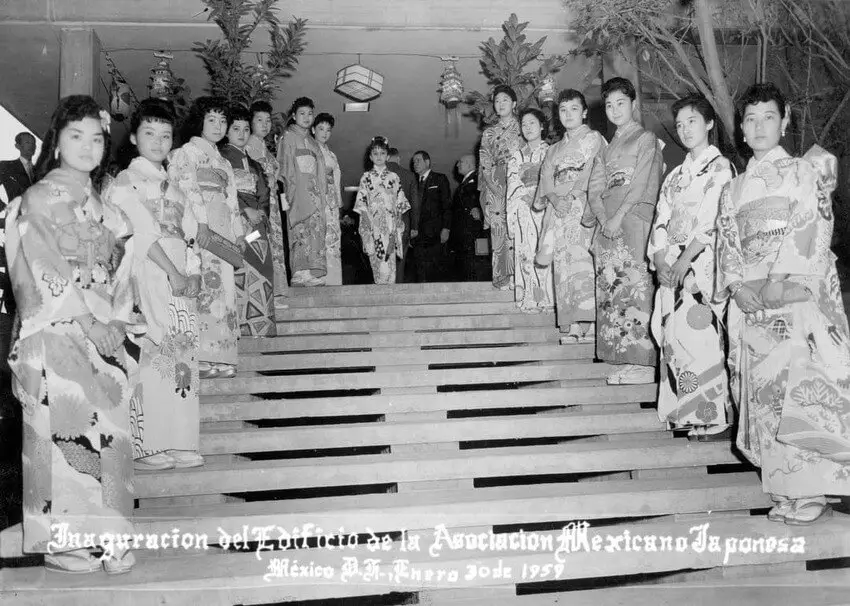
Black and white photo of the inauguration of the Asociacion Mexico Japonesa in 1959
In January 1959, the Japanese community in Mexico City inaugurated the Asociación México Japonesa building, now home to Ichi. (Asociación México Japonesa)

Japanese eats in Mexico City

For classic dishes, the obvious choice is Ichi, run by the Mexican Japanese Association (AMJ) in Colonia Aguilas. When you’re in the back gardens among the koi ponds, the sound of trickling water from the gardens’ fountains and the chirp of birds in the cypress trees make it hard to imagine the bustling metropolis just beyond the gate. The organization was founded in the 1950s by some of the era’s most prestigious community members and Ichi serves an extensive range of Japanese cuisine, from udon dishes, to sashimi, sushi and teppanyaki. Try the chirashi plate, with its eight different types of raw seafood or a body-warming bowl of udon noodles with slices of salty pork and a sprinkling of green onions. Finish with a scoop of their traditional ice cream — the black sesame is divine. 

To experience the intertwining of Japanese and Mexican cuisine Fideo Gordo is a must. Their diner-style space on Calle Salamanca is very low-key, but the menu is made to impress. It reflects the thoughtful ruminations of chef Edo Nakatani as he experiments with blending the two sides of his heritage and the flavors of his grandparents’ table: his grandmother a Mexican with Spanish ancestry, and his grandfather Japanese. They also happen to be the creators of cacahuates japoneses, a classic of Mexican snacks. 

Nakatani’s birria udon adds traditional udon noodles to tender chunks of lamb in a birria broth impregnated with cilantro seed, toasted Szechuan peppers and cumin. The tamarindo agripicante starts with crunchy jicama and cucumbers with a musky dusting of cumin which hides a layer of fat stir-fry noodles below, ringing with the tangy sweetness of their tamarind and chili sauce. 

Hankering for a little enlightenment over lunch? Head over to Café Amano in Colonia Nápoles. This humble cafe opened to raise money for the Japanese Eko Ji Buddhist Temple located on the same property when a bureaucratic snag stalled their recent renovations. They serve a daily menu of unfussy, home-style dishes and fixed-price meals, a kind of Japanese comida corrida. 

The best place to enjoy the crunchy karage fried chicken or a cochuyan spicy beef stir fry is on the triangular patio in the back garden. In the spring, the cherry blossom tree covers the ground-level foliage with a blanket of pink and the sun fractures through the branches of a towering pine to cast memorizing shadows below. I would go every day just to have some of their “fluffy ice,” a shaved ice milk dessert drizzled with condensed milk and squares of dense, wobbly flan.  

Lydia Carey is a freelance writer and translator based out of Mexico City. She has been published widely both online and in print, writing about Mexico for over a decade. She lives a double life as a local tour guide and is the author of Mexico City Streets: La Roma. Follow her urban adventures on Instagram and see more of her work at www.mexicocitystreets.com.

What’s better than campfire chilli? A campfire chilli with dark Mexican beer, of course!

4
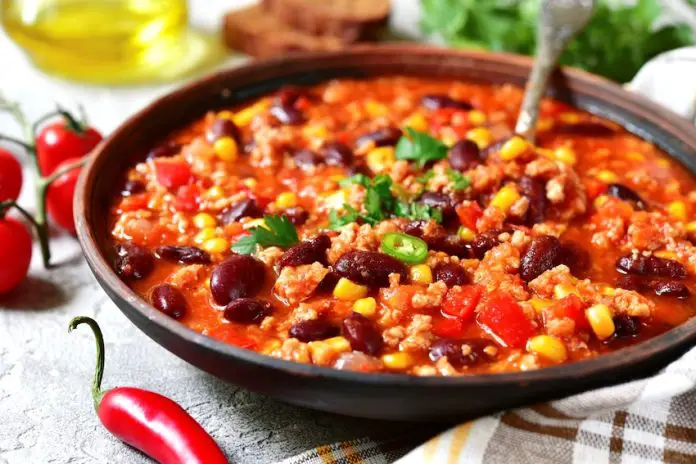
Chilli con carne
It's food for the soul - and a good old chili con carne meets a rich, dark Mexican beer for the ultimate marriage of Northern and Southern border flavor. (Il Giornale de Buon Giorno)

The story of this Mexican chilli with beer begins a long time ago. I discovered my love for cooking along the Cumberland River, surrounded by mossy fallen trees and the cavernous rock formations, the Moonbow Trail was always one of my favorite places to hike and camp. Moonbow Falls in Kentucky, with its rare and mesmerizing nighttime rainbow, was the backdrop to many of our outdoor adventures with family, scout troops, and friends. After a long day of hiking through the serene woods and gazing at the moonbow over Cumberland Falls, nothing was more satisfying than gathering around the campfire to cook. 

One of my favorite recipes I learned in Scouts was chili. It was the perfect dish for the outdoors — simple yet hearty, with ingredients that could easily be packed into a backpack. We’d saute the onions until golden, brown ground meat, mix in beans and tomatoes, letting everything simmer together over the open flames. The smoky aroma would blend with the fresh forest air, drawing everyone toward the fire.

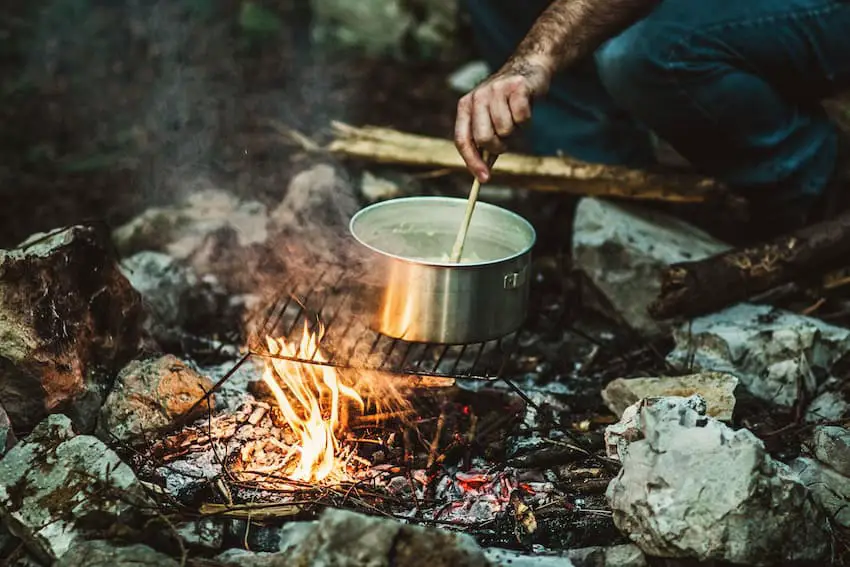
Cooking on a campire
Chilli is the ultimate campfire feel-good meal. (Gary Sandoz/Unsplash)

To this day, when I cook certain dishes, chili being one of them, I’m reminded of the times I’ve had out in the woods and the joy I found in creating something delicious amongst friends. Those campfire meals sparked my lifelong passion for cooking, showing me how food could bring people together, even in the most remote settings.

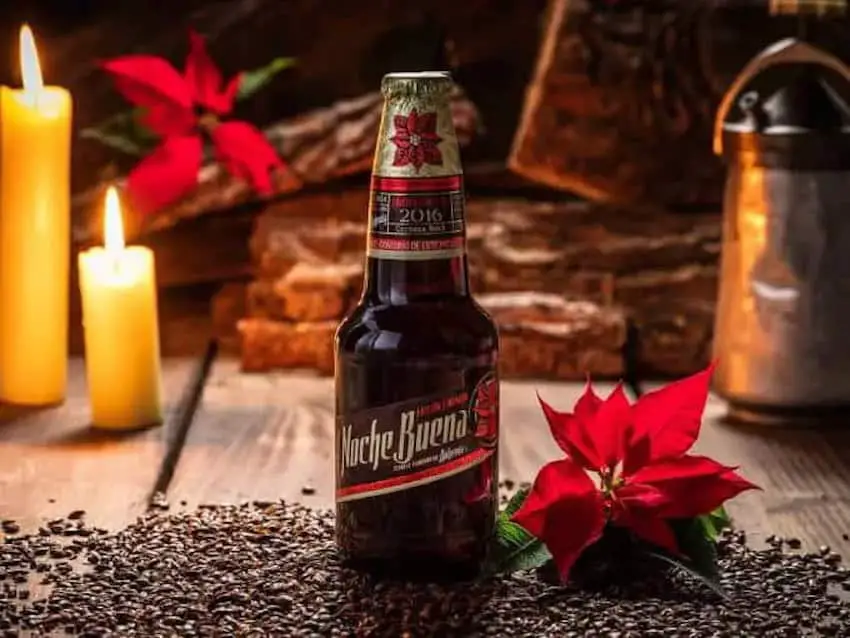
Back in the scouting days we didn’t use beer in our rustic middle-of-nowhere chili. Apart from the obvious reasons, I think the beer would have exploded in the bouncing backpacks as we hopped over the mossy rocks. Cut to a few years down the line, I love adding dark beer into chili, the malty rich flavors work perfectly with the other smoky and spicy notes. For this version I want to add a secret weapon, some seasonal Noche Buena bock style Mexican beer.


Chili Recipe with Noche Buena Beer

Ingredients:

  • 1.5 lbs ground beef or beef chunks
  • 2 dried guajillo chilies
  • 2 dried ancho chilies
  • 1 bottle (355 ml) Noche Buena beer
  • 1 cup beef broth
  • 1 medium onion, diced
  • 4 cloves garlic, minced
  • 1 can (14 oz) diced tomatoes
  • 1 can (15 oz) black beans or pinto beans, drained and rinsed
  • 1 cup corn kernels (fresh or frozen)
  • 1 oz dark chocolate (70% cocoa or higher)
  • 1 tsp cumin
  • 1 tsp smoked paprika
  • 1 tsp oregano
  • Salt and pepper to taste
  • 2 tbsp olive oil
  • Optional toppings: sour cream, cheese, cilantro, lime wedges
Nochebuena beer
A crisp, dark Noche Buena beer helps add depth (and a taste of Mexico) to your chilli. (smartxpat)

Instructions:

  1. Prepare the Chilies:
    • Remove the stems and seeds from the guajillo and ancho chilies. Toast them in a dry skillet over medium heat for 2–3 minutes until fragrant. Then, place them in a bowl and cover with warm water. Soak for about 15 minutes until softened.
  2. Make the Chili Paste:
    • Once softened, blend the guajillo and ancho chilies with a little bit of the soaking water until a smooth paste forms. Set aside.
  3. Cook the Beef:
    • Heat 2 tbsp of olive oil in a large pot over medium heat. Add the beef and brown on all sides. Once browned, remove the beef from the pot and set aside.
  4. Sauté the Vegetables:
    • In the same pot, add the diced onions and garlic. Sauté for 3–4 minutes until the onions are soft and translucent.
  5. Combine Ingredients:
    • Return the beef to the pot. Stir in the chili paste, cumin, smoked paprika, and oregano. Cook for 2 minutes to allow the spices to bloom.
  6. Add Liquids:
    • Pour in the Noche Buena beer and beef broth, scraping up any browned bits from the bottom of the pot. Add the diced tomatoes and stir.
  7. Simmer:
    • Bring the mixture to a simmer, cover, and let it cook for about 30–45 minutes, stirring occasionally. This allows the flavors to meld together.
  8. Add Beans, Corn, and Chocolate:
    • Stir in the black beans, corn, and dark chocolate. Simmer for another 10–15 minutes until the chili thickens and the chocolate melts completely, enriching the flavor.
  9. Season and Serve:
    • Season with salt and pepper to taste. Serve hot with your favorite toppings like sour cream, shredded cheese, cilantro, or a squeeze of lime.

Stephen Randall has lived in Mexico since 2018 by way of Kentucky, and before that, Germany. He’s an enthusiastic amateur chef who takes inspiration from many different cuisines, with favorites including Mexican and Mediterranean. His recipes can also be found on YouTube.

Drop in food prices pushes inflation down to 4.66% in first half of September

0
A farmer's market display of hundreds of carrots, tomatillos and tomatoes
Fruits and vegetable prices went down in the first half of September, which helped drive down inflation overall, according to Mexico's national statistics agency. (Galo Cañas/Cuartoscuro)

Annual headline inflation is at its lowest point since May, according to data recently published by INEGI, Mexico’s national statistics institute.

In the first half of September, the statistics agency reported an annual headline rate of 4.66%, down from 4.99% for the month of August and the lowest rate in the last seven fortnightly periods. In its most recent survey of experts, Citibanamex had forecast a rate of 4.71%.

Cows on a farm staring at the camera
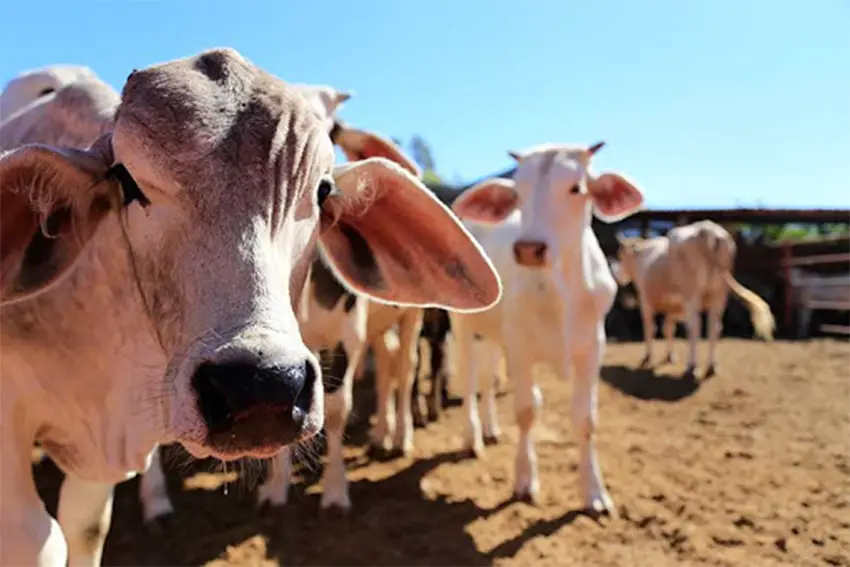
Lower prices for agriculture and livestock products also helped keep inflation low in the last two weeks. (Government of Mexico)

Price drops in agriculture and livestock products drove the low inflation — good news for the grocery budgets of Mexican households. Fruits and vegetable prices decreased even more, down 1.54% after a spike in prices in August. Overall, however, fruit and vegetable prices are up 7.15% over what they were in the same period of September 2023.

The drop in food prices was tempered by a smaller increase in gasoline prices, after the federal government reduced subsidies.

Core inflation — which excludes volatile food and energy prices — rose 0.21% compared to the last 15 days of August and was up 3.95% year-over-year compared to 2023. 

The price of services increased more than that of goods over the previous 15-day period  —  0.24% versus 0.18% respectively — leaving year-over-year inflation at 2.94% for services and 5.15% for goods.

According to the newspaper La Jornada, analysts agreed that given current inflationary trends, the Bank of Mexico is likely to continue reducing interest rates at its next monetary policy meeting on Thursday. The interest rate currently stands at 10.75%, after a surprise rate cut in early August. It could face a further cut of 0.25 to 0.5 basis points.

With reports from La Jornada

International Cervantino Festival to highlight Brazil and Oaxaca this year

1
Dancers on a stage
The 52nd annual International Cervantino Festival (FIC) will bring world-class performers (including Brazil's Deborah Colker Dance Company, pictured) to Guanajuato in October. (Festival Cervantino)

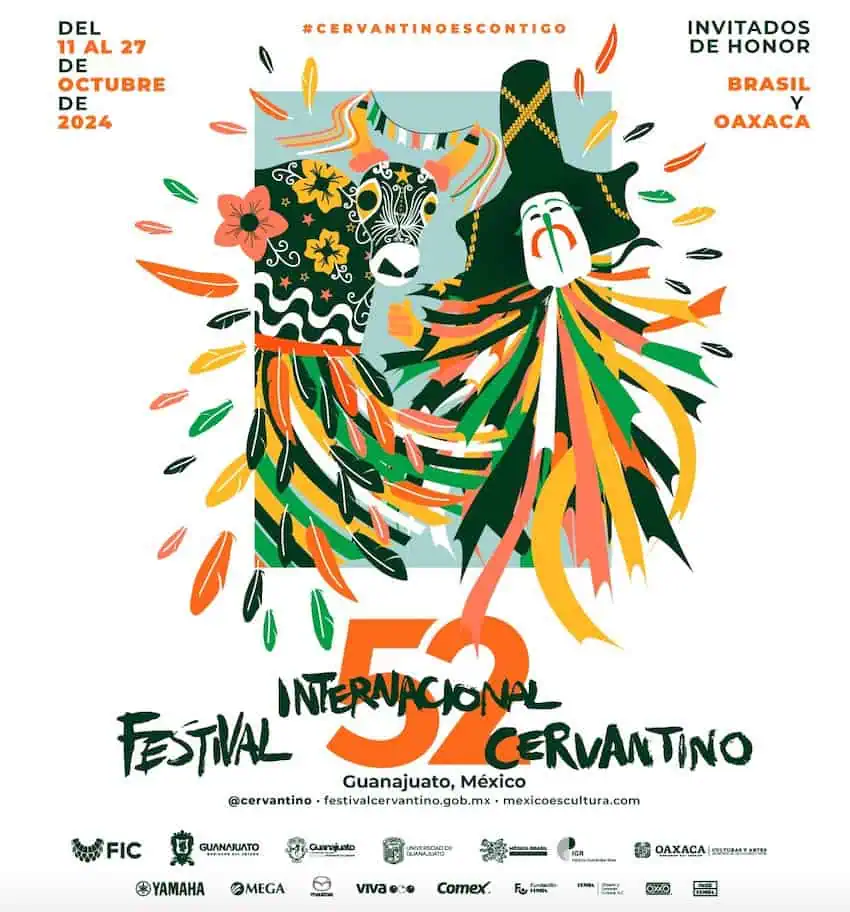
The 52nd edition of the International Cervantino Festival (FIC) — set to take place from Oct. 11 to 27 — will once again transform the city of Guanajuato into a global hub of art and culture.

The largest festival of its kind in Latin America — drawing an estimated 400,000 attendees over two weeks last year, according to Viva Con Todo — has built this year’s themes around tradition, avant-garde and inclusion as it promises a rich program of performances and activities from around the world.

Concert at the FIC 51 in 2023
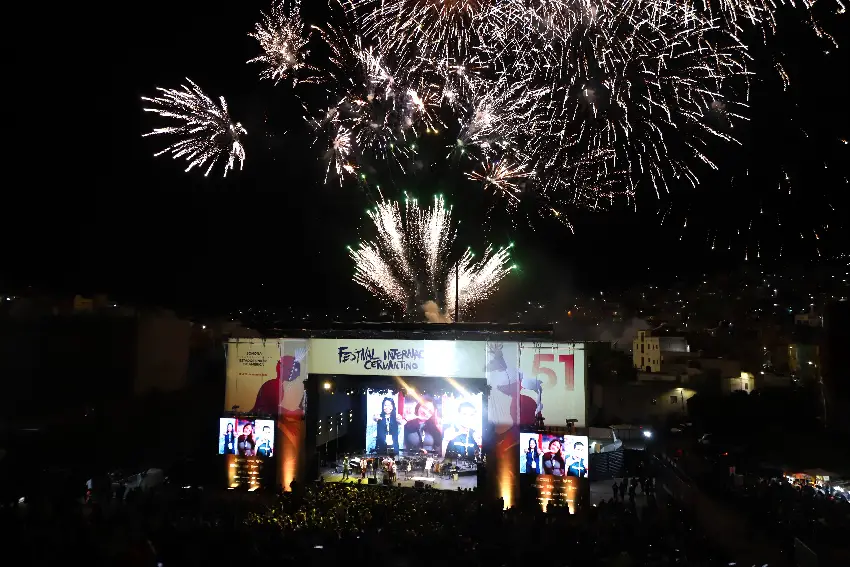
The closing concert of last year’s festival in the Alhondiga de Granaditas. (Cuartoscuro)

The FIC will feature 133 performances across 116 shows, involving 117 groups from 24 countries.

Named after Miguel de Cervantes, the Spanish writer who penned the novel “Don Quixote” in the early 1600s, the festival focuses on Spanish-language artistic creations. 

With more than 3,000 artists performing in 18 venues, the event will showcase a diverse mix of music, dance, theater, visual arts, cinema and academic discussions, with a special focus on two guest honorees: the state of Oaxaca and the country of Brazil.

Among the many notable events planned, the festival will commemorate several important milestones, including the 175th anniversary of composer Frédéric Chopin’s death, the 100th anniversary of Mexican revolutionary leader Felipe Carrillo Puerto’s assassination, and the 190th anniversary of diplomatic relations between Mexico and Brazil.

Festival International Cervantino 2024 poster
(Festival International Cervantino)

The festival is known for bridging traditional and contemporary arts, with performances ranging from classical music and ballet to modern theatrical interpretations.

Oaxaca, the guest of honor from Mexico, will open the festival with a 2.5-hour version of its iconic Guelaguetza, a colorful and lively celebration of music and dance traditions from the state’s eight regions.

The performance will be held on the festival’s main stage, outside the historically significant Alhóndiga de Granaditas building.

A former grain market and fortress-like building, the Alhóndiga de Granaditas was taken by Mexican forces from the Spanish in 1810 in one of the first battles of the Mexican War of Independence. However, the Spanish later hung the decapitated heads of insurgents Miguel Hidalgo, Ignacio Allende, Juan Aldama and others inside the building for nearly a decade, until Mexico achieved independence in 1821.


Oaxaca will be headlining 63 activities during the festival, including 26 concerts, five theater performances, three acrobatic shows and five film presentations.

“The guests of honor, Oaxaca and Brazil, have made great efforts to bring us the most representative samples of their cultures and arts for everyone to enjoy,” said Mariana Aymerich Ordóñez, FIC’s general director.

Brazil will present 18 productions — including a closing concert by six-time Latin Grammy-winning ska-Afro-Latin band Francisco, el Hombre — that reflect its dynamic cultural scene.

Other highlights from Brazil include the Deborah Colker Dance Company’s “Perro sin plumas” and a concert by soprano Rosana Lamosa. Brazilian theater will also be represented, and as for music, there will be seven Brazilian concerts, ranging from samba to contemporary fusion.

There will also be tributes to Mexican and international artists. For instance, Eugenia León will perform a binational show celebrating the designation of bolero as an Intangible Cultural Heritage by UNESCO.

Mexican singer Silvana Estrada, a Latin Grammy winner for best new artist in 2022, is also slated to perform.

Aymerich recently noted that ticket sales are up 40% over the same time last year, adding that “50% of the festival’s activities are completely free, and there are events for all audiences and for all ages.”

For more information, visit the FIC website or its Facebook page. A summary on what visitors can expect is at Vamos Guanajuato.

With reports from Periódico Correo and Milenio

Don’t wait for Christmas, enjoy a traditional favorite with a Mexican piña twist today!

0
Mexican Pineapple christmas cookies
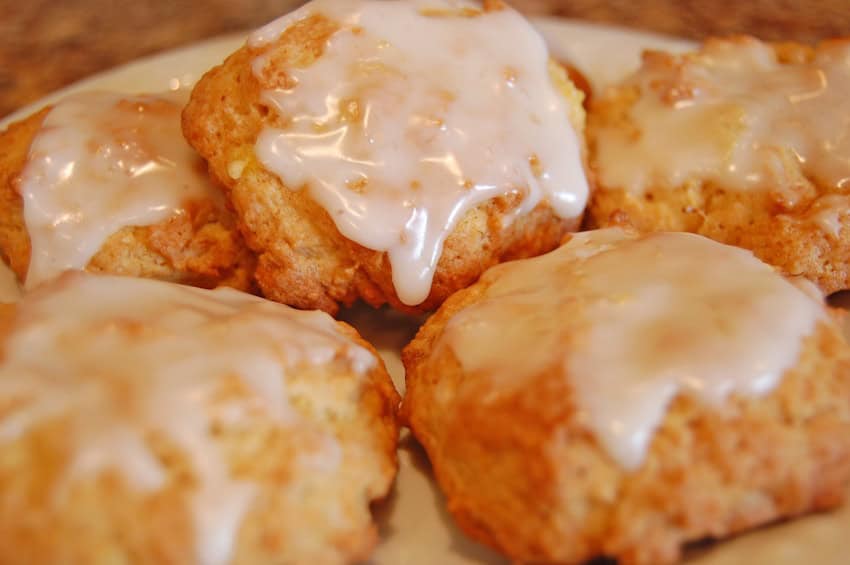
Christmas comes early with these deliciously sweet pineapple cookies. (Bake at 350)

Every Christmas, I wait for homemade cookies and other favorites, like a succulent turkey filled with stuffing baking in the oven or a classic Christmas pudding brimming with hard sauce. And it’s about this time of year too, when my taste buds have been starving for about nine months, that I ask myself: why? Why do we savor these delicacies only once a year, when we can enjoy them any time we choose?

I guess it’s the time of year that makes these foods so special. The celebration of a very special birthday, one that changed the world. The family-friend get-togethers, the parties to celebrate the holiday, even the season of the year. Having grown up in Western Pennsylvania, where it often snowed on Christmas, the association between winter and Christmas was deep. The two went together like, well, love and marriage. 

One of the biggest joys of a Mexican Christmas is seeing fruit in full bloom! (Tropical Table)

So, when I moved to the southern United States and then to Mexico, it was difficult to think that Christmas occurred when the flowers bloomed. But you come to adjust and it certainly doesn’t change your heart or your tastebuds. 

A couple of weeks ago, I was longing for a Christmas cookie, a classic sugar variety swimming in a sweet sugar glaze. For Christmas, my cousin makes the most delicious orange cookies I’ve ever had, and I was longing for one — or a dozen. And then I found a unique twist on this old favorite, and it reminded me of Mexico. 

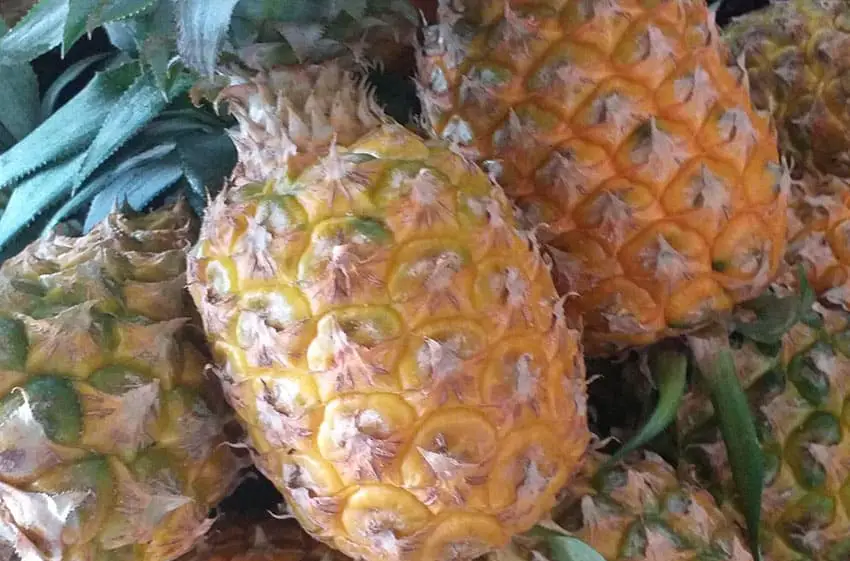
When I used to think of pineapples, I would think Hawaii, and I’d guess most Americans do the same. But now I think differently. The pineapple, or piña, is everywhere in Mexico. You see them at local fruit and vegetable stands and all over the supermarkets. But how did pineapple become such a prominent fixture of Mexican cuisine? 

It all started in 1906, in the small town of Loma Bonita, Oaxaca, where an Illinois native by the name of Frank Peters arrived as a scout to buy some land for a prominent doctor in the U.S. who wanted his property cleared and planted. At the same time, Peters bought a 200-acre tract of land for himself. 

Finding many crops did not do well in the hot, dry climate, he made a trip to nearby Tezonapa and bought pineapple plants of the Cayenne variety, which thrived on his property. He then bought more plants and by 1910 he was harvesting 20,000 pineapples a year. Prospering, he acquired more land until he owned 7,400 acres. Cuttings from his original plants produced between 40,000 and 60,000 tons of pineapple per year, processed in local canning factories. 

So back to cookies: How do we incorporate the delicious piña into a sweet delicacy and turn it into a classic Christmas favorite? Here’s a recipe for you. Make a test batch, then do it again for Christmas. These cookies will become a family favorite.

Mexican piña Christmas cookies

Adapted from the recipe found at marginmakingmom. (tastykitchen)

Ingredients

For the cookies

  • 1 cup butter, softened to room temperature (mantequilla)
  • 1 cup granulated sugar (azúcar estandar)
  • ½ cup  brown sugar, packed (azúcar moreno)
  • 1 egg (huevo)
  • 1 tsp vanilla extract* (extracto de vainilla)
    Mexican brands noted for intense flavor: Villa Vainilla; Vainilla Totonac’s; Molina Vainilla
  • ¾ cup crushed pineapple, drained and juice reserved (piña triturada enlatada)
  • ¼ cup all-purpose flour
    Note: I have yet to find proper all-purpose flour in Mexico and recommend ordering from the U.S.
  • 1 ½ tsp baking soda (bicarbonato de sodio)
  • ½ tsp salt (sal)
  • ¼ tsp nutmeg (nuez moscada molida)

For the icing

  • 2 cups powdered sugar (azúcar glas)
  • 4-6 tbsp reserved pineapple juice
  • Optional: Red or green tint (food dyes) for Christmas (colorantes alimentarios, rojo o verde)

Instructions

  1. Preheat oven to 375 F (191 C).
  2. In the bowl of a stand mixer, use paddle attachment to mix cream butter, granulated sugar and brown sugar until it begins to lighten in color.
  3. Add egg and vanilla extract, mix to combine. Scrape down sides of bowl as needed.
  4. Add crushed pineapple and mix until incorporated.
  5. In a separate mixing bowl, whisk together flour, baking soda, salt and nutmeg.
  6. With the mixer on low speed, gradually add the dry ingredients to the wet ingredients. Mix only until combined and a soft dough forms.
  7. Scoop out dough and roll into balls. Place on an ungreased baking sheet. Bake for 8-10 minutes, or until golden-brown.
  8. Remove from oven and cool on the baking sheet for a couple of minutes before transferring to a cooling rack to cool completely.
  9. To make the icing, whisk together powdered sugar and 4 tbsp of pineapple juice. If needed, add more juice, ½ tbsp at a time, until preferred consistency is reached. Add red and or green tint to make them Christmasy! You want the icing thin enough to dip the cookies into, but not so thin that it runs off the cookies.
  10. When cookies are cool, dip the tops into the icing and return to cooling rack so the icing can set.

Deborah McCoy is the one-time author of mainstream bridal reference books who has turned her attention to food, particularly sweets, desserts and fruits. She is the founder of CakeChatter and the author of four baking books for “Dough Punchers” via CakeChatter, available via Amazon. She is also the president of The American Academy of Wedding Professionals™ (aa-wp.com).

Struggling to fit into mini Mexico

3
Sometimes, life in Mexico just feels really small. Overcome your inner Godzilla and embrace the wonder of mini-Mexico. (Canva)

I don’t know if it’s simply the particular algorithm vortexes I’ve been sucked into or if it’s having a moment, but I’ve seen a lot about Alice in Wonderland syndrome lately.

What is it? Apparently, it’s a real sense some people have that things around them are suddenly much larger or smaller than they truly are.

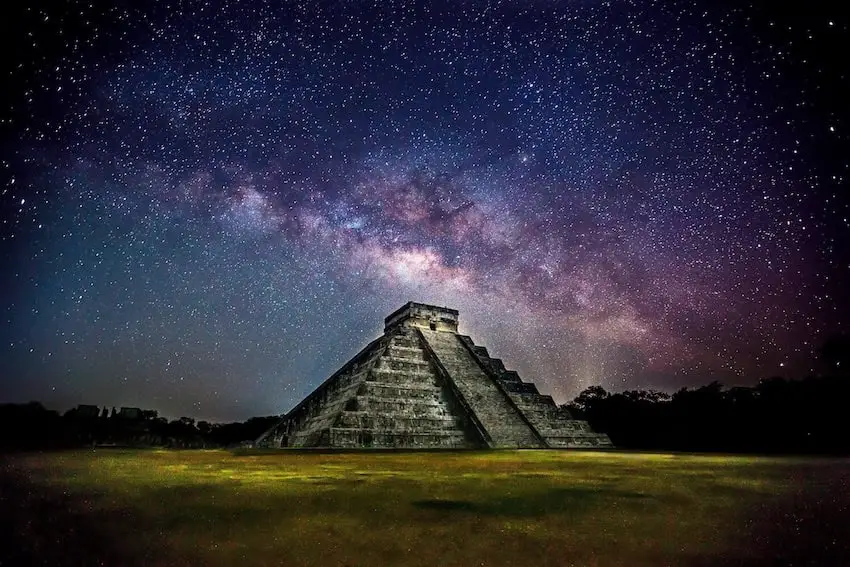
Chichén Itzá at night
Mexico’s natural vistas are enormous and humbling. The same can’t be said for the cities, though. (wallpaperflare)

If you’ve spent much time in Mexico, you’ve no doubt felt this a few times. When it comes to nature, perhaps you’ve felt tiny. Vast oceans, mountains, deserts, skies — their beauty and awesomeness dwarf us every time.

If you’ve mainly spent your time in urban settings, you’ve probably had the opposite feeling.

Why is everything so tiny?

Perhaps I’m simply older and grouchier, the constrictions of middle age and gig economy capitalism pushing me in. Or maybe — probably — my expectations are too high. All I know is that when I’m out and about, I often have the urge to shout, “Get out of my way!”

Part of this is due to different ideas about personal space, which I’ve written about before. People here are just generally more comfortable with being real close together than those from my own culture are. It’s something I’ve become plenty used to when it comes to friends and people I know. But when I’m competing for space with strangers, I start grumbling.

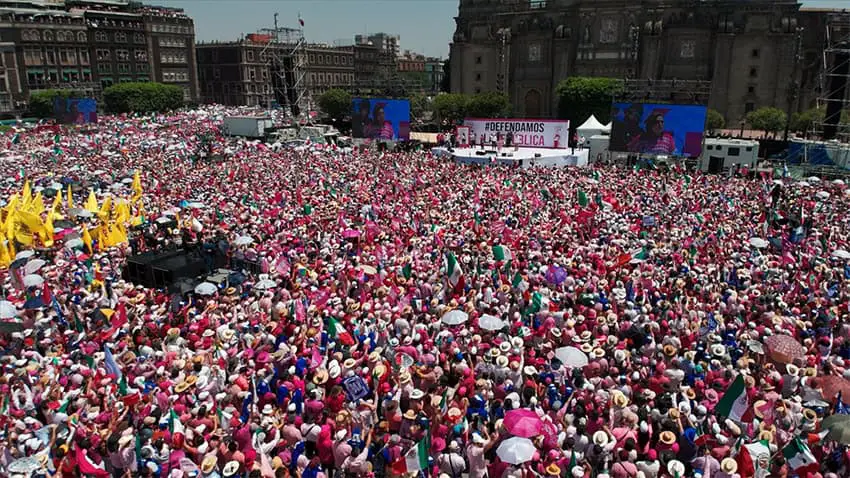
Pink-clad protesters fill Mexico City's central square on Sunday.
A quiet day in Mexico City. (Edu Rivera/X)

Incidentally, this is my theory on why “chilangos” (Mexico City inhabitants) have a reputation for being a little rough around the edges. They just need space!

The truth, too, is that many places in Mexico were built for smaller and fewer people. Evidence? Look no further than the tiny bathroom closets routinely built under stairs. I’m not a very big or tall person, but I’ve knocked my knees on the wall in front of the toilet more times than I can count. Tiny chairs and tables in cafés consistently make my visiting “paisanos” gawk: “You want me to sit where?”

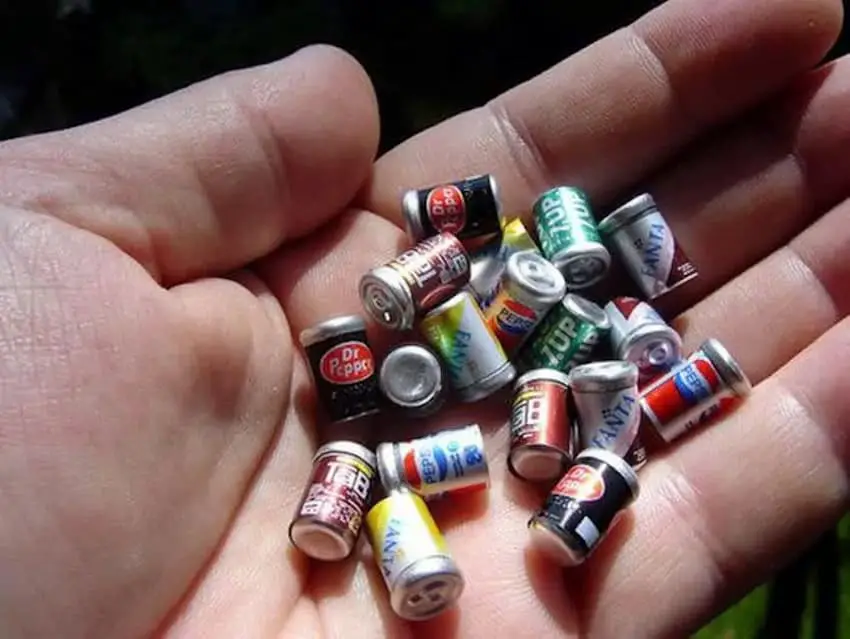
The same goes with drink orders at restaurants. No liter-sized free refills of soda here! You get a thin glass, and if you want more, that’s another drink order.

It’s also about a growing Mexico, in more ways than one. Last week I wrote about “the real Mexico” and what different people think it means. Most would probably tell you that it doesn’t — outside of Mexico City, anyway — mean traffic jams.

Tiny soda cans
Remind me what the Spanish word for “Big Gulp” is again? (1funny)

But as Mexico solidifies its status as an upper middle-income country, more and more people are buying and driving cars. Most of these cars are sensible and compact. The sheer number of them, however, have pushed my own city and others like it over the edge. In my city, the streets are packed both with traffic and parked cars in places not made for parked cars. And most of the streets and spaces that do exist are certainly not made to accommodate the larger models that north-er North Americans are fond of — and gaining in popularity here.

Ex-squeeze me?

So it’s not that Mexico is getting smaller. We’re also getting bigger, and we’re getting more and bigger stuff, and there are more of us. Grocery store aisles feel small because they are small by comparison, but also because there’s more stuff in the stores. Things are bound to start feeling tiny.

Is there a solution?

Well, we can give up some of our more and bigger stuff, we can get super efficient with our buildings and transportation, and/or we can spread out more.

“Spreading out” seems to be the main strategy for now, though that will eventually cease to be possible, as continuous growth always is. It also creates a transportation problem: the further away people are from their jobs and other activities, the harder it will be to get to them. More people far away from where they need to be complicates the issue of congestion, and on and on it goes.

Whatever the solution, urban centers especially need to find them fast. We can deal with tiny bathrooms, tiny drink servings, tiny store aisles. Tiny cobblestone roads with vehicles covering every inch, though — that’s not cool.

Sarah DeVries Sarah DeVries is a writer and translator based in Xalapa, Veracruz. She can be reached through her website, sarahedevries.substack.com.

Tropical Storm Helene puts Yucatán Peninsula on alert

0
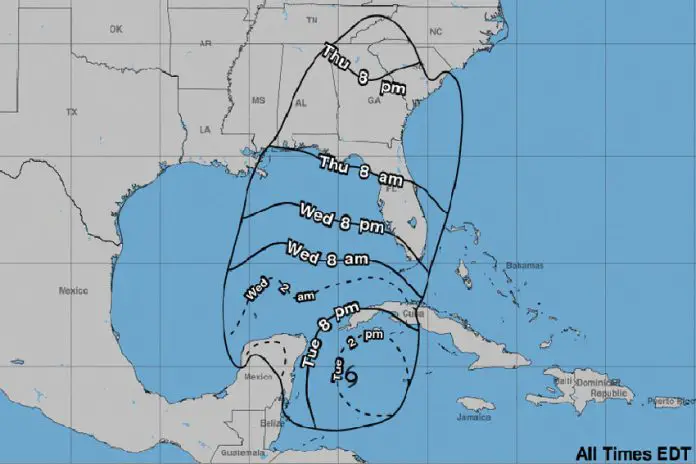
Map of southeastern coast of United States and eastern Caribbean coast showing Mexico, Belize and Guatemala, with radii predicting the earliest reasonable times for the arrivaal of tropical storm force winds.
This map from the U.S. National Hurricane Center shows the earliest reasonable times to expect Helene's effects to arrive in Mexico and the U.S. Helene is expected to bring intense rains and wind to the Yucatán Peninsula. (National Hurricane Center)

A tropical storm warning is in effect for the Yucatán Peninsula as Tropical Storm Helene barrels toward Mexico’s southeastern coast. 

The warning zone goes from Río Lagartos, Yucatán, to Tulum, Quintana Roo.  A hurricane surveillance zone is in effect from Cabo Catoche to Tulum, both located in Quintana Roo.

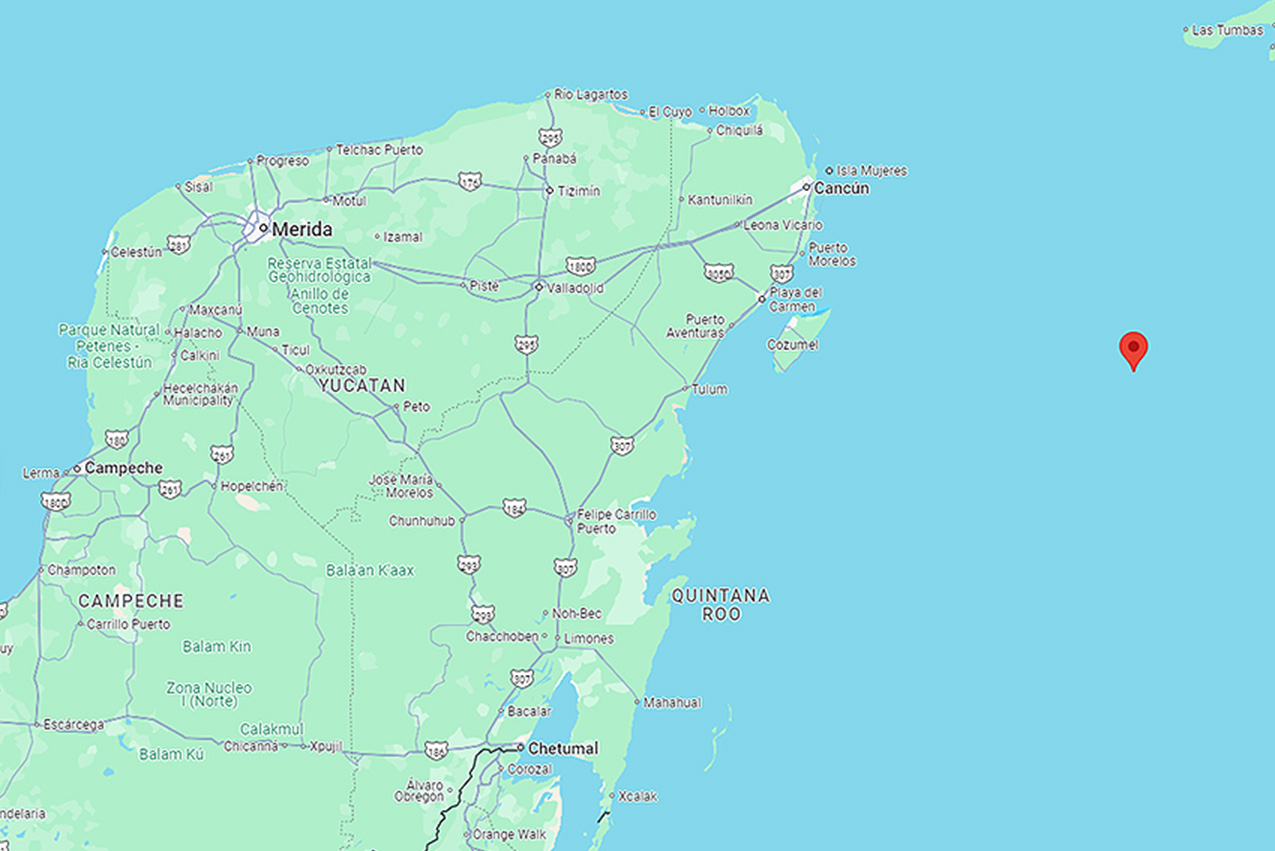
Map of Mexico's Caribbean coast and a red GPS pin showing the location of Tropical Storm Helene
The red GPS pin indicates Helene’s location in the Caribbean Sea as of noon.

Helene formed in the northwestern Caribbean Sea Tuesday morning. According to the National Meteorological Service (SMN), Helene was located 280 kilometers east-southeast of Cozumel and 310 kilometers southeast of Cancún as of noon, with sustained winds of 75 km/h (47 mph) and gusts as high as 90 km/h (about 56 mph). 

According to the United States National Hurricane Center (NHC), at about the same time, Helene was traveling toward Mexico at a speed of about 19 km/h (12 mph).

The NHC predicts Helene could reach near-hurricane strength in the Caribbean Sea at times but will remain a tropical storm. It will likely strengthen into a Category 3 hurricane once it leaves Mexico as it moves toward the United States’ southeastern coast. 

The storm’s current path puts it on track to make landfall as a hurricane on Thursday in Florida.

“Helene is expected to rapidly intensify over the eastern Gulf of Mexico and be a major hurricane when it approaches the northeastern Gulf Coast on Thursday,” a statement by the NHC on Tuesday said.

The state of Quintana Roo was providing free evacuation service by ferry to residents of Holbox Island Tuesday, in preparation for Helene’s passage.

The rain and wind forecast by state in Mexico’s Yucatán Peninsula for Tuesday is as follows:

Quintana Roo and Yucatán: Torrential rainfall (150 to 250 mm) with wind gusts of 100 to 120 km/h and waves from 3 to 5 meters high in coastal areas. 

Campeche: Very heavy rainfall (150–250 mm) with gusts of wind from 50 to 70 km/h and waves from 1 to 3 meters high in coastal areas. 

Intense rainfall could lead to landslides, increased river and stream levels, and flooding in low-lying areas. Due to the rainy, windy, and high wave conditions, the SMN urged residents to attend to its warnings and follow the recommendations of state Civil Protection officials.

On Tuesday, Quintana Roo Gov. Mara Lezama offered a free ferry service for tourists to leave the coastal island of Holbox, north of the state. Quintana Roo municipalities Lázaro Cardenas, Benito Juarez, Isla Mujeres, and Cozumel were also offering free evacuation shelters in public buildings on Tuesday, including pet-friendly shelters.  

Quintana Roo is home to the popular beach resorts of Cancún, Playa del Carmen, Isla Mujeres and Tulum. 

Hurricane John makes landfall

Meanwhile, Hurricane John made landfall as a Category 3 storm in Punta Maldonado, Guerrero — bordering the state of Oaxaca — on Monday night. 

Due to John, the SMN forecast more than more than 250 mm of rain in Guerrero and Oaxaca, torrential rainfall in Chiapas (150–250 mm) and 75–150 mm for Michoacán, Puebla, Tabasco, and Veracruz for Tuesday. 

These weather conditions will further increase the likelihood of heavy showers in the central part of the country, including the Valley of Mexico. 

With reports from La Jornada Maya

Mexico repatriated over 14,000 archaeological artifacts during AMLO’s term

0
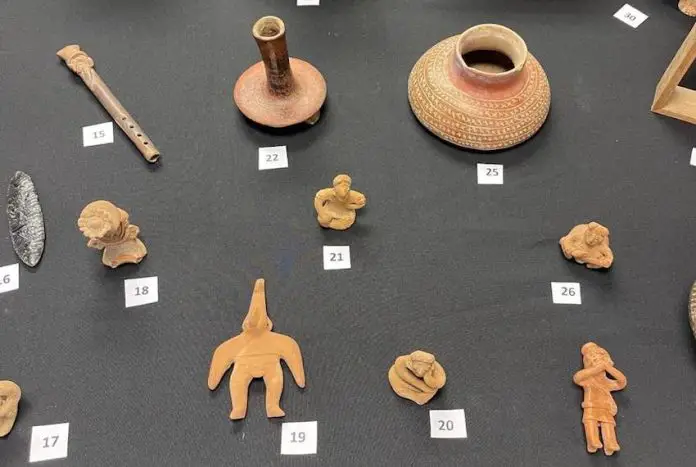
Many of the artifacts that Mexico has recovered are thanks to a federal government task force that works with local authorities abroad to seek judicial redress and halt auctions in major cities.
Many of the artifacts that Mexico has recovered are thanks to a federal government task force that works with local authorities abroad to seek judicial redress and halt auctions in major cities. (@cultura_mx/X)

Mexico repatriated 14,048 archaeological artifacts considered to be part of the country’s national heritage during President Andrés Manuel López Obrador’s six-year term, set to end on September 30.

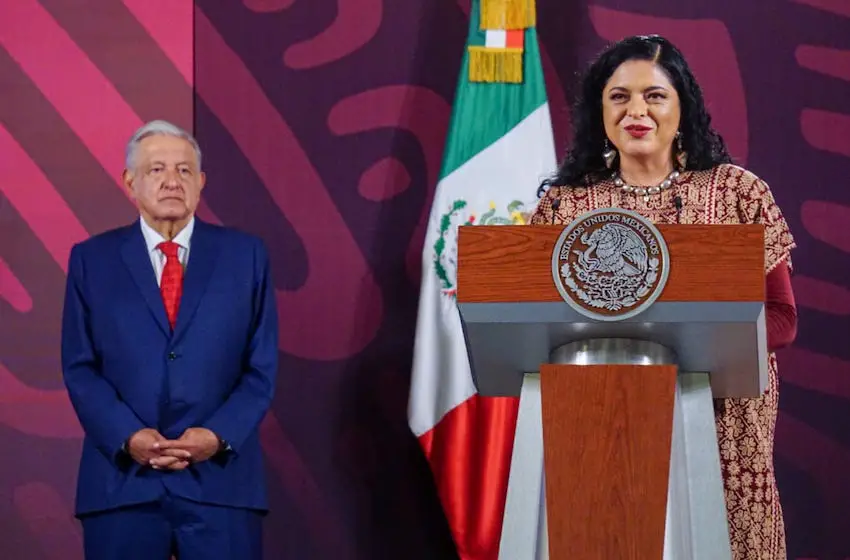
“The recovery of historical memory, as well as the recognition of Mexico’s cultural roots, is a joint effort between various institutions of the federal government to dignify national history, cultural heritage, Indigenous peoples and the legacy of heroes and heroines,” the Culture Minister Alejandra Frausto Guerrero said at a press conference on Monday.

According to Culture Minister Alejandra Frausto, Mexico's #MiPatrimonioNoSeVende campaign brought the issue of illicit trafficking of cultural property to the global stage.
According to Culture Minister Alejandra Frausto, Mexico’s #MiPatrimonioNoSeVende campaign brought the issue of illicit trafficking of cultural property to the global stage. (@cultura_mx/X)

Frausto lauded the #MiPatrimonioNoSeVende (#Don’tTouchMyHeritage) campaign, launched in 2021 to establish new protocols and legal strategies to repatriate items illegally taken from Mexico.

According to Frausto, this initiative brought the issue of illicit trafficking of cultural property to the global stage. As a result, the UNESCO World Conference on Cultural Policies and Sustainable Development (Mondiacult), held in Mexico City in 2022, agreed to strengthen its “advocacy and action concerning the impact of illicit trafficking on the memory, identity and future of peoples.” 

At the press conference, the Culture Ministry showed a video reporting that the National Archives has secured 75 batches of stolen historical documents and repatriated more than 19. These efforts led to the cancellation of pending sales and the voluntary return of some items, the video explained. 

Some of the most significant recoveries include three codices created by Indigenous scribes between 400 and 450 years ago and which contain valuable details about the history of Mexico. The finding was described as “extraordinary” by María Castañeda de la Paz, a researcher with the Anthropological Research Institute of the National Autonomous University of Mexico (UNAM). “It is as if a Rembrandt or a Velázquez emerged today,” Castañeda de la Paz said.

Llega "El Portal del Inframundo" a Cuernavaca para su exhibición

Another remarkable recovery is “Gateway to the Underworld” (Portal del Inframundo), one of Mexico’s most sought-after artifacts of Olmec culture. It arrived in Mexico last year after it was stolen from the country “under mysterious circumstances” more than 50 years ago. The piece is now exhibited at the Regional Museum of the Peoples of Morelos in the colonial-era Cortés Palace.   

Illicitly traded cultural property is often sold either in illegal markets around the world or through legal avenues like public auctions, including online. Many of the artifacts that Mexico has recovered are thanks to a federal government task force created in 2023 that works with local authorities abroad to seek judicial redress and halt auctions in New York, Paris and Rome. The task force also negotiates with academic institutions and museums to recover archaeological artifacts. 

Thanks to Mexico’s efforts, countries like Guatemala, Honduras, Peru and Colombia have joined the #MiPatrimonioNoSeVende campaign as they also try to recover heritage that is illegally sold in foreign countries.

Mexico News Daily

Trump threatens 200% tariff if John Deere moves production to Mexico

25
Trump made the comments while meeting with farmers at a campaign event in Smithton, Pennsylvania.
Trump made the comments while meeting with farmers at a campaign event in Smithton, Pennsylvania. (Donald J. Trump/Facebook)

Republican presidential candidate Donald Trump said Monday that if elected president of the United States, he would impose a 200% tariff on all John Deere imports to the U.S. if the company moves ahead with plans to move part of its production to Mexico.

John Deere, known for their kelly green tractors and leaping deer logo, in June announced plans to shift production of certain equipment from factories in Iowa and Illinois to Mexico by the end of 2026, amid a hefty round of layoffs.

Trump made the comments while meeting with farmers at a campaign event in Smithton, Pennsylvania. Polls show that U.S. presidential candidates Trump and Kamala Harris are virtually tied in the state, a race that analysts say is likely to determine the election’s outcome.

“As you know, [John Deere] announced a few days ago that they are going to move a lot of their manufacturing business to Mexico,” Trump said. “I am just notifying John Deere right now that if you do that, we are putting a 200% tariff on everything that you want to sell into the United States.”

The company’s stock wobbled following the candidate’s comments, falling 1.5% in after-hours trading before making up most of the losses on Tuesday.

John Deere currently has production plants in Ramos Arizpe, Saltillo and Torreón, Coahuila, as well as in Monterrey, Nuevo León. It also has its own dedicated export lane in the Laredo-Colombia International Bridge, which connects Nuevo León to Texas.

The Ramos Arizpe facility will take over the manufacturing of certain types of machinery formerly made in the United States, the newspaper Vanguardia reported in July.

Tariffs were a focus of Trump’s economic strategy during his presidency, and form a central part of his economic plan for if he wins the upcoming U.S. election. Though designed to protect U.S. jobs from being taken overseas, economists warn that the plan to smack tariffs on certain imports could lead to widespread inflation.

Earlier this year, Trump also threatened 100% tariffs against cars made in Mexico by Chinese companies.

President Joe Biden also implemented a tariff on steel and aluminum imports from Mexico in July, in an effort to prevent Chinese evasion of tariffs. Vice President Harris, in her campaign for president, has expressed her support of tariffs as a tool to protect American workers but has not proposed any specific measures beyond those put forth by President Biden.

Mexico itself has also recently implemented tariffs against China. In April, President López Obrador issued a presidential decree levying tariffs of 5% to 50% on more than 500 Chinese products.

With reports from Vanguardia, El Universal and Reuters