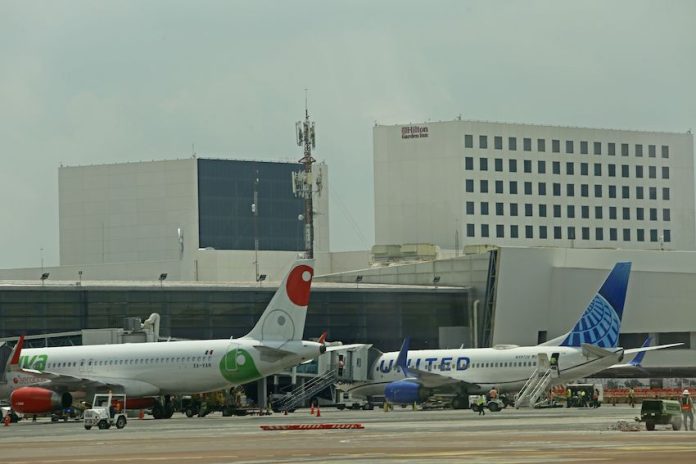
In June, Mexico's airports saw their highest flight occupancy rate of 2024. (Fernando Carranza/Cuartoscuro)
According to the Tourism Ministry (Sectur), 482 new international routes have opened to Mexico since 2018.
This week, Sectur also reported 2,401,775 arrivals at Mexican airports during the month of June. The total number of passengers represented an 86% occupancy rate, the highest rate in 2024.
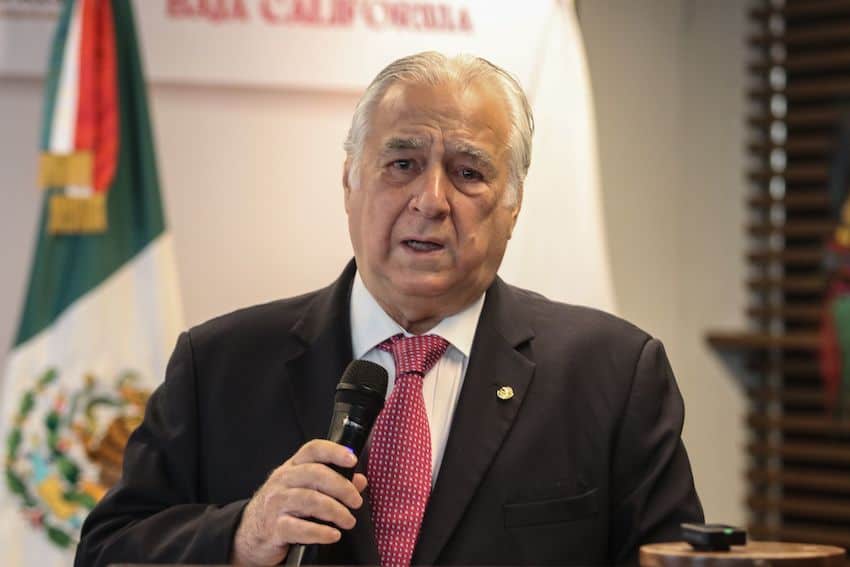
Tourism Secretary Miguel Torruco said the Official Airline Guide projects a total of 35.9 million available seats on incoming flights from abroad this year, a 4.9% increase over total seats in 2023. (Andrea Murcia/Cuartoscuro)
Tourism Secretary Miguel Torruco touted the high occupancy rate on arriving international flights, saying the increase in demand reflects the confidence international airlines have in Mexico as a market. He said noted the recent high occupancy rates presage strong growth in the tourism industry particularly this year.
Tourruco said the Official Airline Guide projects a total of 35.9 million available seats on incoming flights from abroad this year, a 4.9% increase over total seats in 2023. The airports in Cancún, Mexico City (the AICM) and Guadalajara will receive more than 70% of that total, accounting for 25.3 million seats.
“These projections reflect not only an increase in demand but also illustrate the confidence that international airlines have in Mexico as a market,” Torruco said.
Of the projected arrivals, the majority will be coming from North America. Sectur reported that more than 28 million visitors — or 78.5% — are expected from the United States and Canada, while another 4.4 million, or 12.3%, are expected from the rest of the Americas.
Europe will account for about 8.6% of international arrivals with a mere 0.6% coming from Asia.
The top two airlines for international arrivals are American Airlines (14.5% of the total) and Aeroméxico (13.3%), which together were responsible for nearly 10 million arrivals.
According to the data, the most popular international routes to Mexico are Dallas-Cancún, Los Angeles-Guadalajara and Toronto-Cancún.
The World Health Organization (WHO) on Wednesday declared mpox, previously known as monkeypox, a public health emergency of international concern (PHEIC). Elevated cases with a new variant, have been reported in Europe, Asia and Africa.
At the 7 August 2024 WHO press conference, @mvankerkhove talks about the ongoing #mpox outbreak in Africa & how concerted efforts are needed to stop this. pic.twitter.com/pUo8p1ykus
According to Fox 5 San Diego, Mexican health officials on Thursday reported that there have been 212 “probable cases” this year with 49 confirmed throughout Mexico, though none involved the new variant.
Mpox is not a recent concern for Mexico. Since 2022, there have been 7,385 suspected cases of mpox in at least 11 states. Twenty-nine confirmed cases have been reported in Mexico City this year, with seven cases identified in Quintana Roo and three others in Jalisco.
Mpox is a rare disease similar to smallpox caused by a virus. It’s found mostly in areas of Africa but has been seen in other regions of the world. It causes flu-like symptoms such as fever and chills, and skin lesions that can take weeks to clear.
A more transmissible variant called clade Ib is currently spreading in central Africa which may carry a similar fatality rate to clade I. Previous outbreaks of clade I have caused death in 10% of cases, leading health authorities to urge precaution in cases of clade Ib.
In announcing the emergency, WHO Director General Dr. Tedros Adhanom Ghebreyesus said, “The emergence of a new clade of mpox, its rapid spread in eastern DRC, and the reporting of cases in several neighboring countries are very worrying. On top of outbreaks of other mpox clades in DRC and other countries in Africa, it’s clear that a coordinated international response is needed to stop these outbreaks and save lives.”
According to the WHO, the disease can spread in various ways:
People: Through close contact (touch), kissing or sex
Animals: When hunting, skinning or cooking them
Materials: Such as contaminated sheets, clothes or needles
Pregnant people may pass the virus on to their unborn child
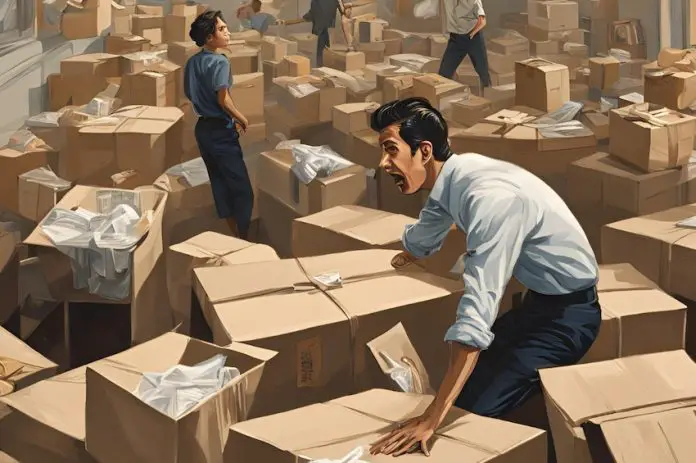
Ethan Jacobs went to send a package home and accidentally became trapped in purgatory. (Canva)
Three years ago, I’d just moved from Bogotá, Colombia, to Playa del Carmen. We’re talking two different climates entirely, and as such, I had in my possession a suitcase full of cold-weather clothes I’d no longer have any use for. Neither wanting to part ways with them in case fate someday led me to another cold-weather city, nor foreseeing enough trips to the United States to make shepherding the garments back feasible, I figured my best bet was shipping them via the Mexican postal service.
Most gringo expats I know are in some way or another frugal. They may not openly cop to this, but if the reasons we live in Mexico were visually represented as a pie chart, purchasing power would not be a thin slice. I’m not admitting that this is true for me, but I somehow settled on shipping my clothes home the slowest way possible.
The face requires no explanation. (Waves and Ruins)
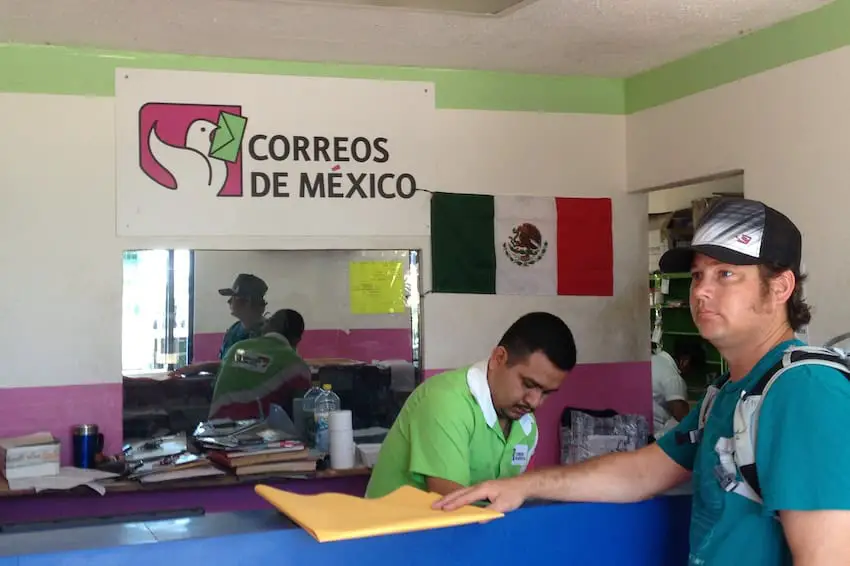
The Correos de México branch I wound up in could have been a carnival attraction in another universe. A hall of mirrors but more bureaucratic. The master of ceremonies was a paunchy, balding man in jeans and an unbuttoned polo shirt, sweaty and bespectacled. He moved around with a kind of anxious grace, like an iron chef, and wasted no time in telling me that my clothes — then still in a ratty gym bag — wouldn’t ship unless I boxed them up and that no, “we don’t have any spare boxes.”
Ten minutes later, I was in Chedraui, lurking behind employees restocking shelves, hassling them until one reluctantly gave up a spare box. When I got back to the post office, I feared I’d lost my place in line. Then I remembered that lines in places like these are a fluid concept: I likely never had a place to begin with. I stood at the entrance doing my best to will the lone postmaster to look up from the six patrons he was simultaneously attending to and acknowledge me. All I got was a nod and an “I’ll get to you when I get to you” look.
When he checked the contents of my box a few minutes later, he nodded and gave me a thumbs up which I assumed was postmaster for “seal it up.” I looked at him the way I imagine Oliver Twist looked at whoever was serving him gruel in the orphanage, hoping he might spare some tape, but he had none, he said, pointing me in the direction of a stationery store around the corner. I bought the first roll I was offered, a bulky, clear ring I’d have no use for once the ordeal was over. Another five or so minutes later, I was back, lifting my box proudly for the postmaster to see like a child presenting shoddy macaroni art to a parent. He wasn’t quite as impressed. “It has to be cinta canela,” he said — brown tape.
The stationery store clerk didn’t even pretend to be shocked when I walked back in. Clearly, I wasn’t the first to fall for the ‘ole tape-and-switch.
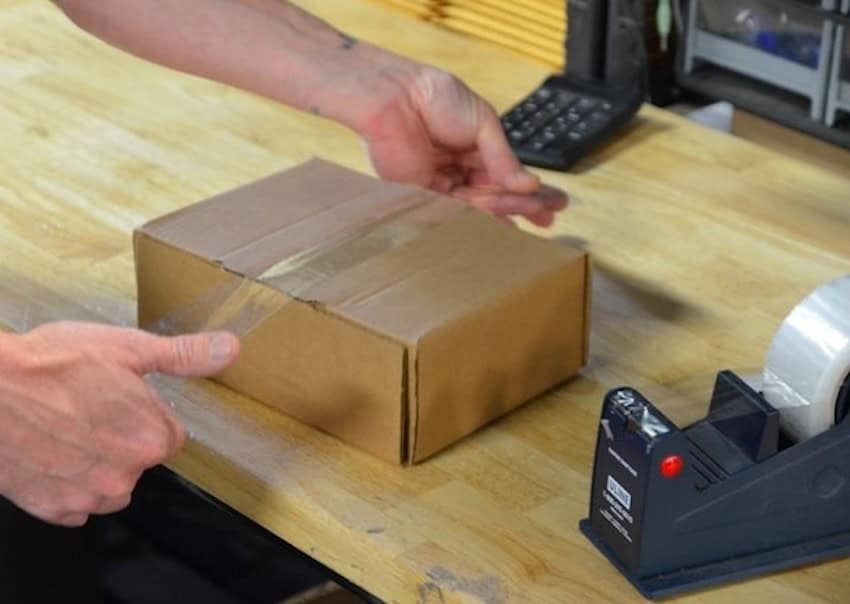
It should have been this simple. Should have been. (Dozuki)
The postmaster had me label my box using identical, neatly torn strips of printer paper. Why I was given four when it only takes one to indicate where you want your box to go is beyond me. Still, he was insistent. “Shipping address, center, return address top left. All four. When you finish, tape one to the box and give the rest to me.”
I did as he said, then took it a step further by sealing every inch of the labeling slip I had chosen for my box with multiple layers of cintacanela. Hurricane season is coming,” I thought, “what if the paper gets wet and my writing smears?” The postmaster took one look at my box and sighed, now clearly sick of my shit. “Only tape around the borders, not the whole slip. Do it again,” he said.
I looked around to see if anyone else was being similarly put through the wringer. Behind me was a guy with a tattered box. I kept waiting for the postmaster to tell him off but he seemed content with the man’s packing job. To my right was a Cuban woman who had barged in and made a beeline to the postmaster’s counter. “Wait your turn,” he said to her.
By the time I got my labels right, I had to have been at it for at least an hour. There must be a dog years equivalent for errands like that — the kinds that stretch time and slowly reduce you to an exasperated, desperate, submissive shell of your former self, now willing to do things you couldn’t have imagined when you first walked into that crowded post office.
By this point in proceedings, the crowd at the post office had grown exponentially. (Edu Rivera/X)
That’s why when my box was placed on a scale and the postmaster quoted me a price three times what I was expecting, I sighed and said “Ok.” And why, when I handed him my credit card but was told payment was cash-only, I spent another 20 minutes wandering, looking for an ATM instead of simply taking my box back. My sunk cost at that point was just too steep.
It feels like we do this a lot when we migrate. Expecting things to be ready-made for us. Assuming procedures will be straightforward or identical to what we’ve come to know. The truth is that no matter how much you huff, puff and wring your hands, lamenting the fact that this would never happen back home, you made a choice and you’re here now.
And because you’re probably frugal, you’re more likely to stay than tape up your boxes and start over again somewhere else. There’s a beautiful finality to that, one that ties us together as expats. There’s no going back, you have no choice but to get on with things here. You’ve left your old life behind, and that’s just too steep a sunk cost to give up now.
Ethan Jacobs is a freelance writer and writing coach based in Playa del Carmen. He has written extensively in narrative and short fiction formats, and his work has received recognition both domestically and internationally in microfiction, short fiction and narrative essay formats.
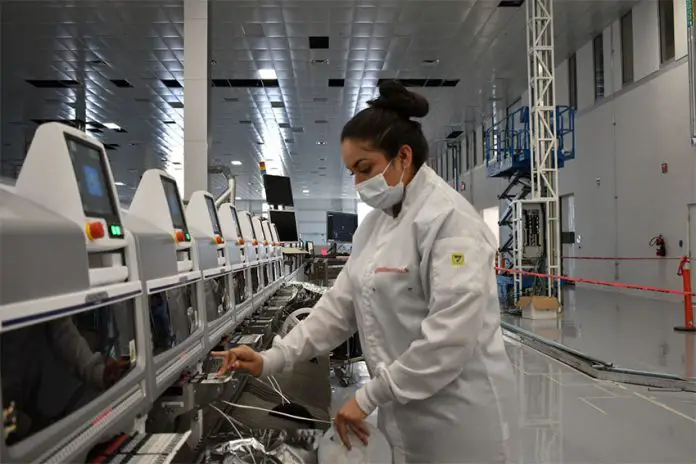
An employee at the Continental automotive plant in Aguascalientes, one of three states cited in a new report as Mexico's three most prepared states to absorb nearshoring investment by foreign companies. (Continental)
The Mexican states best prepared to accommodate nearshoring investment are Nuevo León, Aguascalientes and Coahuila, according to an analysis conducted by organizations from Mexico and Germany.
The Mexican Institute for Competitiveness (IMCO) and the Friedrich Naumann Foundation for Freedom (FNF) evaluated the preparedness of all 32 federal entities to receive nearshoring investment based on 21 variables across four key areas: the labor market; housing and services; basic inputs; and the regulatory environment.
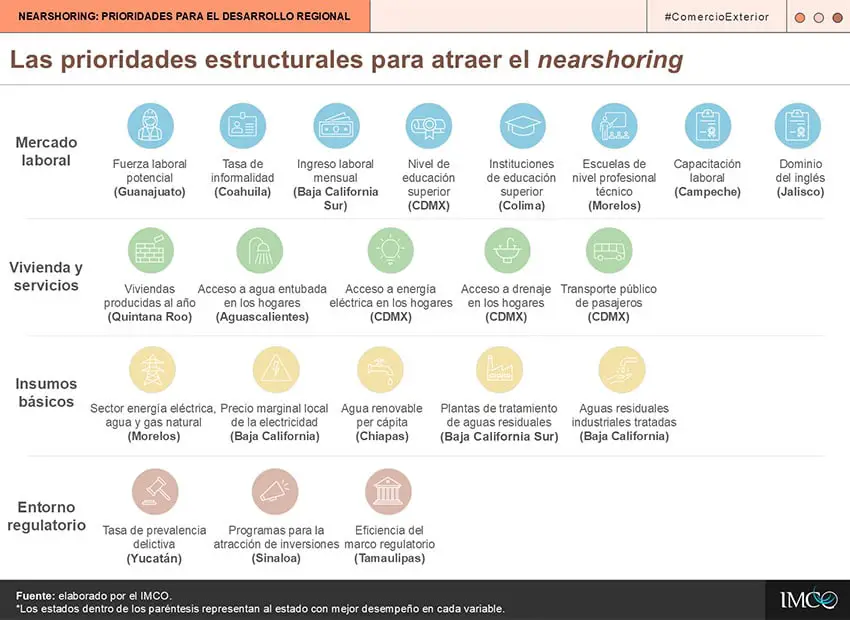
While overall, Nuevo León, Aguascalientes and Colima came out on top of the nearshoring ratings, the Mexican Institute for Competitiveness also rated other states highest for specific qualities related to its four categories. For example, Guanajuato rated highest for the potential of its labor force, while Baja California rated highest for the lowest electricity prices and industrial wastewater treatment infrastructure. (IMCO/X)
“The results show that Nuevo León, Aguascalientes and Coahuila have a better performance than the rest of the states and have the facilities to take advantage of the trend of relocating production chains,” IMCO and FNF said in the executive summary of the report, which was published in English and Spanish.
“In contrast, Oaxaca, México State and Zacatecas are regions whose structural conditions make it difficult to attract investment and increase economic activities related to nearshoring,” the organizations added.
The 21 variables considered in the analysis across the four key areas — as abbreviated by IMCO and FNF — were:
HOUSING AND SERVICES: housing production; piped water access in housing; electricity access in housing; drainage access in housing; public passenger transport units.
BASIC INPUTS: electricity, water and natural gas sector; local marginal price of electricity; renewable water per capita; water treatment plants; industrial wastewater treatment.
English proficiency, a friendly regulatory framework and an investment-hungry governor
Nuevo León performed well across all four key areas assessed by IMCO and FNF.
Nuevo León’s high ratings in the report are due in part to the efforts of its governor, Samuel García, who has made attracting nearshoring companies a major priority. This photo was taken on Garcia’s trip in March to India, where he talked up his state’s potential for direct foreign investment by EV and information tech companies. (Cuartoscuro)
The northern border state ranked among the top 10 entities in 13 of the 21 variables and the top five in nine.
Nuevo León ranked No. 1 (along with five other states) for the amount of industrial wastewater it treats as a proportion of installed capacity. The state makes full use (100%) of its installed industrial wastewater treatment capacity.
Nuevo León ranked No. 2 in five variables, including English proficiency and regulatory framework efficiency.
According to Education First’s English Proficiency Index 2023, which the report cites, residents of Nuevo León have the second best command of English in Mexico after residents of Jalisco. “Given the fact that the main opportunities generated by nearshoring are linked to Mexico’s greater integration into North American production chains, English-language skills also represent an attractive element for investors and transnational companies that may come to the country,” the report said.
Only 3% of private companies that operate in Nuevo León perceive the regulatory framework as an obstacle to their business objectives, according to the report.
Among the other variables in which Nuevo León was among the 10 best-ranked entities were housing production (dwellings built annually per capita); electricity prices; and public transport (units per capita).
Governor Samuel García is determined to make Nuevo León Mexico’s foremost nearshoring hub. He has actively courted investment from foreign companies, including during visits to China and Japan last year.
The biggest investment coup for the state during García’s term of government has been Tesla’s announcement that it will build a gigafactory near state capital Monterrey. However, CEO Elon Musk recently said that the project is “paused” pending the outcome of the United States presidential election.
The IMCO/FNF analysis isn’t all good news for Nuevo León. The state ranked among the last 10 entities in seven of the 21 variables. Its worst results were 27th for higher-education institutes per capita and 26th on two indicators related to water.
Where did the rest of the states rank?
As mentioned above, Aguascalientes and Coahuila were also deemed to be well prepared to receive nearshoring investment.
Both states were among the top 10 entities in 11 of the variables. Aguascalientes ranked as the second best state for nearshoring investment ahead of Coahuila as it was only among the bottom 10 states in three variables.
Located in Mexico’s industry-focused Bajío region, Aguascalientes fared well in a range of variables, including one that measures the number of water treatment plants in relation to the quantity of water licensed for industrial use.
Very few private homes in Aguascalientes lack access to basic services such as piped water and electricity, allowing the state to rank among the top 5 in variables that measure the availability of basic services. It also ranked highly for housing production and for higher-education units per capita and the percentage of the economically active population with tertiary qualifications.
Aguascalientes’ worst result was 30th for the availability of renewable water per capita.
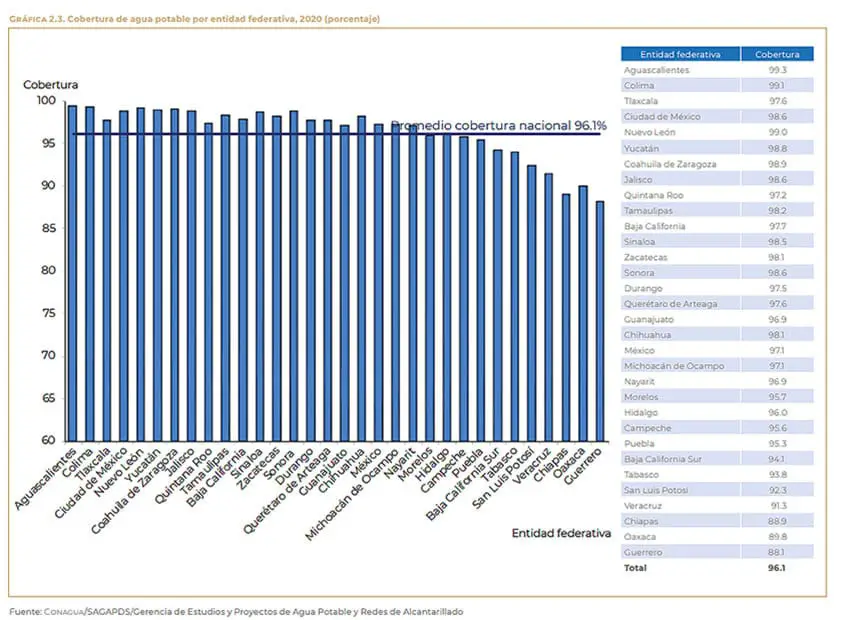
In a 2023 report, Mexico’s federal water commission Conagua reported that Nuevo León, Coahuila and Aguascalientes all had over 99% coverage statewide for potable water, well over the national average of 96.1%, although IMCO noted that access to water in all three states as a basic input is a challenge. (Conagua)
According to the report, Coahuila has the lowest labor informality rate in the country, allowing it to rank first in that variable.
Coahuila ranked No. 3 for the number of technical professional level schools per capita, and also ranked third for the percentage of companies that are aware of government programs aimed at attracting investment in the state.
Its worst result was 32nd (last) for English proficiency, a surprise given that the state borders the United States.
“Nuevo León, Aguascalientes and Coahuila have favorable conditions to attract investment related to nearshoring,” IMCO said in a press release.
“They have more skilled labor, better working conditions and better infrastructure. However, access to water as a basic input is a challenge.”
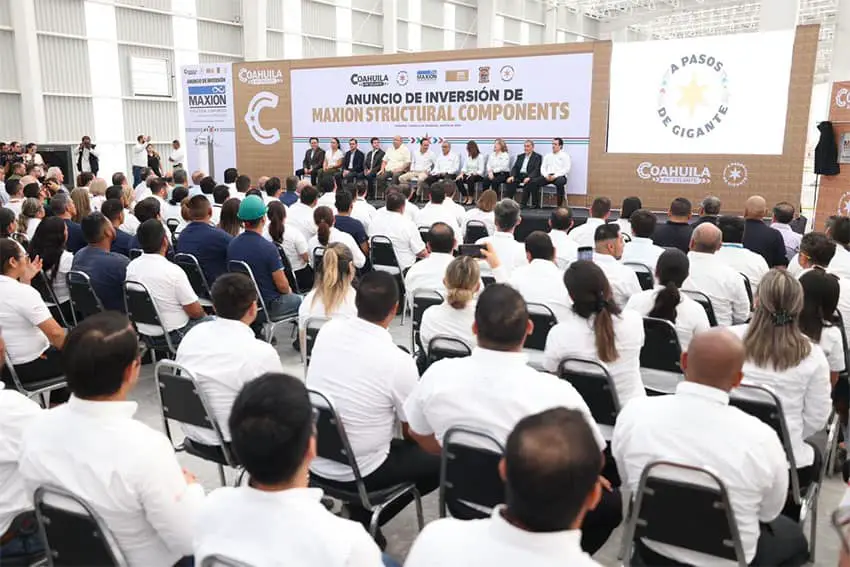
Maxion Structural Components, a division of the global automotive parts maker Maxion, announced this week that it was investing 1.3 billion pesos (US $69.7 million) in its existing plant in Monclova, Coahuila, a move that Gov. Manolo Jiménez Salinas cited on his Twitter account as an example of the state’s attractiveness to nearshoring companies. (Gov. Manolo Jiménez/X)
The nearshoring preparedness rankings of all 32 states appears below.
Nuevo León (Top 10 on 13 variables/bottom 10 on 7)
Aguascalientes (11/3)
Coahuila (11/9)
Colima (10/10)
Jalisco (10/10)
Tamaulipas (9/10)
Morelos (9/11)
Yucatán (9/11)
Sinaloa (8/8)
Baja California Sur (8/12)
Tlaxcala (8/12)
Querétaro (7/9)
Sonora (7/11)
Chihuahua (7/12)
Mexico City (7/13)
Quintana Roo (7/13)
Chiapas (6/13)
Tabasco (6/14)
Baja California (5/14)
Michoacán (5/14)
Campeche (5/15)
Hidalgo (5/15)
Nayarit (5/15)
Durango (5/16)
Guanajuato (5/16)
Guerrero (4/16)
San Luis Potosí (4/16)
Puebla (4/17)
Veracruz (4/17)
Oaxaca (3/17)
México state (2/17)
Zacatecas (2/17)
Which states have the most water and the cheapest electricity?
Water and electricity are key considerations for companies planning to operate industrial plants in Mexico. Data shows that while water is more abundant in the south, electricity is cheaper in the north.
According to the IMCO report, Chiapas has more than 20,000 cubic meters of water per capita, easily the highest amount in the country.
Ranking second to fifth were:
Oaxaca: 13,850 cubic meters per capita
Tabasco: 12,931 cubic meters per capita
Yucatán: 9,573 cubic meters per capita
Durango: 6,939 cubic meters per capita
The entities with the lowest quantity of water per capita were Mexico City, México state, Aguascalientes, Tlaxcala and Guanajuato.
Sonora appeared in the report as one of several northern states with low prices for electricity, a potentially attractive feature for businesses seeking to nearshore in Mexico. The state is investing heavily in solar power and other renewable energy sources, hoping to make itself the Silicon Valley of renewable energy. (Government of Sonora)
With regard to electricity, the states with the lowest prices per megawatt-hour were:
Baja California
Sonora
Sinaloa
Chihuahua
Tamaulipas
The states with the highest power prices were Baja California Sur, Quintana Roo, Campeche, Yucatán and Oaxaca.
Which states have the lowest crime rates and the highest proportion of tertiary-qualified workers?
Among other important considerations for companies considering relocating all or some of their operations to Mexico are crime and the availability of appropriately qualified workers.
Yucatán has the lowest crime prevalence rate per “economic units” or businesses, according to the report. The next lowest rates were in:
Jalisco
Tamaulipas
Chiapas
Guerrero
The highest crime rates affecting businesses were in Sonora, Mexico City, Durango, Colima and San Luis Potosí.
“In Sonora, CDMX and Durango, more than 3,400 out of every 10,000 businesses reported being victims of crime in 2021,” the report said.
“In Yucatán, the rate was less than 1,300 economic units, while in Jalisco 1,570 out of every 10,000 units reported crime in that year.”
Extortion is one of the top crime threats businesses face in Mexico.
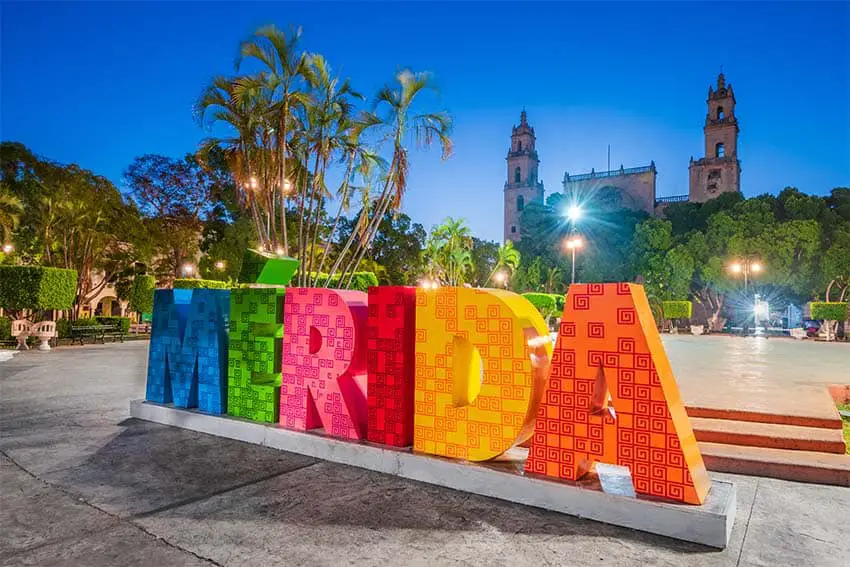
Merida, often cited as one of Mexico’s safest cities, located in Yucatan, which got the highest ratings in the report for a lack of business-targeted crimes like extortion. (ecstk22/Shutterstock)
As for the percentage of the economically active population (PEA) with higher-education degrees, Mexico City ranked first. Just over 41% of the capital’s PEA has a tertiary qualification, ahead of Sinaloa (31%), Colima (29.9%), Tamaulipas (29.6%) and Baja California Sur (29.3%).
The five states with the lowest percentage of workers with higher-education degrees were Oaxaca, Guerrero, Chiapas, Guanajuato and Michoacán. The percentages in each of those states is below 20%.
The state with the lowest percentage of companies that perceive the regulatory framework as an obstacle to their business objective was Tamaulipas (2%). Nuevo León and Chihuahua ranked equal second, with just 3% of companies complaining about the regulatory framework in those states.
Chiapas (4%) and Sonora (5%) ranked fourth and fifth, respectively.
In contrast, 82% of companies in Michoacán see the regulatory framework as an obstacle to their business, while the figures are also high in Jalisco (65%) and Puebla (48%).
The peso has strengthened over the last few days, as a good economic tidings from the U.S. make a recession in that country look less likely. (Daniel Augusto/Cuartoscuro)
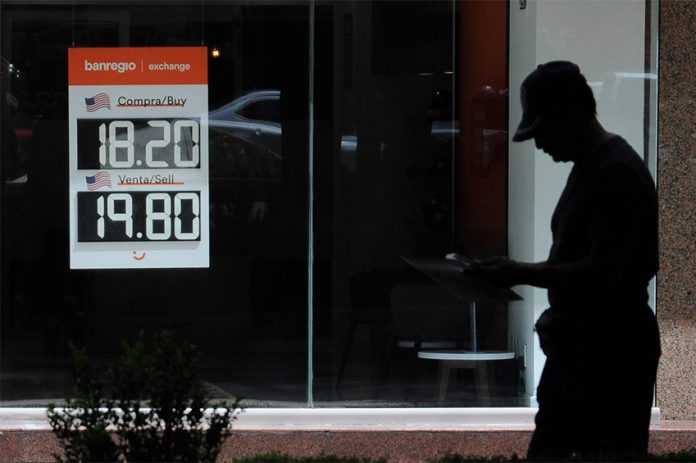
The Mexican peso appreciated against the US dollar for a third consecutive day on Thursday to trade well below 19 to the greenback.
The Bank of Mexico’s USD:MXN rate at the close of markets on Thursday was 18.65.
Bloomberg data shows that the peso strengthened on Tuesday, Wednesday and Thursday after closing at 19.07 to the dollar on Monday. The gains for the peso over the three-day period amount to around 2.3%.
Gabriela Siller, director of economic analysis at Banco Base, said on X Thursday afternoon that the Mexican peso was the currency that appreciated the second most on Thursday after the Russian ruble.
Foreign exchange news website FX Street reported that the peso rose on Thursday as the greenback “broadly softened.”
“U.S. retail sales [in July] firmly eclipsed forecasts, causing investors to shrug off recent economic slowdown concerns. Rate markets pulled back on their bets of a double cut from the Federal Reserve (Fed) in September,” FX Street said.
A double rate cut from the U.S. Federal Reserve is looking less likely. (Kurtis Garbutt/Flickr)
“… The jump in U.S. retail sales, a firm indication of good economic health, prompted a broad recovery in risk appetite, sending the greenback lower,” the news site said.
While the USD:MXN rate is now below 19, the peso has depreciated considerably since the comprehensive victories of Claudia Shienbaum and the ruling Morena party in the June 2 presidential and congressional elections. The peso closed at 17.01 to the dollar on the Friday before the election.
Concern over Morena’s legislative agenda, in particular a controversial judicial reform proposal, was the main driver of the decline in the post-election period.
As FX Street notes, “higher interest rates are generally positive for the Mexican peso as they lead to higher yields, making the country a more attractive place for investors,” while “lower interest rates tend to weaken the peso.”
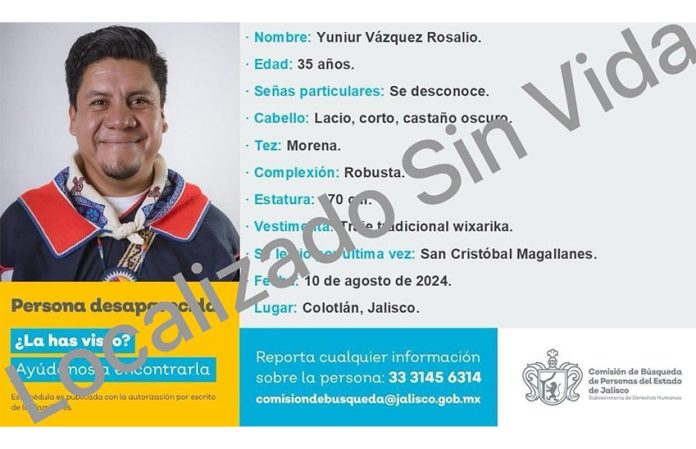
Bolaños Mayor-elect Yuniur Vázquez Rosalío was found dead alongside his campaign manager in a wrecked vehicle, three days after he was reported missing. (Comisión de Búsqueda de Personas del Estado de Jalisco/Facebook)
The Indigenous Wixárika community in northern Jalisco is raising doubts about the official explanation that a vehicle accident killed Yuniur Vázquez Rosalío, the recently elected mayor of Bolaños, and his campaign manager, Antonio Carrillo González.
The two men were both prominent figures among the Wixárika (also known as the Huichol). They were found dead inside a wrecked pickup truck in a ravine off the Villa Guerrero–Bolaños highway on Aug. 13. The pair had already been reported missing, having not been seen since three days earlier.
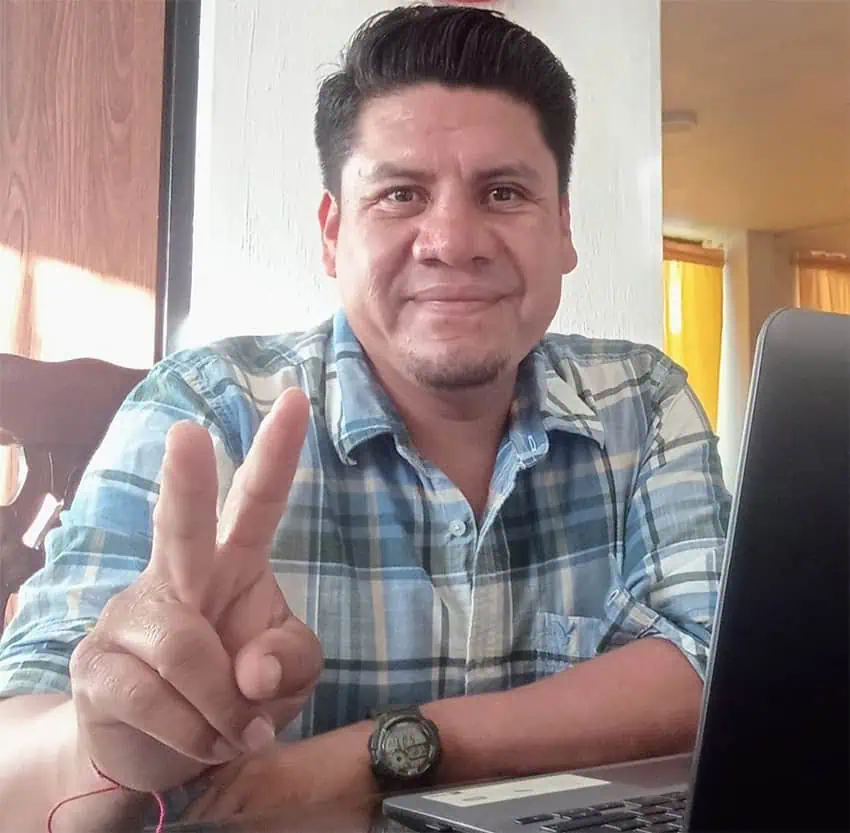
Vázquez was a lawyer, activist and mayor-elect of his hometown, Bolaños, Jalisco. (Yuniur Vázquez Rosalío/FAcebook)
According to the Jalisco Institute of Forensic Sciences, the deaths resulted from third-degree head trauma sustained in the crash.
Given Vázquez and Carrillo’s experience with the area’s risks, many have been questioning whether the deaths were truly accidental.
Vázquez, 35, had recently won the mayoral election as a candidate of the local Hagamos party, part of a multi-party coalition that also included Morena. He was the first to do so under a political banner other than the Institutional Revolutionary Party (PRI) or the National Action Party (PAN).
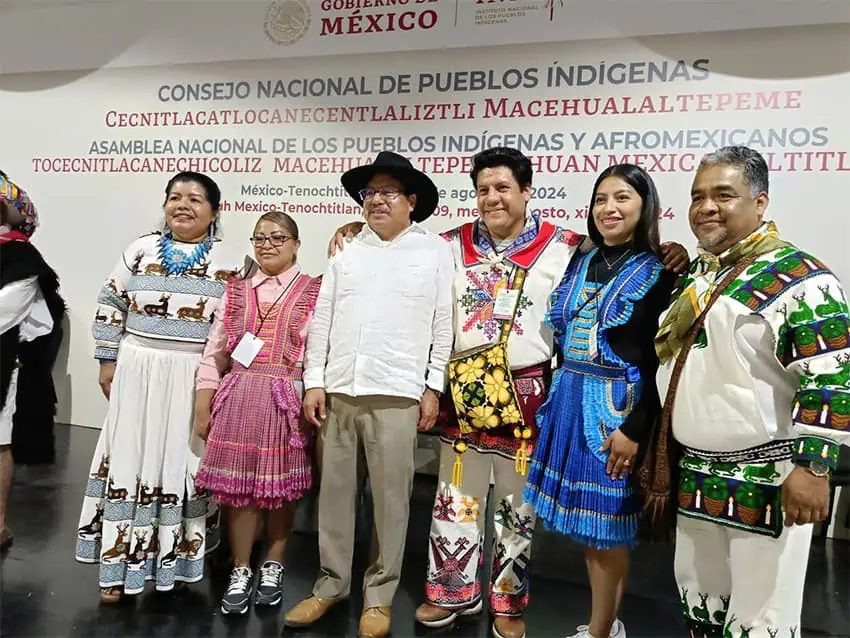
Yuniur Vázquez Rosalío disappeared just after he returned from a meeting of the National Council of Indigenous Peoples in Mexico City, held on Aug. 9. (Yuniur Vázquez Rosalío/Facebook)
A lawyer and longtime activist, Vázquez was deeply involved in defending Indigenous rights and promoting autonomy for Wixárika communities. On Saturday, he participated in a National Assembly of Indigenous Peoples in Mexico City. He was to be sworn in as mayor on Oct. 1.
Currently, the Jalisco Prosecutor’s Office continues to investigate the alleged accident, but Indigenous leaders are demanding a more thorough and transparent inquiry. They argue that the deaths are part of a larger pattern of violence against Indigenous leaders in Mexico.
“This tragedy highlights the cruel reality that our Indigenous peoples face in Mexico: a system that, instead of protecting us, abandons us to violence and insecurity,” it read.
In Jalisco, the Wixárika community mainly lives in remote, small mountain towns such as Bolaños. They are known for their vibrant culture, which includes shamanistic traditions, intricate beadwork and vibrant yarn paintings.
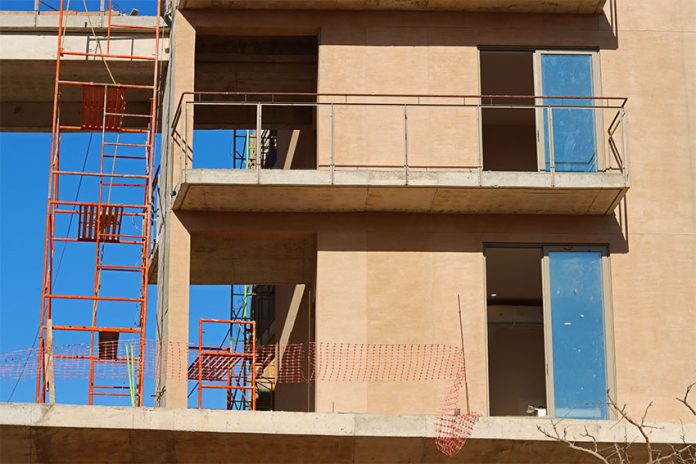
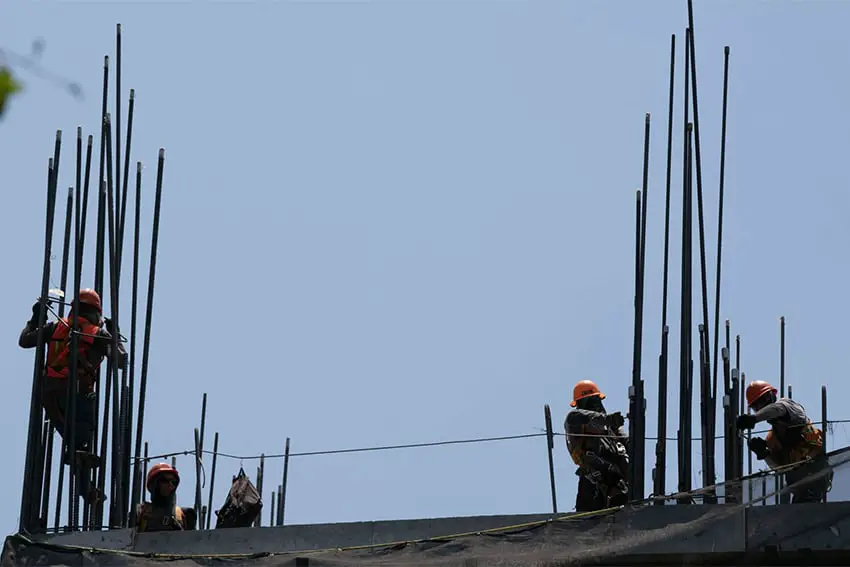
Apartment block under construction in Los Cabos, Baja California Sur, the state in Mexico where the average housing price spiked the most from the first half of 2023 to the first half of 2024. (Adriana Aceves/Shutterstock)
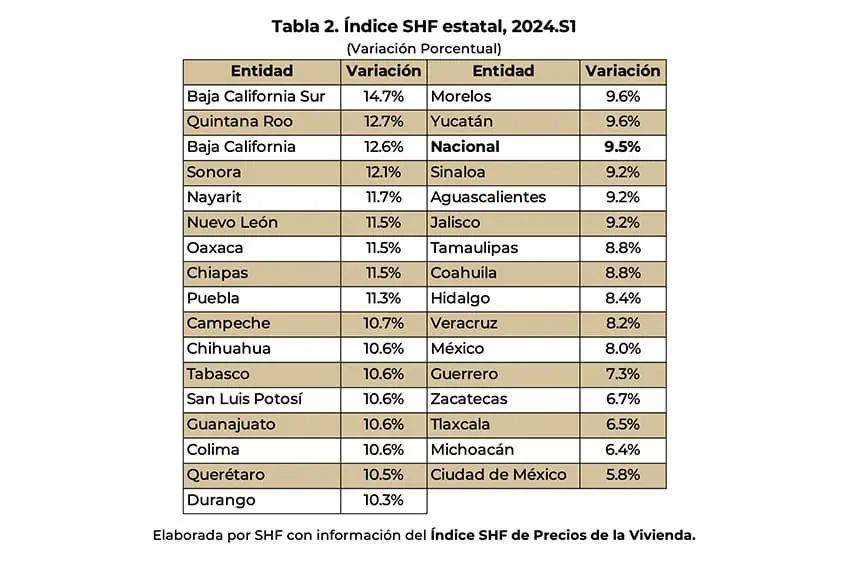
Buying a home in Mexico cost 9.5% more on average in the first half of 2024 than in the same period of last year, according to a federal government agency.
Data from the Federal Mortgage Society (SHF) shows that the average cost of a home in Mexico between January and June was 1.724 million pesos (US $92,500 at today’s exchange rate).
The full list of year-on-year variation in average home costs between semester 1 of 2023 and semester 1 of 2024, by state. Although Mexico City was the most expensive place to buy a home in 2024, its year-on-year increase from 2023 to 2024 was the smallest. (SHF)
The average price encompasses both apartment and house prices and is calculated from data on homes purchased using a mortgage.
The year-over-year increase in housing prices was almost double the prevailing annual headline inflation rate at the end of June, which was 4.98%. It is the second-highest increase in housing prices during the first half of a year since 2015. The first-highest occurred in 2023, when the annual spike was 11.6%.
Rising home costs: where and why
SHF data shows that Mexico’s most expensive place to buy a home is Mexico City, while the cheapest is Durango. (See below)
Baja California Sur, which includes the popular resort city of Los Cabos, saw the biggest annual increase in housing prices, at 14.7%.
The 9.5% increase in residential property prices across Mexico in the first half of the year coincided with a 0.4% decline in the construction of new dwellings, according to public data. Among the factors behind the annual decline in new home construction was an increase in building costs.
A total of 60,451 dwellings were built between January and June of 2024.
New home construction was down nationally in the first half of 2024, but demand remained steady compared to 2023, putting pressure on prices. In Baja California Sur, a 34.4% decrease in the number of new homes built in the first half of 2024 coincided with a 14.4% spike in the average home price — the highest increase of all Mexico’s states. (Moisés Pablo Nava/Cuartoscuro)
Analysts at BBVA México said that constant demand was a factor in the year-over-year increase in property prices.
Jorge Combe, director general of real estate sector company DD360, told the El Economista newspaper that margins for real estate developers have declined due to a range of factors, including inflation for construction materials and high interest rates.
Property prices in central Mexico
The average price of a Mexico City home was 3.933 million pesos (US $211,000) in the first half of the year, a 5.8% increase compared to the same period of 2023.
Mexico City is easily the most expensive place in the country to buy a home, with prices averaging much higher than those in Baja California Sur — the country’s second most expensive residential real estate market — and Querétaro, the third most expensive market.
There are significant variations in the prices of houses and apartments in the capital, depending on the location. Needless to say, prices in desirable, upscale and well-located neighborhoods such as Polanco and Condesa are far higher than prices in less-developed districts on the city’s periphery.
In neighboring México state, which includes many municipalities that are part of the greater Mexico City metropolitan area, the average house price is less than half that of the capital. Prices in México state increased 8% annually to 1.742 million pesos (US $93,400), just above the national average.
The average price of a home in Mexico City was 3.933 million pesos (US $211,000) in the first half of the year. (Mario Jasso/Cuartoscuro)
Listed below (from most expensive to cheapest) are the average housing prices for other states in central Mexico in the first half of the year.
Morelos: 2.058 million pesos (US $110,300), an annual increase of 9.6%.
Puebla: 1.688 million pesos (US $90,500), an annual increase of 11.3%.
Hidalgo: 1.205 million pesos (US $64,600), an annual increase of 8.4%.
Tlaxcala: 1.076 million pesos (US $57,700), an annual increase of 6.5%.
How much does a home cost in the Bajío?
The Bajío region of Mexico — an industrial hub — includes large cities such as León and San Luis Potosí city and popular tourism destinations such as San Miguel de Allende and Guanajuato city. Average housing prices in those places are considerably higher than in rural parts of the region.
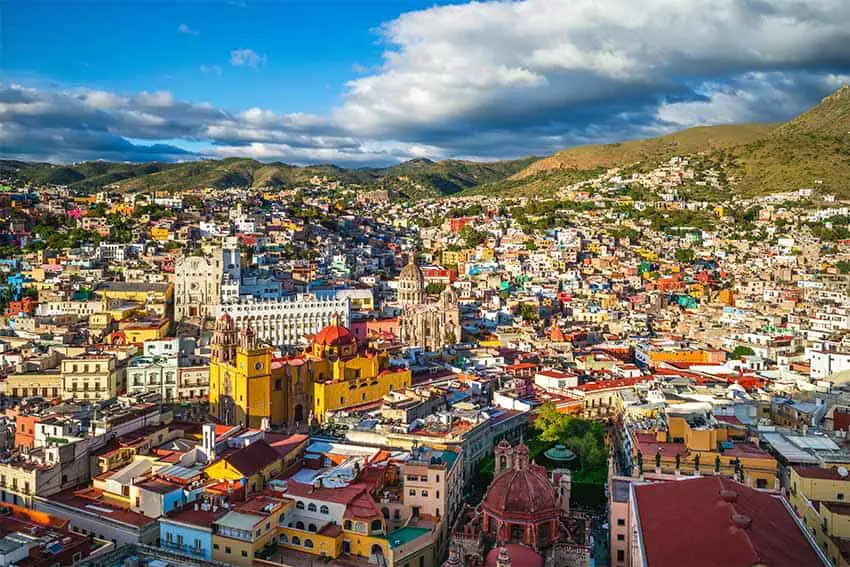
The Bajio region of Mexico includes a mix of both industrial and picturesque historical cities — like Guanajuato city, seen here. (Richie Chan/Shutterstock)
Listed below (from most expensive to cheapest) are the average housing prices in the first half of the year for states that are wholly or partially located within the Bajío region.
Querétaro: 2.199 million pesos (US $113,600), an annual increase of 10.5%.
Jalisco: 1.861 million pesos (US $99,700), an annual increase of 9.2%.
San Luis Potosí: 1.513 million pesos (US $81,100), an annual increase of 10.6%
Guanajuato: 1.379 million pesos (US $73,900), an annual increase of 10.6%.
Aguascalientes: 1.344 million pesos (US $72,000), an annual increase of 9.2%.
Zacatecas: 1.134 million pesos (US $60,800), an annual increase of 6.7%.
Housing costs in Mexico’s southeast
Tourism hotspots such as Cancún and Playa del Carmen and the growing city of Mérida, the capital of Yucatán, are among the places in southeastern Mexico where housing prices are above the average. The newly-built Maya Train railroad runs through this region, which is known for white sand beaches, pretty colonial cities, awe-inspiring archaeological sites and the long-established Indigenous Maya culture.
Listed below (from most expensive to cheapest) are the average housing prices in the first half of the year for Mexico’s southeastern states.
Yucatán: 2.026 million pesos (US $108,700), an annual increase of 9.6%.
Quintana Roo: 1.743 million pesos (US $93,500), an annual increase of 12.7%.
Campeche: 1.455 million pesos (US $78,100), an annual increase of 10.7%.
Tabasco: 1.408 million pesos (US $75,500), an annual increase of 10.6%.
Veracruz: 1.243 million pesos (US $66,700), an annual increase of 8.2%.
The real estate market in northern Mexico
Large cities such as Monterrey and Ciudad Juárez are located in northern Mexico, which is also home to a large number of export-oriented factories known as maquiladoras or maquilas. Also located in the region is the picturesque Baja California peninsula, divided into two separate states.
Listed below (from most expensive to cheapest) are the average housing prices in the first half of the year for Mexico’s northern states.
Baja California Sur: 2.260 million pesos (US $121,200), an annual increase of 14.7%.
Baja California: 1.916 million pesos (US $102,700), an annual increase of 12.6%.
Sinaloa: 1.815 million pesos (US $97,300), an annual increase of 9.2%.
Nuevo León: 1.751 million pesos (US $93,900), an annual increase of 11.5%.
Sonora: 1.585 million pesos (US $85,000), an annual increase of 12.1%.
Chihuahua: 1.418 million pesos (US $76,000), an annual increase of 10.6%.
Coahuila: 1.273 million pesos (US $68,200), an annual increase of 8.8%.
Tamaulipas: 1.027 million pesos (US $55,000), an annual increase of 8.8%.
Durango: 978, 774 pesos (US $52,500), an annual increase of 10.3%.
Property prices in the southern states
Mexico’s most disadvantaged states are located in the south. The region is also home to popular tourism destinations, including Oaxaca city, Acapulco and San Cristóbal de las Casas.
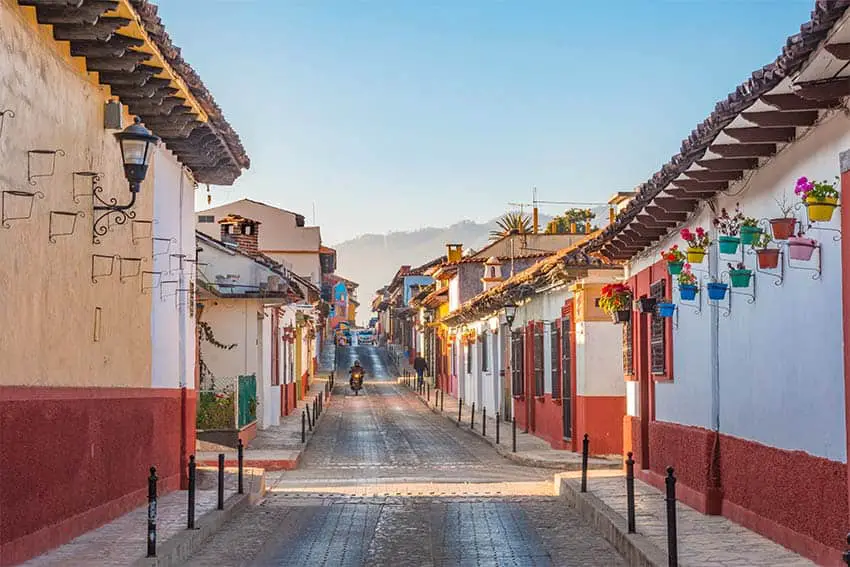
Although Chiapas came in No. 7 nationally among Mexico’s states for average home price variation from 2023 to 2024, it tied the state of Oaxaca for the highest increase in Mexico’s southern states, with an 11.5% increase. (Rubi Rodriguez Martinez/Shutterstock)
Listed below (from most expensive to cheapest) are the average housing prices in the first half of the year for Mexico’s southern states.
Oaxaca: 1.618 million pesos (US $86,700), an annual increase of 11.5%.
Michoacán: 1.578 million pesos (US $84,600), an annual increase of 6.4%.
Guerrero: 1.518 million pesos (US $81,400), an annual increase of 7.3%.
Chiapas: 1.339 million pesos (US $71,800), an annual increase of 11.5%.
How much does a home cost in western Mexico?
Listed below (from most expensive to cheapest) are the average housing prices in the first half of the year for two states in western Mexico.
Nayarit: 1.757 million pesos (US $94,200), an annual increase of 11.7%.
Colima: 1.349 million pesos (US $72,300), an annual increase of 10.6%.
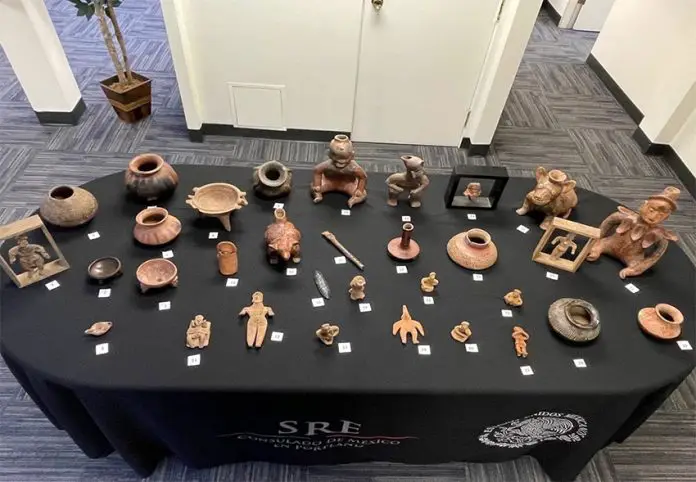
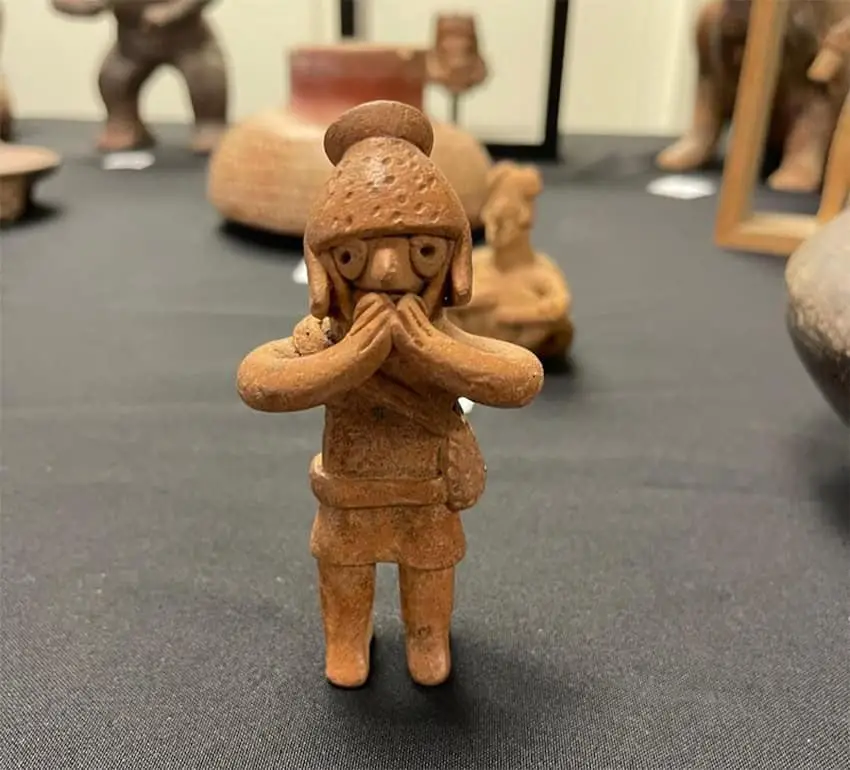
Marylou Morton returned 31 pre-Columbian pieces and one more recent historical artifact. (SRE/X)
The Mexican Consulate in Portland, Oregon, will soon repatriate 32 pre-Columbian archaeological artifacts turned over by a U.S. citizen, according to a statement by the National Institute of Anthropology and History (INAH).
Mexican Consul Carlos Quesnel Meléndez traveled to Eugene, Oregon, to officially receive the artifacts. (SRE/X)
“The reports by INAH specialists have confirmed that the 32 pieces are movable works owned by the Mexican nation,” the statement says. “Thirty-one pieces are archaeological works manufactured between 300 B.C. and A.D. 1521, while the remaining one is a historical asset.”
The consulate will send the Mexican archaeological artifacts home from Oregon in a diplomatic pouch so that INAH specialists can issue their professional opinion based on the physical inspection of the pieces.
In the statement, the Mexican Government thanked Morton for the voluntary restitution of the heritage assets. It has also called on the population to restrain from participating in the plundering of archaeological objects to preserve Mexico’s cultural heritage.
The artifacts will add to the more than 14,000 items recovered by Mexico as part of the #MiPatrimonioNoSeVende initiative (My Heritage is Not for Sale). This strategy is part of the current administration’s mission to reclaim, safeguard and promote cultural heritage unlawfully taken from Mexico. The U.S. has been the top source of reclaimed artifacts, followed by Spain and Italy.
The current administration has worked to repatriate Mexican artifacts from around the world through the #MiPatrimonioNoSeVende initiative. (SRE/X)
Mexico has also recovered cultural heritage from the Netherlands, Switzerland and France, among other countries.
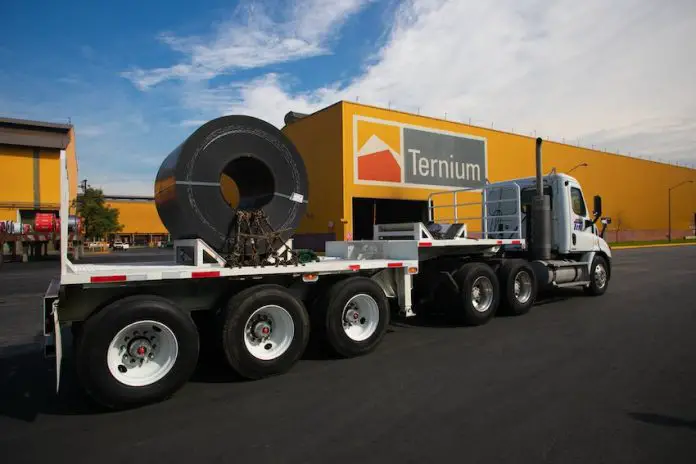
Ternium operates nine industrial centers in Mexico, six of which are located in Nuevo León.(Ternium México)
Ternium, one of Latin America’s leading steel companies, has announced a major investment in Mexico as part of an ambitious expansion plan to be completed in 2026.
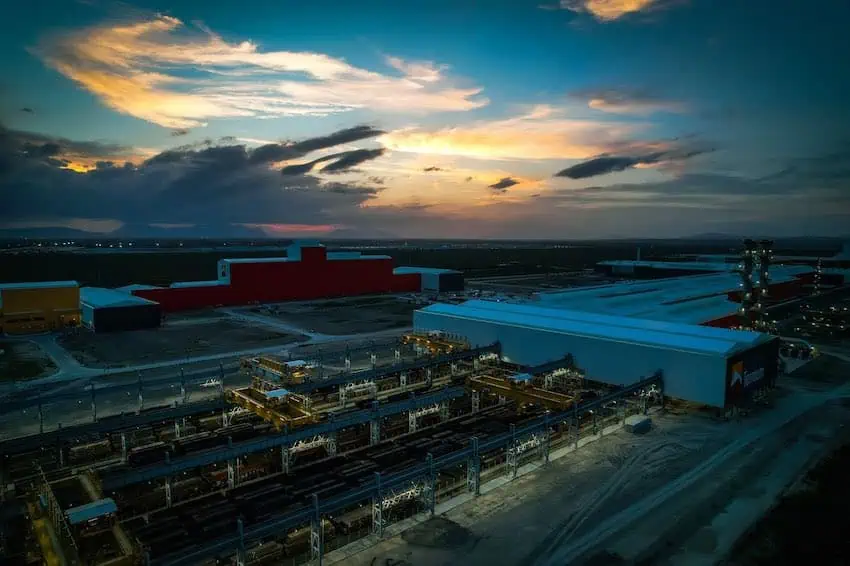
Amounting to US $4 billion, the announced investment will go towards building additional steel manufacturing plants in the northern municipality of Pesquería in Nuevo León. The new facilities will produce cold-rolled, raw and galvanized steel for the automotive, appliance, construction, electric motor, plumbing and train equipment industries, among others.
Ternium’s plant in Pesquería, which received US $4 billion in investment earlier this year. (Ternium México)
Ternium CEO Máximo Vedoya said he has already shared the investment plan with President Andrés Manuel López Obrador and president-elect Claudia Sheinbaum.
“We have already invested more than US $4 billion in certain plants [in Pesquería] and we’re now going to invest another 4 billion dollars in carrying out different processes,” Vedoya said in a press conference. He added that this investment will strengthen the value chain in North America, with the USMCA as its main driving force.
The move follows the ongoing construction of a Ternium steel mill in Pesquería which the company announced in March. This facility, once built, will have the capacity to generate 2.6 million tonnes of cast steel annually.
Ternium’s investment in Mexico seeks to add value to the country, Vedoya said.
“I’m convinced that in the North American region we have to work together, because the enemy is not the United States, not Mexico,” he stressed. “The enemy of Mexico and the United States are subsidies, and the aggressive policy of taking good jobs to Asia, mainly China and other satellite countries such as Vietnam and Malaysia.”
“Mexico is not going to supplant all those imports from China,” Alberto Villarreal, director of Nepanoa, a Chicago-based company that helps foreign companies expand to Latin America, told the newspaper El País. He added that Mexico is competing “at a global level for those exports with other economies in Asia such as Vietnam, the Philippines, Singapore, which is a much more developed country, and with India.”
For Vedoya, the USMCA is “a great treaty” for Mexico as it has helped the country increase its exports to the U.S. “This is what we need to continue to encourage,” he concluded.
Ternium, which employs 20,000 people, operates nine industrial centers in Mexico, six of which are located in Nuevo León. Founded in Argentina, the company has had a presence in Mexico since 2007.
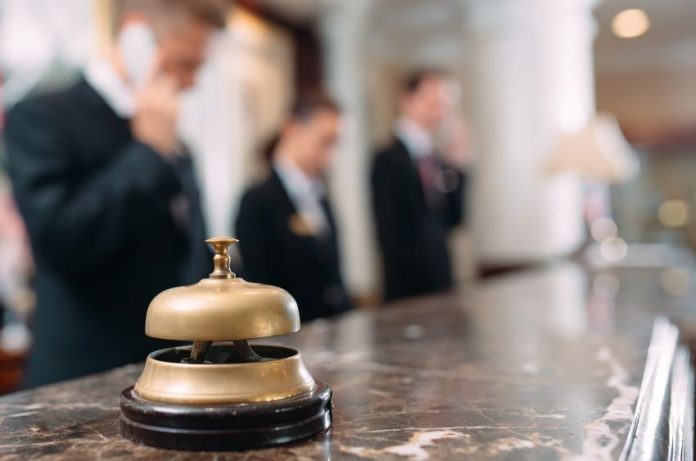
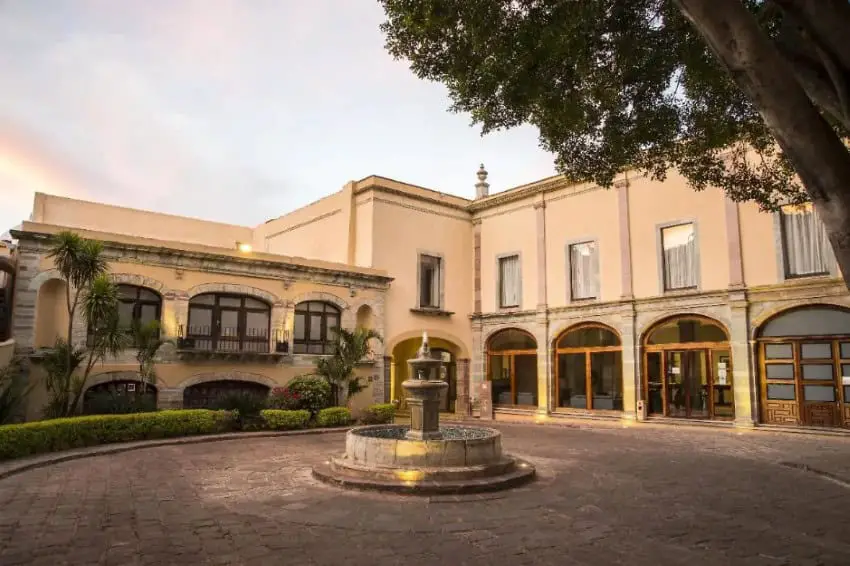
Mexico News Daily writer Louisa Rogers was tasked with bringing U.S. customer service to a Mexican hotel. Here's what she learned abut Mexico in the process. (Shutterstock)
A few years ago, the manager of a boutique hotel in Guanajuato asked me to lead a customer service training for the hotel’s reception, restaurant and cleaning staff. As a business trainer in the United States, I’d led customer service training many times. But never a Mexican customer service training session! I was probably more nervous than the participants, especially with the language, even though I spoke advanced Spanish.
The manager wanted to empower his staff to make decisions without always consulting him. That’s a tall order in Mexico, where employees are typically expected to show respect for authority and defer decisions to the manager. He was also concerned that the staff didn’t always understand what international guests expected, leading to frustration for guests and employees alike.
Even in high end establishments, Mexico’s business culture is quite different from that of the United States. (Booking)
What was more, he told me, they sometimes came across as overly formal, responding to questions with just a brief yes or no without any explanation. I had experienced this myself in different settings and knew that it wasn’t a helpful response to the mostly international hotel guests, visiting from the United States, Canada, Japan and Germany.
I prepared for weeks, customizing my English-language customer service training material for a Mexican group and going over the resources and exercises I planned with my Spanish tutor. At the seminar, I began the first session by introducing myself and then telling the participants that I believed focusing on customer service would help them gain success.
The universal elevator speech
We started with self-introductions, which are an important part of any business interaction. One by one, each person stood up and told us their name and role. They were nervous at first, but gradually warmed up. I usually asked them to do it again, suggesting that they slow down, pause frequently and speak up.
For foreigners, Mexican names can be a mouthful, consisting of a first name (or two), the father’s last name, followed by the mother’s. These sometimes sound like a blur and are hard to remember for those with little exposure to Mexico. By the end of the circuit, everyone seemed more comfortable with their self-introduction.
Responding to complaints
Then we made a list of the main complaints they heard from guests:
“The air conditioning doesn’t work.”
“There’s no hot water.”
“This meal wasn’t what I expected.”
“It’s nighttime. I have this problem, and the maintenance crew isn’t around.”
We role-played how to respond. I was delighted when a participant pointed out that just answering with one word wasn’t helpful; what was important, he said, was to offer a solution.
From busboys to management, staff talked and laughed about common problems they faced running the hotel. (American Green Travel)
Everyone cracked up when one of the cleaners shared that a customer complained when a wheeled bed kept escaping from its usual spot and rolled all the way to the door.
Changing old habits isn’t easy
During the role-playing exercise, the staff told me that workers in Mexican hotels and restaurants are trained to keep their hands behind their backs as a sign of deference, a style that wouldn’t work well with most North American or European guests.
I brought this up later with the manager, who suggested I encourage them to use more visible body language, but also that I ask them how they felt trying a different nonverbal style, as it’s not easy to change deeply ingrained habits. I was impressed with his level of understanding and respect for his staff.
Alternatives to common responses
Later in the session, we discussed different options to statements often used in Mexico:
Instead of “no hay” — “There isn’t any” — try “We don’t have that currently, but would you like…?”
Instead of“no es posible,” offer something that is possible.
Instead of“no puedo” — “I can’t” — say something positive: “What I can do is…”
Instead of “se acabó” — “We’re out of it” — try “We don’t have that currently. Would you like this instead?”
Body language
As participants practised alternative responses, we also discussed the fact that nonverbal communication is very cultural, and what’s appropriate in one culture may not be in another. As the manager suggested, I encouraged them to experiment with keeping their hands visible and looking directly at the guest, even though it was different from their normal style, and to notice whatever feelings came up.
For homework between sessions, I gave the participants a list of questions about the hotel to increase their knowledge, so that they could better answer a question, even if it was outside their area of expertise, such as “List a couple of the services offered in the Day Spa” and “What the are the three types of suites called?”
Hotel employees needed to know about the services to provide a better experience. (Ashwini Chaudhary/Unsplash)
Following upon guests’ concerns
In the second session, we discussed how to let a client know they would get back to them with an answer. Guests from goal-oriented cultures like the United States and Germany are reassured by a precise time frame, not the “ahorita” — fairly soon — or “un ratito” — “a little while” — so commonly used in Mexico.
Making action statements
In the final exercise, the participants created action statements such as “I’ll promise only what I can deliver,” “I’ll offer solutions, not excuses,” “I will give specific, concrete responses to guests,” “I’ll focus on the guest instead of chatting with my coworker” and “I won’t look at my phone when guests are around.”
I also created action statements myself: “I’ll institute the ground rule I always use in the U.S. but forgot here: No side conversations!” There wasn’t a lot of chatter, but it doesn’t take much to be distracting. And “I’ll make it clear that no one has to ask my permission to go to the restroom!”
What we all learned
Based on their evaluations, the hotel staff learned why it was helpful to come across less passive and deferential, as well as the importance of cross-departmental knowledge.
And I learned that despite a highly egalitarian manager, they still found it difficult to let go of their hierarchical cultural training. I was also struck by the fact that, among themselves, they ignored differences in status and pay, had fun, teased each other and made jokes.
I was pleasantly surprised when they said Americans and Canadians were pretty forgiving when their expectations weren’t met. In their experience, it was Mexicans and Italians who were more likely to get irritated.
On further reflection, my only regret is that I didn’t schedule a follow up session a couple of months later to find out how well they were internalizing the insights they’d gained. Still, they were so positive at the end that I’m hopeful the training helped increase their success in their work lives.
Louisa Rogers and her husband Barry Evans divide their lives between Guanajuato and Eureka, on California’s North Coast. Louisa writes articles and essays about expat life, Mexico, travel, physical and psychological health, retirement and spirituality. Her recent articles are on her website, https://authory.com/LouisaRogers