Home Blog Page 631

My weekend in Las Vegas reminded me why I love living in Mexico

12
Las Vegas sphere at night
While in Las Vegas, Travis Bembenek reflected on how his habits and experiences are different in Mexico versus the United States. (Shutterstock)

To me, going to Las Vegas is a masterclass in observing human behavior. I don’t like to gamble, but was meeting some family there for a long weekend, so I took advantage of the time to do some introspection.

I enjoy observing and learning from different people, and Las Vegas gives one a lot of material to study!

I understand that the city is about as far from typical as you can get, but it is a fascinating cross-section of humanity. People of all ethnic backgrounds, ages and socio-economic levels enjoying the same few miles of hotels, restaurants, bars, clubs, stores, and of course, casinos.

Spending a few days there reinforced a few important things to me about my life in Mexico:

I feel much less temptation to buy things in Mexico than I do in the United States

The marketing has become so damn good in the US that it is increasingly hard not to want to buy things. Sales, promotions, campaigns, free delivery, easy parking, perfect product placement, easy return policies, great availability and variety all make it too hard to resist buying things in the U.S.

In Mexico, in most places we have much less of that consumerist pressure. There are very few sales, product selection is more limited, returns are not easy, the marketing and sales efforts are not omnipresent and perfectly crafted, delivery is not yet as good, and we rarely have easy parking! As a result, I find that I buy significantly less “stuff” in Mexico. It’s just not as fun or convenient or tempting — and I think that’s a good thing!

I eat a lot less food in Mexico

Similar to the products in stores mentioned above, the temptation to eat frequently and much bigger quantities is much higher in the United States. The parking at restaurants is often easy, there are unlimited refills of soft drinks, portions are beyond huge, seating is plentiful, and the service is fast and efficient. In Mexico, it’s usually totally different.

Many restaurants in our town don’t have parking and some don’t even have many seats to sit in. I think that eating a taco while standing up might even improve the taste! Free refills? No way! Fast service at most places? Forget about it! Portions tend to be much more reasonable. Rarely am I hard-sold appetizers or drinks or desserts in Mexico. You just order what you want and that’s it. I am not good at saying “no” to these upsold items (as I suspect is the case with many people), so I am happy to not have the pressure to consume more.

I eat a lot healthier in Mexico

I am finding that it is increasingly hard to find the combination of reasonably priced AND healthy food in the US.  You can find healthy, but it is often very expensive.  You can find cheap, but it is often not at all healthy.  It makes for a frustrating dilemma.  In Mexico, most days and most meals I eat are relatively inexpensive and very healthy – and I must say that results in a very satisfying combination.  I can’t stress enough how great it feels to have access to affordable and healthy food on a daily basis – its life changing!

My daily carbon footprint is dramatically less in Mexico than in the U.S.

I spend so much time in the car and driving in the United States — as many people do. Of course in most cities in the US, there is little choice and it’s made very easy to drive everywhere. The convenience of driving in the US is unparalleled, with great infrastructure, quick drive-throughs, ample parking everywhere, and long open hours at most places — but that ultimately results in a lot of time in the car and on the road. Many places in Mexico — as they are in many parts of the world — were built around the ability to walk to do many of the daily activities you need to do and as a result (or consequence), driving and spending time in the car is often much less common. I understand that this is not the case in many parts of Mexico’s growing mega-cities.

The amount of garbage I generate in the United States on a daily basis is significantly higher

We ordered some food at a restaurant in Las Vegas and they brought it to us in Styrofoam containers and a plastic bag — to eat inside the restaurant! I have no idea why. On a separate occasion, in a bar I ordered a soft drink and it was brought to me in a disposable plastic cup, inside the bar! One morning my wife and I had breakfast at a coffee shop that resulted in a huge amount of trash. The coffee shop we go to in our Mexican town has reusable cups and plates, resulting in essentially zero trash. Most places in Mexico have mandatory reusable bags in grocery stores — they simply don’t have plastic bags available. I find that in the U.S. in most places you still see very, very few people using them. The packaging on many food products in the U.S. is a landfill-filling nightmare of plastic. In Mexico, we often have to wash and disinfect our fruits and vegetables (which of course isn’t as convenient), but they come without disposable packaging.

The pressure I feel to “keep up with the Joneses” is significantly lower in Mexico 

Many parts of Mexico — not all of course, as it’s changing here as well — still aren’t as overrun with the consumption and personal appearance pressures so common in the United States. In general, I find less judgement in Mexico, of one’s home, car, clothes, brand of handbag, brand of shoes, body features, etc. Many people just don’t seem to care as much about these things — for themselves or for you!

I don’t watch nearly as much sports on TV in Mexico — and I don’t miss it 

I have always been a typical fan of televised sports, both college and professional, but I find that — once again — in Mexico the general lack of televisions everywhere makes it less likely to be watching games.

In the United States, there is hardly a restaurant anymore that doesn’t have TVs in every corner showing random games. The other day in a pizza place having dinner with my parents we ended up watching a random college women’s softball game between two teams we knew nothing about. Why, you might ask? Because there were so many TVs playing the game it was pretty much impossible not to watch. As a result, we communicated with each other a lot less as we found ourselves staring at the multitude of screens throughout the dinner.

I smile a lot more in Mexico

I find that people in the United States don’t make as much eye contact as (I think) they used to. Is it just me who has noticed this? Very few people greet you when you walk by with a “good morning” or “good evening”.

In Mexico, I find myself smiling a lot throughout the day. There still seems to be a level of joy and friendliness and happiness that I seem to have a harder time finding these days in the United States. The random acts of kindness are also something I find very common here.

I am not in any way saying that Mexico is perfect, and most definitely not saying that the United States is a bad place. However, I am increasingly aware as someone who has lived and experienced both countries how our surroundings shape who we are, and I enjoy how living in Mexico is changing my wife and me. Our recent trip to Las Vegas further confirmed to us how grateful and fortunate we are to be in Mexico right now.

Travis Bembenek is the CEO of Mexico News Daily and has been living, working or playing in Mexico for over 27 years.

5 budget-friendly ways to add Mexican colors to your home

0
If you’re as enchanted with the rainbow of Mexican colors as I am, you may be looking for ways to incorporate them into your own abode, whether here or abroad. (Unsplash)

What’s most people’s first impression of Mexico? Ask around, and I bet you’ll hear mention of its many colors in the first sentence. The combination of such an impressive array of Mexican colors truly is a sight to behold.

And we’re not talking just nature, though there’s plenty to marvel at there, as well. Amid the lush greens of the forests, the warm tans of its arid lands, and the wildly bright floral colors just begging to be noticed, humans contribute with their own additions, from azul rey (that deep, saturated blue) to rosa mexicana (a bright, cheery pink with just a touch more red than “bubble gum pink”).

Use vibrant colors to paint your walls. (Mestizmx/Instagram)

As someone who cares deeply about the beauty of one’s physical surroundings, I was immediately enchanted by Mexico’s colorful landscape. Coming from the United States, the “wildest” house color I’d seen was dark gray-blue. Entering Mexico for the first time, I felt like Dorothy stepping out of her dreary black-and-white house and into the dazzling world of Oz (without the munchkins or witches).

It was love at first sight.

If you’re as enchanted with the rainbow of Mexican colors as I am, you may be looking for ways to incorporate them into your own abode, whether here or abroad. Don’t worry — I’ve got you covered! Here are my top tips for bringing Mexican colors into your home.

  1. Paint some walls! Really. Don’t be scared! Painting one’s interiors (or exteriors) is one of the cheapest and easiest ways to make a major statement and quite literally fill your world with the colors you love. Heck, do a mural! The sky truly is the limit.
    Granted, you may want to ask your landlord about this first, who will probably just say, “Do whatever you want but paint it white again before you leave.” And as one commenter on my last decor article pointed out, you’re very likely not getting your deposit back anyway (this, unfortunately, is true).
    Don’t like what you painted? No problem. You can always paint again, which is one of the things I love most about doing it. We don’t always nail it the first time, and that’s okay — it’s an easy fix. I myself have a wall in my house that’s currently on its fourth color, and I’m already imagining the fifth. Sometimes it just takes getting the color up and seeing it, which to me, is always time well spent.
  2. Paint some furniture! If you’re a novice painter, perhaps focus on furniture that was relatively cheap to get, like the simple pine shelves and tables that you can get at small carpentry shops.
    If you’re (understandably) shy about changing the colors of the walls in your home, a simple chair or TV stand can easily be transformed. To do this, you’ve got two choices: you can either stain the wood using tinta (stain, of which a variety of colors can be found at certain Comex and PolyForm stores) and then cover it with a clear barniz (varnish), or you can simply paint it with whatever you have on hand. Pretty much any kind of paint can be mixed with plaster of Paris to create that famous “chalk paint,” and you can put some clear varnish over that too if you really want to protect it.
  3. Bring the outside in (or at least in front of your windows). Remember those colorful flowers I mentioned? Go to your local vivero (plant nursery) to find some native plants for your space to add touches of my personal favorite color, green, all around. Plenty of plants sprout some gorgeous blooms as well, so talk to the people there to figure out which ones would be best suited to your space.
    Another great option? Bouquets of flowers. They tend to be quite a bit cheaper here than in the U.S., so it’s a luxury that most people can afford. I love going to the market, especially right before some kind of convivio (get-together) in my house for a bright and colorful arrangement (or arrangements!) to make my home look especially welcoming.
  4. Go shopping! As you know, there are beautiful handicrafts to be found all over Mexico, from ceramics to textiles to the perfect little calaverita for your nightstand. So support your local economy and see what people in your community are making and selling … chances are you’ll find something (or a few somethings) to bring the rainbow of colors outside in.
  5. Remember, el diablo is in the details. Not a “maximalist” like me? That’s okay — most people aren’t. But that doesn’t mean you can’t add some striking color to your space. Whether it’s the perfect throw pillow placed just so in an otherwise minimalist apartment or a surprising shock of color behind the books of your bookshelf, there are so many ways to incorporate Mexican colors in a way that respects your personal style.
Green is always the best color! (Maye Ruiz/Instagram)

Down here, whimsy’s the name of the game. Whether you’re going all out or placing the perfect pillow cushion just so in a minimally decorated apartment, you’re bound to find the ideal balance between your personal style and the magical colors of, as far as I’m concerned, the most beautiful country in the world.

Sarah DeVries is a writer and translator based in Xalapa, Veracruz. She can be reached through her website, sarahedevries.substack.com.

Best weekend getaways from Mexico City by bus: Part 2

7
Some argue Guanajuato is Mexico’s most beautiful city, and I wouldn’t disagree. (Unsplash)

The journey continues! Read Best weekend getaways from CDMX by bus: Part 1 for an overview of CDMX’s most luxurious bus lines, where to board them, and the first 4 of 10 destinations you can reach in 5 hours or less!

Valle de Bravo

Spend the day sailing, kayaking, or paddleboarding on the lake. (Unsplash)

Best for: Outdoors

The highlights: Lake Avándaro, Cerro de la Cruz, Church of Saint Francis of Assisi, Monarch Butterfly Sanctuary

What to eat: trout, barbacoa de borrego, sopa de hongos

Why you should go: It’s a well-rounded getaway for active travelers who like a bit of Hamptons-style elegance. Spend the day sailing, kayaking, or paddleboarding on the lake. The surrounding hills offer activities from the relaxing, like hiking, to the more extreme, like paragliding. Downtown is quaint, colonial, and full of restaurants. 

How to get to Valle de Bravo from Mexico City:

From PONIENTE

The Zina Bus line runs up to 26 departures per day. The journey lasts 3.5 hours. The cost per ticket starts at 261 pesos. 

Tepoztlán 

Best for: Spiritual retreats

The highlights: El Tepozteco National Park and Pyramid, Tepoztlán market, a temazcal

What to eat: Tepoznieves, tamales de amarillo, cecina con nopales

Why you should go: Legend has it that Quetzalcoatl was born here, and because of that the town’s energy is said to be healing and purifying. It’s a popular escape for meditation, yoga, and those seeking treatment through shamanic practices. It’s also beautiful, surrounded by mountains and unobstructed views of the stars. Don’t forget to hike up the mountain to the temple at the summit.

How to get to Tepoztlán from Mexico City:

From SUR

ADO’s OCC line runs up to 23 departures per day. The journey lasts 1.5 hours. The cost per ticket starts at 140 pesos. 

San Miguel de Allende 

Best for: Art

The highlights: Parroquia de San Miguel Arcángel, Jardín Allende, El Jardín Botánico, Colonia Guadalupe Arts District

What to eat: enchiladas mineras, el fiambre estilo San Miguel de Allende, tumbagón

Why you should go: San Miguel Allende is a 16th-century town with sophisticated amenities. The well-manicured center is bustling with shops, galleries, and restaurants and a vibrant nightlife. A short drive away are hot springs to fend off the possible resaca (hangover) resulting from a typical weekend here.

How to get to San Miguel de Allende from Mexico City:

From NORTE

The Futura line runs up to 1 departure per day. The journey lasts 5 hours. The cost per ticket starts at 575 pesos. 

The ETN line runs up to 8 departures per day. The journey lasts 4-5 hours. The cost per ticket starts at 688 pesos.

The PrimeraPlus line runs up to 3 departures per day. The journey lasts 4 hours. The cost per ticket starts at 608 pesos.

From SUR

The ETN line runs up to 3 departures per day. The journey lasts 5 hours. The cost per ticket starts at 688 pesos.

Morelia

Downtown Morelia is characterized by its architectural beauty. (Unsplash)

Best for: History 

The highlights: Morelia Cathedral, Jardín de las Rosas, Mercado de Dulces, Morelia Aqueduct, Rose Conservatory

What to eat: carnitas, uchepos, chongos zamoranos

Why you should go: Aside from the 200-plus historical buildings made of pink stone, Morelia is a classy haven for art, architecture, music, and food. The zócalo is home to what many argue is the finest cathedral in Mexico. It’s also just 45 minutes from the pueblo magico of Patzcuaro, well worth a day trip.

How to get to Morelia from Mexico City:

From NORTE

The Futura line runs up to 2 departures per day. The journey lasts 5 hours. The cost per ticket starts at 531 pesos. 

The ETN line runs up to 10 departures per day. The journey lasts 4 hours. The cost per ticket starts at 648 pesos. 

From PONIENTE 

The ETN line runs up to 10 departures per day. The journey lasts 4 hours. The cost per ticket starts at 648 pesos.

From SUR

The Futura line runs up to 1 departure per day. The journey lasts 5 hours. The cost per ticket starts at 704 pesos. 

The TuriStar line runs up to 1 departure per day. The journey lasts 5 hours. The cost per ticket starts at 679 pesos. 

Guanajuato 

Best for: Culture

The highlights: Callejón del Beso, Museum of the Mummies, Calle Subterránea, Museum of Diego Rivera, Basilica of Our Lady of Guanajuato

What to eat: Caldo de oso, enchiladas mineras, Gorditas horneadas

Why you should go: The university town is a maze of brightly colored buildings, lively squares, and an underground tunnel system originally built as a flood defense, but used today for vehicular traffic. Some argue it’s Mexico’s most beautiful city, and I wouldn’t disagree. 

How to get to Guanajuato from Mexico City:

From NORTE

The ETN line runs up to 8 departures per day. I’m pushing the 5 hour limit here but I think Guanajuato is worth it. The journey lasts 5 – 5.5 hours. The cost per ticket starts at 882 pesos.

The PrimeraPlus line runs up to 8 departures per day. The journey lasts 4.5 – 5 hours. The cost per ticket starts at 779 pesos.

Xalapa 

Xalapa is a unique escape for coffee and mountain lovers. (Unsplash)

Best for: Coffee

The highlights: Museo de Antropología de Xalapa, Parque de los Tecajetes, Palacio de Gobierno, Francisco Javier Clavijero Botanical Garden, its three central markets

What to eat: Mole xiqueño, huachinango a la veracruzana, zazamite

Why you should go: For youthful vibes with a scenic backdrop and plenty of lush vegetation, Xalapa is the best of the tropics without the heat. It sits below the Sierra Madre Oriental mountain range and is surrounded by coffee, tobacco, and tropical fruit farms. It’s also a good place to break up the 7+ hour ride if your ultimate destination is the port of Veracruz. 

How to get to Xalapa from Mexico City:

From TAPO

The ADO line runs up to 27 departures per day. The journey lasts 4.5 hours. The cost per ticket starts at 523 pesos.

From NORTE

The ADO line runs up to 2 departures per day. The journey lasts 4.5 hours. The cost per ticket starts at 566 pesos.

And there you have it! Now, all you have to do is pack. For the ride itself, don’t forget snacks, tissues, headphones, and something to read or watch, (already downloaded). As previously mentioned, wifi is advertised but not guaranteed.


Most importantly — if you haven’t yet been granted a residency card, bring your passport just in case it’s required for boarding. Otherwise, you’ll be Ubering home. Trust me.

Bethany Platanella is a travel planner and lifestyle writer based in Mexico City. She lives for the dopamine hit that comes directly after booking a plane ticket, exploring local markets, practicing yoga and munching on fresh tortillas. Sign up to receive her Sunday Love Letters to your inbox, peruse her blog, or follow her on Instagram.

176 years ago today, Mexico lost 55% of its territory

15
What is the story of the Treaty of Guadalupe Hidalgo? (From the Mexican government archives)

One hundred and seventy-six years ago today, at the end of the Mexican-American war, Mexico’s territory became 55% percent smaller and the United States’ territory grew by more than half a million square miles. What are now the states of California, Nevada, Utah, New Mexico, and parts of Arizona, Colorado, Oklahoma, Kansas and Wyoming, once Mexican soil, became United States territory.

This concession, which forever changed the political, economic and social fate of North America, was stipulated in the terms of the Treaty of Guadalupe Hidalgo, signed on February 2, 1848. 

Map of Mexico 1845. (ThomasLegion)

The ramifications of the Treaty

The Treaty of Guadalupe Hidalgo put an end to the Mexican-American War. In addition to the enormous land concessions, Mexico received around US $15 million and a pardon of $3.25 million dollars of debt owed to the United States government. 

It gave birth to the American West and determined the treatment of those who had been there for hundreds — and in the case of Native Americans, thousands — of years.

Nearly 80,000 Mexican citizens lived in what is now the United States, and the new treaty promised to protect them, at a time when slavery remained legal in the United States. 

The treaty stipulated that Mexicans who resided in the territories previously belonging to Mexico were free to stay in their homes or move south to the Mexican Republic if they so wished and could keep their property or sell it without “being subjected to any contribution, tax, or charge.”They were also free to retain their Mexican citizenship or acquire U.S. citizenship, but not both. They had to decide within one year of the treaty. 

Now let’s find out how we got there. 

It all started with Texas

When Mexico won independence from the Spanish in 1821, much of its northern territory was sparsely populated by a mixture of Mexicans and Native Americans. This land lacked major settlements or development. The Mexican government encouraged people from the United States and other foreigners to settle there, giving them incentives like exemptions from taxes. 

In return, the new settlers would become Mexican citizens and speak Spanish, convert to Catholicism, and keep no slaves (as Mexico had gradually abolished slavery after becoming independent). These were promises which many Protestant Anglo-American settlers did not take seriously.

Slavery in particular was a complicated issue, as many settlers were slaveholders who wanted to work around Mexico’s abolition of slavery. 

The clash of customs and opposing national interests in the state led to many political and military confrontations,and Anglo colonists revolted against the Mexican government, declaring the independent Republic of Texas. Mexico never recognized the province’s independence, and Texas joining the U.S. as the 28th state in 1845.

Mexican-American war

At the time, the President of the United States was James K. Polk. Polk was a firm believer in “manifest destiny,” an idea — which Hernán Cortés might describe as unoriginal — that the United States had a divinely ordained duty (ordained by God) to expand west across North America. He was determined to take more than Texas. 

Polk offered $30 million dollars for California and New Mexico, a proposal that offended Mexico and was rejected immediately. Needless to say, he didn’t handle the rejection well. 

Seeking war, Polk sent troops to occupy a disputed area in Texas, which resulted in a clash between Mexican and American troops. Provided with the perfect justification for an attempt to take Mexican land by force, Polk asked Congress for approval to declare war against Mexico, which he received in May of 1846. And so began the invasion known as the Mexican-American war. 

Spanning dozens of battles across Mexico, the war lasted 21 months and cost thousands of lives. Although fighting in Northern Mexico continued, the war itself ended when the United States seized Mexico City.

The United States Congress ultimately refused to comply with parts of the Treaty, breaking up land grants where Mexicans lived, resulting in many impoverished communities.

In Mexico, the conflict provided a national identity rooted in animosity towards its neighbor. It also gave birth to the legend of the Niños Héroes, teenage Mexican Army cadets who threw themselves from the walls of Chapultepec Castle clutching the Mexican flag, rather than have the symbol of their country defiled.

  • Political figures from the United States like then-congressman Abraham Lincoln, former President John Quincy Adams, and Fredrick Douglass opposed the Mexican-American War. The treat is now seen as a major step toward the U.S. Civil War, some 15 years later. 
  • The Guadalupe Hidalgo Treaty gave way to what is known as “The Gadsen Purchase,” another treaty in which the United States paid Mexico $10 million dollars for a 30,000 square mile portion of land, which later became part of Arizona and New Mexico. This purchase attempted to resolve territorial conflicts that lingered after the war.

North America has been dealing with land disputes since Europe first arrived in the “New World” in the 1500s. While history is often disputed and told from conflicting viewpoints in books, classrooms, and at dinner tables, it is undeniable that its effects are profound. When thinking about the political, foreign, and diplomatic relations between the United States and Mexico, it’s valuable to remember what happened 176 years ago today. 

The beginning of the Treaty of Guadalupe Hidalgo states the “sincere desire” for both nations to “establish upon a solid basis relations of peace and friendship.” Hopefully, that desire can serve as a guidepost for the two countries almost 200 years later.

Montserrat Castro Gómez is a freelance writer and translator from Querétaro, México.

Remittances to Mexico worth over US $63B in 2023, a new record

4
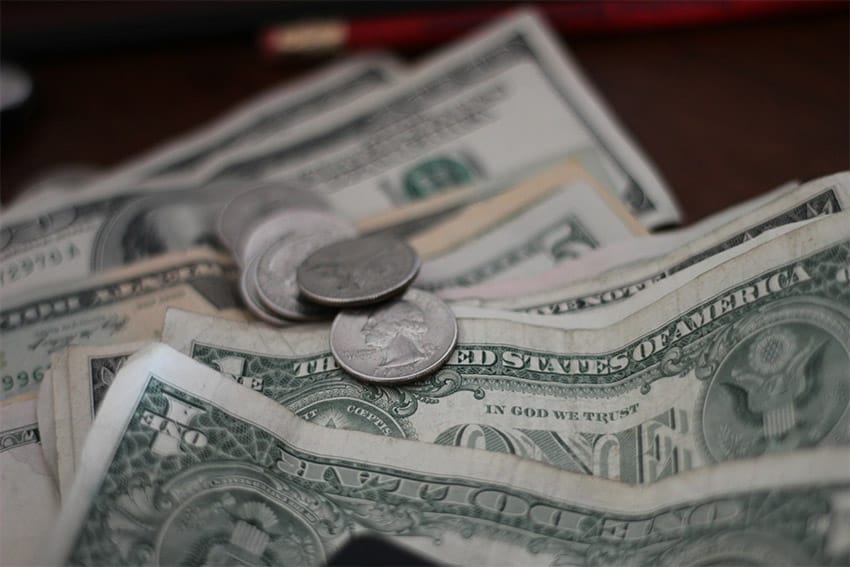
A photo of US $20 bills
Half of all remittances sent to Mexico come from just two U.S. states. (Jorge Salvador/Unsplash)

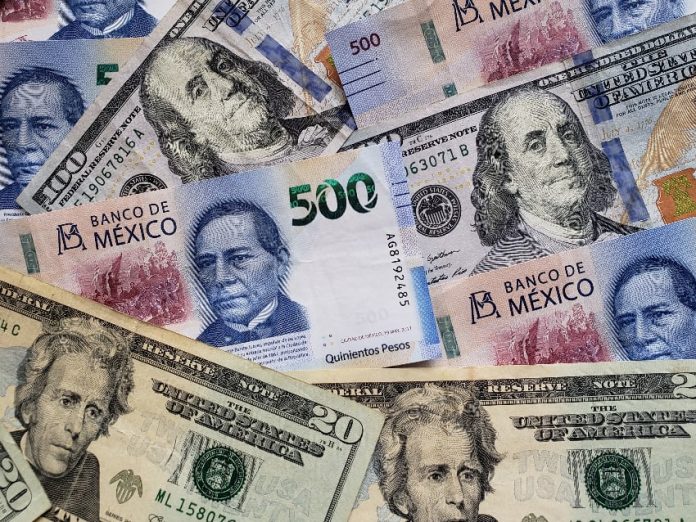
Remittances to Mexico hit a record high of over US $63 billion in 2023, according to data published by the Bank of Mexico on Thursday.

Mexicans living and working abroad sent $63.31 billion home last year, a 7.6% increase compared to 2022. Remittances out of Mexico increased 19.5% last year to total $1.05 billion, or just 1.7% of the incoming amount.

Remittances Chiapas
Many Mexicans in rural areas are dependent on the funds sent by family members in the United States. (Isabel Mateos/Cuartoscuro)

Most of the incoming money — 99% of which was wired electronically in transfers that averaged $393 per transaction — came from the United States, where millions of Mexicans live. Analysts attributed the record inflow last year to the strength of the United States labor market.

Incoming remittances totals have been on the rise for a decade, and the inflow is predicted to grow again this year to reach between $66 billion and $68 billion, the El Financiero newspaper reported.

Although last year’s remittances total was a record, the annual growth in their value in percentage terms was the lowest since 2015.

Data from the research arm of the bank BBVA shows that Guanajuato was the largest recipient of remittances among Mexico’s 32 federal entities, with $5.41 billion flowing into the state last year.

Ranking second to sixth were: Michoacán, $5.4 billion; Jalisco, $5.35 billion; Chiapas, $4.36 billion; México state, $4.25 billion; and Mexico City, $3.86 billion.

According to BBVA, over half of the remittances sent to Mexico come from just two states — California and Texas, both of which have large Mexican populations.

Remittances to Mexico lost 10% in purchasing power last year, thanks to a weaker dollar and a stronger peso. (Graciela López Herrera/Cuartoscuro)

Georgia, Illinois, Colorado, Florida, Arizona, New York and North Carolina are also significant sources of remittances, BBVA said.

The importance of remittances to the Mexican economy is underscored by the fact that their value last year was well above that of both oil export revenue ($33.21 billion) and direct foreign investment inflows ($32.9 billion in the first nine months of 2023).

President López Obrador frequently describes Mexicans working abroad as “heroes” given the large sums of money they send to their families.

Some migrants increased the amount of their transfers in 2023 to offset the appreciation of the peso, which began the year at around 19.5 to the US dollar and ended at just below 17. The dollar was trading at about 17.15 pesos on Friday afternoon.

Gabriela Siller, director of economic analysis at Banco Base, said on the X social media platform that remittances sent to Mexico last year lost 10% of their purchasing power due to the appreciation of the peso and “high inflation,” even though inflation declined throughout most of 2023.

“It was the first decline [in purchasing power] since 2013 and the largest since 2010,” she wrote.

With reports from El EconomistaEl Financiero and Proceso

Got 1 min? American Airlines to add flight to Veracruz city

3
American Airlines will offer daily flights to Veracruz starting June 12. (Shutterstock)

Starting this summer, a new route will offer travelers a direct flight from the United States to the historic port city of Veracruz on the Gulf of Mexico.

American Airlines will offer daily service to Veracruz International Airport (VER) starting on June 12 from Dallas Fort Worth International Airport (DFW). Flights will be on Embraer 175 aircraft, with capacity for 76 passengers.

With this new route, American Airlines will offer service to a total of 28 destinations in Mexico and 110 peak-day flights, the most of any U.S. airline operating in the country.

“We are excited to launch our 28th destination in Mexico, connecting Veracruz to our largest U.S. hub, Dallas-Fort Worth, where customers can access more than 230 destinations around the world,” said Chief Operating Officer for Mexico, Central America and the Caribbean José María Giraldo. “Our commitment to Mexico is strong and we are proud to strengthen our footprint in the country, offering more connectivity and travel options for customers than any other U.S. airline.”

Veracruz is one of Mexico’s oldest ports, founded by the Spanish conquistador Hernán Cortés, and has the charming characteristics of a colonial town: park-like plazas, wide avenues and arched, airy streetscapes that remind regular Mexico News Daily travel writer Bethany Platanella of Miami.

In addition to Veracruz, American Airlines has announced direct flights to Mexican cities Tijuana and Tulum in 2024.

American Airlines also plans to add routes to Tulum this year. (Tanja Cotoaga/Unsplash)

Mexico is on track for a record year for air travel and tourism, with both national and international airlines opening new routes to the U.S. since it regained its FAA Category 1 safety rating in September 2023.

According to the Tourism Ministry (Sectur), in 2023, Mexico brought in 10.6% more in foreign tourism revenue than in 2022, mostly due to increased air connectivity. The lion’s share comes from North American tourists.

In recent months, U.S. airlines Southwest, Frontier and Delta have also announced expanded service to airports including Cancún, Tulum, Puerto Vallarta and Los Cabos.

With reports from Aviación al Día

Xóchitl Gálvez begins US tour in New York City

9
Xóchitl Gálvez rides a bike in New York City
Gálvez bicycled through Manhattan on her way to meet with the editorial boards of The New York Times and The Wall Street Journal on Thursday. (Xóchitl Gálvez/X)

Presidential candidate Xóchitl Gálvez met with Mexican migrants and the editorial boards of two major newspapers in New York City on Thursday as she commenced a six-day visit to the United States four months ahead of the June 2 elections.

During a busy day in the Big Apple, the candidate for the Strength and Heart for Mexico opposition alliance also posted a video to social media in which she declared that the allegations that organized crime provided funding for President Andrés Manuel López Obrador’s unsuccessful 2006 presidential campaign are “extremely serious.”

Xóchitl Gálvez at a forum
Gálvez will also visit Washington, D.C. on her U.S. tour. (Xóchitl Gálvez/X)

Gálvez — who trails the ruling Morena party candidate Claudia Sheinbaum by 16 points, according to the results of a recent poll — is in the U.S. to discuss migration, organized crime and economic matters with lawmakers, business leaders, the media, migrant advocates and migrants, among others.

One of her companions on her trip to New York and Washington, D.C. is Ildefonso Guajardo, a federal deputy who served as economy minister in the 2012-18 government led by former president Enrique Peña Nieto.

Gálvez meets with migrants at New York’s largest market   

The candidate for the PAN-PRI-PRD opposition alliance visited the Hunts Point Cooperative Market in the Bronx, the world’s largest food distribution center.

Xóchitl Gálvez with a Mexican worker at a warehouse
Gálvez met with Mexicans who work at the world’s largest food distribution center, in the Bronx. (Xóchitl Gálvez/X)

“Thousands of people work here, including many Mexicans,” Gálvez said in a video posted to social media.

She said the workers she spoke with are very concerned about insecurity in Mexico.

“Those from Puebla, those from Guerrero, tell me they’d love to return to the country,” Gálvez said.

“They send thousands of dollars to their families and I believe it’s important that we work hard as well,” she said.

“This is the 33rd state [of Mexico] and from here I send my regards to all the Mexicans who live in the United States,” Gálvez added.

In another post on the X social media platform, she wrote: “Be certain that I will always walk hand in hand and listen to our beloved migrant brothers and sisters.”

According to the National Electoral Institute, 1.44 million Mexican residents of the United States have a Mexican voter ID card. They will be able to vote electronically in the June 2 elections, but are required to register their intention to do so by February 20.

Voters in Mexico City
Not all voters go to the voting booths: Mexican citizens in the U.S. also have the option to vote online. (Mario Jasso/Cuartoscuro.com)

The NYT and WSJ open their doors to the presidential hopeful

Gálvez, a former senator whose profile has grown exponentially since she announced her intention to seek the presidency in the middle of last year, met with the editorial boards of The New York Times and The Wall Street Journal on Thursday.

She didn’t comment on those meetings, but posted a photo that showed her arriving at the New York Times Building on a shared bicycle.

The Times described Gálvez as “an outspoken engineer with Indigenous roots who rose from poverty to become a tech entrepreneur” in an article last September.

She is scheduled to meet with the editorial board of The Washington Post early next week.

The editorial boards of the NYT, WSJ and WaPo will no doubt offer their views on the candidate in the near future.

The day after López Obrador’s 2018 victory, the Times’ editorial board said: “Why he won is not the mystery. Killings are at record levels, corruption scandals are ceaseless and nearly half the population lives in poverty.”

Poverty has declined during López Obrador’s presidency, and his government has certainly had fewer corruption scandals than that of his predecessor.

However, his six-year term will go down as the most violent on record in terms of homicides, ensuring that public security will be a hot topic during the 2024 presidential campaign period, which officially starts March 1.

National Guard in Acapulco
While AMLO has sought to integrate the National Guard into the military, Gálvez has spoken against military involvement in public security. (Carlos Carbajal/Cuartoscuro.com)

Among the remarks Gálvez made in an interview with Univisión New York on Thursday was “we need to return security to [Mexican] highways,” on which insecurity is “rampant,” according to the Confederation of Industrial Chambers.

A Strength and Heart for Mexico document obtained by the El Universal newspaper last month indicated that a Gálvez-led government would seek to put an end to the military’s involvement in public security.

“An affront to 130 million Mexicans”

Two days after three media outlets published reports that said that people working for López Obrador’s 2006 presidential campaign received between US $2 million and $4 million from drug traffickers, Gálvez asserted in a post to X that it is an “embarrassment for our country” that the nation’s leader is being called a “#NarcoPresidente.”

“Mr. President Andrés Manuel López Obrador, it is extremely serious that they’re linking your political career to funding from organized crime,” she said in a video included in the post.

“This report in the international press is not just an affront to you, but also an affront to 130 million Mexicans,” Gálvez said.

“… It’s painful that it’s said in the world that Mexico has a narco-president.”

Gálvez said that López Obrador — who refuted the reports as “completely false” — has a “moral and political obligation” to defend his “personal honor and the honor of Mexico.”

“Your statements and denials in the morning press conference are not enough. Yesterday I asked you and today I insist: file a defamation complaint in United States courts. Your government has successfully sued gun manufacturers in this country. Go to the same team of lawyers to file a complaint. Clean your name and clean the name of Mexico. The respect and honor of the country is at stake,” she said.

guns
Gálvez encouraged the president to file a defamation suit in U.S. courts, like the ongoing suit against American weapons manufacturers that Mexico is currently pursuing the U.S. (Shutterstock)

Gálvez to discuss border security and fentanyl with U.S. lawmakers

Among the candidate’s engagements in Washington will be meetings with U.S. congressional committees, including the United States House Committee on Homeland Security.

Gálvez said her discussions with lawmakers will focus on border security and the fight against fentanyl, key challenges in the bilateral relationship.

She is also scheduled to meet with U.S. government officials and Luis Almagro, secretary general of the Organization of American States (OAS). In her meeting with Almagro, Gálvez is set to stress the importance of having international observers at the June 2 elections, which will be the largest in Mexican history.

Sheinbaum visited Los Angeles in late 2023, where she met with union leaders, migrants and Mayor Karen Bass.

According to Gálvez, her main rival for the presidency has rejected invitations to meet with United States lawmakers, but Sheinbaum’s team told the Animal Político news website that is not the case.

With reports from Animal Político, Reforma and El Universal  

Can Mexico satisfy the US appetite for Super Bowl guacamole?

1
A molcajete full of guacamole
The Super Bowl spike in avocado demand is overwhelmingly powered by Mexican avocados, according to the marketing organization Avocados from Mexico. (Yakshi Virmani/Unsplash)

Mexico is expecting to send 138,000 tonnes of avocados to the United States in time for the Super Bowl on Feb. 11, and may still struggle to meet the country’s demand.

According to the Association of Avocado Producers, Packers and Exporters of Mexico (APEAM), 130,000 tonnes of those avocados will be shipped from the state of Michoacán, and 8,000 from Jalisco.

The Super Bowl always drives a spike in demand for avocados, to feed the annual U.S. tradition of serving pizza, wings and guacamole while watching the game. About 96% of the supply comes from Mexico, according to Dallas-based Avocados from Mexico (AFM).

AFM has worked hard to boost this demand, becoming the first produce brand to advertise at the Super Bowl in 2015, and launching nine Super Bowl marketing campaigns since.

This year, the trade organization has teamed up with former NFL quarterback Jesse Palmer to encourage Americans to host Super Bowl parties “made better with plenty of guacamole,” with promotions such as rebates, branded bags and prizes.

However, Mexico is already struggling to meet the growing U.S. demand for the fruit. Mexico’s avocado production increased by 1.9% between 2022 and 2023, according to the Ministry of Agriculture and Rural Development (SADER). Meanwhile, U.S. imports leapt by 12%, according to Statista, topping off a four-year period of 3.7% annual growth.

A bald white man in in a pink turtleneck offers large, bright green avocados toward the camera
Avocados from Mexico has invested in eye-catching Super Bowl ads for nearly a decade, like this video still from 2018. (Avocados from Mexico)

This booming demand relative to supply has caused the price of each avocado to reach an average of US $2.13 in the U.S., and is pushing importers to turn to other producing countries in Latin America.

“We have made strategic decisions to vertically integrate our business with our own avocado production in Peru, and we have subsequently developed acreages in other regions such as Guatemala and Colombia to balance our supply throughout the year,” Stephen J. Barnard, president of leading U.S. importer Mission Produce, said in a meeting with analysts.

There are also concerns around the social and environmental impacts of avocado production in Mexico. The crop is so lucrative that it is encouraging deforestation to make way for avocado orchards, and driving extortion of avocado producers by organized crime. Truck drivers transporting the fruits require escorts from state police.

The crop also requires large amounts of water. Water stress caused SADER to adjust its 2024 estimate for Mexican avocado exports to the U.S. from 1.2 to 1.125 million tonnes — down slightly from the record 1.13 million tonnes exported in the 12 months up to June 2023.

With reports from The Packer, Milenio and La Voz de Michoacán

How do Mexico City neighborhoods rank by rental prices?

6
The Condesa neighborhood is located in Cuauhtémoc borough, one of the more expensive places to rent in the capital. (Pueblos de México)

According to the annual Worldwide Cost of Living 2023 Survey published by The Economist Intelligence Unit (EIU), Mexico City ranked alongside cities like Sydney, Seattle and Helsinki — in part because of the rising cost of housing.

Property rental platform Homie.mx reported that Mexico City’s real estate rental prices rose between 10% to 15% in 2023. However, some popular neighborhoods such as Roma or Condesa in the central Cuahutémoc borough have experienced a more dramatic rental price increase of 20% to 30% – mostly due to gentrification.

The Iztapalapa borough was the cheapest for rents, at an average of 10,912 pesos per month. (Cultura Iztapalapa)

Homie.mx CEO Francisco Andragnes said that Mexico City has seen almost 50% less permanent rental housing due to the increasing number of short-term rental accommodations on platforms like Airbnb, and this has pushed prices up.

“This dynamic consolidated in 2023, although it is not very good for Mexican locals,” Melisa Gaitán, director of sales and operations at Homie.mx, told the newspaper El Economista. “Some people who lived in Roma or Condesa have had to move to … neighborhoods with a lower cost [of living],” she said. 

Gaitán said that the average cost of renting an apartment in the capital is 15,541 pesos (US $906) regardless of the location, and the most sought-after properties have two bedrooms, a bathroom, and parking space. 

Even those looking to move out of the capital are facing a challenge — nearby Querétaro was rated as Latin America’s second-most expensive city in the 2023 EIU survey.

Here are some of the average rental prices for houses and apartments in the most and least expensive boroughs in Mexico City, according to the rental website Inmuebles24. Note that a borough comprises various neighborhoods and the average is a reflection of the rental prices in all the neighborhoods in that borough.

Chart comparing average rental prices in boroughs of Mexico City and México state in December 2022 vs. December 2023. (Inmuebles24)

Most expensive boroughs in Mexico City

Below you will find average monthly rental prices for apartments, based on data from Inmuebles24.

Cuauhtémoc (neighborhoods include Condesa, Roma, Centro)

22,911 pesos (US $1,336)

Miguel Hidalgo (neighborhoods include Polanco, Escandón)

21,326 pesos (US $1,244)

Benito Juárez (neighborhoods include Nápoles, Narvarte, Del Valle)

16,439 pesos (US $959)

Cuajimalpa de Morelos (neighborhoods include Santa Fé)

15,641 pesos (US $912)

Álvaro Obregón (neighborhoods include San Ángel)

15,302 pesos (US $892)

Least expensive boroughs in Mexico City 

Gustavo A. Madero

7,907 pesos (US $461)

Xochimilco

7,870 pesos (US $459)

Iztapalapa

6,394 pesos (US $373)

Tláhuac

4,722 pesos (US $275)

With reports from El Economista, El Financiero,The Economist and Expansión

Interested in psilocybin in Mexico? This book is for you

1
Psilocybin Companion cover. (Elisa Galley)

The Indigenous Mazatec people of Oaxaca’s Sierra Mazateca have been using psilocybin mushrooms in healing rituals for generations. Pre-ritual traditions include only picking them during a full moon, taking lesser-known roads home to avoid bad encounters that could affect the mushrooms’ energy, always eating them in pairs to balance male and female energy and not looking at the mushrooms until it is time to eat them. 

These are just a few of the fascinating facts in Michelle Janikian’s book, “Your Psilocybin Mushroom Companion.”

Michelle founded a creative agency with her British partner and is working on her first novel. (Michelle Janikian)

Based in San Cristóbal de las Casas, Chiapas, the author has been living and writing in Mexico for a decade, having fled to the country from New Jersey for a month after the sudden death of a close friend. “I came to grieve, slow down and recover — and I never left,” she explained.

Janikian arrived in the country with a background in journalism and an interest in psychedelics. The book — a must-read for anyone interested in psilocybin in Mexico — outlines her experiences with cannabis and mushrooms, and the history, culture and use of psilocybin mushrooms in Mexico. 

Discovering psychedelic writing in Mexico

“Once I was here, I was looking for remote work, and writing in the cannabis space led to writing in the psychedelic space,” she explained.

Janikian wrote a few big pieces on the therapeutic benefits of psychedelics that caught the eye of a small publishing house, Ulysses Press, who got in touch and asked her to write a full-length guide to magic mushrooms. 

Life in Mexico allows time and space to be creative

In Mexico, Janikian says, “I really had the time and space to be a writer. It’s hard to be a writer in America. The wages are really low, and the price of living is high, so a big part of my reason for living here for so long is to be a full-time artist and writer.”

She believes that being based in Mexico gave her the time and energy to bring the book to life.

As Janikian started the project, she suffered bouts of imposter syndrome, which she outlines in the book’s preface. “People take this subject seriously, and I felt like I’m just a journalist, not a shaman or a therapist; I’m not an expert. But through the course of it, I did become a subject matter expert, and now — four years after publication — I’m much more comfortable with it all,” she explained. 

Janikian believes psilocybin should be accessible

The result is a fun, fascinating and educational read that’s less academic rumination and more like your close (and much more experienced) friend is whispering all the secrets of mushrooms into your ear. It’s full of memorable anecdotes, sensory descriptions and useful information perfect for informing your first — or next — psilocybin experience. 

Janikian specifically aimed to make her book accessible since she was turned off by much of the existing literature in the field, which seemed condescending, whether from a medical perspective or a new-age mindset.

“I wrote what I would be looking for if I didn’t know anything about mushrooms, something easy to read, easy to digest and easy to understand while also outlining the power of the mushrooms. But it doesn’t need to be scary. I wanted to demystify it,” she said.

The book got a great reaction, and Janikian got many messages from people thanking her for explaining the complicated topic so well and giving them the confidence to proceed.

Indigenous relationships are an important part of psychedelics in Chiapas

Writing the book afforded her the opportunity to build on relationships with the Indigenous community that she’d already begun as a psychedelic journalist and, as outlined in some of the most memorable parts of the book, she was able to observe many of the Mazatec mushroom traditions firsthand and interview community members about experiences, traditions, beliefs and more. 

“I speak Spanish and did everything respectfully. It takes a long time to build those relationships and make those contacts. I didn’t just show up and expect people to talk to me. I developed a rapport with people over the phone, over years, before finally going and staying with my source, who’s now also a good friend, and his family. He was an easy person to talk to because, while he is indigenous Mazatec, he’s also college-educated, a historian. His father was a filmmaker. He had a lot of access to the wider world and could relate easily in ways that not everyone can.”

But, she noted, care needs to be taken with these relationships since there’s a lot of sloppy journalism and exploitation. “I say no to a lot of psychedelic story requests. If they’re asking me for indigenous information, I tell them they should speak to actual indigenous people. They should go there and learn,” she explained.

For a few years after the book came out, she was writing a lot about psychedelics and became an editor for a psychedelic publication, but it didn’t bring her joy. “The psychedelic [writing] space is kinda broken. People want to make money and be famous, but they are basically doing the same thing as everyone else and putting people down. I felt like it was a toxic environment and didn’t suit me.”

Breaking new ground in an endless field

“It does feel like you’re on another plane, a portal somewhere else. It feels so significant. I can understand people saying they have spiritual experiences or speak to God on them. That’s not exactly been my experience, but I can see how it’s possible. It’s endless and fascinating. Even though the psychedelic industry didn’t fascinate me, mushrooms will always be a part of my heart,” Janikian says.

Today, she’s founded a creative agency with her British partner and is working on her first novel. She uses mushrooms maybe once a year as a way to allow her to step back, learn about herself and see things more clearly. 

“There is no right or wrong way to do this. People should explore what other people do, which was the point of the book, and then make their own decisions on what would work for them.”

Janikian came to Mexico to grieve but discovered a life here. She built relationships that will last a lifetime and created an informative and respected guide to a unique facet of the country’s culture that continues to demystify psychedelic mushrooms and allow readers to make informed decisions about their use.

Disclaimer: This article is for informational purposes only and should not be considered legal or medical advice. The writer and Mexico News Daily assumes no responsibility or liability for any errors or omissions in the content on this site. Individuals should always consult with qualified professionals regarding the use of DMT or any other substance for medical purposes, as well as consider their jurisdiction’s applicable laws and regulations.

Laurel is a nomadic lifestyle journalist whose favorite stories focus on weird and wonderful travel and culture. Her work has appeared in The Wall Street Journal, Vice, BBC Travel, Travel + Leisure, South China Morning Post, The Culture Trip and more. @laureltuohy, www.laureltuohy.com